Australia’s No. 1 Used Car Review Website
Australia’s No. 1 Used Car Review Website
+24 Photos

2022 Mercedes-Benz EQC400 Sport

31 August 2026
There are better cars out there.

2022 Mercedes-Benz EQC400 Sport

Used car review
31 August 2026
Produced from 2019 to 2023, the Mercedes-Benz EQC was the German brand’s first attempt at an all-electric crossover SUV, serving also as one of the first entries in its EV-only ‘EQ’ series of vehicles.
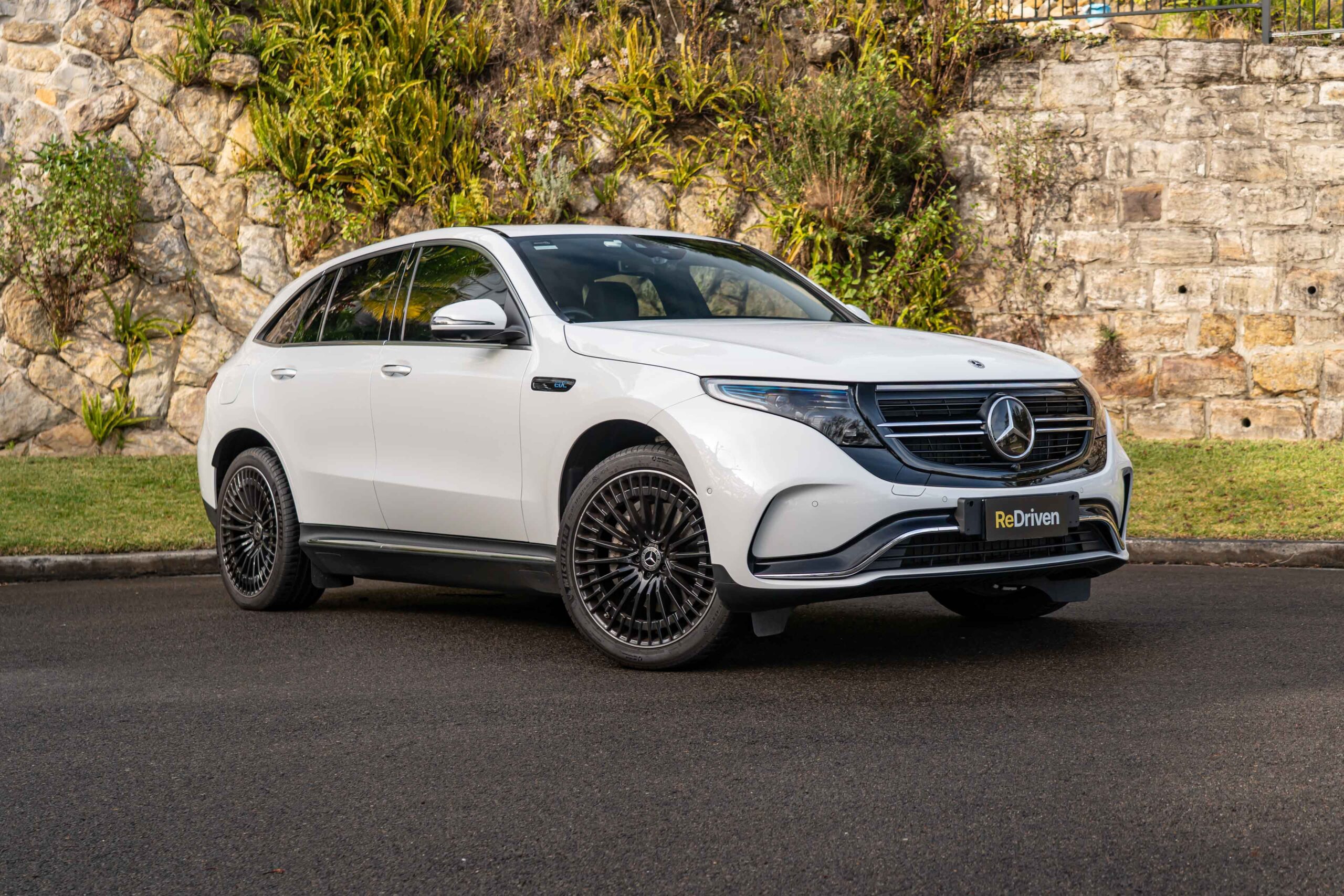
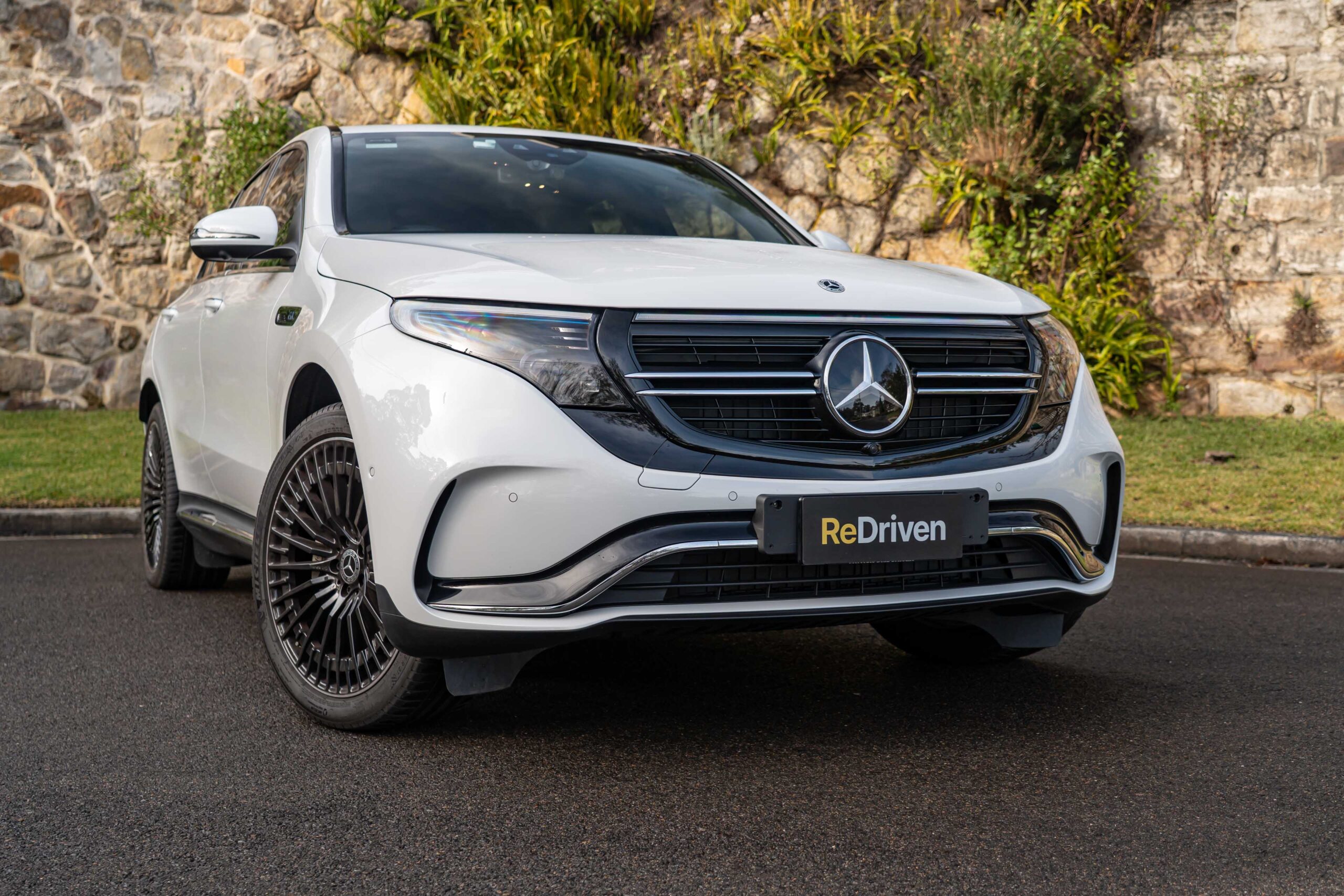
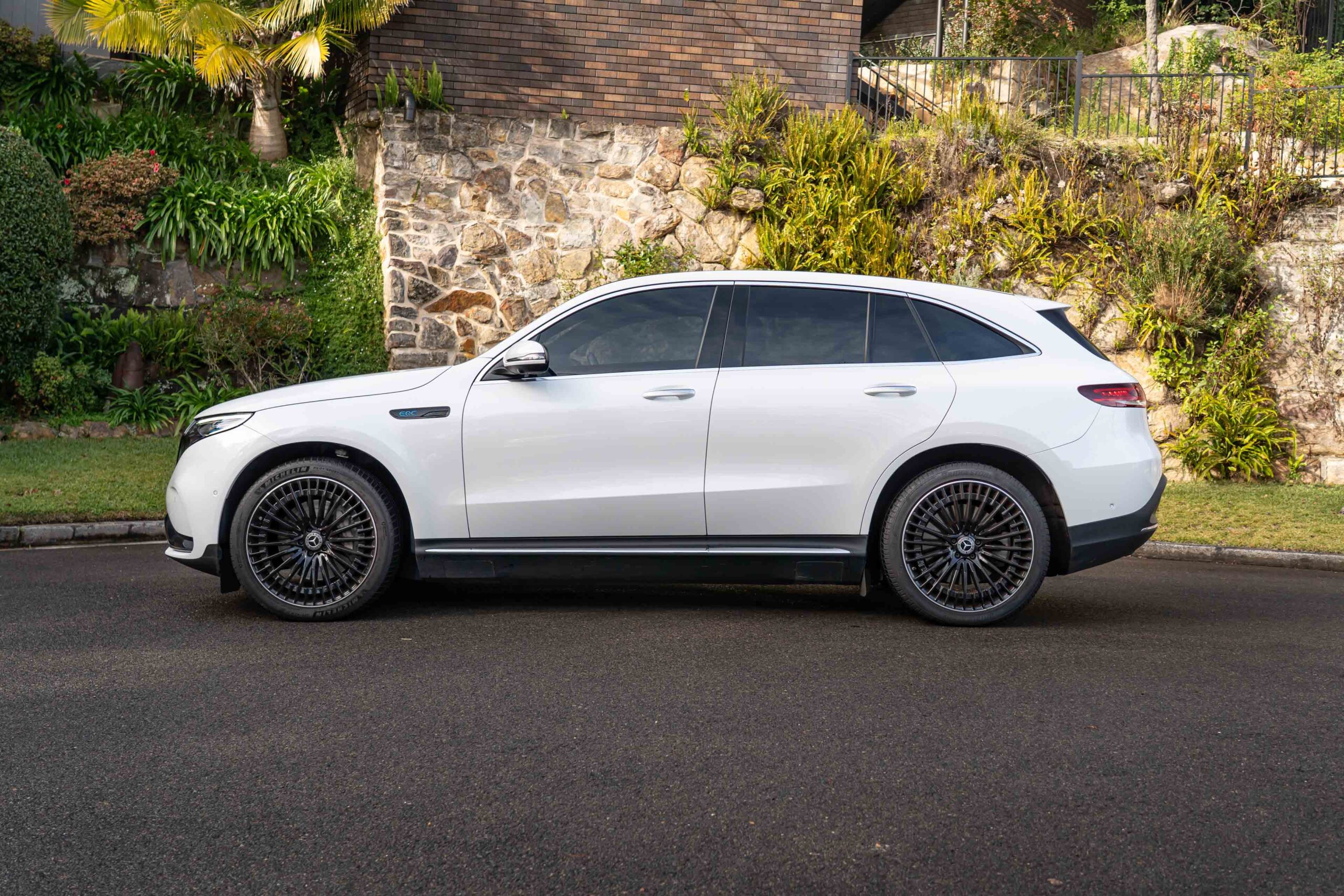
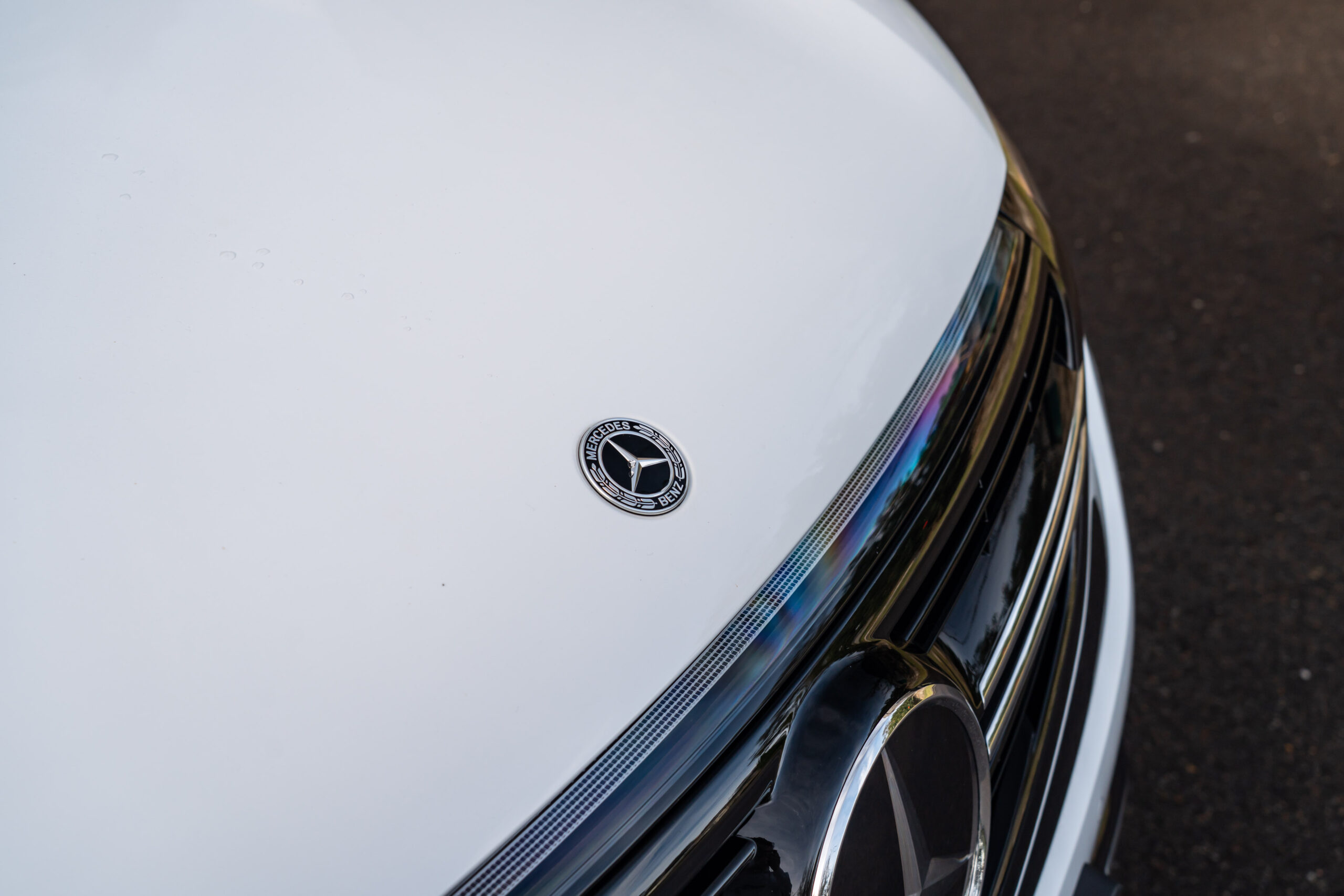
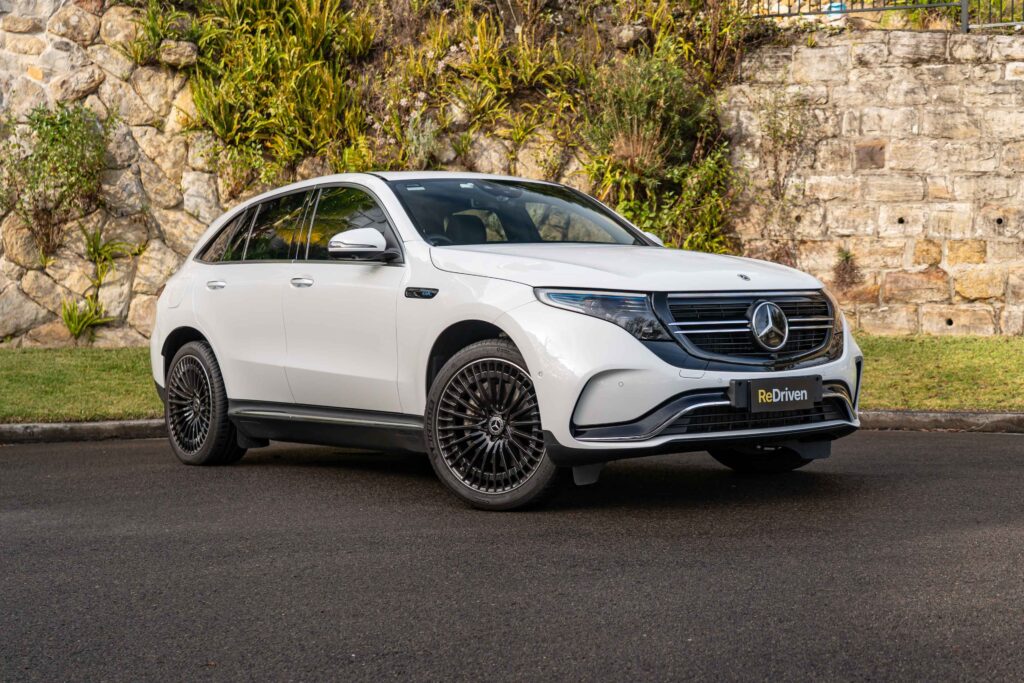
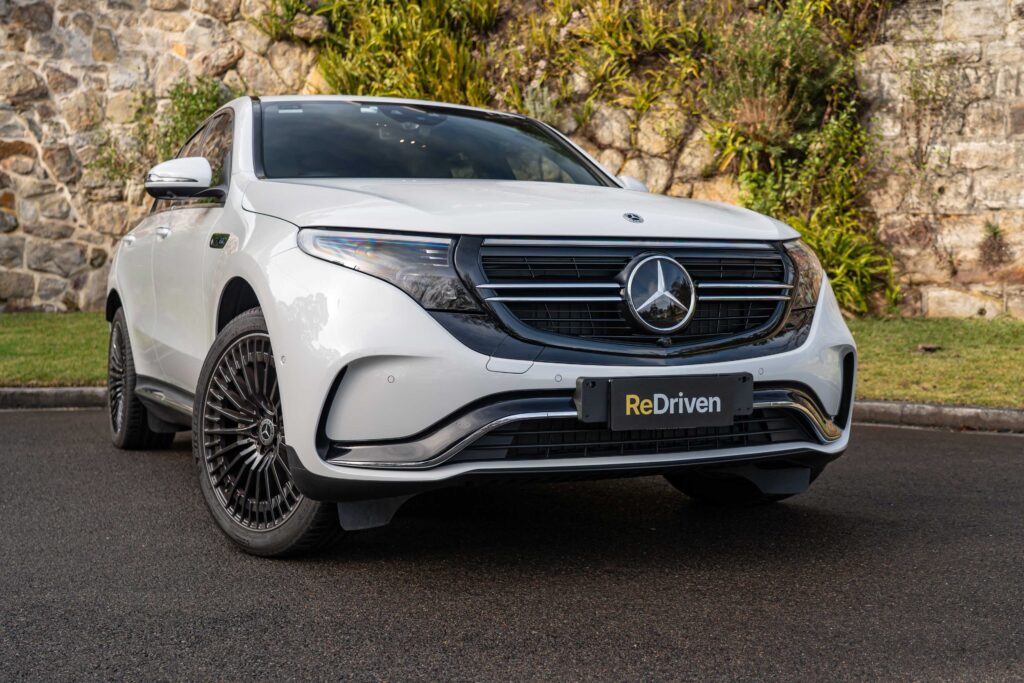
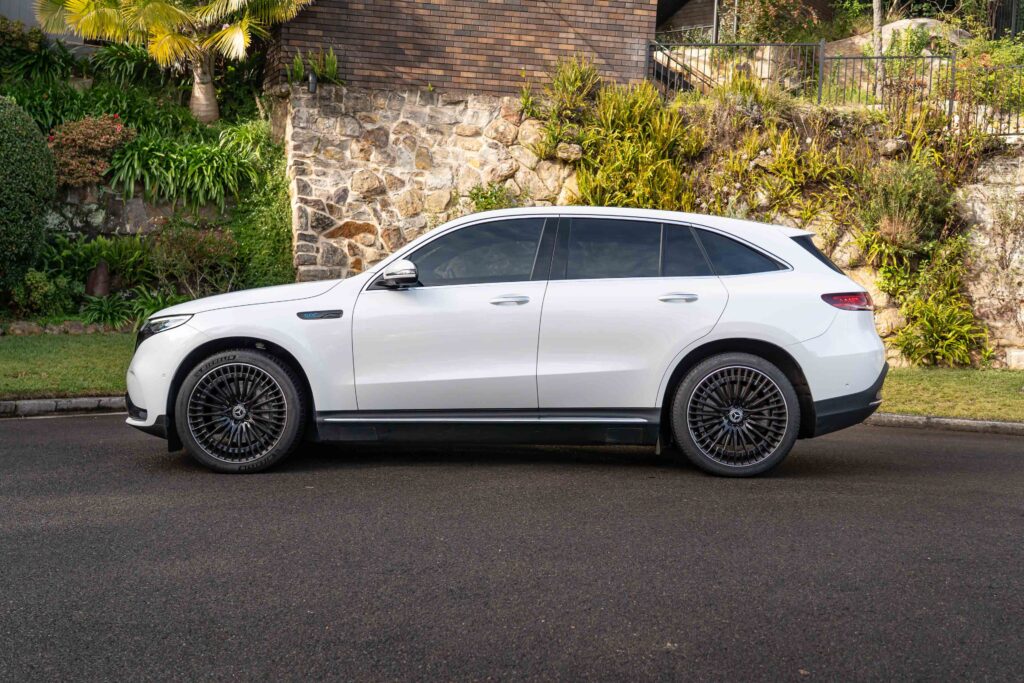
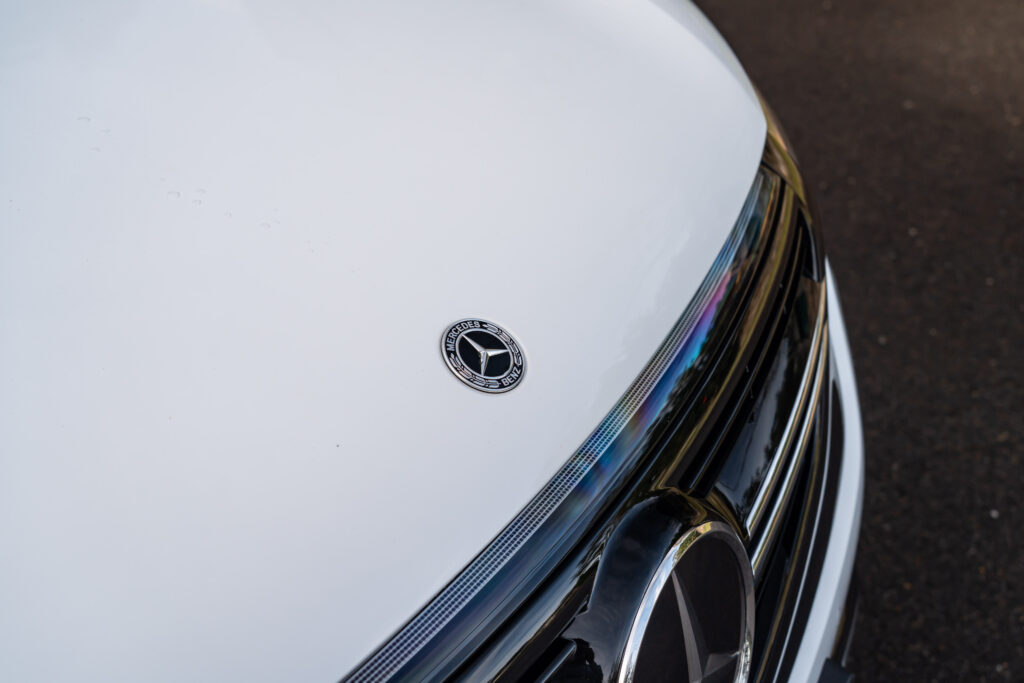
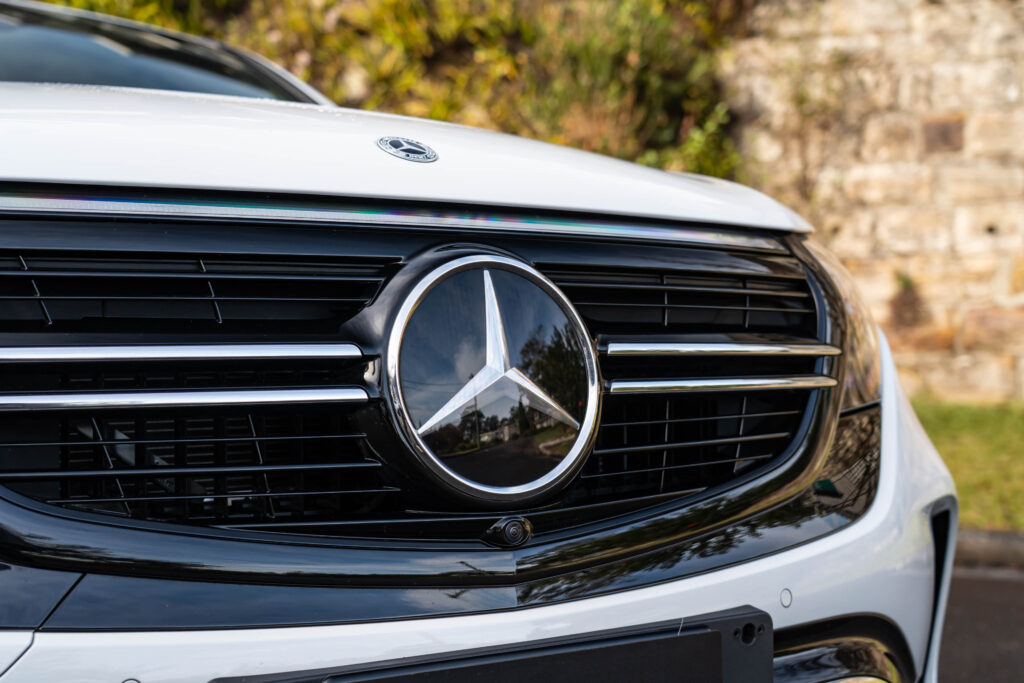
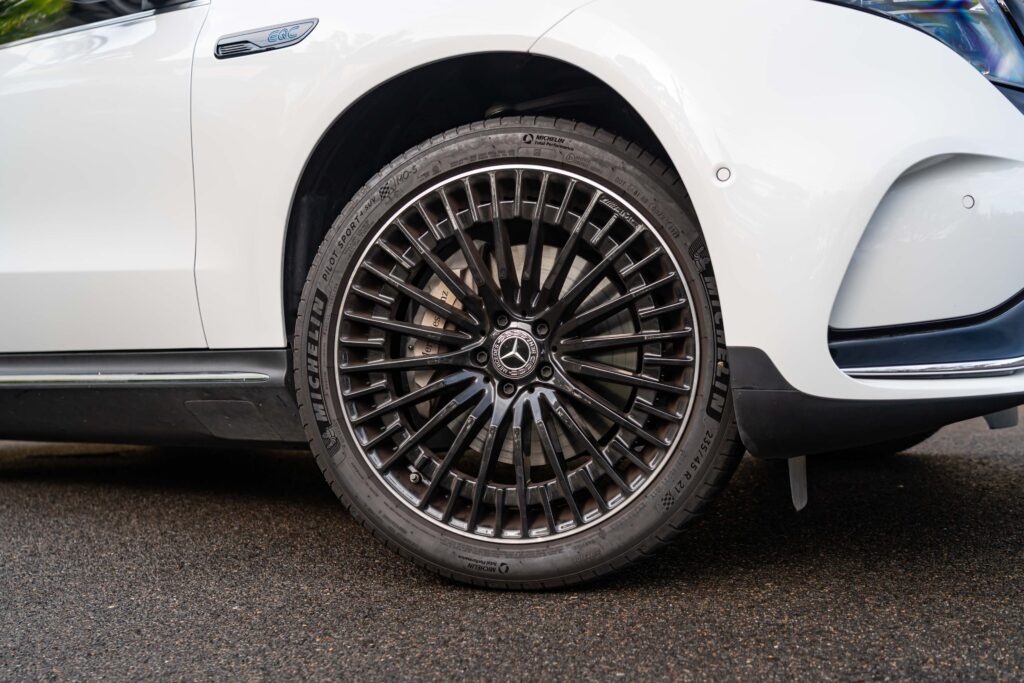
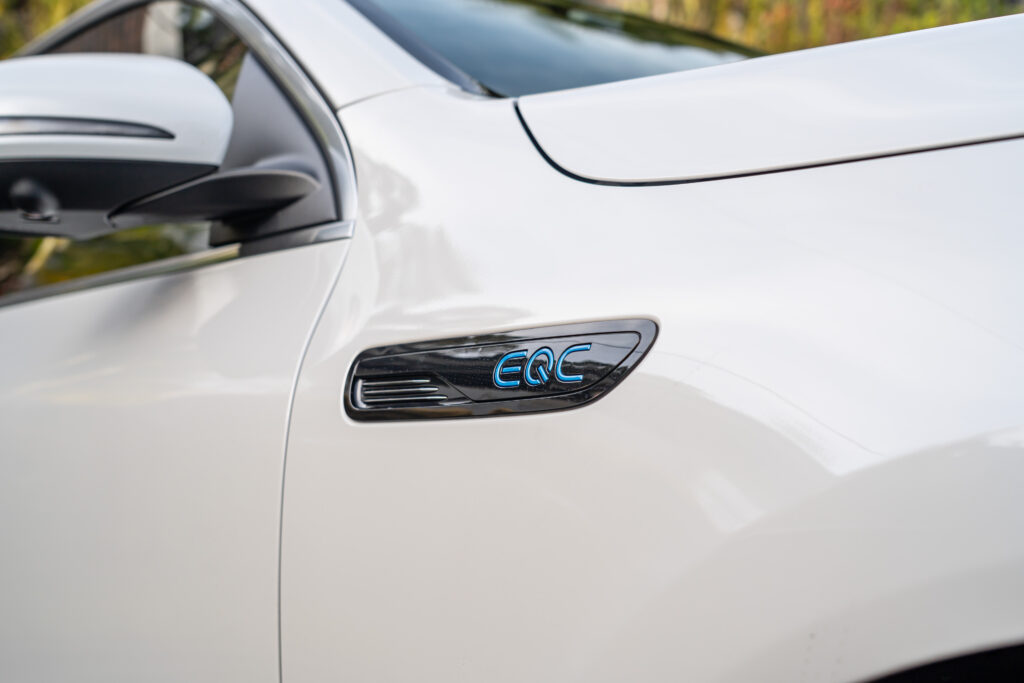
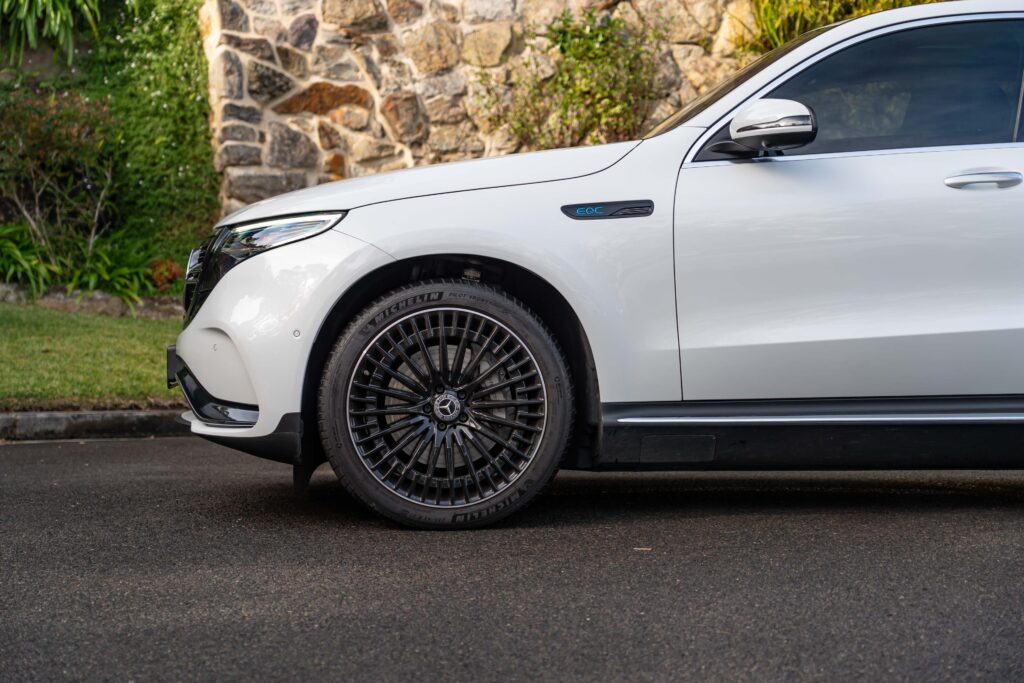
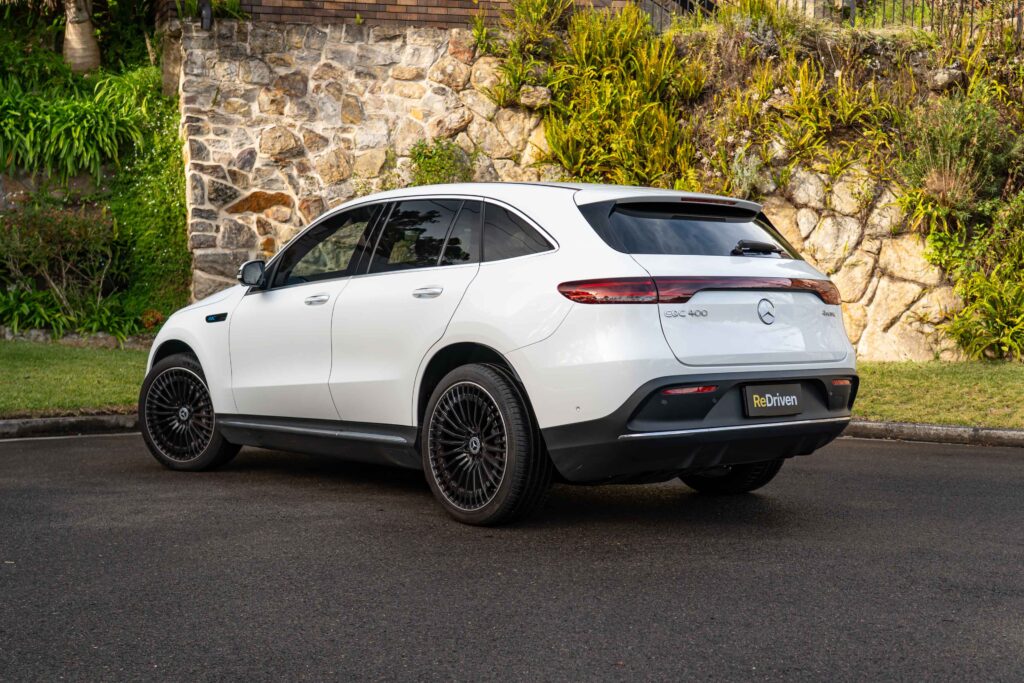
Sharing a similar body and platform with its standard ICE-powered counterpart, the Mercedes-Benz GLC, both SUVs look similar, minus the EQC’s specific exterior features, from a closed-off grille design to different exterior lights and alloy wheels.
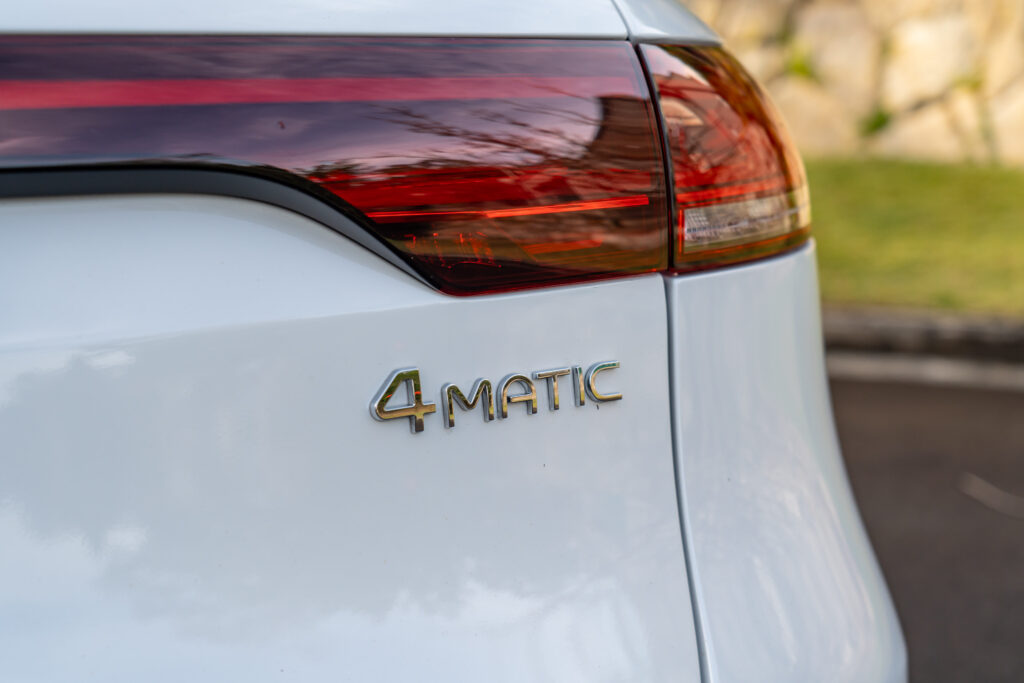
All EQCs feature the same powertrain configuration: a dual electric motor setup with four-wheel drive as standard. Power outputs and trims vary by market and region, but the Australian market received two variants: the EQC 350 and 400.
Comparable EVs to the EQC include the Kia EV6, Tesla Model Y, Hyundai Ioniq 5, Toyota bZ, BMW iX3, Zeekr X, and BYD Sealion 7 (alongside many other Chinese-made EV crossover/SUV models).
Exterior:
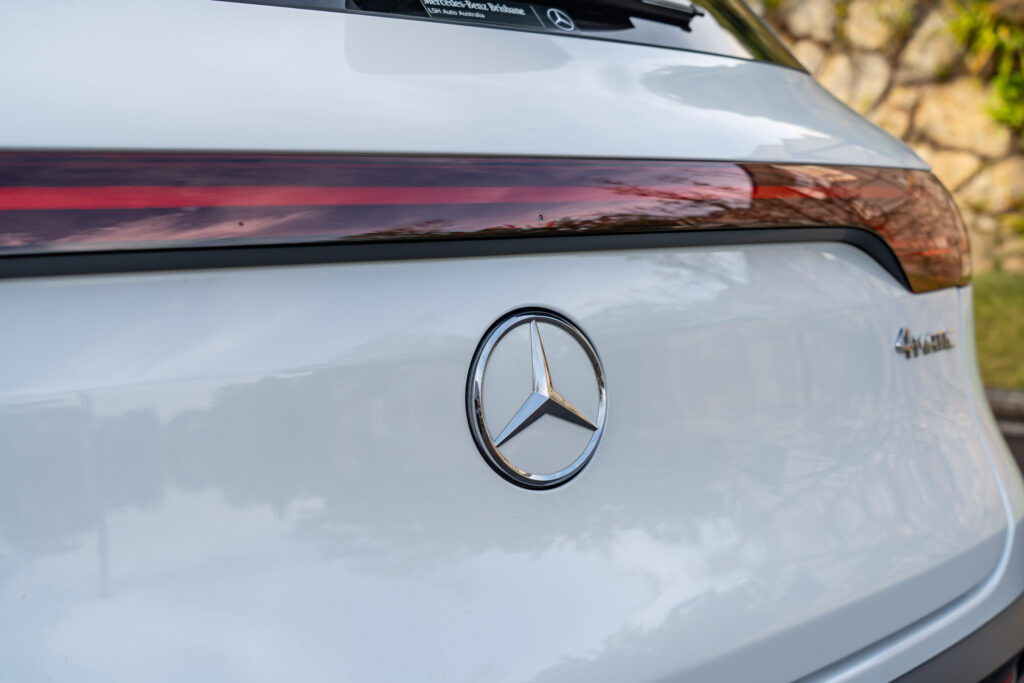
Check how the exterior lights are holding up – exposure to hot climates like in Australia is known to cause the headlight plastics to crack.
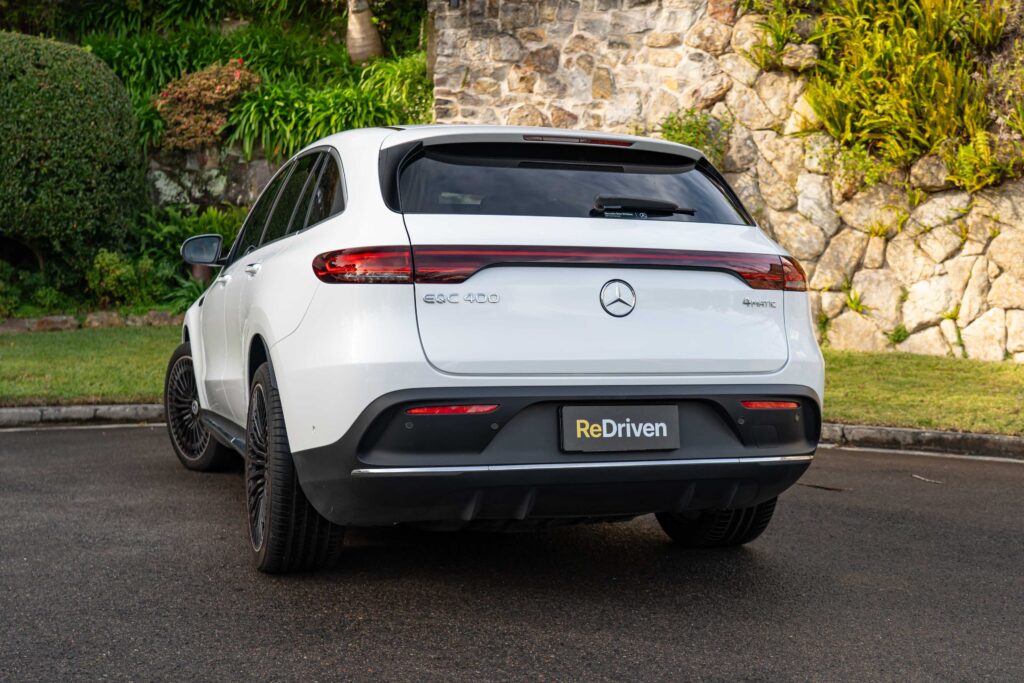
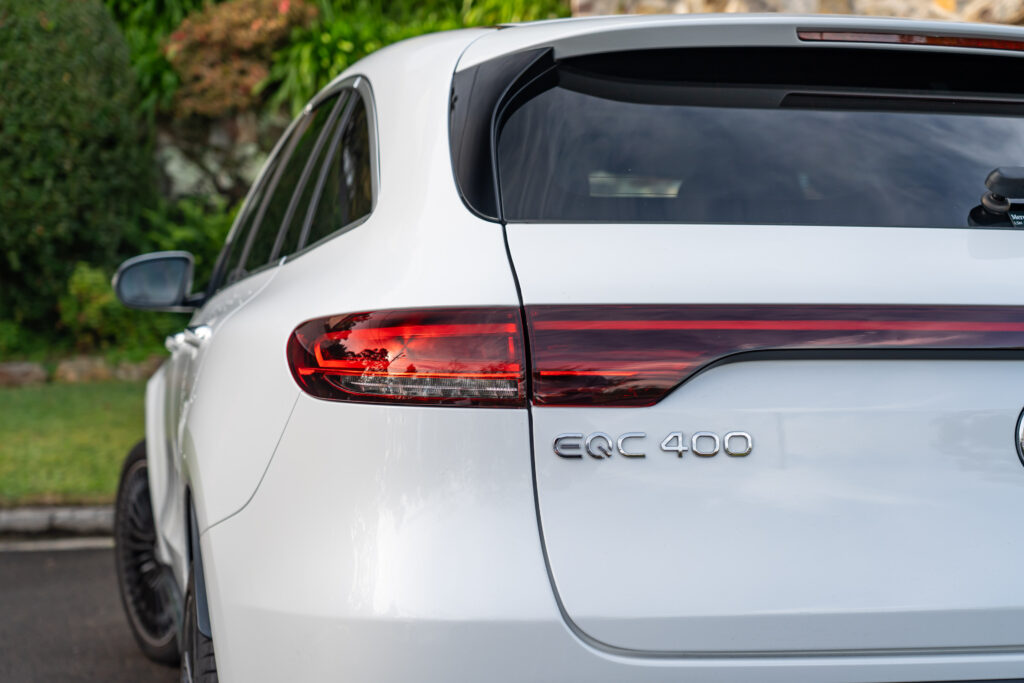
In addition, the light bar across the entire front section/rear LED lighting can fail if exposed to water. Water ingress issues can also affect the sunroof drainage channels, and if they collect enough water, it can get into the wiring loom/various electronics, causing all kinds of electrical gremlins.
The bodywork can also be prone to some issues if it’s finished in satin or pearlescent paint finish versus the standard grade of paint, costing roughly two or three times more to respray if you need to correct any minor scuffs or marks; note that satin-finish cars cannot be machine polished to rectify any scuffs.
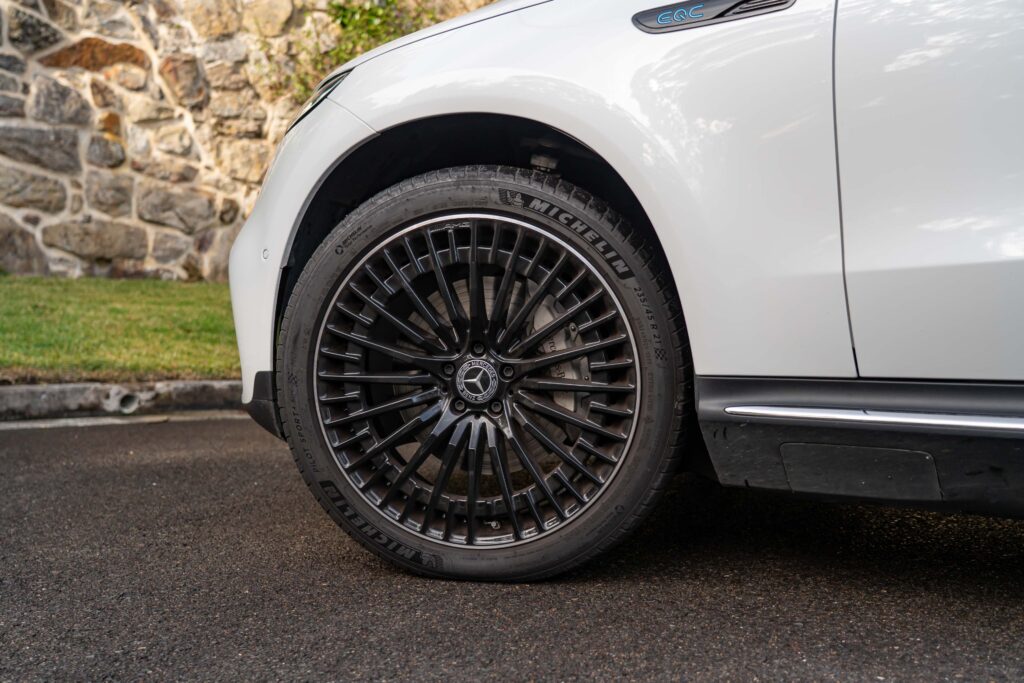
Certain alloy wheel designs can be somewhat difficult to clean off grime and brake dust.
Also keep in mind that, unlike other EV crossovers, as the EQC is not based on a dedicated EV platform, there’s no ‘frunk’ for additional cargo storage.
Interior:
EQCs built between 2020 and 2021 (aka the pandemic era) may lack features compared to other model years, as the automotive industry was hit by a major semiconductor shortage during this period. As a result, you’ll find certain equipment like augmented reality navigation, radar-guided active cruise control, or the more premium Burmester sound system was omitted.
EQCs sold in certain markets may also lock some optional features behind a paywall or grant access only through a subscription, despite including the physical hardware to facilitate them.
No matter what model you’re considering, it’s worth confirming the actual specification in person, as some owners have been frustrated to discover the car they have doesn’t include certain features they expected.
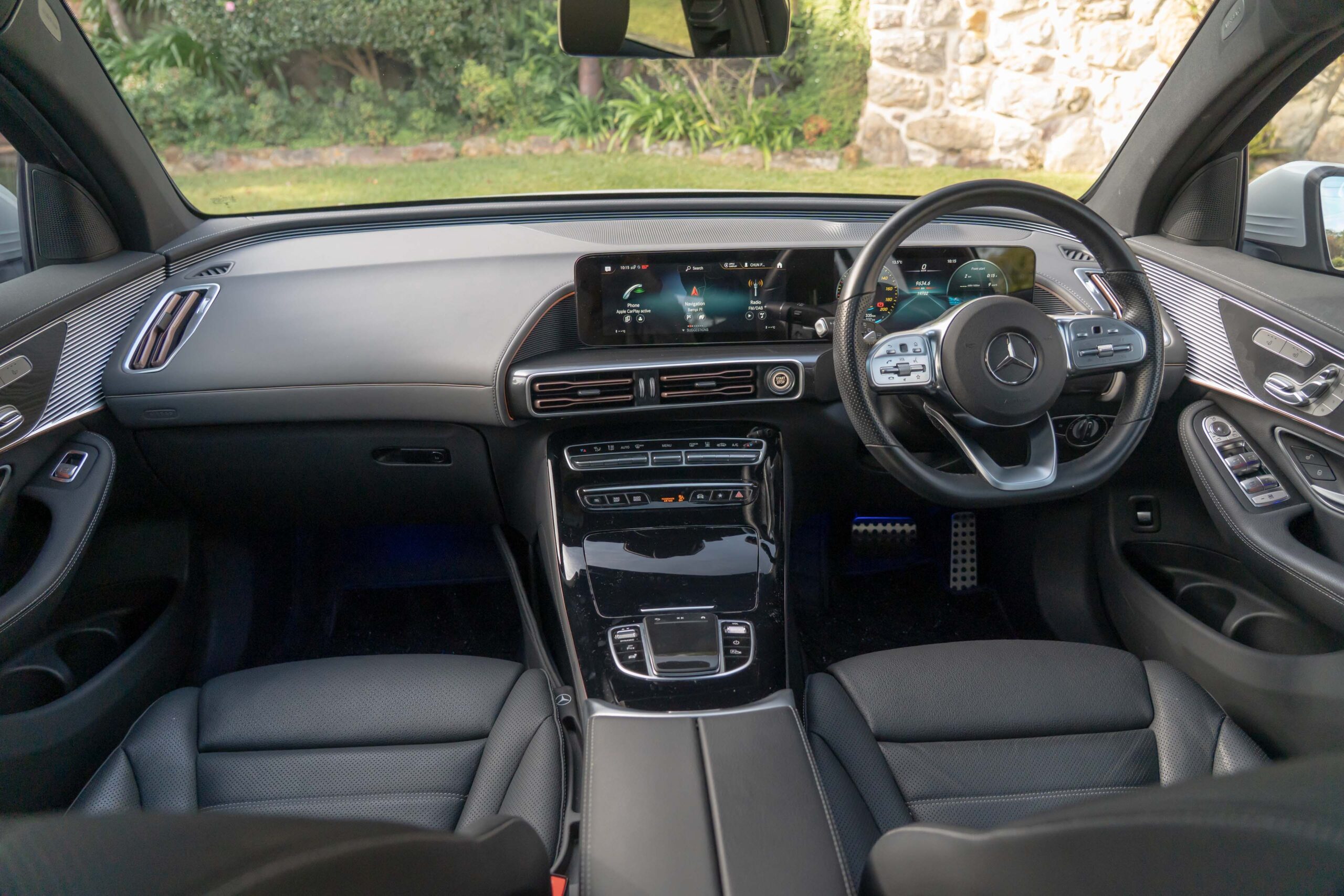
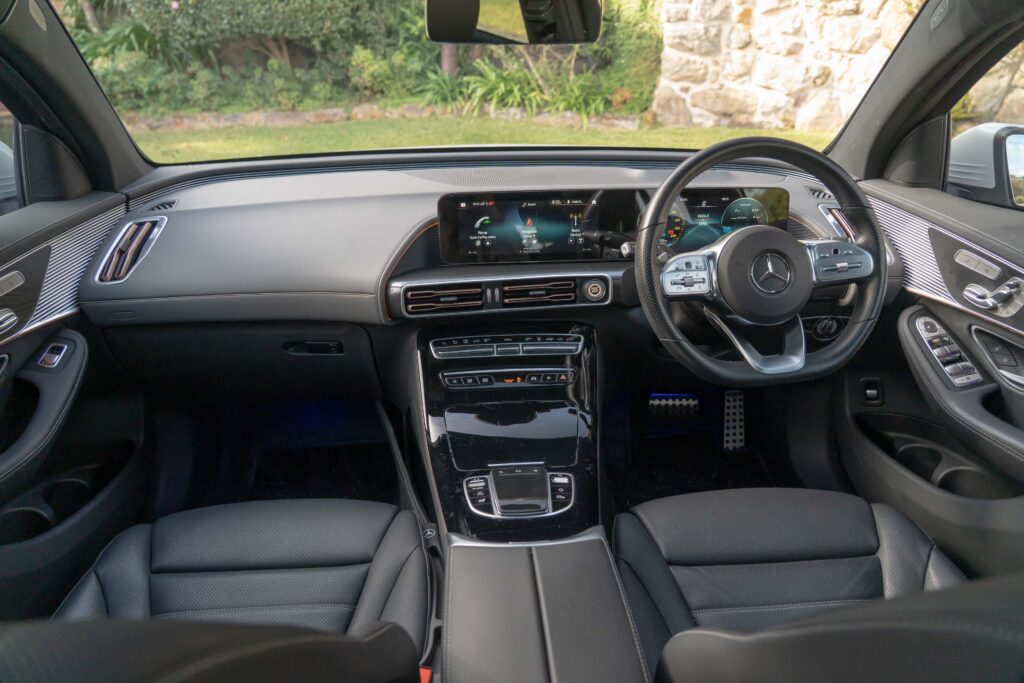
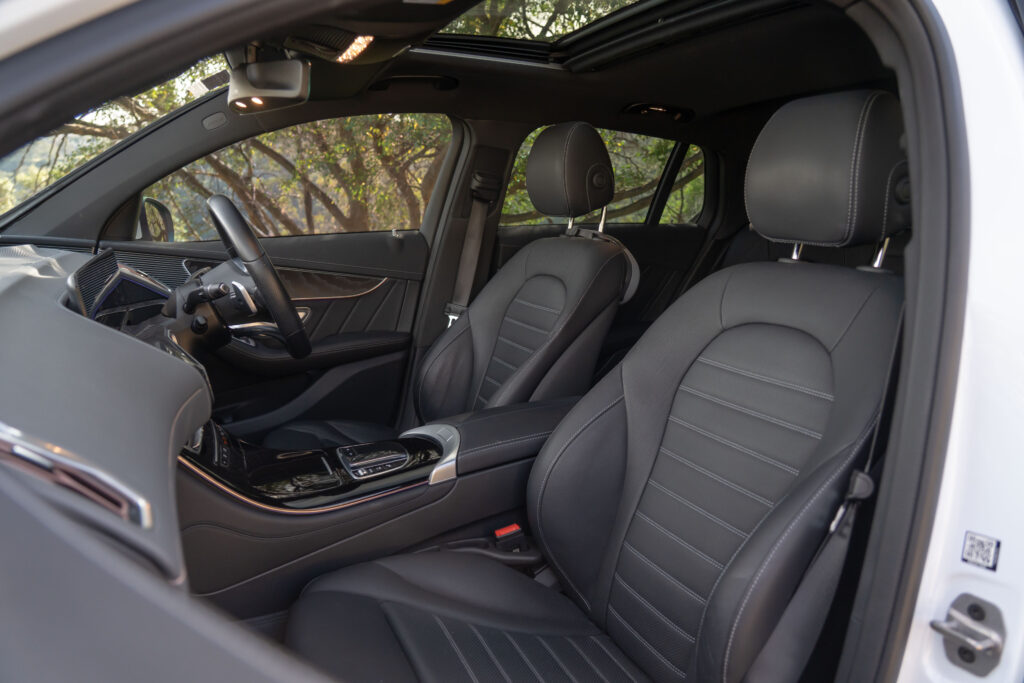
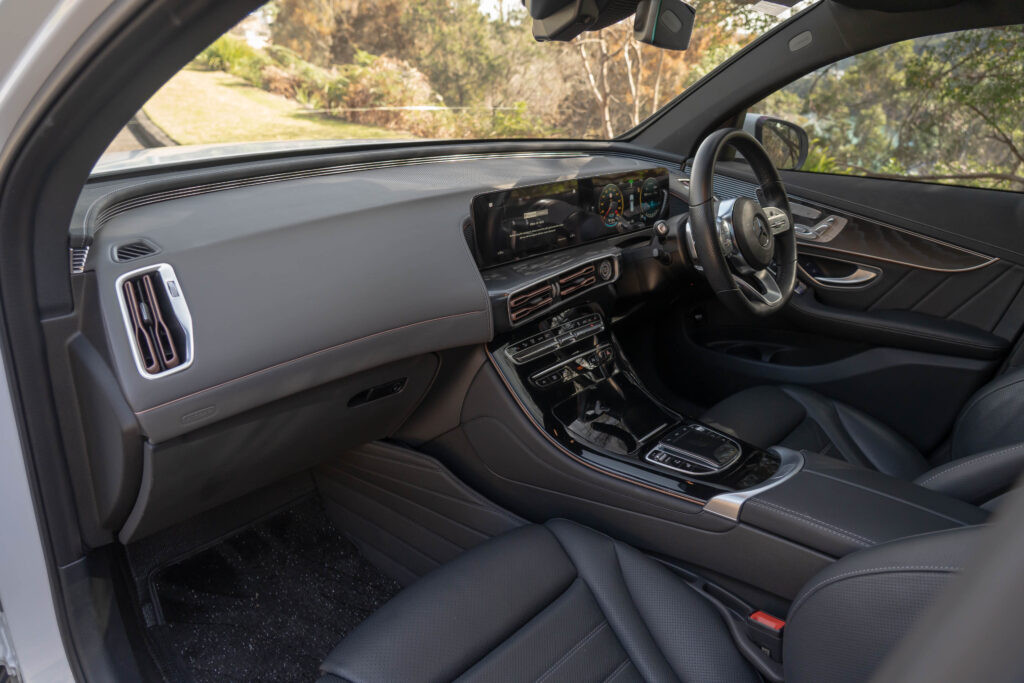
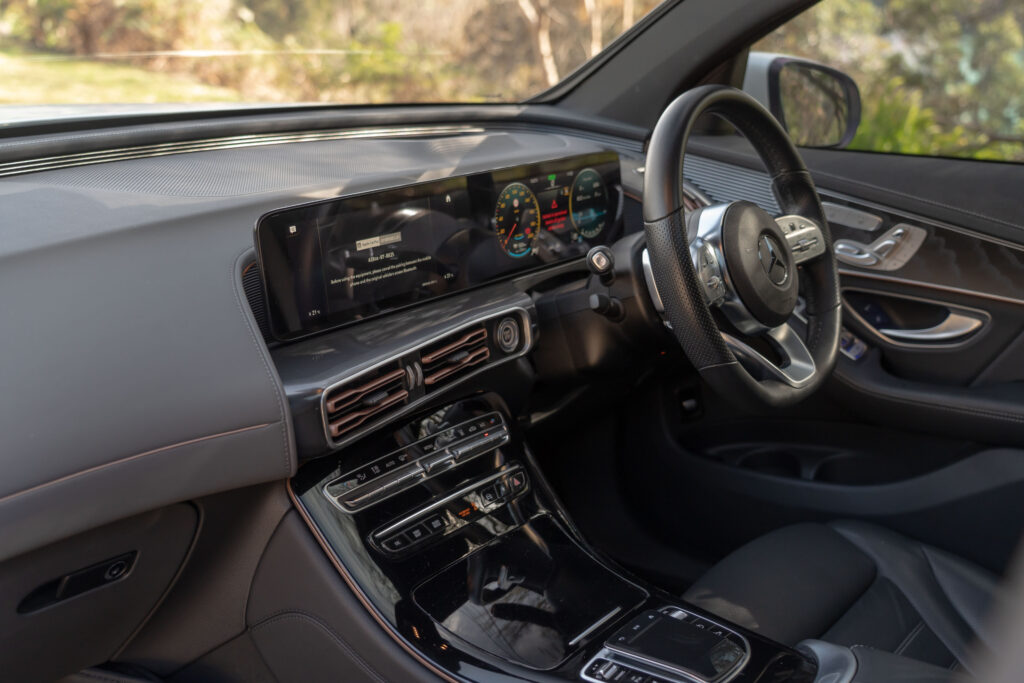
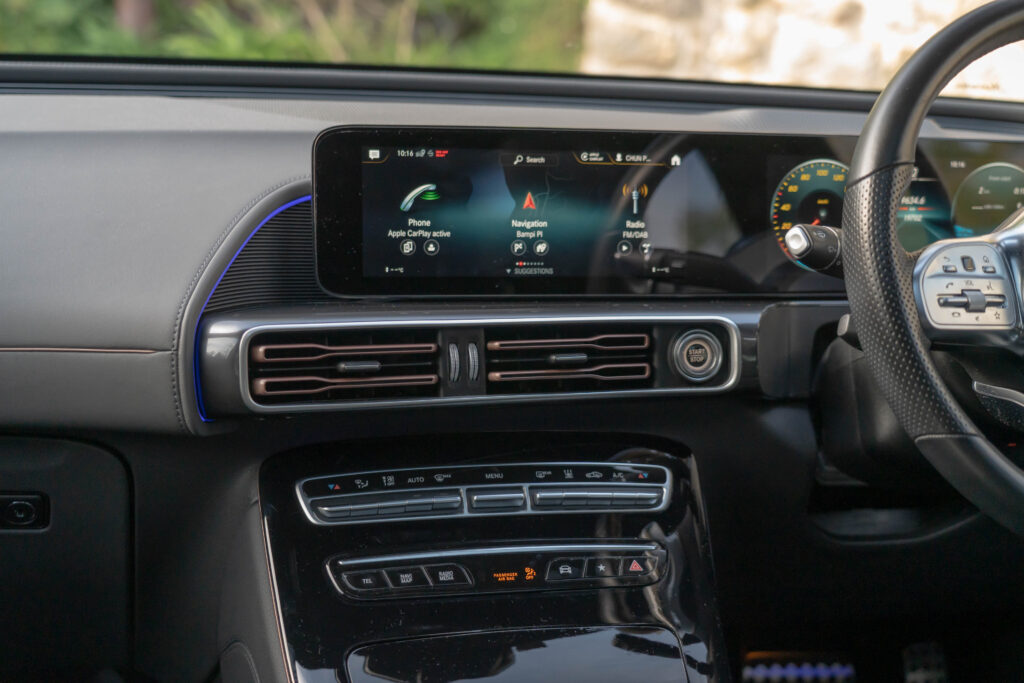
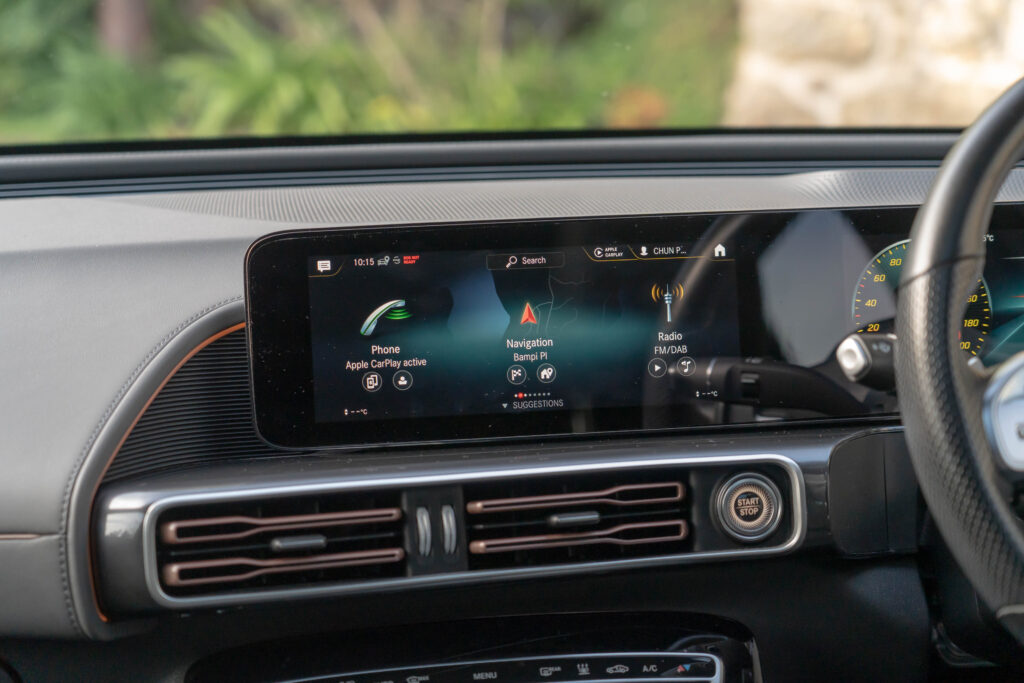
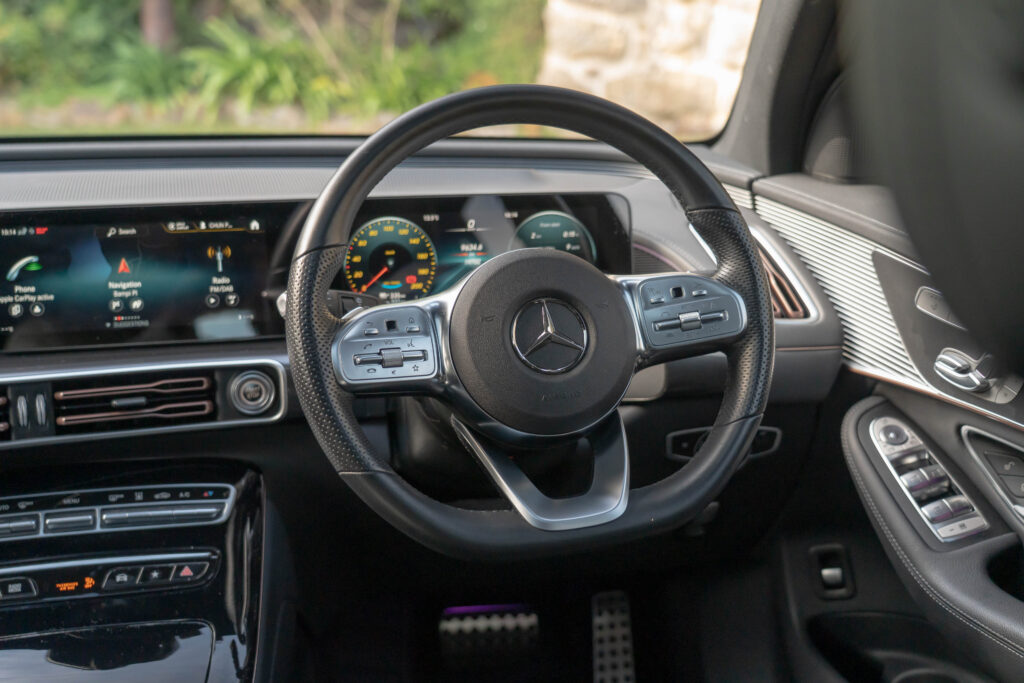
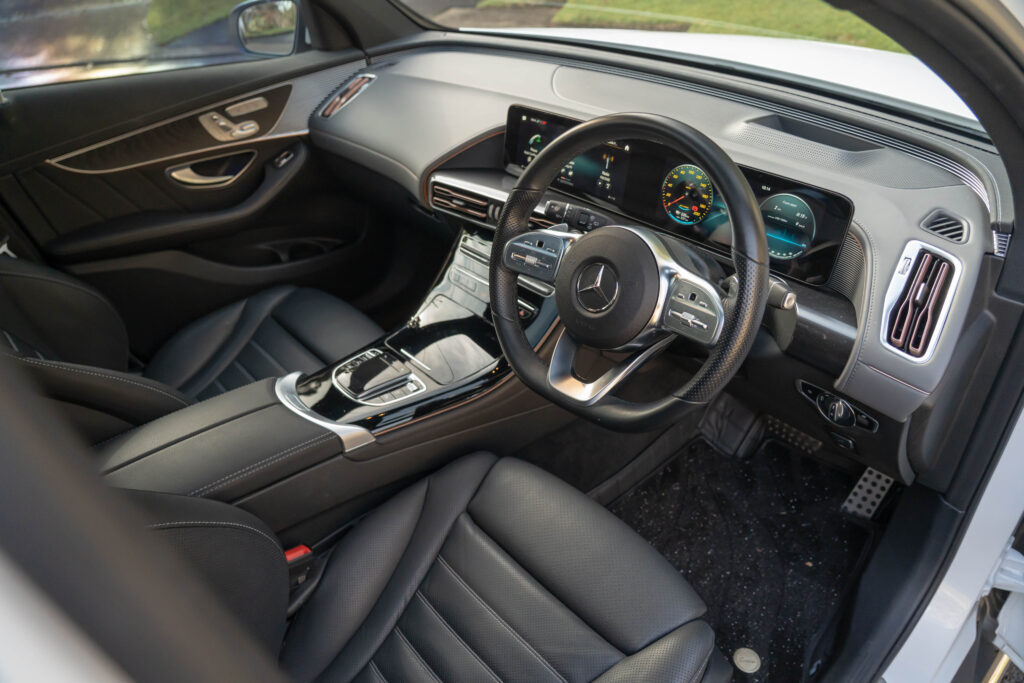
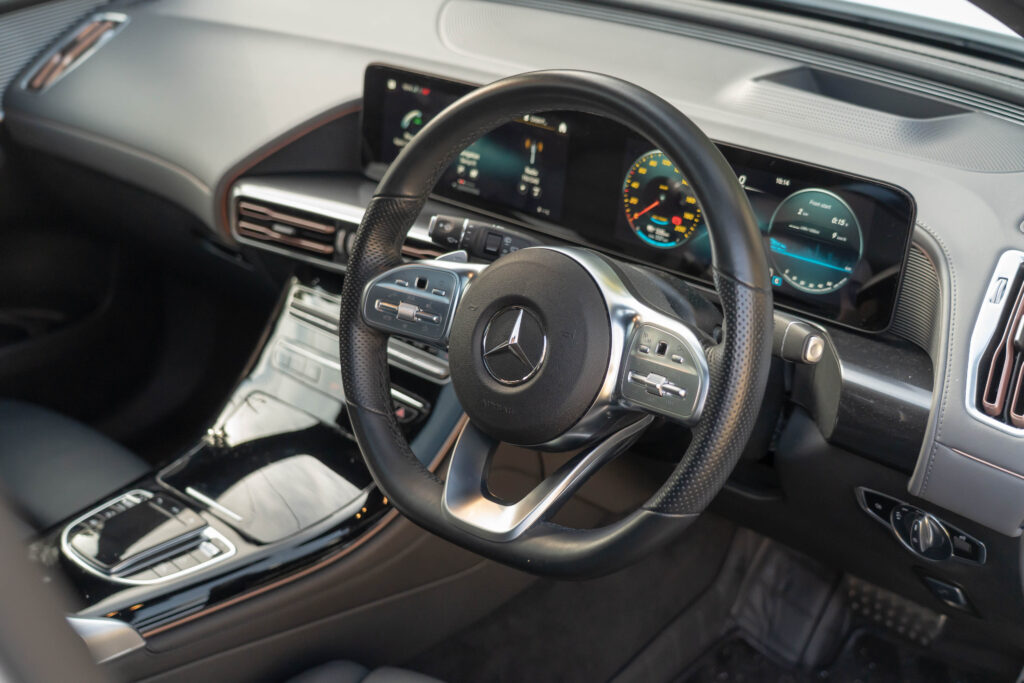
Regardless of model year, the EQC still comes very well equipped, being positioned between the standard GLC and top-line AMG Line/AMG models. You can expect all Australian-delivered EQCs with features like premium leather, full ADAS tech, full digital dashboard, and Apple CarPlay/Android Auto connectivity.
We also hear many compliments towards this iteration of the MBUX infotainment system that all EQC models use, which continues to be direct and responsive to all of your inputs, with very accessible UIs/menus.
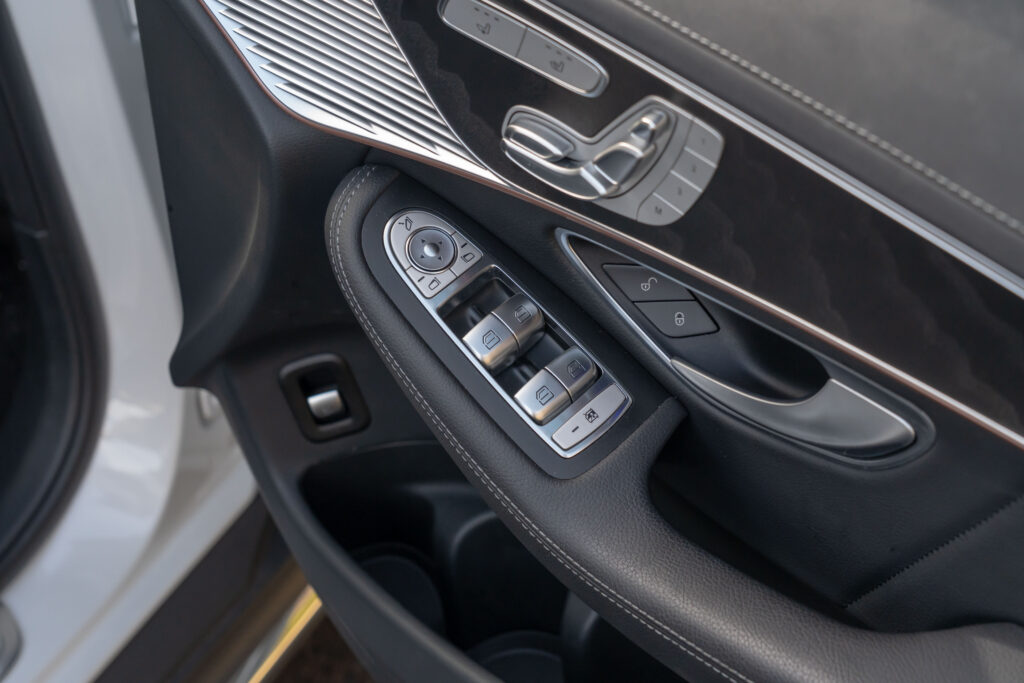
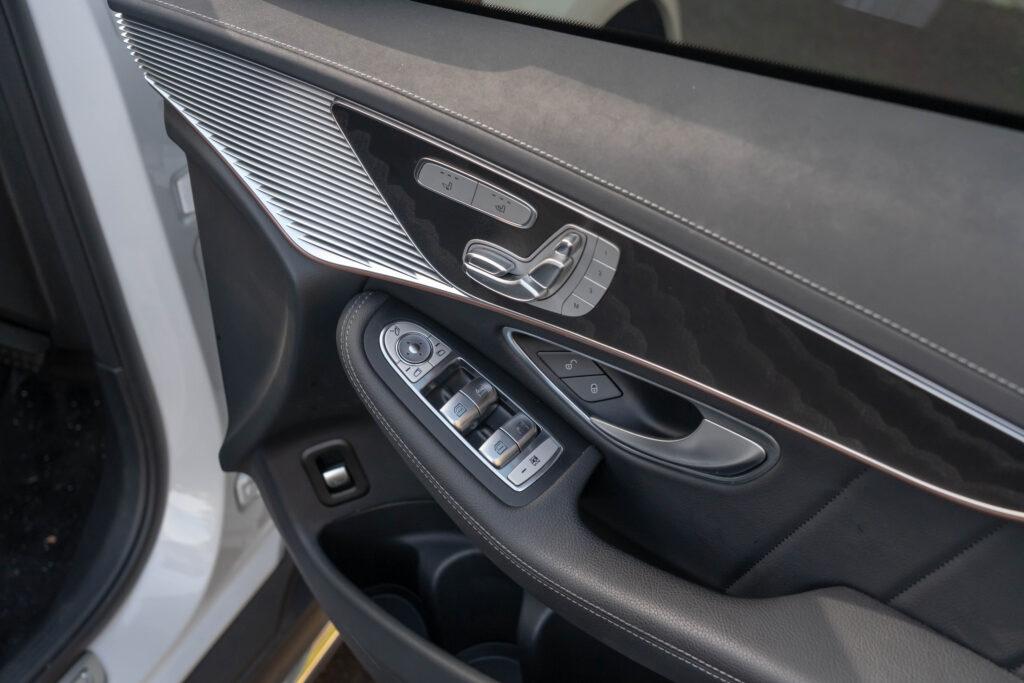
Plus, the EQC was one of the last Mercs to feature physical buttons/controls, compared to the fully touch-sensitive cabins of more recent vehicles.
Even as a used luxury EV, many report the EQC’s cabins are quite well built, minus some occasional issues that can come up.
Rattles or noises from loose trim, panels, or other interior sections are occasionally reported (as they can occur on the standard GLC), but given the EQC’s silence as an EV, this means said noises can be louder in the cabin.
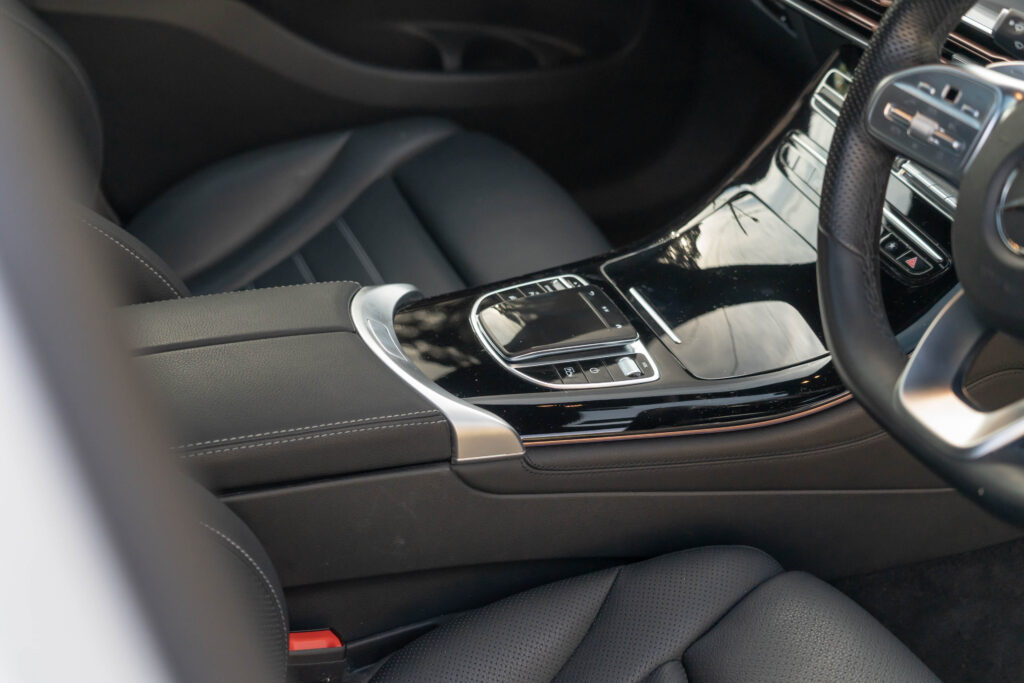
The window switches can snap off easily if mishandled, and as with other Mercedes products of this era, there’s a lot of gloss black plastic that can be easily scratched.
Occasional issues encountered with modern infotainment systems can also affect the MBUX system, with the entire screen blanking out and requiring a factory reset.
These are very rare occurrences, and over-the-air software updates will sort them out, but we’ve heard even these updates can be buggy or inconsistent.
Mechanically:
As a high-end German product, it’s worth doing your research on servicing and parts for the EQC, as quotes from Mercedes-Benz dealers are known to be overly inflated.
While it’s fair to expect a premium for luxury EVs, basic servicing and parts are often described as extremely expensive – one owner we spoke to reported that quotes for routine items like new cabin filters or brake flush services by Mercedes dealers can be significantly marked up.
The costs for these will likely be far more expensive if you need any work or repairs done after the warranty expires. But even if you think getting a Mercedes-Benz extended warranty will help mitigate this, consider if it’s worth the expense, as some owners have been quoted at least $10,000 annually for this extra coverage.
A heavy EV like this will also easily go through tyres – some owners report being lucky to receive a minimum of 15,000 kilometres for a pair of front tyres, but average tyre wear and consumption can vary depending on driving style.
In addition, depending on your region, as we reported with other EVs, you may be issued more expensive insurance premiums or coverage compared to an equivalent petrol or hybrid vehicle.
Drivetrain:
Manufacturer WLTP claims these can do around 415 kilometres on a fully charged battery, but realistically, owners say they’ve been able to achieve 240-280 kilometres per charge.
Putting this into perspective, one owner expressed that while the EQC is a great car to drive, it’s let down by its capabilities as an EV compared to other models, when you consider its realistic charging speeds and intervals, combined with its range performance versus what more up-to-date EVs can achieve.
When it comes to long-term reliability and maintenance, one trap many owners of these fall into is that, as it’s not a conventional ICE powertrain, they won’t experience any issues with it.
The reality is that these are very complicated underneath, especially the cooling system that is prone to issues, combined with the various modules/electronics an EV like this depends on to operate – if one module falls out of line, that can just ‘brick’ the entire car.
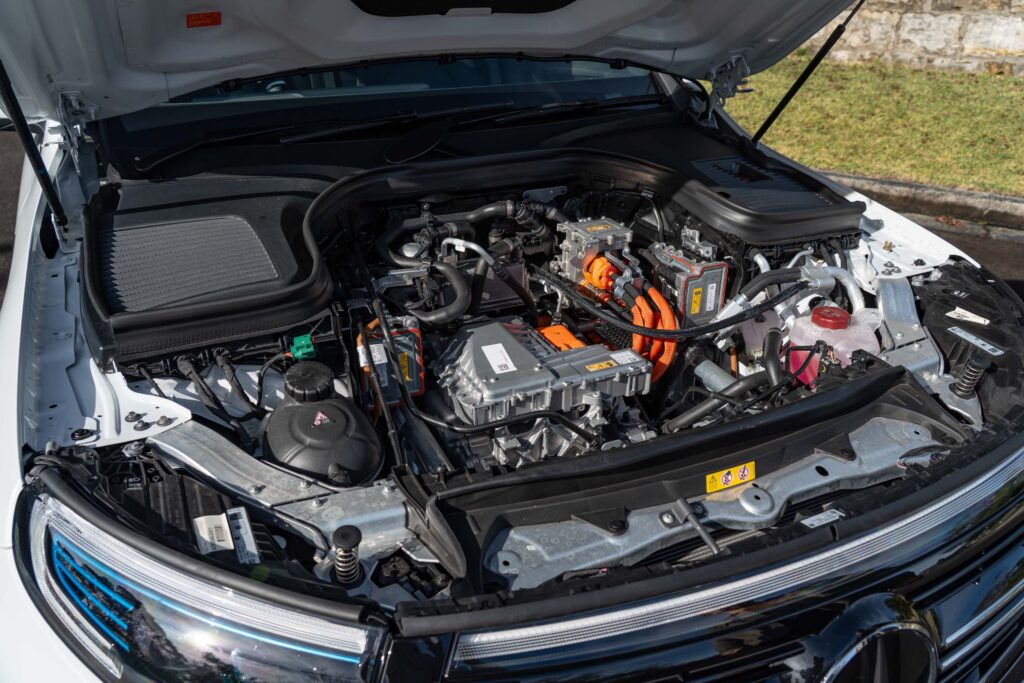
For instance, one of the alarming issues to look out for surrounds the electric drive units, which are prone to coolant exposure on the front and rear motors.
The cause of this is failed or worn mechanical coolant seals (a known manufacturing flaw), causing coolant contamination within the motor. Subsequently, this can cause damage to the bearings, staror/windings, or abnormal noises produced by the drive unit, eventually leading to complete drive-unit failure.
This has even been the subject of a mass recall of Chinese-market EQ-series models, including the EQC and its other counterparts, the EQA/EQB, with multiple reports of motor failures.
Other markets, including Australia, have also reported similar coolant leakage issues, but owners have experienced that their local dealers or Mercedes representatives are spinning this as a faulty pressure cap on the coolant reservoir, or an ‘airlock’ within the system from the factory, rather than an active leak.
Above all, if you find any unexplained coolant loss, or a coolant warning message (‘top up coolant”/low-coolant) with no obvious external leaks visible, it’s important to check the state of the electric motors and get these low coolant warnings thoroughly investigated and pressure tested, and not just perform a coolant fluid top-up.
If you catch these early on, it’s possible to rectify this issue whilst avoiding having to budget for an expensive job to replace the entire drive units.
While Mercedes has introduced a revised coolant expansion tank cap, there are preventive measures you can install through independent EV specialists to properly address these coolant leakages. EV Clinic, for example, has developed a fix for the coolant seal flaw, but these carry a high price tag.
Noise from the reduction gears in the drive units is also a common issue, with audible whining or droning under acceleration – oddly enough, Mercedes treats this as a ‘cosmetic and audible’ trait across the entire EQ series, the EQC included.
The Chinese-market EQCs in particular have been subjected to a recall of 14,000 cars to address a Battery Management System fault that could cause thermal runaway events and fires. In addition, 1,800 cars globally are also known to have been affected by a battery housing issue that can allow moisture to enter the high-voltage battery, potentially causing short circuits, battery failure, or risk of fires.
While this is concerning, it’s not a widespread issue among EQ-series vehicles like the EQC, but it’s worth looking up if your specific vehicle is among the few affected (given some markets like Australia aren’t disclosing how many locally delivered vehicles are affected).
Battery degradation isn’t too much of a concern for these Mercedes EVs, but it’s crucial to highlight that the average battery cell degradation is proving to be quite good, versus the high-voltage battery as a whole.
There are documented issues affecting the battery enclosure, management system/modules, and thermal management system, which is important to remember when assessing any one of these EVs secondhand.
When any of these faults develop after the original warranty has expired, you can expect it to be complex and expensive to put right, making it uncertain to predict their true long-term reliability.
Keep in mind that, like other all-electric vehicles, the EQC uses two types of batteries: a high-voltage battery for the powertrain itself, and a smaller 12V auxiliary battery that provides power to the cabin/exterior accessories.
The 12V auxiliary battery can experience parasitic draw and is a frequent source for plenty of electronic issues reported by owners – from being locked out to the entire vehicle being rendered immobile, which is known to happen with those left unused for prolonged periods.
Issues caused by depleted 12V batteries are made worse by the fact that Mercedes-Benz advises owners of its EQ-series models not to open the front bonnet, meaning owners can’t easily jump-start the battery and putting the vehicle into ‘tow mode’ is harder than it needs to be.
Adding to the difficulties of diagnosing any faults with the 12V battery, when some owners report a ‘battery malfunction’ or ‘do not tow’ warning, these bugs or issues might spontaneously ‘fix’ themselves, with technicians not finding any faults at all with the vehicle despite repeat warnings.
If there are any discrepancies in how your dealership is treating any known issues with these, we recommend getting a second opinion from a reputable specialist.
Suspension/Brake System:
Some owners have reported inconsistent brake pedal feel, where the pedal doesn’t feel connected to the brakes, and the car doesn’t slow down in a way that your foot feels like it should.
Owners report this brake pedal issue was resolved through an ABS-module firmware update, but this remedy is only done in response to an owner’s request, and the dealer has to reproduce this fault before installing it; given this issue can happen inconsistently, that means some Mercedes-Benz dealers aren’t as open to resolving this problem.
Even if the brakes aren’t used regularly (with braking force relied upon via the regen function), don’t forget the standard brake discs/pads can suffer complications due to lack of use. A few owners have experienced corrosion issues as a result, with expensive quotes to replace them.
The EQC uses an air suspension setup (AIRMATIC), with faults affecting the rear air suspension units very common to hear of, especially in cold/humid climates, and these setups will likely develop more issues with further use/age.
The rear units can fail due to moisture getting into the air compressor, which then freezes and leads to blown fuses and causes the vehicle to appear sagging on one/both corners.
Quotes for repairs of air suspension units can vary from consulting with dealers: some have been charged a few hundred for a simple faulty compressor connector, but others have received quotes pushing $10,000 for an entire overhaul of the rear suspension system.
When new, the EQC’s starting price was around $150,000 at retail. But considering Mercedes struggled to sell many of these new, prices were cut significantly during the EQC’s lifecycle, with buyers reporting they were able to get these at a significant discount below their advertised prices, with some even getting 30% off the original retail price.
As these enter the used market, local pricing here in Australia has seen EQCs available from as low as $40,000, with the most expensive examples topping out around $65-70,000.
We foresee this trend of heavy depreciation will only continue to affect premium EVs like the Mercedes-Benz EQC. Compared to other German luxury EVs it rivals, like the Audi e-Tron or BMW iX3, the EQC is proving to suffer the most loss of value; unlike Korean EVs like the Kia EV6 or Hyundai IONIQ 5.
Keep in mind also that a large number of Mercedes EV customers choose to lease these vehicles rather than purchasing them outright, meaning a lot of these will likely have been owned for no more than, or less than, 7 years on average, increasing the chance that they might not have had their up-to-date upkeep performed.
Plus, as more up-to-date EVs enter the used market that offer better features, more efficient powertrains and charging capabilities for similar or less money, the EQC’s potential obsolescence will become more apparent and could be a liability in further years as they are no longer covered under their original warranty.
The EQC might not offer the latest in EV tech or the most optimal performance, and the build quality can be a little hit-and-miss, combined with some concerns over long-term running costs and general reliability.
But if you do enough due diligence, good examples that pass pre-purchase inspections and have no hidden concerns can offer incredible value for your money’s worth as a used EV purchase.
Just be aware that not all examples may get you the premium product/EV you expect to receive.


Co-creator, presenter & writer, ReDriven

There are better cars out there.
 1 week ago
 2 weeks ago
 1 month ago