Australia’s No. 1 Used Car Review Website
Australia’s No. 1 Used Car Review Website
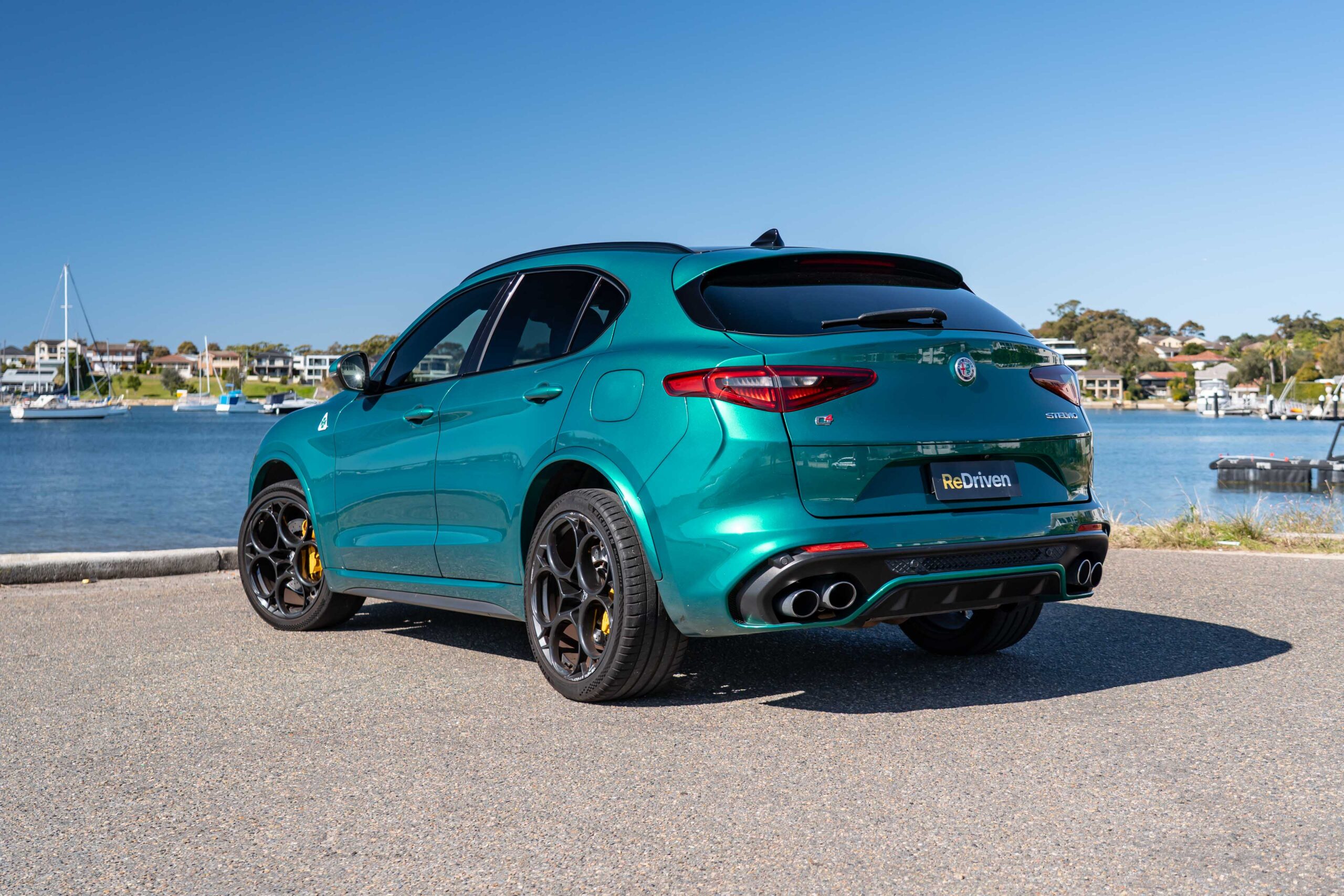
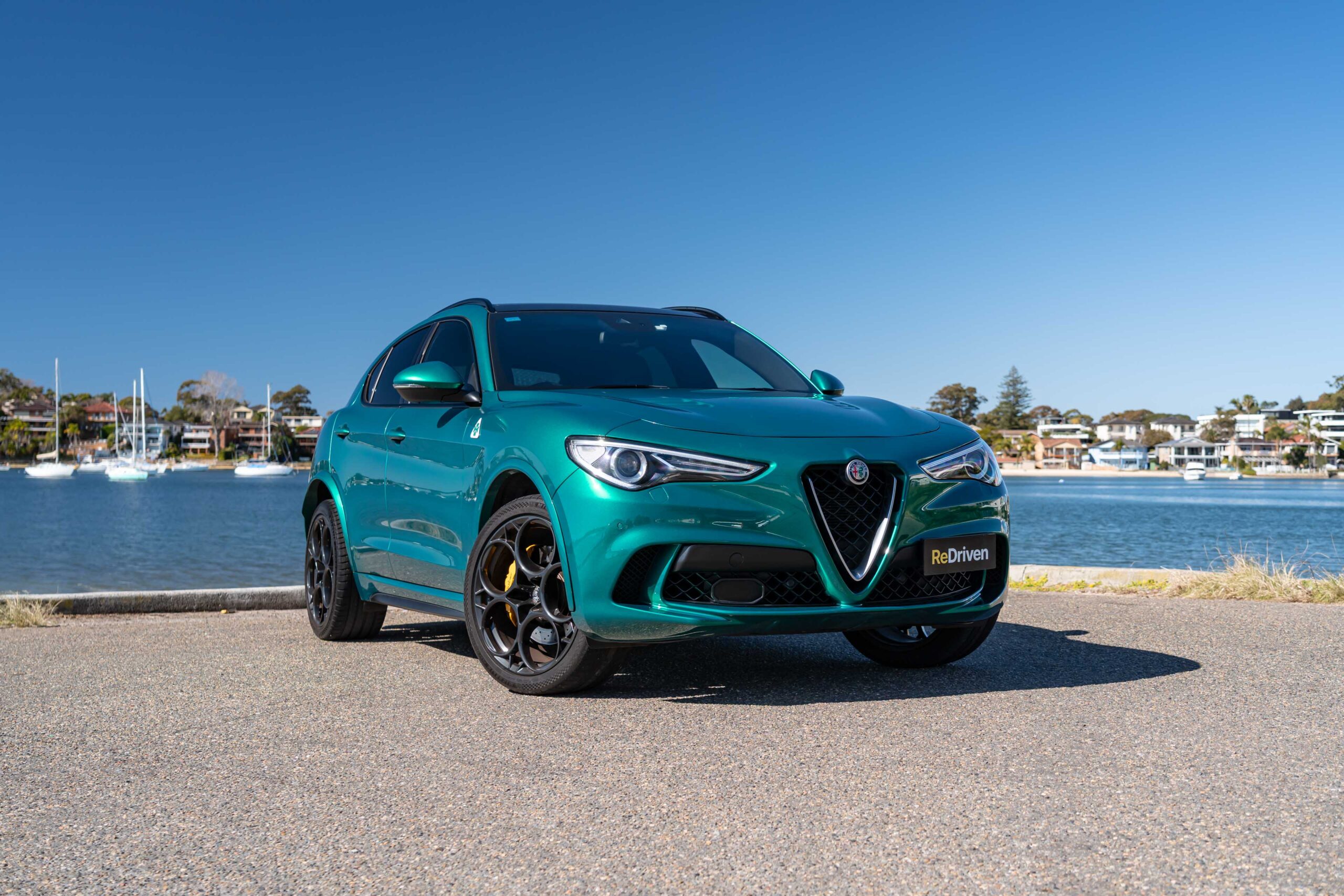
+26 Photos
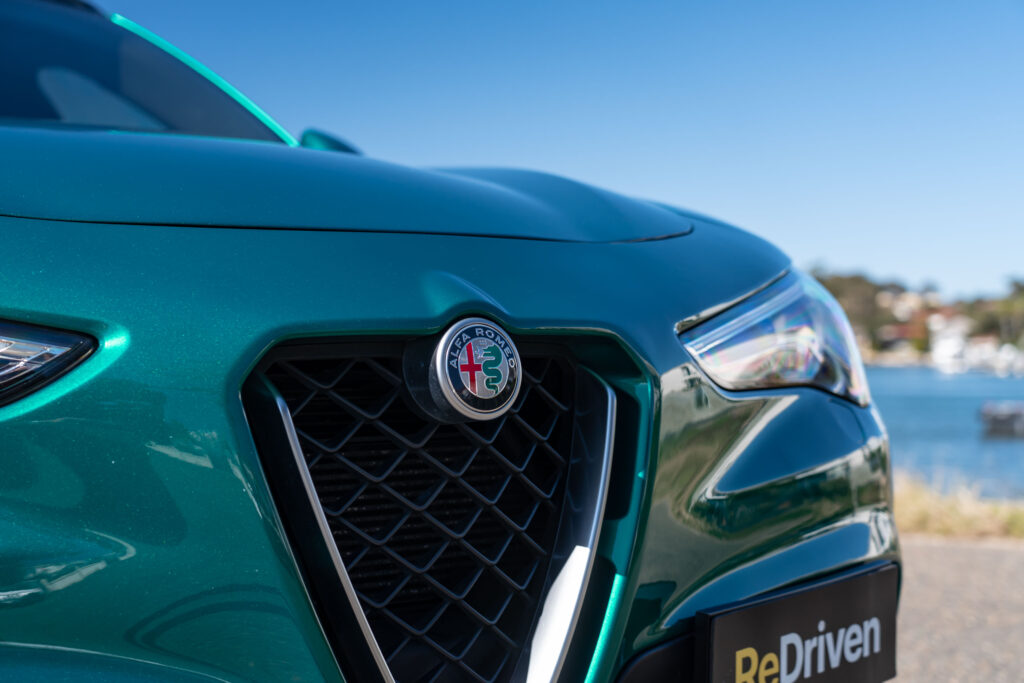
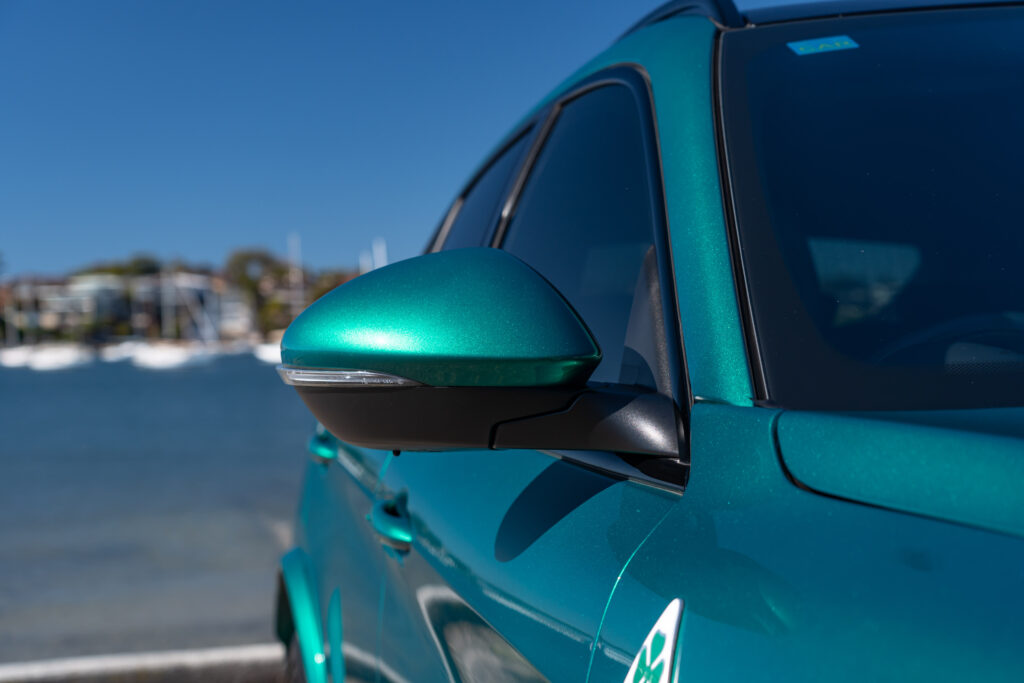
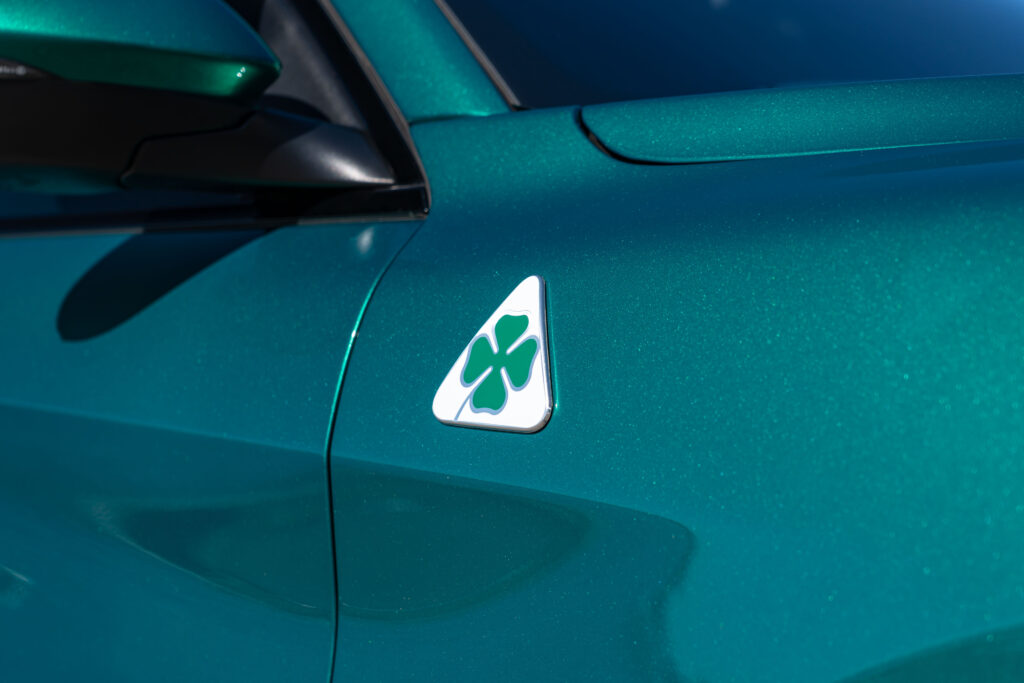
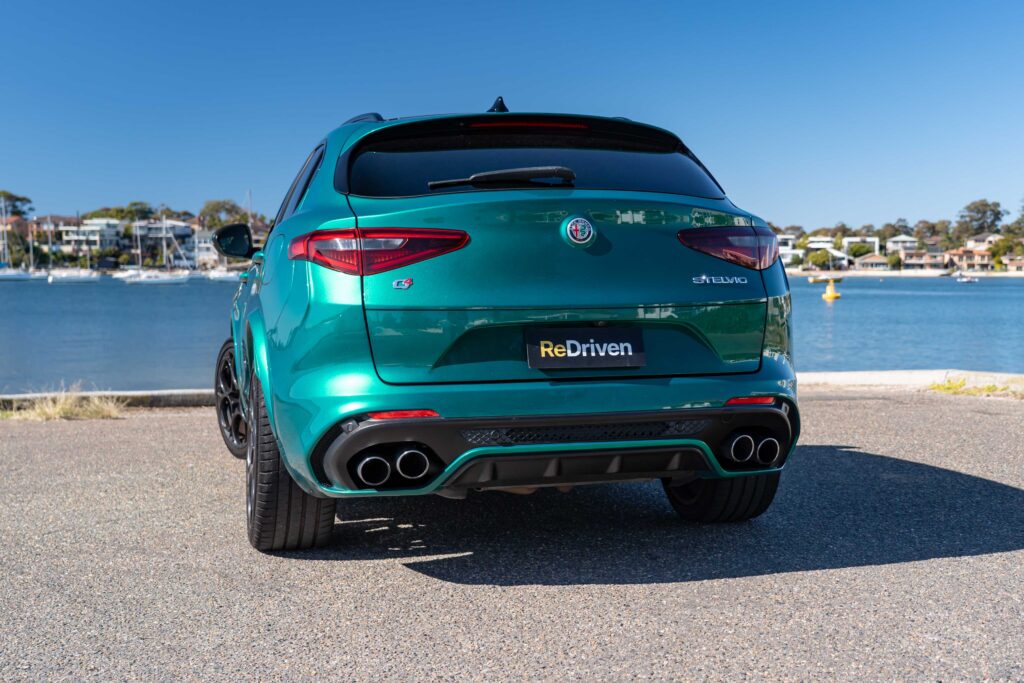
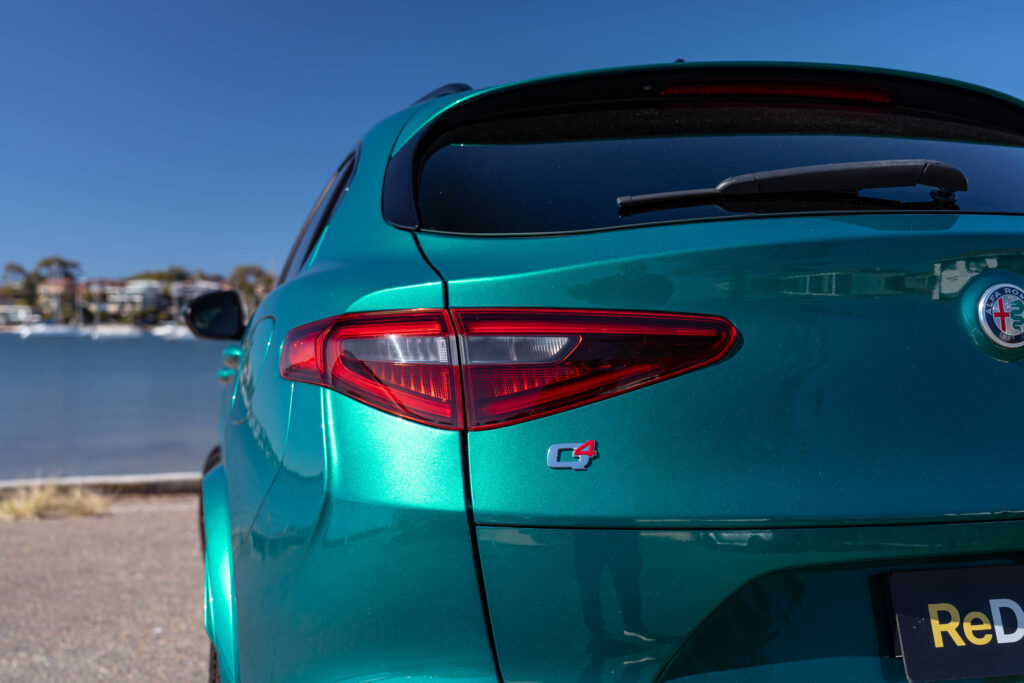

2021 Alfa Romeo Stelvio Quadrifoglio

29 September 2026
Yes. But only the right example.

2021 Alfa Romeo Stelvio Quadrifoglio

Used car review
29 September 2026
The Stelvio was a first for Alfa Romeo, as it was the Italian brand’s first attempt at a mass-produced crossover/SUV model.
While the Stelvio aimed to rival other luxury crossovers like the Maserati Levante, Porsche Macan, Lexus NX/RX, and the Jaguar F-Pace, the Alfa outshines most competitors with genuine sporting qualities that allow it to be more exciting to drive than what you expect from a family SUV.
Aside from the fact that it’s named after the Italian ‘Stelvio’ mountain pass, the SUV rides on the same chassis as the Alfa Romeo Giulia sedan, along with various internal components, from the carbon fibre-constructed driveshaft to the powertrains under the hood, including the twin-turbocharged V6 in high-performance ‘QV’ configuration.
The trim lineup will vary by market and region, but for the Australian-delivered Stelvio, we received them in the following (alongside multiple special edition trims unique to each market):
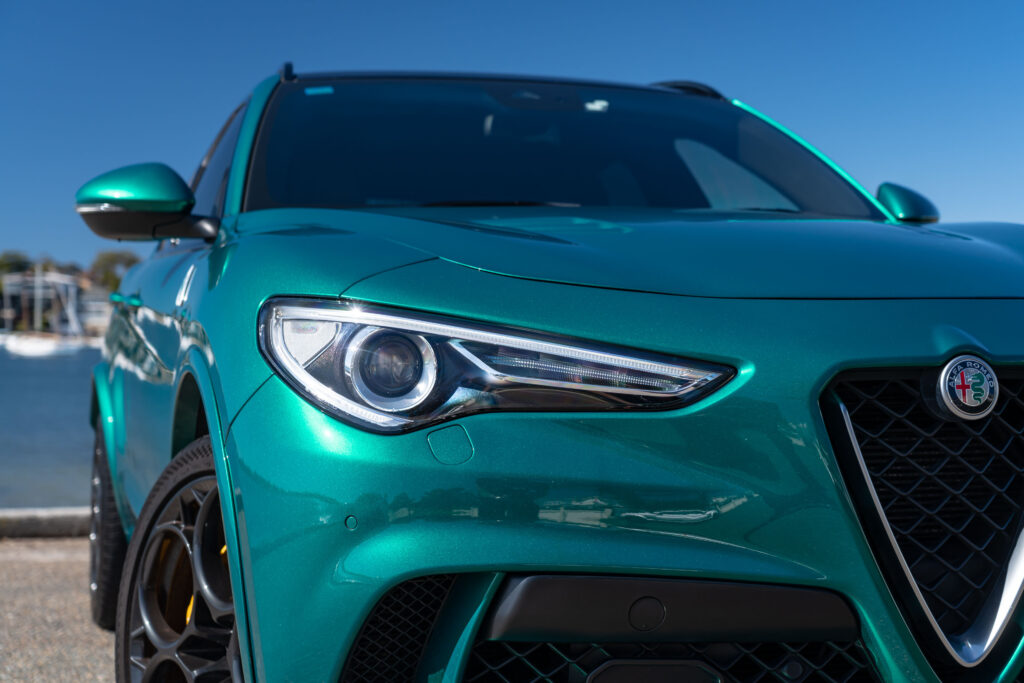
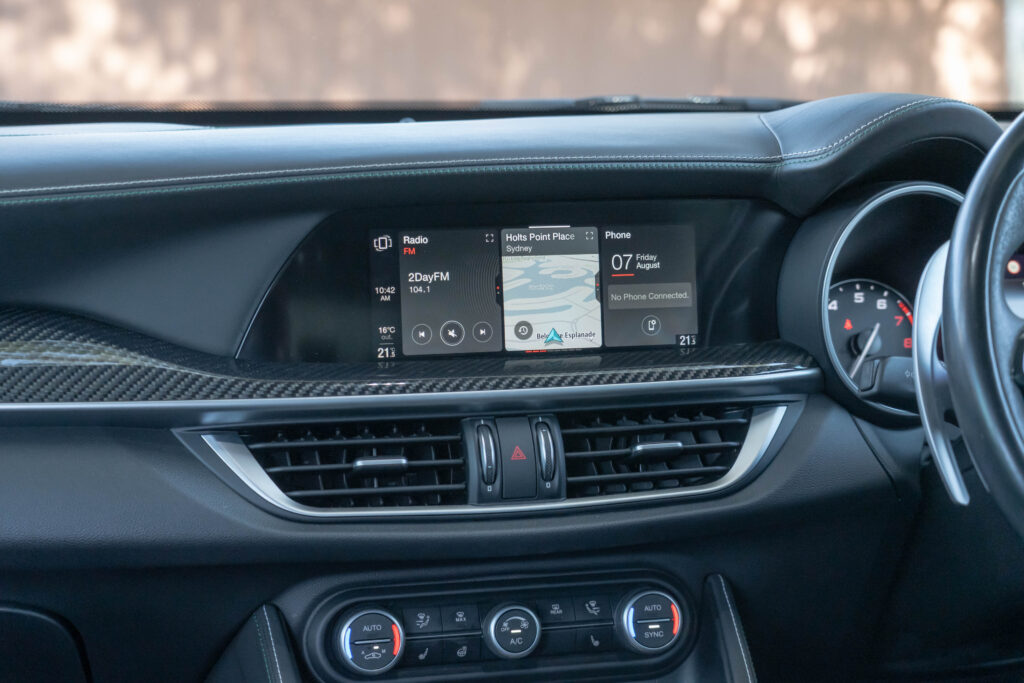
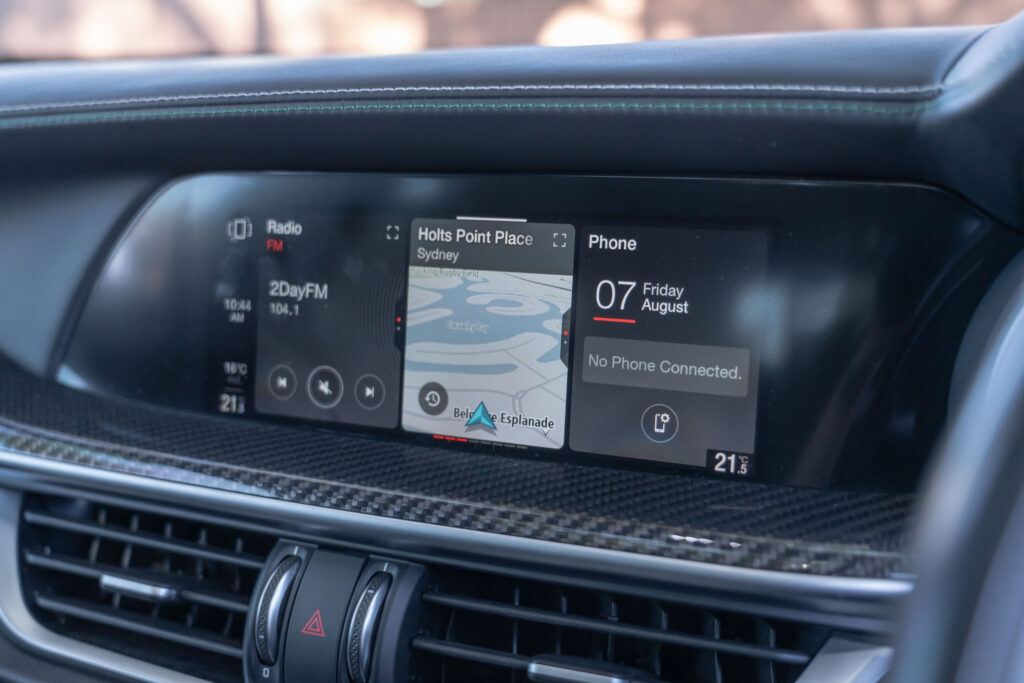
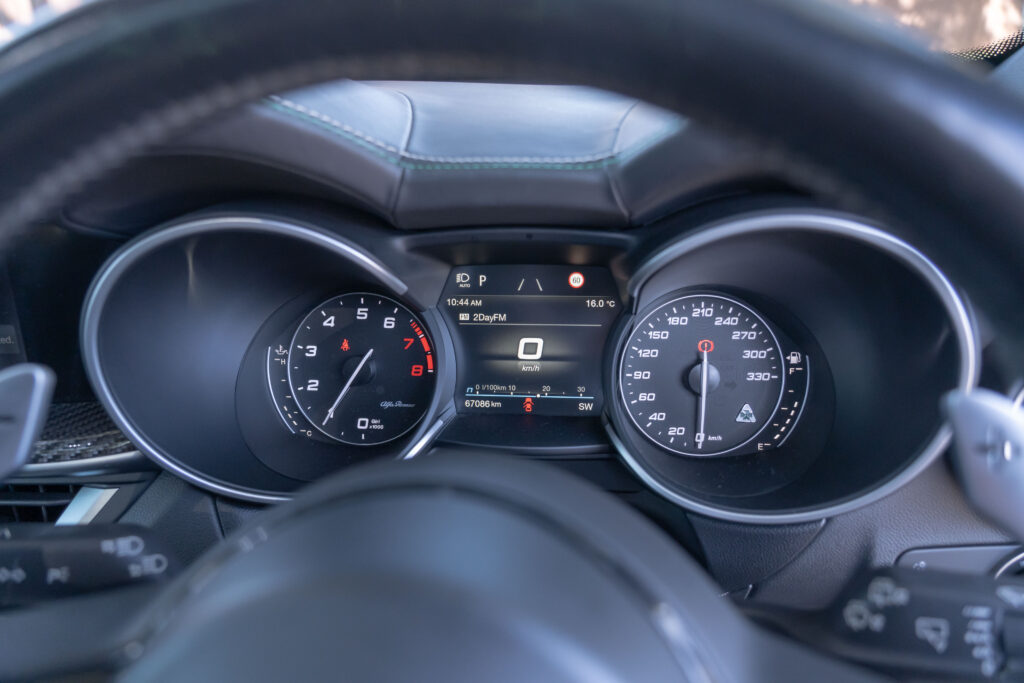
The Stelvio did experience a few midlife updates: MY2020 brought a new infotainment system, more tech/ADAS tech, and minor interior revisions; MY2021 restructured the trim range in markets like Australia, while MY2022-2023 models experienced a facelift that replaced the bi-xenon headlights with LED units and introduced a 12.3-inch digital instrument cluster.
The latest update Australian-market cars experienced was for MY2025, which simplified the trim range once again (to add confusion, Alfa Romeo tended
The standard engine in the Stelvio range is a 2.0L turbocharged four-cylinder, with the 2.9L twin-turbocharged V6 reserved exclusively for the Stelvio Quadrifoglio model; though certain markets could also feature a 2.2L four-cylinder turbodiesel.
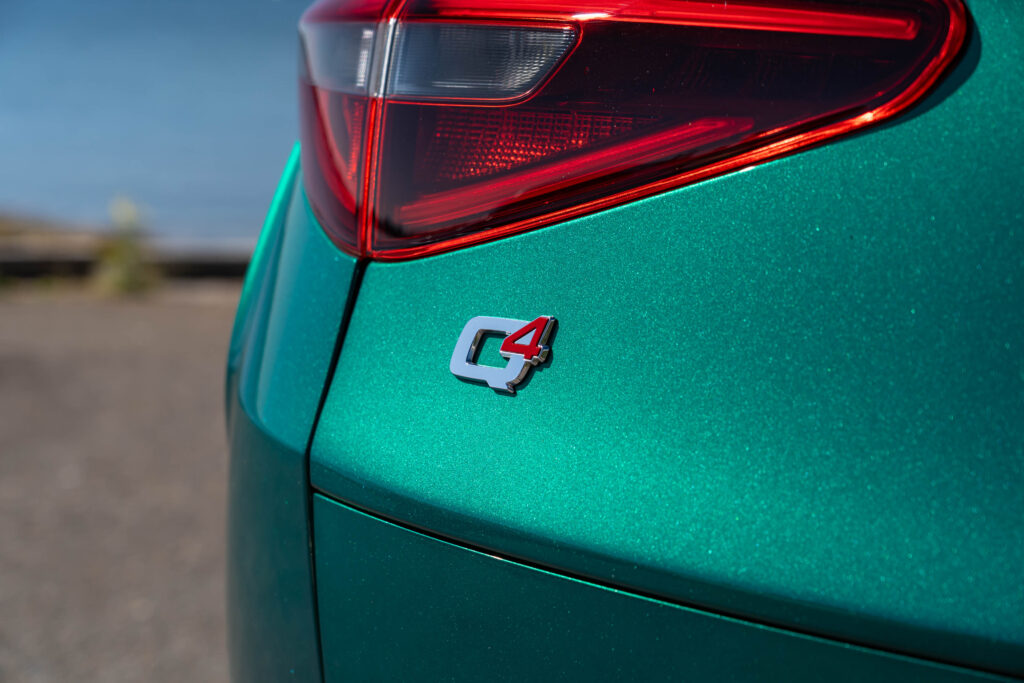
Power can be sent to the rear or all four wheels (via Alfa Romeo’s ‘Q4’ system), with an eight-speed automatic as the only transmission offered.
Exterior:
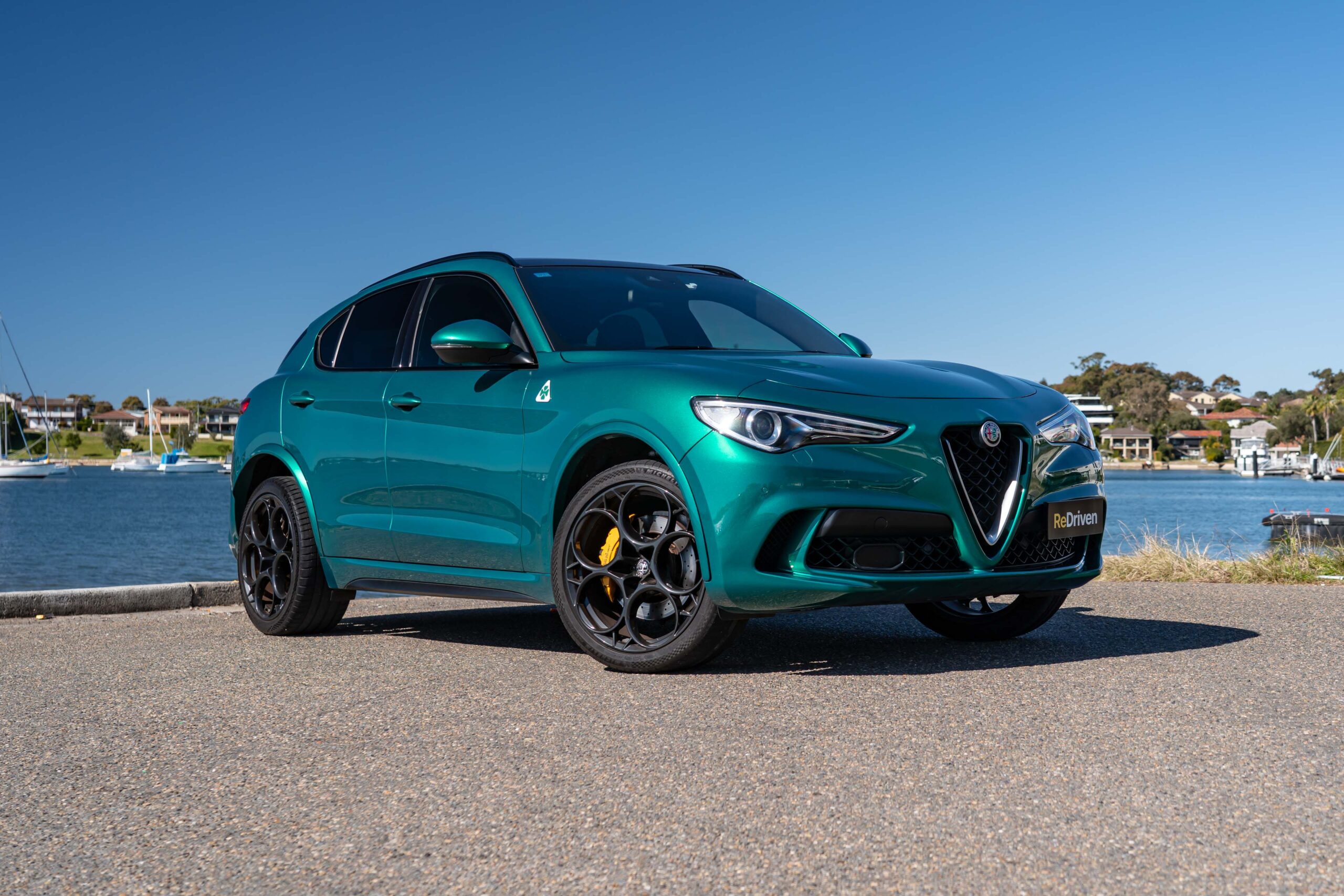
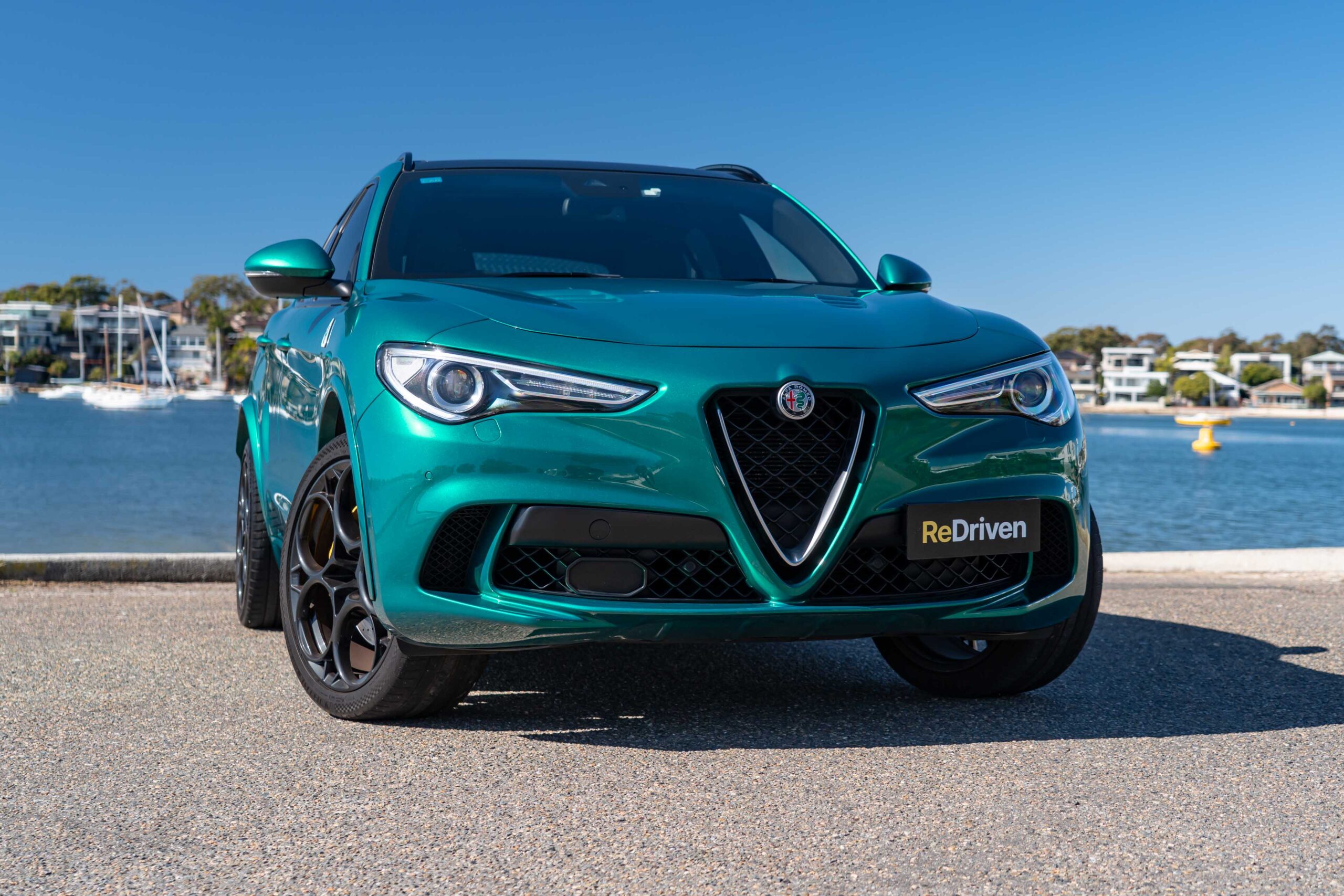
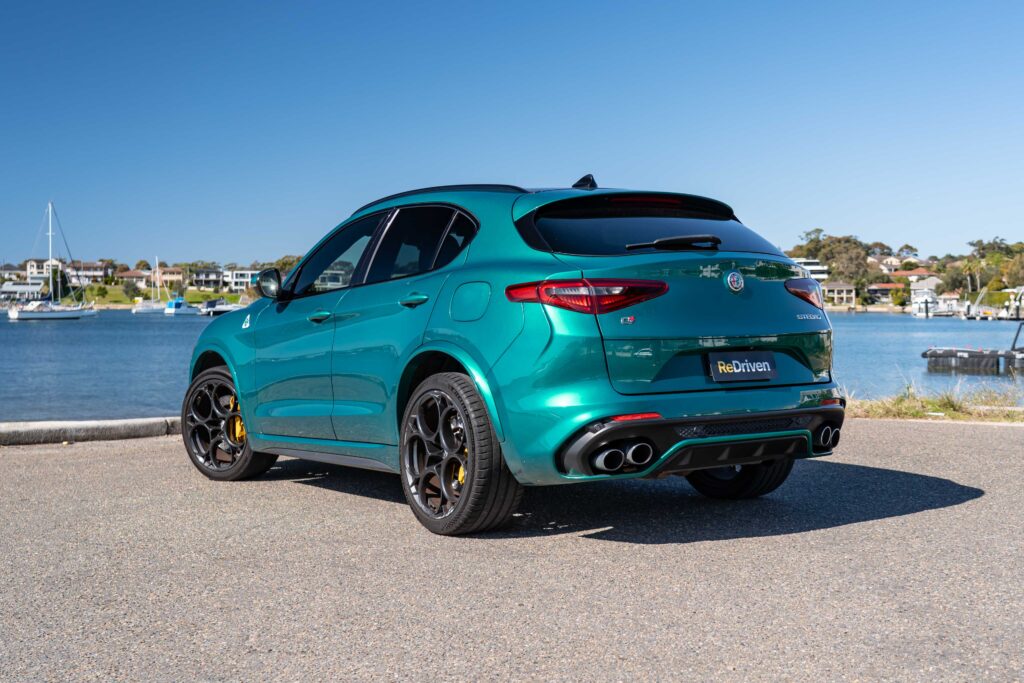
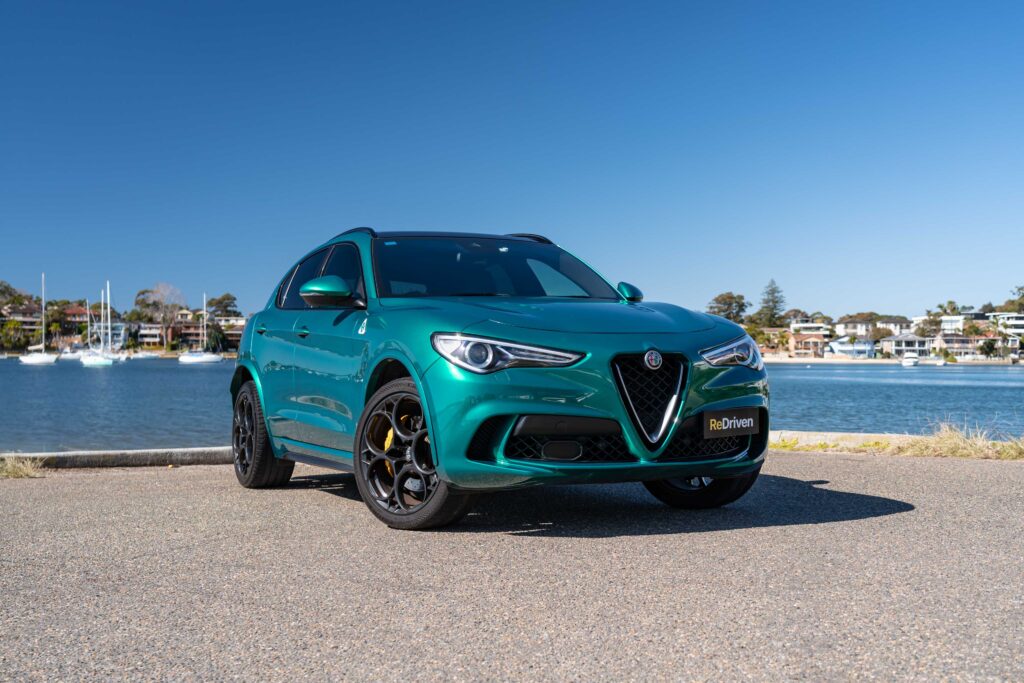
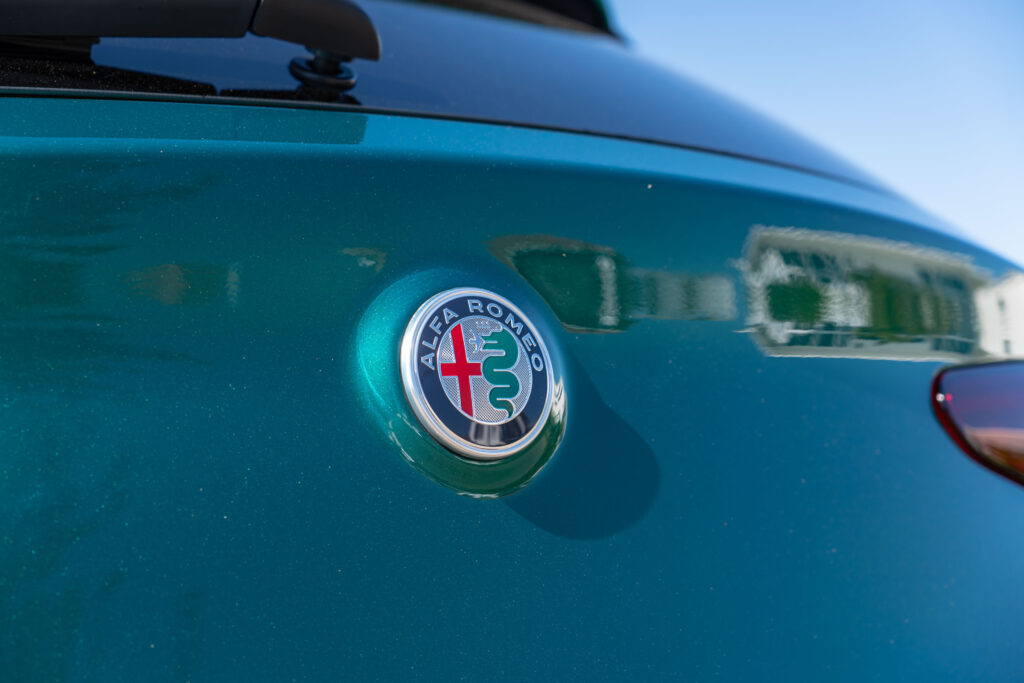
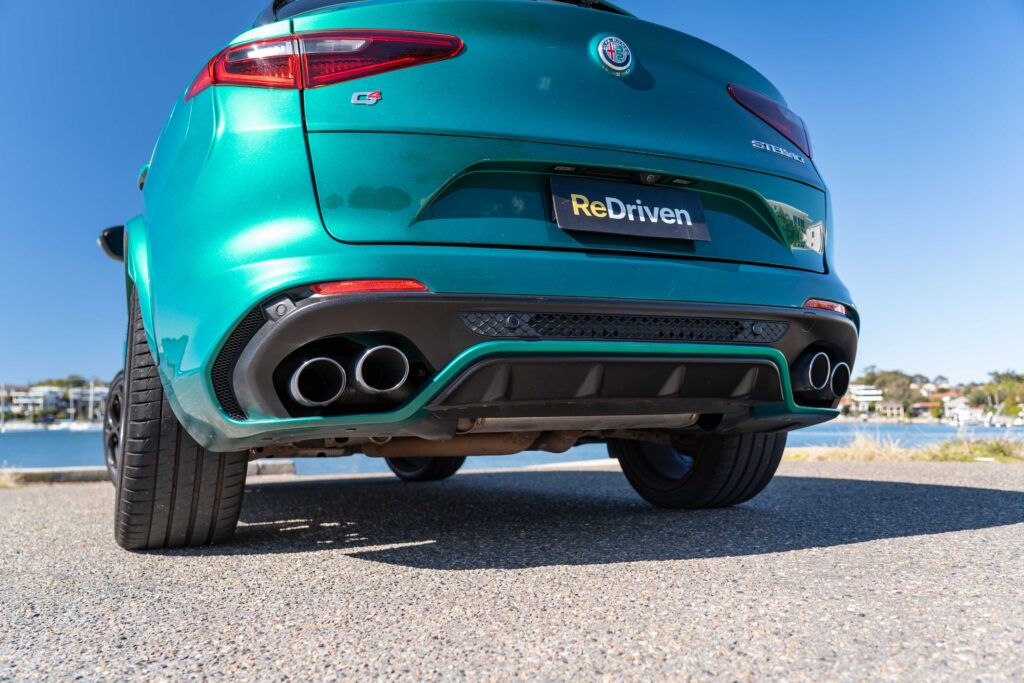
To go with the genuinely attractive styling of the Stelvio, exterior build quality is proving to be very consistent across all model years, with owners reporting no concerning panel gap, paintwork, or exterior badging/trim issues.
There are still a few minor exterior gremlins to look out for on the Stelvio.
Some owners have also reported exterior accessories failing, like the LED headlight module (60-80,000 km) and the parking sensors triggering false proximity alerts (30-45,000 km), but these aren’t too common issues.
Models equipped with the panoramic sunroof have reported some issues, from the sunroof mechanism failing to the seals leaking – typically around 40-60,000 kilometres. The chance of encountering sunroof failures is widely known to the point that owners are put off opening it at all.
The sunroof seals leaking was even subject to a recall in certain markets, and it’s recommended to pay attention to this particular area, as it’s known to cause water ingress issues that affect the car’s body control module and electronic systems.
The rear window demister/heating element is also known to fail around 30-50,000 kilometres, but it isn’t a complex or expensive fix.
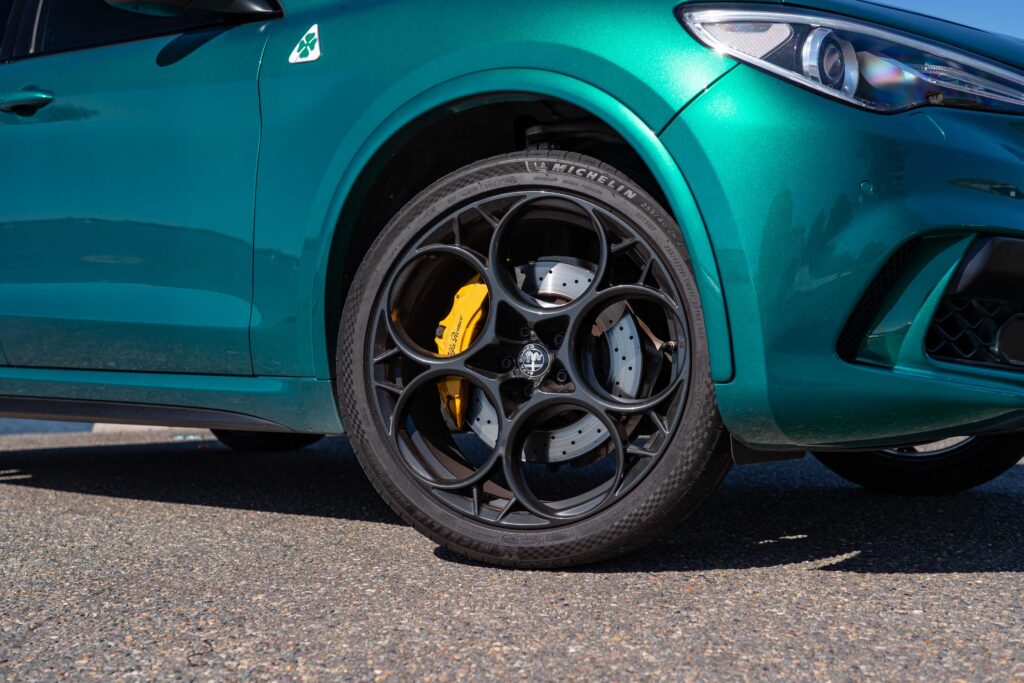
Certain alloy wheels may be more difficult to clean, as some of the more intricate designs attract a lot of brake dust.
Interior:
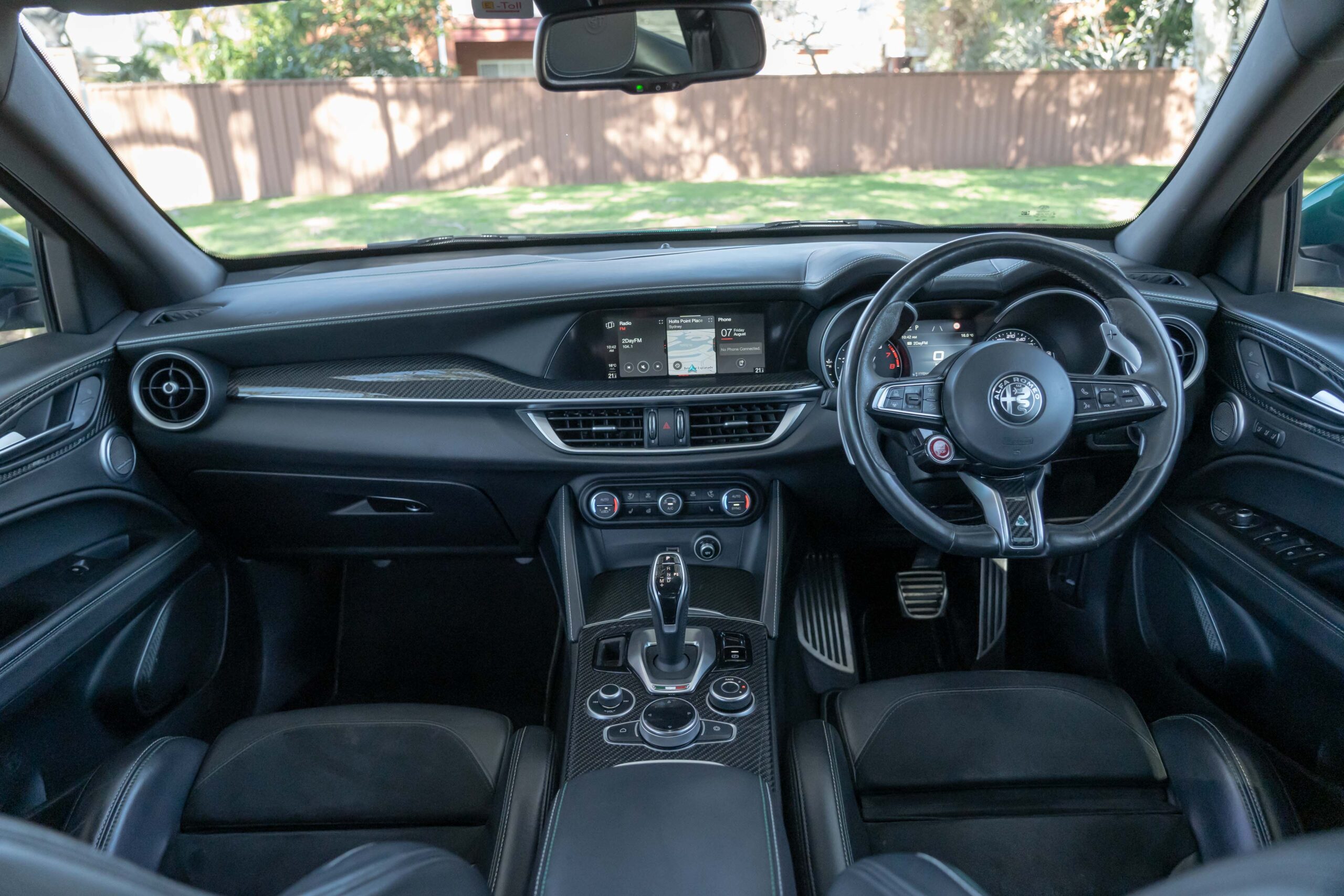
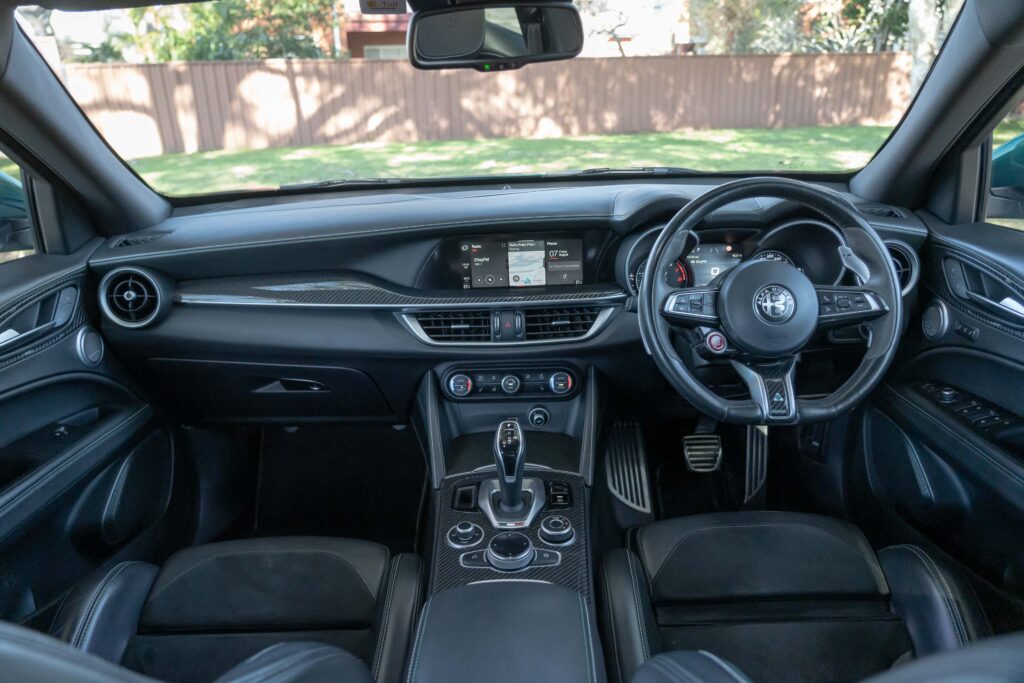
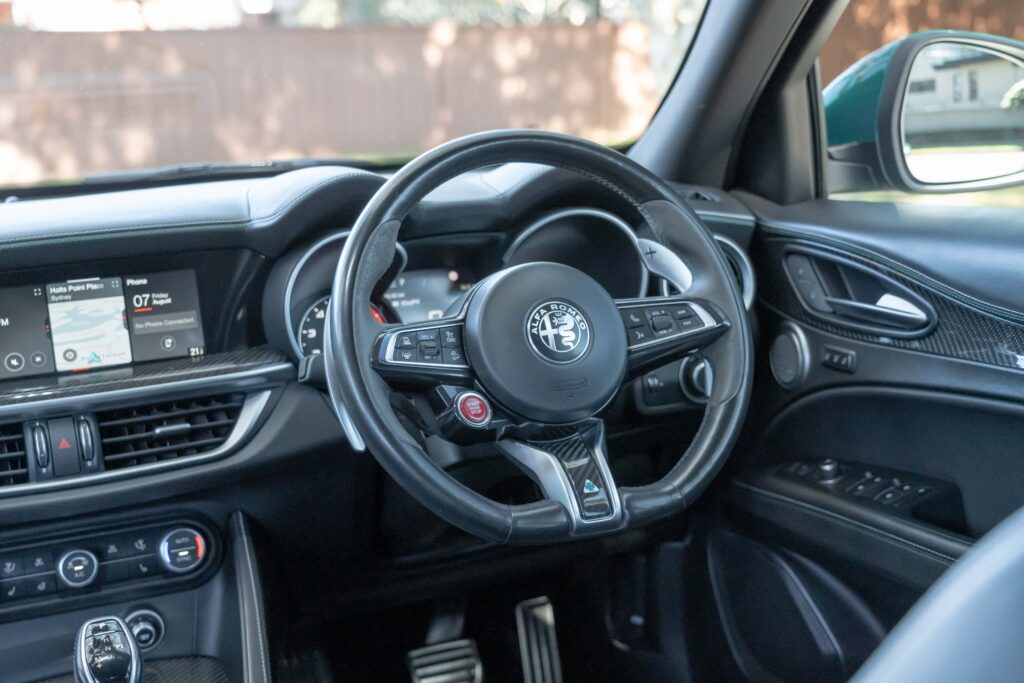
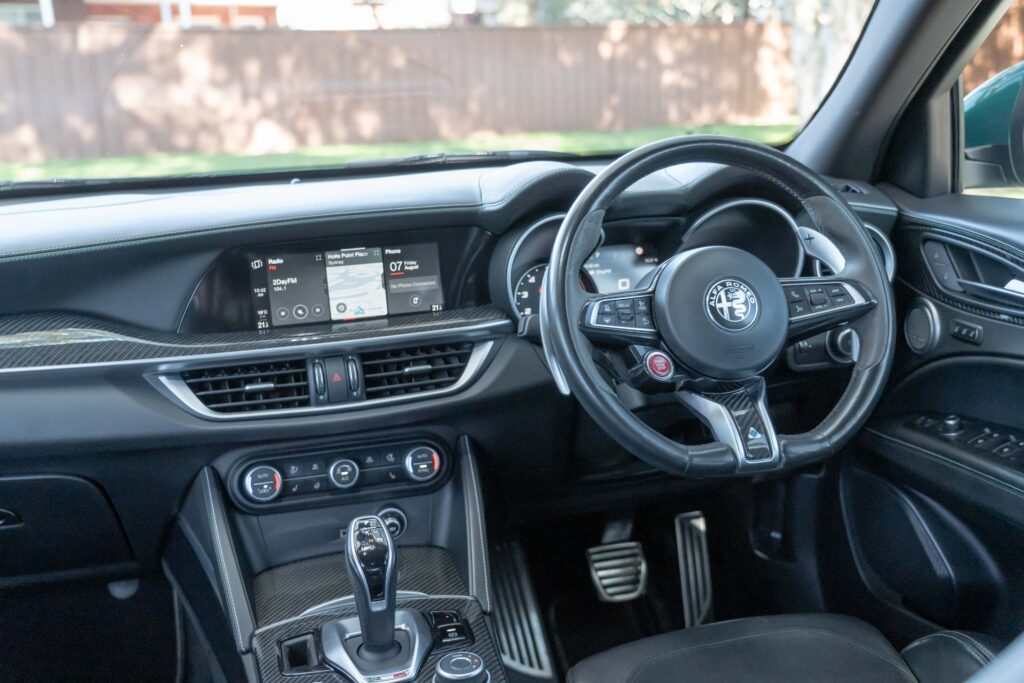
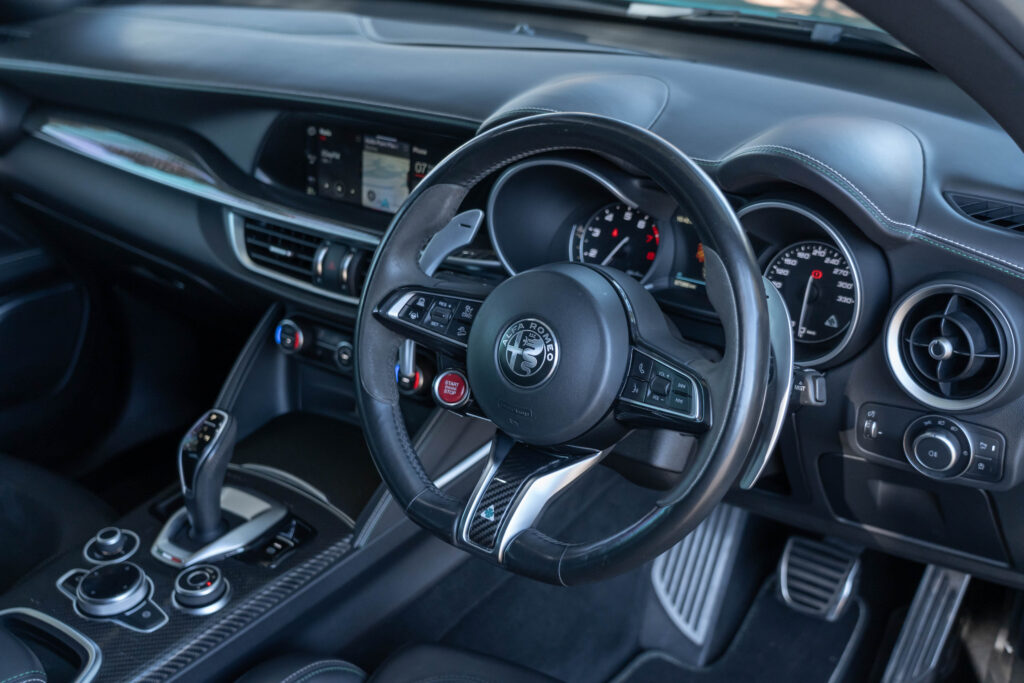
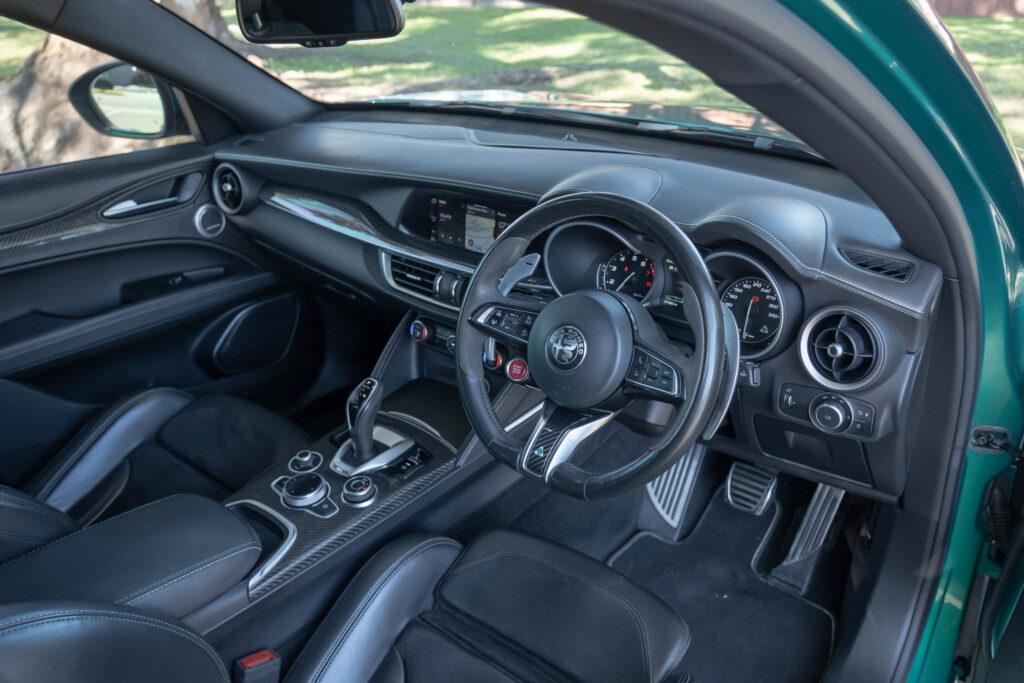
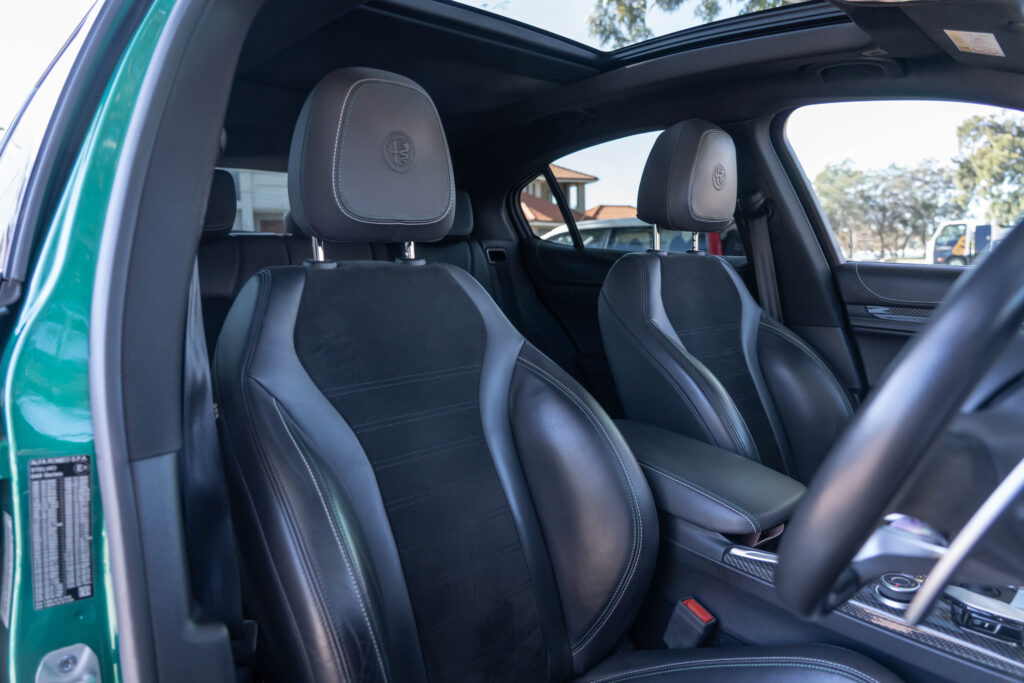
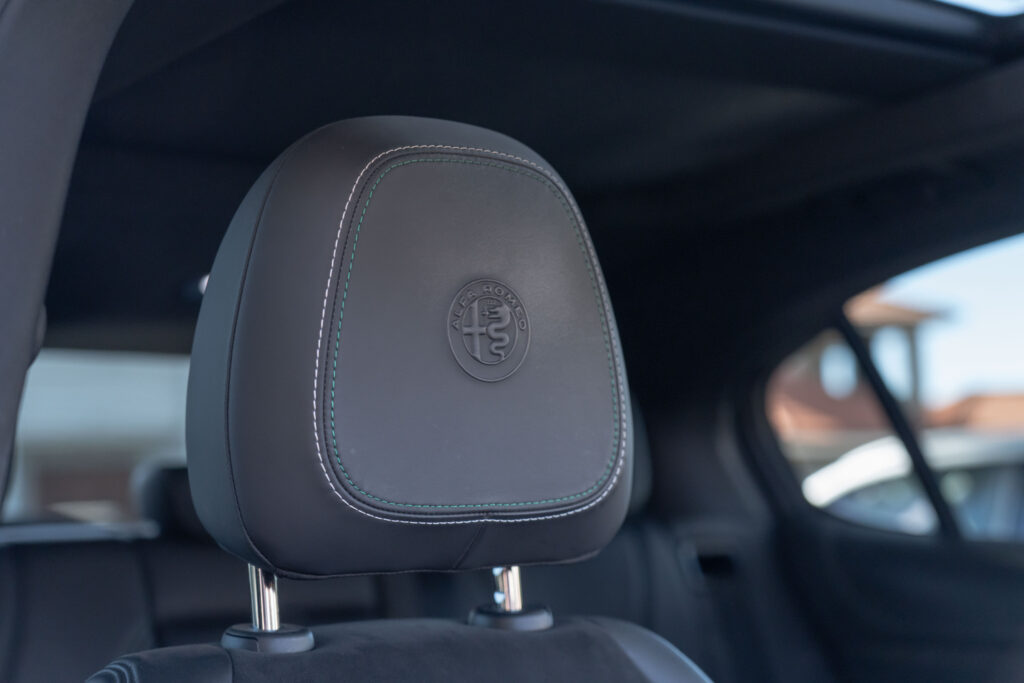
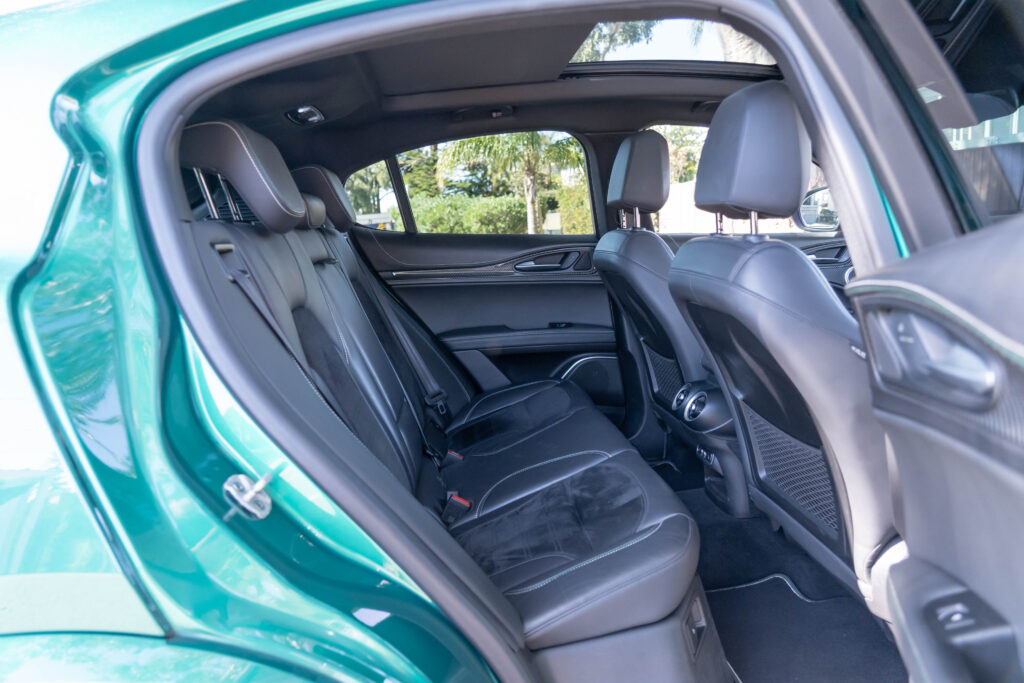
Much like the exterior, we hear plenty of compliments towards the cabin design, especially the materials and available trim/upholestry across the entire Stelvio range.
Materials used within the cabin can suffer some issues as they wear over time. Cars in very warm climates, especially the QV models that use a leather-wrapped dashboard, can shrink or warp, and sections on the leather steering wheel can wear thin/damage easily.
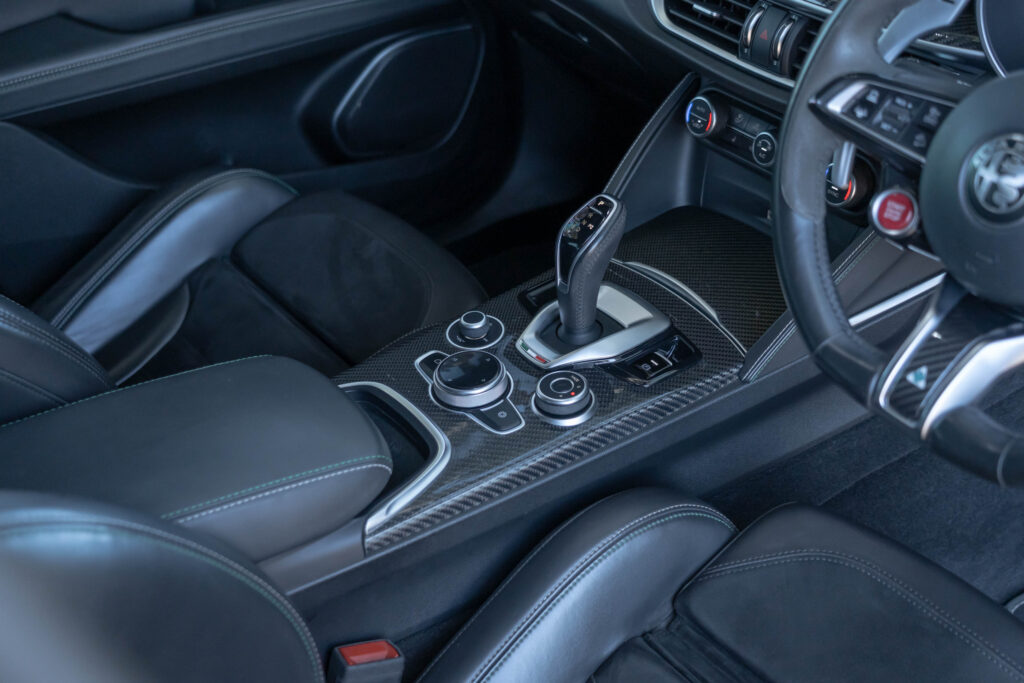
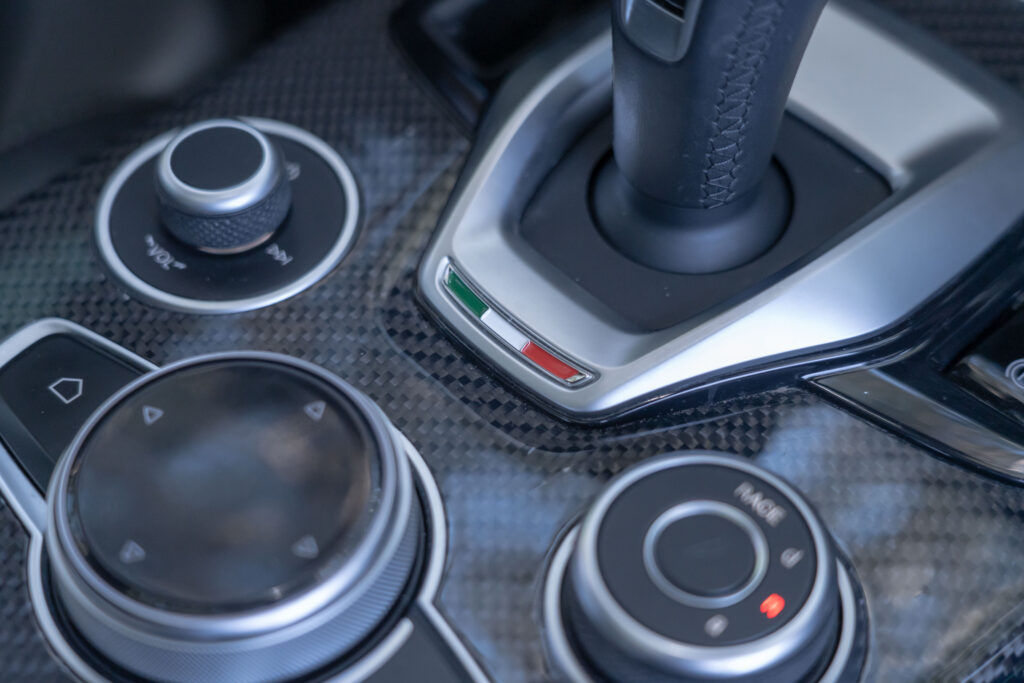
The carbon fibre interior trim in some models is also a source of frequent complaints, due to heat exposure causing it to crack or become very brittle. Annoyingly, a few owners who’ve attempted to have these interior issues fixed under warranty have had their claims denied, based on “external influence” under regular wear/tear.
One complaint you might not notice at first is that while the Stelvio is on a bespoke platform, minor items like the switchgear, infotainment system, and other cabin accessories are taken straight from the Stellantis group parts bin.
Yet owners report they’ve been charged ridiculous premiums for ‘Alfa Romeo’ branded parts that are identical to those you’ll find in Jeep, Chrysler, Fiat, or Dodge products.
Reviewing general complaints online towards Stelvio ownership, you often might see reports of various electronic problems – ranging from multiple warning lights on the instrument cluster, power iwndows/mirror/door locks playing up, and miscellaneous faults with the lighting.
But as observed with the Stelvio’s sibling, the Giulia, its more often in the majority of these cases that this is due to main 12V battery drainage issues. Owners also highlight that the factory-equipped 12V battery is fairly weak, but swapping it for a better quality aftermarket unit resolves these sporadic electrical issues.
The infotainment screen is known to suffer from ‘crazing’ (a cracked/spider-web like appearance underneath the touch layer), with the issue more prevalent on pre-2020 8.8-inch head units, and made more difficult by some dealers being reluctant to replace them under warranty.
As a backup, owners usually source secondhand units from parted-out Stelvios, or replace this altogether with an aftermarket system, which can also resolve any phone connectivity issues that are also commonly reported on pre-2020 systems.
Depending on which model you’re reviewing, look out for whether there’s a second USB port within the centre armrest, which can help identify if that particular Stelvio carries support for CarPlay.
Those riding on the larger, lower-profile 20-21-inch wheels may find road noise is more intrusive into the cabin, and may benefit from adding more sound deadening to improve cabin comfort.
Mechanically:
Initially, Alfa Romeo offered these in Australia under a three-year warranty, but from 2025 onwards, this was extended to five years.
Despite this attempt to improve the aftersales experience for Alfa customers, there are numerous reports of inconsistent experiences when it comes to warranty claims and support across the Alfa Romeo dealership network.
We’ve heard one case of an Alfa dealer attempting a warranty-covered repair for several months that never got resolved, to long-standing dealers that have consistently delivered excellent service dropping support for Alfa Romeo. With this in mind, it’s recommended to perform due diligence on Alfa dealers local to you when it comes to customer service.
Not relying on Alfa Romeo dealers may also be worth doing in the long run, as the survivability of the brand in markets like Australia, which have seen low-performing Stellantis brands (Fiat/Peugeot/Chrysler/Citroen) exit in recent years, is of concern – only time will tell if local support will continue.
It may also be worth looking into independent, specialist workshops to take care of maintenance, as some owners have found they can quote 30-50% less for regular maintenance compared to prices from Alfa dealers.
Even sourcing parts has been a common complaint from Stelvio owners, with local Alfa Romeo dealers having inconsistent inventory of certain components, and the list of components reported out of stock keeps growing.
Depending on your location, it’s worth checking whether it’s cheaper and faster to import parts from the US rather than rely on Australian dealers, look into aftermarket replacements, or even compatible parts from mainstream Stellantis brands (Fiat, Chrysler, Jeep) to avoid the premium Italian brands ask for.
Engine:
2.0L turbocharged four-cylinder (GME T4)
The 2.0L turbo four-cylinder belongs to the Multiair series used in other Fiat Chrysler-era/Stellantis models, and is considered fairly reliable – if it hasn’t been too neglected.
The Multiair engines are very sensitive to oil quality, owing to their use of an electro-hydraulic valve actuation setup. This specific component can fail occasionally, and it’s not a cheap fix.
Most can also experience coolant leaks from the various plastic coolant system components, with the plastic bleed screws a frequent issue that comes up. As it is a complex coolant system in these engines, it’s worth it to monitor for any issues as they age.
Some turbocharger and wastegate complications are also reported with the Multiair engines, but they’re not too common.
It’s also essential to perform oil changes every 5-10,000 kilometres.
2.2.L turbocharged four-cylinder diesel (JTDM Multijet II)
This is a modern-era common rail diesel and is very susceptible to a large number of emissions-related component issues that are widely reported with modern diesel engines.
Problems affecting the EGR and DPF systems, along with the turbocharger/charger pipes, can come up, alongside issues with the AdBlue and SCR (Selective Catalyst Reduction) systems that can cause ‘no-start’ countdown warnings to appear.
One particular issue that is worrying on these diesel engines is an oil pressure warning appearing on startup (especially on cold starts). This is due to the oil pickup sucking in air due to a leaking internal seal at the front of the sump.
This can be made worse if the oil pickup strainer is already clogged with carbon and debris due to a lack of maintenance and oil dilution; the oil pump bolts can also become loose, making this issue even worse.
The labour required to remove and repair the sump on an all-wheel drive car like the Stelvio is a big job and, no surprise, very expensive.
It’s very likely many of the diesel Stelvios on the market will have had an owner who decided not to invest money into fixing these faulty components and just try to pass it onto succeeding owners – made further difficult to pinpoint since it’s only noticeable on cold starts, and might slip by even during a thorough pre-purchase inspection.
It’s been known to happen on cars as early as 80,000 kilometres, making it a big risk if you’re considering a diesel-powered Stelvio. It’s also essential to maintain the diesel engines regularly, with service intervals every 10,000 kilometres (which can minimise the likelihood of the mentioned oil dilution issues)
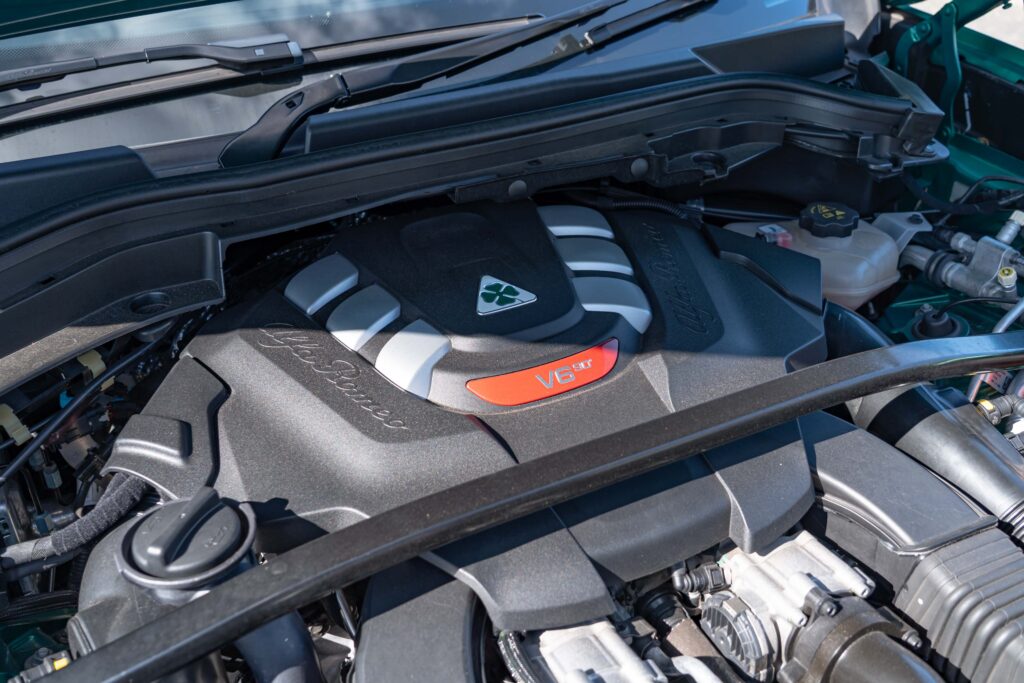
2.9L twin-turbocharged V6 (690T)
The QV-exclusive twin-turbocharged V6 is also shared with other performance Alfa Romeos, including the Giulia QV.
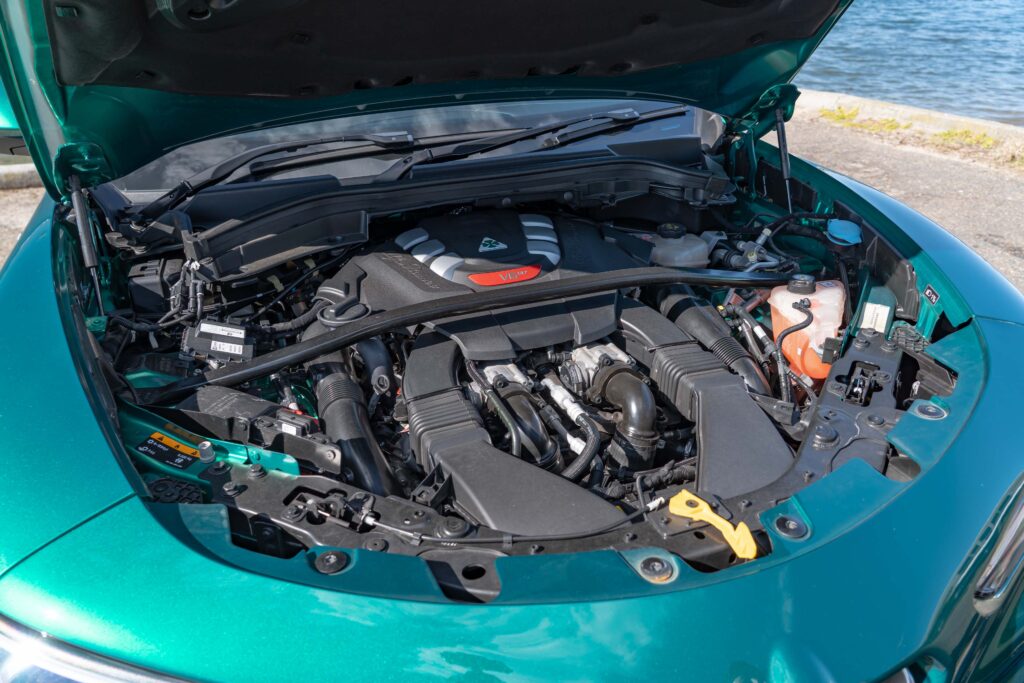
The main difficulties surrounding the V6 are the complex packaging of the powertrain – it’s very tight within the engine bay, and accessing anything in this area is very difficult.
Replacing the fan belt (every 60,000 kilometers/4 years), for instance, can be at least a six-hour job to perform – for those who have the right skill set, some shortcuts can be done to save time, which you might want to explore considering what dealerships might quote for labour.
Their cooling systems are also highly complex, incorporating various charge coolers, heat exchangers/pumps, combined with a lot of hoses/parts/pipes all constructed of plastic, which can all become brittle over multiple heat cycles. It’s usually after these exceed 10 years of use that problems begin to surface.
Also commonly reported on the 2.9L V6s are oil leaks from the valve/timing covers, sumps, and blockages affecting the turbocharger oil feed lines (which can impact the turbochargers’ operation).
Generally speaking, the engine, from a mechanical perspective, is quite robust. It’s only let down by everything else around it that could be a financial headache.
Transmissions/Drivetrain:
All Stelvio models use an eight-speed automatic made by ZF (ZF8HP), which is renowned for its reliability across various applications in other models. It might not offer rapid gear changes as fast as dual-clutch units, but being a torque-converter-based transmission means less complex mechatronics and fewer parts that can go wrong.
The Q4 all-wheel drive system can also be trouble-free if it’s looked after regularly, and interestingly, unlike other SUVs with full-time all-wheel drive systems, the Q4 system used in the Alfa predominantly sends power to the rear.
The brakes can be extremely sensitive for those not used to the Stelvio’s platform, especially at low-speed driving.
Owners also comment that the optional active/adaptive suspension can make a big difference in handling, and highly recommend targeting those with it.
It’s also crucial that whatever model you’re looking at is on premium-grade tyres to allow these to drive at their best – cheap rubber can hint past owners have attempted to cut corners on upkeep, and can even cause the front end of the car to behave abnormally when steering at full lock.
At retail, the Alfa Romeo Stelvio started as high as $150,000.
One downside of the Stelvio, especially if you bought one new, is that it’s proving to be the worst out of all models in the luxury crossover segment when it comes to holding its residual value – while most on average might experience a 50% loss in value over 5 years, Alfa Romeo Stelvios are depreciating at least 60%-70% over the same period.
The result is that you can find most Stelvio models on the used market, both the standard and QV variants, priced on average around the $70-85,000 range; with the oldest diesel-powered models from as low as $15,000, while the latest QVs are still retaining their high premium at around $130,000.
But if you’re approaching the Stelvio as a used purchase, not only will you be spared from most of this depreciation trend, but you should target the Stelvio QV models; there’s a high chance you might have future classic material.
We doubt Alfa Romeo will make anything like this ever again, especially in QV form, so rather than following the usual pattern of buying and selling a car every few years, focusing on the right example of a Stelvio is totally worth spending the time and money required to keep it at its best for a very long time.
If you foresee owning one of these Alfas for a long time, whether you are a dedicated Alfisti or an enthusiast of Italian engineering, great examples that have meticulous histories with no concerns can reward you for the time and money invested to keep them in perfect shape.


Co-creator, presenter & writer, ReDriven

Yes. But only the right example.
 3 days ago
 1 month ago
 1 month ago