Australia’s No. 1 Used Car Review Website
Australia’s No. 1 Used Car Review Website
+17 Photos
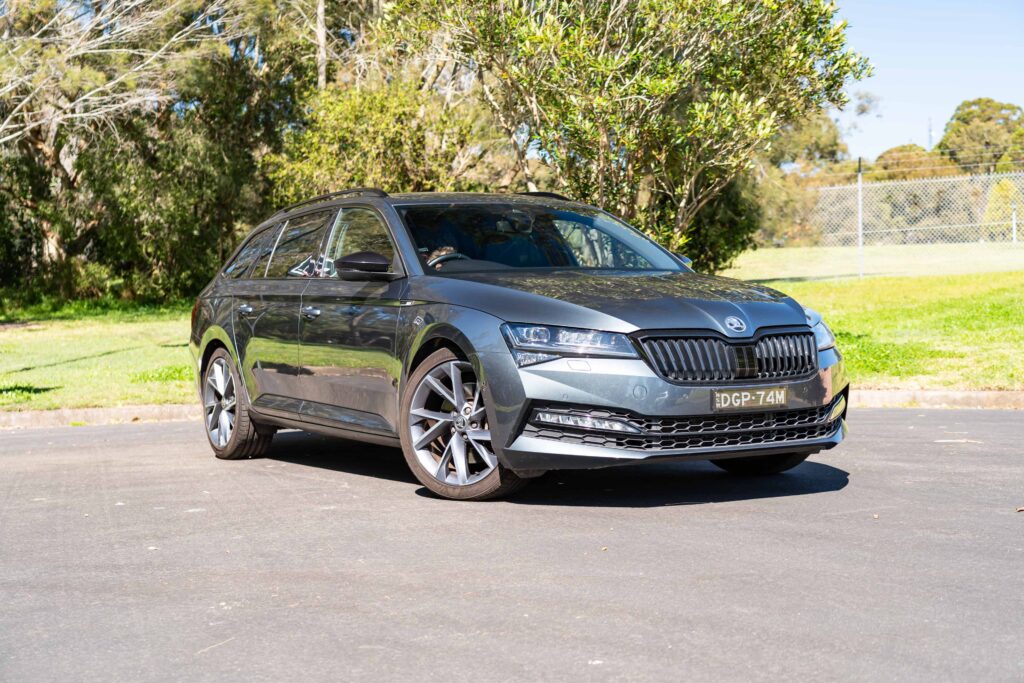
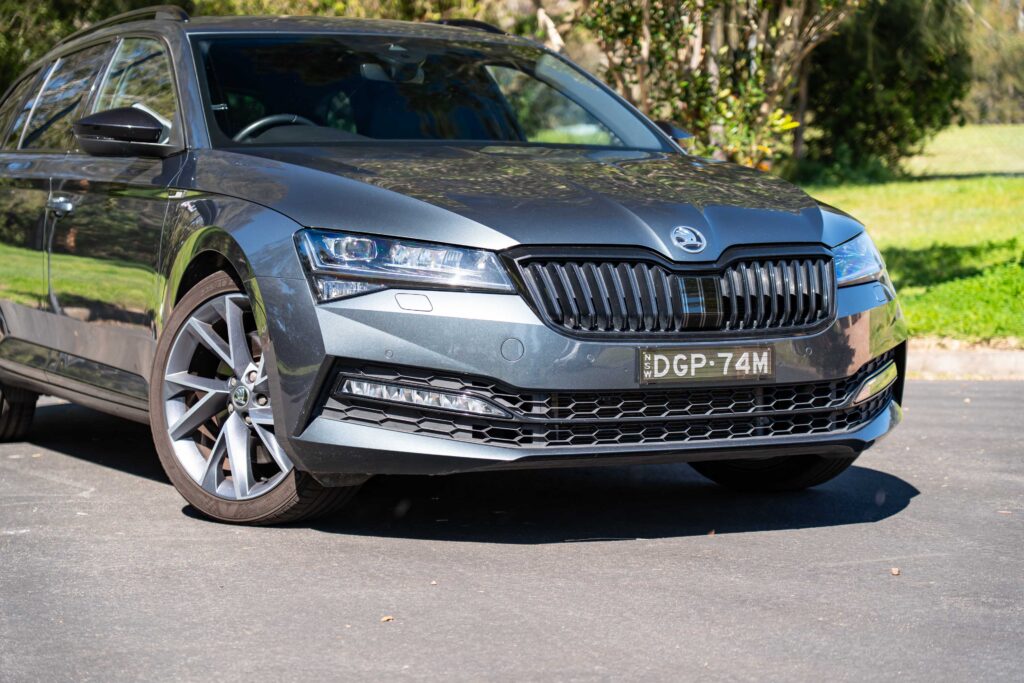
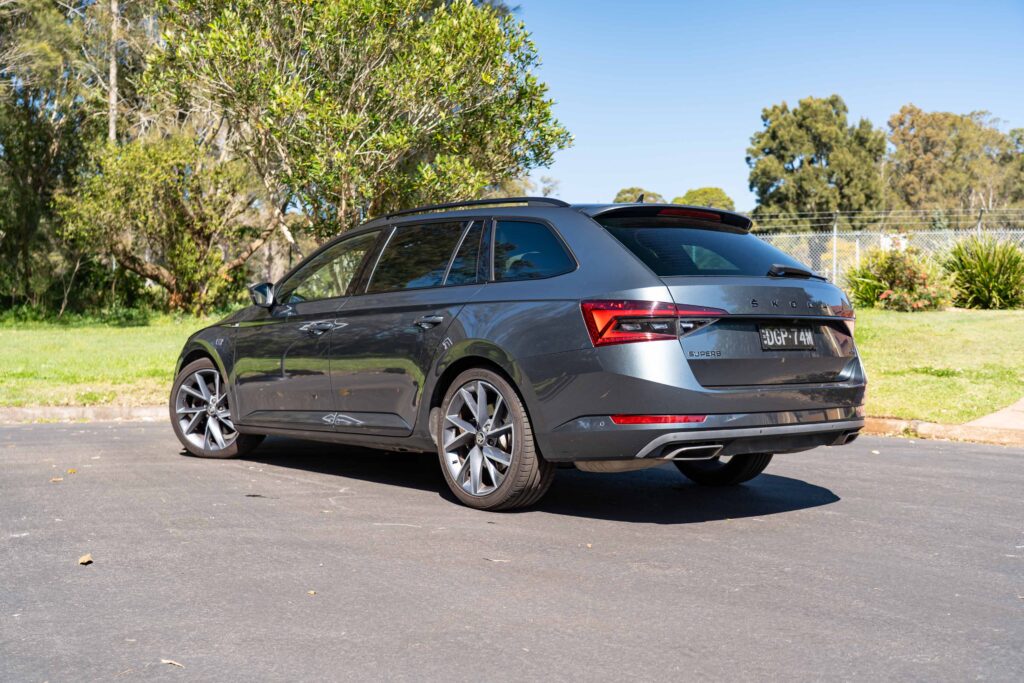

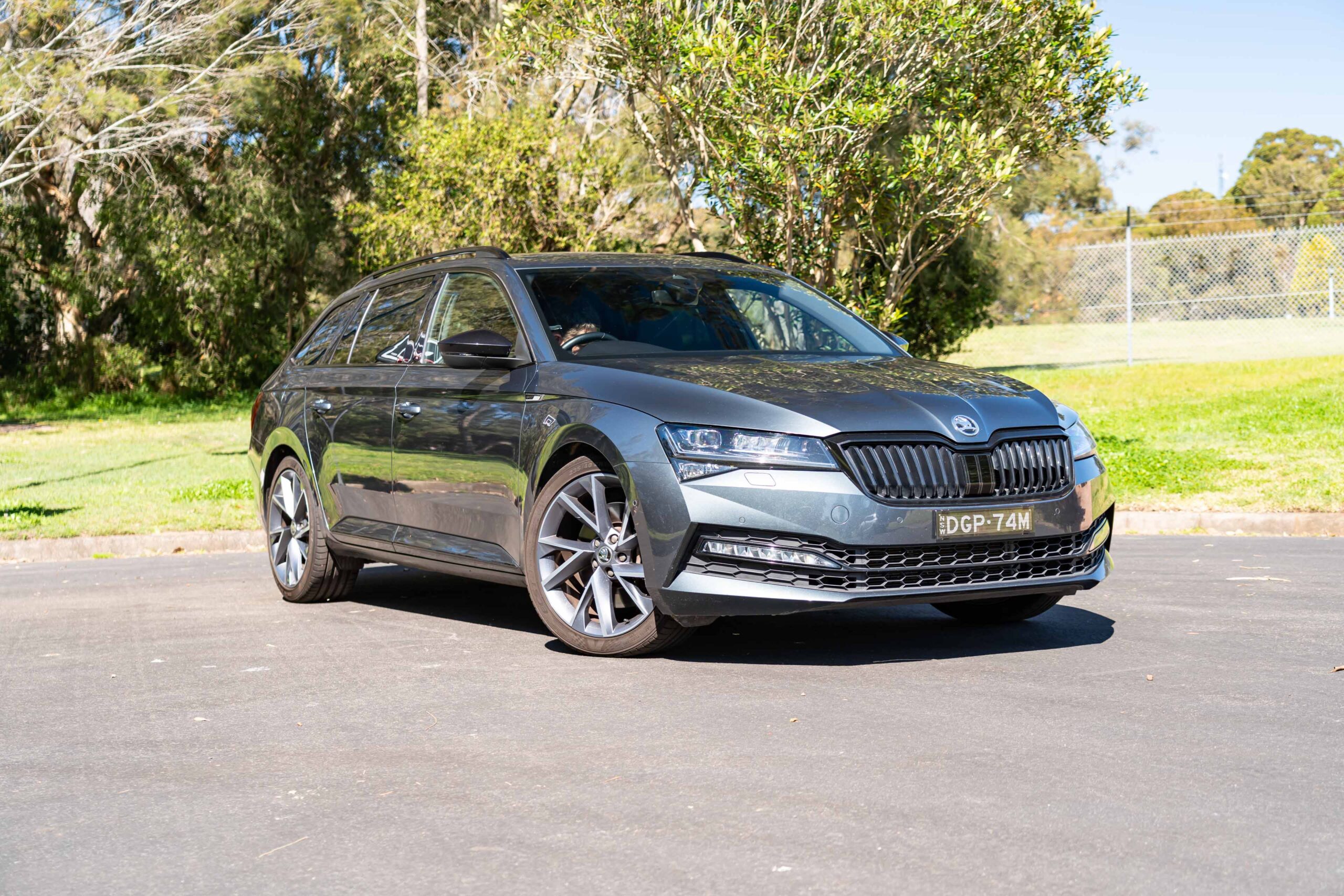
2021 Skoda Superb 206 TSI Sportline

20 October 2026
Yes. But only the right example.

2021 Skoda Superb 206 TSI Sportline

Used car review
20 October 2026
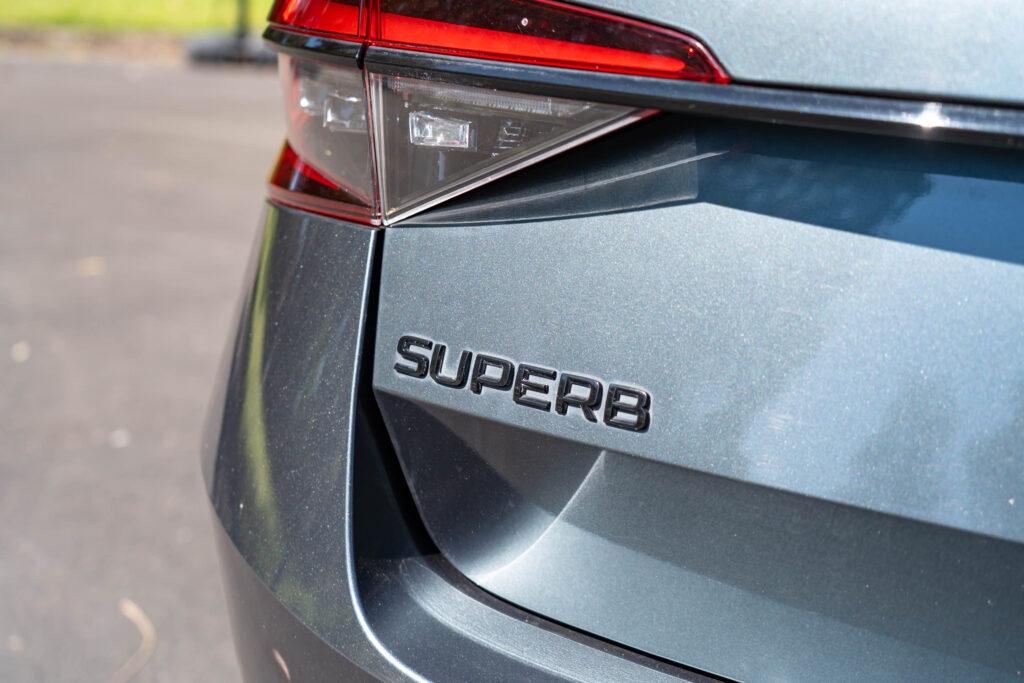
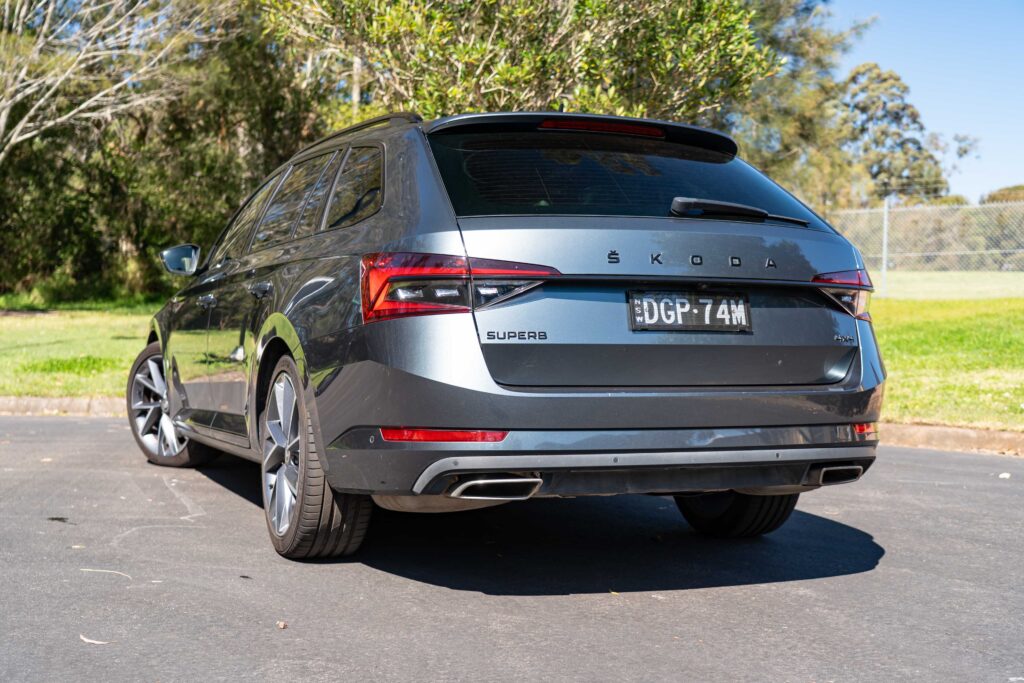
The third-generation Skoda Superb was produced from 2015 to 2024 and served as the brand’s flagship sedan/wagon.
Underneath, like past iterations and other Skoda models, third-gen Superbs are closely related to various Volkswagen Group (Volkswagen, Audi, SEAT) products, based on the Volkswagen Group MQB platform also used by models like the Volkswagen Passat/Arteon.
Powertrains vary by market and region, but Australian-delivered Skoda Superbs feature a 2.0L turbocharged four-cylinder (petrol or diesel), paired with either a six- or seven-speed dual-clutch automatic transmission. Australia also received them both in five-door liftback sedan and wagon configurations, with the option for front- or all-wheel drive.
Certain markets also received the third-gen Superb with smaller turbocharged four-cylinders (1.4, 1.5L), a plug-in hybrid variant, and the option of a six-speed manual.
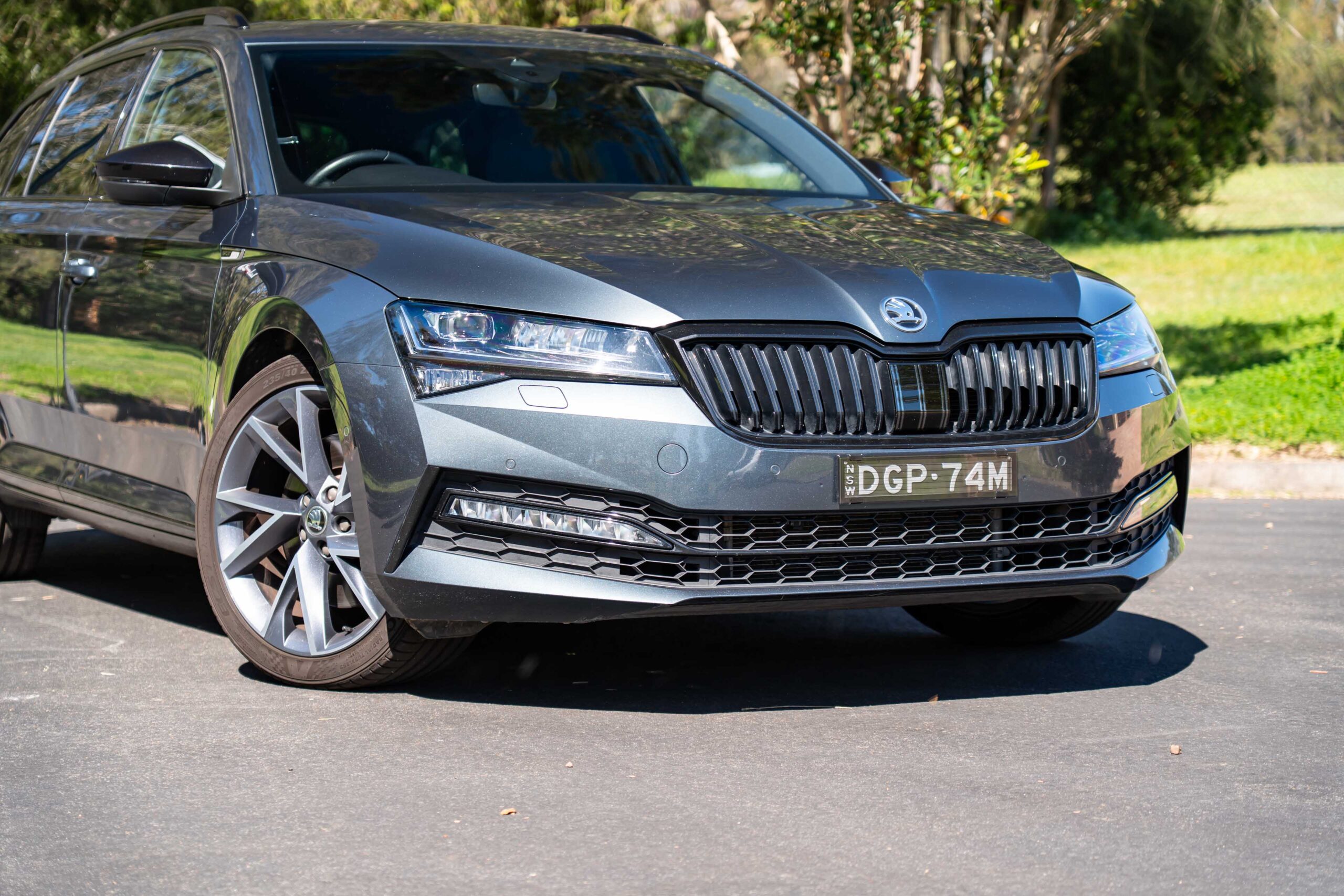
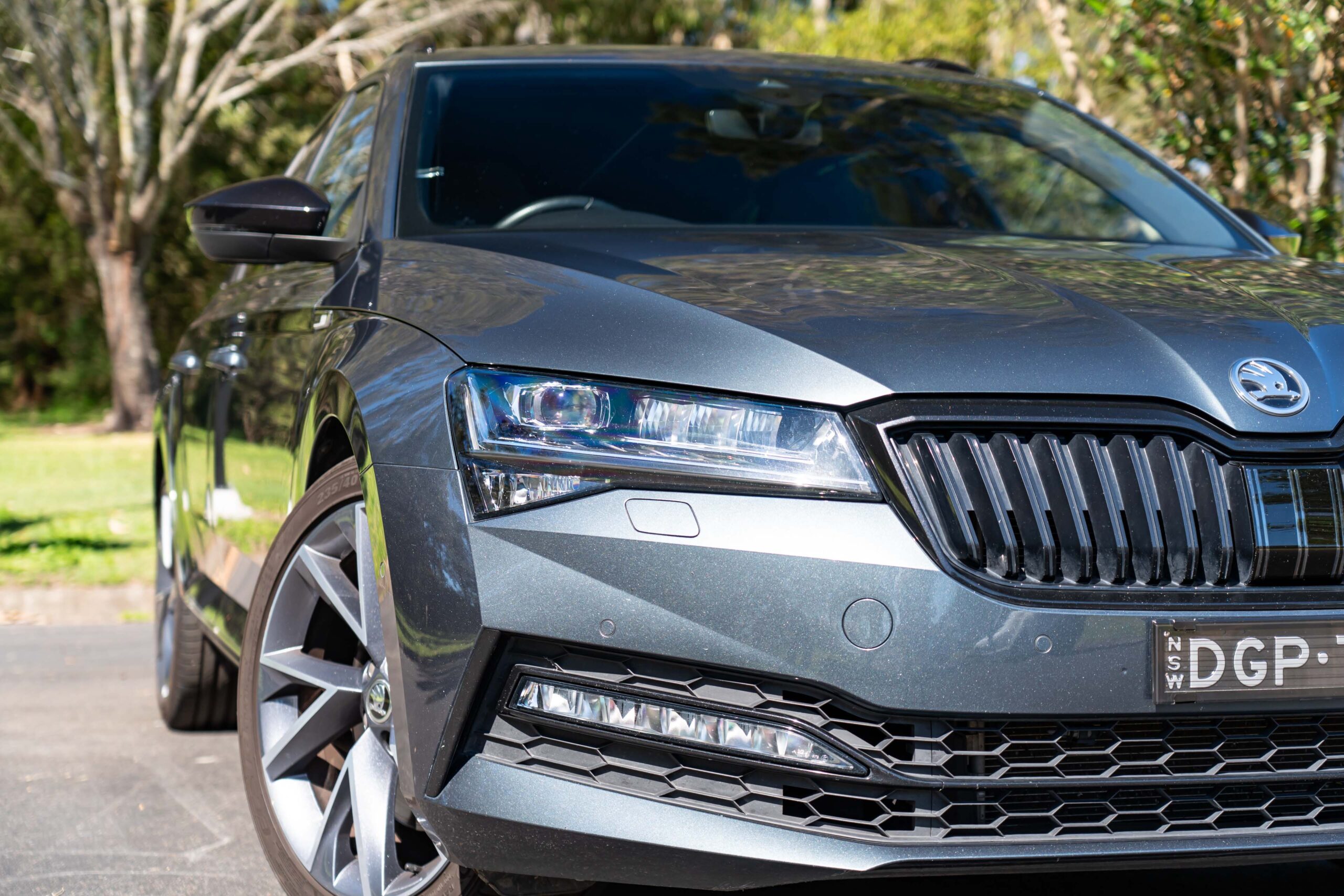
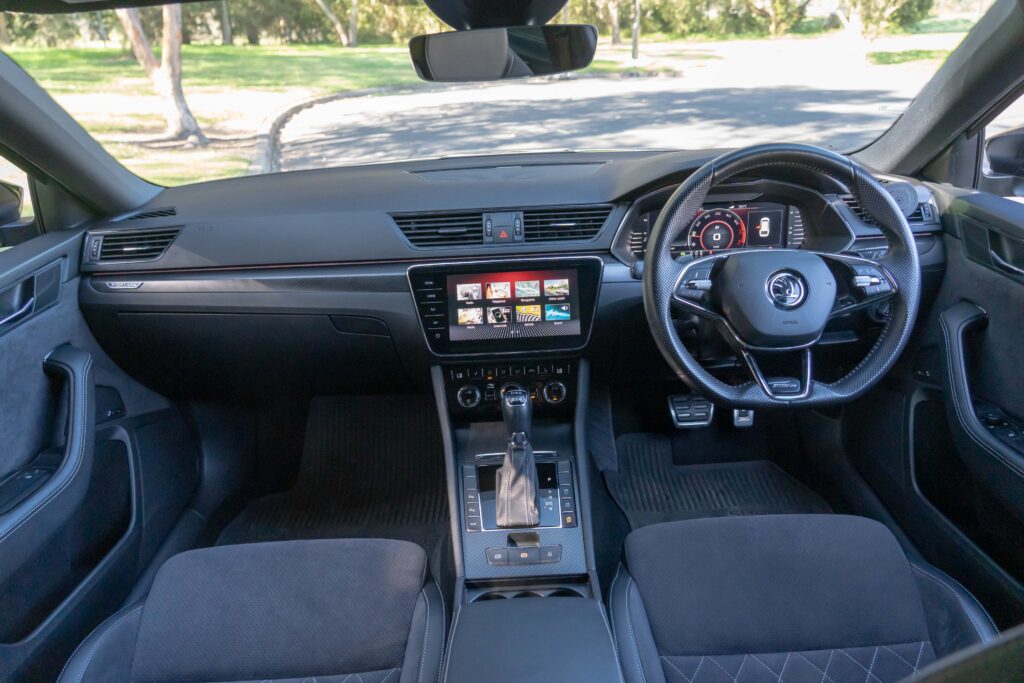
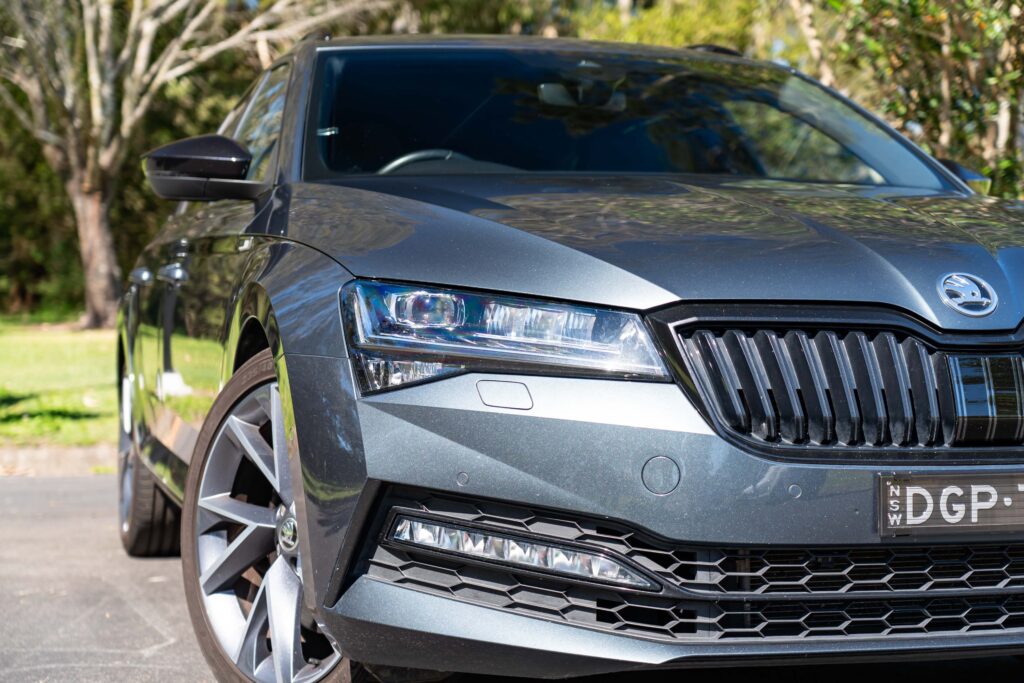
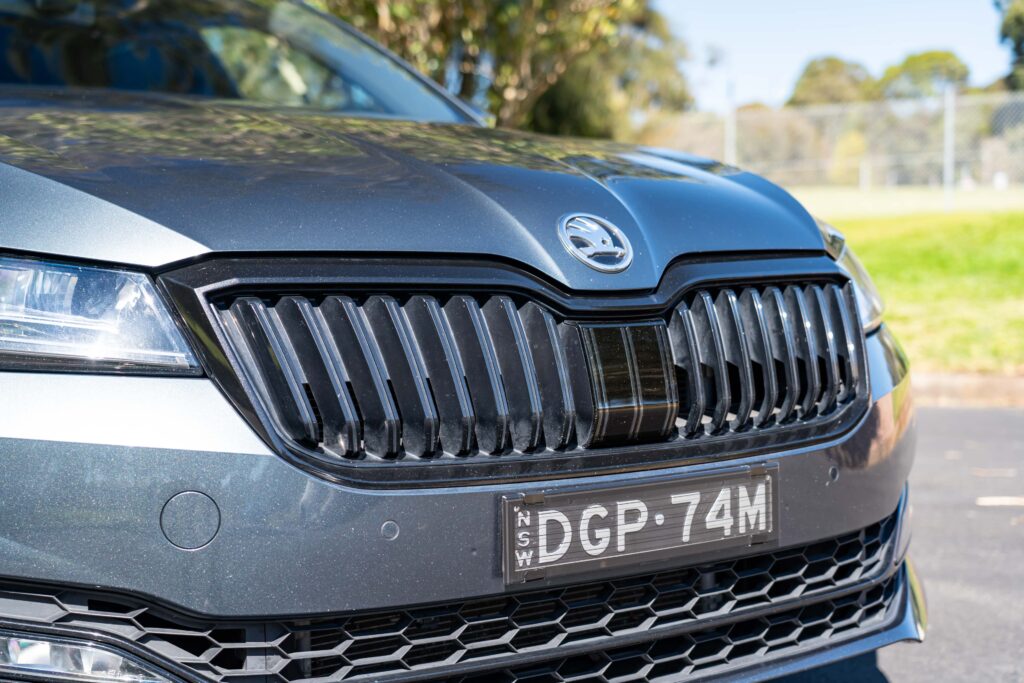
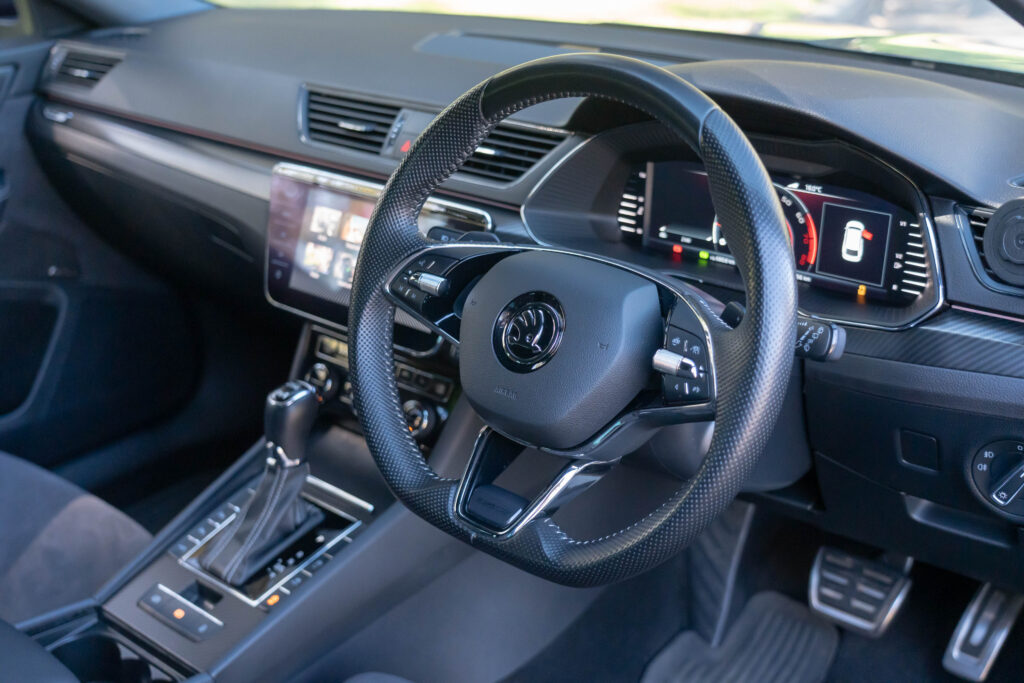
A midlife refresh applied to the third-gen Superbs from 2020 onwards brought a very subtle facelift, matrix LED headlights on higher-spec models, alongside a host of interior equipment/tech updates to the infotainment system and instrument cluster display (digital), and the addition of more ADAS features.
Notably, the Australian market saw a more simplified range lineup, and introduced the off-road-inspired ‘Scout’ variant.
Exterior:
As reported with other Volkswagen Group models, the water drainage channels on those equipped with panoramic sunroofs can easily block up with debris. If it’s not cleaned regularly, it can lead to water ingress into the cabin or allow water to collect within the headlining or spare wheel well.
The panoramic sunroof mechanisms themselves can also experience intermittent issues (seizing up or getting stuck in certain positions), and if you’re considering one that has the feature, ensure it opens and closes normally.
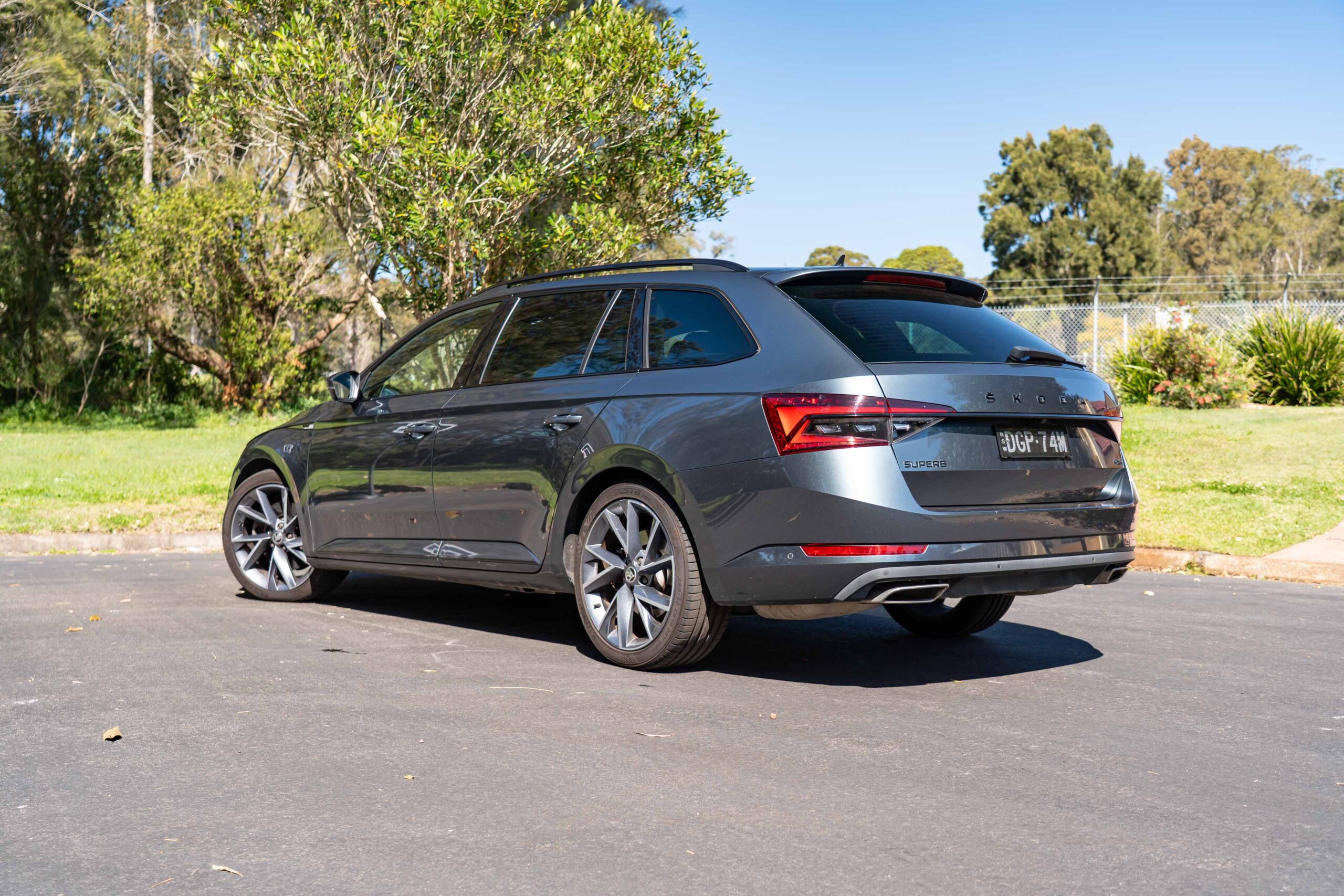
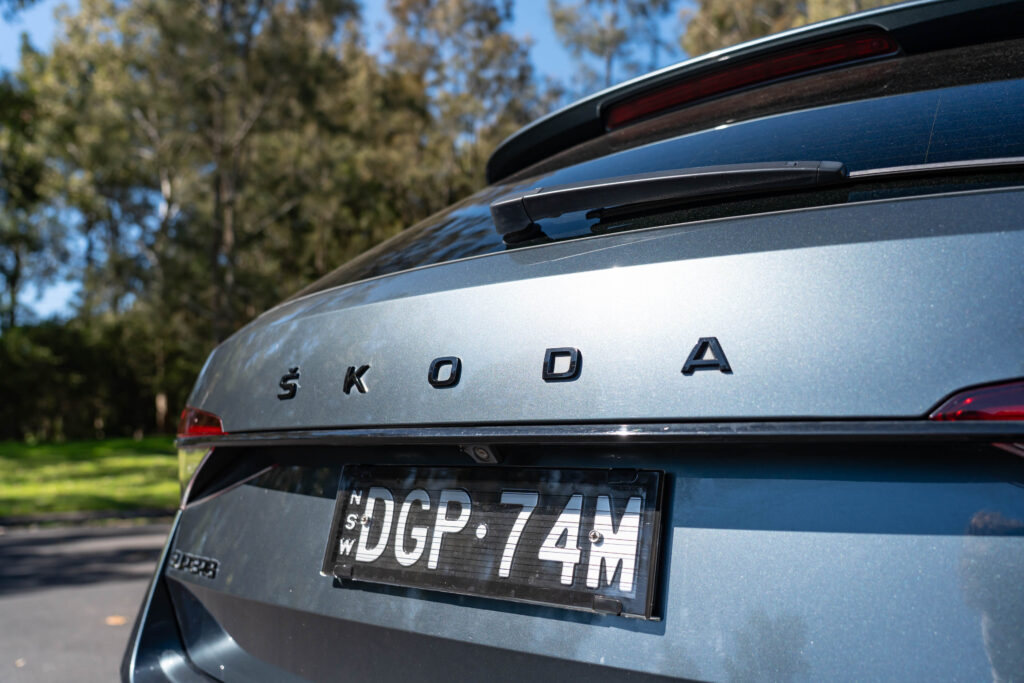
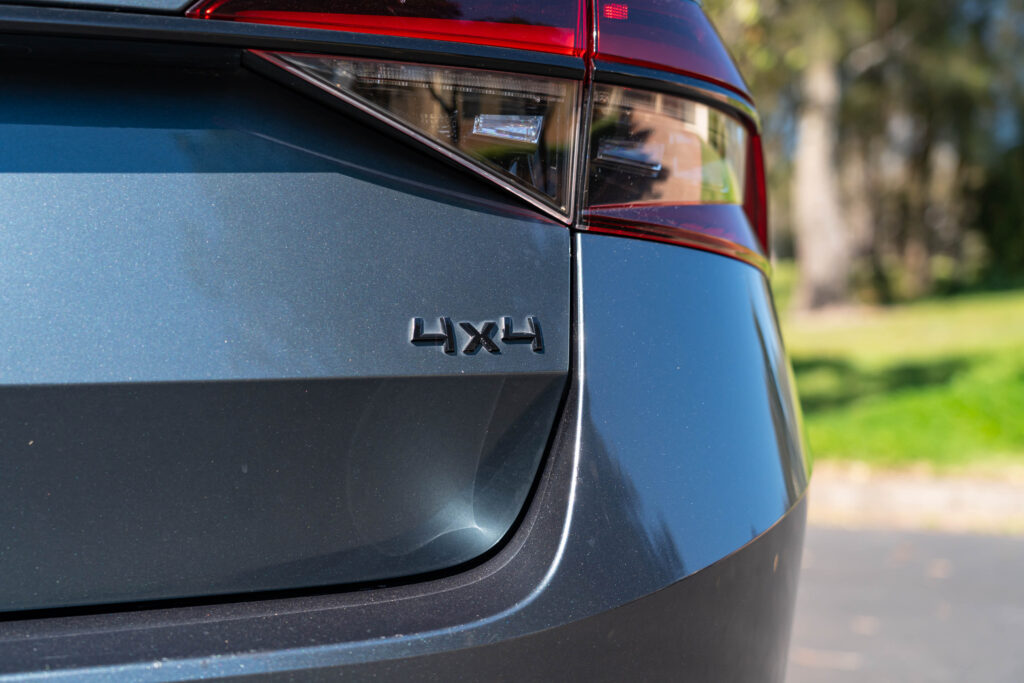
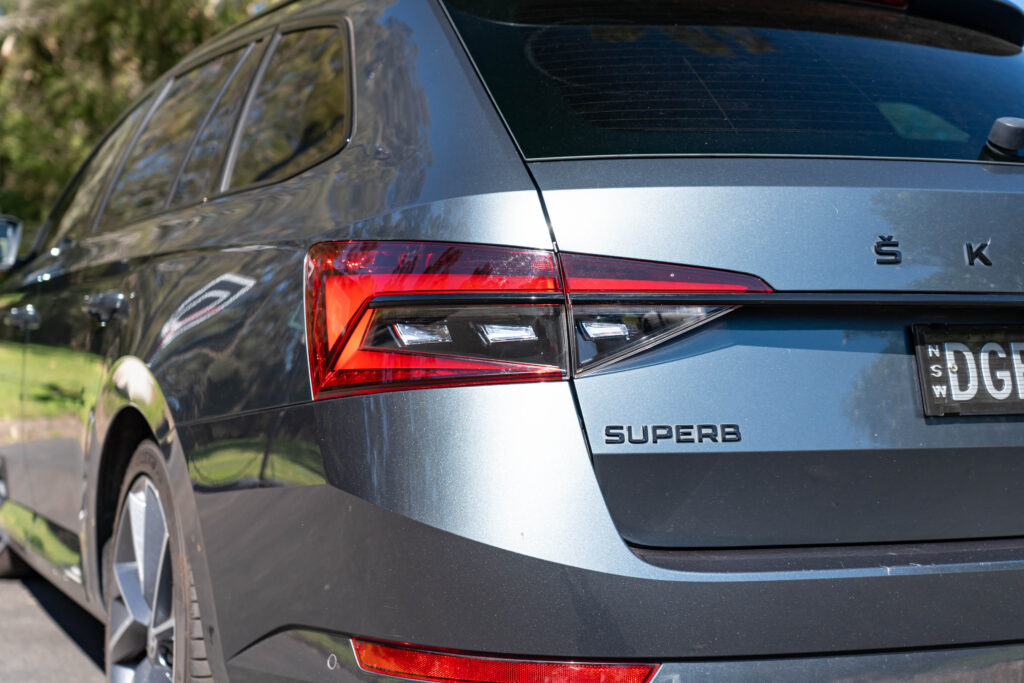
Build quality of exterior panels is generally solid compared to what other European cars experience, but some early models report inconsistent panel alignments, including well-documented instances where the rear tailgate becomes misaligned, rubbing against the rear bumper, leading to rust formation.
Some of the exterior chrome/metal effect trim strips can be more prone to wear, causing them to get loose or peel off – the B-Pillars being common sites.
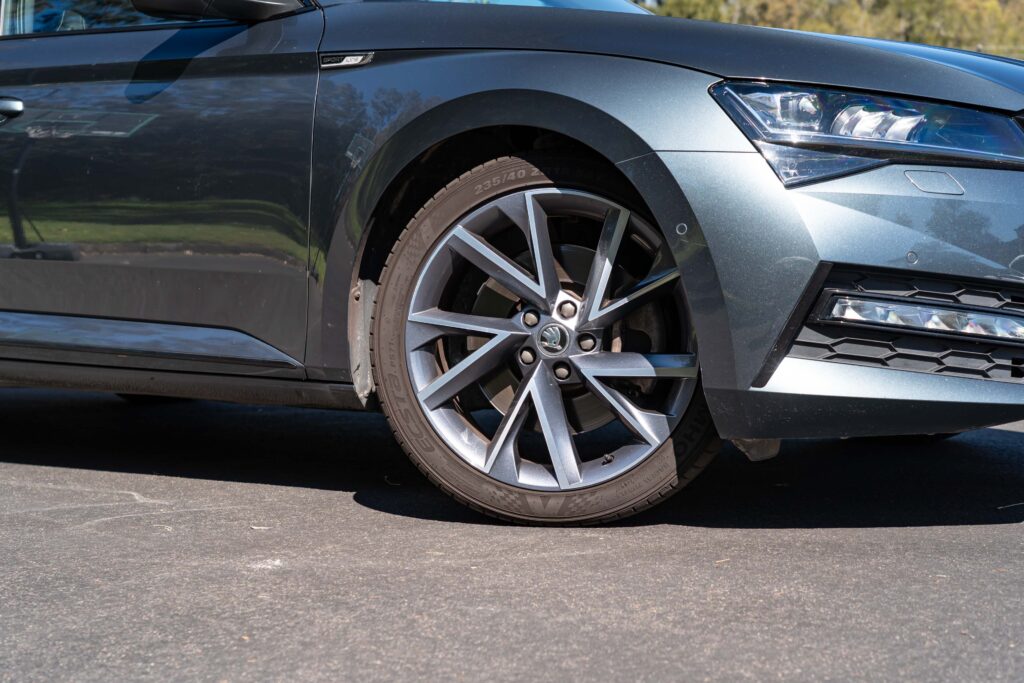
Alloy wheel lacquer degradation is a common issue cited with VW Group vehicles, the Superb included, and is more prevalent on higher-kilometre cars.
Sporadic issues are also reported with the electronically powered items on the exterior: features like the keyless entry exterior door handle sensor modules can occasionally fail, causing the aforementioned unlock/lock feature to not function (though the physical key fob and key are still usable).
Pre-facelift Superbs that feature an electronic tailgate also experience rare cases of weak motorised struts, faulty control modules, or overly-sensitive ‘anti-pinch’ sensors that can lead the tailgate to function abnormally when closing.
If you find yourself attempting to source replacement parts to fix any exterior issues, be aware not all Superb parts are interchangeable between pre- and post-update cars.
Interior:
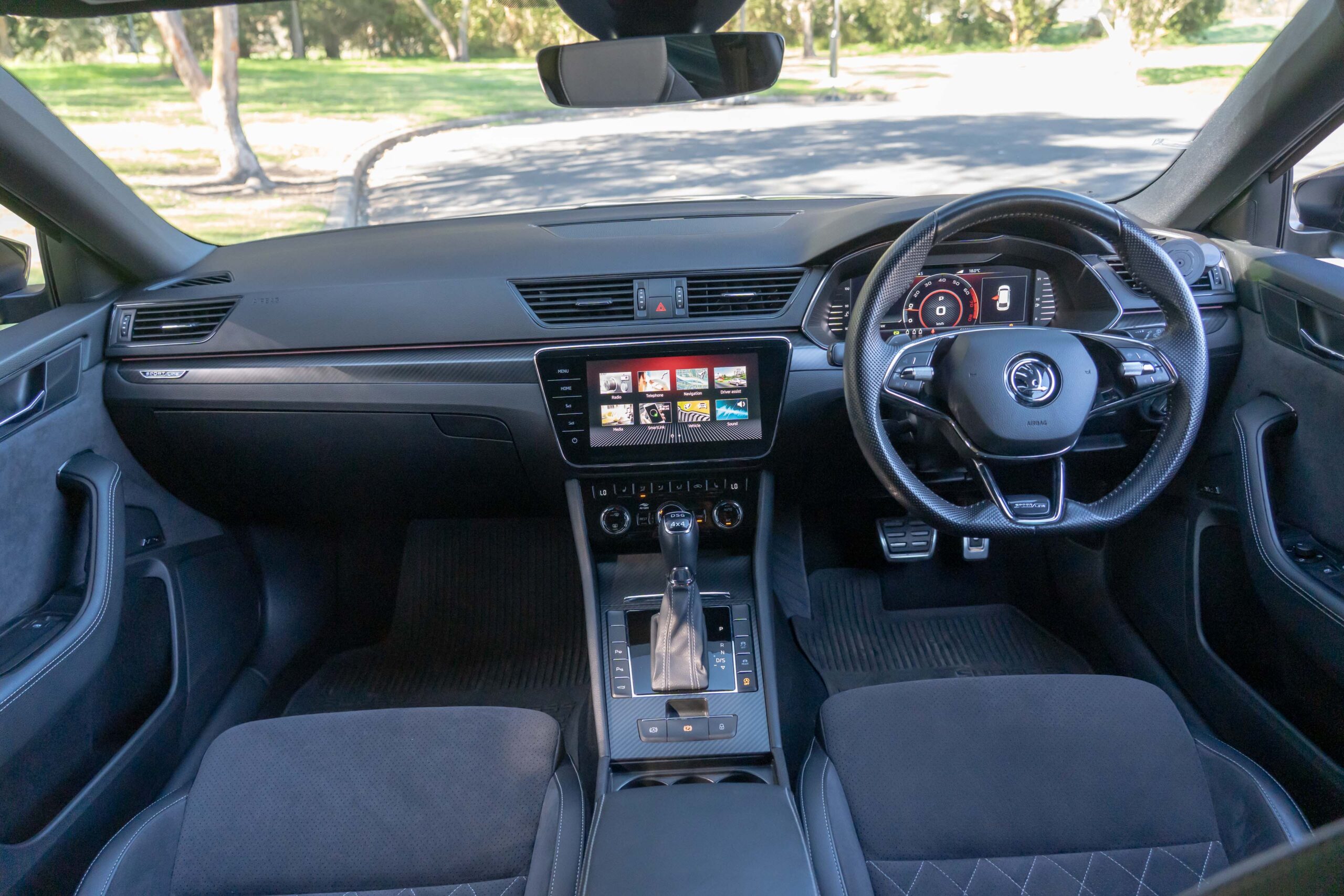
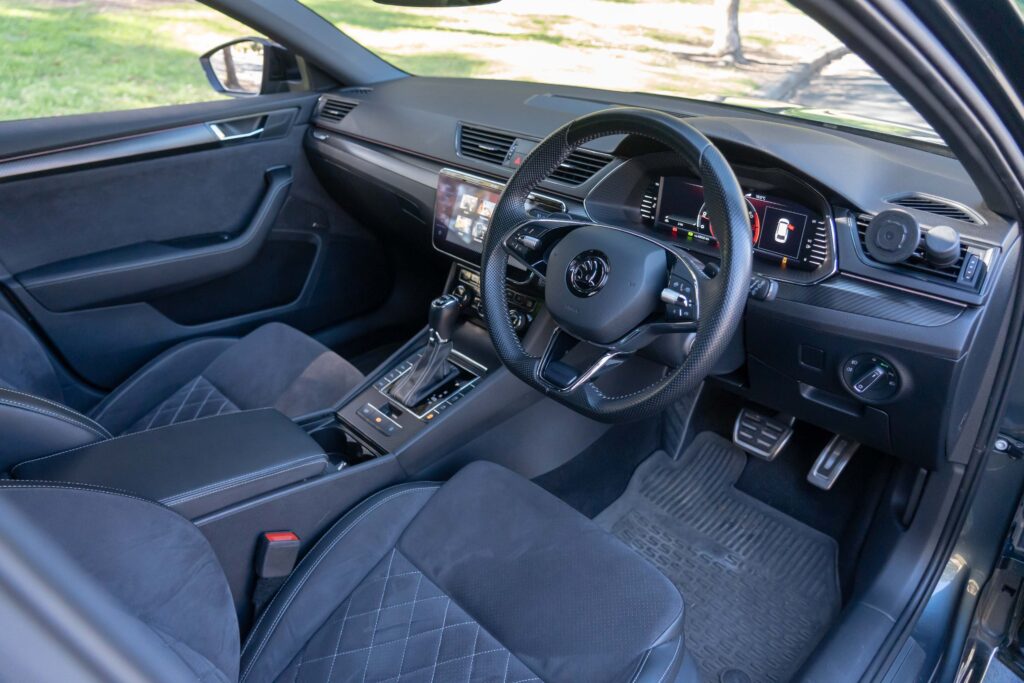
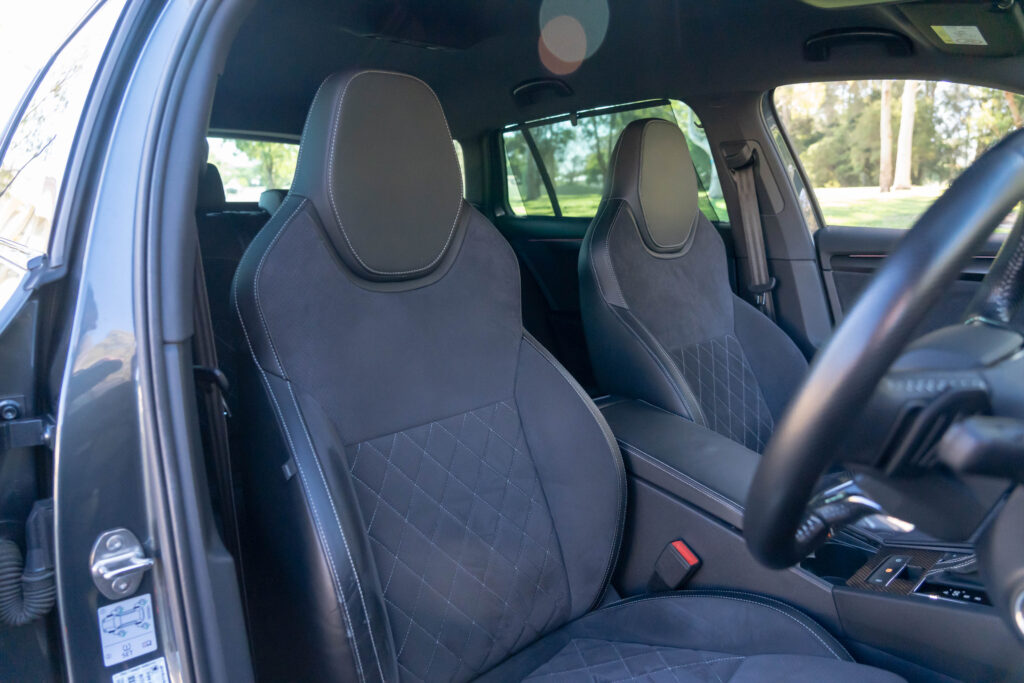
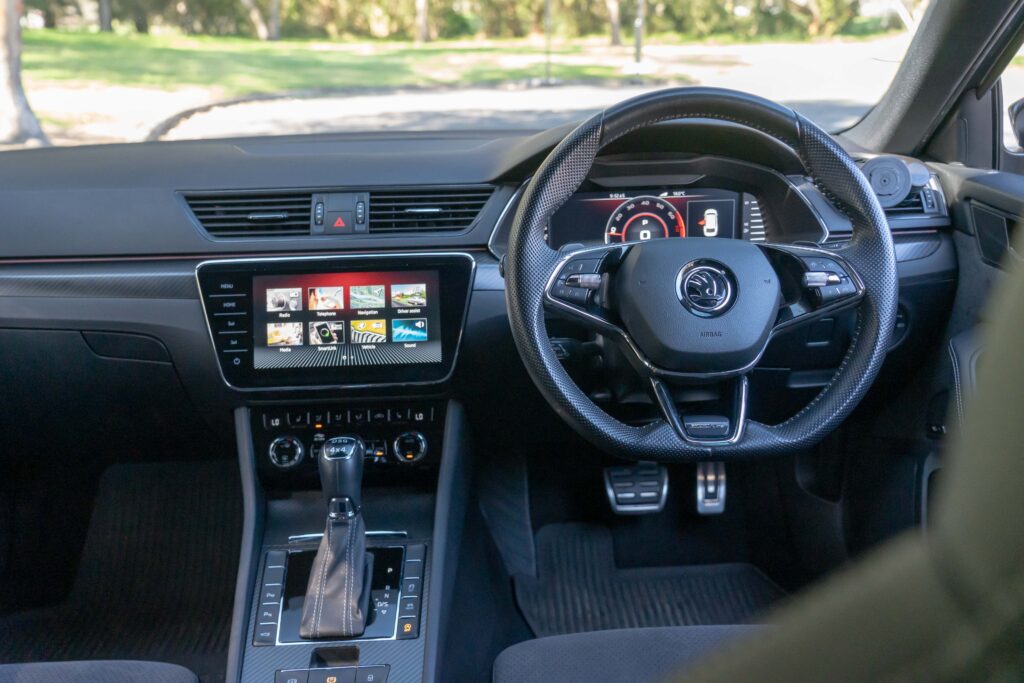
The inside of a Superb may use a lot of Volkswagen-sourced parts, but you may be surprised by the quality and level of features – with some stating these feel equivalent to an Audi.
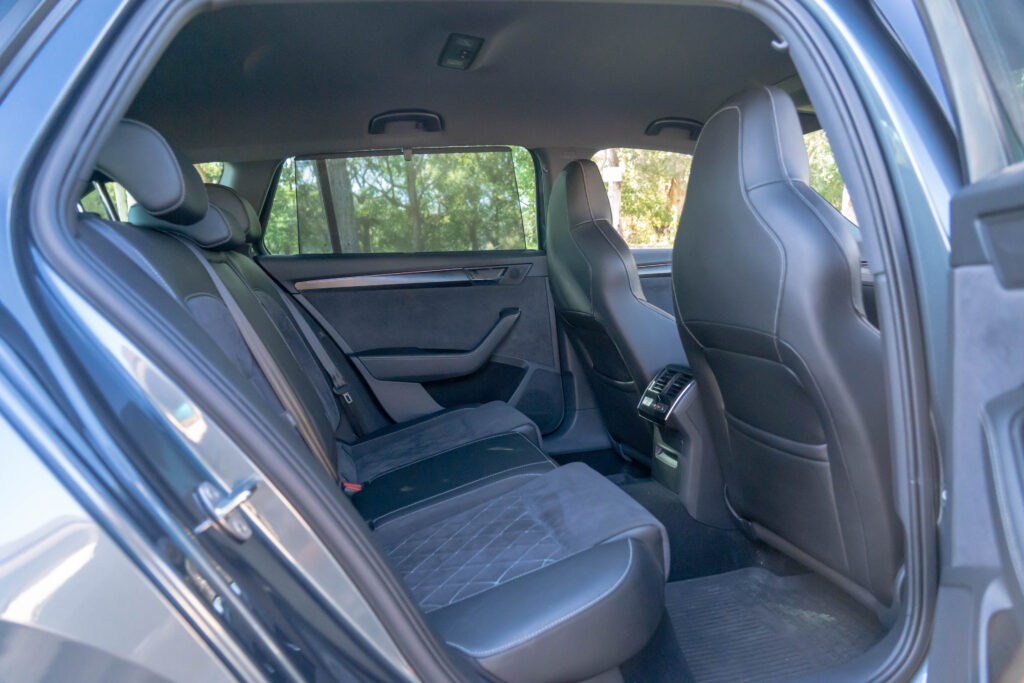
Adding to this, like what you might find with other Skoda models, these come with a variety of clever and practical features/storage tools that comparable models in this segment don’t even think to include.
Cargo dividers that attach via Velcro to the cargo floor, interior hooks, the rear cargo light that can also be used as a portable torch, an umbrella stored within the side door, and a multi-purpose ice scraper/tire tread depth gauge/magnifying glass are a few highlights.
The Australian-market Superbs (pre and post-update) tend to be fully loaded compared to other models sold internationally, which bring three-zone climate control, front/rear parking sensors, and a premium Canton sound system.
Generally, many features that are typically optional extras on premium Audi models come at no extra cost on the Superb, highlighting how much better value for money it offers compared to its Audi/Volkswagen counterparts.
But even as a still fairly recent car, while they are generally proving to be resilient against wear and tear over time (despite not using as much soft-touch material as equivalent Audis), a few interior complaints can come up with third-gen Superbs.
The rear middle seat ski hatch/fold-release mechanism has been reported to fail more than once on some cars, even after it’s been fixed under warranty.
Owners forums also frequently complain of the front glovebox springing open by itself when driving over bumps or road imperfections. It’s usually been traced to a worn/faulty internal spring or locking pin that should be covered under warranty rather than user ‘wear and tear’, but some Skoda dealers are known to dispute this.
Interior rattles are largely minimal, but common sites include the rear parcel shelf, folding rear seat mechanisms, or any region of the dashboard – owners’ groups provide a lot of ideas for solutions (ie. installing felt tape in problematic areas) in the rare case they appear.
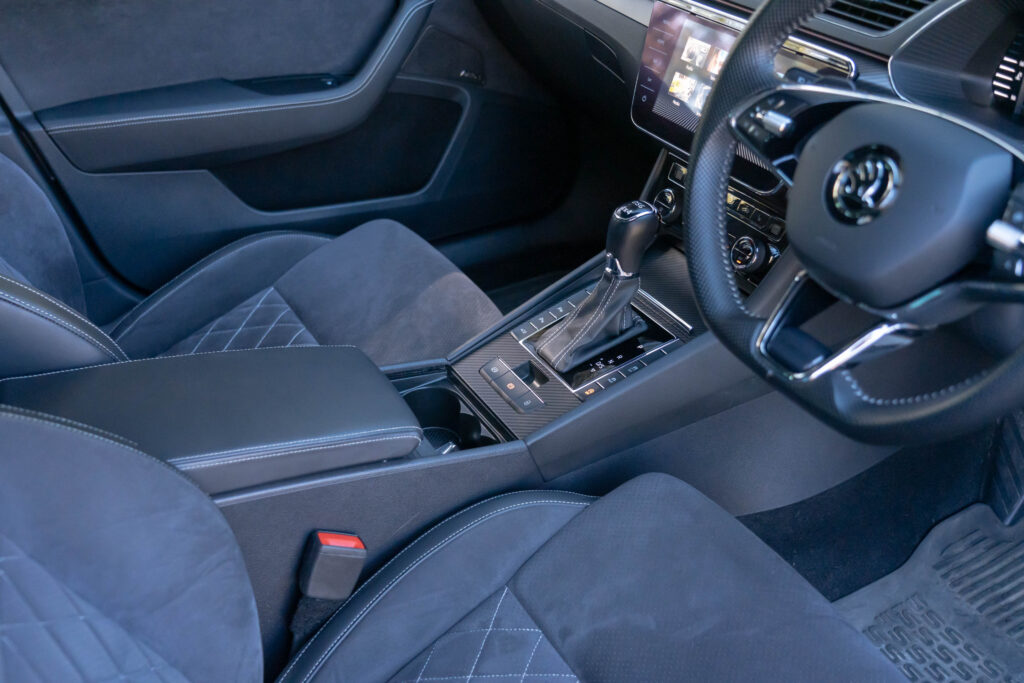
The surrounding silver/chrome trim on the gear lever surround, door handles, and cupholder edges can also flake off, producing sharp points.
Higher-spec cars can feature LED interior strip lighting that can experience intermittent failures.
A few cases have also reported weird electronic glitches with the memory settings (for the seating position and corresponding door mirror setup), where they randomly reposition themselves without inputs or don’t function at all.
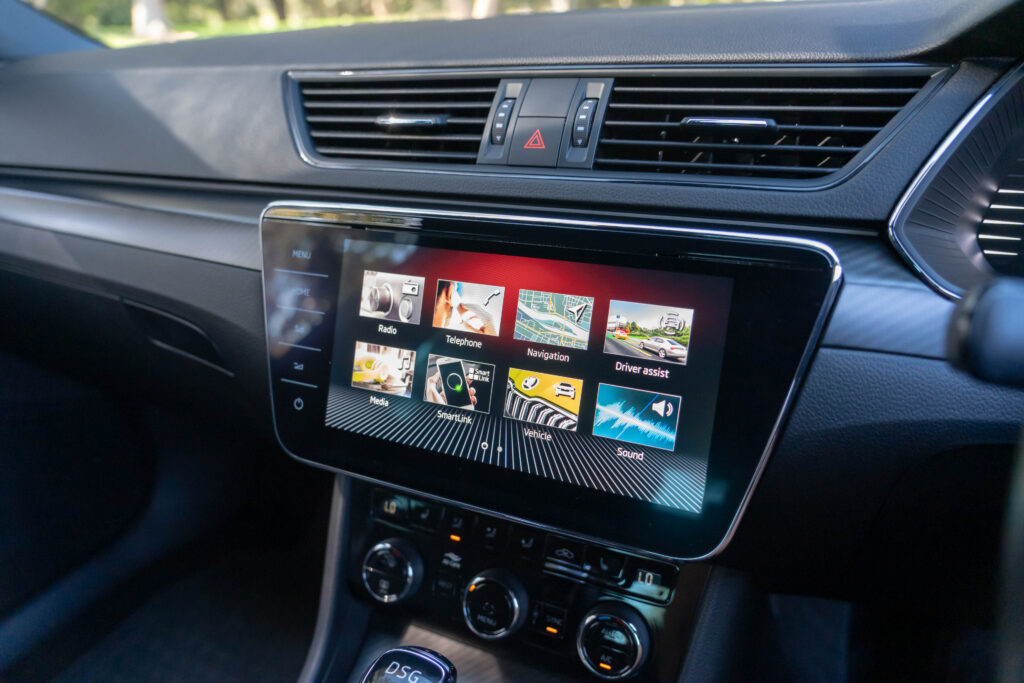
The Skoda MIB infotainment systems come with up-to-date features you expect from the current era, though pre-update systems did feature more tactile, physical controls that some may find more ergonomic than the fully digital setup introduced post-update.
Both pre/post-update Skoda MIB infotainment systems can also be susceptible to anything from the UI becoming unresponsive, mobile connectivity dropouts, the screen blacking out while Apple CarPlay/Android Auto is active, the rear-view camera freezing (on post-update systems) or GPS navigation glitches.
A power cycle (reboot) typically resolves these glitches, but in more persistent errors/cases, it may require a dealer to perform a software update, with some owners reporting having to do this every few months.
Mechanically:
Being a Volkswagen Group product, parts can be very easy and affordable to source by using VW parts. But pay attention to what quotes you are receiving, as some owners have found they’ve been quoted prices for the more expensive Audi-branded equivalents (likely as some retail databases cite the most expensive of the three brands for the same part by model number).
This inconsistency can also apply when getting quotations for servicing and maintenance, as we’ve heard some European specialists attempt to quote Audi-level markups.
The aftermarket tuning and support also carries over into the Superb, but like other VW Group models, ensuring quality parts are installed correctly, and any major drivetrain/transmission changes are done with respect to their overall integrity is highly advised.
In addition, Skoda dealer aftersales support can leave much to be desired, as multiple owners have experienced long resolution times, inconsistent diagnoses per visit, and warranty claims that have been initially denied, but only accepted after escalation to Skoda Australia’s head office.
The Australian dealer network is also not Skoda’s strongest point, as coverage can be stretched thin between regions. For instance, one owner based in Queensland reported their nearest Skoda dealer was roughly two and a half hours away, which can make scheduling warranty/recall work difficult.
Do also note that within the Australian used market, low-spec or base-trim Superbs may have been previously employed as police vehicles, and you may want to steer clear of these, which are typically the most affordable ones on sale.
Engines:
2.0L Turbocharged 4-cyl (EA888)
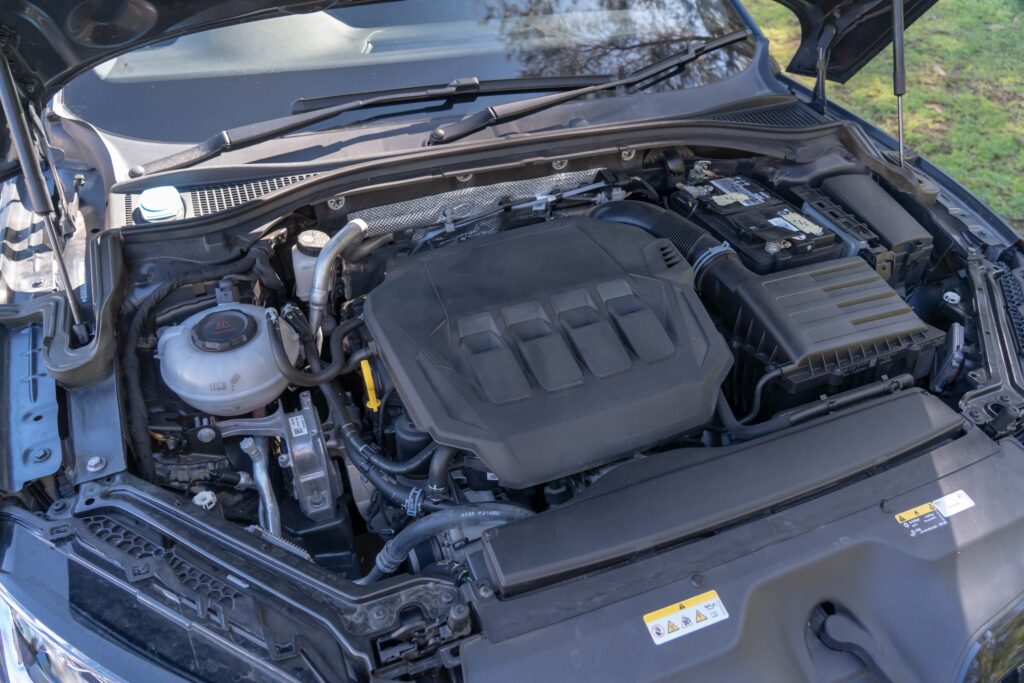
The EA888 2.0L turbo four-cylinder used by the Skoda is the same powertrain used by its VW Group siblings, from the Audi S3 to the Volkswagen Golf R.
While we’ve highlighted the infamous reputation the EA888 engine has when it comes to general reliability, the good news is that in later applications, like the third-gen Superb, cases of its known weaknesses (timing chain issues, oil consumption) are reported far lower than in earlier iterations.
However, the engine is still susceptible to issues. The water pump and thermostat module continues to be a known weak point – some have experienced the water pump (combined with the thermostat) failing early and often.
We hear in some cars, the factory water pump lasts only as long as 60,000 kilometres before it needs attention, so as part of the regular scheduled maintenance, you might as well consider replacing the water pump as one of the key items to do.
Also, when the time comes to replace it, it’s worthwhile to install a more robust and cheaper aftermarket unit, compared to an OEM one.
Other issues to look out for, as highlighted in previous reviews of the EA888 engines, include inlet manifold and swirl flap problems, along with leaks from the PCV system that lead to air-fuel ratio and cam solenoid failures.
The cam control solenoids/magnets can also fail, triggering fault codes to display.
Occasional reports of engine breather (aka PCV) complications can also happen.
Higher oil consumption can also be an issue, but is more prevalent on those that have had their servicing neglected and isn’t as prevalent on more recent engines.
2.0L 4-cyl turbodiesel (EA288)
As with modern-era, common rail diesels, the four-cylinder turbodiesel is susceptible to all the usual issues and faults previously reported – from EGR system faults to MAP sensor and DPF issues.
The EGR system is likely to be one of the first issues to come across, usually when it clogs up and the EGR valve fails.
Neglected servicing, or only subjecting these to brief drive cycles, can lead to DPF complications, which can also be caused by MAP sensors collecting debris – ensuring to clean them out as part of routine maintenance can go a long way.
Occasionally, these VW Group turbodiesel engines can also report oil/intercooler leaks, as well as charge pipe issues.
However, the good news is you don’t often see these experiencing issues below 100,000 kilometres – provided they’ve been attentively cared for, and not purely subjected to short drives at slow speeds.
High mileage (but well-maintained) ones can even reach above the 200-300,000 kilometer range without serious issues. Don’t forget these turbodiesel powertrains don’t perform at their best with too many short drive cycles; prolonged drives at highway speeds are crucial to guarantee maximum longevity.
Also, ensure the timing belts are replaced every 105,000 kilometers/7 years.
Transmission:
Like other Volkswagen Group products, the Superb uses the DSG (Direct Shift Gearbox).
While they’ve attracted a reputation for their frequent issues, the reality is that if they’re serviced properly & on time, in a standard car, without modifications, they can prove to be not too problematic.
Issues affecting certain components like the DSG position sensors and mechatronics can occur, but they’re not too common as the internet may lead you to believe, and more recent units are considered better built and reliable.
Early models can also attract more complaints for the typical dual-clutch jerkiness and hesitation to operate at low speeds.
But if you are in the market for one of these, it’s highly advised that you see some form of evidence that they’ve been serviced properly; those that have not are more likely to develop problems you frequently hear about with DSG transmissions.
As a general guide, Volkswagen Group-specific DSG service intervals are typically quoted at every 60,000 kilometres, and they should have documented evidence of regular transmission fluid and filter changes.
Suspension/Brakes:
Premature front brake disc/pad wear is reported on some cars, especially on the top-line models (206 TSI) that can require new brake parts every 30-50,000 kilometres.
Those riding on the larger 18-19-inch wheel and tyre setups can experience harsher rides and more prevalent road noise – some owners recommend swapping to the smaller 16- 17-inch setups, which significantly improve general ride and cabin refinement.
Models equipped with adaptive dampers also report they can fail in as little as 26,000 kilometres; we’re also told those riding on lowered springs without adjusting the electronic damper setup can also accelerate damper wear.
Like what other VW Group models complain about, the factory steering calibrations can feel largely synthetic and numb. But, thanks to the setup being shared with Audi RS/Volkswagen R models, it is possible on the Skoda to reflash the steering to their sportier settings.
Quality aftermarket suspension is worth looking into, but even passive suspension setups can quickly wear down other components like front lower control arm bushes, anti-roll bar drop links, top mounts, and rear coil springs, like what other models on the VW MQB platform frequently complain of; it can also contribute to various undercarriage noises developing above 100,000 kilometres.
Third-generation Skoda Superbs on the used market start as low as $9,000 and top out around $50,000.
When you consider that these were originally priced new at retail from $40-75,000, this generation of the Superb is one of the heaviest depreciating models in its class, consistently performing, on average, worse than a Toyota Camry, Mazda 6, or Kia Stinger when it comes to retaining overall value.
But put into perspective, for secondhand buyers, this positions the Skoda as a serious value-for-money purchase (once most of the depreciation they will ever experience flatlines after dropping below $30,000), and not a lot of other rivals can offer the same amount of car for this asking price range.
While these Skodas have a list of known issues that are worth monitoring for, like other VW Group products, the vast majority on the used market appear to be relatively trouble-free – many owners speak positively of their ownership experiences.
Backing this up is the supportive and enthusiast owners’ community surrounding this iteration of the Superb (to the same level as other Skoda models), which is very resourceful for any number of questions or troubleshooting for this model.
A third-gen Skoda Superb offers incredible value for money against its Volkswagen and Audi siblings, alongside other equivalent European models you can also choose from in the secondhand market.
It’s a seriously underrated choice that is worth your money and attention, provided a pre-purchase inspection confirms no major problems, you budget for preventive maintenance items or resolving occasional electronic issues, and you can get a great practical vehicle with a surprising amount of performance qualities.
MORE: Check out our other Skoda reviews
MORE: Check out our other wagon reviews


Co-creator, presenter & writer, ReDriven

Yes. But only the right example.
 2 weeks ago
 3 weeks ago
 3 weeks ago