Australia’s No. 1 Used Car Review Website
Australia’s No. 1 Used Car Review Website
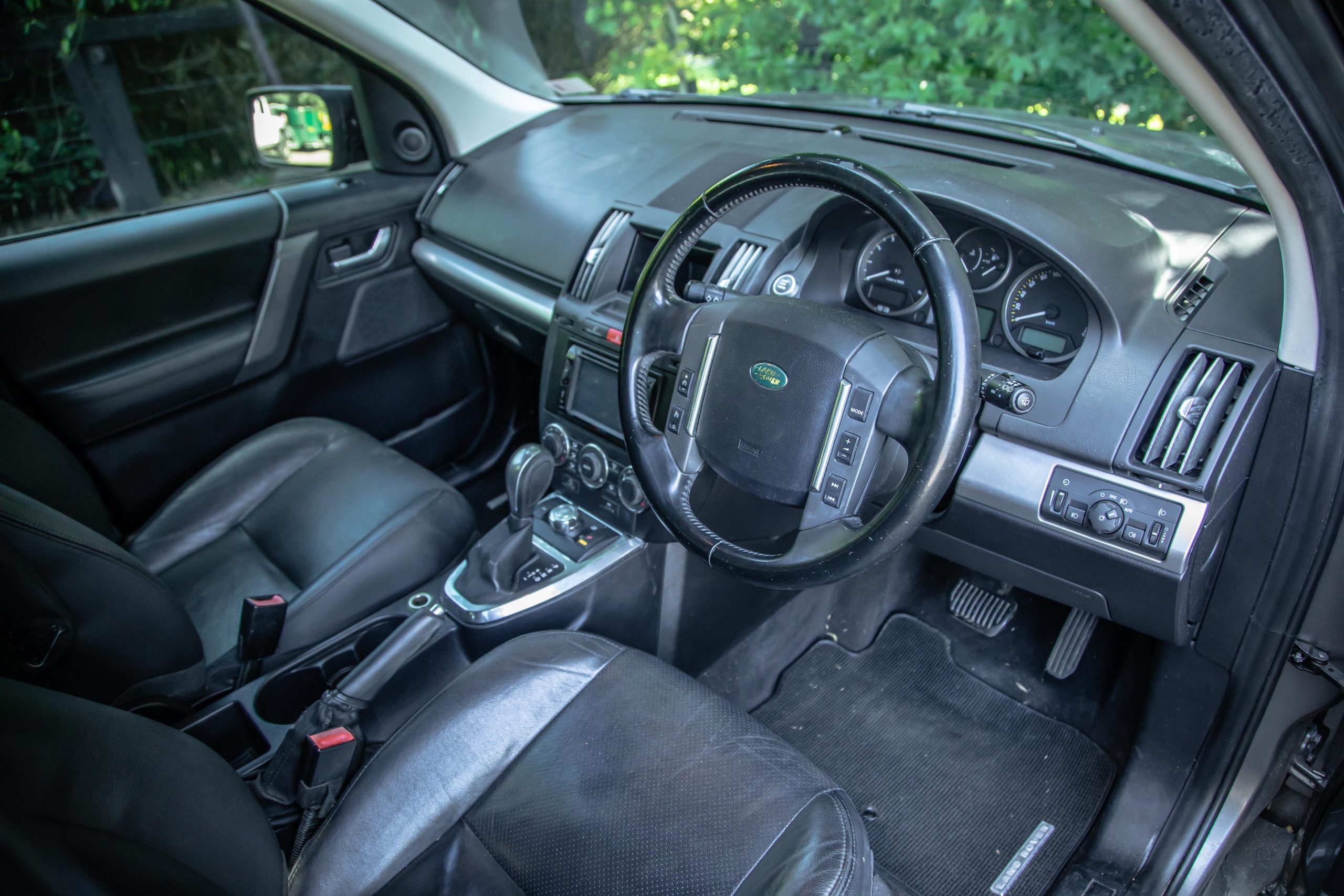
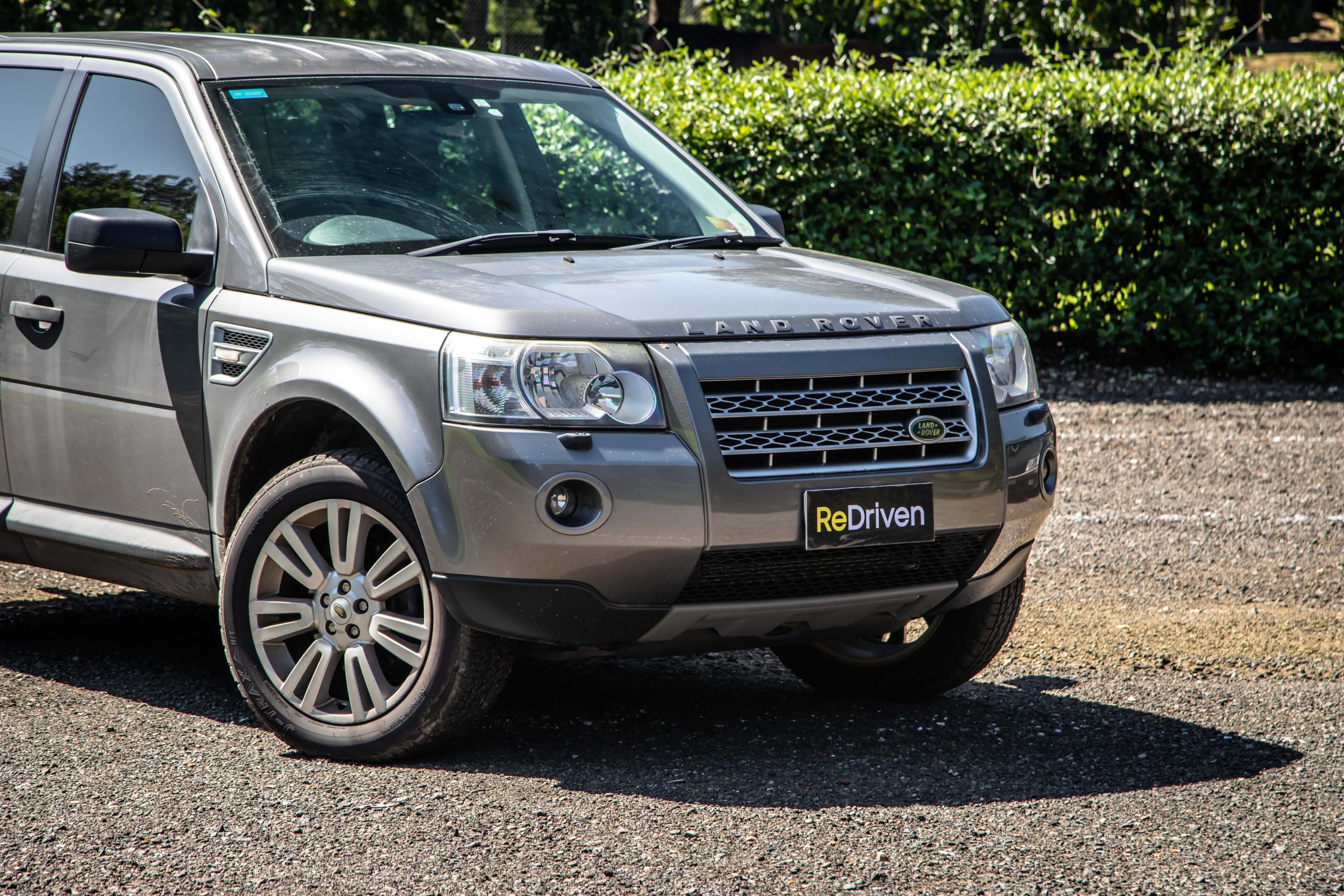
+11 Photos
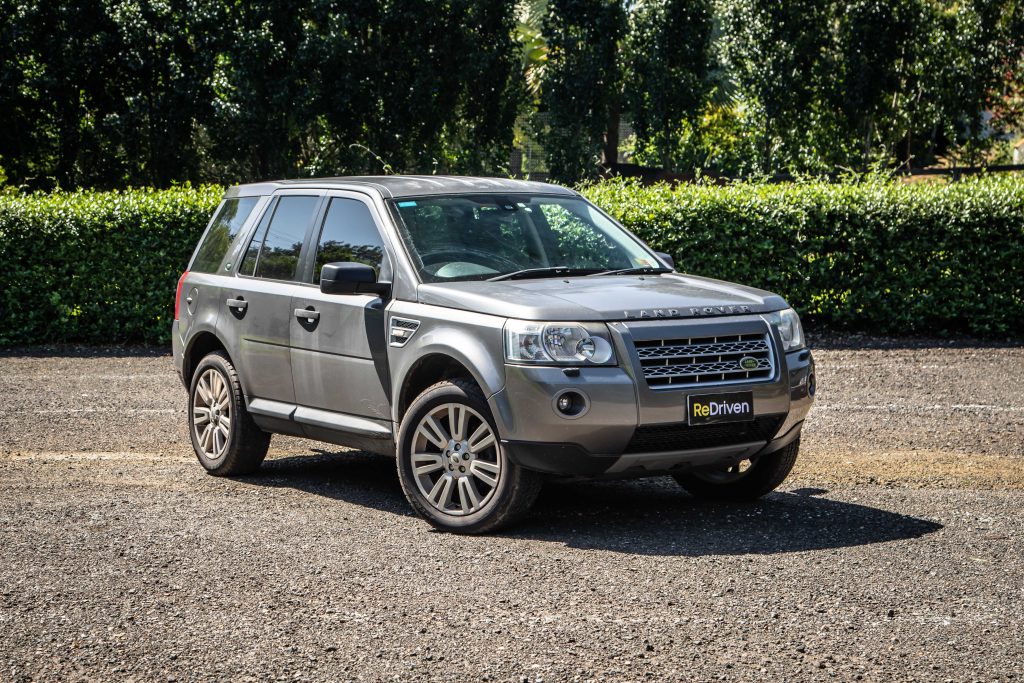
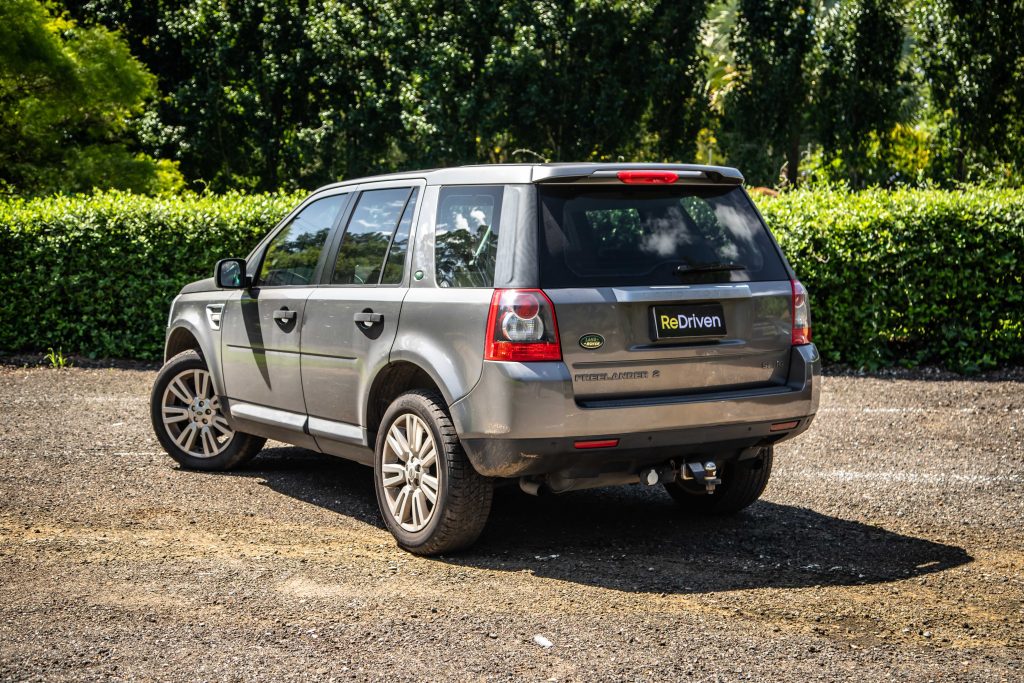
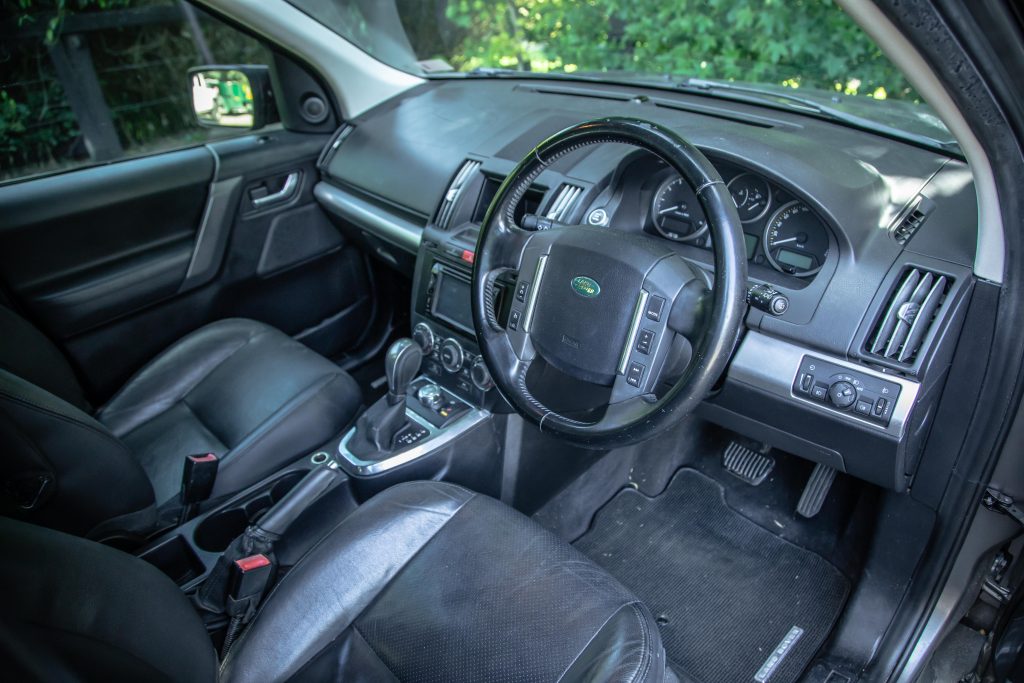
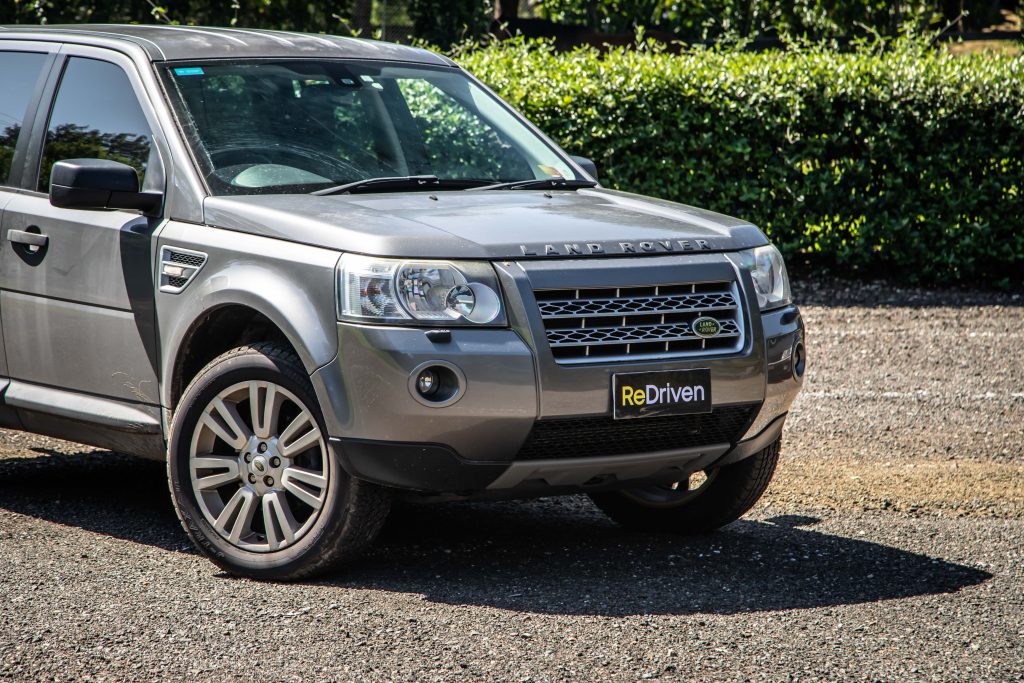
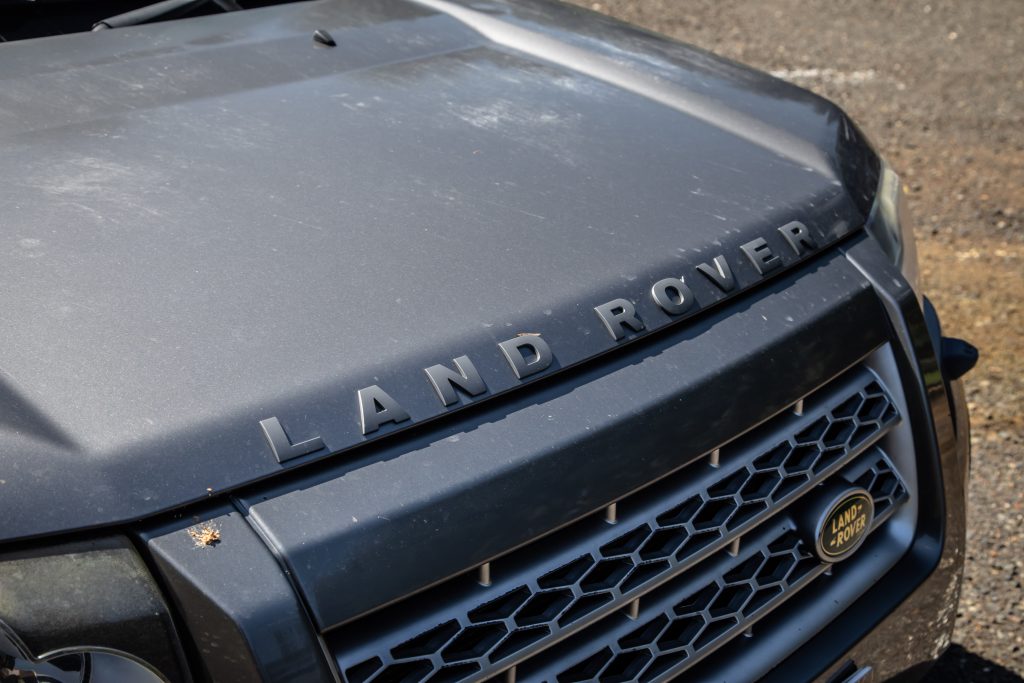
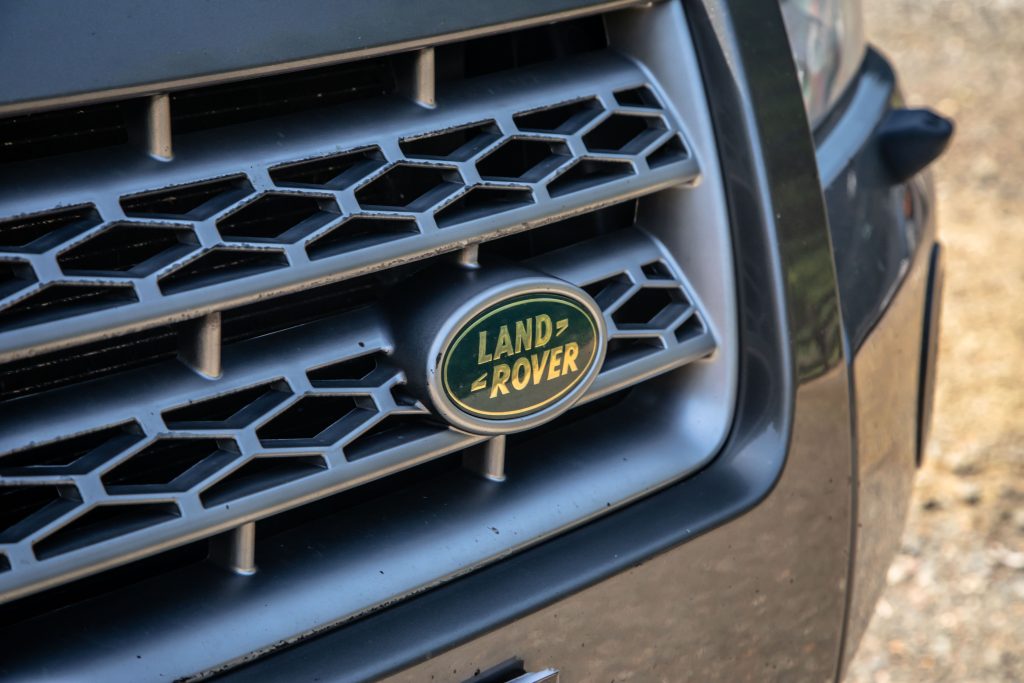
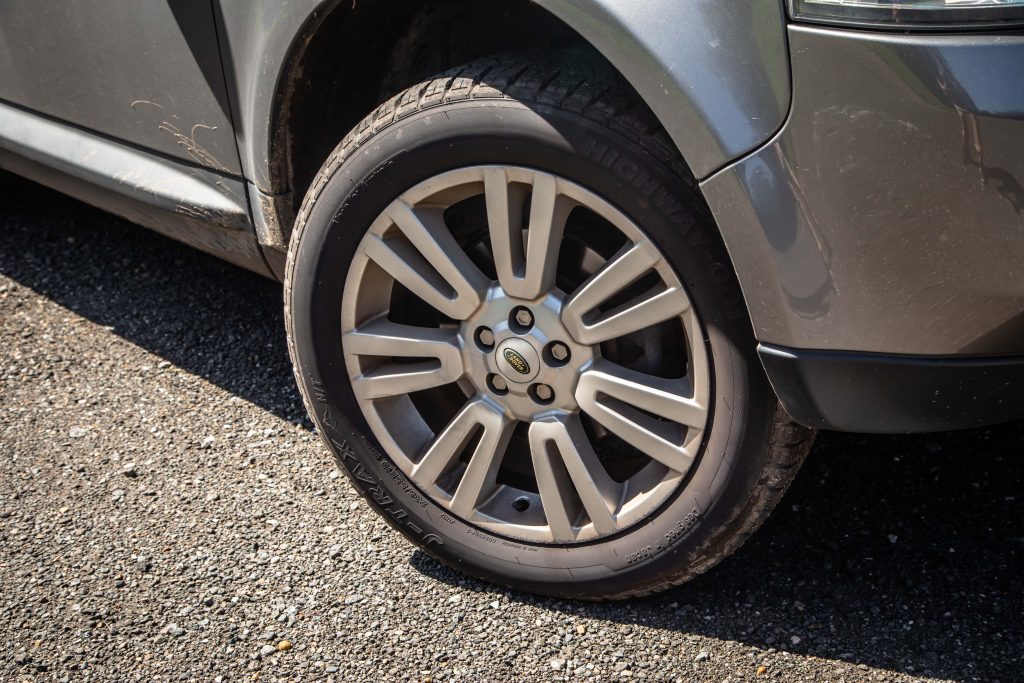
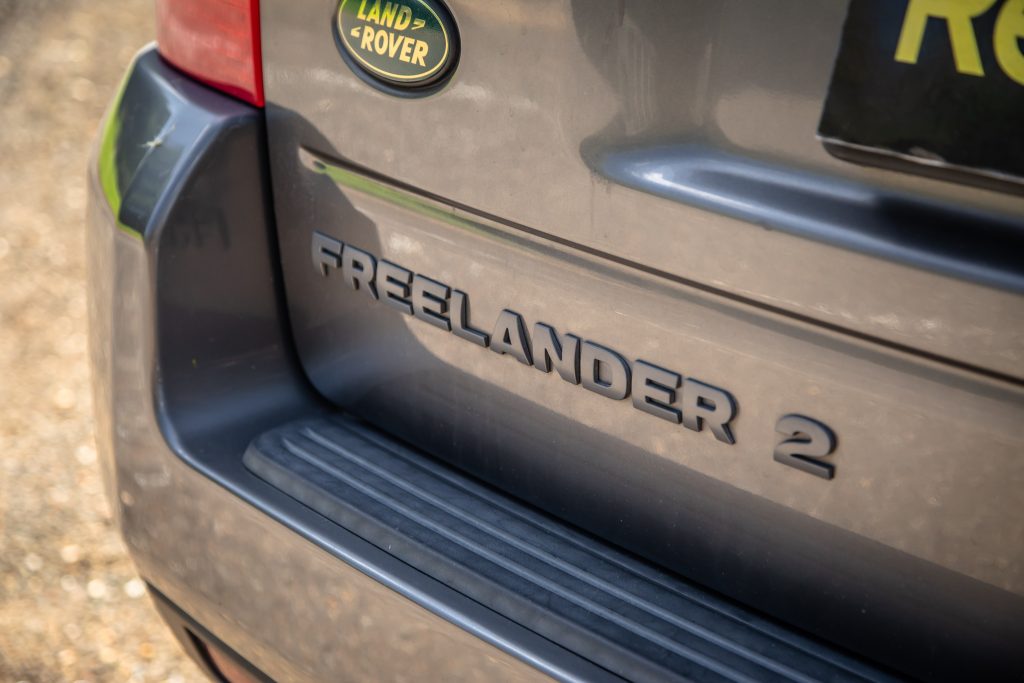
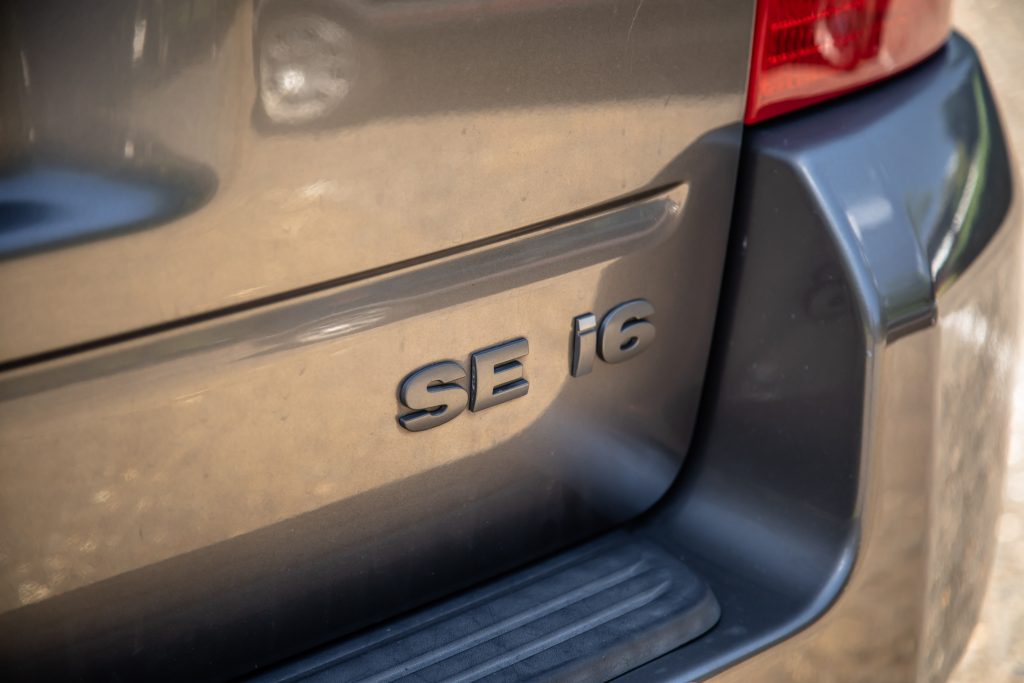
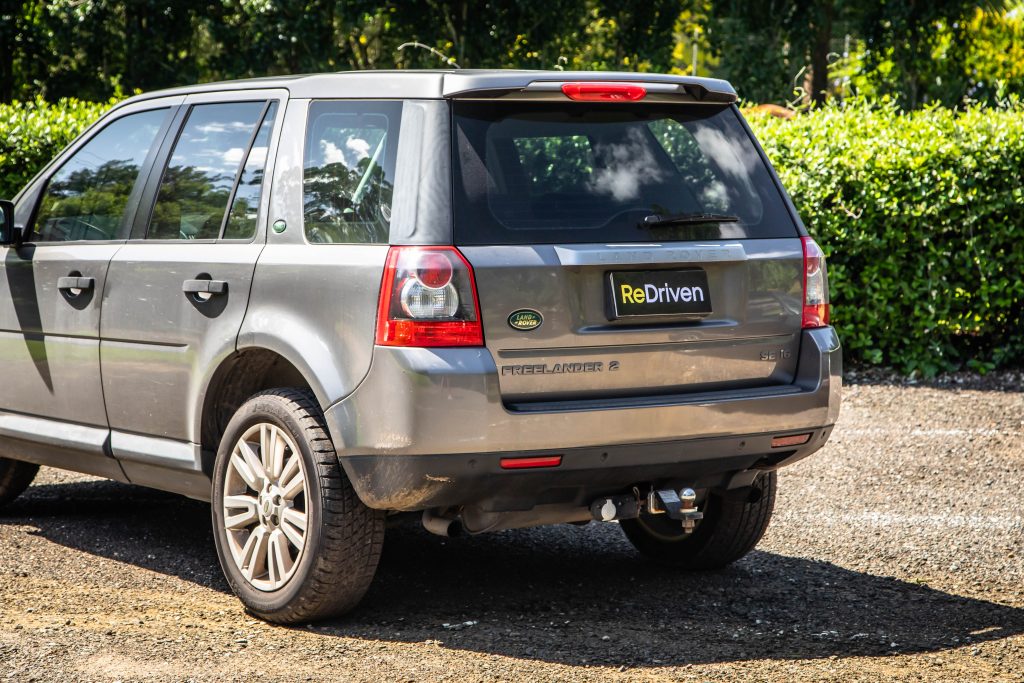
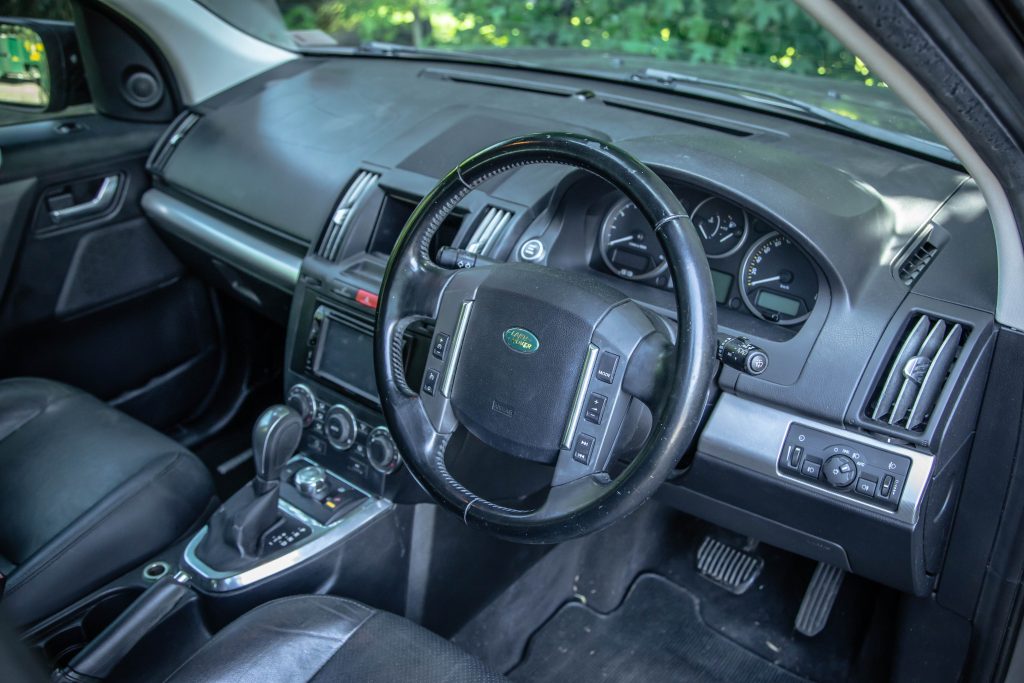
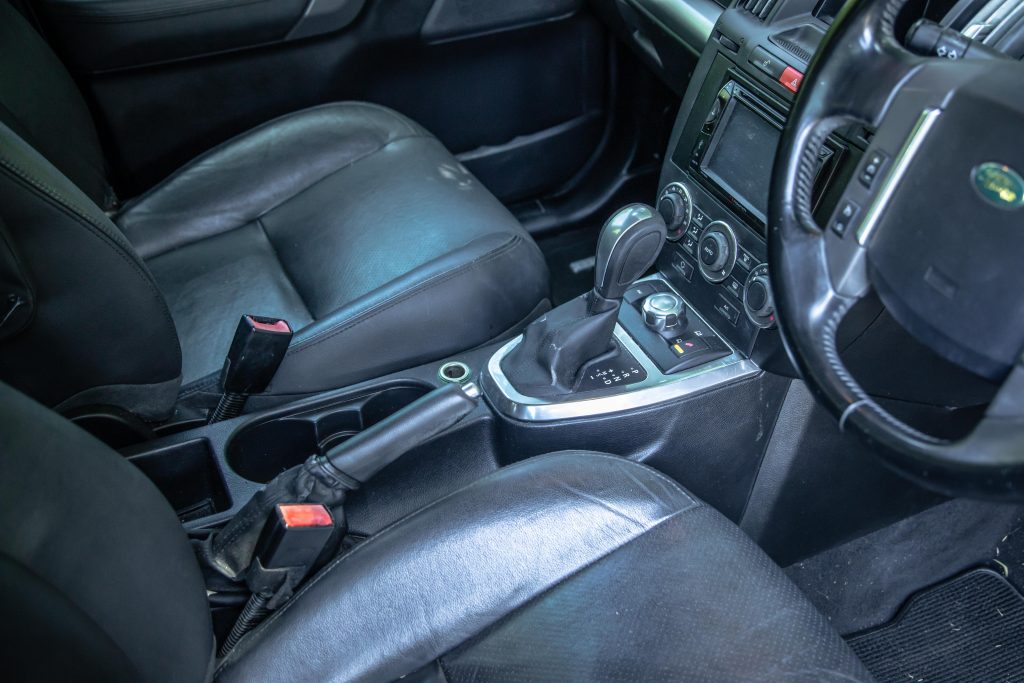
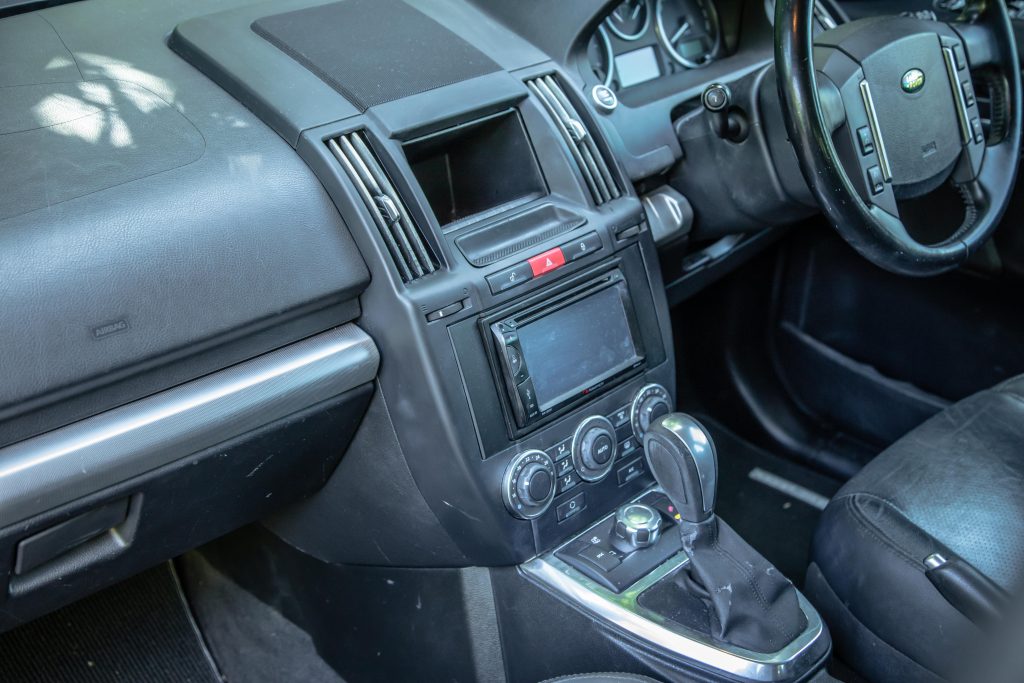

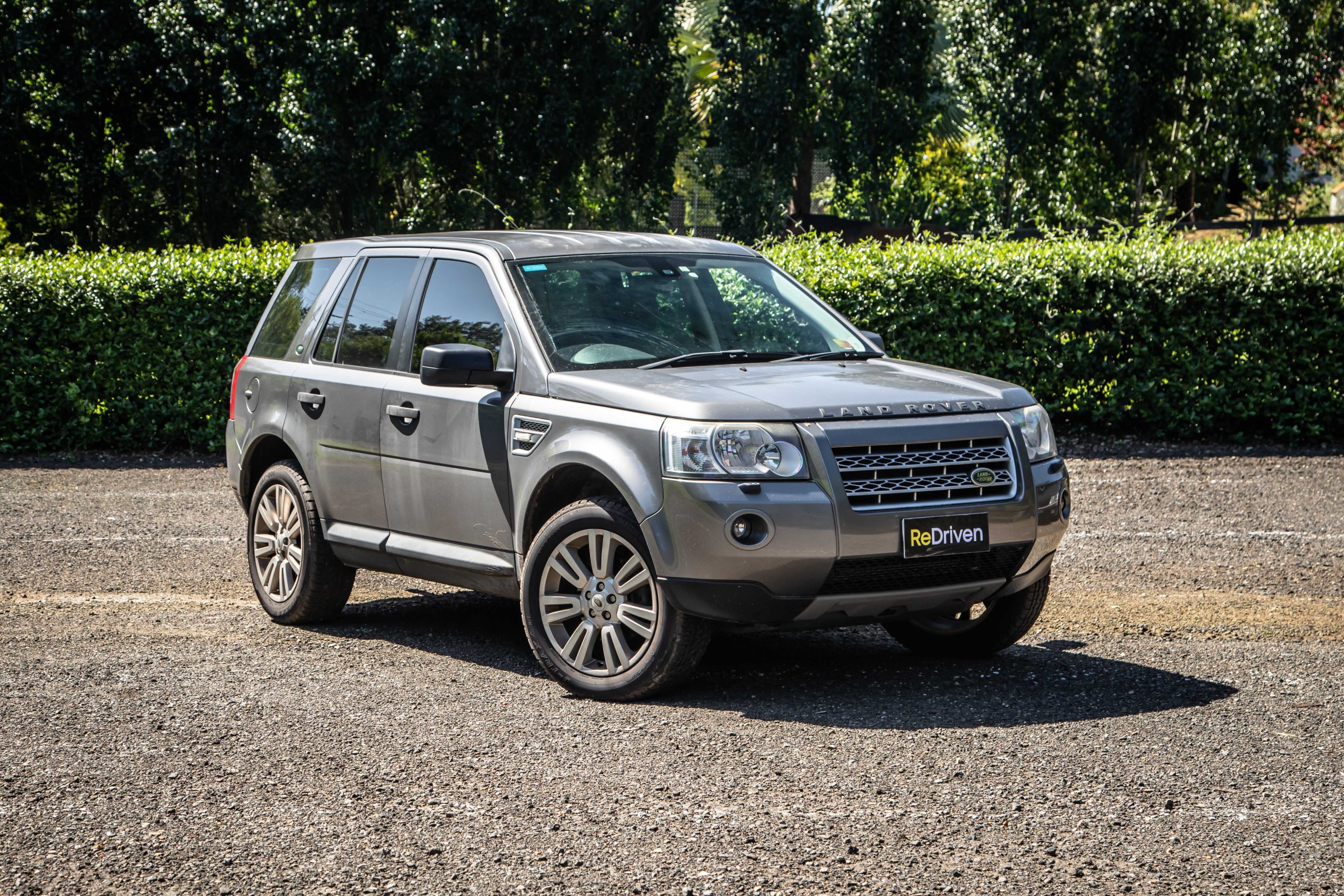
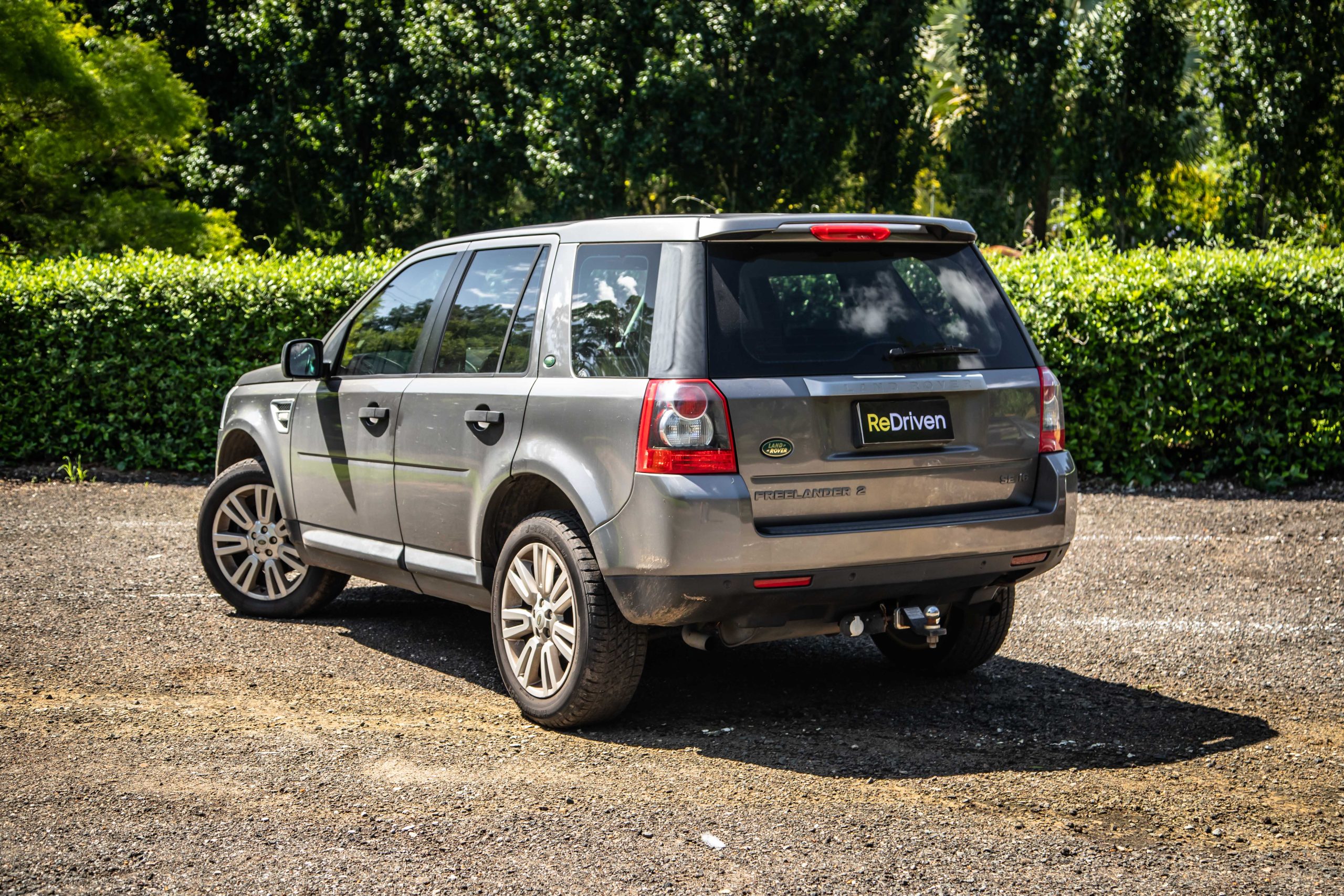
2010 Land Rover Freelander Si6 SE

21 March 2022
Zero chance.

2010 Land Rover Freelander Si6 SE

Used car review
21 March 2022
The original Land Rover Freelander ran from 1998 to 2007. Europeans loved it, but Australians mostly looked elsewhere. It was a compact crossover, the brand’s first monocoque design, and came in five-door or quirky three-door Hardback and Softback versions. It essentially previewed the small, premium SUV segment and would later be reborn in spirit as the Range Rover Evoque.
Its successor, the Freelander 2, was a major shift. It went five-door only and adopted styling and attitude closer to the Defender and Discovery, presenting as a more mature, scaled-down Land Rover wagon rather than a youthful outlier.
Underneath, it used a modified version of Ford’s EUCD platform, shared with models like the Mondeo and a range of Volvos. It ran a transverse engine and could be front- or all-wheel drive. Australian-delivered cars came from Land Rover’s Halewood plant in the UK.
Launched in June 2007, it offered two engines: a Volvo-sourced 3.2-litre six with 171kW and 317Nm, or a PSA 2.2-litre turbo-diesel with 118kW and 400Nm. All local versions initially used a six-speed torque-converter automatic.
Unlike the first Freelander, the new model backed up its off-road image. Its four-wheel drive system was related to Discovery 3 hardware and paired with Terrain Response, hill descent control, gradient release and roll stabilisation. It lacked low-range but still proved capable.
Pricing originally started just under $50k for the petrol SE, with the diesel costing $2500 more. The HSE sat $6000 above either engine. In late 2009, the Td4_e arrived as a manual-only diesel option for $46k.
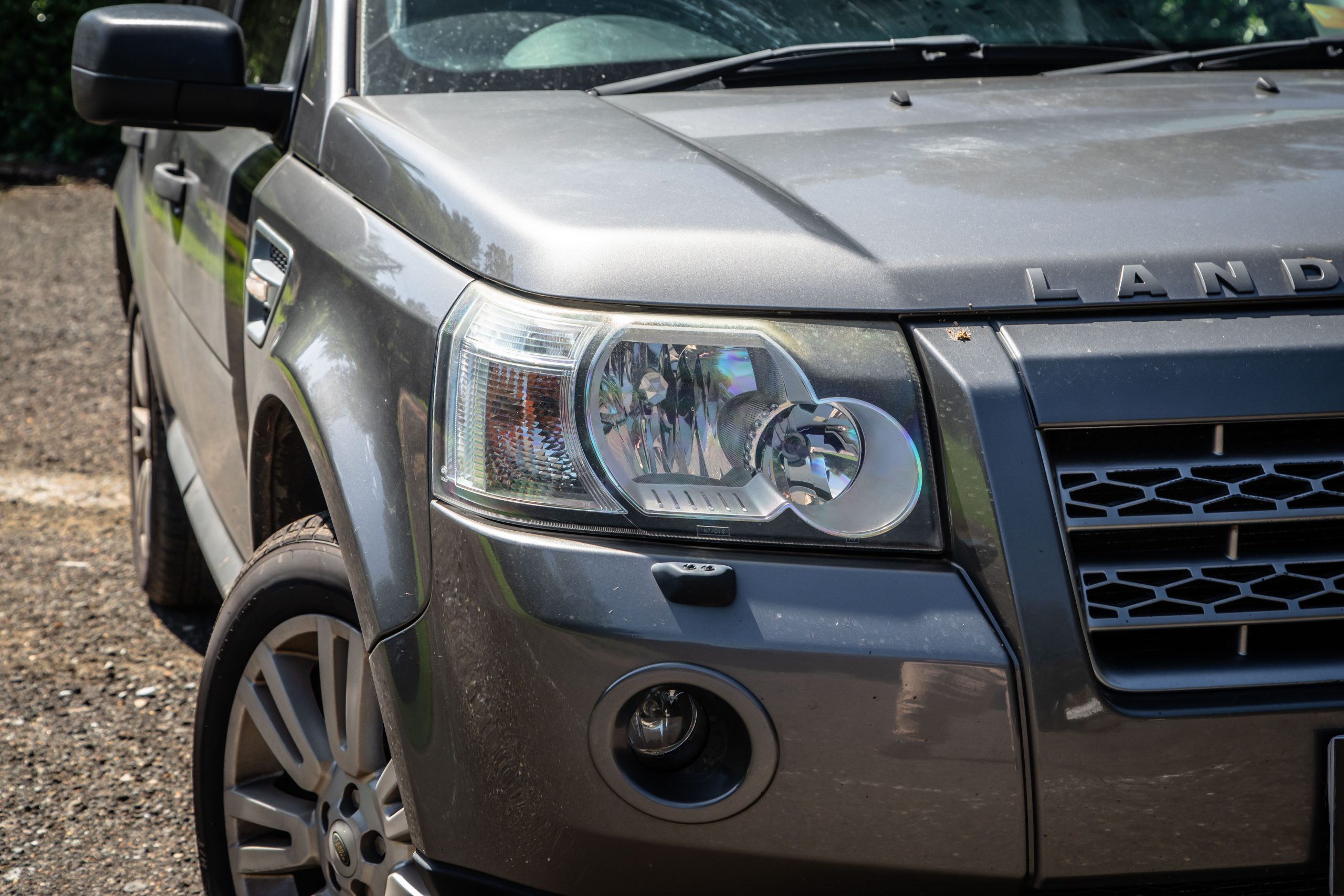
A wide-grille facelift came in late 2010 for MY11. A new XS variant joined the range and pricing aligned with the original SE. The update also introduced revised diesel options: a 110kW/420Nm Td4 and a stronger 140kW SD4.
The SD4 became the premium choice in models like the $69k HSE Luxury and the XS Sport Edition at around $60k. The Sport Edition offered a sportier kit and 19-inch wheels, and could be had with the 3.2 petrol, though without any performance boost.
In late 2012 for MY13, the Si4 engine arrived. This was a 2.0-litre turbo petrol four making 177kW and 340Nm, replacing the old 3.2-litre six.
Despite praise and loyal owners, the Freelander 2 gradually lost ground to premium German SUVs that appealed more to buyers uninterested in off-road ability. Meanwhile, the Range Rover Evoque captured the fashion crowd from 2011 onwards. When Freelander 2 production ended in 2015, the Land Rover Discovery Sport stepped in as its natural successor.
Mechanically, many are of the opinion that the Freelander 2 is the most reliable of all the modern Land Rovers. This may due to the fact the Freelander 2 is built on a Ford platform and features a copious array of Ford, Volvo and Peugeot components.
Engine wise, the 6-cylinder petrol (which should be noted, is a Volvo engine), is quite a reliable unit. Oil leaks & oil consumption are the most common complaints which, in most cases, can be attributed to the ridiculous 24,000km or 12-month service intervals. The 12 months element is ok but we strongly advise not to let service intervals lapse for more than 10k if you want it to last.
In terms of the petrol engine options, it can be the usual problems you’d see on any modern car such as ignition coils, water pumps & other random coolant leaks which are usually no more expensive to repair than other cars.
As for the diesel engines, they have a lot of problems with DPF’s & EGR valves, which again has a lot to do with the 24,000km service intervals. To help avoid those issues, fitting a catch can and being sure to service it every 10,000km is highly recommended.
Another issue with the diesel engined Freelander 2’s is that the timing belt isn’t due until (an incredibly optimistic) 240,000kms. This is twice the distance most other manufacturers recommend.
The problem is is that the water pump (which is driven by the timing belt) rarely lasts this distance and if the water pump fails (which is known to happen), can result in catastrophic engine failure. Changing the timing belt at a more realistic 125,000km will reduce the likelihood of a catastrophic failure.
One thing the petrol & diesel have in common is, they both have transmission & driveline problems which can be incredibly expensive to repair. Again, more frequent servicing can help but won’t guarantee you won’t have problems.
Also, all Freelander 2’s are plagued with a range of various electrical problems. There is not any one major particular problem that affects them all, it’s more a case of nearly all have multiple random issues, which aren’t always expensive to fix but can be extremely annoying.
In terms of the exterior there are a few reports that the door latches and locks are beginning to fail, in essence the central locking might look like it’s doing its job, but not all the doors are physically locking. You may not be able to lock the car at all or it’ll lock every door but one depending on the severity.
In 2008 there were recalls involving the sunroof which would detach when the rails failed, but like many sunroofs, if not cleaned correctly, in terms of the drainage channels, water can become clogged and this can lead to all sorts of interior and electrical problems.
Inside there are a few reports that the Ignition key dock not ejecting the key when it’s supposed to, this is generally due to the ECU glitching and assuming it’s a security breach and therefore preventing you from starting the car or removing the key.
Also there are reports of short circuits in the electric booster for the heater which boosts the heat so extremely, it has the potential to cause a fire along with it.
Also faulty fuel gauges are becoming almost common. This issue involves the gauges reading incorrectly and it’s also apparently known to affect multiple Land Rover models, not just the Freelander 2. This is most commonly caused by either ECU problems or faulty wiring looms to the fuel sender unit.
Well, it depends but, probably not.
Yes the Freelander is one of the better Land Rover products to buy, (thanks to many of the critical components not being from Land Rover at all), and if you do genuinely require an SUV this size, for this budget that has genuine off-roading ability, it is one of the more talented vehicles out there.
Plus it is widely regarded as being very attractive, it is quite nice to drive on-road and yes it comes with that “Land Rover” brand panache.
However, if you’re rarely if ever driving off-road and you’re buying a Freelander 2 purely because, “it’s a Land Rover”, please don’t be fooled by the marketing hype, you’re smarter than that.
There are other SUVs at this budget that will drive just as nicely, if not even better on-road, that come with the same or better levels of tech and creature comforts, that are just as practical yet have a far better reputation for reliability and if in the rare case something were to go wrong, should cost far less to repair.
Sure the likes of Mazda CX5, Toyota RAV4, Hyundai Tucson and equivalent others won’t quite match a Freelander 2 off-road, and they’ll lose in the battle of brand snobbery but the alternatives from most of the Japanese and South Korean manufacturers are a far more intelligent choice.
In saying that, yes there are the incredibly rare unicorn examples of these out there that have never ever had an issue thanks to having a full and thorough service history, buying one of those Freelander 2’s is still a risk but a far more calculated one, taking that risk is up to you but a perfect one of these is still a brilliant thing.
MORE: Explore our 4×4 & ute reviews
MORE: Explore our SUV reviews


Co-creator, presenter & writer, ReDriven

Zero chance.
 3 weeks ago
 4 weeks ago
 1 month ago