Australia’s No. 1 Used Car Review Website
Australia’s No. 1 Used Car Review Website

2010 Range Rover Sport V8 Supercharged

Used car review

11 August 2023
Throughout the Range Rover Sport (L320) ‘s lifespan, the Land Rover Range Rover brand underwent a series of ownership changes akin to a game of backyard football among parent companies. The initial conception of the Sport took shape during BMW’s tenure at the helm.
However, when the development and production phases commenced, the reins had been passed to Ford. Subsequently, during the Sport’s production cycle, Ford made the strategic decision to transfer ownership of the Land Rover Range Rover to the Indian automotive powerhouse, Tata.
This transition of ownership may shed light on some of the issues we will delve into shortly.
For prospective buyers in the pre-owned market, there are two iterations of the first-generation L320 Range Rover Sport to consider.
The initial version spanned 2005 to 2009 and was available in Australia with two diesel powerplants—a turbocharged V6 and a twin-turbo V8—as well as two petrol options: a 4.4-litre V8 and a 4.2-litre Supercharged V8. The engine selection denoted the specific variant, as demonstrated here. Furthermore, a limited First Edition model was offered alongside these choices.
Plus, the first iteration received a minor cosmetic update in 2008. The more significant transformation, however, arrived with the introduction of the Series 2 in 2009.
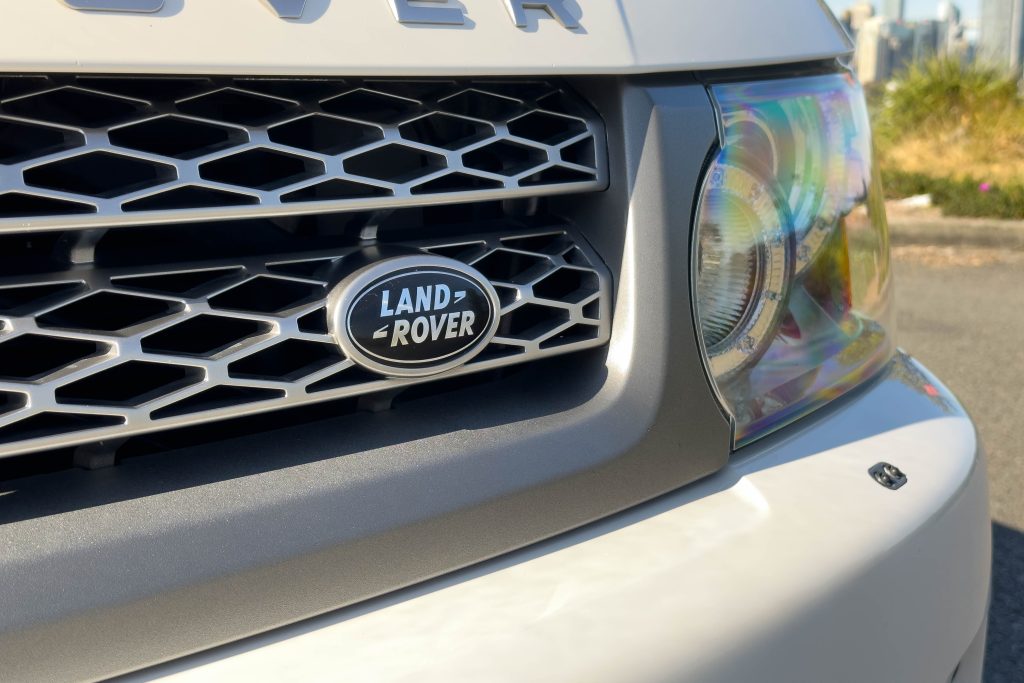
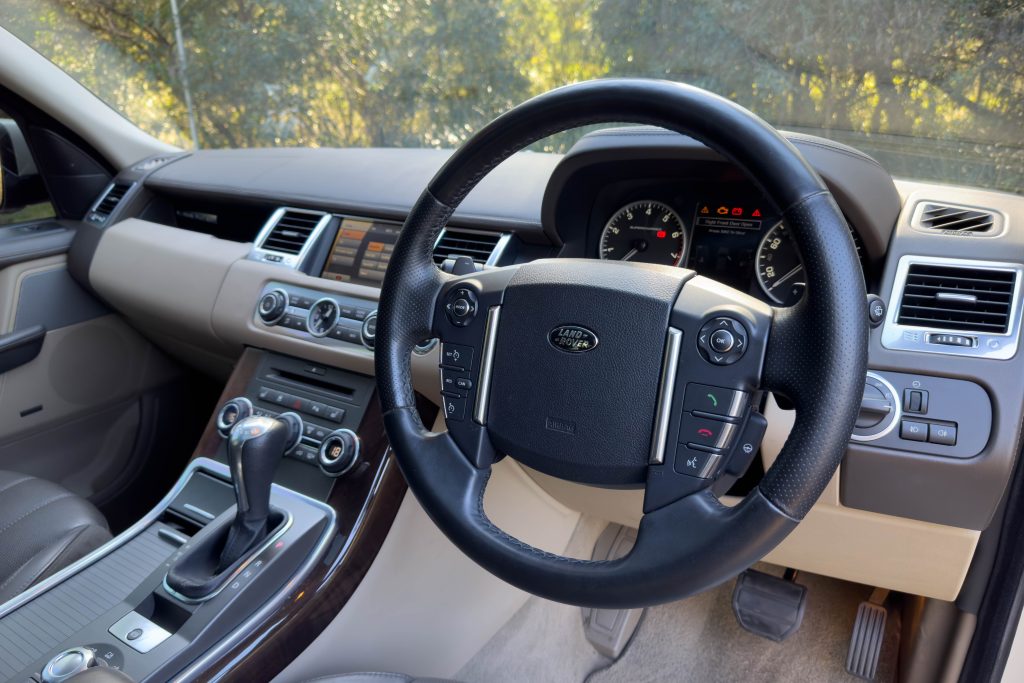

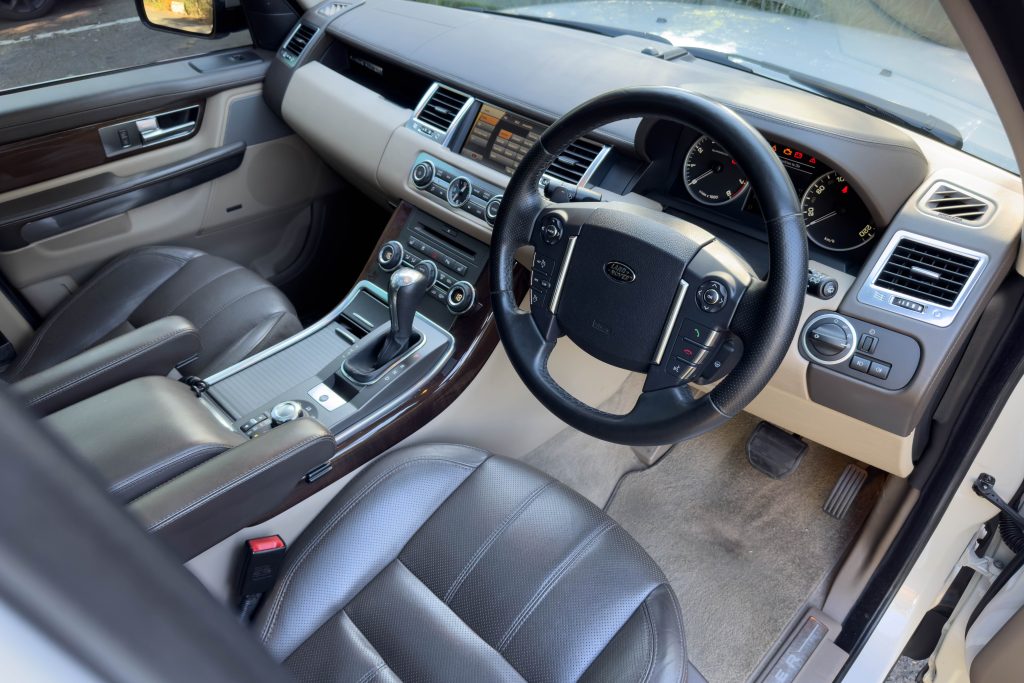
The Series 2 not only ushered in a range of exterior design alterations but also witnessed updates to the interior, technology, and features. Comprehensive revisions were executed to the suspension, steering systems, and the entire mechanical configuration.
This revamp led to the discontinuation of the 2.7-litre turbo-diesel V6 and 4.2-litre V8, replaced respectively by a 3.0-litre twin-turbo diesel V6 and a 5.0-litre V8 petrol engine.
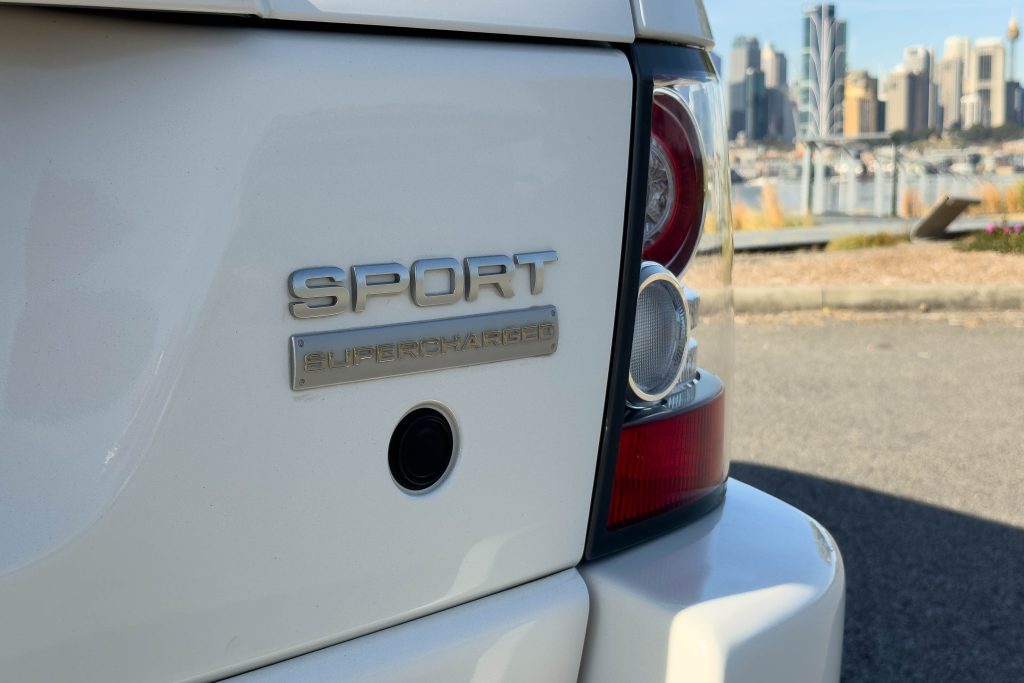
The latter was available in both naturally aspirated and supercharged variations. Furthermore, the nomenclature shifted depending on the engine choice. The lineup now encompasses the Sport, Luxury, and the apex Autobiography.
It’s worth noting that these models could be further customised through an extensive selection of optional accessories and enhancement packs, such as the Silver, Black, or Platinum packs. Paralleling the Series 1, a minor cosmetic update was introduced in 2012.
Although most Range Rover Sports may never encounter off-road terrain, it’s essential to recognise their capability in this domain.
Beneath the alluring exterior, the vehicle is built upon a modified Land Rover Discovery platform, encompassing elements such as the chassis, suspension, and off-road technology—a comprehensive package tailored to rugged performance.
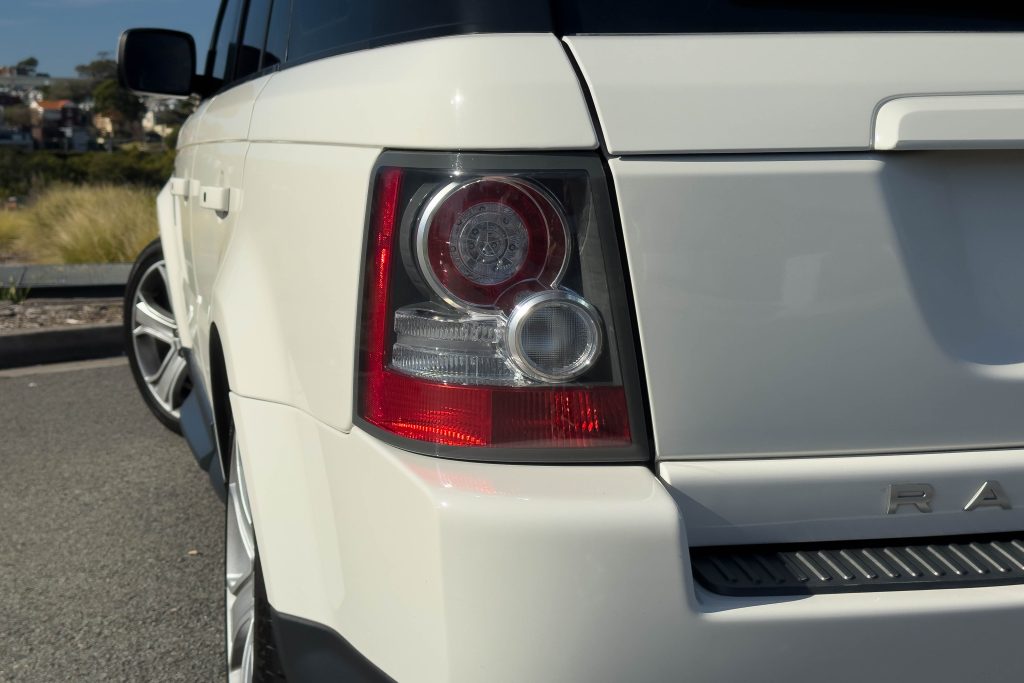
Exterior:
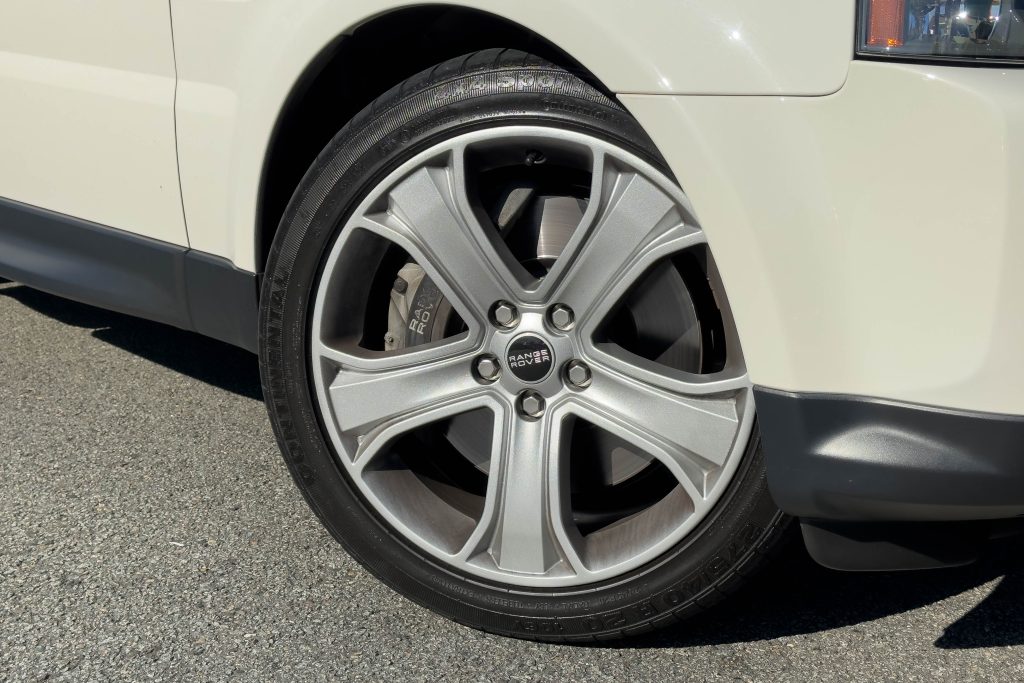
When checking the exterior condition, note that body panels should be free of rust. However, vehicles in colder climates might have rust on the undercarriage. A thorough inspection of the car, especially beneath plastic trim and fender protectors, is recommended.
Electrical components have been known to present issues and failures. These encompass power-folding mirrors, parking sensors, door locks, and potential headlight and taillight issues. At times, the root cause may be wiring complications. It is advisable to ensure that all electronic features are fully operational before making a purchase.
For vehicles equipped with detachable tow bars, electronic glitches can arise when towing a trailer. Faulty tow bars can cause rear fog light malfunctions when the tow bar is detached.
The electric parking brake can be challenging to use, and it’s crucial to listen for unusual grinding or other concerning sounds. These could indicate an incorrectly adjusted parking brake. Ignoring these noises could lead to a range of complications, including being stranded due to parking brake issues.
Water leaks are a recurrent issue, with sunroof drains being a common source. Similar to other vehicles, these drains can become clogged. Additionally, there can be complications with the ends of the drain hoses. In cases of clogging, cleaning the drains with compressed air or a thin-edge trimmer line is usually effective.
However, there are instances when the rubber ends of these drain holes come loose. Located behind plastic side vents on both sides of the car, these rubber endings can deteriorate over time.
Consequently, the rubber hose slides inside, causing water from the sunroof to pour into the car’s sides. This can be problematic, as the main wiring loom is also located in this area, exposing it to potential water damage. As we know, water and electricity do not mix well.
Other concerns include the potential delamination of the rear spoiler and fading finish on the B and C pillars over time. The windshield cowl beneath the windscreen wipers can warp with age, compromising its sealing against the windshield. This exposes the HVAC inlet to water ingress, which is less-than-ideal.
Interestingly, these issues appear to be more prevalent in pre-update Sports. However, post-update models are not entirely immune to these challenges.
Moving on, one of the most common complaints concerns the battery’s voracious appetite for electrical power. This is often overlooked. Owners may encounter instances where the car’s dashboard illuminates with errors and unavailable features, even on older models.
This is often due to low battery levels. These vehicles are laden with electronics and often feature two batteries: a primary and an auxiliary. The auxiliary battery allows certain functions to remain active after the main car is turned off and also assists with the use of auto start-stop features.
However, the main battery is responsible for engine cranking, which is particularly significant for diesel engines that require substantial cranking power during cold starts. Recharging the battery requires a drive of nearly 30 minutes, or thereabouts. If the car is used primarily for short trips within city limits, the battery’s voltage levels may drop quickly.
When the car’s Intelligent Power Management System (IPMS) detects a low battery state, it may prompt a message like “please start the engine.” This serves as an indicator to either recharge the battery or embark on a substantial drive.
Despite the message, the car will likely start, but ignoring it can result in the IPMS disabling certain less-critical functions to conserve power and recharge the battery, potentially causing errors in other systems that depend on the affected components.
The presence of these errors is usually temporary and disappears after a restart, provided the battery has been fully charged.
These vehicles are not conducive to prolonged periods of inactivity, and batteries typically last about 3 years. However, if the car is not driven daily, the battery’s lifespan may be reduced.
Prolonged exposure to low voltage levels can also damage batteries, making regular use essential. Short trips are not recommended; the vehicles are best suited for longer drives.
Over time, corrosion can compromise the earth strap, potentially leading to grounding faults. This could trigger a variety of errors on the dashboard, such as low battery indications, sporadic door lock behaviour, or flickering headlights.

This corrosion could also contribute to battery drain, as specific circuits may fail to shut down after the engine is turned off and the car is locked. Some reports suggest that parking the car in “Access Mode” might help the vehicle enter a sleep state, but this remains a topic of debate.
Another common concern is related to the EAS (Electronic Air Suspension) system. While this system might be perceived as a potential financial burden due to its complexity compared to coil springs, it aligns perfectly with the Range Rover’s emphasis on comfort and off-road adaptability.
Common issues include dashboard faults displaying “not available.” As mentioned earlier, this often ties back to the battery issue. EAS and Dynamic Stability Control (DSC) are usually the first functions to be disabled when the car detects a low battery.
A quick test of the EAS system is to observe if the car raises to normal or off-road height within a relatively short duration. If it does, the compressor is likely functioning correctly.
The compressor’s location varies, found in the boot of L494 and L405 models, and under the right rear section in L320 models (though it can be more challenging to access). In older models, the compressor is located under the bonnet.
The functioning of the EAS system is relatively straightforward. The compressor draws in air, passes it through a desiccant dryer, and fills a small tank.
This tank then supplies air to each corner of the vehicle. As the car’s height is adjusted, the compressor halts and releases pressure from the pipes. Sometimes, a diffuser softens the sound during venting, which can become blocked, leading to improper venting.
This could prevent the car from lowering when desired or hinder the compressor’s proper corner levelling. Additionally, the air dryer’s desiccant material (silica beads) can deteriorate over time, potentially blocking the valve block that distributes air to each corner. While this might present a more intricate issue to address, it remains manageable.
Leaking air struts are another possible cause for concern, leading to the compressor overworking and generating excess heat. This can exacerbate the aforementioned issues, and it’s essential to address any leaks promptly.
To test for leaks, set the car to its highest height and leave it overnight on level ground. Any visible drop in the morning indicates a leak. Placing tape on each wheel arch to measure gaps can help monitor potential leaks.
Remember, variations in atmospheric pressure and self-levelling mechanisms can influence the vehicle’s height over time, making slight drops normal. If leaks are detected, repairs might be needed.
The compressor replacement process is relatively straightforward for L494 and L405 models, as the compressor is located in the boot. However, pressurisation is necessary before replacing it. For prospective buyers, this can be a relatively cost-effective and straightforward task to carry out at home.
Security concerns have been raised over vehicle theft, particularly in the UK. Thieves often employ a relay attack, boosting communication between the car and the key fob, tricking the car into thinking the key is nearby and thereby gaining access and enabling ignition.
To counter this threat, placing the key in a metal box or an RFID-proof case can thwart such attacks. Enhanced home security measures, such as bollards, gates, or secure garages, can also serve as effective deterrents to theft.
Interior:
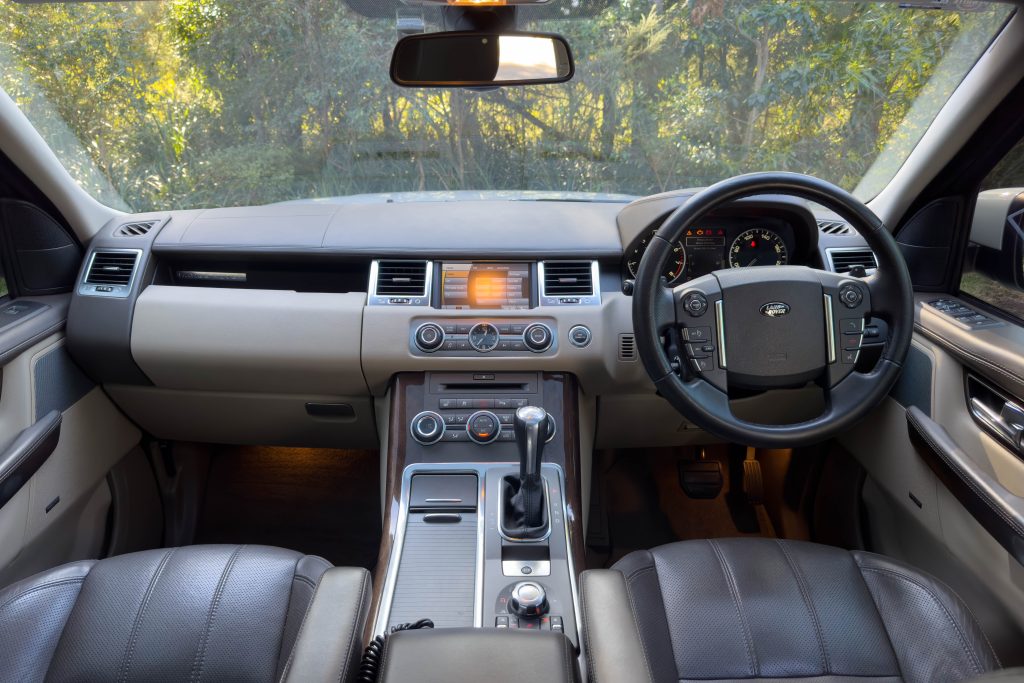
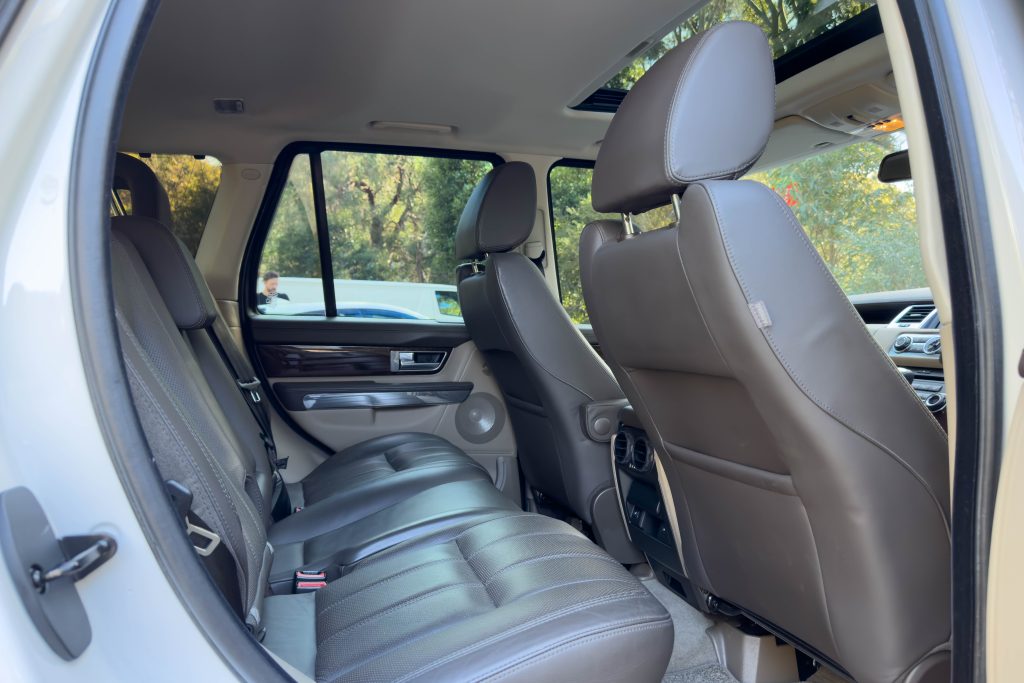
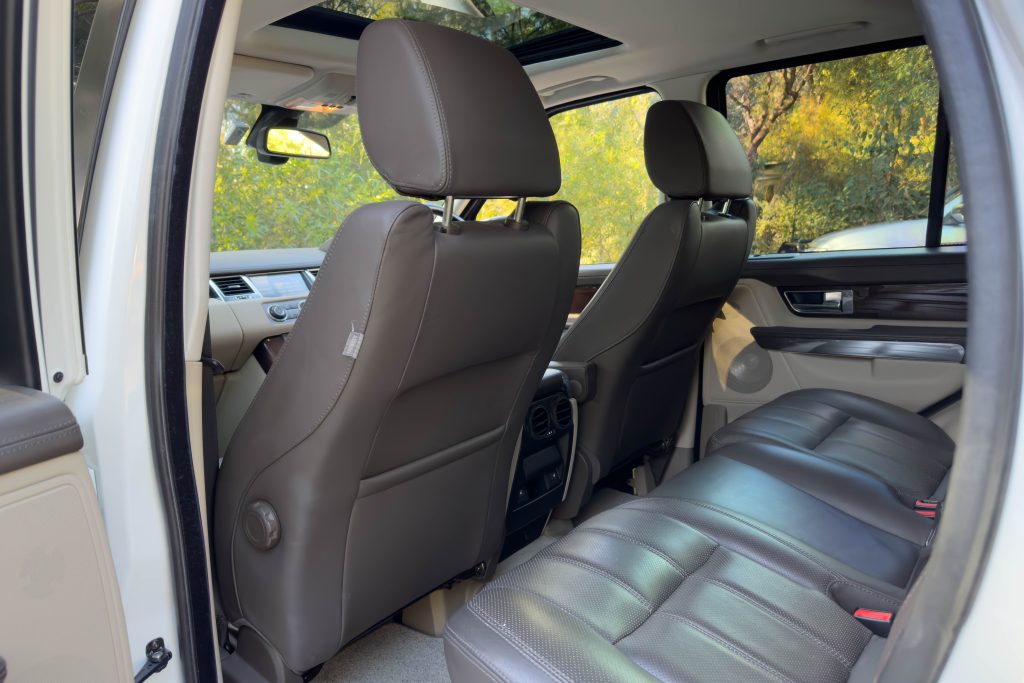
Range Rover Sports in hot climates can experience dashboard cracking, typically concentrated around the passenger airbag area.
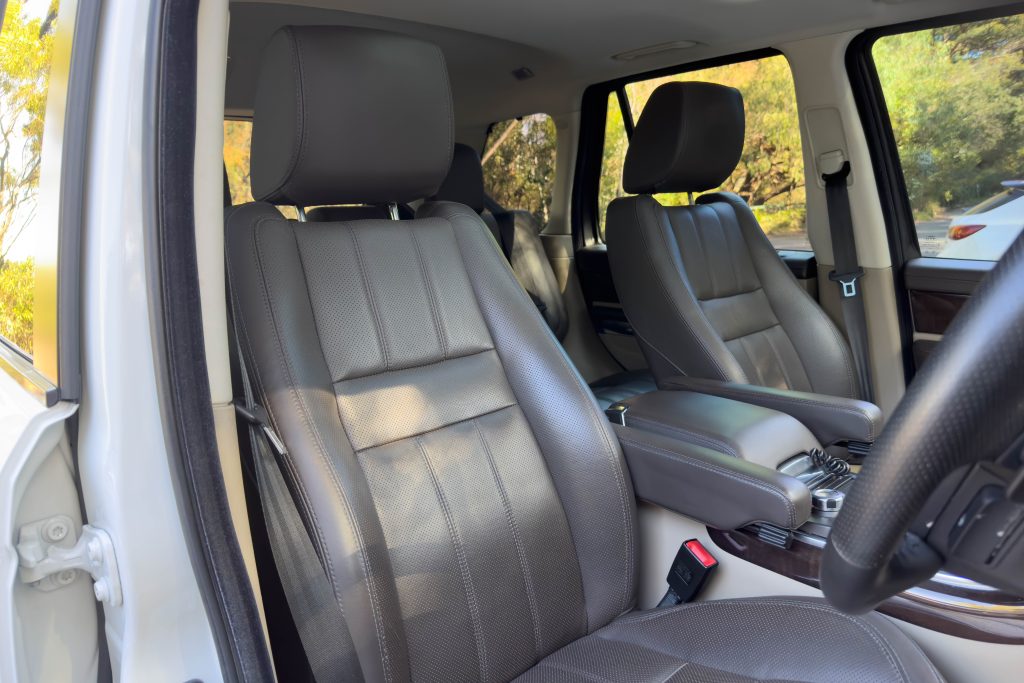
Additionally, sagging headliners and sagging A-pillar fabric can be problematic. While repairing these issues isn’t particularly difficult, it’s advisable to consult a skilled upholsterer. On the other hand, replacing the entire dashboard with a new component is a more intricate and expensive endeavour.
However, with the introduction of the 2009 update, the dashboard underwent improvements, resulting in fewer reports of these issues in the updated models.
Another common fault concerns the air-conditioning condenser. If a car has never had a replacement, prospective buyers should be aware that this can be a time-consuming task, often requiring about 5 hours of labour because the front of the vehicle must be disassembled.
For those considering a Sport with auto-dip headlights, another common issue concerns the rearview mirror’s sensor, which is located there. Failure of this sensor necessitates replacing the entire mirror, a potentially costly endeavour. Moreover, the replacement involves rewiring and coding, which can significantly escalate the expenses.
Incorrect fuel gauge readings have been reported, leading to owners unexpectedly running out of fuel, often far from a petrol station.
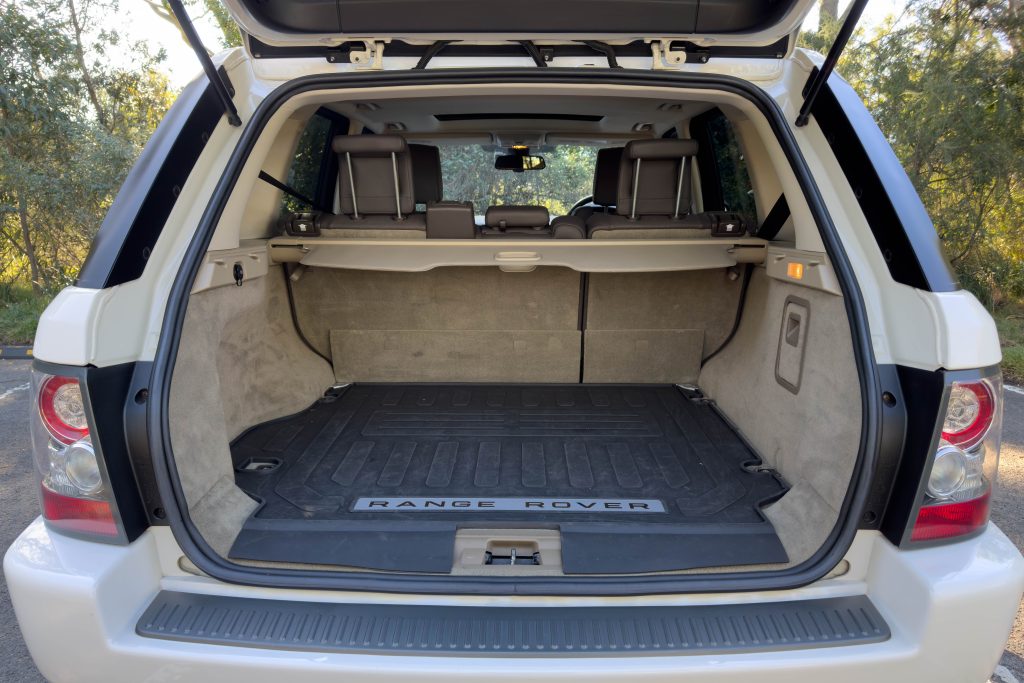
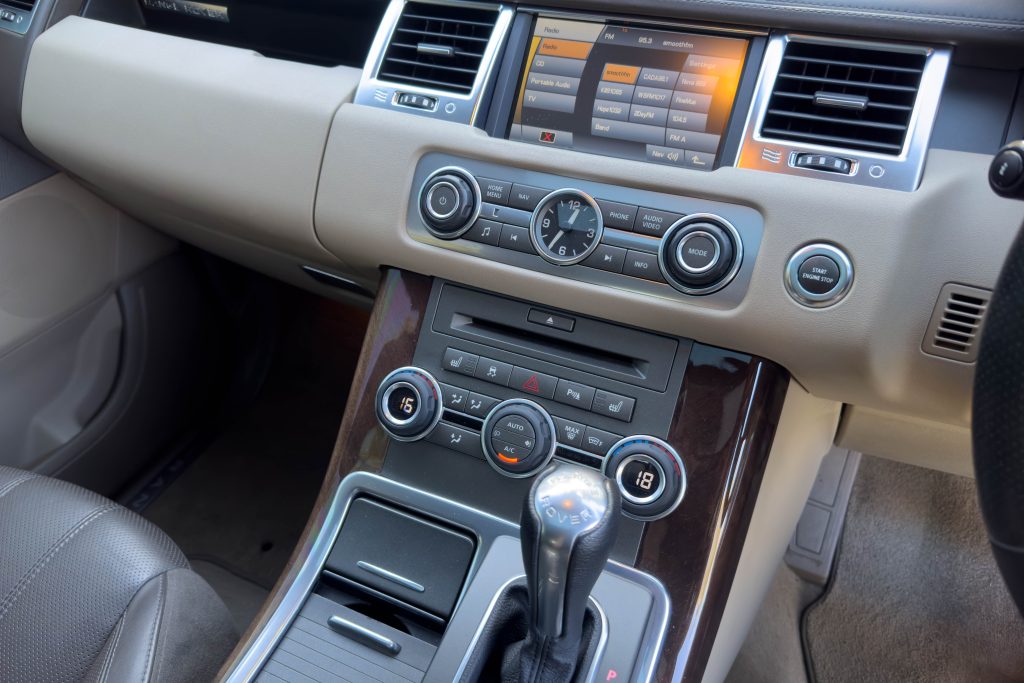
In pre-facelift models, the soft-touch material on the HVAC (Heating, Ventilation, and Air Conditioning) knobs can deteriorate over time, a phenomenon amusingly referred to as “de-vulcanisation.”
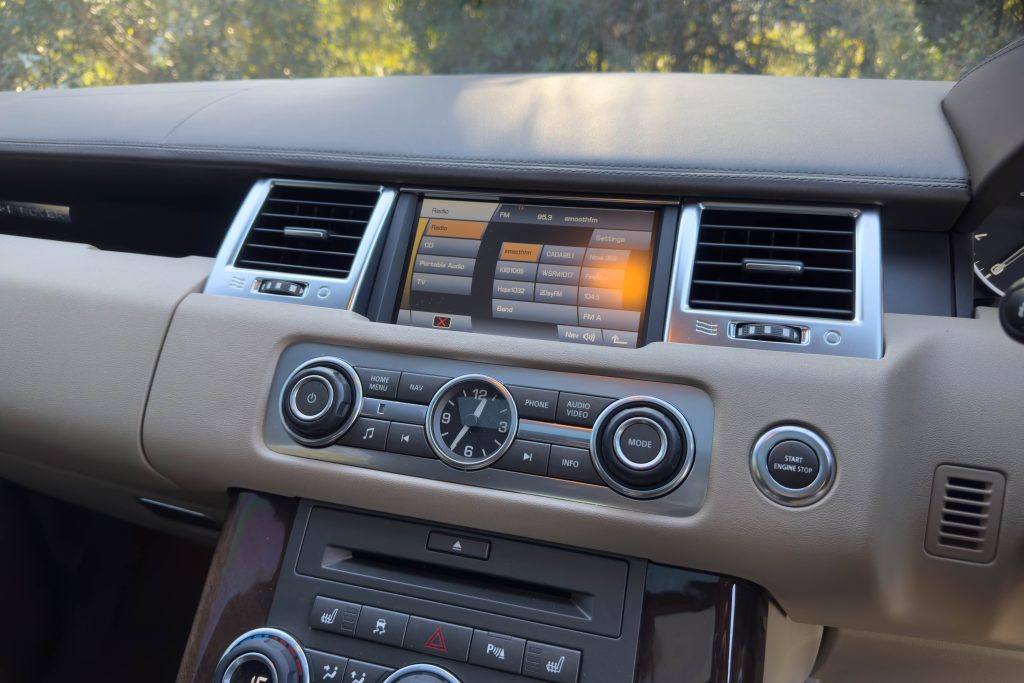
The infotainment system and all components powered by electricity, including power windows, seat controls, and even the gear selection knob, are susceptible to electronic issues.
While some problems may be resolved with a new battery or a simple software update, certain perplexing electronic glitches can stem from enigmatic water leaks into the interior.
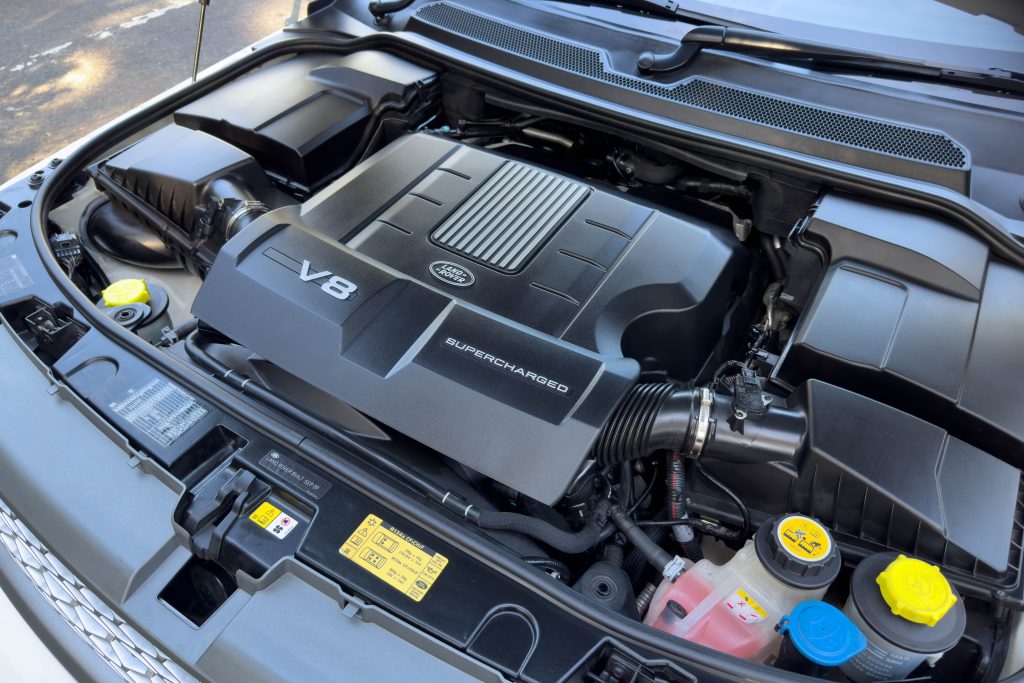
Mechanically:
Mechanically, these vehicles have gained notoriety for their mechanical unreliability, making them a choice for those who enjoy troubleshooting or supporting their mechanics’ mortgage payments, kids’ school tuition and expensive hobbies.
The V6 diesel engine, a Ford creation, is plagued by well-documented issues. Turbos frequently fail, and complications with the EGR valve and high-pressure fuel pump are common.
Oil cooler leaks, coolant leaks from water pumps, and thermostat housings are regular concerns. The most significant problem is bottom-end engine failure, encompassing big-end and main bearing issues, as well as crankshaft breakage.
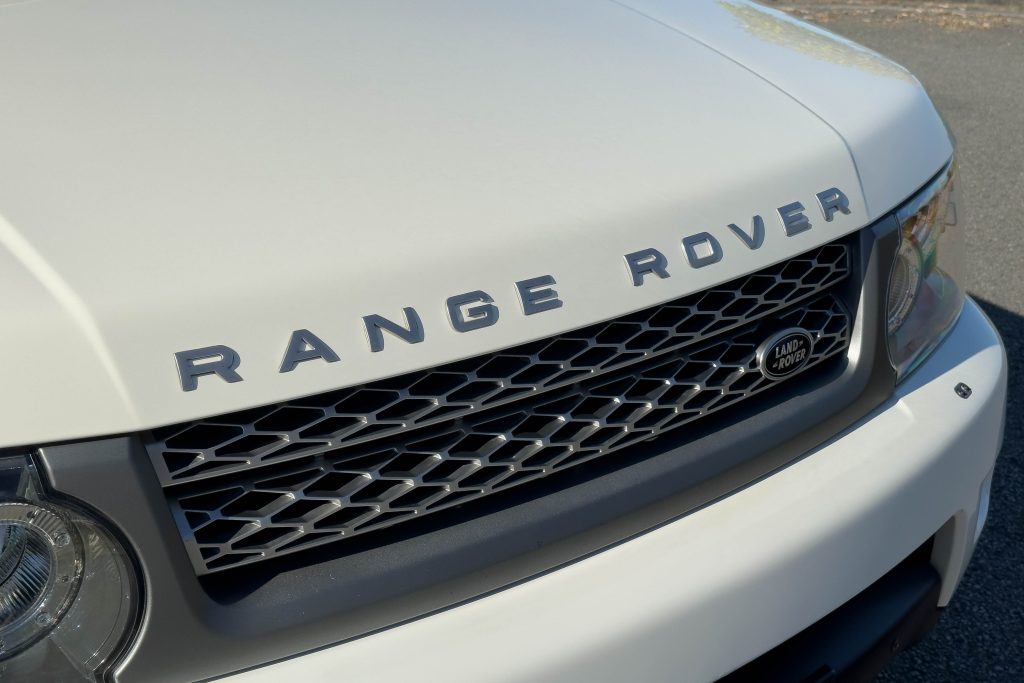
The V8 diesel fares slightly better, yet it too faces several common problems. While catastrophic bottom-end failures are less frequent, the engine is susceptible to top-end failures due to timing chain issues.
The 4.2 and 4.4 petrol V8 engines share components and issues. A prevailing problem is timing chain tensioner and guide failure, which can lead to valve train and camshaft damage. The supercharger drive coupling is another frequent failure.
The later-model 5.0 petrol engines, both naturally aspirated and supercharged, unfortunately don’t exhibit substantial improvement and still encounter timing chain issues.
Interestingly, the V6 diesel utilises a timing belt, sparing it from timing chain woes. However, all other engines face timing chain challenges. Addressing these issues before they escalate to engine failure allows for in-situ repairs.
However, if these problems necessitate engine removal, it’s crucial to note that lifting the entire body off the chassis is required for access.
The cooling system is another point of concern. Water pump leaks are commonplace, and plastic components like thermostat housings and expansion tanks are prone to splitting and leaking.
Regular servicing is key to mitigating severe internal engine problems. Owners should be cautious not to assume proper servicing simply because they follow the recommended service intervals. Servicing every 26,000km is inadequate; more frequent intervals, around 10,000km, are necessary to maintain engine longevity.
Diesel models with Diesel Particulate Filters (DPFs) meet Euro 5 Emissions standards. DPFs collect soot during trips and Auto Stop Starting in cities. Regular high-temperature driving is needed for DPF regeneration, as it burns off accumulated soot. Short trips hinder this, potentially clogging DPFs and causing engine problems.
The failure of force regeneration processes can lead to oil dilution, as unused fuel leaks into the engine. This thins the oil, potentially causing premature wear. Oil dilution could also contribute to the notorious crankshaft issues the 3.0 Diesel engines suffer from.
Crankshaft snapping is a significant concern for the TDV6 and SDV6 engines. Main crankshaft bearing shells can rotate and block oil passages, leading to heating and wear. This culminates in crankshaft fracture, resulting in catastrophic engine failure.
Despite best practices such as using fresh oil and driving carefully, this issue remains unpredictable. Warranty coverage or dealer assistance can mitigate costs associated with this problem; however, we have encountered far too many stories of dealerships refusing aid.

The V8 diesel encounters fewer issues of this nature but still faces timing chain concerns if not serviced properly.
The L320 Range Rover Sport has both challenges and unique features. Regular servicing and careful driving can help owners avoid problems and enjoy the benefits. However, we wonder if the potential issues and stress are worth it, especially when more capable and reliable vehicles are available.
While there are instances of Range Rover Sports that have remained unscathed by the commonly reported issues, it’s essential to acknowledge that the problems we’ve discussed represent the more prevalent faults.
However, the list of less frequent yet still impactful issues affecting thousands of vehicles is alarmingly extensive. The consistent disappointment in reliability and customer satisfaction surveys from Range Rover and Land Rover is not surprising, given our research findings.
Despite all that, when you overlook these concerns, the Range Rover Sport can be an undeniably splendid SUV.
The question of whether you should buy one hinges on your financial circumstances, your level of vehicular loyalty, and your tolerance for frustration.
Regardless of the Range Rover Sport model you’re considering or its price tag, it’s wise to set aside an extra $15,000 for potential issues.
Hopefully, you won’t need to dip into the “Range Rover Sport has had another tantrum” fund, but having this financial cushion can mitigate the blow of unfortunate news.
However, if you lack the availability of such funds or if your patience for recurring problems is not a personal virtue, then absolutely, under no circumstances should you invest in a Range Rover Sport.

When these vehicles have been meticulously maintained, they can indeed transform into exceptional used SUVs. Yet, skip a service or two, or compromise on maintenance, and the consequences can be nightmarish.
In any case, regardless of your financial standing, unless you possess a penchant for enduring unnecessary hardships, we emphatically urge you: DO NOT acquire any Range Rover Sport without complete service records, or with any doubts about its history, or with even the faintest signs of abuse, neglect, or irregular care and maintenance.
While the allure of a low price may be strong, the likelihood of future substantial expenses is exceptionally high.
It cannot be overstated that there are rare instances in which no issues have surfaced. If you can confirm that the previous owner has maintained it as diligently as possible and your financial situation is robust, then you might cautiously consider it.
MORE: Explore our SUV reviews


Co-creator, presenter & writer, ReDriven

Probably not.

 2 weeks ago
 4 weeks ago
 2 months ago