
Australia’s No. 1 Used Car Review Website
Australia’s No. 1 Used Car Review Website
+12 Photos
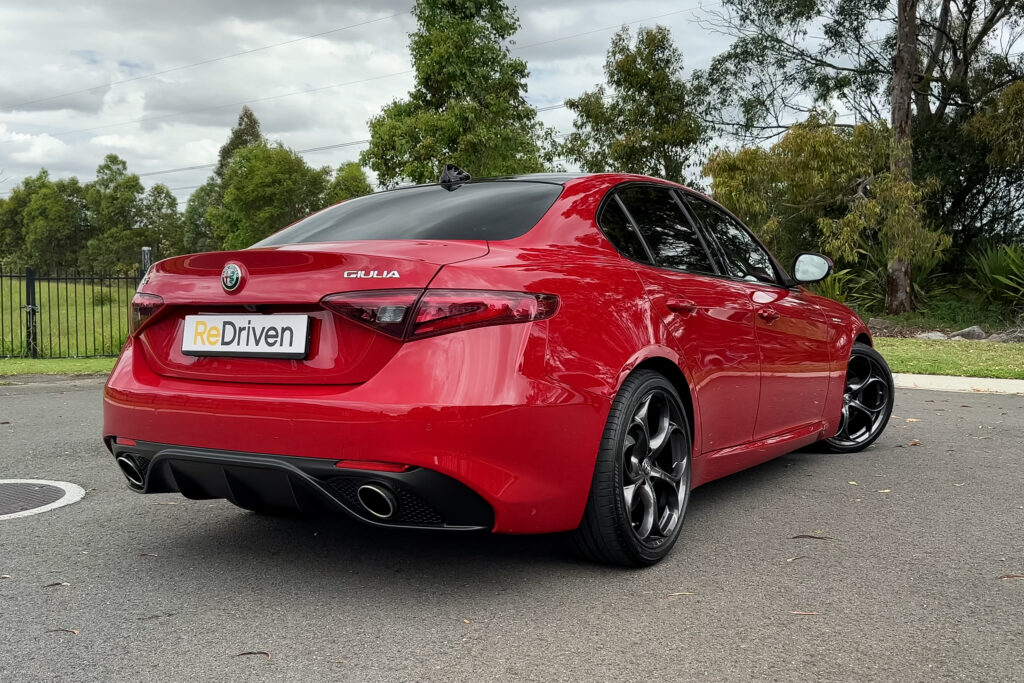
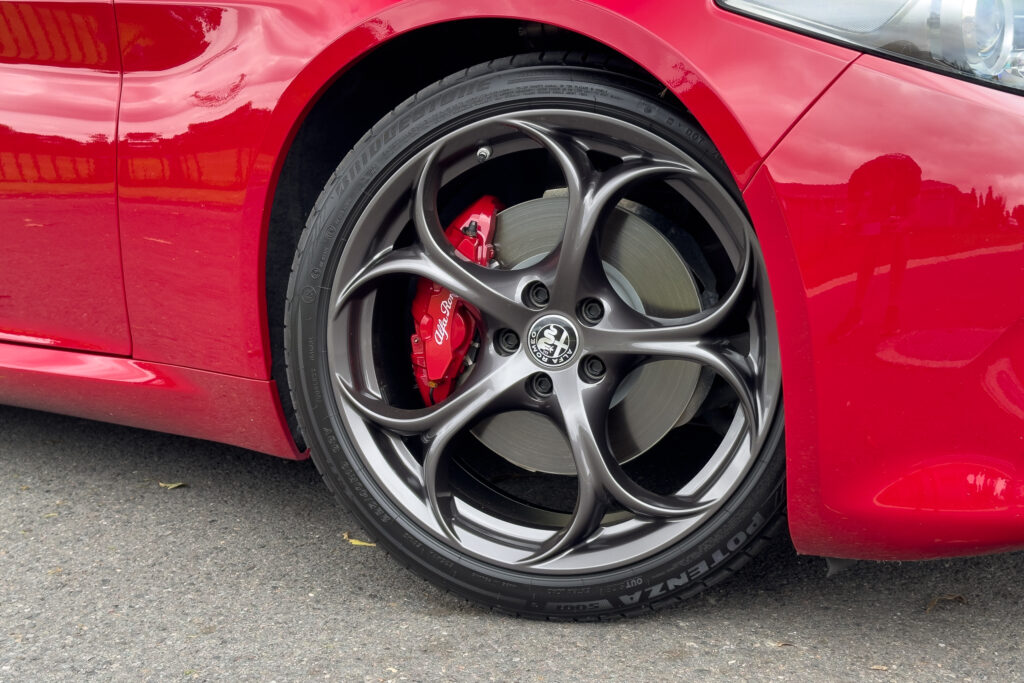
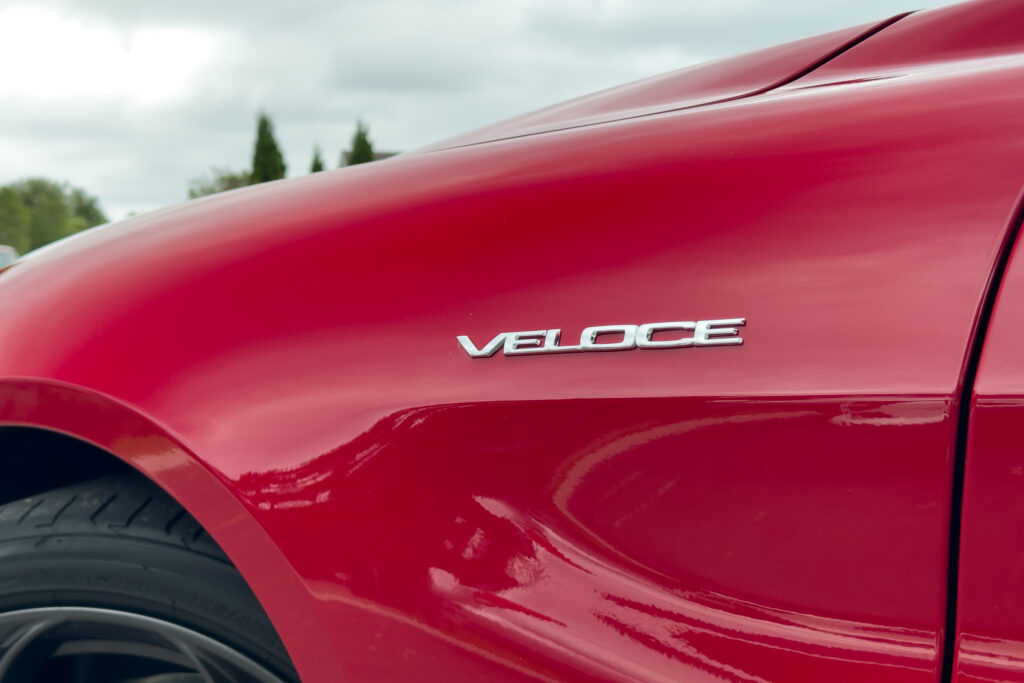
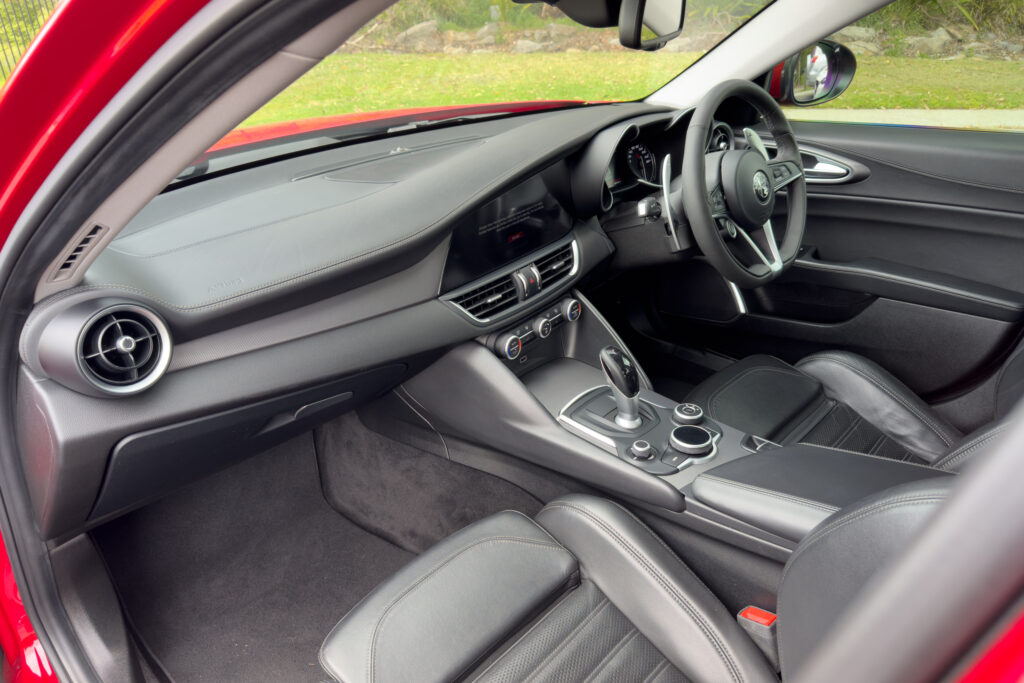
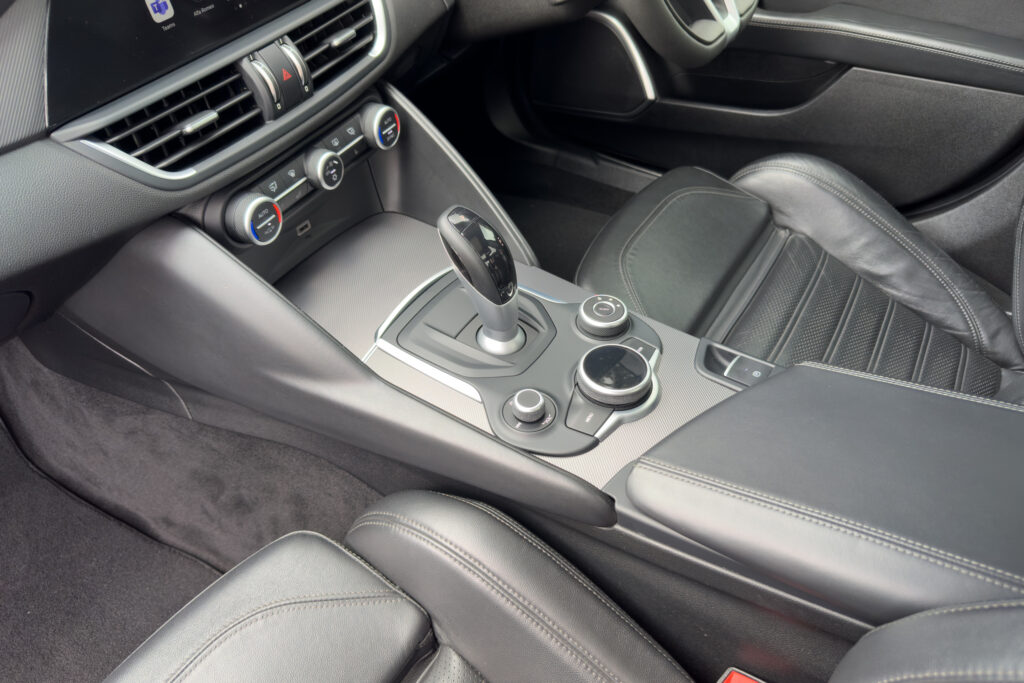
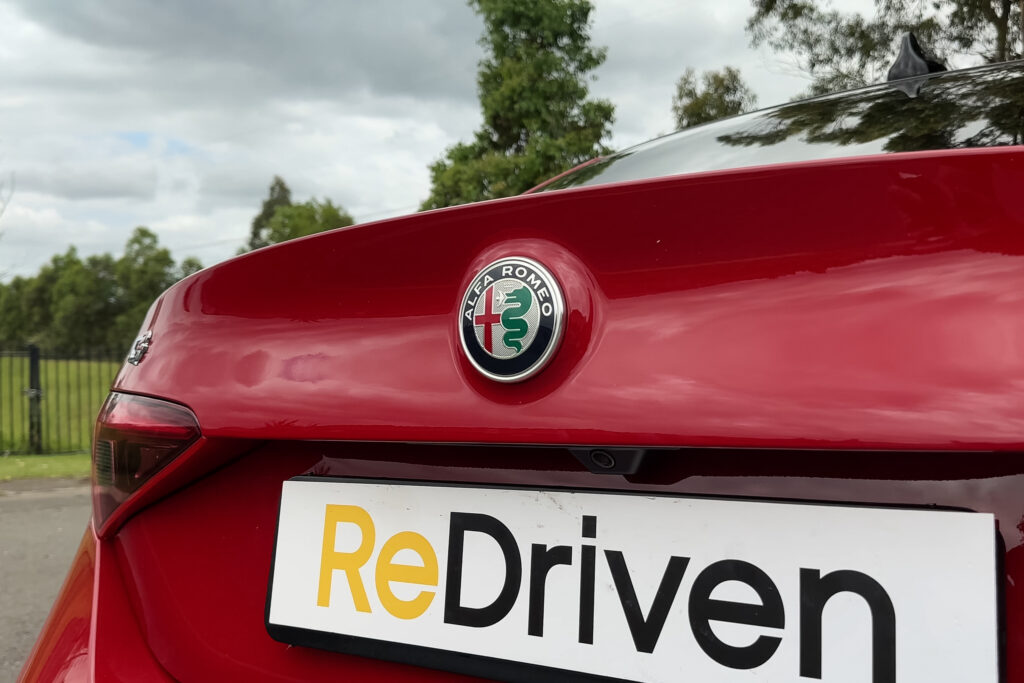

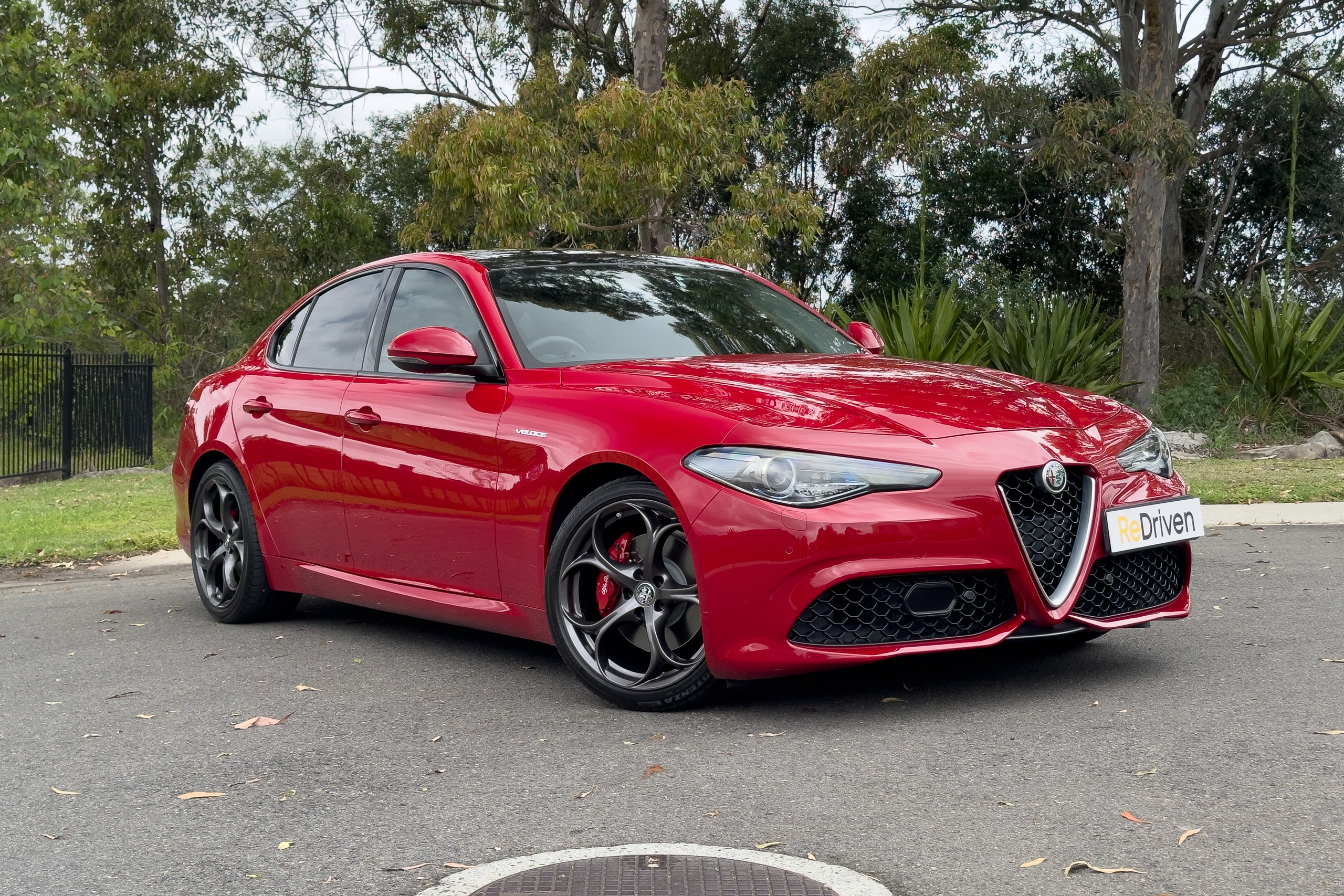
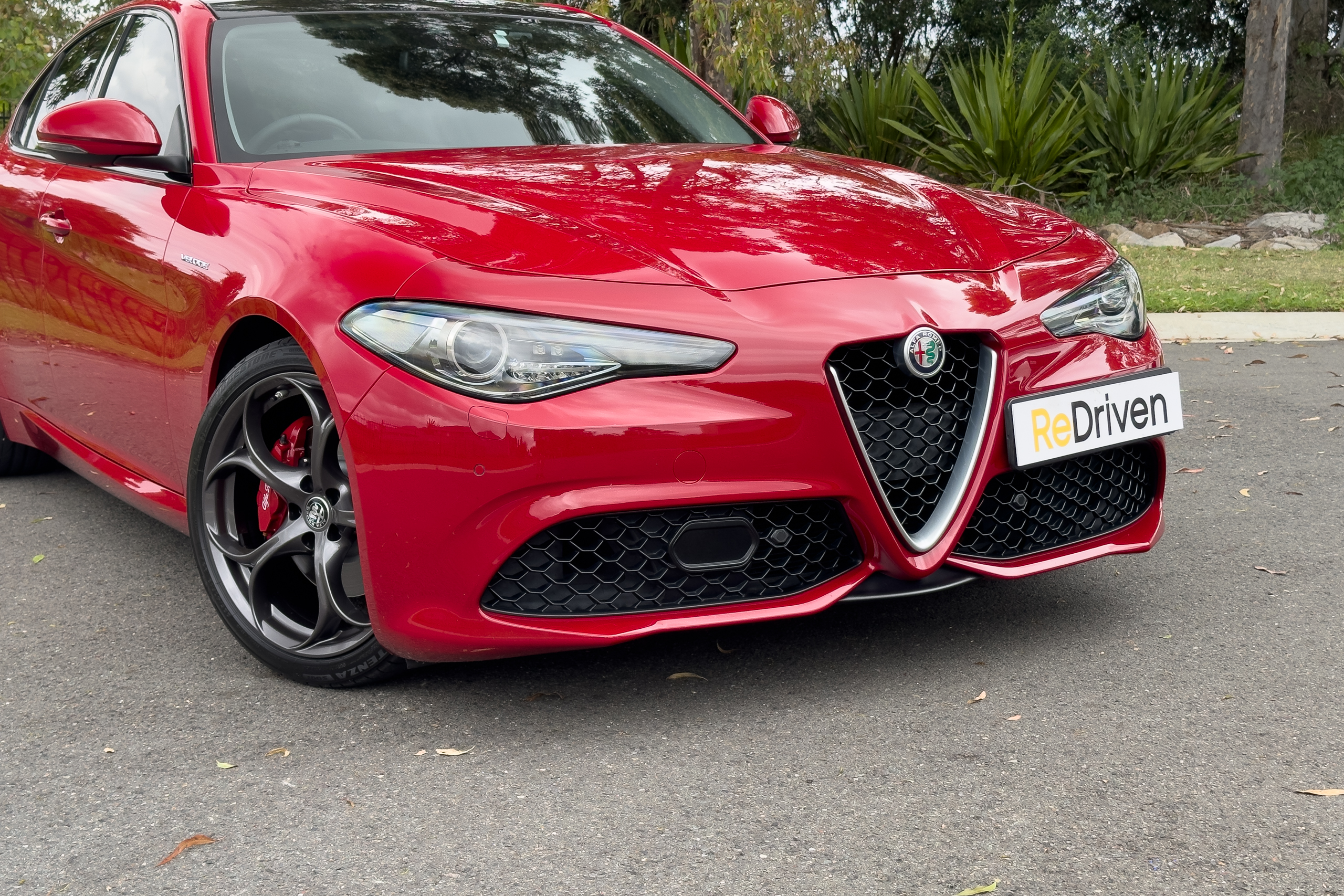
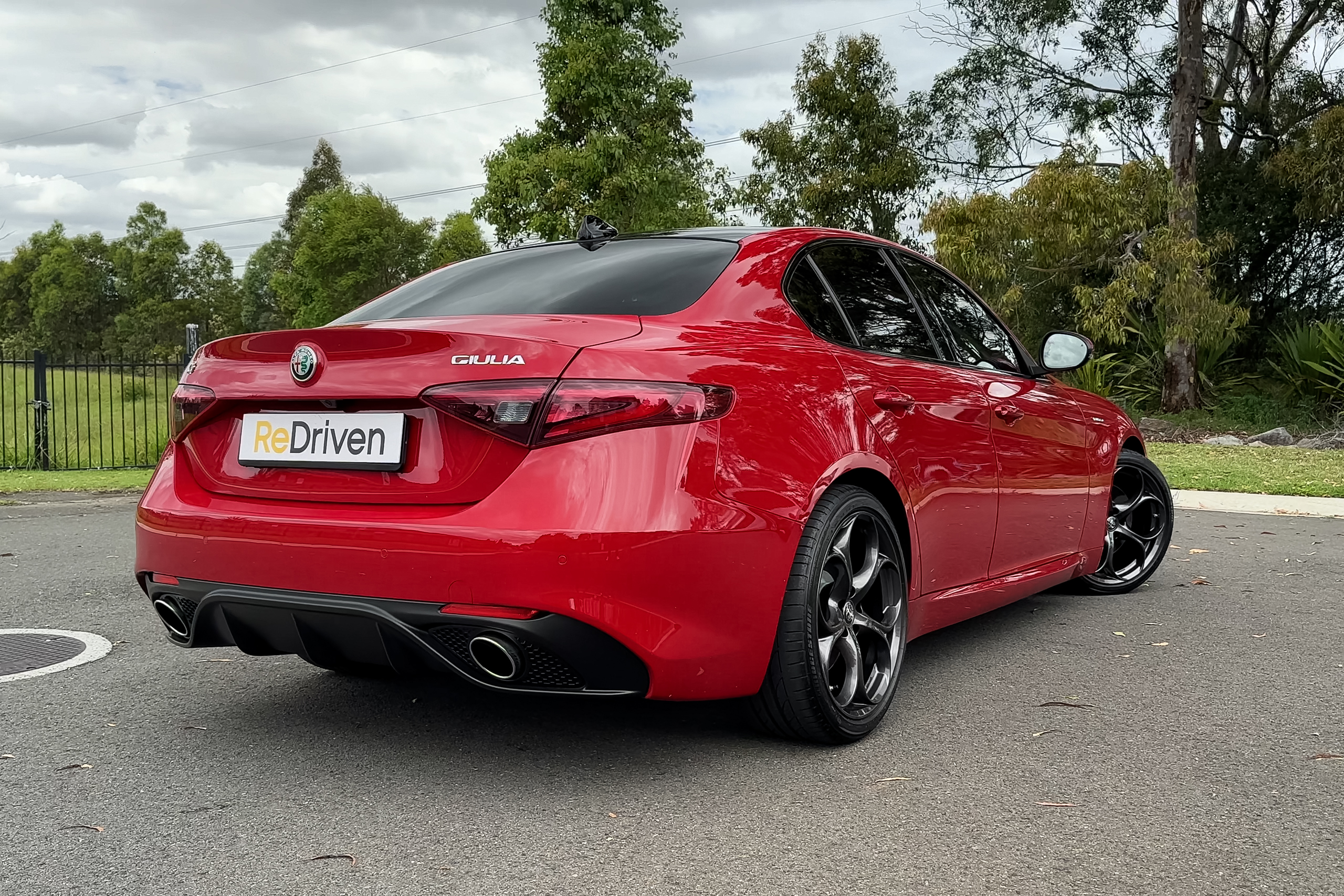
2017 Alfa Romeo Giulia Veloce

11 February 2024
Yes. But only the right example.

2017 Alfa Romeo Giulia Veloce

Used car review
11 February 2024
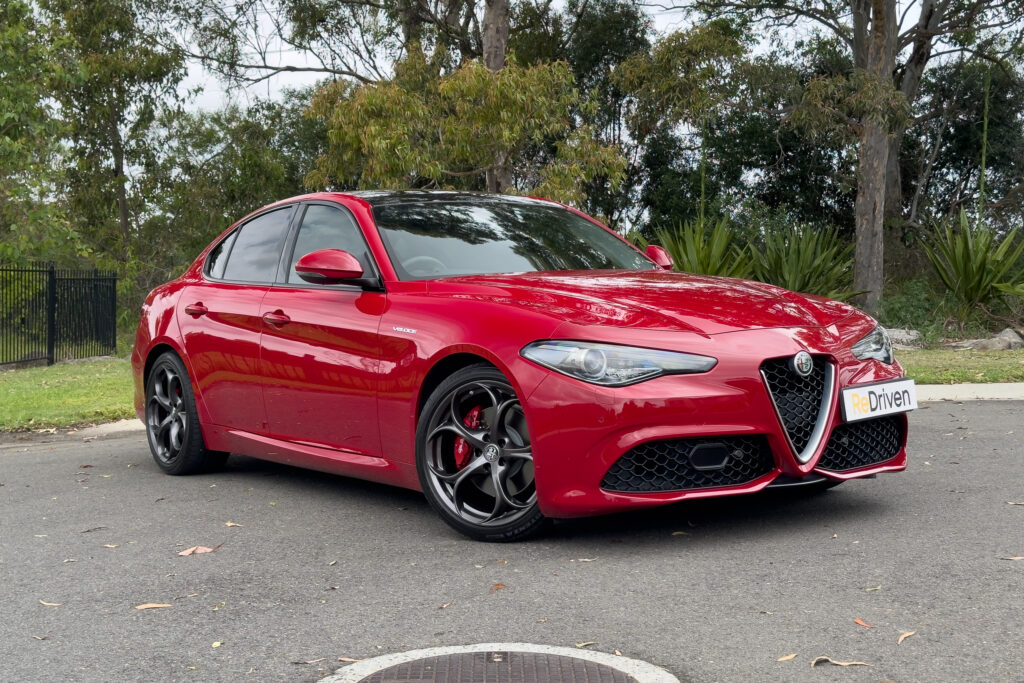
The Alfa Romeo Giulia played a vital role in the brand’s resurgence, competing with BMW’s 3-Series, Mercedes-Benz C-Class, Audi A4, and Lexus IS.
Designed, engineered, and manufactured in Italy, the Giulia arrived in Australia in early 2017 and is still a current model.
Updates were made in 2019, 2020, and significantly in 2023, showcasing Alfa Romeo’s commitment to continuous improvement.
Engine options in Australia include a single 2.2 L Turbo diesel, a powerful 2.9 L bi-turbo V6, and a 2.0 L turbo 4, available in different states of tune based on the model. All power plants are paired with an 8-speed ZF auto, and power is directed exclusively to the rear wheels.
Trim specs in Australia initially offered 4 flavours but were streamlined to 3 models from 2020, with varying names for these models.
Despite being a premium European car, Australia has seen only 5 special editions, including the impressive GTAm.
Alfa Romeo, historically criticised for build quality and reliability, has introduced an all-new Giulia. Have these concerns been addressed? Let’s delve in to find out.
Exterior:
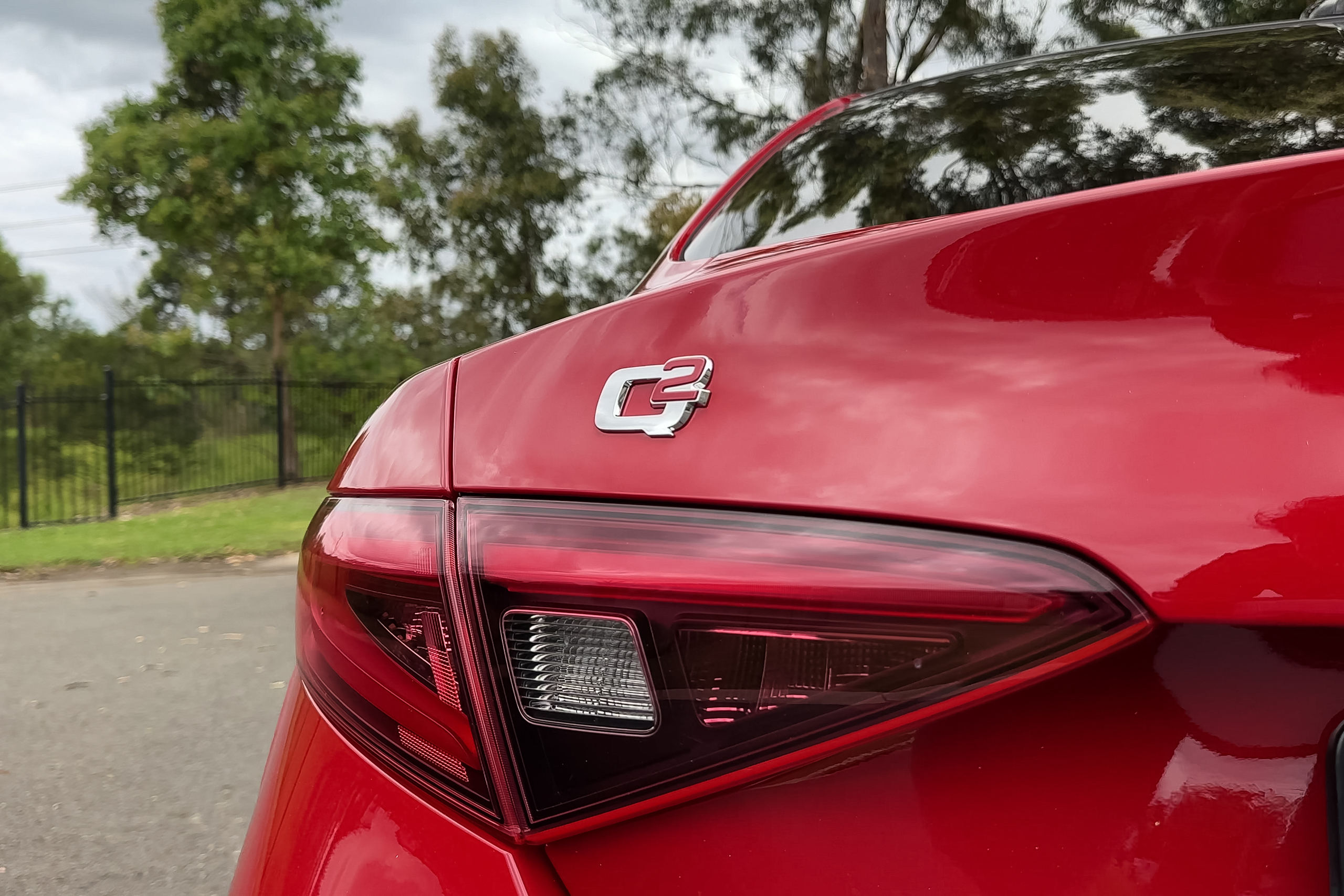
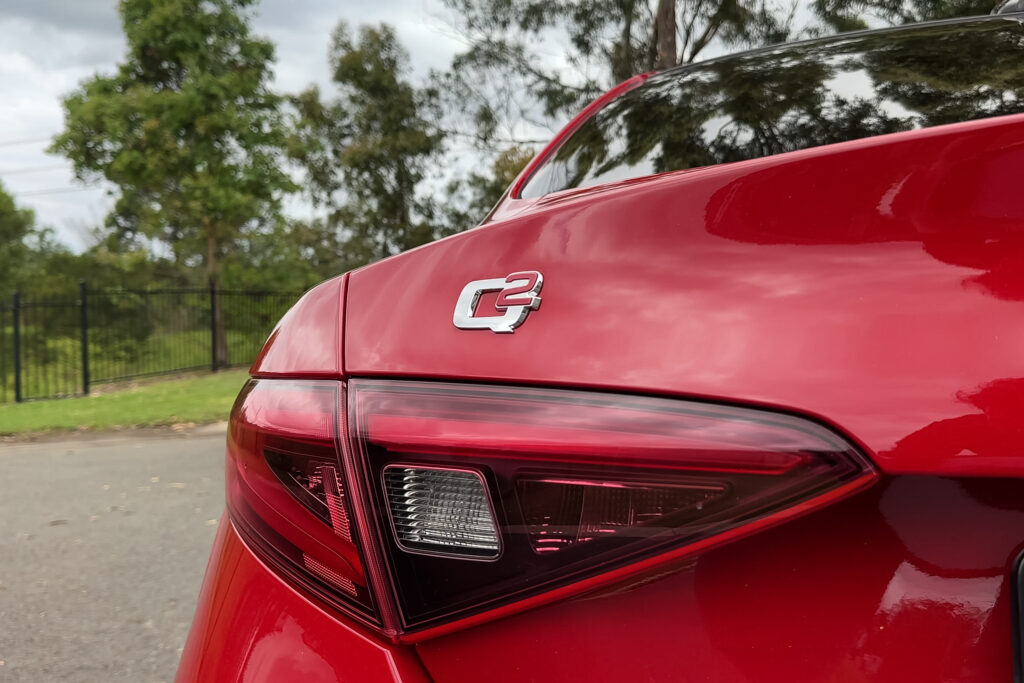
Rear Brake Lights: Wires along the boot strut may split over time, causing brake light warnings, AEB, and cruise control malfunctions. Easily fixable at home if you enjoy a weekend project.
Sunroof Issues: Owners report sunroof getting stuck open, especially in hot sun. Some mention exorbitant repair quotes, with OEM parts and labour often priced at a premium.
Cost of OEM Parts: In Australia, the cost of Original Equipment Manufacturer (OEM) parts and labour tends to be higher.
Interior:
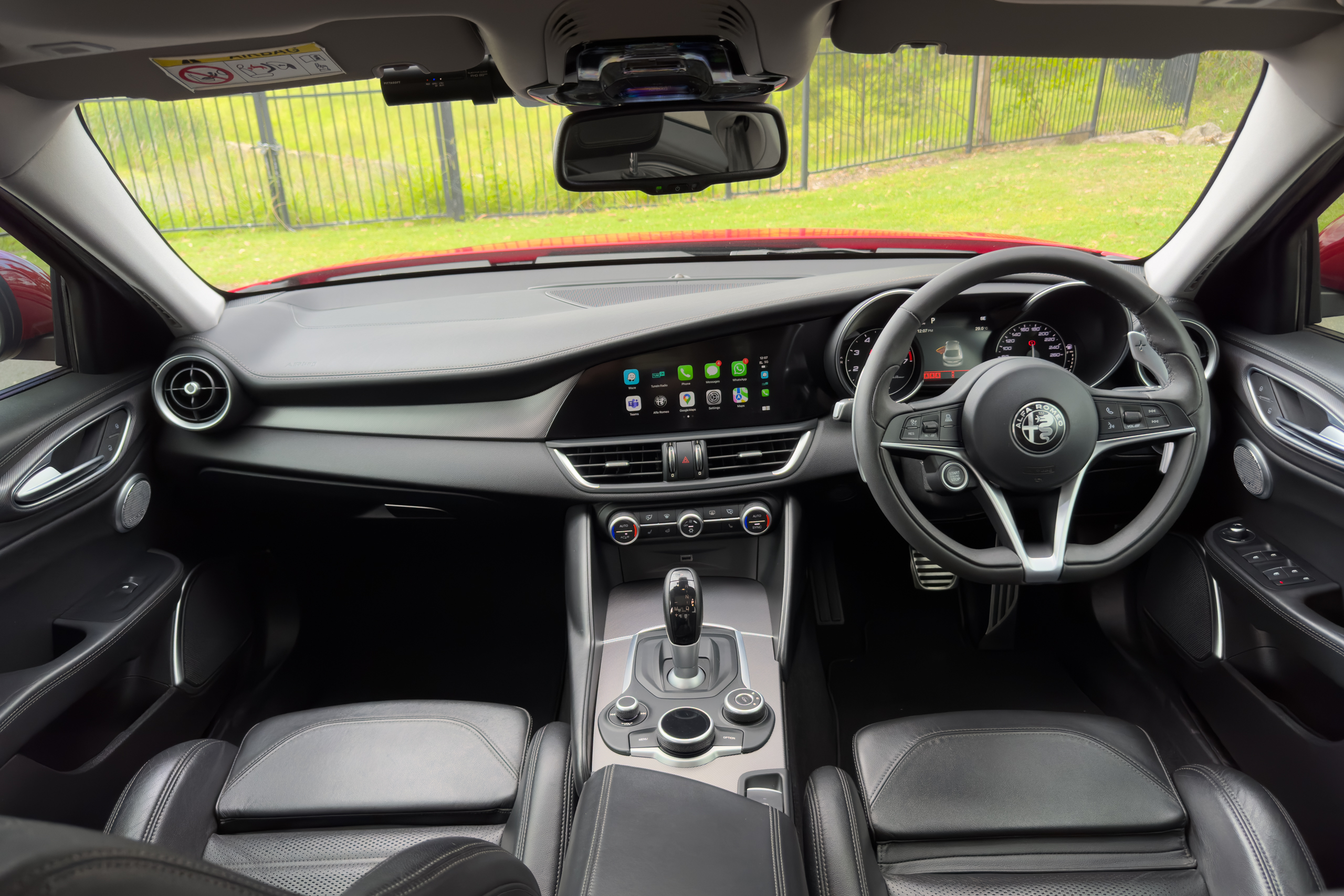
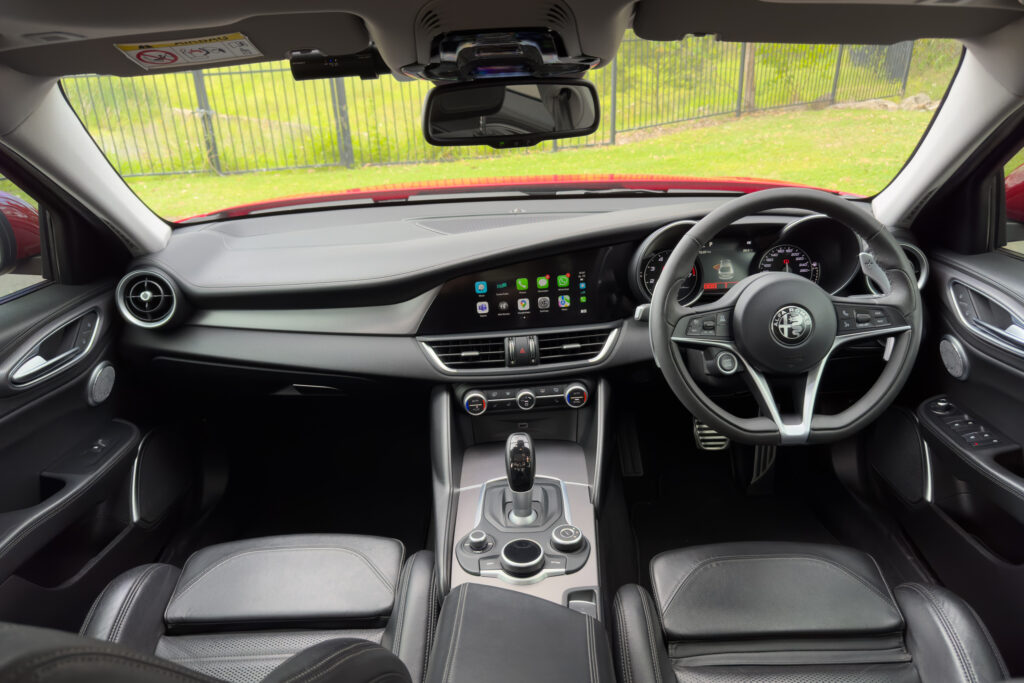
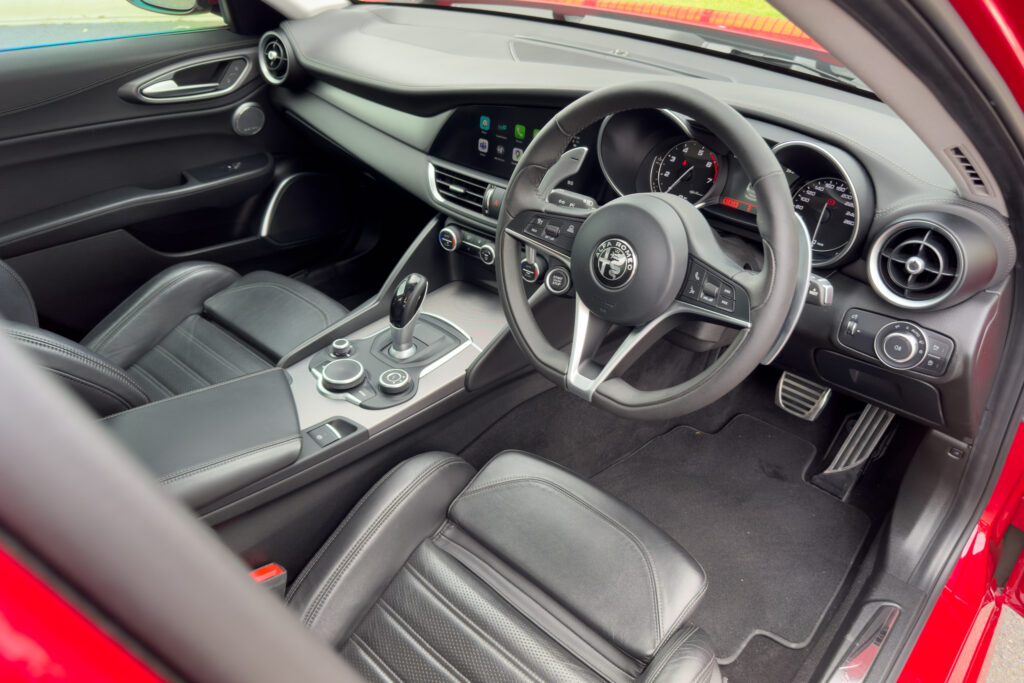
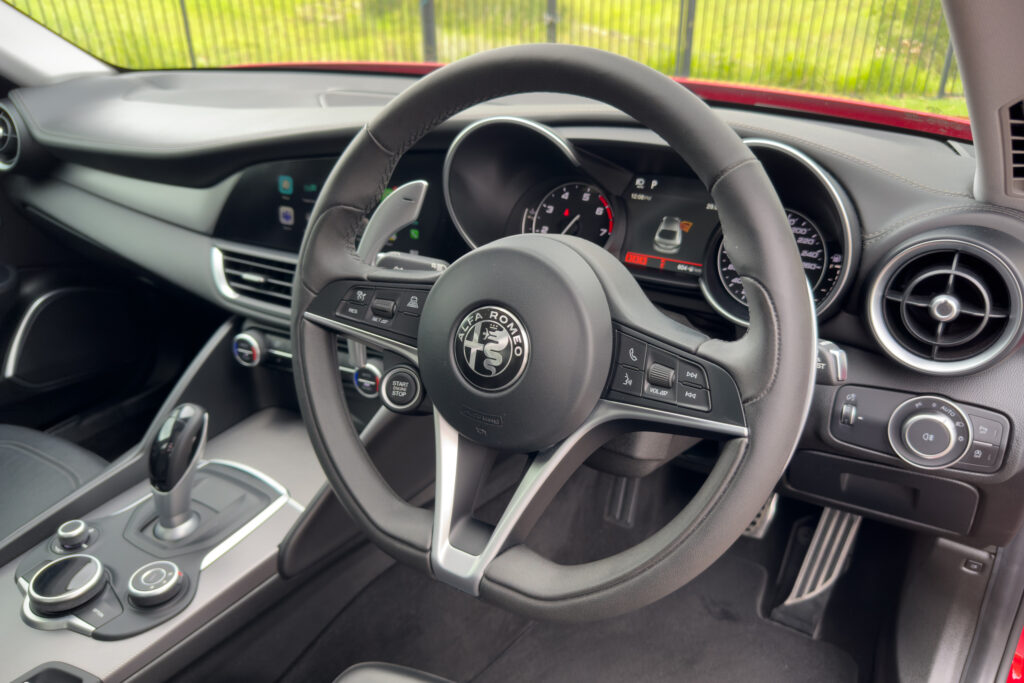
Infotainment Systems: Pre-2020 systems can be slow and buggy, with Bluetooth dropping in and out. Software updates may help, but upgrading to a new system is an option.
Electronic Gremlins: Numerous electronic issues reported, largely attributed to the factory battery. Replacing the battery promptly is recommended to prevent random error codes and malfunctions however, this sometimes does not fix the issues.
Each Giulia example can suffer from its own unique electronic issues. We highly recommend both reading through owners groups and forums and visiting a qualified mechanic or Alfa Romeo specialist.j
Mechanically:
2.0 Petrol Turbo:
Made by Stellantis, this engine is fairly reliable, lacking major common issues from other European equivalents such as timing chain problems or excessive oil consumption.
Electrical Gremlins are commonly reported however.
Occasional turbo or boost leaks, coolant leaks, and high-pressure fuel pump failures reported.
Direct Injection: Requires regular maintenance to address clogging of inlet ports and valves.
2.9L Twin Turbo Engine:
Reliability: Generally good, but reports of fuel pump issues and, more seriously, timing chain problems.
Longevity requires frequent and fastidious servicing.
Occasional timing chain issues have been reported, when they occur, they require significant and expensive repair work. Although not a common issue and generally isolated to poorly maintained examples.
2.2L 4-Cylinder Diesel:
Similar to the units in Jeep Wrangler and Cherokee, it has a decent reputation for reliability.
Common Diesel Issues: DPF, EGR, turbo, and injector problems are reported, standard for modern diesel engines.
Service Recommendations: Service every 10,000 km, do the timing belt and water pump every 100,000 km.
Transmissions:
Generally reliable when serviced correctly or ahead of schedule.
Widely used by various manufacturers for their strength and resilience.
AWD Weak Point: Transfer case in the AWD can be a weak point, but warranty covers some cases.
Driveline:
Some examples experience diff noise and replacements, covered under warranty.
Severe brake and tire wear due to the Giulia’s sporty nature.
Electronics:
Common Reliability Issues: Mainly electrical, including wiring issues, software glitches, ghost codes, and problems with switches, solenoids, and actuators.
Expensive to Fix: Referred to as quirks by enthusiasts but can be costly to repair according to mechanics.
So, when it comes to deciding whether to buy the Alfa Romeo Giulia, it’s not just about the car itself but also about its previous ownership.
The challenge arises because some owners choose to lease a Giulia without any intention of long-term commitment, often deferring or even neglecting critical maintenance.
Additionally, certain individuals approach ownership with expectations similar to those of Japanese or Korean cars, which are engineered to endure substantial neglect and continue functioning.
However, Italian and European cars, in general, adhere to strict maintenance standards and schedules crucial for sustained reliability.
If you can confirm that the Giulia you’re eyeing has received meticulous maintenance, preferably from a passionate owner, and you commit to continuing the same level of care, then, yes, it can be a rewarding purchase despite not being flawless.
On the contrary, if there’s even a hint that essential services have been skipped or signs of misuse are present, it’s advisable to refrain from buying.
Patience is key; wait for the right example or consider a more prudent option, perhaps a Lexus, letting rationality guide your decision over emotional appeal.
MORE: Explore our Alfa Romeo reviews


Co-creator, presenter & writer, ReDriven

Yes. But only the right example.
 7 days ago
 2 weeks ago
 3 weeks ago