Australia’s No. 1 Used Car Review Website
Australia’s No. 1 Used Car Review Website
+14 Photos
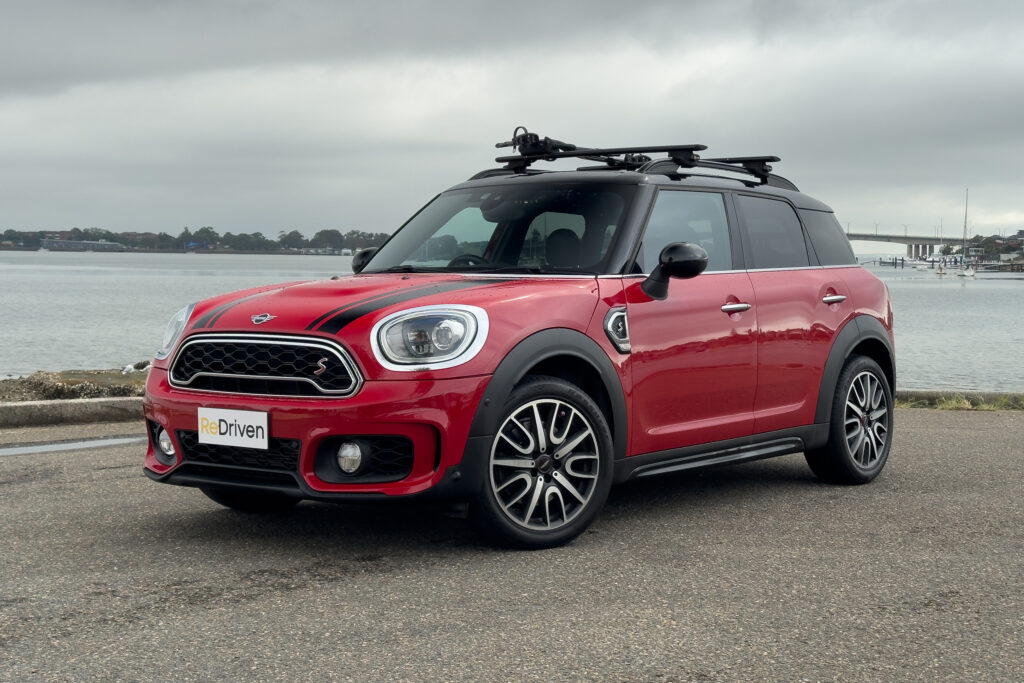
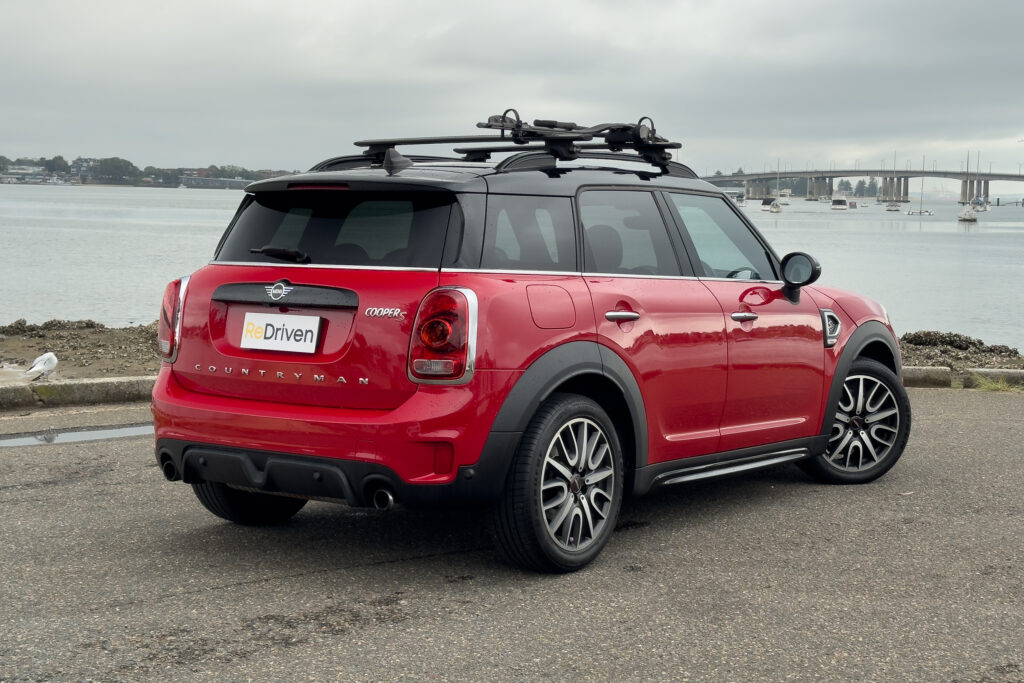
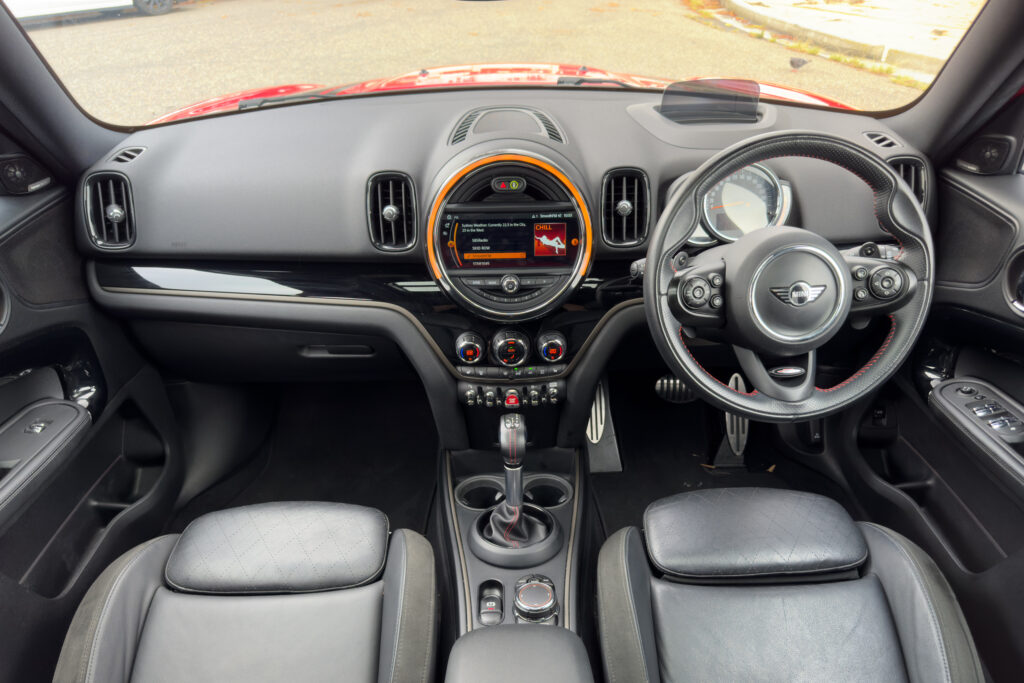
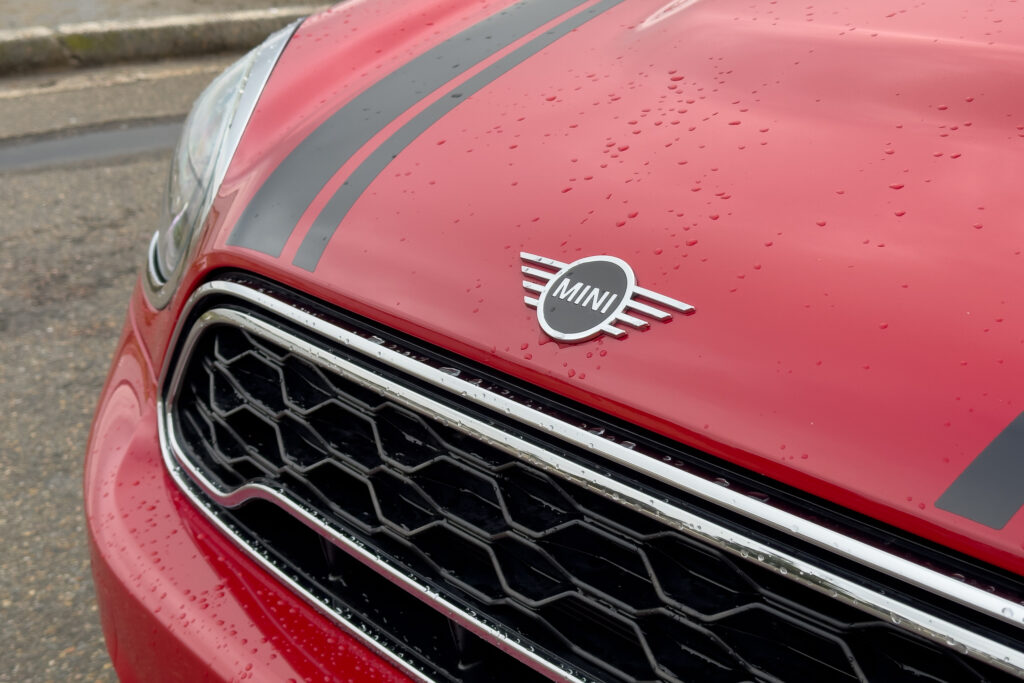
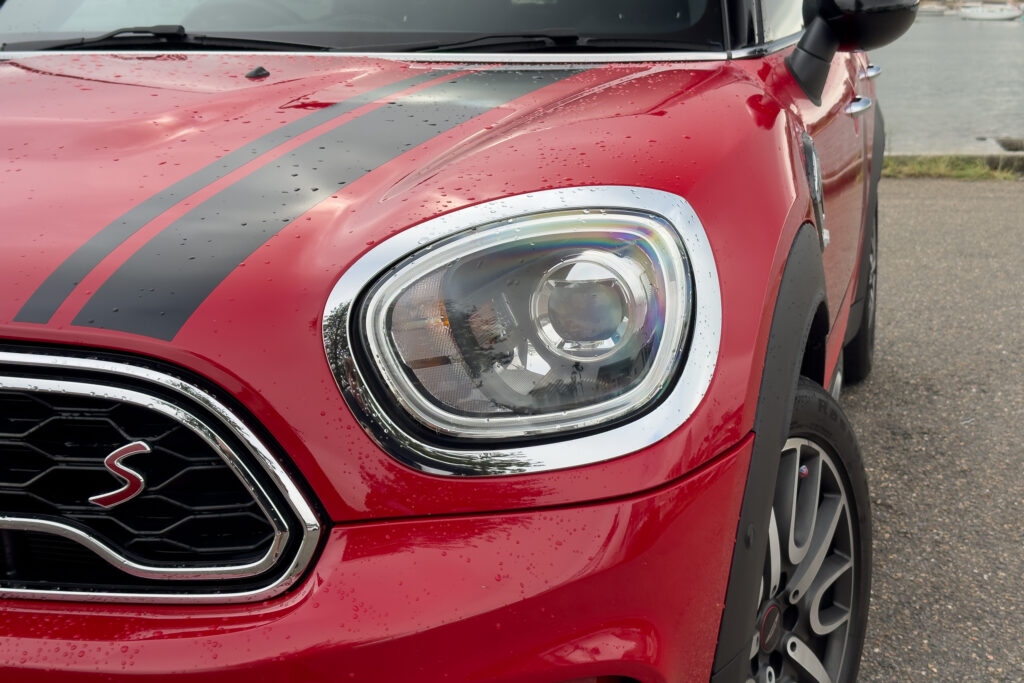
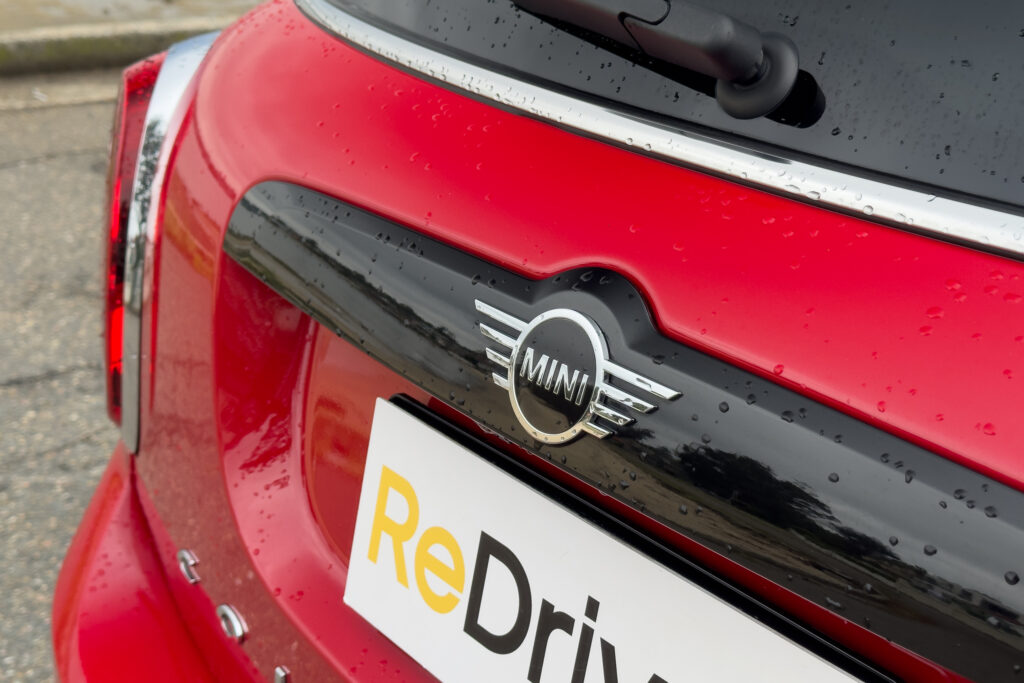
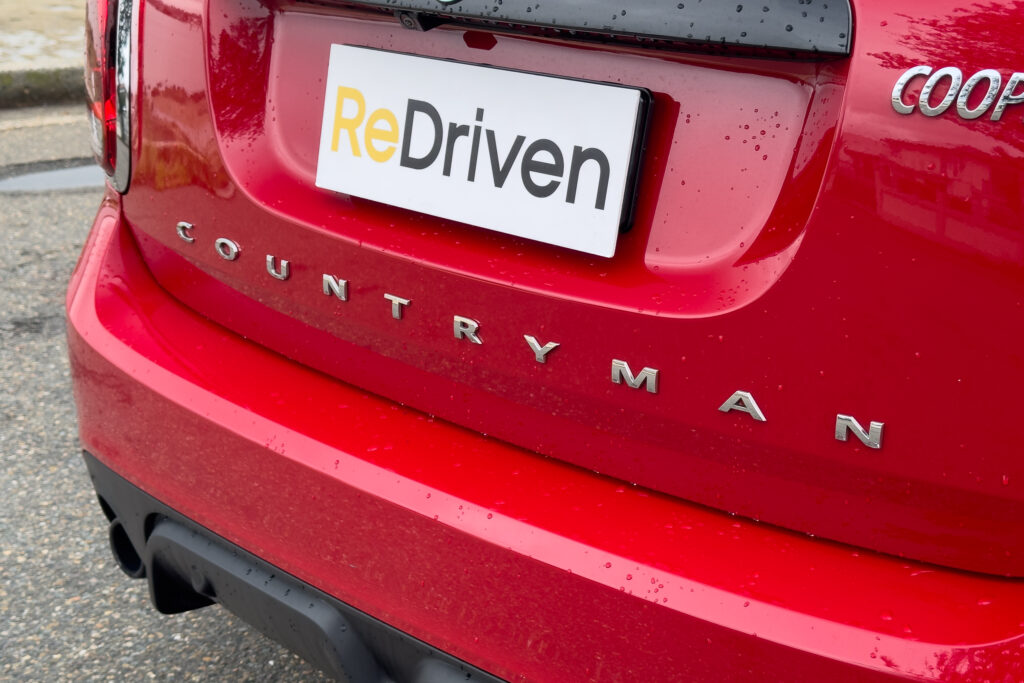
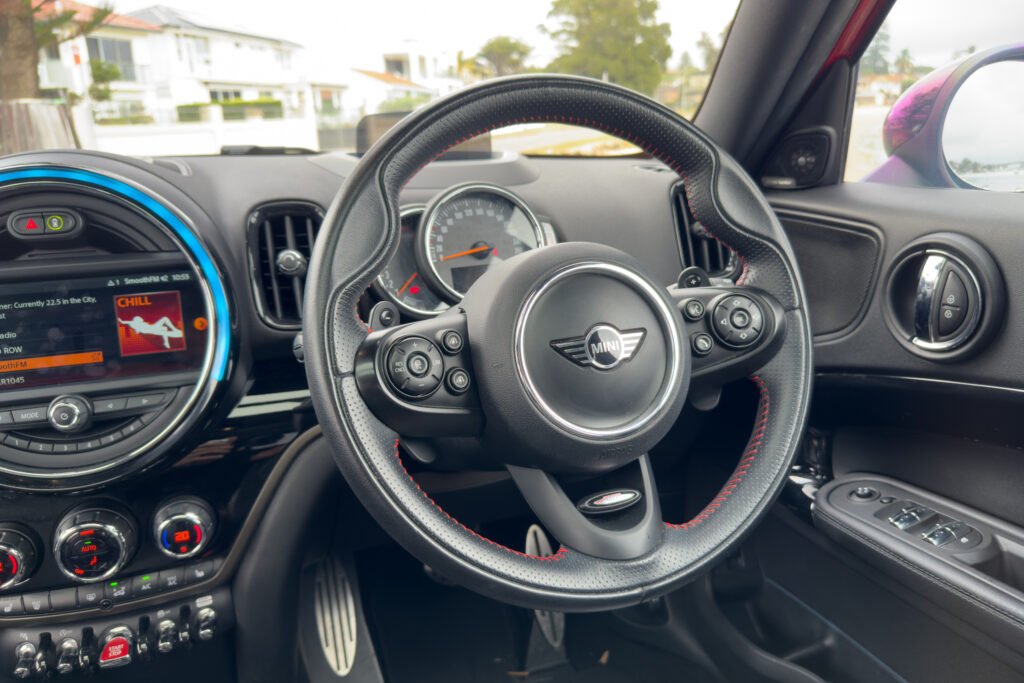
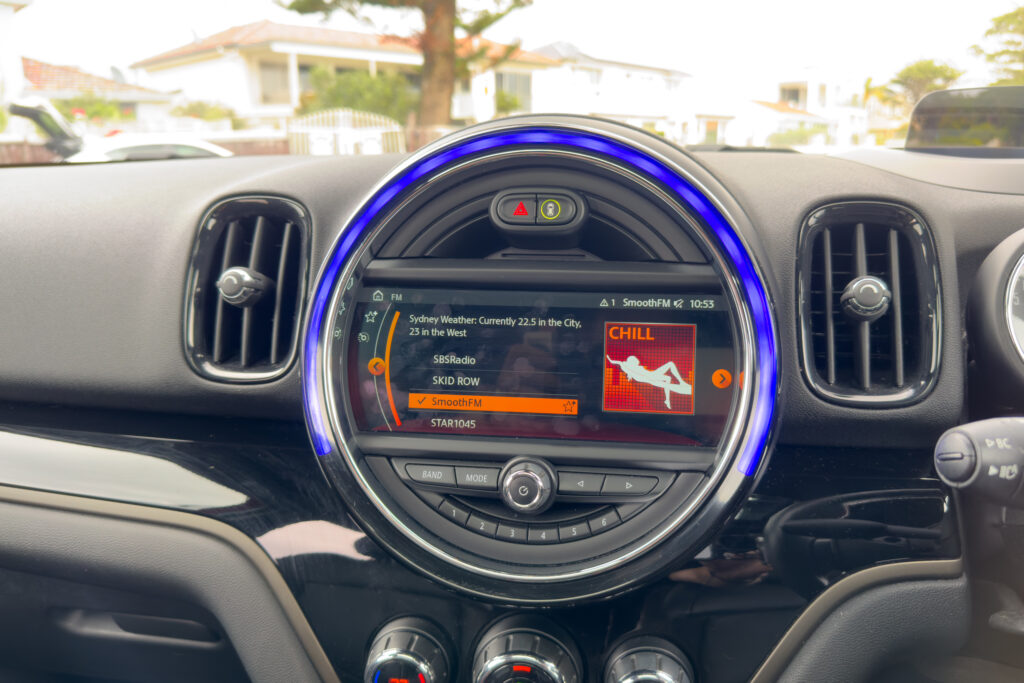

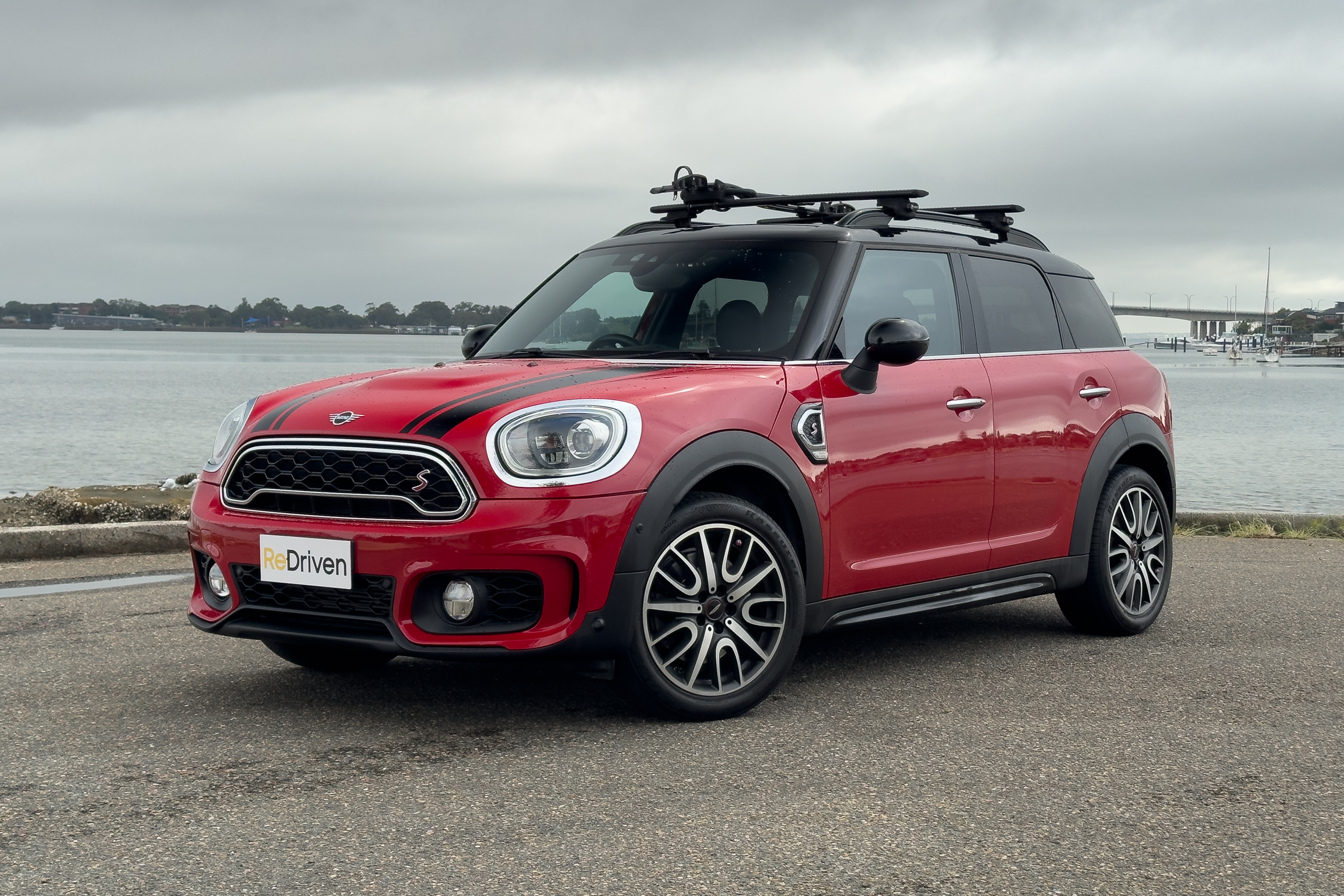
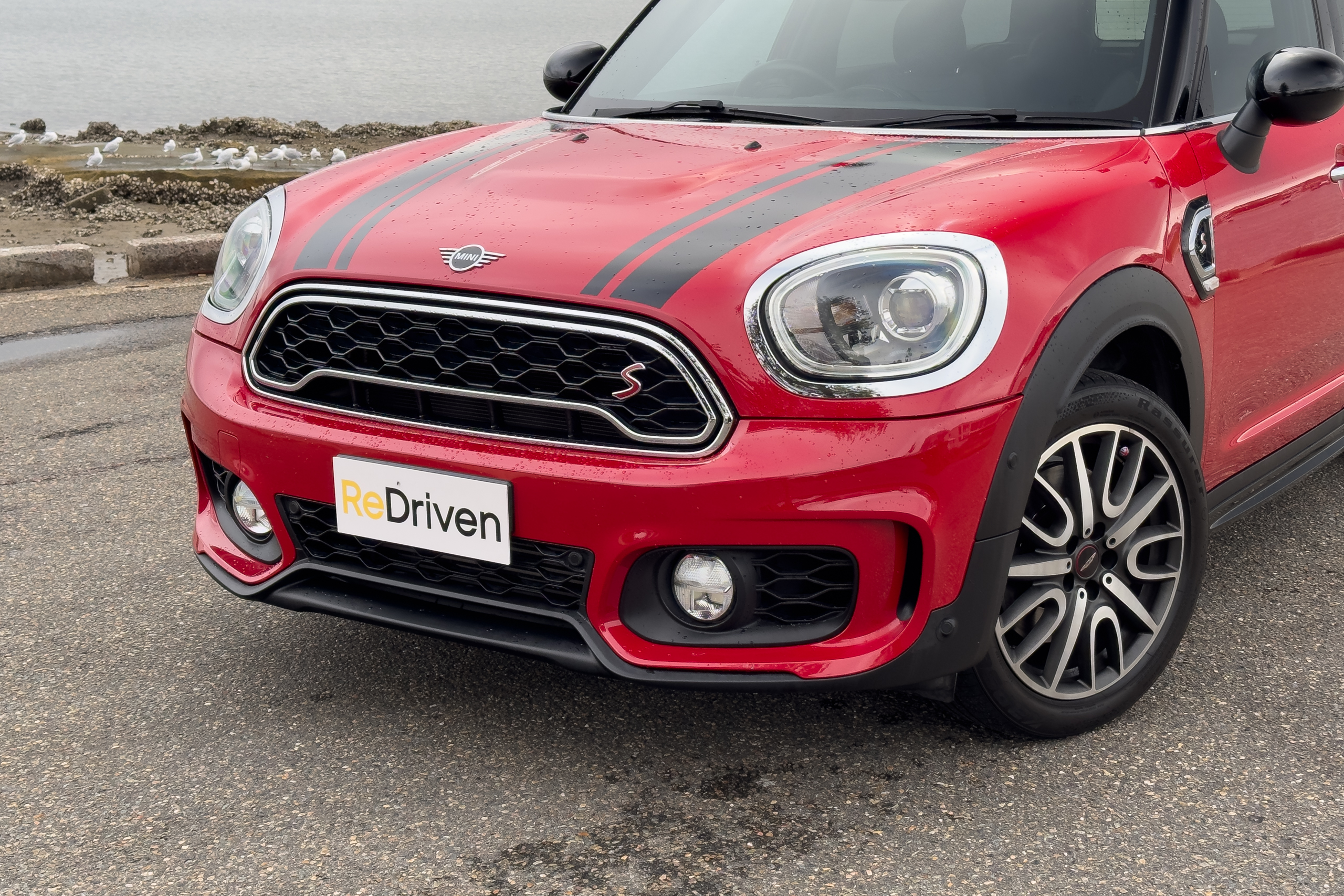
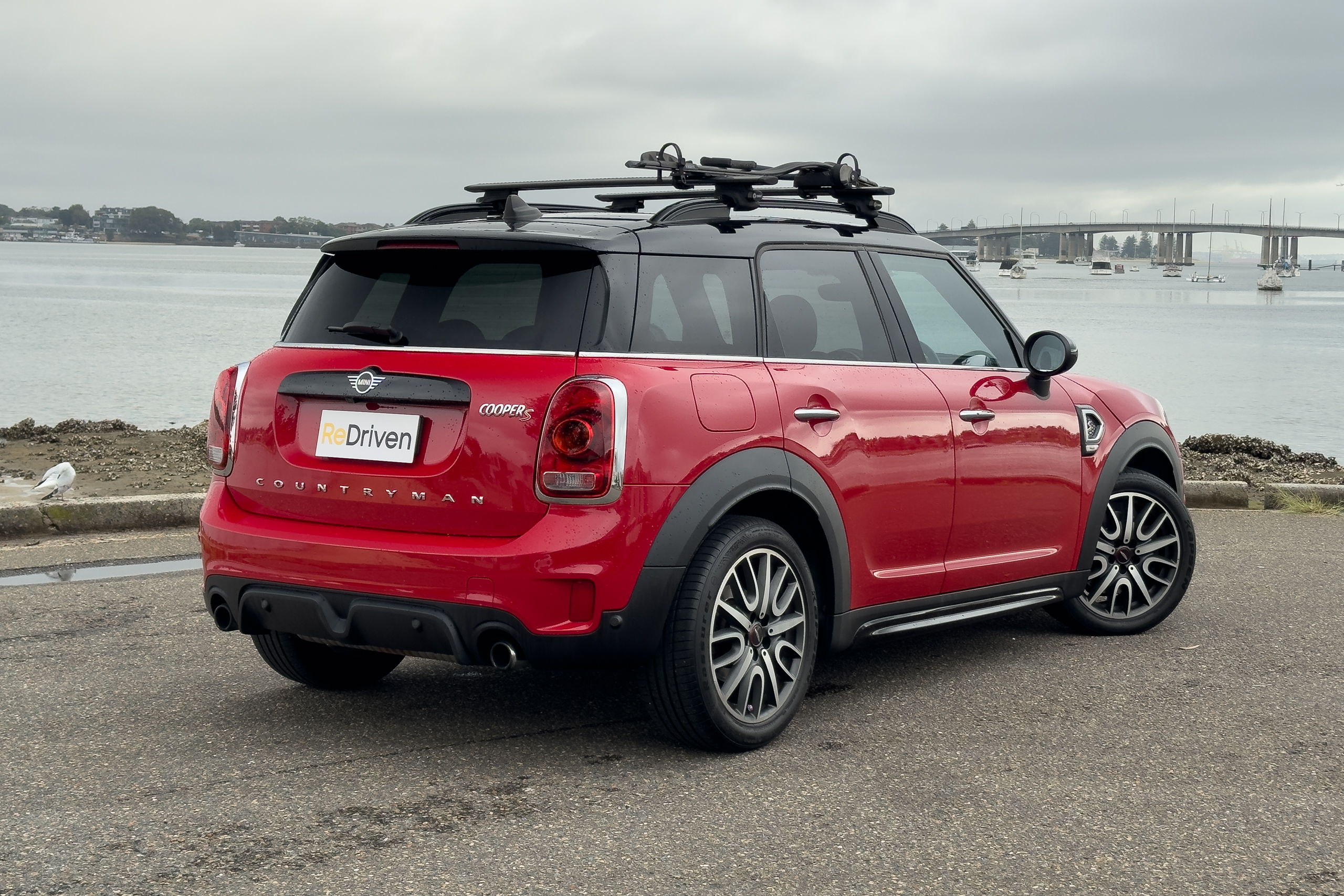
2019 Mini Countryman Cooper S

25 February 2024
Probably not.

2019 Mini Countryman Cooper S

Used car review
25 February 2024
MINI, despite its funky British image, is owned by BMW, a German company. Yet, interestingly, the Countryman model is manufactured in the Netherlands, India, Indonesia, and Malaysia.
The MINI Countryman shares its platform and various components with BMW X1 and X2 models.
The second-generation F60 has been in production since 2017, concluding in 2023. However, the range was updated in 2020, introducing the F60 LCI models.
In Australia, the engine options include three turbo petrol, two turbo diesels, and a turbo petrol plug-in hybrid.
Power is typically directed to the front wheels, although four-wheel-drive models are available. Transmission options vary from traditional automatics to dual-clutch units based on the year and model.
The Australian lineup comprises six models, defining the mechanical package. However, the extensive range of trim specs, special editions, option packs, and individual features can result in a seemingly endless array choices, creating much complexity for used buyers.
While customisation is advantageous for new buyers, it complicates the used car market. Determining the value of various features, such as coloured roofs and different leather trims, can be challenging during negotiations.
Despite the customisation options, MINI has faced concerns about build quality and reliability under BMW’s ownership. This cheat sheet delves into whether the Countryman continues this trend or addresses these issues.
Exterior:
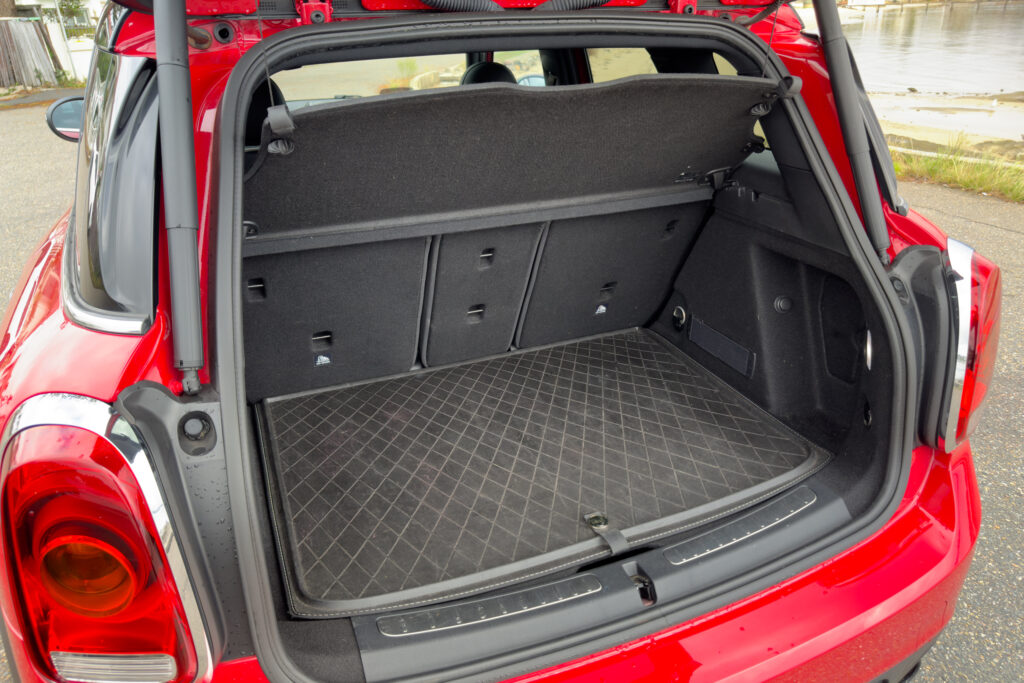
Owners have sporadically reported electrical issues, including problems with the boot opening mechanism, rear lights, sunroof functionality, and rear wiper operation.
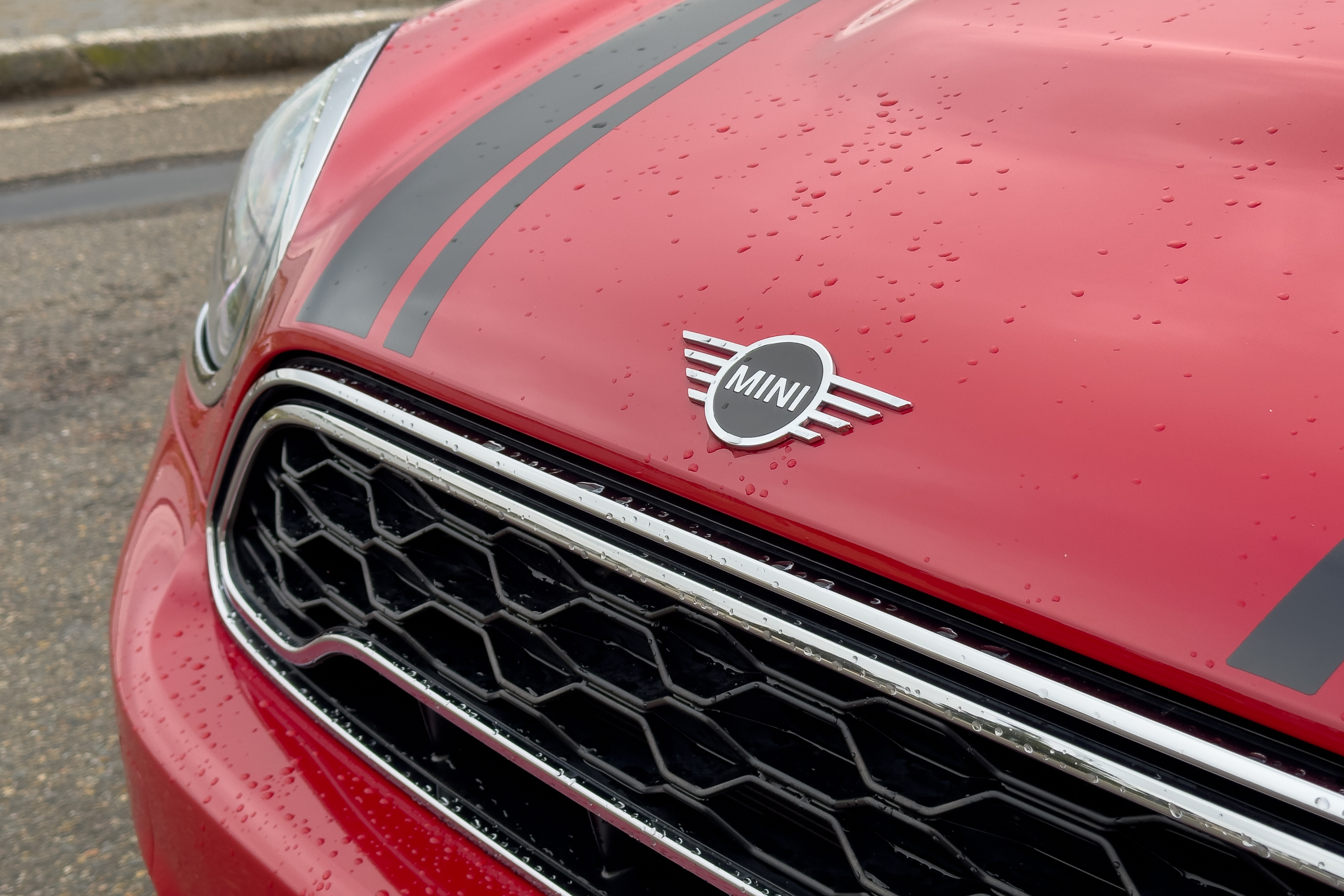
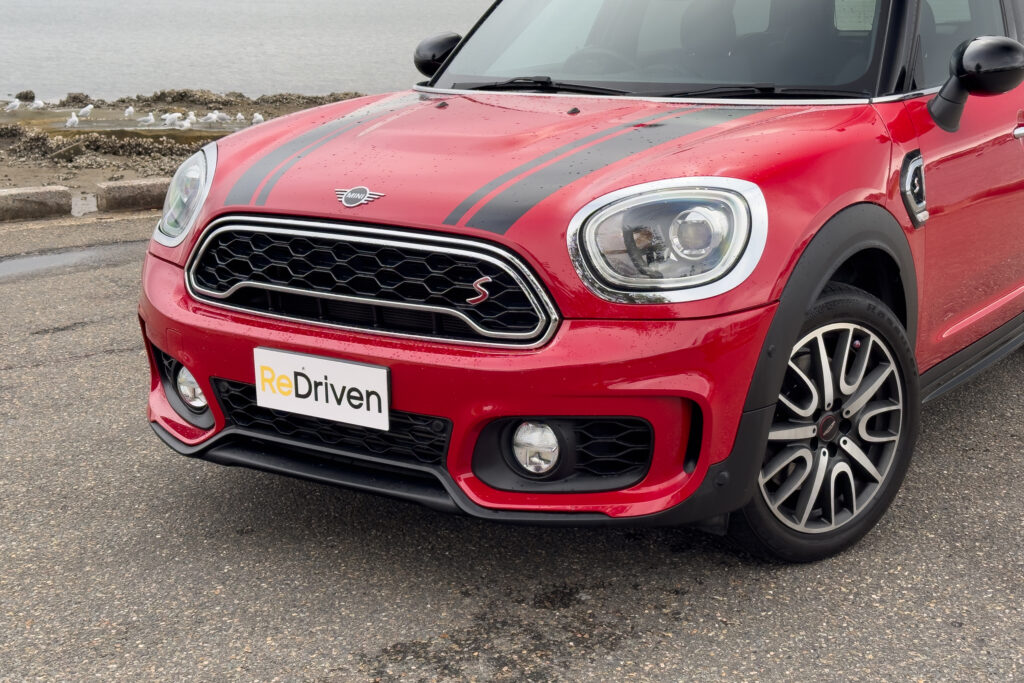
Concerns have been raised by a few owners regarding the softness of the paint, making it susceptible to scratching and marking easily.
Interior:
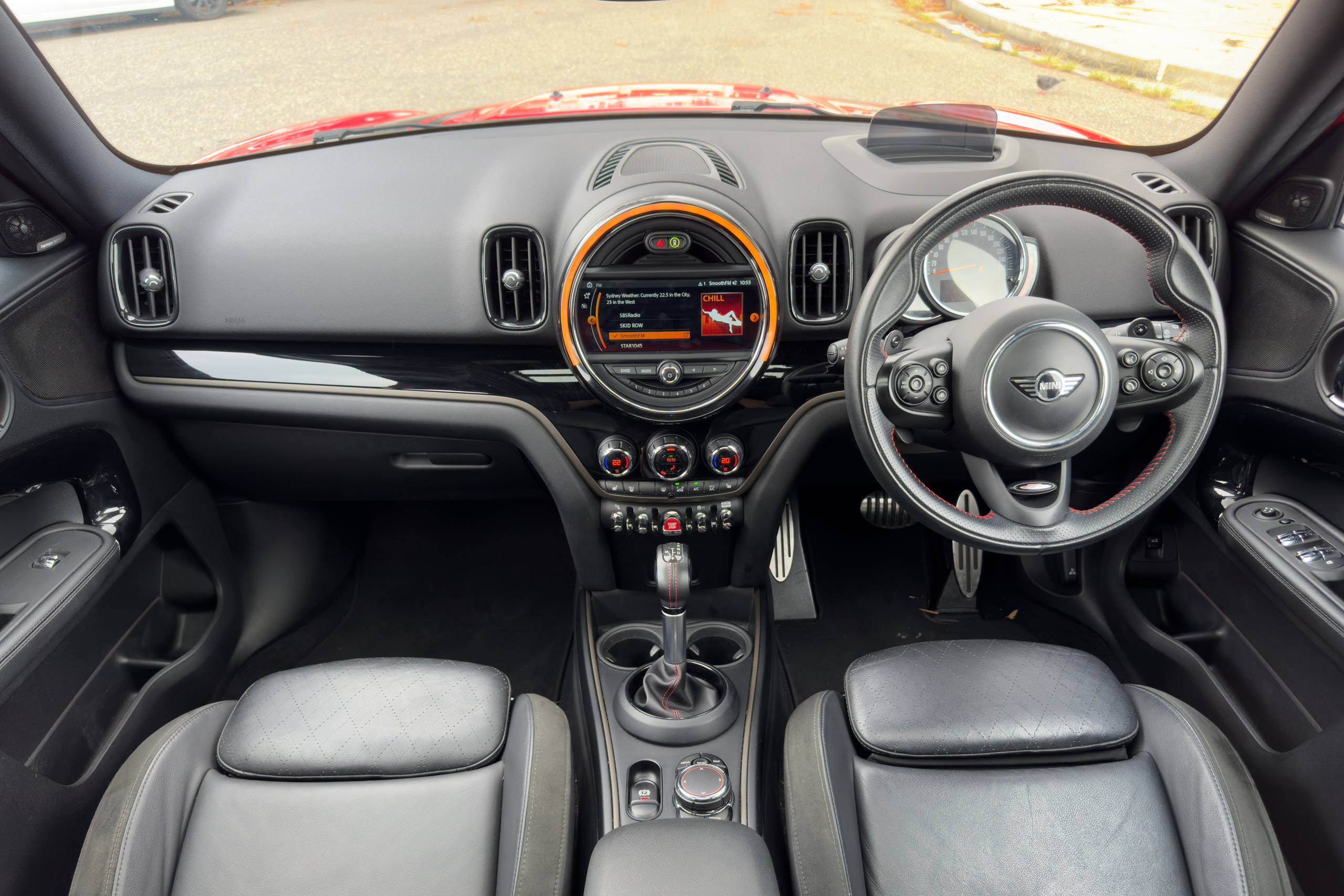
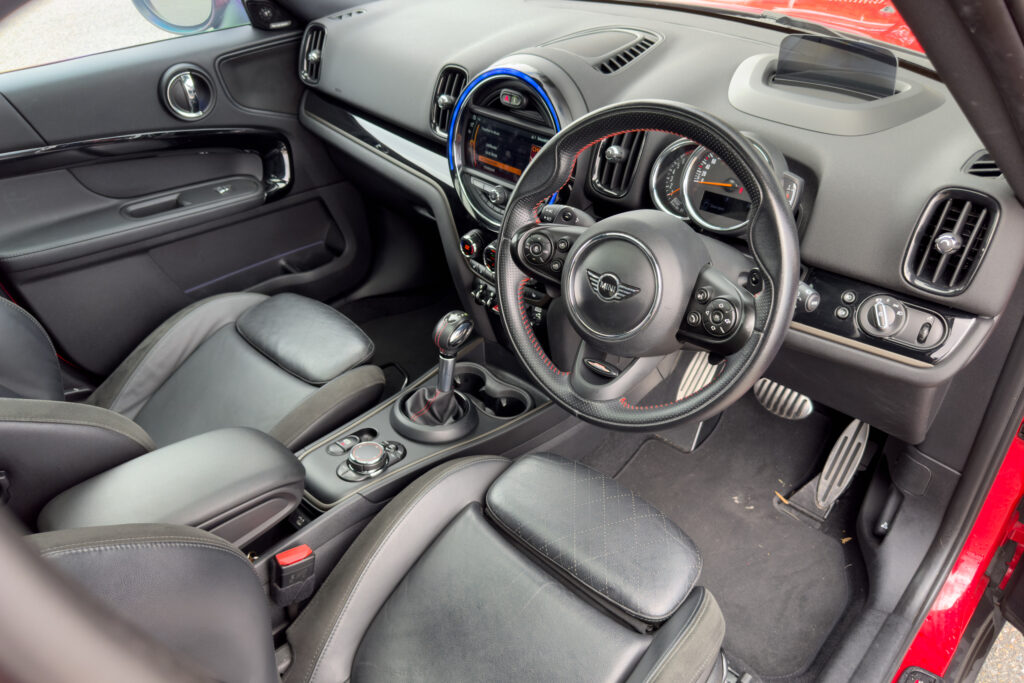
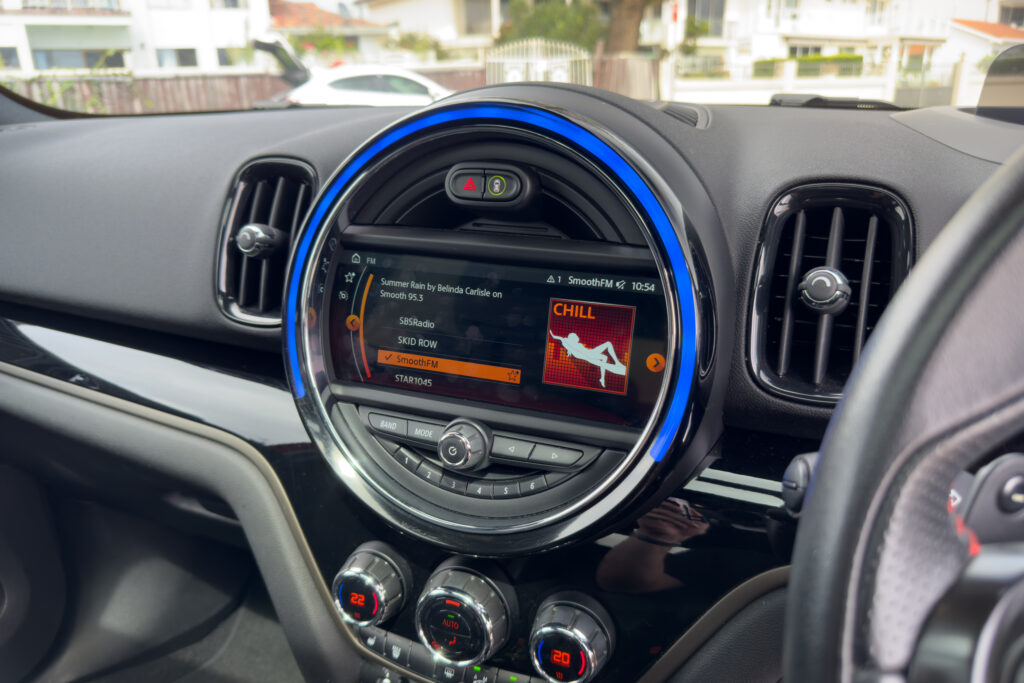
Random electronic glitches have been reported by some owners, encompassing issues with lighting, unresponsive buttons or switches, and occasional malfunctions in the heated seats.
Criticism has been voiced about the interior build quality, with some owners feeling it falls short for a car positioned in the premium market. Instances of early rattles and squeaks have been noted.
Mechanically:
Diesel Engine:
Considerably more reliable than the previous generation.
However, B47 diesels share similarities with the older generation N47 BMW diesels.
Stretched or snapped timing chains remain an issue, requiring transmission removal for repair.
Turbo complications, including waste gate actuator and turbo failures, sometimes due to oil issues.
Owners report low oil warnings and oil consumption without a dipstick for reference.
DPF (Diesel Particulate Filter) and EGR (Exhaust Gas Recirculation) issues are not uncommon.
Timing chains located at the back of the engine contribute to the complexity and cost of repairs.
Petrol Engine:
B38 and B48 petrol engines are part of Mini/BMW’s modular engine lineup.
Shared parts between 3 and 4-cylinder configurations make them cost-effective but also share common problems.
Timing chain issues, similar to diesel engines, with reported tensioner problems and chain stretching.
Occasional oil leaks, improved oil consumption over older models, but some owners still report excessive usage.
Engine mount issues and common problems with water pumps and thermostat housings.
Hybrid Powerplant:
Limited sales of Hybrid models in Australia make it challenging to assess the reliability of hybrid components.
Hybrid models utilise the B-series ICE engine, possibly inheriting common issues reported for non-hybrid counterparts.
Both petrol and diesel engines share a similar list of problems, often related to their service schedules.
BMW and Mini advocate condition-based and extended service intervals, which may contribute to premature failures.
We highly recommend changing oil every 10,000km to enhance engine health and reliability.
Extended service intervals are criticised as potentially contributing to engine and transmission issues.
We express immense scepticism about the benefits of extended service schedules, suggesting it may be a strategy to keep engines healthy purely until the end of the warranty period, encouraging owners to upgrade to the next new model.
We question the environmental impact of short-lived cars due to extended service schedules, possibly bringing into question engineered obsolescence.
This emphasises the importance of creating durable vehicles, something many manufacturers (including BMW/Mini) often fail to do.
Contemplating the purchase of the F60 or F60 LCI Mini Countryman? While many SUVs on the market might seem more pragmatically driven, the Countryman could be the perfect choice for those who willingly invest in artwork or sculptures for their living spaces.
Buyers often prioritise factors like reliability, value for money, or performance. The Mini, however, caters to individuals who place a high value on aesthetics and brand appeal, presenting a purchasing perspective that’s just as valid.
In contrast to some past Mini models, the Countryman doesn’t appear to be a significant reliability headache. It checks off most SUV requirements, and according to the majority of owners we consulted, they genuinely adore their vehicles.
Although not without some risk, it seems to be a reasonably prudent buying decision. Engaging in thorough due diligence is advisable, but overall, we cautiously give it a nod of approval.
MORE: Explore our SUV reviews


Co-creator, presenter & writer, ReDriven

Probably not.

 2 weeks ago
3 weeks ago
2 weeks ago
3 weeks ago
 4 weeks ago