
Australia’s No. 1 Used Car Review Website
Australia’s No. 1 Used Car Review Website
+10 Photos
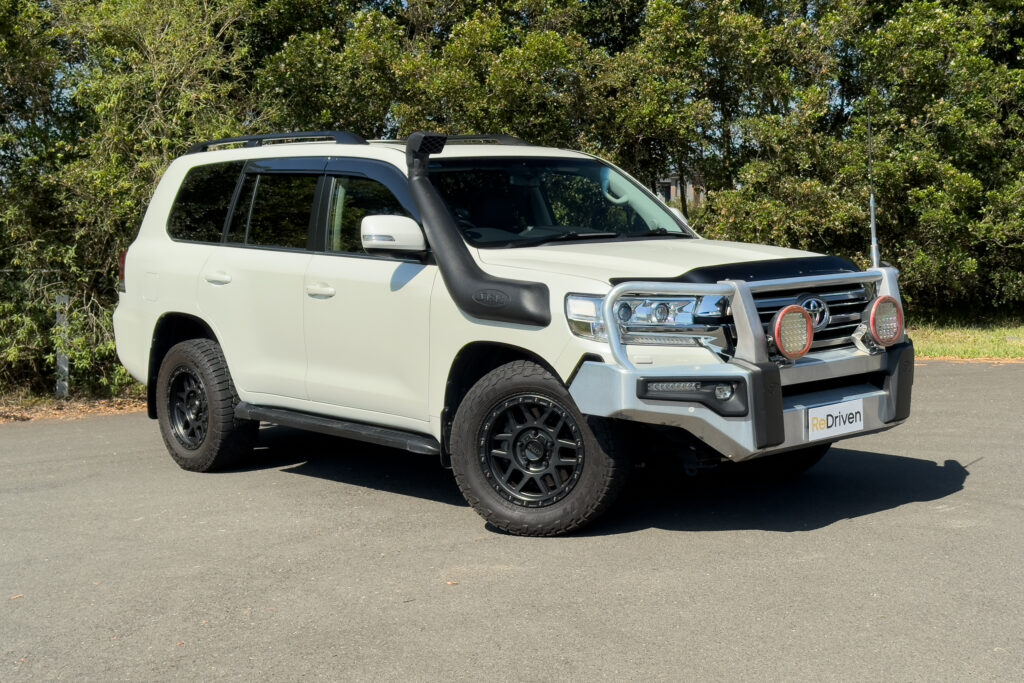
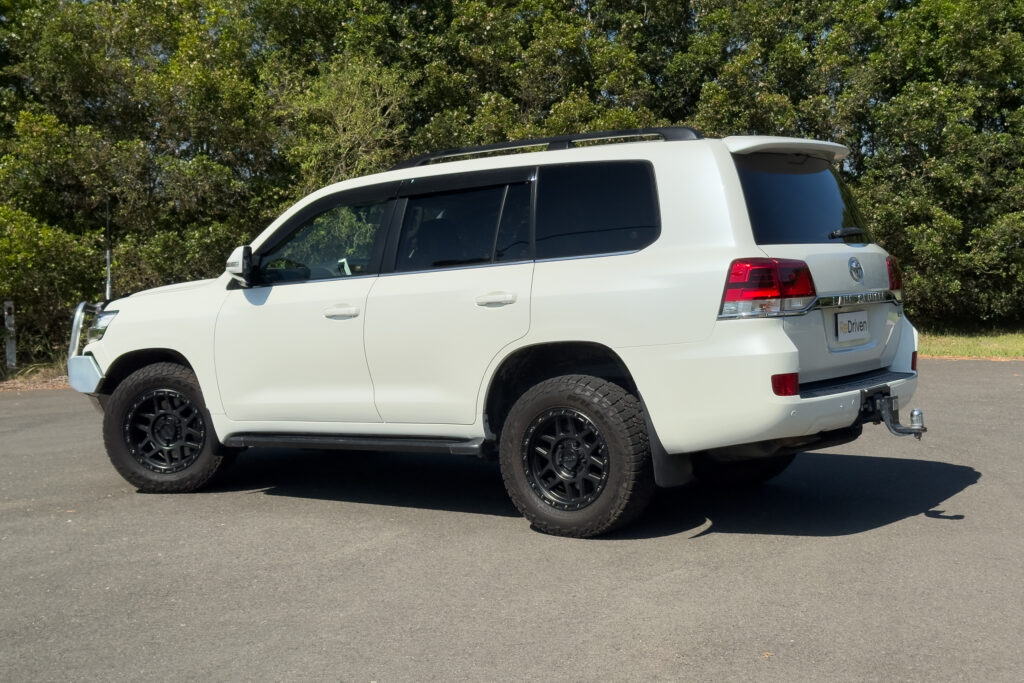

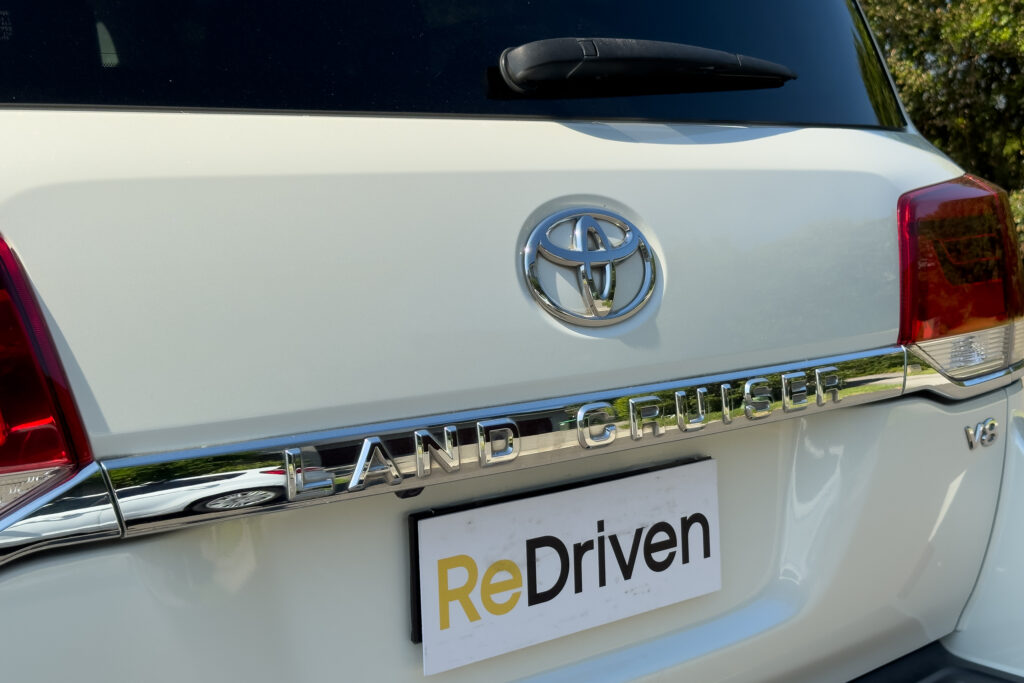

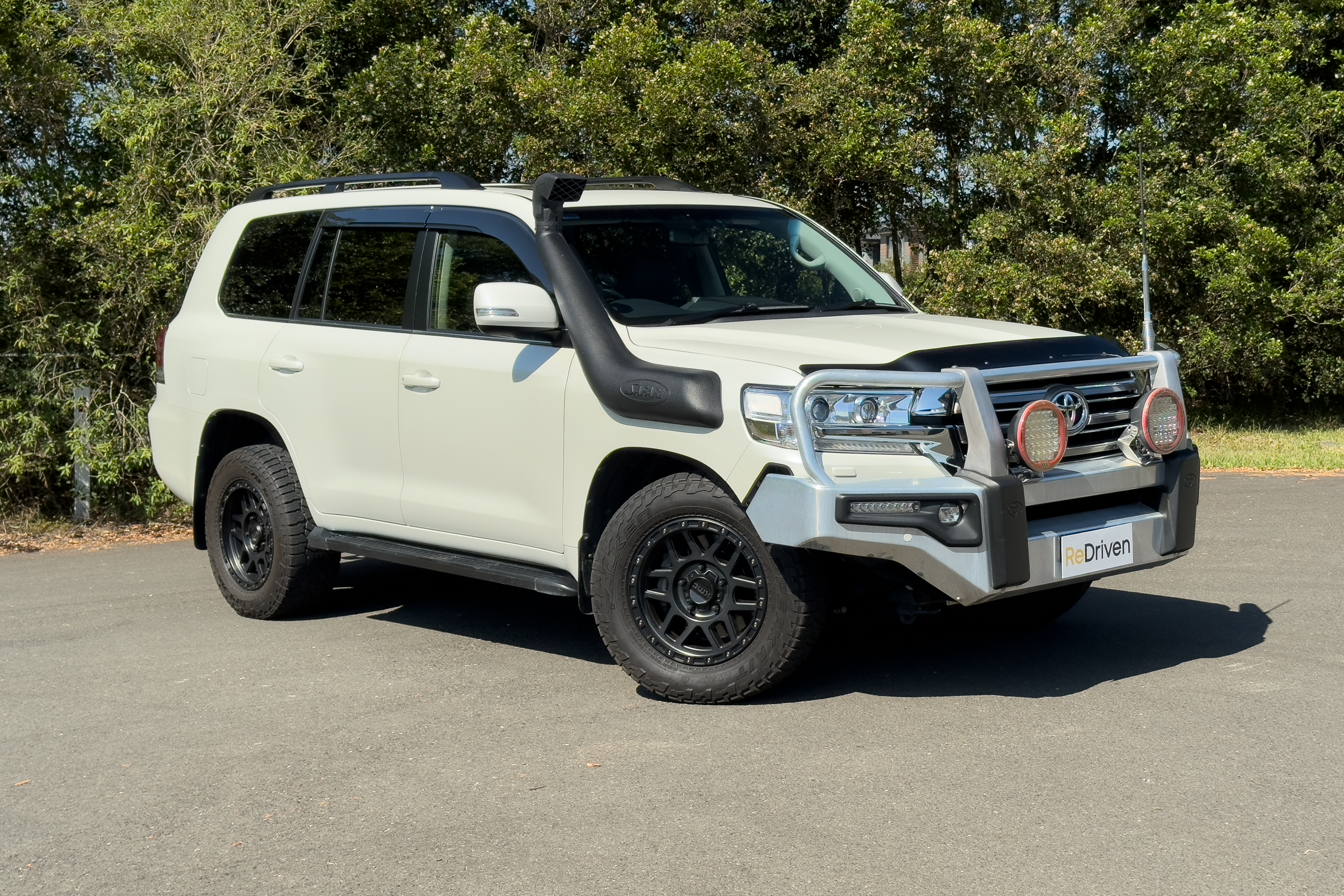
2017 Toyota LandCruiser VX 200 Series

06 April 2024
Yes. 100%.

2017 Toyota LandCruiser VX 200 Series

Used car review
06 April 2024
The 200 Series Toyota LandCruiser was produced from 2007 to 2021 with continuous updates throughout its lifespan.
Notable updates occurred in March 2012 and October 2015.
March 2012 Update: Facelift introduced along with a more fuel-efficient V8 petrol engine paired with a six-speed gearbox. Additional features, technology, and equipment were integrated.
October 2015 Update: Significant aesthetic changes were implemented along with the inclusion of extra technology and safety features.
Engine options in Australia primarily consisted of Toyota’s 4.5 L turbo diesel V8, with 4.7 L and 4.6 L petrol V8 options available until 2019.
Trim specifications initially included GXL, VX, and Sahara, with the GX variant added in 2011.
Special editions such as the 60th Anniversary (2010), Altitude (2011-2014 & 2017), and Sahara Horizon (2019-2021) were introduced to diversify the range.
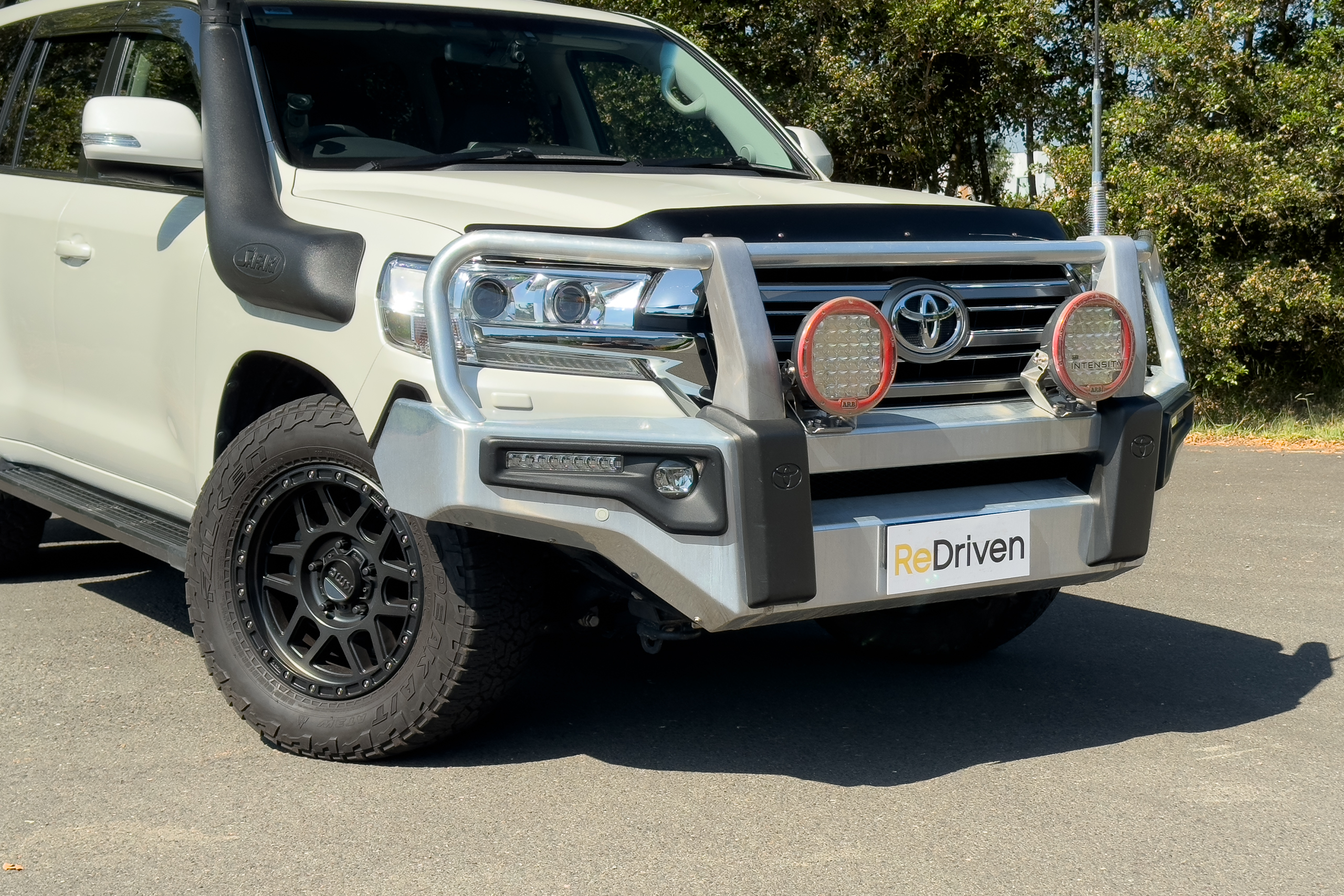
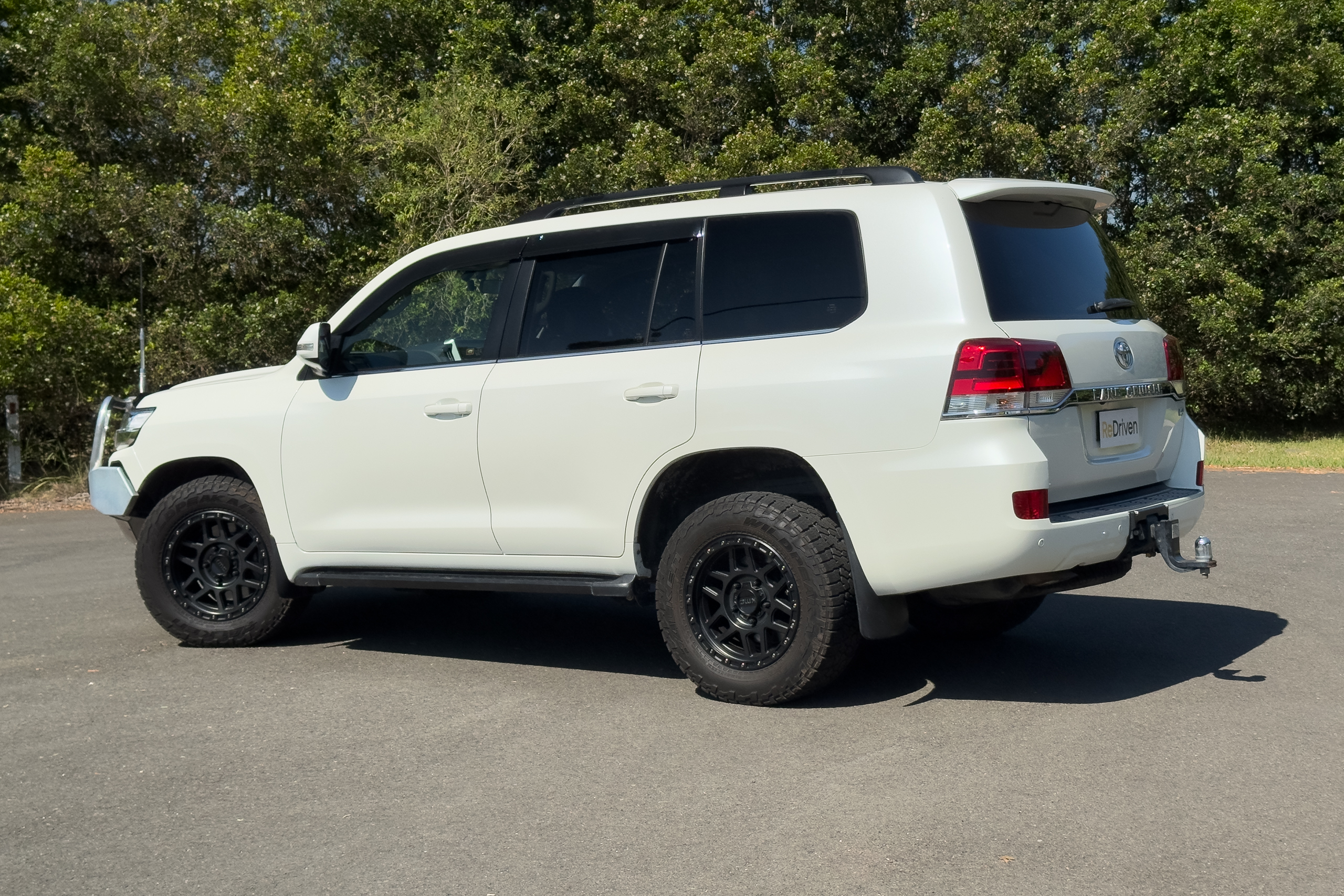
A wide range of official Toyota optional accessories were available for customisation, alongside aftermarket modifications ranging from sticker packs to 6-wheel conversions.
Despite its reputation for reliability and capability, some owners push the limits of the LandCruiser beyond sensible boundaries, leading to potential mechanical issues.
Exterior:
Lighter-coloured LandCruisers or those exposed to salted roads in cold climates may exhibit rust problems, particularly under seals and along seams.
Inspect the rear axle, body floor underneath, rear chassis, and inner sills for signs of rust.
Check for damage and abuse underneath, as heavy off-roading or serious damage can compromise the vehicle’s integrity.
Opinions vary regarding the durability of the paint, with some owners praising its toughness while others note susceptibility to scratches, potentially influenced by the paint colour.
Scrutinise the entire vehicle for serious scratches, as repainting or wrapping can be costly, especially for metallic or pearlescent finishes.
Due to their weight and automatic transmission, LandCruisers may wear down brake pads and rotors more quickly than smaller vehicles like the Hilux.
Suspension bushes may require regular replacement due to the vehicle’s size and weight.
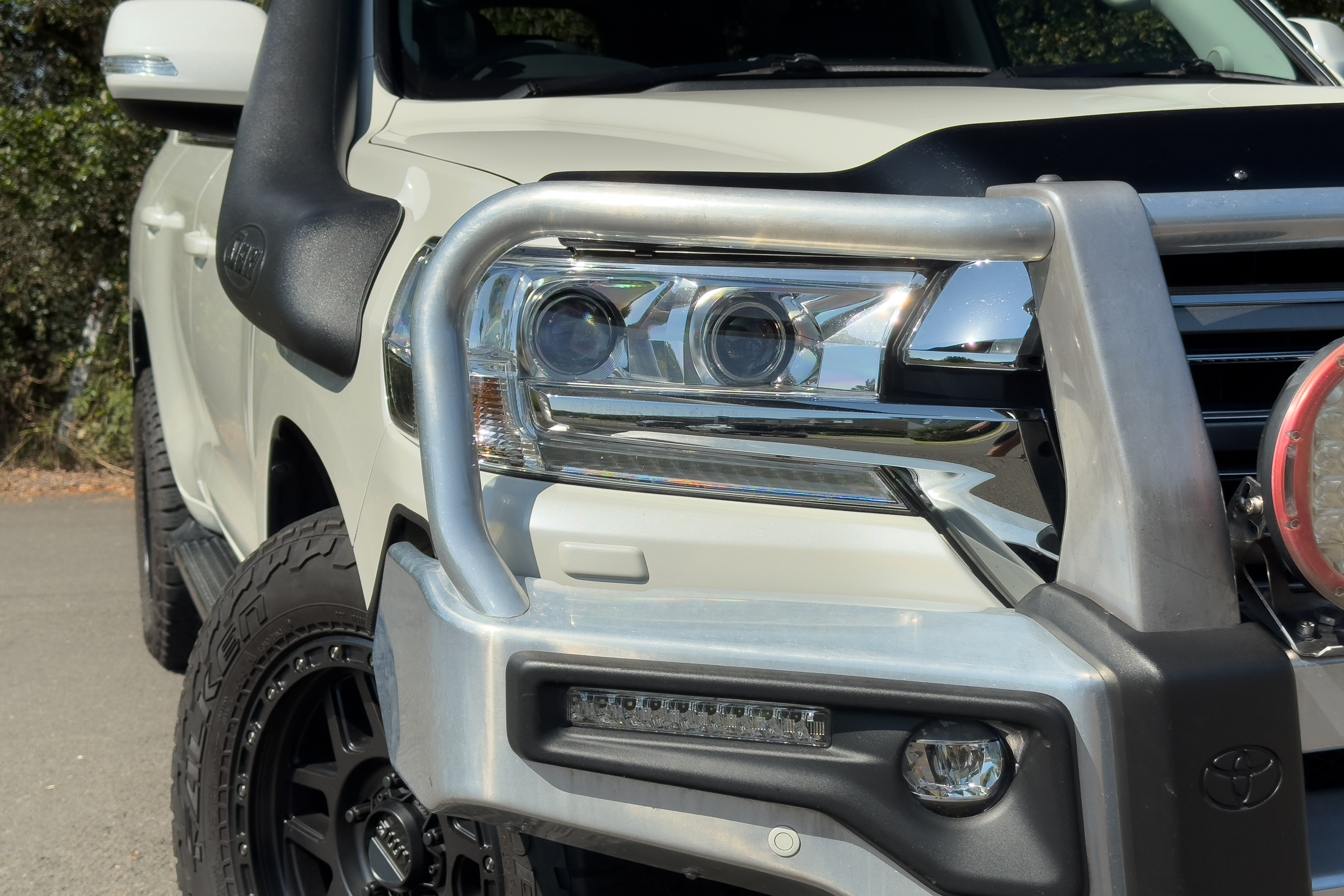
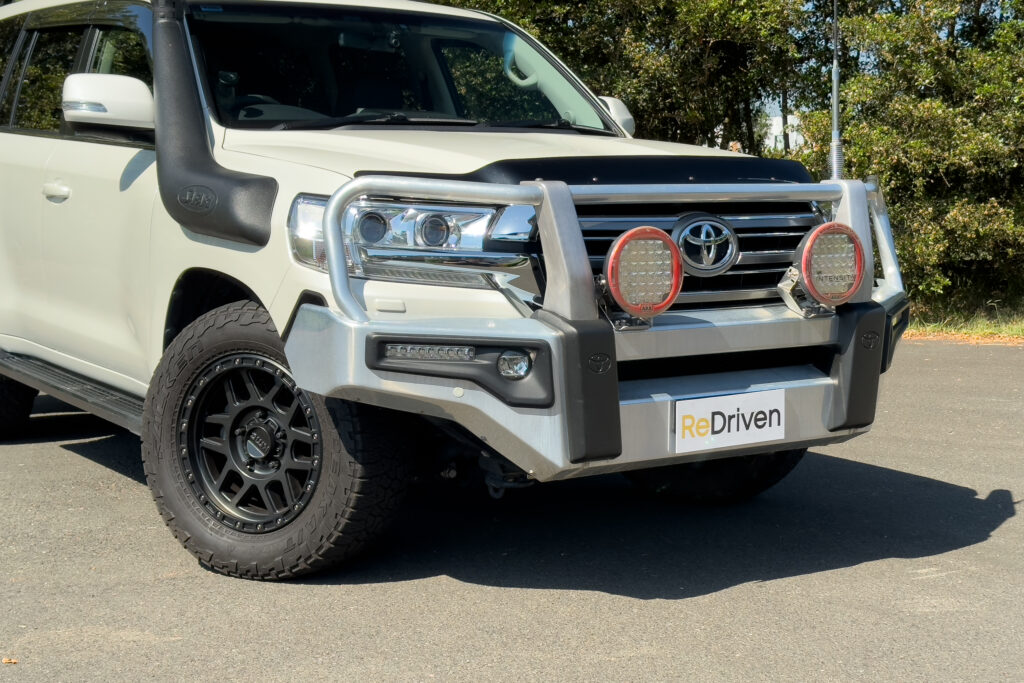
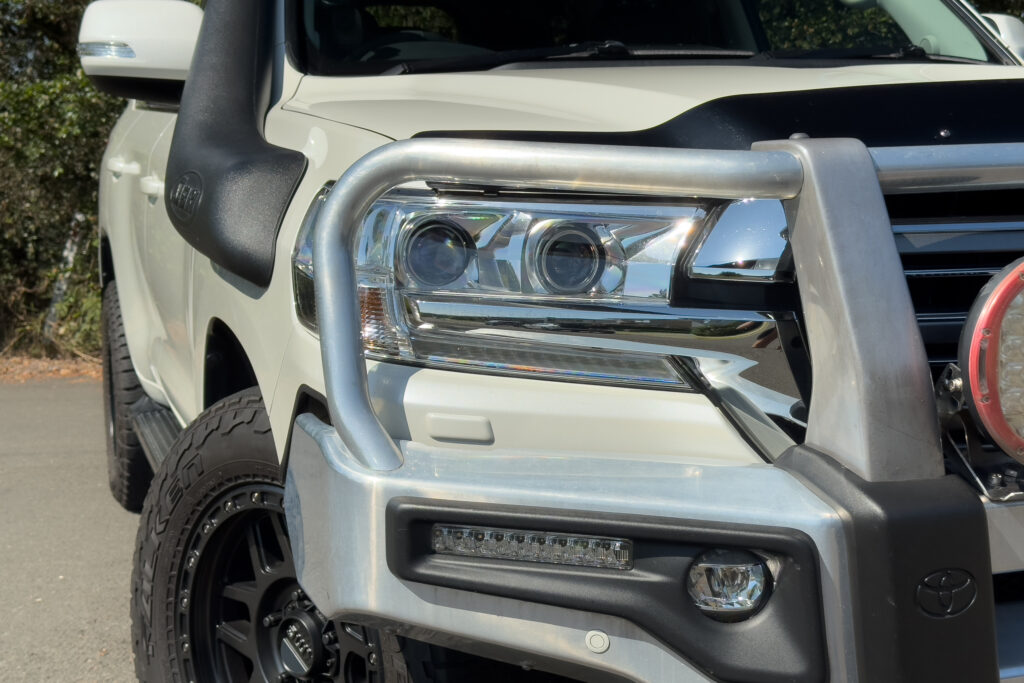
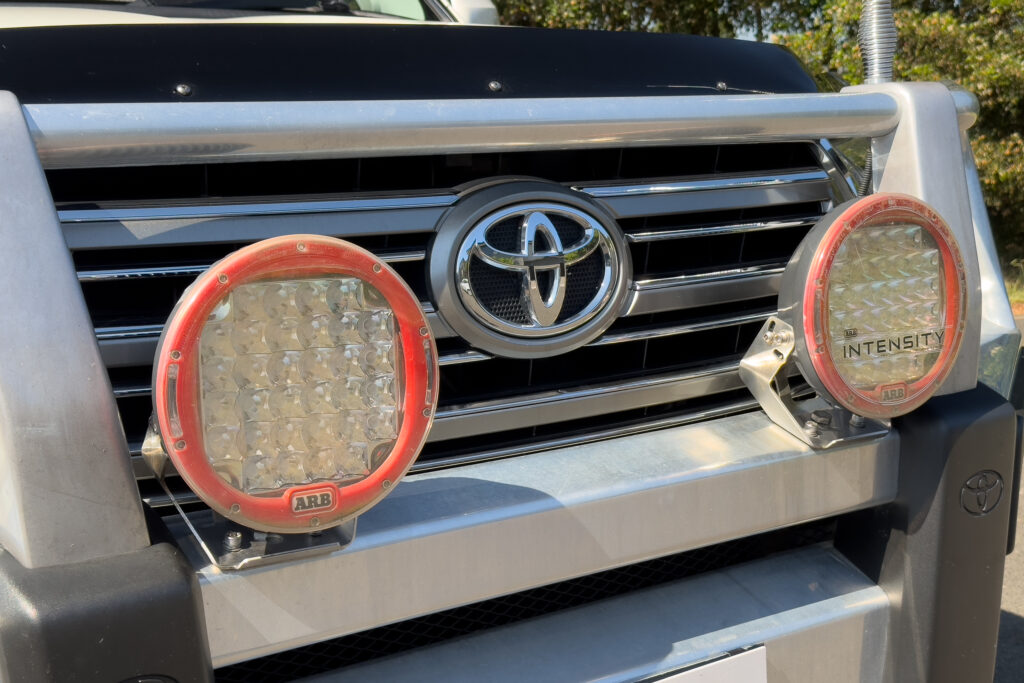
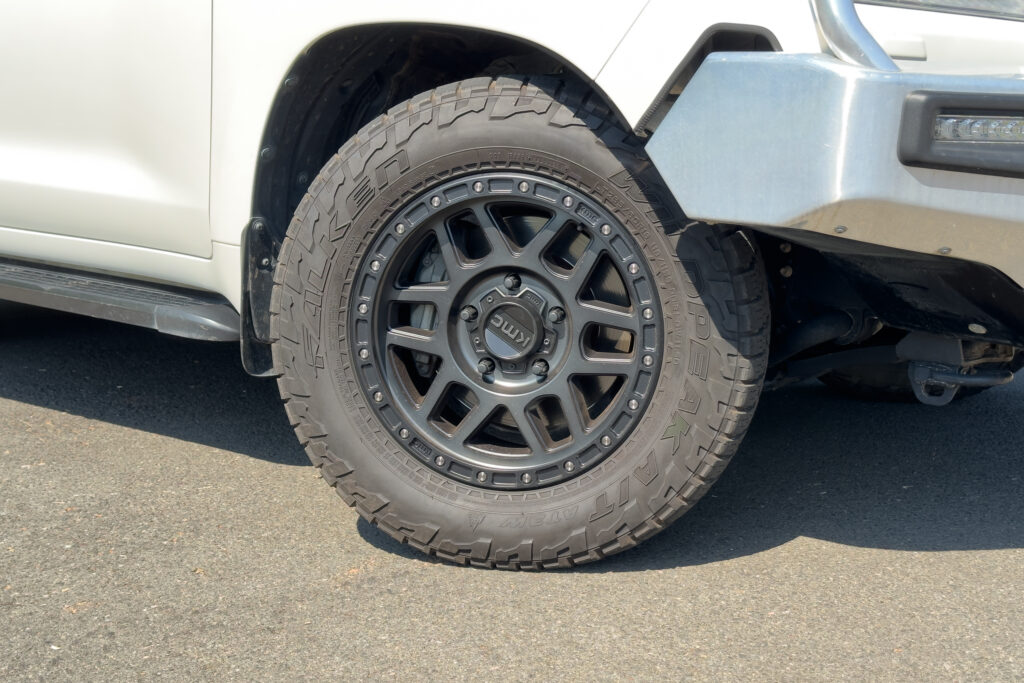
Common complaints among owners involve aftermarket equipment, including reports of chassis damage from poorly fitted front bars or rock slides.
Monitor Gross Vehicle Mass (GVM) and Gross Combination Mass (GCM), especially if towing, as exceeding weight limits can void insurance coverage and compromise safety.
While LandCruisers are excellent tow vehicles, excessive towing can strain components and affect overall performance.
Exterior issues aside from rust are sporadic and generally not common enough to warrant mention, as these vehicles are engineered for resilience.
Interior:
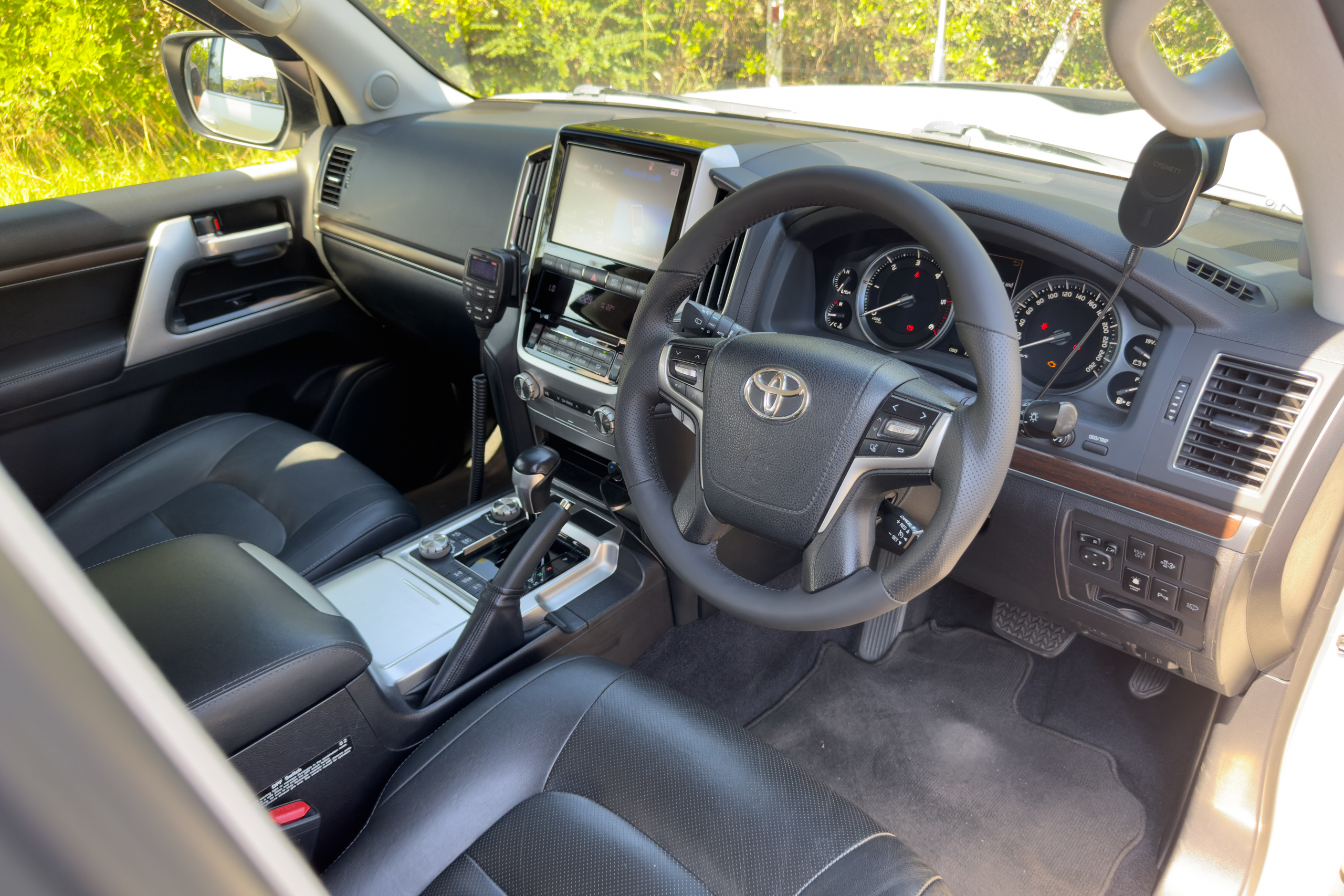
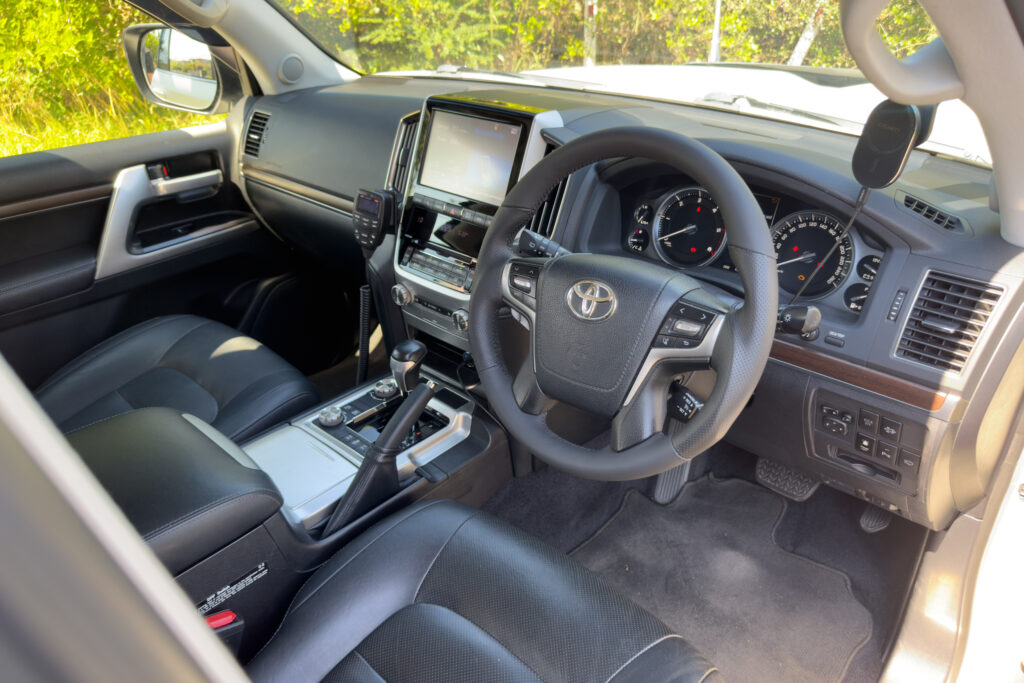
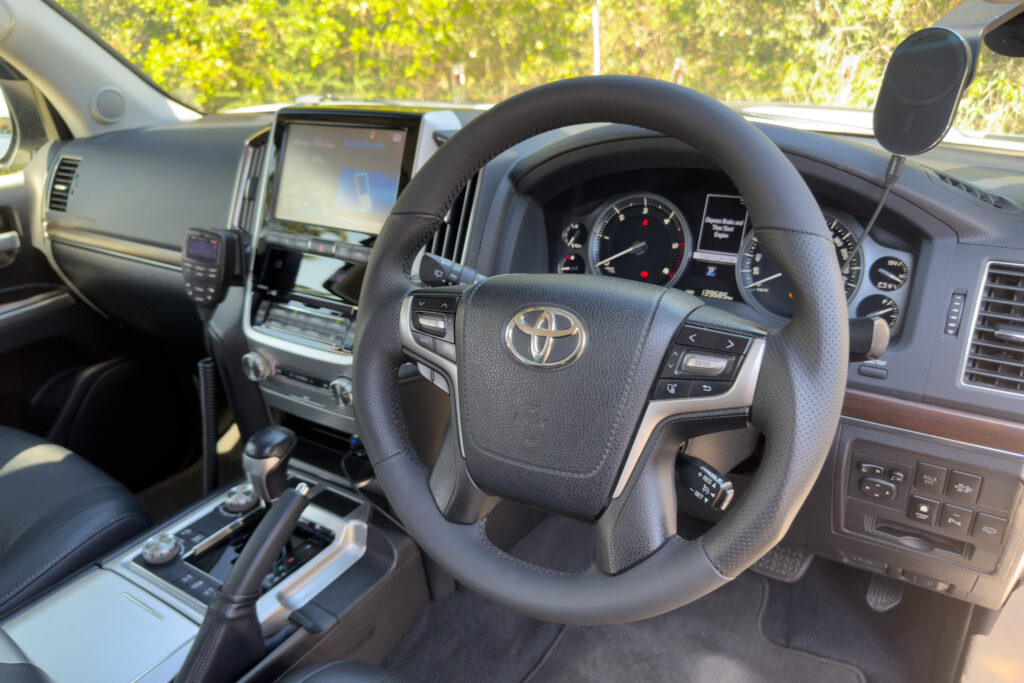
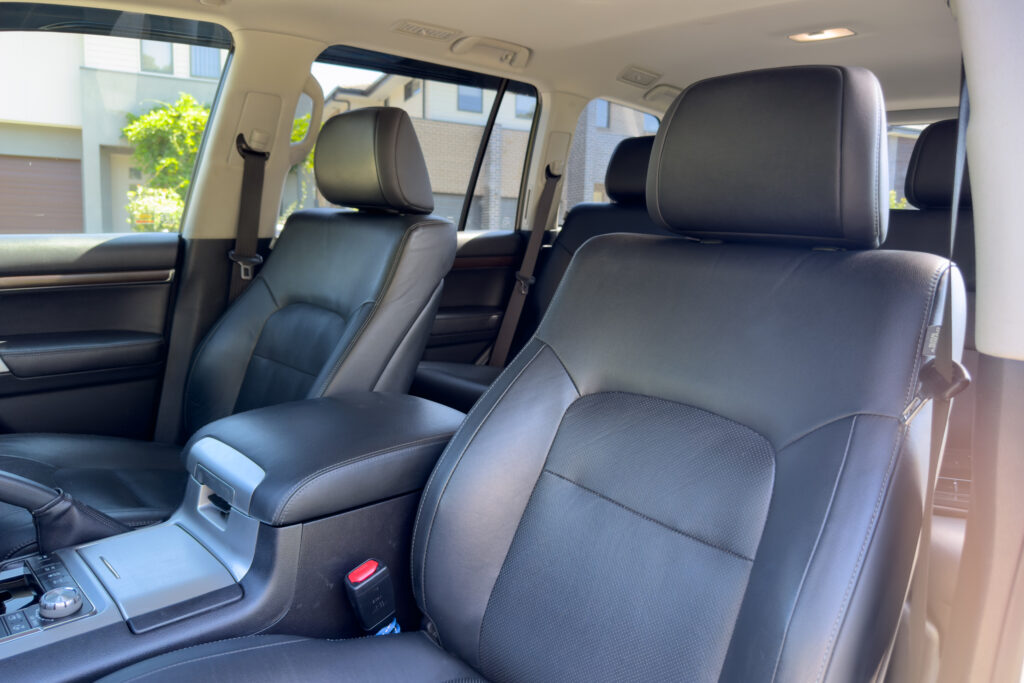
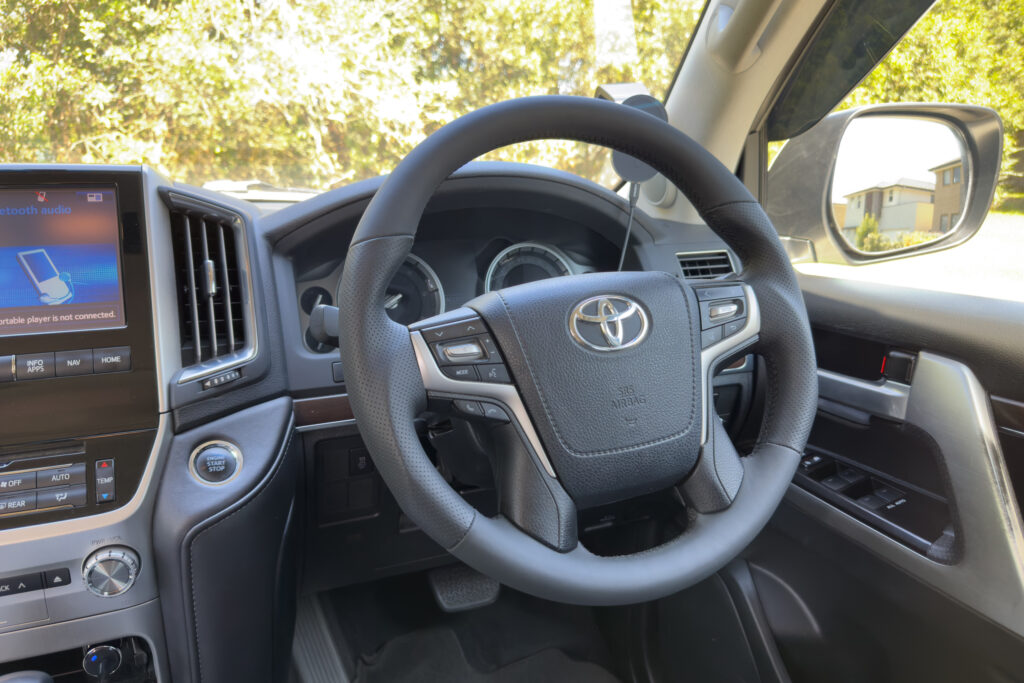
LandCruiser interiors are resilient to neglect and rough treatment, although steering wheel delamination has been reported by some owners.
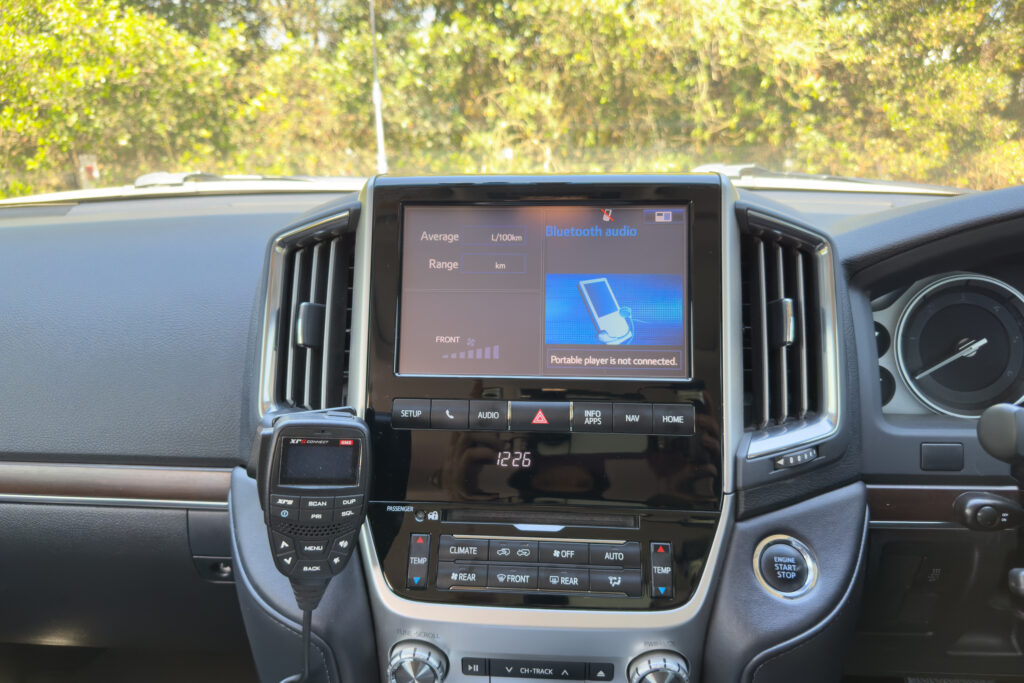
Infotainment systems, typical for Toyota, may receive criticism for their performance, even in newer models.
Earlier models may experience premature deterioration of leather upholstery if not properly cared for.
Some ergonomic complaints regarding seats and seating positions exist, though opinions on this matter vary among drivers.
Mechanically:
From a reliability standpoint, the 200 Series Toyota LandCruiser is generally seen as a class-leading stalwart in the automotive world and has garnered a reputation for unparalleled reliability over the years.
However, despite its esteemed status, there are certain mechanical intricacies and common issues that prospective buyers and current owners should be aware of.
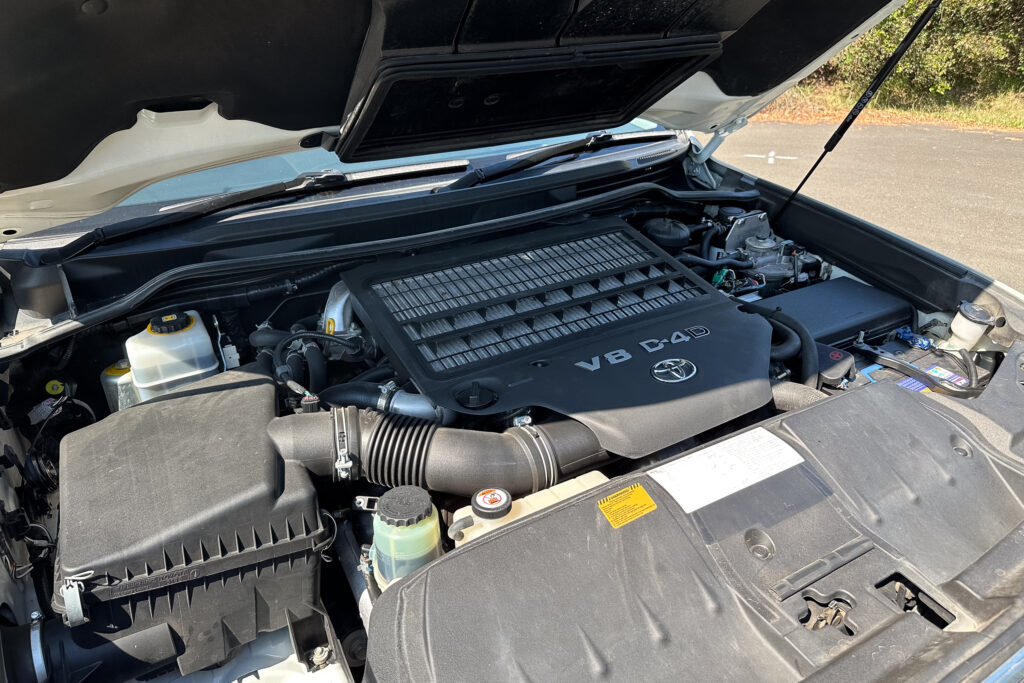
While petrol models are available, the overwhelming majority feature Toyota’s iconic 4.5 L turbo diesel V8, so we’ll be focusing on these.
Engine:
One common concern arises with the injectors, which may begin to exhibit a rattling noise around the 250,000km mark. Despite this, many LandCruisers have been observed to surpass the 350,000km threshold with no discernible issues, underscoring the importance of regular maintenance.
Vital to engine health is the regular replacement of the fuel filter, with a recommended interval of every 10,000km. Neglecting this maintenance task could lead to exacerbated issues with injectors and overall engine performance.
Another critical aspect is the integrity of the air filter housing, notorious for its susceptibility to leaks. The consequences of a compromised air filter housing can be dire, as dust infiltration could lead to catastrophic engine failure. Potential buyers should inspect the cleanliness of the filter housing and intake tube meticulously.
Additionally, the vacuum pump, while listed as a serviceable component at 200,000 km, is often overlooked by owners. However, neglecting this component could result in oil consumption issues and compromise the function of the brake booster.
Furthermore, the location of the alternator renders it vulnerable to damage during water crossings, a consideration for those who frequently traverse challenging terrain.
Early models equipped with diesel particulate filters (DPF) have been subject to issues stemming from injector faults, though Toyota provides a reassuring 10-year warranty for such concerns.
Turbos and Variable Geometry Turbo (VGT) actuators are components prone to failure, albeit challenging and costly to replace. A vigilant approach to detecting faults, such as under-boost conditions, can mitigate the need for extensive repairs.
Intercoolers, too, have been known to develop leaks over time, prompting some owners to explore aftermarket options for improved efficiency.
Transmission:
While the transmissions in LandCruisers are generally robust, there have been reported instances of torque converter locking issues, particularly concerning the failure to lock or erratic shifting behaviour. Remapping the transmission can rectify these issues, ensuring smoother operation.
Moreover, those who frequently tow heavy loads should consider upgrading the transmission cooler to prevent premature wear and overheating.
In extreme driving conditions, the front Constant Velocity (CV) shafts are susceptible to damage, although breakage is often attributed to aggressive driving habits. When replacement becomes necessary, opting for high-quality components is imperative to avoid recurring issues.
Another potential concern is the occurrence of Kinetic Dynamic Suspension System (KDSS) lean, which may necessitate attention to ensure proper vehicle alignment and stability.
Overall, while the Toyota LandCruiser is lauded for its reliability, it is crucial for owners to adhere to recommended maintenance intervals and exercise mechanical prudence.
Poor modifications and aggressive driving can exacerbate existing issues, emphasising the importance of thorough pre-purchase inspections to safeguard against unexpected mechanical woes.
The 200 Series Toyota Land Cruiser has earned its status as an icon through its proven track record of capability and reliability. Unlike many competitors that rely on aesthetics and marketing, the LandCruiser’s performance speaks for itself, consistently delivering results no matter the challenge or duration.
There’s a saying that captures the essence of the Land Cruiser’s durability: “You go into the bush in a Land Rover, you come out in a Land Cruiser.”
However, despite its resilience, some owners mistakenly perceive the LandCruiser as invincible and subject it to harsh treatment beyond what’s reasonable.
When considering a 200 Series LandCruiser, it’s crucial to thoroughly inspect it for any signs of abuse. With numerous options available in the used market, patience in finding the right one is key.
MORE: Explore our 4×4 & ute reviews
MORE: Explore our SUV reviews


Co-creator, presenter & writer, ReDriven

Yes. 100%.

 2 days ago
1 week ago
2 days ago
1 week ago
 2 weeks ago