Australia’s No. 1 Used Car Review Website
Australia’s No. 1 Used Car Review Website
+16 Photos
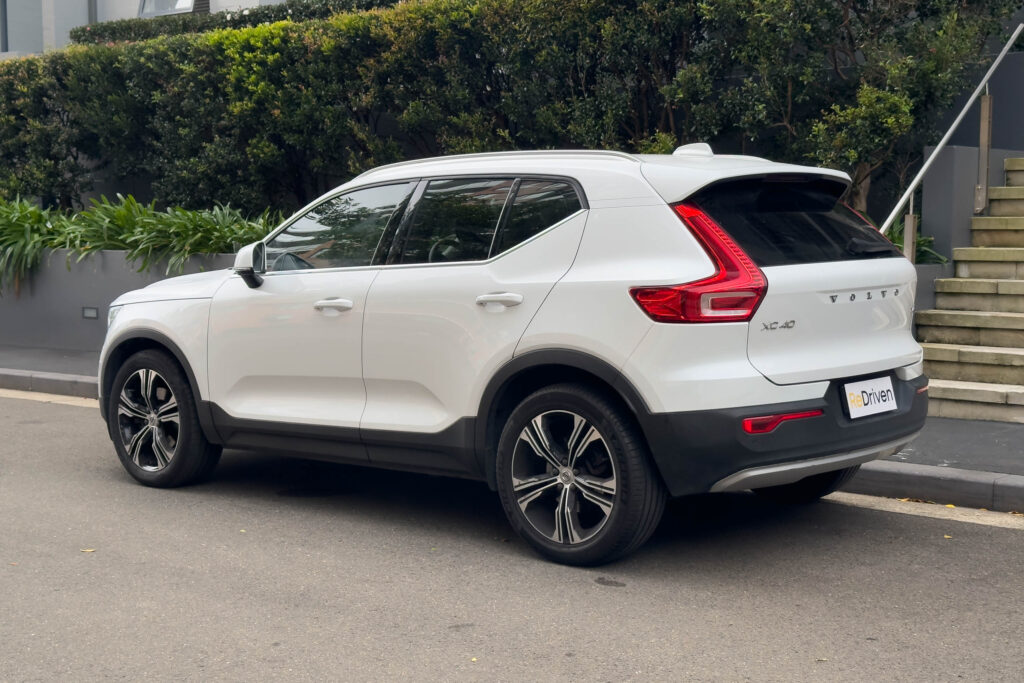
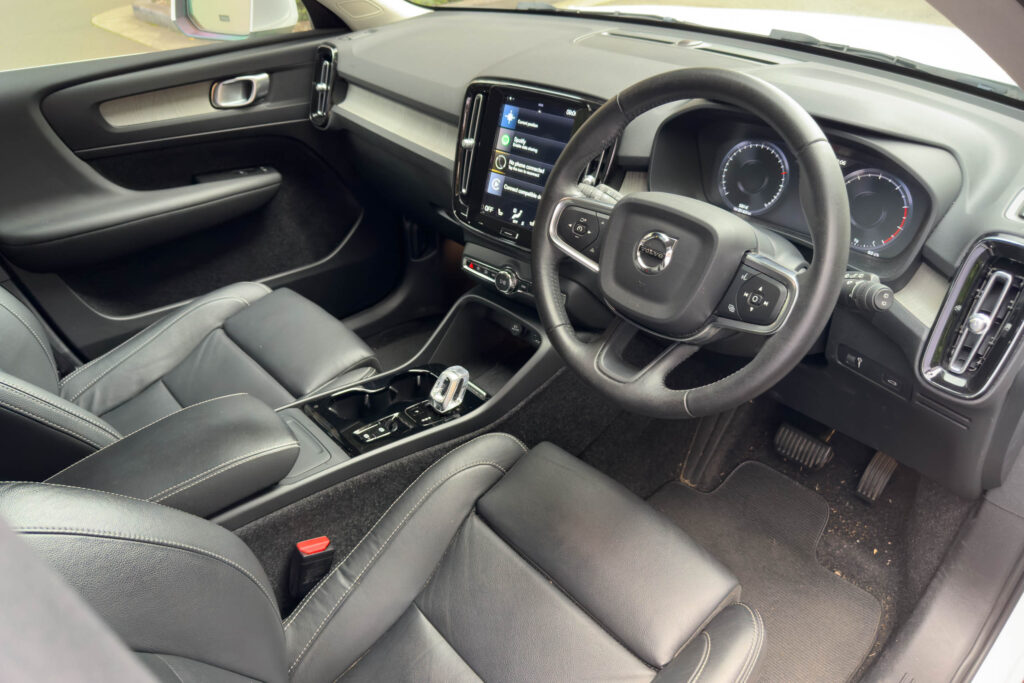
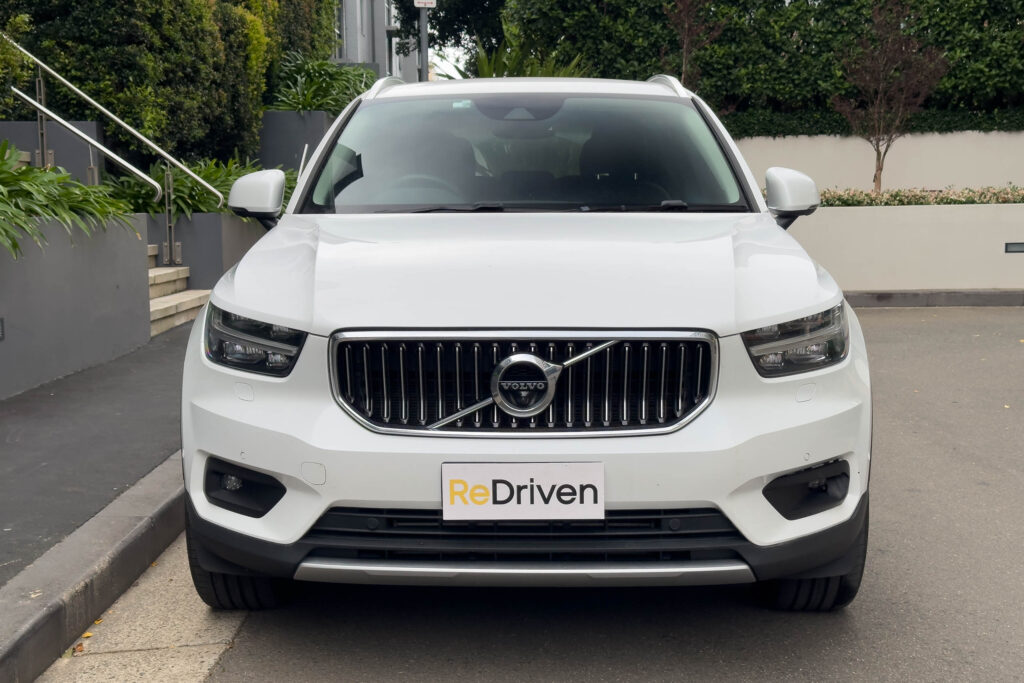
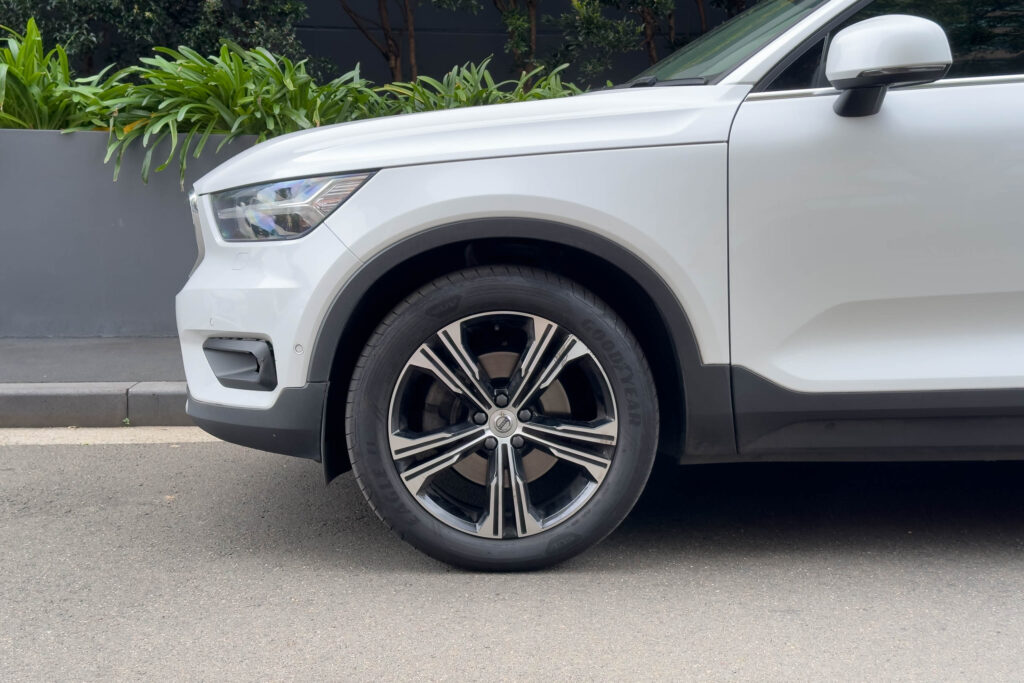
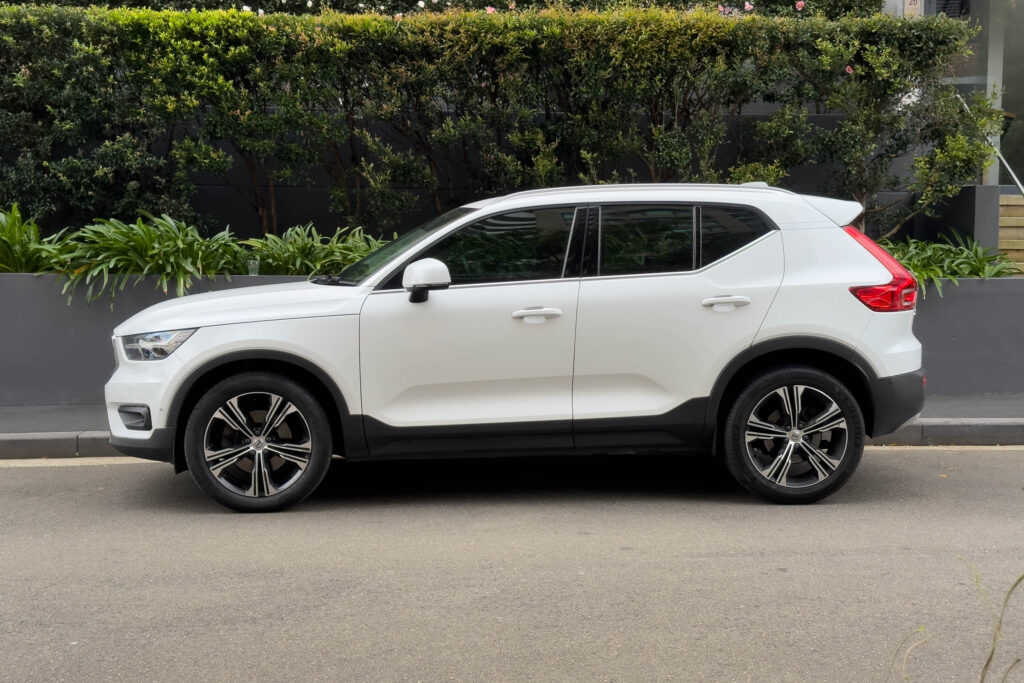
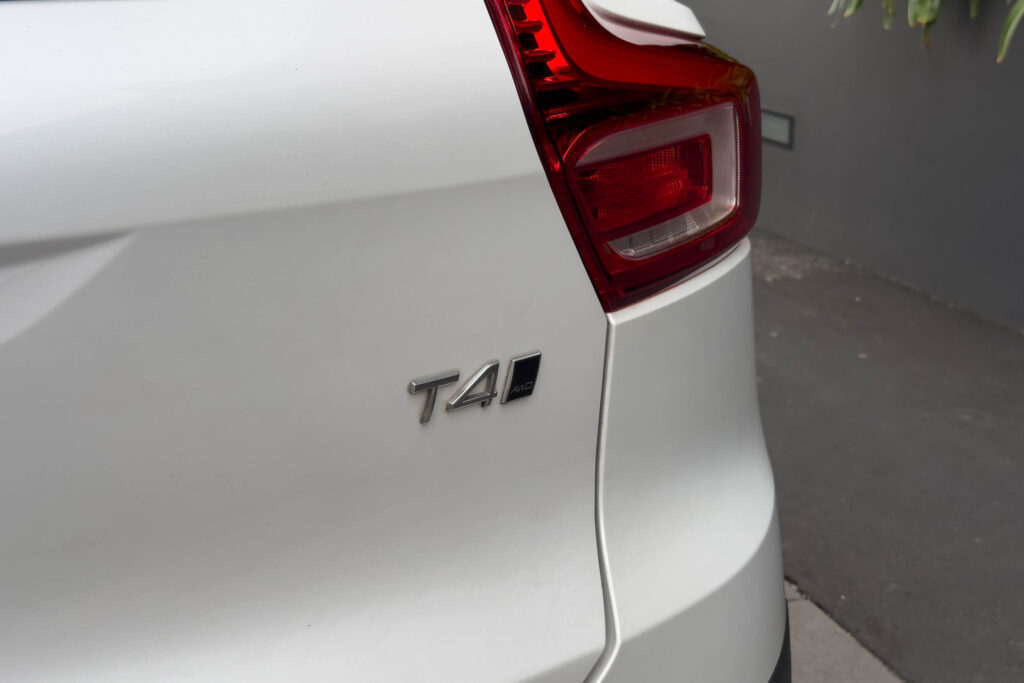
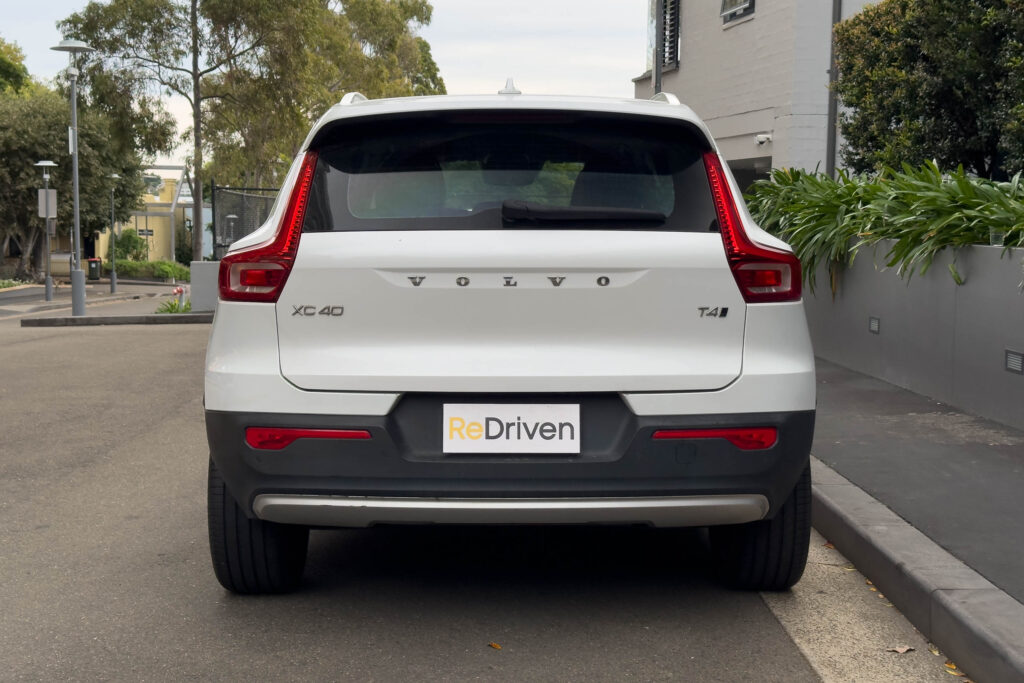
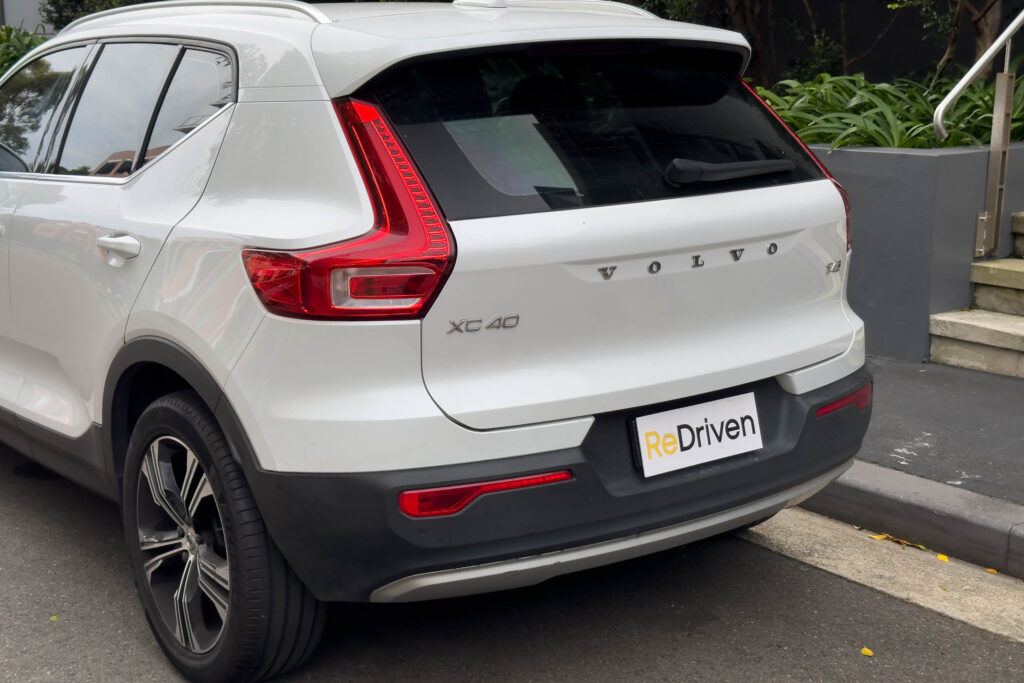
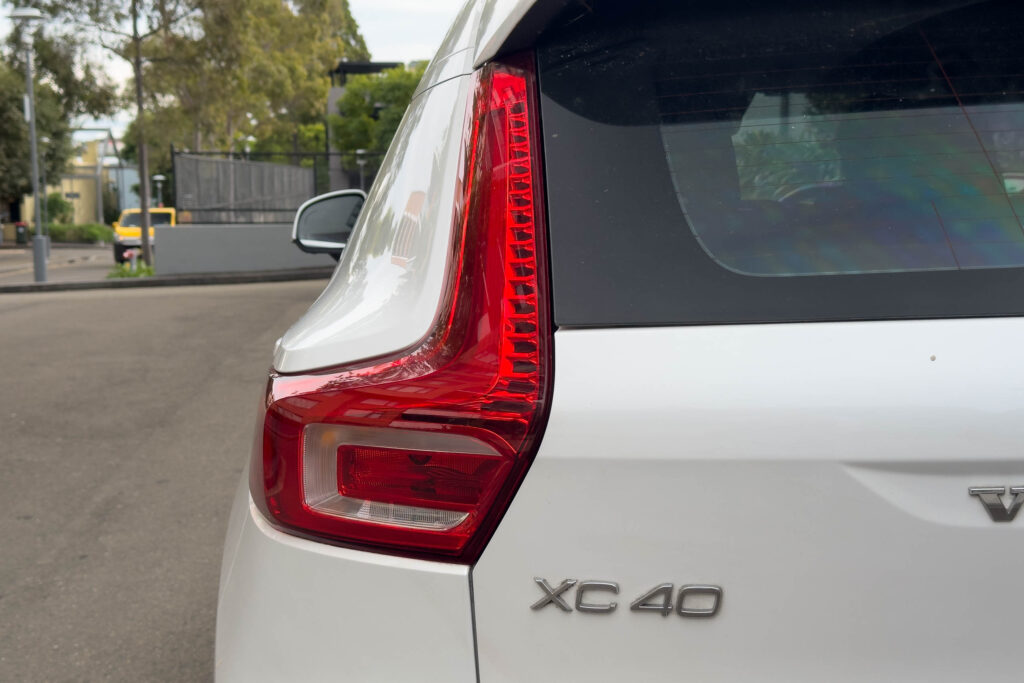
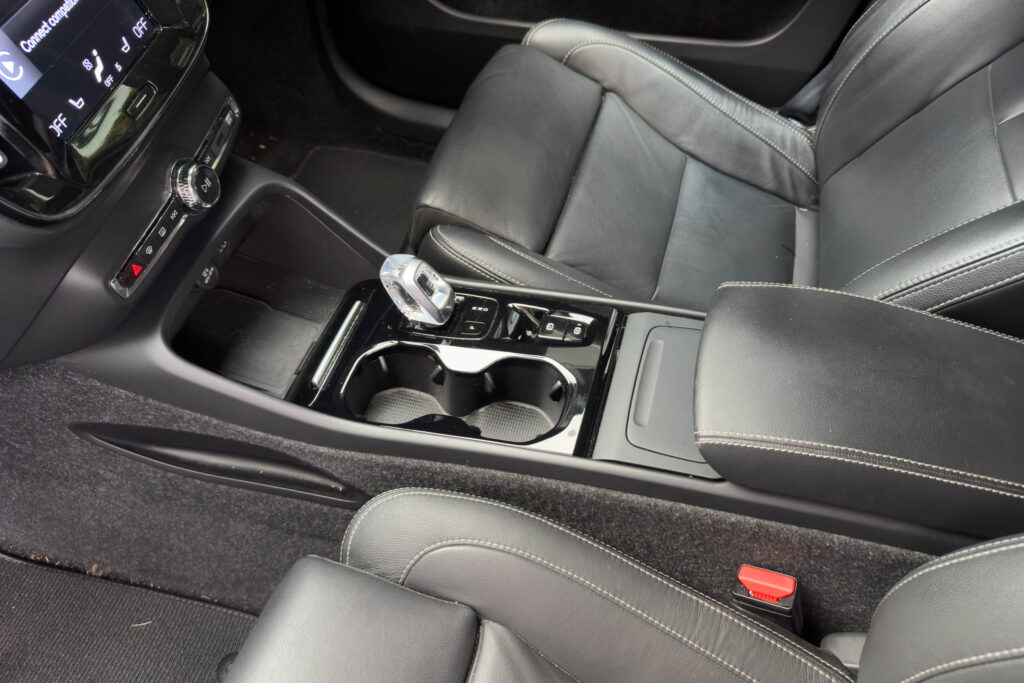
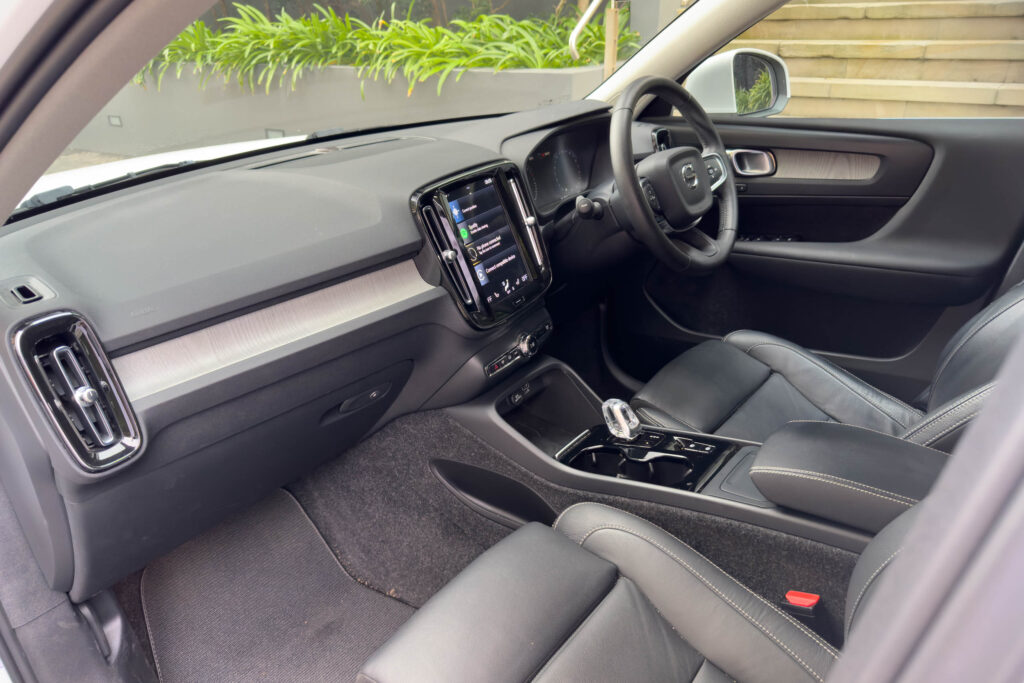

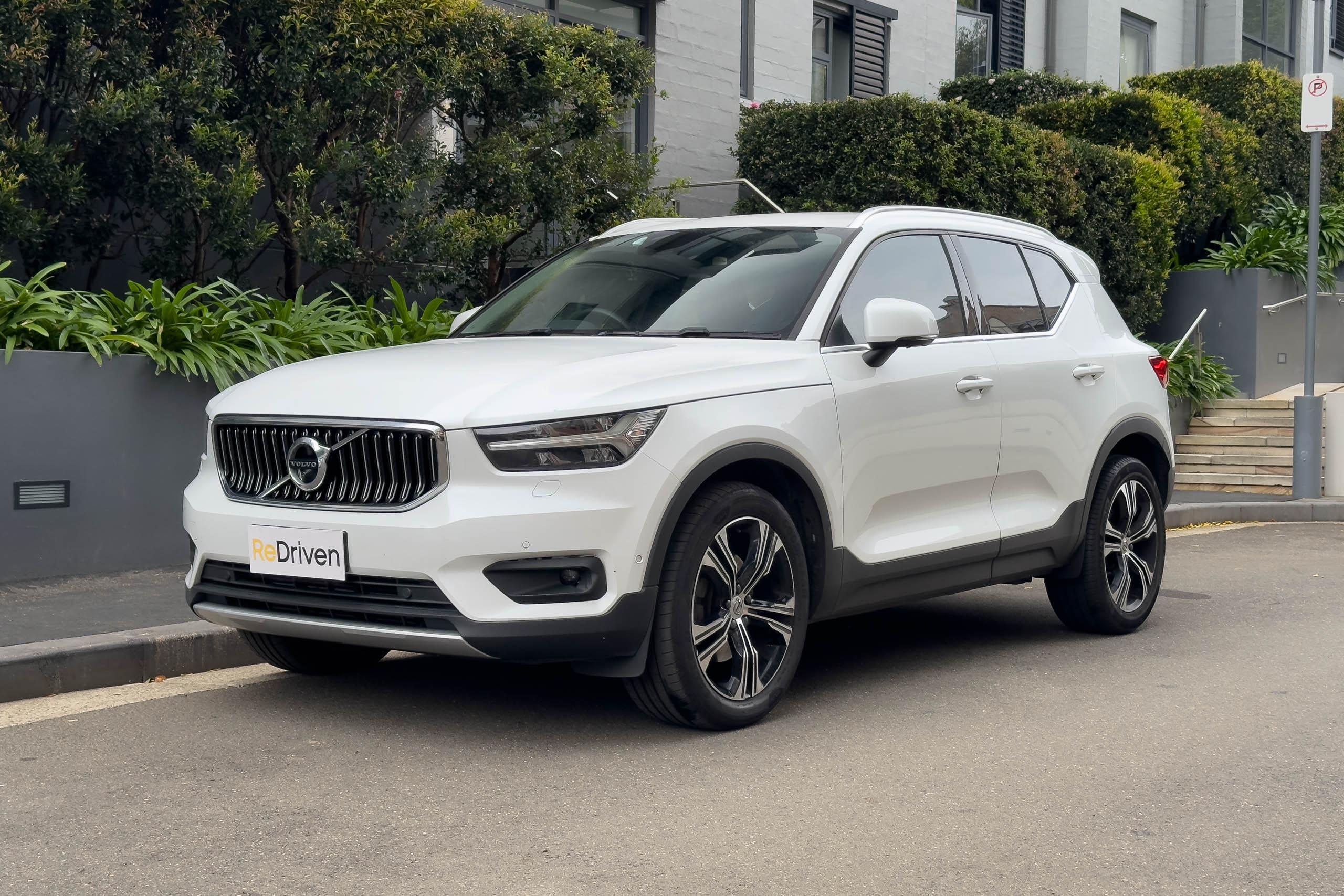
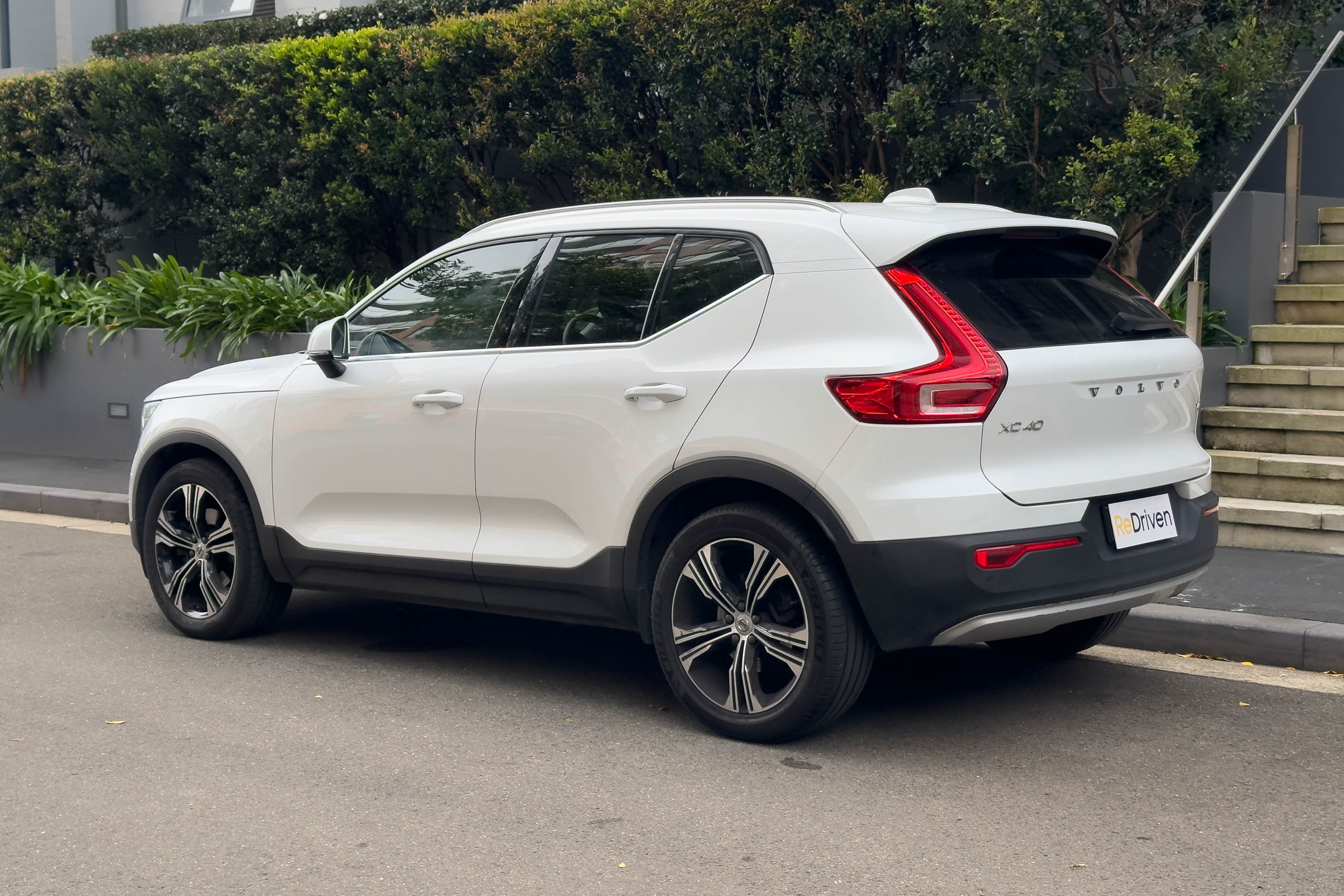
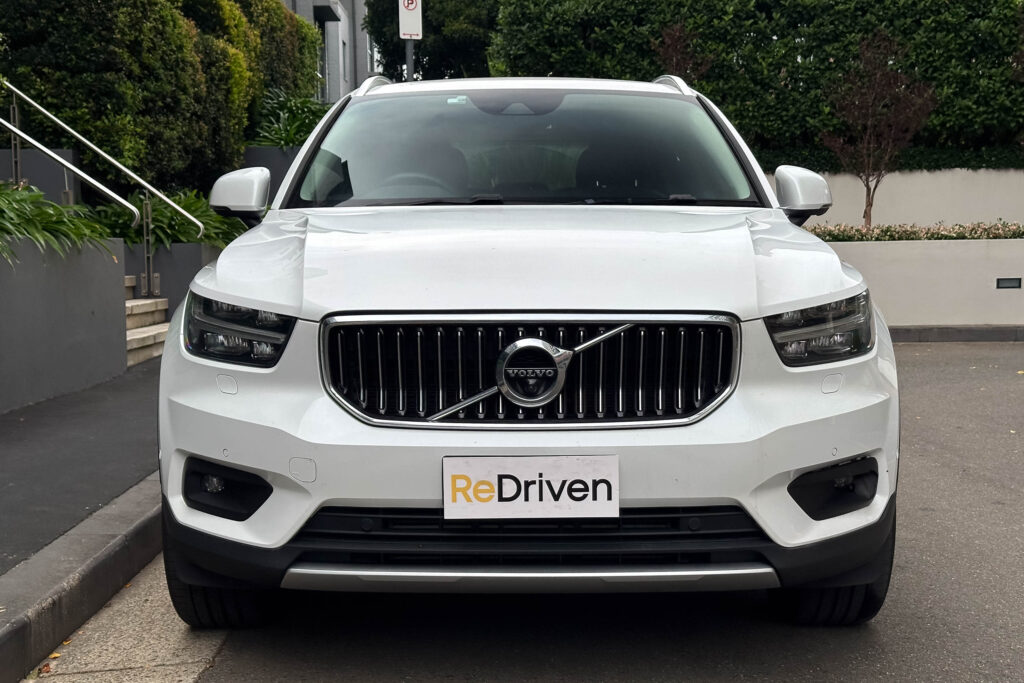
2021 XC40 T4 Inscription

03 May 2024
There are better cars out there.

2021 XC40 T4 Inscription

Used car review
03 May 2024
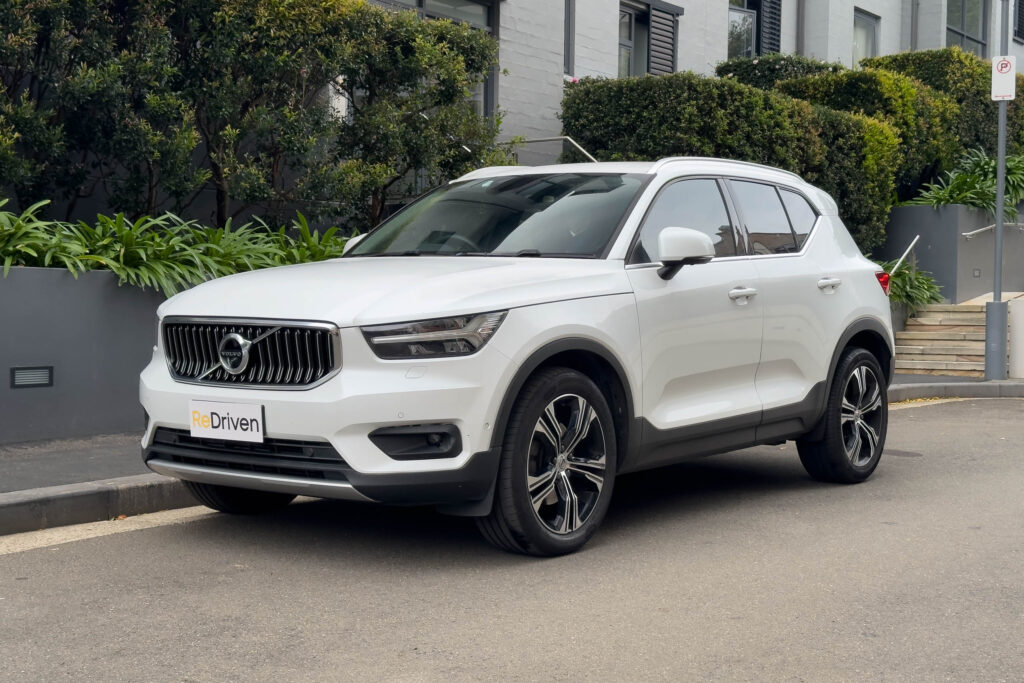
The Volvo XC40 has emerged as one of the top-selling premium small SUVs in the market.
In 2018, it initially offered two models with two trim specs each: the petrol-powered T5 and the diesel D4, available in Momentum & R-Design trims.
Later in 2018, the diesel variant was replaced by the petrol T4. The base Momentum model featured front-wheel drive, while the newly introduced Inscription and higher-powered T5 R-Design offered all-wheel drive.
In 2020, the T5 Recharge Plug-in Hybrid was introduced, capable of driving up to 46 km on battery power alone and providing a total range of up to 800 km when the petrol engine kicks in.
2021 saw the arrival of a full EV version, featuring two electric motors and becoming the quickest-accelerating Volvo in Australia, achieving 0-100km in under 5 seconds. Its claimed range is 418 km, with fast charging capabilities reaching 80% in around 40 minutes.
The significant changes for 2022 included a facelift, tech updates, and a major overhaul of the model range. This involved the introduction of a single-motor full EV alongside the twin-motor variant, the discontinuation of the Plug-in Hybrid, the replacement of the T4 and T5 petrol engines with B4 and B5 units featuring 48-volt mild-hybrid systems, and the introduction of Plus and Ultimate spec with Bright and Dark trim levels.
Additionally, the international market offers even more engine and model variants, further complicating choices.
In 2023, Volvo renamed the all-electric XC40 models to EC40.
Volvo, once Swedish-owned, is now owned by Geely, a Chinese company. Production of the XC40 occurs in Belgium and China.
While praised for being a class-leading SUV when new, used examples are beginning to encounter quality and reliability issues.
Exterior:
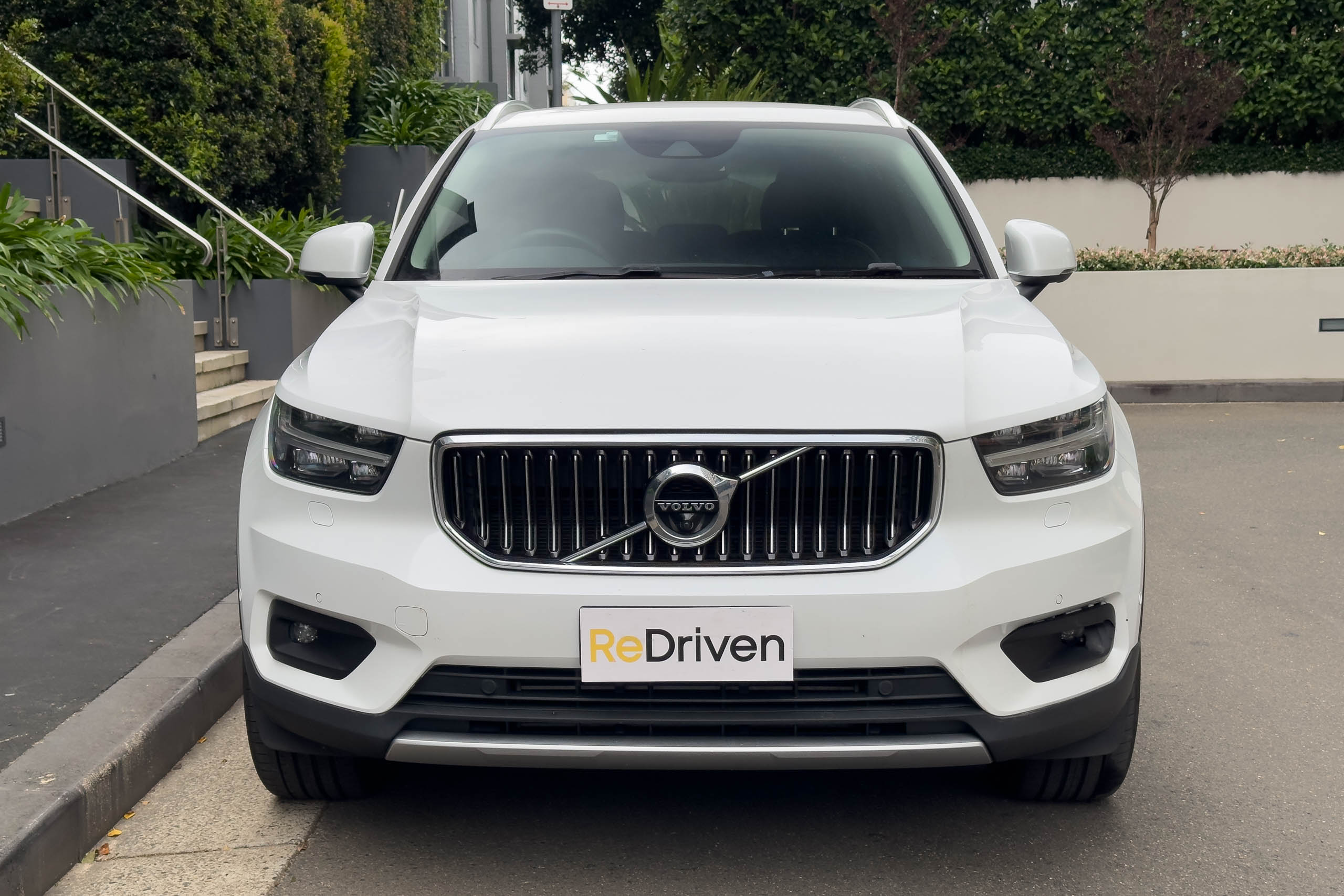
Numerous owners have voiced concerns over the rapid wear of brakes in the Volvo XC40. Reports indicate that brake pads and rotors may need replacement as frequently as every 30,000 kilometres.
One owner even recounted their dealership remarking that surpassing 40,000 kilometres on a set of pads and rotors would be considered a miraculous feat.
The cost of replacement parts is notably high for a Volvo, with some owners citing quotes of nearly $1800 for a full set of rotors and pads.
Owners of full electric XC40s have highlighted a substantial issue with tyre wear. While this may not be unique to the XC40 alone and is often associated with electric vehicles due to their added weight, it remains a significant concern.
The extra mass of EVs can put increased strain on tyres, resulting in accelerated wear and more frequent replacements.
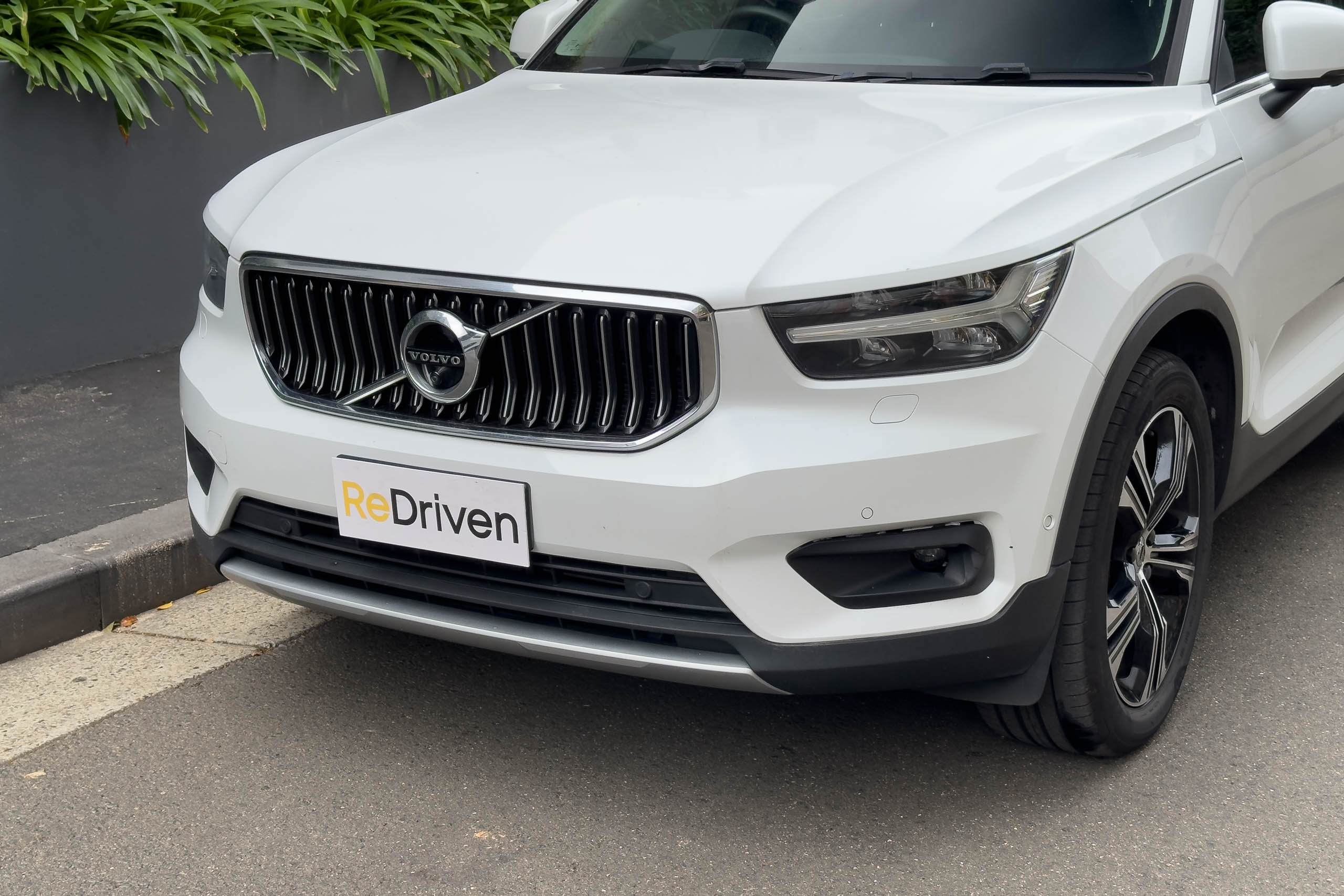
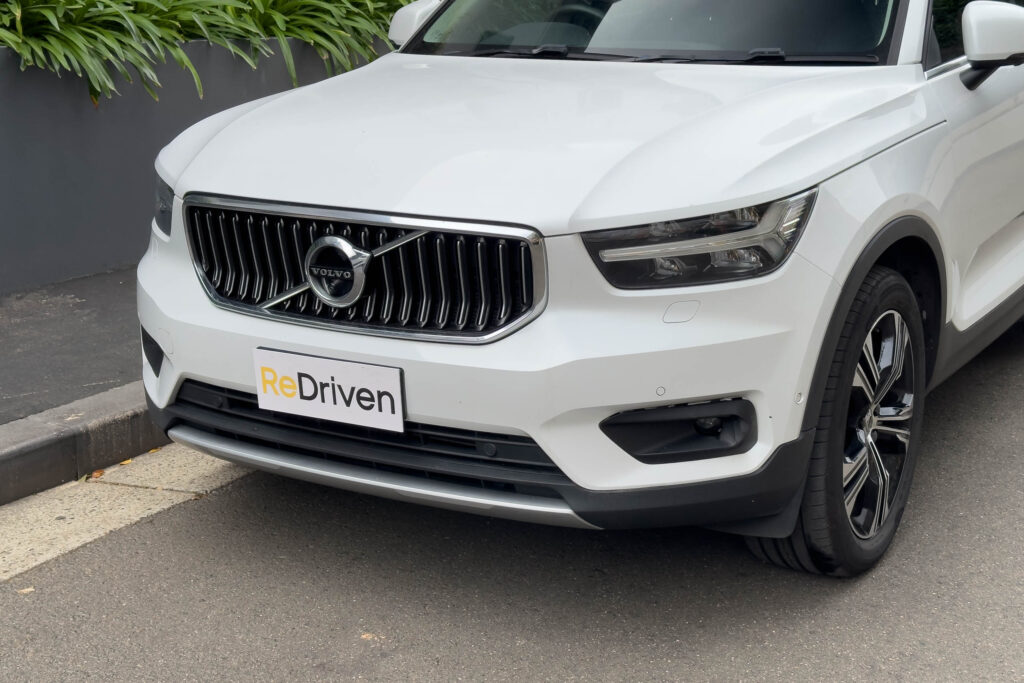
Another expensive issue reported by some owners involves damage to the front camera or sensors from stone chips. The repair for such damage can be quite costly, often requiring a full front bar replacement, which can exceed $2000 in expenses.
Despite Volvo’s reputation for safety and reliability, sporadic electronic gremlins have been reported by owners. These issues can manifest as malfunctioning powered tailgates, erratic window behaviour, and unusual light malfunctions. Fortunately, most of these problems are typically covered under warranty, providing some relief to affected owners.
Interior:
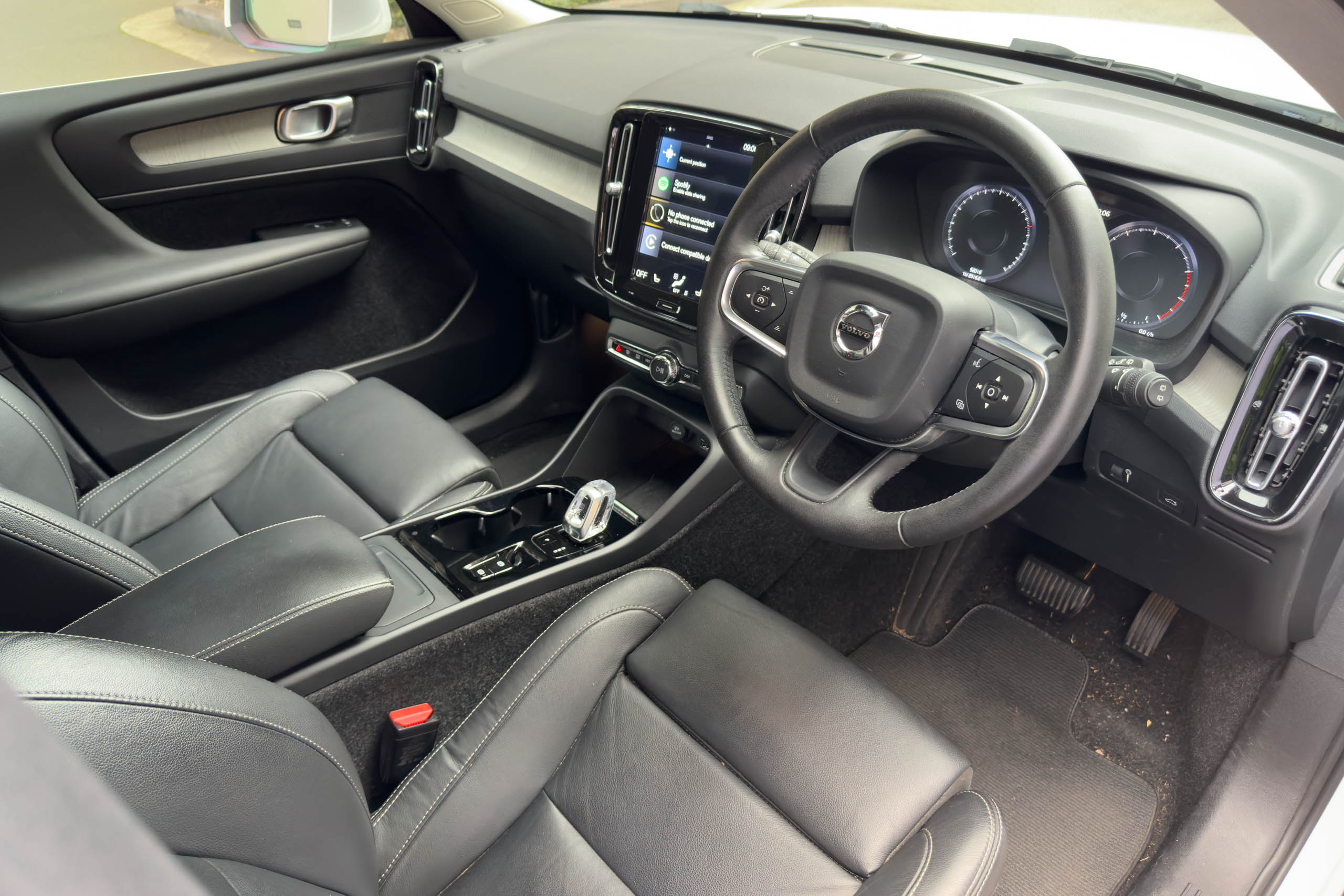
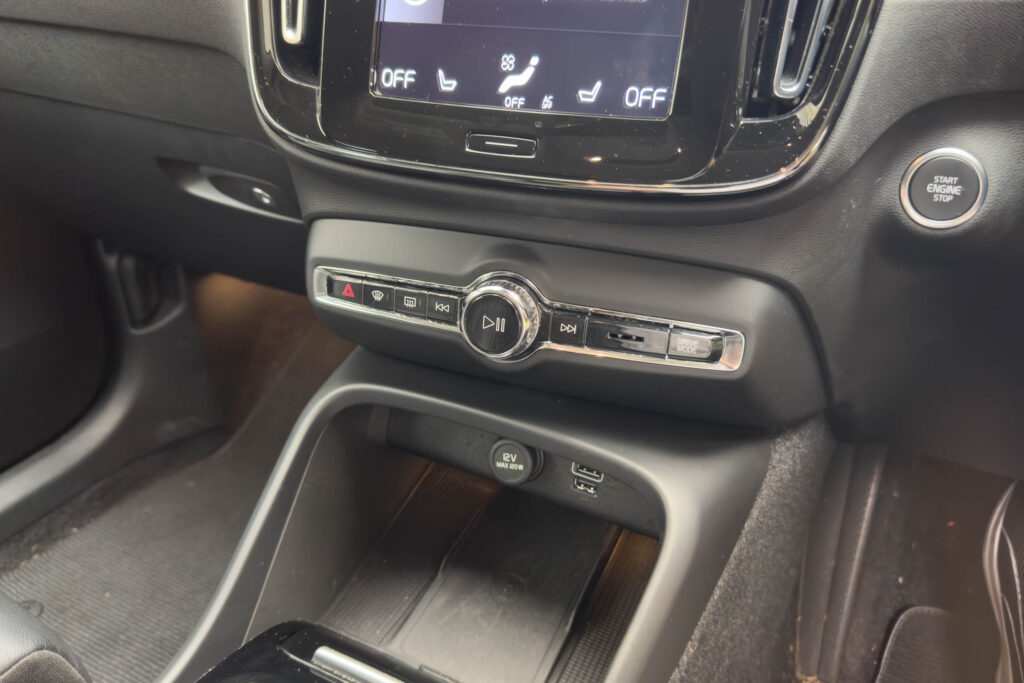
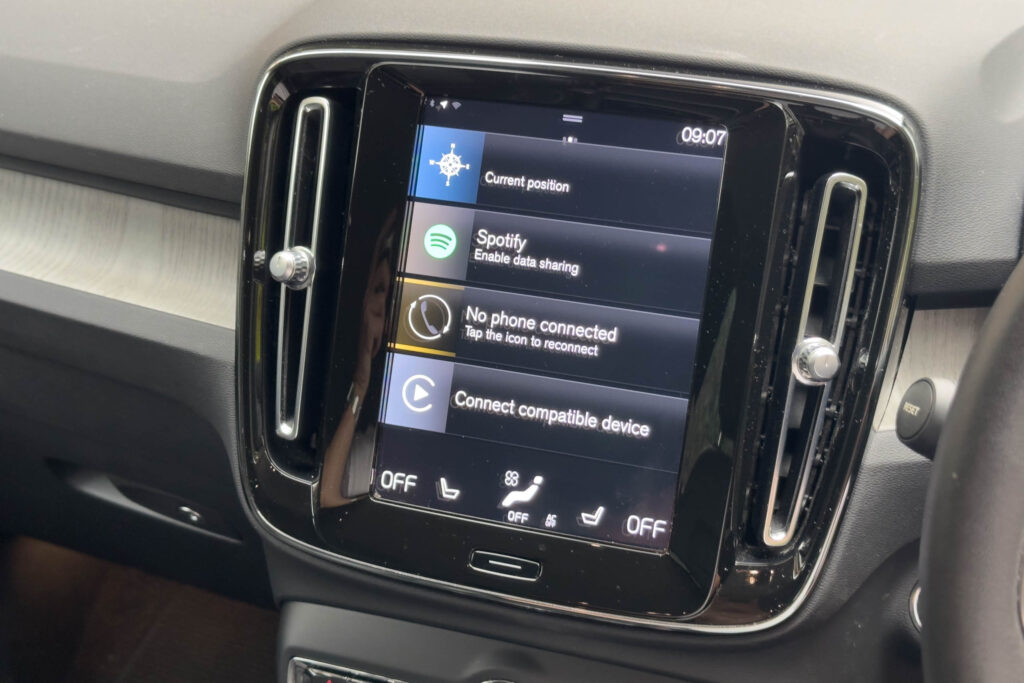
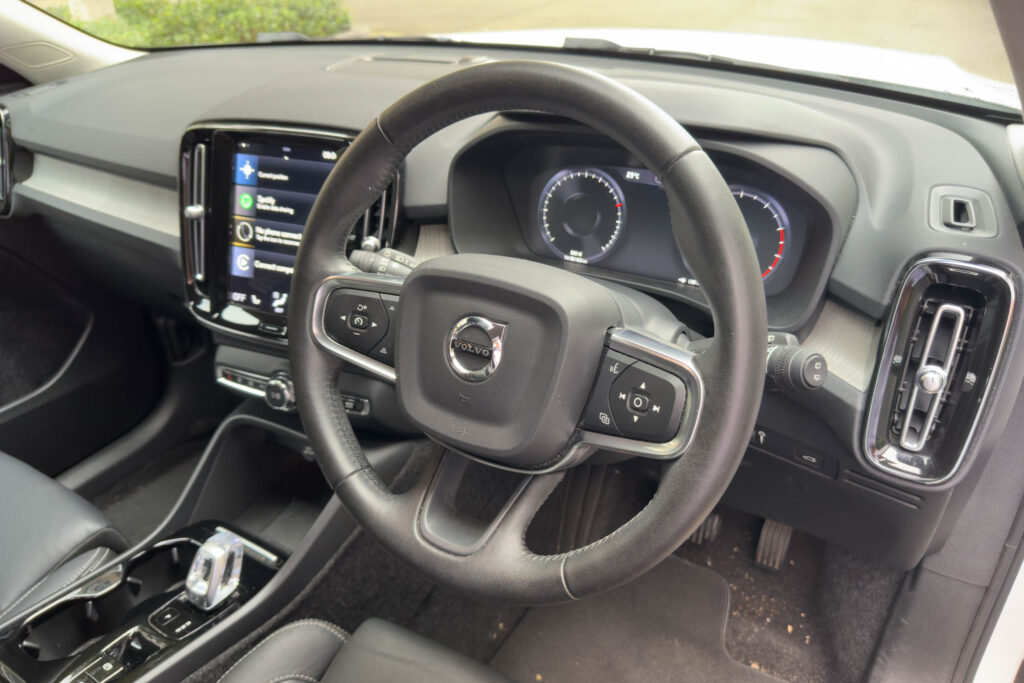
The infotainment systems in the XC40 have been a point of contention among owners. Both the previous Sensus system and the more recent Google-based interface have faced criticism for their lack of user-friendliness despite their visually appealing designs.
Many owners find these systems challenging to navigate and not particularly intuitive, leading to frustration during operation.
Interestingly, some owners have reported that glitches in the infotainment system can impact other vehicle functions, such as indicator and parking sensor sounds. These critical auditory cues may randomly disappear and reappear due to issues with the infotainment system, adding another layer of inconvenience for drivers.
The wireless charging pad in the XC40 has been a source of disappointment for many owners. Reports suggest that it often fails to effectively charge phones, particularly when the phone is simultaneously used for tasks like playing music or navigation.
Plus, some owners have experienced overheating issues, with phones becoming excessively hot during charging.
Owners of older XC40s have reported experiencing rattles and squeaks within the interior cabin. However, Volvo dealerships have been commended for their effective diagnosis and resolution of these issues, helping to maintain the overall quality of the driving experience.
While not widespread, occasional complaints regarding climate control and air conditioning issues have been noted. These problems, although infrequent, can incur significant repair costs when they occur outside of warranty coverage.
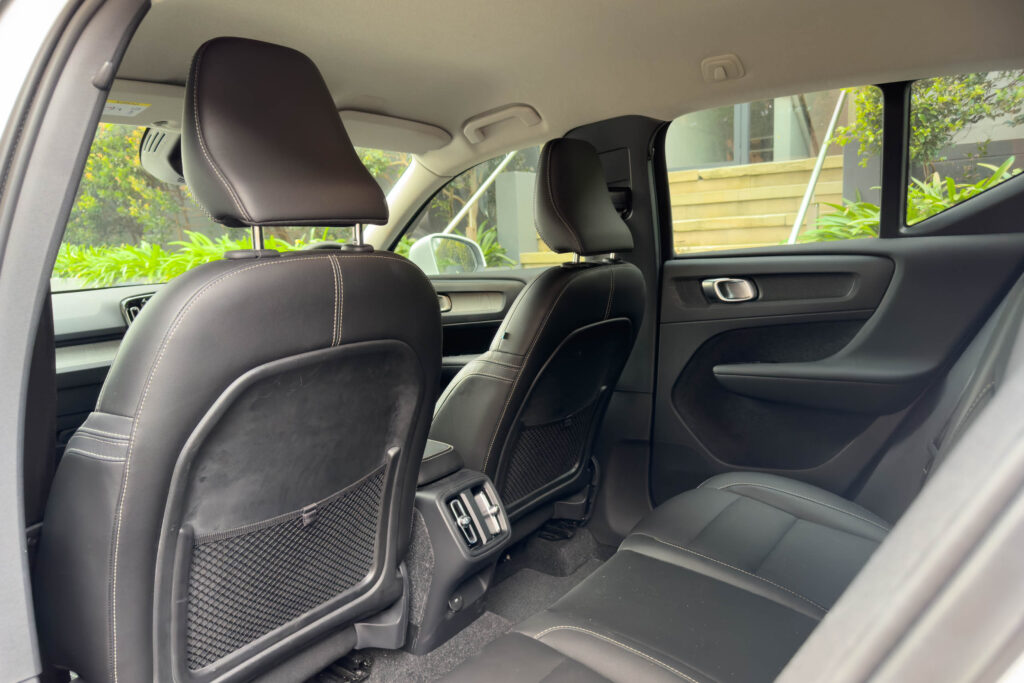
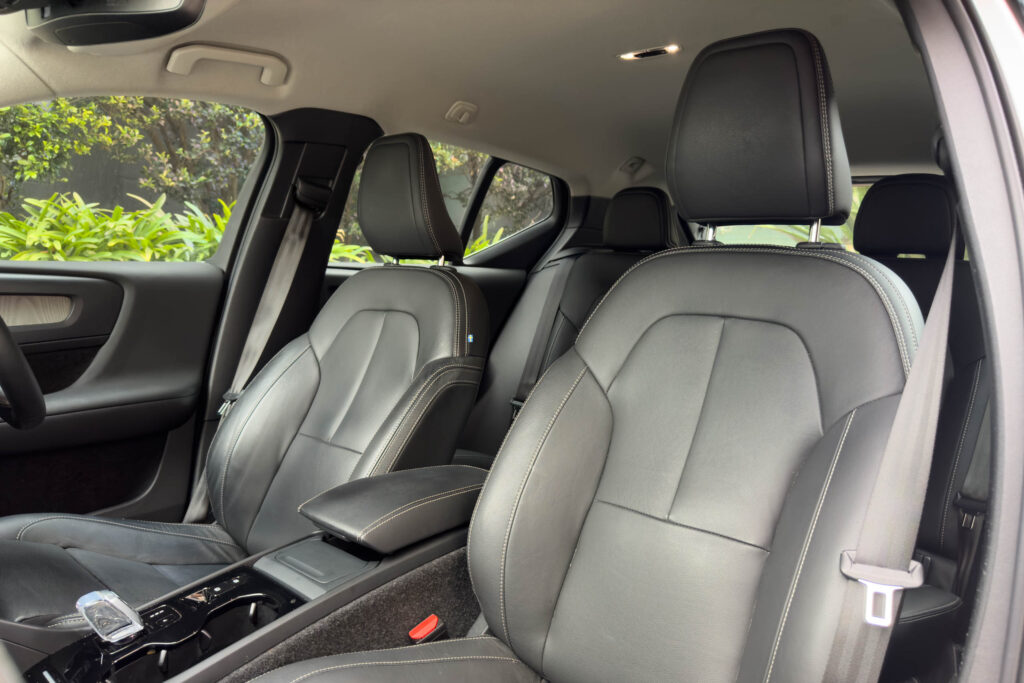
A notable concern raised by owners involves the compatibility of booster seats with the XC40’s rear seating arrangement. Specifically, the non-removable rear headrests can pose challenges for fitting Type F booster seats designed for children aged 4-10 years.
This issue has prompted a complaint from Kidsafe to Volvo, highlighting a potential safety issue for families.
Mechanical:
Reports have emerged regarding crank walk issues in XC40s equipped with manual transmissions. This phenomenon can lead to catastrophic engine failure if not addressed promptly, underscoring the importance of regular maintenance and vigilant monitoring by owners.
An increasing number of owners have reported experiencing vibrations in the drive shaft of their XC40s. This issue, while not widespread, can necessitate the replacement of affected components to restore smooth operation and driving comfort.
Premature failure of the drive belt tensioner and belt has been observed in some XC40s. This critical component failure can lead to sudden breakdowns and costly repairs if not addressed proactively.
A few owners have reported issues with the purge valve and evaporative emission control system (EVAP) in their XC40s. These faults can trigger check engine lights and affect vehicle performance if left unresolved.
Instances of electrical and software glitches have become more common, often associated with the secondary battery system. These issues can manifest in various ways, ranging from minor annoyances to more significant operational disruptions.
Problems such as warping and vibration in the disc brake rotors have been reported by some XC40 owners. These issues can compromise braking performance and safety, necessitating prompt attention and potential replacement of affected components.
Front strut mounts in the XC40 have been prone to developing clunkiness and noise over time. While not inherently dangerous, these issues can detract from the overall driving experience and may require attention from a qualified technician.
While Volvo’s free servicing programs offer convenience for owners, some have raised concerns about the quality of maintenance provided. It’s important for owners to remain vigilant and proactive in monitoring their vehicles’ condition to ensure proper care and upkeep.
Hybrid and EV Models:
Hybrid systems in the XC40 have generally been mechanically reliable, but numerous reports of electrical and software issues have surfaced. These issues can affect various aspects of the vehicle’s performance and functionality, highlighting the complexity of hybrid powertrains.
Troubles with electric cooling units have been noted, posing potential reliability concerns for hybrid and electric XC40 models. While warranty coverage may address these issues in the short term, long-term durability remains uncertain.
The ERAD unit can be a concern for XC40 hybrid and electric models. While warranty coverage currently addresses potential failures, the longevity of this coverage is limited, raising questions about the long-term reliability and cost of ownership for these vehicles.
When considering purchasing a Volvo XC40, the decision hinges on several factors, notably the specific example you’re eyeing and your intended duration of ownership.
One of the concerns is that many new XC40s are acquired through lease arrangements by individuals with no long-term plans for vehicle ownership. Despite service costs often being incorporated into these financing packages, numerous lessees still neglect critical maintenance or delay it.
It’s imperative to avoid purchasing an XC40 with any uncertainties surrounding its service history. These vehicles require meticulous maintenance to ensure reliability.
Regarding the duration of ownership, it’s too early to definitively assess long-term reliability. However, Volvo’s recent track record doesn’t inspire confidence in mechanical or electronic longevity. The premium cost of parts and labour, coupled with significant depreciation, can pose financial challenges over time.
While the XC40 boasts brilliance in many aspects, lingering uncertainties arise when contemplating long-term ownership—a concern less prevalent among competitors such as the Lexus NX or even the Mazda CX-5 and CX-3.
MORE: Explore our SUV reviews


Co-creator, presenter & writer, ReDriven

There are better cars out there.
 1 week ago
2 weeks ago
1 week ago
2 weeks ago
 3 weeks ago