Australia’s No. 1 Used Car Review Website
Australia’s No. 1 Used Car Review Website
+16 Photos
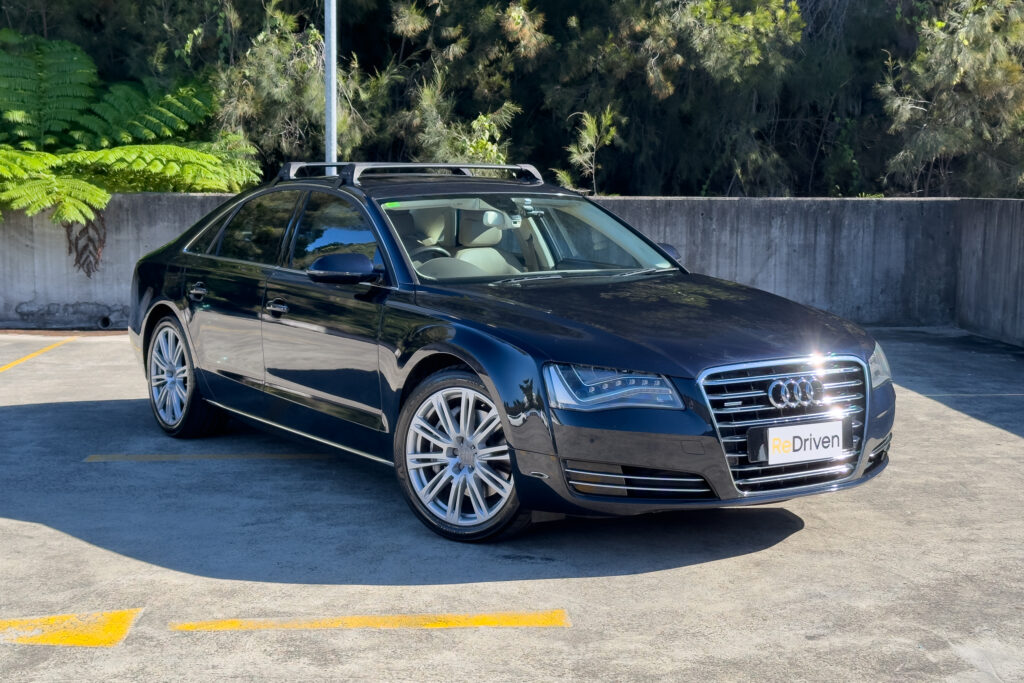
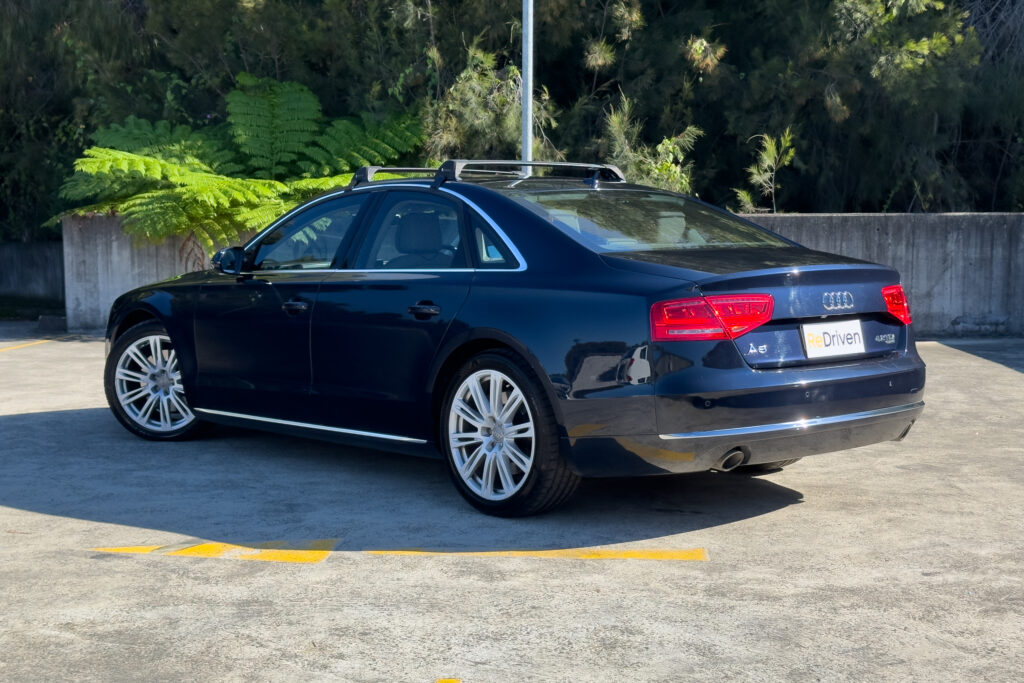
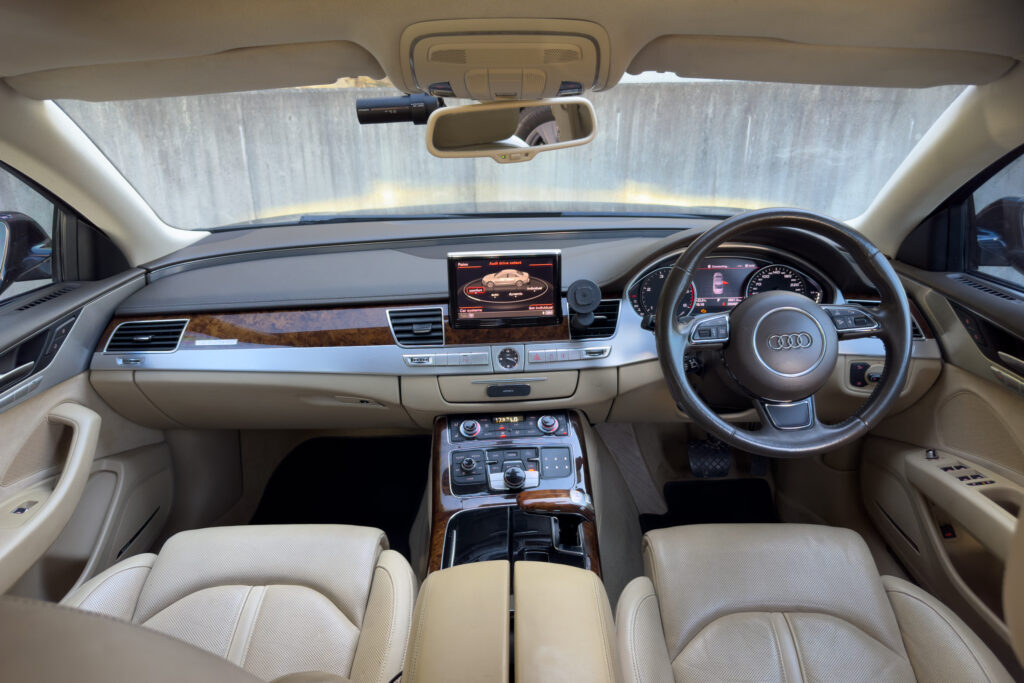
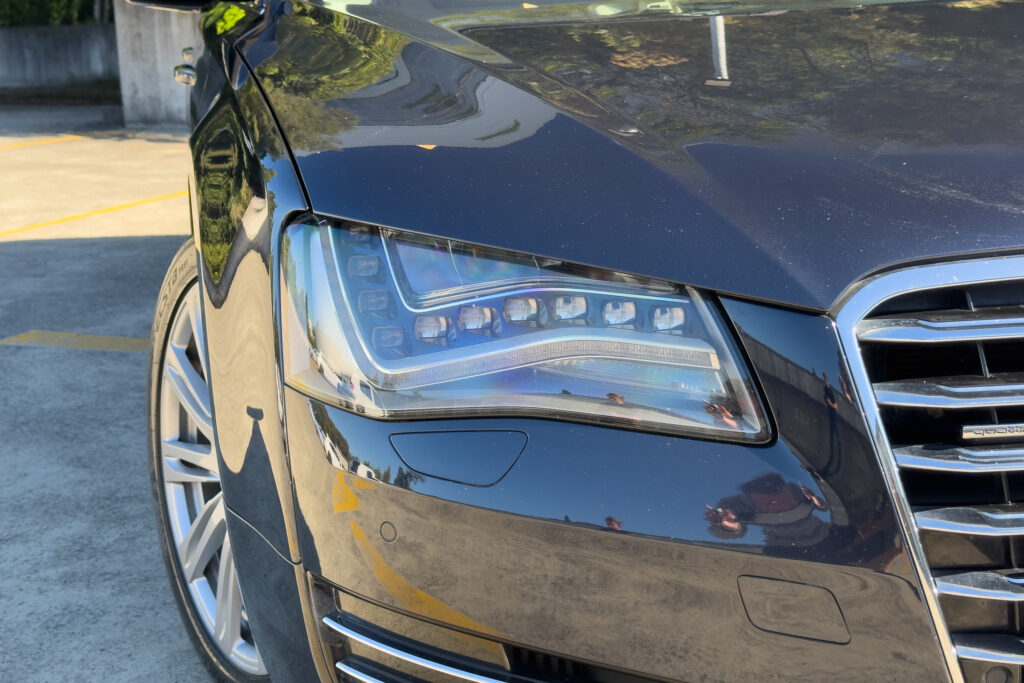
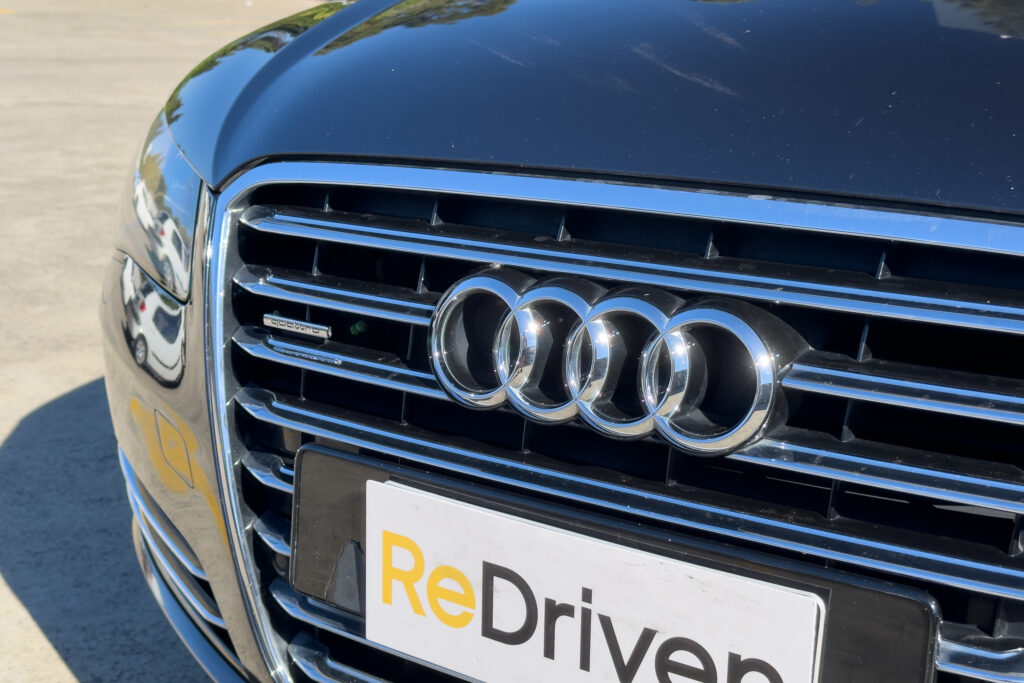
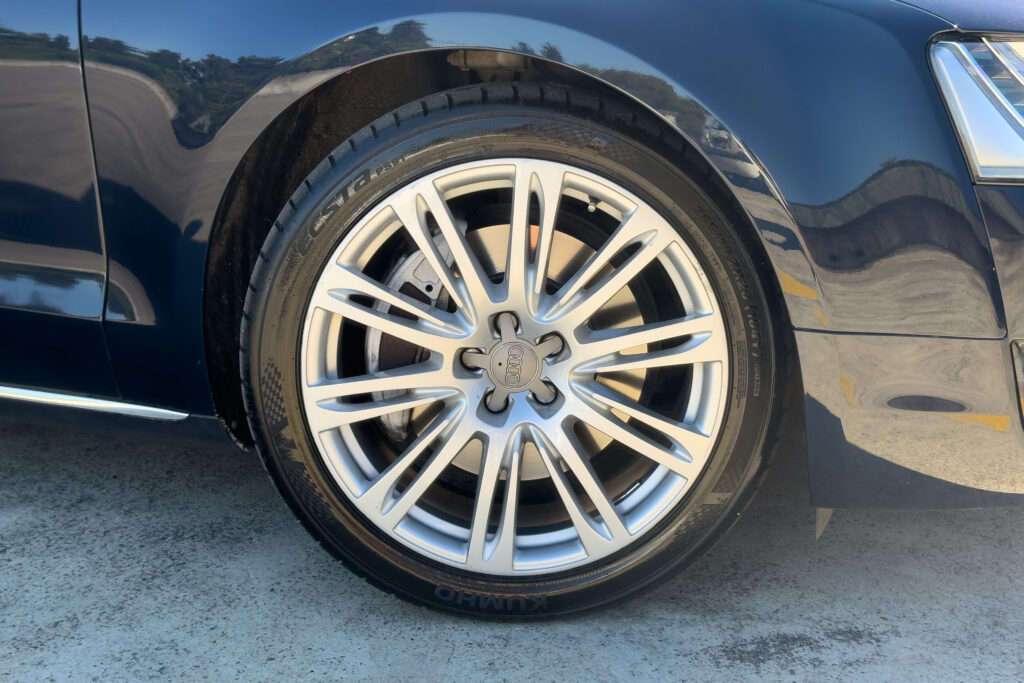
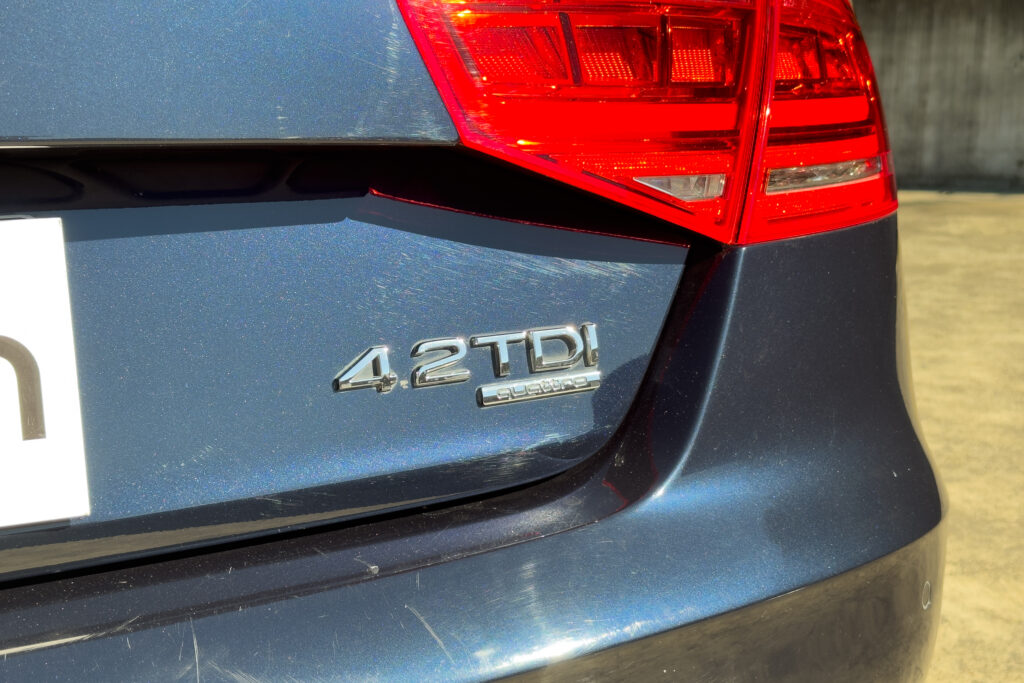
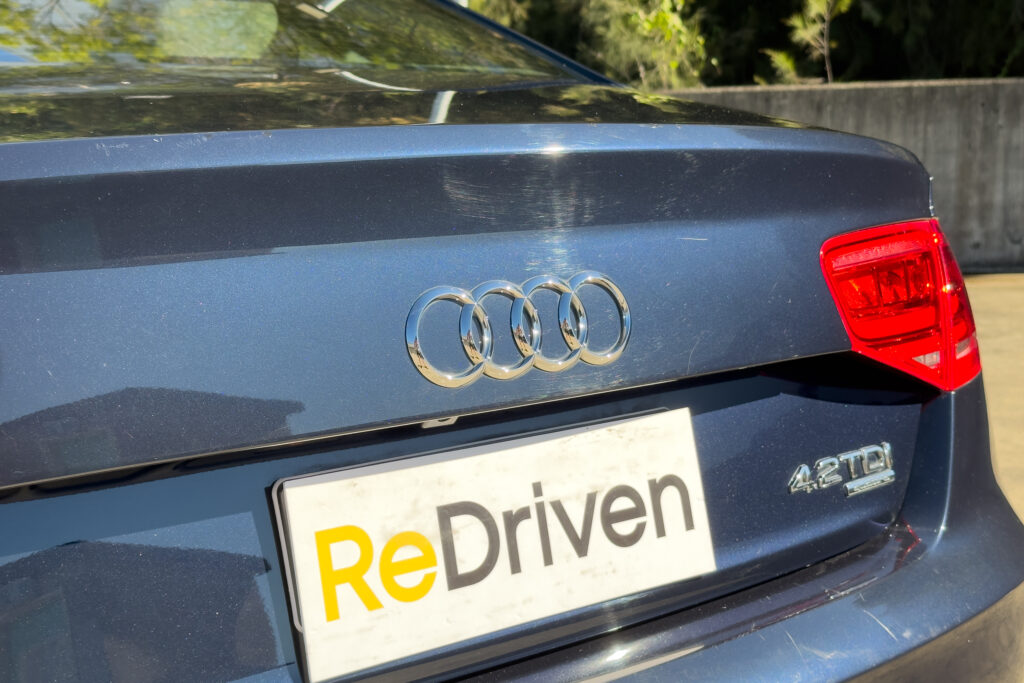
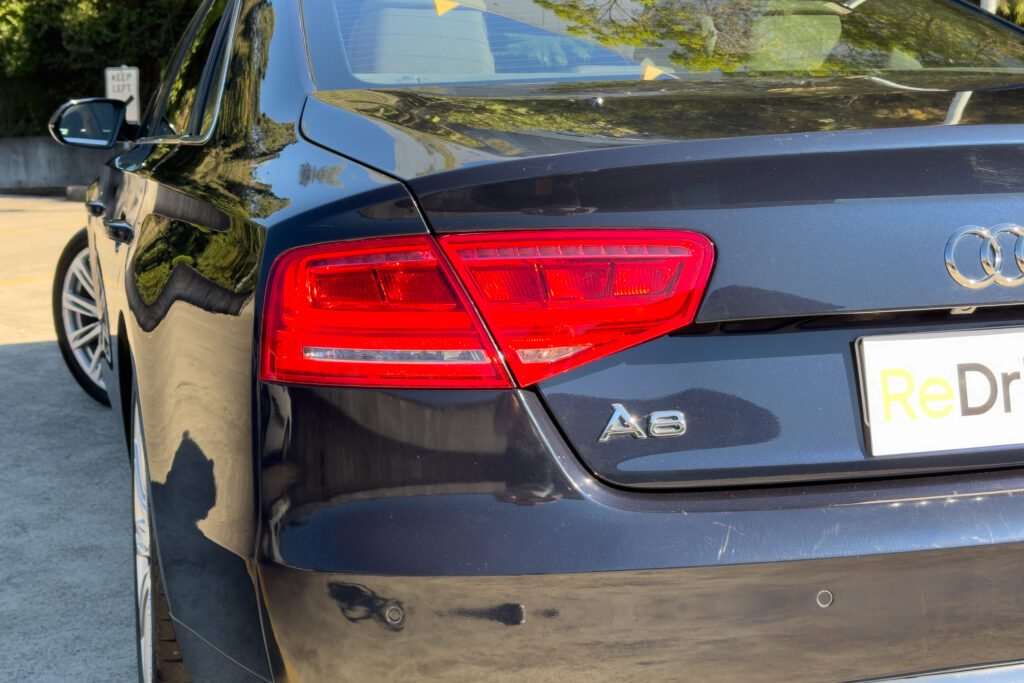
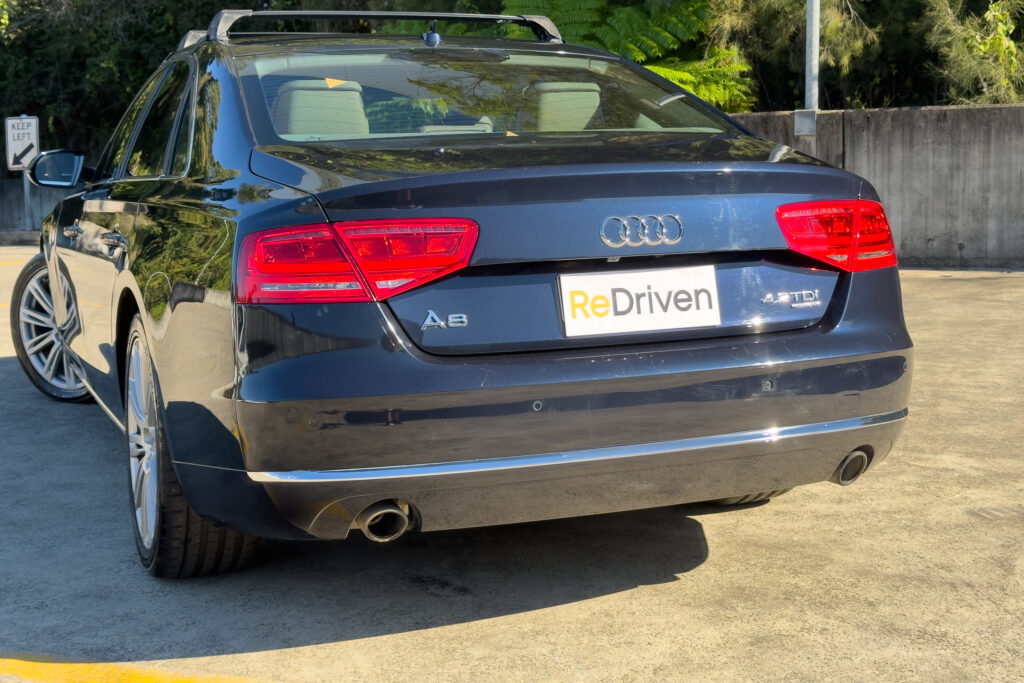
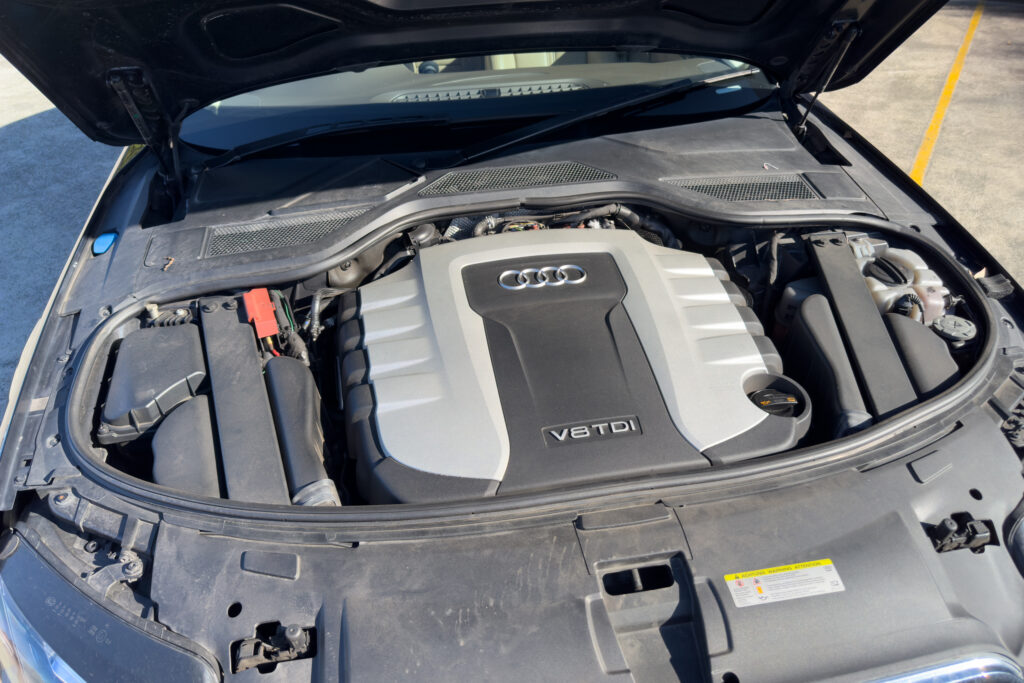
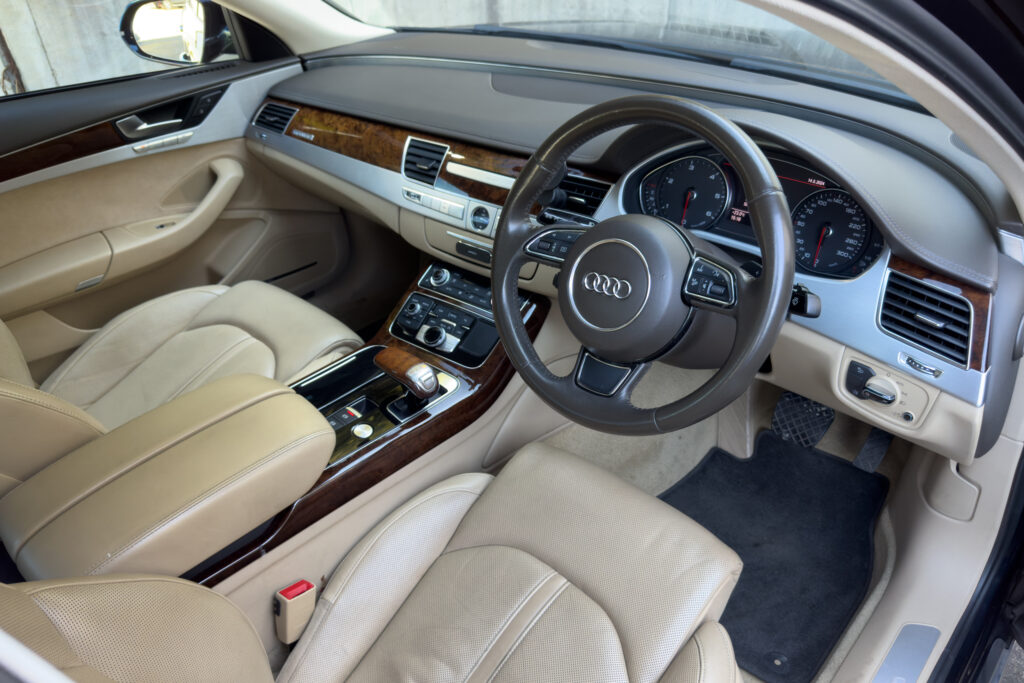
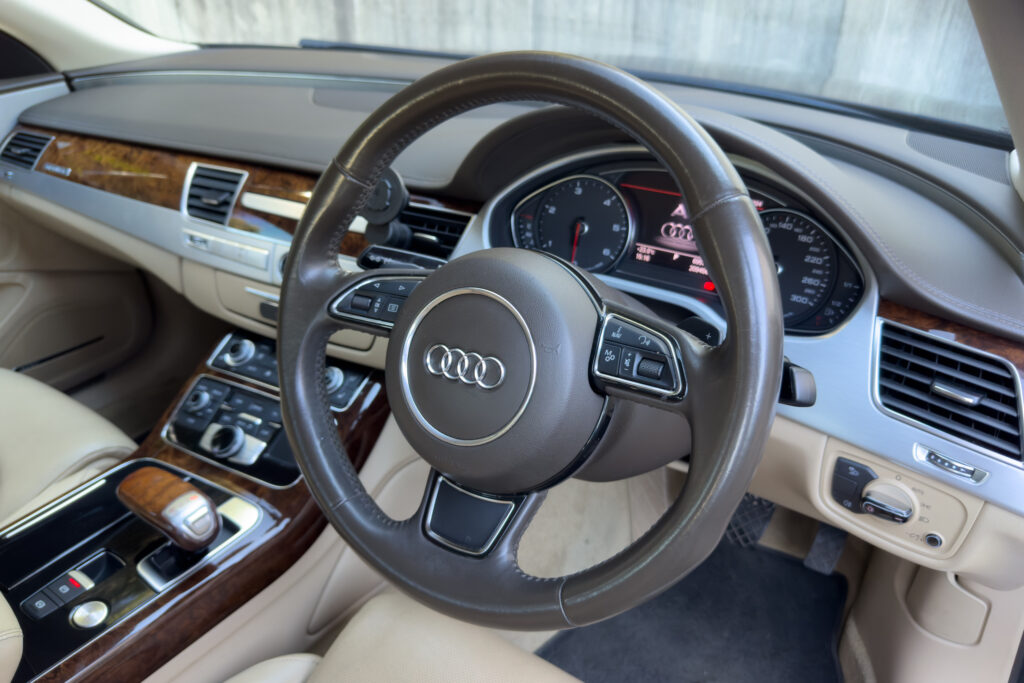

2010 Audi A8 4.2 TDI

07 June 2024
Probably not.

2010 Audi A8 4.2 TDI

Used car review
07 June 2024
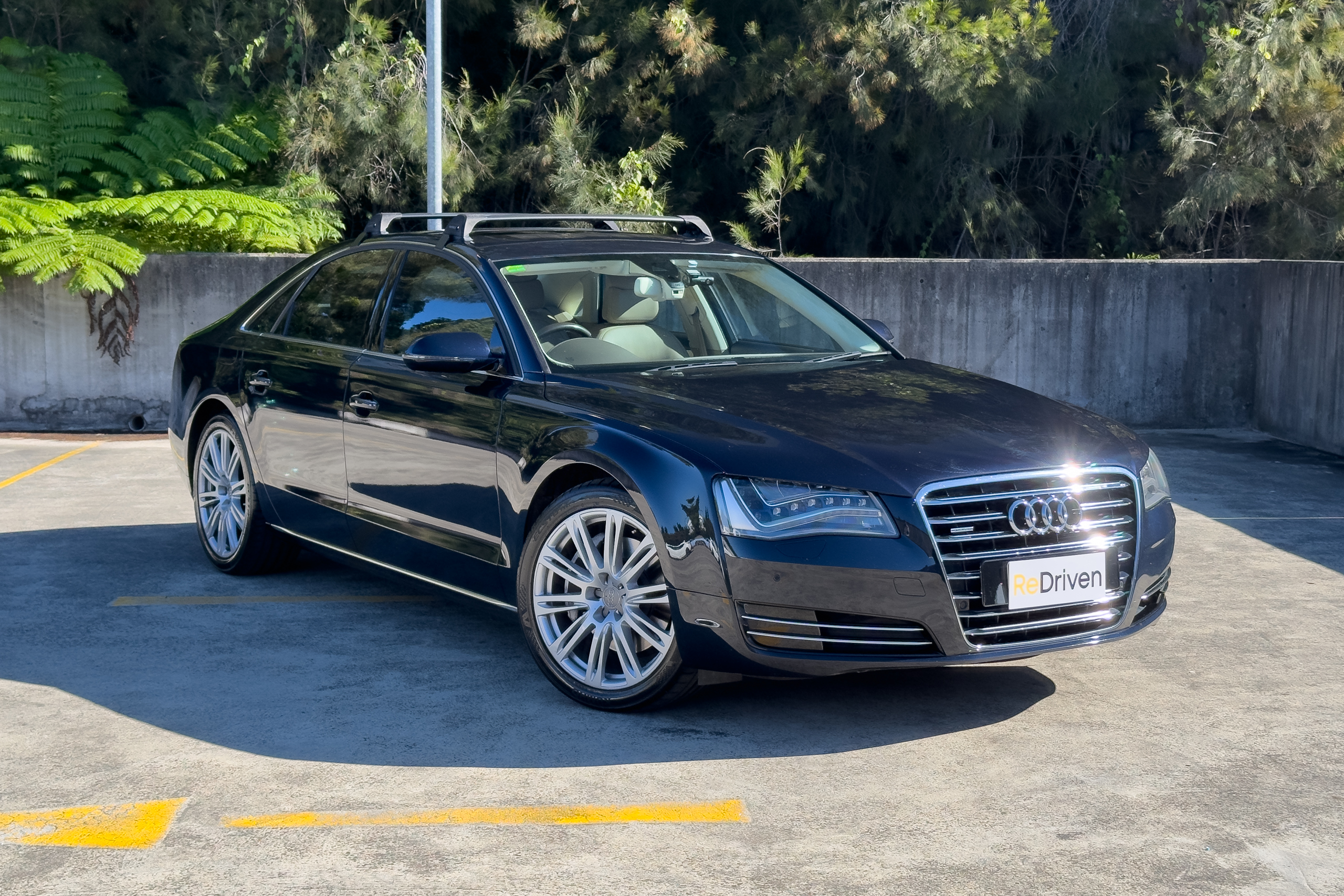
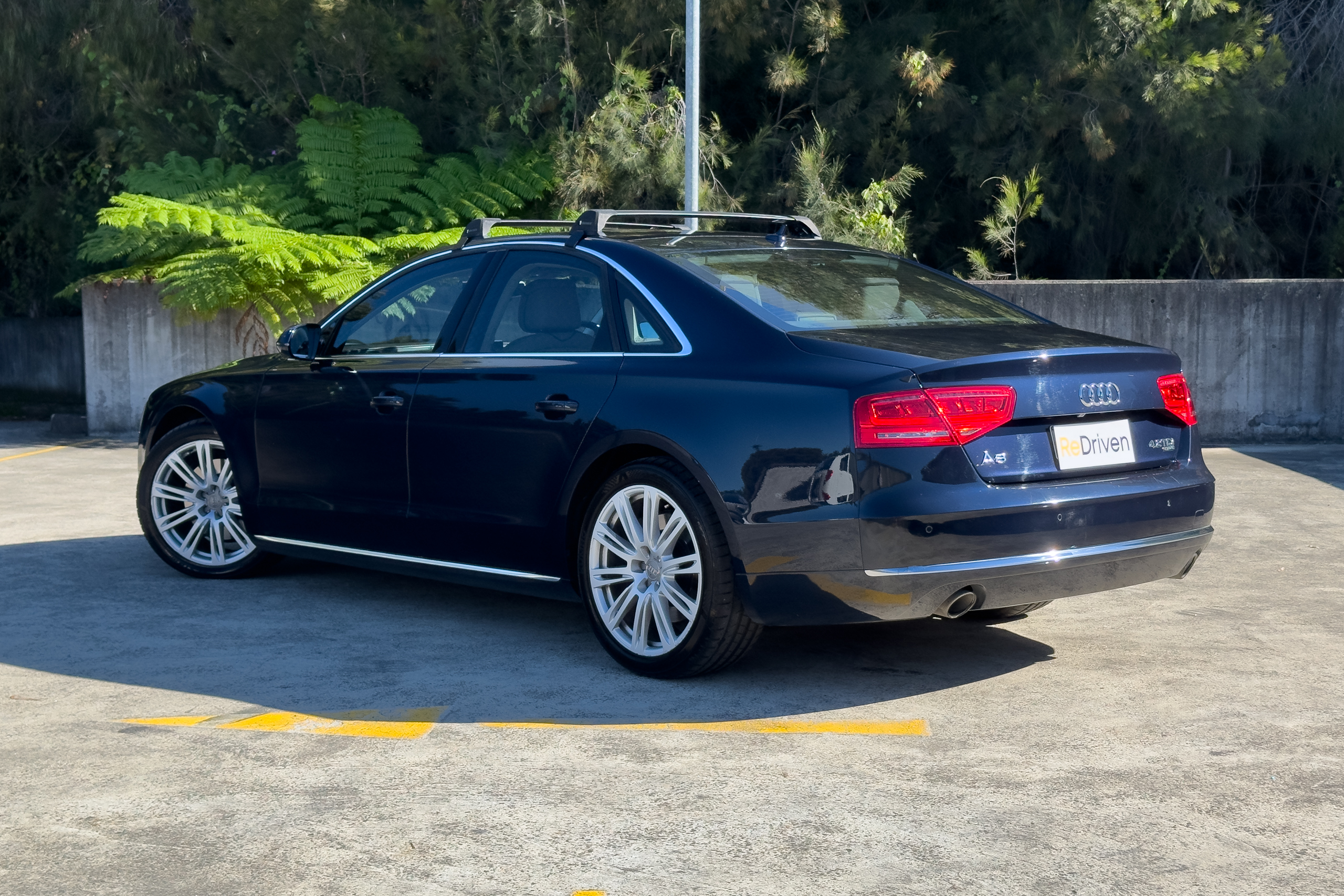
The third-generation D4 A8, spanning from 2010 to 2017, is available with a variety of engine options, including a 4.2-litre V8 petrol, a 3.0-litre turbo-diesel V6, and a 4.2-litre twin-turbo diesel V8.
All models come equipped with an 8-speed automatic transmission and Quattro all-wheel drive, and are available in both short and long wheelbase versions.
While the engine package often represents the trim grade (for example, the 3.0 TDI denotes a 3.0-litre turbo-diesel), the extensive list of optional extras means that the exact features can vary significantly from car to car.
This flexibility is even more pronounced in international markets, where there are over a dozen engine options and trim specifications available.
For those seeking a more performance-oriented luxury sedan, the D4 generation includes the S8 models.
These models are powered by the same bi-turbo 4.0 L petrol V8 found in the Bentley Continental GT and come with a full suite of performance-enhancing features.
The S8 provides a sportier driving experience while maintaining the luxury and advanced technologies characteristic of the A8 range.
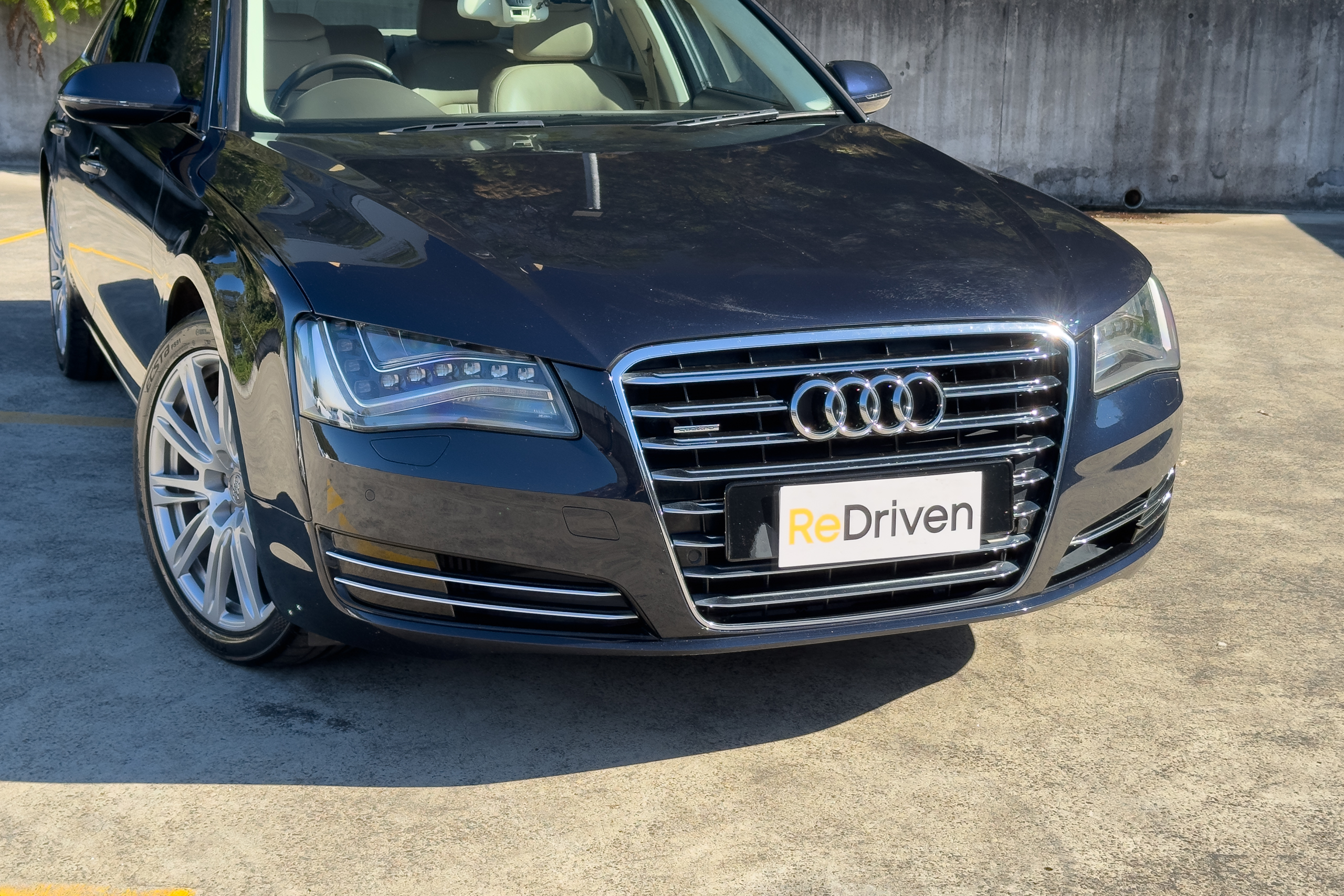
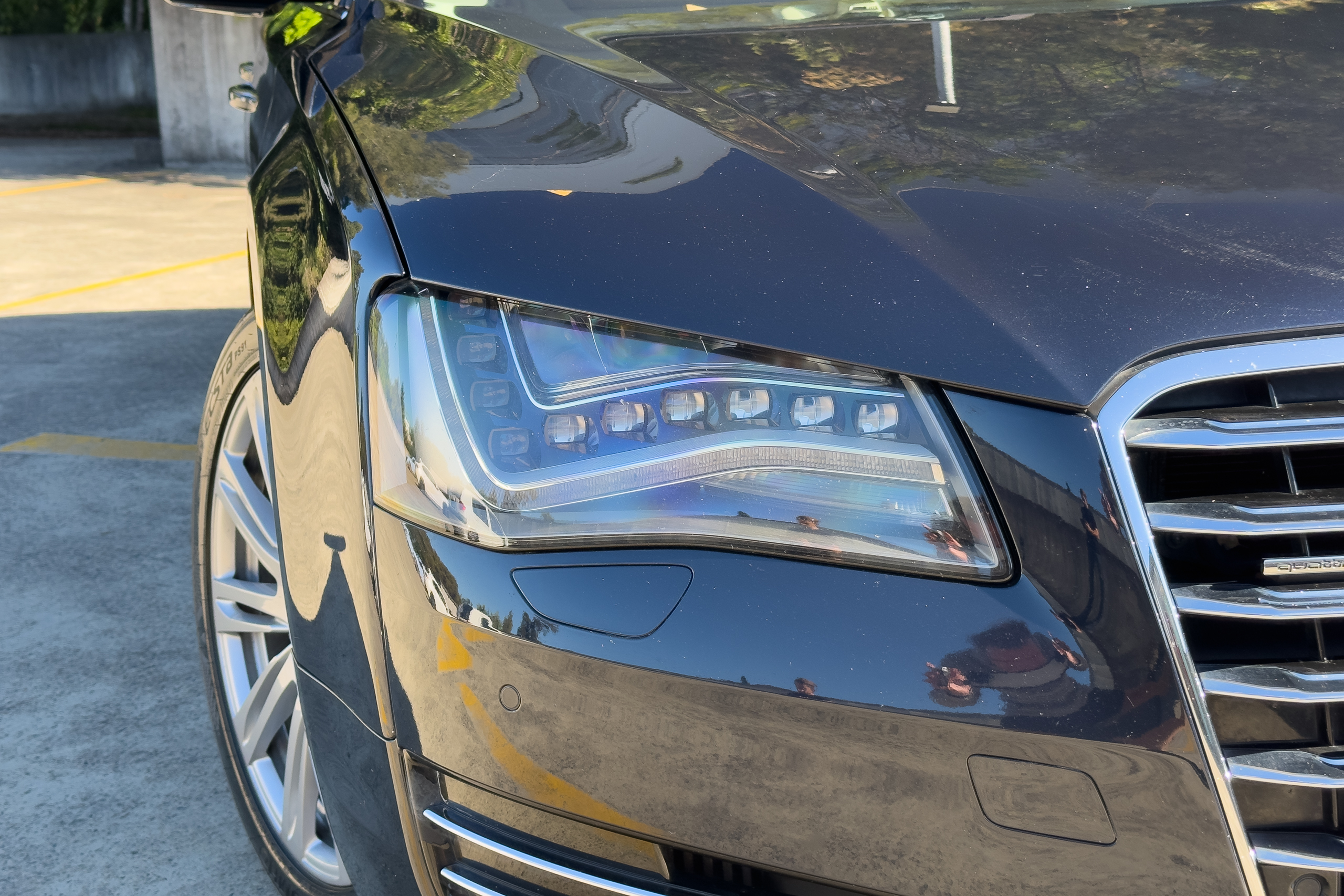
The initial D4.I A8 was notable for its aluminium construction, which reduced weight and improved efficiency, and for incorporating advanced technologies such as full LED headlights with auto high beam, advanced driver assistance tech, infrared night vision, and onboard internet.
The mid-cycle updateAudi D4 Series II (D4.II) A8, released in Australia in May 2014, introduced more efficient engines and revised styling.
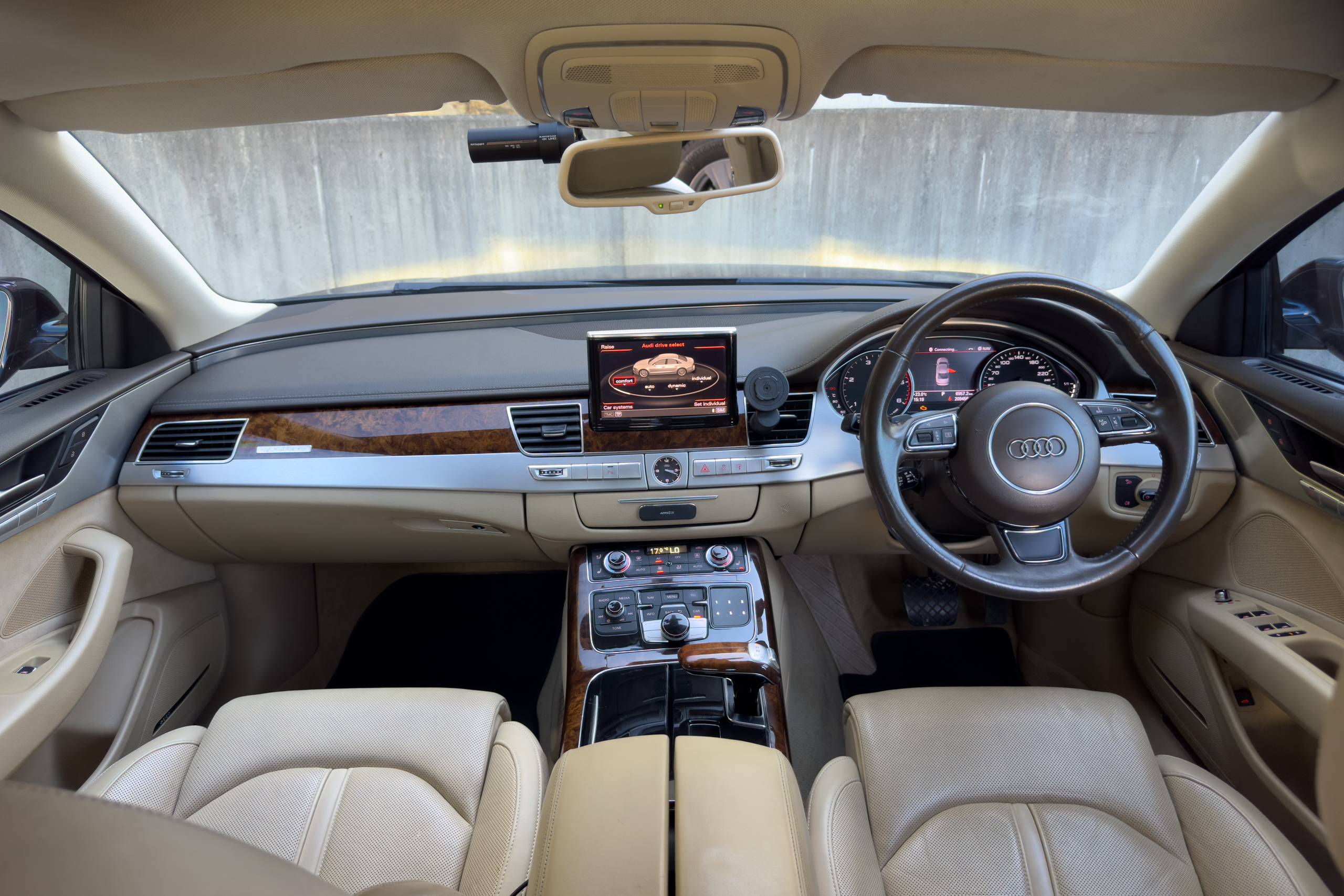
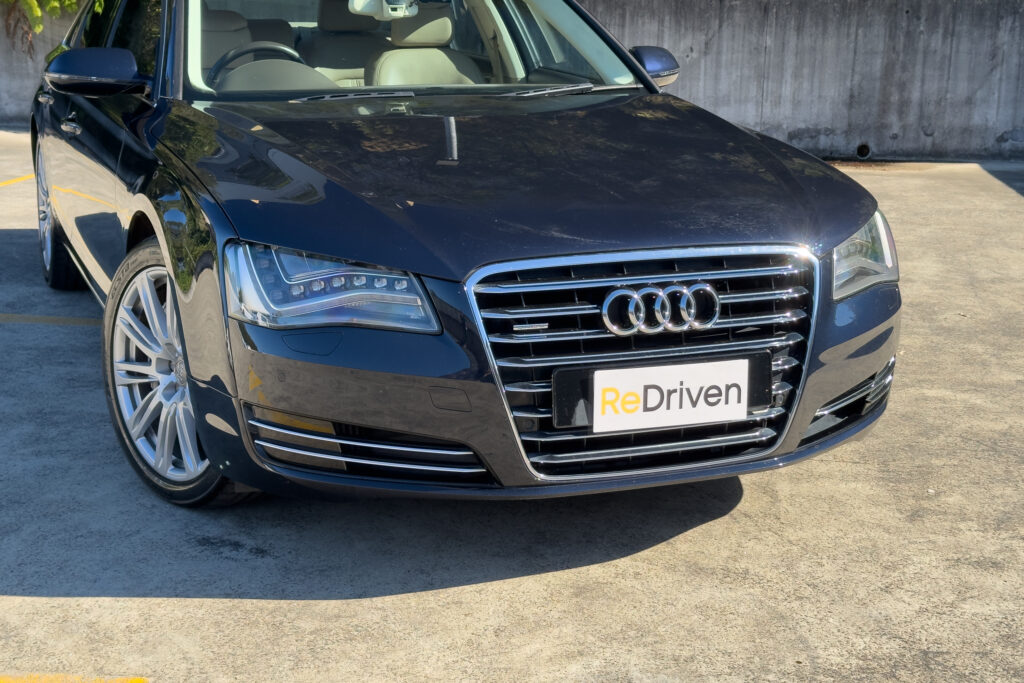
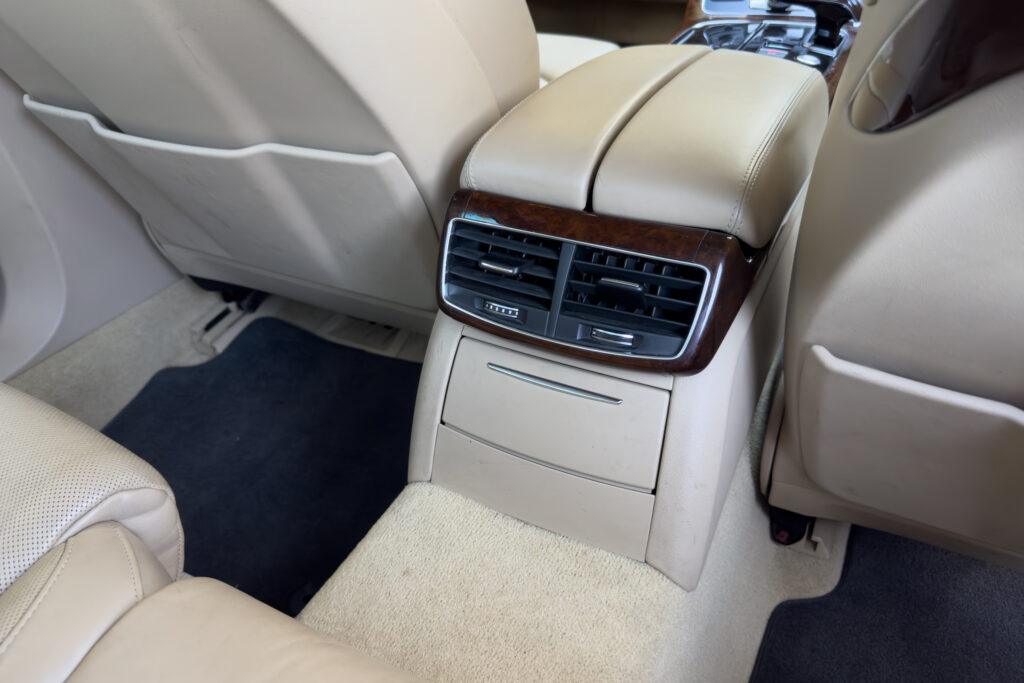
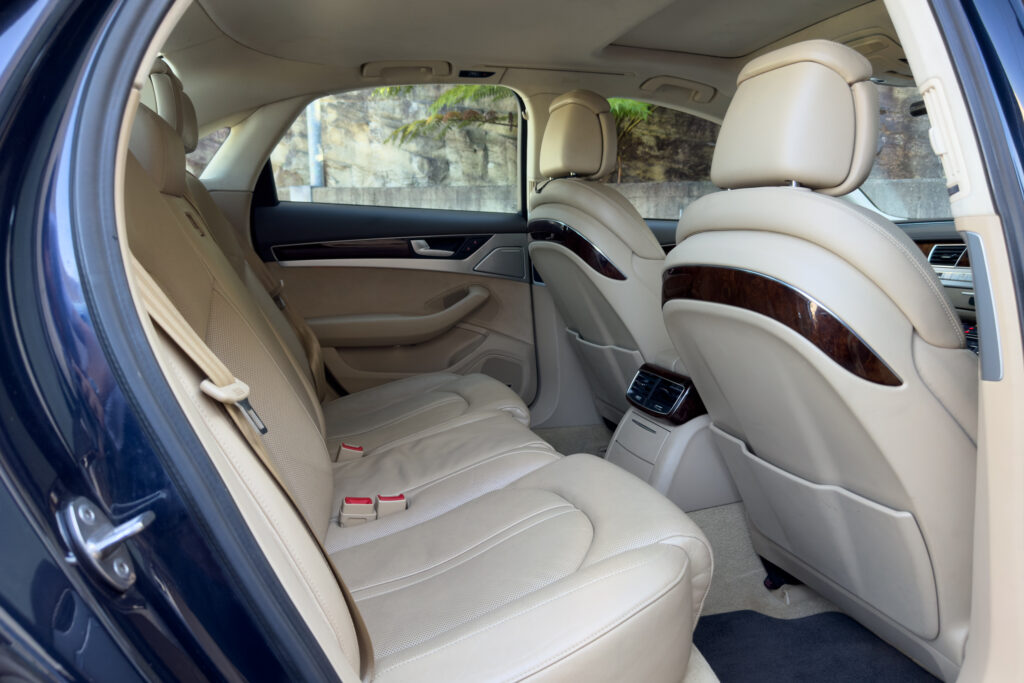
Visually, the D4.II A8 can be identified by its more sculpted front mask, including the bonnet, grille, and front bumper, along with straight lower edges for the LED headlights while inside it offers greater refinement through additional noise damping measures.
When considering a used Audi D4 A8 or S8, it’s important to be aware of a few unfortunate key factors.
These vehicles experience high levels of depreciation, making them more affordable on the second-hand market however, the depreciation seems to never stop.
The D4 A8 is also known for questionable reliability and expensive parts and repair costs, which can be significant concerns for some owners and potential buyers.
Exterior:
Common issue with water leaking into the cabin from around the sunroof area.
Often due to blocked sunroof drainage holes or a small gap between the top of the windscreen and the car body.
Proper fix involves fitting a new windscreen, which should be genuine Audi glass to avoid issues with sensors and cameras.
Sensors and cameras need recalibration after windscreen replacement, adding to the cost.
Essential to keep sunroof drainage holes clear to prevent water from entering the interior.
Water buildup can cause significant damage to the electronics behind the dash and interior trim.
Common failures include motors for the powered boot, adaptive headlights, powered mirrors, and windows.
Condensation inside the tail lights is frequently reported.
Foot-detecting boot opening technology can fail sporadically.
Interior:
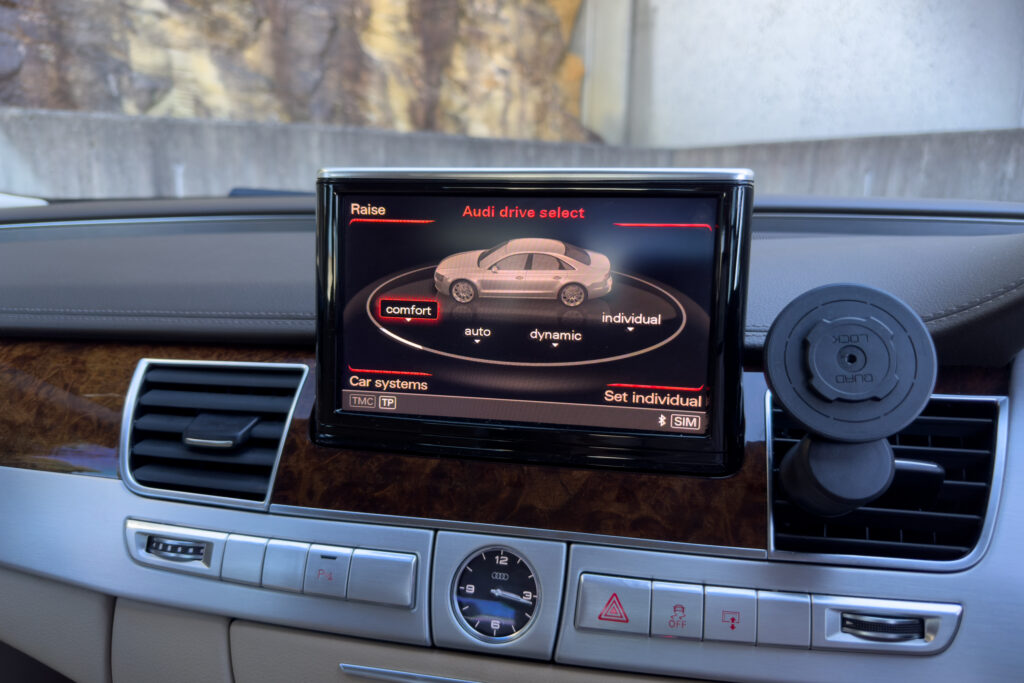
Problems with the MMI screen rising from the dash; sometimes it struggles or fails to rise.
Camera behind the rearview mirror can fail due to solder joints separating from temperature changes.
Replacement parts are often unavailable from Audi, requiring used parts to be coded and calibrated.
Issues with the electronic handbrake getting stuck, often due to wiring problems, sometimes necessitating towing.
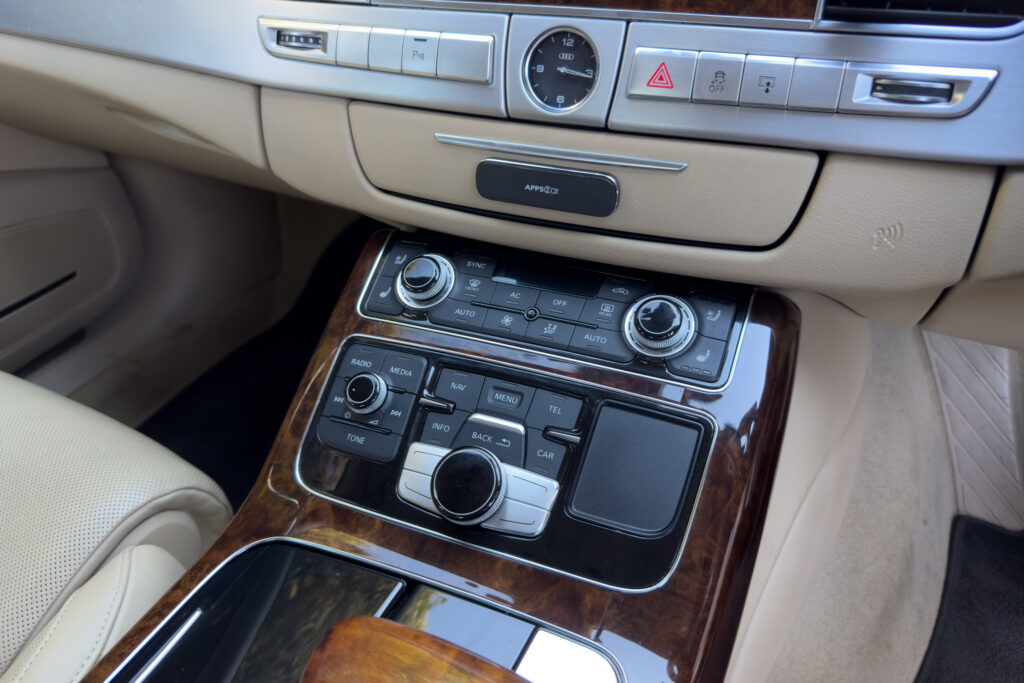
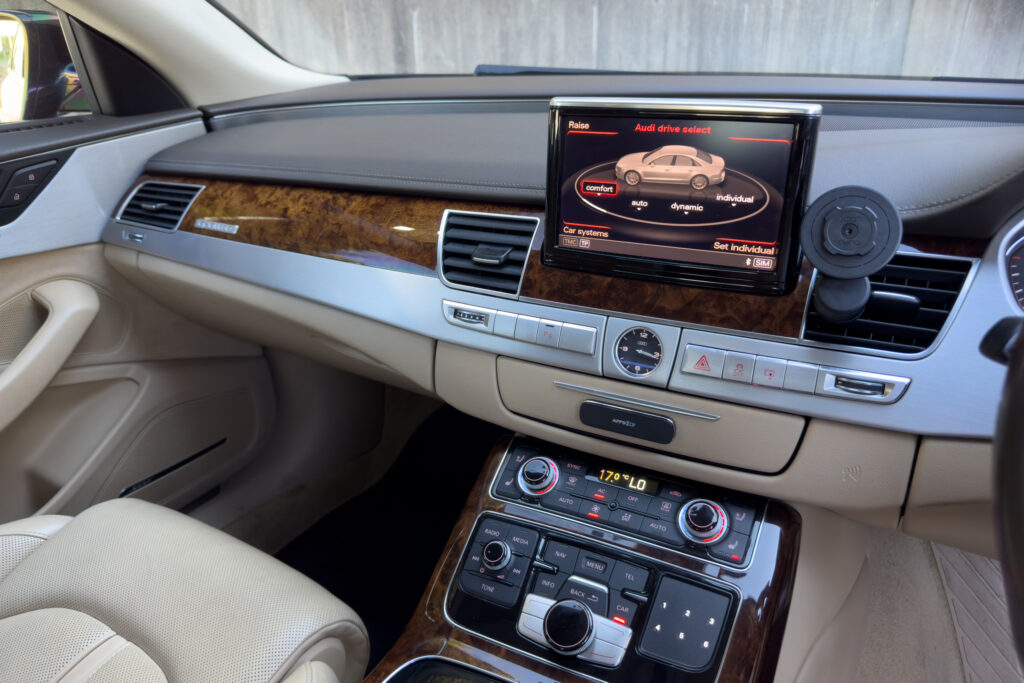
Numerous reports of powered seat adjusters, infotainment glitches, slow tech responses, non-functional buttons, and sunroof failures.
Important to test every function and button when buying to ensure all features work properly.
Infotainment system issues might be resolved with a software update.
Interior piano black plastic trim is prone to scratching.
Mechanically:
3.0L Diesel DOHC 24v Turbo Direct Injection V6 (CDTC, CDTA, CMHA)
This engine is known for its robustness and is not typically prone to catastrophic failures. However, it is not without its problems.
Leaks are common from components located in the engine valley, including the oil filter housing, EGR cooler, and oil cooler. These issues are labour-intensive and costly to repair.
Over time, the heat from the turbos can cause the surrounding plastics and components to fail, leading to further issues.
Internal leaks in the EGR cooler can lead to misdiagnoses as head gasket issues because the leaks can seep into the exhaust system.
The EGR valve is prone to clogging, and the entire inlet system can become choked with buildup, which can cause the variable intake manifold actuator to fail.
The high-pressure fuel pump can occasionally have issues, and injector seal leaks are becoming more common, leading to reduced engine performance and reliability.
4.2L Diesel DOHC 32v Turbo Diesel Direct Injection V8 (CDSB Euro 5)
This engine is essentially two 2.0L engines side-by-side, making it complex with two of each component (ECU, MAF & MAP sensors, crank sensors), complicating fault diagnosis.
The engine can suffer from harmonic balancer problems, which can cause vibrations and additional wear.
EGR issues are frequent, contributing to engine performance problems and increased emissions.
Premature failures of these components are typical for Volkswagen Group vehicles, leading to overheating and potential engine damage.
Regularly reported oil leaks and excessive oil consumption can lead to frequent top-ups and potential engine damage if not managed.
The engine mounts, designed to absorb vibrations, are very soft and thus wear out prematurely, necessitating expensive replacements.
4.0L Petrol Twin Turbo DOHC 32v Intercooled Direct Injection V8 (CGTA, CTFA)
Problems with the PCV or oil separator can cause vacuum leaks, leading to lean air-fuel ratio faults and impacting engine performance.
Coil failures are a common issue, leading to misfires and reduced engine efficiency.
Like other engines in the lineup, thermostat and coolant leaks are prevalent, leading to overheating risks.
Turbo failure is a significant issue, often due to clogged oil supply lines and filter screens, which result in oil starvation. This is exacerbated by long or missed service intervals. Preventative maintenance, including changing oil line screens, is essential to avoid costly turbo replacements.
Similar to the 4.2L Diesel, the soft engine mounts often fail and are expensive to replace, impacting the overall smoothness of the ride.
4.2L Petrol DOHC 32v Direct Injection V8 (CDRA Euro 5)
Common oil leaks originate from the timing cover, oil filter housing, and valley cover, necessitating regular checks and maintenance.
The timing chains are located at the rear of the engine, making access extremely complex. While not overly common, timing chain guide failures can lead to catastrophic engine failure, requiring engine removal for repairs.
All these engines feature rear timing chains, a common design among European manufacturers. While not a frequent issue in well-maintained, low-mileage cars, neglected and high-mileage vehicles can suffer from timing chain failures.
Maintenance or repairs involving timing chains are extremely costly due to the necessity of removing the engine and transmission.
The V8 engines in these models are among the most complex, designed to maximize space efficiency but making them difficult and expensive to work on. Modified S8 models can produce high horsepower but often at the expense of reliability and longevity; it is advisable to avoid modified versions to ensure long-term durability.
Transmission:
The D4 A8 and S8 models are equipped with the ZF 8HP transmission, a highly reliable unit found in many vehicles across different manufacturers. It is praised for its smooth shifting and durability, contributing to the overall reliability of these models.
Suspension:
The air suspension system, while generally reliable, can suffer from several issues, including leaking airbags, hardware and sensor problems, and electronic complications. Regular maintenance can help mitigate these issues, but repairs can be costly.
The lower control arm bushes are a known weak point, often requiring replacement to maintain proper suspension performance and ride quality.
Electronics:
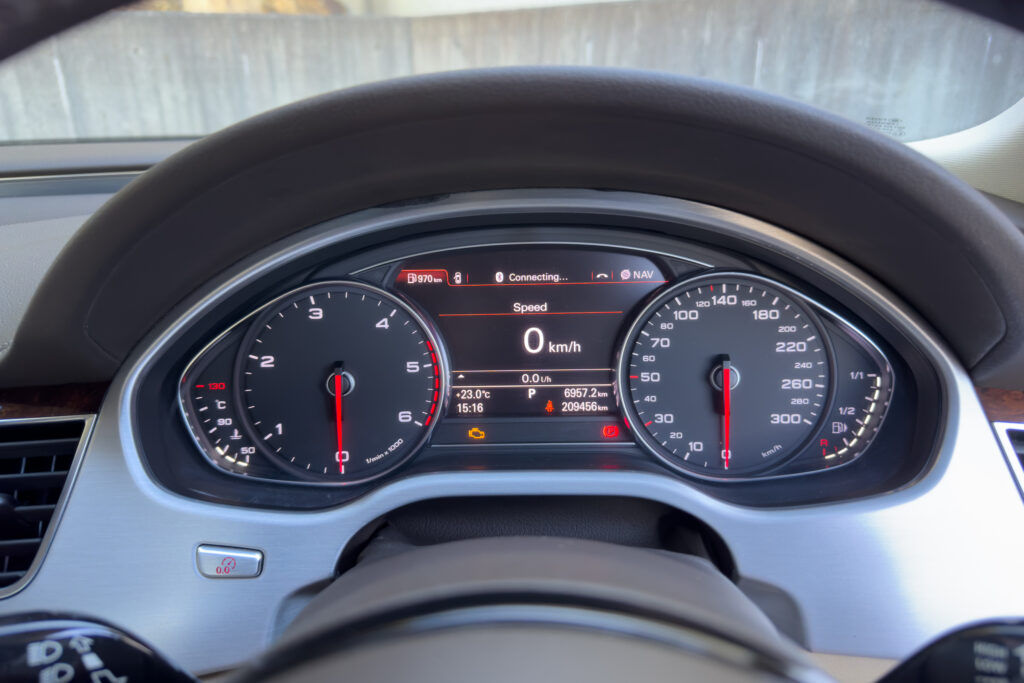
The A8 and S8 are equipped with a multitude of systems, sensors, and ECUs that control virtually every aspect of the vehicle. This complexity can lead to reliability concerns, with electronic issues often being difficult and expensive to diagnose and repair.
Electronic gremlins are a common cause of significant repair costs, sometimes making it financially unviable to keep the vehicle.
The D4 A8 and S8 are loaded with advanced electronics and luxury features, but they are known for questionable reliability.
High depreciation rates make these vehicles more affordable on the second-hand market, but potential buyers should be prepared for high repair and maintenance costs.
Regular maintenance of drainage systems and electronic components is crucial to avoid costly repairs.
Genuine parts and proper recalibration of sensors are essential to maintain functionality.
By being aware of these common issues and conducting thorough inspections, potential buyers can make informed decisions about purchasing a used Audi D4 A8 or S8. Despite their luxurious appeal, these vehicles require diligent upkeep to ensure they remain reliable and enjoyable to drive.
Before purchasing a used Audi D4 A8 or S8, it’s crucial to consider the vehicle’s ownership history. Ensuring that the scheduled services have been thoroughly adhered to is vital for mitigating reliability and financial risks.
Many used A8s were leased by individuals who failed to maintain proper service schedules, often viewing their leased vehicle as disposable and disregarding its longevity.
Depreciation is another significant factor. Used A8s continue to depreciate rapidly, with previous generation models asking as little as $9,000.
The D4 A8s are likely to follow the same trend. One owner, who has owned several A8s for his business, highlighted a critical point: while he loved these cars, they became a nightmare of expensive repairs once they hit around 150,000 km. Spending thousands on repairs for a car that continues to depreciate rapidly can be hard to justify.
While there are undoubtedly well-maintained examples that can accumulate hundreds of thousands of kilometres without issues, buying a used A8 requires immense financial and emotional resilience.
Verifying that all scheduled services have been performed is essential. Leased vehicles often suffer from neglected maintenance schedules, leading to significant reliability issues. Rapid depreciation continues even for used models, with previous-generation A8s available for as little as $9,000, indicating that the D4 A8S will likely follow a similar path.
Significant repairs can become necessary around 150,000 km, and these repairs can be extremely expensive, making it challenging to justify the costs. Prospective buyers must consider whether they have the financial and emotional resilience to manage potential risks and costs.
By thoroughly assessing these factors and ensuring a meticulous inspection and service history check, you can make a more informed decision about purchasing a used Audi D4 A8 or S8. While these vehicles offer luxury and advanced technology, they come with inherent risks that must be carefully weighed.


Co-creator, presenter & writer, ReDriven

Probably not.
 1 week ago
 3 weeks ago
 4 weeks ago