Australia’s No. 1 Used Car Review Website
Australia’s No. 1 Used Car Review Website
+17 Photos
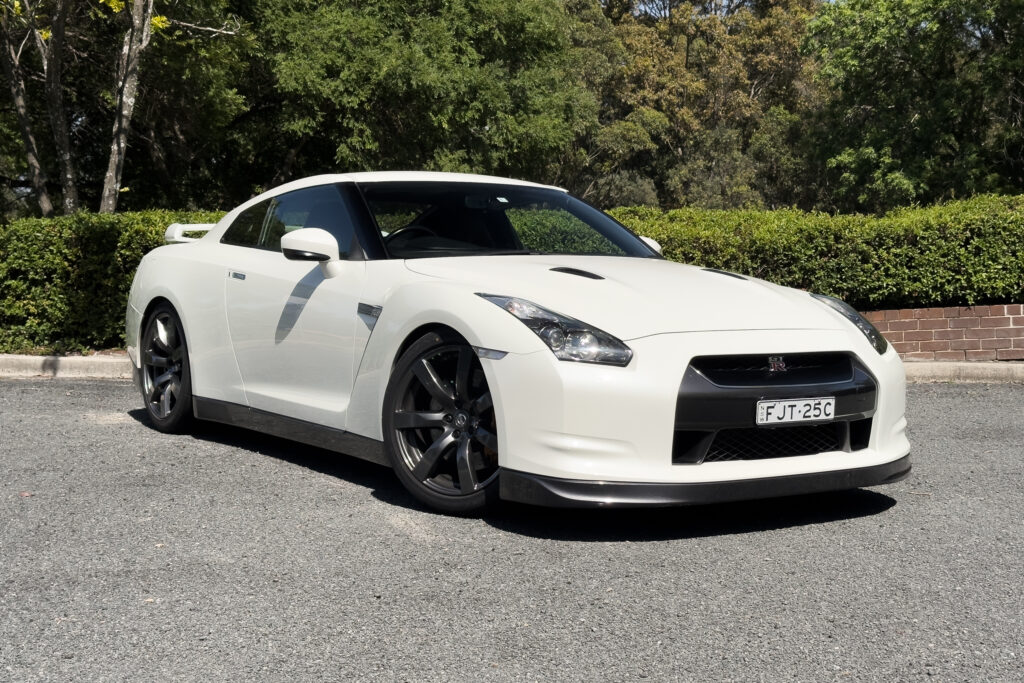
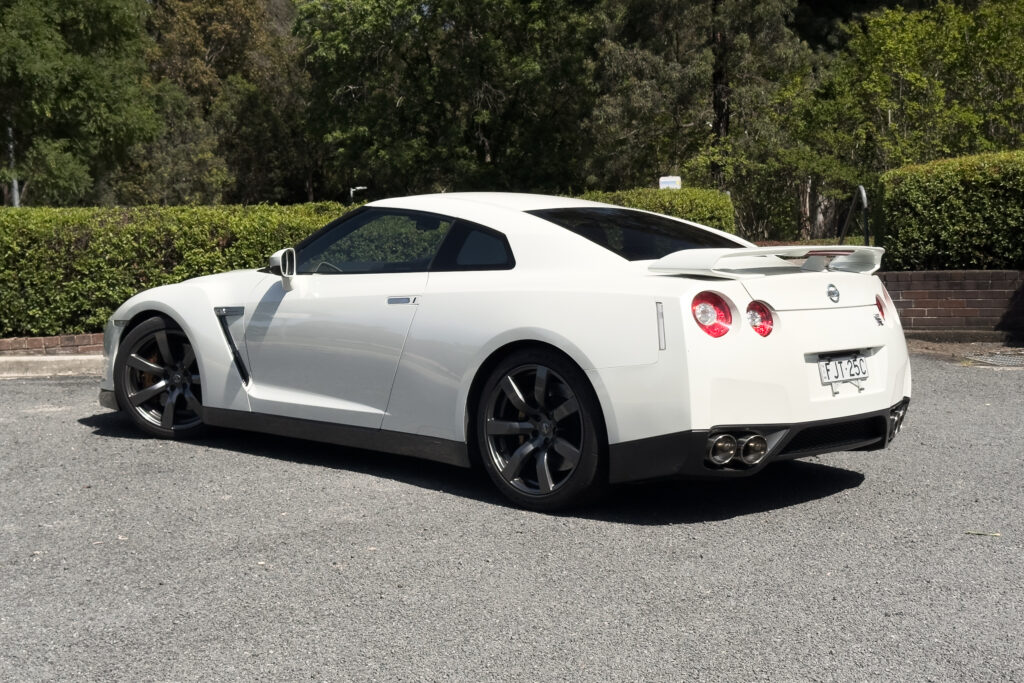
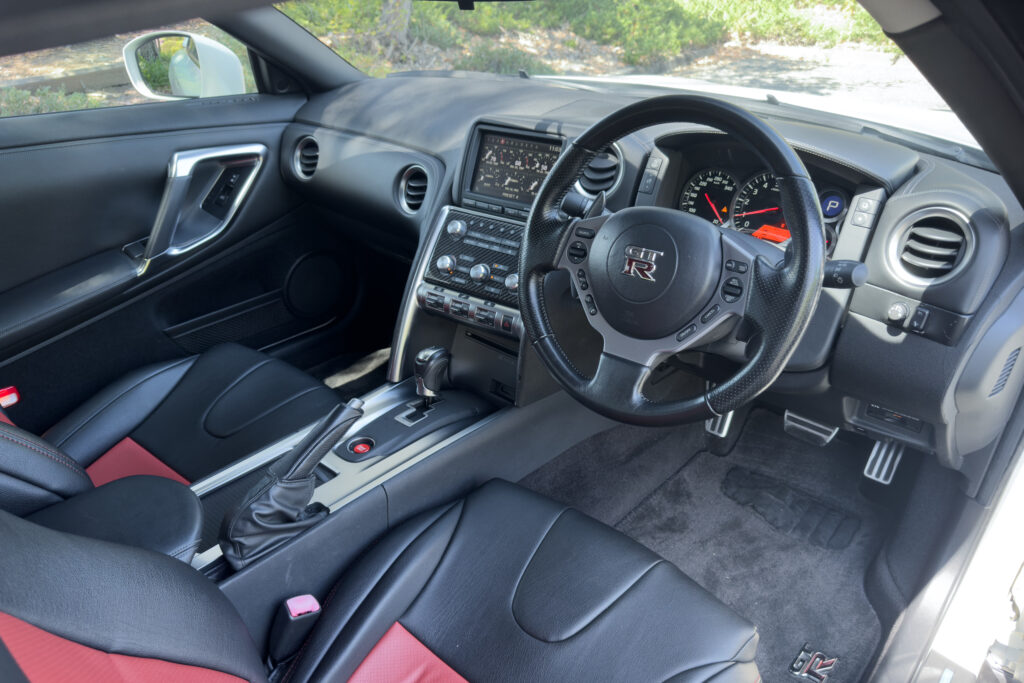
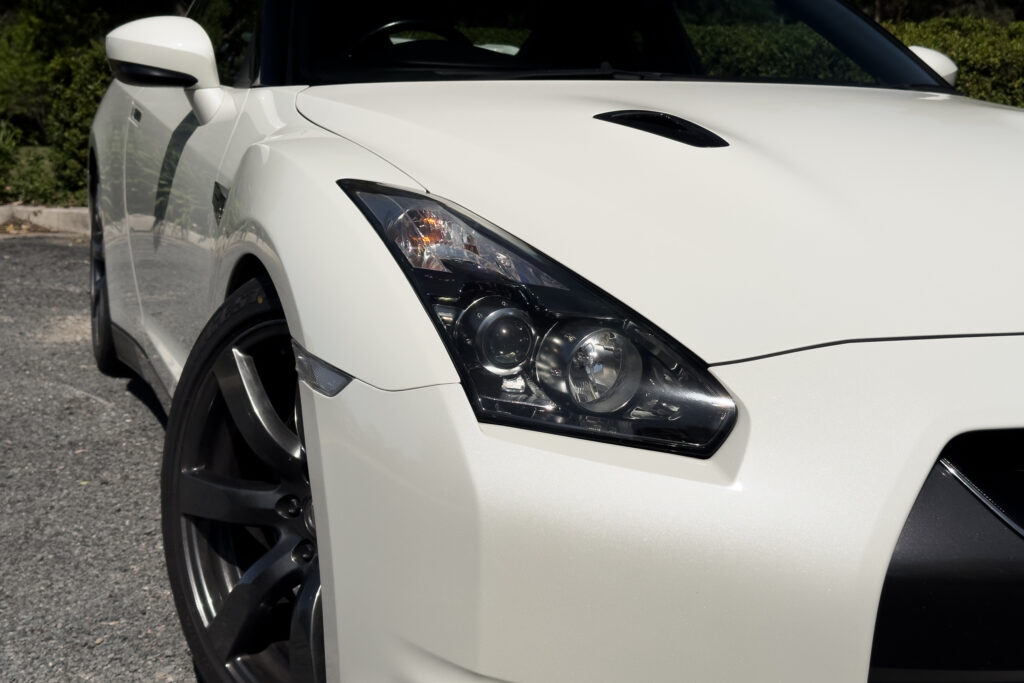
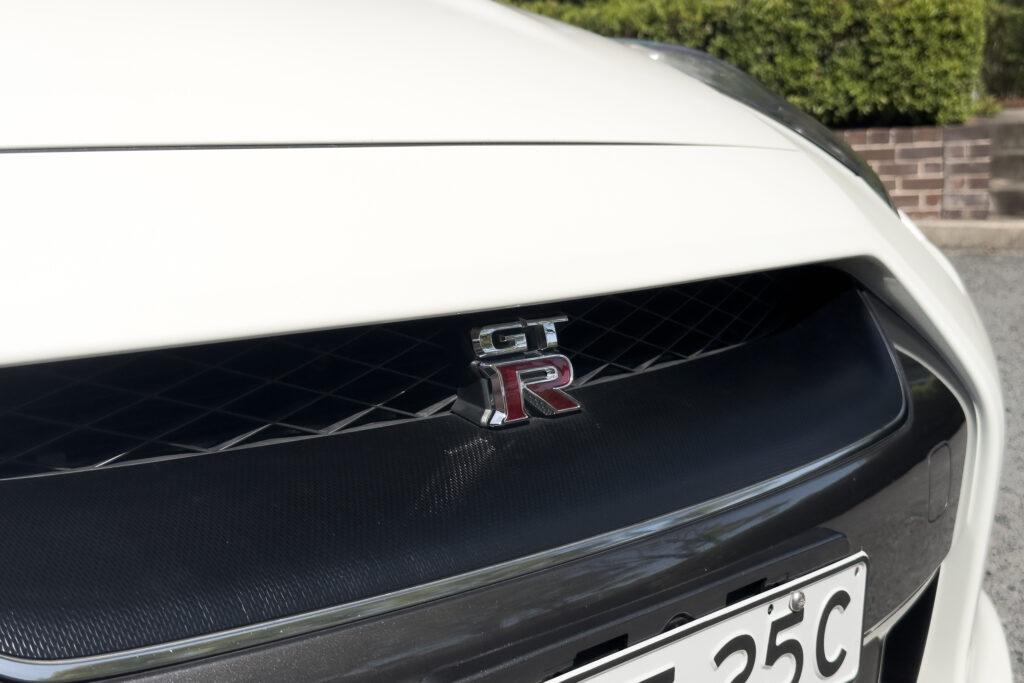
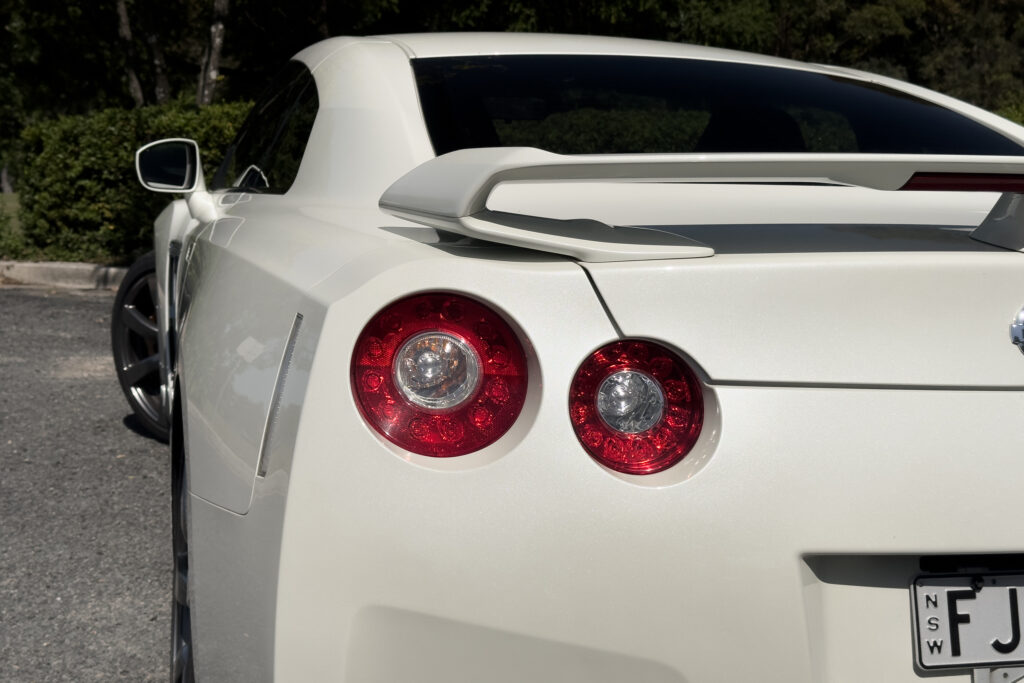
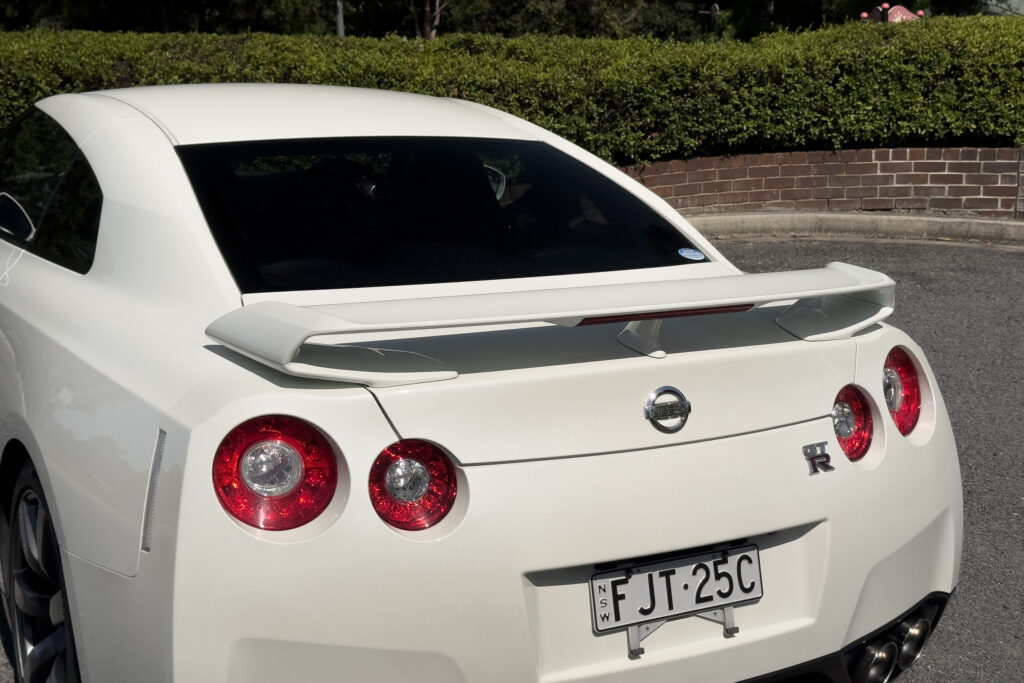
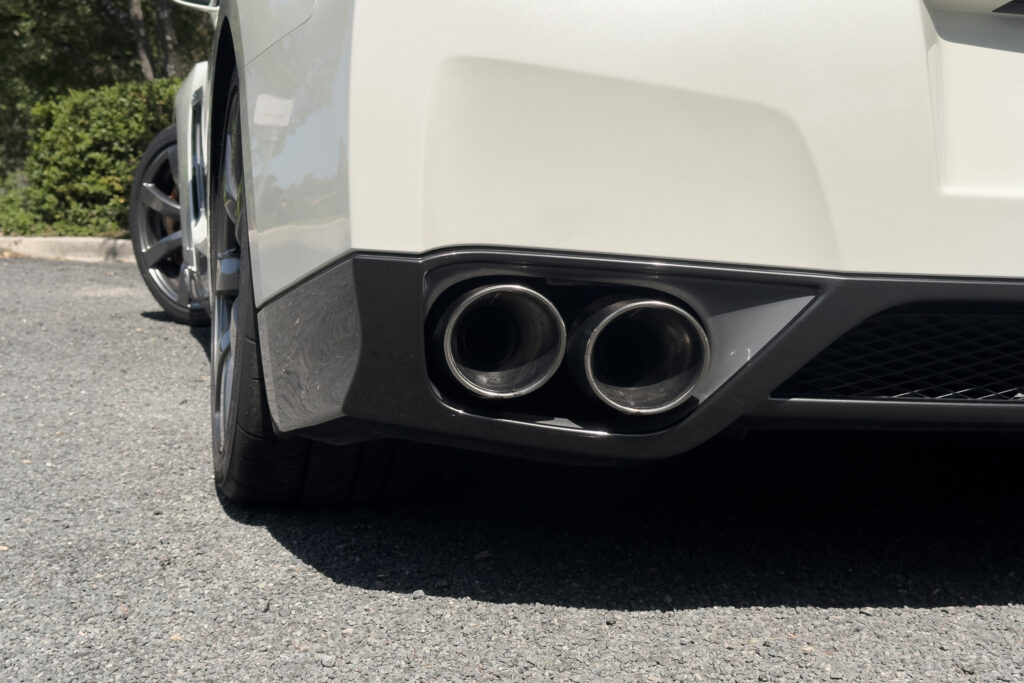
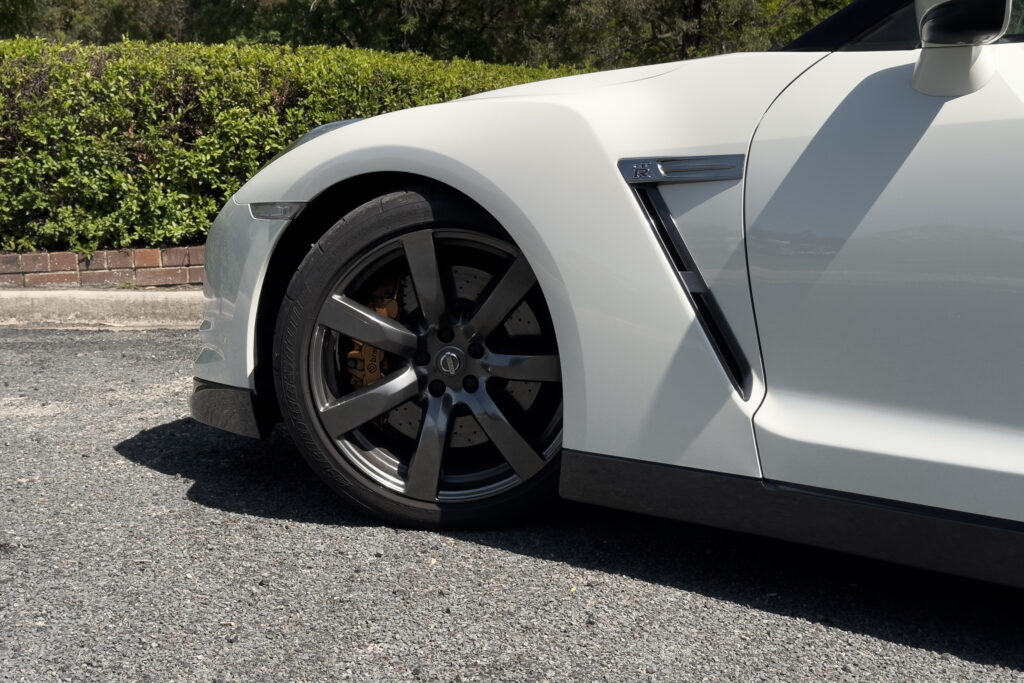

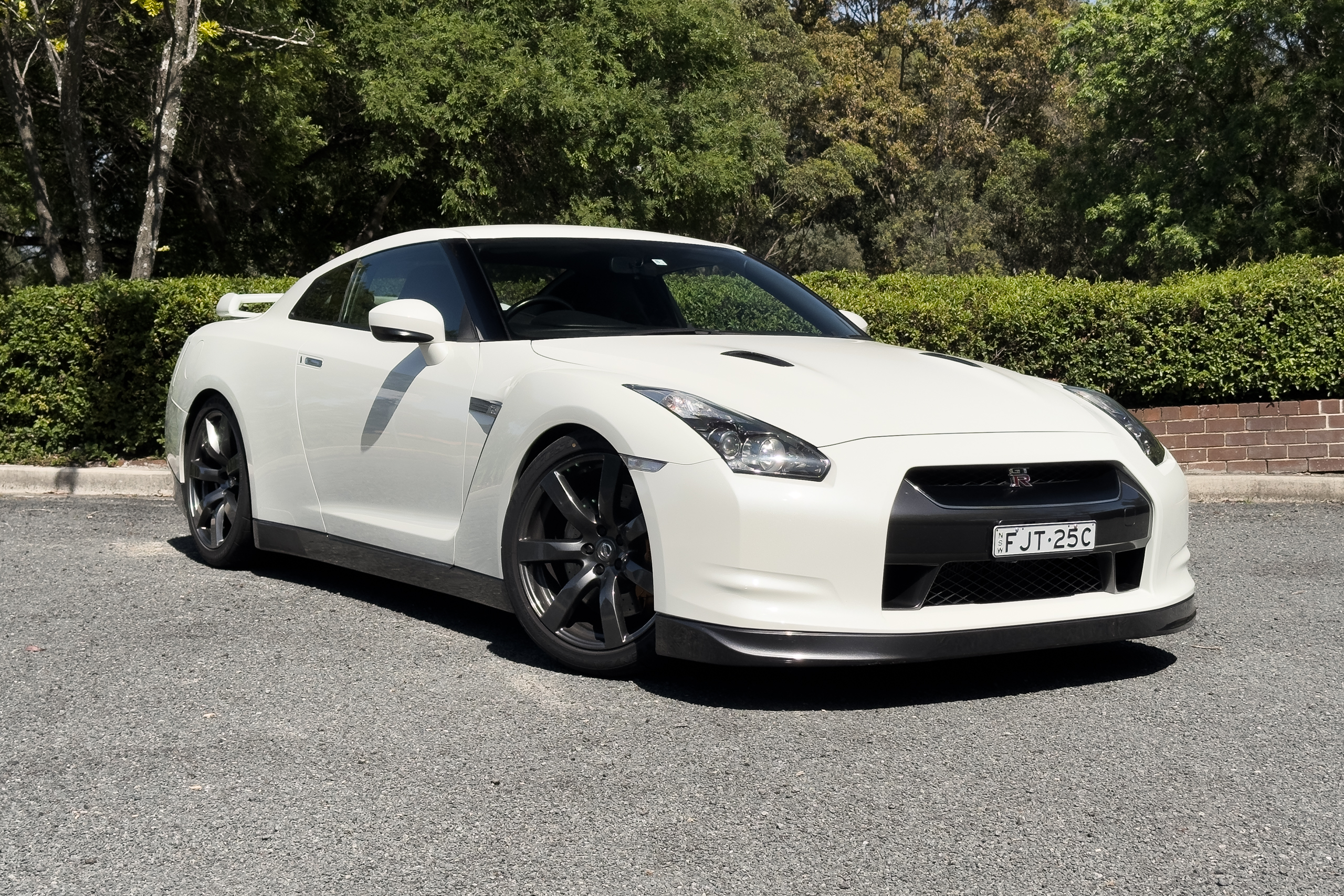
2008 R35 Nissan GTR Pure Edition

27 October 2024
Yes. But only the right example.

2008 R35 Nissan GTR Pure Edition

Used car review
27 October 2024
Available in Australia from 2009 (from 2007 via grey import) the giant-killing Nissan GT-R (R35) is powered by a 3.8L twin-turbo V6 (VR38DETT), delivering between 419 kW (562 hp) and 441 kW (591 hp) depending on the model year and variant.
Early models produced around 357 kW (478 hp), with power gradually increasing through various updates. It features a 6-speed dual-clutch transmission (DCT) that provides fast, precise shifts, contributing to the GT-R’s incredible 0-100 km/h times of under 3 seconds.
Each engine is hand-assembled by a “Takumi” master technician.
The GT-R features Nissan’s ATTESA E-TS AWD system, which dynamically shifts power between the front and rear wheels for maximum traction.
This AWD setup, combined with the car’s electronic suspension and chassis systems, delivers exceptional cornering grip and high-speed stability. The rear-biased torque distribution makes the car feel agile while retaining the benefit of AWD traction in all conditions.
The Australian market has seen several GT-R variants, including:
The GT-R was constantly improved during its lifecycle and has undergone several significant mid-cycle updates:
2011: (2007 to 2011 known as CBA) Power increased from 357 kW (478 hp) to 390 kW (523 hp), along with aerodynamic improvements and suspension tweaks.
2017 facelift (2011 to 2017 known as DBA): This update introduced sharper exterior styling with the V-motion grille, refreshed interior materials, and an increase in power to 419 kW (562 hp). The ride was refined for more comfort, while maintaining track capability.
2020 update (2017 to 2024 known as EBA): Introduction of the Nismo variant, featuring 441 kW (591 hp), lightweight carbon-fibre body components, and larger GT3-inspired turbochargers for enhanced track performance.
The Nismo variant is the top-tier performance version, designed with a focus on track use. Its 441 kW (591 hp) engine features larger turbochargers from Nissan’s GT3 race car. Other performance upgrades include carbon-ceramic brakes, lighter bodywork, and improved aerodynamics.
With 652 Nm of torque, the Nismo offers even more explosive acceleration and sharper handling, making it the choice for serious performance enthusiasts.
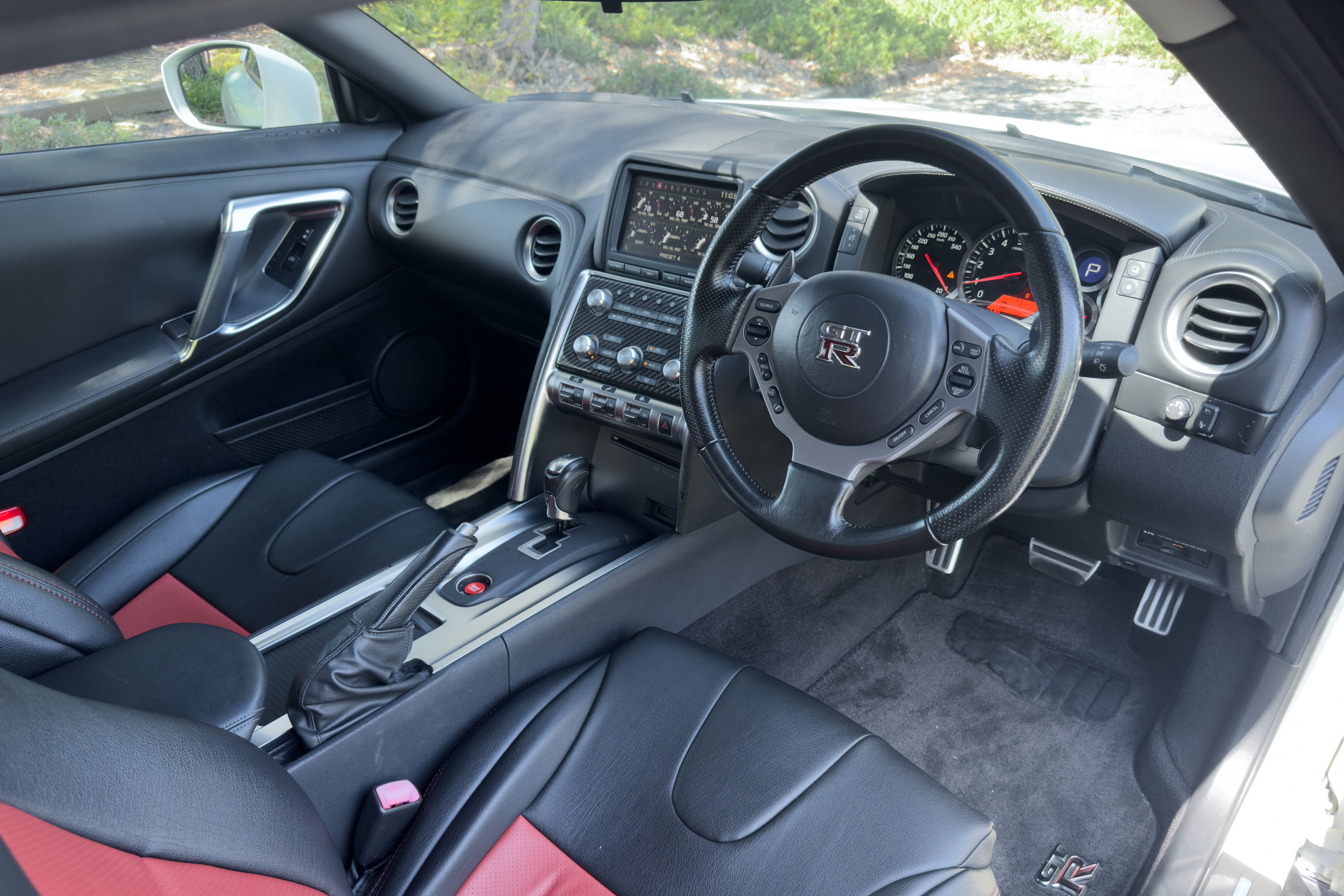
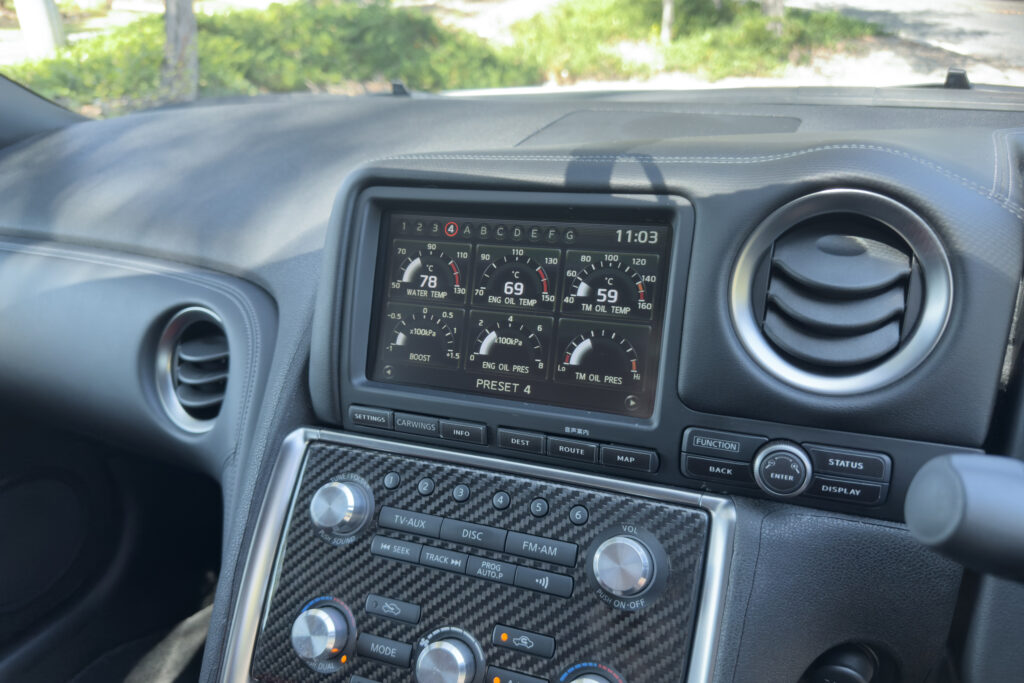
The GT-R balances performance with comfort. All models come with an 8-inch infotainment system that (in later models) supports Apple CarPlay, although Android Auto is generally not offered.
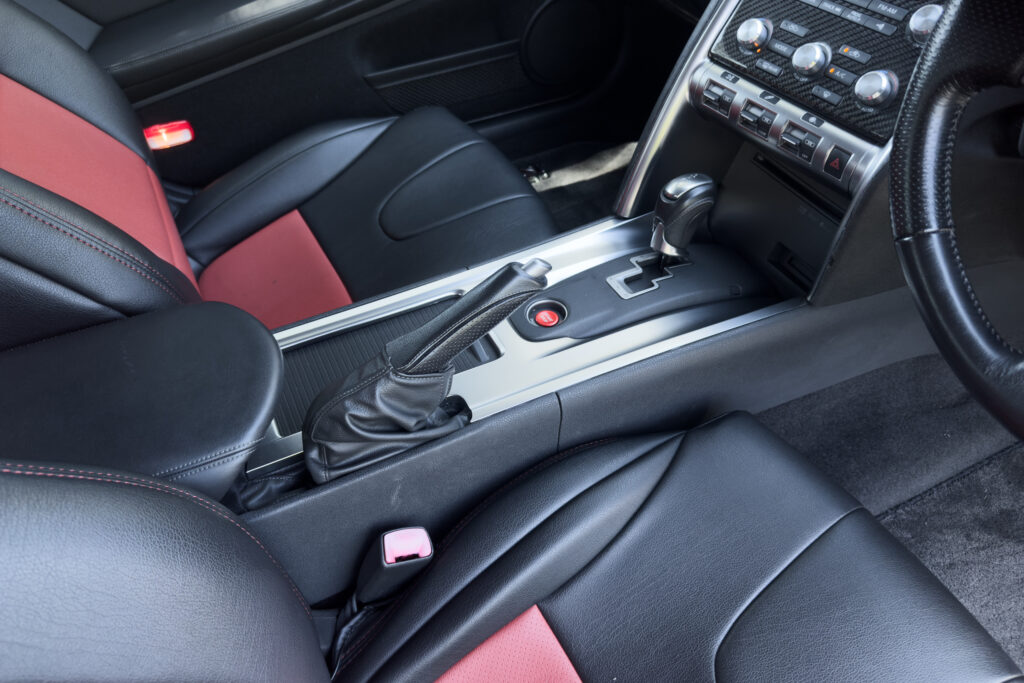
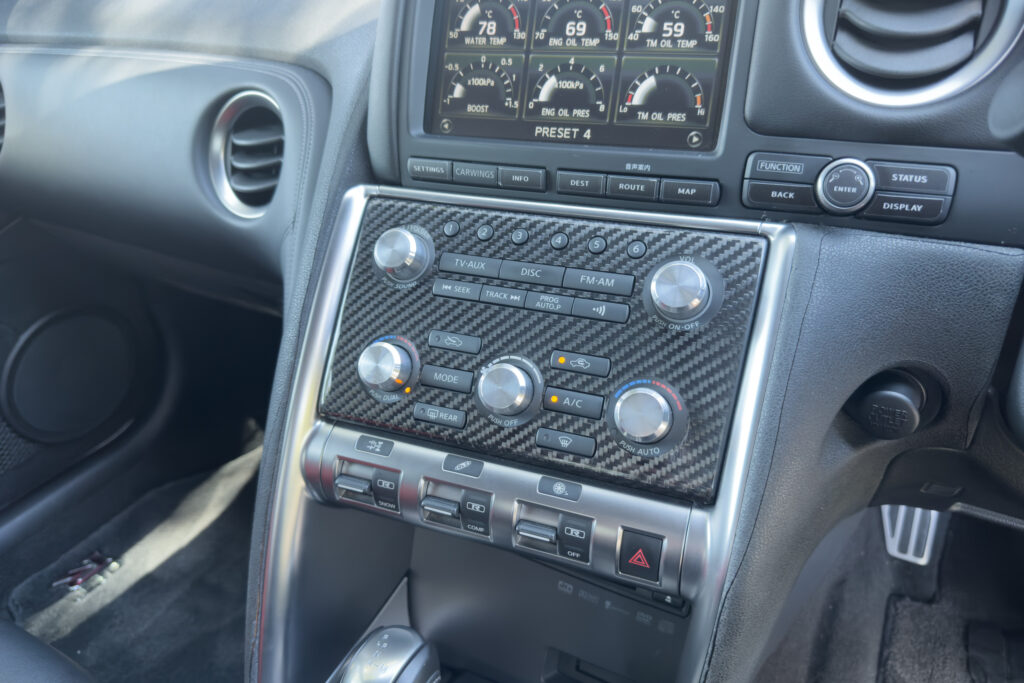
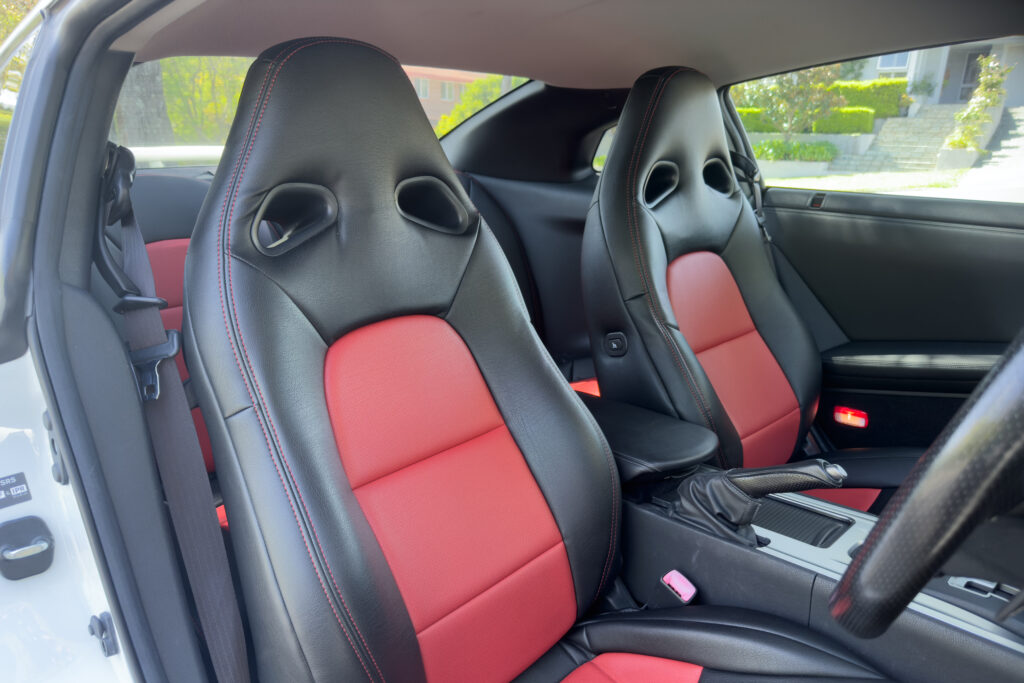
Higher trims such as the Track Edition and Nismo feature Recaro sports seats for enhanced support during spirited driving. The T-Spec edition (2021) offers unique interior materials and colour options for a more luxurious experience. Bose premium audio and dual-zone climate control are standard across the range, providing a blend of luxury in a performance-focused cabin.
The GT-R occupies a unique position in the market as a supercar with a more accessible price tag. It competes with high-end sports cars like the Porsche 911 Turbo, Audi R8, and Mercedes-AMG GT but undercuts them in price while offering comparable or better performance.
Tyres and brake pads may wear quickly, particularly under aggressive driving conditions. Nissan’s 3-year, 100,000 km warranty applies to new models, but wear-and-tear parts, especially on high-performance variants like the Nismo, will incur higher running costs.
Exterior:
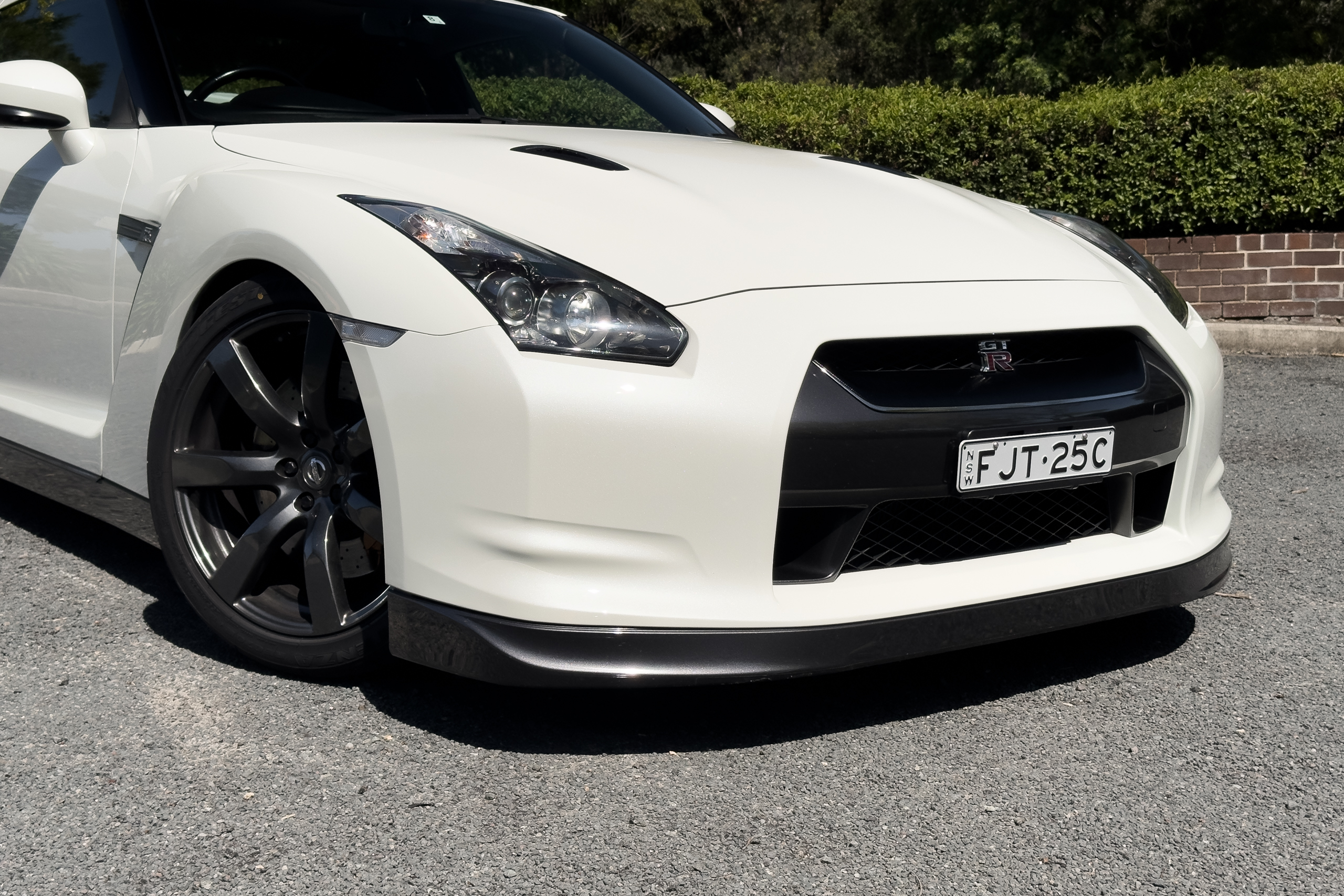
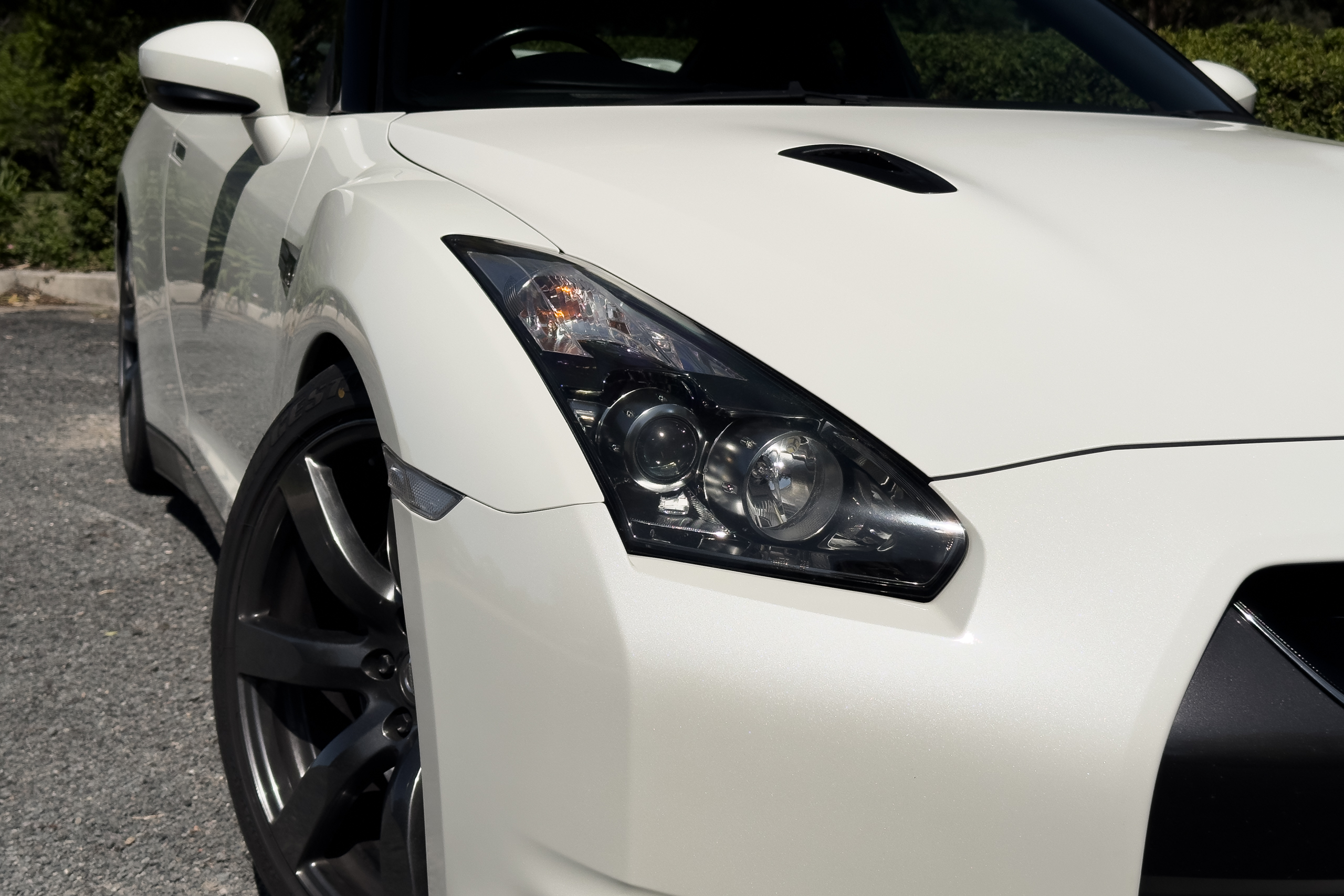
Early models of the R35 Nissan GT-R were known for having thin paint, with newer versions addressing this to some extent. However, darker paint colours still tend to be soft and are prone to stone chipping.
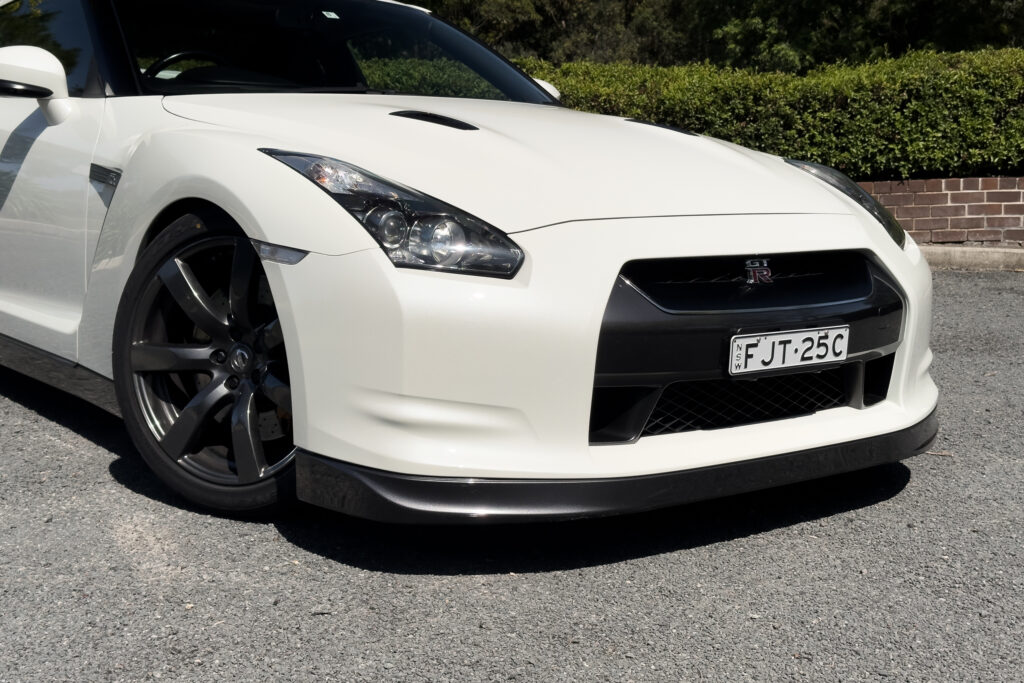
Pay particular attention to the rear wheel arches, which are highly susceptible to stone chips. Look for any signs of cheap or poorly executed paint repairs.
Early GT-Rs can suffer from corrosion around critical areas, particularly where the A-pillar meets the top edge of the door and the bottom of the mirrors. The aluminium doors can develop oxidation, causing paint to bubble.
It’s also common to find corrosion or paint bubbling along the bottom and top edges of the doors, where factory robots may have worn down the galvanising. Check the boot lid for similar issues. While Nissan addressed some of these problems under warranty, many older models may no longer be covered.
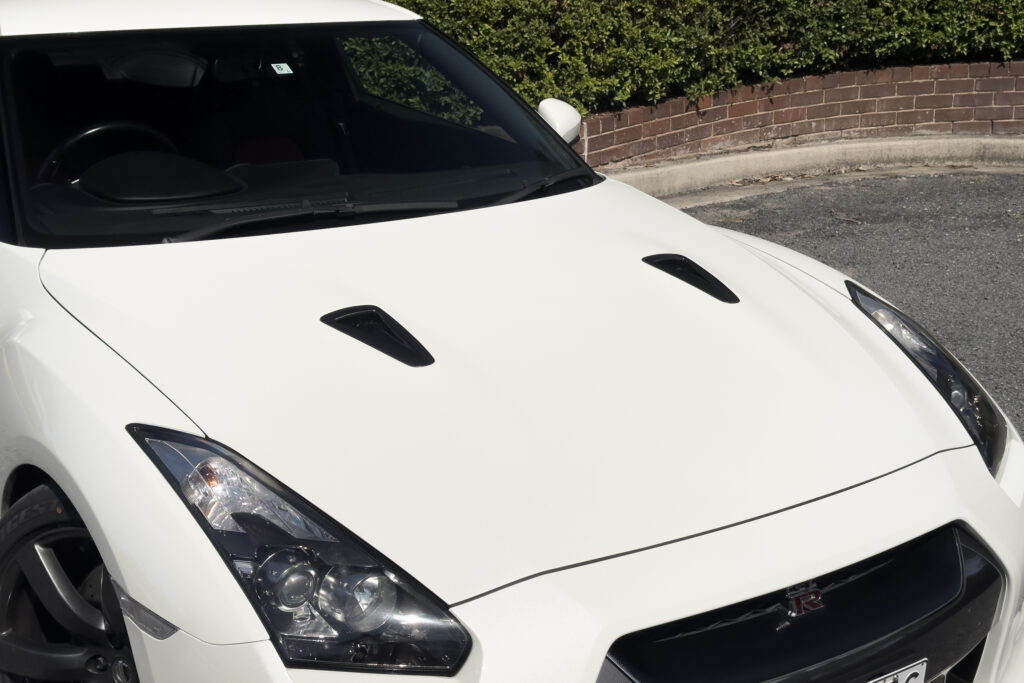
Early models may show condensation inside the headlights, which might not affect performance but can be unsightly. The only real solution for this issue is replacing the entire headlight unit, which can be costly.
Electric folding mirrors can sometimes fail, and replacing the entire mirror assembly can be expensive. The undertray is also prone to damage from speed bumps, so it’s wise to inspect this area during a pre-purchase inspection. Given the GT-R’s performance focus, a full mechanical inspection is crucial.
Check for uneven tyre wear, particularly on the inside edges, as this can indicate suspension alignment or aggressive driving. Always ensure premium tyres are fitted, as cheap ones suggest cost-cutting.
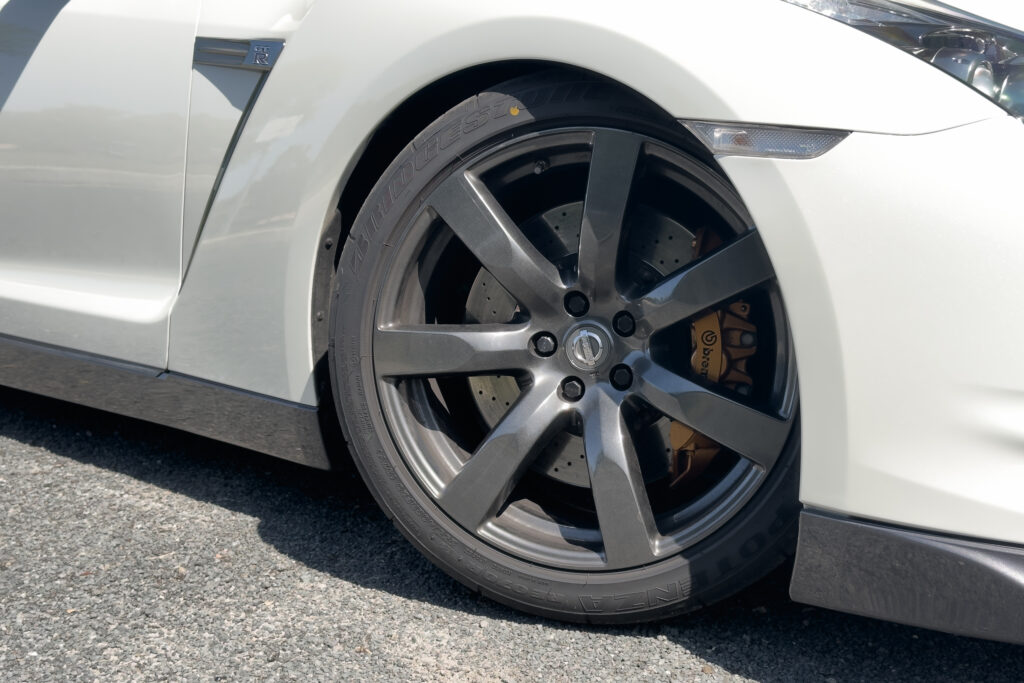
The early models feature drilled Brembo brakes, which are prone to cracking under heavy use. Inspect for any cracks, and if the car has aftermarket brake upgrades, ensure they are high-quality products.
As these cars age, the suspension—especially the rear struts—can start to wear out. Many owners upgrade to aftermarket coilovers, which not only replace aging parts but often improve ride comfort and handling.
Early suspension setups were criticised for being overly stiff for everyday driving, a point that aftermarket parts often resolve.
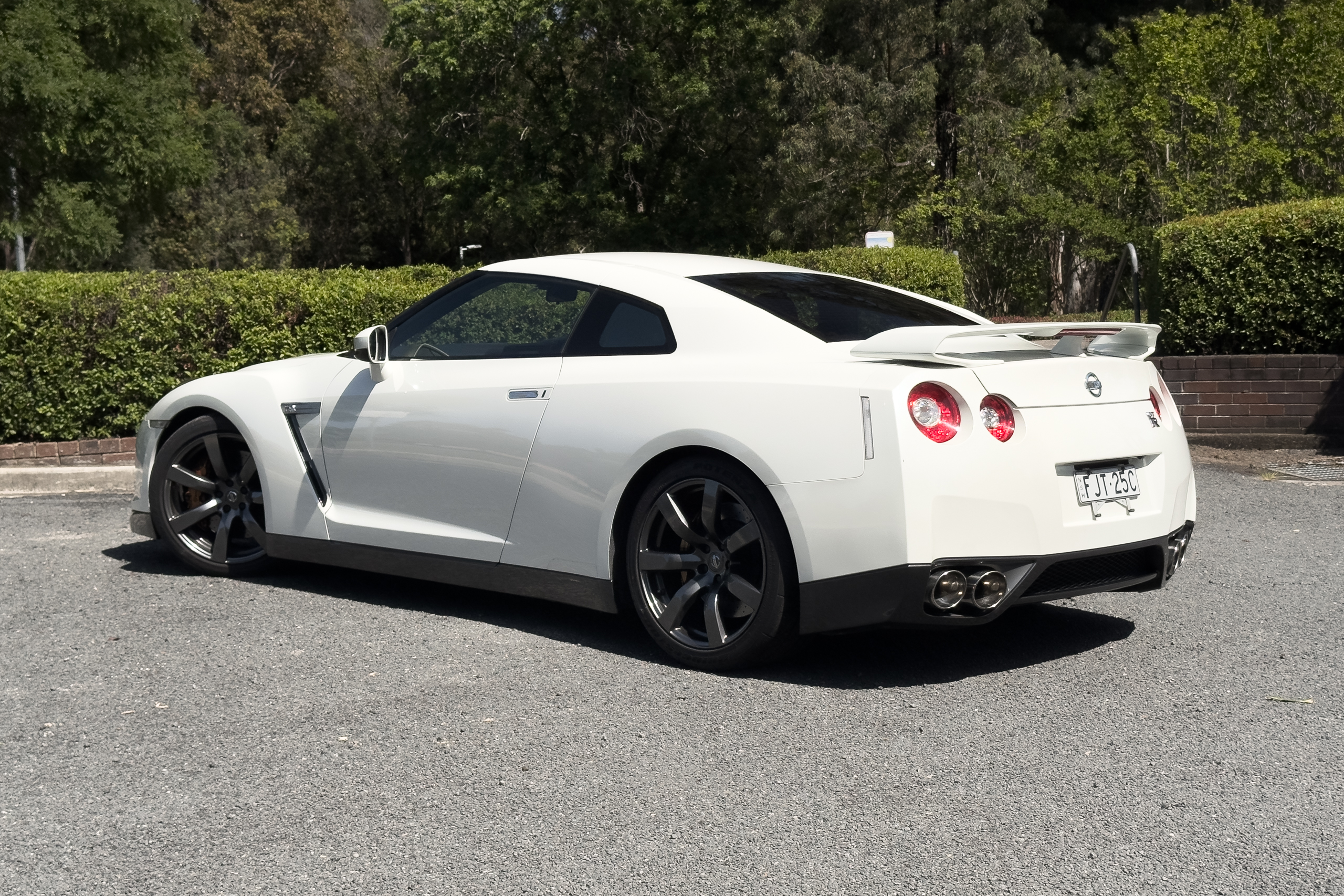
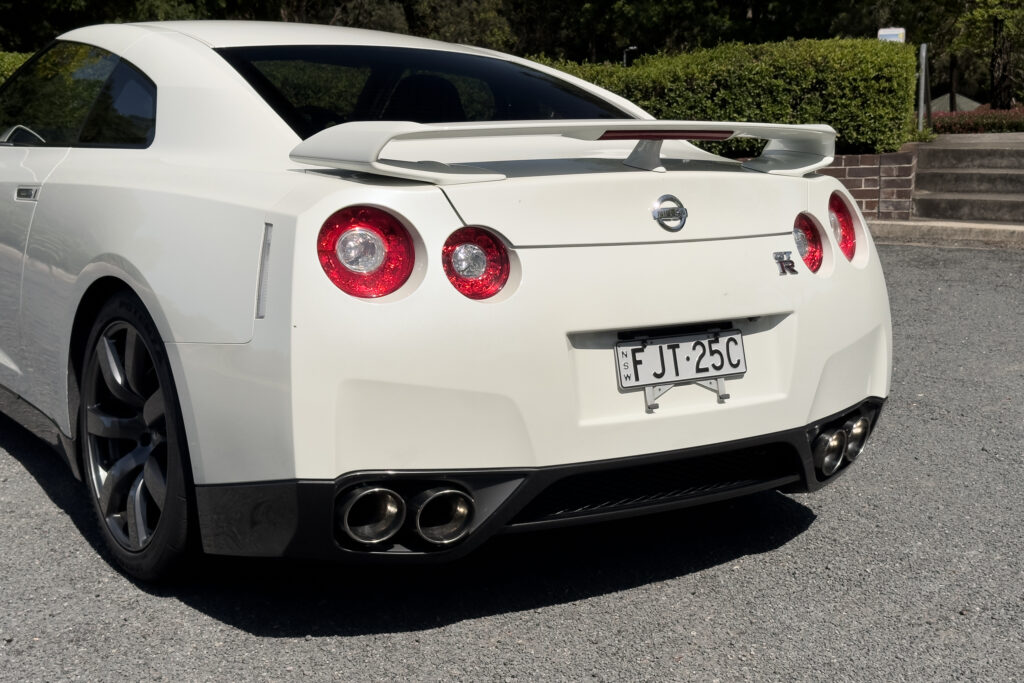
Check the back of the car for signs of staining from the car running rich. This can indicate the car has been tuned or modified, and may have had the catalytic converters removed. Be cautious of cars that have been tuned and returned to stock, as they may have hidden issues.
Interior:
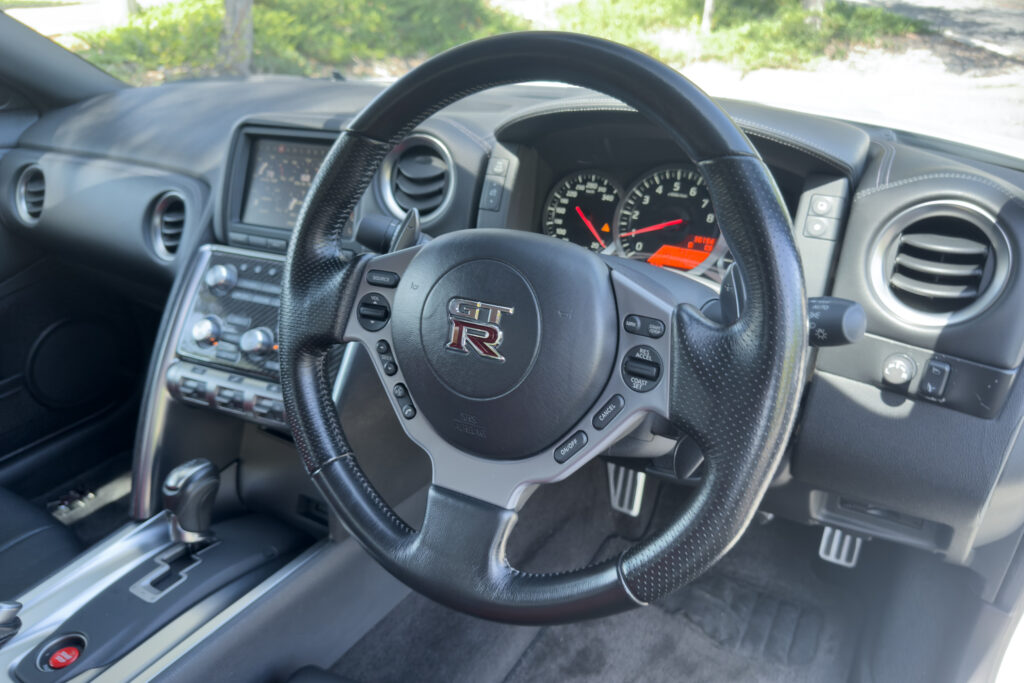
The GT-R’s key fob is expensive to replace, with owners reporting costs of around $1,000 for a new key with recoding. Ensure both keys are provided during purchase.
Pre-2016 models are known for issues with the stereo controls, particularly the volume knob working sporadically. This could be as simple as cleaning the contacts behind the button, but replacing the entire unit is expensive.
Early infotainment screens also have issues such as flickering, turning black or blue, and being slow to respond. Fixing the screen can cost upwards of $1,000, and replacing the entire unit is even more costly, with a post-2016 upgrade costing around $4,000.
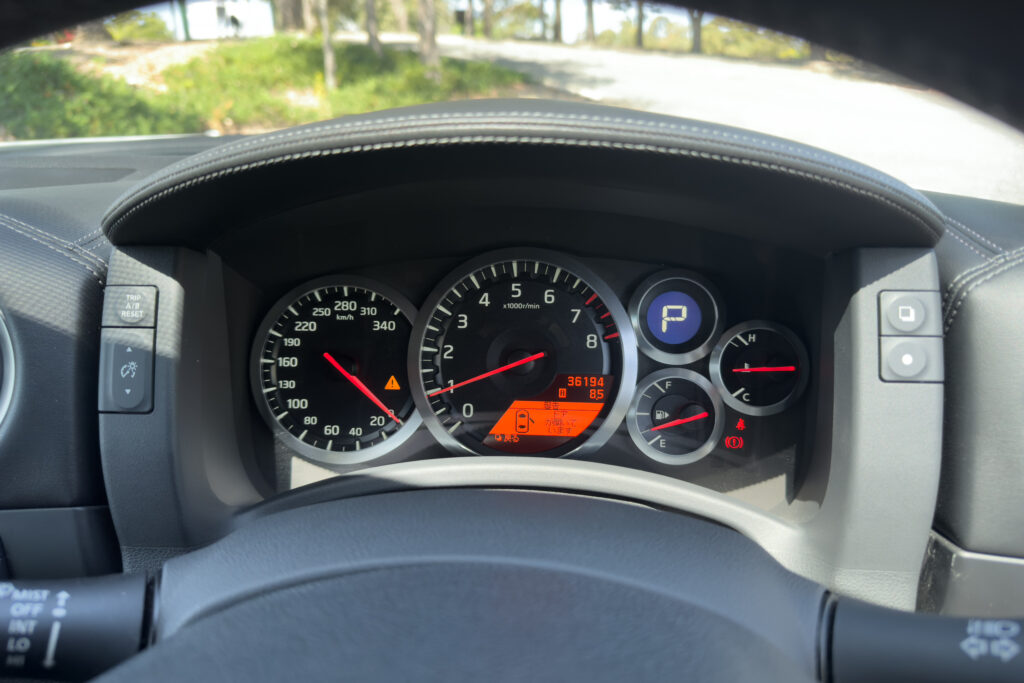
The LED lighting on the gauge cluster and control panels can fail, including the lights for suspension, transmission, and traction control. While not hugely expensive, they can be a hassle to fix.
Door speakers in early models can fail, often causing rattling or poor sound quality. This is especially noticeable when playing bass-heavy music.
One of the more unfortunate issues with early models is dashboard cracking. Replacing the dashboard can cost around $4,500, but many owners opt to have the dash reupholstered, often upgrading to a leather finish.
The plastic trim on early models can become brittle over time, and the silver trim is prone to scratching. This varies by model year and overall condition, but it’s something to keep in mind, especially for collectors who value originality.
Mechanically:
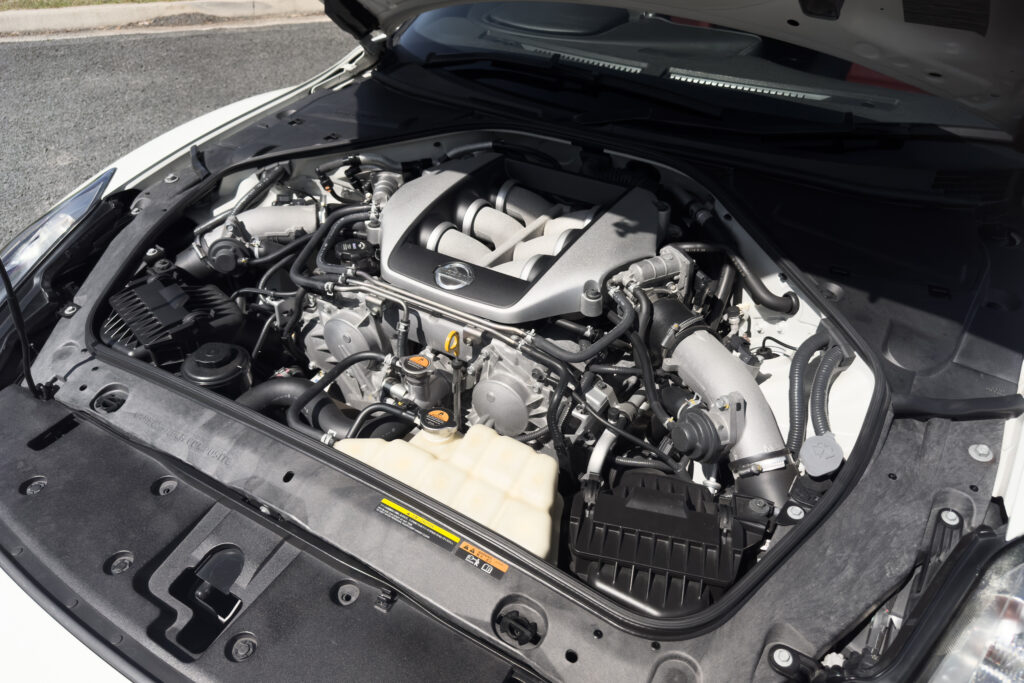
In standard or mildly tuned form, the GT-R’s VR38DETT engine is incredibly robust, provided it has been well-maintained. Common failure points like coil packs and water pumps, seen on other cars, are less of a concern here. The water pump is internal, driven by the timing chain, and built to last.
On early models, typical age-related wear starts to appear, including fatigued electrical connections and coolant fittings. Some cars may experience minor turbo seal issues, though these are uncommon. Oil leaks from the timing cover and sump are more common but are not usually a cause for major concern.
Pre-2011 models tend to have more transmission issues, such as misshifts or problems with odd or even gears. Often, this is caused by worn shift actuators, which can be repaired without removing the transmission.
TSB clips (valve body clips) can be installed to align the magnetic sensor, fixing misshifts. Transmission Control Module (TCM) updates can further improve performance.
The front drive system (ETS) clutches can wear out on cars that have seen track use or multiple hard launches, reducing torque to the front wheels. Additionally, bell housing noise, caused by a bearing rattle at idle, is a common issue but generally doesn’t lead to catastrophic failure.
The Brembo brakes wear quickly and are expensive to replace. Factory cross-drilled rotors are prone to cracking under heavy use, so many owners upgrade to high-quality aftermarket rotors like AP or Alcon. Front lower control arm bushings wear prematurely as well, but this is typical for performance cars of this calibre.
Many GT-Rs have been modified for extra power, and while the VR38DETT engine is capable of handling significant upgrades, increased horsepower can strain other components.
Be cautious of tuned cars, and ensure any modifications have been done by reputable tuners with supporting service records. Service history is critical, and a thorough pre-purchase inspection is essential for peace of mind.
When test driving, perform full-lock turns to check for front-end juddering or wheel hop, as rear wheel hop is normal. Ensure all gears, including reverse, engage smoothly. If the gear indicator flashes or skips gears, walk away.
Early models were known for their firm suspension setup, which some drivers found too harsh for daily use. However, aftermarket coilovers can dramatically improve ride comfort without sacrificing performance.
Many owners believe that the raw, mechanical noises of the early models add to the car’s character, rather than detracting from it.
The GT-R’s performance capabilities far exceed what can legally be tested on Australian roads, and its firm suspension can make it feel overkill for typical driving conditions.
Nonetheless, for those who can appreciate the GT-R’s abilities, it offers one of the most thrilling driving experiences available, despite the local road rules limiting its potential.
Here’s why we think you should seriously consider buying an R35 Nissan GT-R over many other alternatives: not only does its performance remain exceptional, but it’s also surprisingly practical.
As long as it has been meticulously maintained and comes with a flawless ownership history, the GT-R has proven to be impressively reliable. We especially appreciate its no-nonsense attitude—there’s no flashy pretence, yet it still manages to outperform and embarrass cars with far more prestigious badges.
Another significant point is its remarkable ability to hold its value. While many European brands experience depreciation nightmares, the GT-R retains its worth to a degree that many luxury automakers can only dream of.
In fact, you could compare the GT-R to a classic Seiko watch: it delivers build quality that matches (or even surpasses) many European competitors, consistently outperforms flashier brands, and is tough as nails.
It has a real motorsport pedigree without relying on a facade of brand prestige or marketing hype. It’s no wonder we love it—it’s the perfect blend of substance over style.


Co-creator, presenter & writer, ReDriven

Yes. But only the right example.
 3 weeks ago
 3 weeks ago
 1 month ago