Australia’s No. 1 Used Car Review Website
Australia’s No. 1 Used Car Review Website
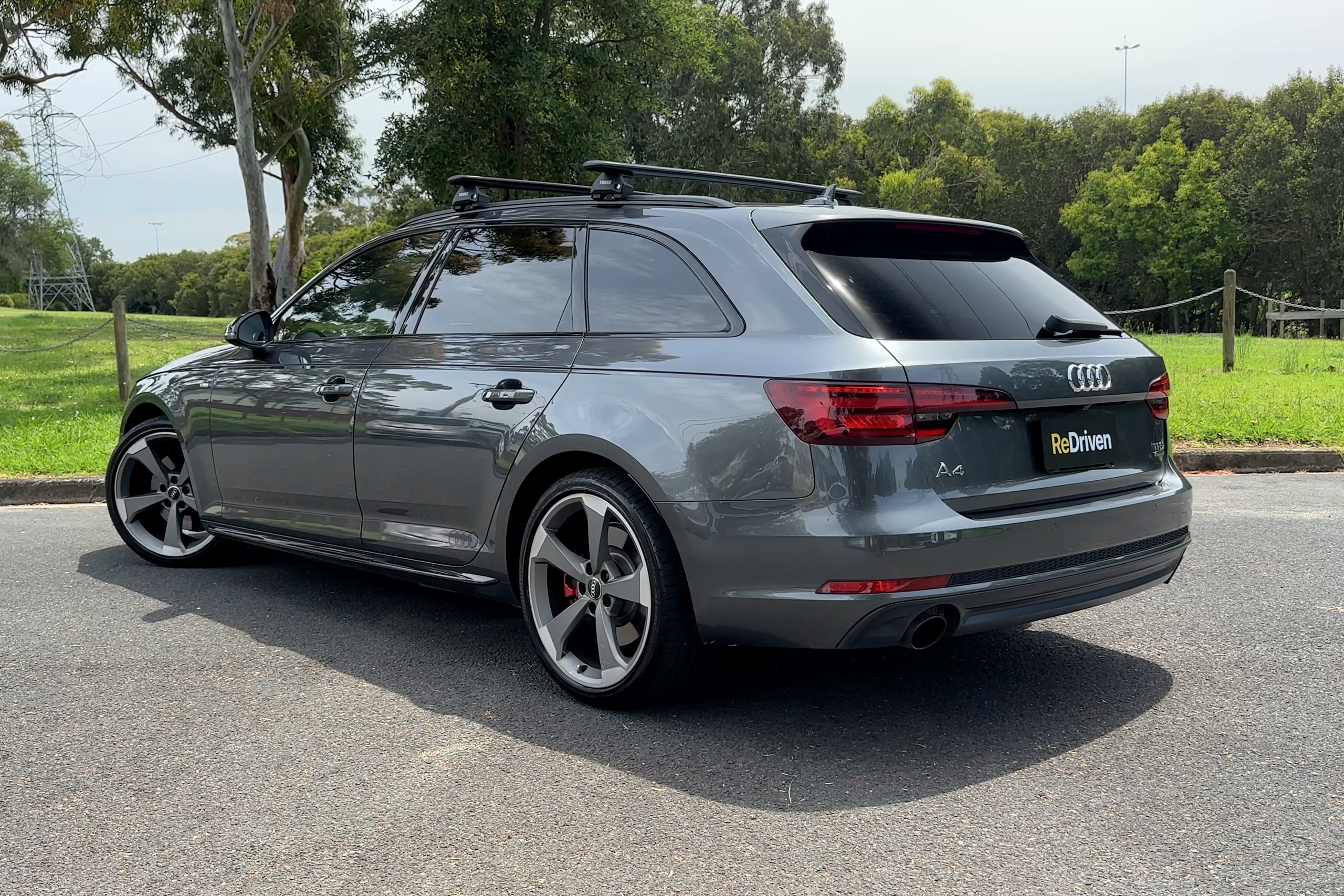
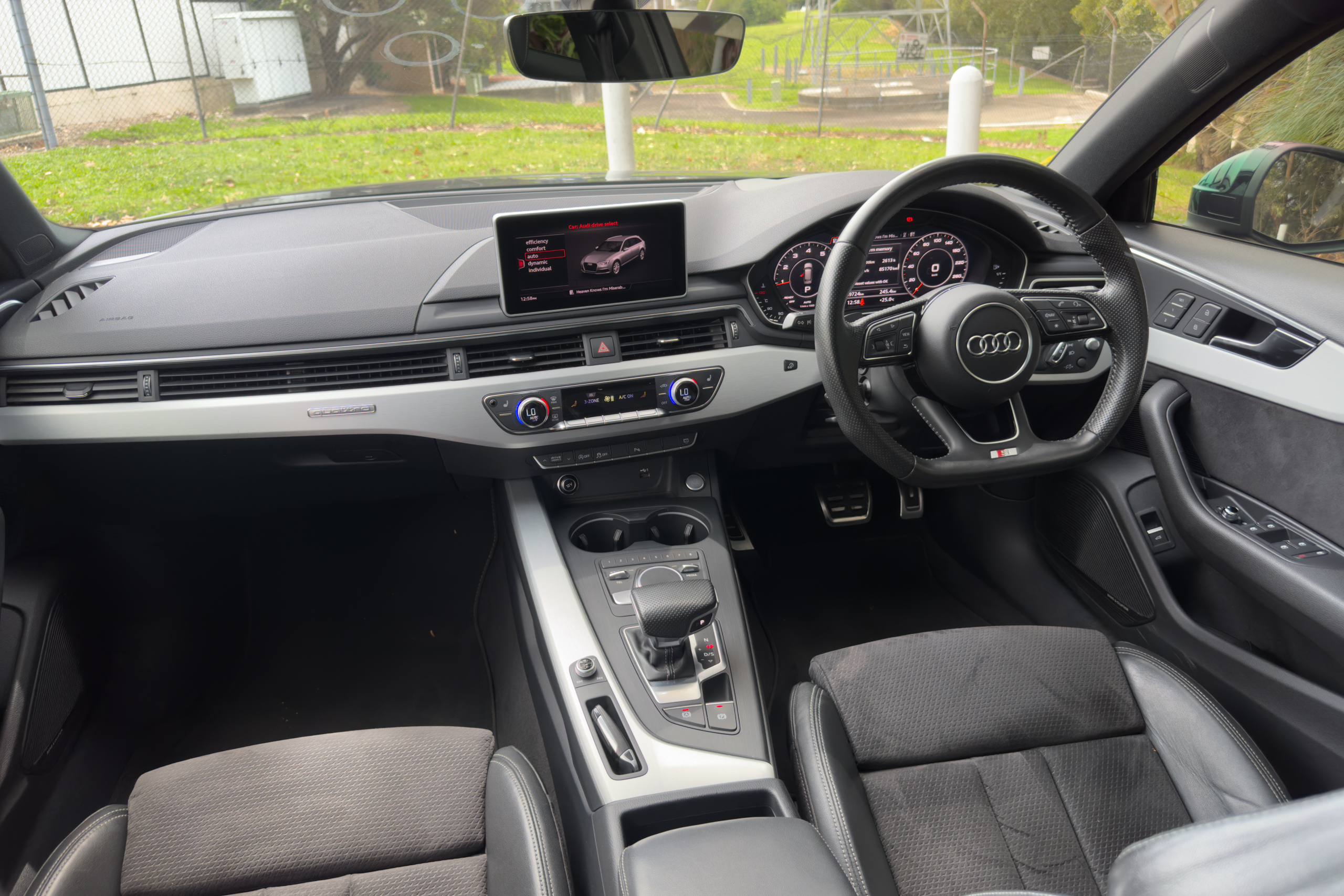
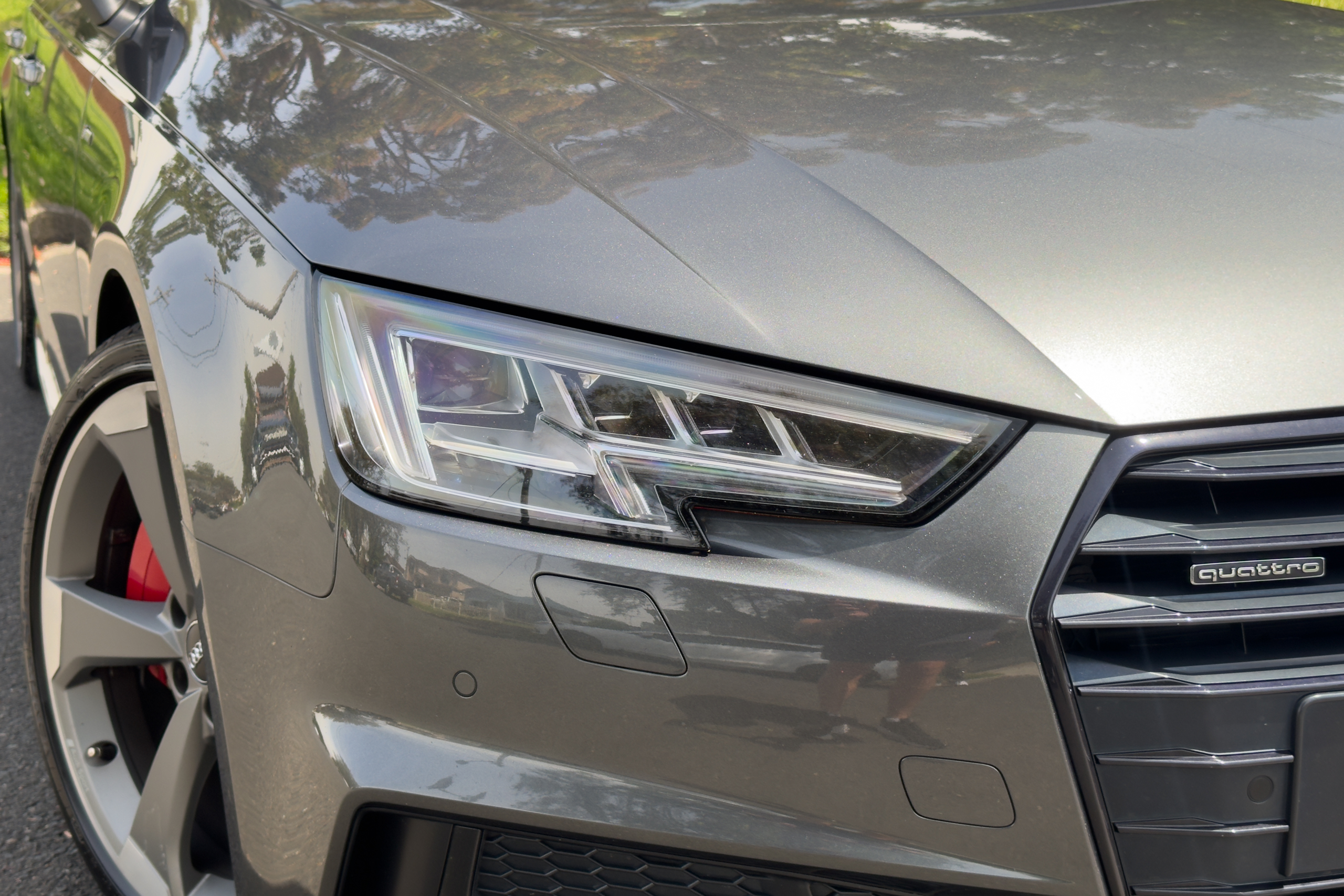
+13 Photos
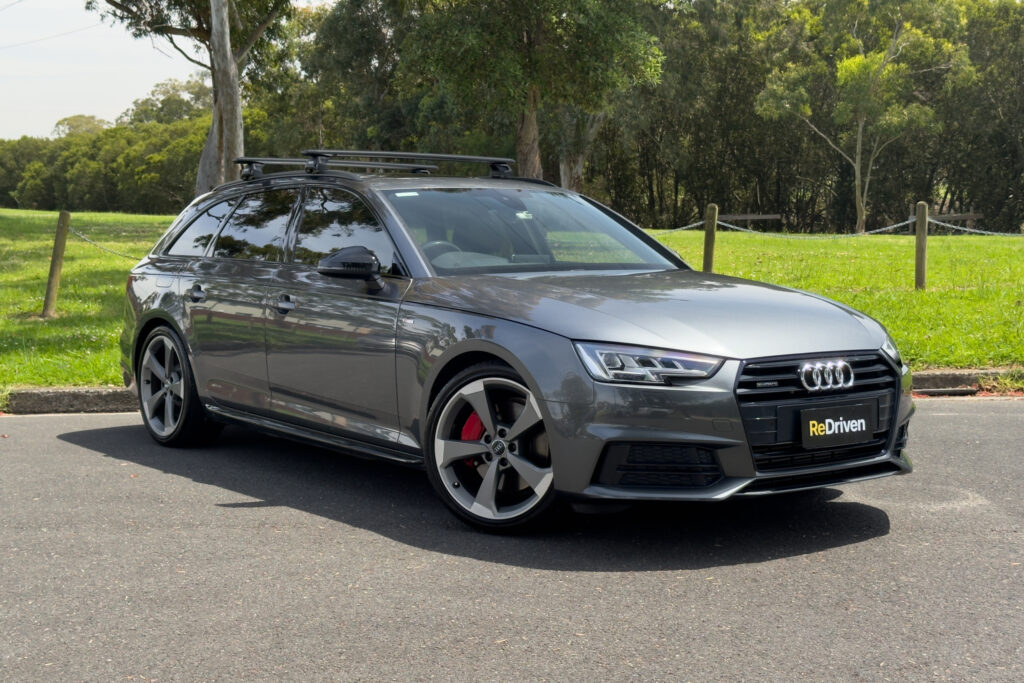
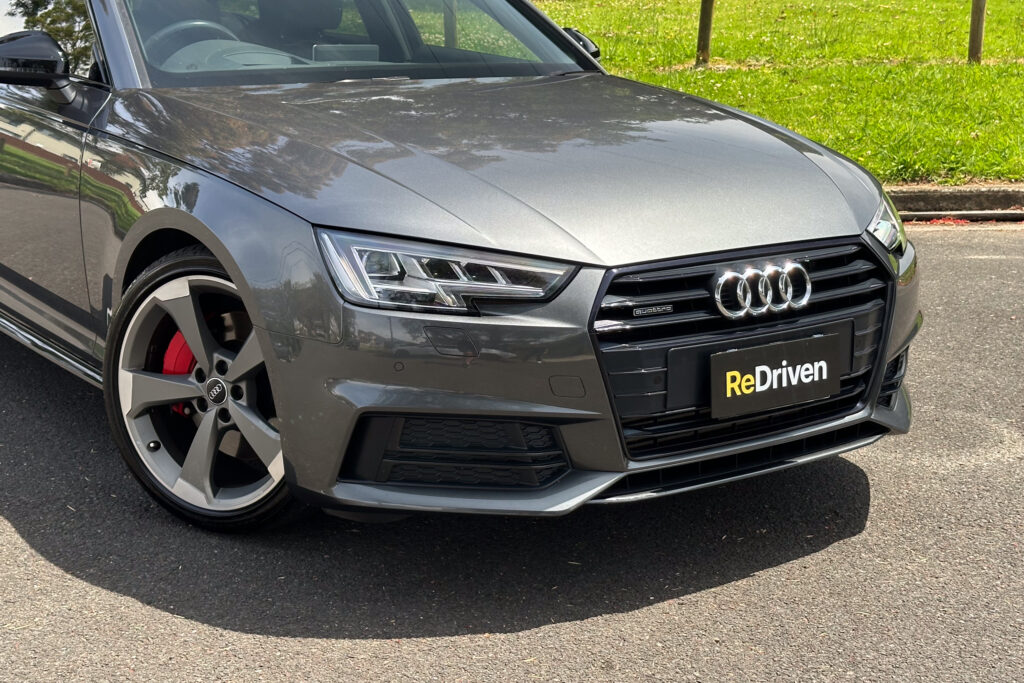
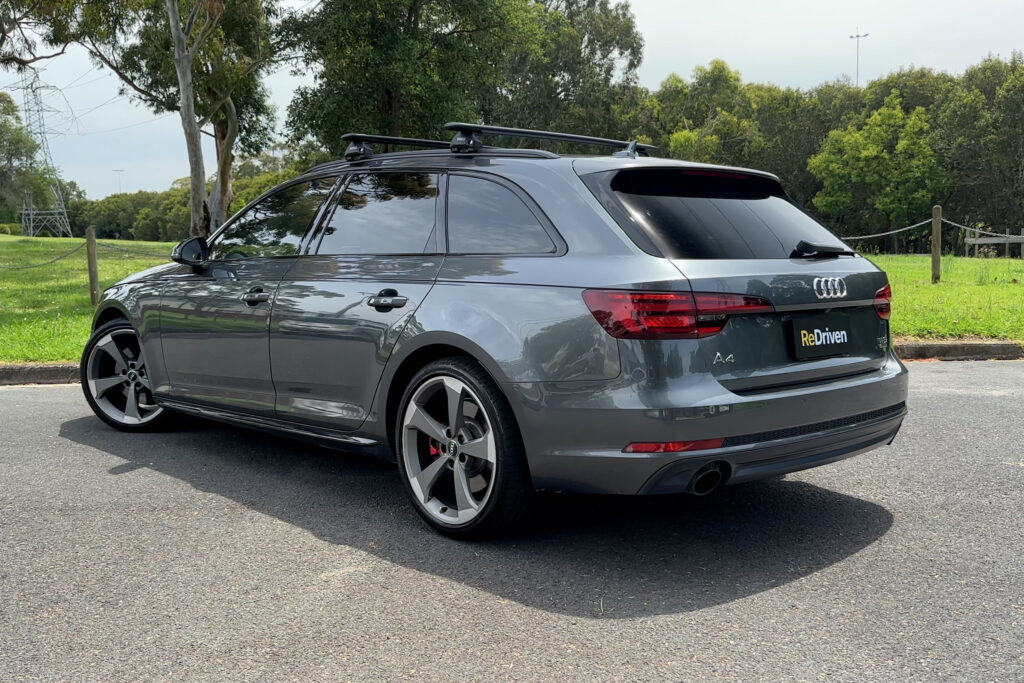
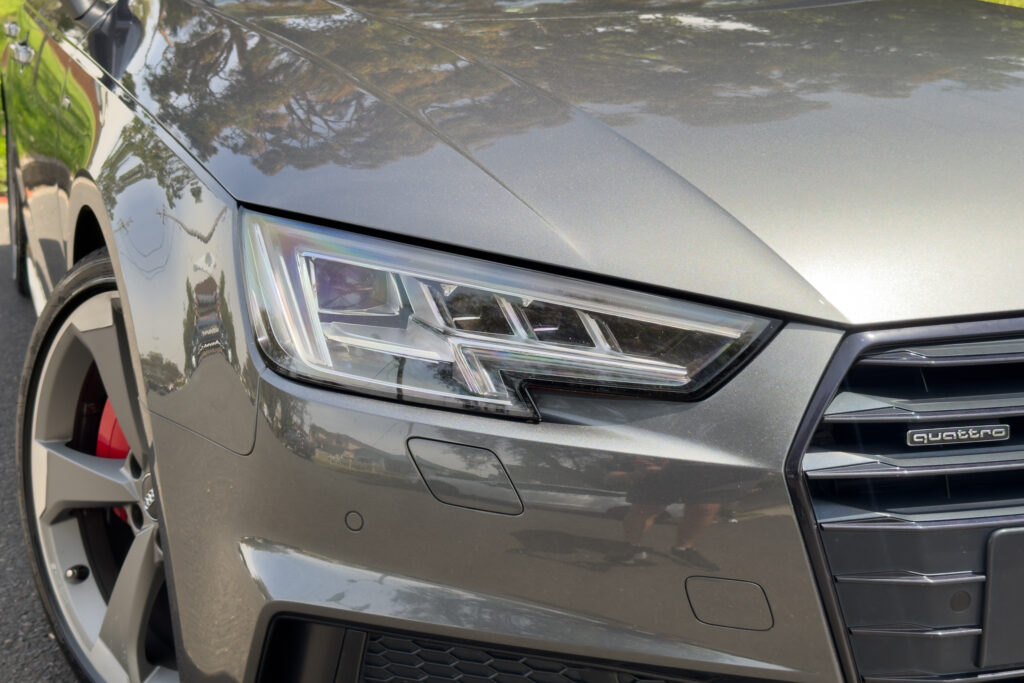
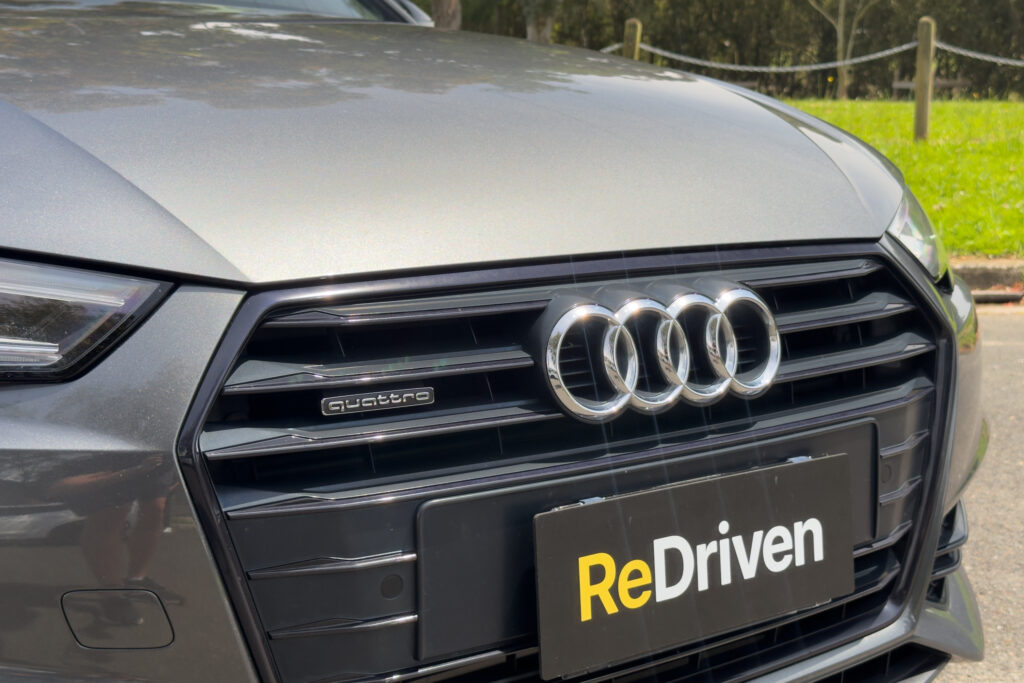
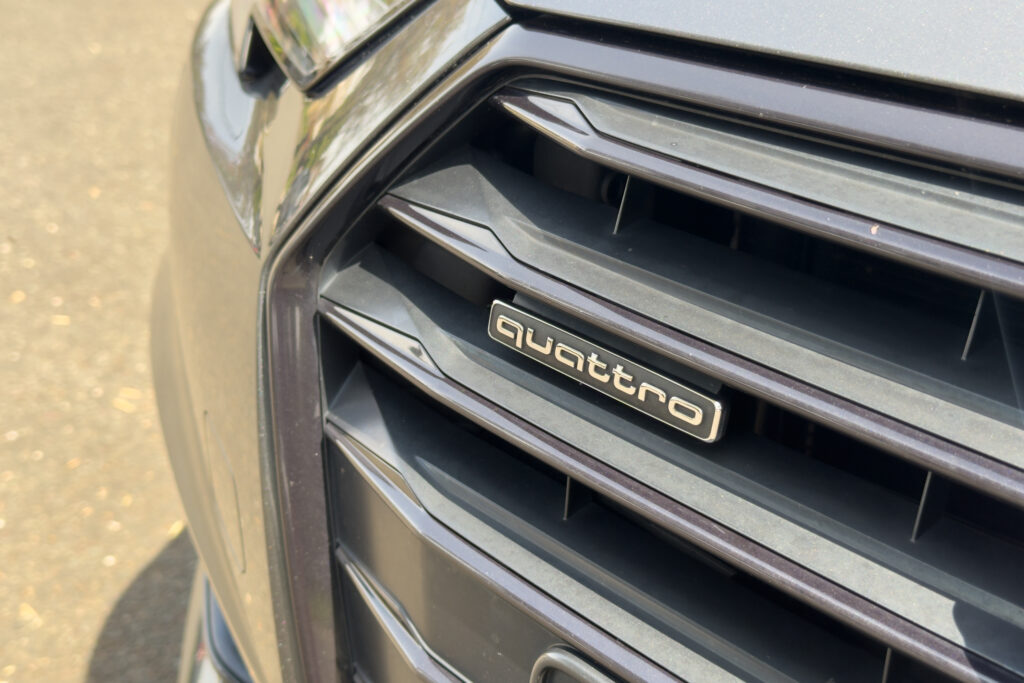
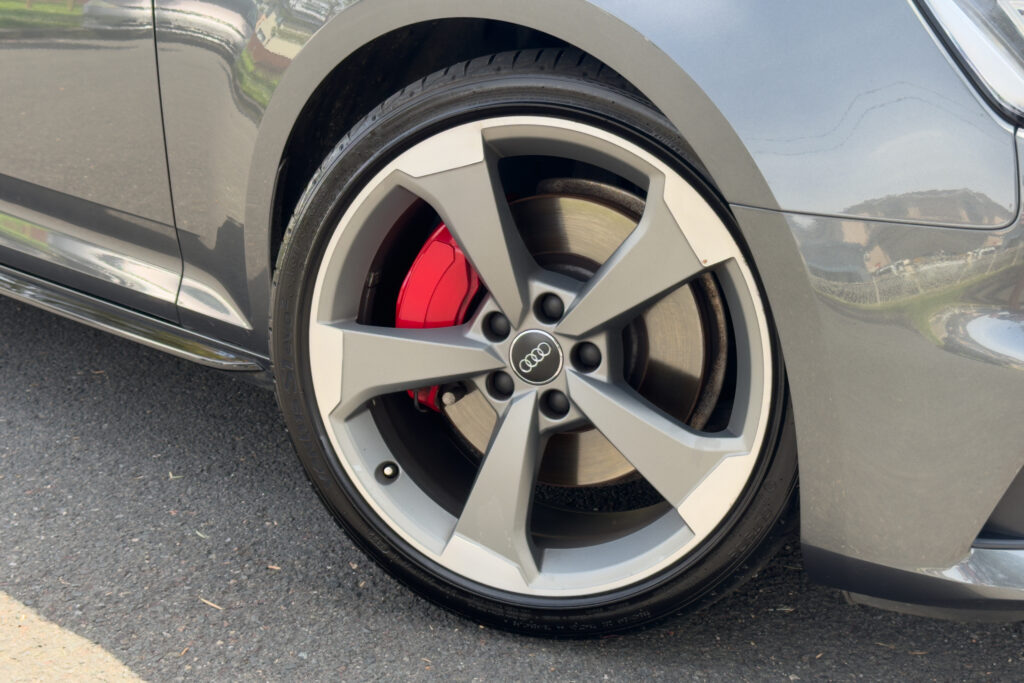
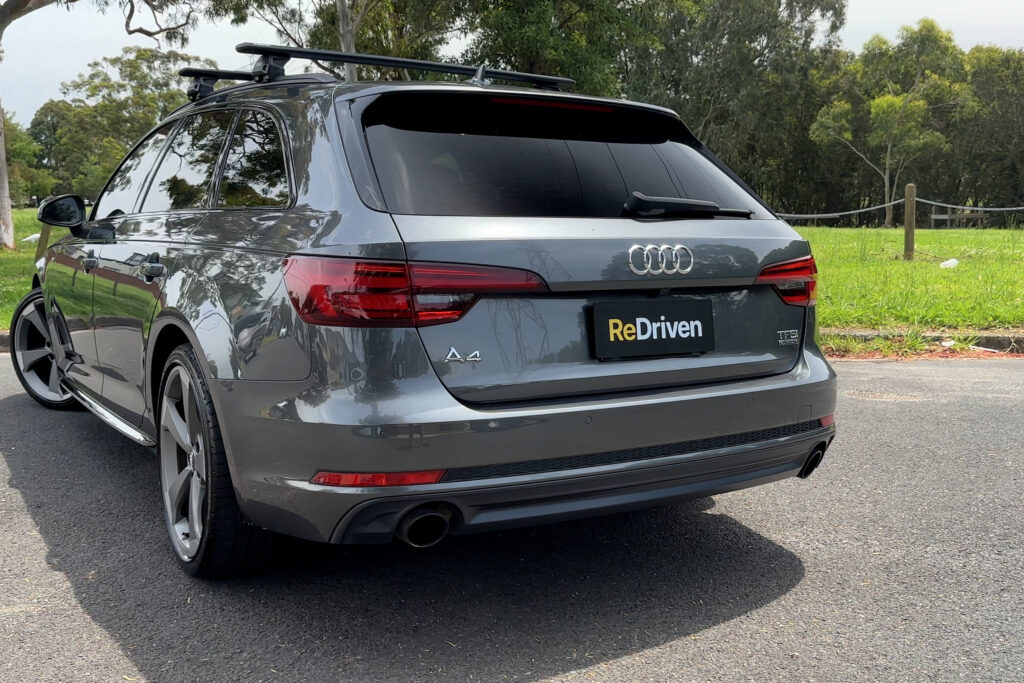
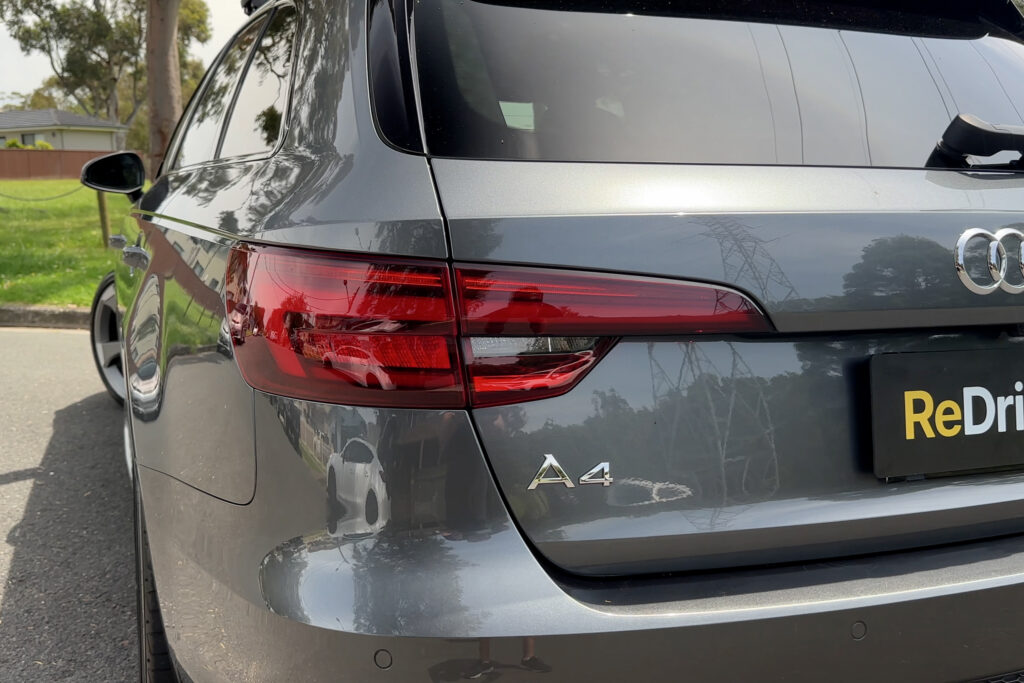
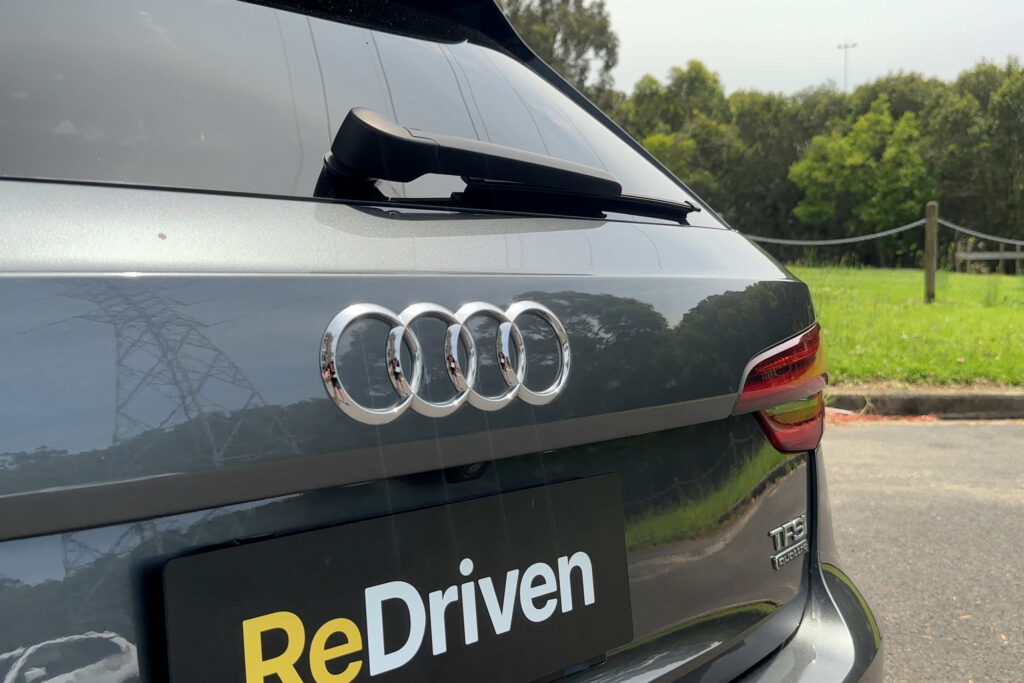
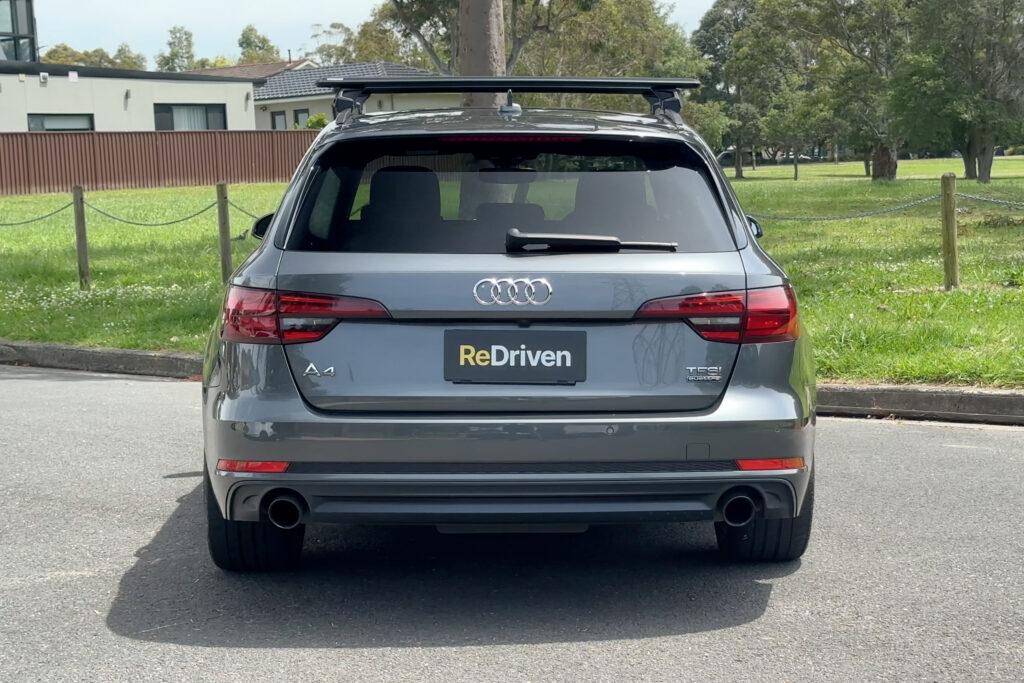

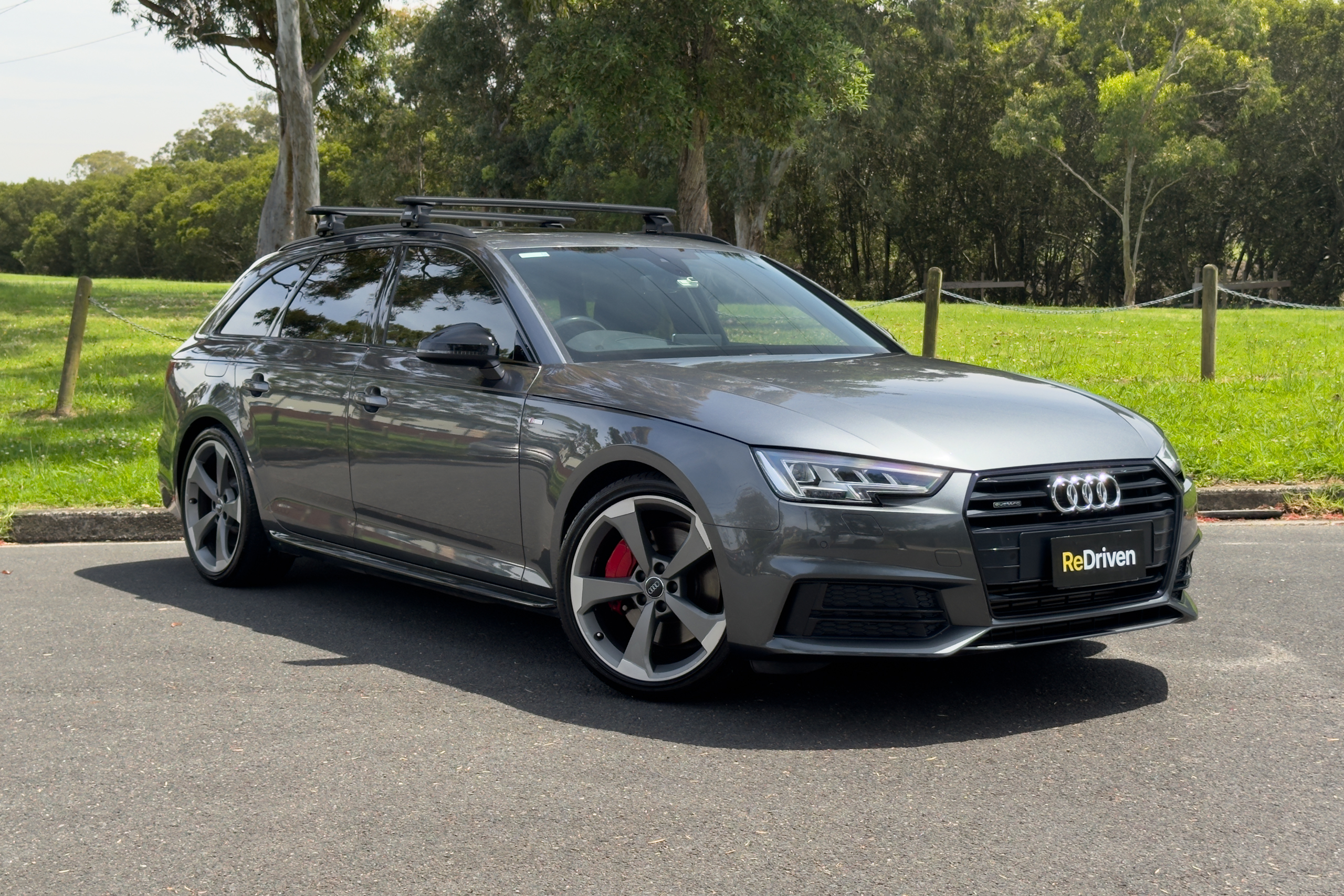
2018 Audi A4 Avant Quattro Black Edition

08 November 2024
There are better cars out there.

2018 Audi A4 Avant Quattro Black Edition

Used car review
08 November 2024
The 2016 to 2024 B9 Audi A4 is available in sedan and Avant (wagon) body styles, as well as a raised, SUV-like variant called the Allroad.
At the top of the range sit the S4 and RS4 models, both designed with high-performance tuning and exceptional capabilities. While these models offer exciting firepower, they deserve their own cheat sheet; however, even the standard A4 models can pack an impressive punch.
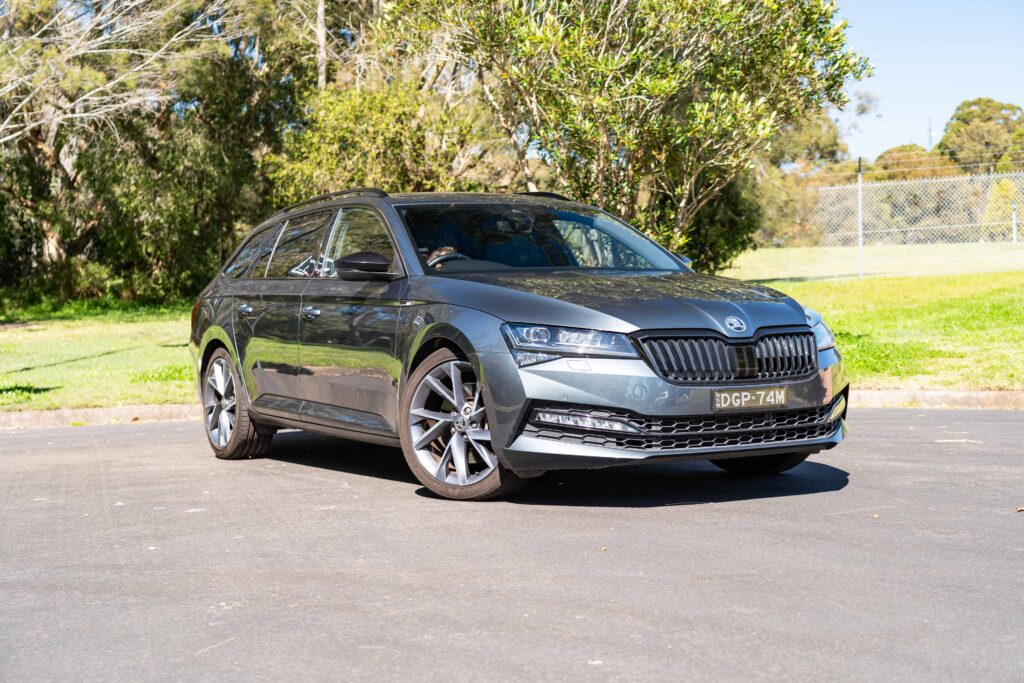
The A4 range has included some economy-focused engine options, such as a 1.4-litre turbocharged four-cylinder petrol. However, the 2.0-litre turbo engine with Quattro all-wheel drive (AWD) is more commonly seen in Australia and shares a closely related mechanical setup with other premium models from Skoda’s Superb 206TSI to even the Porsche Macan.
Most models are equipped with Audi’s 7-speed S tronic dual-clutch automatic transmission, delivering quick and smooth shifts. Entry-level trims are front-wheel drive, while higher-end variants feature Quattro AWD for improved traction and handling.
Pre the 2020 update, Audi’s model names straightforwardly matched the engines: a “2.0 TDI” was a 2.0-litre turbo diesel. However, the 2020 mid-cycle update introduced a new naming system where the power range is denoted by numbers like “40 TDI”, making the power category less intuitive.
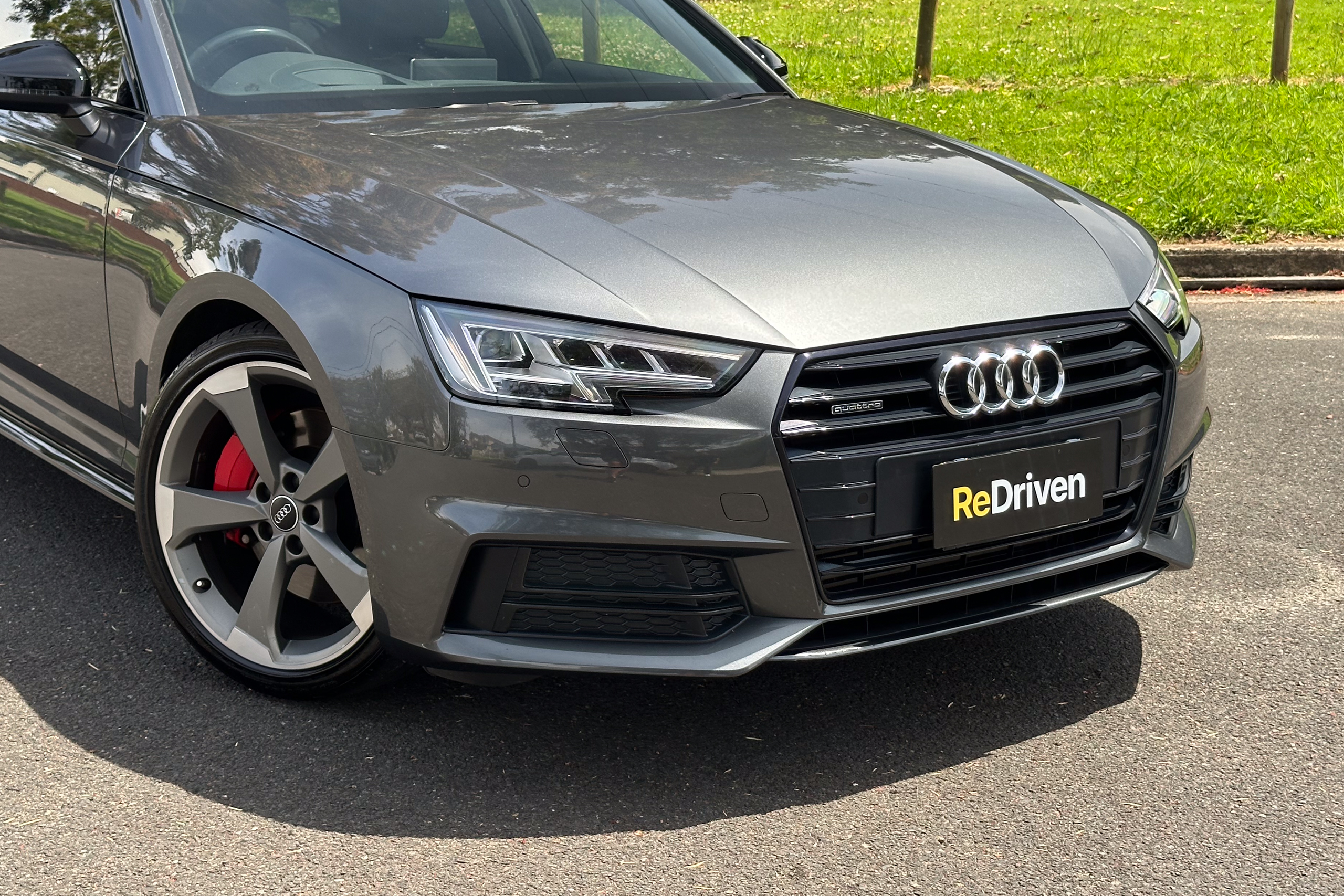
This 2020 update also included a subtle facelift, with sharper exterior styling, new headlights and taillights, and an upgraded interior featuring Audi’s latest infotainment system, boosting the A4’s competitiveness in the premium sedan market.
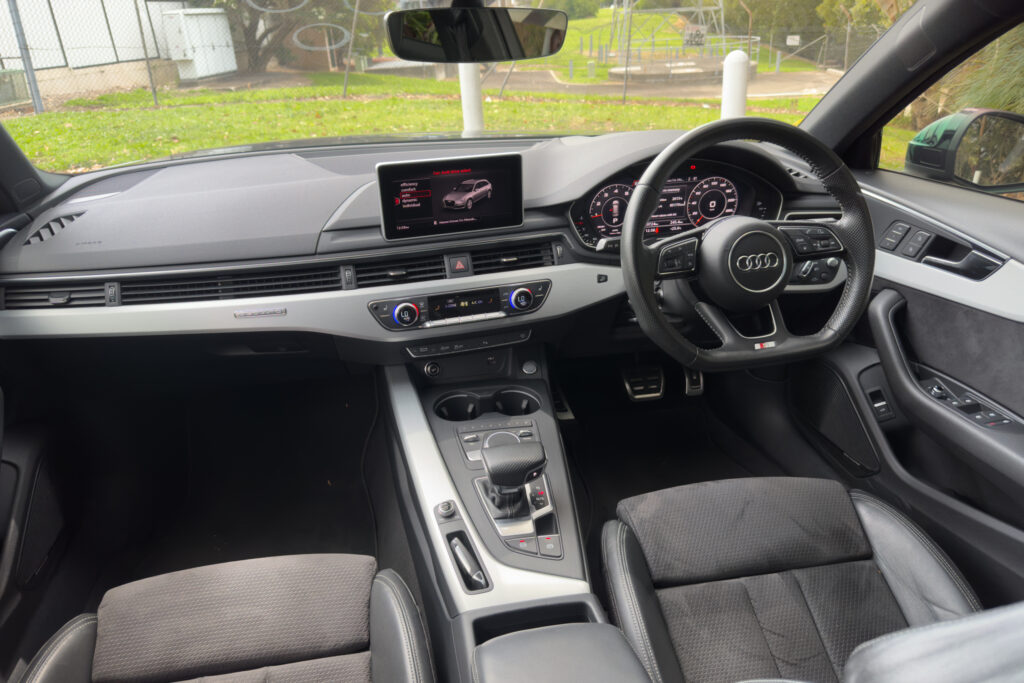
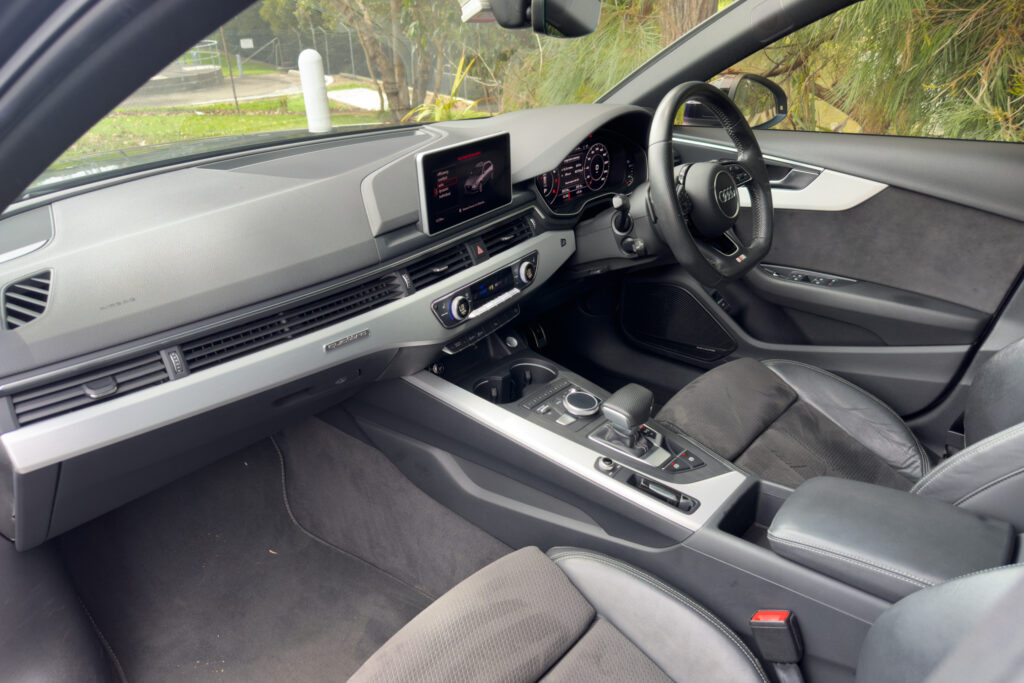
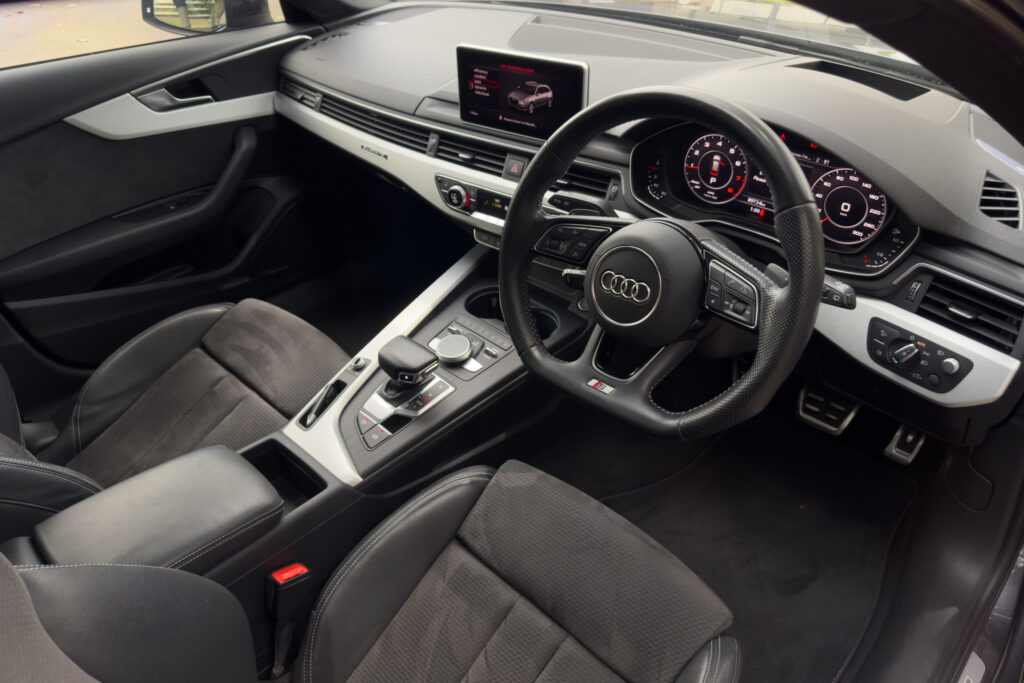
The B9 A4 is known for its high-quality materials and advanced tech features. Options include Audi’s Virtual Cockpit digital display, Apple CarPlay and Android Auto, a central MMI infotainment system, and premium audio upgrades. Facelifted models also gained a larger, more responsive touchscreen with enhanced software, though this advanced technology can sometimes lead to reliability concerns.
In terms of safety, the B9 A4 is well-equipped with advanced features, including adaptive cruise control, lane-keeping assist, and parking sensors, which allow it to compete effectively in a market where safety and driver assistance are top priorities.
In Australia, the A4 holds a position as a premium compact sedan, competing with models like the BMW 3 Series, Mercedes-Benz C-Class, and Lexus IS. It appeals to buyers seeking a blend of luxury, technology, and performance in a more understated package than some of its rivals.
Used A4 buyers should be aware of certain concerns, especially mechanical issues and DSG (dual-clutch transmission) maintenance, as the transmission can be sensitive if not serviced regularly. Electrical issues and timing chain wear (particularly in earlier models) are also worth inspecting.
Regular oil changes and scheduled maintenance are imperative to minimise the likelihood of costly repairs, especially since Audi and parent company Volkswagen have a reputation for less-than-ideal reliability.
In terms of resale, the A4 is likely depreciate faster than mainstream models due to its premium positioning. Running costs, including service and replacement parts, are notably higher than average.
Overall, the B9 Audi A4 is a refined, tech-rich choice in the premium compact sedan market. However, used buyers should carefully consider running costs and reliability concerns that may impact the B9 range.
Exterior:
A common issue across many Volkswagen and Audi models is the fuel filler door, which can fail to open without forceful effort. While this is usually an easy fix, if the car is out of warranty, it’s advisable not to rely on the Audi dealer for repairs, as their rates can be notably high.
Some owners report occasional glitches in the rear parking sensors, where one faulty sensor can disable the entire system. Although not extremely common, it’s worth checking during a test drive.
Unlike some other Audi models, the B9 A4 seems to be relatively free from major water leakage issues. While there are isolated reports of water ingress, most problems stem from clogged sunroof drains, so regular cleaning is essential. Water intrusion can be costly to repair if it damages electronic components.
If the windscreen cracks, it often requires an OEM replacement to ensure compatibility with the car’s camera and sensor systems. Audi charges a premium for OEM glass and recalibrating the safety tech, so budget accordingly.
Audi’s OEM parts are notoriously expensive. For example, a standard brake replacement can be quoted at around AUD 4,000, and this is for regular brakes, not performance components. Some owners also report squeaking brakes as a common nuisance. It’s often more cost-effective to explore quality aftermarket options, as they can be cheaper and offer better durability.
Labour costs at Audi dealerships, and even some specialised Euro workshops, can vary dramatically. Some places charge up to AUD 250 per hour for an Audi but significantly less for a Skoda, despite the fact that many parts are interchangeable.
This pricing discrepancy can add up over time, so it’s worth researching different workshops and independent specialists for routine services.
Interior:
Early versions of the Virtual Cockpit and MMI screens can suffer from flickering or sudden reboots. If this happens, it’s a sign that the system may soon fail, so addressing it before complete failure is advisable.
Test every button and function in the car to ensure everything works. Malfunctioning electronics can sometimes indicate water ingress issues. If you notice any unusual behaviour, proceed with caution.
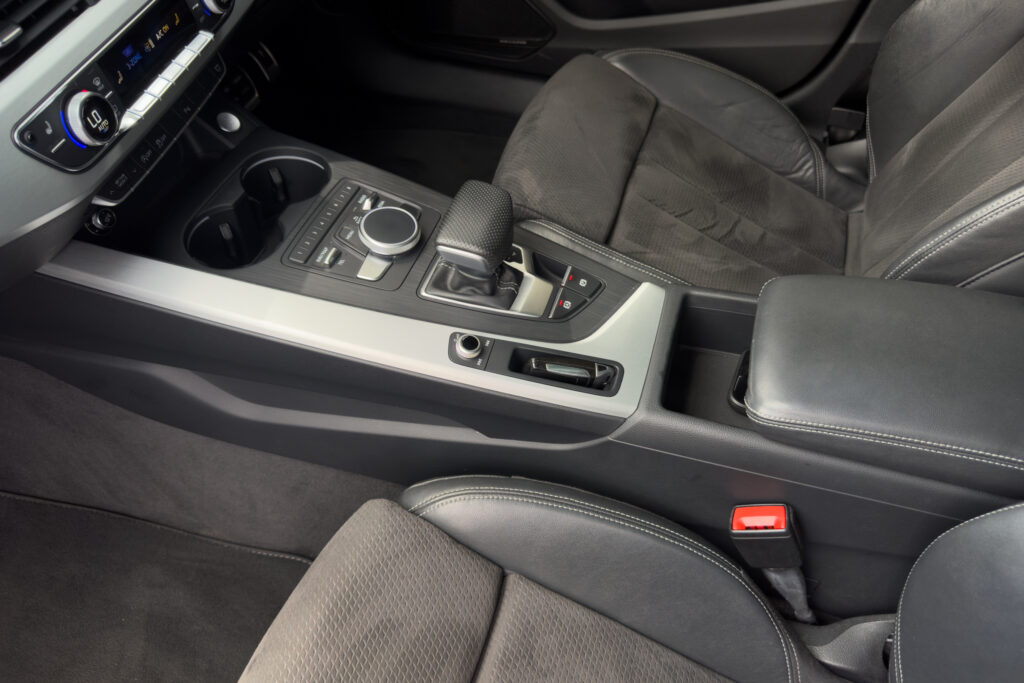
The A4’s gear lever operates as an electronic switch, rather than a mechanical connection to the transmission. Some owners report issues with this system. Restarting the car can temporarily fix the issue, but if it persists, the car may be immobilised and require towing.
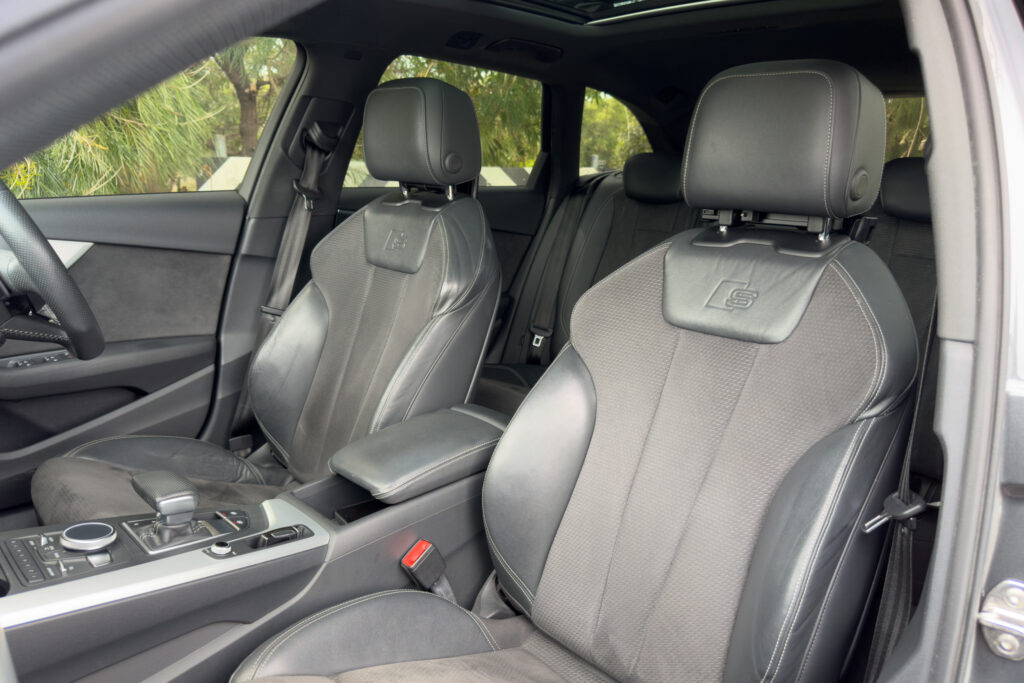
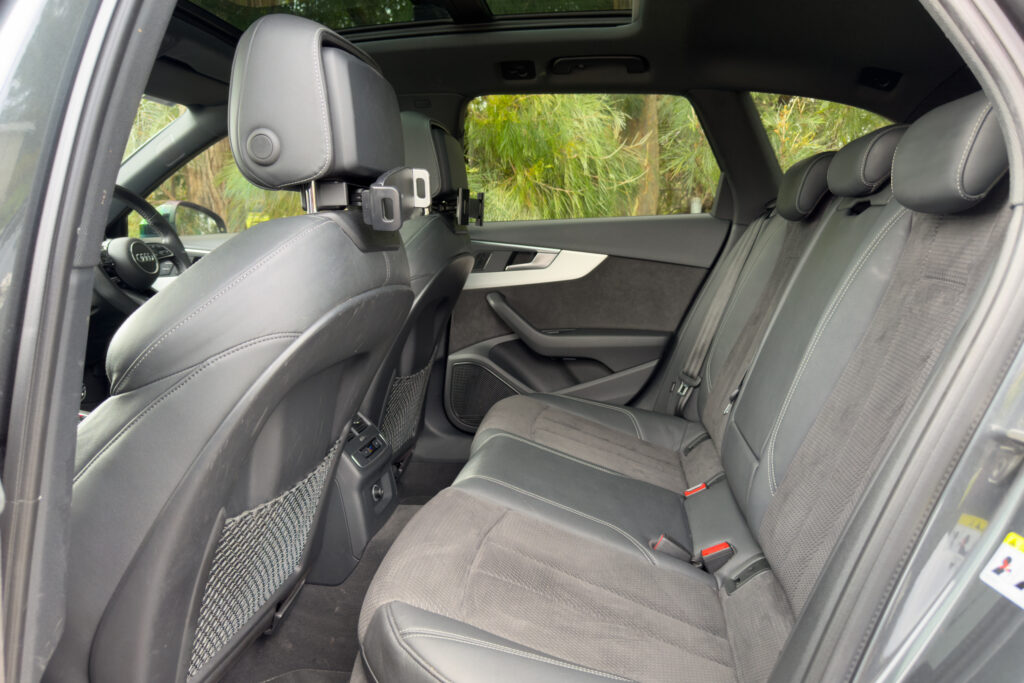
The leather upholstery, particularly on the outer bolsters, can show premature wear. Additionally, many owners express disappointment with the overall interior quality, stating that it isn’t particularly resilient to everyday wear, especially with kids.
Comparatively, some owners of the Genesis G70 note that it holds up better against wear while offering a similarly premium feel and AWD options.
Mechanically:
1.4-Litre Turbo Petrol Engine:
Coil Packs are prone to failure and can sometimes break during spark plug changes. Handle them with care.
Water pump and thermostat Housing commonly leak and require regular checks.
Wastegate actuators occasionally have issues; turbo wastegates can cause performance inconsistencies.
Older or poorly maintained engines may consume oil more rapidly, so check service history.
The timing belt needs replacement every 120,000 km.
2.0-Litre Turbo Petrol Engine:
Water pump and thermostat issues are common, with many owners experiencing leaks around the 40,000 km mark. Aftermarket parts may offer better longevity and affordability than OEM parts.
Issues with the engine breather can lead to oil leaks and clogging in the intake valves, requiring cleaning or repair.
Weak tensioners can cause chain issues, especially in poorly serviced engines. Be mindful of the timing chain’s condition when buying a used model.
Common areas include the valve cover, timing cover, and rear main seal. The latter requires transmission removal and can be a costly repair.
2.0-Litre Turbo Diesel Engine (pre-2020):
Diesel particulate filters and exhaust gas recirculation systems often encounter faults, especially if driven in short city cycles.
Problems with the AdBlue tank, pump, heater, and level sensor are common and expensive to repair. Modifications to the AdBlue system are illegal in some areas, so be aware of local regulations.
Leaks in the cooling system are common, so regular inspection is essential.
Requires replacement at 105,000 km or every seven years. Failing to adhere to this schedule risks catastrophic engine damage.
The Volkswagen/Audi dual-clutch transmission (DSG) in these models is a newer generation, generally more reliable than older iterations. Regular maintenance, including servicing every 60,000 km, is essential to maintain longevity.
While it still carries a reputation for high service costs, many issues from previous generations have been addressed, and the DSG is often dependable with consistent care.
For an Audi A4 to be a safe purchase, it must have a flawless maintenance and ownership history, and you should be financially prepared to maintain the meticulous care it requires, as well as to absorb its inevitable depreciation.
If the A4 you’re considering has even the slightest question mark regarding its history, or if you prefer not to commit your finances to its ongoing demands, it might be wise to look elsewhere.
There are other alternatives that seem to avoid the quality concerns associated with the A4, tend to depreciate more gradually, and don’t come with the same high costs for parts and maintenance.
Notably, many of these alternatives come from Japan and South Korea. If you’re buying used, a Lexus or Genesis could offer the luxury and performance you’re seeking with greater long-term reliability and lower running costs.
MORE: Explore our Audi reviews


Co-creator, presenter & writer, ReDriven

There are better cars out there.
 6 days ago
 3 weeks ago
 4 weeks ago