Australia’s No. 1 Used Car Review Website
Australia’s No. 1 Used Car Review Website
+18 Photos
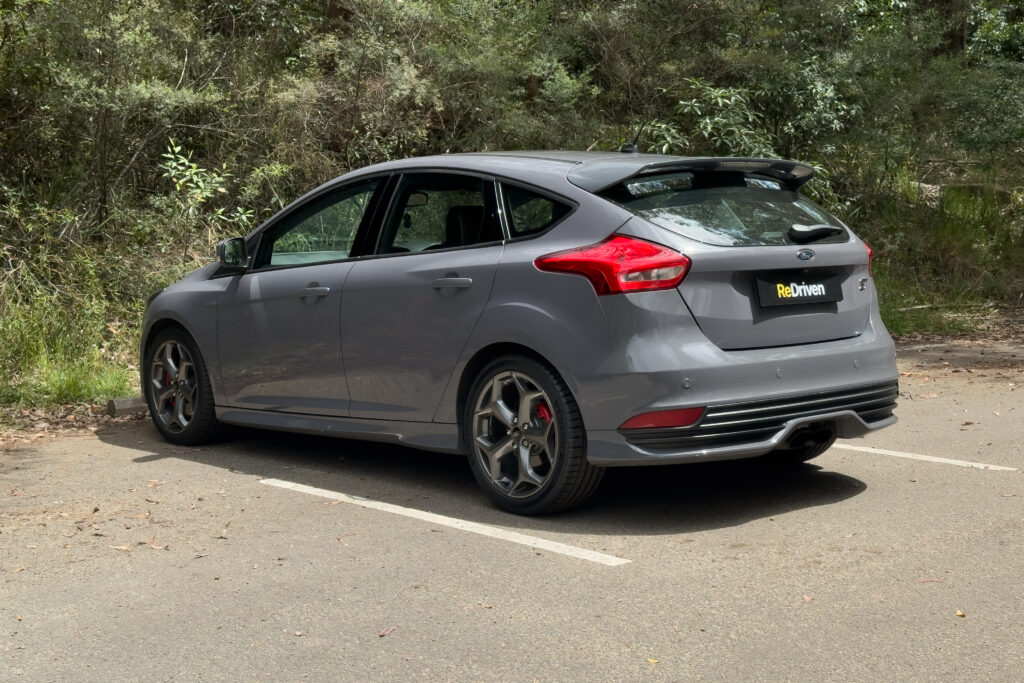
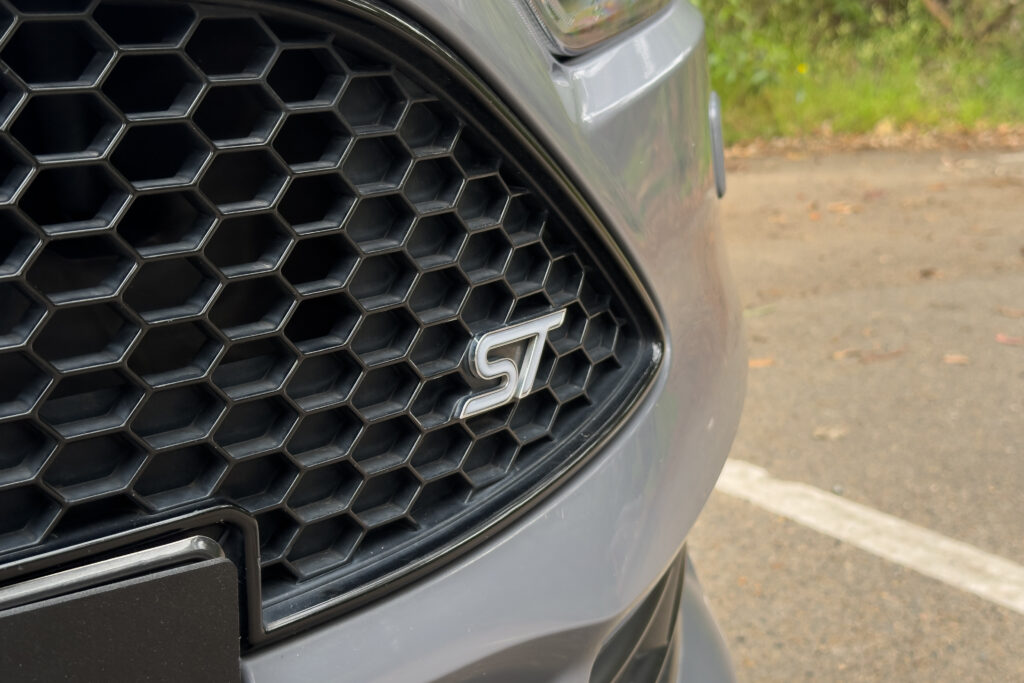
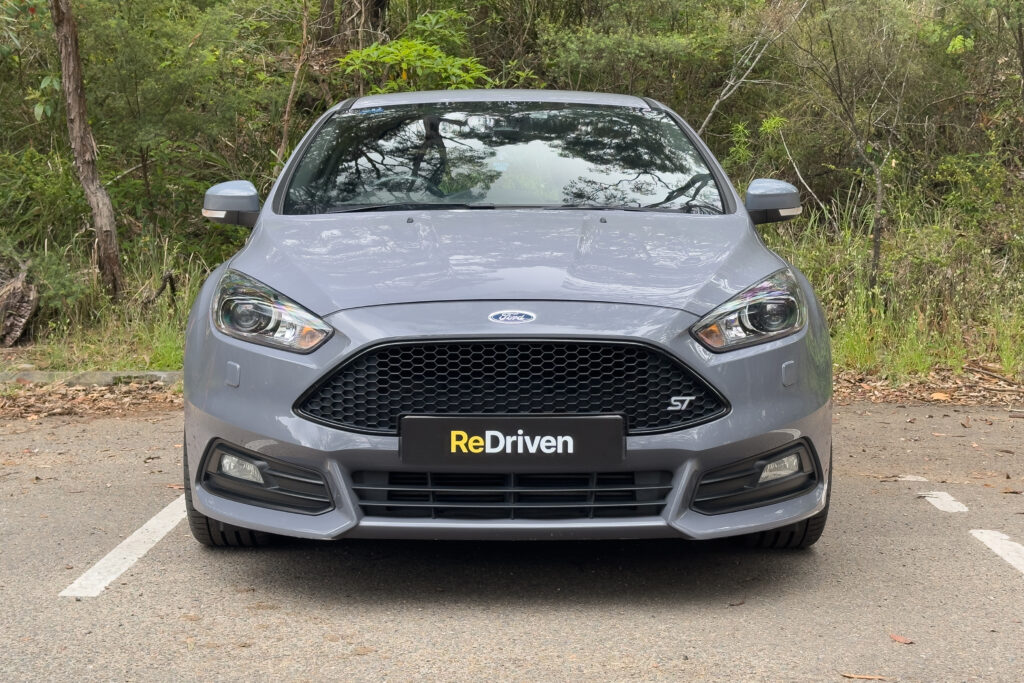
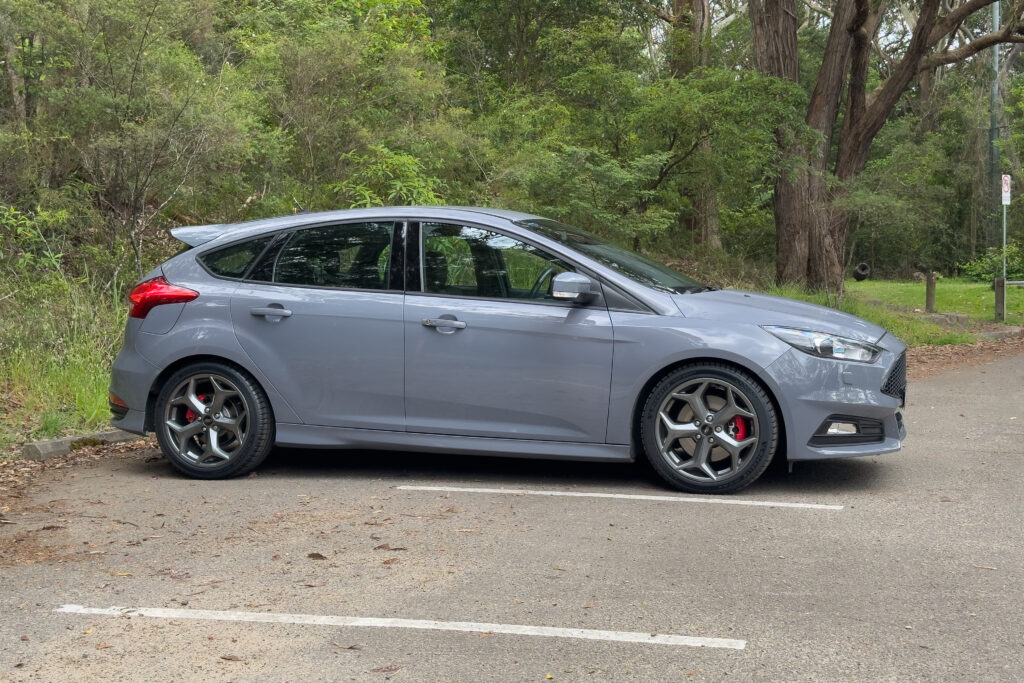
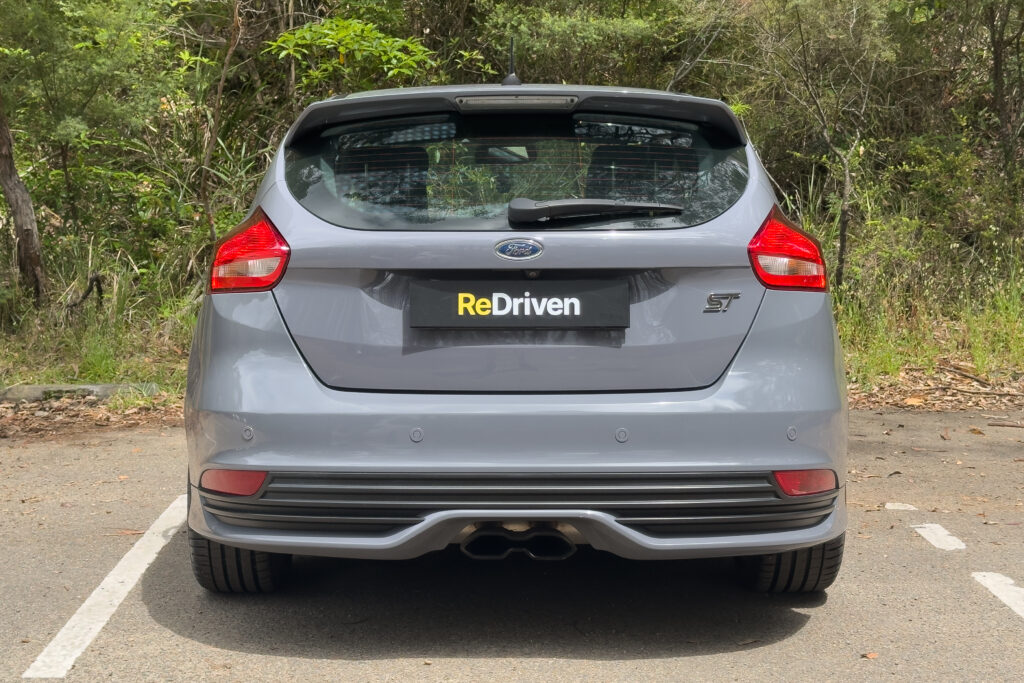
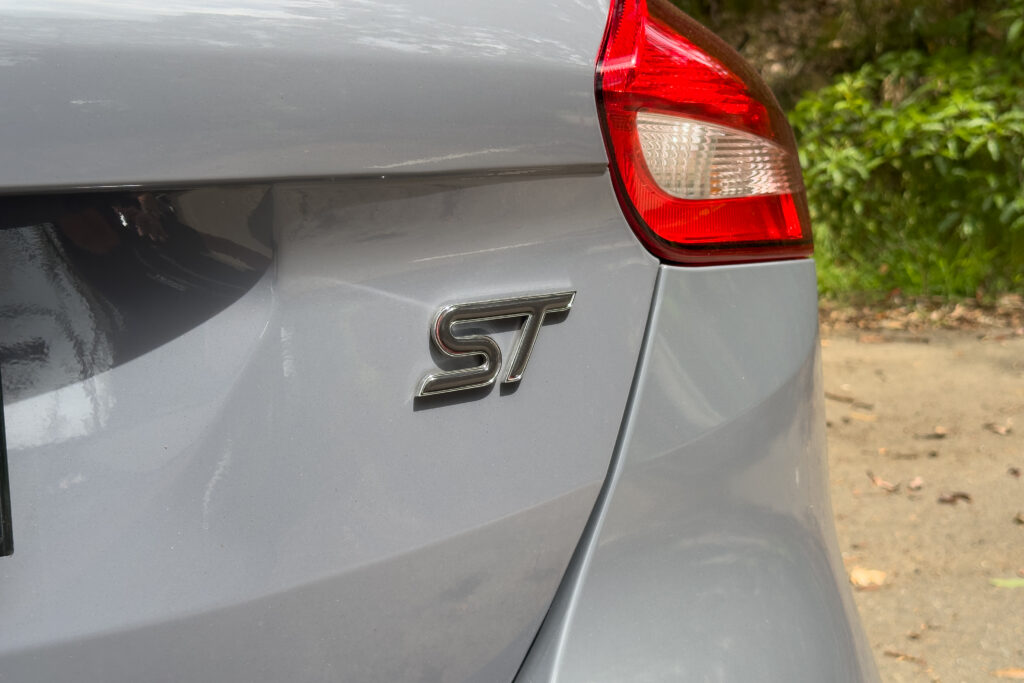
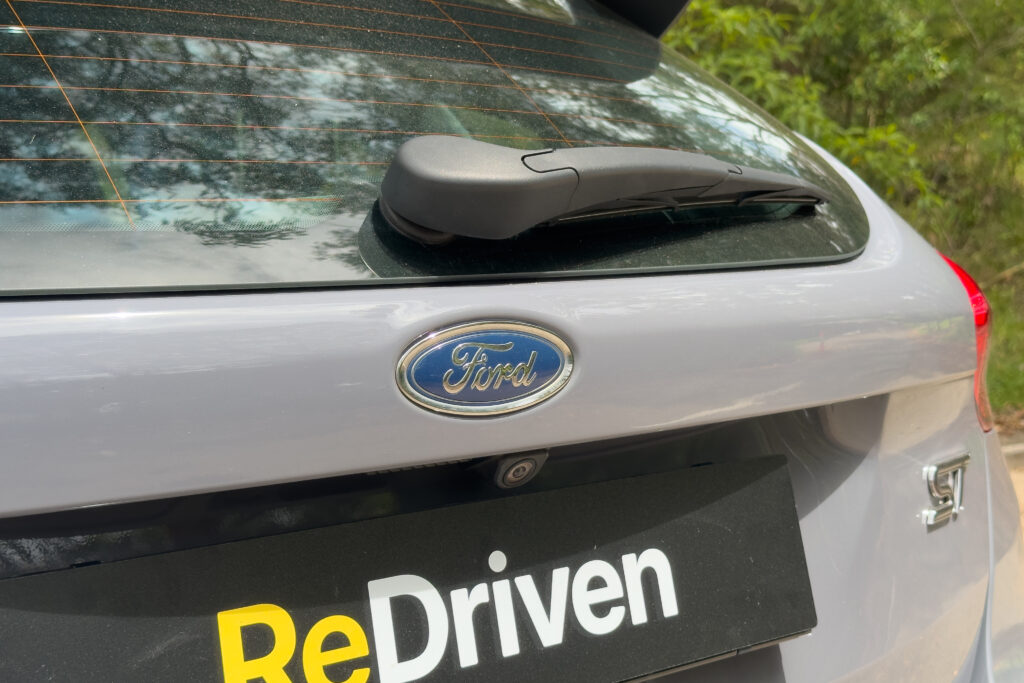
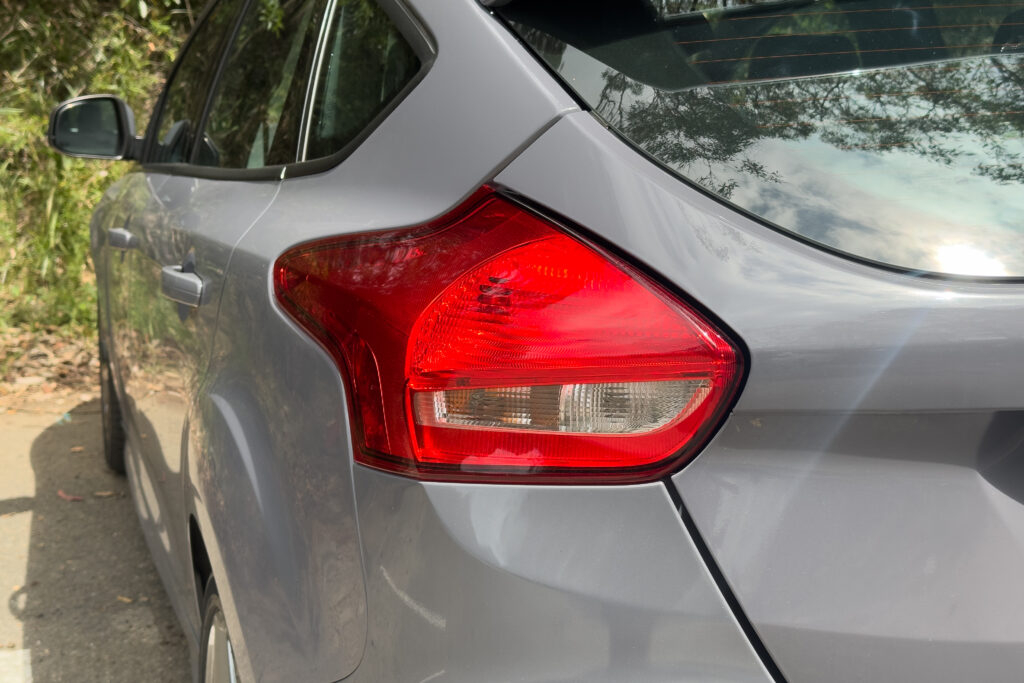

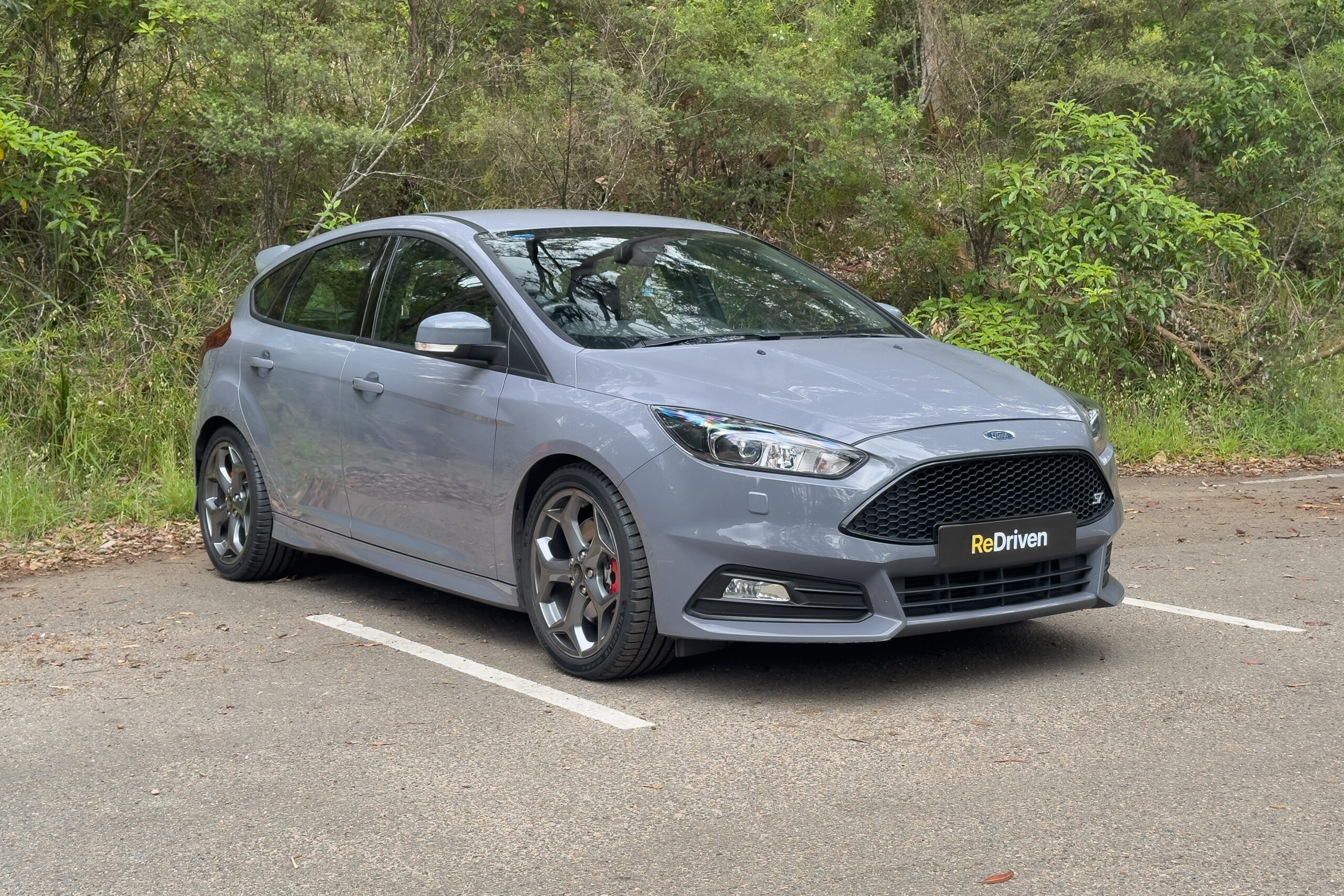
2017 Ford Focus ST (LZ)

15 November 2024
Yes. But only the right example.

2017 Ford Focus ST (LZ)

Used car review
15 November 2024
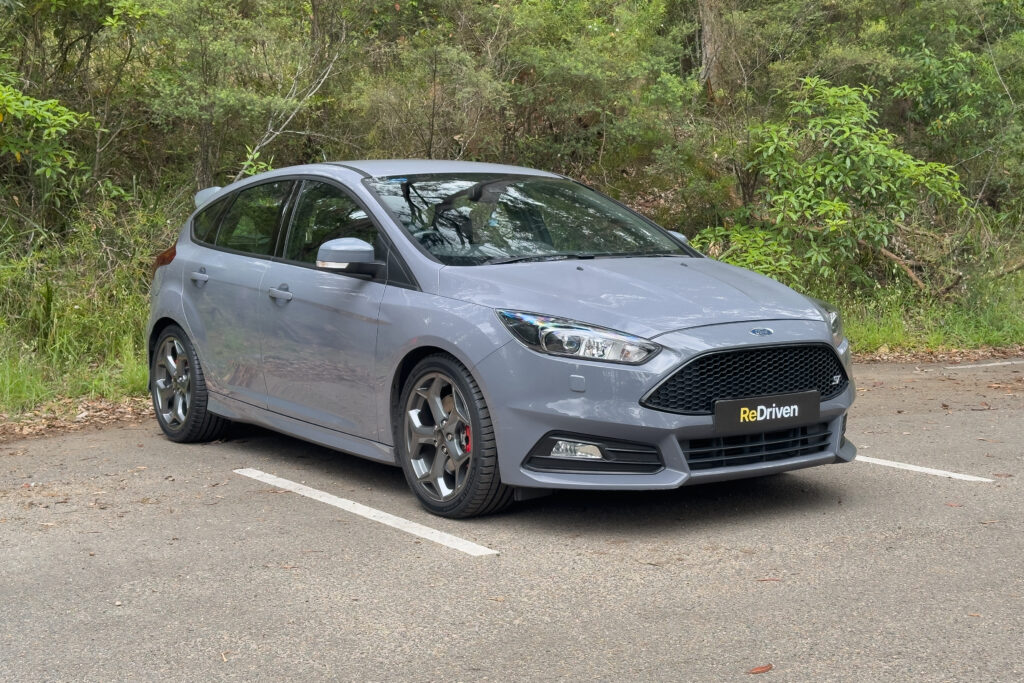
The Australian Ford Focus ST came in two main versions: pre-update LW (2012-2014), which was the initial launch version, known for its punchy performance but sometimes criticised for its torque steer and handling characteristics.
The post-update LZ (2014-2018) introduced a facelift with updated aesthetics, improved cabin materials, and additional technology. In 2016, it also received a steering and suspension recalibration, aiming to refine handling and address some criticisms of the earlier LW version.
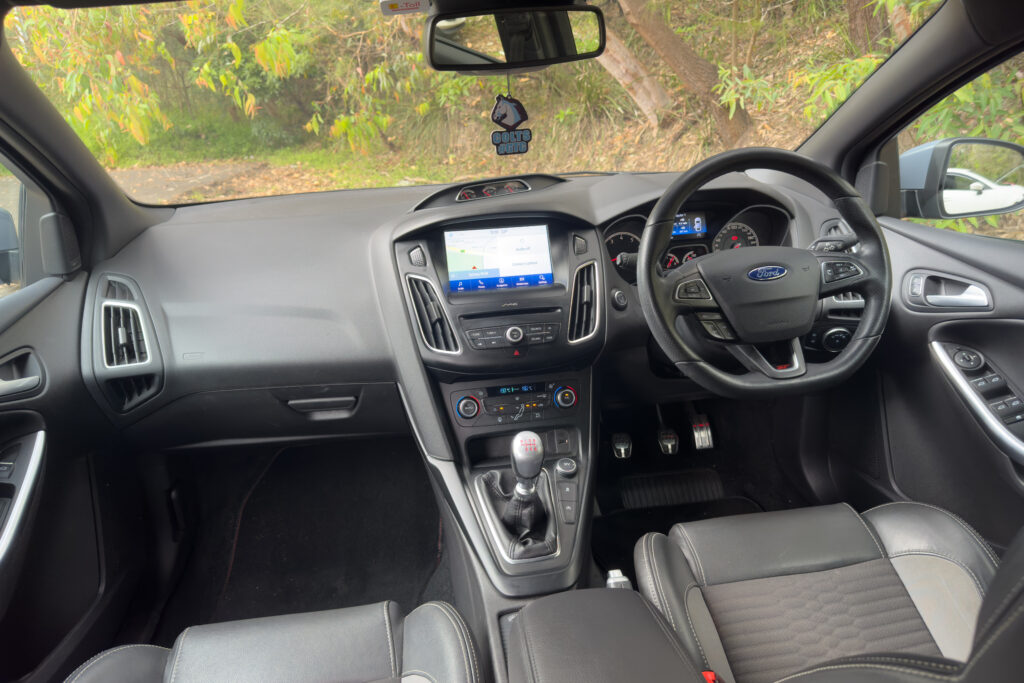
Both the LW and LZ Focus ST variants were powered by a 2.0-litre turbocharged inline-4 engine, delivering power through a six-speed manual transmission.
Despite the engine’s impressive responsiveness, the lack of a limited-slip differential made power delivery through the front wheels challenging, especially under hard acceleration, leading to significant torque steer.
Ford included Enhanced Torque Vectoring Control in both versions, designed to manage the power and reduce understeer by braking individual wheels when cornering. While this technology helped somewhat with stability, many enthusiasts feel a true mechanical, limited-slip differential (LSD) would have dramatically improved the car’s handling.
For those seeking more power, Ford offered a factory-backed Mountune MP275 upgrade, which included ECU tuning, a larger intercooler, and a high-flow air filter. However, the lack of a mechanical LSD, even with the Mountune package, limited the full performance potential, especially in aggressive driving conditions.
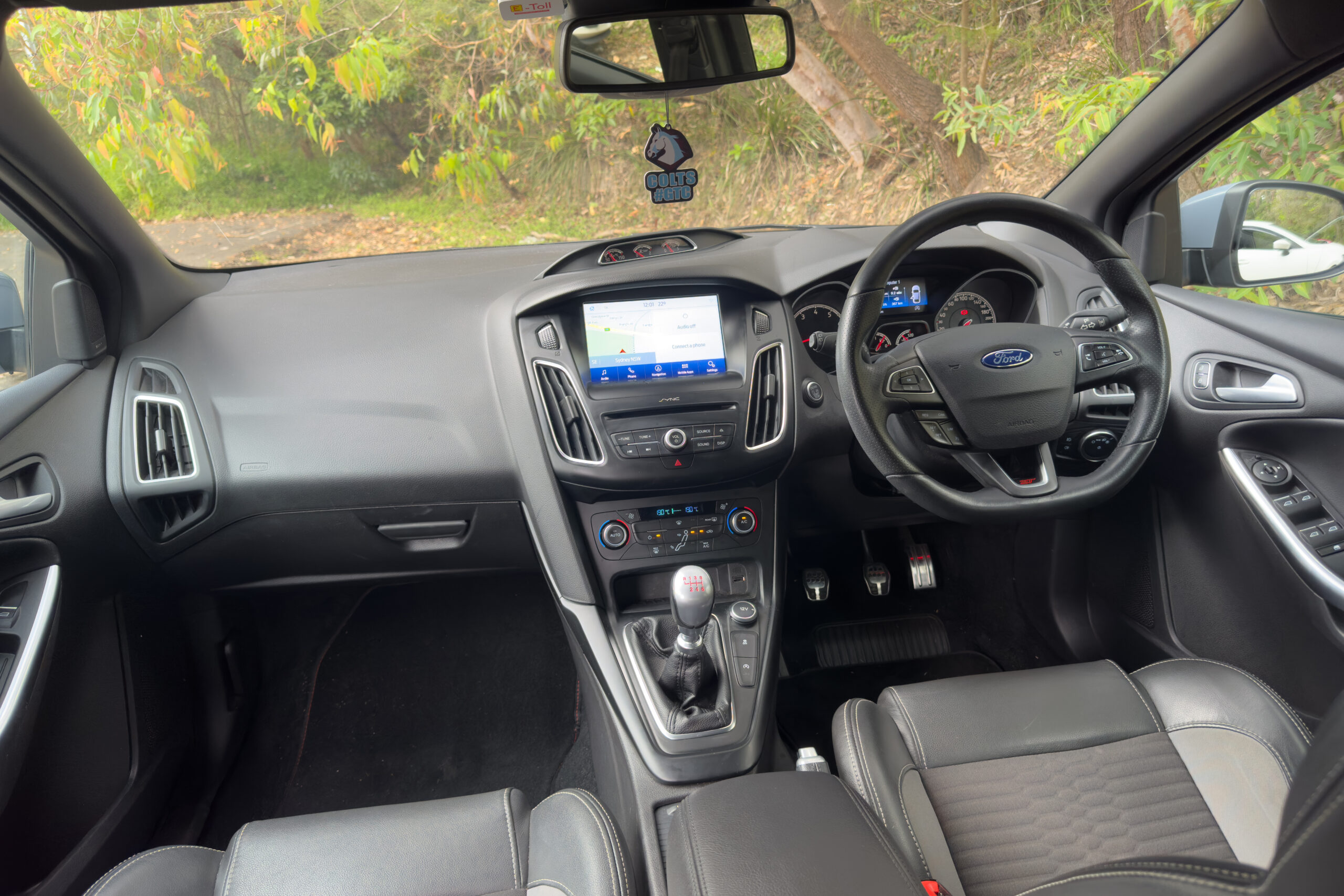
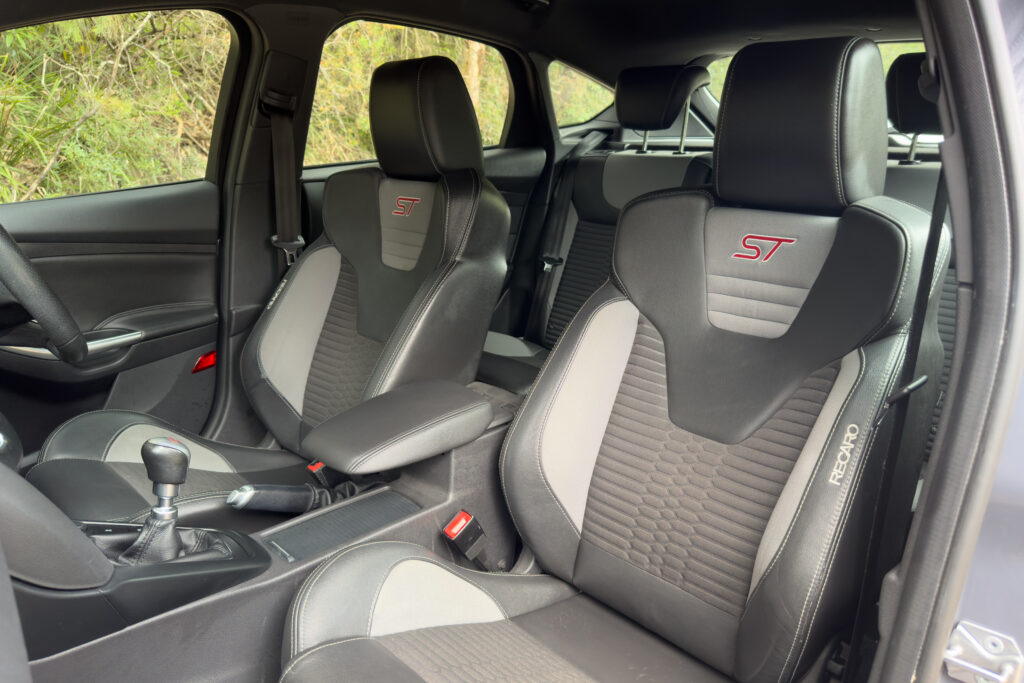
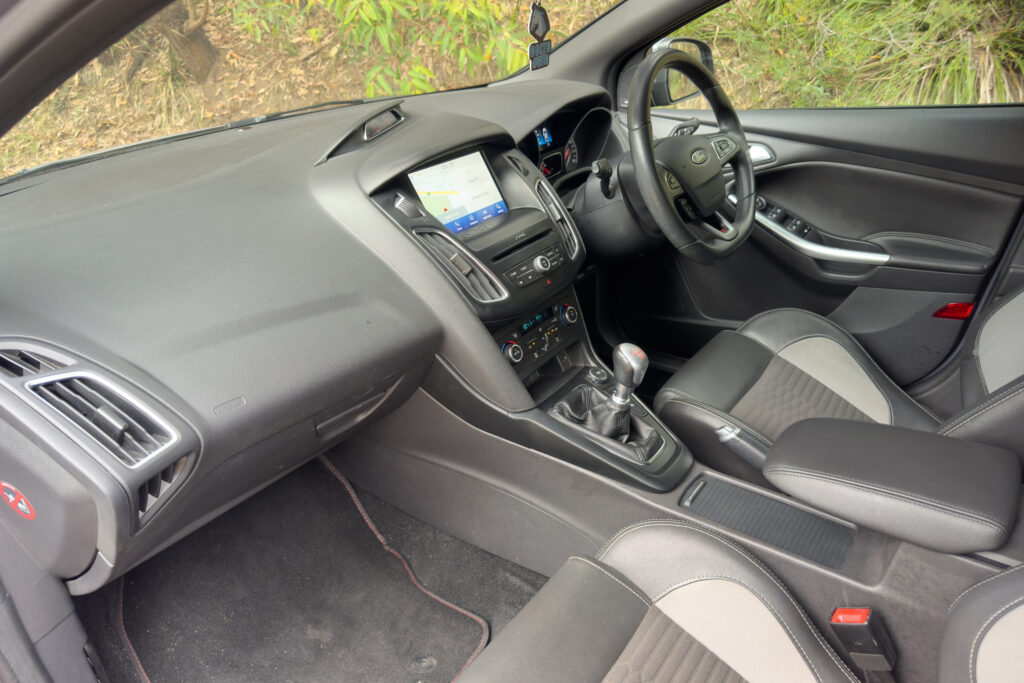
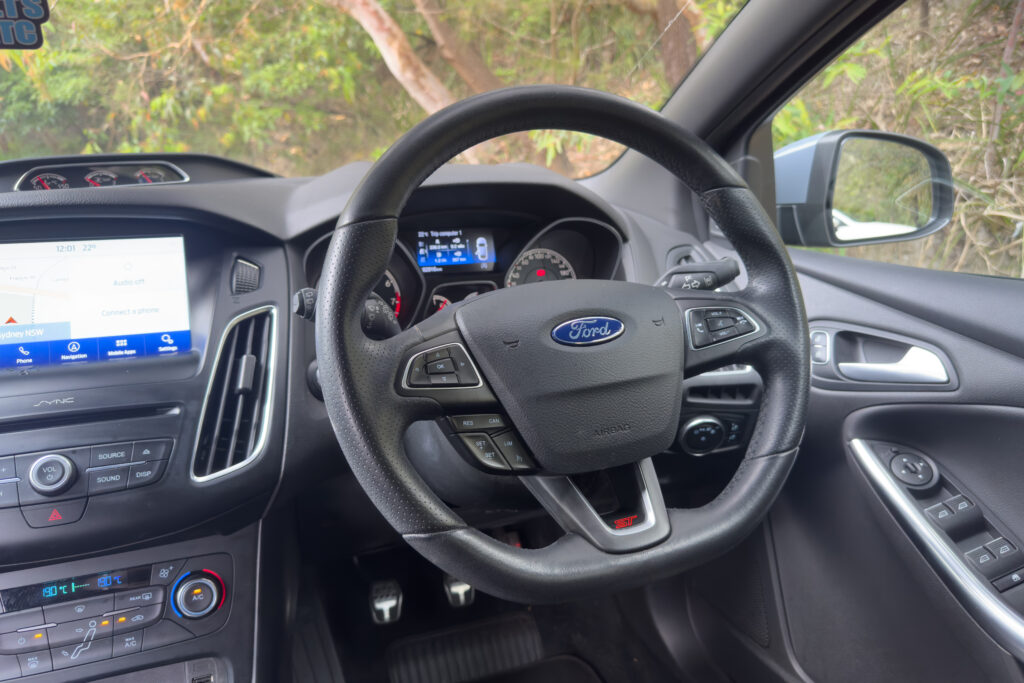
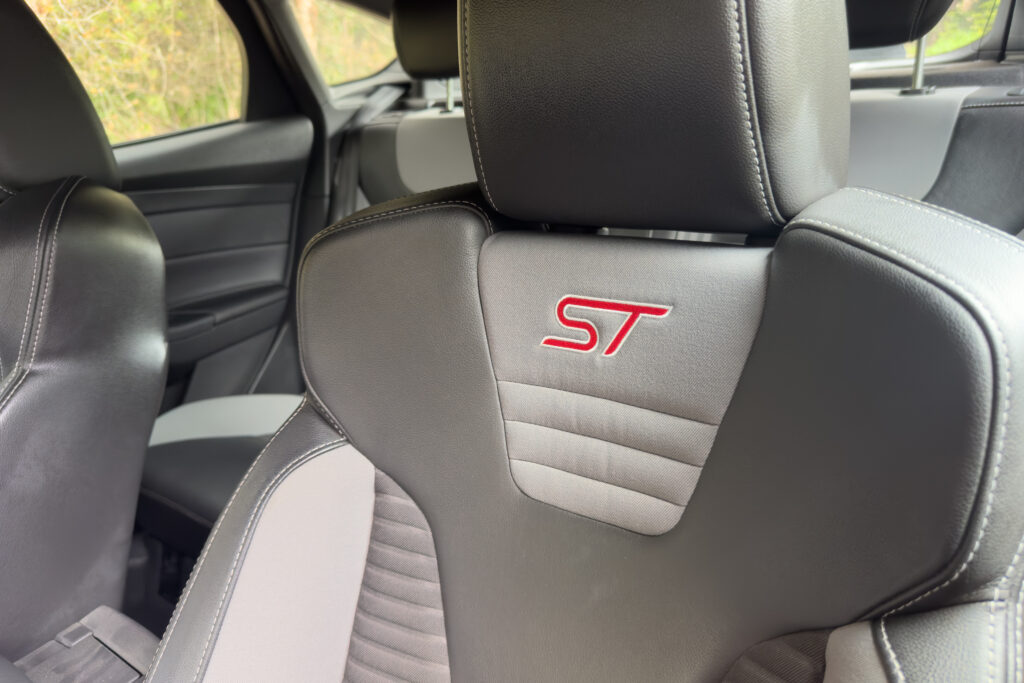
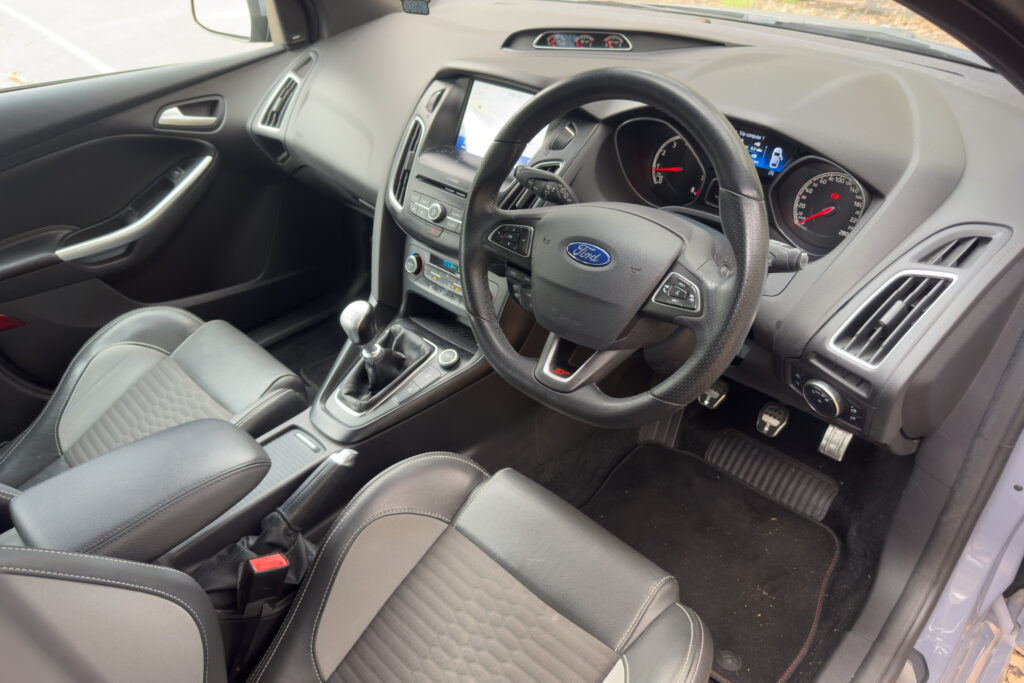
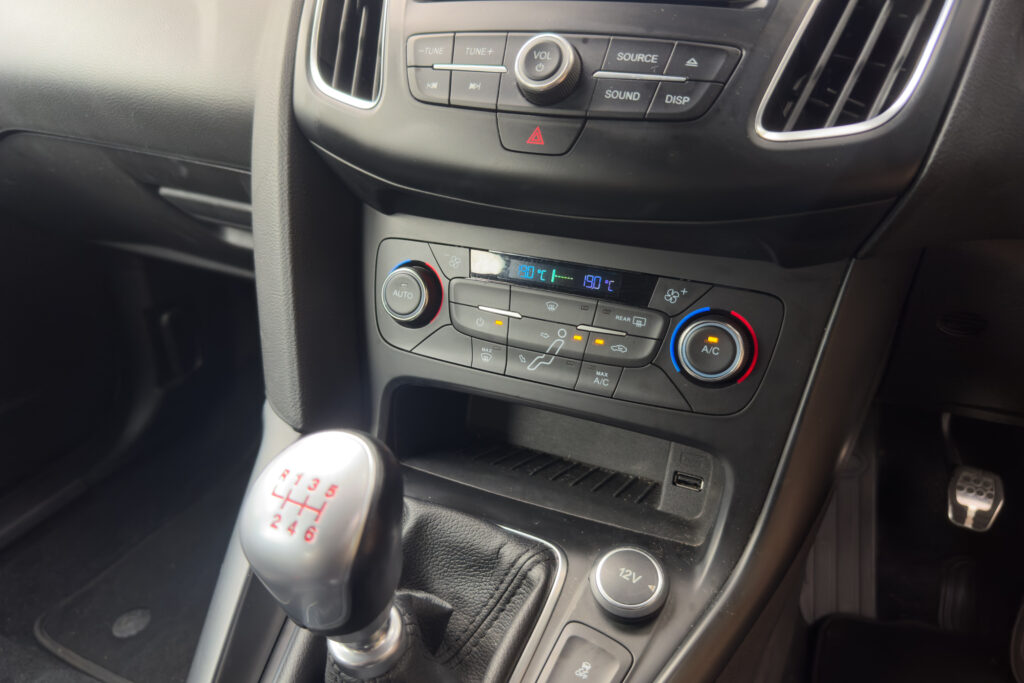
Australia received the Focus ST in a single, well-equipped trim level, combining features from various international trims. It included sport seats, a Sony premium sound system, dual-zone climate control, and Ford’s SYNC infotainment system, offering a well-rounded package for performance-focused buyers.
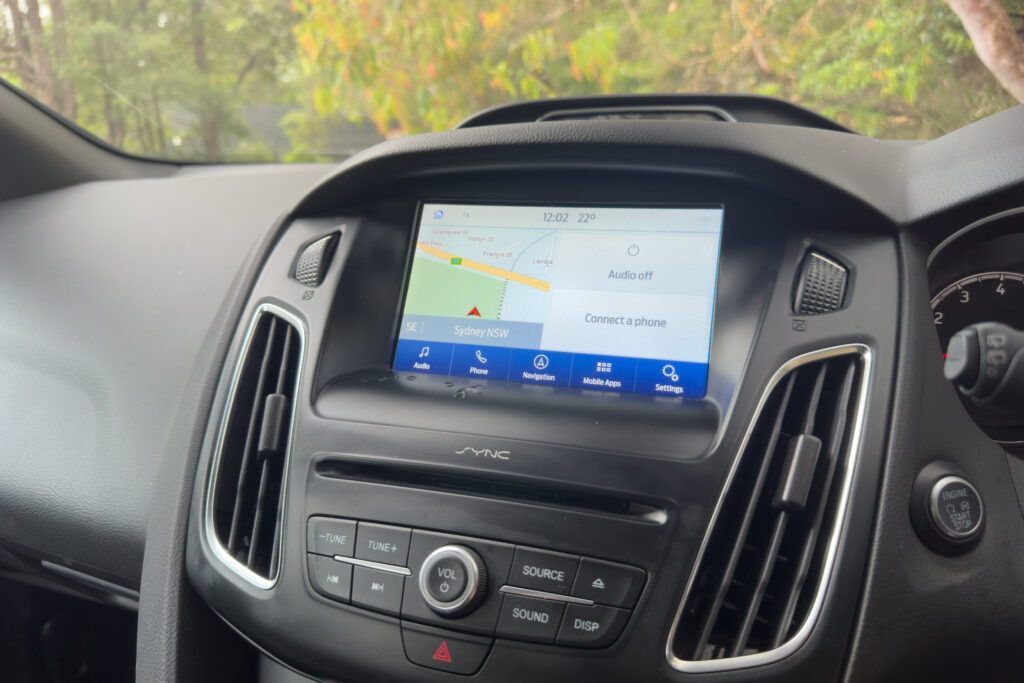
Keyless entry, a rearview camera, and parking sensors were standard in the LZ version. Later examples fitted with Fords SYNC3 also included Apple CarPlay and Android Auto.
The Focus ST competed in the hot hatch segment against models like the Volkswagen Golf GTI, Hyundai i30N and Renault Megane RS to name just a few. Although it offered competitive power and solid equipment, it was often seen as an “underdog” due to its perceived lack of refinement and Ford’s reputation for mixed reliability.
The LZ update improved interior materials and infotainment features, but some aspects, such as seat comfort and long-term durability of cabin materials, have been criticised. Common wear items include the leather on seats and the shift knob, and some early LW models had rattling and trim issues. We expand on the common issues below.
It should be noted that Australia missed out on both the diesel engine option and the Focus ST Wagon available in Europe. The wagon variant is popular among enthusiasts for its practicality without sacrificing performance while adding a huge dose of cool factor.
However, with the Focus ST offering excellent value for money, many examples are purchased with the intention of being modified, and this often can result in a host of issues, along with the car’s intrinsic issues that need to be considered before committing to owning one.
Exterior
Door seal issues are common across the Focus lineup, including the ST, particularly along the bottom edges, where seals can deteriorate or detach. Many owners report this, but it’s an easy fix—clean the area and reattach with double-sided tape. Owner forums often have tutorials for this repair.
Some Focus ST models have pop-out door edge protectors that help prevent dings but can sometimes get stuck or malfunction, potentially scratching the paintwork. Regular lubrication can help prevent these issues, but repairs may be costly if the mechanism fails.
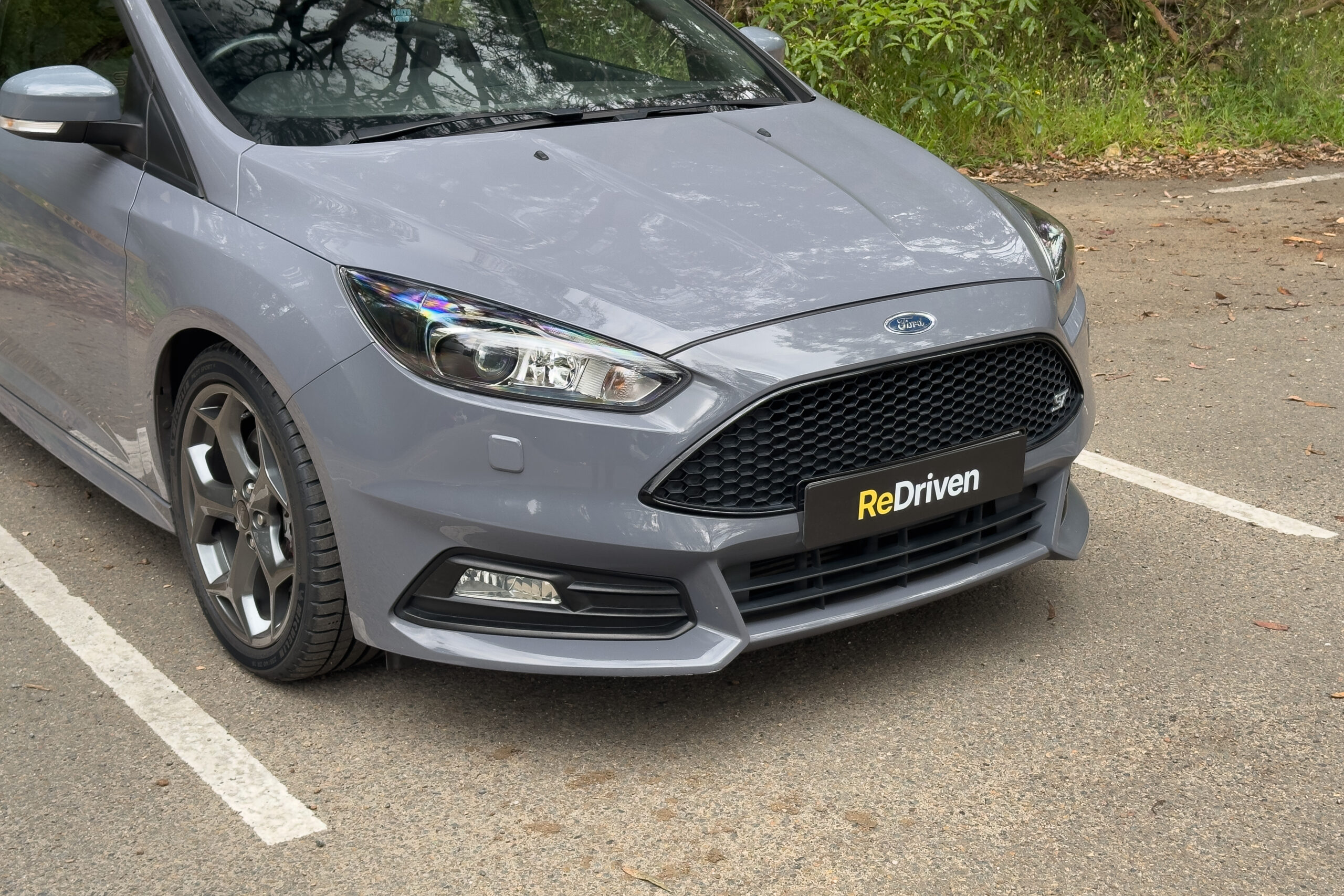
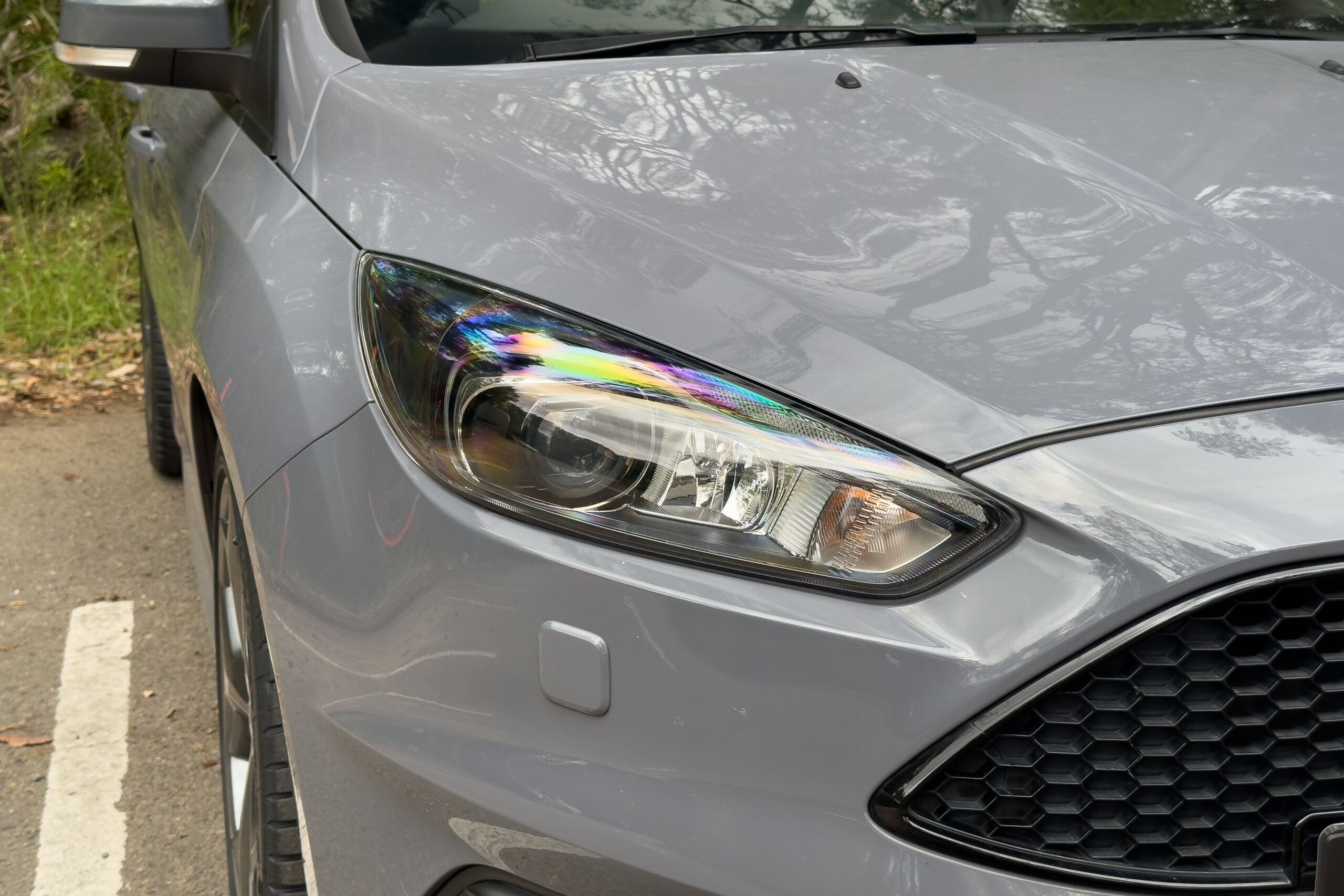
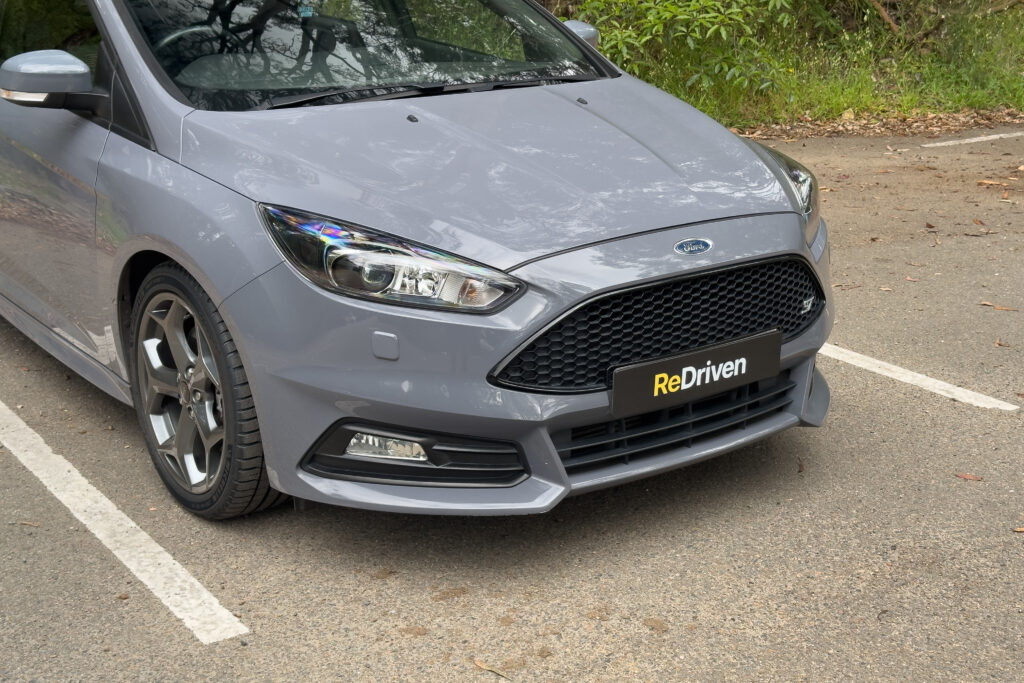
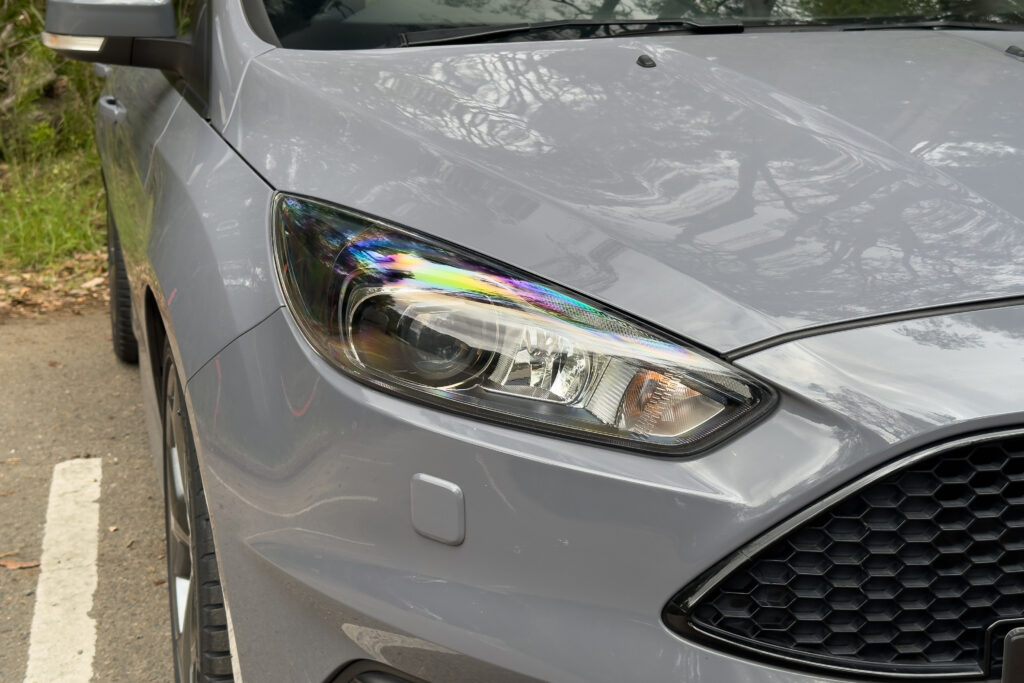
Pre-update models can experience headlight yellowing or marking, affecting appearance and light output. Some owners report flickering DRLs, which Ford attempted to fix with a software update, although this may not fully resolve the problem.
Condensation buildup within the headlights is another issue, particularly on early models. Ford released a service bulletin to address this, so check that any used ST you’re considering has had this remedied.
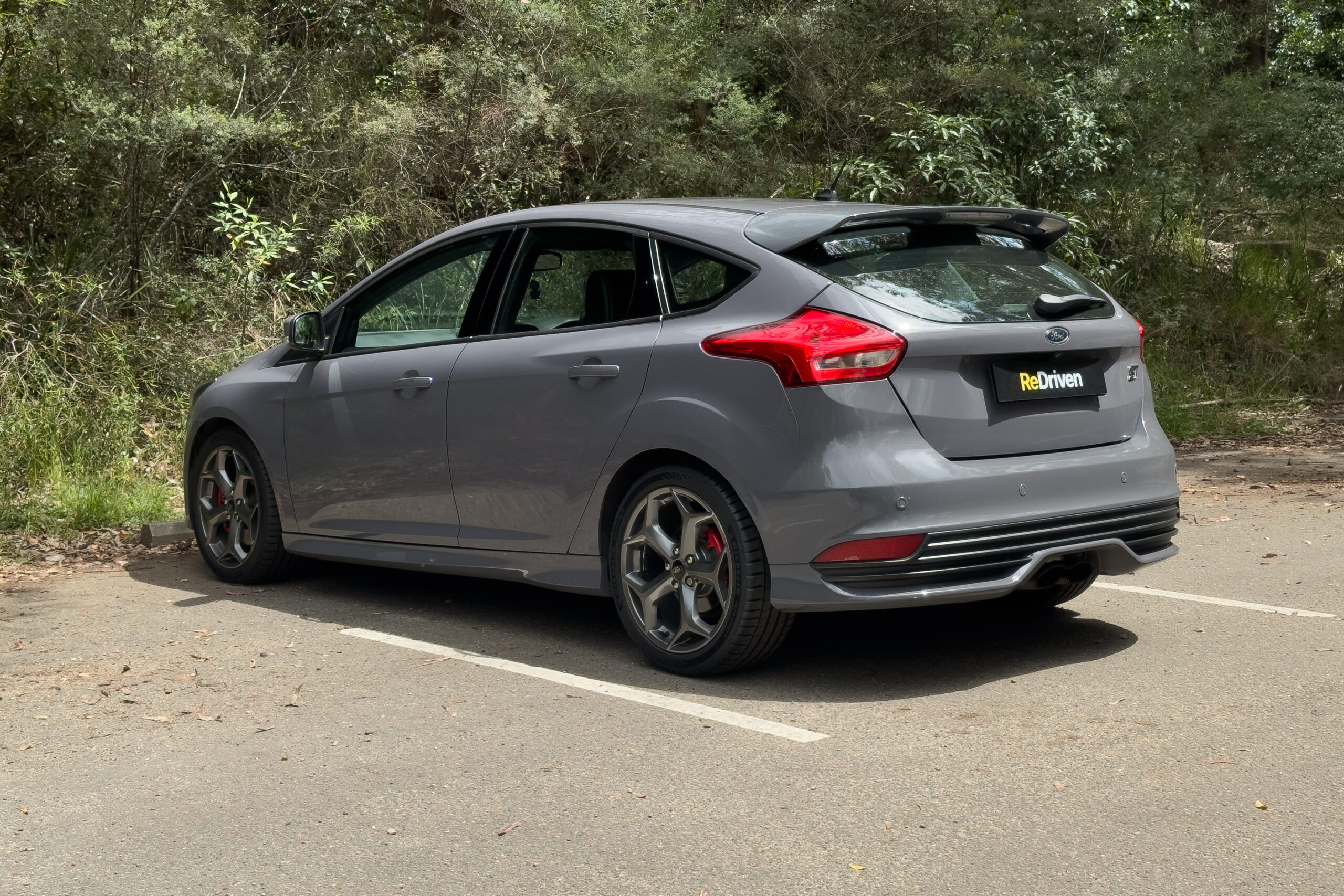
On pre-update models, the rear bumper may rub against the rear quarter panel, potentially leading to paint damage and rust over time. Regular inspection and early intervention can prevent more serious issues.
While rare, some owners report thin paint wear around the taillights, which dealers may be reluctant to address under warranty. Inspect the area for signs of wear or fading.
Water leaks in the boot are another concern. Check for damp carpets or moisture under the boot floor, which can indicate failing seals around the tailgate, tail lights, or rear air vents. This is usually easy to fix by removing lights or the bumper and sealing problem areas with silicone.
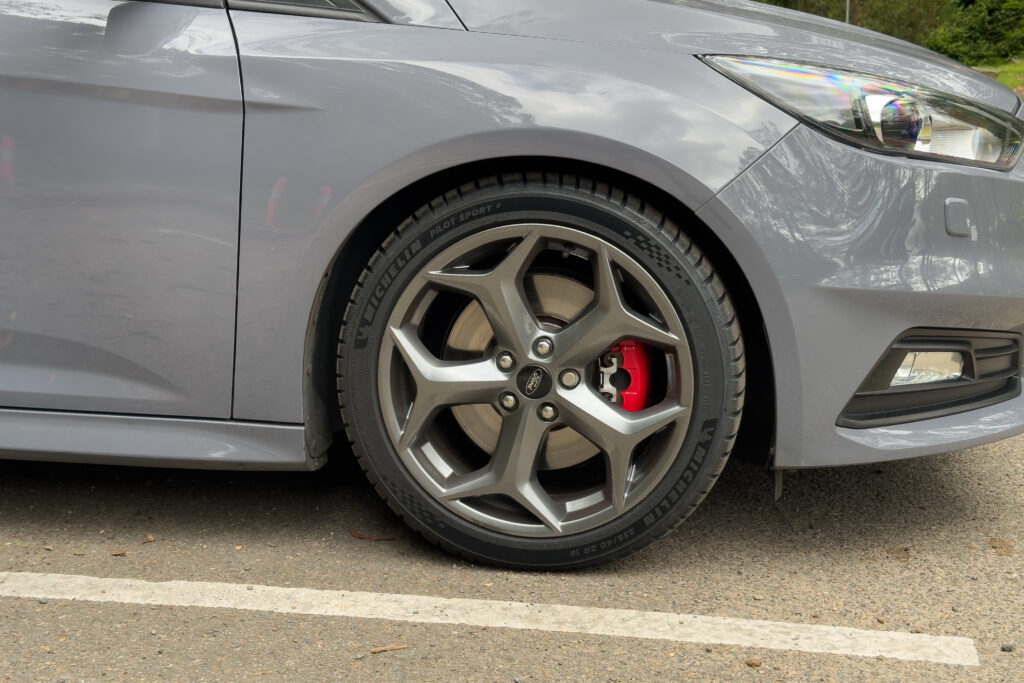
The grey-coloured wheels on the Focus ST are known to flake clear coat, especially around the wheel nuts and valve stems. Additionally, the factory wheel nuts are weak and often strip or swell. Many owners replace them with aftermarket options that are more durable.
Brakes on the Focus ST are known to produce a lot of dust, and some owners report premature rotor wear or slight warping. Aftermarket brake options often provide better performance and longevity at a lower cost than OEM replacements.
The Focus ST requires quality tyres to perform well. Inspect for even wear, especially on the front tires, which handle much of the engine’s power. Heavy wear on the inner or outer edges can indicate aggressive cornering, hinting at potential hard use by the previous owner.
Interior
The dual-zone climate control can be temperamental, with temperature inconsistency reported by some owners.
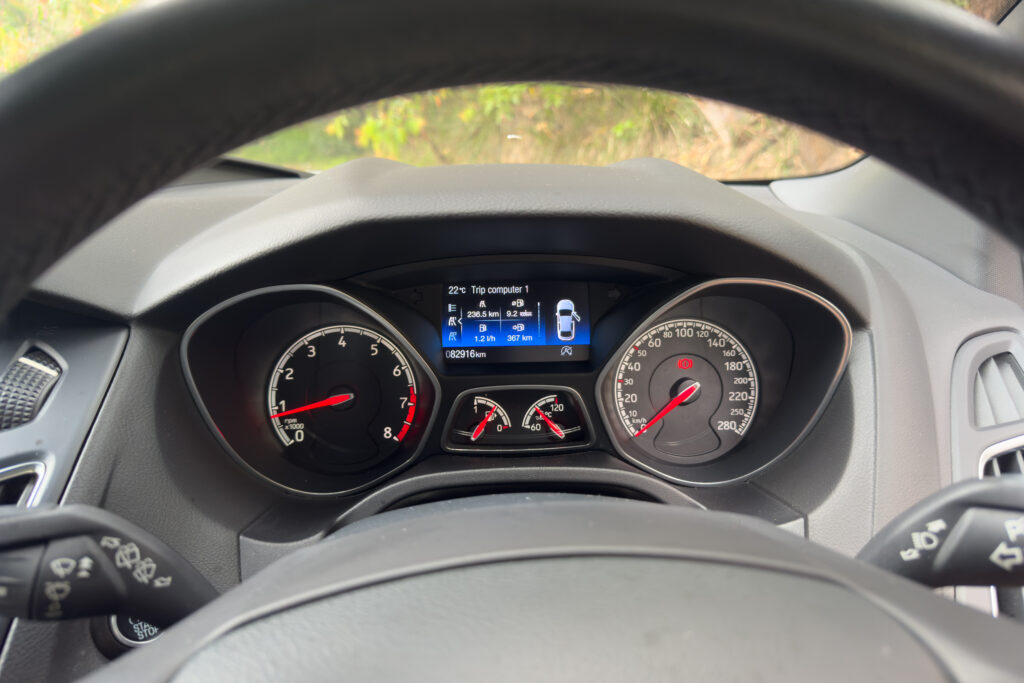
An inconsistent push-start button or warning lights may indicate battery drain issues. A battery health check is recommended.
Interior rattling is common, especially in models where trim pieces have been removed for stereo or accessory installation. The ST’s firm suspension, combined with Australia’s rough roads, can worsen interior noise and rattling.
The Focus ST experienced several versions of Ford’s SYNC infotainment system. Early SYNC versions (pre-SYNC 3) have connectivity problems, screen lag, and malfunctions such as reverse camera or Bluetooth dropouts. SYNC 3, available post-2017, generally performs better and supports Apple CarPlay and Android Auto.
Bluetooth calls are often interrupted by the reverse parking sensor volume, which can be frustrating, especially in tight parking situations.
Mechanical
The 2.0-litre turbocharged “Ecoboost” engine in the Focus ST is generally regarded as being more reliable than the huge variety of other Ecoboost engines available, especially when properly maintained. Overall, the Ecoboost lineup has a mixed reputation, hence the common “Ecoboom” nickname.
Like many direct-injection engines, carbon build-up on intake valves can occur, leading to performance loss, rough idling, or misfires. Regular intake cleaning can prevent this but while we’d highly recommend it, it isn’t absolutely essential unless symptoms appear.
Minor air/fuel ratio fault codes can appear due to issues like a loose fuel filler cap or a faulty purge valve, though these are usually inexpensive fixes.
Like so many modern engines, failed water pumps and coil packs are occasionally reported. These parts are standard maintenance items and don’t indicate a major engine reliability issue.
Head gasket issues are rare on unmodified engines but can occur on tuned examples or those subjected to hard driving. Reliability concerns are more common on engines modified beyond stock specifications.
LSPI, a risk with many modern direct-injection turbocharged engines, can be triggered by applying full throttle at low RPMs, leading to erratic combustion and engine damage. Avoiding heavy throttle at low RPMs and using high-quality engine oil are essential for minimising LSPI risk.
While not widespread, some owners report gear crunching in the manual transmission, typically with aggressive shifting or cars that have been driven hard. Routine gear oil changes and careful driving can help mitigate this.
Many Focus STs have been modified, often in ways that compromise reliability. When buying used, check for signs of poor-quality parts or amateur installation. Aftermarket upgrades can massively improve engine power but will most likely increase stress on the engine and drivetrain.
We have seen many head gasket issues, cracked cylinder heads, overheating events, turbo complications, the list goes on.
Plus, with the Focus ST struggling for traction in standard form, we question why anyone would want copious amounts of more power in the first place.
For anyone open to a bold opinion, we think the Ford Focus ST is one of the best hot hatch options in its class—and, provided the car in question ticks all the critical pre-purchase inspection criteria, we’d recommend it over nearly every competitor in this segment.
Yes, the Hyundai i30 N is an exceptional hot hatch, but on the used market, you’ll likely find that an equivalent i30 N, Honda Civic Type R, or Subaru WRX/STI commands a substantially higher price. The Focus ST can offer just as much excitement and character, often at a lower cost.
Compared to the Volkswagen Golf GTI or Golf R, the Focus ST arguably delivers a more lively, engaging driving experience in real-world scenarios. And though it’s also European in origin (engineered and manufactured in Germany), it typically comes with lower parts and maintenance costs than its VW counterparts.
The same can be said for other European alternatives, such as the Renault Megane RS, Peugeot 308 GTI, Alfa Romeo Giulietta, and Mini Cooper S. While all great cars in their own right, they tend to have higher depreciation rates and pricier parts, making the Focus ST a more affordable long-term choice.
For those considering more niche options, the Holden or Opel Astra performance variants offer some serious punch, but with Holden’s closure, factory support in Australia is now limited, increasing the risk of long-term ownership.
Even within Ford’s lineup, the Fiesta ST is a fantastic option for pure driving pleasure (it’s so good, many enthusiasts, including us, own one). However, the Focus ST is a bit more refined and practical, making it easier to live with daily.
What about the Focus RS? While it’s a serious performance machine, it can be overkill for daily driving. Unless you plan to hit the track often, the Focus ST’s playful handling and more forgiving nature can be more enjoyable in real-world conditions.
With the right setup, a Focus ST can truly excel. Look for one with a solid service history and consider a few thoughtful upgrades: aftermarket suspension components to improve ride quality, an upgraded infotainment system (especially if it’s a pre-2017 model), and perhaps a limited-slip differential to better manage the power.
These adjustments can turn the Focus ST into an incredibly well-rounded hot hatch that’s fun, practical, and still affordable.
However, as with any used performance car, it’s best to avoid poorly maintained or heavily modified examples. While the Focus ST is robust in its stock form, cars with questionable modifications or neglectful maintenance may bring headaches.
A well-cared-for Focus ST, however, could be all the hot hatch you’ll ever need.
MORE: Explore our Ford reviews


Co-creator, presenter & writer, ReDriven

Yes. But only the right example.
 7 days ago
 3 weeks ago
 2 months ago