Australia’s No. 1 Used Car Review Website
Australia’s No. 1 Used Car Review Website
+15 Photos
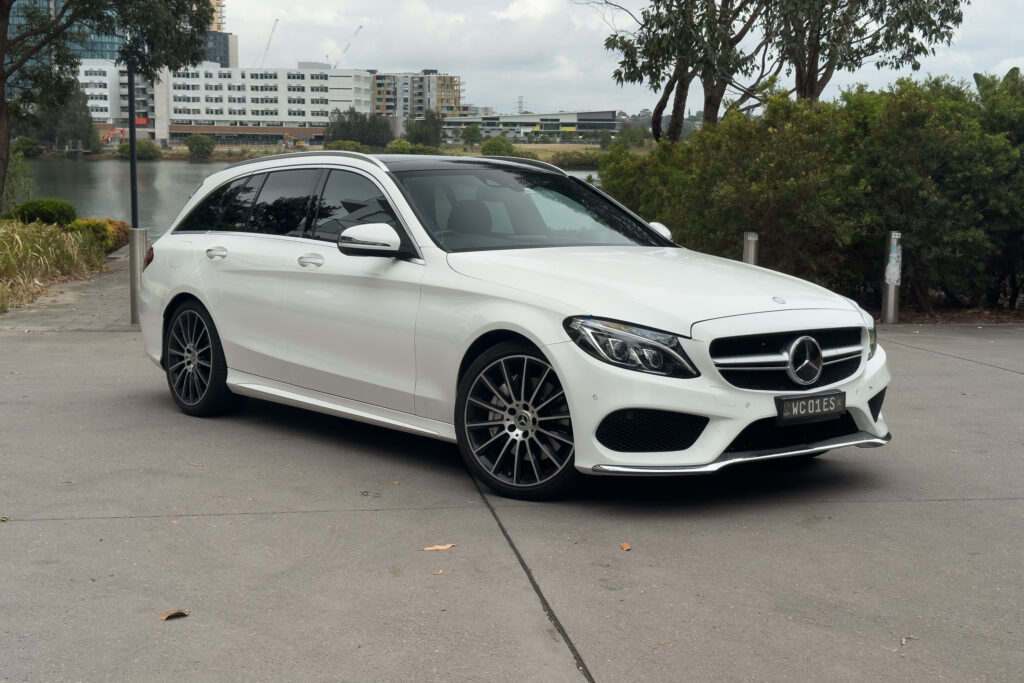
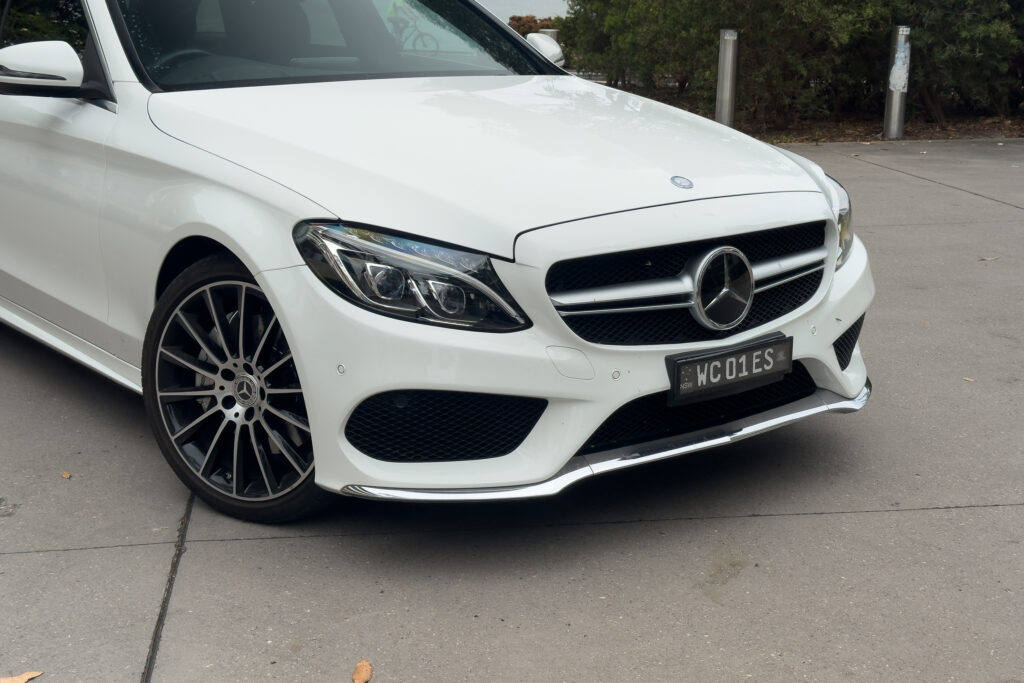
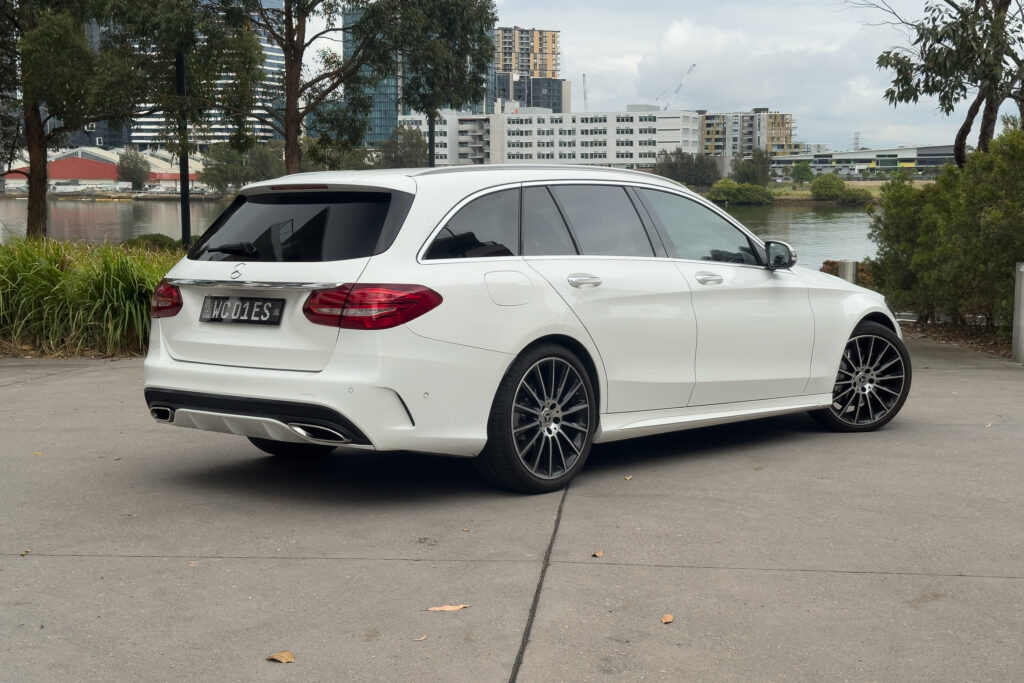
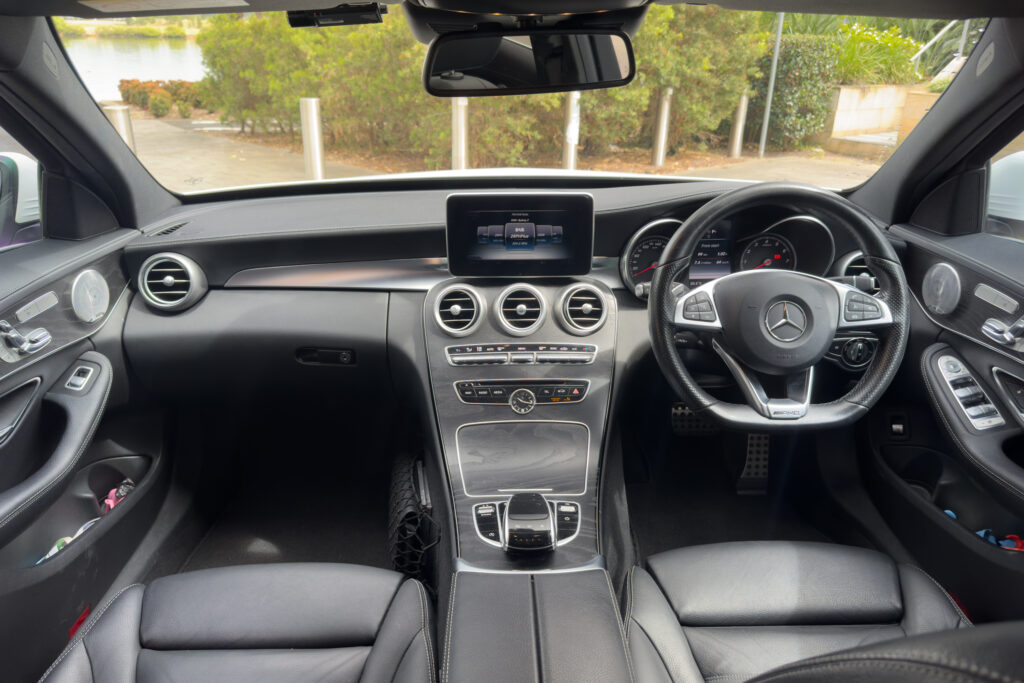
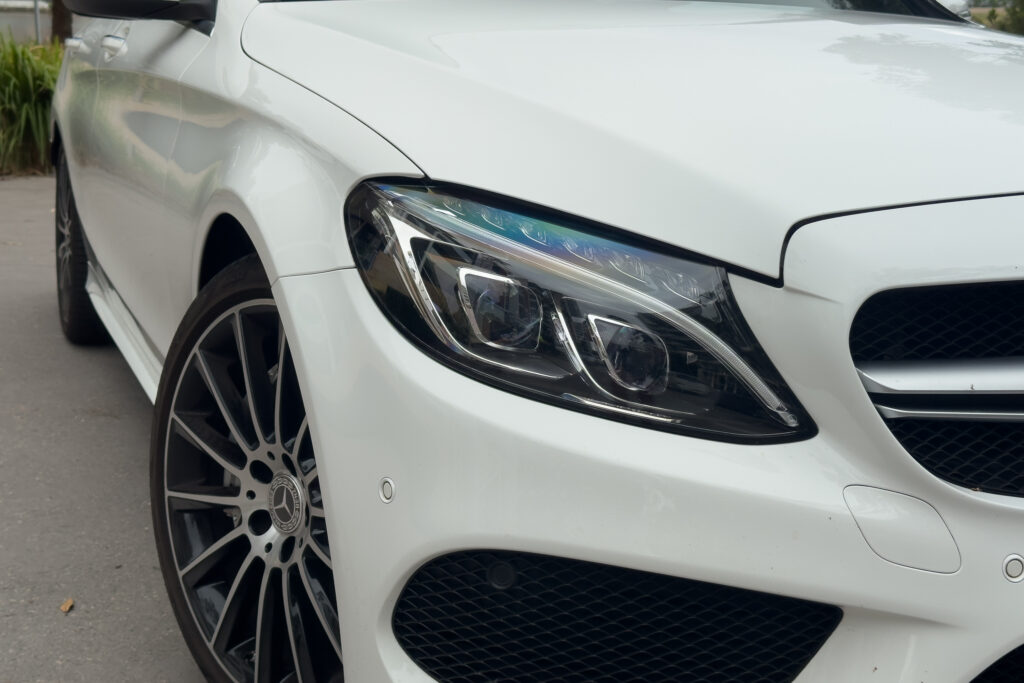
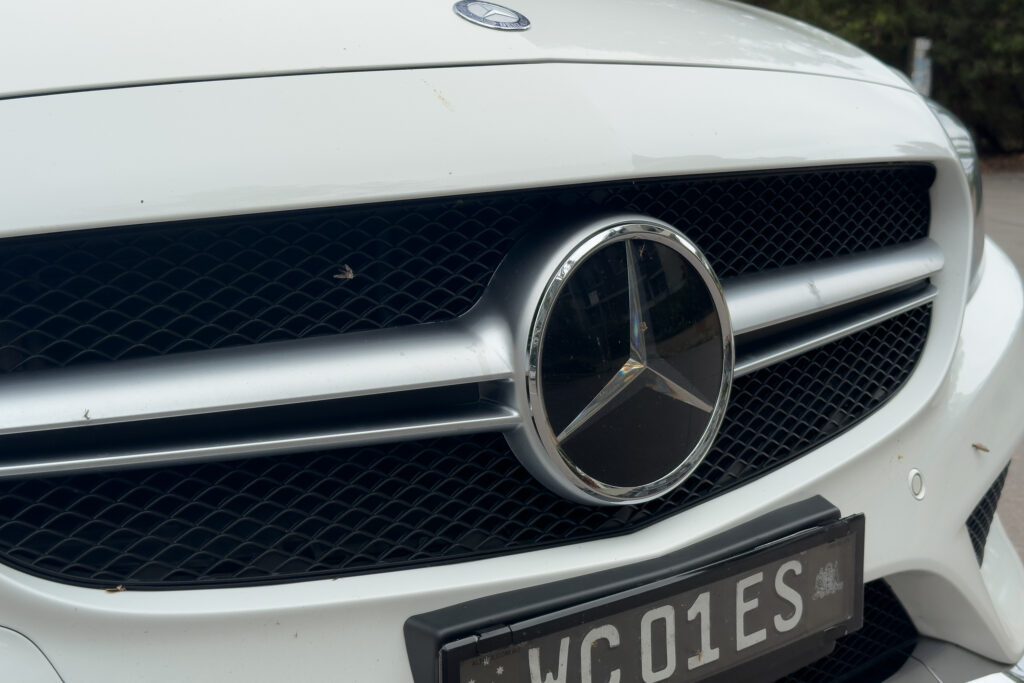
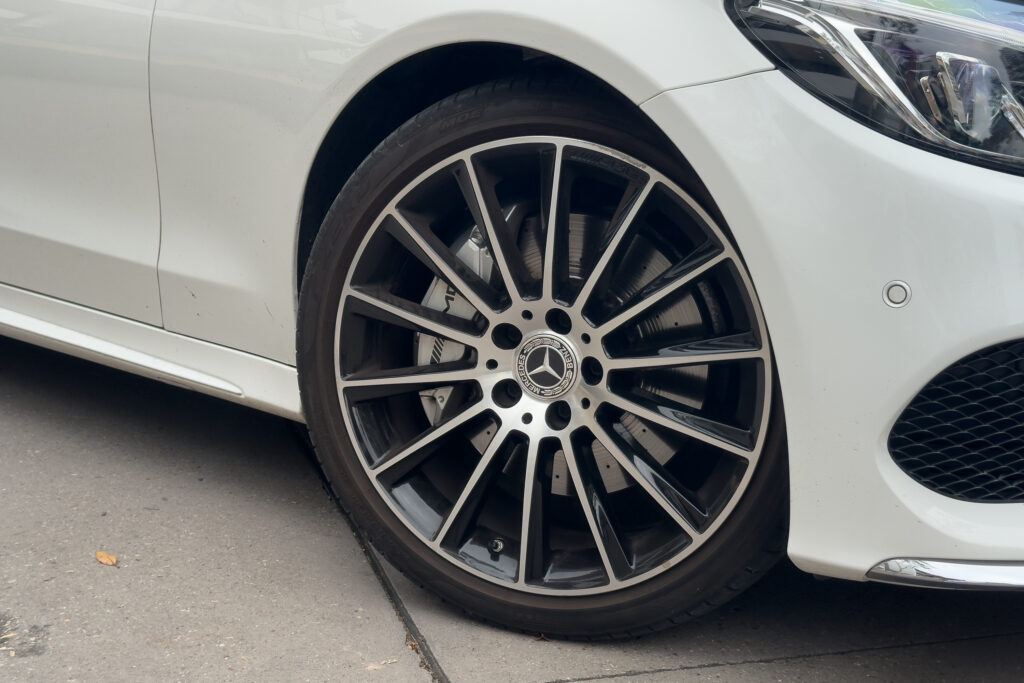
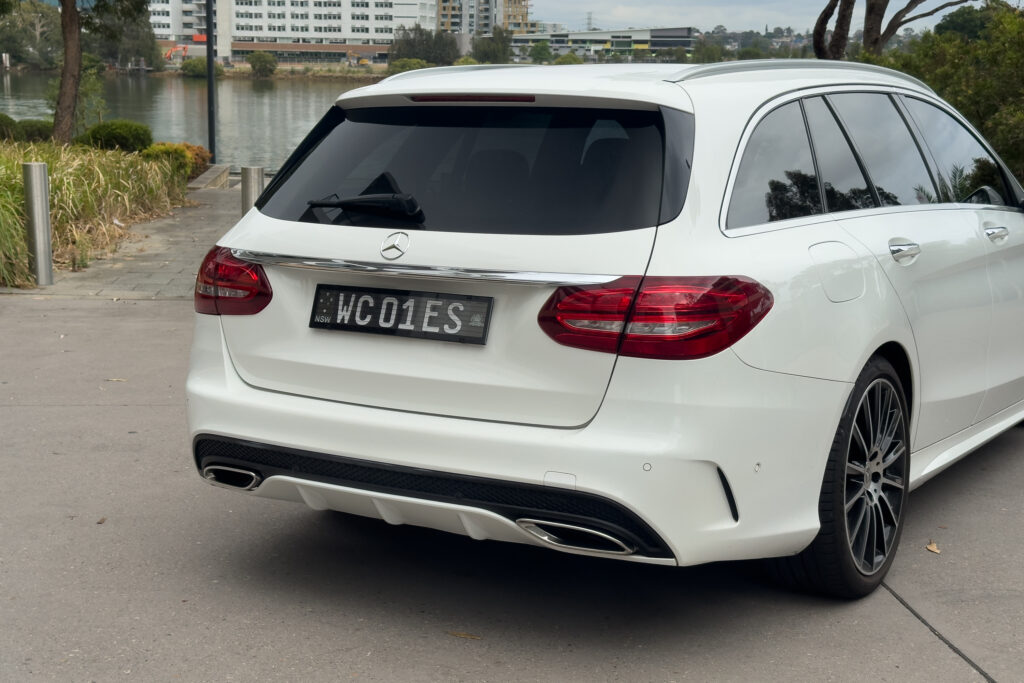
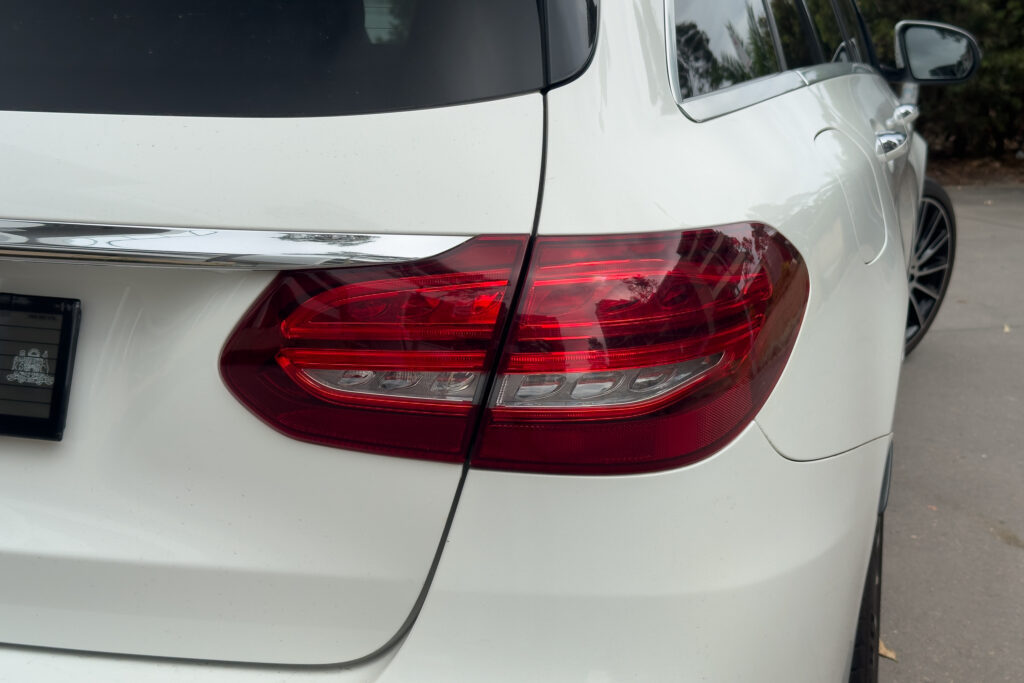
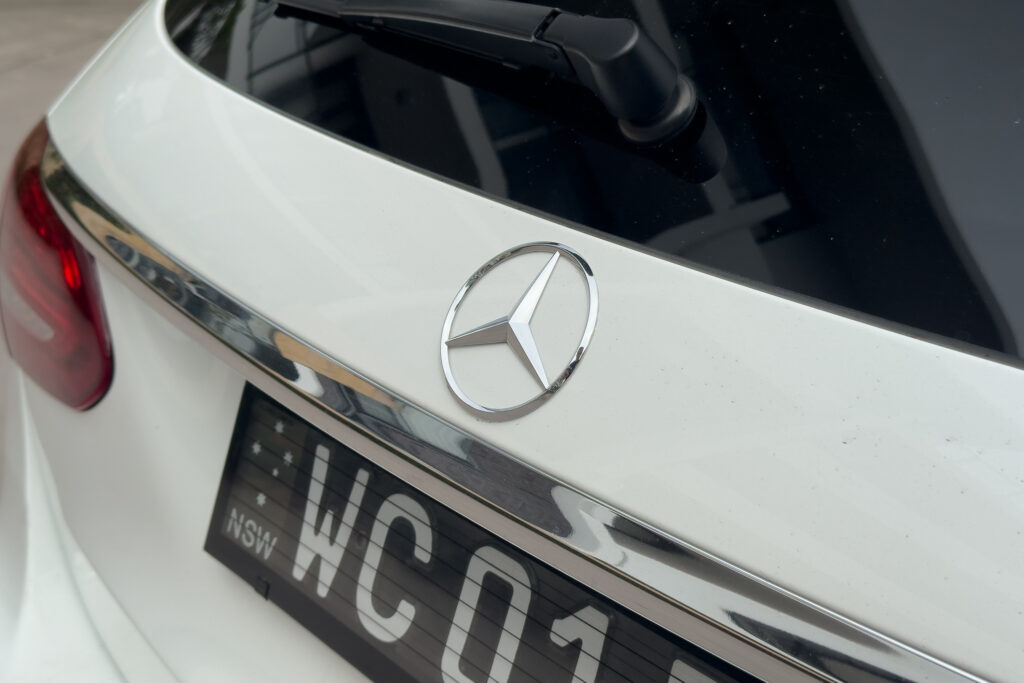
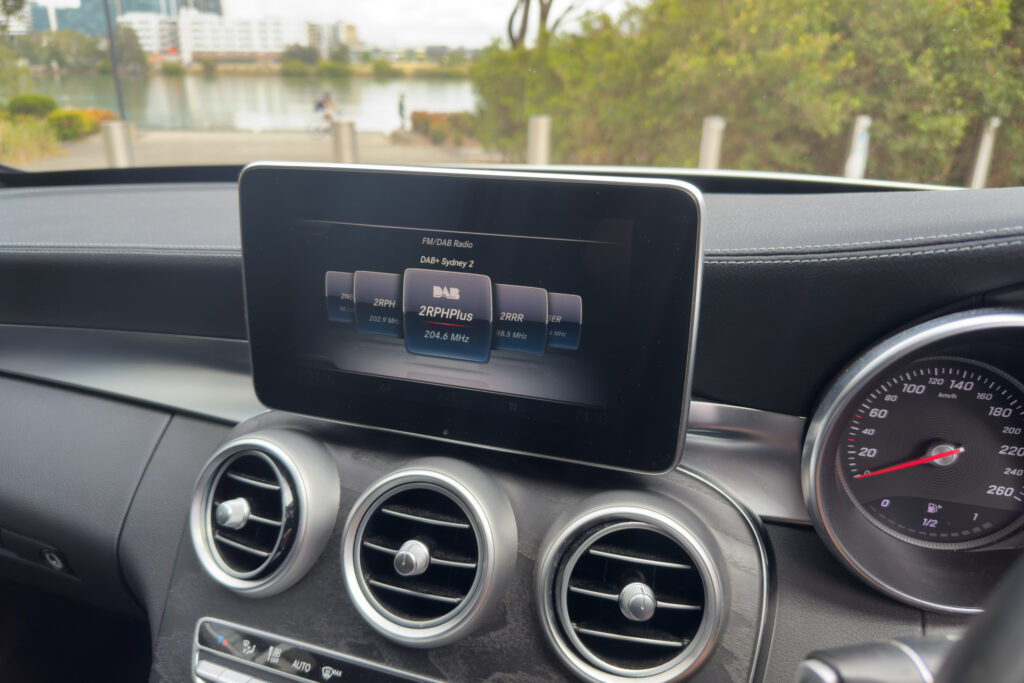
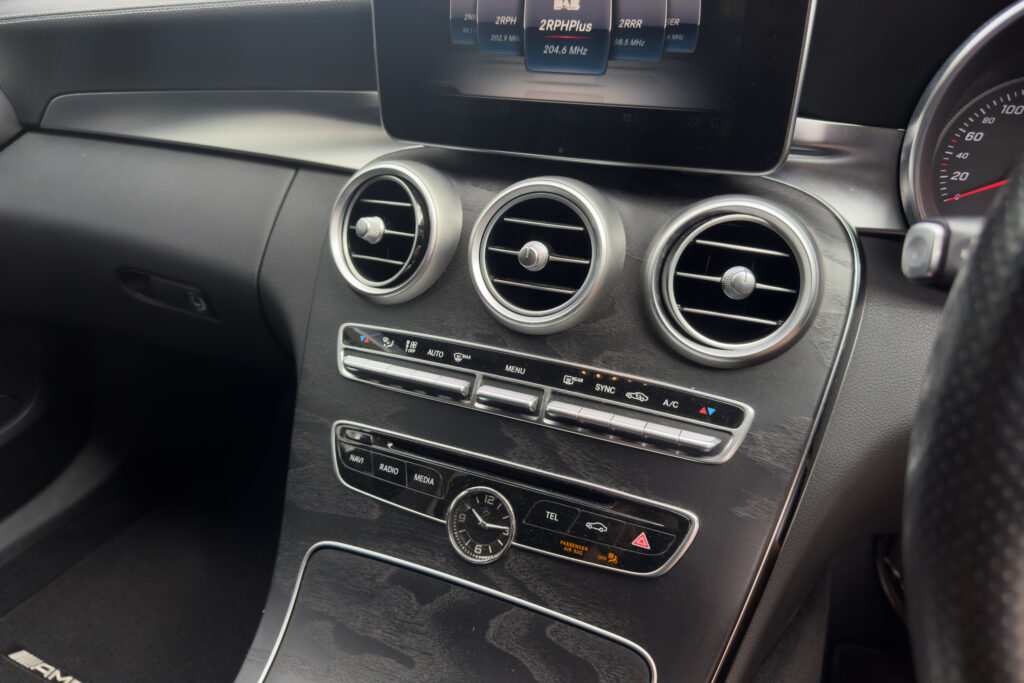
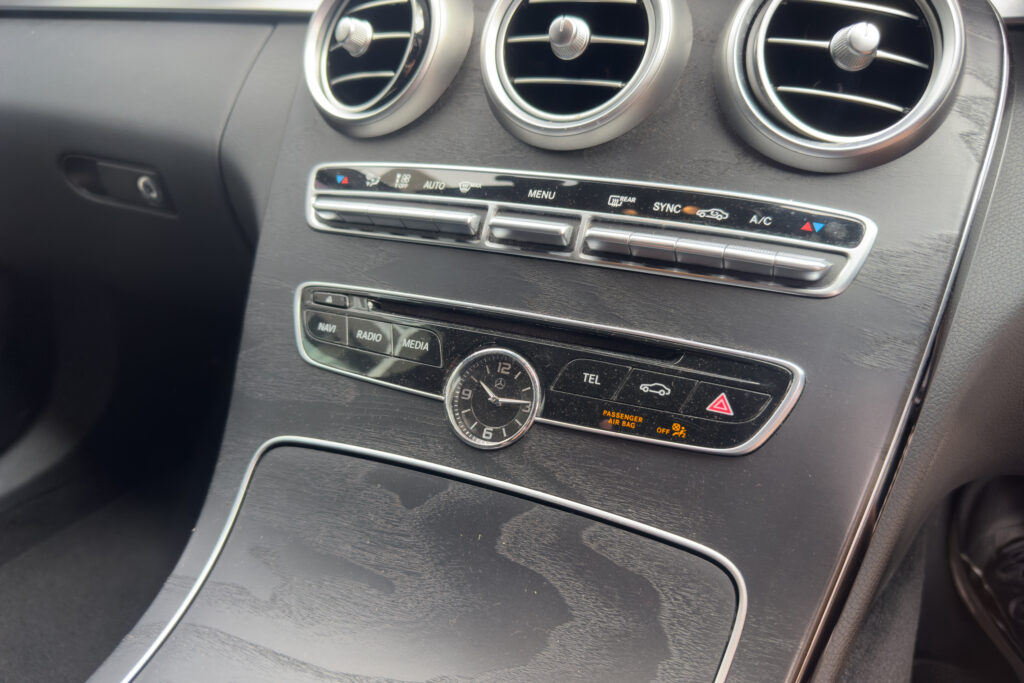

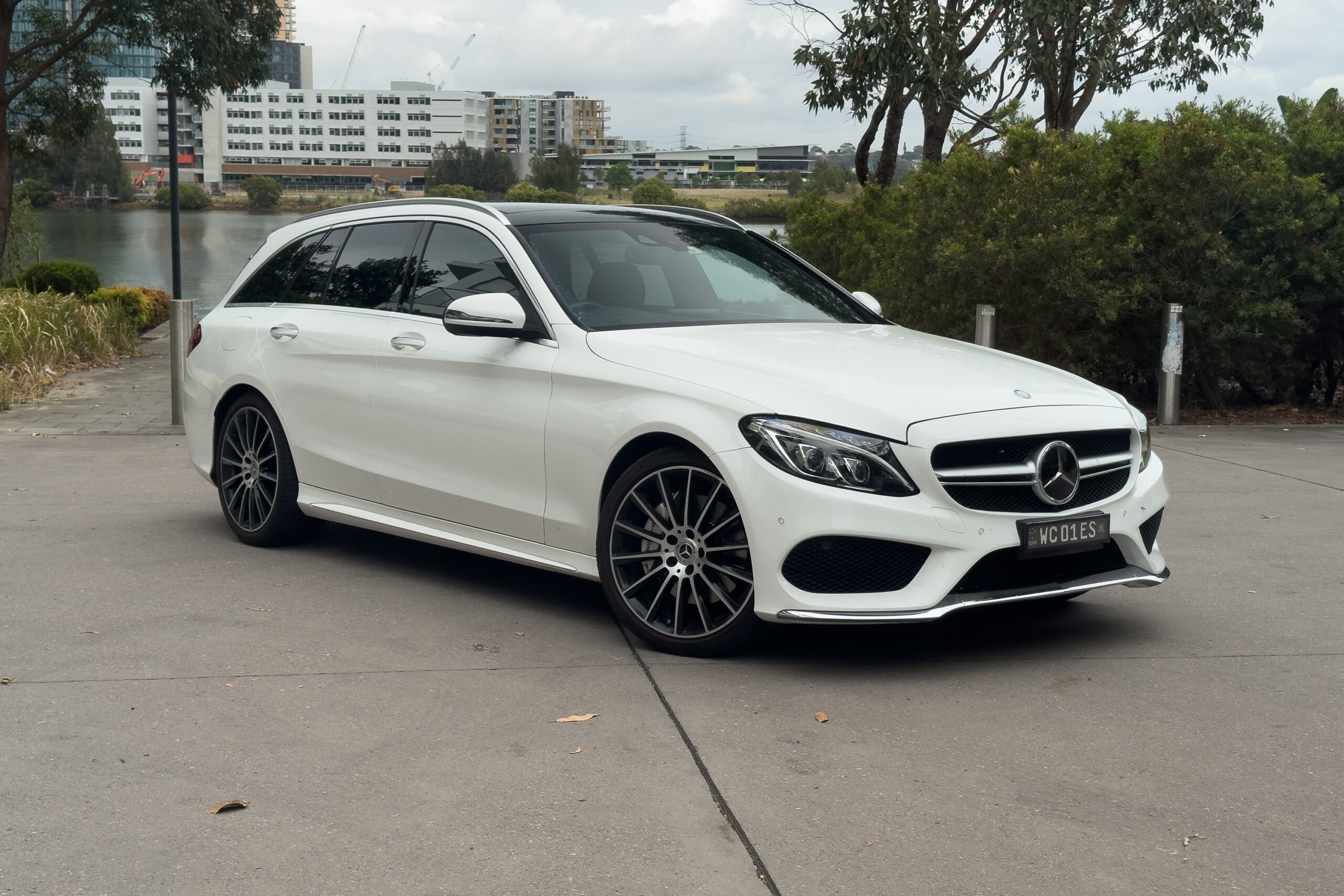
2016 Mercedes-Benz C-Class C250 (S205)

22 November 2024
There are better cars out there.

2016 Mercedes-Benz C-Class C250 (S205)

Used car review
22 November 2024
The Mercedes-Benz C-Class has long been one of the brand’s most popular and important models, promising luxury, refinement, and advanced features. The 205 series, representing the fourth generation, includes the sedan, wagon, coupe, and convertible.
These vehicles were available in two main iterations: pre-update models (2014–2018) and post-update models (2018–2023). While these vehicles often appeal to buyers seeking German engineering and a prestigious image, they are not without flaws, particularly in the used car market.
The Australian-market C-Class lineup consists of a single petrol engine, two diesel engines, and a hybrid option, with variations in tuning across the range to create multiple model designations. For example the 2.0 L turbo petrol in various states of tune power C200, C250 and C300.
The hybrid models cater to environmentally conscious buyers while maintaining the luxury and performance expected from Mercedes-Benz. All Australian-delivered C-Class models are rear-wheel drive, with no all-wheel-drive 4MATIC variants available. Most models use a 9-speed automatic transmission, although some early examples may feature a 7-speed automatic.
While some Australian-delivered 205 series C-Class models were manufactured in Germany, a significant number were built in South Africa. Buyers should note that build quality may vary depending on the production location, with anecdotal reports suggesting some inconsistency between examples.
Even early, base-spec models of the C-Class came well-equipped, offering a high level of standard features. However, competitors like the Lexus IS and Genesis G70 sometimes provide better value with more standard inclusions.
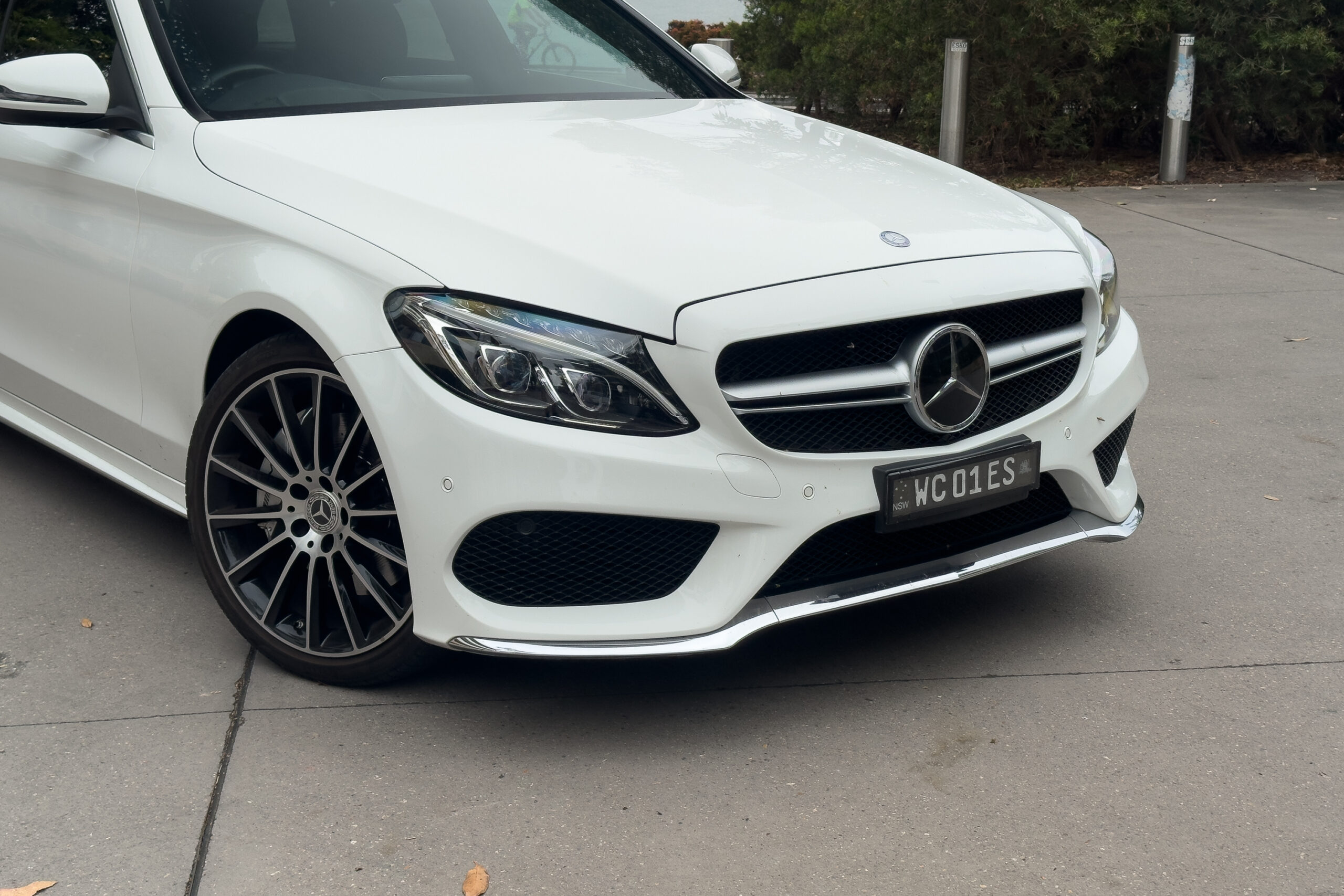
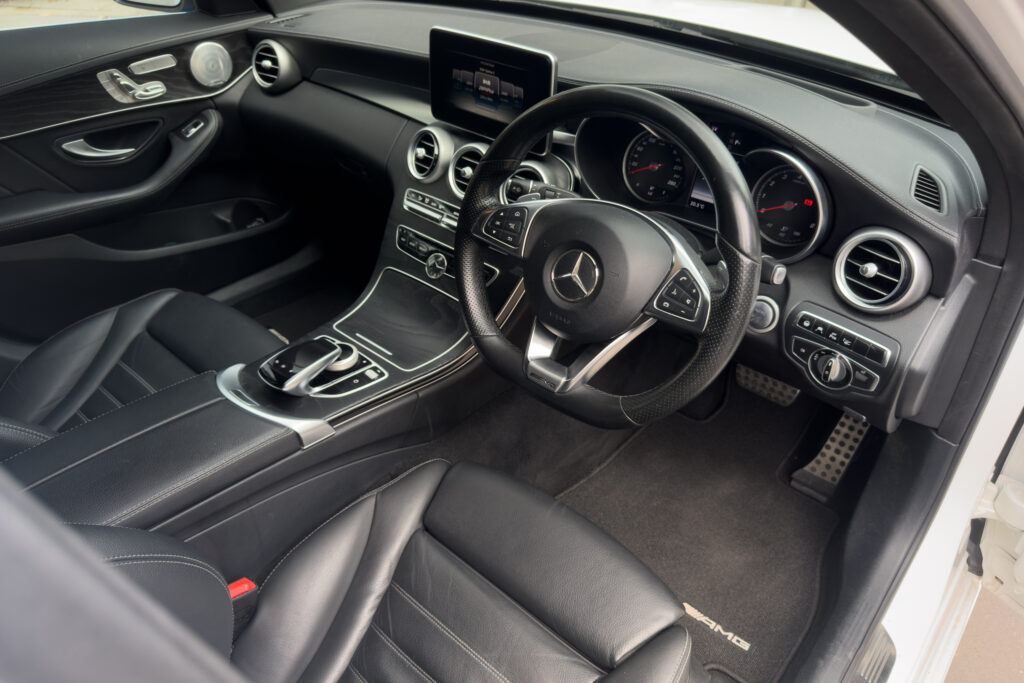
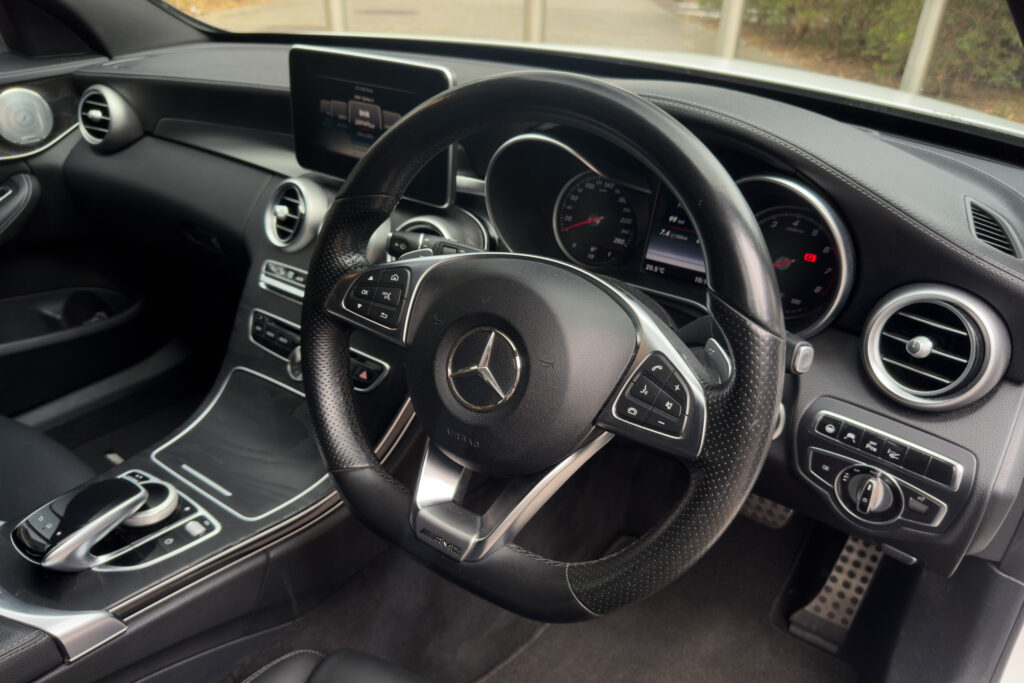
Mercedes-Benz’s extensive range of optional extras is a defining feature of the C-Class. Popular trim packages include Avantgarde, Exclusive, Edition C, and AMG Line, which add unique styling and equipment.
Additional options range from 14 different wheel designs to the Air Balance package, offering fragranced and filtered cabin air. Buyers should look for models with desirable extras, as they can elevate the C-Class to feel like a scaled-down S-Class.
While the C-Class carries a premium badge, it does not always deliver the premium reliability one might expect. Reports of inconsistent build quality, electrical system issues, and mechanical faults are common, with experiences varying widely between owners.
Some have faced repeated problems that have soured their opinion of the brand, while others report flawless ownership. Depreciation is also a significant concern, with C-Class models often losing value faster than some competitors.
Owning a 205 series C-Class can be expensive. OEM parts are costly and may require lengthy shipping times from Germany or South Africa. Routine maintenance and unexpected repairs can add up quickly, making long-term ownership less financially attractive for budget-conscious buyers.
The Mercedes-Benz C-Class is undoubtedly a desirable vehicle for its luxurious features, prestige, and driving experience. However, potential buyers should approach with caution, especially in the used market.
Carefully inspect any prospective purchase for common issues, and consider that the presence of a premium badge does not always guarantee a premium ownership experience. Educate yourself on known problems below and weigh the potential costs against the appeal of owning a Mercedes-Benz.
Exterior Issues
Creaking doors and sunroofs: Pre-update models are more prone to creaks and noises from the doors and sunroofs, but even newer examples can develop these issues.
Complete sunroof failures can be costly. Maintenance, such as lubrication, is essential to avoid problems like gear misalignment or broken plastic wheels, which can result in repair costs exceeding $5,000 at dealerships. Independent repairers may charge under $3,000.
The panel ahead of the sunroof may delaminate. Replacing this part costs around $500, but dealership labour can push costs to nearly $2,000. Mercedes often denies warranty claims, attributing the issue to car washing fluid.
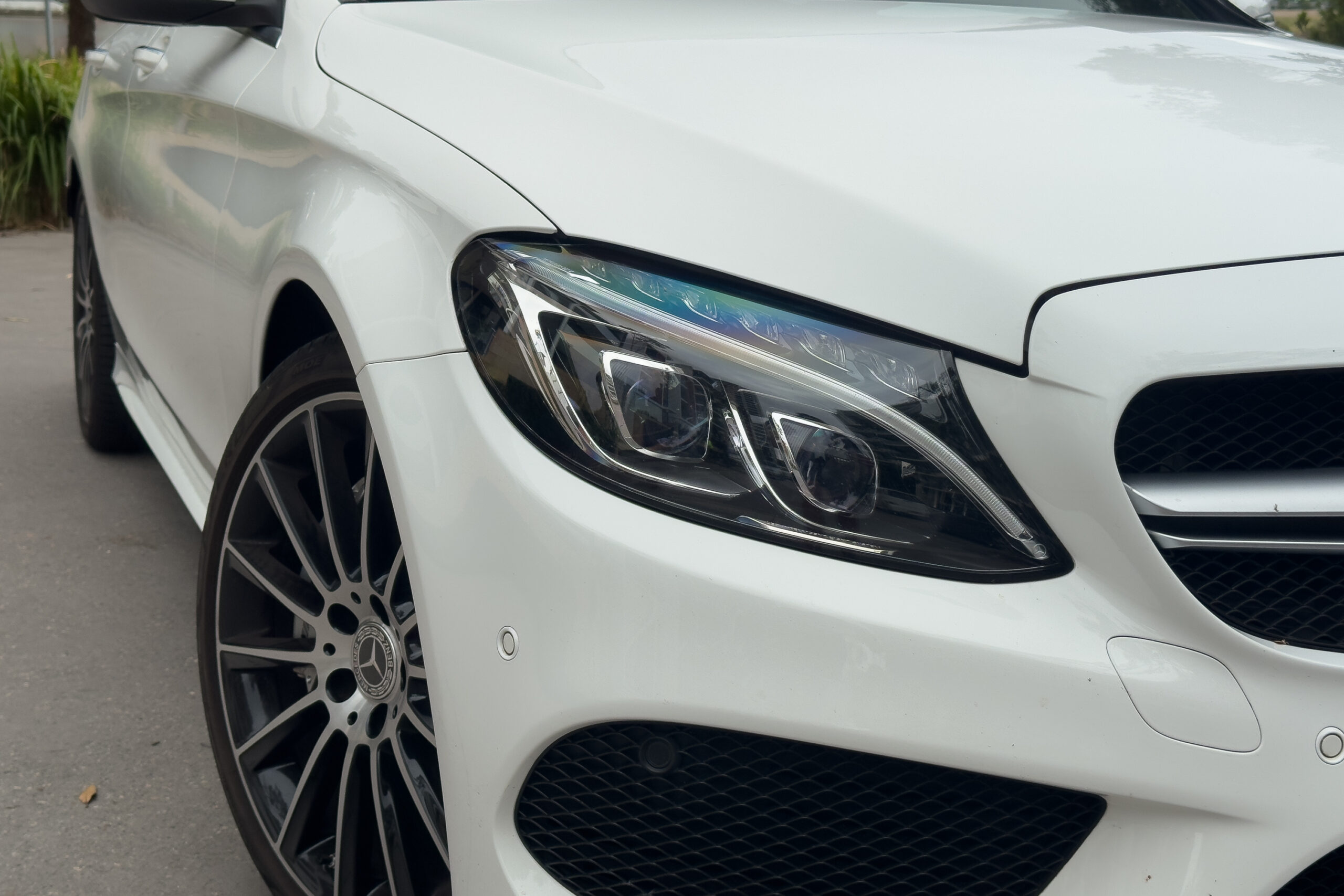
Black or silver trim around windows may fade or develop a rainbow effect. Replacement is typically not covered under warranty.
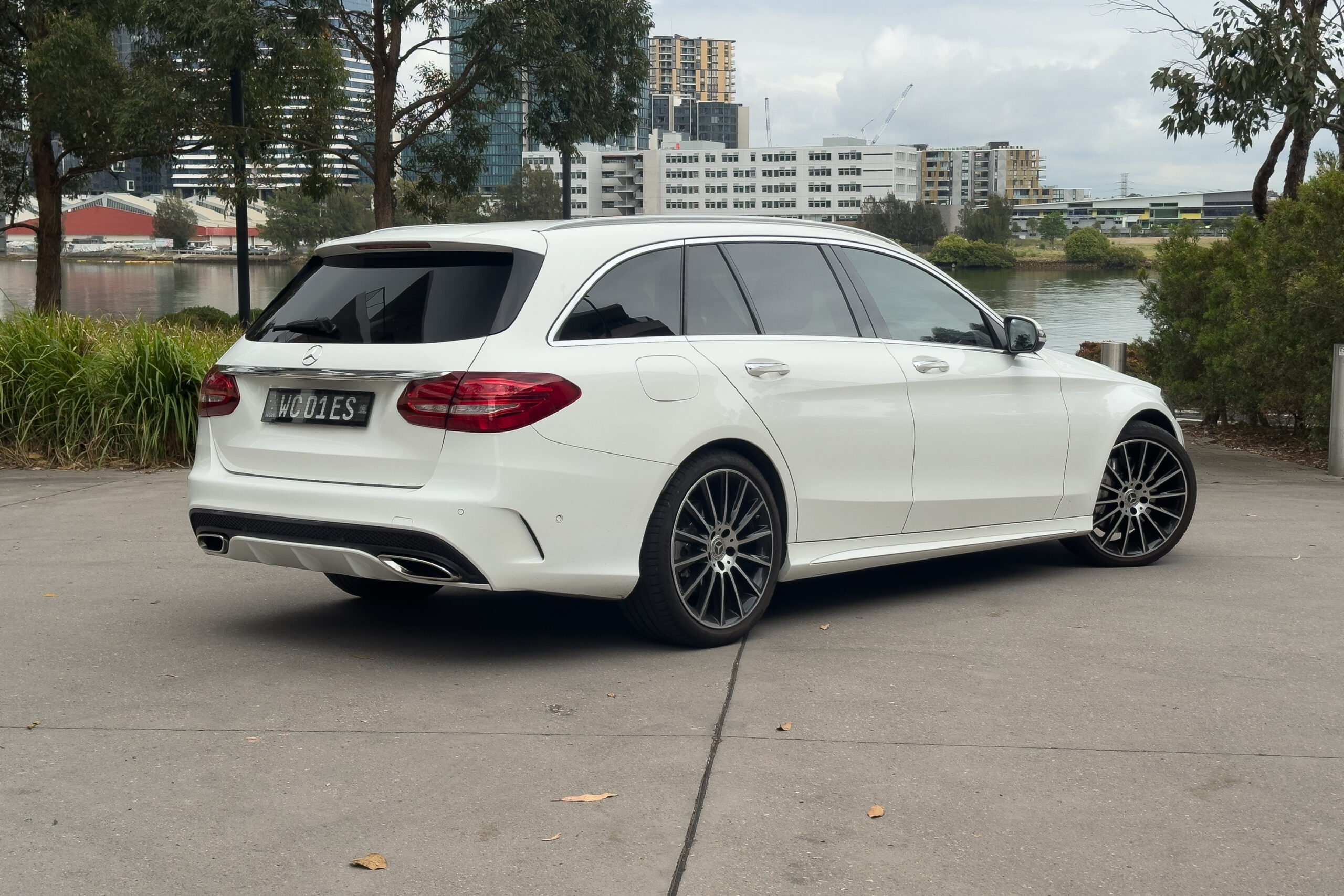
AMG Line wheels are prone to cracking or buckling, exacerbated by the standard fitment of run-flat tyres. Replacement costs are high, and independent repairers are often more affordable.
OEM wipers may chatter across the glass, leading to a subpar cleaning experience.
Interior Issues:
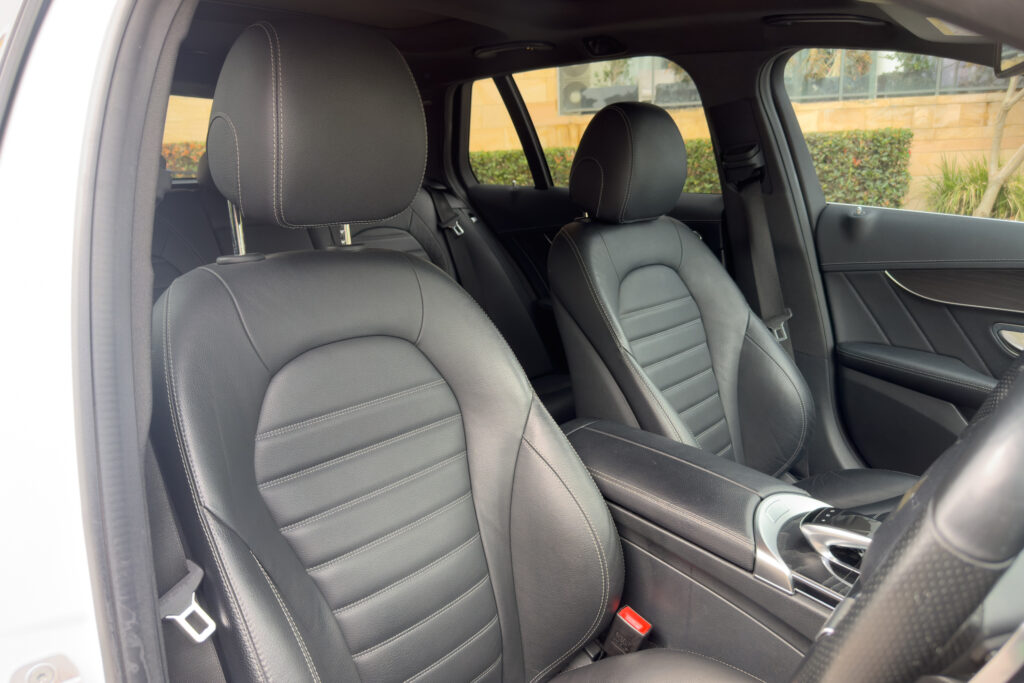
Synthetic leather can wear prematurely, while genuine leather tends to hold up better over time.
Headliners may sag over time, a known issue in some examples.
Window switches are prone to breaking or popping off. Replacement costs for a driver’s switch can exceed $700.
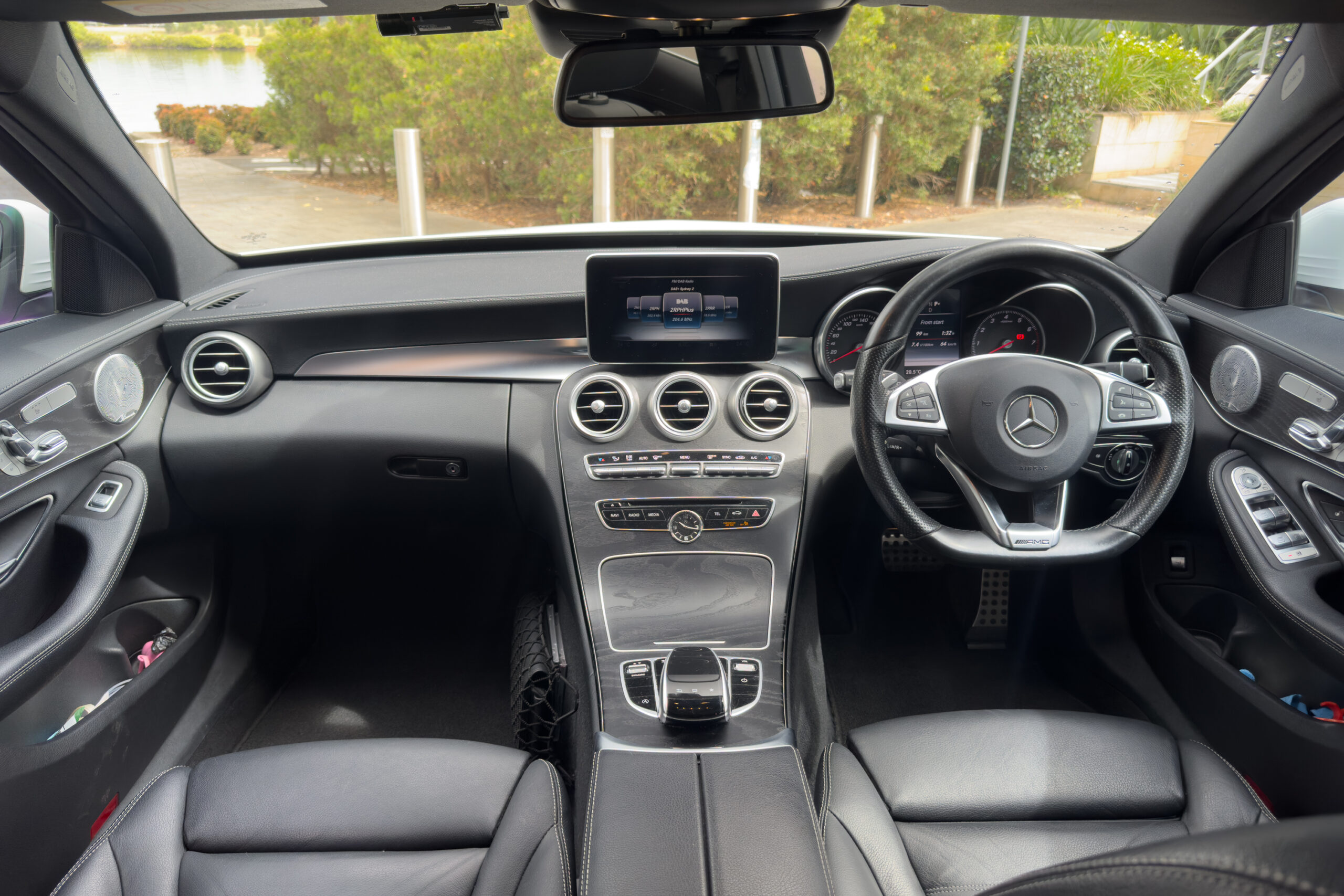
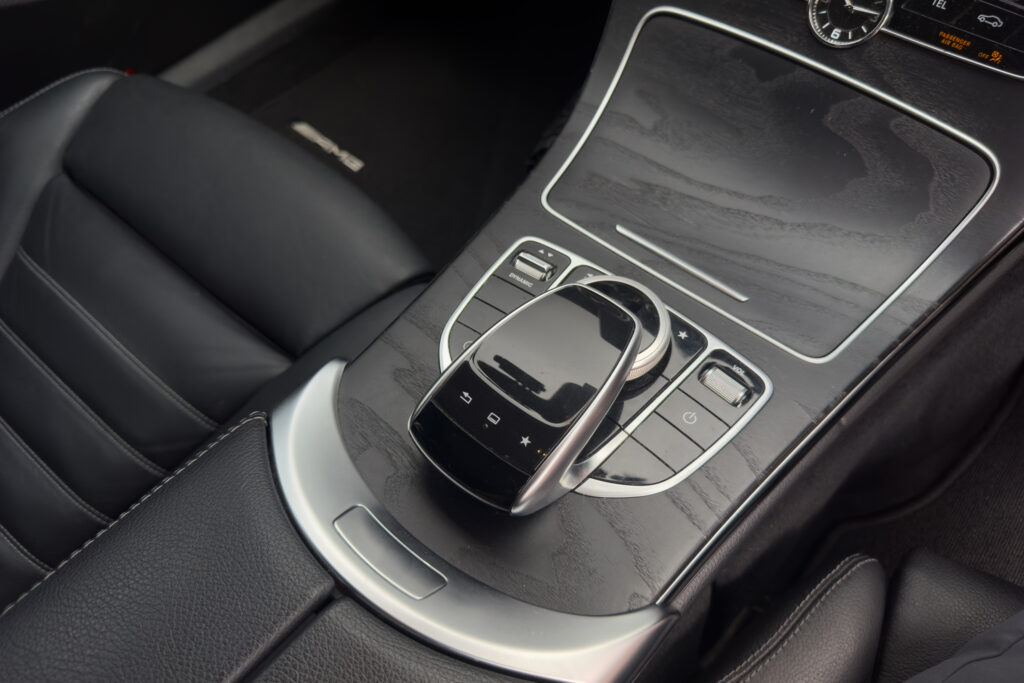
Silver finishes on the console and trackpad, as well as buttons like the armrest release, can degrade or fail. Dashboard timber may split, and gloss finishes scratch easily.
Interior plastics can produce noises over time, undermining the premium feel of the cabin.
Door modules, seat motors, ambient lighting, and infotainment systems are common failure points. Issues include:
COMAND and newer systems may suffer from slow operation, freezing screens, or ghost touches. Fixes range from software updates to costly hardware replacements.
Door module failures can disable multiple systems on a single door, costing $900 or more to replace.
Air conditioning systems may malfunction or emit a mouldy smell.
Mechanical Issues:
Petrol Engines:
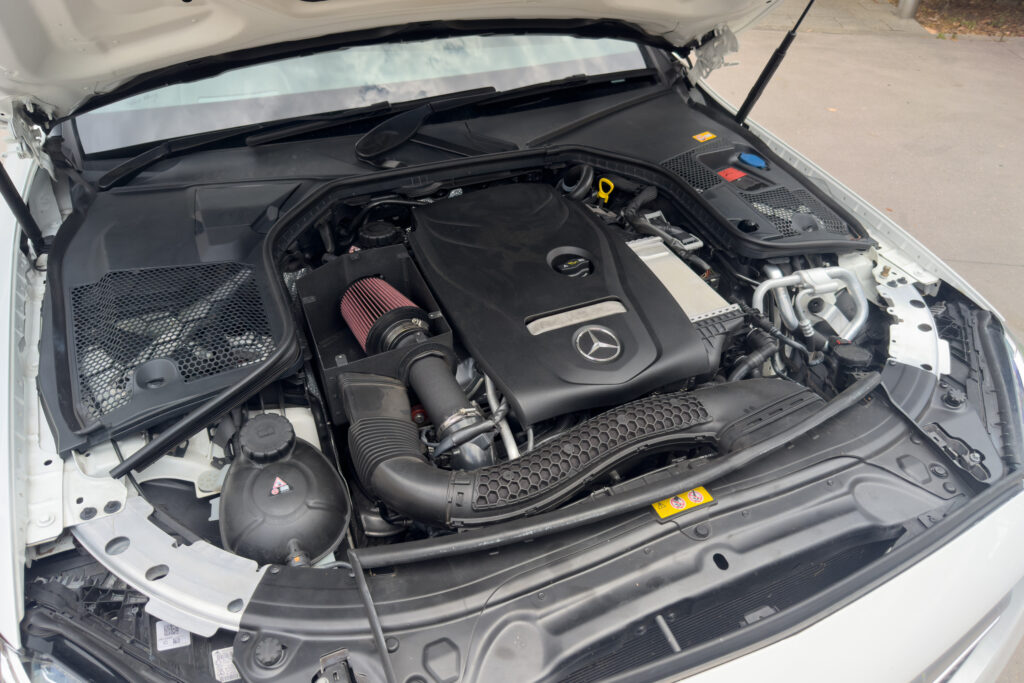
Piston failures are most common in early models (2015–2017) and can potentially lead to catastrophic engine damage.
Oil starvation and boost control actuator failures are frequent issues. Aftermarket repairs can offer cost-effective solutions.
Timing chains can stretch after 80,000 km, especially with poor maintenance.
Water pumps are prone to valve failure, leading to cooling issues.
Coil packs often disintegrate during spark plug changes.
PCV systems’ air-oil separators can fail, requiring complex repairs.
Valve cover leaks and injector seals can cause severe carbon buildup, nicknamed “black death,” making repairs challenging.
Common around the fuel filter housing.
Regular diesel-related issues are exacerbated by boost leaks.
Batteries, power delivery units, and control modules are known failure points, with repair costs extremely high.
Run-flat tyres, especially on AMG Line models, contribute to a harsh ride. Switching to non-run-flat tires can improve comfort and handling.
Early models may experience clunky gear changes and delays in downshifting.
Early active safety features may be overly sensitive, while post-update systems are among the best available.
Mercedes-Benz dealerships often face criticism for high parts and labour costs, as well as inconsistent service quality.
If you’re a fan of Mercedes-Benz, the 205 Series C-Class might feel like a tempting choice. However, we believe you deserve better than what this model often delivers.
While the C-Class carries undeniable appeal with its premium badge and stylish design, there are significant concerns to consider. We could talk endlessly about the objective downsides—high parts costs, inconsistent build quality, poor reliability, low customer satisfaction scores, and steep depreciation.
But numbers and statistics don’t tell the whole story. Buying a luxury car is often an emotional decision, driven by the prestige and promise of a premium brand like Mercedes-Benz.
This is a company that built its reputation on class-leading engineering and exceptional craftsmanship—qualities that have defined the Mercedes name for decades.
And while there are certainly used examples of the 205 Series C-Class that uphold these high standards, far too many fail to meet expectations. With recurring issues in reliability, quality, and after-sales service, it’s clear that not every C-Class lives up to the legacy of the three-pointed star.
You deserve a vehicle that not only embodies the elegance and innovation of Mercedes-Benz but also delivers the dependability and quality that the brand promises.
Unfortunately, the 205 Series C-Class may fall short of these ideals for many buyers. Proceed with caution, and ensure any purchase is guided by a thorough understanding of the potential risks and rewards.


Co-creator, presenter & writer, ReDriven

There are better cars out there.
 2 months ago
 3 months ago
 3 months ago