Australia’s No. 1 Used Car Review Website
Australia’s No. 1 Used Car Review Website
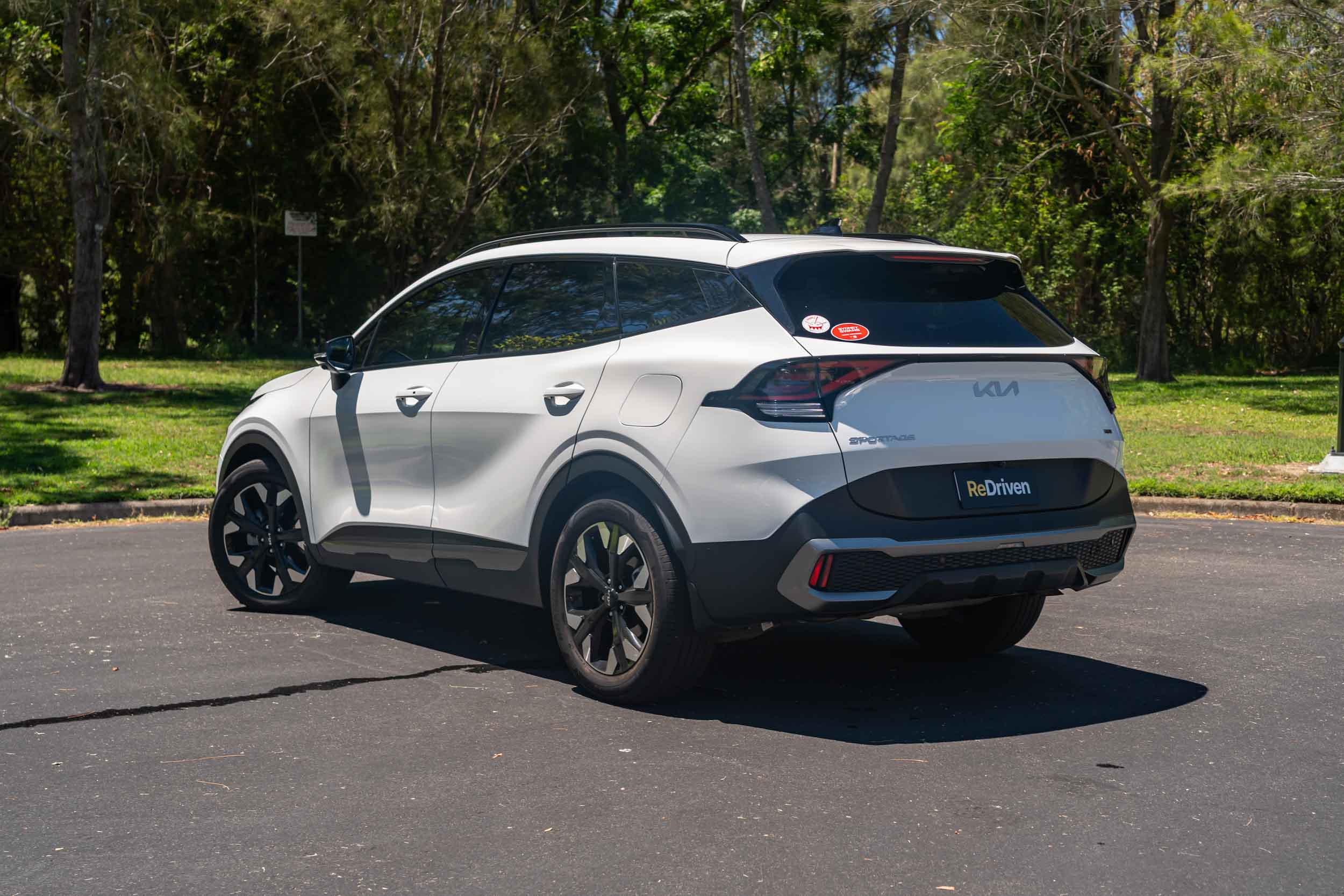
+20 Photos
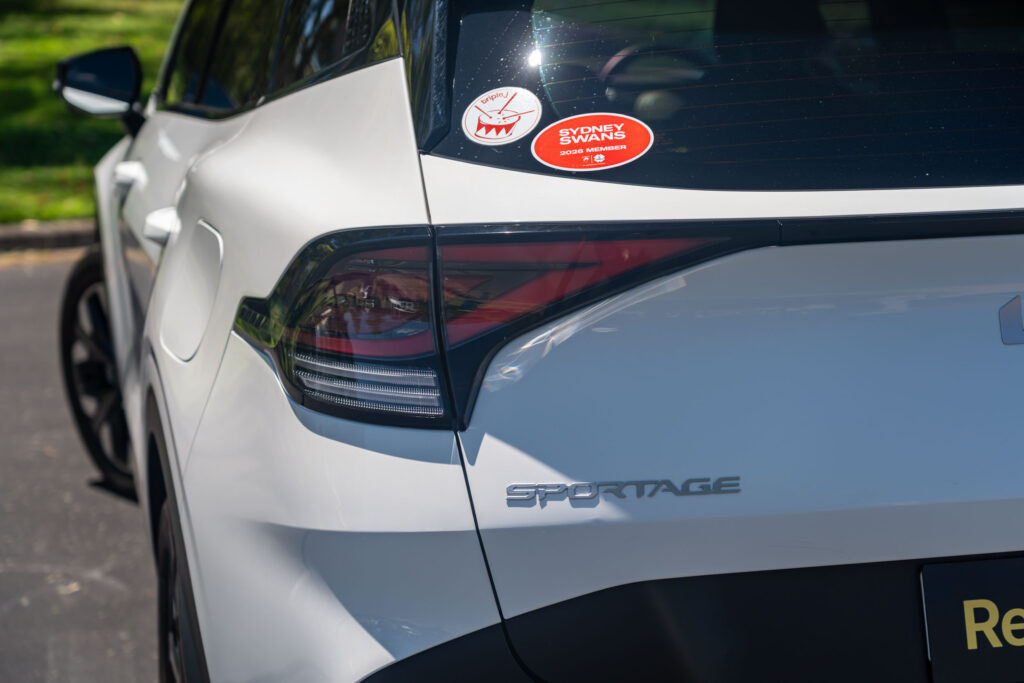

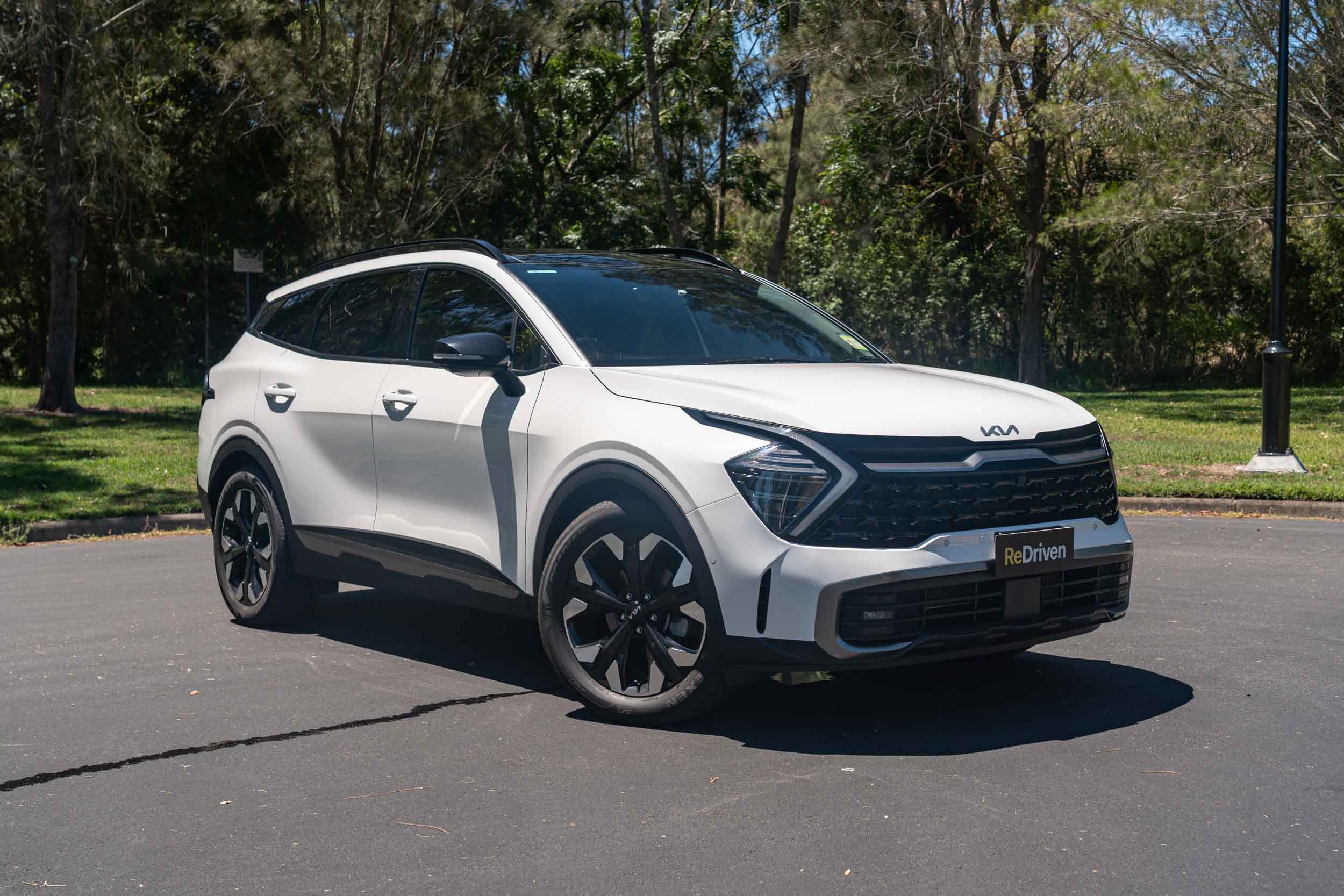
2022 Kia Sportage GT-Line

30 January 2026
Yes. 100%.

2022 Kia Sportage GT-Line

Used car review
30 January 2026
The fifth-generation Kia Sportage, also known internally as the NQ5, was first introduced in 2021 as the successor to the fourth-gen model.
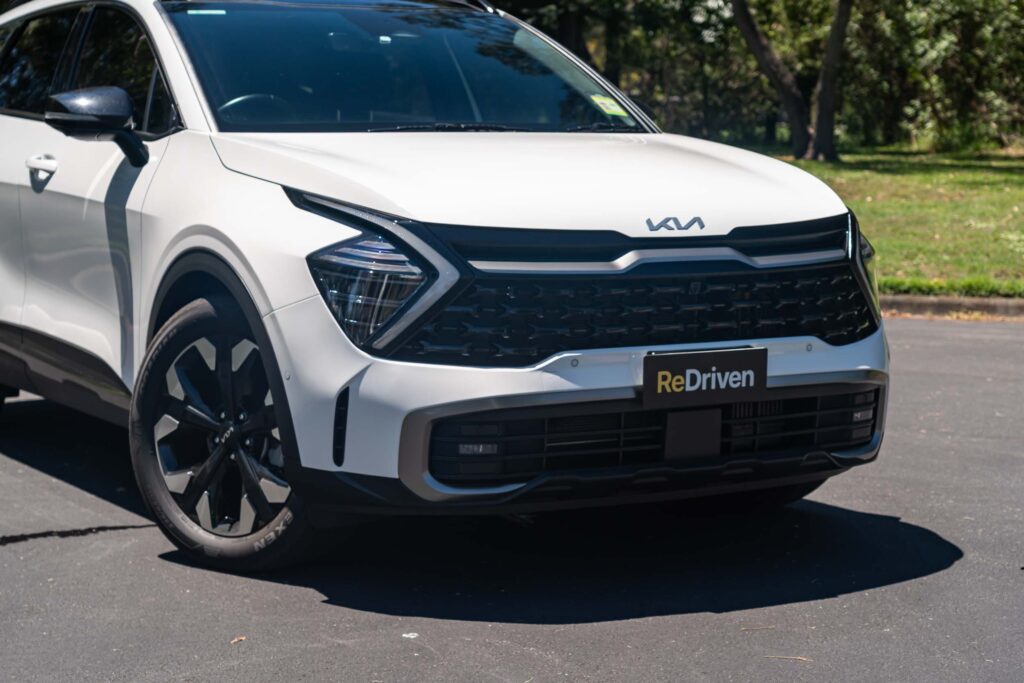
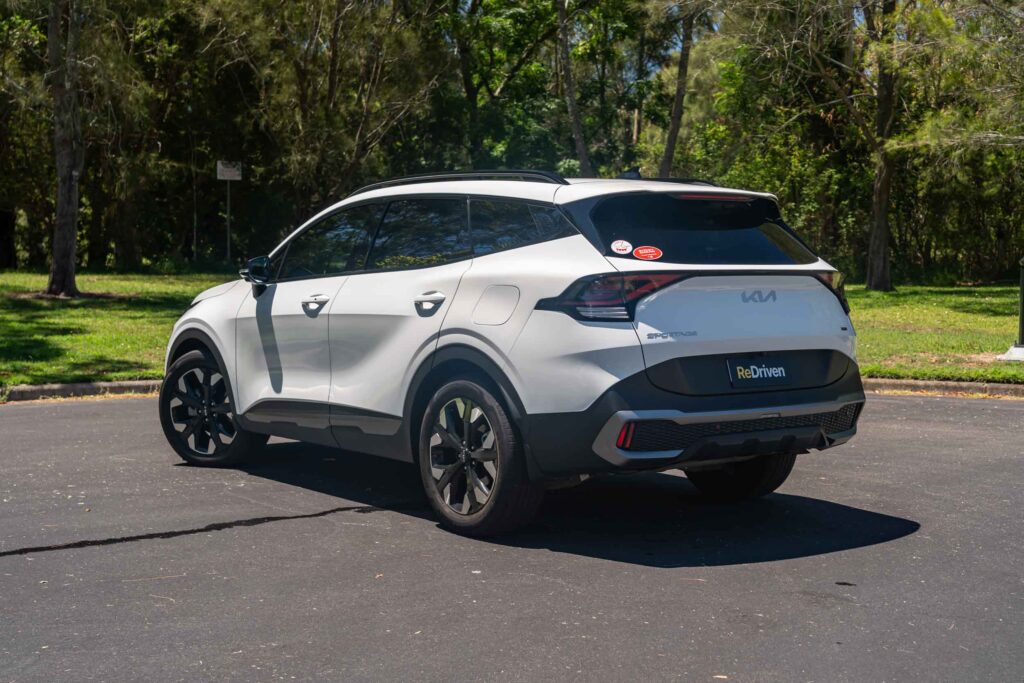
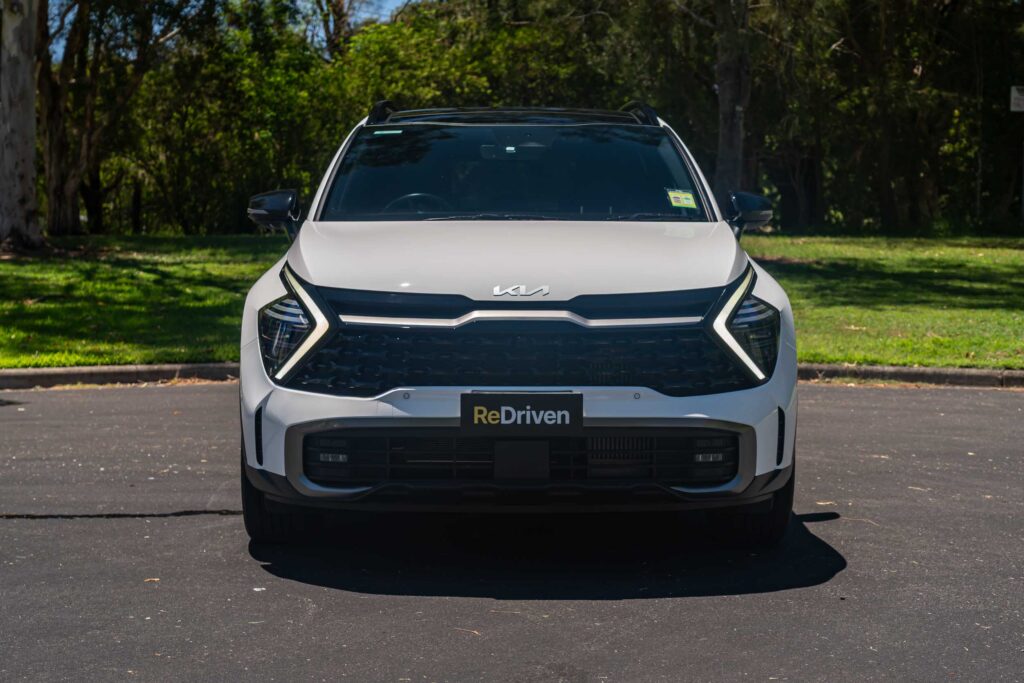
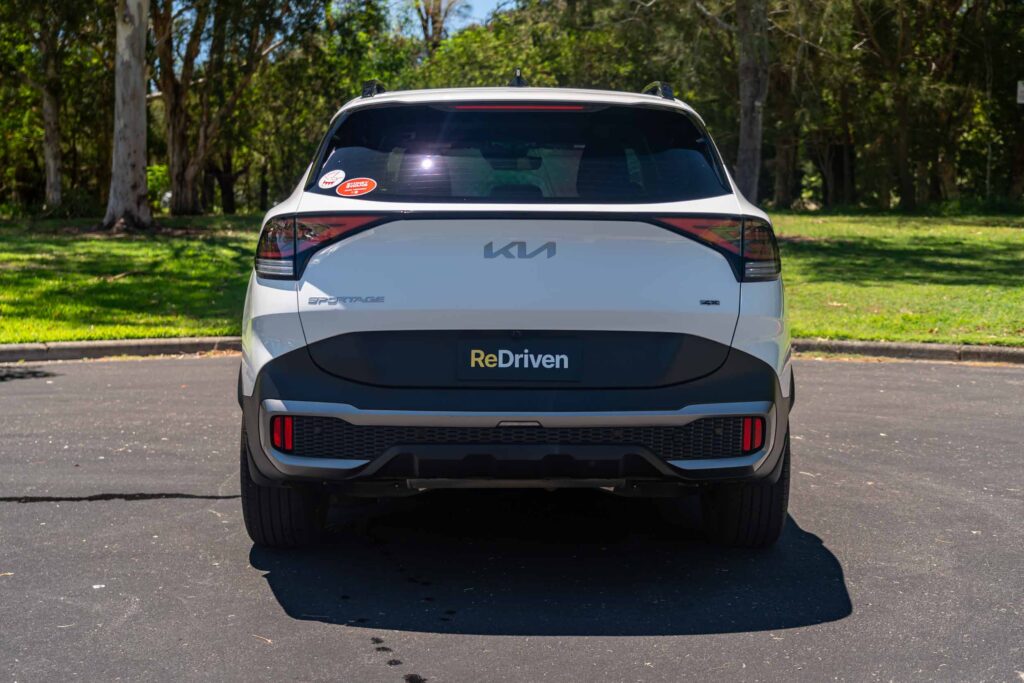
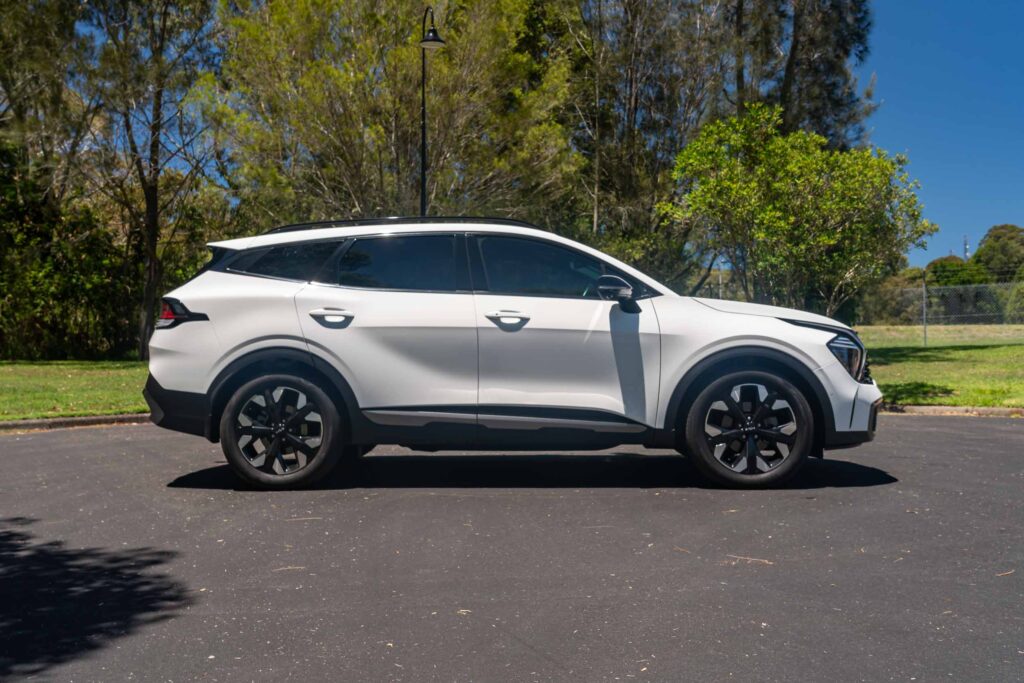
Riding on the wave of success that had taken Korean brands to higher levels of product quality and appeal since the early 2010s, this iteration of the Sportage continued that same approach, with Gregory Guillaume from Kia’s European Design Centre making this arguably one of the best-looking current-gen SUVs (as he did for the previous-gen Sportage).
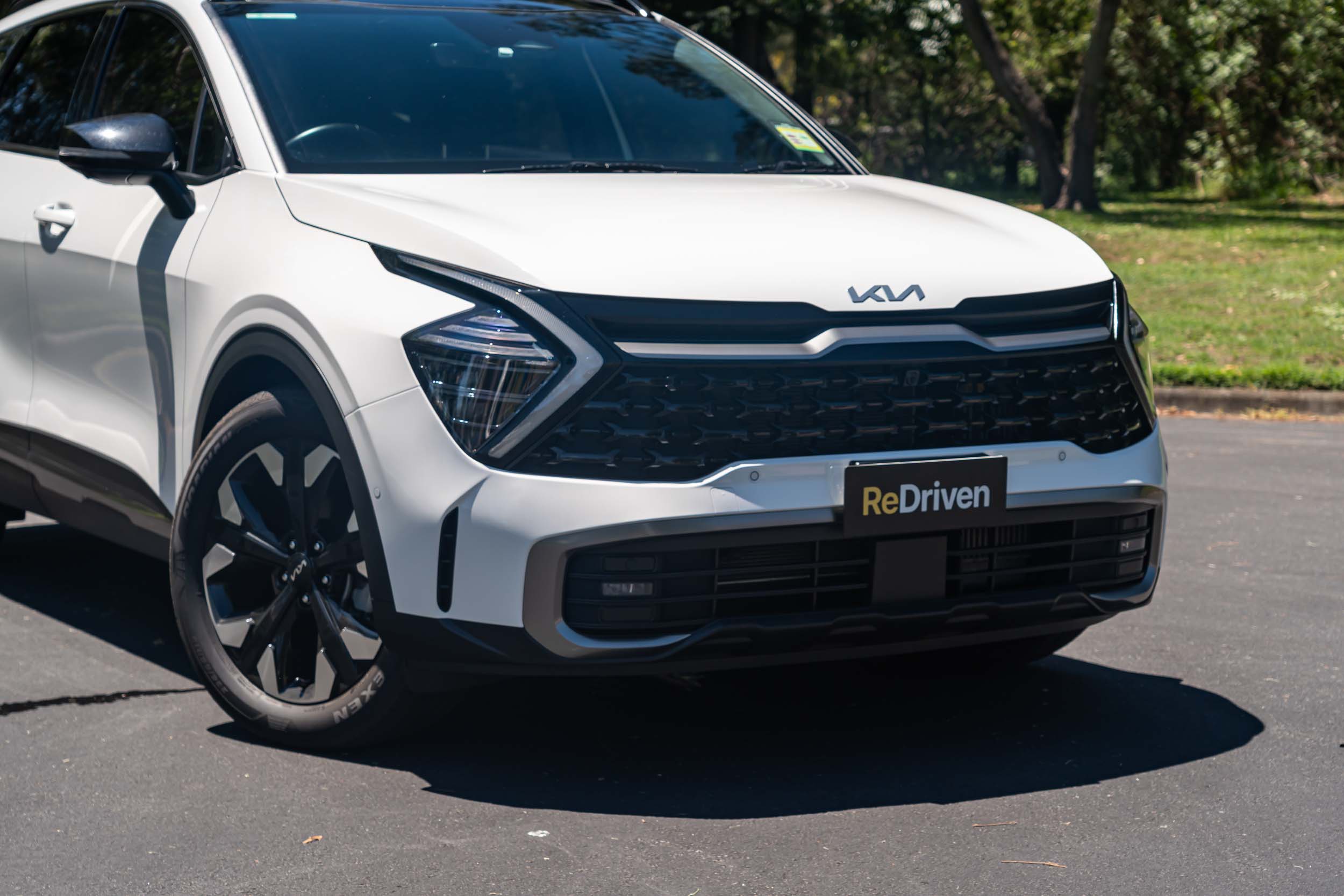
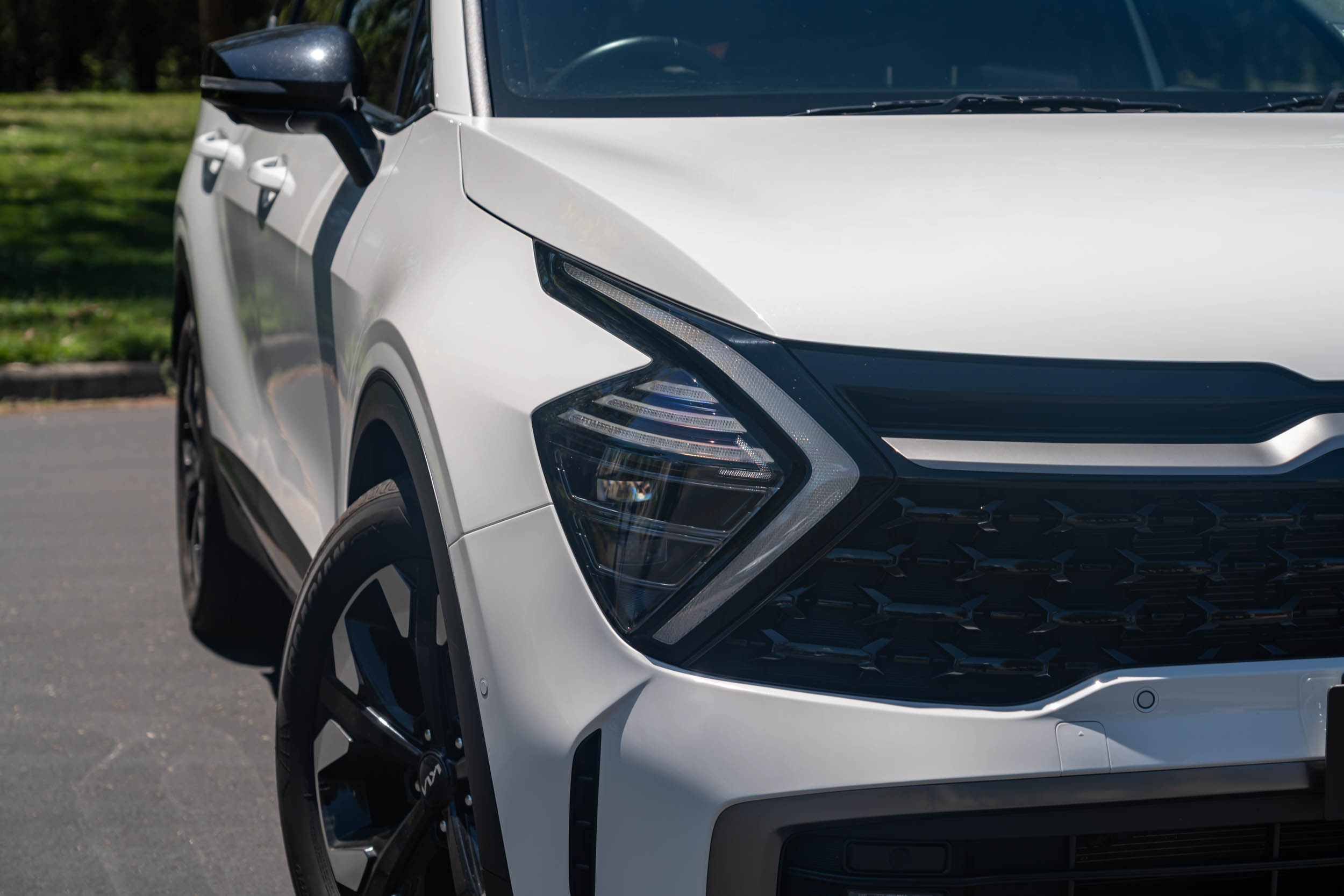
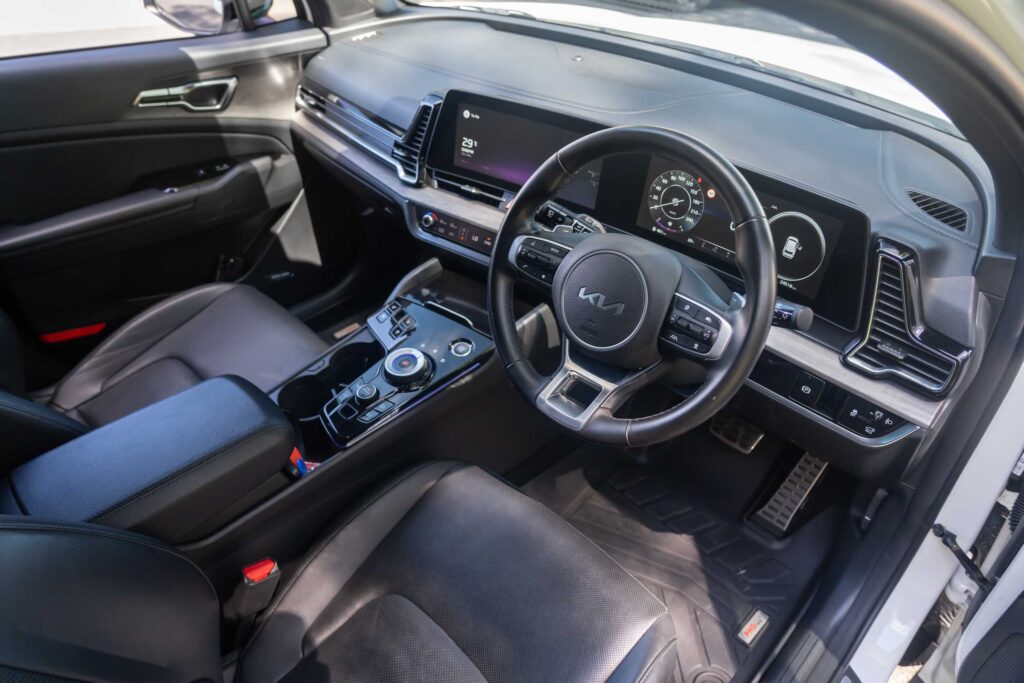
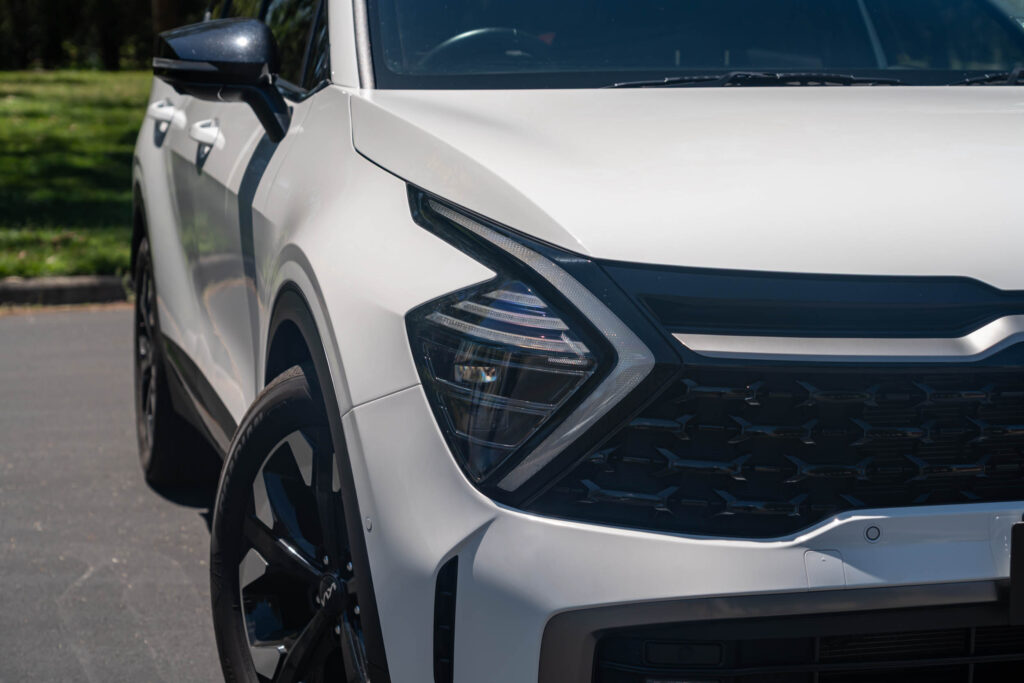
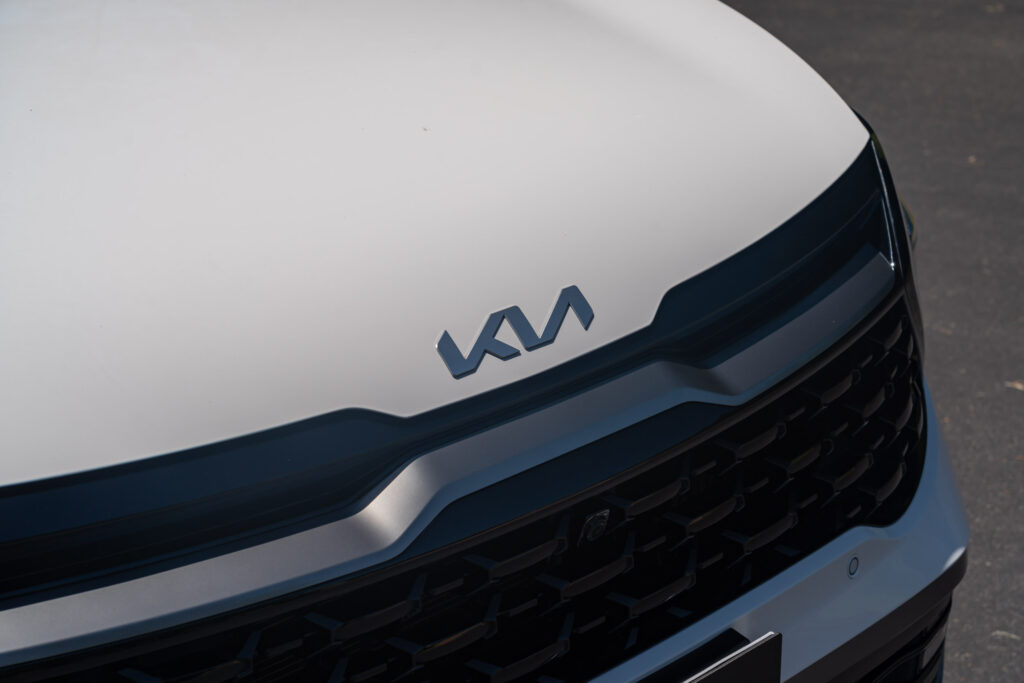
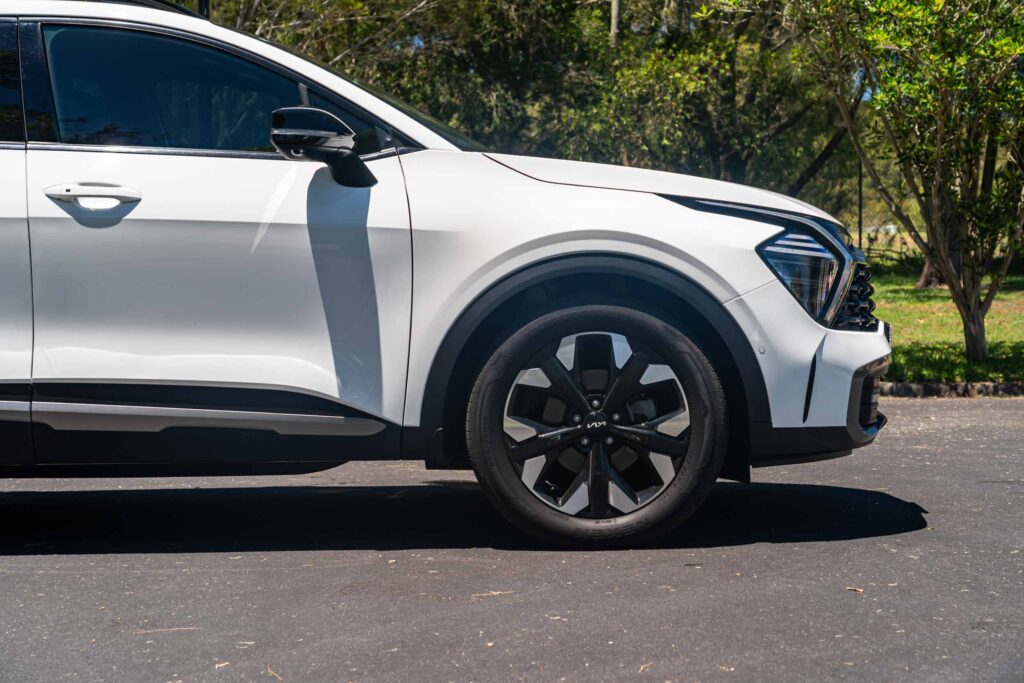
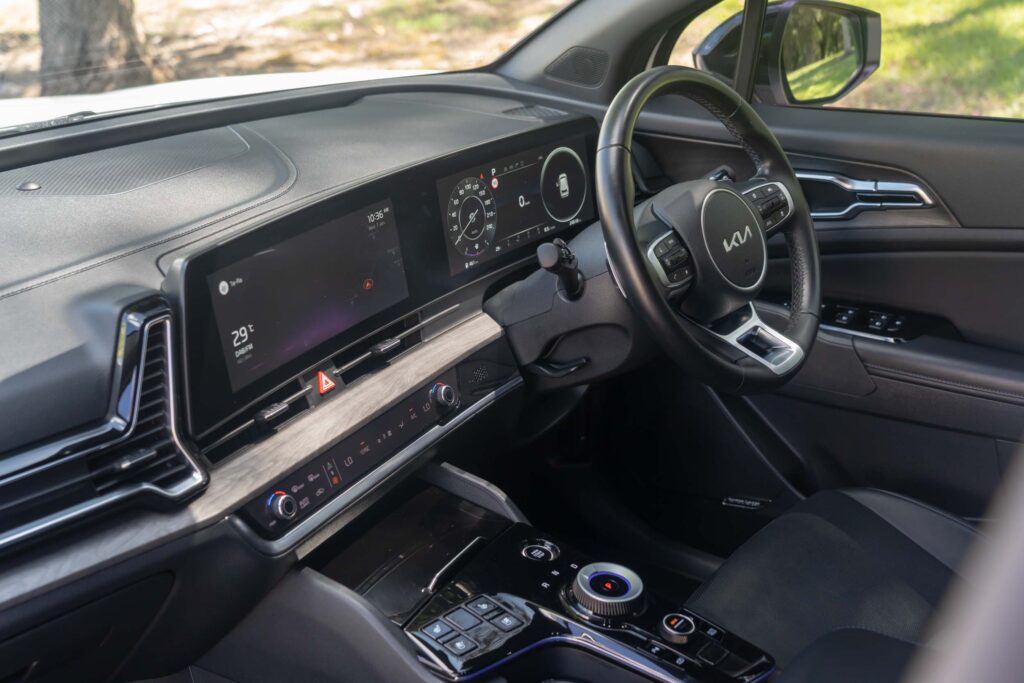
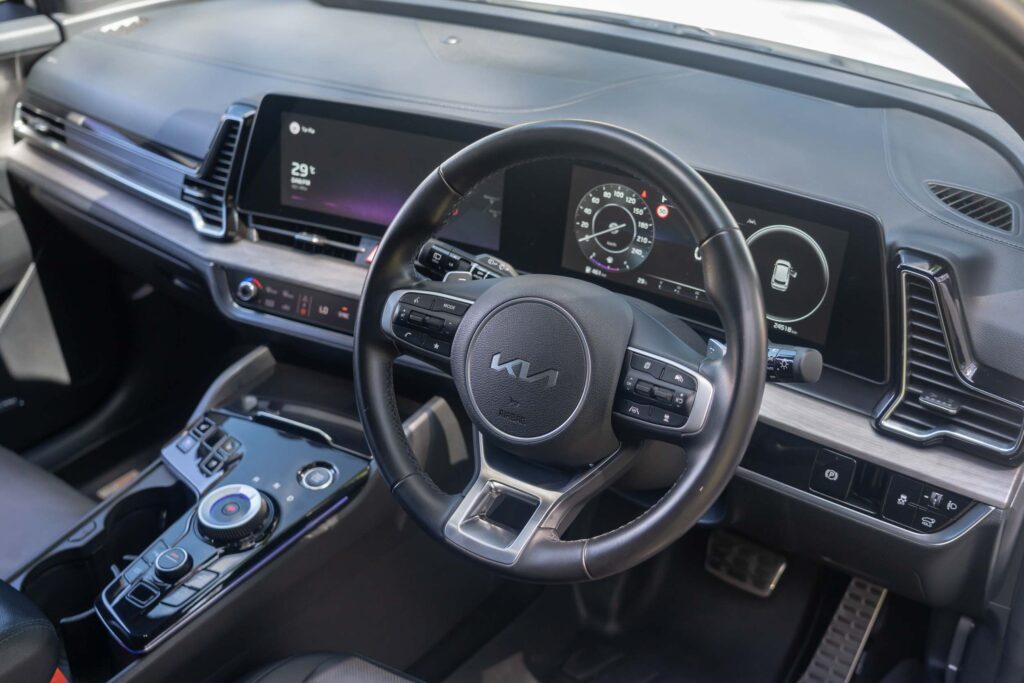
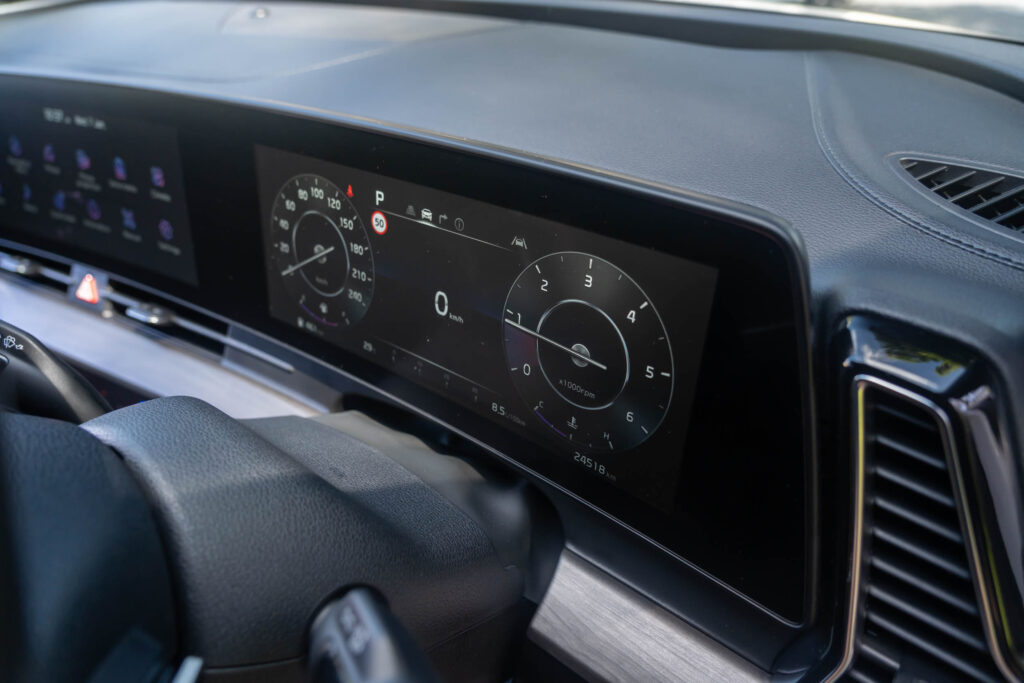
The fifth-gen Sportage recently underwent a mid-life update from the 2023 model year onwards, which refreshed the styling, added new LED headlights that replaced the previous ‘Boomerang’ style lights, brought a new steering wheel design, and a combined digital instrument cluster-infotainment system setup.
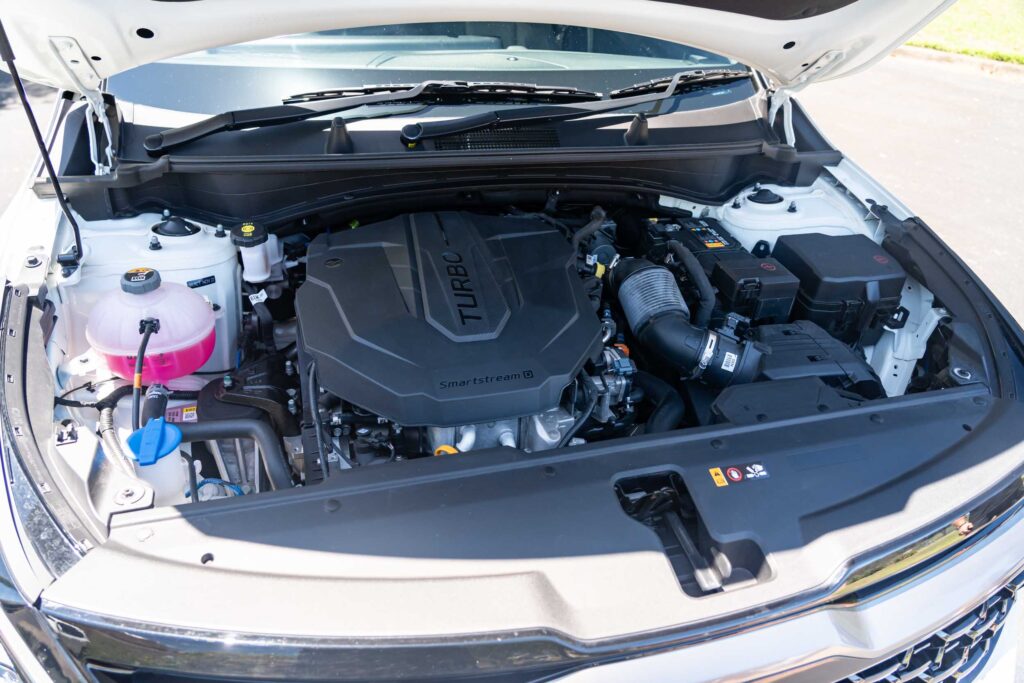
Engine choices are a range of four-cylinder units, which include a non-turbocharged 2.0L, a 2.0L turbodiesel, and a 1.6L turbocharged unit (which was also available as part of a hybrid and plug-in hybrid powertrain).
Transmissions include a six-speed manual, a six/eight-speed automatic, and a seven-speed dual-clutch automatic transmission, with front and all-wheel drive configurations.
Exterior Issues:
The gloss black plastic window trim is known to fade under hard exposure to UVs or sunlight, as well as being scratched easily.
Plenty of owners complain that the headlights on the pre-update models can be a bit lacklustre, especially on high beam settings.
The headlights’ trim is known to be fragile, especially on the pre-facelift models that feature the ‘Boomerang’ style lights, but most owners have had this fixed under Kia’s warranty.
Higher-spec models can come with a power rear tailgate that opens automatically with a wave of your foot, but it can be a bit frustrating to work and is not worth using at all.
Aside from these, there are very few issues to report on the Kia Sportage’s exterior, unlike far more expensive (German) equivalents that are prone to water leakage issues, sporadic electronic gremlins, or exterior trim coming off.
Interior Issues:
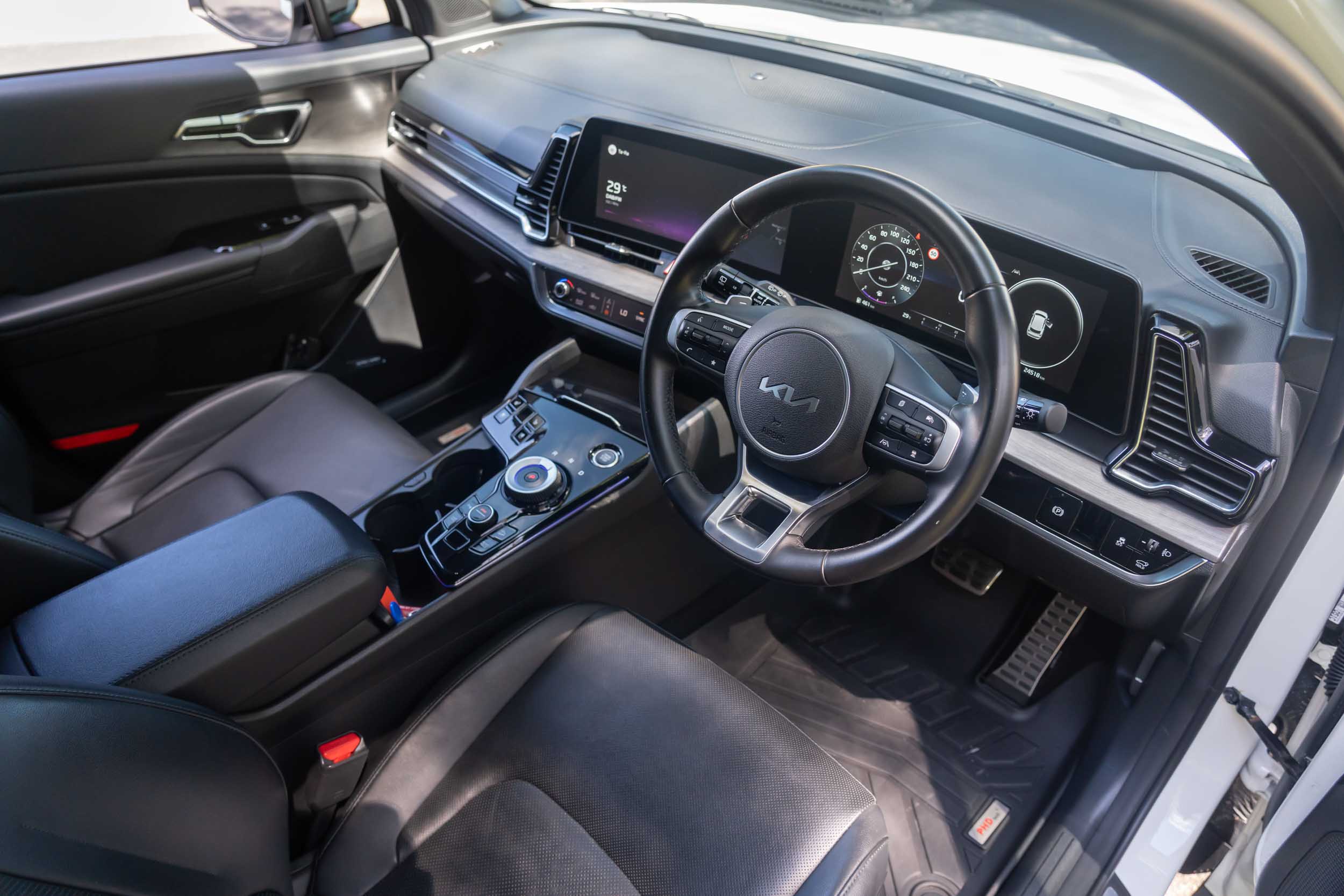
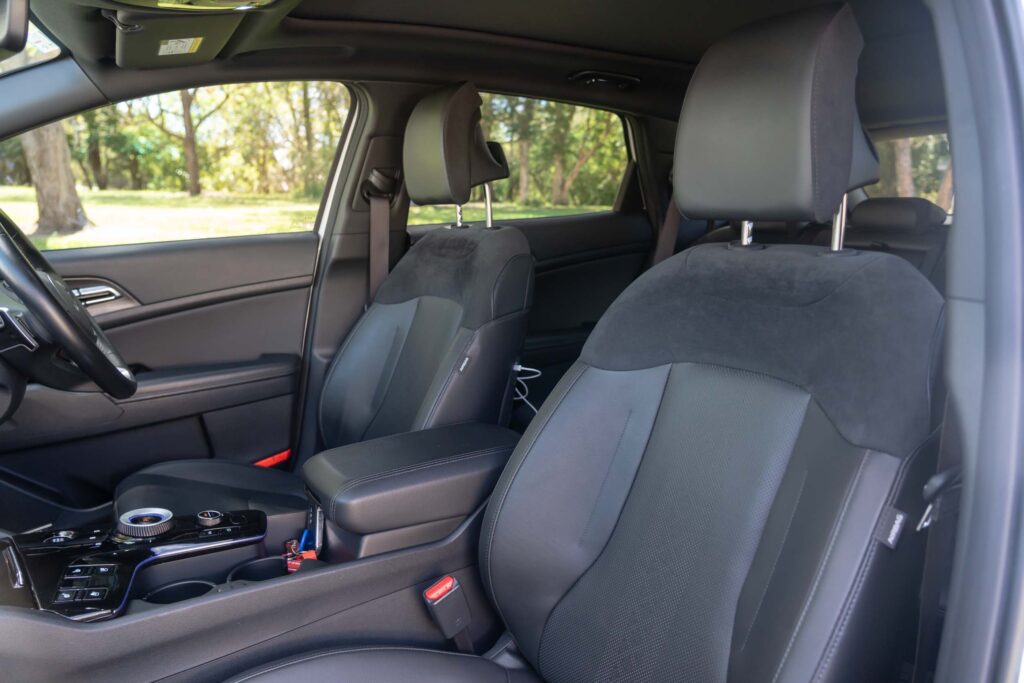
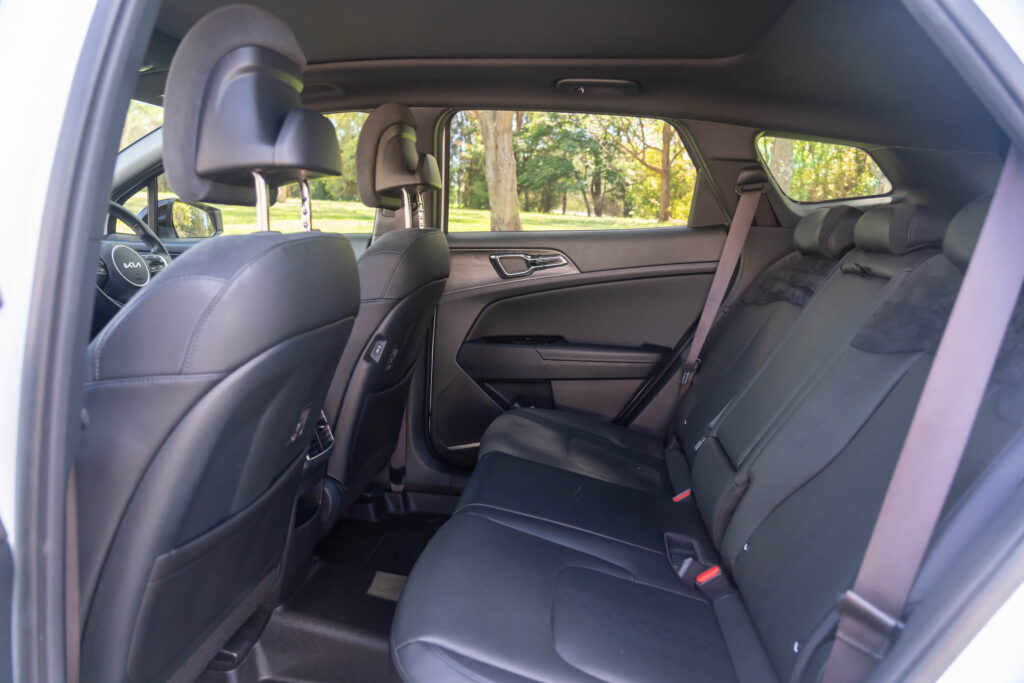
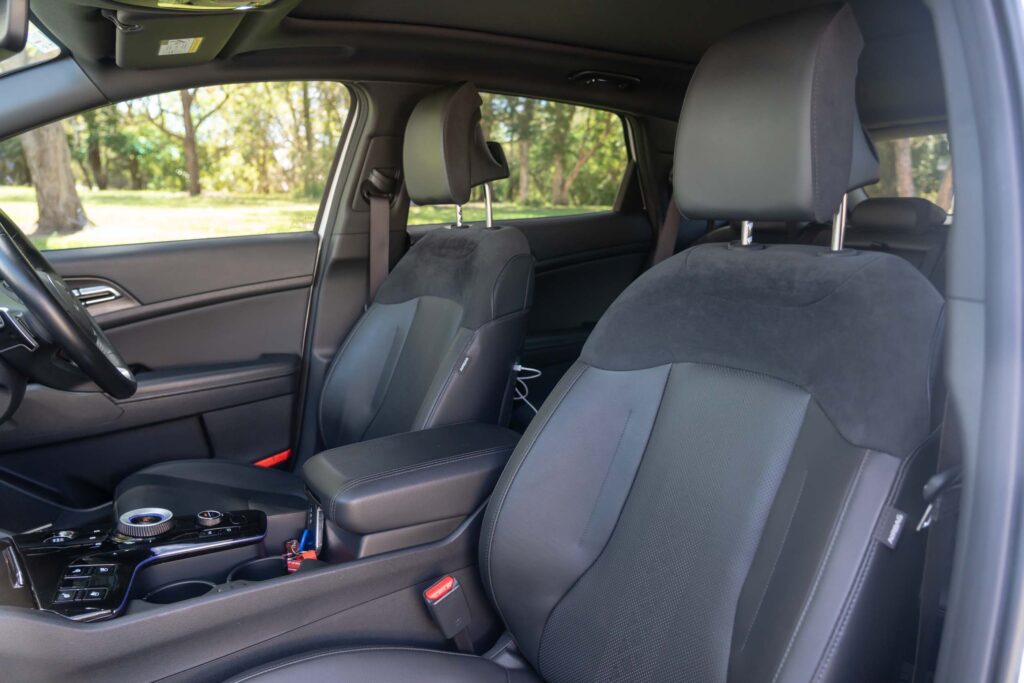
The cabins of these Sportages are just as aesthetically pleasing as their exteriors, especially on the top-end GT-Line models that use materials that feel and look premium. We also heard many compliment the comfortable, supportive seats, combined with smart ergonomic design features throughout.
Some occasionally report rattles from the interior, mainly from extended use on rough roads but any trim imperfections can easily be resolved – with owners’ groups a great resource to consult for advice.
But compared to other far more expensive SUVs, the fit and finish you’ll find in the Sportage is arguably far superior and robust.
Put into perspective: one owner we spoke to, who employs a fleet of these for ride-hailing duties, stated the interiors are proving to be very resilient to abuse and regular wear/tear, even when subjected to the most ‘unruly’ of passengers.
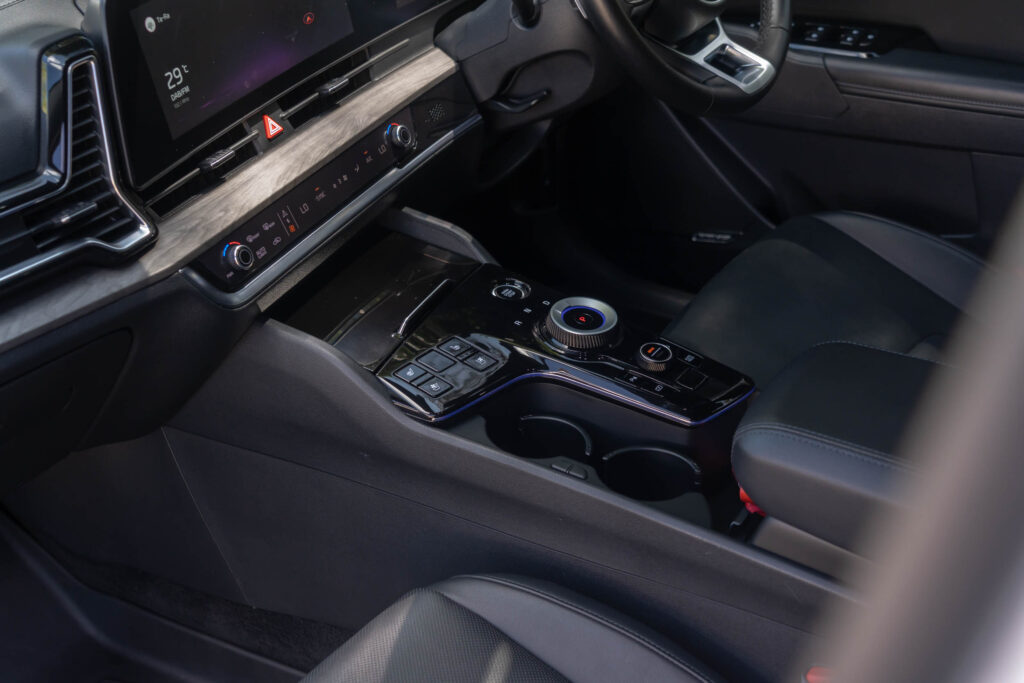
On models that feature the rotary gear selector versus the traditional gear shifter, some have reported that it can fail to select gears normally. But this isn’t a common complaint, and it generally is resolved under warranty.
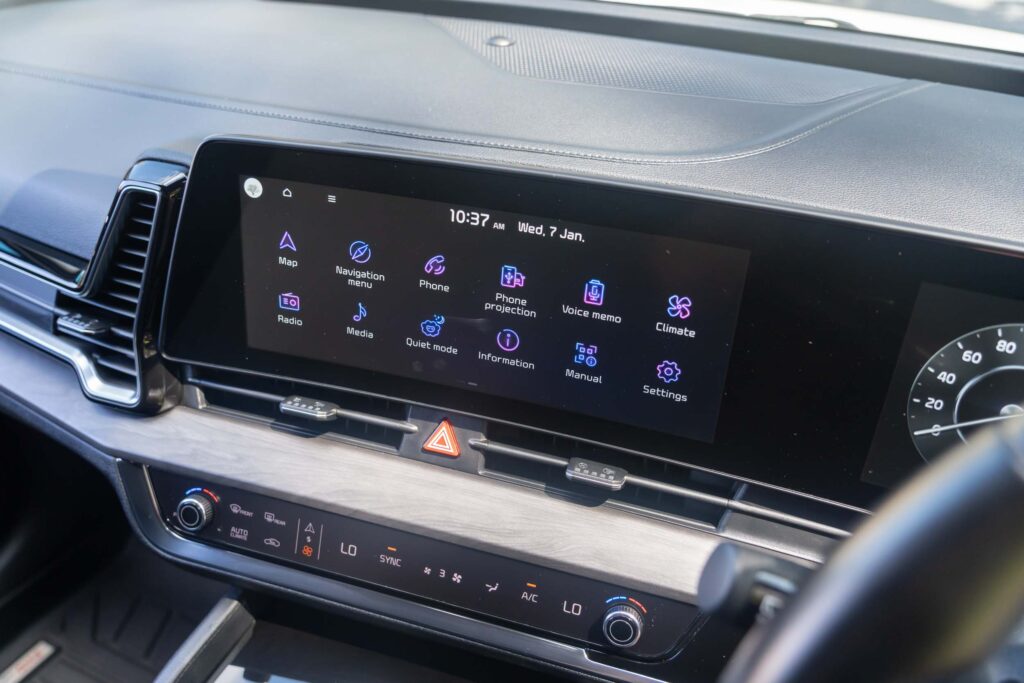
The touchscreen infotainment system comes with all the modern-era features you expect. A few owners have experienced Apple CarPlay/Android Auto connection issues, to inconsistent Bluetooth connectivity, and the factory UI can feel a bit dated, but any bugs or glitches can be resolved easily with a software update.
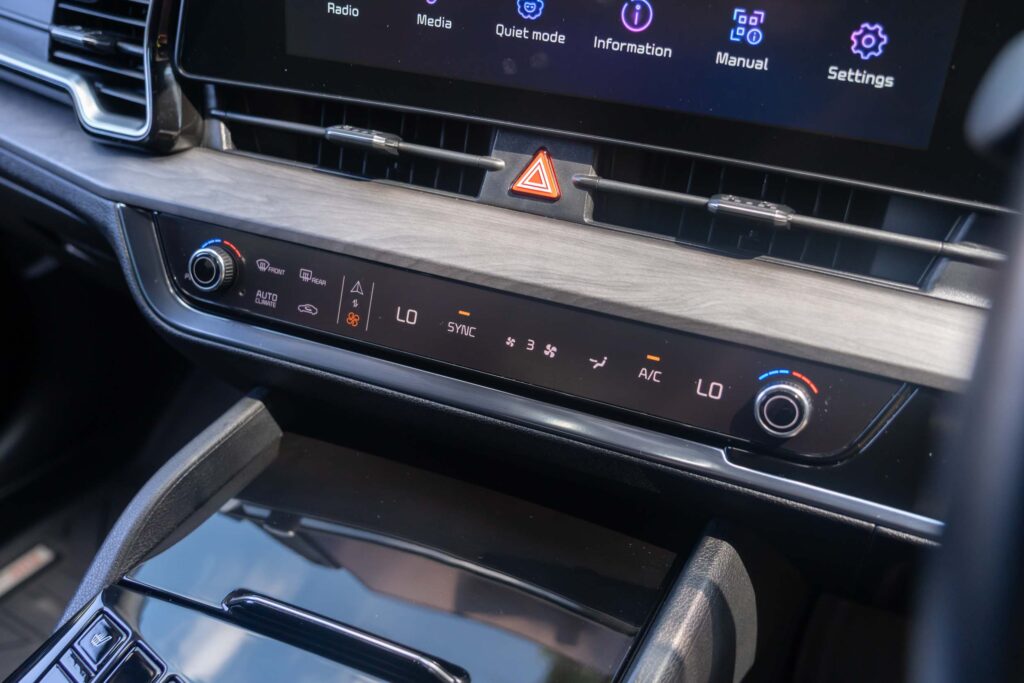
Plus, it is very intuitive to use with a responsive and easy-to-navigate interface. Special mention also has to go to Kia for keeping the climate control settings separate with physical knobs, and not consolidating all of these features within the infotainment system like other current-gen SUVs.
No matter what trim or model, all Sportages come with a lot of safety features onboard, especially on a lot of the post-update cars. However, owners of these cars mention that the warning beeps and chimes can be a bit too overwhelming, with the lane keep assist being particularly aggressive.
In fact, those we spoke to have been considering trading their post-update Sportage for a pre-update model that comes with fewer of these ‘nagging’ safety tech features.
If they come equipped, check the advanced camera features – such as the integrated blind-spot display in the digital cluster to the 3D around-view camera function normally.
Mechanical Issues:
Reliability-wise, Korean brands like Kia are continuing to report good customer satisfaction reports and ratings. Plus, they continue to offer their class-leading 7-year warranty coverage, adding to peace of mind for owners.
It’s still worth doing due diligence on which Kia dealers you go to for service or to resolve any warranty-covered repairs. Many owners report their local Kia dealerships have gone above and beyond to fix their cars (especially the trouble-prone transmissions), but others have had an opposite experience.
Also, for those who don’t know, Kia is also owned by fellow Korean brand Hyundai, and underneath, the Sportage shares a lot with the Hyundai Tucson.
But unlike the Tucson that has a universally applied suspension setup for all markets, Australian-delivered Sportages have been calibrated for local conditions – the result being a very stable ride that soaks up any road imperfections easily.
One minor note regarding towing capabilities – a few owners mentioned that the 100 kg towball weight limit can be a bit restrictive on what loads can be pulled. If you need an SUV that is more set up for towing, other options may be more suitable.
Engines:
It’s no secret that Kia and Hyundai have a not-so-positive reputation when it comes to their four-cylinder engines.
1.6.L turbocharged four-cylinder petrol:
This is still a relatively new engine within Kia’s engine family, and so far, it’s proving to be pretty reliable.
Certain markets that fit these with the Petrol Particulate Filter (PPF) and catalyst can experience issues with said components (indicated by a warning light displaying), especially if the vehicle has primarily been used in urban or low-speed driving.
Occasional issues can also appear involving the cooling system (water pump, thermostat complications), but these problems aren’t widespread.
As for hybrid/plug-in hybrid models that use the turbocharged four-cylinder, they are also proving to be reliable, minus some occasional electrical or software glitches.
One thing worth checking on post-update (2023-2024) Sportage Hybrid/Plug-In Hybrid models is a Battery Management System (BMS) software logic update, which resolves a minor issue with overcharging the main 12V battery.
2.0L naturally-aspirated four-cylinder petrol:
At the moment, these engines are considered largely faultless, with no widespread reports of seizures or major engine failures yet.
Occasional issues these can experience include excessive oil consumption and timing chain rattles, but these only come up if servicing has not been kept to schedule or on very high mileage examples.
Reliability aside, some owners of Sportages with this engine complain that its power delivery can be a bit lethargic or struggle to get this fairly heavy SUV up to speed.
2.0L four-cylinder turbo-diesel
So far, it’s proving to be quite reliable. The majority of problems these can experience are typical of any modern common rail diesel engine.
These can include DPF (Diesel Particulate Filter) clogging and regen issues, as well as irregular EGR (Exhaust Gas Recirculation) performance.
Some turbocharger and fuel system complications have also been reported.
But overall, these are not common issues that should be considered alarming. Provided it’s been maintained regularly, and you follow standard turbodiesel procedures (e.g., occasional drives at highway cruising speeds to properly recirculate the system after oil changes), these should be fine.
Adding to this, the diesels offer a decent amount of torque, making overtaking and getting up to speed fairly easy, and many report it’s well-calibrated to the 8-speed automatic transmission. Plus, to no surprise, it’s very efficient – with most reporting average fuel consumption of 7L per 100 kms (or down to 5L on long journeys).
Transmissions:
Compared to the engines, this is where the Sportage (like other Kia models) tends to report more problems with.
The 2.0L petrol engines feature a six-speed manual or automatic transmission that are mostly trouble-free. Occasionally, the automatics report some shuddering during operation or slipping sensations.
The hybrid models, which use a six-speed automatic paired with an integrated electric motor also report being very robust.
Diesel models utilise the eight-speed torque converter automatic transmission, and can also experience some issues, ranging from rough gear changes or jerkiness/shuddering.
Software updates can reportedly solve some of these issues, but a few owners have reported there’s no difference in the transmission’s behaviour even after the updates are applied.
A transmission wire harness upgrade is available that can resolve chafing and related fault codes that can come up. Also, the all-wheel drive coupling on AWD models is known to fail, but these are rare cases.
The 7-speed dual clutch automatic transmission (DCT) is the most problematic. To put it bluntly, they’re terrible to use and upkeep. Also fun fact: this unit is a dry-clutch DCT unit, not a wet clutch unit you’d find in more expensive DCT-equipped models.
Many complain of excessive shuddering and vibrations during normal operation, along with significant delays when engaging or changing gears. They’re also prone to the usual dual-clutch gremlins, from hesitation when pulling away to rough gear changes at low speeds.
Premature clutch wear is also one of their weakest points. While the clutch is considered a ‘wear and tear’ consumable, Kia is reportedly covering replacements under their 7-year warranty, especially for those that fail at relatively low mileage or early in the car’s life. But after that period, you will have to cover the cost out of pocket.
They’ve proven to be so troublesome that, as part of the post-update (2024 onwards), Kia changed the 1.6L turbocharged petrol models to use the eight-speed torque converter automatic.
While these may be concerning, it’s worth keeping in mind that while many owners forums and groups bring up transmission complaints, one survey found that of the 350 owners that responded, 86% report never experiencing any issues.
You can expect the cheapest fifth-gen Kia Sportage models to start at around $22,000, with the most expensive models at around $60,000.
On average, most will be priced around $45,000, and should still be covered under Kia’s industry-leading 7-year warranty.
While the Kia Sportage cannot match most of its Japanese rivals (Toyota RAV4, Honda CR-V, Subaru Forester, Mazda CX-5, Nissan X-Trail) when it comes to depreciation and resale value, the Korean SUV should fare better compared to equivalent SUVs like the Volkswagen Tiguan, Mitsubishi Outlander, Ford Escape, MG HS, and Haval H6.
Plus, no doubt the Sportage will hold its value far better than the ‘premium’ SUV offerings from BMW, Audi, and Mercedes-Benz. As other Korean models have shown, they can offer a far more premium, all-around package than what far more prestigious brands bring, and for a more accessible price.
Adding to this, you’ll find even lower-spec Sportage models will come with more standard features and equipment than even a mid/high-spec SUV from any number of these German/European brands.
When new, the fifth-gen Sportage won multiple ‘Car of the Year’ awards and praise from the automotive media, and we feel these accolades still apply even as they enter the used market.
That doesn’t mean every example will be perfect. As with any used car, we recommend avoiding those that have unclear ownership history or have not been maintained properly.
Take the time to find the right one that passes a pre-purchase inspection with no concerns, and if it satisfies all of your needs, we see no reason why not to pass up on one.
MORE: Explore our SUV reviews


Co-creator, presenter & writer, ReDriven

Yes. 100%.
 2 weeks ago
 1 month ago
 2 months ago