Australia’s No. 1 Used Car Review Website
Australia’s No. 1 Used Car Review Website
+18 Photos
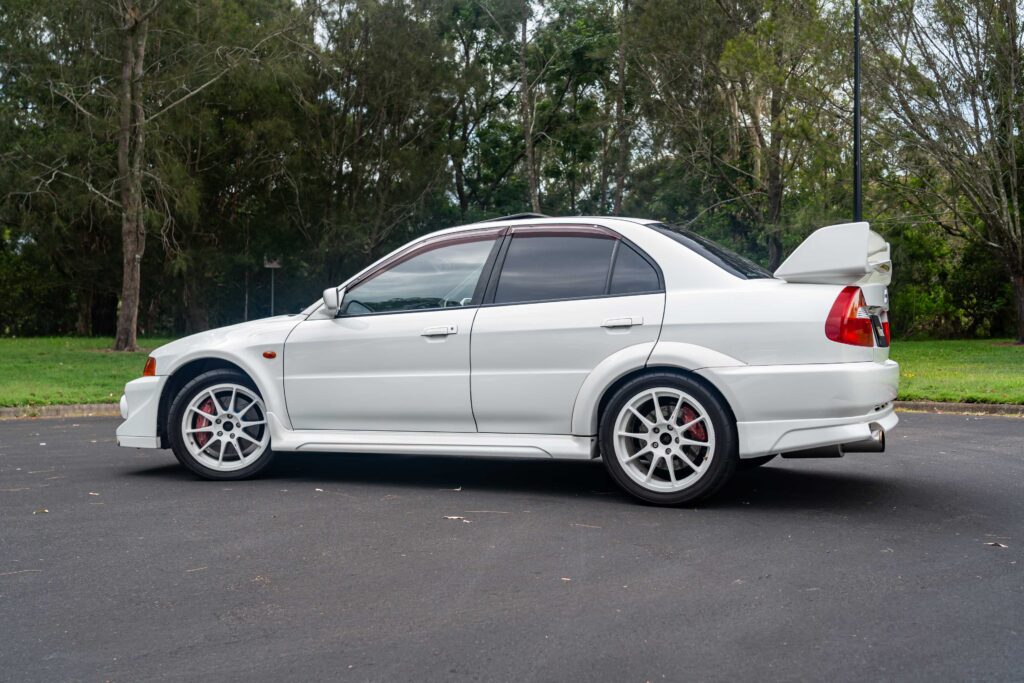
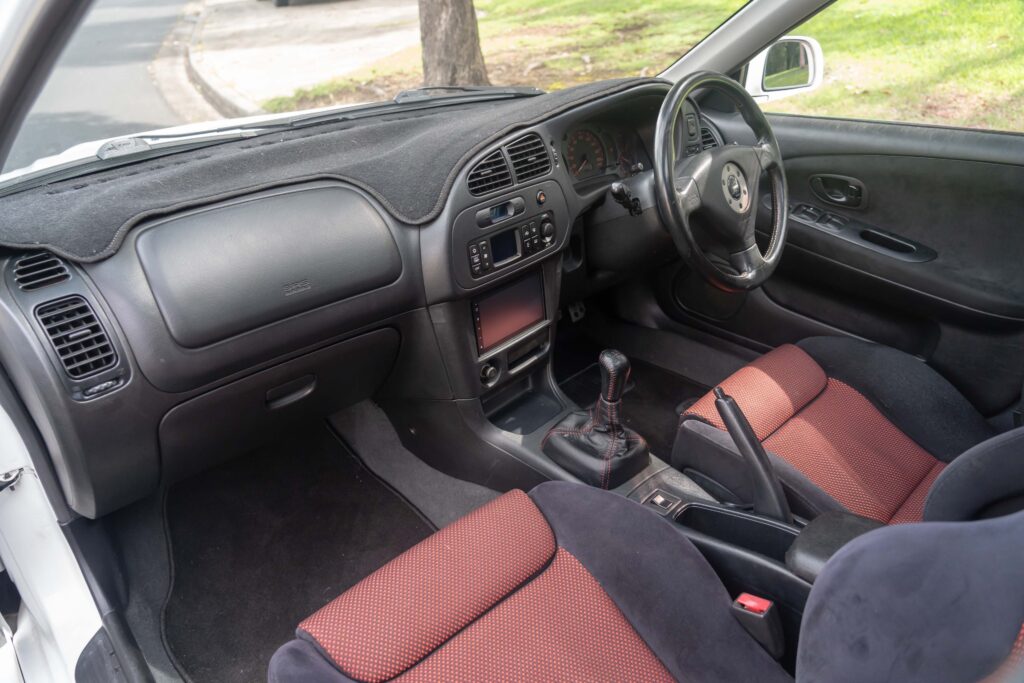
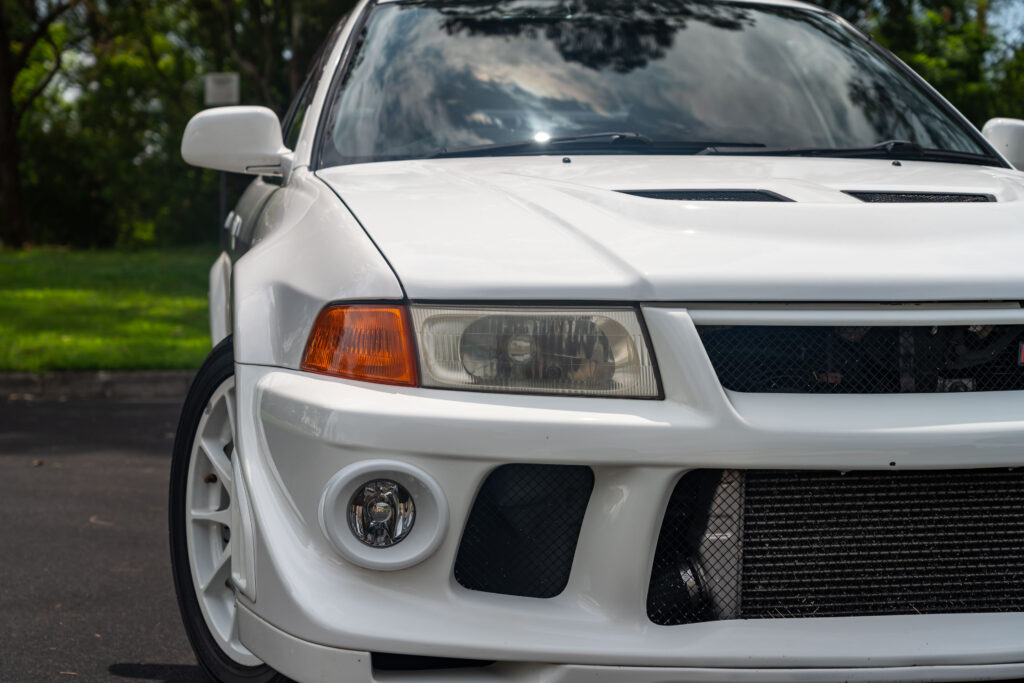
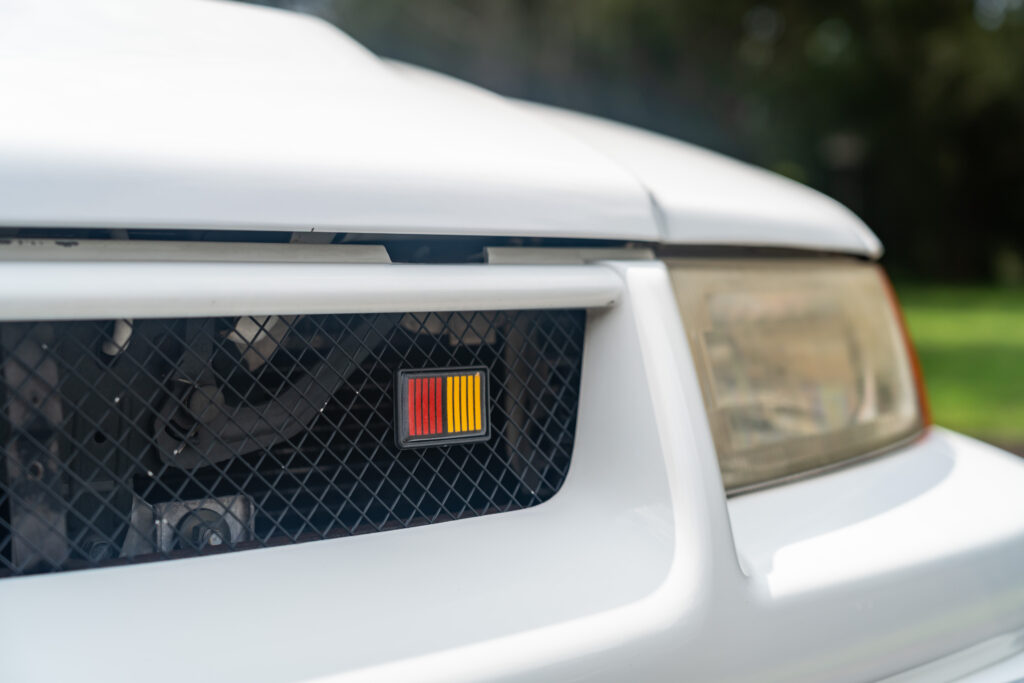
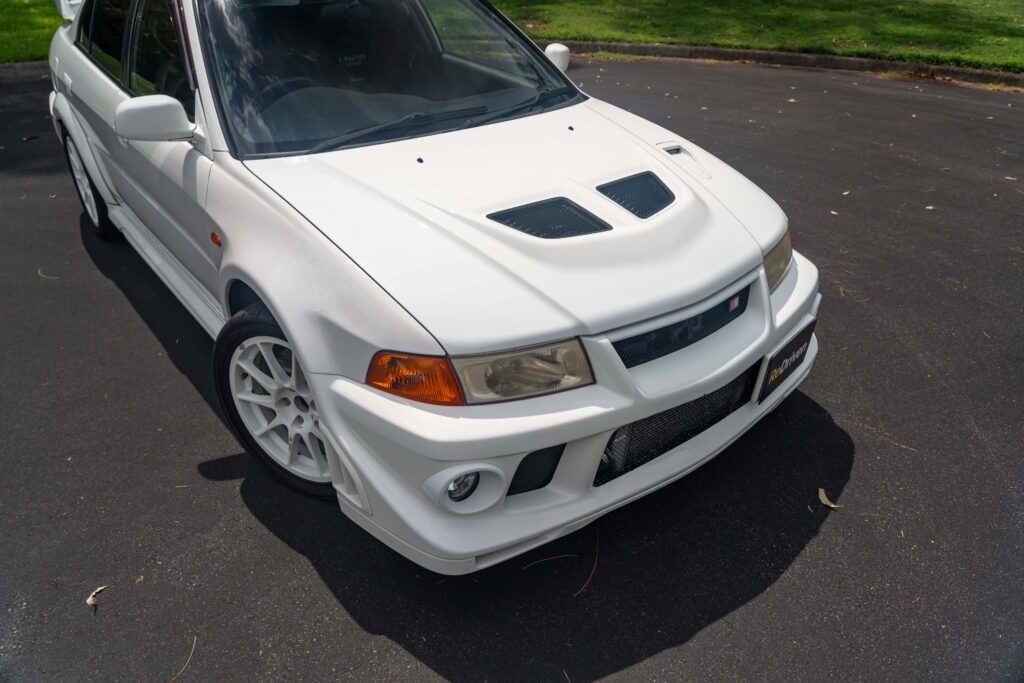
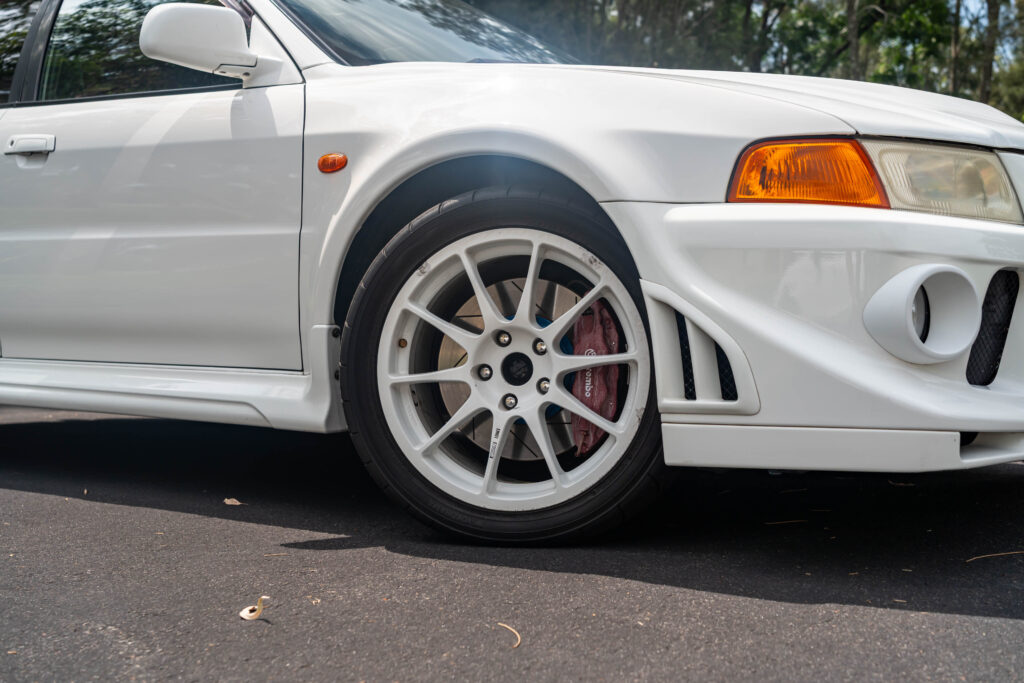
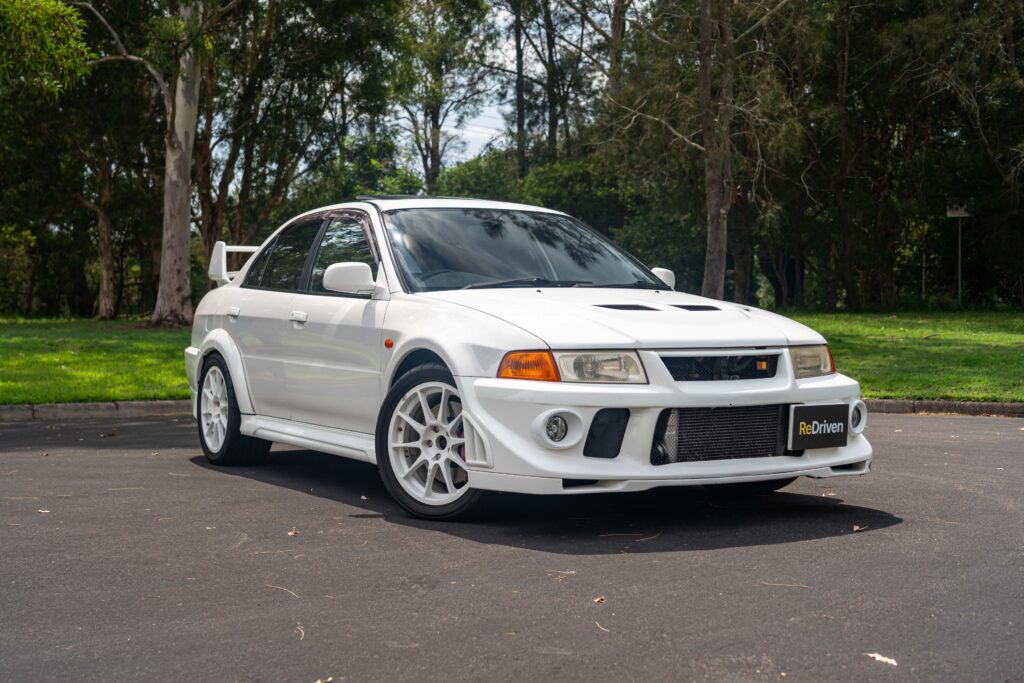
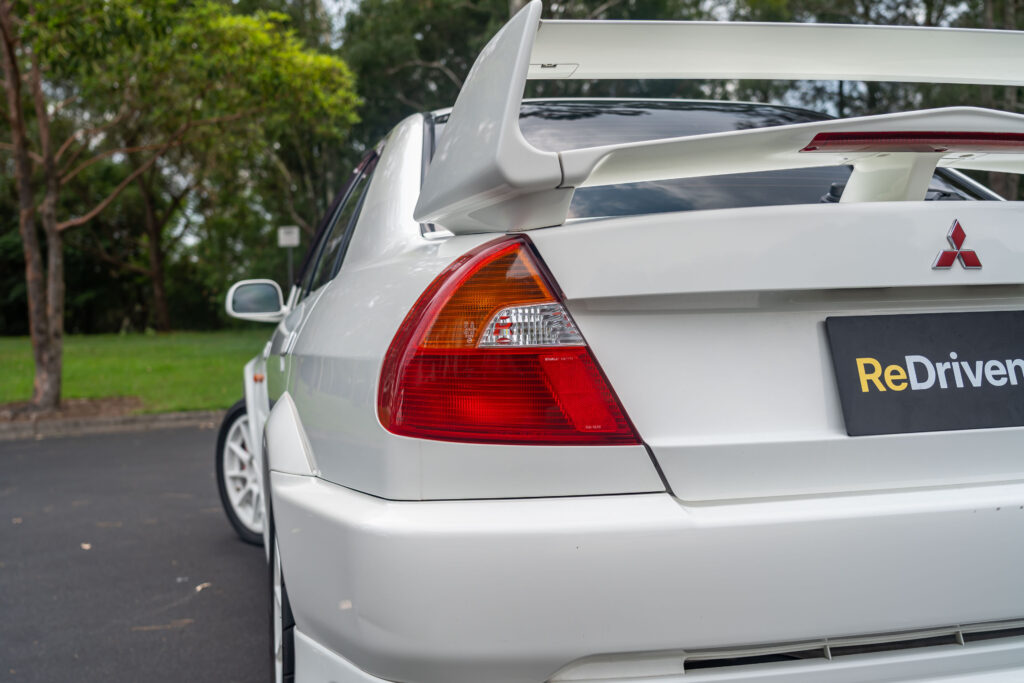

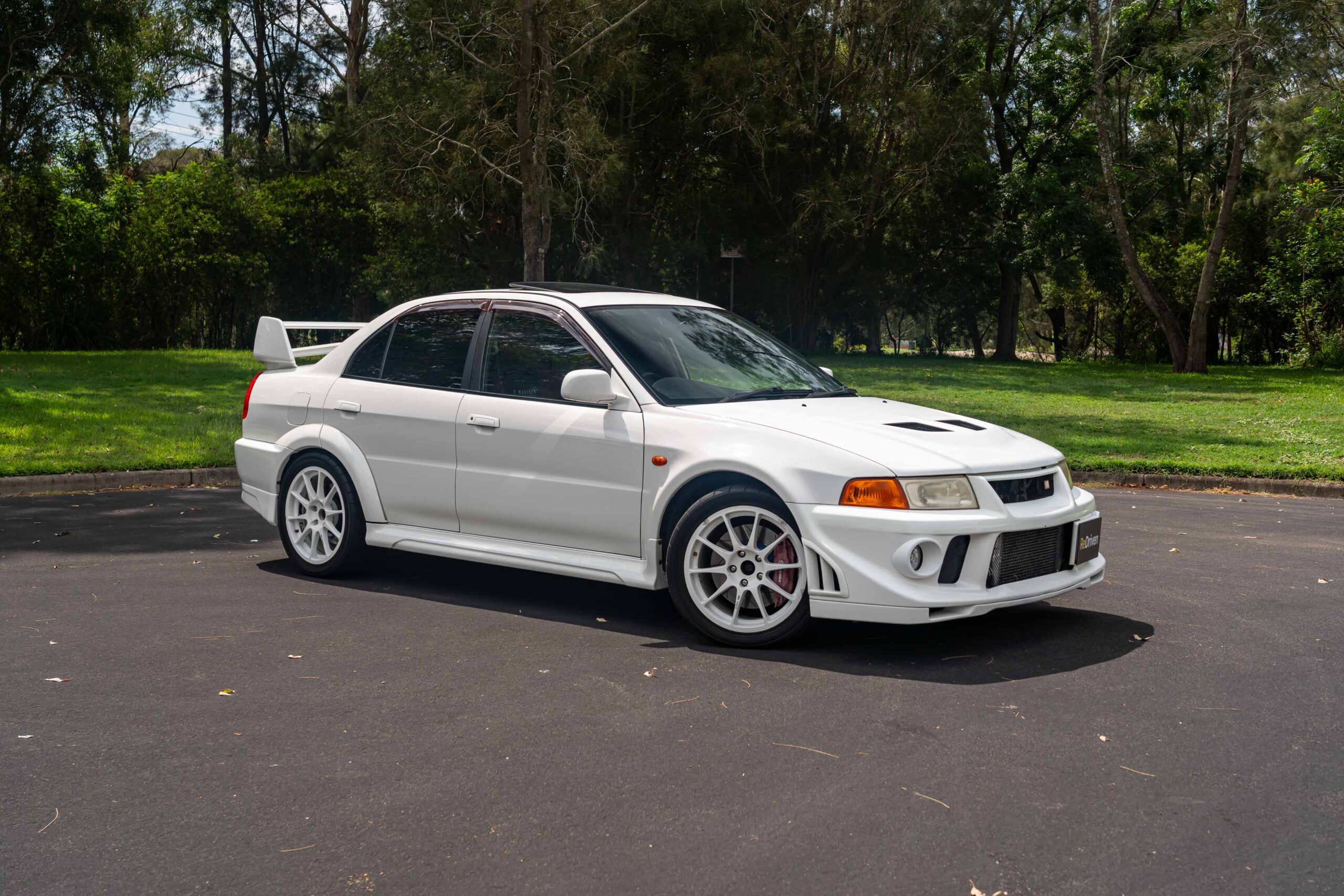
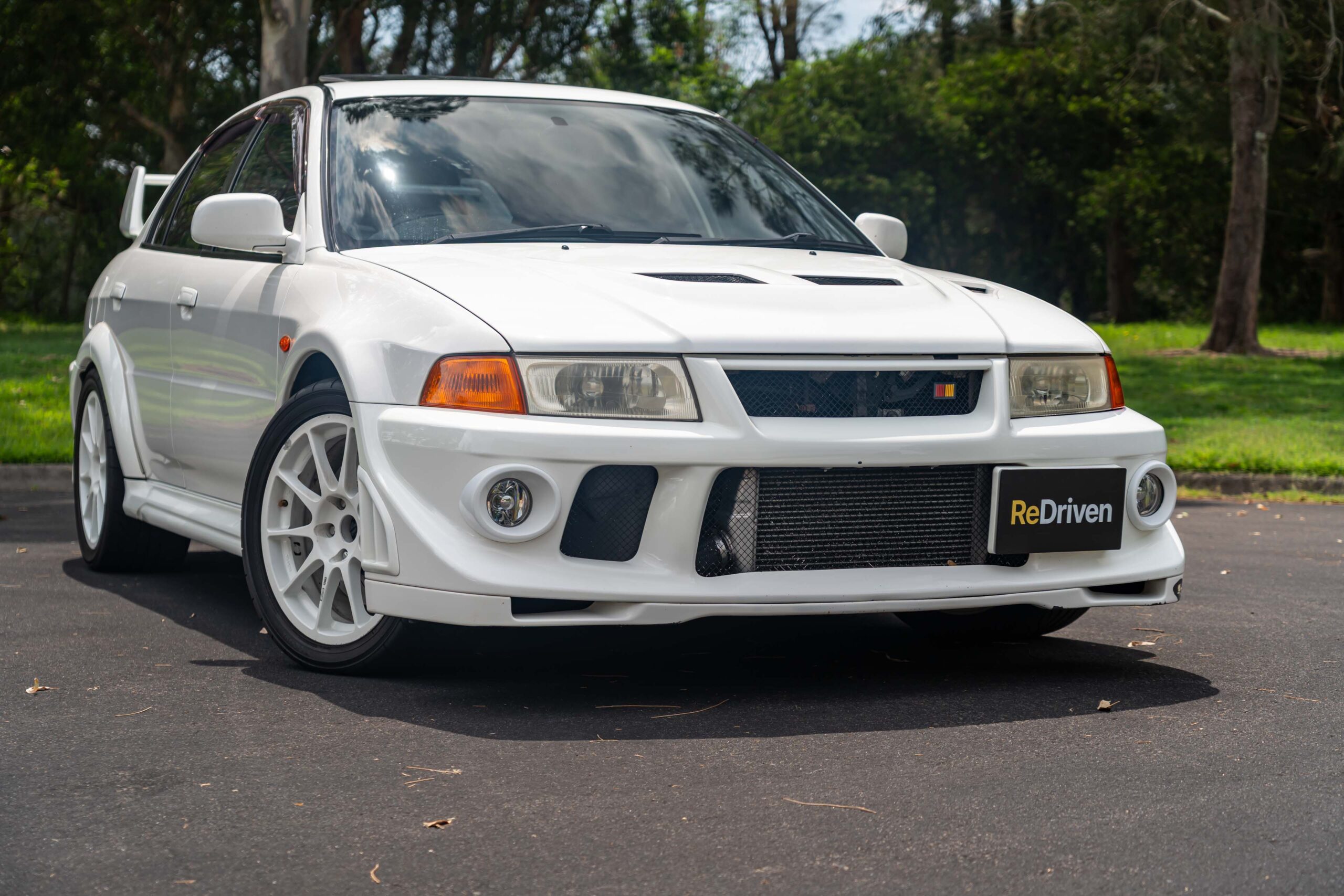
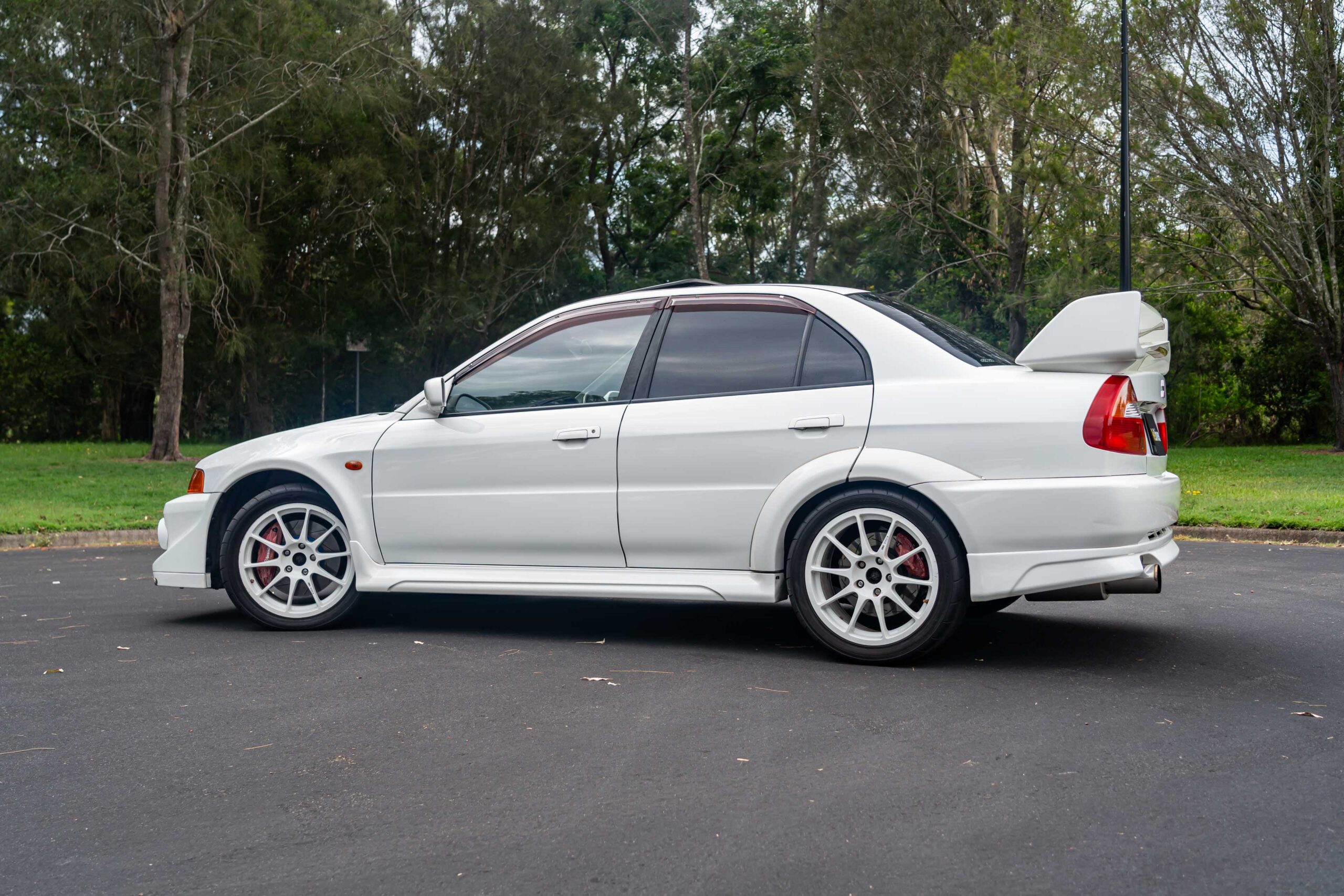
2000 Mitsubishi Lancer Evo 6 Tommi Makinen

09 February 2026
Yes. But only the right example.

2000 Mitsubishi Lancer Evo 6 Tommi Makinen

Used car review
09 February 2026
For any Japanese car fan or rally enthusiast, the Mitsubishi Lancer Evolution doesn’t need any further introduction.
While rival Japanese brand Subaru has the WRX STI, Mitsubishi’s equivalent took form as the Lancer Evolution: an all-wheel drive, turbocharged compact sedan built to satisfy FIA rally homologation requirements, based on their entry-level sedan, the Lancer.
After the first three iterations of the Lancer Evolution, many feel Mitsubishi took significant steps to develop and refine the platform with these specific generations:
The Evolution VI is also the only one to feature a very special variant, known as the Evo VI Tommi Makinen Edition (TME).
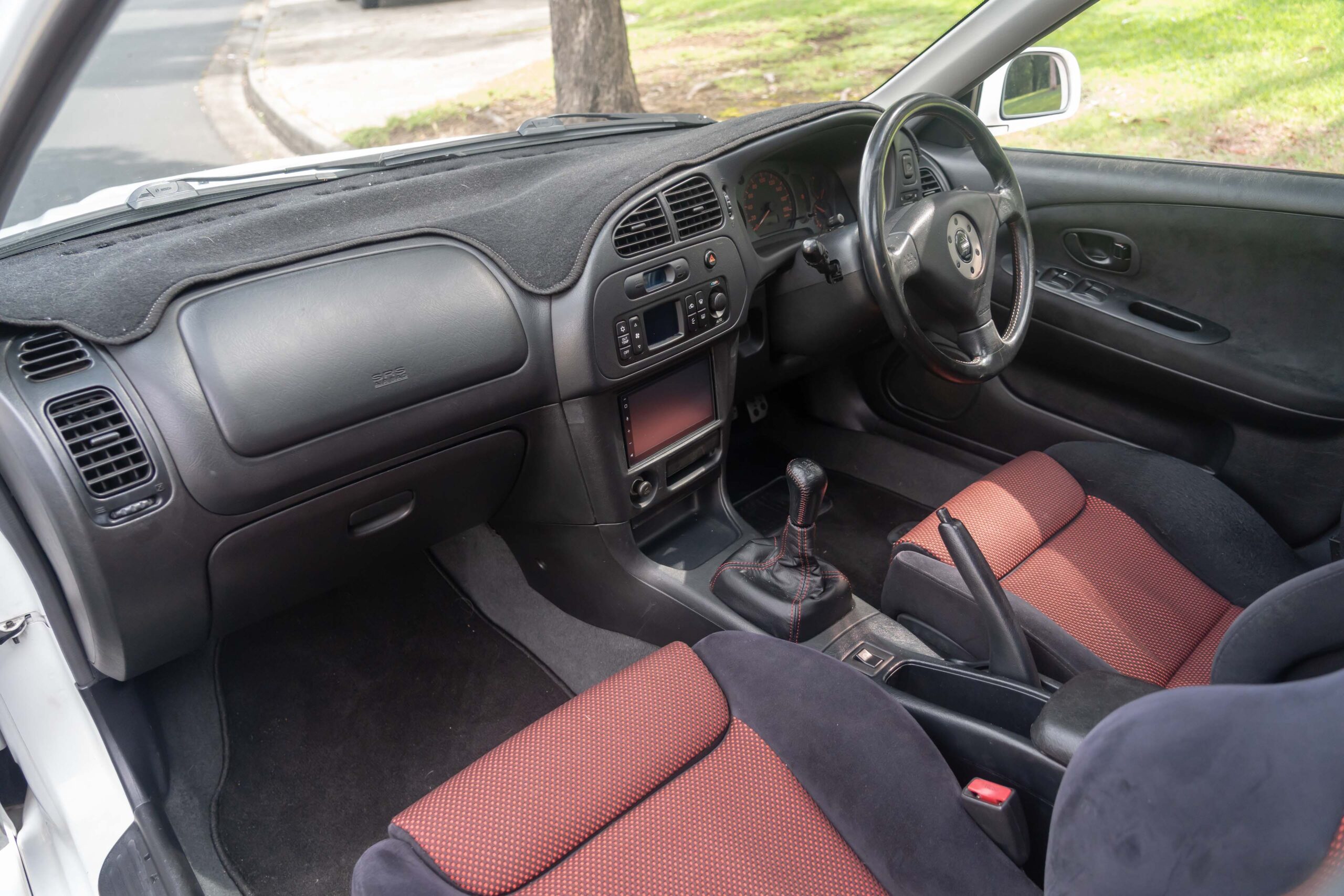
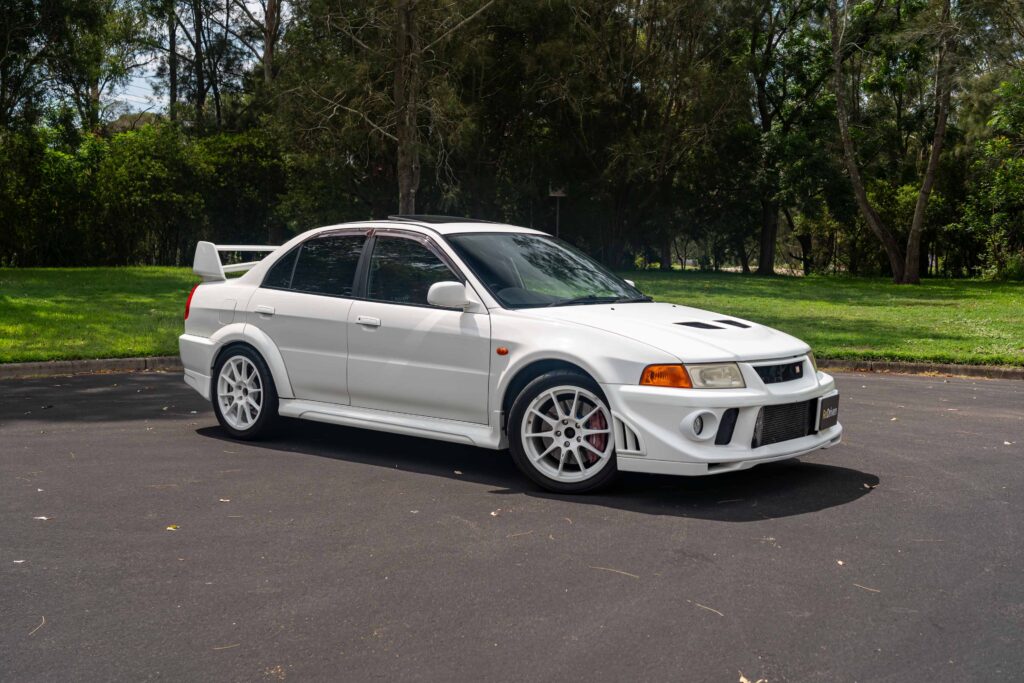
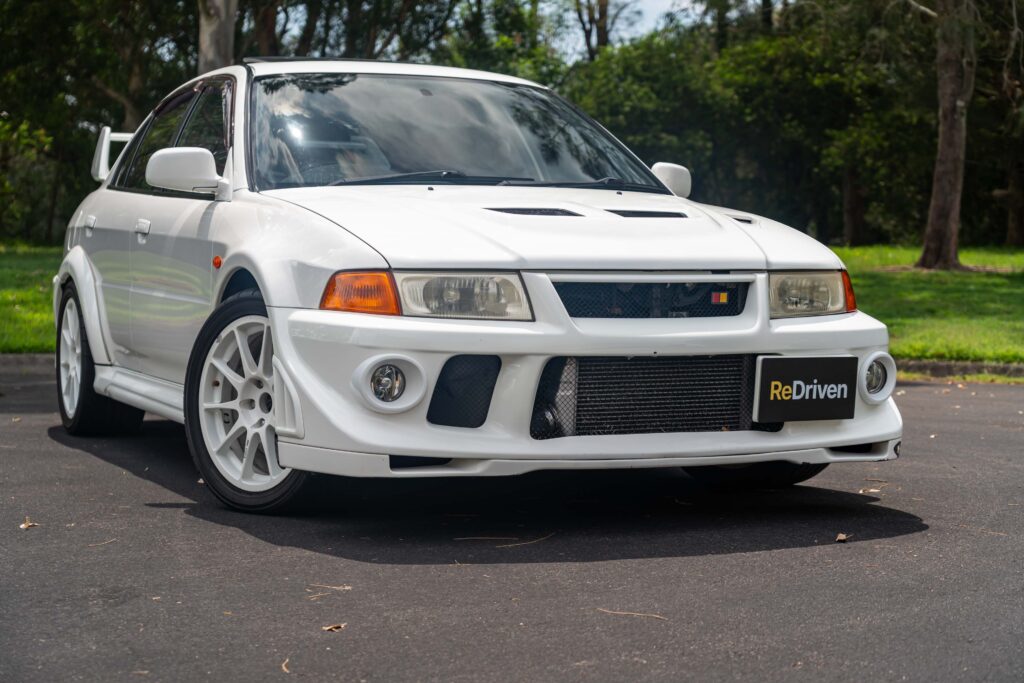
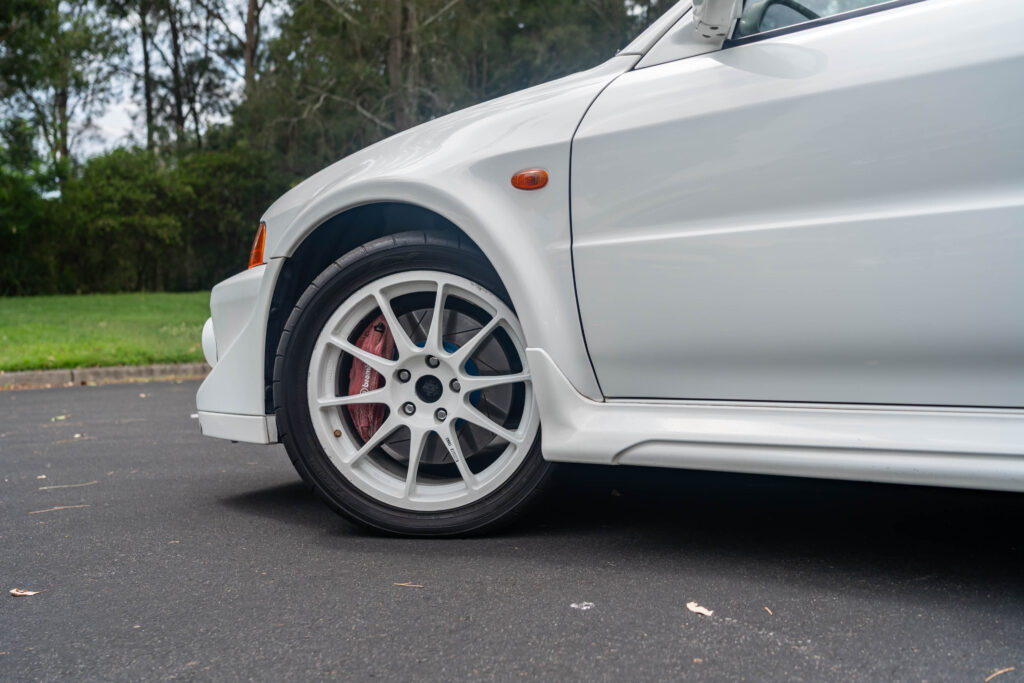
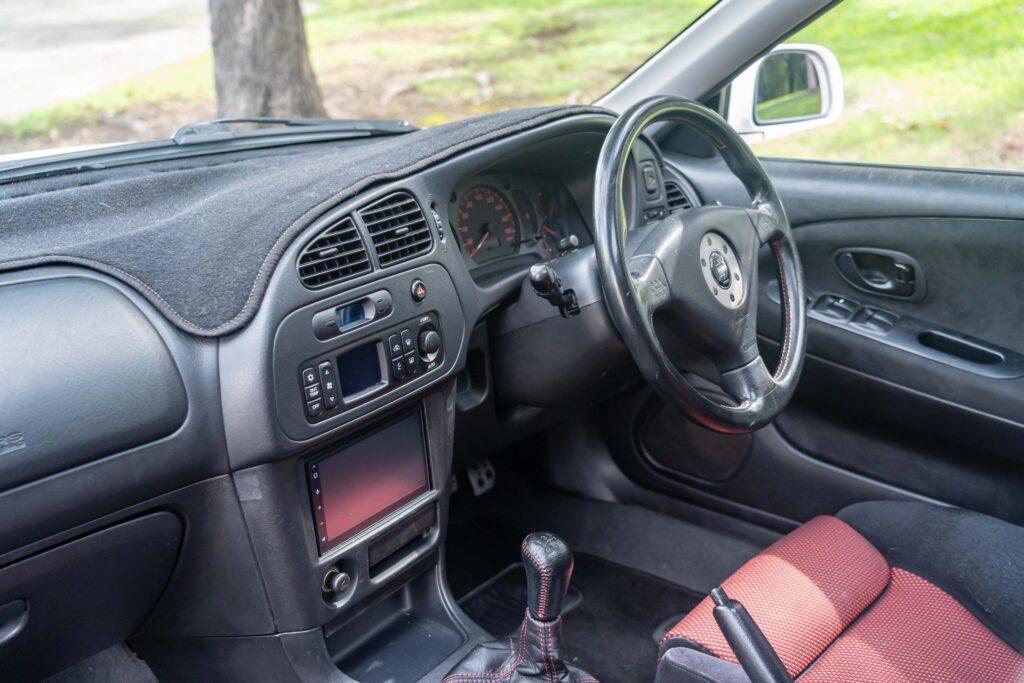
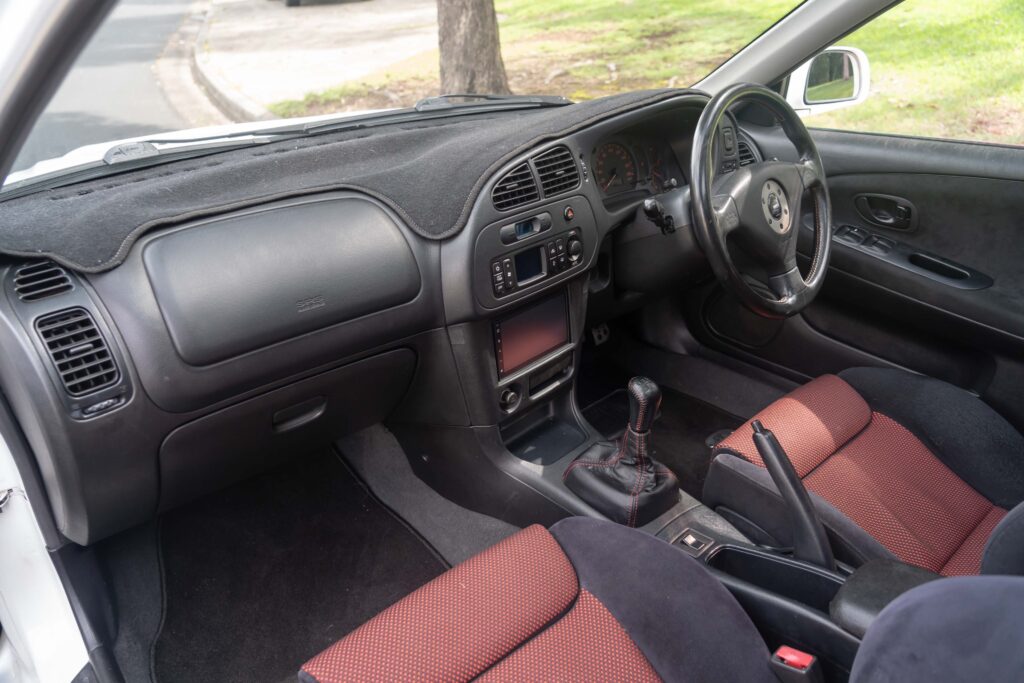
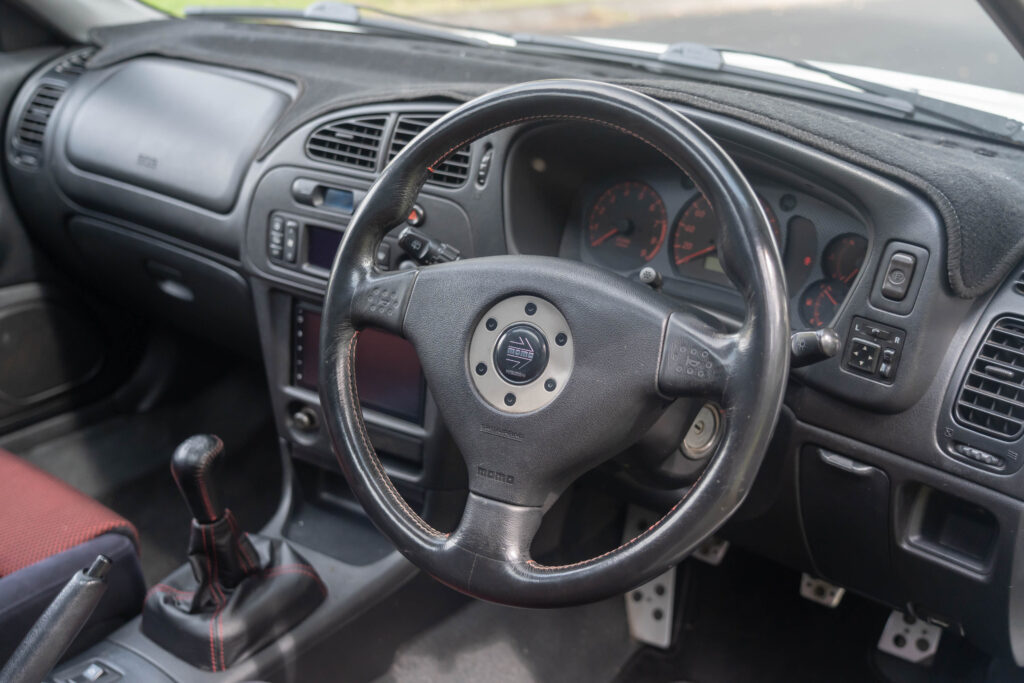
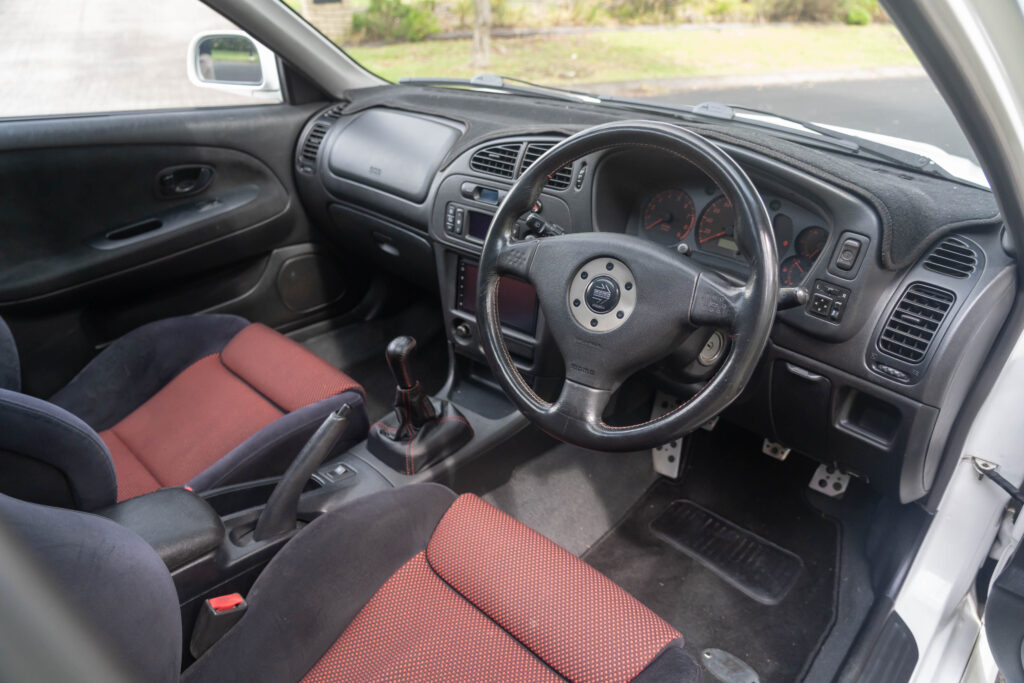
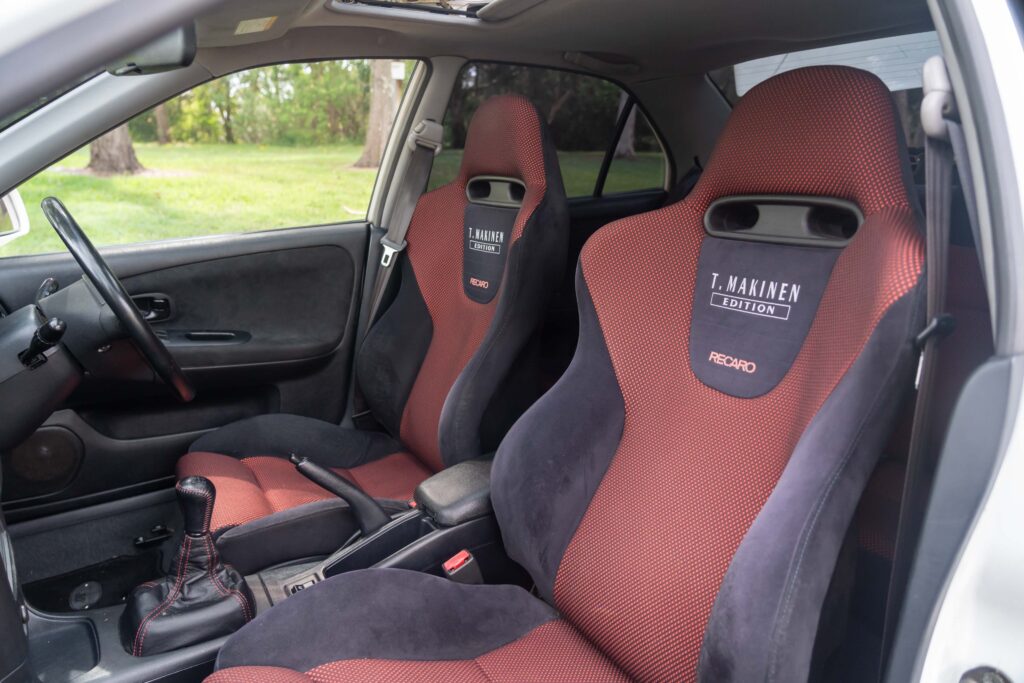
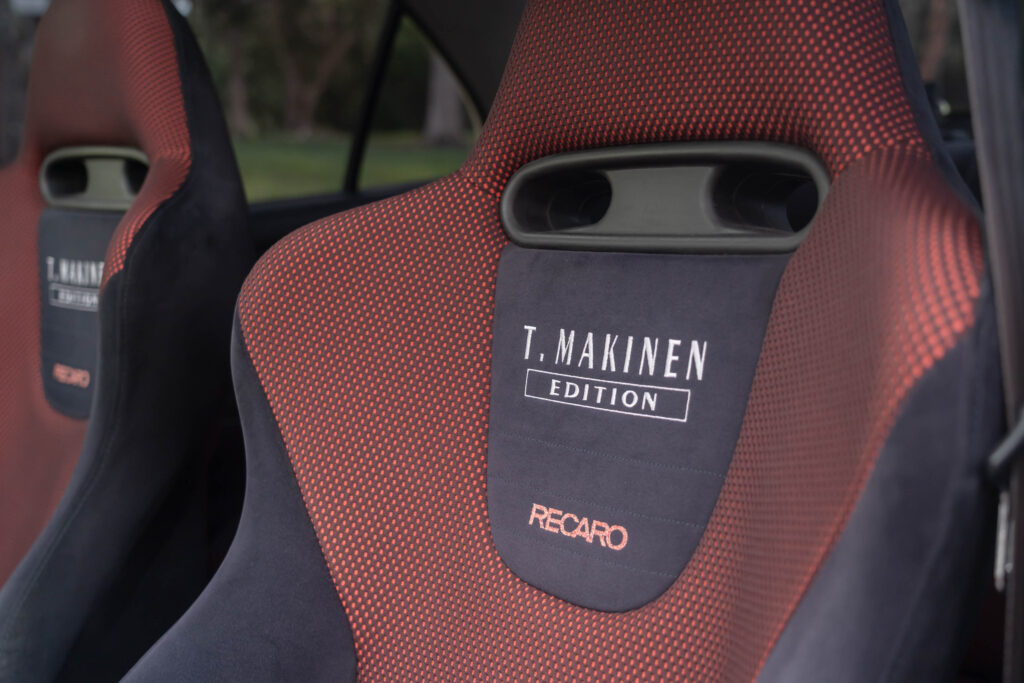
Named after Finnish rally driver Tommi Makinen (who won four WRC drivers’ championships for Mitsubishi’s rally team) and widely regarded as one of the best JDM performance cars, these feature unique bumper designs, Recaro bucket seats, 17” Enkei wheels, and various mechanical/styling upgrades over standard Evos.
It’s also important to note that the Evolution IV and V were available in two different trim levels:
Unique to the Australian market, there was also an RS2 trim, specifically for the roughly 100 original Australian-delivered TMEs. These combined aspects of both the RS and GSR models: weighing slightly lighter than Japan-spec cars, omitting some mechanical features like the front limited-slip differential, but came with comforts like air conditioning and a radio.
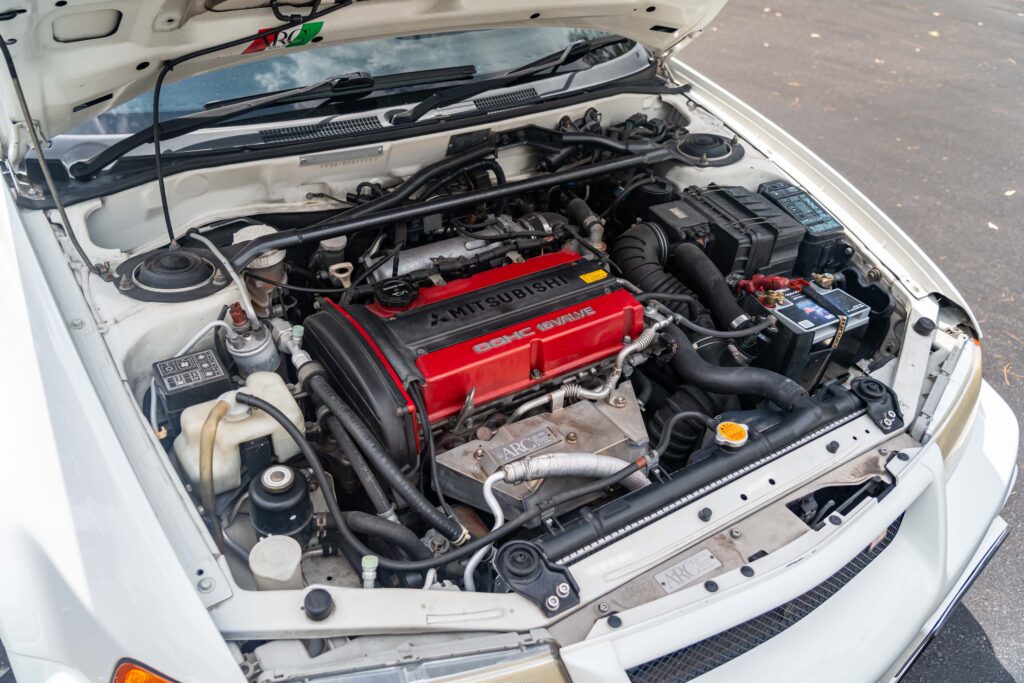
All Evo iterations featured a 2.0L turbocharged four-cylinder (4G63), paired to a five-speed manual transmission and all-wheel drive.
Exterior issues:
As with any enthusiast car, go over all of the body sections and panels thoroughly to check for any signs of accident damage or poor repair work. Do all of the body panels line up, and is there any evidence that resprays were previously done?
All iterations of the Evo, from the IV to the VI, were never undersealed from the factory, meaning they can be prone to rust, especially in colder climates with salted roads.
That being said, these can be susceptible to rust in warm climates, so thoroughly inspect the exterior for any corrosion.
Common spots include behind the plastic wheel arch extensions (prevalent on the Evo V/VI), the rear chassis legs, around the fuel filler neck, floor pans, rear control arms, fuel tank, and along the roof.
The side door bottoms and base of the rear boot are also frequent spots for corrosion, especially if the drain holes become clogged.
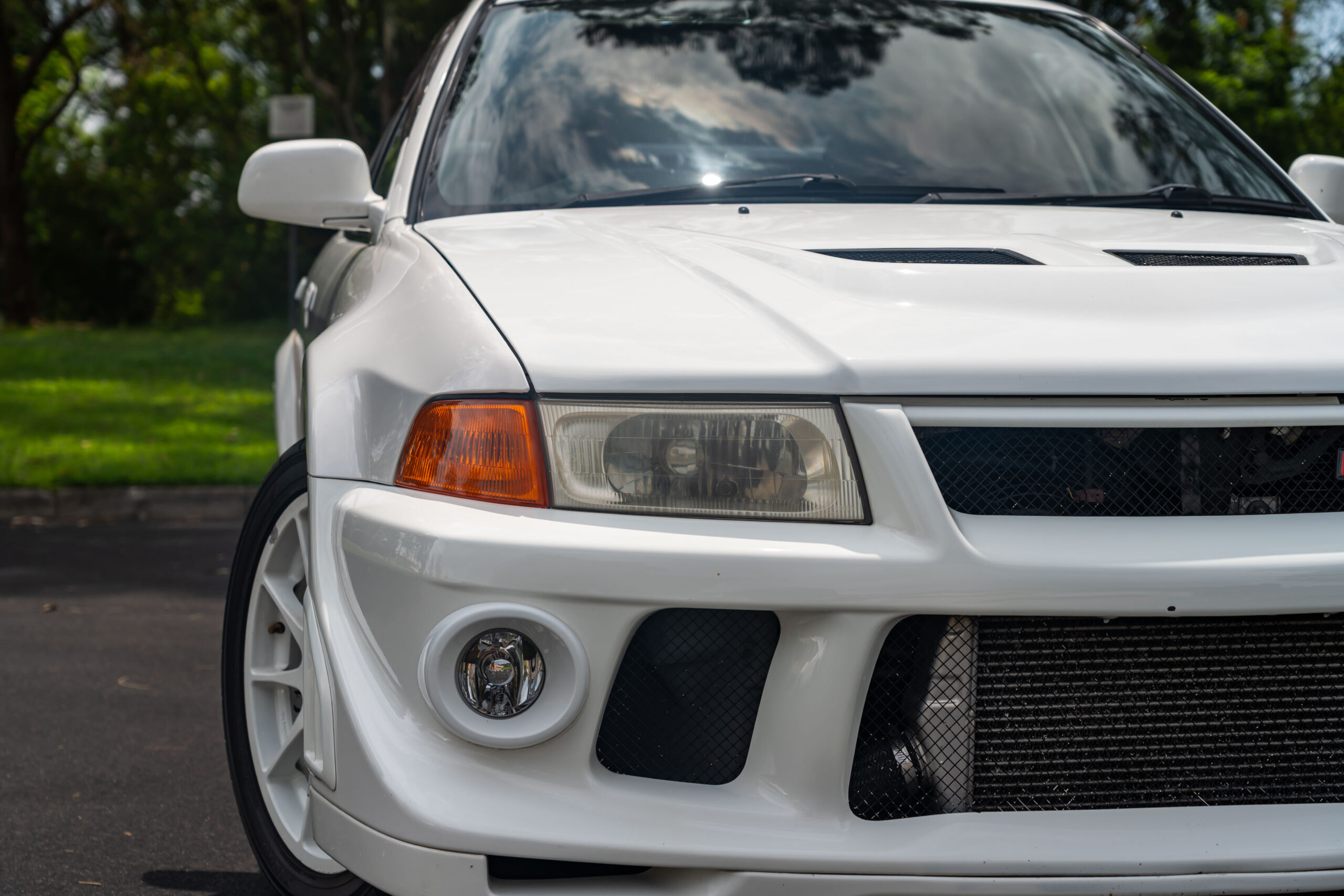
The Evo V/VI both feature a specially-designed, ventilated front bonnet and more aggressive front wheel arches made from aluminium. While they look good, owners report that fixing these body parts can be difficult and also prone to forming rust, with replacement OEM parts very expensive (if you can find them for sale at all).
The same goes for the front bar, which sits fairly low on this car and is vulnerable to cracking. Go underneath and inspect it thoroughly, as prices for new or even second-hand front bars can be pricey.
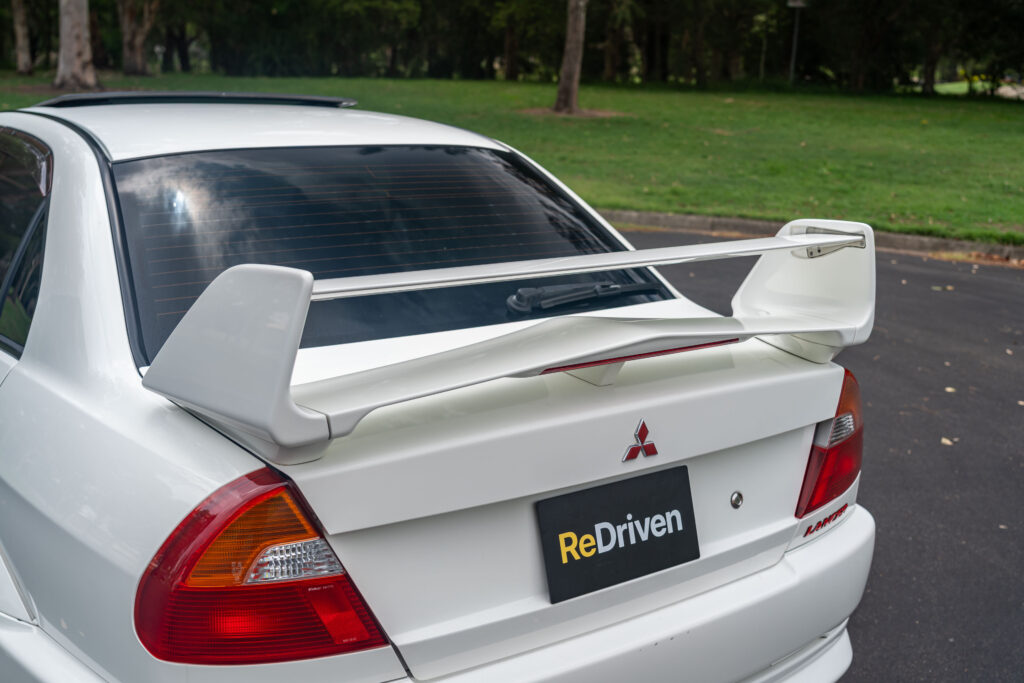
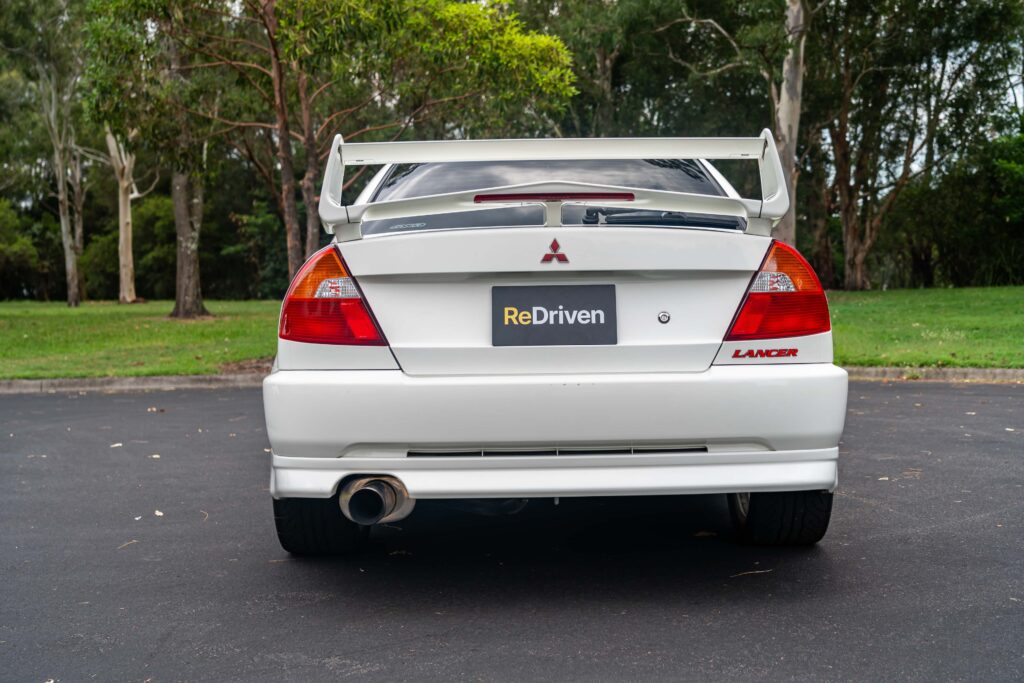
The rear wing, especiallyon the Evo VI and Tommi Makinen Edition models, has a slightly more complex design, with owners mentioning they can get a bit loose. In the worst cases, they can form a fine crack within the plastic at the base of the spoiler, and it can grow if ignored.
Plus, the spoilers’ internal metal structure can be rusted beyond repair. But it’s worth mentioning that while Mitsubishi no longer supplies these spare parts, many from the ever-supportive Evo owners’ community have ways to manufacturer replacements that do the job just fine.
These being more than 20 year old car, you may also experience issues like paint fade on certain plastic components, the headlight lenses getting cloudy, and any exterior rubber trim looking tired, but these can also be resolved fairly easily.
One tip we would mention when sourcing replacement exterior trim or parts: don’t go immediately for the parts labelled for the Lancer Evolution. Some of the general parts, like door rubbers, are the same as you find on the base model Lancer, and you can save a lot of money by avoiding the ‘Evo’ markup.
Interior issues:
Just like with the exterior and under the bonnet, there can be a few issues that come up due to age and regular wear/tear.
These are more than 25 years old, so any number of the painted surfaces or plastic materials can display some scratches, and the fabrics can start to visibly fade and wear if exposed to a lot of UV rays.
Check how the top section of the dashboard, as well as how the A-Pillars are holding up, and if they show any screw holes, which could be signs that the car was previously modified.
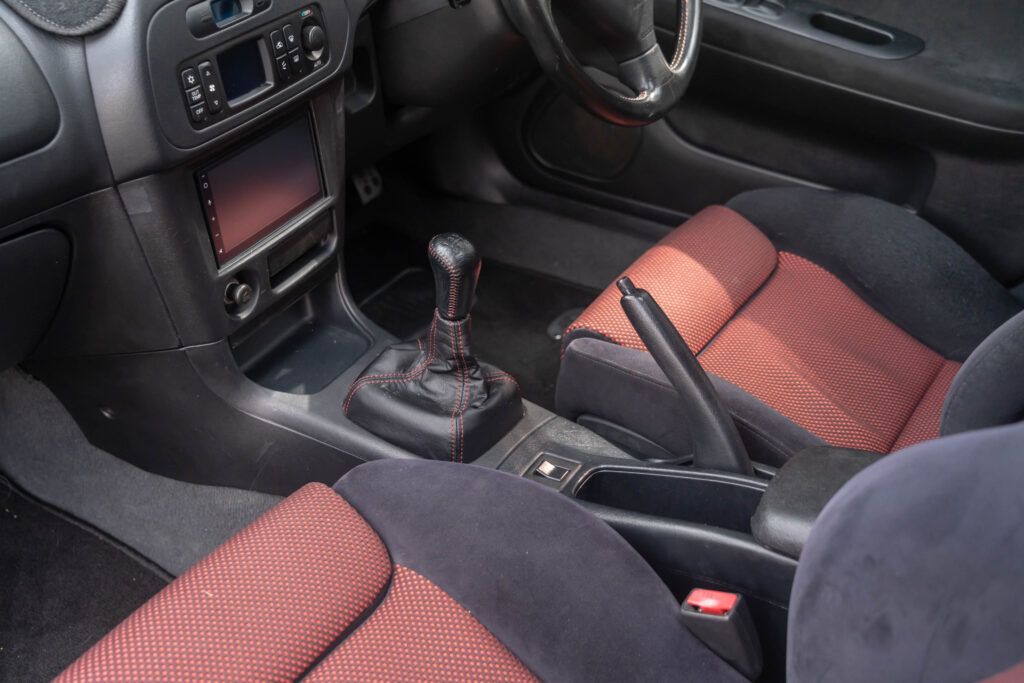
The Recaro seats’ reclining mechanism can also experience some issues, and may require a new seat base frame to put right, which is rare to come by and expensive.
The fabric upholstery used on the Recaro seats can also be expensive to retrim and source replacement material – we heard one owner spent at least $3,000 to retrim their Recaro bucket seats.
It’s no surprise that the factory audio headunit and speakers are very outdated. While there are plenty of aftermarket options to bring these up to date, if a previous owner installed low-quality infotainment systems and speakers, it could be a sign that they cut financial corners in other aspects of the car.
But if they’ve installed a high-quality infotainment system and other cabin tech to reflect the value these 25-year-old cars are asking for, that can paint a more positive picture.
The climate control is reported to be still be very strong, with rare instances of it failing, though the LCD display for the A/C system can lose pixels or delaminate.
Mechanical issues:
Engine:
The 4G63 engine is one of the strongest engines Mitsubishi produced and is still popular in all sorts of applications, including motorsports. Without any major modifications and used regularly with routine maintenance performed, these can be quite reliable.
A healthy amount of modifications installed correctly shouldn’t be a major deterrent if you are considering one. It’s only poor tuning or parts/mods installed incorrectly that can be a nightmare to deal with.
Timing belt replacement is an essential maintenance item – it should be done every 100,000 kms or five years. But it’s also important to change out the balance shaft belt while the timing belt is changed. Left unchecked, the belts can get tangled up together, which can then lead to serious engine problems.
The balance shaft bearings can also wear and lead to the aforementioned belt issues – if you are planning to build these engines for more power or track use, a balance shaft delete is highly recommended.
Hydraulic lifters can also be an issue, with the lifters rattling being a clear indicator. Solutions are easy to do – those in the Evo community recommend replacing these with better units from a later generation Evolution (eg, Evo IX).
Early Evo IVs were known for the crankshaft wearing out their thrust bearings, causing the part itself to move forward every time the clutch was applied, and could also lead to engine failure. But thankfully, this issue was fixed in the later Evo V and VIs.
As these get older, it’s important to pay attention to the condition of any electronic connections or cooling system components, especially anything exposed to heat. They are also fairly brittle (most are made of plastic) – but not as bad as some other Japanese cars of the same era.
Older models can also be more prone to oil leaks – keep an eye on common areas within the engine, such as the valve covers and front/rear seals, or any oil depositing on the internal belts. If they’re resolved ahead of time, they shouldn’t risk the integrity of the engine.
Wastegate complications can also affect early models – the cause being water getting into the engine bay through the bonnet vents, causing the wastegate actuator to corrode and collect debris. Later models fixed this issue by instead using a plastic actuator.
Drivetrain:
Two items are critical to the performance and driving behaviour for these Evos: the right set of tyres and geometry. If the car you’re looking at has mismatched or budget-spec tyres, it can be a sign the owner has cut costs in other areas.
Weird tread patterns or tyre wear can also indicate suspension components, like the bushings are on their way out, or the geometry/alignment is set up wrong.
Ideally, these need to be on premium, performance tyres to be at their best, with the right alignment and geometry settings (especially if they have been lowered).
The standard Brembo brakes are powerful, but they can warp fairly easily, and replacement rotors/pads can start from as high as $2000. Owners highly recommend exploring aftermarket options, which can outlast and outperform the OEM parts.
The factory-correct Bilstein suspension units can also be quite expensive, with many owners also forgoing them for better and cheaper aftermarket equivalents.
Early Evo IVs were among the first to use Mitsubishi’s advanced ‘Active Yaw Control’, and were known to experience some complications, such as pump and accumulator issues. If you get to do a test drive, listen for any grinding or odd noises from the undercarriage while turning at low speeds, which could hint towards problems.
Also, during a test drive, listen for clicking sounds during slow U-turns or turning maneuvers. It may not be a worn CV shaft, as these were known for the retaining bolts on the crown wheel rubbing together.
Check that the gear shifter is smooth to operate and in perfect mechanical order. If it feels difficult or rough to engage any gear, especially any crunching sensations, it’s a strong sign the car has been thrashed.
The oldest, narrow-body Evolution IVs currently ask around the bottom end of the price range out of the three Evolution iterations, between $30-35,000.
Move up to the Evolution V that brought in a wider body and all of its improvements mechanically, and you can expect these between $35-55,000, while Evolution VIs can ask between the $40-65,000 range.
The very limited edition Tommi Makinen Edition models, though, with all of their special design features, mechanical upgrades, and other unique features, continue to tout a premium for their collectability among other limited production JDM models, with prices ranging between $60-90,000; and up to $100,000 for the small number of Australian-delivered examples.
But if you are wondering which exact generation to buy? Honestly, any of them is fine, provided they pass a pre-purchase inspection with no glaring concerns, you have enough funds to keep them at their best, and prepared for owning one of the most legendary JDM machines ever produced.
Plus, a very extensive and supportive owners’ community among Lancer Evo experts, tuners, technicians, and fellow owners that can offer any number of tips for DIY solutions, what to look out for, and parts to use.
Clean, unmodified examples are your best bet, but those with a few high-quality modifications are also worth exploring. Just do your due diligence to root out any that may have been ‘restored to stock’ condition, attempting to fetch the highest premiums possible, as they could be hiding one ruined and abused by poorly-installed mods.
If you’re eyeing to import one, ensure you only work with reputable importers/agents to get the best example you can afford, and ultimately, ensure you drive these cars as intended.
All iterations of the Lancer Evo are gaining further collectable value, but to see any example locked away and not being used is not what this JDM legend is all about.


Co-creator, presenter & writer, ReDriven

Yes. But only the right example.
 2 days ago
 1 month ago
 1 month ago