Australia’s No. 1 Used Car Review Website
Australia’s No. 1 Used Car Review Website
+23 Photos

2015 Volvo S60 & V60 Polestar

19 March 2026
Yes. 100%.

2015 Volvo S60 & V60 Polestar

Used car review
19 March 2026
The second-generation Volvo S60 (sedan) and V60 (wagon), also known as the P3 generation, were produced between 2010 and 2018.
While initially sharing several components with the equivalent Ford Mondeo (under Ford’s then-ownership of the Volvo brand until mid 2010s), the fact is that the S60/V60 is a Swedish-engineered vehicle inside and out.
For the Australian market, both petrol and diesel powertrains were available – including Volvo’s signature turbocharged five-cylinder units, sending power to the front or all four wheels through an automatic transmission.
Though in certain markets, Volvo also made these available with a plug-in hybrid and manual transmission.
Continuing to ride on their reputation of being one of the safest vehicles available, Volvo S60/V60s came with a slew of standard safety tech and features – including being one of the first Volvo models to feature the brand’s ‘City Safety’ technology.
This generation of the S60/V60 experienced several different phases during its entire production run:
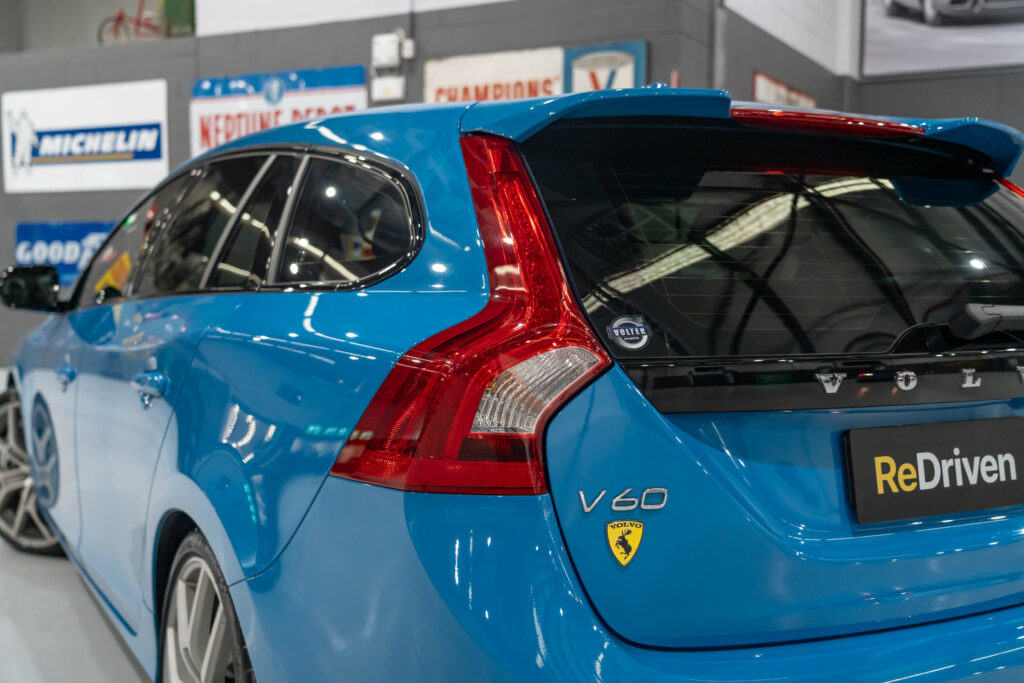
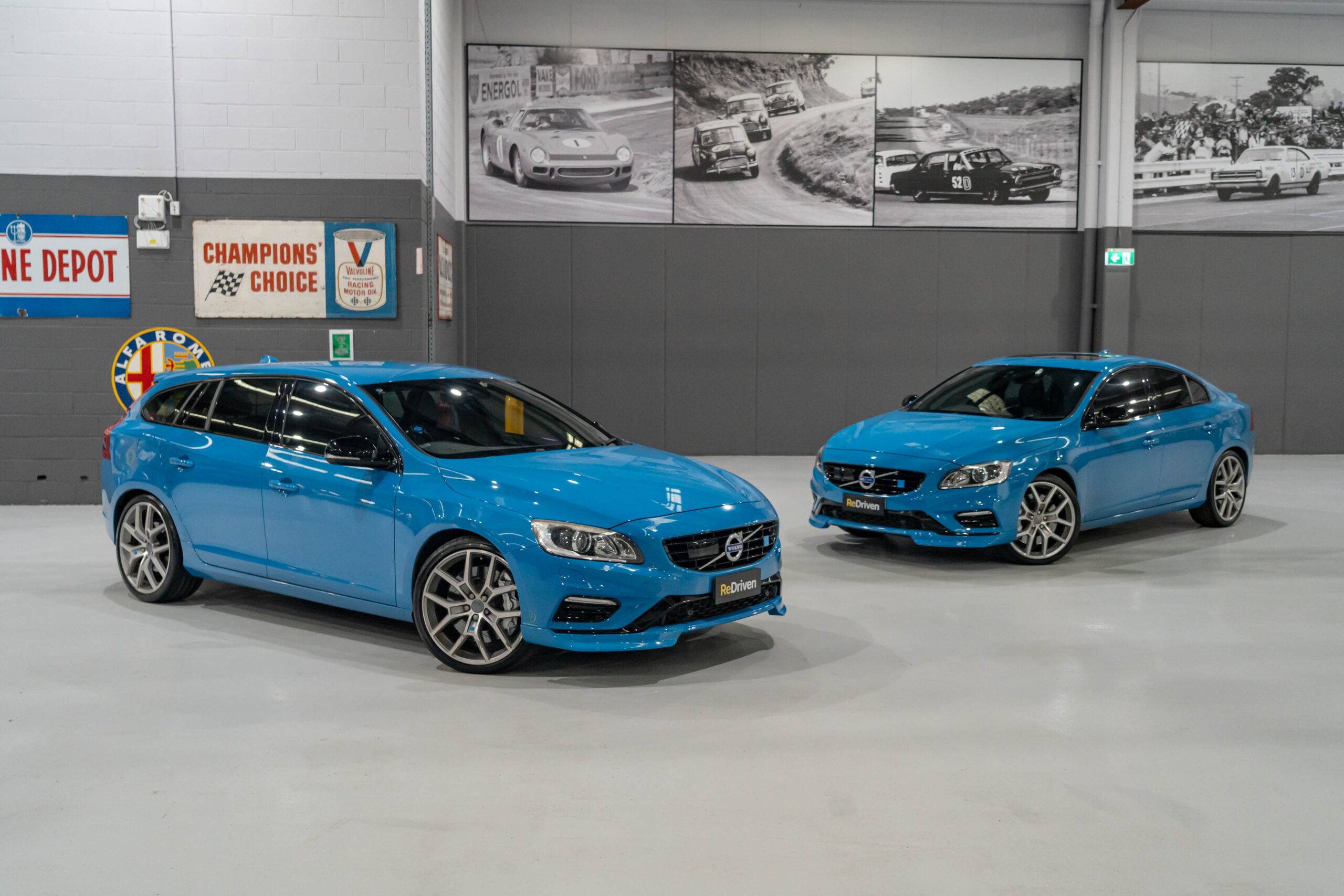
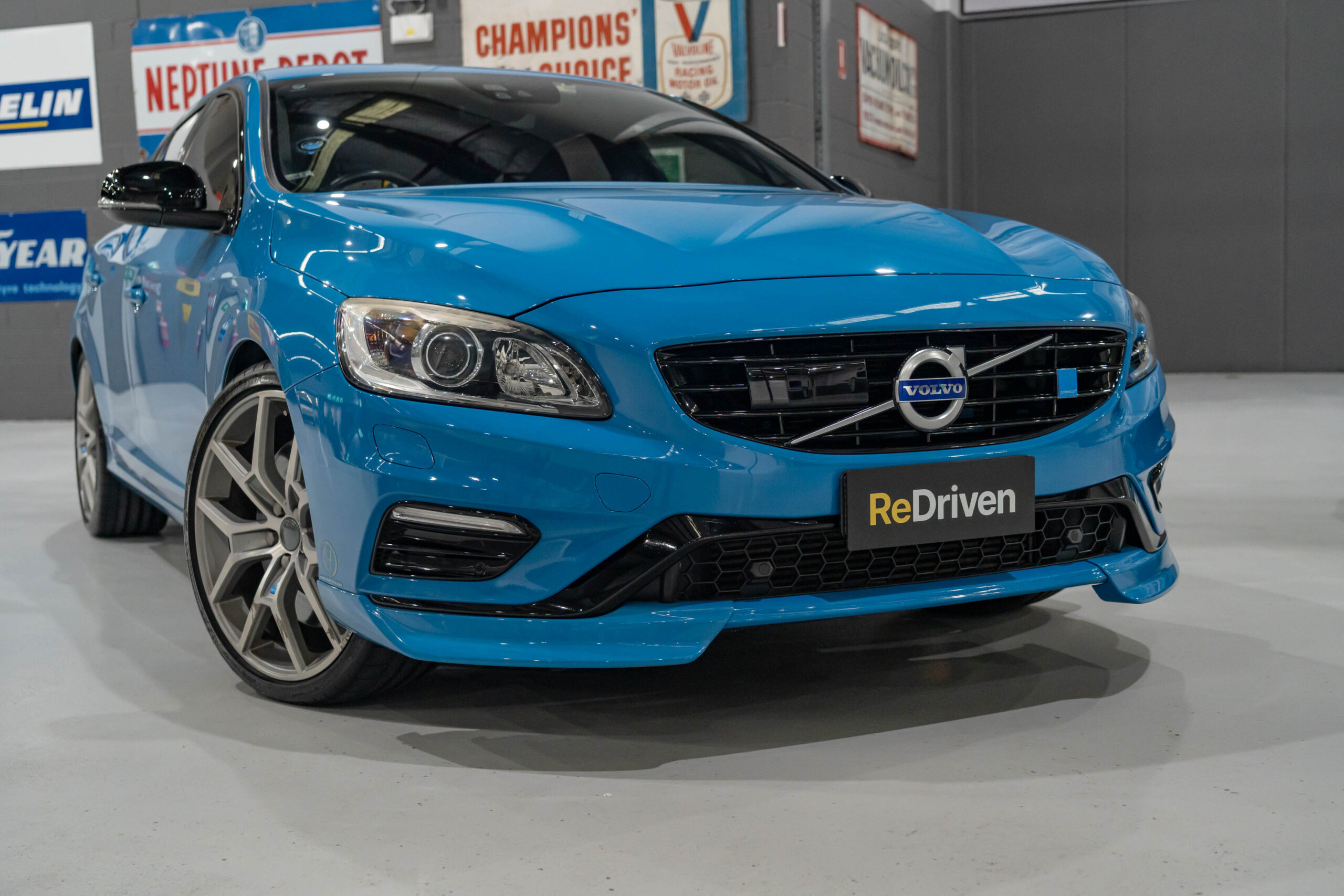
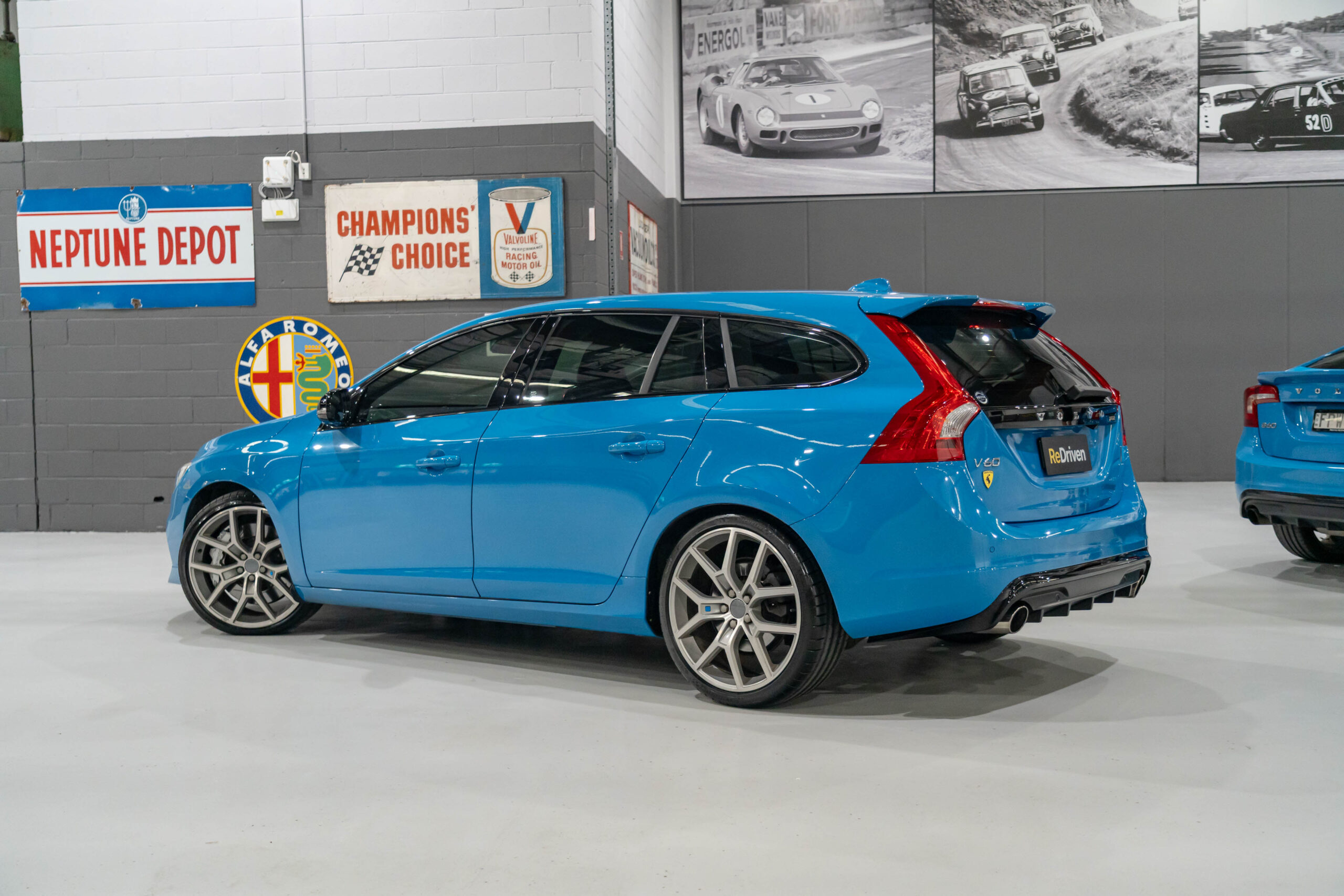
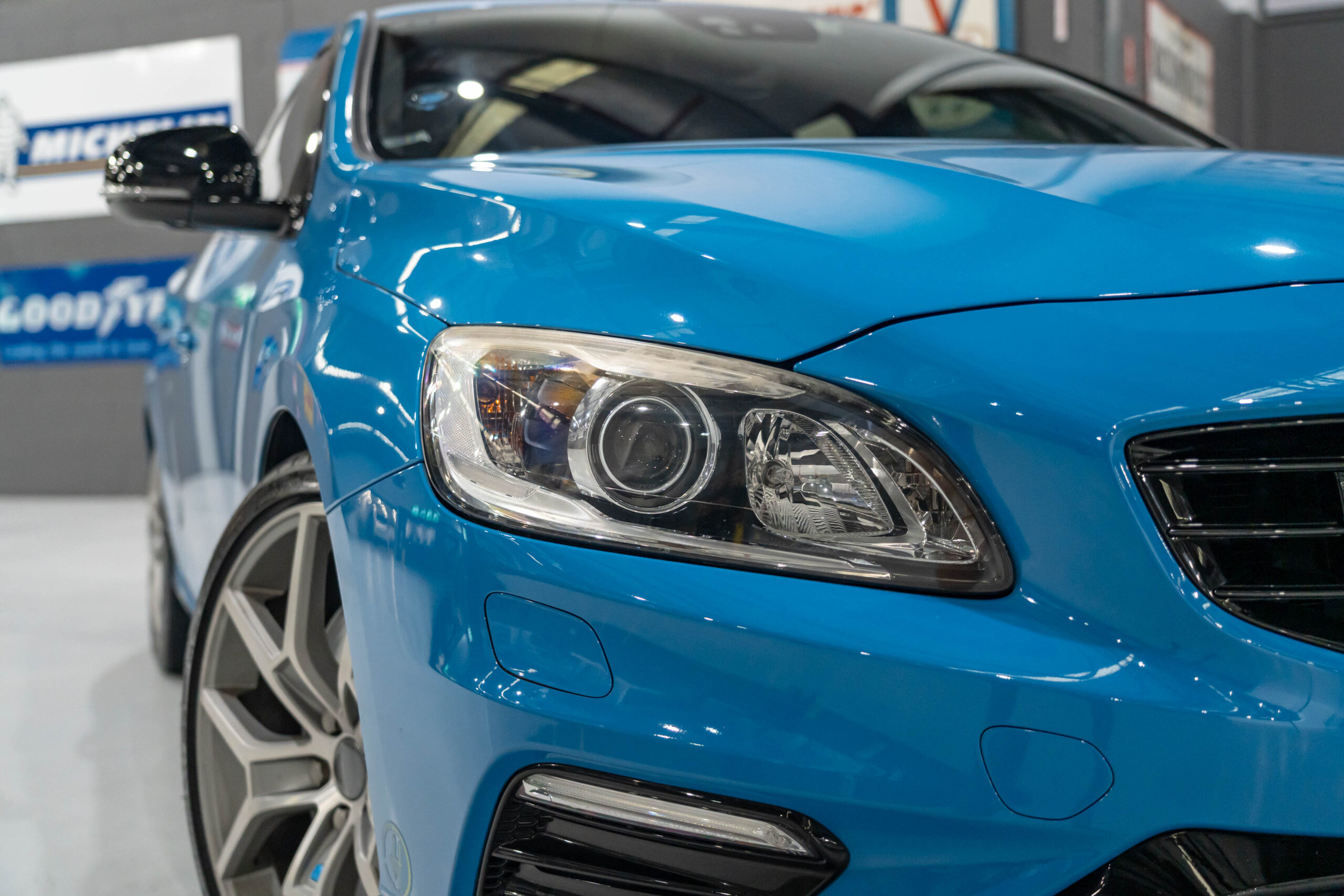
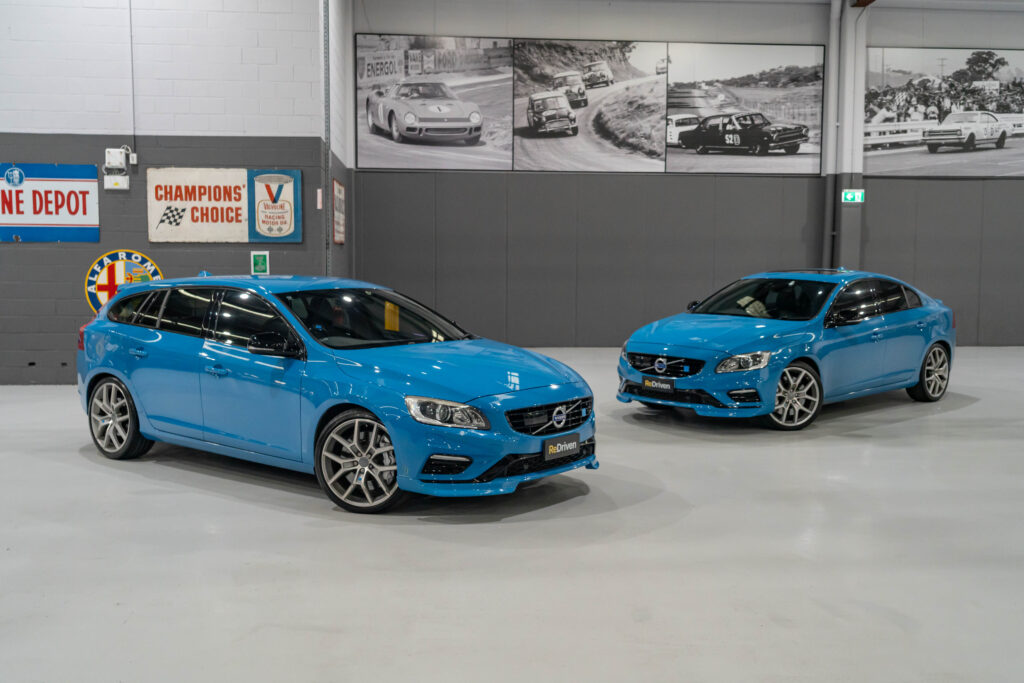
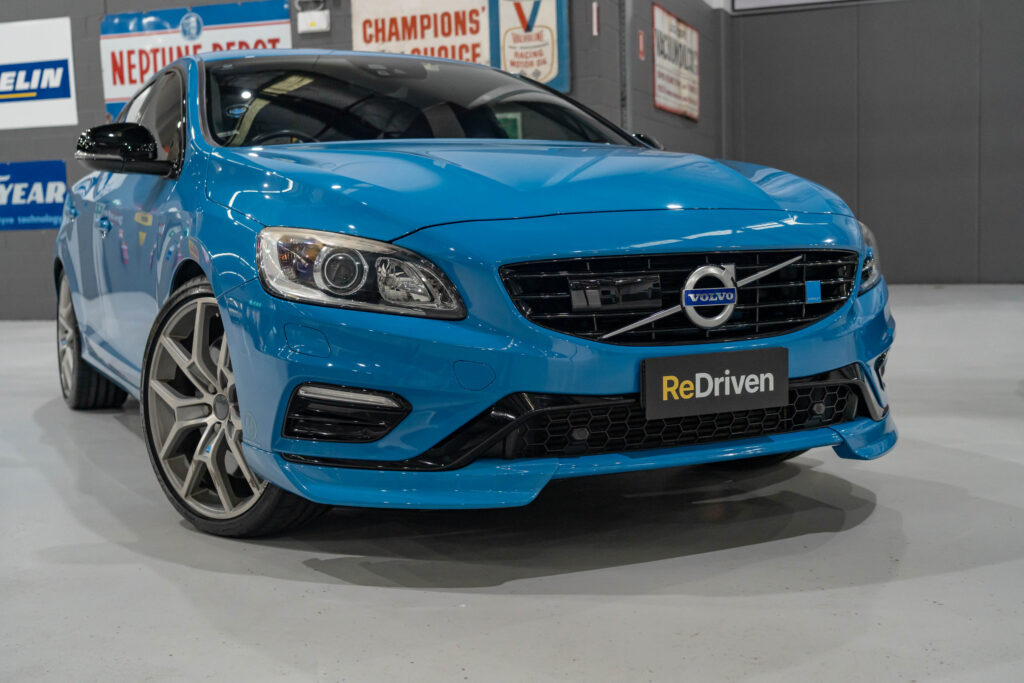
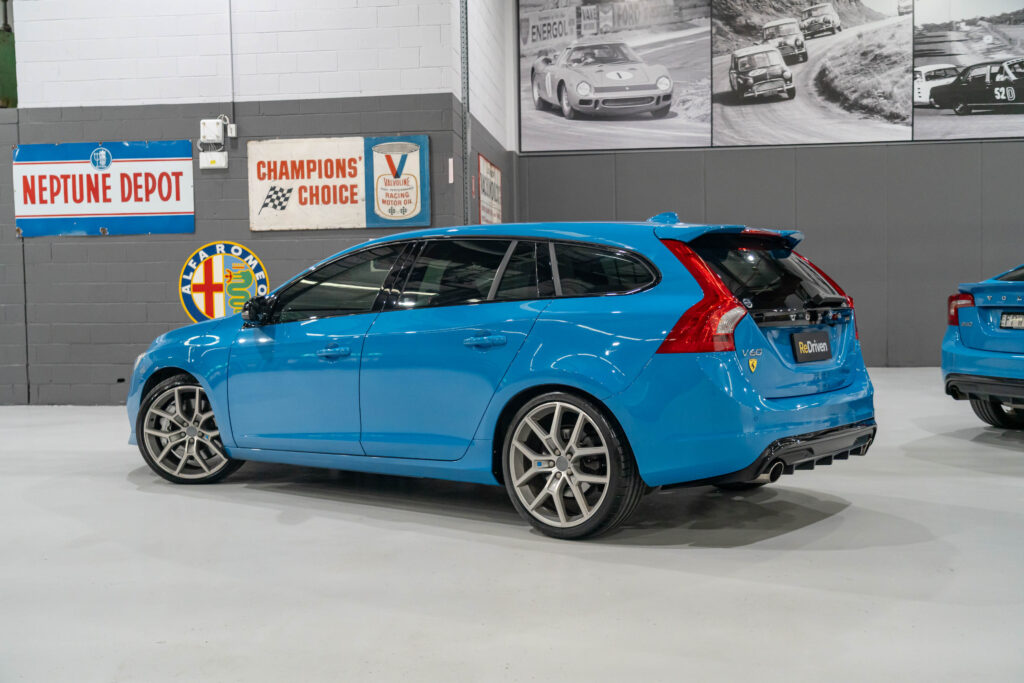
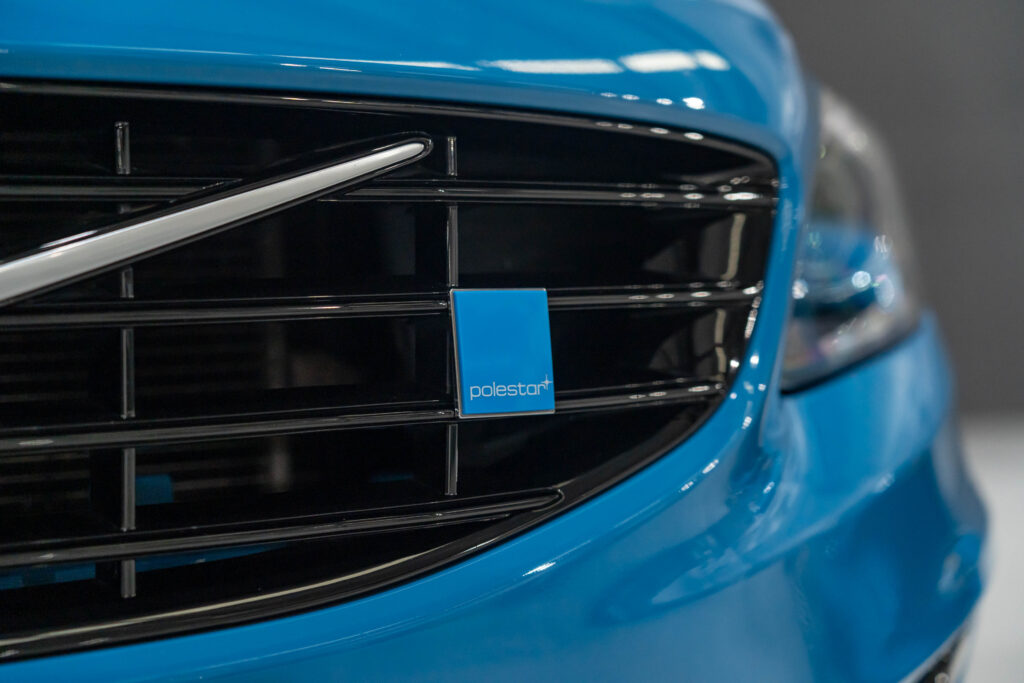
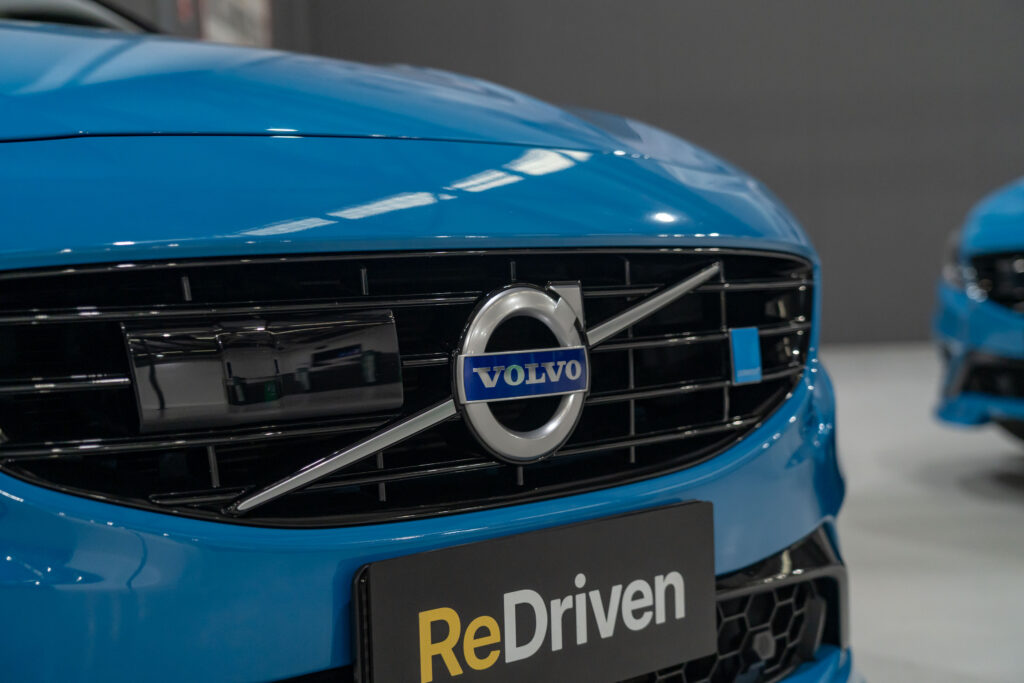
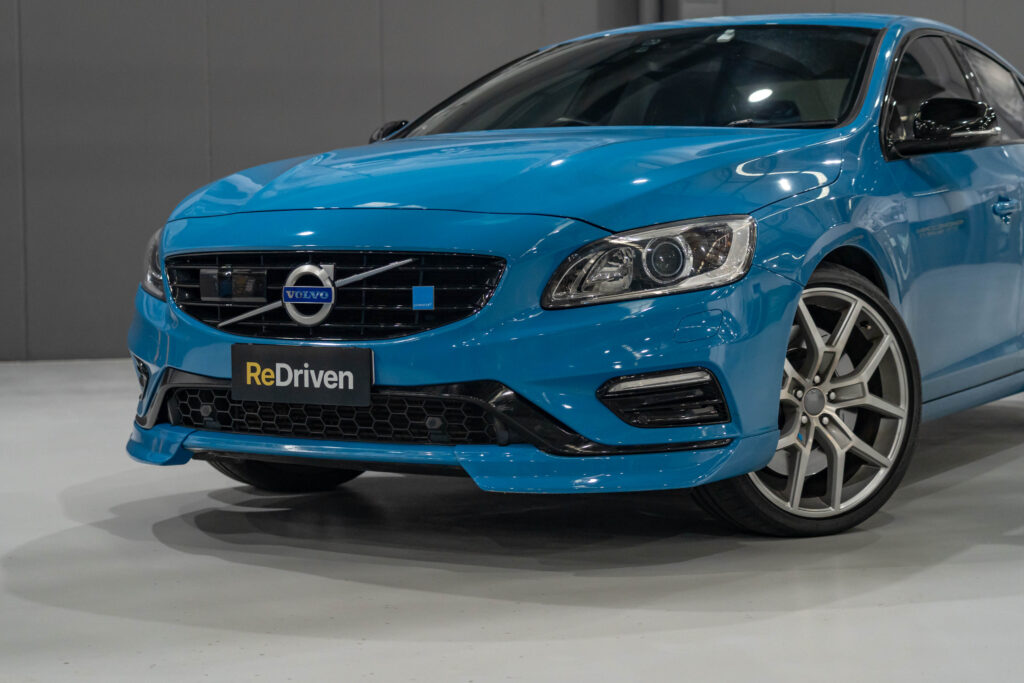
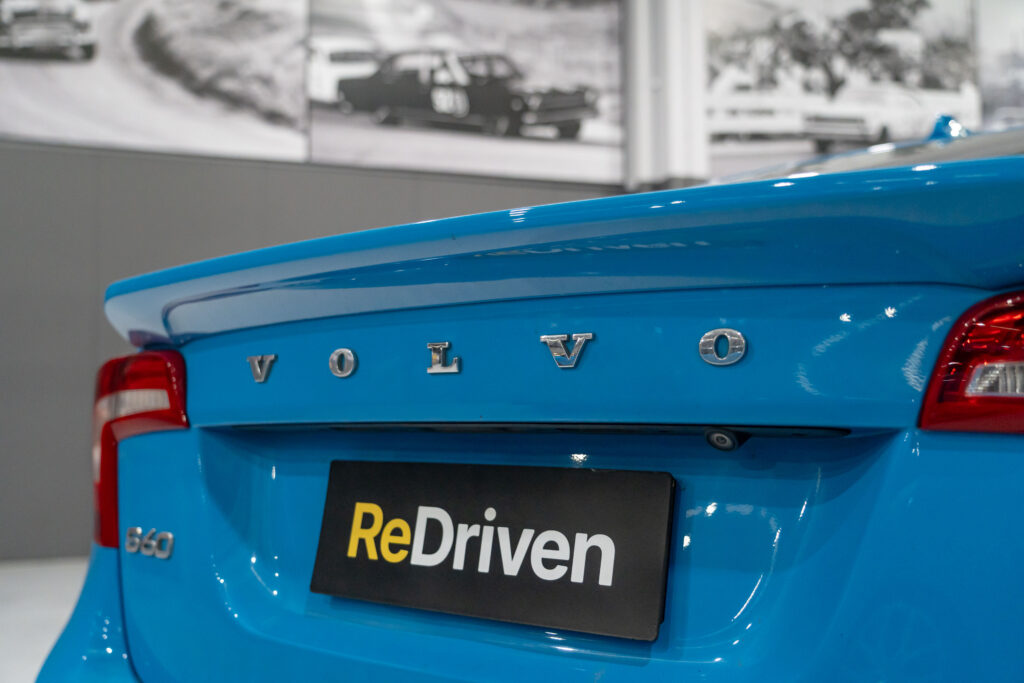
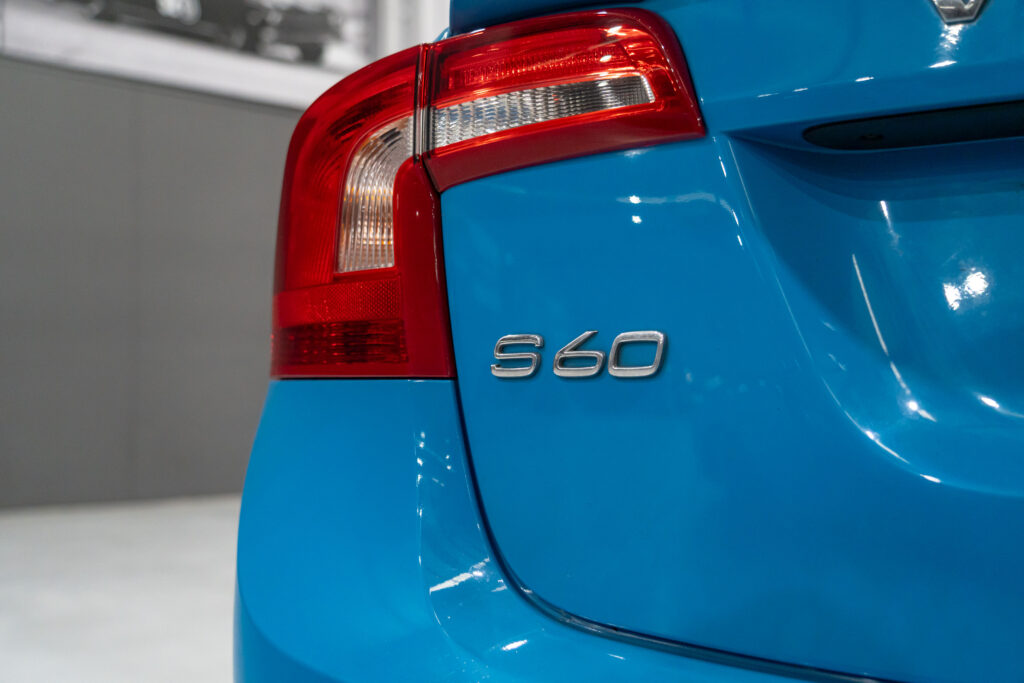
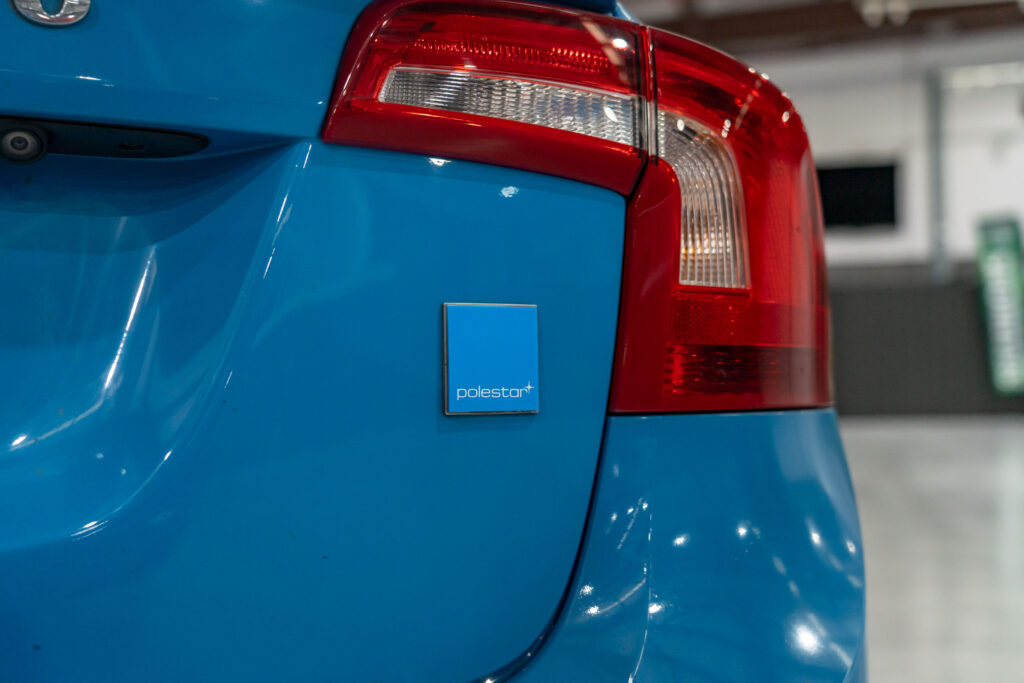
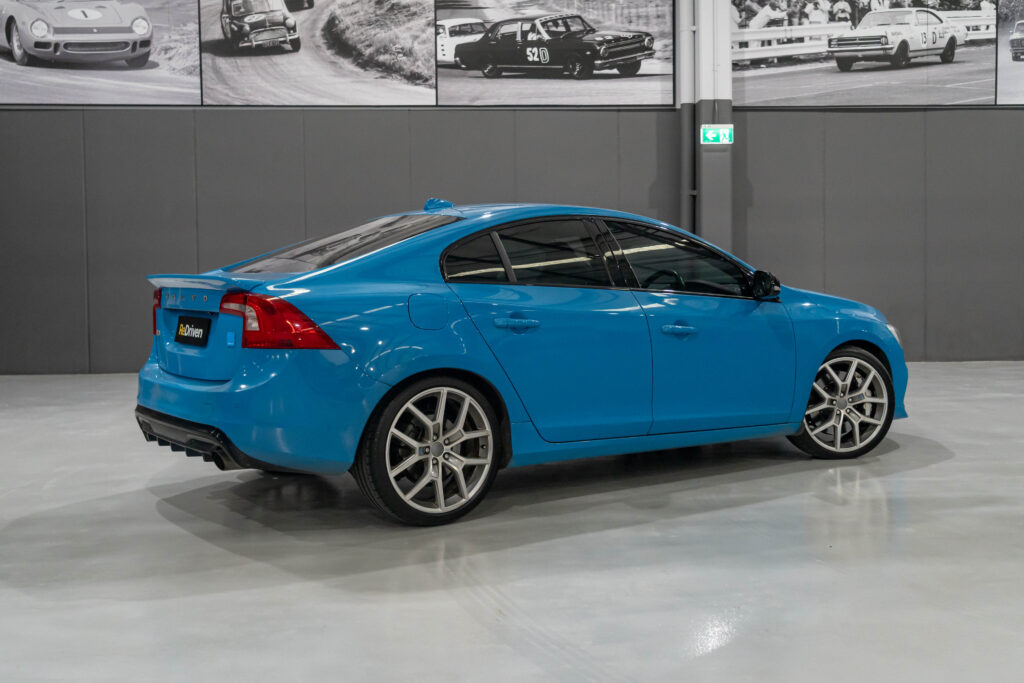
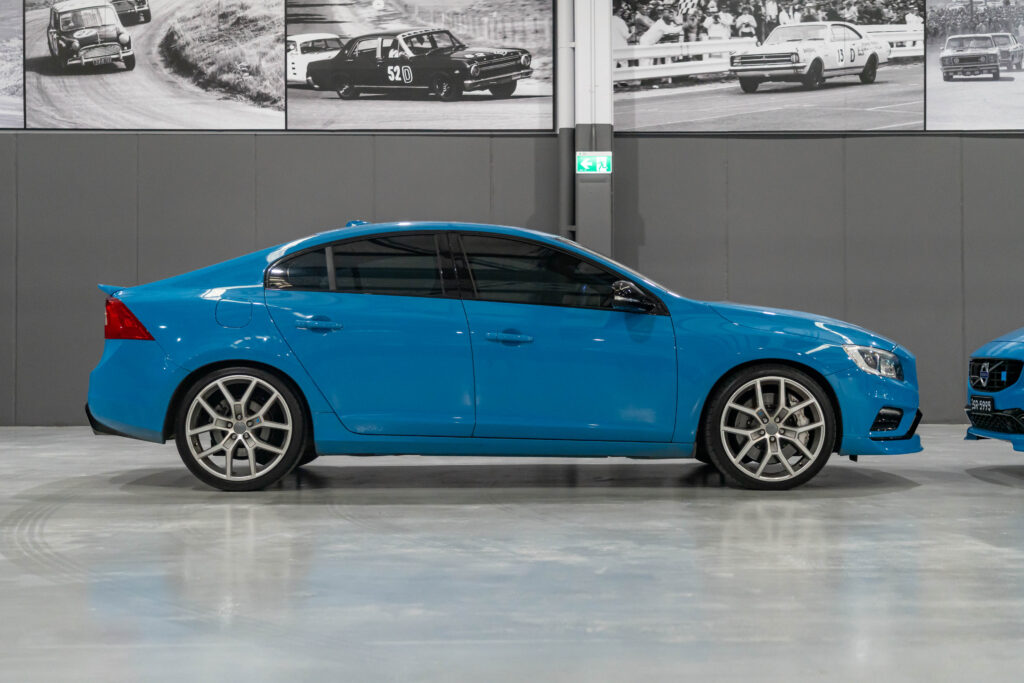
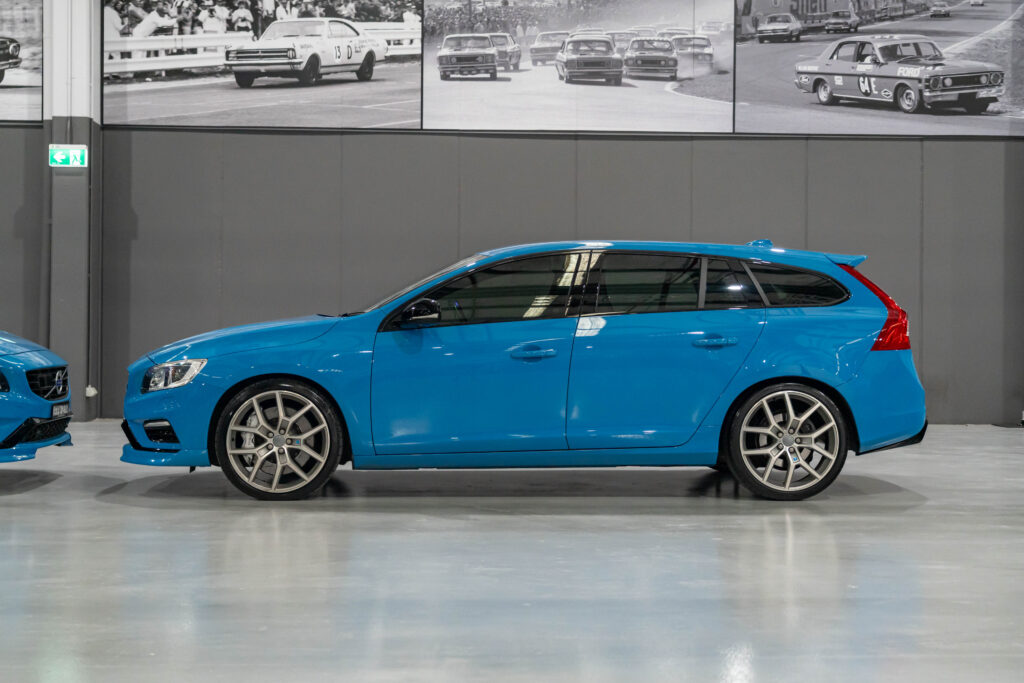
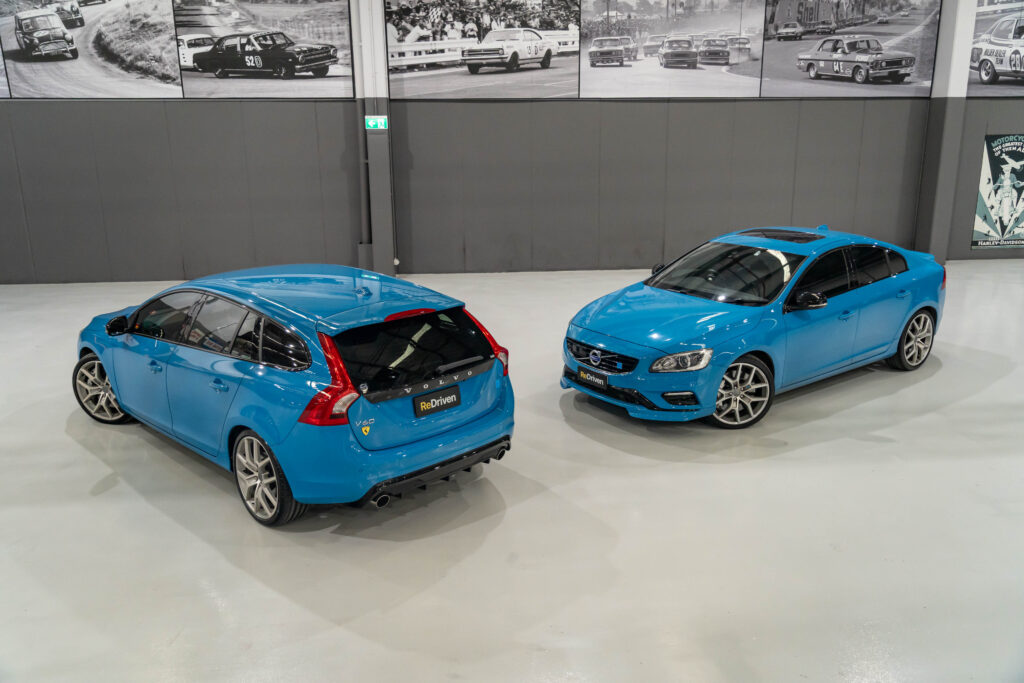
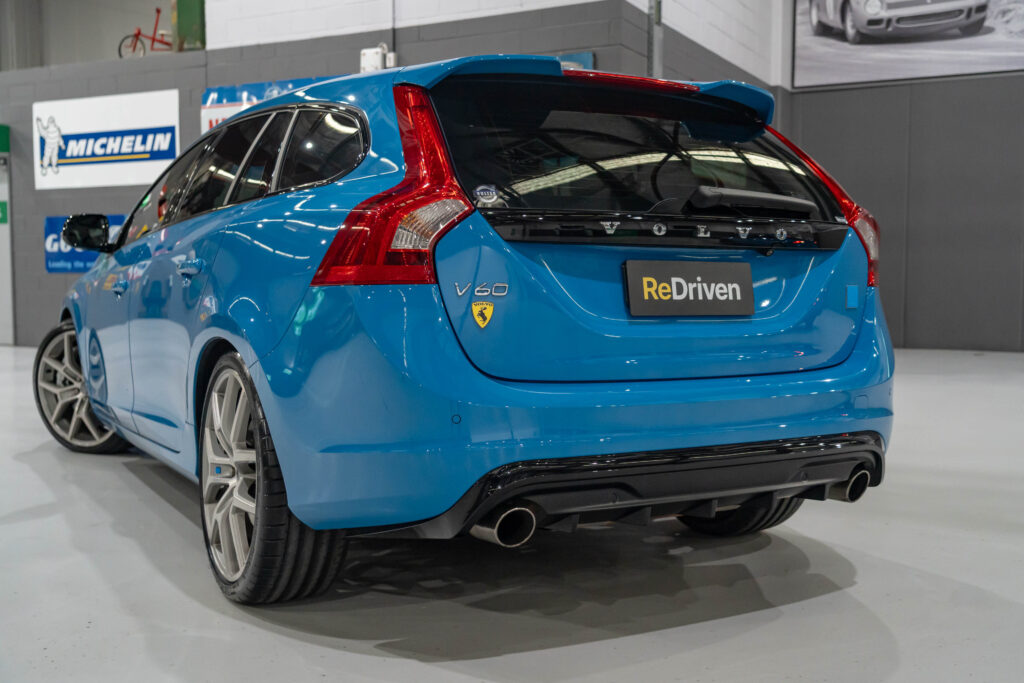
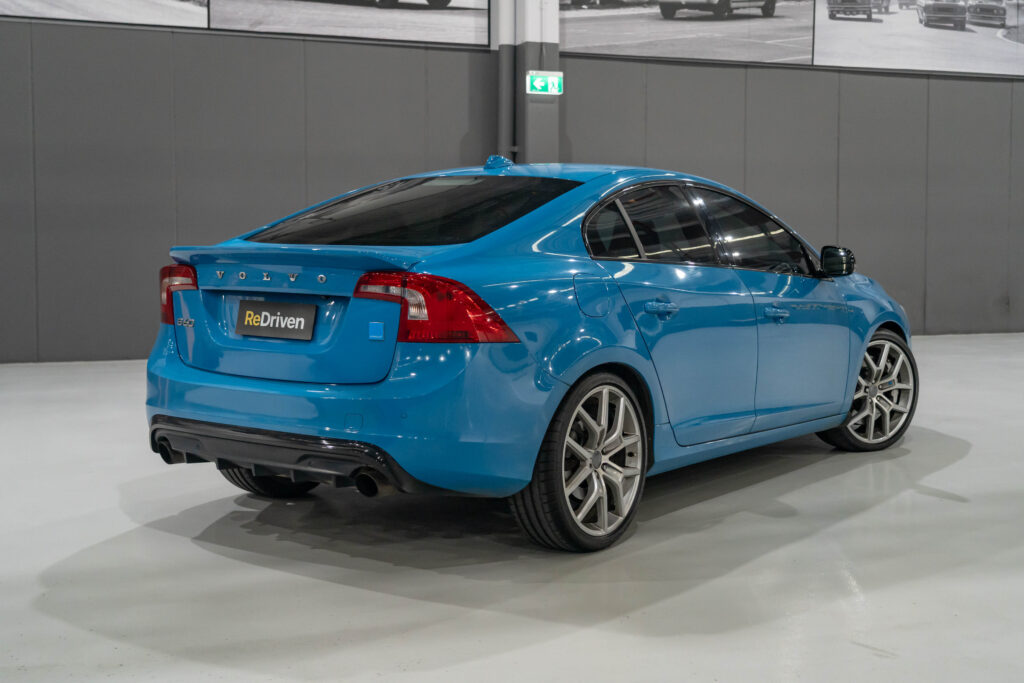
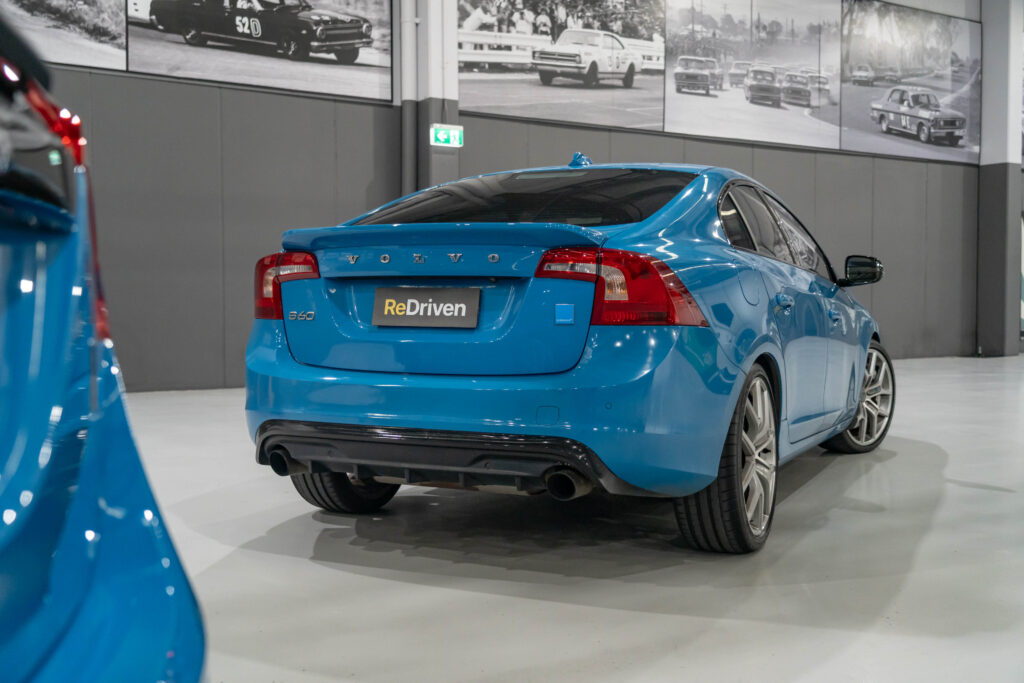
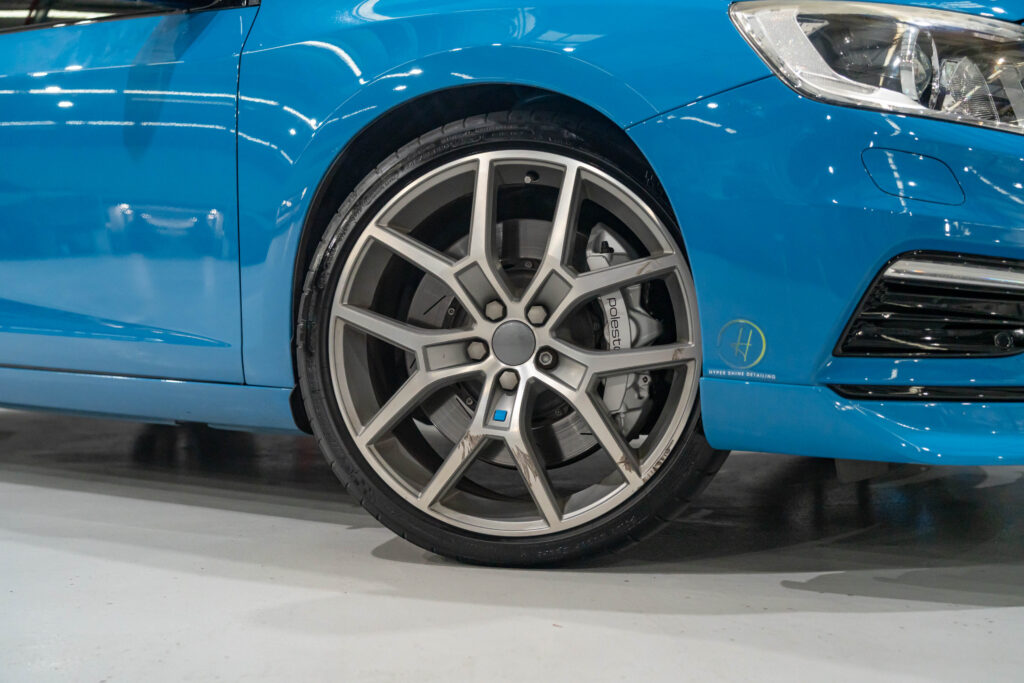
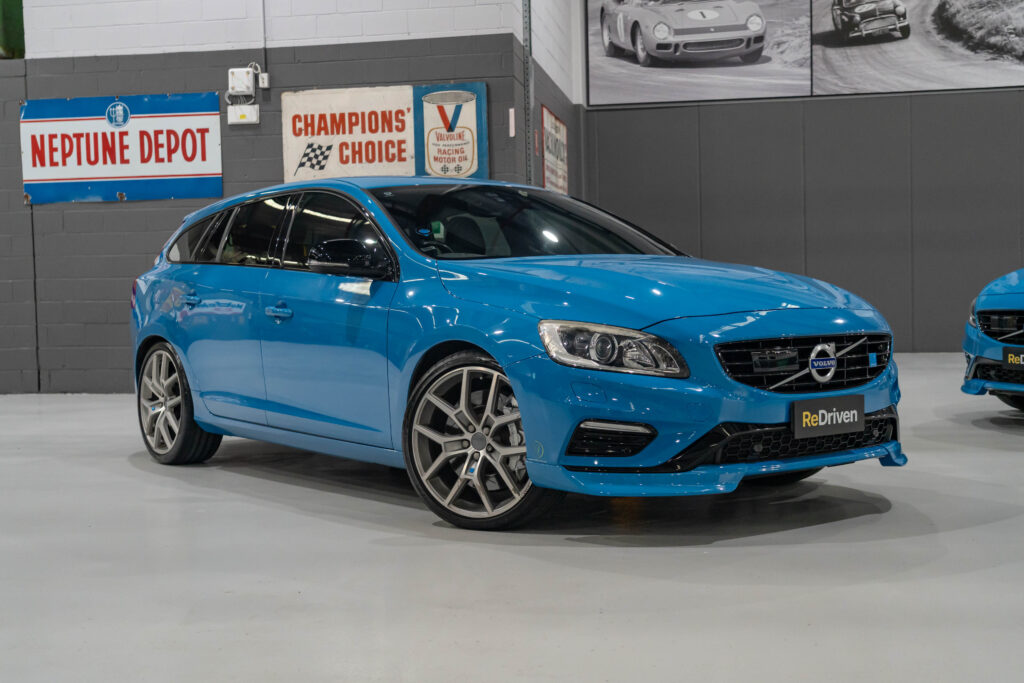
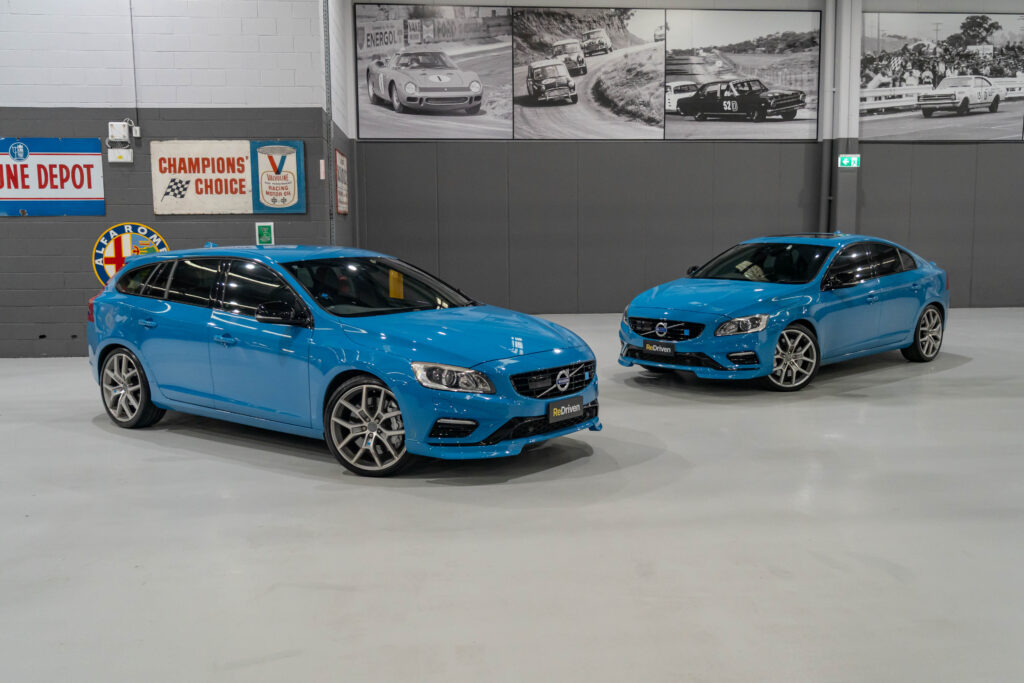
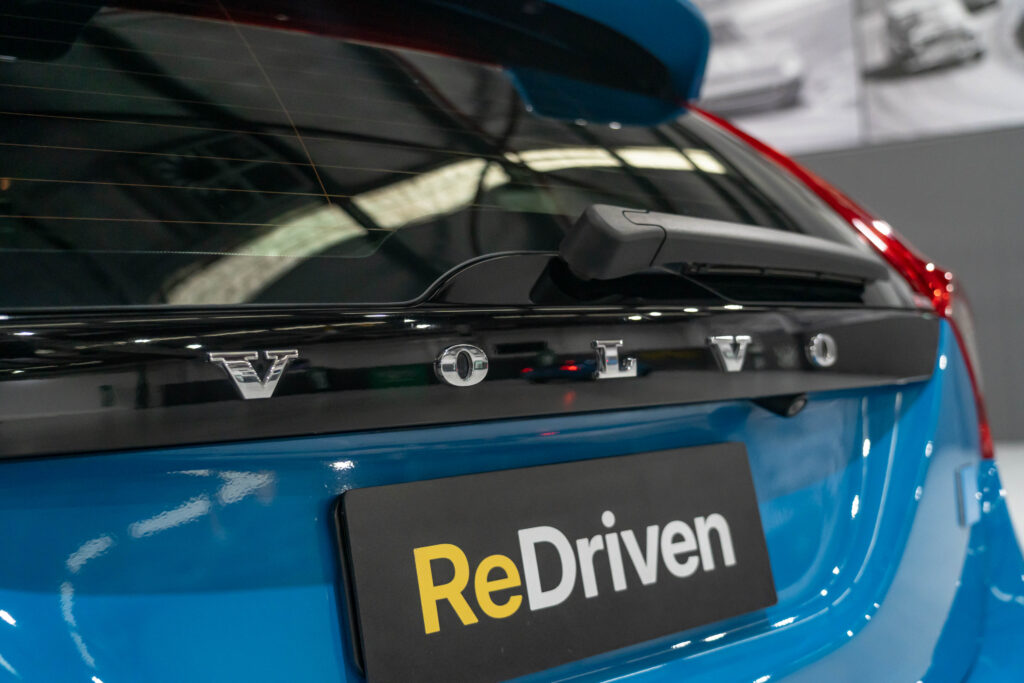
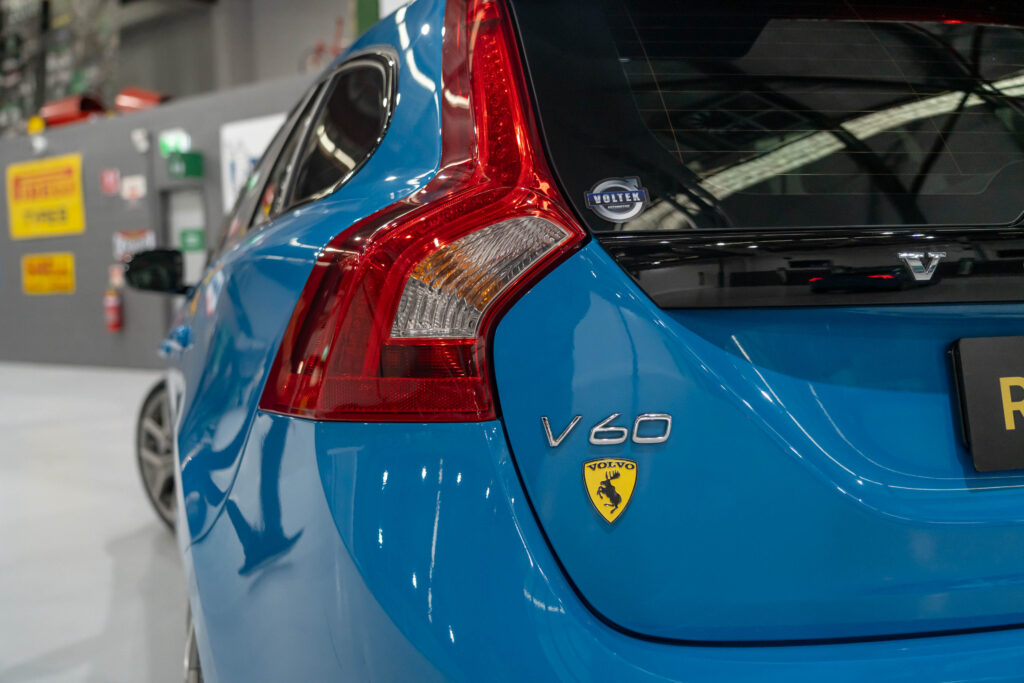
Also, we have to highlight both the Polestar Performance Pack and the S60/V60 Polestar models. These brought various drivetrain and styling upgrades, including more powerful engines, adjustable Ohlins suspension, larger brakes/alloy wheels, and notably, an eye-catching ‘Cyan/Polestar Racing Blue’ paint finish.
Exterior:
Many owners report that the bodywork is renowned for being very resilient compared to other European cars, as well as far more expensive and younger cars in the used market.
Those who have spent time in colder climates can experience some degree of rust, with the front quarter panels being a common weak point.
Some of these Volvos can also experience a few electrical gremlins – it’s worthwhile to check that anything powered on the outside works normally.
Worn-out wiring can cause issues such as the rear trunk not opening normally (also due to faulty actuators or worn springs) or accessories like the heated windows not working.
Check also that the sunroofs’ drainage channels are clear and free of blockages, as left unchecked, these can then lead to water ingress problems. Though unlike other European cars we’ve featured that experience these same problems, leaking sunroofs don’t always lead to a host of electronic issues.
The windscreen seals, especially those that have undergone a lot of UV exposure, might also be due for replacement.
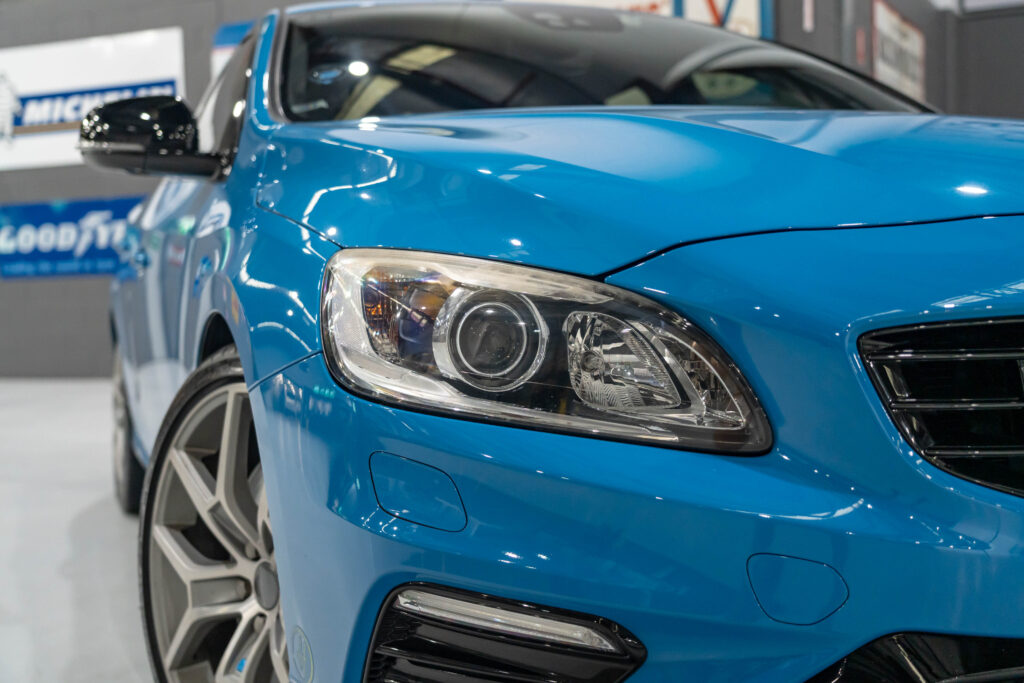
The exterior headlights might also experience some surface fade, but solutions are easy and very affordable to apply – the very helpful Volvo owners’ communities and groups offer plenty of advice.
The exterior sensors that help functions like park assist or adaptive cruise control ‘see’ can sometimes trigger, going off when there’s nothing in the vehicle’s vicinity. These could be due to a sporadic electrical issue or, easily put right via a software update.
The Polestar models feature very large and stylish 19/20” lightweight alloy wheels that run on very low-profile tyres, but this means they can be easily cracked or damaged.
Also, a minor note we’re told by owners – due to the larger front brakes, the standard S60/V60 full-size spare tyre won’t fit.
Interior:
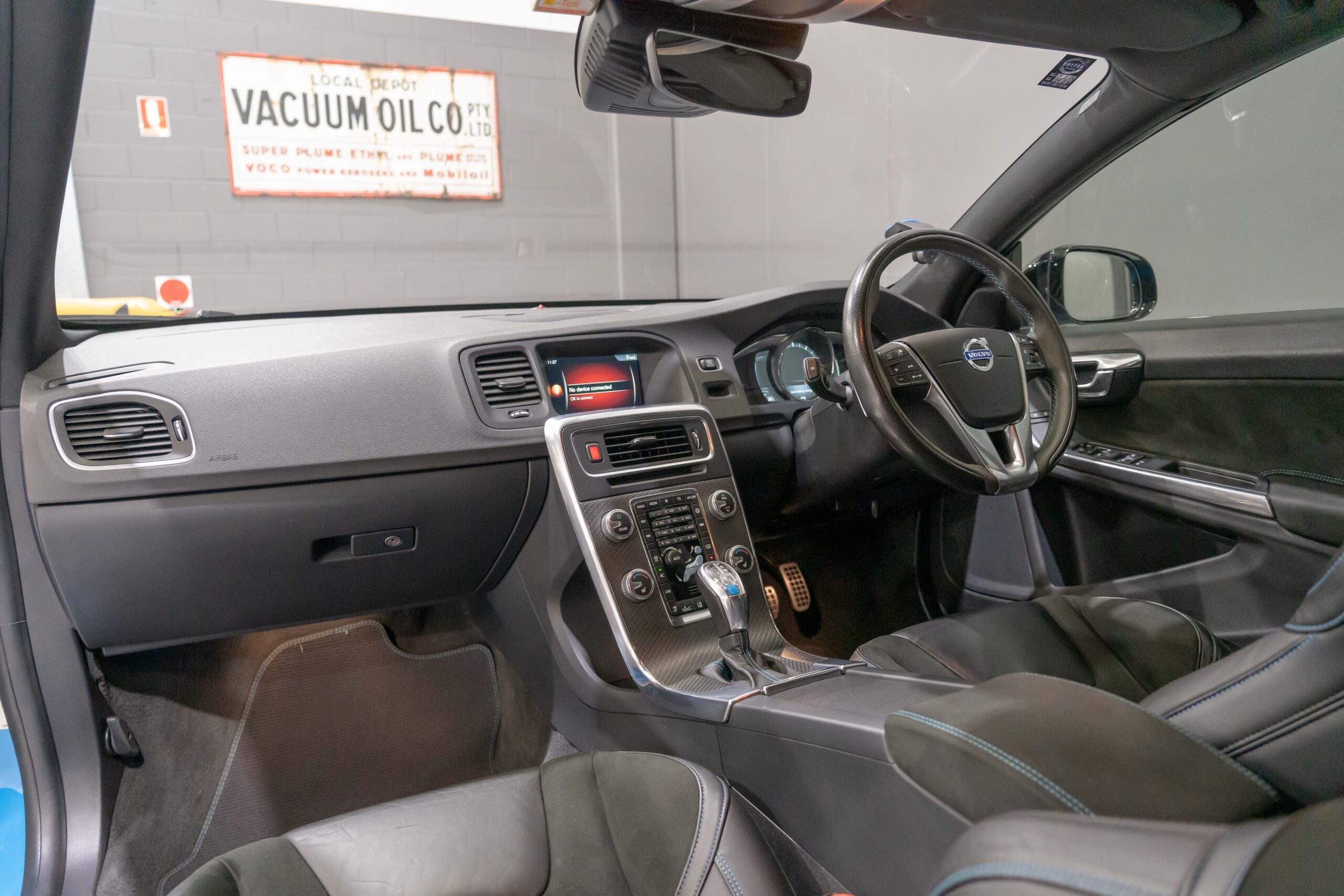
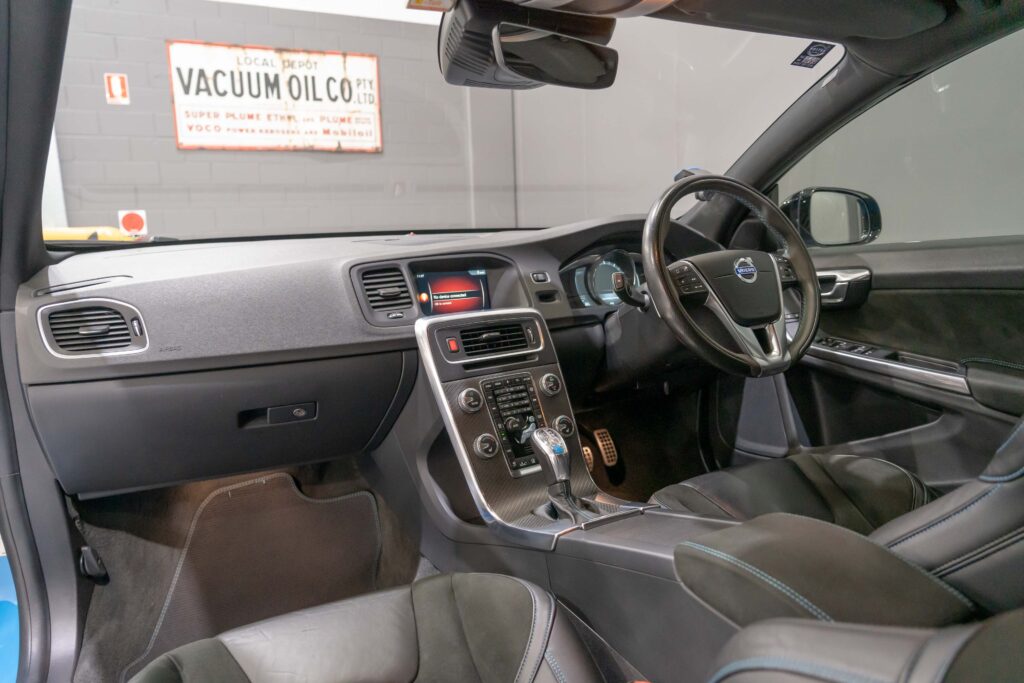
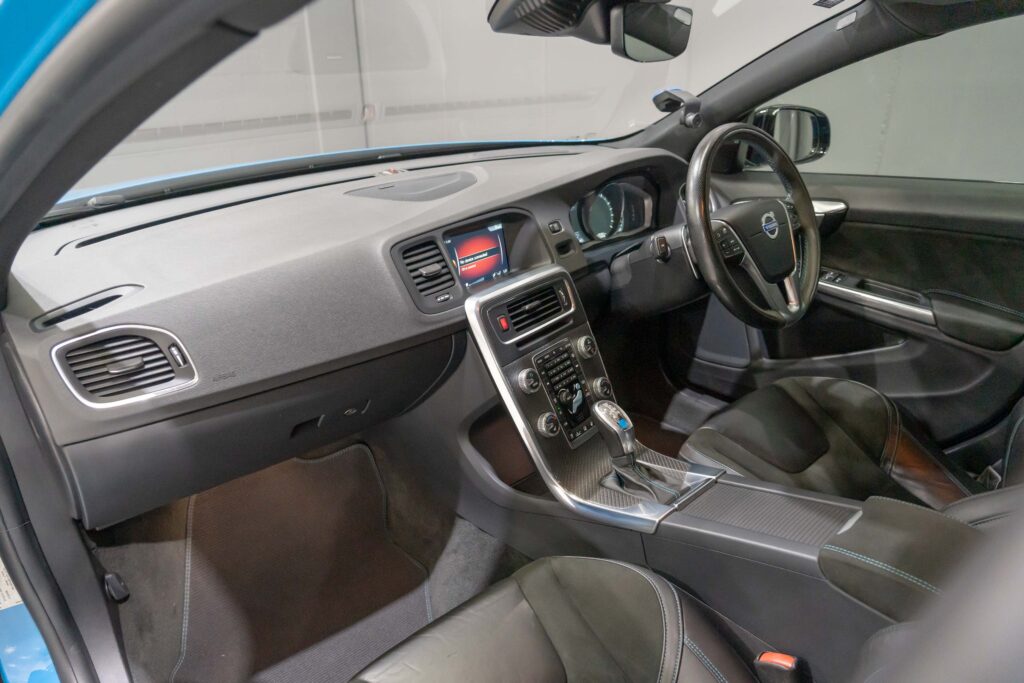
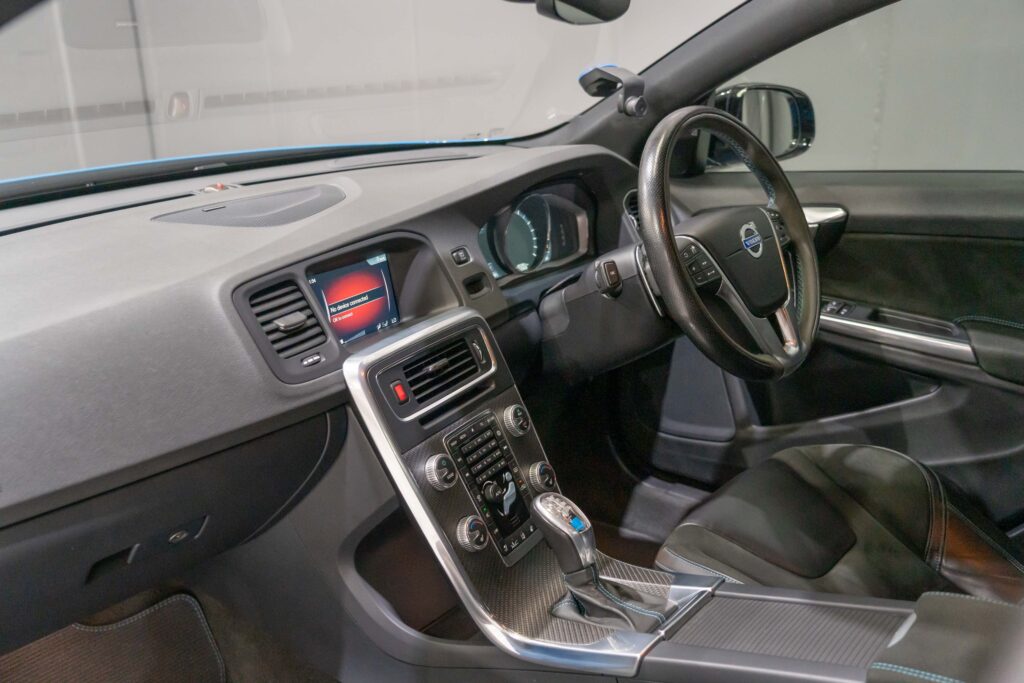
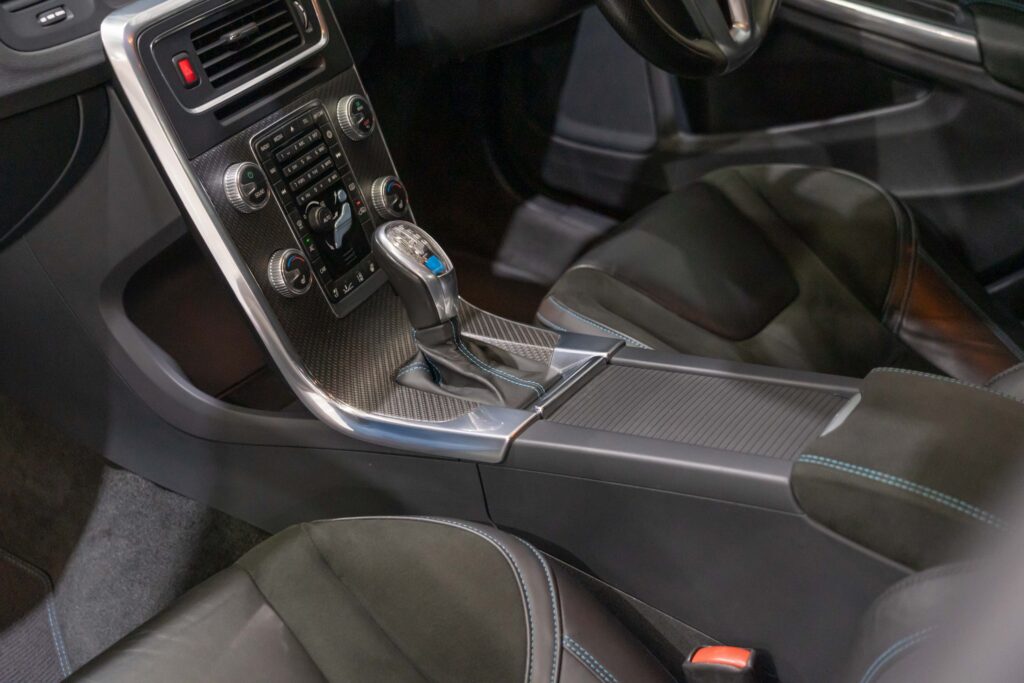
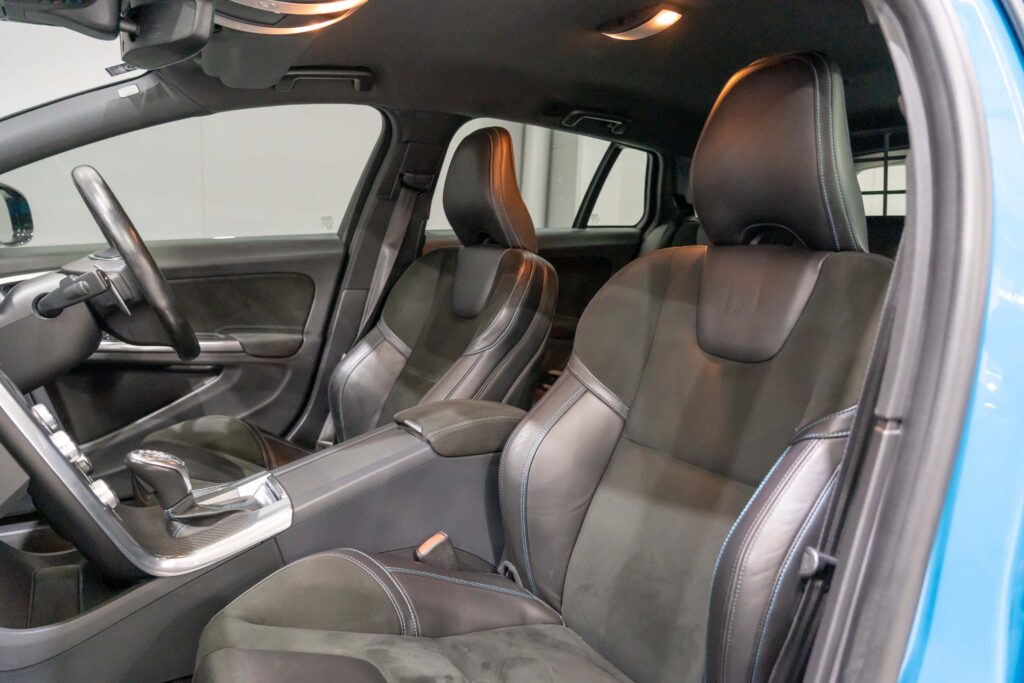
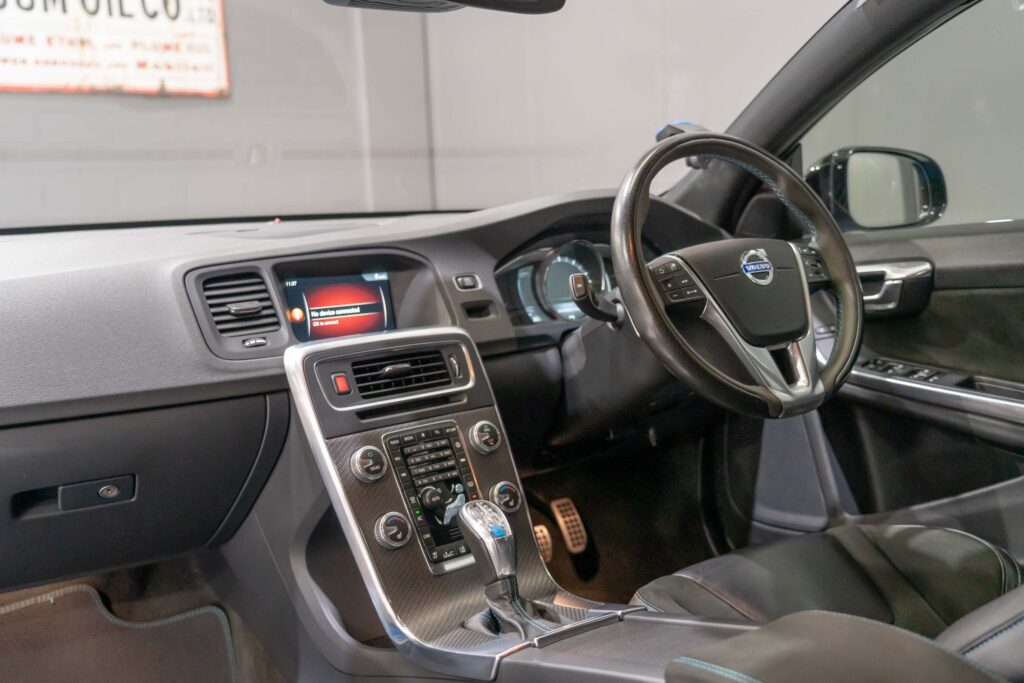
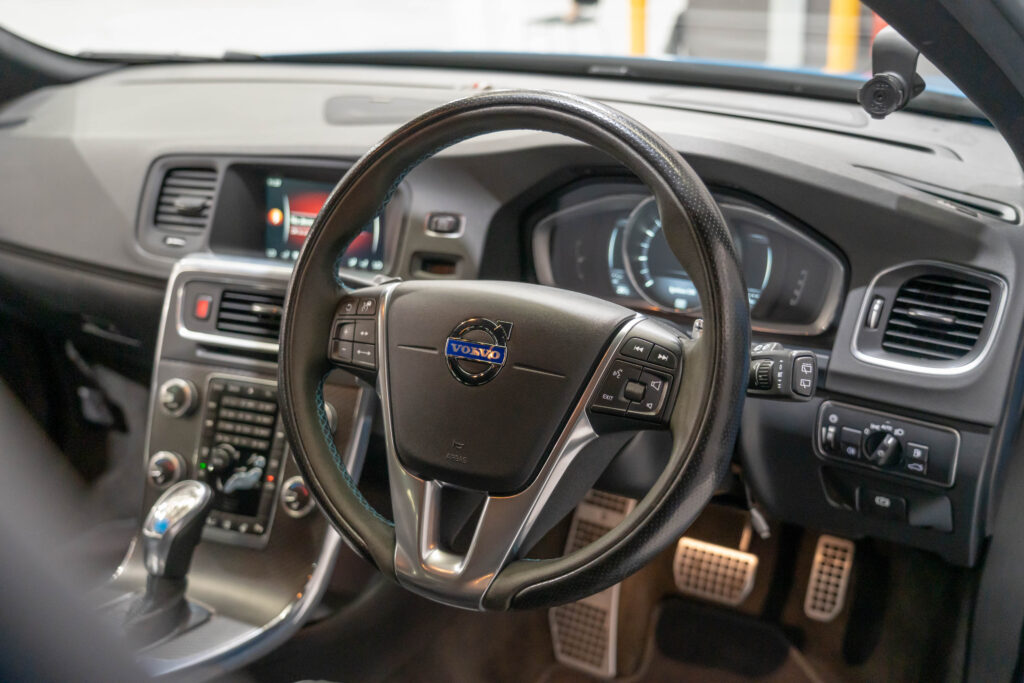
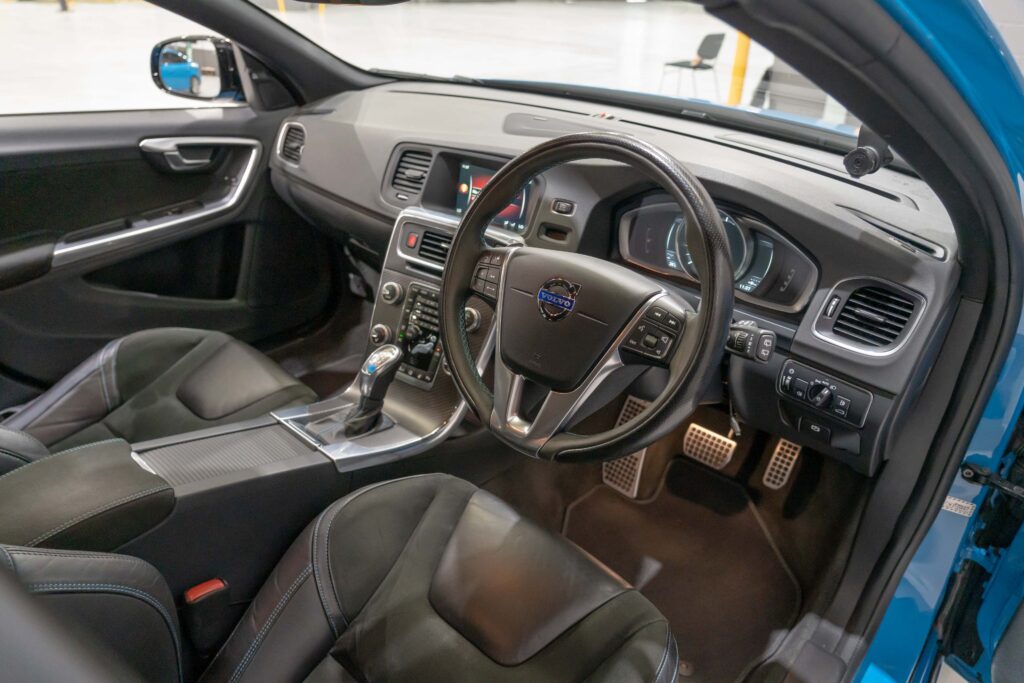
The interiors of these Volvos are fairly resilient, with the materials used throughout the cabin trim and seat upholstery reported by owners to be holding up well.
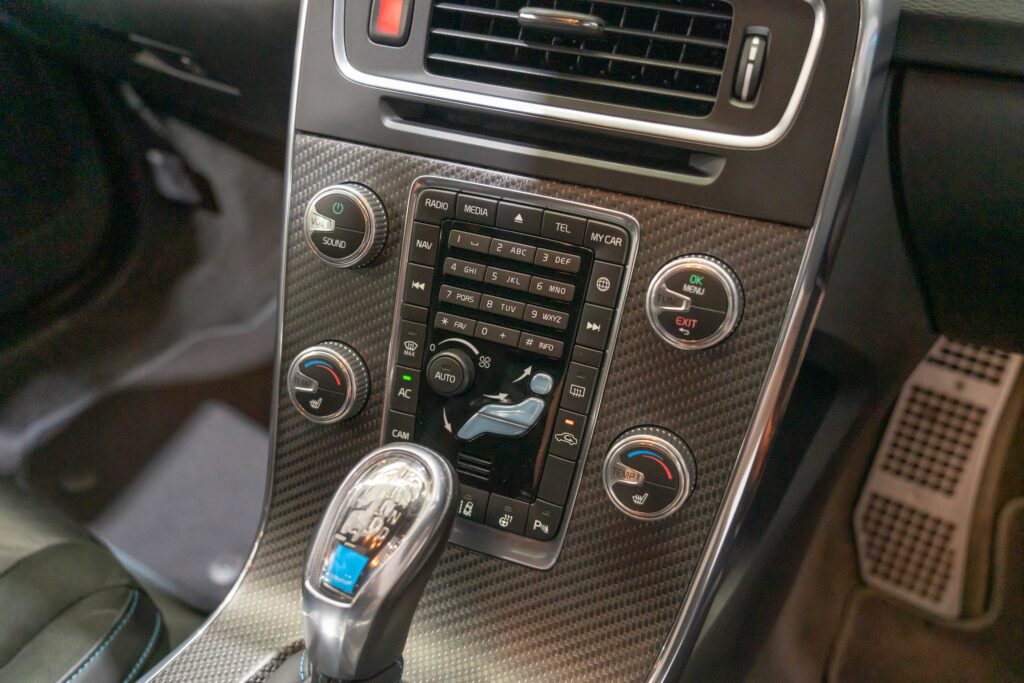
We’d also agree that the cabin design, from the dashboard layout to switchgear have aged very well, with a healthy amount of analog controls throughout.
A few areas are known to be more susceptible to wear and tear. Some of the aluminium trim, especially around the steering wheel, can come away and be awfully sharp.
Those exposed to high UV rays or sunlight can also have their plastic trim become brittle and have their leather material become loose.
Models that feature the alcantara-style fabric (or, as Volvo refers to it, ‘Nubuck’ material) can also start to feel and appear a bit worn. These can benefit from a decent surface cleanse or,, in the worst cases, a full refurbishment.
It’s also worthwhile to check that the latest factory recalls have been done, especially pertaining to the safety equipment or electrical accessories onboard. Also, check that all of the buttons and their respective functions work.
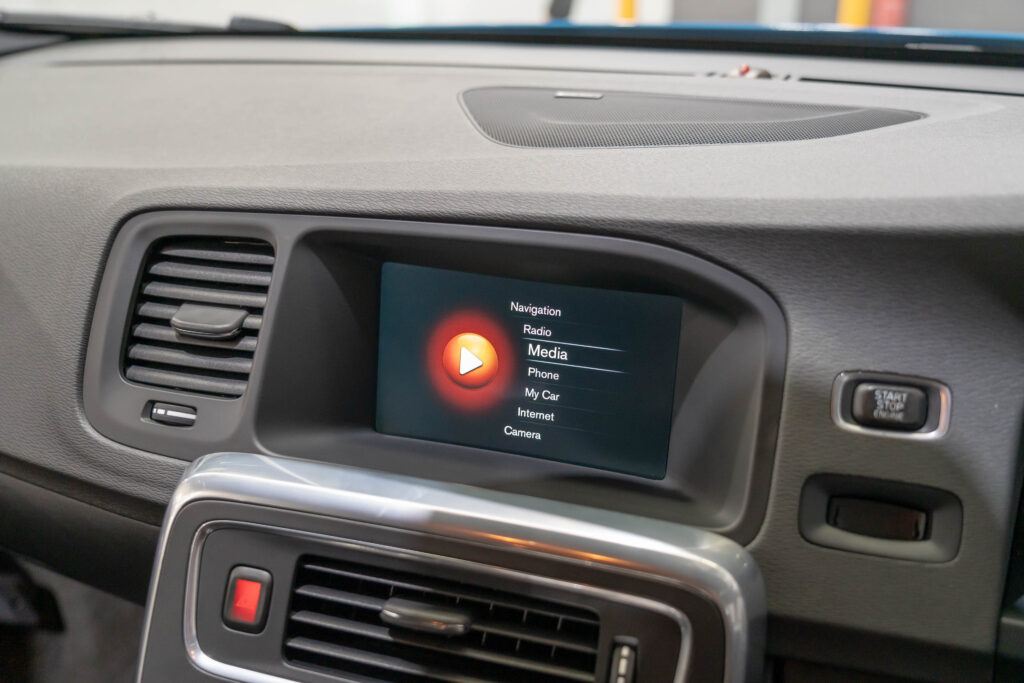
The factory Sensus headunit can be very temperamental, as it is known for various glitches, screens freezing, reversing cameras not displaying, and connectivity issues. Plus, many owners complain it’s proving to be quite outdated, given that Volvo kept using this system all the way up to the final model years.
Thankfully, there are plenty of options to bring these to the modern day via kits that can add Apple CarPlay/Android Auto or retrofit a more up-to-date system altogether.
But in terms of cabin equipment and features, these Volvos should come very well-equipped even on the cheapest trims, especially when comparing an equivalent German model that typically costs far more.
Mechanically:
Engines:
B4164T (1.6L turbocharged four-cylinder)
This turbocharged four-cylinder is actually one of the earliest examples of the Ford Ecoboost four-pot. Not only is it one of the smallest engines available in the S60/V60, but it’s also the most prone to mechanical problems.
The timing belt at this stage will need some attention – the manufacturers recommend changing it every 240,000 kilometres or ten years, but in reality, it tends to go out far sooner than that.
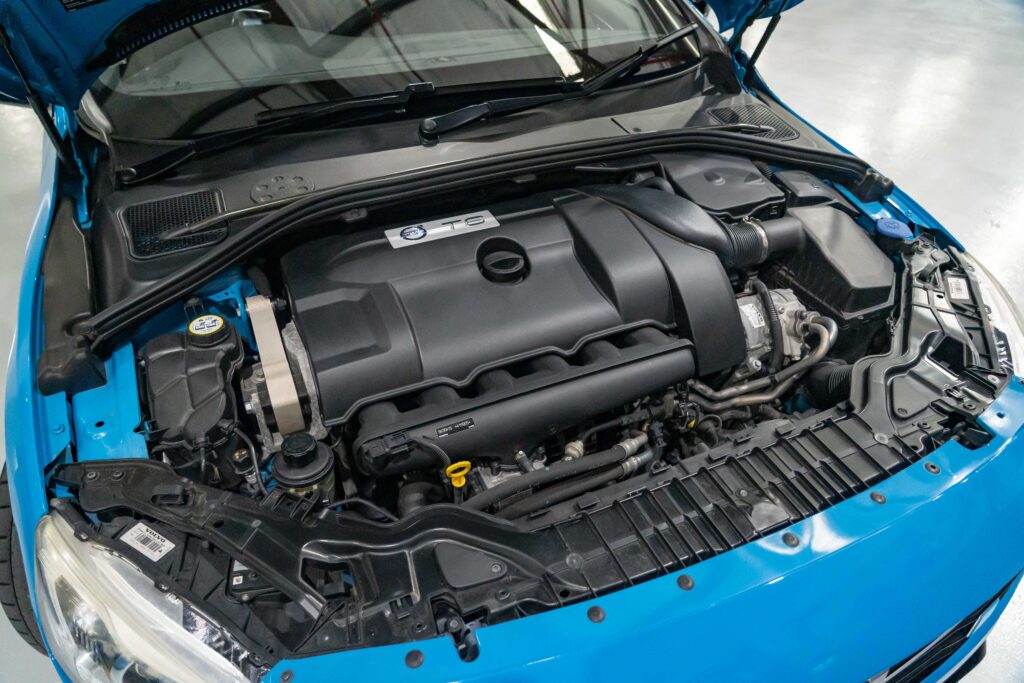
Other problems include excessive oil consumption, turbocharger wastegate pivot wear/rattling, and turbo boost control issues.
Turbocharger failure can also lead to serious engine failure if these are neglected.
The 2.0L turbo four-pot can also experience excessive oil consumption and various piston complications. It’s also harder in the context of a secondhand purchase to assess how poor the oil consumption currently is.
Purge valves and evaporator problems can also come up, typically indicated by lean engine codes appearing.
These engines, like a lot of European cars, also use a very complex cooling system employing a lot of plastic-constructed parts. Though these really should only be paid close attention to older examples (10+ years).
B4204T9 (2.0L twincharged four-cylinder)
This four-cylinder unit combines a turbo and a supercharger, and the result is that it is unnecessarily more complicated than it needs to be!
The supercharger seals are among this engine’s weakest points and are often a labour-intensive job to perform. Lean engine codes appearing are a giveaway that they need attention.
Lean codes can also hint that the fuel injectors are on their way out.
The twincharged engines are also susceptible to issues affecting the EVAP systems (the purge valve is a common item to go out), as well as the PCV valves and other cooling system components.
Excessive oil consumption can also affect the twincharged engines, largely caused by piston issues.
Spark plugs are also known to require more frequent attention on these engines.
B5254 (2.5L Turbocharged five-cylinder)
These are Volvo’s signature powertrains, and they continue to be some of the most robust engines out there.
They can still be susceptible to their typical range of issues and problems.
The PCV valve diaphragm is a common item that is known to go out, with an odd humming sound hinting that it needs attention. It is integrated within the oil filter housing and is slightly difficult to access, but you can just change the diaphragm itself to save money.
Removing the oil dipstick and observing if the noise stops is an easy way to identify if the diaphragm needs replacement.
Pay attention to the drive belt tensioner at the front of the engine. If it fails, it can cause timing belt complications, leading to major engine failure.
Engine oil leaks are also very common, which can be worsened by any PCV issues. Common areas include around the camshaft seals and the camshaft blanking seals.
All of the cooling system components are made from plastic, including the expansion tank, thermostat housing, and heater hose fittings, which means they are quite brittle and potentially can lead to overheating issues.
It’s also recommended to replace the timing belt and water pump every 150,000 kilometres/10 years (or even earlier) for maximum longevity. Plus, while replacing the timing belt, it’s worthwhile to change the rightmost engine mount, as they’re prone to failing on high-mileage examples.
B6304 (3.0L Turbocharged six-cylinder)
The turbocharged six-cylinder is also known to be a very robust engine, with many complimenting its potent power delivery with a healthy amount of turbo lag as the boost spools, combined with its inline-six soundtrack.
It’s worth highlighting that the PCV valve on the six-cylinders is located on the valve cover itself, meaning it’s easier to remove and replace when needed.
The six-cylinder also uses an auxiliary drive setup that is located at the rear of the engine, which runs a series of belt-driven components – including the A/C compressor, alternator, and water pump.
It isn’t a serious issue per se, but as the drive belt is located at the rearmost of the engine, this means it, as well as the belt tensioner, can often be overlooked during servicing. So it’s worthwhile to check their condition when given the opportunity.
Diesels:
D4204T/D5204T/D5244T (2.0L, 2.4L turbodiesel four/five cylinders)
These can suffer from all the usual modern diesel problems, from DPF(diesel particulate filter) to EGR recirculation issues.
Very old and high-kilometre examples will likely need the timing belt replaced (~150,000 km for the turbodiesel four-cylinder, ~180,000 km for the five-cylinders).
Clogged air intakes, like other modern diesel units, are known to occur, and often happen more frequently compared to other equivalent models in this segment.
One important item to keep in mind is that to fix any clogged or broken swirl flap issues, it will require the intake manifold and injectors to be removed as well (as all of these are integrated in one unit). In other words, it’s a labour-intensive job.
The turbodiesel’s most alarming problems surround harmonic balancer issues, and can even happen at very low kilometres. When the rubber shreds, this can lead to the drive belt misaligning, eventually causing damage to the timing belt and ultimately total engine failure.
The drive belt tensioner failing can also lead to the same aforementioned timing belt problems/failure.
Transmissions/Drivetrain:
Early models that used Ford’s Ecoboost engine came with their infamously problematic ‘Powershift’ dual-clutch transmission, and we’d avoid any at all costs.
Models made after 2014, thankfully upgraded to a more reliable Aisin eight-speed torque converter automatic transmission – the five and six-cylinder Volvos specifically use the Aisin TF-80 automatic unit, and can prove to be robust if well serviced.
Pay close attention to the coupling pump on all-wheel drive models, as the strainer and pump are known to clog up internally.
Suspension components, like bushings, drop links, and control arms, are known to wear out prematurely, but parts are easily available and not too expensive to buy.
The Polestar models feature a firmer ride thanks to the inclusion of electronically adjustable dampers and their Ohlins suspension setup, but many owners report these are proving to be quite trouble-free.
Cases of the ABS (anti-lock brakes) systems playing up on early cars were reported, due to soldering faults within the circuit boards that should now have been resolved under warranty.
You can find most P3-iteration Volvo S60 sedans priced between $10,000-$25,000, while the desirable V60 five-door wagons fetch a slightly higher premium, between $12,500-$30,000.
Standard S60/V60s start from the cheaper end, from as low as $5,000 for the oldest high-kilometre, well-used examples.
Meanwhile, the performance-grade Polestar variants, in both S60/V60 form, range from $10,000 and up to $30,000 for the best, well-preserved examples currently in the used market.
While the Swedish brand does bring its own special brand appeal, they do so with the trade-off of not holding its value as well as rival Japanese or German models. Though depreciation that affects these Volvos should slow down over time, the Swedes are still generally one of the worst for retaining value in the long run.
A Lexus IS, for instance, will keep 35-45% of its original value over 7-10 years, while the equivalent-generation Volvo S60 will struggle to keep at least 20-25% over the same period.
That’s not positive if you bought one of these Volvos new, but in the used market, that means you could receive a fantastic machine for your money’s worth – especially if you’re eyeing the desirable Polestar models, as they have gained more appreciation from the enthusiast communities.
Deciding whether a used Volvo S60/V60 is the right car for you comes from two mindsets.
If you’re not an enthusiast for the Swedish brand, then these aren’t for you, and you’re better off with a more sensible choice that will be cheaper to maintain and less of a hassle to own.
But if you do not mind giving one of these vehicles a decent amount of TLC and have the expenses to back it up (should the worst mechanical-wise happen), and are willing to explore beyond the usual realm of practical, daily drivers, then a Volvo S60/V60 can be a great candidate.
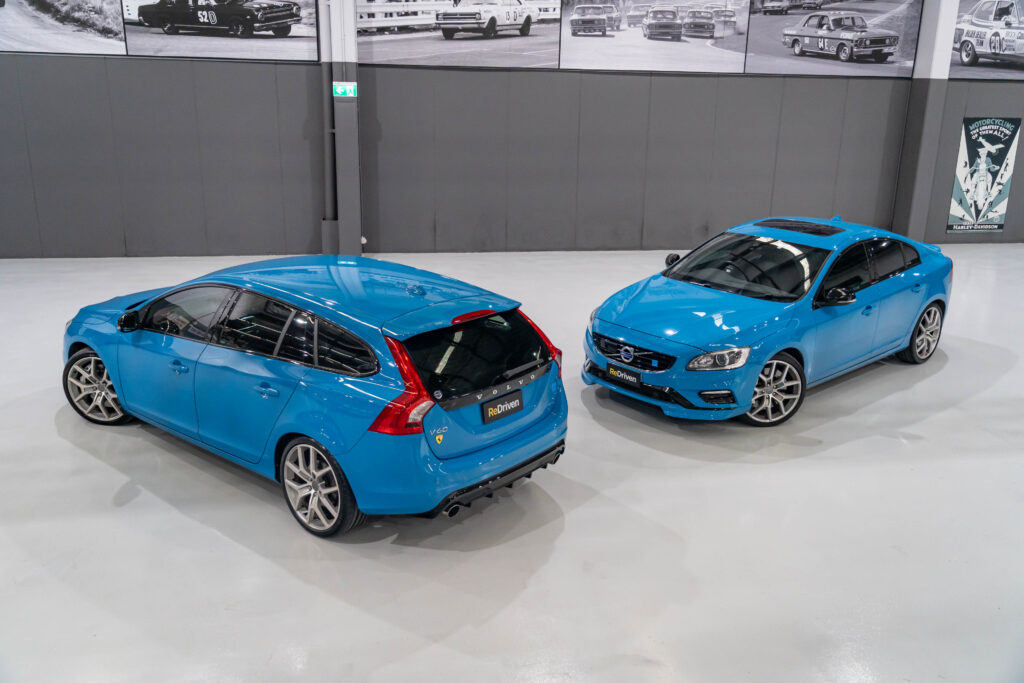
We recommend avoiding the older, lower spec models that come with the infamous Ford ‘Powershift’ transmissions and Ecoboost four-cylinders, and go straight for later, higher-trim models, or one of the special Polestar edition models, provided they pass a pre-purchase inspection with no concerns.
If you can land a decent V60 Polestar Wagon in the iconic Cyan Racing Blue, even better.


Co-creator, presenter & writer, ReDriven

Yes. 100%.
 1 week ago
 2 weeks ago
 2 weeks ago