Australia’s No. 1 Used Car Review Website
Australia’s No. 1 Used Car Review Website
+24 Photos
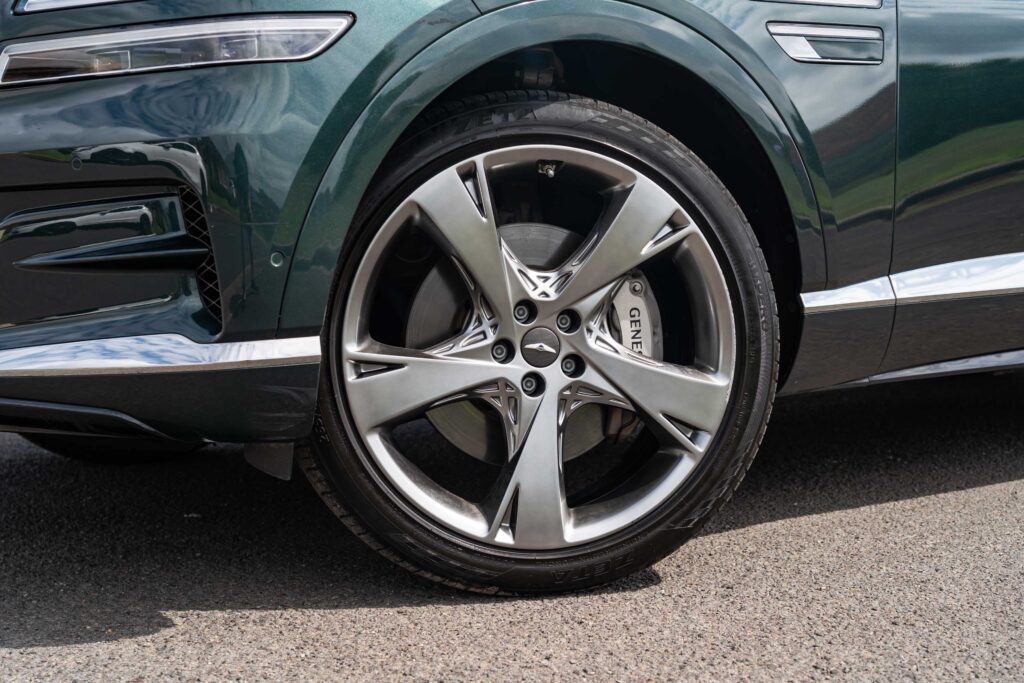
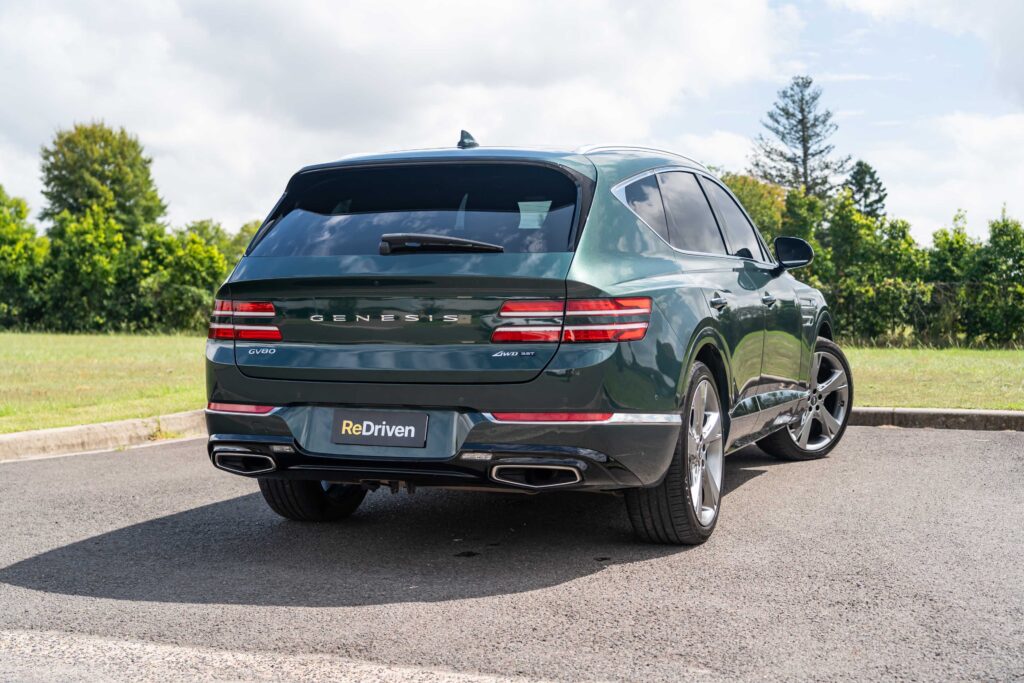

2022 Genesis GV80 3.5T

27 March 2026
Yes. 100%.

2022 Genesis GV80 3.5T

Used car review
27 March 2026
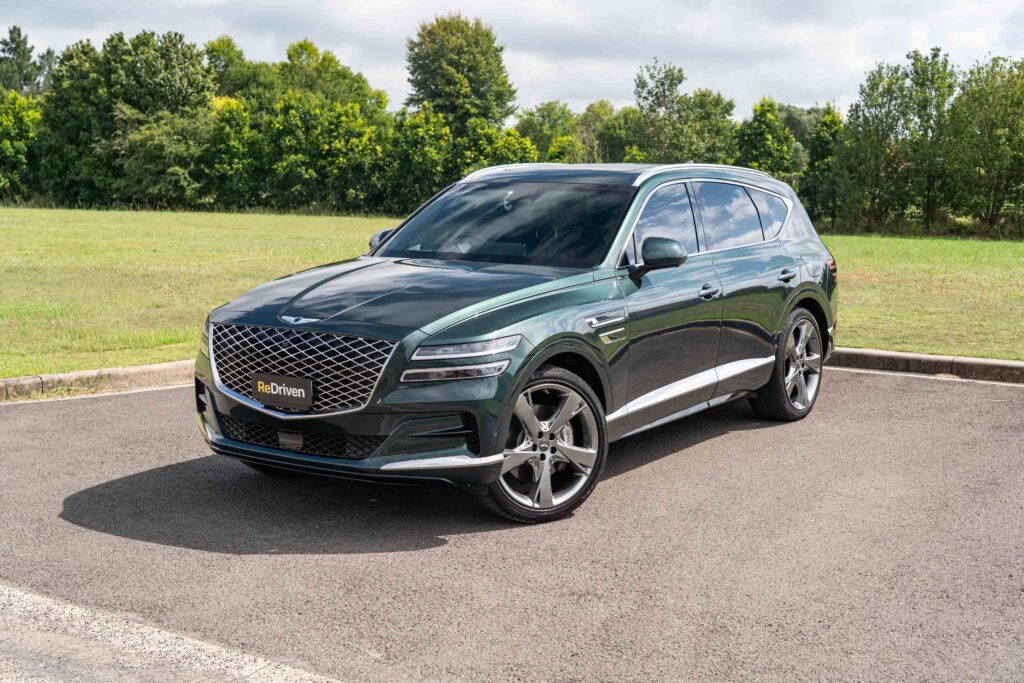
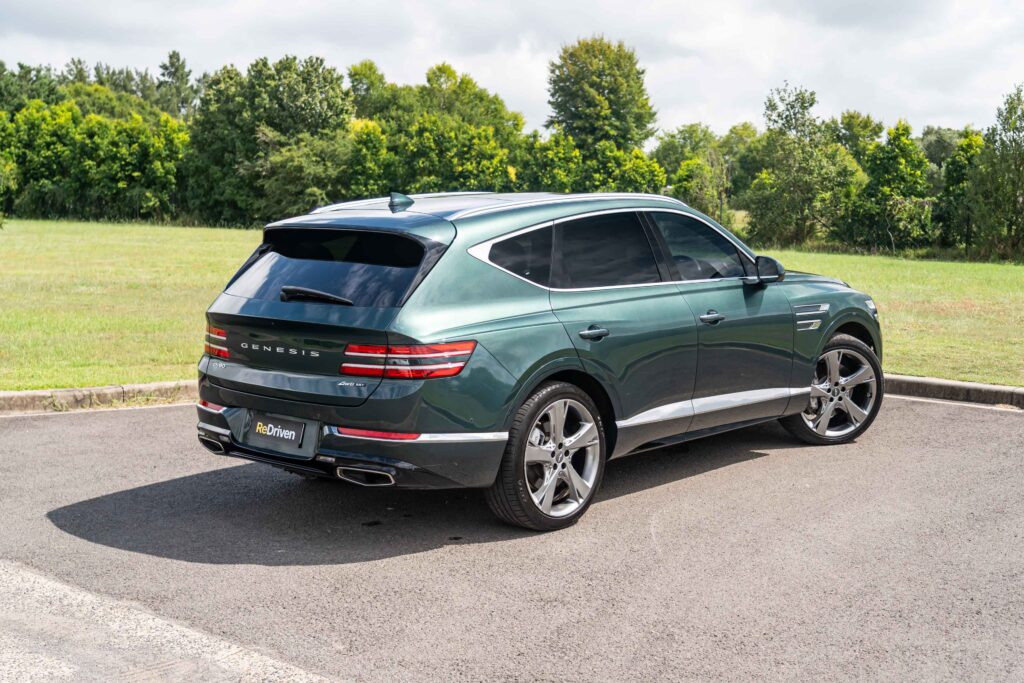
The Genesis GV80 is a midsize luxury crossover SUV from the Korean brand (positioned above the smaller GV70) aimed at rivalling premium European SUVs from Audi, BMW, and Mercedes-Benz.
In case you didn’t know, Genesis models are essentially upmarket versions of Hyundai vehicles.
Following the success of their flagship sedan, the Hyundai Genesis, the Korean brand decided to separate the Genesis brand altogether from their standard product range, establishing it as a standalone luxury-focused marque, like what Lexus is to Toyota.
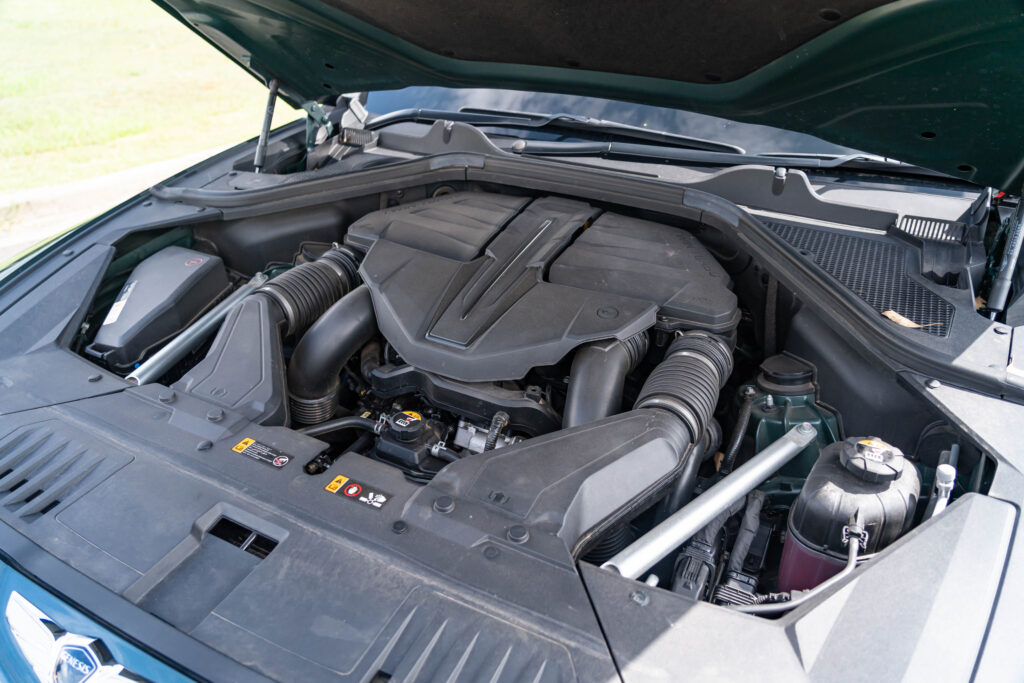
In the Australian market, GV80s are available with three different engines: petrol-powered turbocharged four-cylinders, a twin-turbocharged V6, and a turbodiesel six-cylinder. All send their power through an eight-speed automatic transmission to the rear or all four wheels.
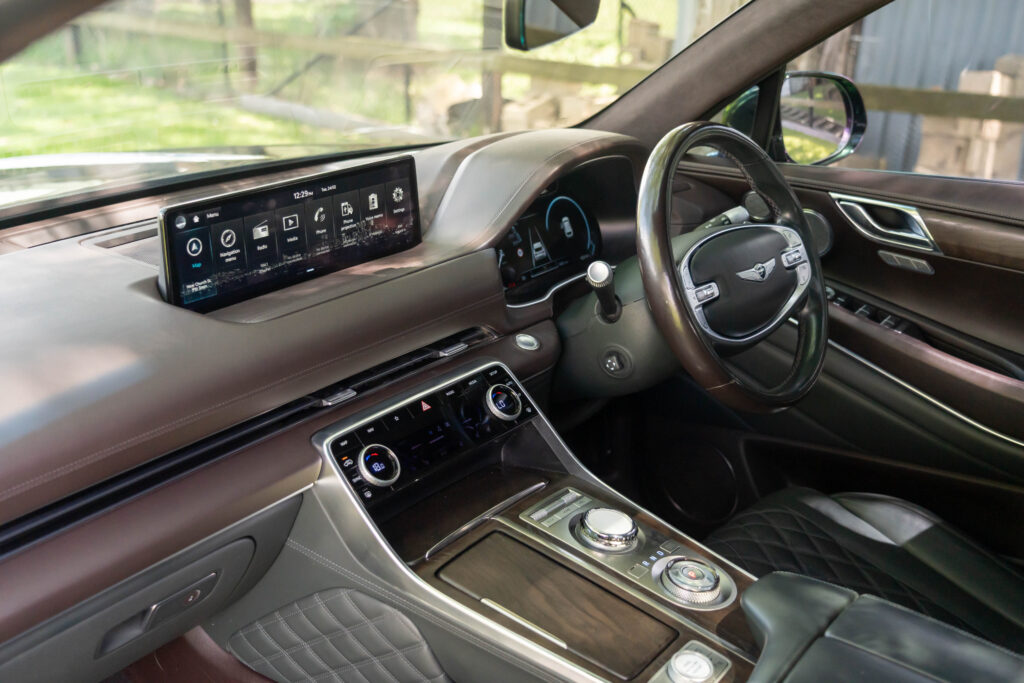
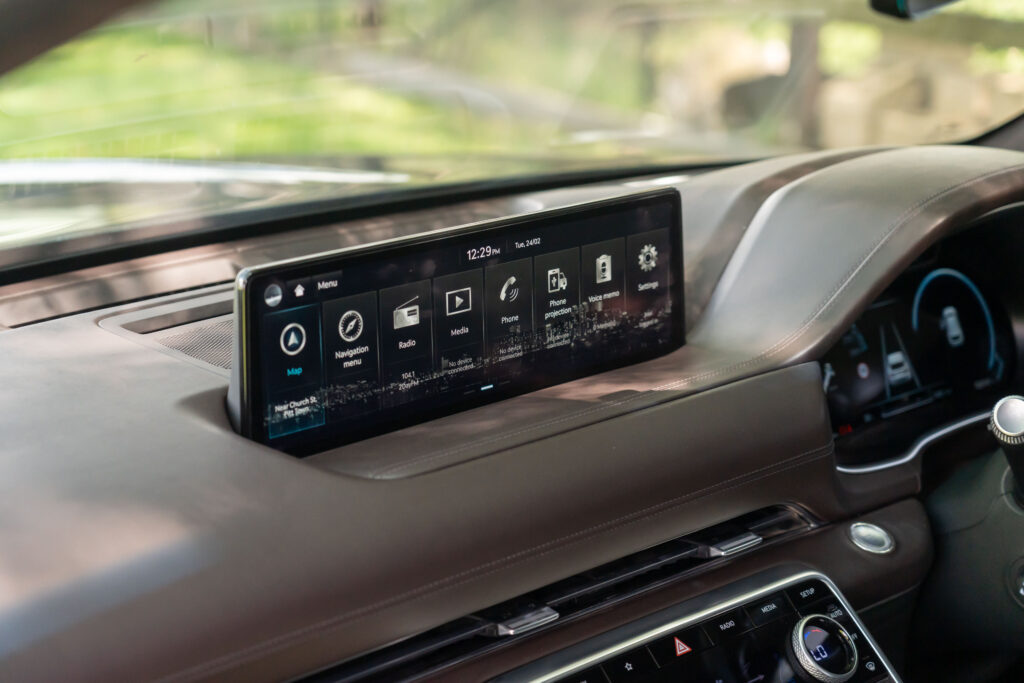
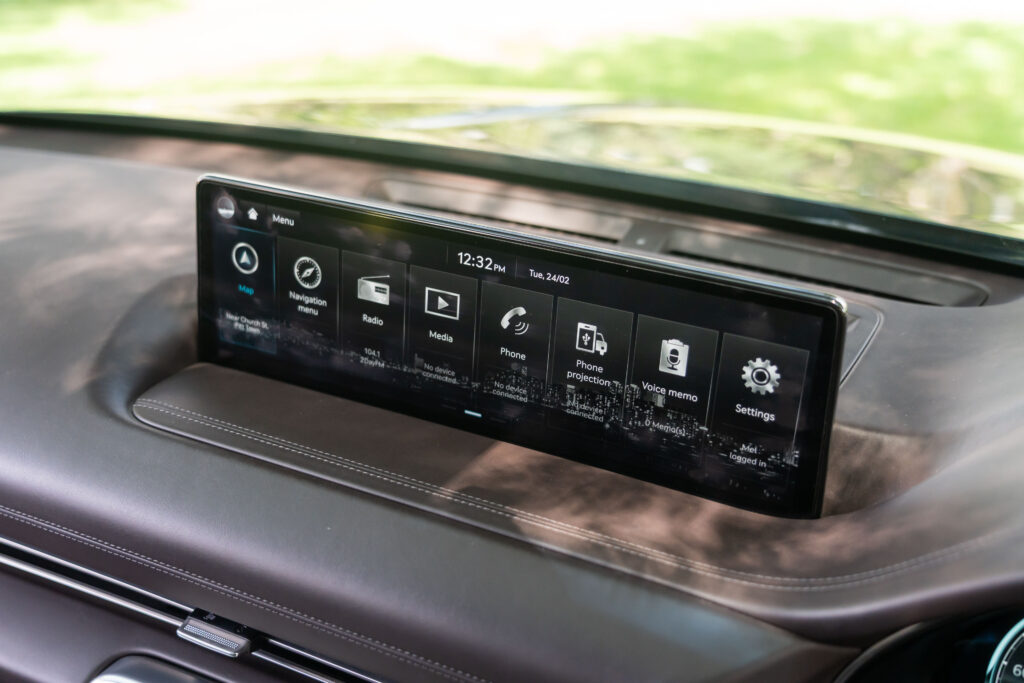
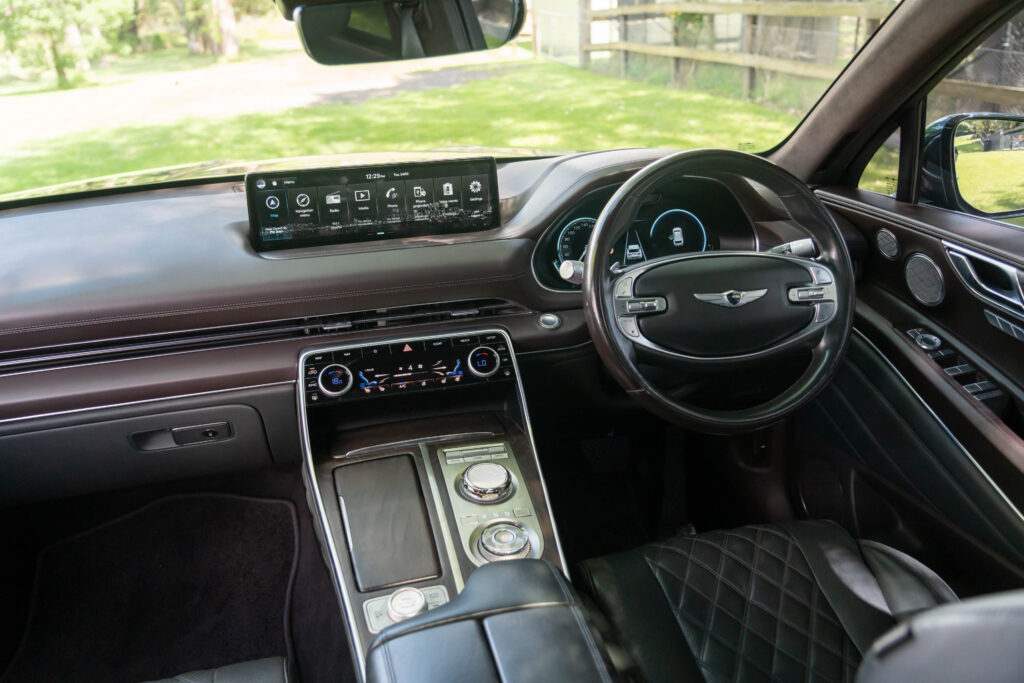
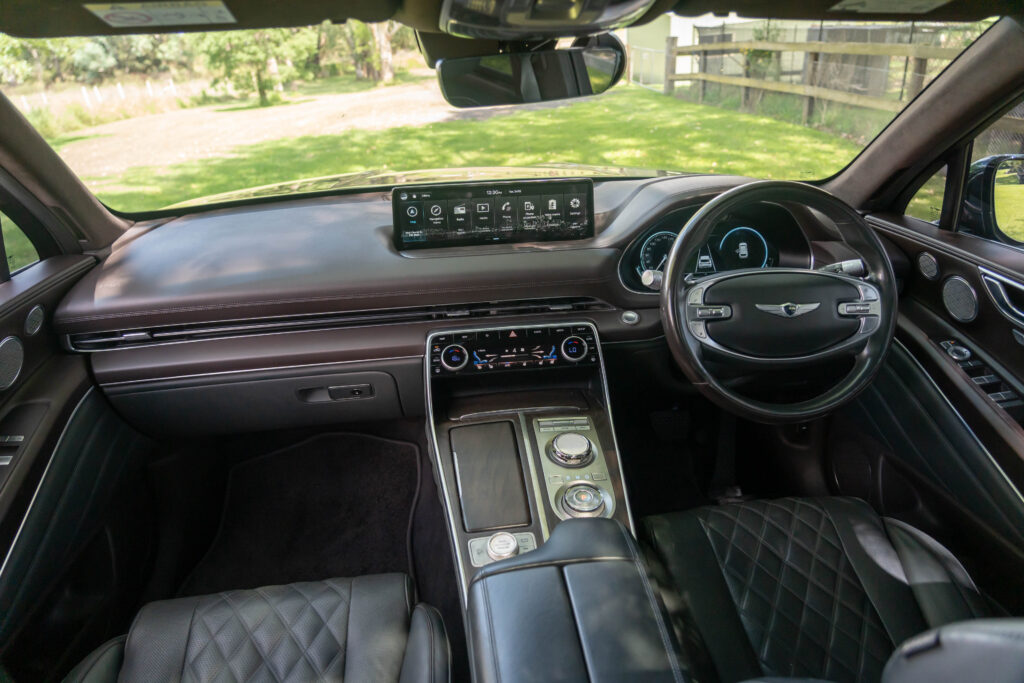
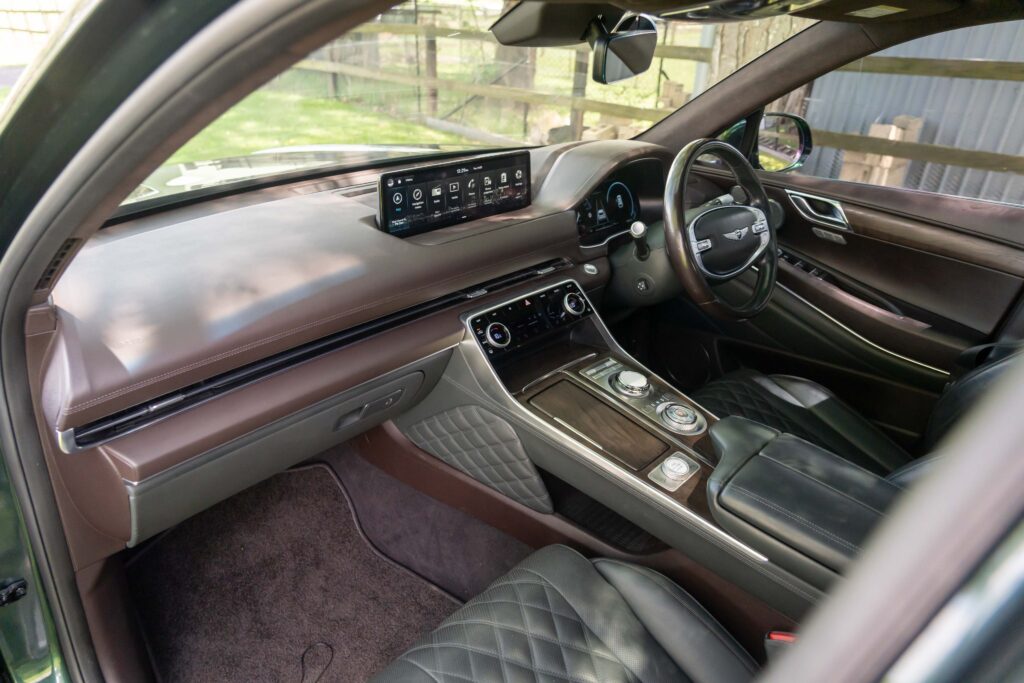
Most came as five-door SUVs with up to three rows of seating, though following a midlife update in 2023, a fastback five-door ‘coupe’ body was introduced. In addition, the interior was notably updated to incorporate a wider, fully digital infotainment-combination-cluster design, among other changes.
Many praise the Korean marque for offering some of the most competitive models in the luxury segment, but does the same apply as more enter the secondhand market, especially with long-term maintenance, and what can go wrong?
Exterior:
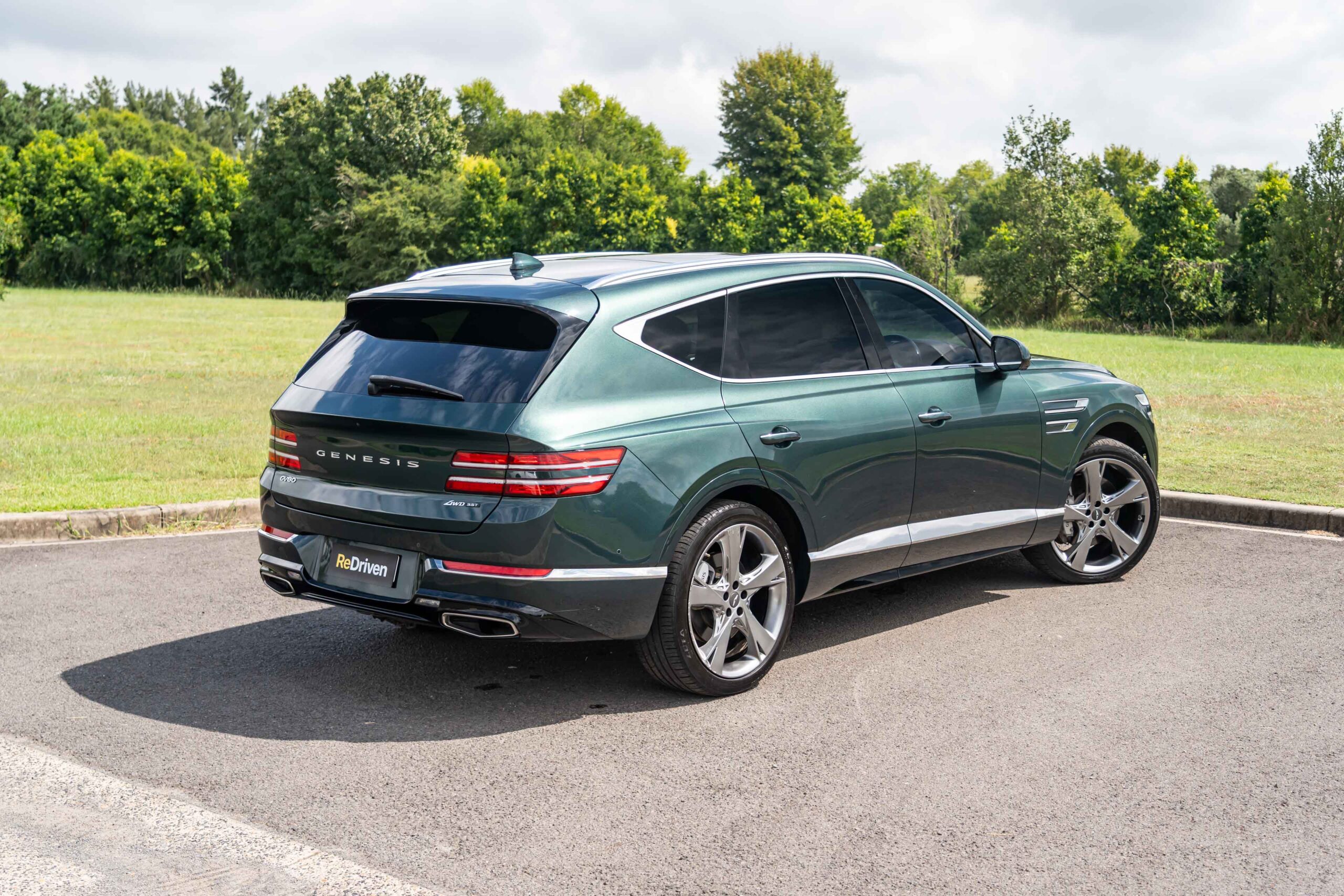
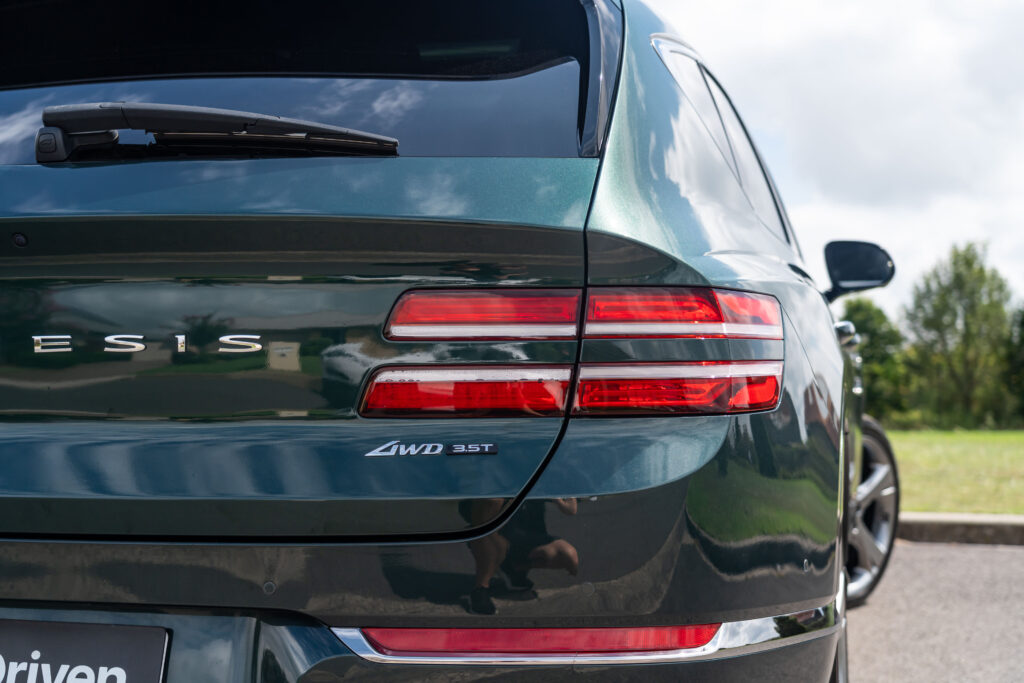
The bodywork and exterior of this Genesis SUV are proving to hold up well, though if the one you’re considering features the more exclusive satin/matte paint finishes, do note they require more attentive upkeep to maintain.
But do consider that, unlike many of the GV80’s rivals from more expensive European brands, issues like poor exterior paint quality or fit/finish quality issues are far less likely to be encountered.
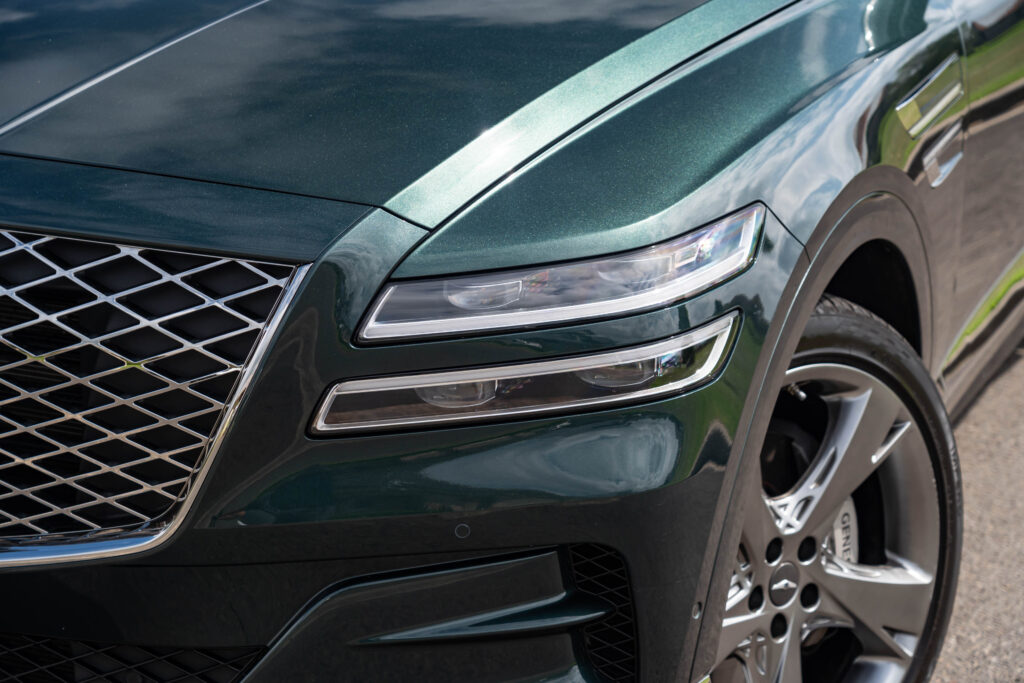
Ensure all of the sensors and cameras throughout the exterior, as well, aren’t covered by debris and are working flawlessly, as they can potentially throw up false warnings or cause havoc with the active safety assists when driving.
Check that the sunroofs are free of any issues, as a few report that the components within this area can come loose and cause audible rattles; the opposite of what you expect of a premium, high-end vehicle.
Above all, ensure they are still water-tight and don’t have any water ingress issues. Early models had issues with their drainage channels that could allow water to enter the cabin, but unlike European models, it isn’t as commonly reported with the GV80.
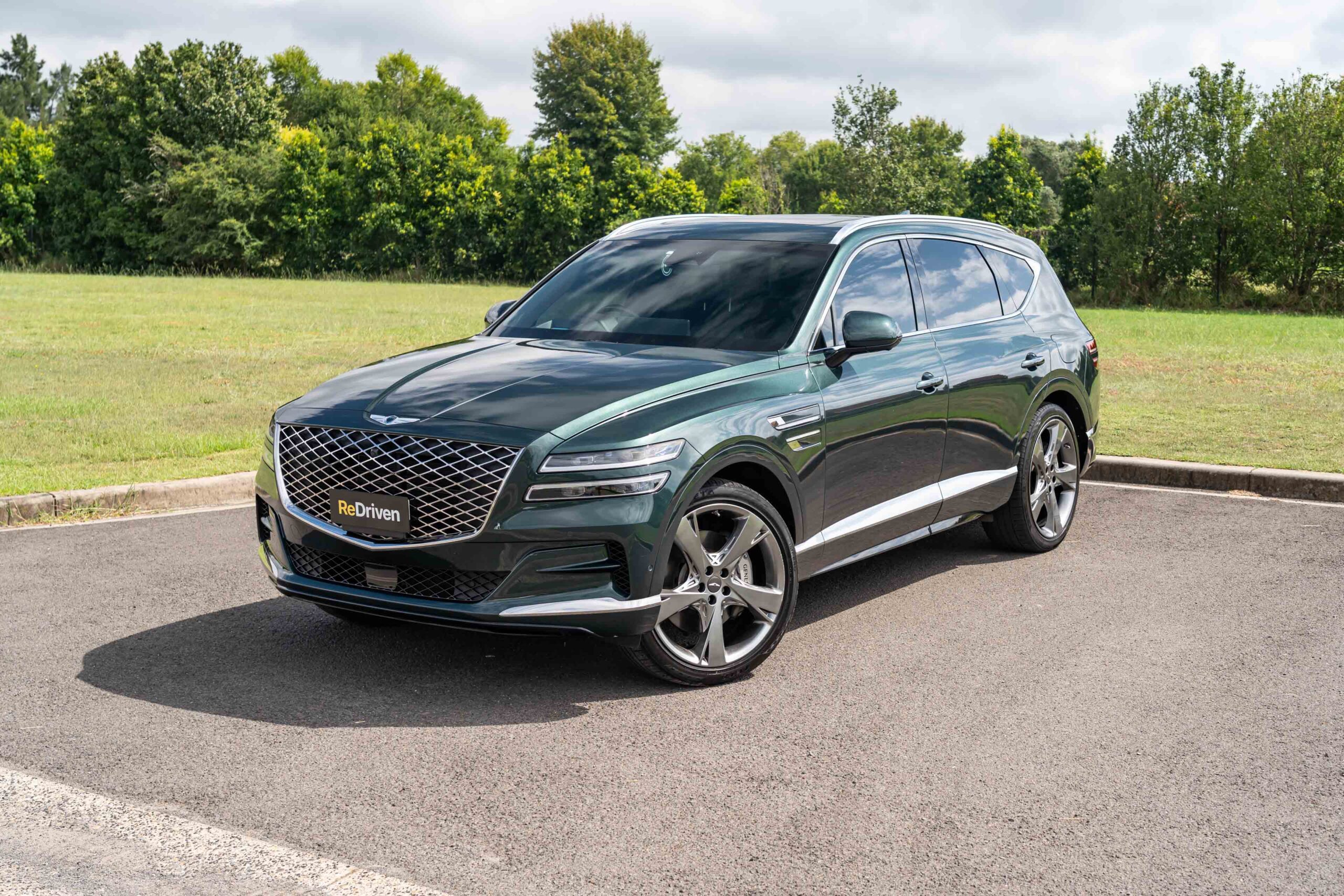
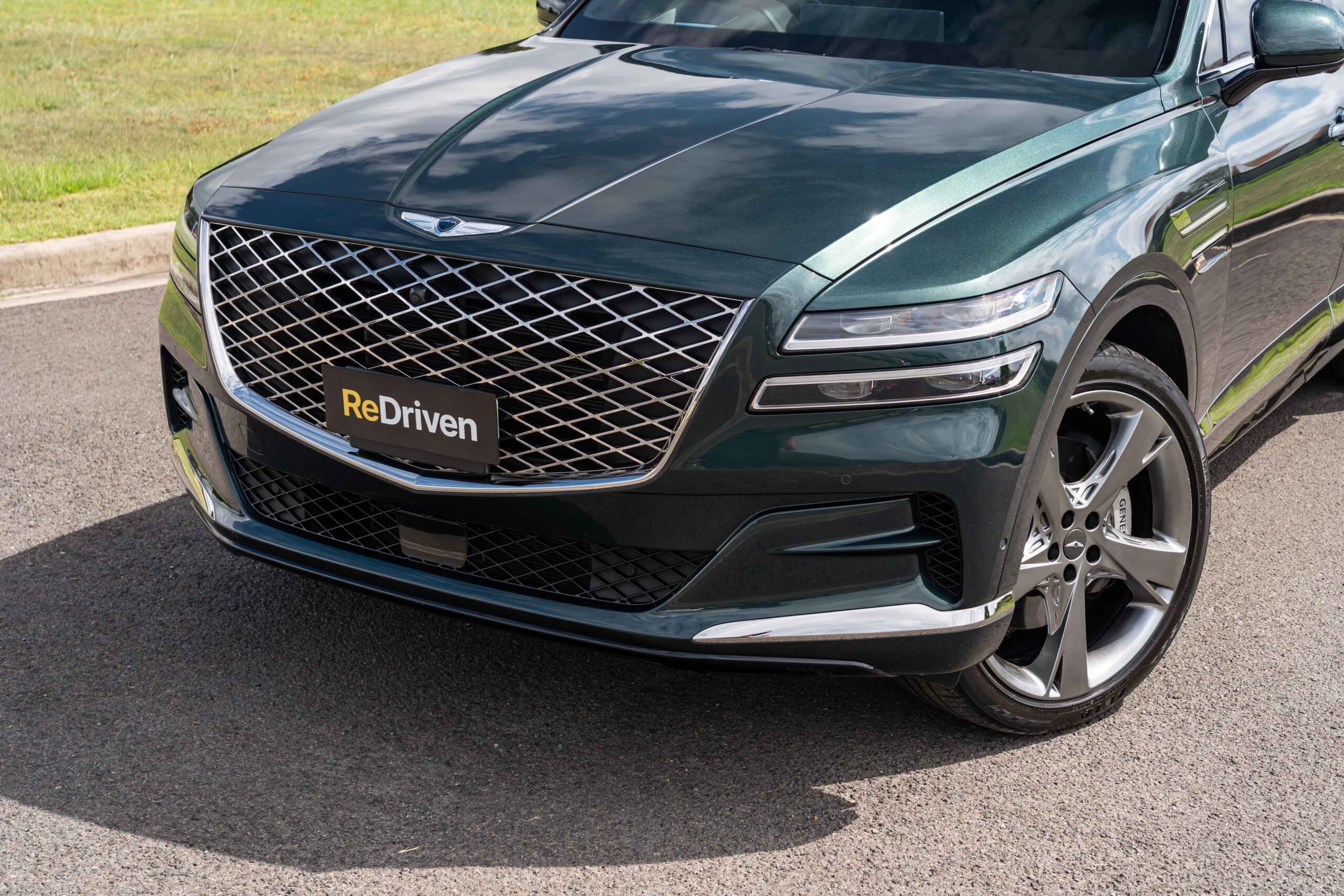
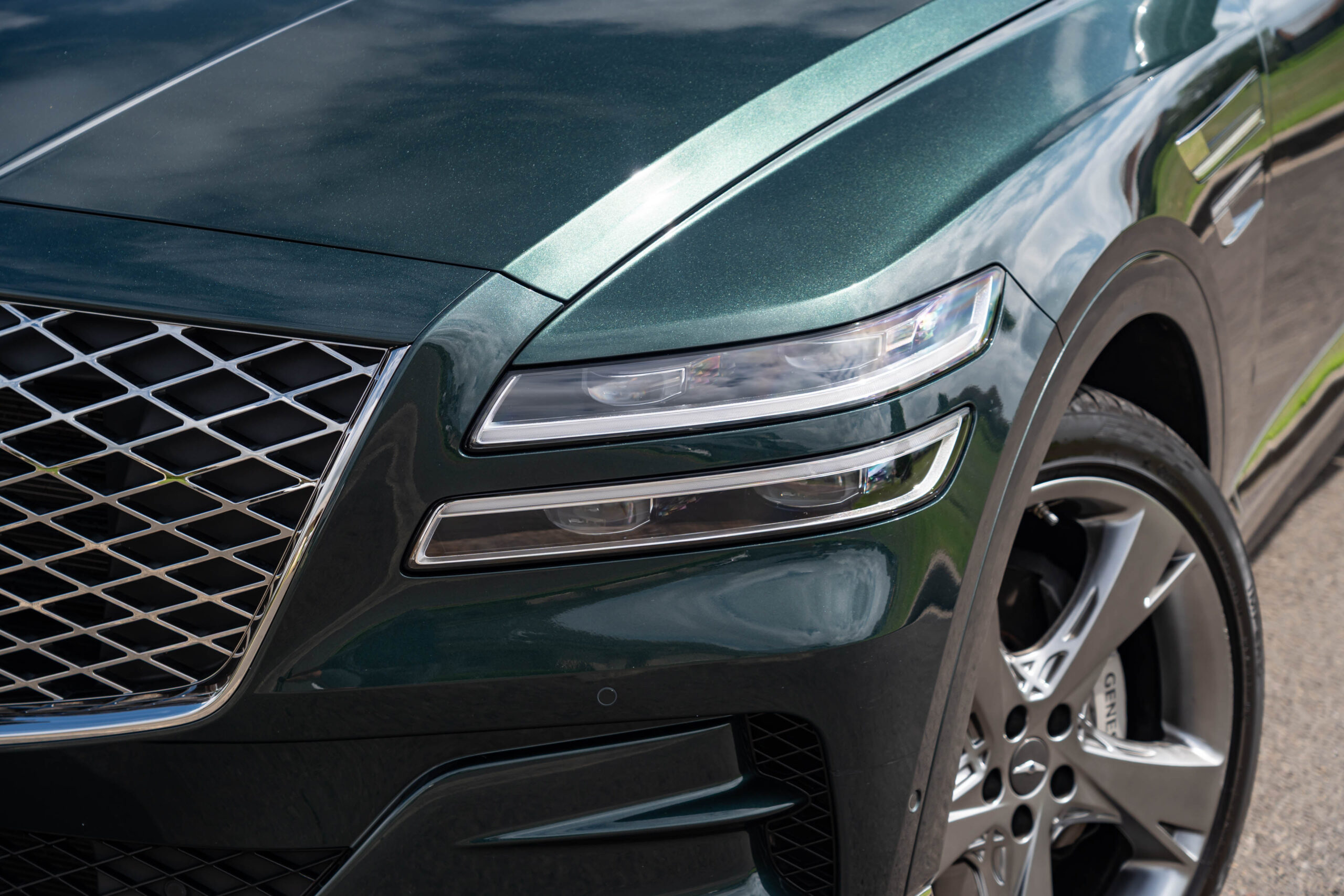
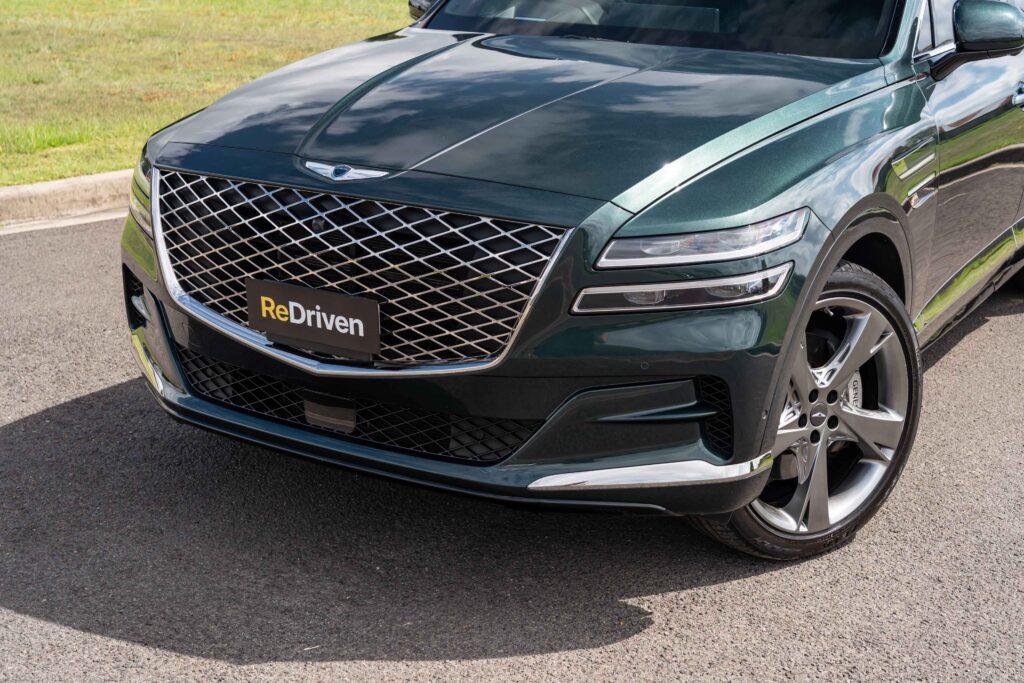
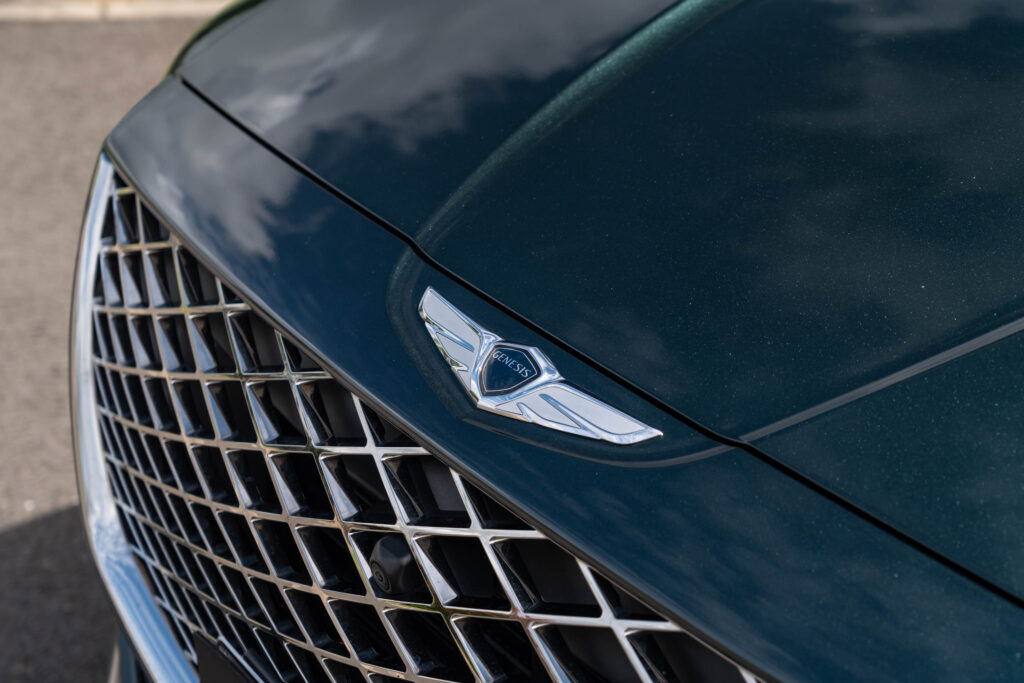
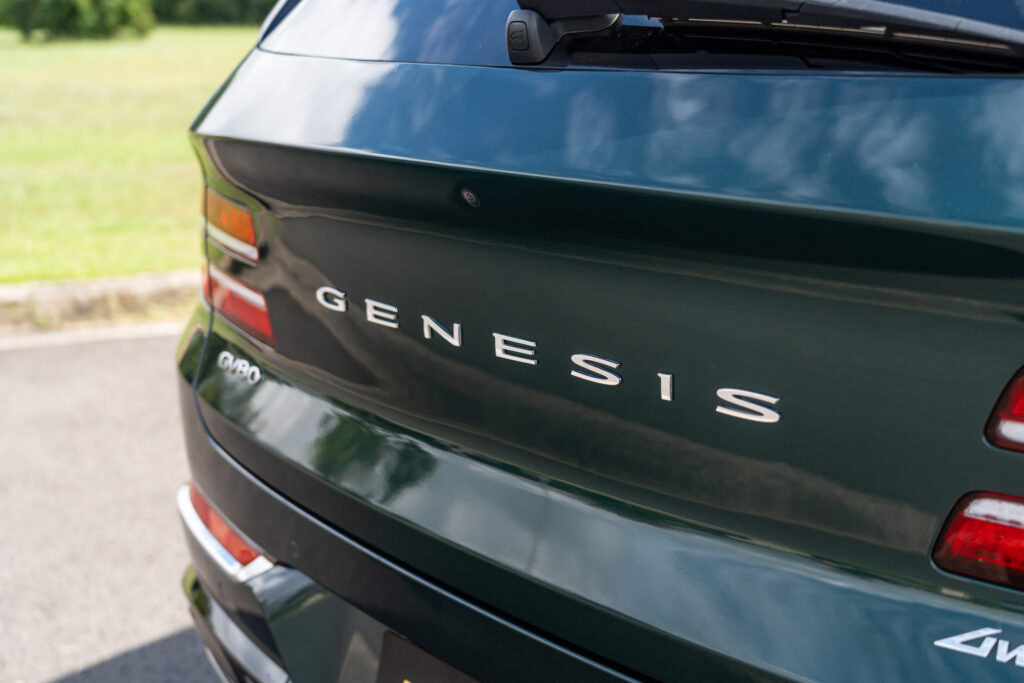
Besides that, we do have to compliment the exterior design of the GV80, reflecting the current Genesis design language that makes these Korean models on par aesthetically with far more expensive rivals.
This is largely due to the fact that Genesis’s design team is headed by SangYup Lee (formerly of Bentley) and, notably, Luc Donckerwolke (aka the designer who penned the Lamborghini Murcielago).
Interior:
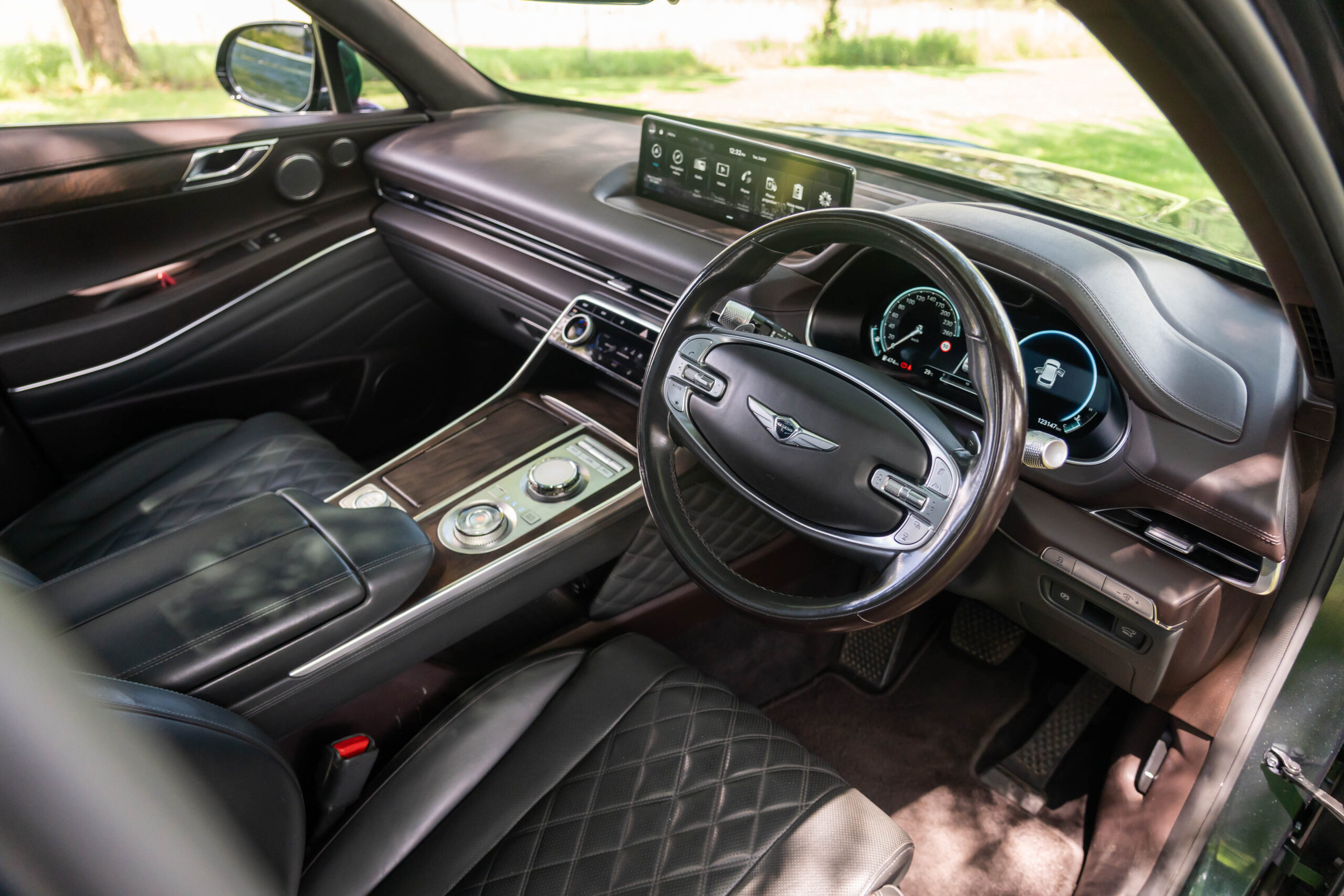
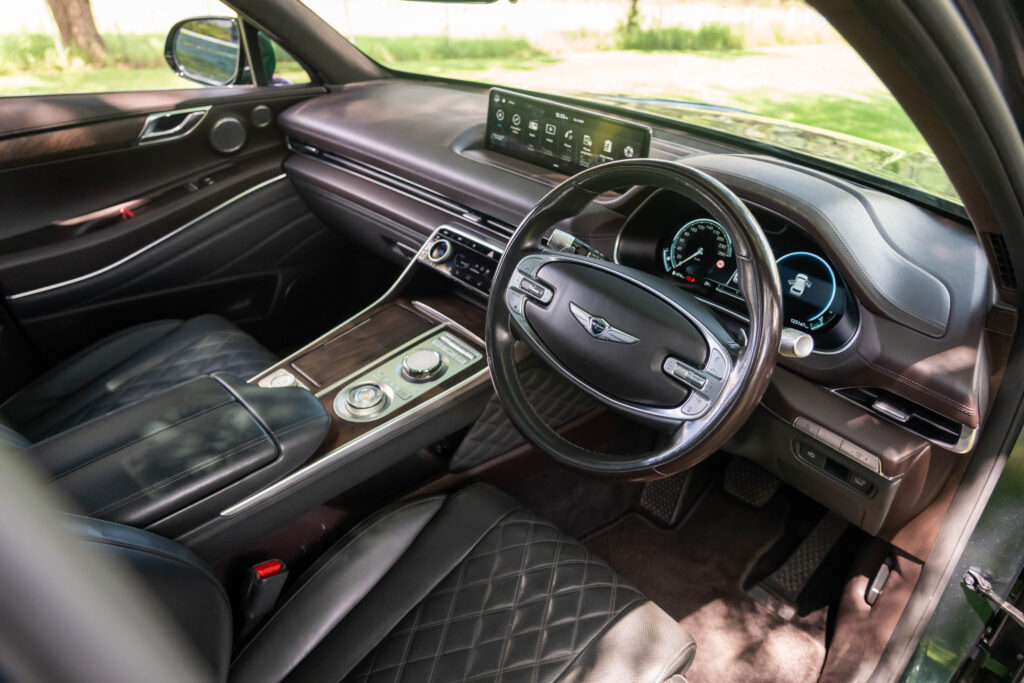
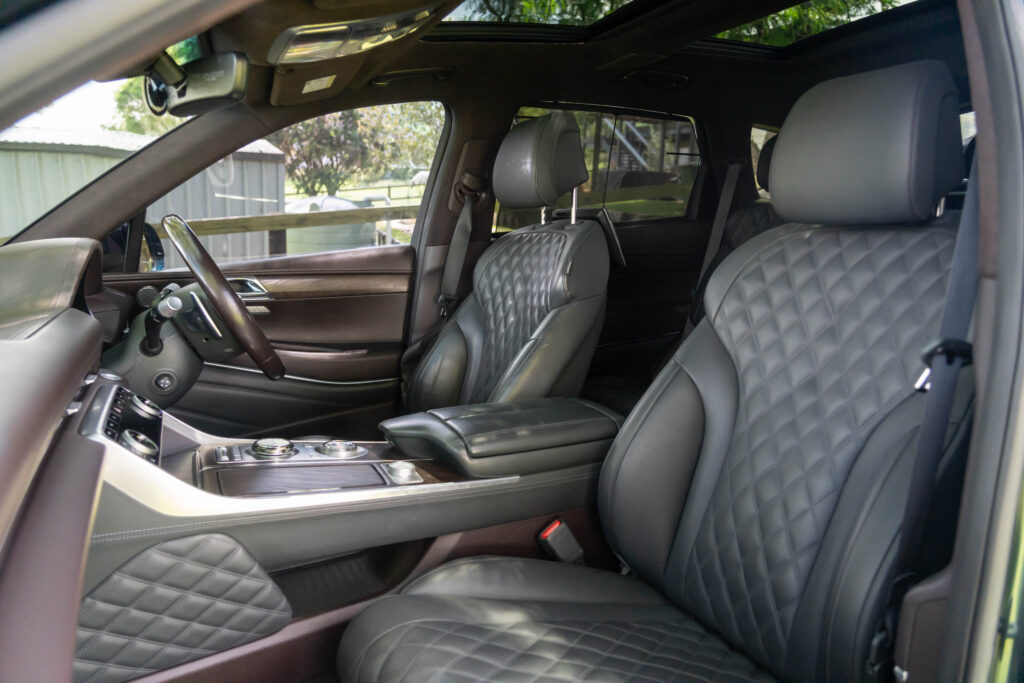
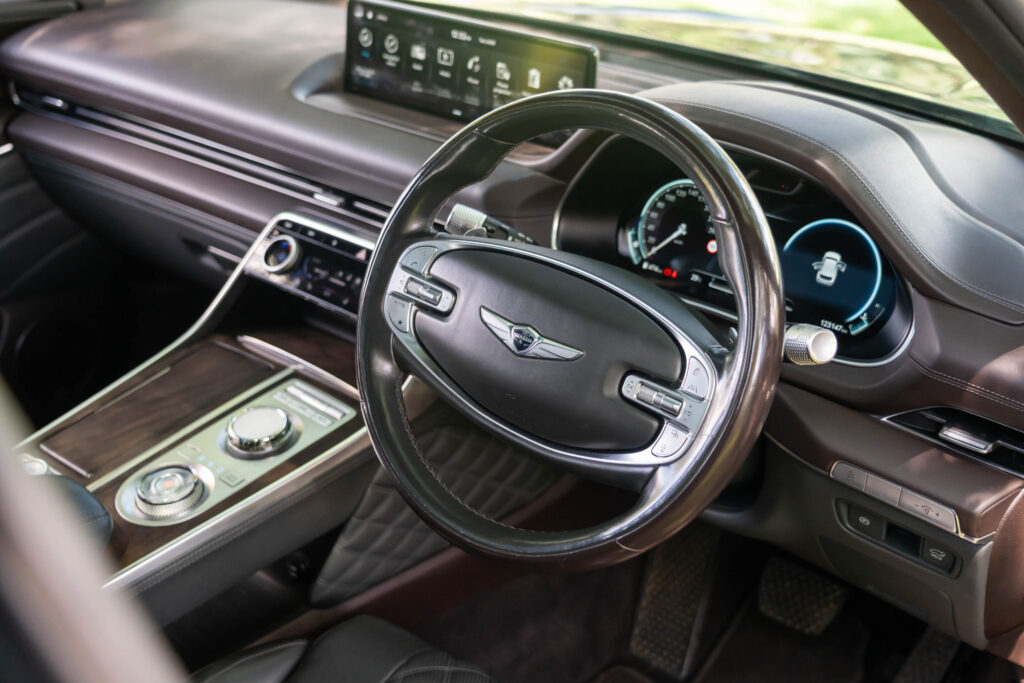
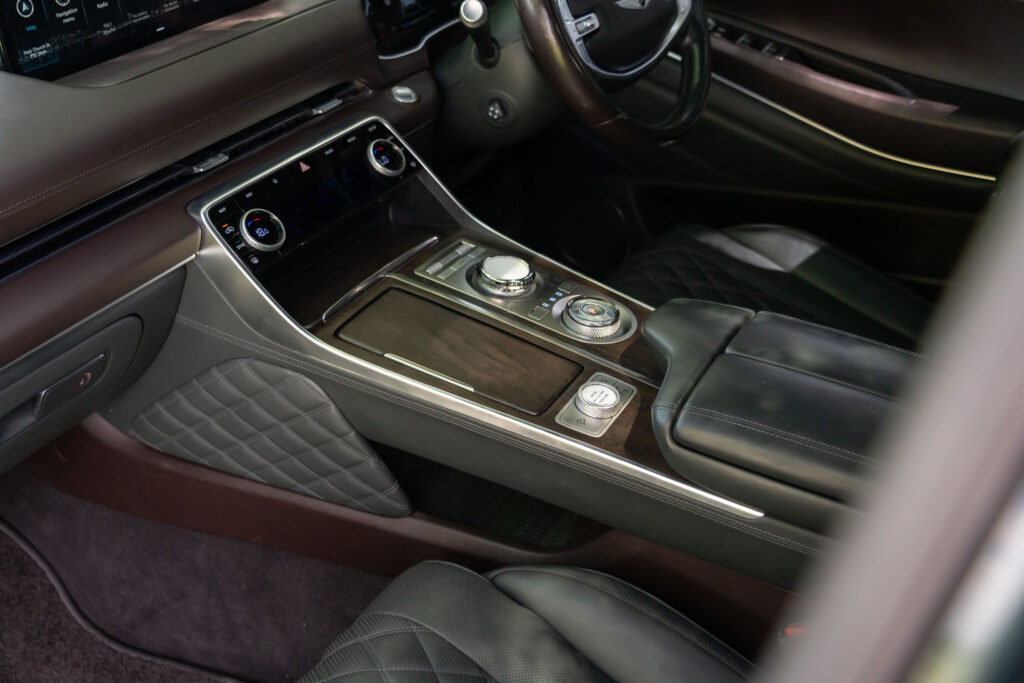
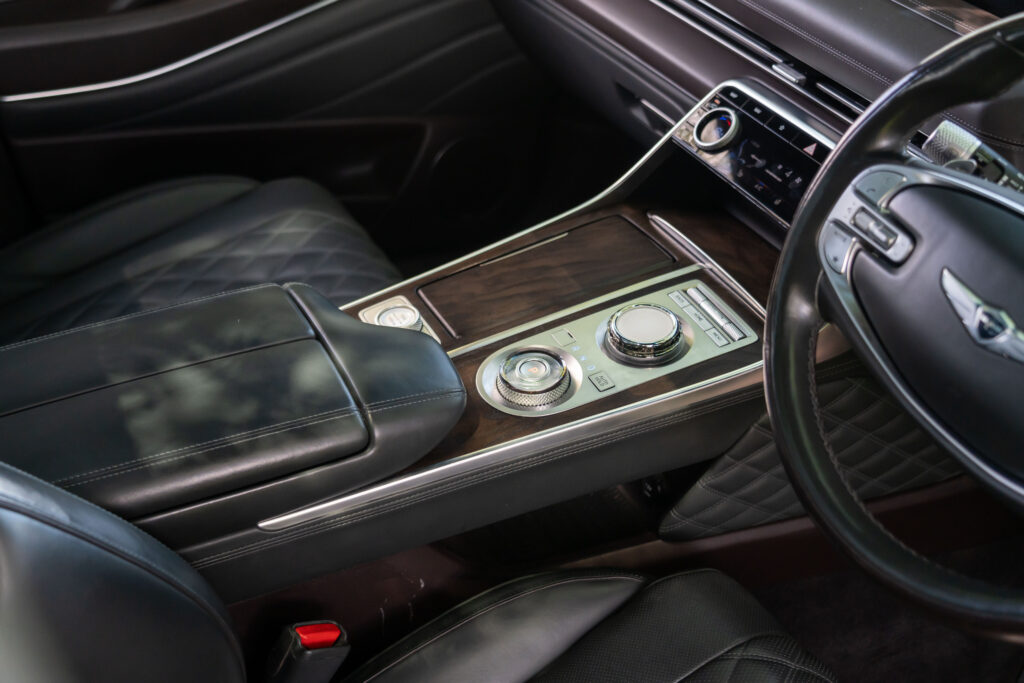
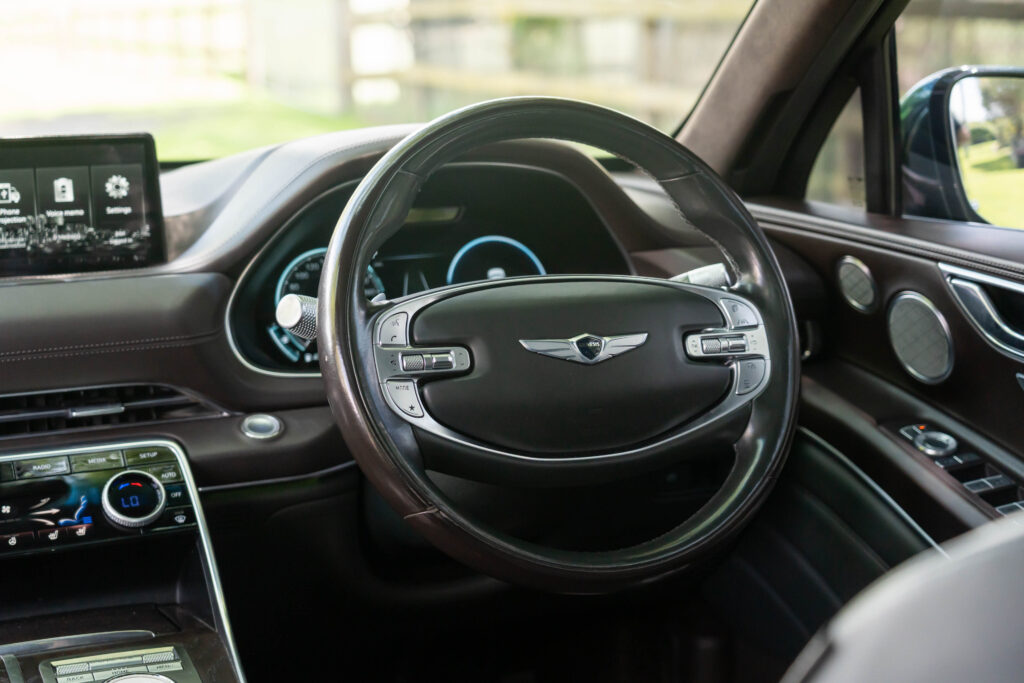
The inside is arguably just as attractive as the exterior, well constructed with plenty of high-grade materials (even real wood on some panels, unlike artificial materials you’d find on some European rivals).
Some owners report experiencing accelerated main 12V battery wear/premature failure, which is more prevalent on early pre-update GV80s.
Don’t forget there are a lot of various modules and electronics that can be easily kept active if the remote keyfob remains close to the vehicle, draining the battery, as well as causing sporadic electronic gremlins. Owners, though, have reported that Genesis is well aware of these problems and has provided immediate solutions under warranty.
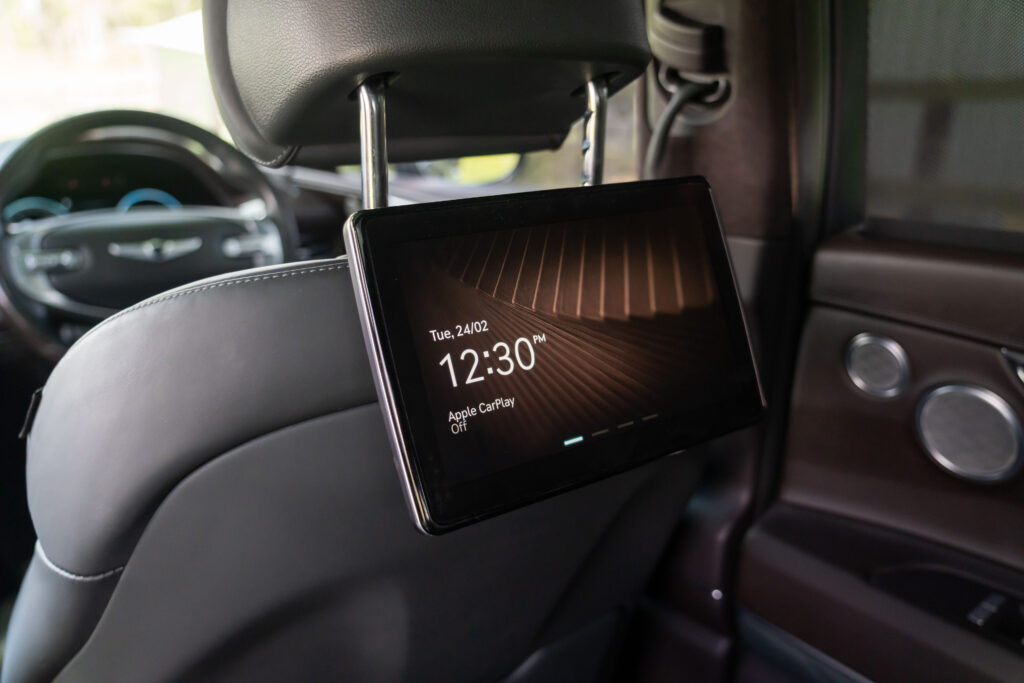
The infotainment systems are known to experience issues. These can range from screens blanking out to the UI being extremely slow to use (or locking up altogether), along with the usual inconsistent Apple CarPlay/Android Auto/Bluetooth connectivity dropouts.
Post-update GV80s in particular have had instances where the entire screen can reboot while driving, which can also lead the digital speedometer and other dials to blank out. The good news is that more recent software updates can resolve these infotainment UI gremlins.
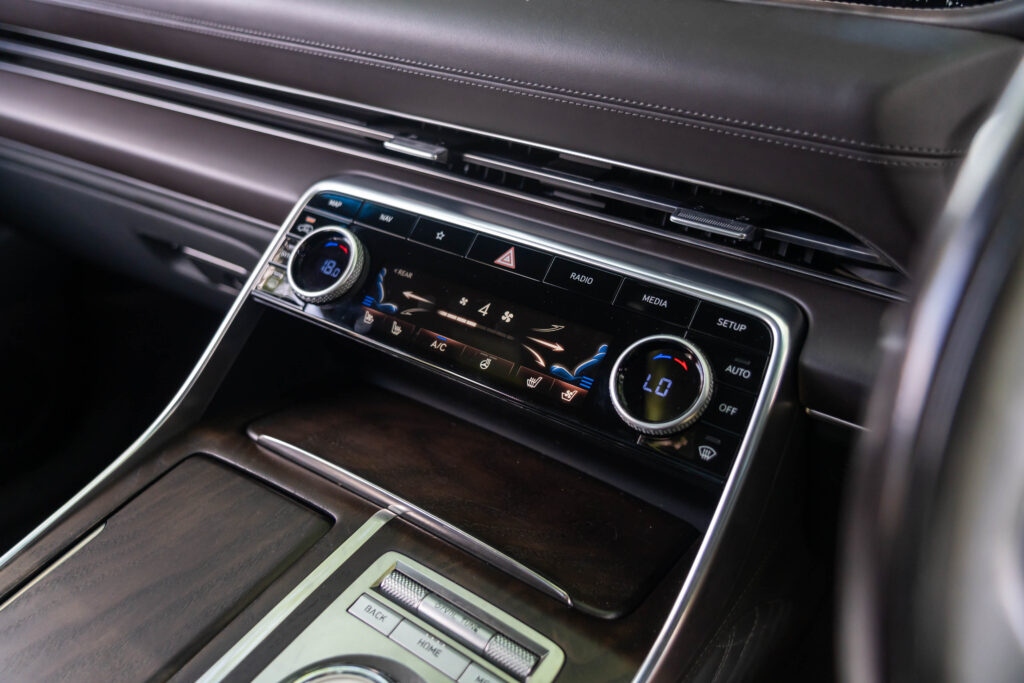
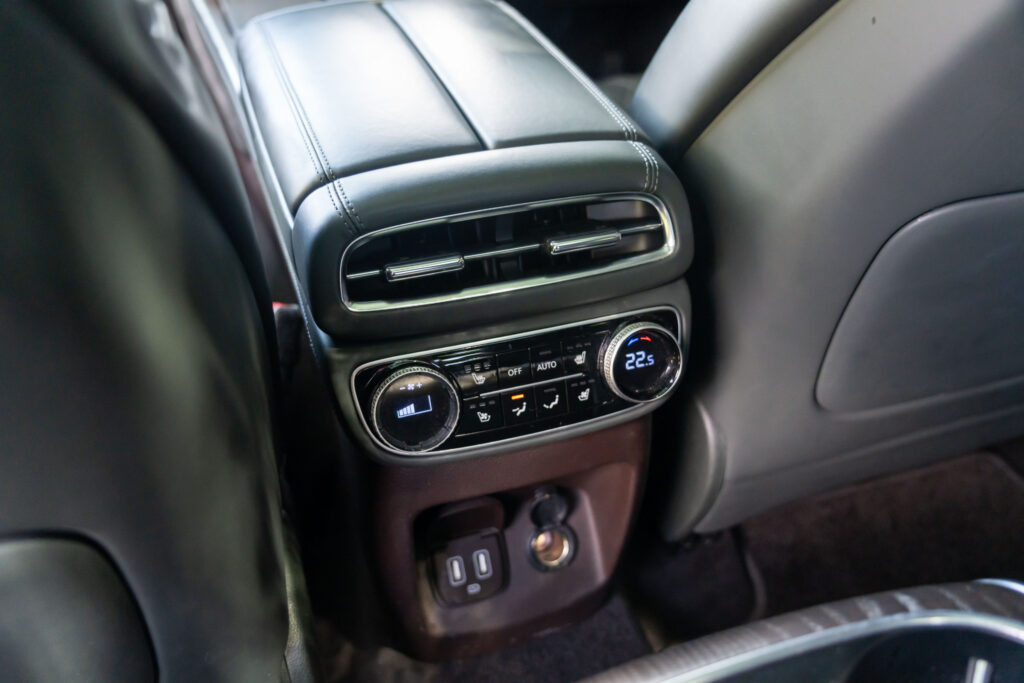
Check that the HVAC, or air-conditioning systems, work without faults, as early GV80s did report some occasional issues (but were once again, resolved quickly and effortlessly by Genesis under warranty).
Though, do note as part of the post-2023 update, the analog HVAC controls were replaced with a touchscreen UI that is not as intuitive to use.
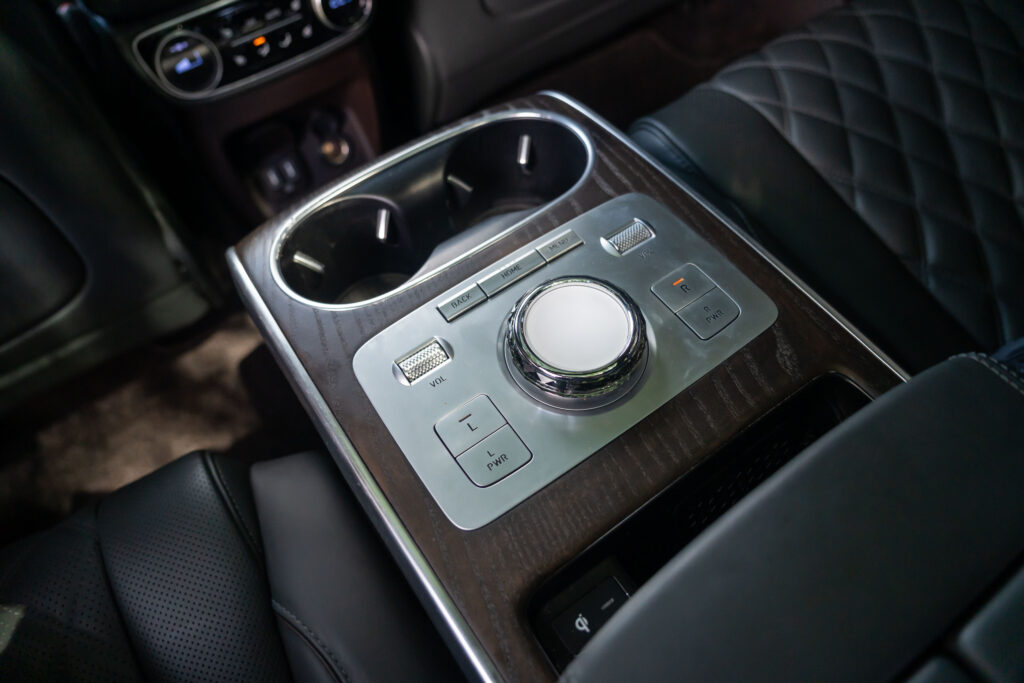
Adding to some intuitive complaints, distinguishing which central dials control the transmission versus the infotainment UI can take some getting used to.
On models with third-row seating, it’s worth mentioning that the seat mechanism is electrically operated and has not been as intuitive for owners to use, especially when some have accidentally hit the controls.
Mechanically:
Reliability-wise, Korean brands like Genesis report fairly good customer satisfaction reports and ratings. Plus, it’s hard to ignore that they offer some of the most comprehensive, generous new vehicle warranties in the market.
However, we’ve heard about inconsistent experiences from Genesis’s dealership network, especially regarding their ‘Genesis Concierge’ after-sales support.
Our local Australian dealers have been widely praised by owners, while those in the United Kingdom and North America have been more ‘hit-or-miss’, such as what replacement parts/consumables can be claimed under warranty, versus general wear and tear.
Engines:
2.5L turbocharged four-cylinder (G4KR)
While four-cylinders from the Hyundai group have been infamous for combusting themselves and other mass recalls, the turbo four-cylinder used by the GV80 has escaped many of these issues.
Aside from some isolated cases of moderately high oil consumption, they have been proving to be quite reliable – provided they have been maintained to schedule.
Those that have been neglected are more prone to issues, like premature turbocharger wear and timing chain problems. These are more prevalent on those owned under lease agreements, so reviewing the service history of the one you’re inspecting is absolutely important.
A few post-2021 models did experience fuel leaks from the pipes between the high-pressure pump and injector rails. Genesis did issue a recall to address this, and many should have had it resolved under warranty.
The low-pressure fuel pump within the fuel tank is also worth keeping an eye on, and is also covered under warranty (for the time being).
3.5L twin-turbocharged V6 (G6DU)
The V6 engines are also proving to be quite reliable, with no serious or common issues – so far.
There are occasional issues affecting the cooling system, namely isolated cases of radiators leaking coolant and problems with the intercoolers themselves. But these aren’t common per se.
Excessive oil consumption can also occur, but just like the four-cylinder engines, they don’t happen too frequently to be considered serious.
In addition, the V6s can also experience both the low-pressure and high-pressure fuel pump failing, but these are yet again rare cases, and the warranty should cover replacements/repairs.
3.0L TurboDiesel Six-Cylinder (D6KB)
The diesel engines are also proving to be not too troublesome and can prove to be quite reliable, but as with any modern-era diesel powertrains, they can experience the usual range of common rail diesel problems.
These can range from clogged MAP sensors to EGR recirculation issues, or the EGR system itself collecting debris and soot easily, as well as DPF loading/regeneration problems.
You can also experience SCR/AdBlue-related problems if it doesn’t clear properly, which can also be caused by any number of software/computer glitches, but updates should remedy these faults.
Higher than normal amounts of engine vibrations are among the diesel’s most frequent complaints. Hyundai/Genesis attributes this largely to clogged inlet systems, and we’re told that inlet cleansing (aka de-carbonising) is often provided under warranty.
Unlike their European equivalents, the timing chains so far are proving to be quite robust, and we haven’t heard of any serious issues (yet).
Turbocharger/VGT issues can also happen, but they’re very rare instances.
It’s worth also highlighting that all of the engines can experience some form of heater core complications, namely, blocked heater cores.
Transmission:
A few issues are known to affect the eight-speed automatic transmission, along with the driveline components.
The torque converter is known to crack internally, and therefore, it won’t distribute power/torque through the wheels normally – this will require a full replacement unit.
A few owners have also complained of the drivelines vibrating abnormally (due to the parts becoming unsynchronised), along with noisy rear differentials (caused by a loose pinion nut).
Once again, replacement units should still be covered under warranty – just know that while Genesis’s warranties are longer than others in the industry, they still won’t last forever.
We’d also mention that there were several powertrain/transmission software updates rolled out by Genesis to improve overall responsiveness and driveability, so it’s worthwhile to check if they’ve been performed for optimal driving setups.
Overall, if these are maintained well and not too abused, the transmissions can prove to be quite solid units.
Drivetrain:
Some of the post-update GV80s come with a fairly advanced adaptive suspension system, known as ‘Preview Electronically Controlled Suspension’ that uses a series of sensors/computers, along with cameras to monitor the road conditions and adjust the suspension accordingly.
While it’s a complex system, so far we’ve heard of no serious issues that paint them as bad as the air suspension setup on European equivalents.
Though like many other Australian-market Korean vehicles, it’s worth highlighting that the suspension has been tuned for local conditions, nailing a perfect balance between comfort and an engaging driving experience that other models can’t match.
Because it is a heavy vehicle, you would expect components such as bushings, control arms, and suspension units to wear quickly.
But interestingly, when checking with various owners of the GV80s, we struggled to find any serious complaints about premature suspension wear or components wearing out quickly, which tends to affect a lot of European luxury SUVs.
Within the used market, you can expect most GV80s to start from around $60,000, with the most expensive, up-to-date examples topping at around $130,000.
While the more powerful petrol V6 models commanded a higher premium over the turbocharged four-cylinder and turbodiesels when new, they’re now more evenly spread across the board in the secondhand market.
On the surface, depreciation is not the Genesis GV80’s strongest point – especially when compared to equivalent BMW, Audi, and Mercedes-Benz SUVs, the Korean SUV can lose far more of its value over several years.
But the upside is that if you are buying these secondhand, you’ll pay far less than what a GV80 went for at retail – enabling you to get a lot of features and luxuries for your money’s worth, and arguably, a higher quality product than what the Europeans can offer.
As we’ve mentioned in previous reviews, while Genesis is a premium brand, its roots as a Hyundai should mean parts and repairs will be far less than what you might be quoted for a European luxury car.
Plus, maintenance is covered for the first five years of the car’s life under the Korean’s generous warranty plan.
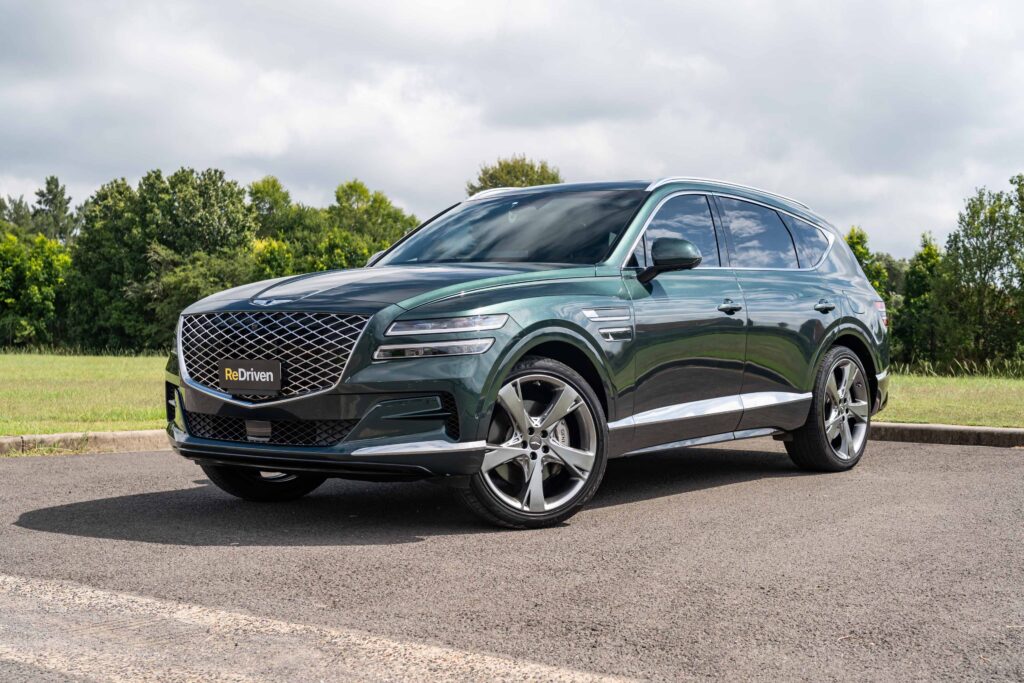
Used GV80s are proving to offer better build quality, be far more reliable, alongside just as many tech/features/equipment as used European luxury SUVs; yet feel just as premium to drive, all for an attractive price point that is hard to ignore.
If you’re not fixated on image and badge exclusivity when it comes to a used luxury SUV, a GV80 is definitely worth considering – provided it passes a full pre-purchase inspection and has a spotless service history to confirm it’s one of the best examples available.
MORE: Explore our Genesis reviews
MORE: Explore our SUV reviews


Co-creator, presenter & writer, ReDriven

Yes. 100%.
 5 days ago
 3 weeks ago
 1 month ago