Australia’s No. 1 Used Car Review Website
Australia’s No. 1 Used Car Review Website
+18 Photos
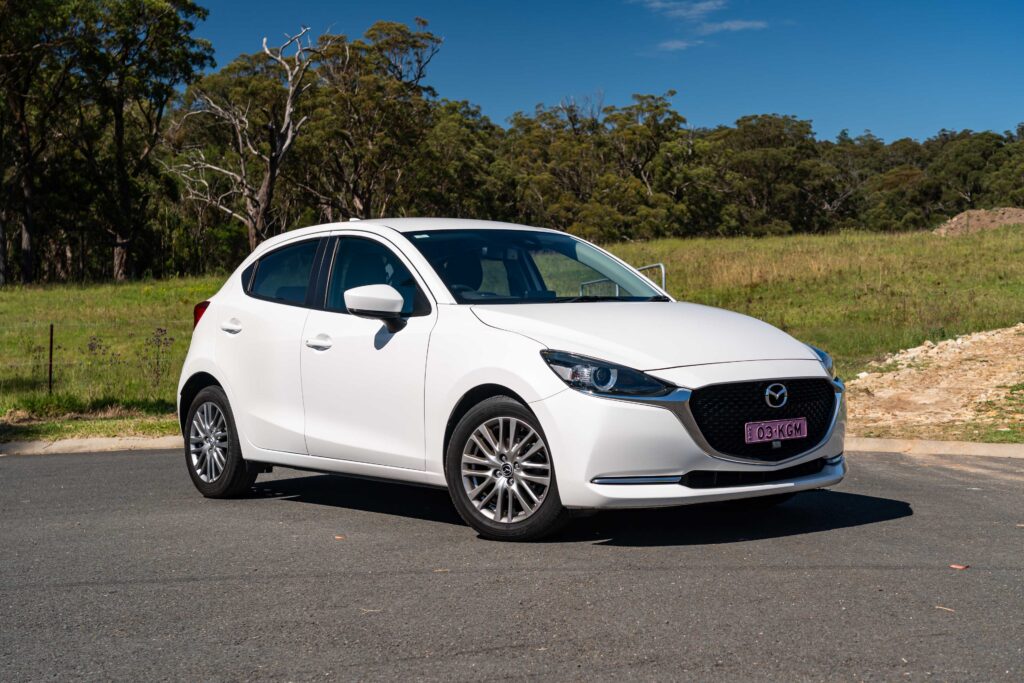
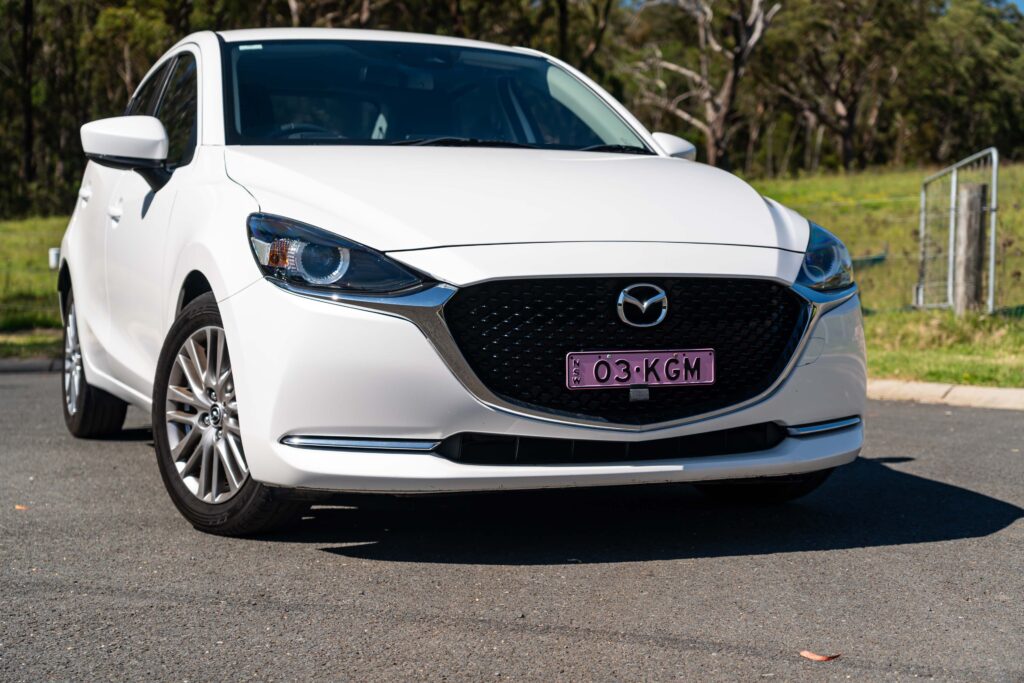
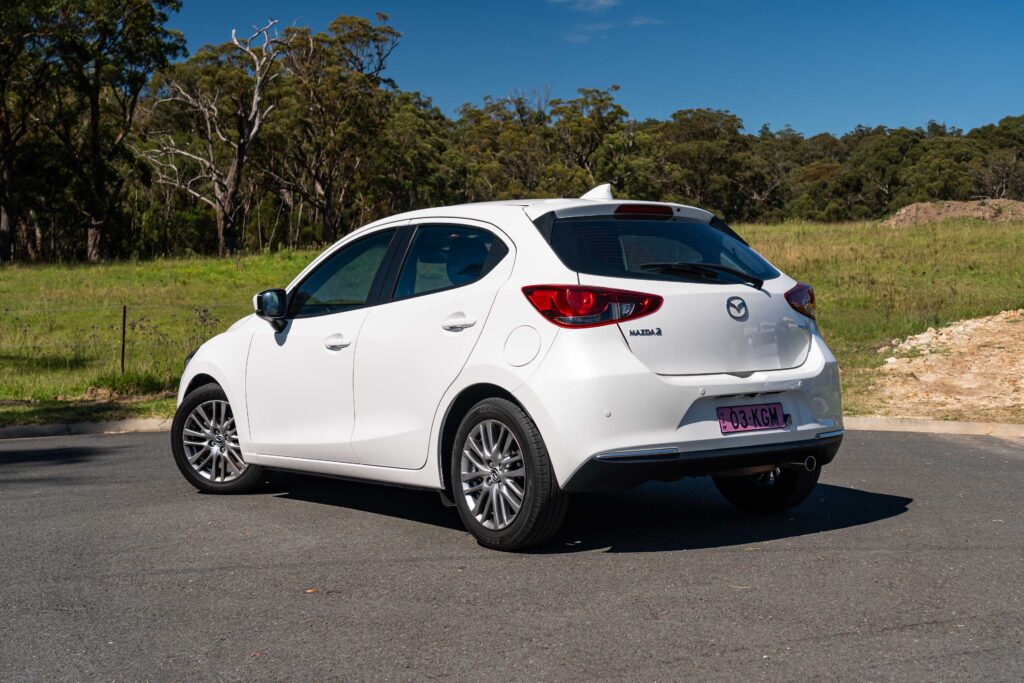
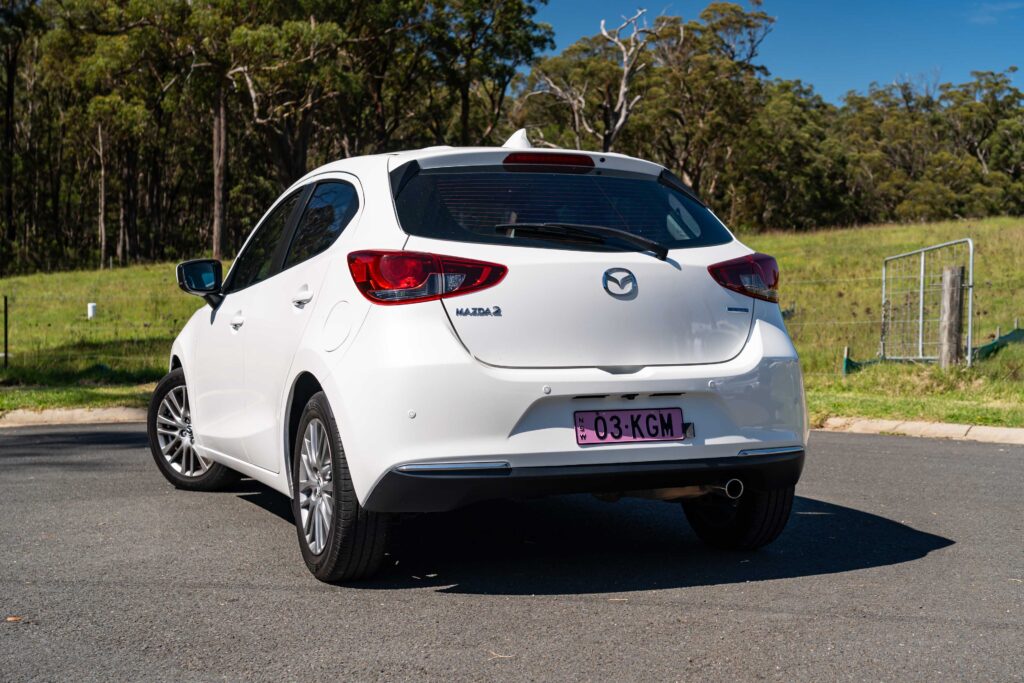
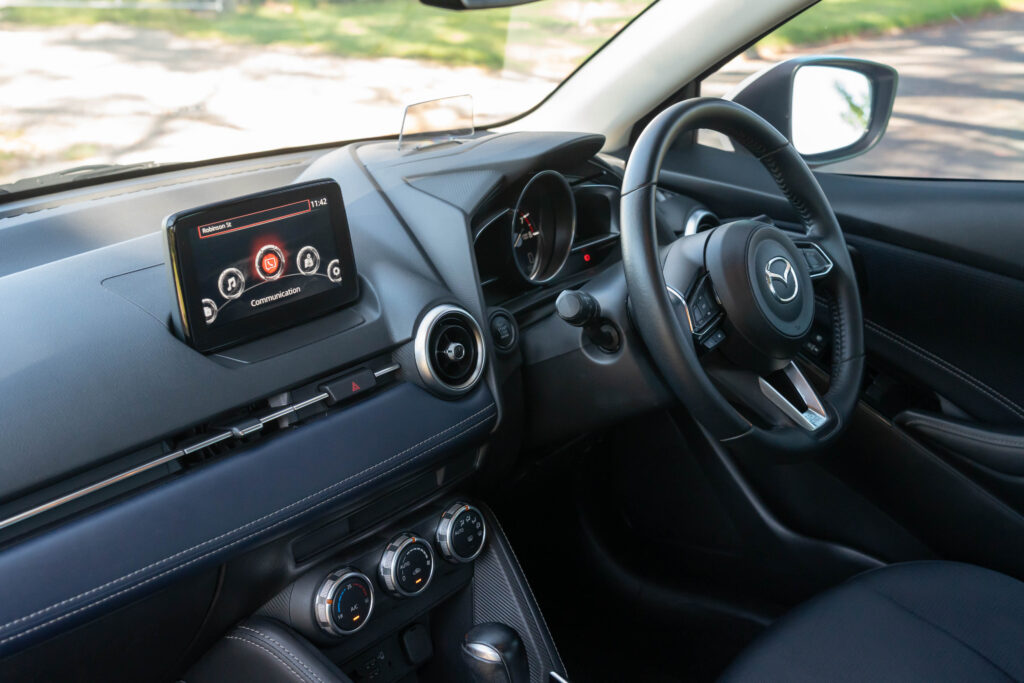
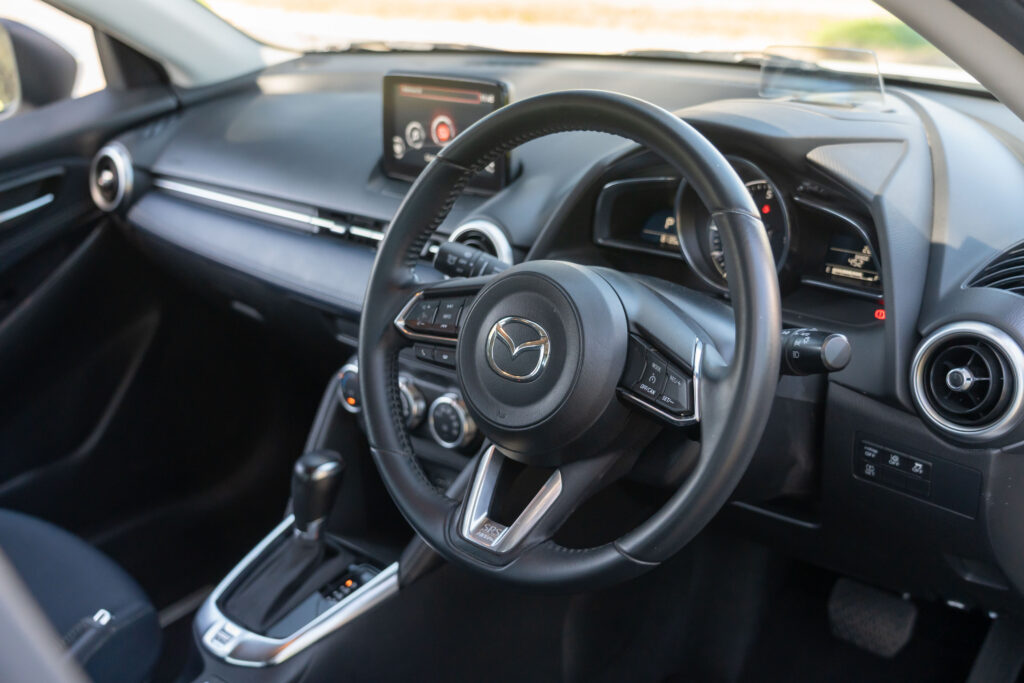
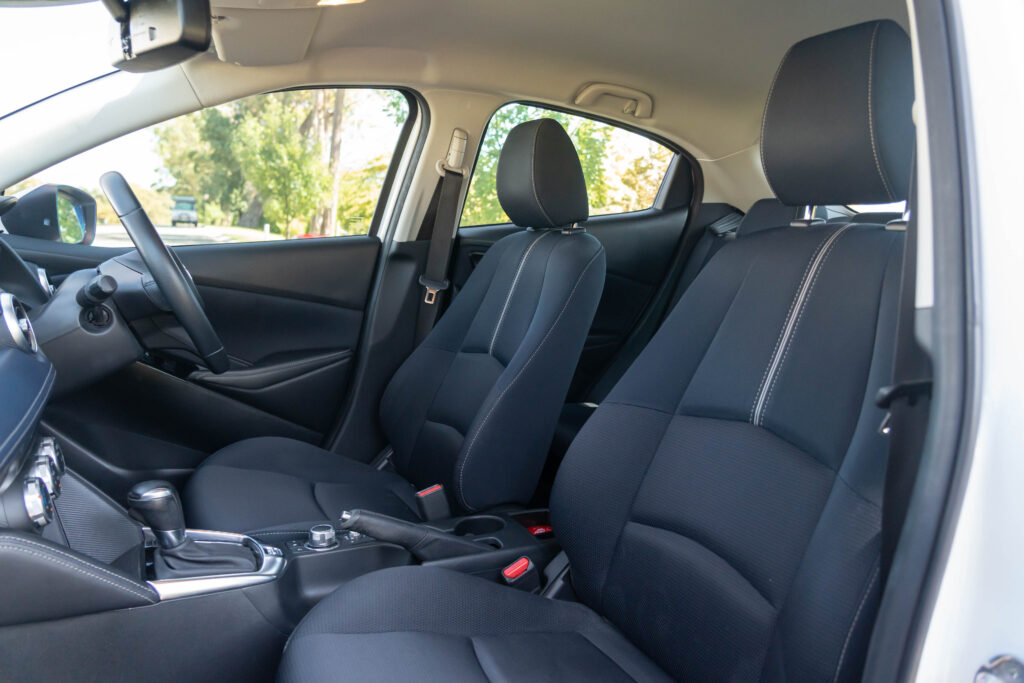

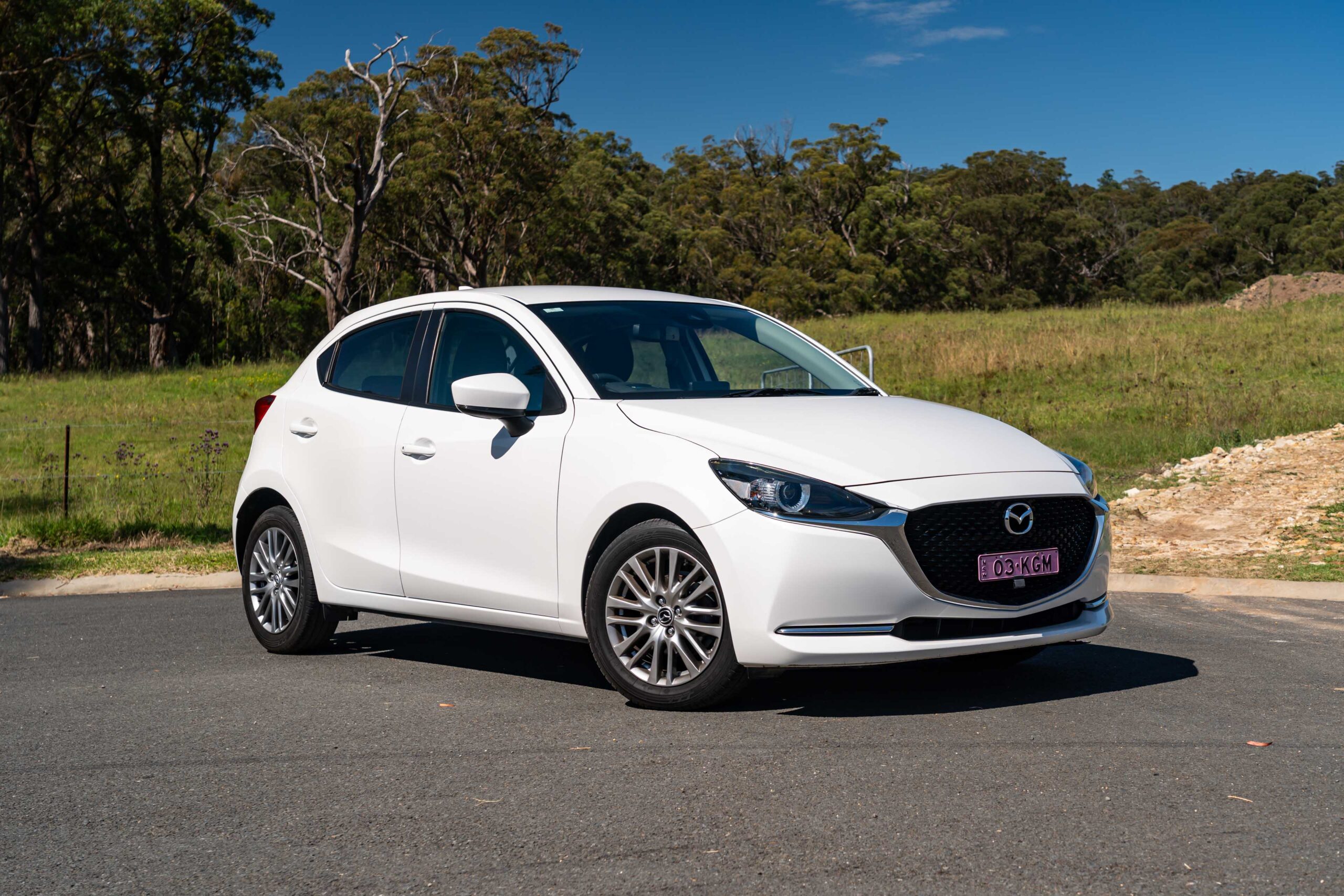
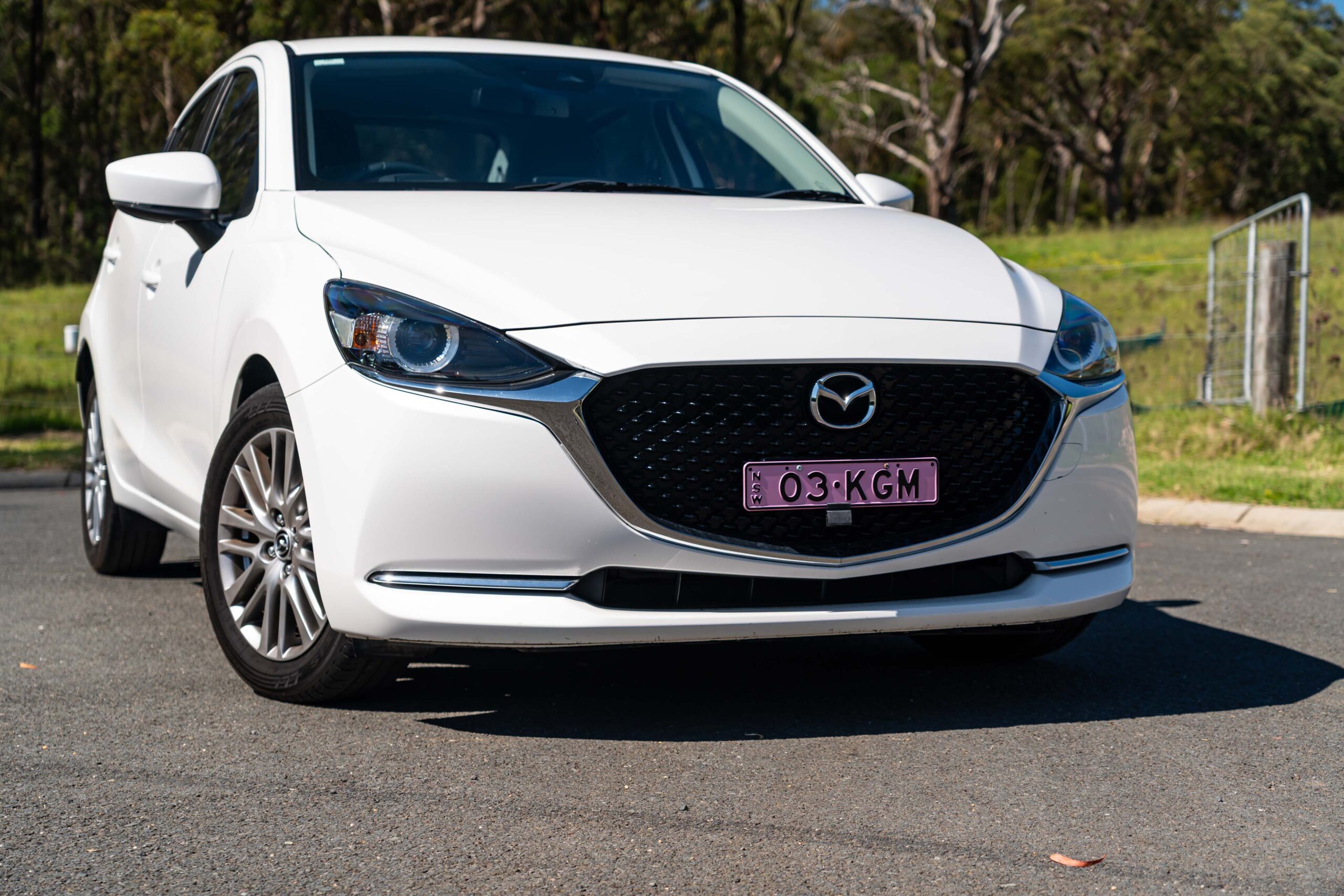
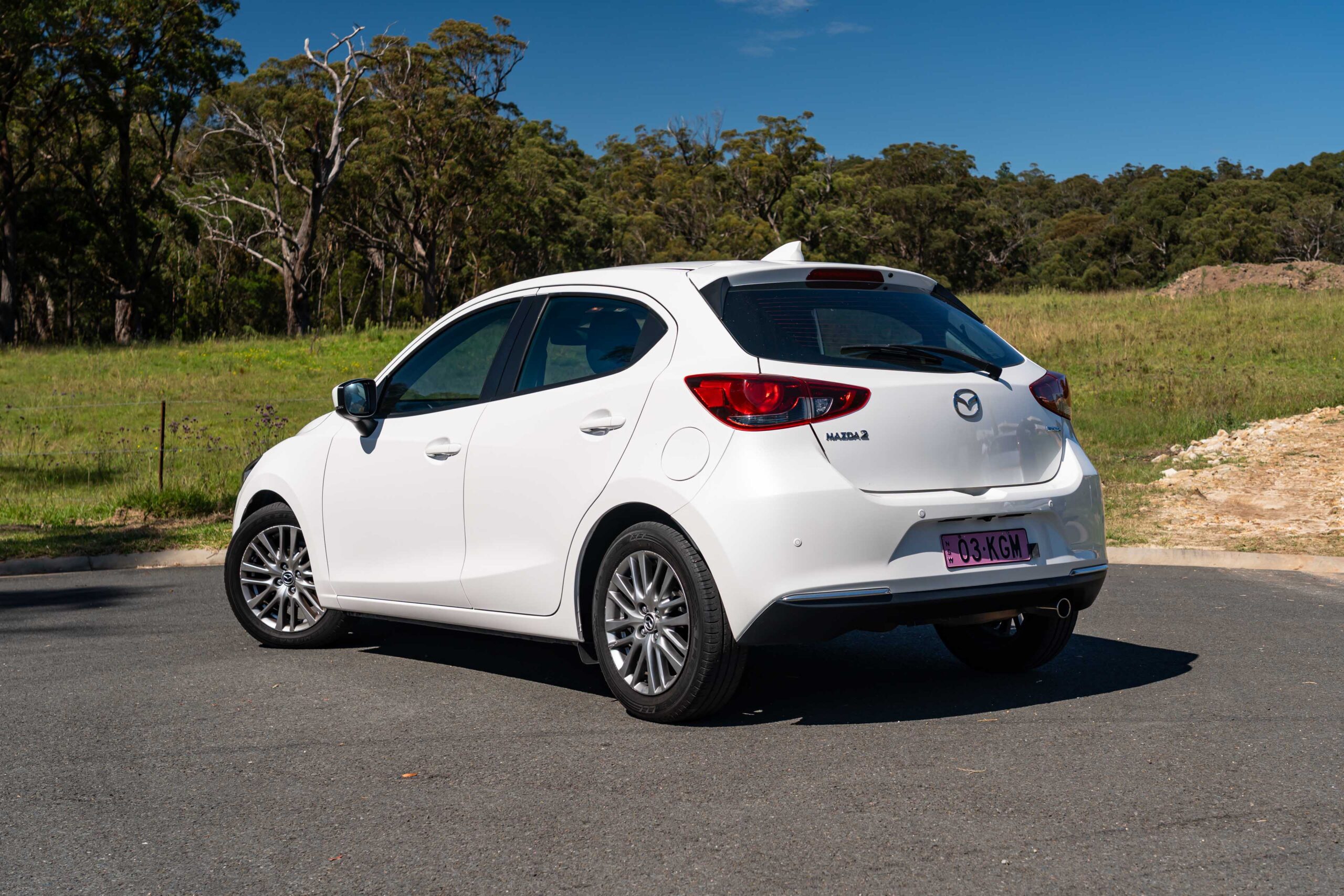
2020 Mazda2 G15 Evolve

13 April 2026
Yes. 100%.

2020 Mazda2 G15 Evolve

Used car review
13 April 2026
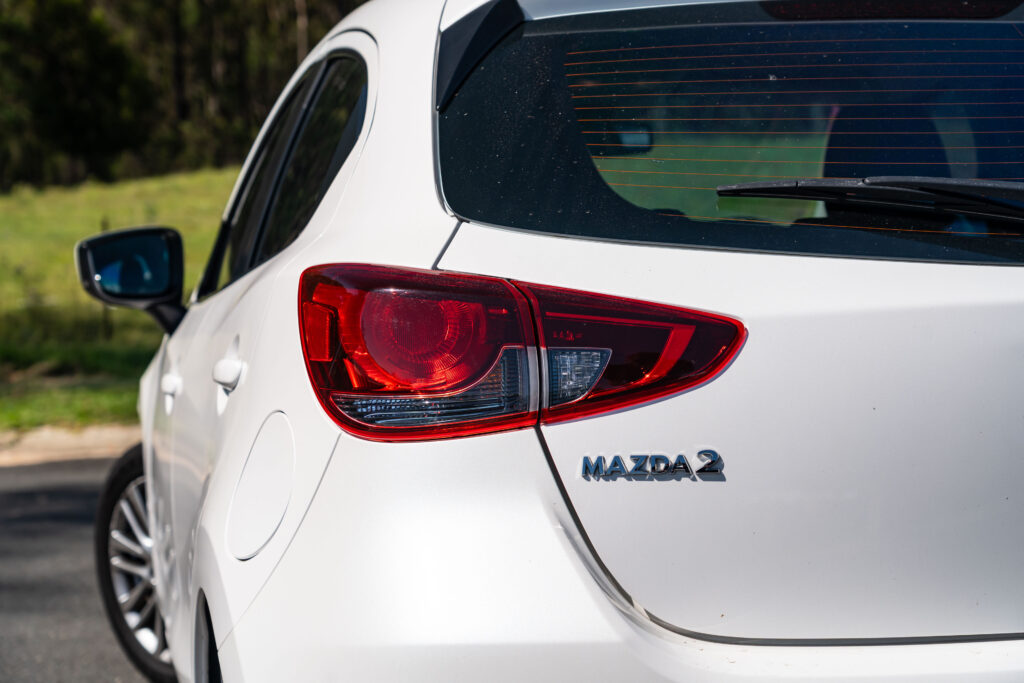
The third-generation Mazda 2, also known as the DJ/DL generation, first debuted in 2014. Succeeding the second-gen Mazda 2, these continue to be the smallest vehicles currently available in Mazda’s product range, below the larger Mazda 3 sedan/hatch.
The third-gen Mazda 2 has had two facelifts since its launch:
Also, fun fact – this iteration of the Mazda 2 in both sedan and hatchback form was also sold as the Scion/Toyota Yaris/Yaris iA in North America. Minus different bumper designs and badges, it was the same car underneath.
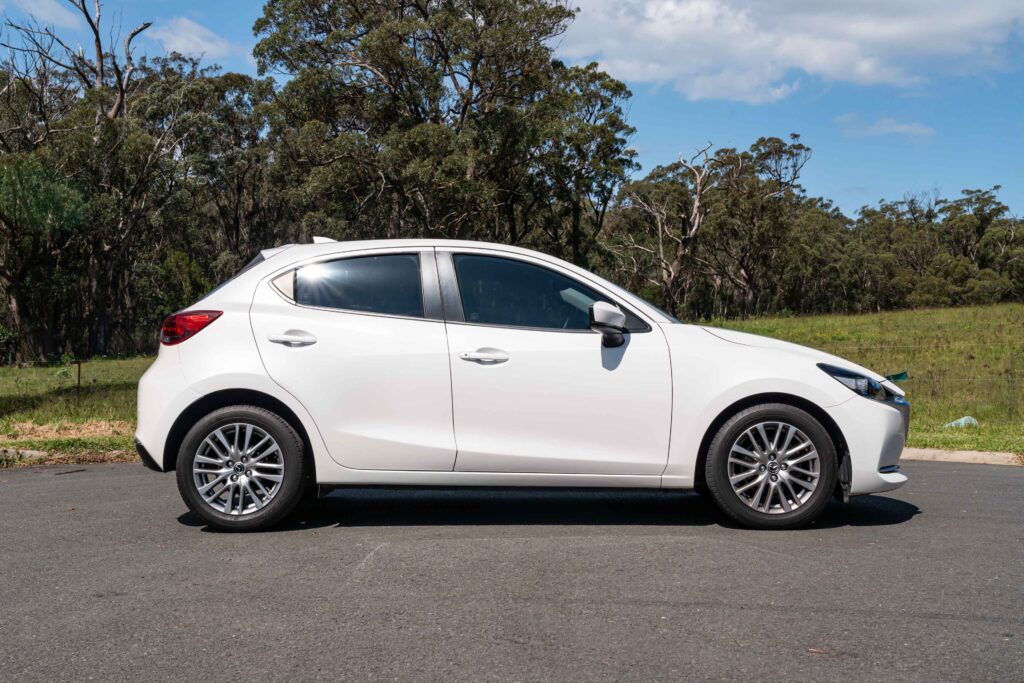
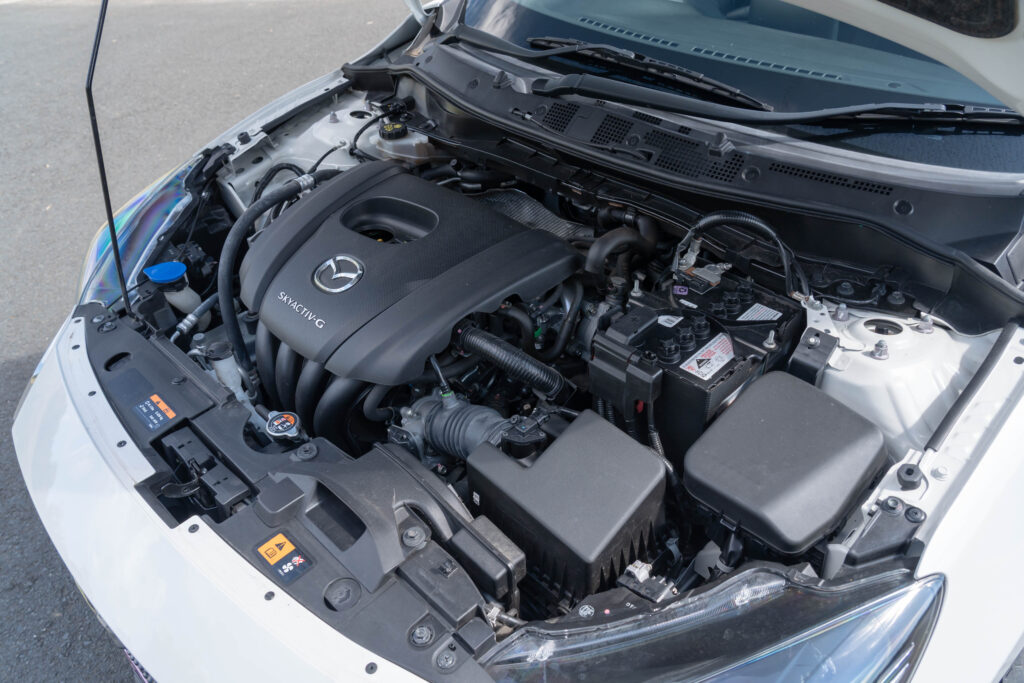
For the Australian market, both the sedan and hatchback Mazda 2s feature the same powertrain: a naturally aspirated 1.5L petrol inline-four cylinder, sending power to the front via a five-speed manual or a six-speed automatic; though other markets also received a diesel and a mild-hybrid option.
Other compact models, the Mazda 2 faces include fellow Japanese rivals, like the Toyota Yaris, Honda Jazz, and Suzuki Swift, as well as some European compact sedans/hatchbacks like the Volkswagen Polo and Ford Fiesta.
Exterior issues:
Like other Mazda products of this era, the paint finish is known to be particularly thin and prone to marks/scratches – especially the eye-catching ‘Soul Red’ finish. Note therefore that any previous respray work might not be hiding previous accident damage, but more so touch-ups to keep the body in good condition.
The earliest pre-update Mazda 2s also report some minor exterior issues, in particular, the plastic gears within the power door mirrors that can wear and fail due to water ingress/debris collecting, causing the mirrors to not fold properly.
But we are told this is an easy fix, with many post-update cars made after 2020 less likely to encounter this problem.
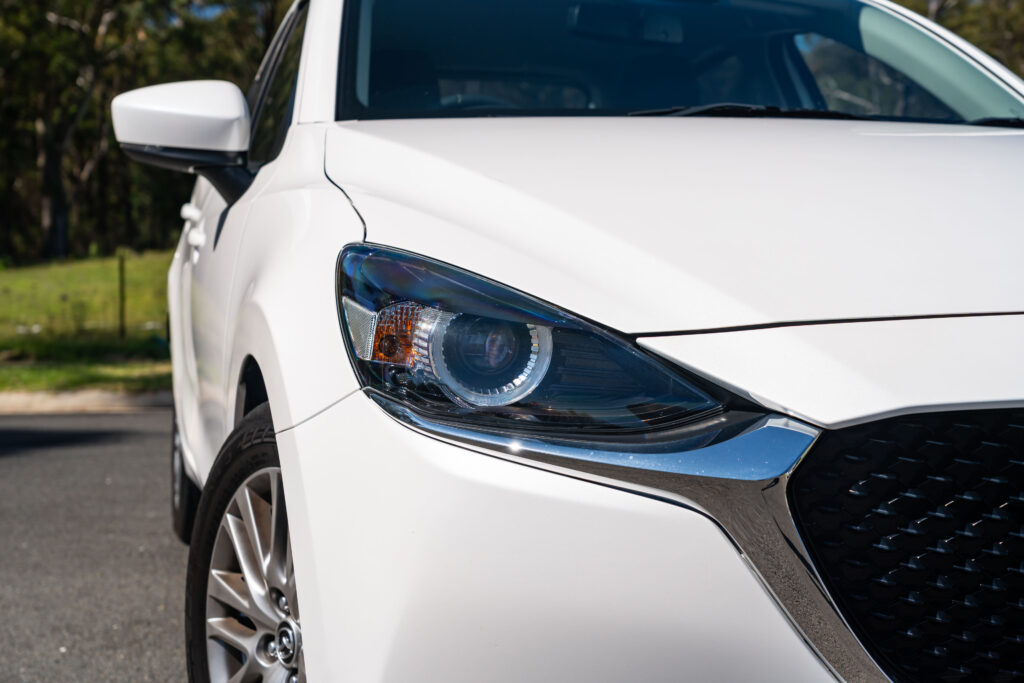
Some later models equipped with more up-to-date safety tech, like automatic braking or lane departure warnings, report them going randomly, but often it’s caused by a blocked sensor/camera, which can be easily resolved via a cleanse or software update.
Beyond these minor concerns, the Mazda 2 is largely bulletproof when it comes to its exterior – we struggled to find any serious cases of electronic gremlins or water leakage issues to the same degree as more premium European rivals are known to experience.
Interior issues:
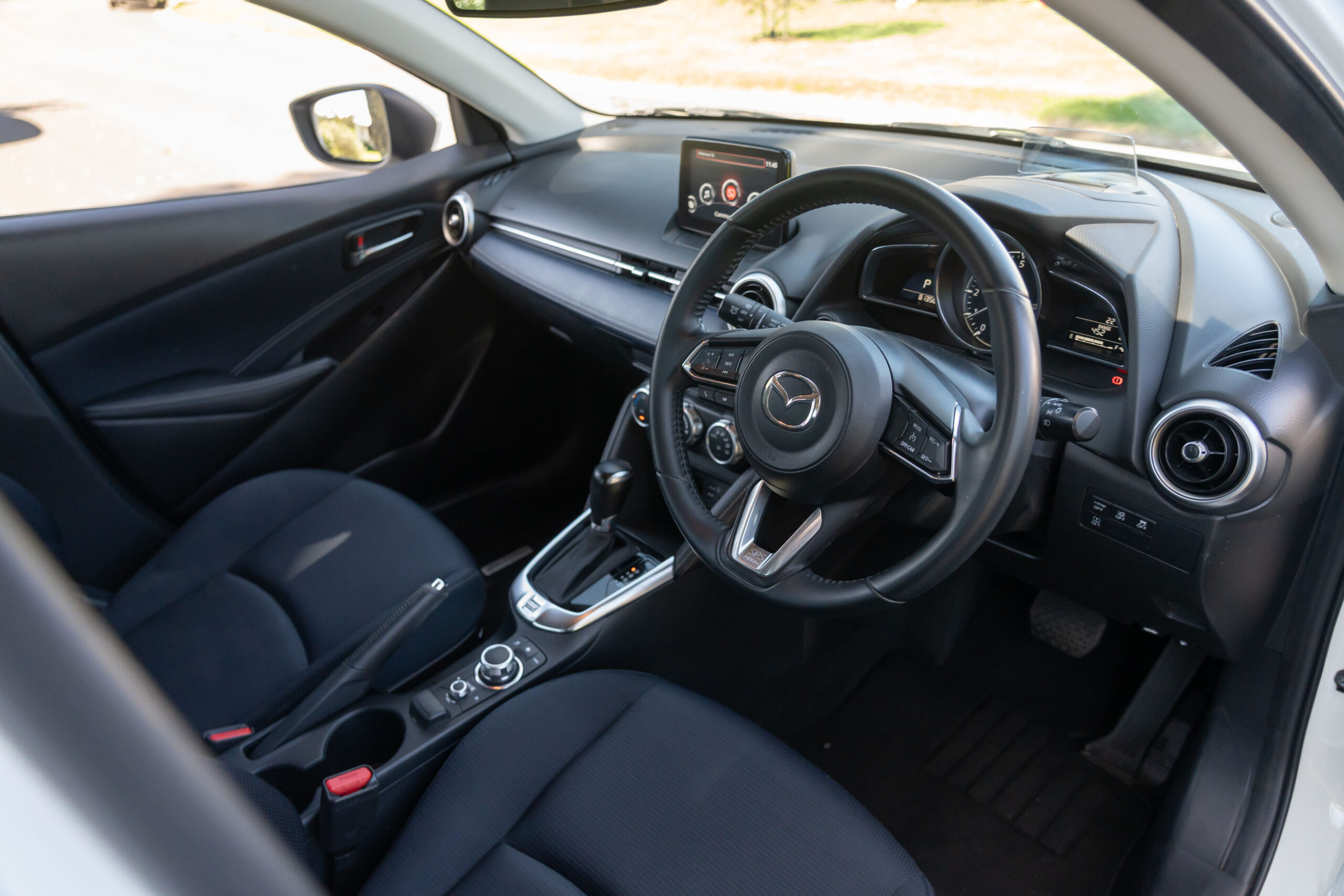
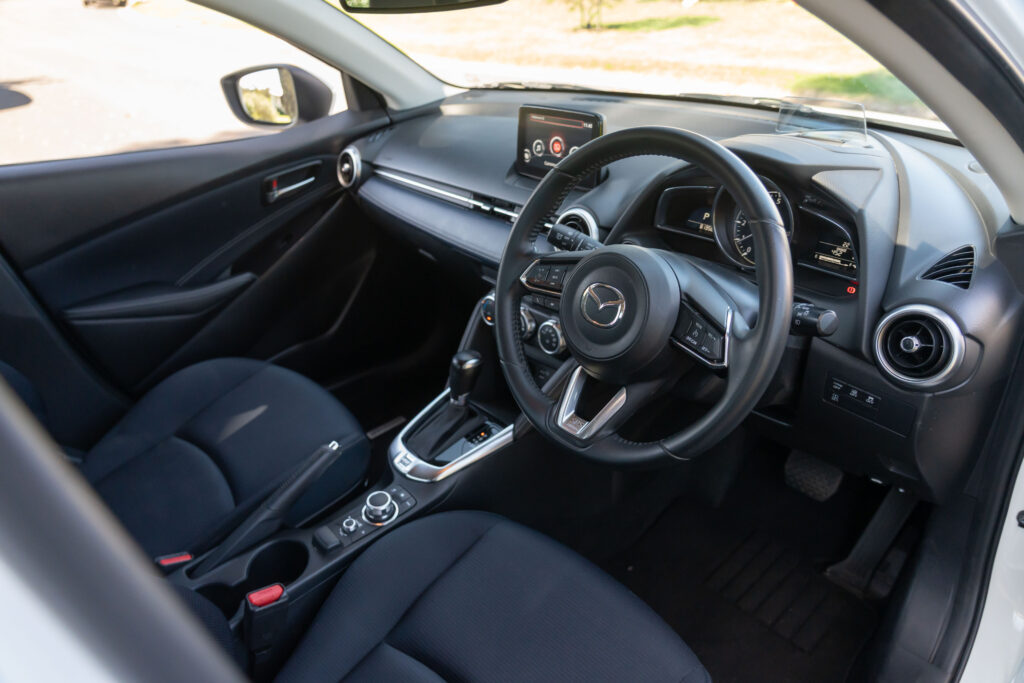
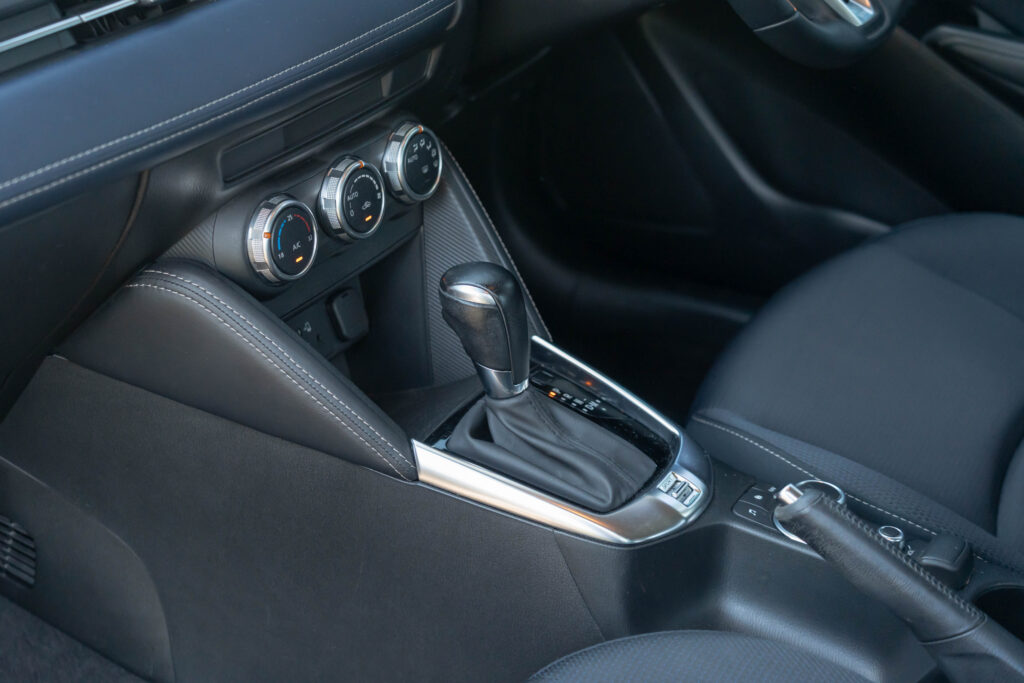
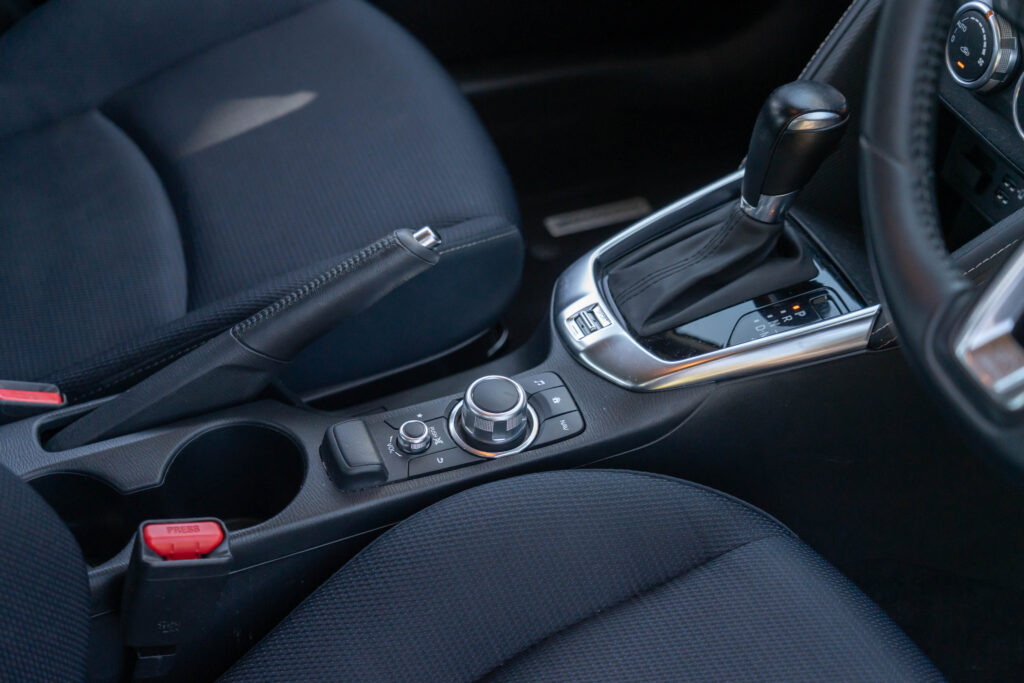
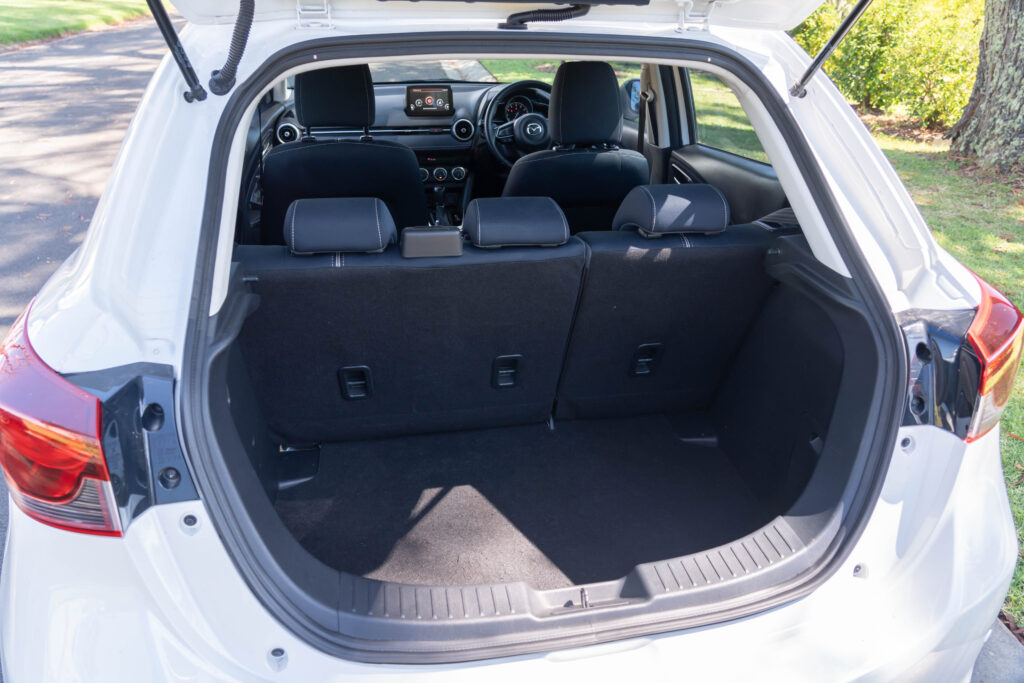
While this generation of the Mazda 2 actually has slightly less interior room compared to the preceding second-gen, owners still compliment the resilience of the cabin materials and general user ergonomics.
Materials and quality of the interior trim will vary depending on the trim and market, but generally, you can expect this aspect of the Mazda 2’s cabin to improve significantly with better materials (including soft-touch surfaces) in the latest models.
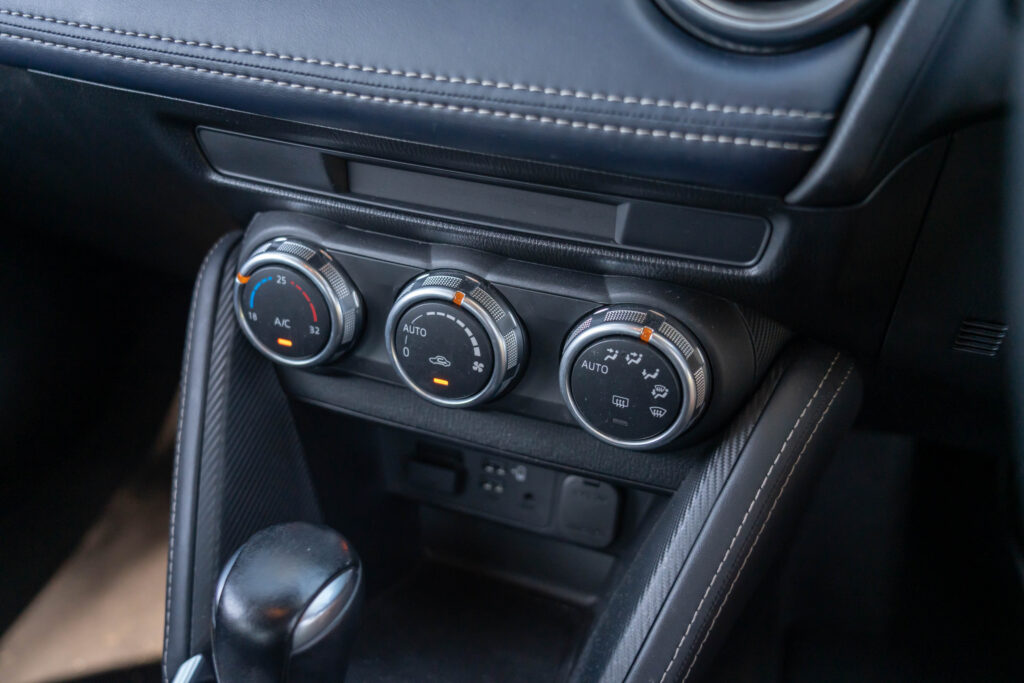
Entry-level models among the trims offered for the Australian market are quite basic in terms of what equipment or amenities they have. If you want features like climate control, LED lights, and adaptive cruise control, we recommend targeting the higher spec trims on the used market.
While some high-mileage, older cars (~100,000 km) report occasional rattles or loose pieces within the dashboard or A-pillar trim, it’s not at the same level as some of its European rivals; most are, in fact, proving to be quite solid products, with serious concerns on their interior build quality.
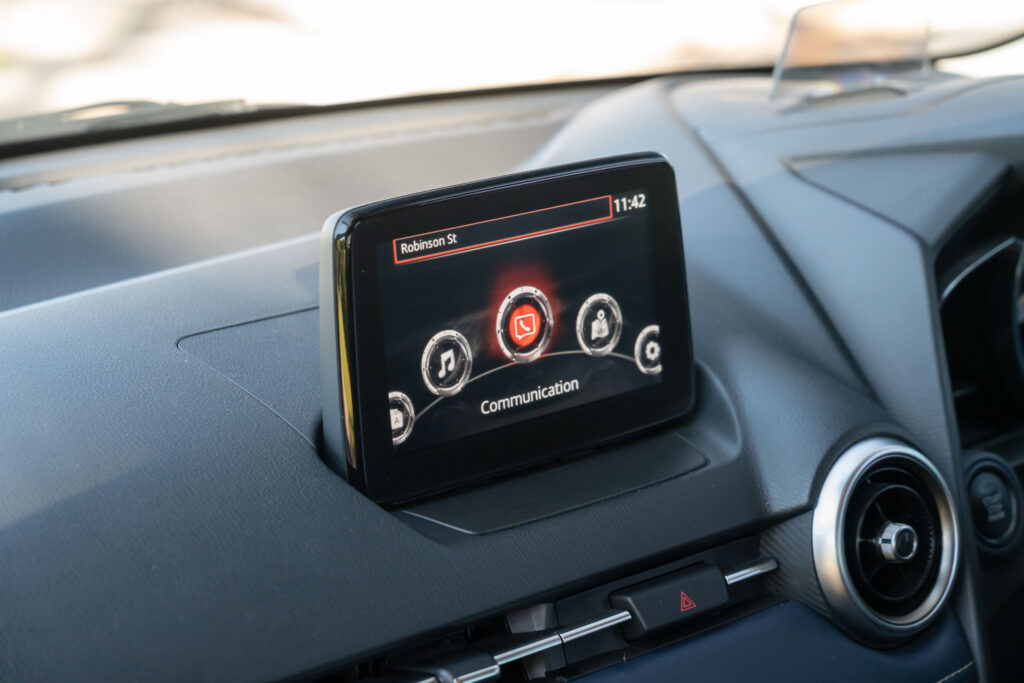
The ‘MZD Connect’ infotainment systems can experience some issues, which are more prevalent on the early pre-update models. One common issue that comes up is ‘ghost’ inputs, or the touchscreen selecting prompts on its own, which can be frustrating to live with.
The infotainment system can also experience plenty of Android Auto/Apple CarPlay/Bluetooth connectivity problems, but compared to other models in this segment, they don’t appear to be as prevalent in the Mazda.
Thankfully, Mazda has provided software updates that have resolved issues like these, so it’s worthwhile to check if they’ve been installed if you do encounter these UI problems.
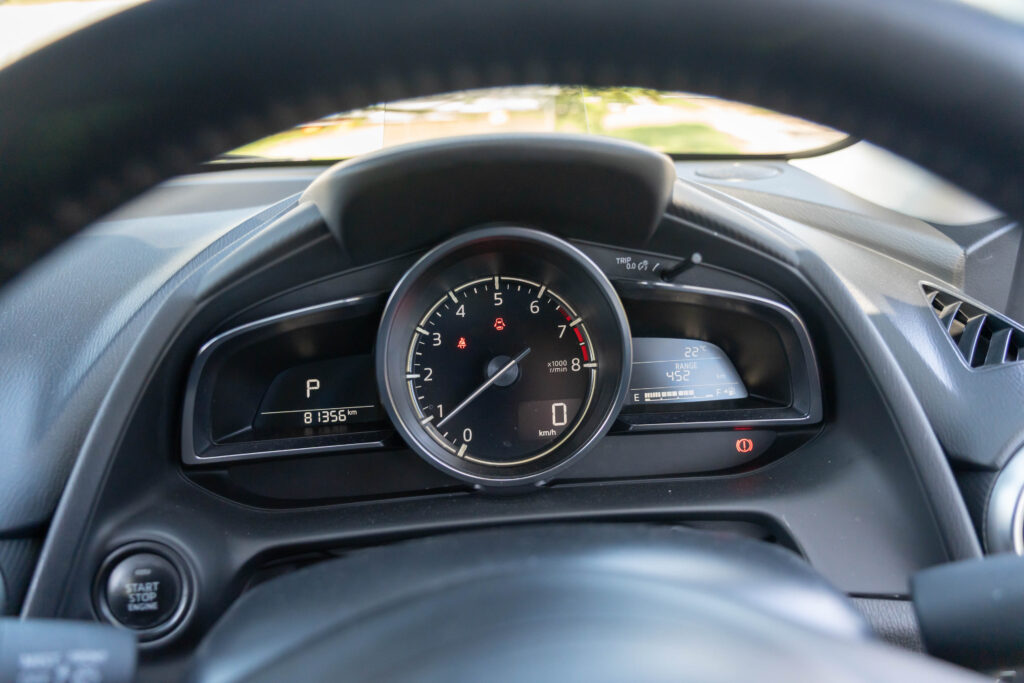
The ‘i-STOP’ engine start-stop function is another electronic gremlin that can come up. If it doesn’t activate during a test drive, it’s likely the main 12V battery is nearing the end of its life, which could also mean some potential issues with other electronic equipment.
Mechanical issues:
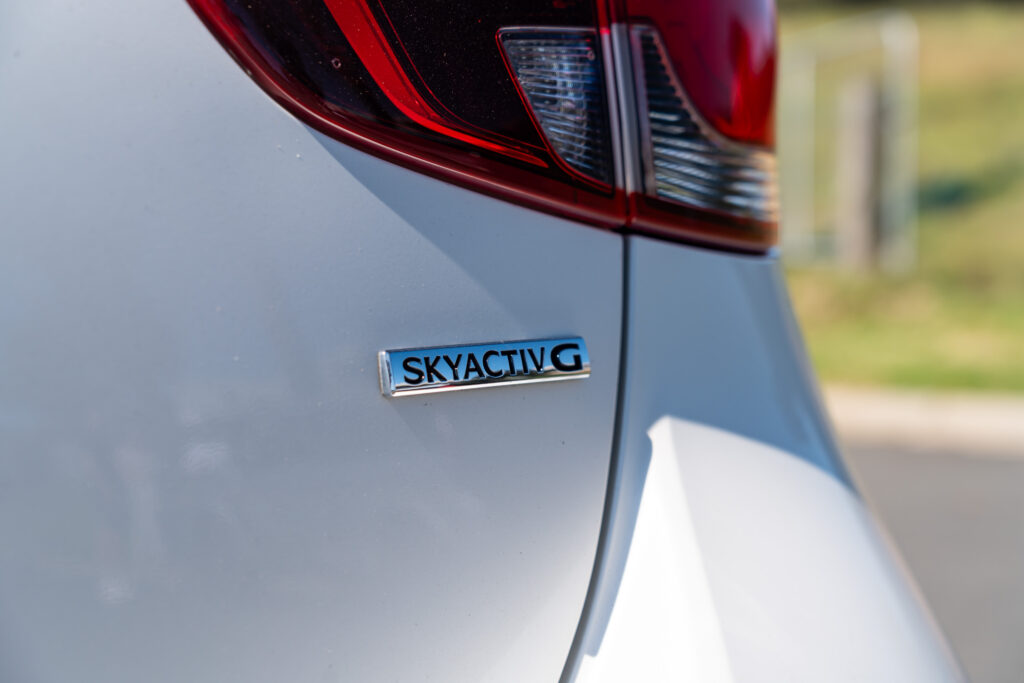
Overall, the four-cylinder ‘SKYACTIV’ engines these Mazda 2s use are proving to be very reliable, if they’ve been looked after.
Some issues can creep up, largely because the oldest, pre-facelift models are now getting on in age.
Engine mounts are the most common issue we see affecting these, in particular the right-most engine mount, so budgeting for replacements (especially on older examples) is recommended. You’ll know they need replacing if there’s a high amount of vibrations from the engine bay.
The timing chain of these engines is quite solid, but the variable valve timing gear can run into some issues – largely on high mileage/older examples, or those that have been seriously neglected.
Excessive oil consumption, or oil burning, is also a possibility for those who have missed scheduled maintenance or have been neglected for too long.
Some of the oldest, pre-update Mazda 2s are getting to the age where components or consumables like water pumps, coil packs & A/C compressors can fail, due to general wear over time. As a Japanese-engineered product, you can expect replacements to be fairly affordable and available, unlike European counterparts.
It’s worth keeping in mind that many of these end up as first cars for new drivers, or act as a supplementary vehicle within the household. As they’re quite cheap to buy, it’s possible owners have not spent any money when it comes to maintaining them, or cut corners when it comes to upkeep.
But, if they’ve been treated with care and given the investment/attention needed to keep them in good working order, these Mazdas can prove to be very reliable to the same extent as other Japanese models (ie. Toyota).
Both the automatic and manual transmissions are also proving to be robust units, provided if they’re looked after.
The third-gen Mazda 2 still keeps its overall weight low, and we heard of no serious reports indicating premature wear of consumables like tyres or brakes; minus some instances of suspension components wearing quicker than expected, but these are rare cases.
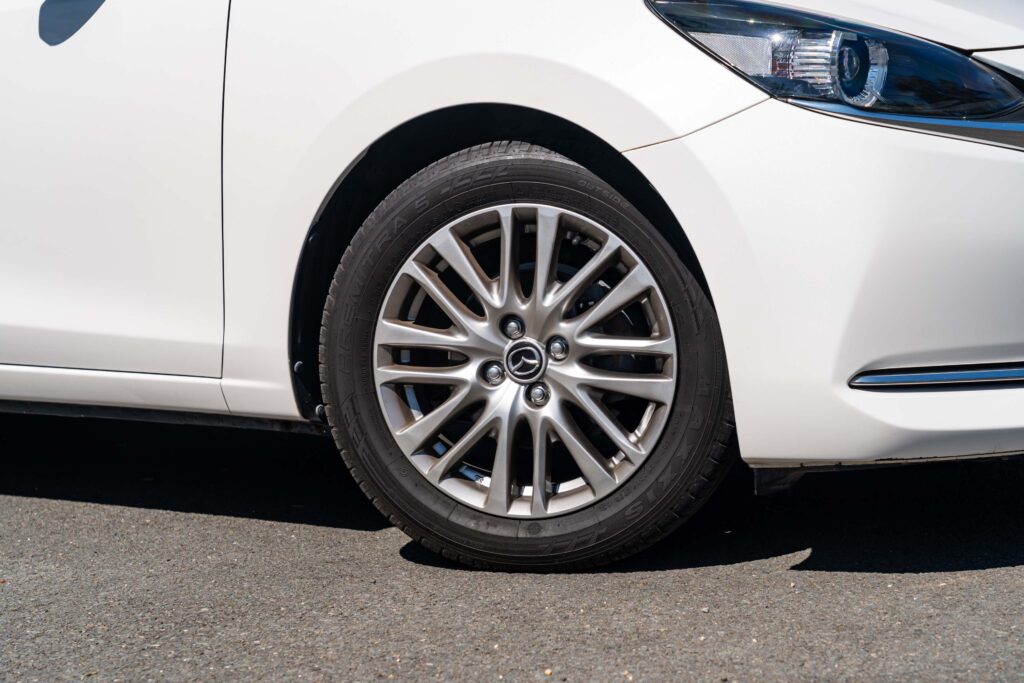
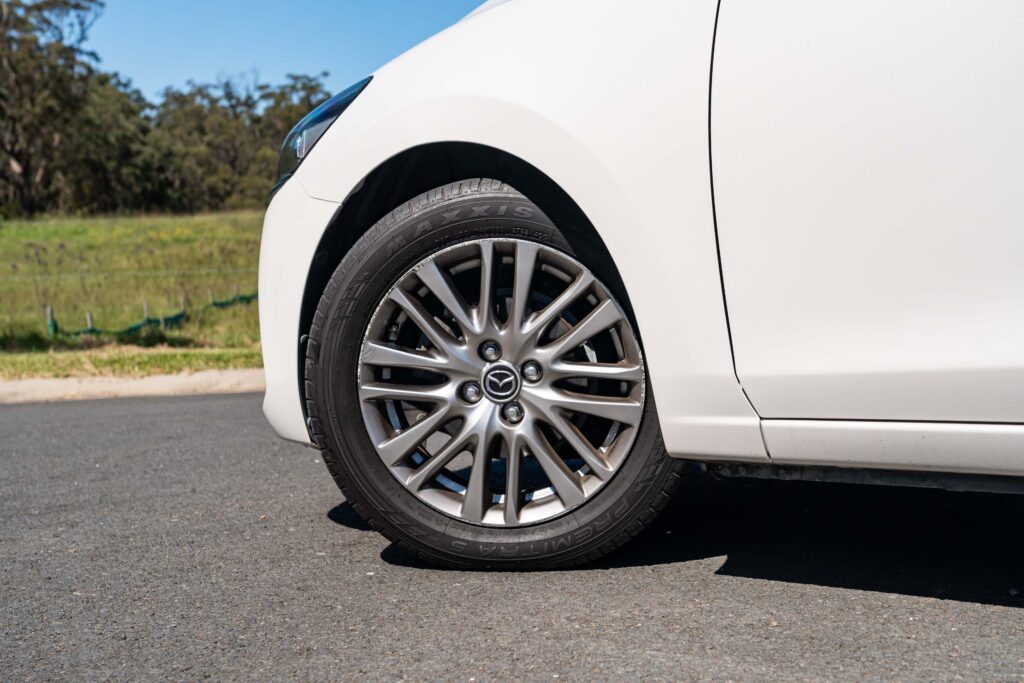
It’s also worth highlighting that owners have reported pre-update Mazda 2s equipped with the largest 16” wheels can have quite a harsh ride, but Mazda retuned the suspension settings for models made after 2017 that have improved the ride quality.
Currently, most third-gen Mazda 2s start from $7,000, with the most expensive examples priced around $30,000. You won’t find any major price difference between the sedan or hatchback Mazda 2s in the used market, as pricing doesn’t differ too much.
Pricing for this iteration of the Mazda 2 may seem a bit steep, but consider that only a few other equivalent compacts can match or beat it for how well it keeps it value (Toyota Yaris, Honda Jazz, Suzuki Swift), by contrast to European rivals that suffer far worse depreciation.
We are happy to recommend any version of the third-gen Mazda 2 if you’re in the market for a reliable, fun to drive daily driver that is affordable and frugal to own.
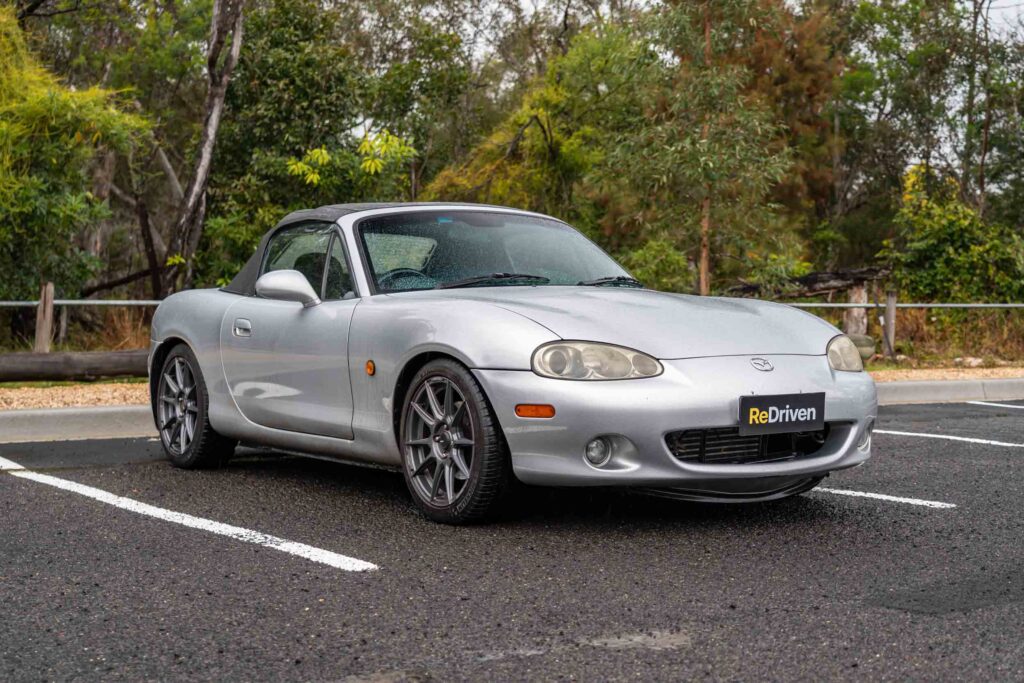
Along with its sharp design (notably in hatch form), these still embody Mazda’s famed ‘Zoom-Zoom’ spirit with an engaging drive, especially if equipped with a manual, when you consider the 1.5L inline-four is also shared with the lower-spec Mazda MX-5/Roadsters.
As with any used car, even those from Japanese brands with an impeccable reputation for reliability, do a pre-purchase inspection to confirm it’s in good health, ensure it comes with a spotless service history, and if everything checks out, go ahead and make it yours.


Co-creator, presenter & writer, ReDriven

Yes. 100%.
 19 hours ago
 19 hours ago
 1 week ago