Australia’s No. 1 Used Car Review Website
Australia’s No. 1 Used Car Review Website
+8 Photos
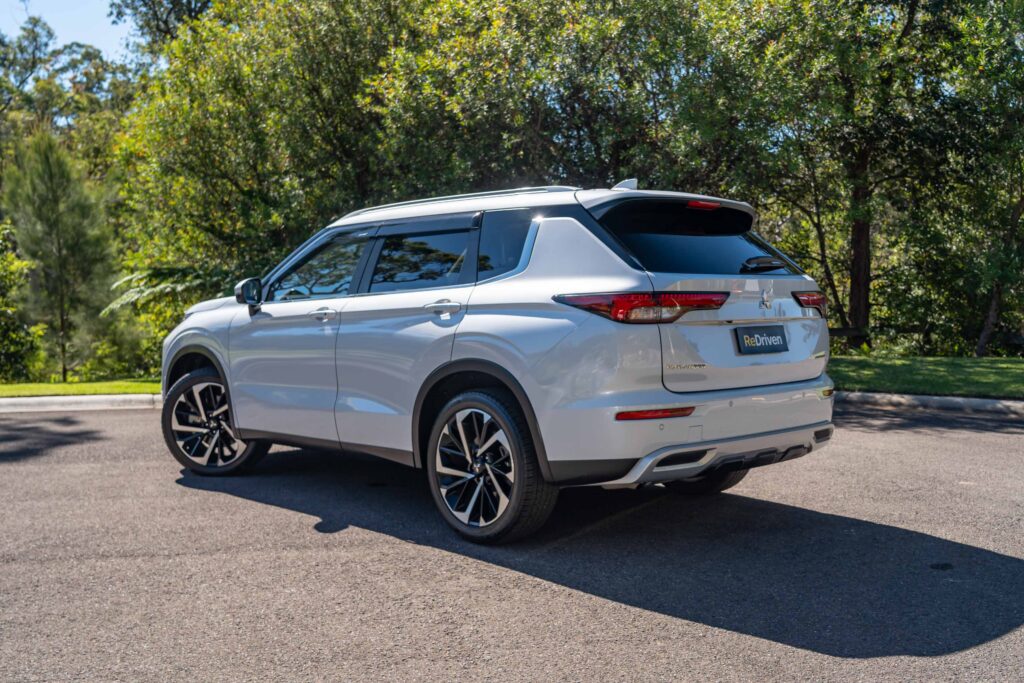
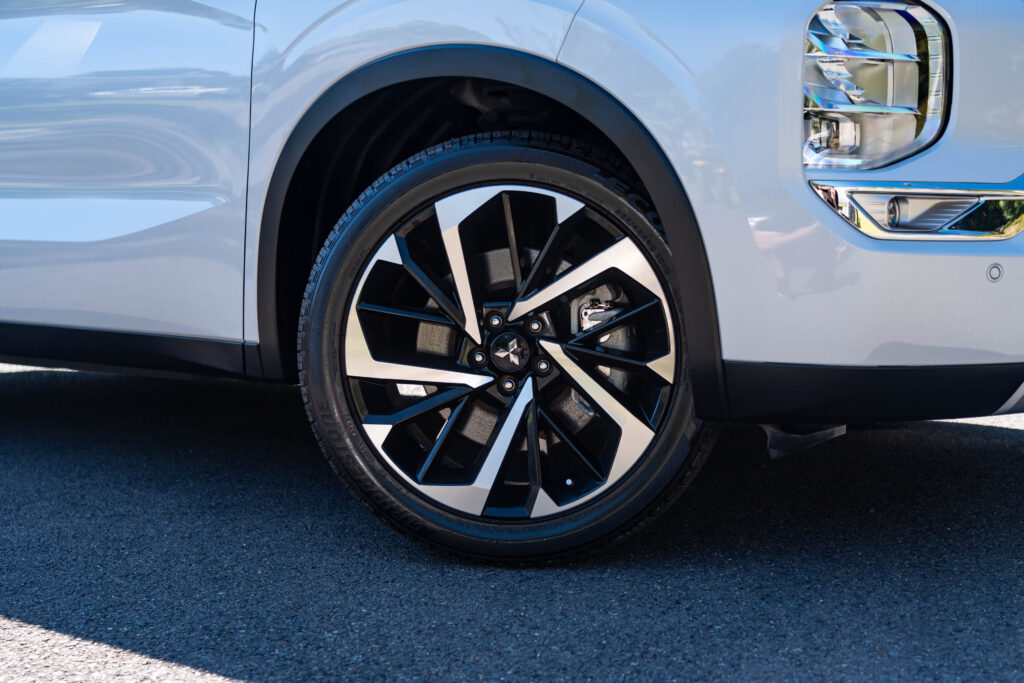
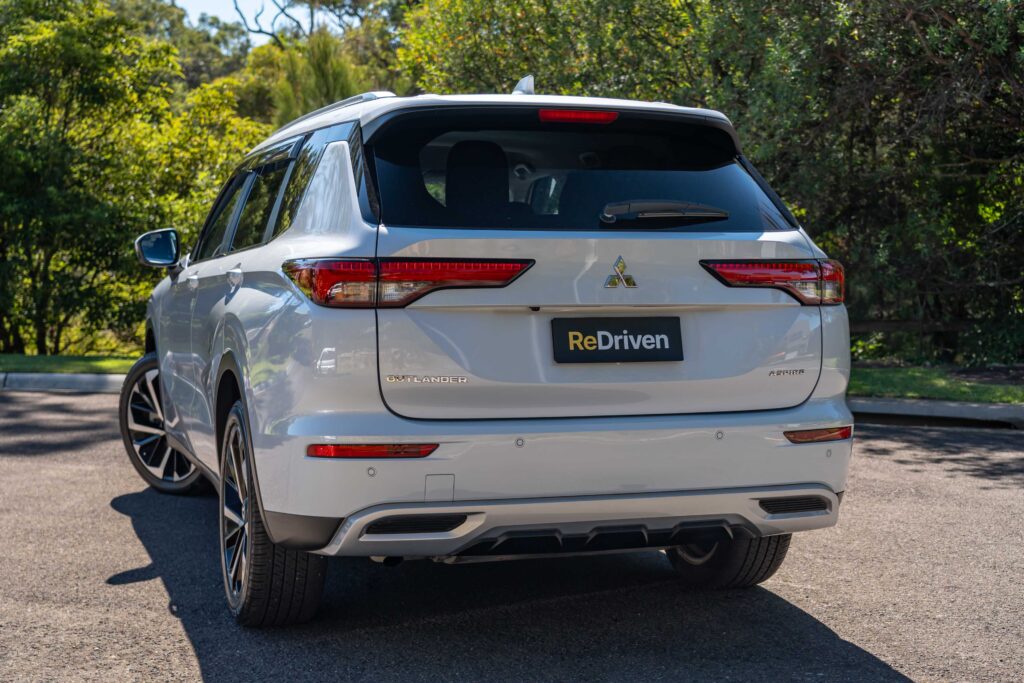
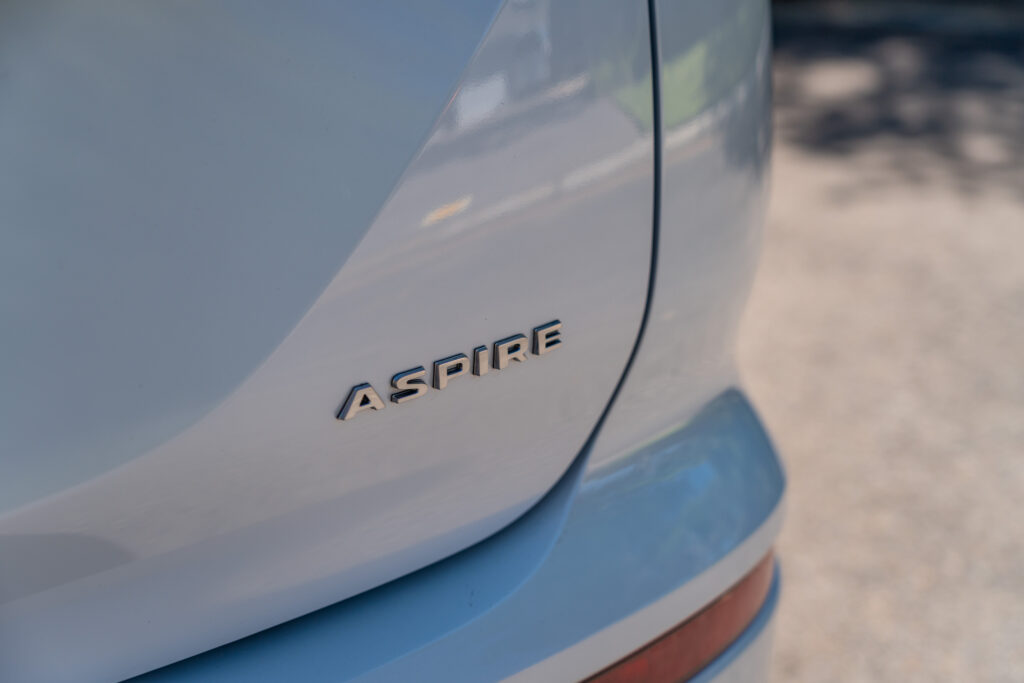
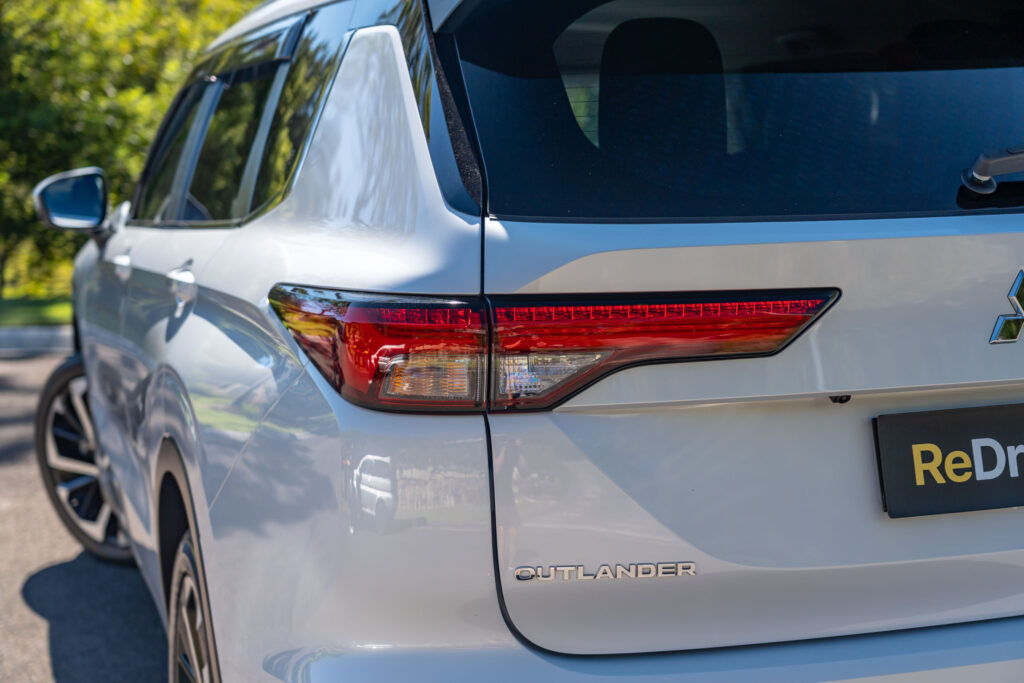

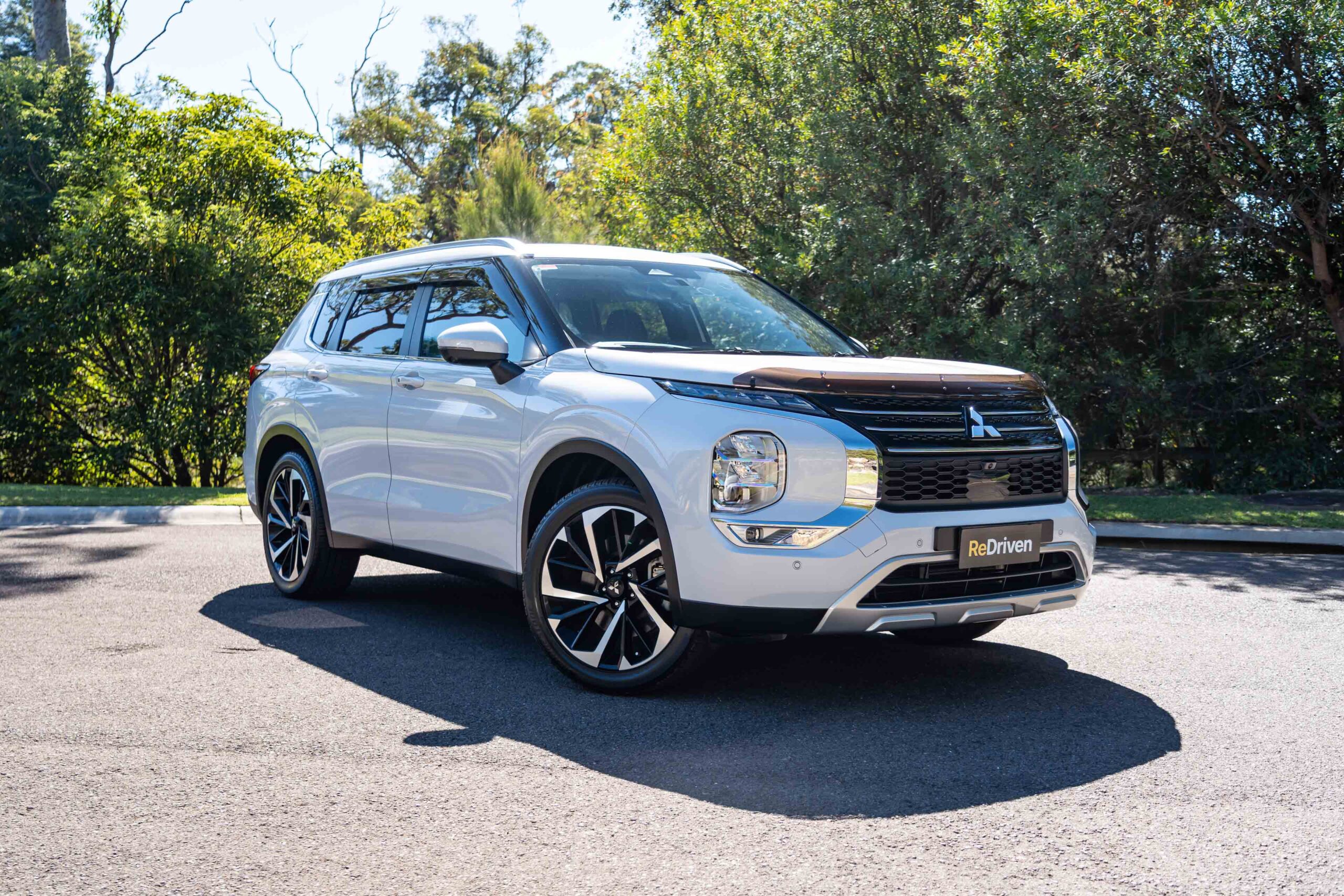
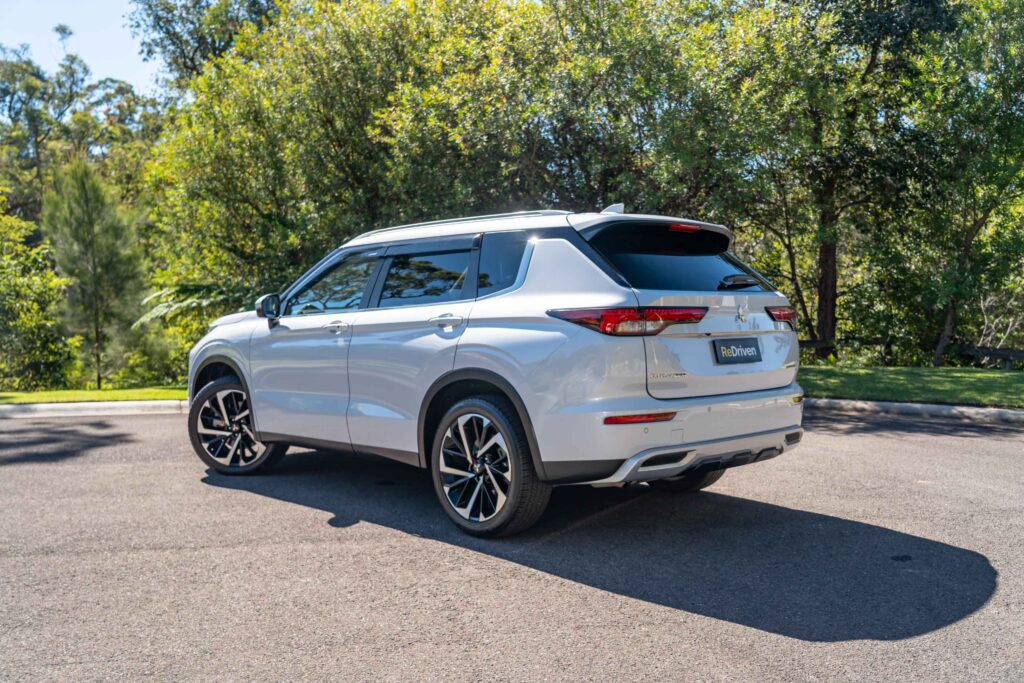
2024 Mitsubishi Outlander Aspire (2WD)

11 May 2026
Yes. But only the right example.

2024 Mitsubishi Outlander Aspire (2WD)

Used car review
11 May 2026
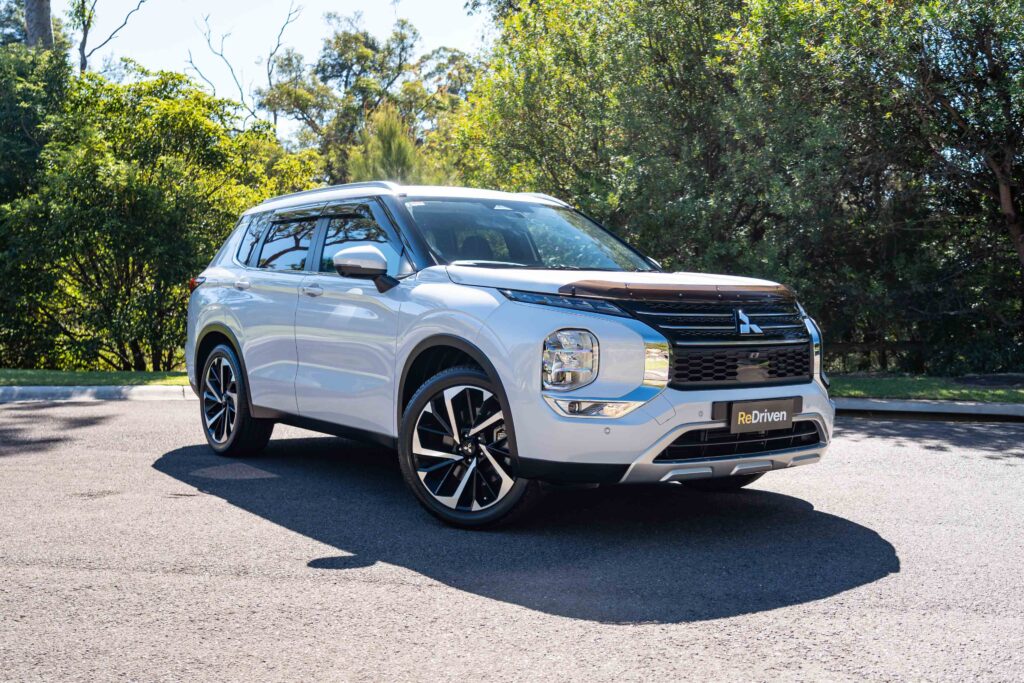
The fourth-generation Mitsubishi Outlander (also known internally as the ZM-generation) is the latest iteration of Mitsubishi’s crossover SUV, first arriving for the 2021 model year (a long-awaited successor to the third-gen Outlander, given the latter was in production for more than ten years!)
The fourth-gen Outlander represented a new era for the Outlander nameplate and Mitsubishi as a company, as it was developed in collaboration with fellow Japanese brand Nissan.
As a result, this Outlander shares a lot in common with the current-gen X-Trail (or Rogue as it’s known in other markets), including the platform, engines, and some interior features.
In fact, the North American-exclusive Nissan Rogue Plug-In Hybrid is essentially the Outlander PHEV underneath, but wearing Nissan badges where Mitsubishi ones used to be.
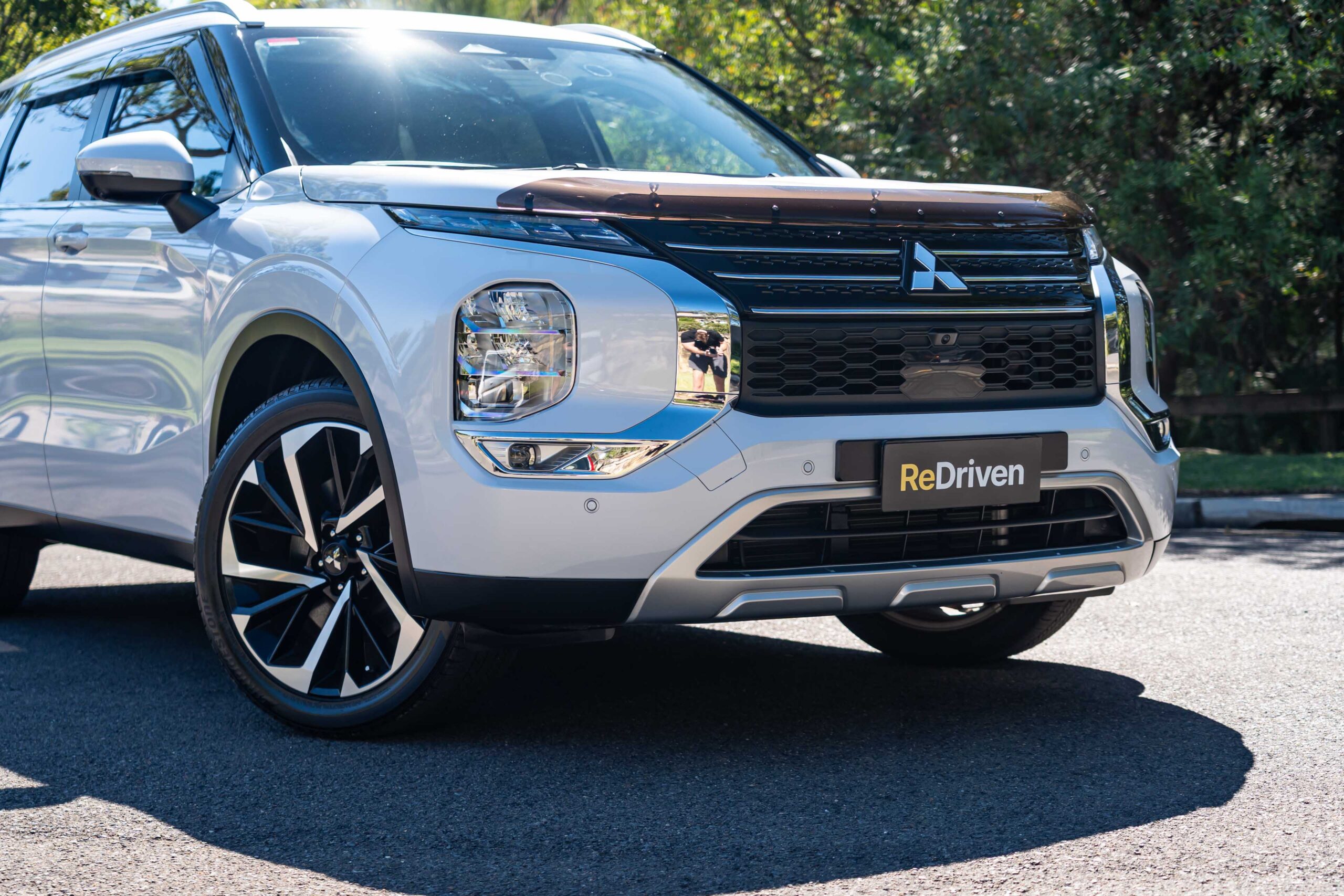
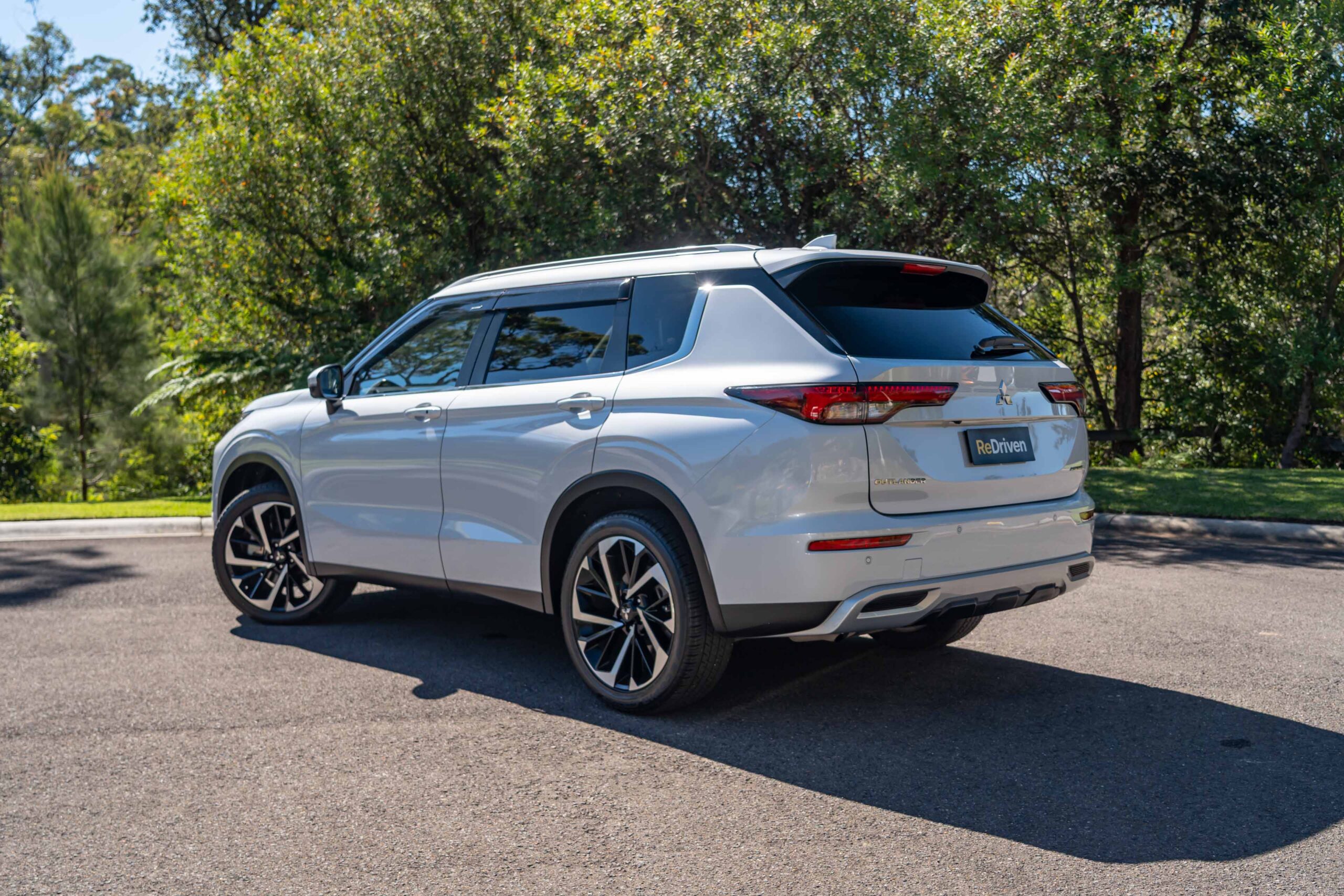
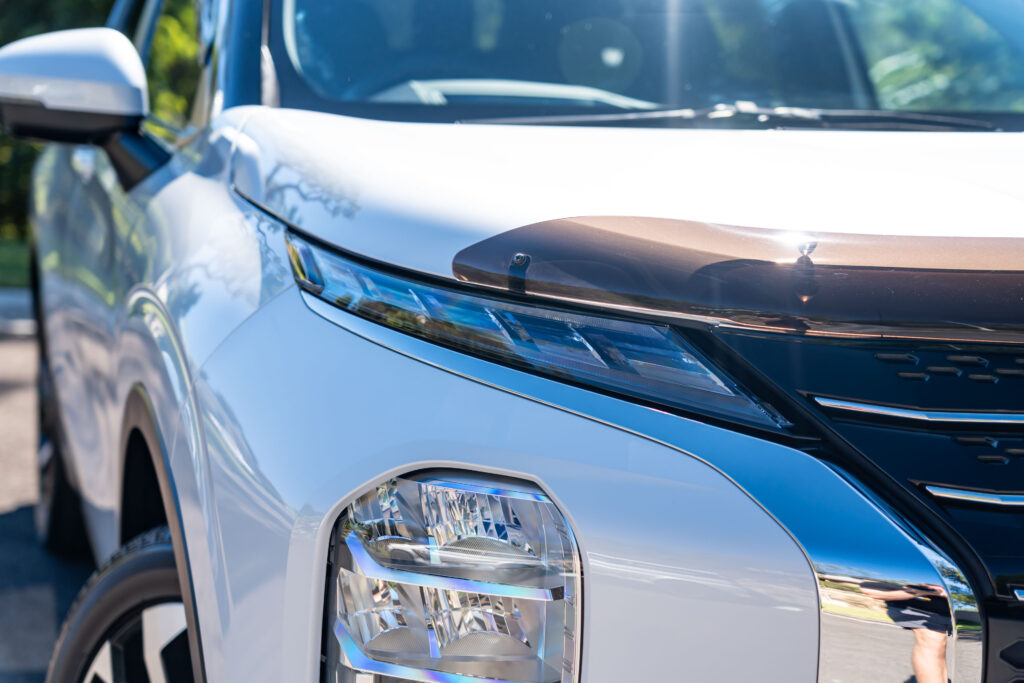
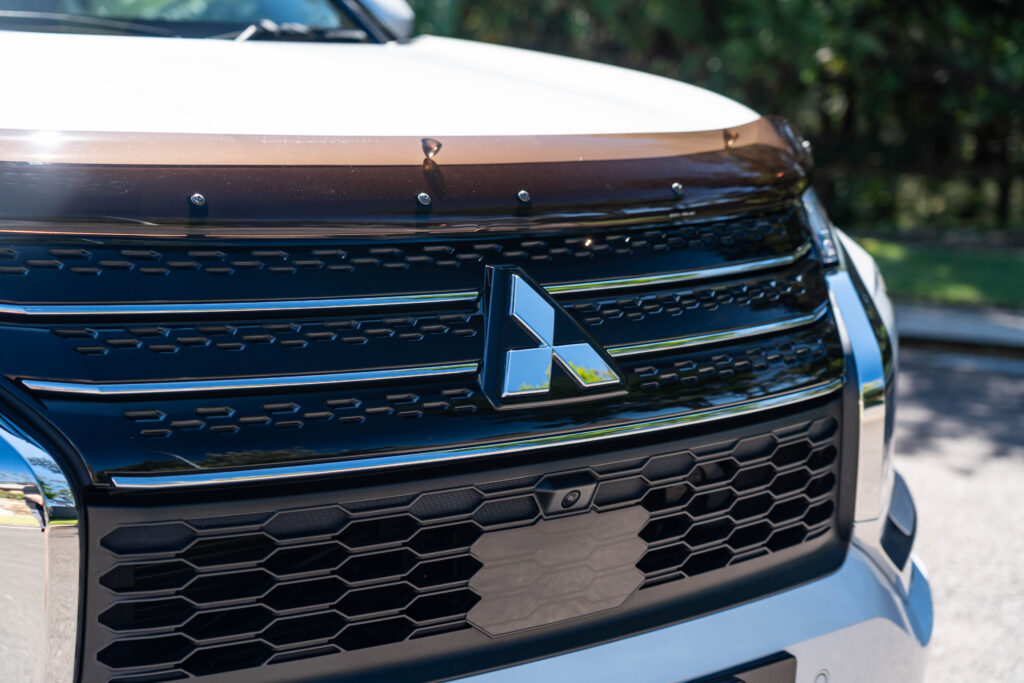
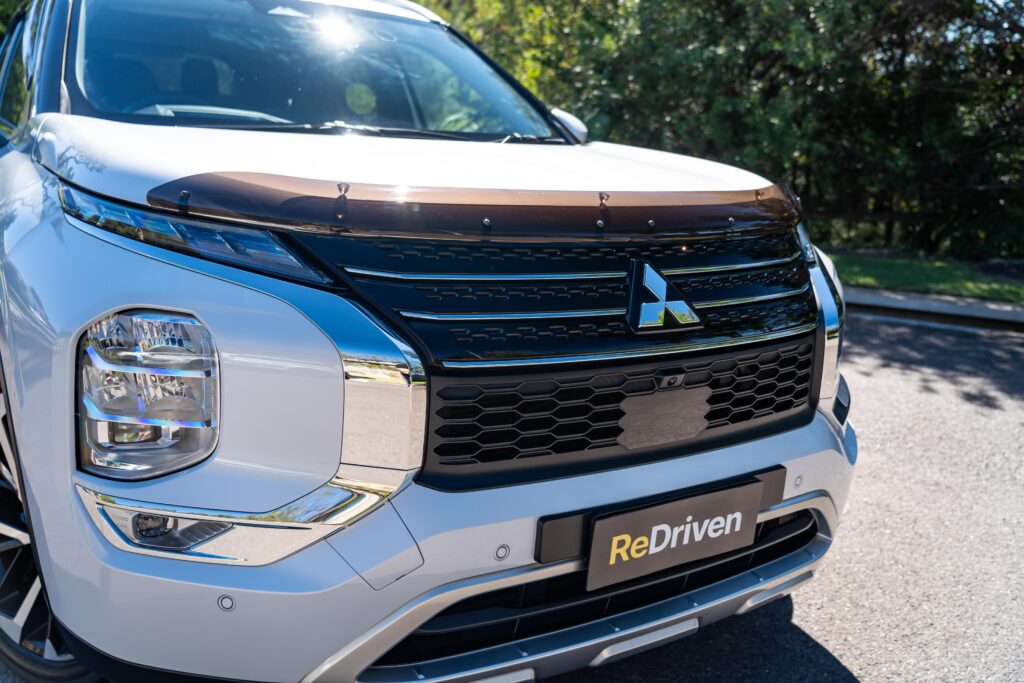
A midlife update was introduced in 2024 onwards (2026 for the PHEV), bringing slight updates to the exterior styling and cabin design, a larger infotainment screen (with a more powerful Yamaha audio system in higher trims), along with small improvements to the cabin insulation and suspension/steering.
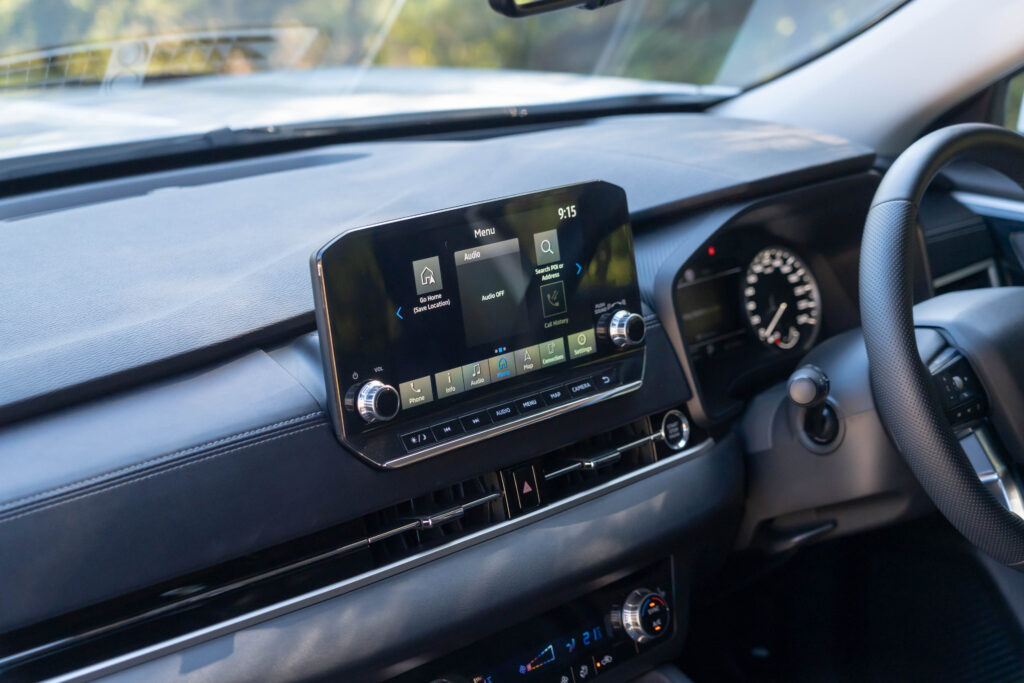
Mitsubishi has also added a slightly more powerful electric motor and larger battery pack for the PHEV variant 2026 onwards, improving acceleration and power output, and a slight increase to its EV range.
Powertrains for Australian models include a 2.5L naturally aspirated four-cylinder and a 2.4L four-cylinder plug-in hybrid, though in other markets, as part of the post-2025 refresh, a 1.5L turbo four-cylinder with mild hybrid assistance is also available.
Power is sent to the front (full petrol) or all four wheels (full petrol/PHEV) through a CVT automatic transmission, or unique to the PHEV, a direct drive/clutch system. Both Outlander variants also come in five and seven-seater configurations.
Exterior:
This iteration of the Outlander is still fairly new to Mitsubishi’s product range (or what remains of it), but some minor issues are beginning to creep up.
We’re told the sheet metal isn’t particularly thick, and as a result, body panels can be dented easily.
In addition, some report that the body paint can fade prematurely, especially on the top sections that receive a lot of UV exposure, like the roof. Therefore, any resprays to resolve these imperfections (even under warranty) may be documented as an insurance claim.
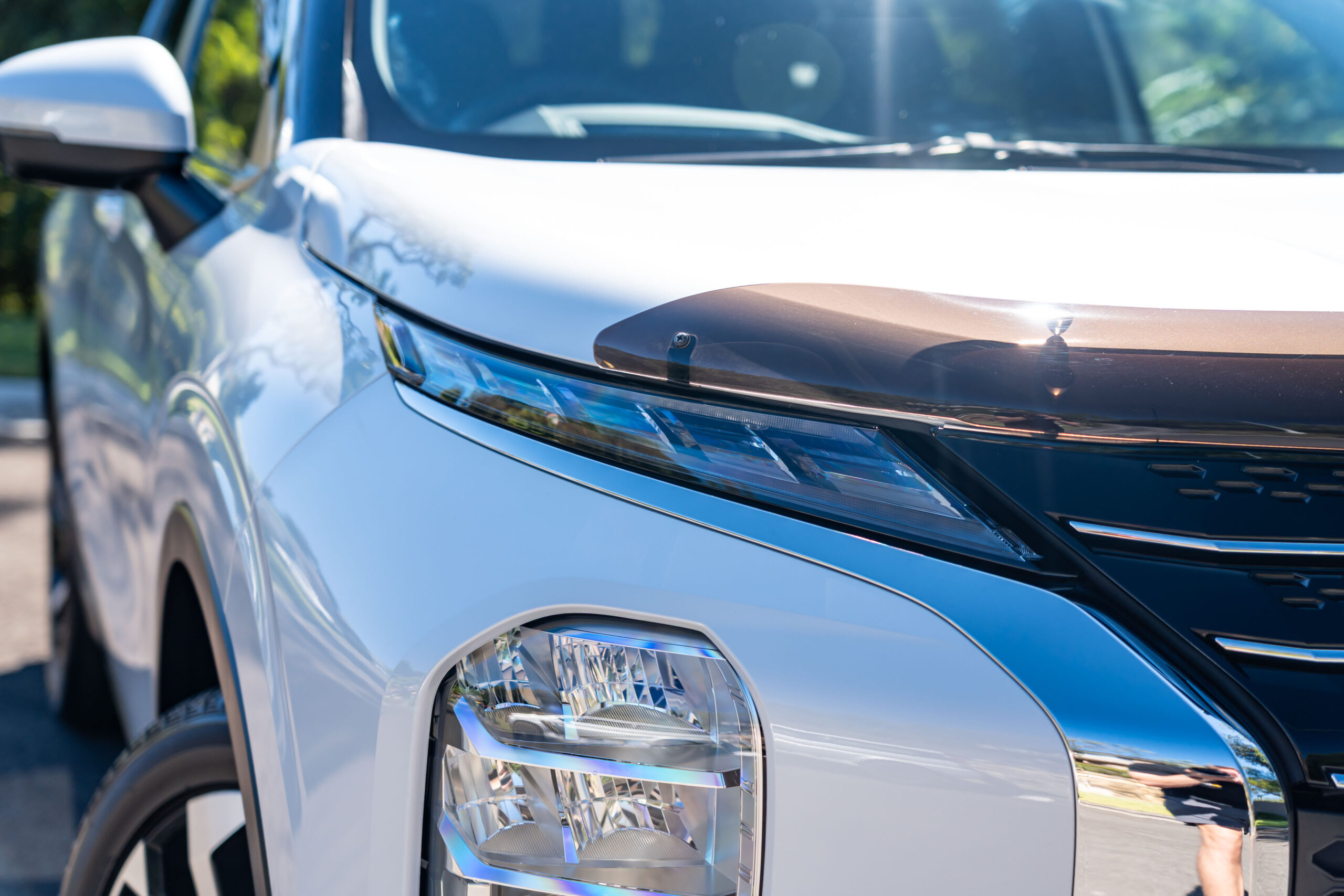
One minor note on post-update Outlanders is that Mitsubishi changed the front hood and fenders from aluminium to steel units, resulting in slight improvements to the body rigidity and cabin insulation.
Be cautious of any that might be hiding previous/undisclosed accident damage, as many Outlanders (especially older, entry-level models) have been used as hire or fleet cars in past lives.
The keyless entry can be a bit temperamental – issues aren’t too widespread, but some owners report the minor inconvenience of detecting their cars not detecting the keyfob within proximity of the doors, and the occasional case of being locked inside.
But beyond these minor cases, we struggled to find any serious complaints or gremlins affecting the exterior of the Outlander. Mitsubishi’s product range may not excite as it did in the past, but they remain Japanese-manufactured cars that are proving to be better constructed than more expensive European or American counterparts.
Interior:
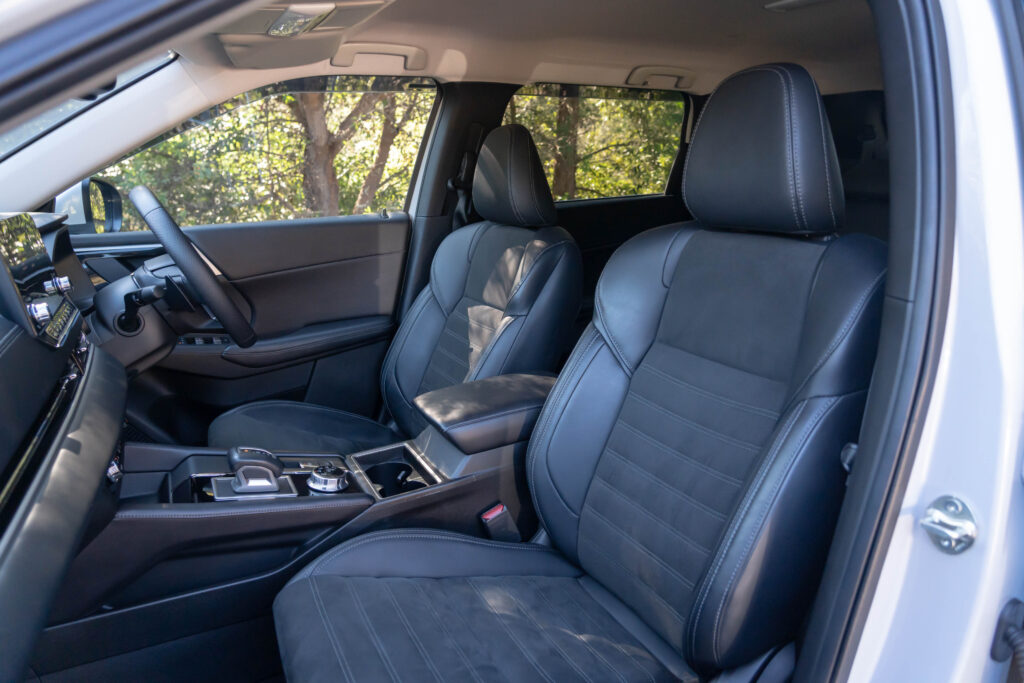
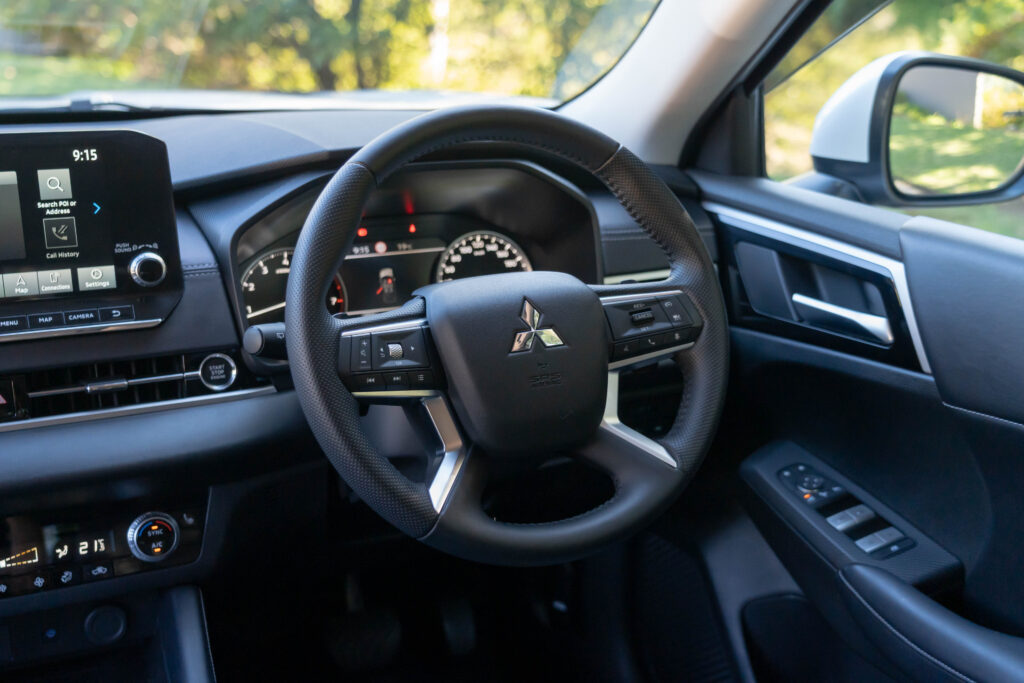
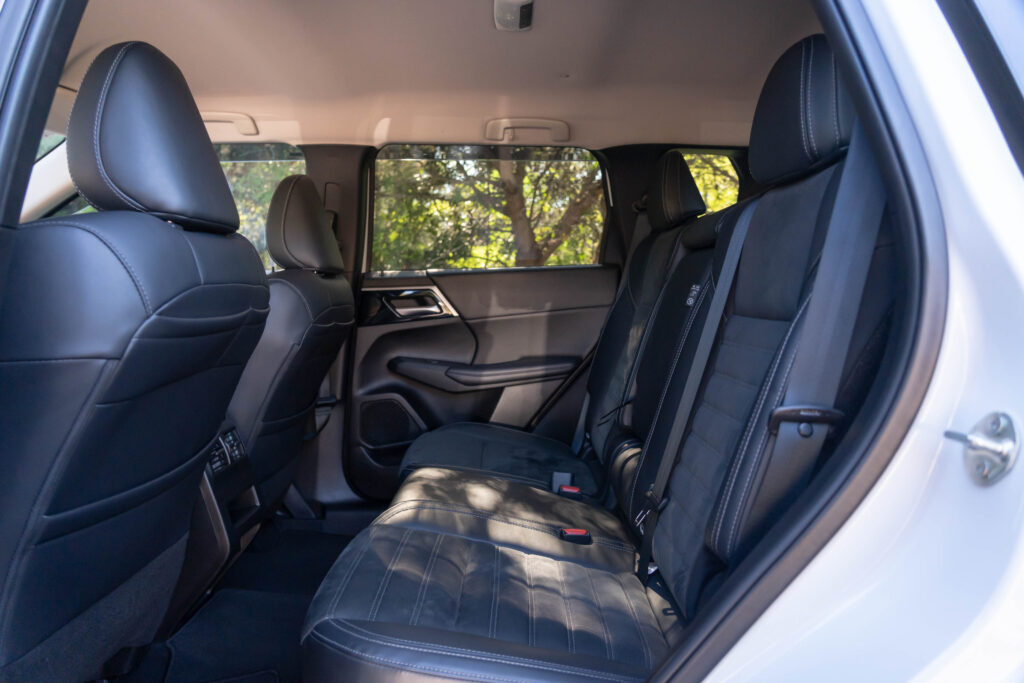
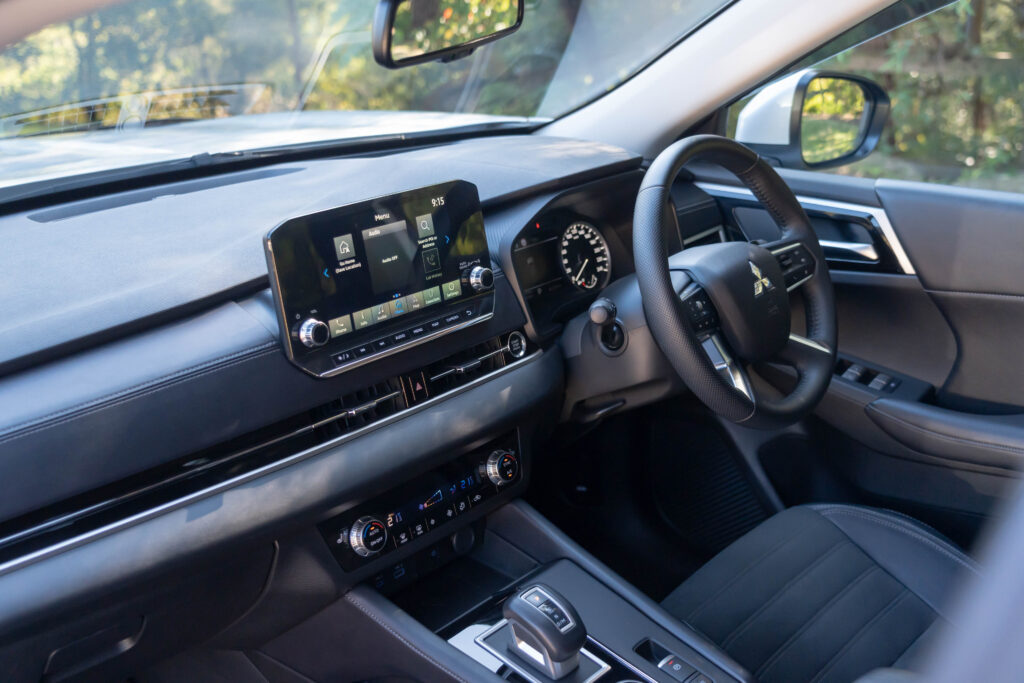
The inside is up-to-date as you expect from any modern-era vehicle, with good ergonomics for the driver and passengers in mind, and fairly premium materials than you might expect. They also come fairly well-equipped as standard, even on lower trims, when compared to most of its rivals.
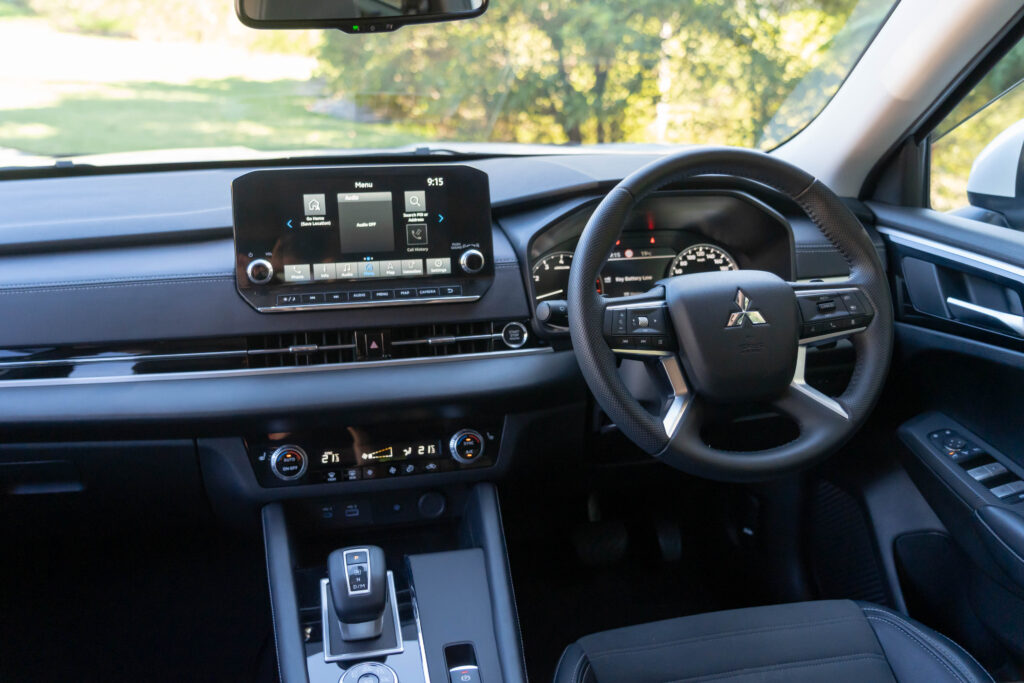
Some areas of the interior trim are beginning to report issues, such as the gloss black plastic sections, and the artificial ‘leather’ on the centre console is known to get a bit loose.
But these minor cases aside, owners we spoke to report the Outlander’s interiors are quite resilient and well constructed, especially lower-spec models that can hold up well against unruly, ‘younger’ passengers.
It’s worth mentioning that post-2023 Outlanders improved the cabin tech, and the latest refresh from 2025 onwards also brought better interior materials, sound deading, along with a more premium Yamaha sound system, which many owners compliment for their sound quality over the earlier models’ systems (top-line Outlander PHEVs notably have a Yamaha 12-speaker system with integrated subwoofer and digital signal processing).
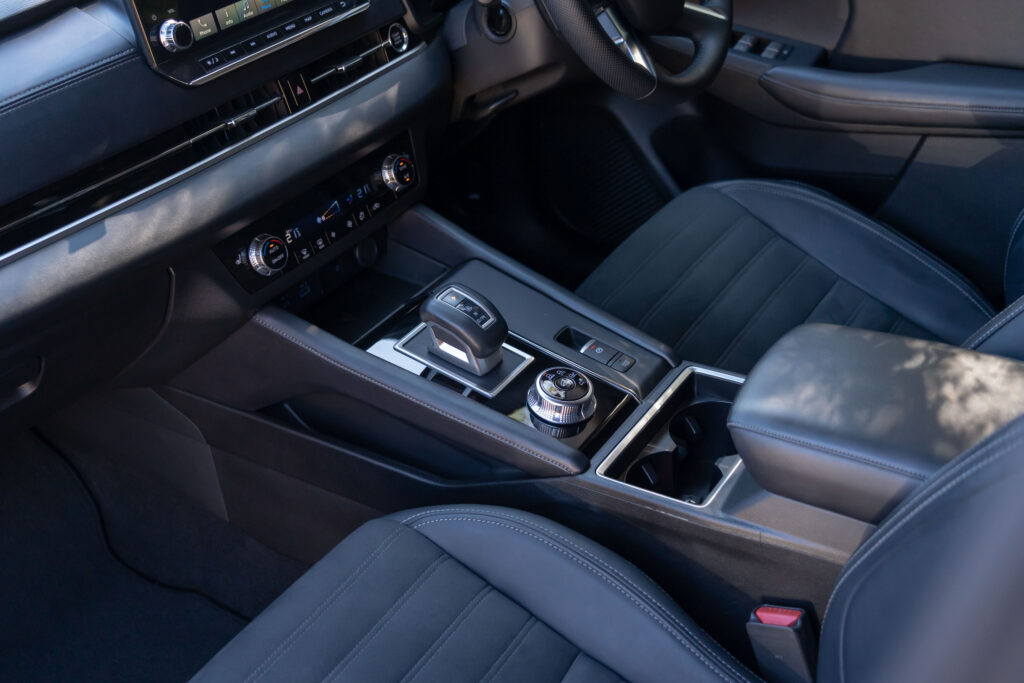
Also, while very minor, owners report Mitsubishi made small, but welcome improvements to the cabin design in post-update models to address complaints – namely the size of the armrest storage area, the cupholder location, and the shape of the wireless charging pad.
Sporadic issues can come up affecting the cabin tech features, such as the wireless charging pads operating inconsistently.
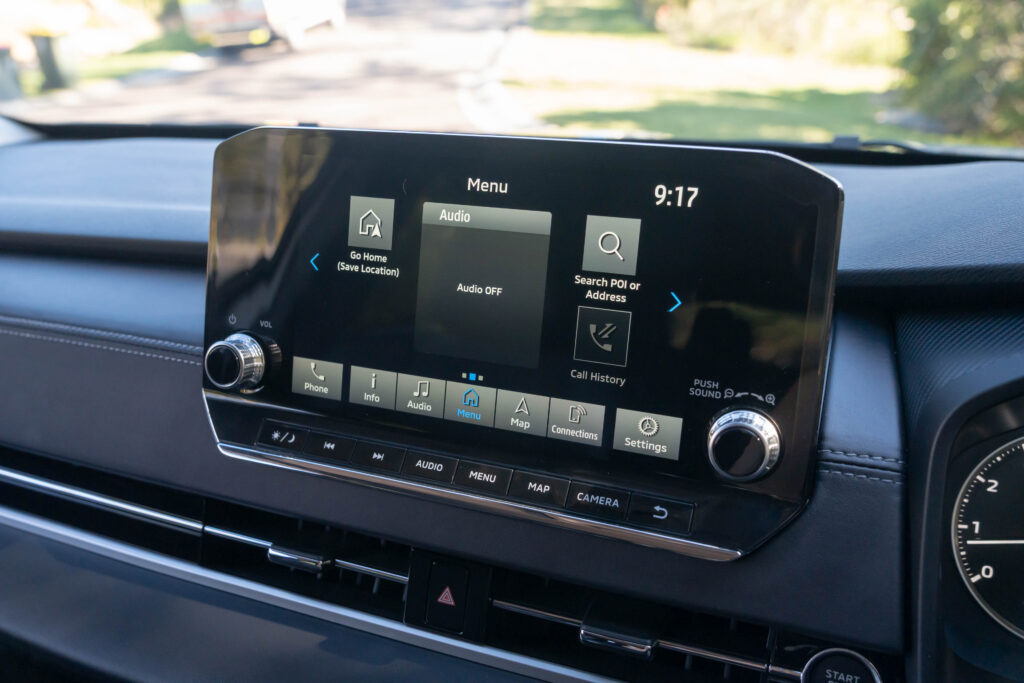
The infotainment screen can occasionally experience issues, as with modern-gen setups – freezing/blanking out, Apple CarPlay/Android Auto/Bluetooth connectivity dropping out, or glitches in the user interface.
Some early models have had the entire setup replaced under warranty, but in most cases, a software update puts them right, and they’re proving to be less troublesome than rival systems (eg. Toyota/Volkswagen), on top of being fairly user-friendly.
Mitsubishi offers a mobile app to access various connected services with the Outlander, such as the ability to pre-heat/cool the car remotely, but as with any software, it can have bugs or not work at all.
This iteration of the Outlander features a lot of ADAS and safety tech as standard, and while they can attract criticisms for annoying ‘warning’ sounds, we’re told their calibrations are not as sensitive as seen in other rivals.
Mechanical issues:
It’s worth highlighting that for the Australian market, Mitsubishi Australia offers the Outlander under its ‘Diamond Advantage’ ten-year warranty – which sounds great on paper, but certain, pre-determined servicing requirements and conditions must be met. So read the fine print carefully to avoid voiding the warranty.
Some owners report their Outlanders going through consumables, like brakes and suspension parts, faster than anticipated. For example, some have to replace the rear brake pads and rotors every 25,000 kilometres, with speculation that this is due to the electronic parking brake or the advanced torque vectoring systems wearing them down.
Also, given that the PHEV weighs more than the non-hybrid due to the inclusion of the battery powertrain (498 kg vs 320 kg), these might go through tyres quicker than their full petrol variants.
Owners also mention that it’s worthwhile to research aftermarket parts over OEM Mitsubishi parts when needed, as they can outlast and cost less than the latter.
While all-wheel drive is available for the Outlander, don’t expect it to offer any degree of off-road prowess – it’s an on-demand all-wheel drive system with no differential locks or low-range transfer cases.
Engines:
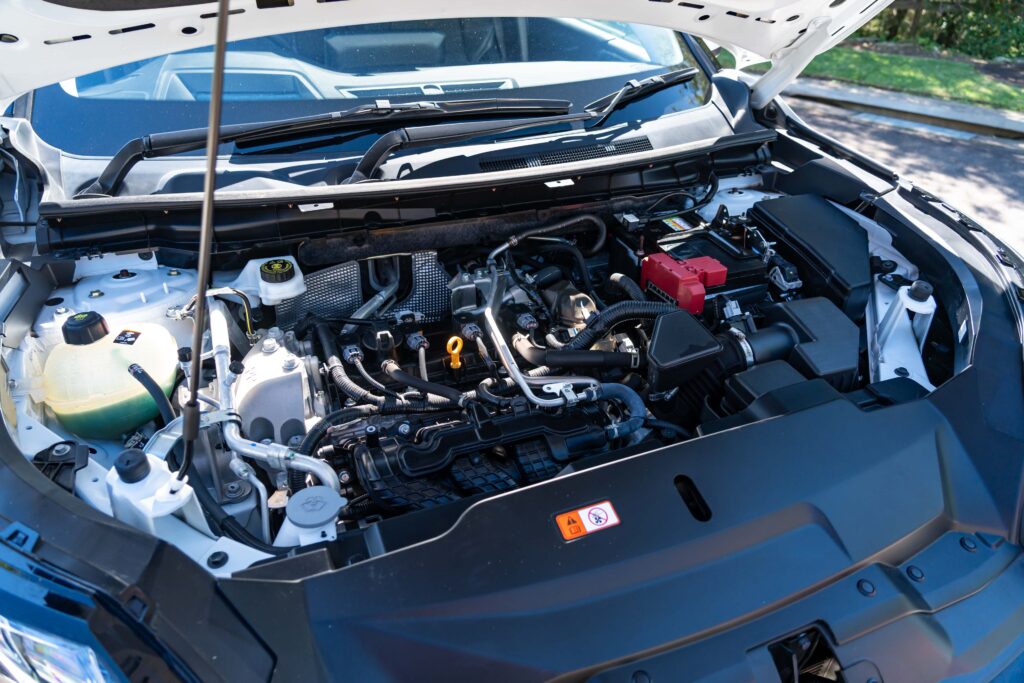
2.5L four-cylinder (PR25DD)
This is among the latest four-cylinder units produced by Nissan (PR-series) and is the same engine employed in the majority of Nissan X-Trail/Rogue models sold globally. It’s heavily based on the QR-series four-cylinder Nissan has been using for years, with a few updated internals to make it more efficient.
Some may be concerned over the mass recall issued for at least 400,000 units suffering bottom-end/engine failure, but note that this only applies to its Nissan application, not the Mitsubishi.
Currently, it’s still too new to gather any data regarding long-term reliability, but so far, they are proving to be trouble-free, even among the ‘oldest’ examples in the market. The good news is that the units assembled by Mitsubishi have a track record of better quality assurance over those assembled by Nissan (for now).
Problems that are beginning to come up are fairly random, ranging from EGR issues, fuel injector problems, and timing chain rattles, but these are all issues we also hear of affecting all kinds of modern cars.
There’s no consistent pattern or trend here when it comes to any widespread engine failure or components/parts suddenly not working, but it’s important to keep these serviced to or ahead of schedule, as prolonged service intervals can increase the likelihood of issues in the long run.
In short, there are no major risks or issues to be worried about – yet.
2.4L PHEV four-cylinder (4B12)
The 2.4L four-cylinder has been used as part of Mitsubishi’s hybrid powertrains since 2019, but the engine itself has been around for 20 years now, and it’s still proving to be a solid unit.
The PHEV powertrain does have a slight advantage over the full-petrol engine, thanks to more responsive acceleration off the line/at slower speeds, with the instant torque generated by the electric motor.
However, at higher speeds, some owners complain it can feel more restrained at the top end, as the electric powertrain reaches its limits.
Some believe that as the petrol engine is used less in a PHEV setup, it requires less servicing, but these can still experience their unique set of problems, namely, low-use engine problems.
As PHEV powertrains can potentially run the petrol engine infrequently, this can expose them to issues like stale fuel, repeated cold starts, and moisture/fuel contamination within the engine oil. Therefore, they still need to be serviced every 10,000 kilometres (just like their full petrol counterparts).
Over time, the PHEV’s petrol engine can also experience timing chain rattles, along with oil leaks from the valve cover (externally), or within the spark plug tubes (internally), leading to misfires.
Coil packs are another consumable that will need replacement over time.
The hybrid motors are quite reliable. The battery pack, as with any battery, will degrade over time – overall battery life/capacity will depend on factors like usage and how frequently it is recharged.
Some software/calibration issues can also come up, which can easily be resolved via software updates by Mitsubishi. Currently, they’re releasing regular updates and calibration adjustments to continually improve the efficiency of the powertrain.
Issues involving the main 12V battery can also develop, such as parasitic/irregular battery drain or, in some cases, the 12V battery not charging at all. In this setup, the 12V battery doesn’t get its charge from an alternator, but via a DC to DC converter from the main hybrid battery. At the moment, the control module, as well as software updates, are being covered under warranty.
Mitsubishi claims the PHEV can deliver up to 84 kilometers of pure electric range, but depending on various factors (temperature, driving style, battery health etc.) you may or may not realistically achieve those same figures.
Some owners also report experiencing the EV battery depleting in less than 30 minutes when driving at highway speeds.
Transmission:
Both the petrol and plug-in hybrid Outlander use a CVT, or continuously variable transmission, manufactured by Jatco (INVECS-III CVT), which also makes the CVTs in many Nissans that have an infamous reputation for destroying themselves.
The good news is that we struggled to find any reports of catastrophic issues within their application in the Mitsubishi, but it’s worth keeping an eye on how these hold up, on top of the usual CVT-specific gremlins (transmission slipping, etc.). Regular maintenance and avoiding neglect won’t make them bulletproof, but will benefit their overall longevity.
You can also eliminate any degree of towing capability, as owners have complained that the Outlander has no ‘towing mode’, and the CVT transmission is not suited to pull loads regardless.
Even for those who want to try, you still have to turn off a lot of the safety alerts/functions manually, which can be frustrating after a while.
Prices for the full petrol fourth-gen Mitsubishi Outlanders currently range between $20,000-$60,000, while the PHEV Outlanders range from $40,000 to $80,000.
It’s worthwhile to research which Outlander suits your lifestyle and budget, as the non-PHEV Outlander might be the smarter, long-term financial choice. While they offer some benefits, a plug-in hybrid might not be the best option for you (financially speaking).
Those concerned about range anxiety will find the plug-in hybrid reassuring compared to full EVs, as the petrol engine serves as a fallback when the battery runs out of charge.
But if you don’t find yourself charging the battery often (due to lack of charging infrastructure or parking situation), you’ll be carrying unnecessary, excess weight from the heavy, hybrid powertrain onboard that makes owning the PHEV model less efficient than its non-hybrid sibling.
Plus, being a plug-in hybrid (depending on where you’re located), insurance premiums might be higher than those of the non-hybrid Outlanders, on top of the PHEVs carrying a higher price tag on the used market. Some owners we spoke to even calculated it could take at least 10 years to break even in ownership costs with a PHEV Outlander versus the non-hybrid.
As a result, you may want to consider other standard, petrol hybrid SUVs in this segment, like the Toyota RAV4; if you want a just-as, or more fuel-efficient SUV for less or roughly the same amount of money.
Simultaneously, if you want a slightly more ‘fun’ family mover to drive, those from Mazda (CX-9, CX-70/80/90) might be more appealing.
The fourth-gen Mitsubishi Outlander may not stand out in aesthetics or excite behind the wheel, but if you’re in the market for a family vehicle, ideally, you’re looking for something that can do everything for great value for money, affordable to own and maintain; all of which the Outlander does brilliantly.
Among other used models in this segment, the Outlander is a reasonably-priced ‘jack of all trades’ if you’re looking for an all-rounder that’s relatively practical, generously equipped, and built to a decent standard.
Take the time to find a good example, no matter what powertrain it has, and pay for a pre-purchase inspection to confirm it’s in good health, and this Mitsubishi SUV should be a safe choice.


Co-creator, presenter & writer, ReDriven

Yes. But only the right example.
 2 weeks ago
3 weeks ago
2 weeks ago
3 weeks ago
 4 weeks ago