Likes

  • Driving experience is SO enjoyable
  • All the performance car anyone really needs
  • A rare sight on Aussie roads, so if you like exclusivity…

Dislikes

  • Parts can be difficult to come by
  • Made by Renualt, so not the best reputation for reliability

Stuff you should know

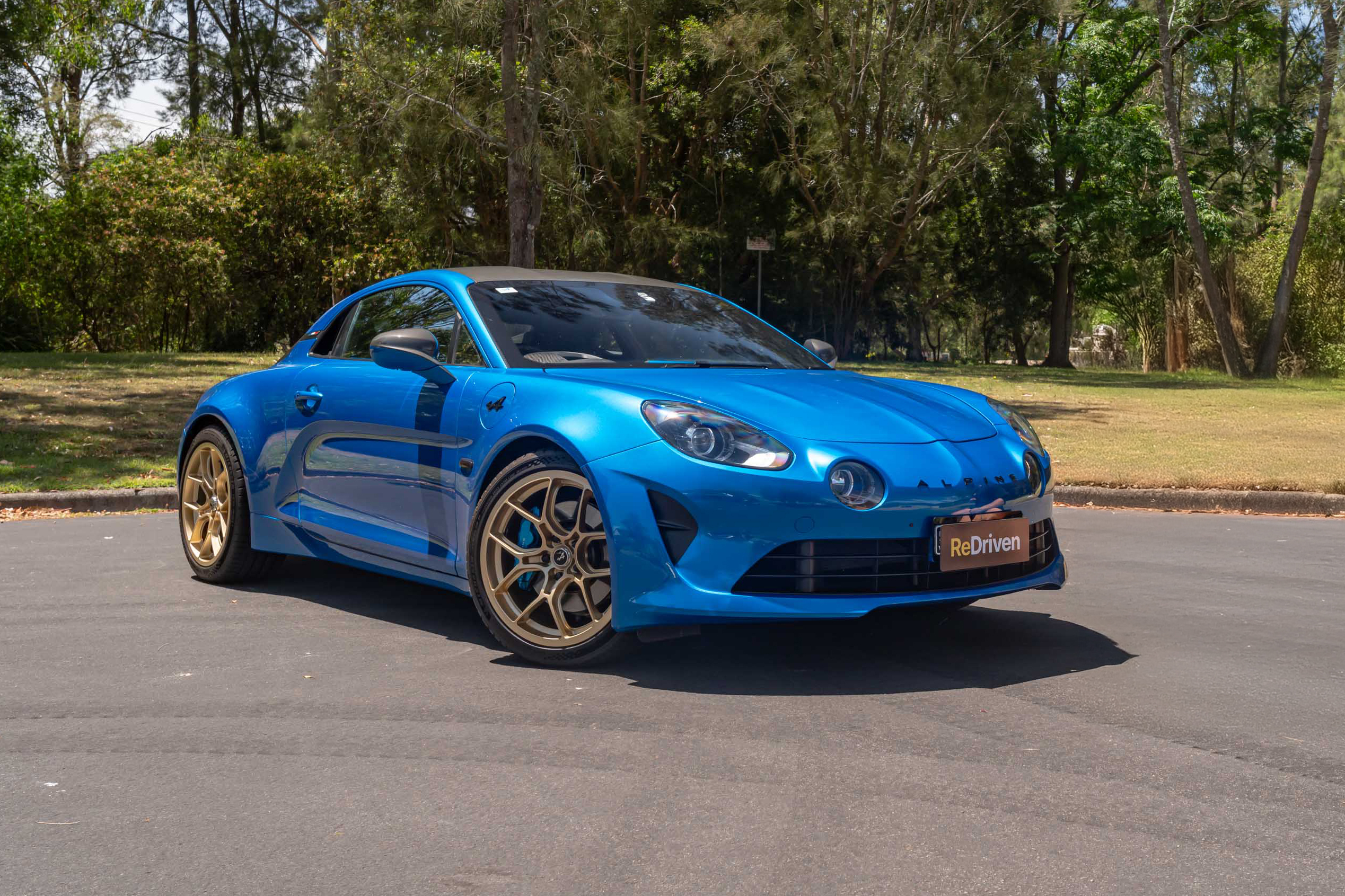
The Alpine A110 nameplate originally applied to a French sports car made during the 1960-70s, and following the Alpine brand’s resurrection in the mid-2010s, was reintroduced in 2017 as a mid-engined, rear wheel drive sports coupe.

Among other equivalent sports cars, the French-engineered midship’s rivals include other compact sports cars, such as the Mazda MX-5, along with fellow mid-engined models like the Lotus Elise/Exige/Emira and the Porsche Boxster/Cayman.

All A110s, Australian-market included, featured the same powertrain combination: a 1.8L turbocharged inline four-cylinder paired with a 7-speed dual clutch automatic, though with varying power outputs; standard A110s produced 185 kW (249 hp), while the A110 S and R variants increased it to 221 kW (296 hp).

Furthermore, the Australian market only received four variants, but internationally, especially in its native Europe, there have also been various other models and limited edition variants, including a track-focused ‘A110R’ that adds better aero parts, lightweight wheels, and more optimised chassis tuning; Formula One fans in particular may also be keen on the ultra limited-grade Enstone or Fernando Alonso models.

Various motoring journalists and media outlets praised the A110 as being one of the most exciting models enthusiasts could buy in today’s market at its debut, but as a secondhand purchase, especially as a French-engineered car, is it still worthy of all that glamour and praise?

What goes wrong?

Exterior Issues:

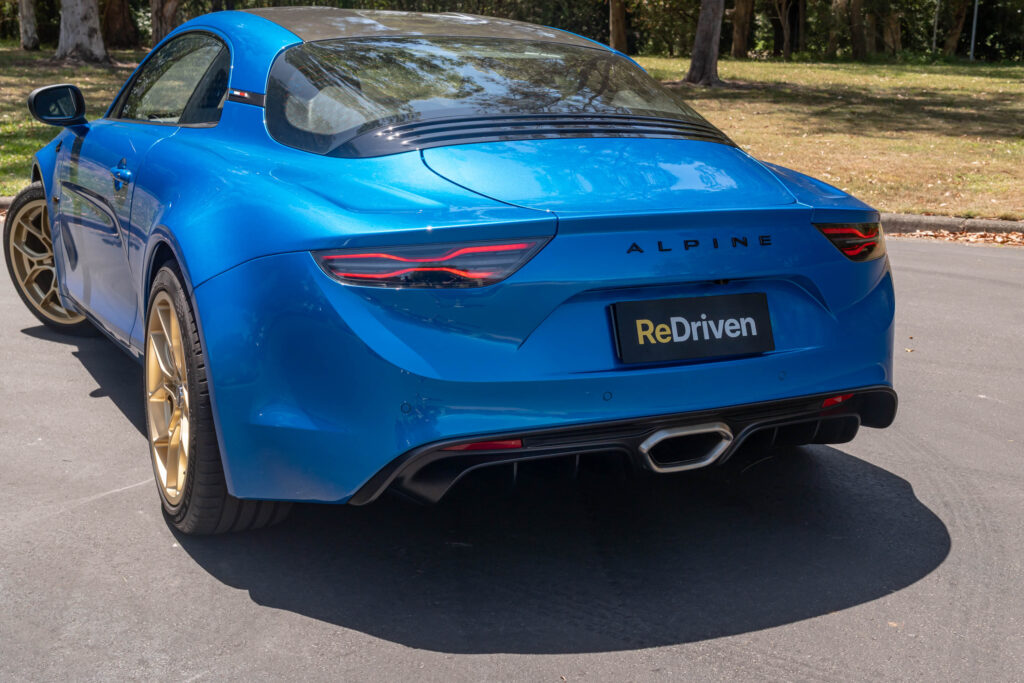
The A110 weighs very little thanks to a body, chassis, and suspension setup largely constructed out of aluminium, which greatly benefits its performance, but this might present some issues over time.

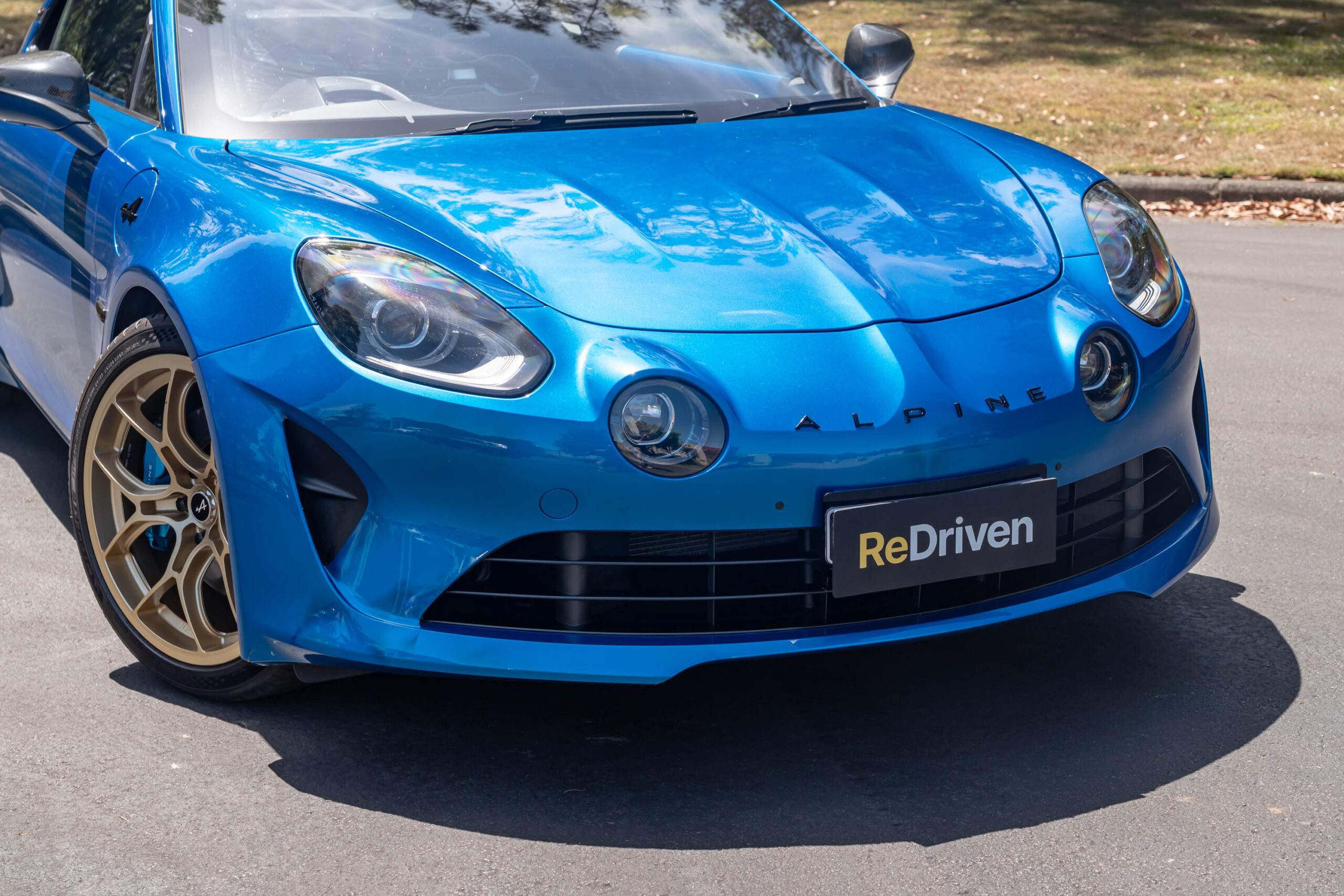
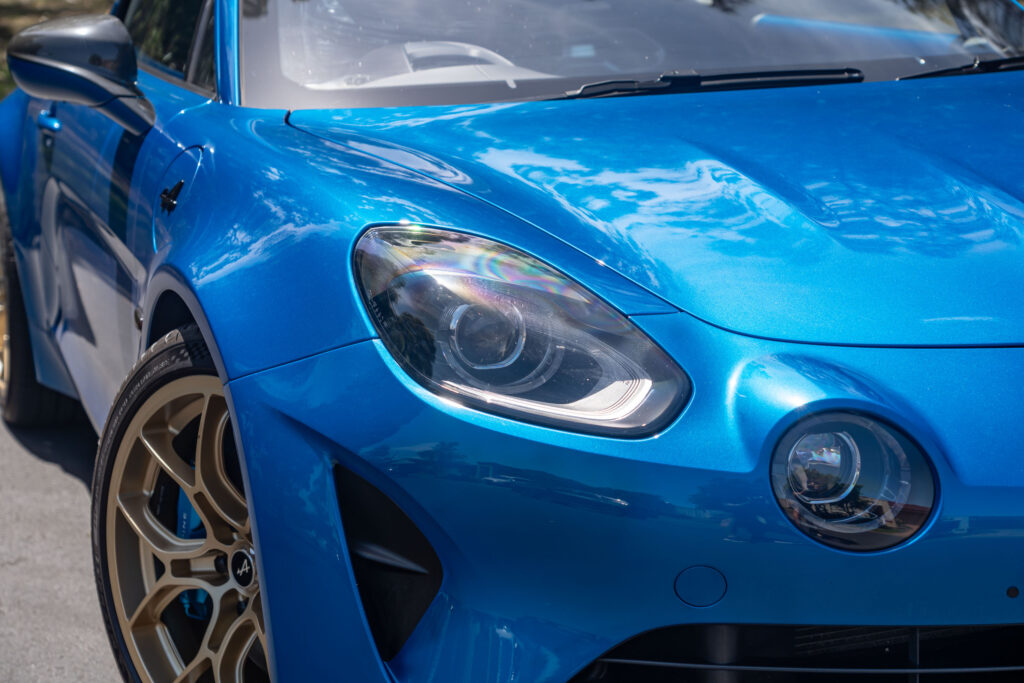
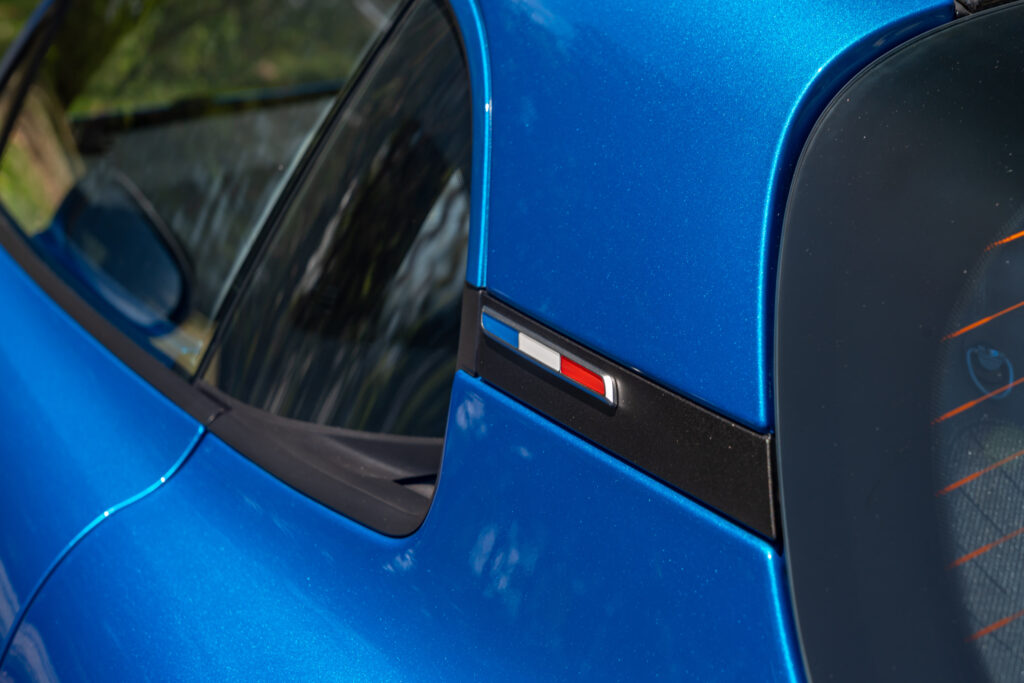
Most of the body is proving to hold up fine, even in hot climates like Australia, but its worthwhile to carefully inspect for any imperfections – check that the paintwork isn’t bubbling, all of the panels are aligned, none of the trim pieces are missing, and the clearcoat still shines under light.

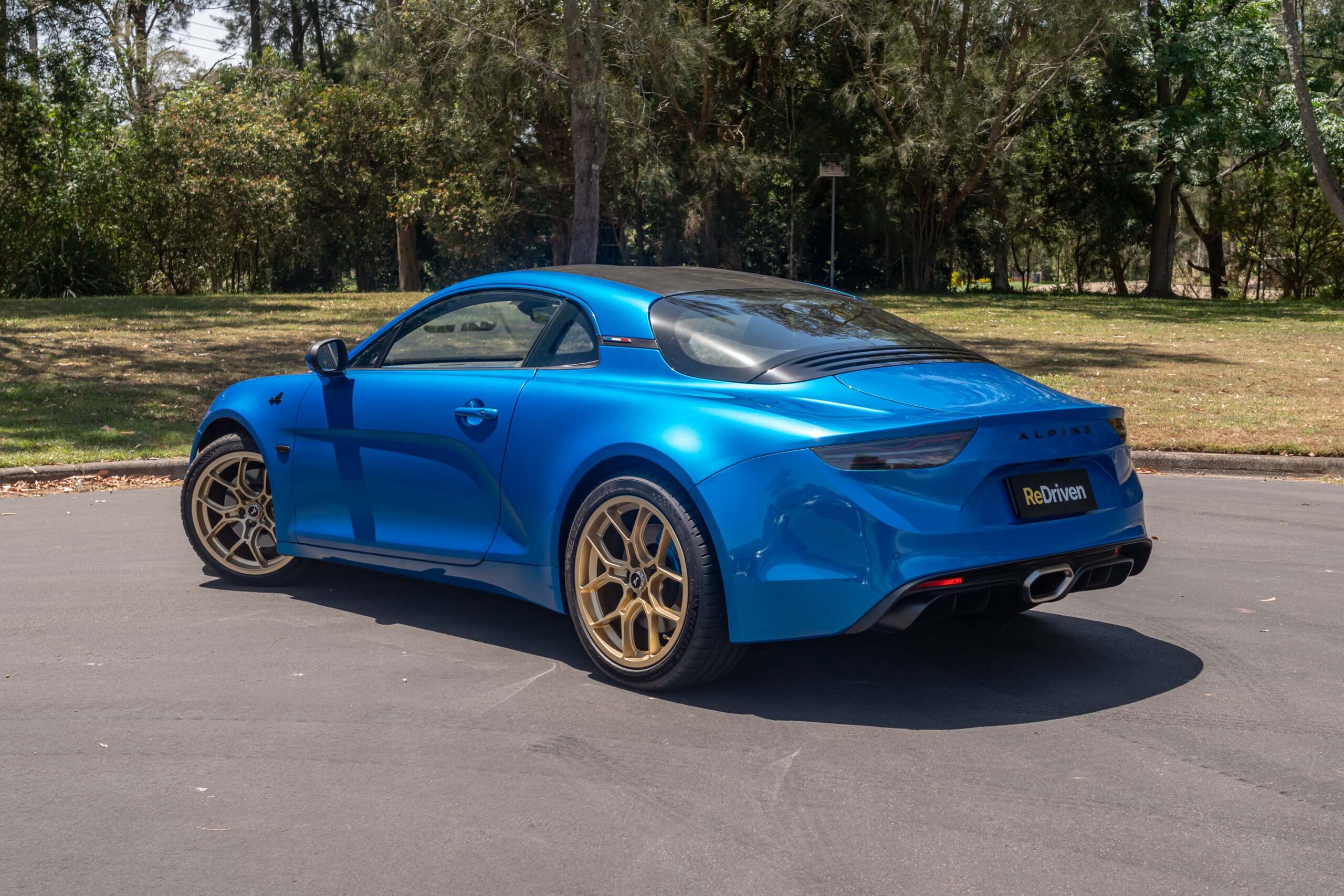
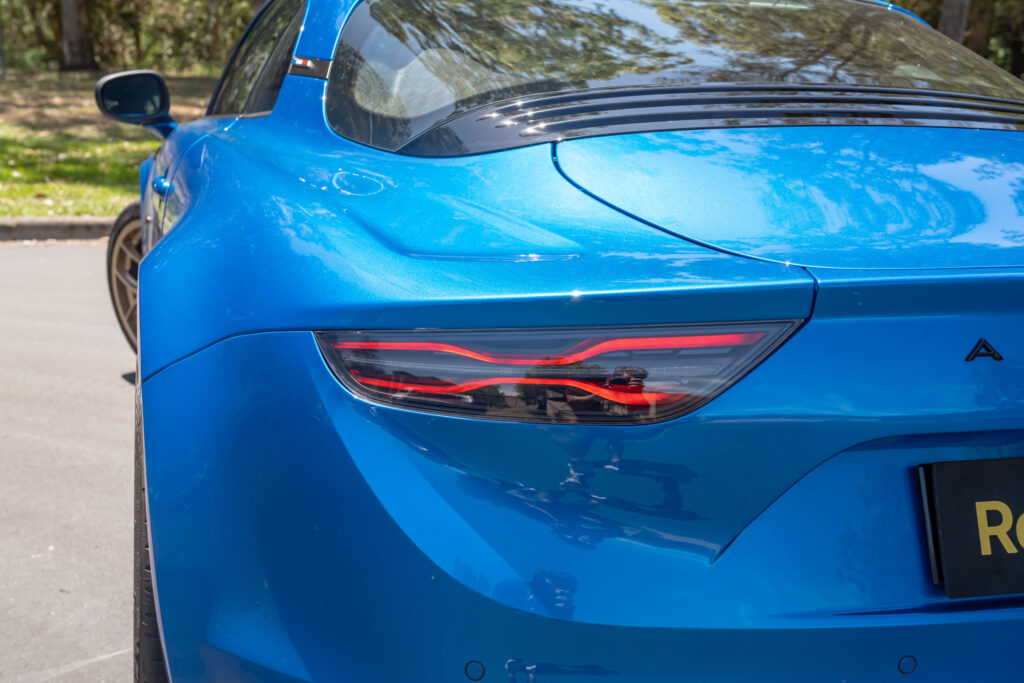
One common weak spot among A110s is around the rear wheel arches and where it meets the rear bumper, and where the rear bar is attached – check how it’s holding up, as it can suffer from corrosion easily.

Interior Issues:

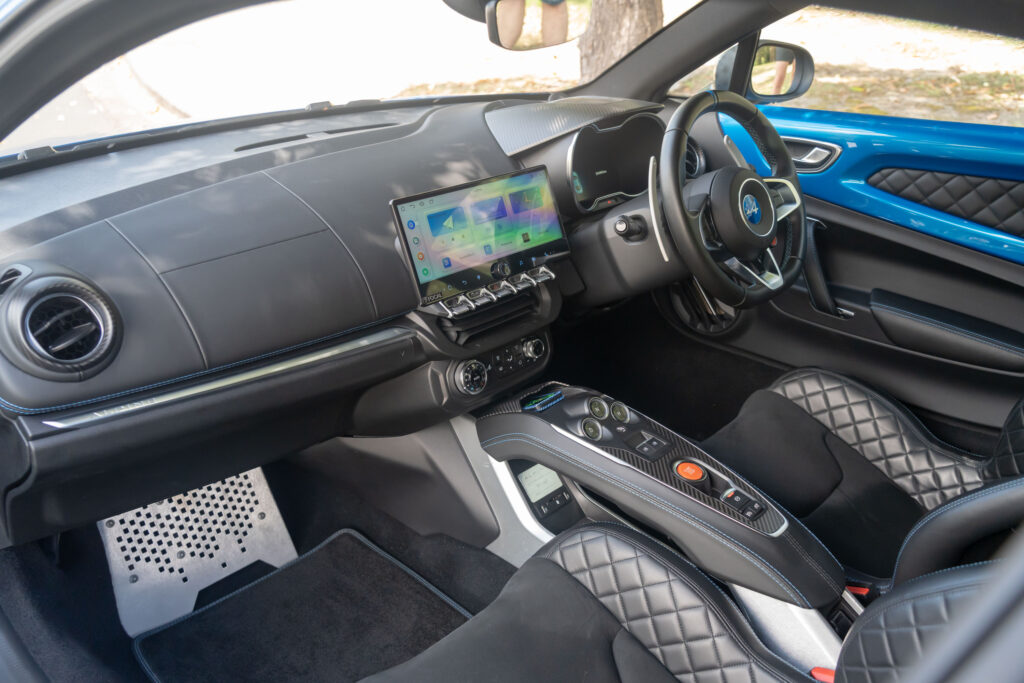
To keep the A110 as lightweight as possible, compromises had to be made within the cabin design during the car’s development, which may be noticeable through general use of the car.

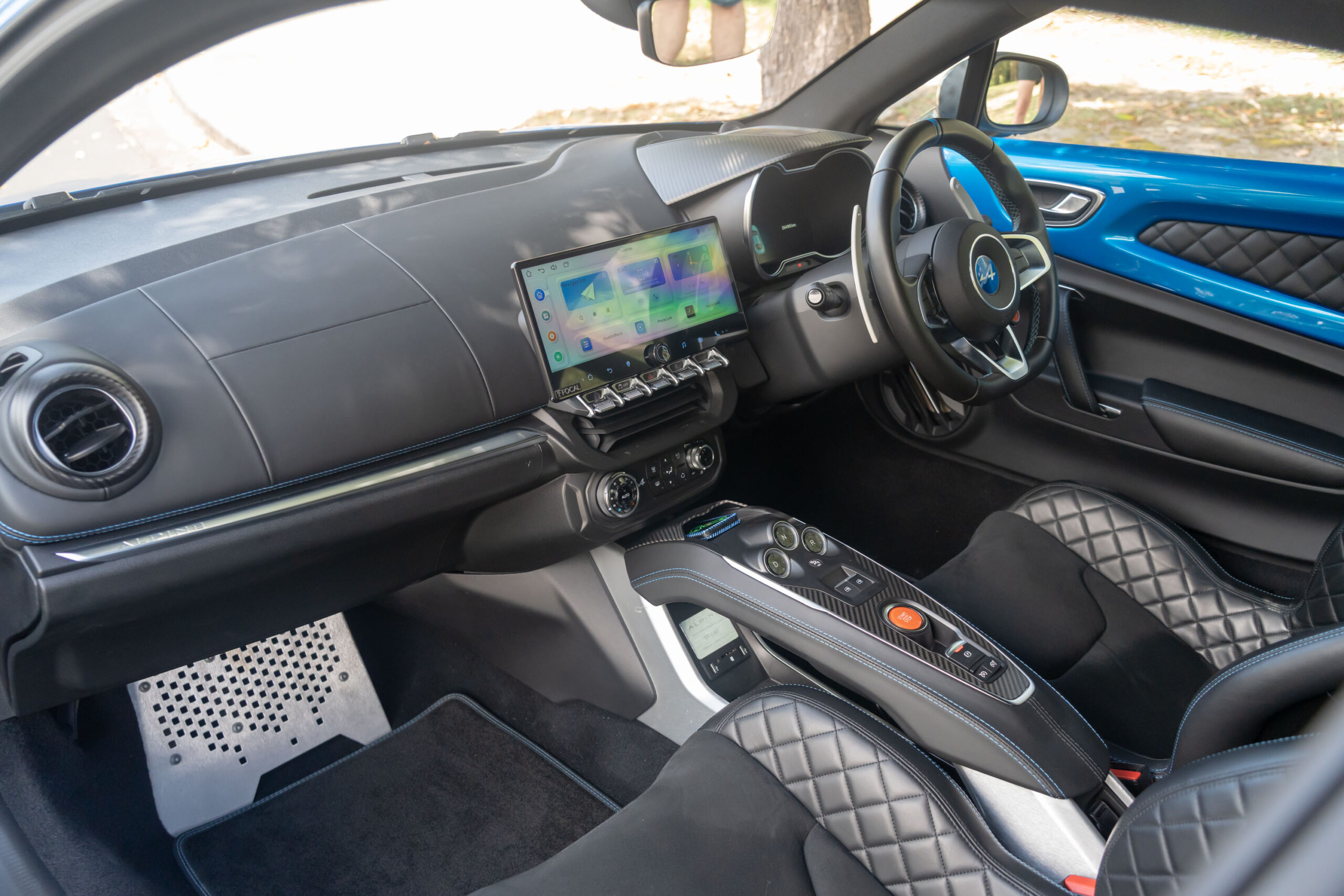
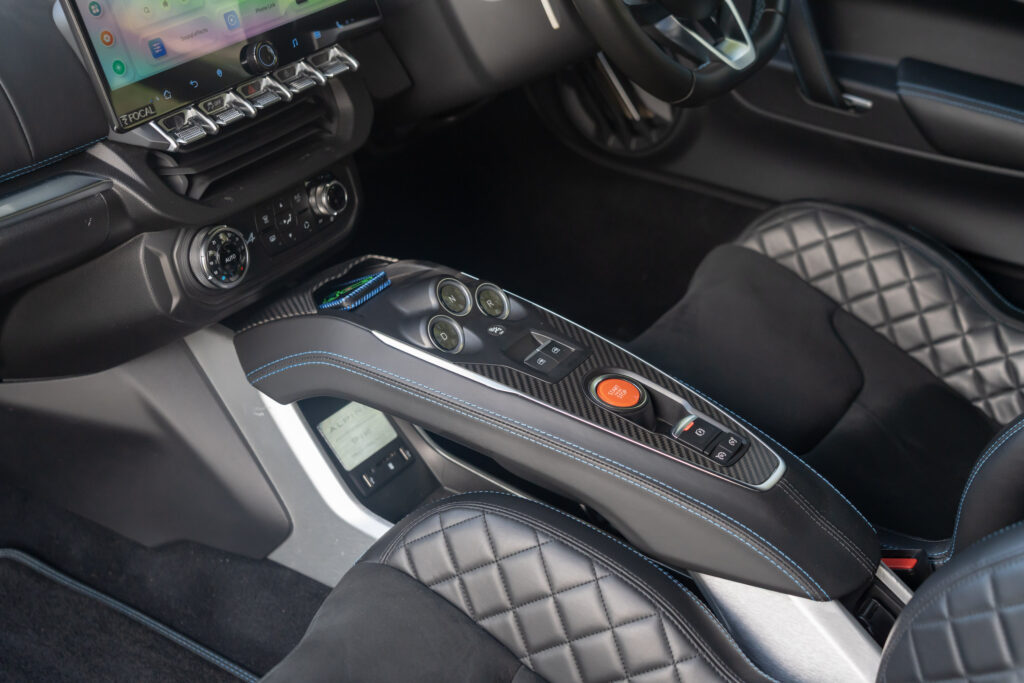
For a premium sports car, there is more plastic material than you might expect – we’ve heard from owners that certain areas, from switchgear and buttons, can feel quite cheap as well as interior sections rattling more often than you might expect from a ‘premium’ sports brand.

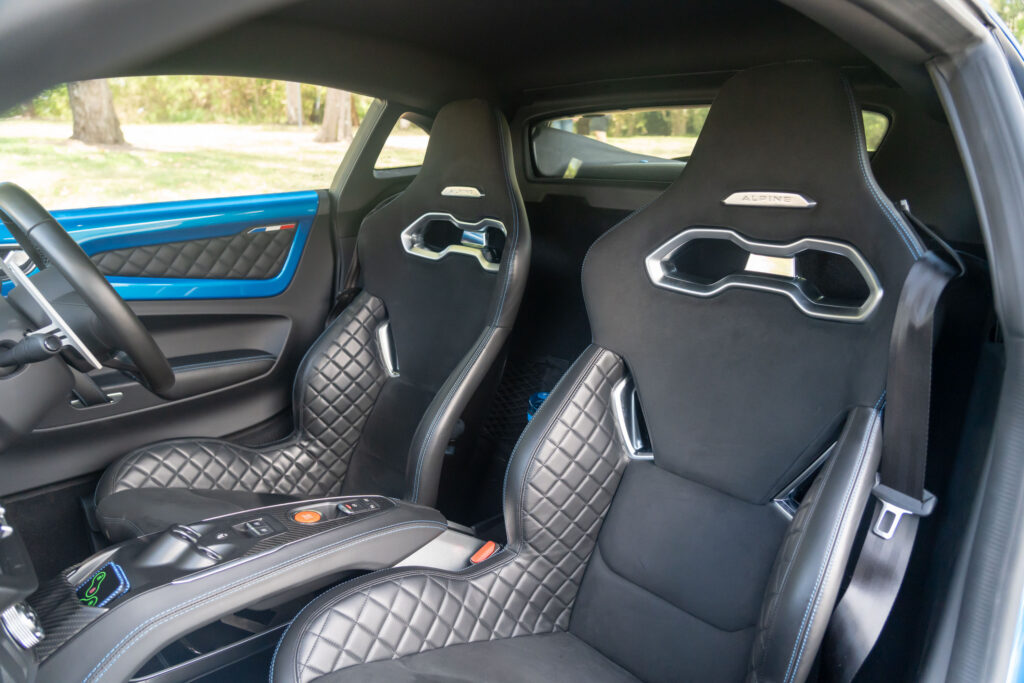
Common areas include the center console (which is attached in a fairly loose fashion), creakiness from the door hinges, and the leather on the specially-designed Sabelt leather bucket seats wrinkling.

Early models are also known to have fairly weak rubber seals, especially around the rear boot and windows, where they either don’t hold up at all or easily let in water from the outside.

But keep in mind, the A110 is a low-volume sports car, so occasional build quality issues are to be expected, and most of these imperfections should have been resolved under warranty.

Sporadic issues affecting equipment or features powered by electricity are worth looking out for – check everything works without any faults, such as the air conditioning controls, door locks, and power windows. One unique gripe we’ve been told of is that to operate features like the windows, the engine has to be running to maintain power for the electrics. Not even putting the car in ‘accessory’ mode will allow them to work. This may present some issues if say, the windows are lowered, and you’re caught in poor weather, but the engine cannot be started up.

If you do encounter issues with the cabin electronics, it’s likely due to battery drainage or a battery nearing the end of its life – most Alpines aren’t daily drivers, so owners will likely have left them sitting for extended periods, leaving their batteries to drain over time. If you are planning for an A110

Exterior Issues:

The A110 weighs very little thanks to a body, chassis, and suspension setup largely constructed out of aluminium, which greatly benefits its performance, but this might present some issues over time.

Most of the body is proving to hold up fine, even in hot climates like Australia, but its worthwhile to carefully inspect for any imperfections – check that the paintwork isn’t bubbling, all of the panels are aligned, none of the trim pieces are missing, and the clearcoat still shines under light.

One common weak spot among A110s is around the rear wheel arches and where it meets the rear bumper, and where the rear bar is attached – check how it’s holding up, as it can suffer from corrosion easily.

Interior Issues:

To keep the A110 as lightweight as possible, compromises had to be made within the cabin design during the car’s development, which may be noticeable through general use of the car.

For a premium sports car, there is more plastic material than you might expect – we’ve heard from owners that certain areas, from switchgear and buttons, can feel quite cheap as well as interior sections rattling more often than you might expect from a ‘premium’ sports brand.

Common areas include the center console (which is attached in a fairly loose fashion), creakiness from the door hinges, and the leather on the specially-designed Sabelt leather bucket seats wrinkling.

Early models are also known to have fairly weak rubber seals, especially around the rear boot and windows, where they either don’t hold up at all or easily let in water from the outside.

But keep in mind, the A110 is a low-volume sports car, so occasional build quality issues are to be expected, and most of these imperfections should have been resolved under warranty.

Sporadic issues affecting equipment or features powered by electricity are worth looking out for – check everything works without any faults, such as the air conditioning controls, door locks, and power windows. One unique gripe we’ve been told of is that to operate features like the windows, the engine has to be running to maintain power for the electrics. Not even putting the car in ‘accessory’ mode will allow them to work. This may present some issues if say, the windows are lowered, and you’re caught in poor weather, but the engine cannot be started up.

If you do encounter issues with the cabin electronics, it’s likely due to battery drainage or a battery nearing the end of its life – most Alpines aren’t daily drivers, so owners will likely have left them sitting for extended periods, leaving their batteries to drain over time. If you are planning for an A110 to serve as an occasional leisure car, it’s worthwhile to plug it into a decent trickle charger to prevent any excessive battery drain.

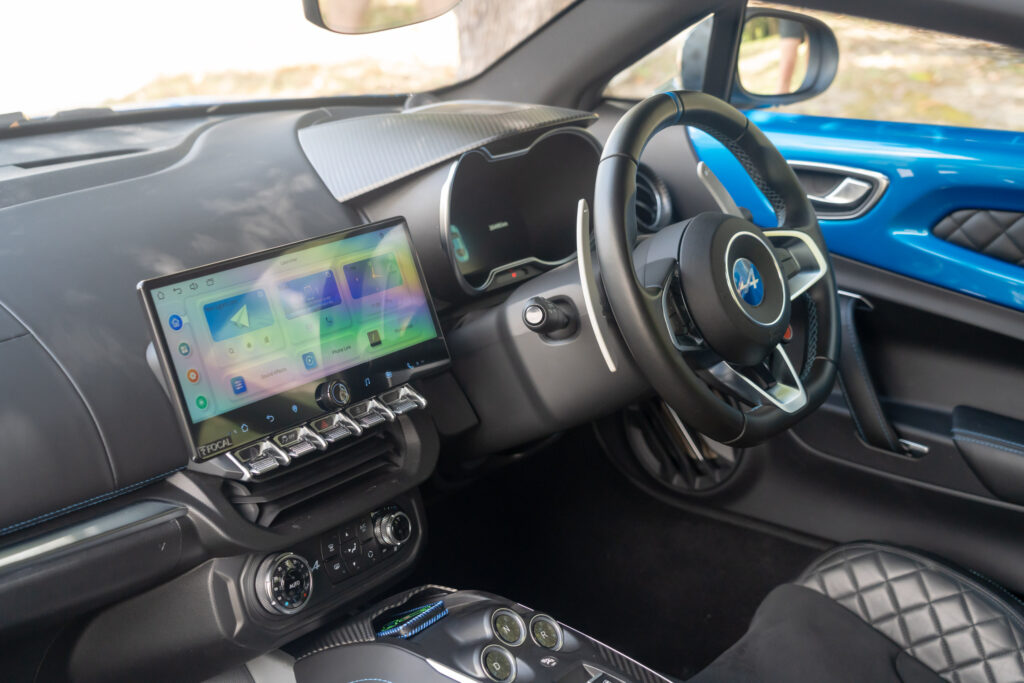
The infotainment system is fairly basic and feels its age, especially on early models. Connection issues, unresponsive touchscreens, or sporadic issues can happen as expected of these types of systems. While later models did improve this system, even when it’s working normally, many owners complain it’s not at all intuitive and is limited in functions out of the box.

We also heard multiple complaints that the parking sensors and the rear-view camera can have sporadic issues.

Also note that while very early models did not originally feature Apple CarPlay/Android Auto, it’s possible to retrofit this function through a software update, and there are quite a few aftermarket solutions to replace this headunit altogether.

Mechanical issues:

We advise doing some due diligence when it comes to servicing through official Alpine/Renault dealers, as we’re told customer service can be inconsistent. There are multiple complaints from owners experiencing slow response times, cars being treated with undue care during servicing work, and long delays receiving certain parts.

Parts availability can also be a concern as these cars get older, and being a European car, OEM parts are not cheap.

Plus, Alpine as a brand outside of its native Europe remains relatively niche, which could mean, depending on where you are located, you might have issues with after-sales support in the long term. To give you an idea of how niche the Alpine is, while around 20,000 units were sold globally, only 100 units across its entire production run were sold in Australia.

The turbocharged four-cylinder utilised by the Alpine A110 is actually the MR18DDT unit manufactured by Nissan (a byproduct of the Renault-Nissan alliance), which is also used by other Renaultsport models like the Megane RS 280/300. That isn’t necessarily a bad thing, as this powertrain is judged to be fairly reliable – provided it’s been serviced regularly and well looked after.

The most frequent issues these can experience are excessive oil consumption, combined with premature turbocharger and timing chain wear. These are often the result of neglect and prolonged service intervals.

One thing we noted is that Alpine specifies 0W-20 engine oil to be used, but in hot climates or for those hard use (track days etc.), we recommend using 5W-30 instead, as well as a service interval of every 10,000 km (unlike the 20,000 km recommended by Alpine) – these small differences will maximise longevity of the powertrain.

Coolant system components can be a weak point and are worth inspecting routinely. The coolant pipes within the engine bay that join the main pipe running underneath towards the front of the car have multiple outlets and are prone to fluid leaks. If it needs fixing, it is very expensive to do.

The electronic thermostat can also leak coolant, and when you consider this part from Renault costs around $1700, you can only imagine how much the markup will be from Alpine’s parts department.

Like its cousin, the Renaultsport Megane, the fuel pump module is known to fail, and quotes for a replacement unit can cost up to $2200. But as a cost-effective remedy, we’re told you can take the fuel pump module apart and replace the original fuel pump with an aftermarket unit.

Some Alpines have also been subjected to a recall to resolve a faulty oil pressure solenoid, as well as various software updates to the powertrain, transmission, and electronic features, so ensure the most up-to-date ones have been completed.

As to be expected with dual-clutch units, the one in the Alpine can be temperamental at low speeds, where you might experience delays between selecting gears. Software updates have made these smoother to operate, and owners report that when driving at speed or in a spirited driving environment, these are very responsive.

It’s fairly robust, but note that it’s set up for maximum torque capacity, being a sports car, so if you do modify or tune any settings to the transmission, you’re doing so at your own risk and could void any remaining warranties.

If you’re using one of these for any degree of track use, frequent servicing is a must to maintain its overall integrity – at least every 20,000 km. Also note that the transmission is prone to overheating in these conditions, so it might be worthwhile to look into any aftermarket solutions to allow for more optimal cooling.

Exterior Issues:

The A110 weighs very little thanks to a body, chassis, and suspension setup largely constructed out of aluminium, which greatly benefits its performance, but this might present some issues over time.

Most of the body is proving to hold up fine, even in hot climates like Australia, but its worthwhile to carefully inspect for any imperfections – check that the paintwork isn’t bubbling, all of the panels are aligned, none of the trim pieces are missing, and the clearcoat still shines under light.

One common weak spot among A110s is around the rear wheel arches and where it meets the rear bumper, and where the rear bar is attached – check how it’s holding up, as it can suffer from corrosion easily.

Interior Issues:

To keep the A110 as lightweight as possible, compromises had to be made within the cabin design during the car’s development, which may be noticeable through general use of the car.

For a premium sports car, there is more plastic material than you might expect – we’ve heard from owners that certain areas, from switchgear and buttons, can feel quite cheap as well as interior sections rattling more often than you might expect from a ‘premium’ sports brand.

Common areas include the center console (which is attached in a fairly loose fashion), creakiness from the door hinges, and the leather on the specially-designed Sabelt leather bucket seats wrinkling.

Early models are also known to have fairly weak rubber seals, especially around the rear boot and windows, where they either don’t hold up at all or easily let in water from the outside.

But keep in mind, the A110 is a low-volume sports car, so occasional build quality issues are to be expected, and most of these imperfections should have been resolved under warranty.

Sporadic issues affecting equipment or features powered by electricity are worth looking out for – check everything works without any faults, such as the air conditioning controls, door locks, and power windows. One unique gripe we’ve been told of is that to operate features like the windows, the engine has to be running to maintain power for the electrics. Not even putting the car in ‘accessory’ mode will allow them to work. This may present some issues if say, the windows are lowered, and you’re caught in poor weather, but the engine cannot be started up.

If you do encounter issues with the cabin electronics, it’s likely due to battery drainage or a battery nearing the end of its life – most Alpines aren’t daily drivers, so owners will likely have left them sitting for extended periods, leaving their batteries to drain over time. If you are planning for an A110 to serve as an occasional leisure car, it’s worthwhile to plug it into a decent trickle charger to prevent any excessive battery drain.

The infotainment system is fairly basic and feels its age, especially on early models. Connection issues, unresponsive touchscreens, or sporadic issues can happen as expected of these types of systems. While later models did improve this system, even when it’s working normally, many owners complain it’s not at all intuitive and is limited in functions out of the box.

We also heard multiple complaints that the parking sensors and the rear-view camera can have sporadic issues.

Also note that while very early models did not originally feature Apple CarPlay/Android Auto, it’s possible to retrofit this function through a software update, and there are quite a few aftermarket solutions to replace this headunit altogether.

Mechanical issues:

We advise doing some due diligence when it comes to servicing through official Alpine/Renault dealers, as we’re told customer service can be inconsistent. There are multiple complaints from owners experiencing slow response times, cars being treated with undue care during servicing work, and long delays receiving certain parts.

Parts availability can also be a concern as these cars get older, and being a European car, OEM parts are not cheap.

Plus, Alpine as a brand outside of its native Europe remains relatively niche, which could mean, depending on where you are located, you might have issues with after-sales support in the long term. To give you an idea of how niche the Alpine is, while around 20,000 units were sold globally, only 100 units across its entire production run were sold in Australia.

The turbocharged four-cylinder utilised by the Alpine A110 is actually the MR18DDT unit manufactured by Nissan (a byproduct of the Renault-Nissan alliance), which is also used by other Renaultsport models like the Megane RS 280/300. That isn’t necessarily a bad thing, as this powertrain is judged to be fairly reliable – provided it’s been serviced regularly and well looked after.

The most frequent issues these can experience are excessive oil consumption, combined with premature turbocharger and timing chain wear. These are often the result of neglect and prolonged service intervals.

One thing we noted is that Alpine specifies 0W-20 engine oil to be used, but in hot climates or for those hard use (track days etc.), we recommend using 5W-30 instead, as well as a service interval of every 10,000 km (unlike the 20,000 km recommended by Alpine) – these small differences will maximise longevity of the powertrain.

Coolant system components can be a weak point and are worth inspecting routinely. The coolant pipes within the engine bay that join the main pipe running underneath towards the front of the car have multiple outlets and are prone to fluid leaks. If it needs fixing, it is very expensive to do.

The electronic thermostat can also leak coolant, and when you consider this part from Renault costs around $1700, you can only imagine how much the markup will be from Alpine’s parts department.

Like its cousin, the Renaultsport Megane, the fuel pump module is known to fail, and quotes for a replacement unit can cost up to $2200. But as a cost-effective remedy, we’re told you can take the fuel pump module apart and replace the original fuel pump with an aftermarket unit.

Some Alpines have also been subjected to a recall to resolve a faulty oil pressure solenoid, as well as various software updates to the powertrain, transmission, and electronic features, so ensure the most up-to-date ones have been completed.

As to be expected with dual-clutch units, the one in the Alpine can be temperamental at low speeds, where you might experience delays between selecting gears. Software updates have made these smoother to operate, and owners report that when driving at speed or in a spirited driving environment, these are very responsive.

It’s fairly robust, but note that it’s set up for maximum torque capacity, being a sports car, so if you do modify or tune any settings to the transmission, you’re doing so at your own risk and could void any remaining warranties.

If you’re using one of these for any degree of track use, frequent servicing is a must to maintain its overall integrity – at least every 20,000 km. Also note that the transmission is prone to overheating in these conditions, so it might be worthwhile to look into any aftermarket solutions to allow for more optimal cooling.

Should you buy it?

Currently, the Alpine A110 hovers between $90,000 to $130,000, which isn’t significantly different from when they were priced new. Even internationally, prices have remained steadily consistent.

But unlike other French performance cars, we believe that the A110 won’t be another victim of serious depreciation. We reckon its prices will increase over time – in case you might not know, Alpine will officially end production of the A110 by 2026, and we doubt its replacement will be anything close to what this package offers, so in hindsight, this might be a potential future classic.

Go through other online videos and features on this car from top automotive media stars or YouTubers, from Chris Harris to Matt Watson, and Throttle House pushing this car at its limits – they’ve all raved about how this is one of the best driver’s cars available, regardless of price, and we very much agree with that idea.

Adding to the sharp driving dynamics the Alpine is praised for, you’ll be hard-pressed to find an equivalent sports car at this price range that offers the perfect balance of a raw, mid-engined platform and enough comforts/amenities that make it easy to use within the real world.

Currently, the Alpine A110 hovers between $90,000 to $130,000, which isn’t significantly different from when they were priced new. Even internationally, prices have remained steadily consistent.

But unlike other French performance cars, we believe that the A110 won’t be another victim of serious depreciation. We reckon its prices will increase over time – in case you might not know, Alpine will officially end production of the A110 by 2026, and we doubt its replacement will be anything close to what this package offers, so in hindsight, this might be a potential future classic.

Go through other online videos and features on this car from top automotive media stars or YouTubers, from Chris Harris to Matt Watson, and Throttle House pushing this car at its limits – they’ve all raved about how this is one of the best driver’s cars available, regardless of price, and we very much agree with that idea.

Adding to the sharp driving dynamics the Alpine is praised for, you’ll be hard-pressed to find an equivalent sports car at this price range that offers the perfect balance of a raw, mid-engined platform and enough comforts/amenities that make it easy to use within the real world.

Should you buy it?

Currently, the Alpine A110 hovers between $90,000 to $130,000, which isn’t significantly different from when they were priced new. Even internationally, prices have remained steadily consistent.

But unlike other French performance cars, we believe that the A110 won’t be another victim of serious depreciation. We reckon its prices will increase over time – in case you might not know, Alpine will officially end production of the A110 by 2026, and we doubt its replacement will be anything close to what this package offers, so in hindsight, this might be a potential future classic.

Go through other online videos and features on this car from top automotive media stars or YouTubers, from Chris Harris to Matt Watson, and Throttle House pushing this car at its limits – they’ve all raved about how this is one of the best driver’s cars available, regardless of price, and we very much agree with that idea.

Adding to the sharp driving dynamics the Alpine is praised for, you’ll be hard-pressed to find an equivalent sports car at this price range that offers the perfect balance of a raw, mid-engined platform and enough comforts/amenities that make it easy to use within the real world.

Need help with finance?

What is the car's build year?

2020

Loan Amount

$5,000

Finance estimate ~

$30

Per week*

8.49%

Comparison rate p.a#

Buying a used car? Buy a PPSR report first.

Have ultimate peace of mind when buying a used car by purchasing an official PPSR report.

In the market?

Disclaimer

Please note that pricing information is subject to fluctuations in the automotive market.

Information correct as of December 15, 2025.

The advice provided on this website is general advice only. It has been prepared without taking into account your objectives, financial situation or needs. Before acting on this advice, you should consider the appropriateness of the advice, having regard to your own objectives, financial situation and needs.

Read our full terms and conditions here.

Related Blog Articles Latest from ReDriven Blog

Join the ReDriven Community

You are the best, the content in your videos is so helpful, delivered in a great way. Please keep going as for sure you are unique in every way. All the best from Guatemala

L. G. - YouTube

You guys have truly found something wonderful… Loved this channel ever since from the beginning… Will support you guys as long as you guys keep making these wonderful car reviews…

Calvin - YouTube

This is probably the best channel I have ever seen when reviewing vehicles. New or old. The honesty is so appreciated. I’ve been a mechanic for 20 years and I find it very informative when looking for a vehicle for my daughter. Keep up the awesome work.

Jason T. - YouTube

© 2025 ReDriven All Rights Reserved