Likes
- Becoming rare thanks to their rarity.
- Coil-sprung rear end makes for excellent driving dynamics.
- Much better reliability than the badge would suggest (because it’s basically a Nissan).
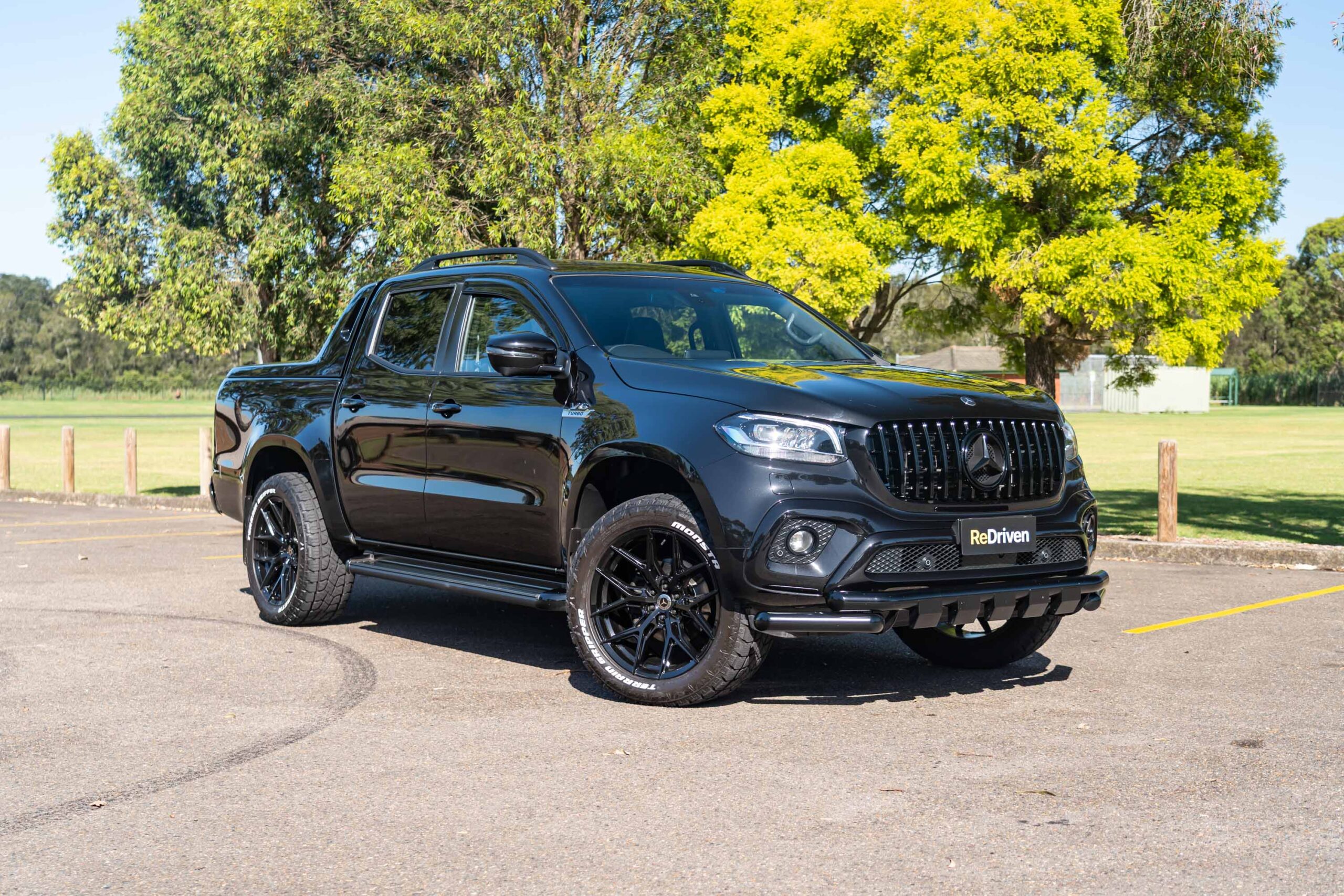
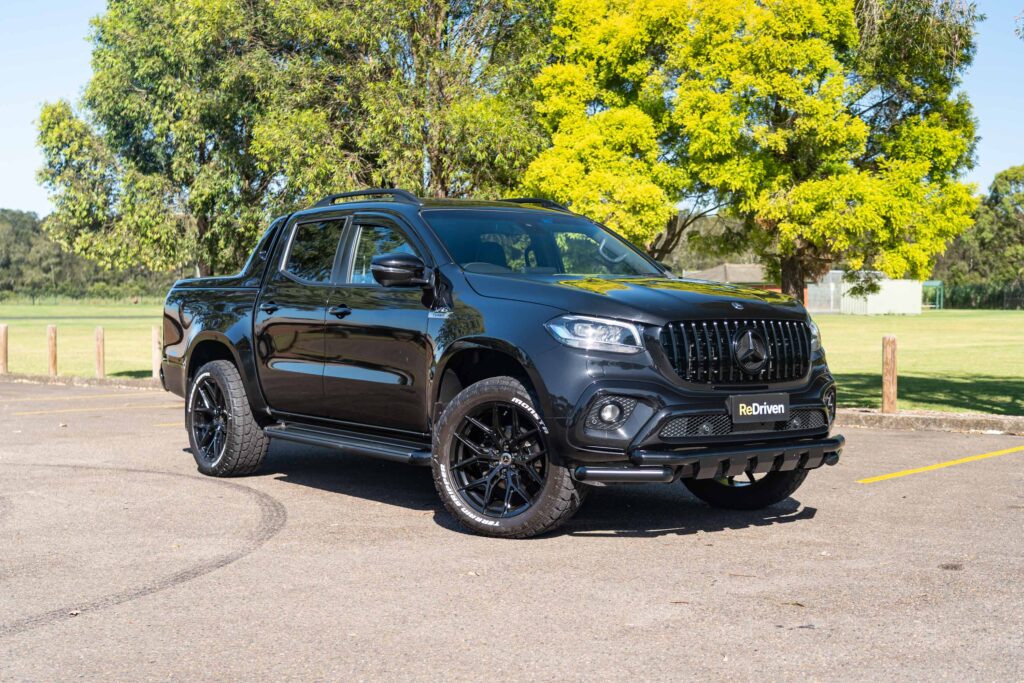
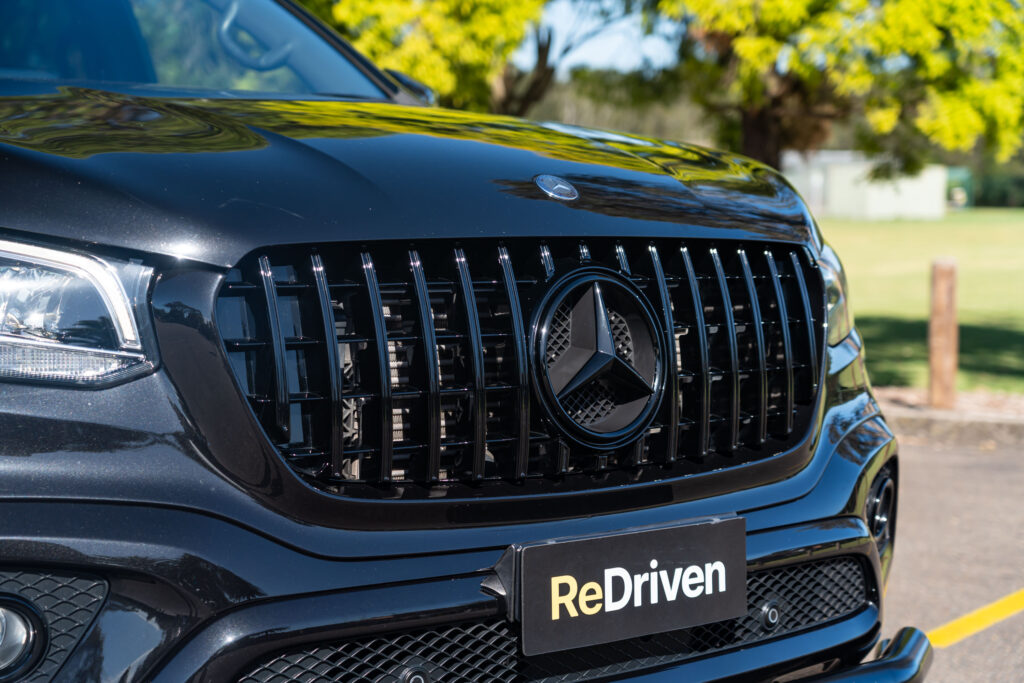
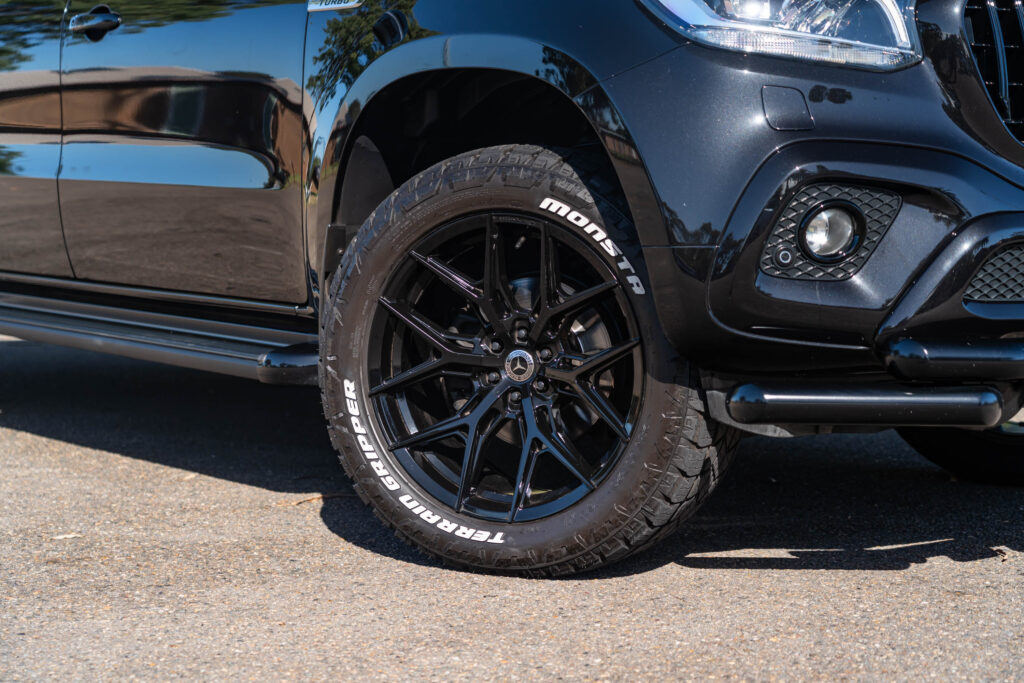
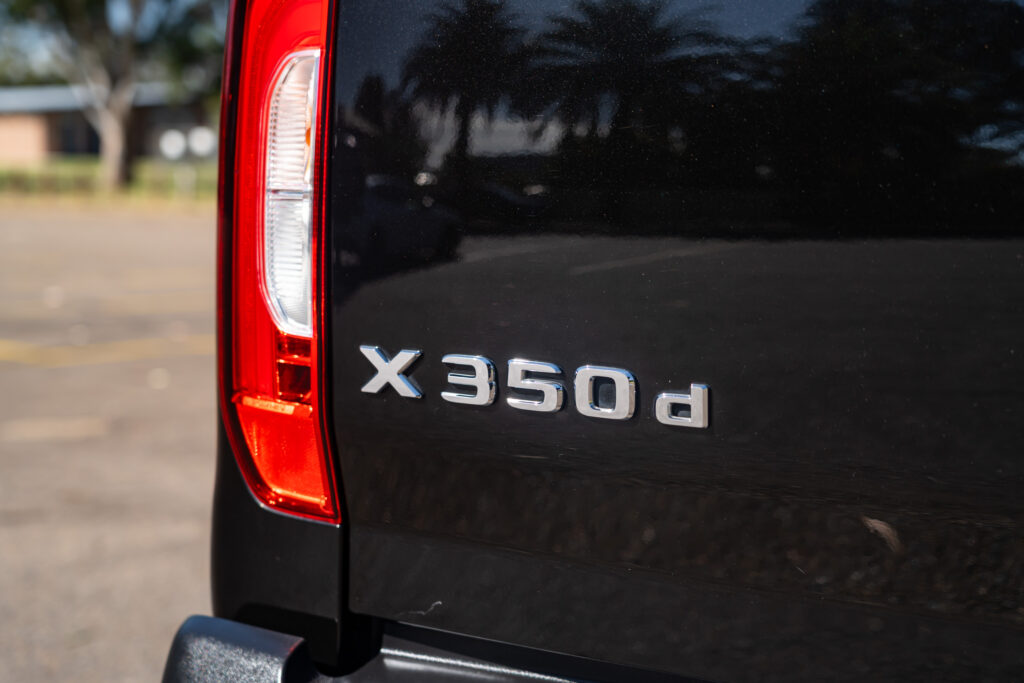
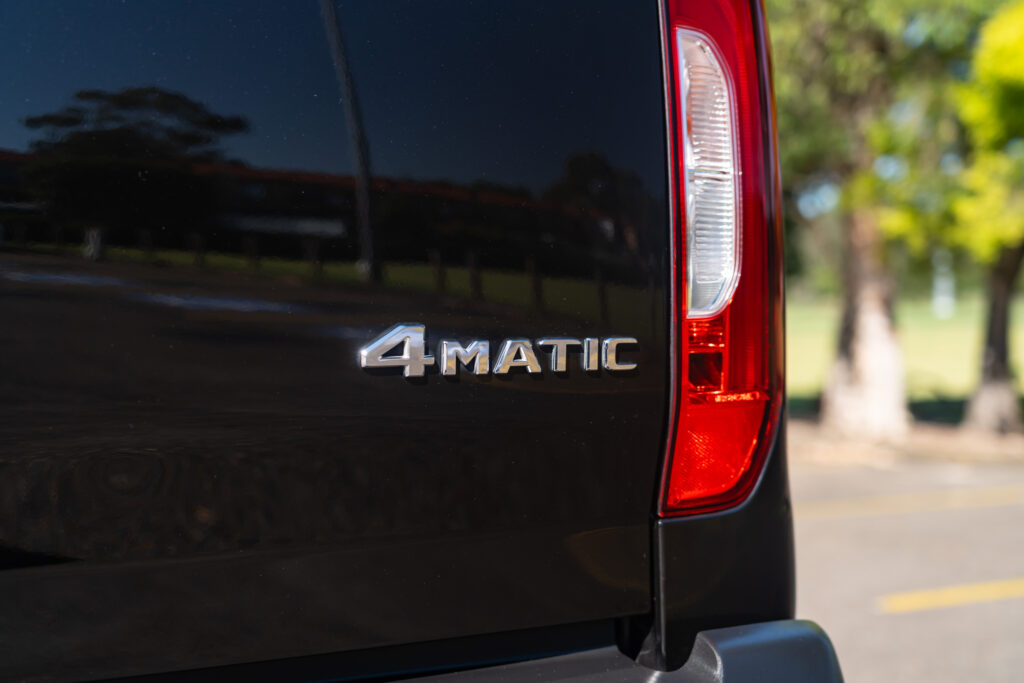
The Mercedes-Benz X-Class was the German brand’s attempt at a mid-size pickup truck that was short-lived, produced only between 2017 to 2020, and as of 2025, remains the brand’s only attempt at this segment.
Maybe because underneath, this wasn’t a ute developed from Mercedes-Benz’s headquarters in Stuttgart, but through a joint venture with the Renault-Nissan-Mitsubishi Alliance.

Hence, it was primarily based on the Nissan Navara (using its chassis, interior, and a host of other components) and assembled in Nissan’s production line in Spain, with the only German contribution being the exterior styling, some cabin equipment, and the badges.
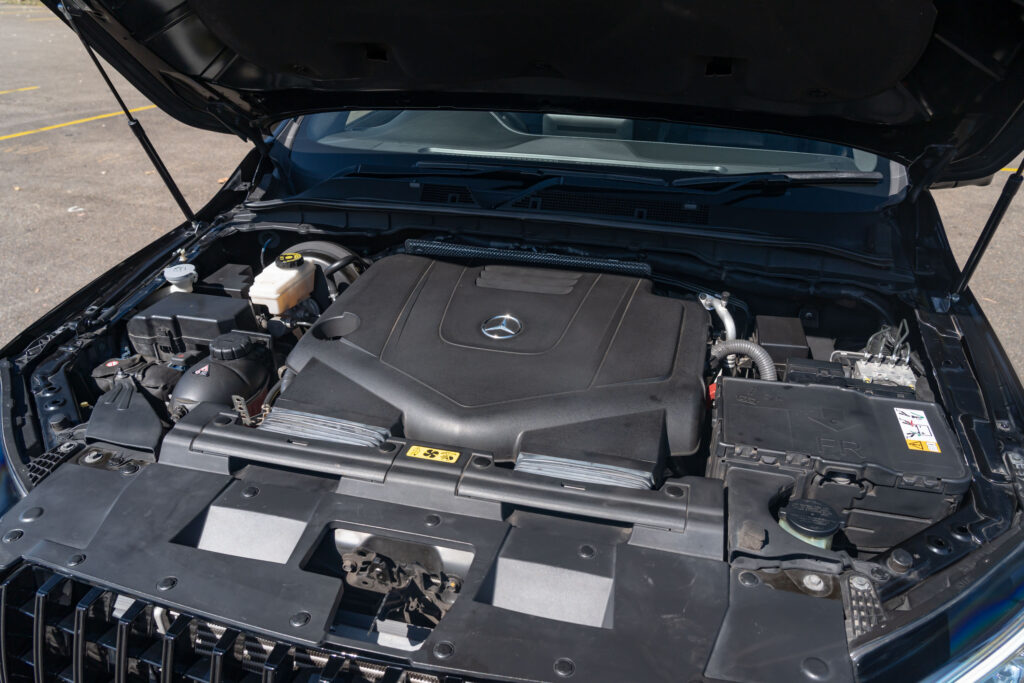
Power exclusively came from turbodiesel engines, including an inline-four cylinder from the Renault-Nissan alliance, and a 3.0L V6 – specifically the OM642 unit shared with Mercedes-Benz SUVs like the G-Wagen. Buyers could choose between a six-speed manual or a seven-speed automatic transmission, with rear or all-wheel drive setups.
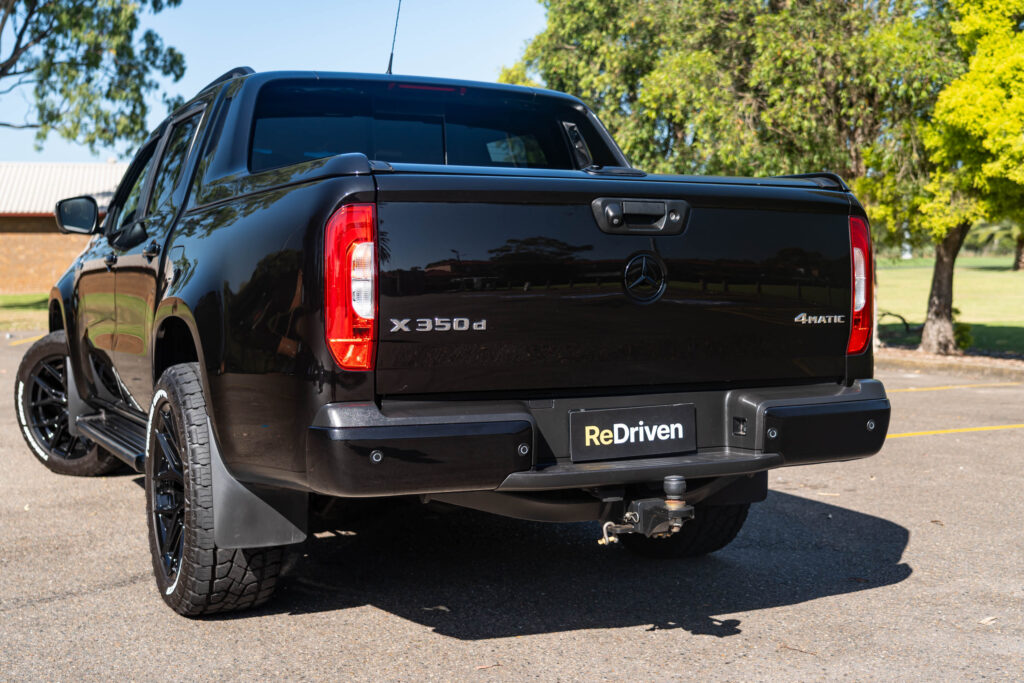
In all markets where the X-Class was sold, Australia included, it was only available with a four-door, dual-cab bodystyle.
A German ute is a rare find, and thanks to heavy depreciation, many of these now appear as enticing secondhand bargains. Plus, the Navara engineering should mean these can be a tough and dependable workhorse. But as a used truck purchase, is the X-Class proving to be a case of successful automotive multi-cultural cross-breeding or a recipe for disaster?
Exterior Issues:
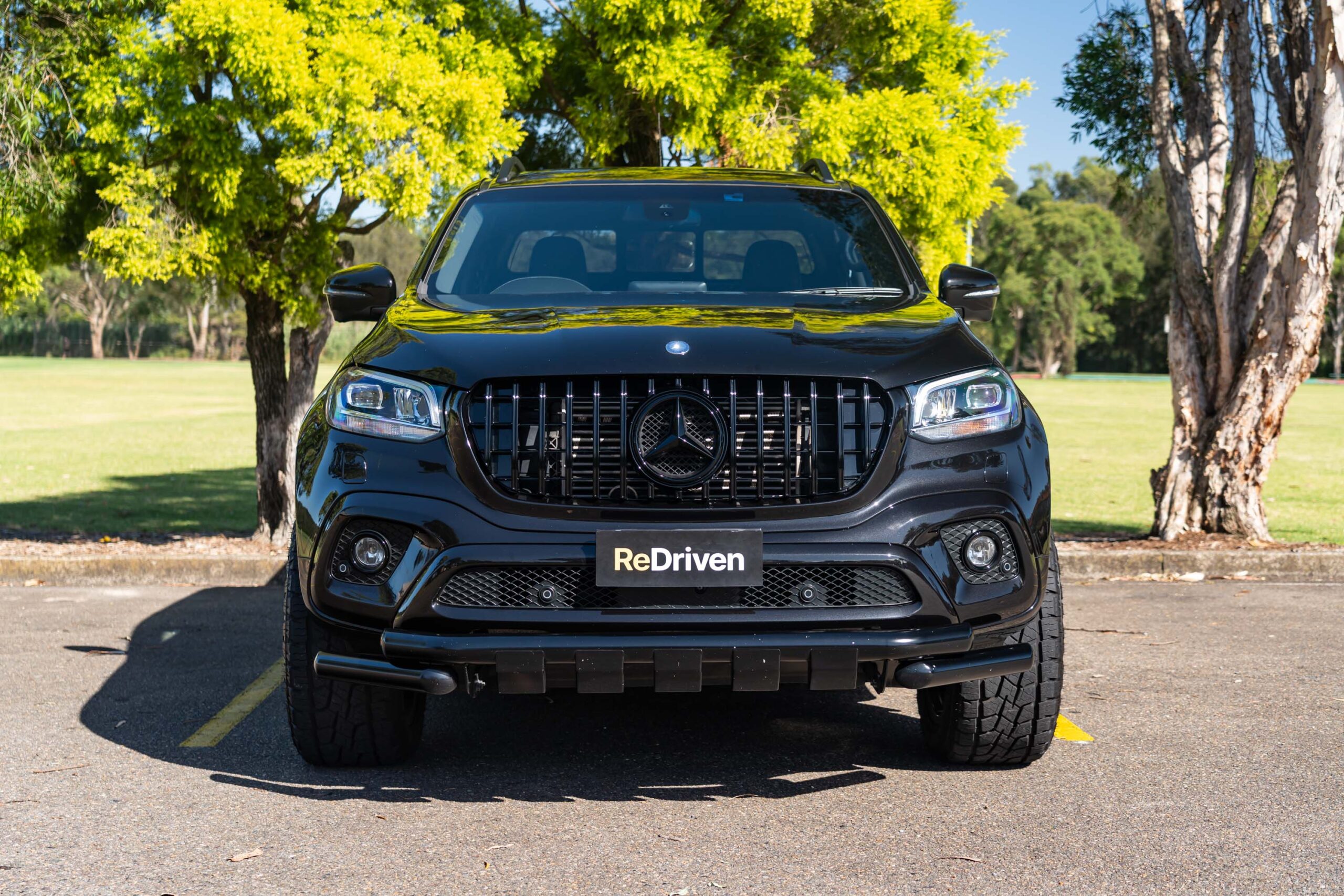
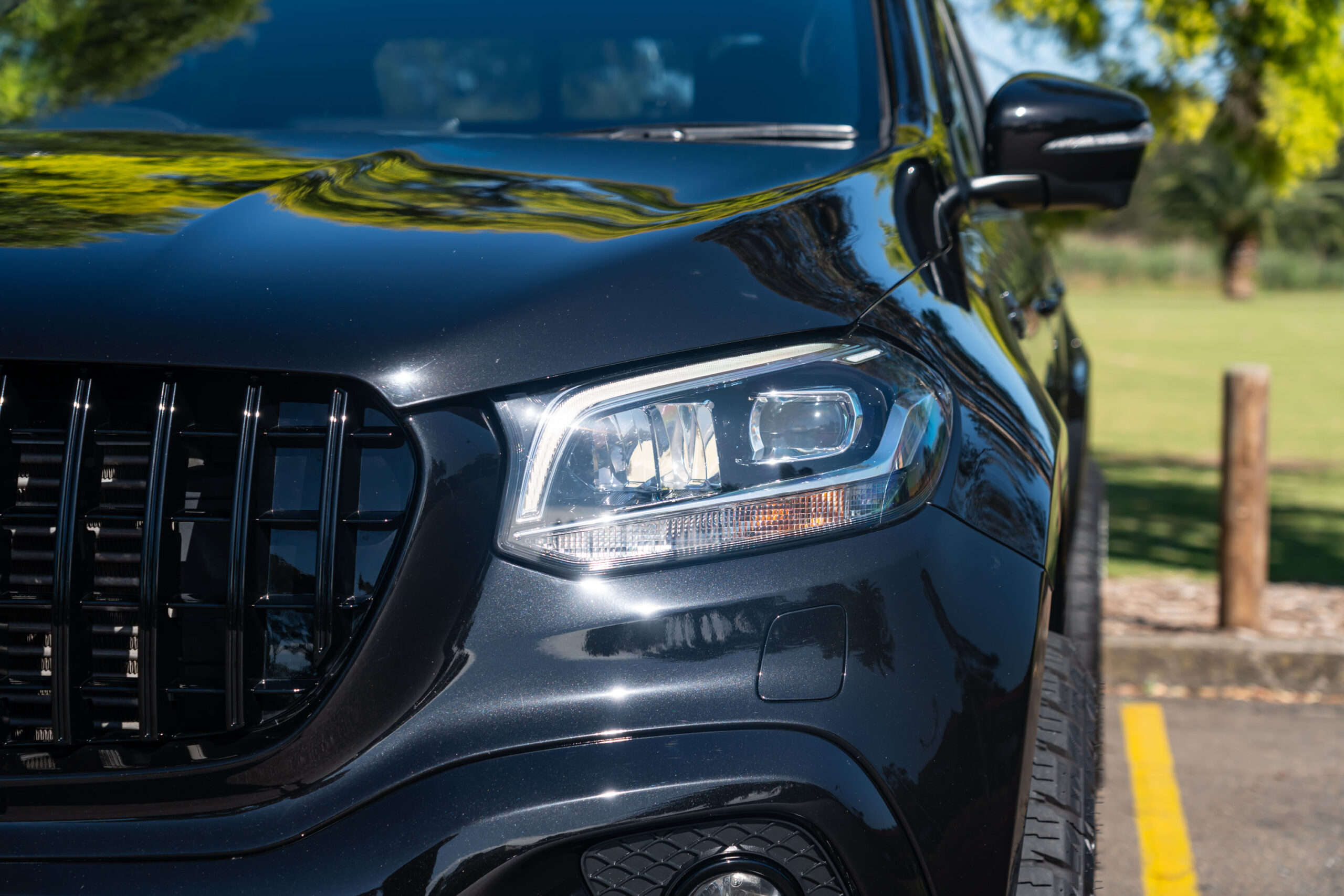
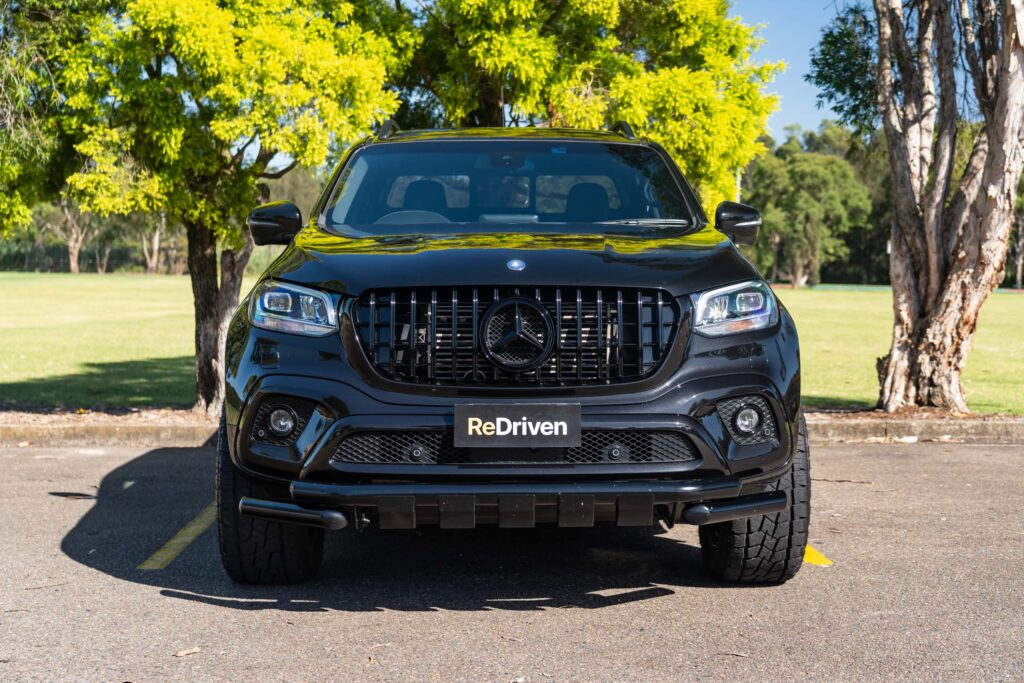
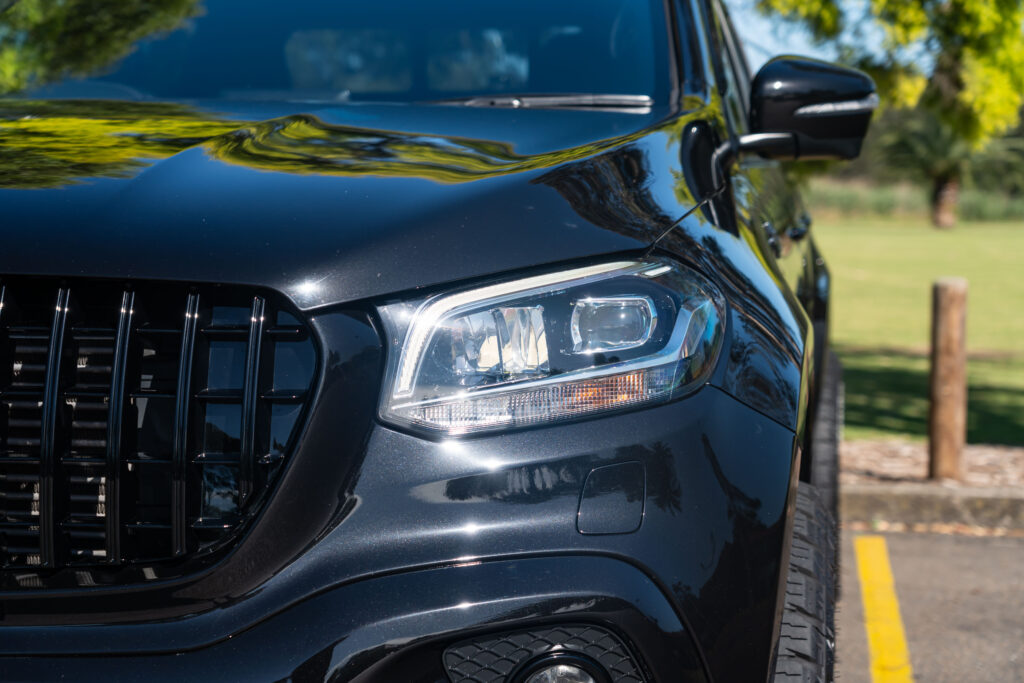
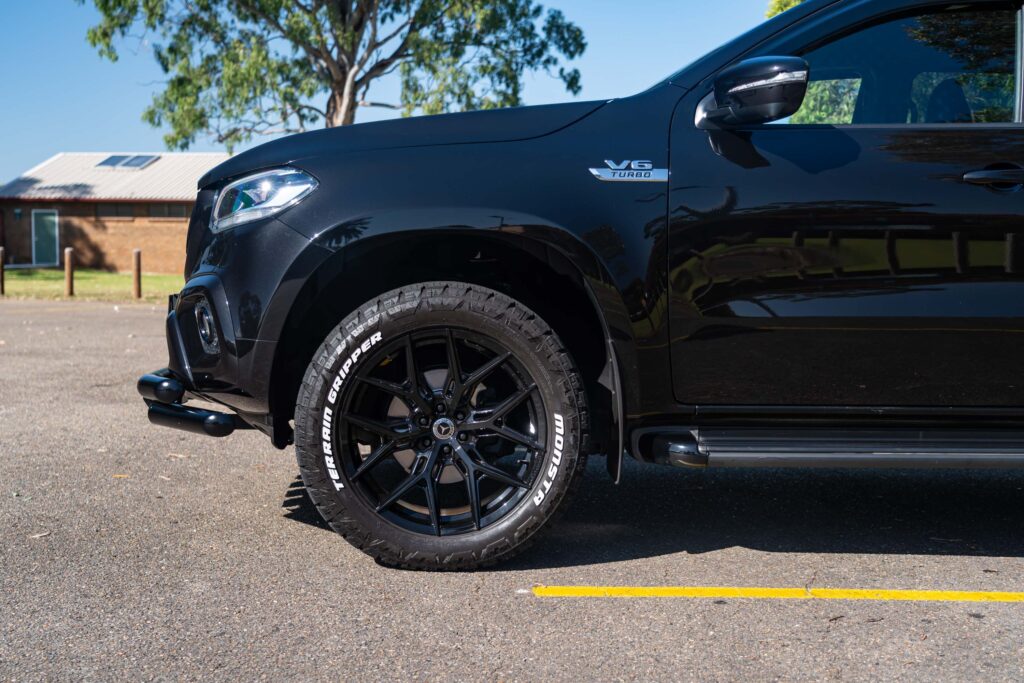
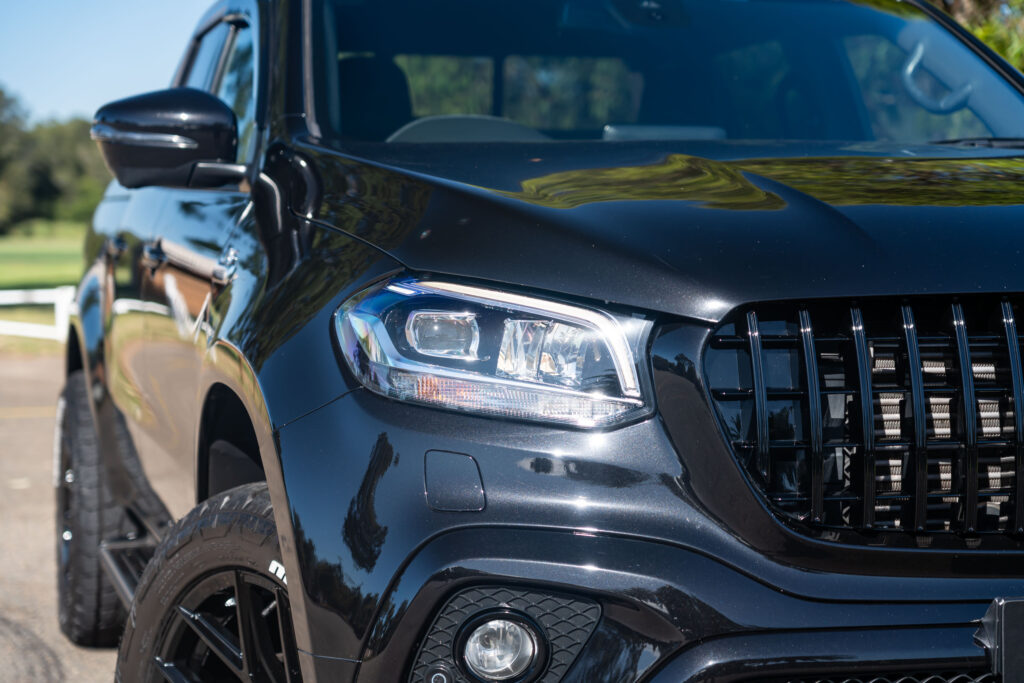
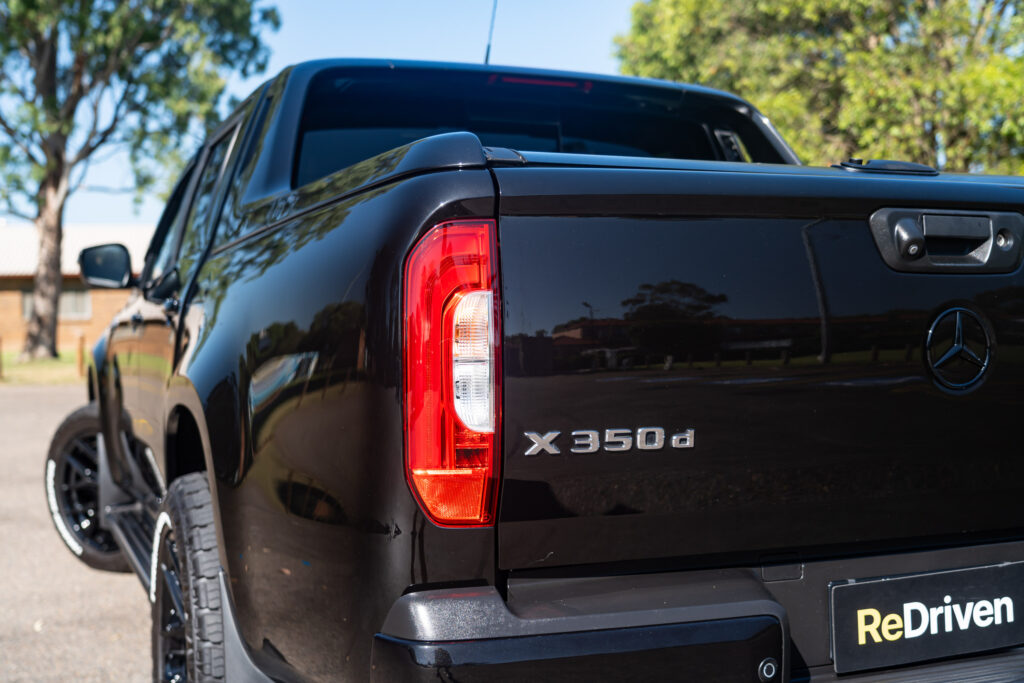
The outside appears very premium and high quality, akin to other Mercedes-Benz products from the past few years, but as time has passed, some issues have begun to creep up.
The paint finish is reportedly very thin and can be scratched/marked very easily.
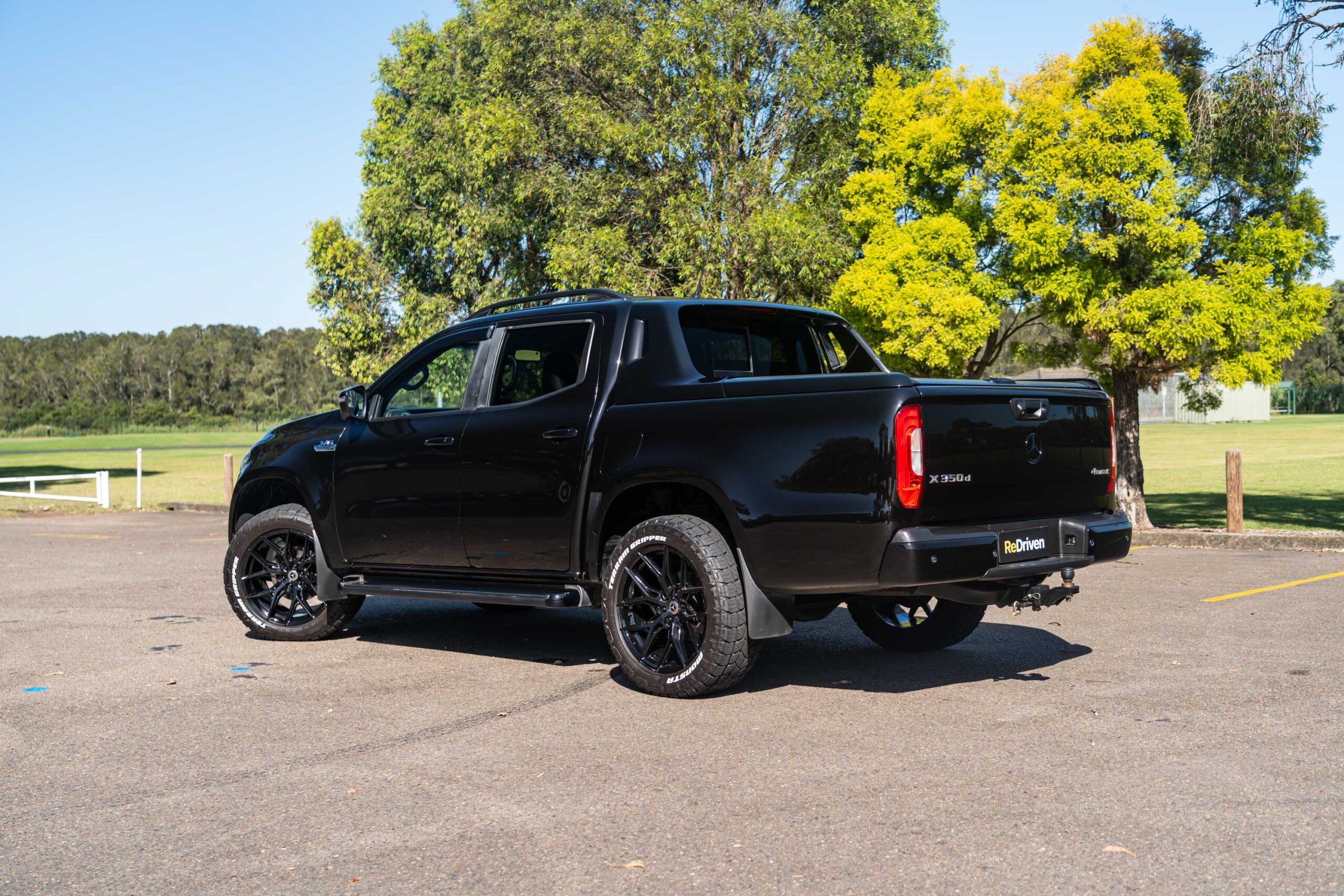
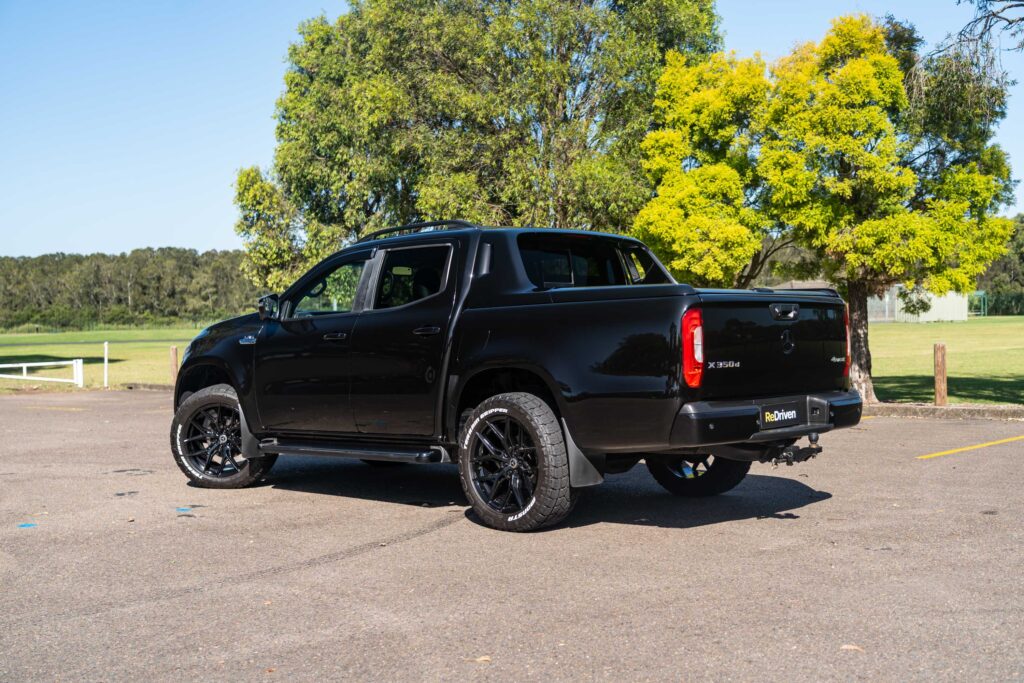
The latch for the rear tailgate can fail, causing the tailgate to open without warning or not open at all.
The X-Class shares hardly any of the sheet metal or any other exterior components with its Japanese twin, but it’s worthwhile to check the same areas known to affect the Nissan, such as the roof channels for any signs of corrosion, to the bolts of the exterior roof rails
One of the optional accessories for the X-Class was a ‘genuine’ Mercedes-Benz roof-mounted canopy (rear bed cover), but in reality, these were units manufactured by EGR. We’ve heard from owners about issues they’ve experienced with these, ranging from the locking mechanisms or latches malfunctioning to the physical unlock button failing altogether, and requiring extensive maintenance to rectify the problems.
What’s proving more frustrating to owners is who is responsible for servicing this accessory – Mercedes-Benz dealers have told them they cannot work on it as it is not an OEM Mercedes-Benz part, but they are also told by EGR that it’s a ‘genuine’ Mercedes-Benz part that can only be serviced by OEM authorised dealers or technicians.
Interior Issues:
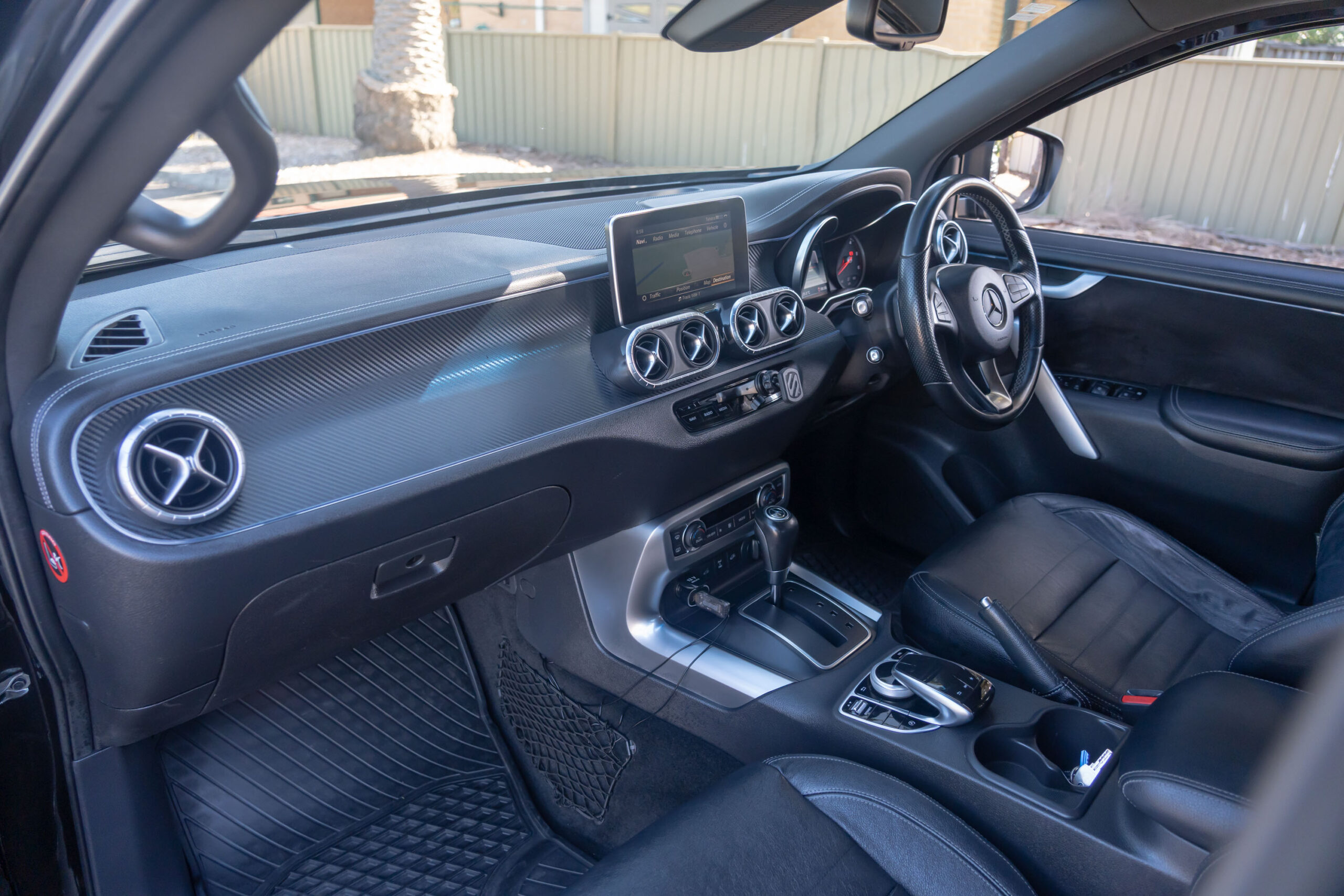
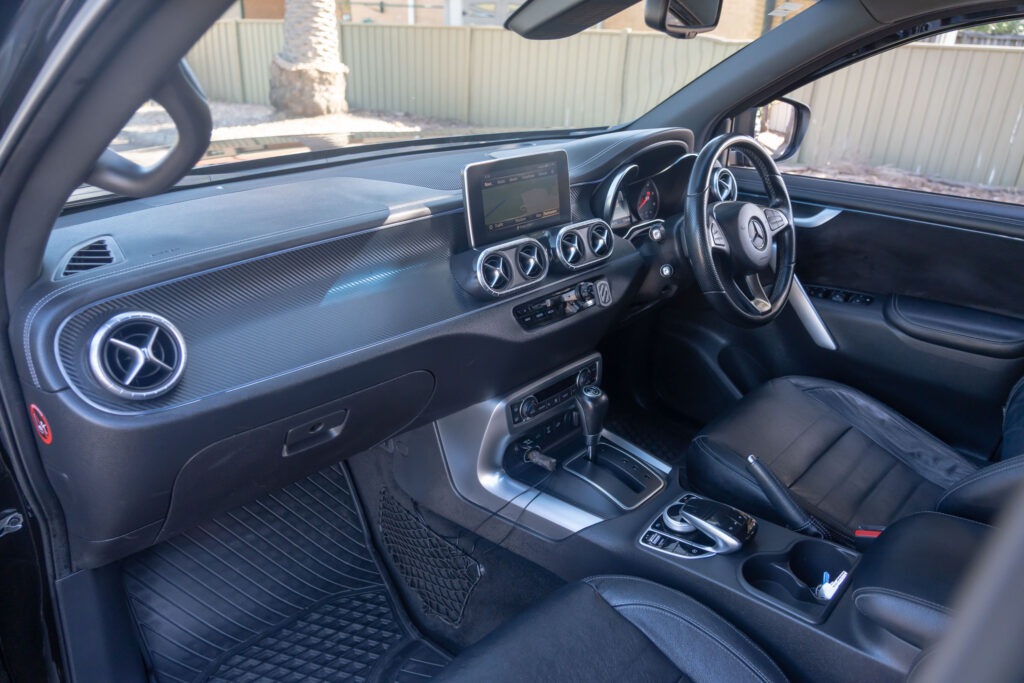
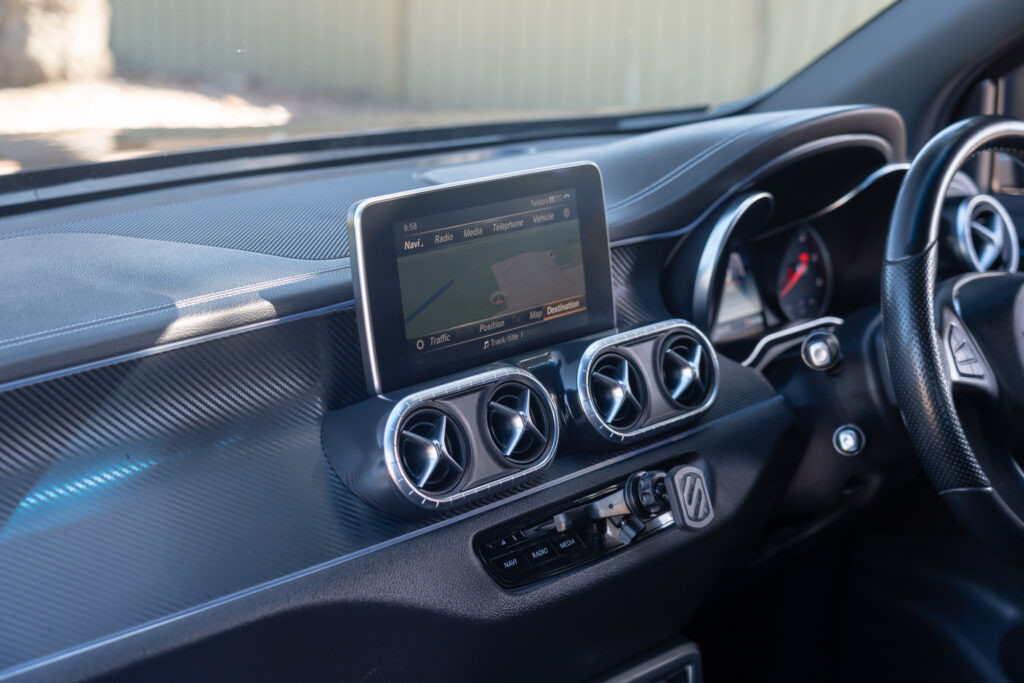
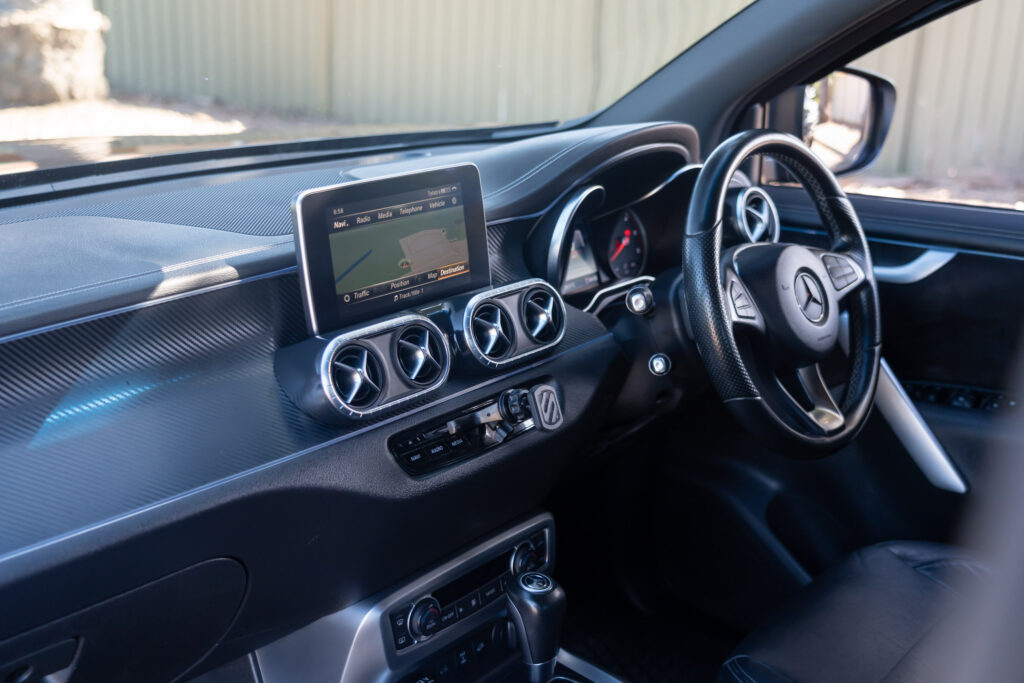
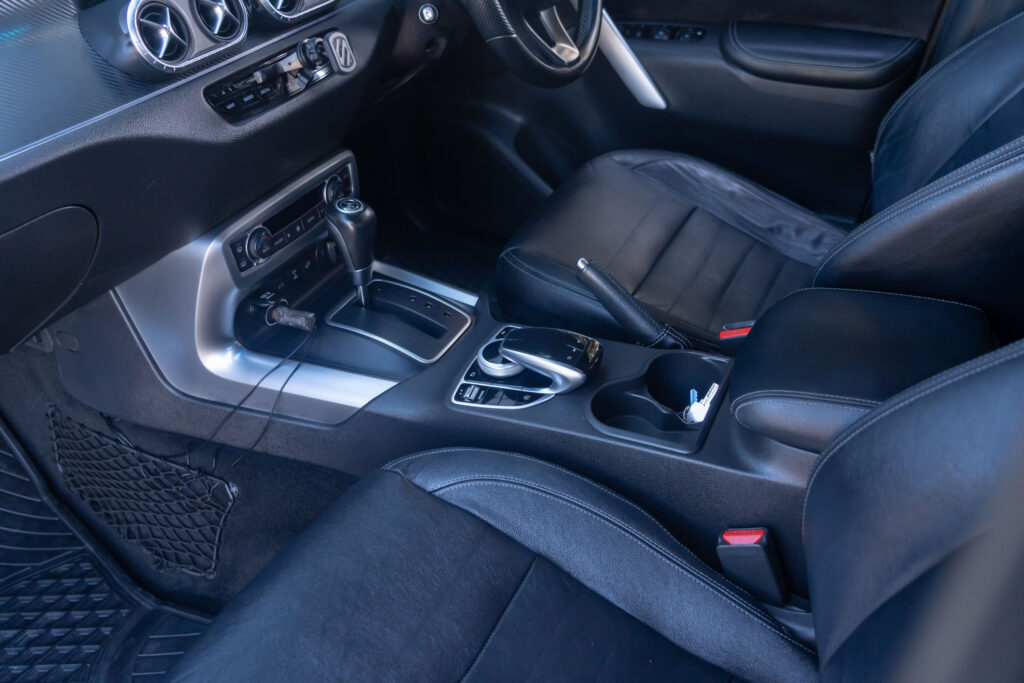
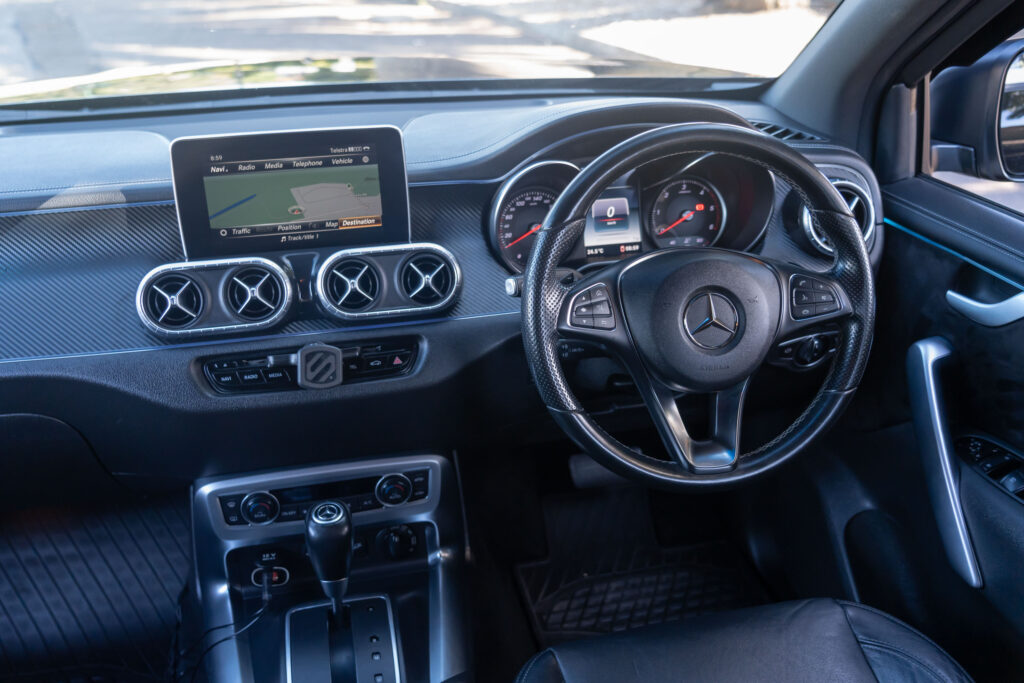
Inside, don’t expect the same amount of premium materials as you expect in other Mercedes-Benz SUVs. While there are some minor touches to incorporate the brand’s design language within the interior, from the aircraft-style air vents to the instrument cluster and steering wheel, the X-Class primarily recycles most of the Nissan Navara’s cabin.
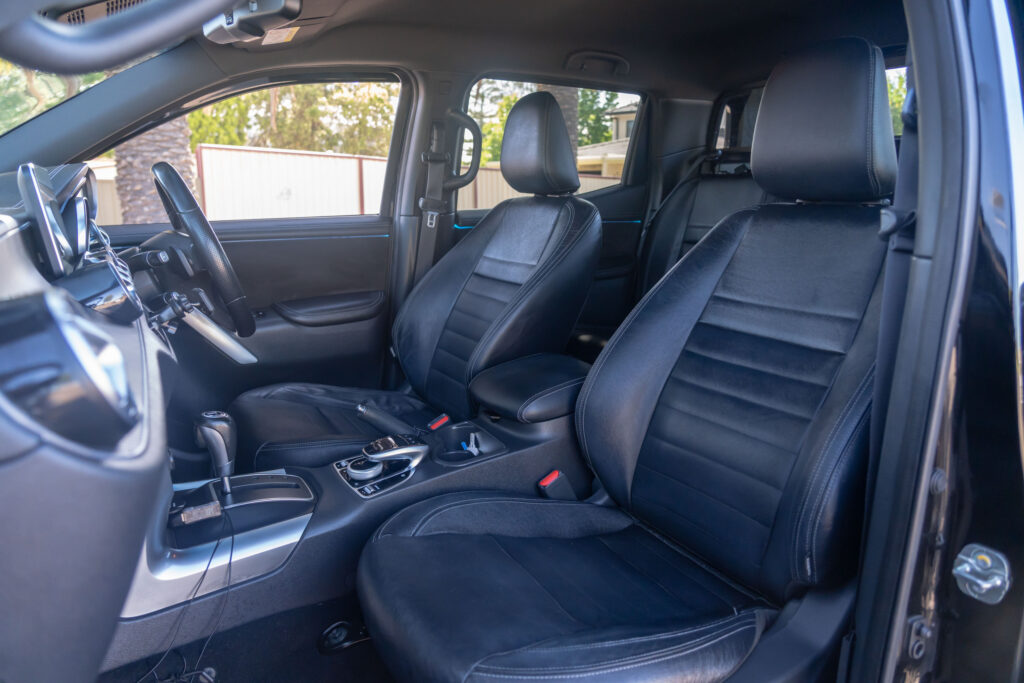
Therefore, you’ll find a lot more hard-touch plastics throughout the trim and other interior sections, as well as tougher leather upholstery along the seat surfaces – it doesn’t exude ‘German luxury’ feel, but factor that this is a ute, it does allow this interior to be very resilient.
Be mindful of examples that have been left out in the sun, or have experienced a lot of UV exposure (especially in hot climates like Australia), as this can cause the leather sections to separate and peel away from the seats, or form surface cracks along the plastic dashboard or other sections.
The child door lock mechanisms are known to fail intermittently – solutions can easily be found through online tutorials or owners’ forums.
Being a Mercedes product, the X-Class does feature a lot of equipment powered by electricity. Unlike other Mercedes models we’ve reviewed, the X-Class doesn’t report as many serious issues or faulty equipment.
That being said, we have read of sporadic reports here and
Exterior Issues:
The outside appears very premium and high quality, akin to other Mercedes-Benz products from the past few years, but as time has passed, some issues have begun to creep up.
The paint finish is reportedly very thin and can be scratched/marked very easily.
The latch for the rear tailgate can fail, causing the tailgate to open without warning or not open at all.
The X-Class shares hardly any of the sheet metal or any other exterior components with its Japanese twin, but it’s worthwhile to check the same areas known to affect the Nissan, such as the roof channels for any signs of corrosion, to the bolts of the exterior roof rails
One of the optional accessories for the X-Class was a ‘genuine’ Mercedes-Benz roof-mounted canopy (rear bed cover), but in reality, these were units manufactured by EGR. We’ve heard from owners about issues they’ve experienced with these, ranging from the locking mechanisms or latches malfunctioning to the physical unlock button failing altogether, and requiring extensive maintenance to rectify the problems.
What’s proving more frustrating to owners is who is responsible for servicing this accessory – Mercedes-Benz dealers have told them they cannot work on it as it is not an OEM Mercedes-Benz part, but they are also told by EGR that it’s a ‘genuine’ Mercedes-Benz part that can only be serviced by OEM authorised dealers or technicians.
Interior Issues:
Inside, don’t expect the same amount of premium materials as you expect in other Mercedes-Benz SUVs. While there are some minor touches to incorporate the brand’s design language within the interior, from the aircraft-style air vents to the instrument cluster and steering wheel, the X-Class primarily recycles most of the Nissan Navara’s cabin.
Therefore, you’ll find a lot more hard-touch plastics throughout the trim and other interior sections, as well as tougher leather upholstery along the seat surfaces – it doesn’t exude ‘German luxury’ feel, but factor that this is a ute, it does allow this interior to be very resilient.
Be mindful of examples that have been left out in the sun, or have experienced a lot of UV exposure (especially in hot climates like Australia), as this can cause the leather sections to separate and peel away from the seats, or form surface cracks along the plastic dashboard or other sections.
The child door lock mechanisms are known to fail intermittently – solutions can easily be found through online tutorials or owners’ forums.
Being a Mercedes product, the X-Class does feature a lot of equipment powered by electricity. Unlike other Mercedes models we’ve reviewed, the X-Class doesn’t report as many serious issues or faulty equipment.
That being said, we have read of sporadic reports here and there, ranging from power windows not working, the remote key fob not being recognised, to the seat/seatbelt sensors, power seat adjustment controls, Bluetooth connection, or the HVAC (air conditioning) system operating intermittently.
But on the other hand, many X-Class models, especially the cheaper variants, can feel somewhat barren when it comes to standard features and equipment onboard. Luxuries like climate control and front/rear parking sensors that come standard on lower spec models of other ute/truck models were limited to only the most expensive X-Class trims, or were only available as part of an optional equipment pack.
All X-Class models featured the brand’s COMAND infotainment system, which, from our experience, is one of the better and user-friendly systems in this segment and throughout the entire industry, especially with the inclusion of a physical control dial and buttons.
On higher-spec models, this could feature a larger screen, a 360-degree all-around camera view, and satellite navigation, but annoyingly, while Bluetooth connectivity was supported, Apple CarPlay/Android Auto was never available.
The good news is that there are plenty of aftermarket solutions to retrofit more features, such as a better resolution reversing camera, add Apple CarPlay/Android Auto support, or go the extra step to upgrade the system entirely, which could also add better equipment like in-car speakers.
Active safety features were also somewhat lacking on the X-Class, while it was one of the first utes in this segment to come with autonomous emergency braking, none came with adaptive cruise control or lane keep assist as standard.
A small number of owners also report experiencing issues with the emergency braking functions, primarily over the calibrations being overly sensitive or suddenly engaging out of the blue without warning.
Depending on your market, it’s worth checking if there were any recalls were issued over this function, which usually consists of a software update to recalibrate the system. Also, check that the sensors haven’t collected too much debris or dirt, as this can disable the AEB function from working normally.
Mechanical issues:
While more recent Mercedes-Benz products have an extensive list of known issues and gremlins, many experienced Mercedes-Benz technicians we spoke to regard the X-Class to be one of the better-built and least troublesome models – largely because so much of it is built by Nissan, and the Japanese brands know a thing or two when it comes to building reliable vehicles.
One piece of advice owners consistently emphasise, including us, when it comes to buying spare parts for the X-Class: don’t buy them directly from Mercedes-Benz, which will most likely charge an absurd premium for them.
As this is largely a Nissan Navara underneath the German badge, many components made for the Nissan are suitable for the Benz, alongside aftermarket alternatives that will do the job just fine and save you a lot of money.
The same can also be applied to whom you employ to service and carry out any maintenance – expect Mercedes-Benz dealerships to quote you a significant markup for even the most basic of service work. Instead, shop around for more reasonable quotations from independent garages/mechanics.
If you’re considering one that has previously been modified, or looking to modify it under your ownership, it’s imperative that you check that any non-original changes, especially lift kits and suspension/drivetrain mods, are legal and compliant within your region.
It’s not ideal for you to purchase a modified one, only to find the current setup/modifications installed are not compliant with your local vehicle laws and make it illegal to drive, forcing you to invest time and expenses to restore its roadworthiness status.
Engines
2.3L Four-Cylinder TurboDiesel (OM699/YS3DDT single/twin-turbo)
These are the same engines made and found in the Nissan Navara (and built from the Renault-Nissan alliance) – the good news is that the 2.3L four-cylinders can be fairly robust if they’ve been serviced regularly and not abused from previous lives/ownership.
The majority of issues it can experience are largely with the ancillaries and emission-related components, rather than the short engine block itself.
Compared to its Navara sibling, oil pump failures are more likely to occur, so it’s worthwhile to check this item more thoroughly if you are targeting the 2.3L four-cylinder powered X-Class. Also, check the rear main oil seal, as it is prone to leaking.
Another common issue is the intake ‘hot-pipe’ O-Rings, which are known to leak oil or turbo boost. The turbochargers can also fail – primarily in high-mileage or very neglected examples.
As for components related to the EGR (Exhaust Gas Recirculation) system, focus in particular on the EGR flex pipe (which can crack and blow black exhaust soot everywhere) and EGR linkages wearing out/breaking, which causes the EGR valve to not actuate (function) and requires a replacement unit.
High-mileage examples can also experience issues wth the fuel injectors, with them visibly and audibly rattling being a telltale sign they are on their way out. If the injectors fail, they will all need to be replaced as one set, and it is not a cheap fix – one set costs about $4,000.
3.0L V6 TurboDiesel (OM642.873)
The V6 turbodiesel is applied to several other Mercedes-Benz SUVs, and some of the problems other models report can also apply to the X-Class if it comes with this engine.
Some owners complain that their power delivery can be a bit delayed from a standstill start, but installing a throttle controller or performing some minor engine tuning can make a big difference.
The majority of the issues these can experience are within the same area, buried within the cylinder’s V’ depths of the engine.
The turbochargers can fail, with the variable geometry boost actuator being a common source for weird turbo surge or boost delivery issues. Picking up on this issue may be more difficult by the fact that it doesn’t display a fault code highlighting this.
Another issue to look out for is oil leaks, which can start from the intake pipe seal, causing oil to collect on the inlet manifold swirl flap actuator. This then causes the actuator to fail, causing the swirl flap valves and linkages to seize or break.
OEM Mercedes-Benz inlet manifolds are, to no surprise, very expensive to buy, but you can find aftermarket inlet manifold rebuild kits that can serve as replacements, and they are significantly cheaper.
Go further down into the engine, and you’ll want to keep an eye on the oil cooler, as the seals can leak oil externally that could lead to cross-engine coolant/oil contamination – in other words, serious engine damage if not detected immediately.
While we mention the oil cooler, note that when it does leak oil, it can fill this ‘V’ area with oil that then dribbles out a drain hole at the rear of the engine, which is often misdiagnosed as the rear main oil seal leaking. If you suspect there is an oil leak, be thorough and check this area thoroughly to accurately pinpoint where it’s coming from.
As with modern-era diesel engines, DPF and EGR valve complications can also be something to look out for. We’ve mentioned in previous reviews on good practices to apply when owning and performing upkeep on these diesel powertrains, and the same applies here – avoid short, brief drives at low speeds, and do regular, extended drives at highway speeds to keep the system healthy.
Transmission
The transmissions and drivelines applied to the X-Class, manual and automatic, are fairly solid, given they are used in other industrial vehicle applications.
There are no very common issues known to affect them that can cause them to fail, but it’s important to remember these do have a service interval and not ‘service-free for life’, as some transmissions in utes may tout.
The recommended manufacturer service intervals do stretch things out longer than what we would recommend – every 80,000 kms for the four-cylinder, and 120,000 km for the six-cylinder, but to guarantee maximum longevity, it would be worthwhile to do servicing of these components a bit earlier.
If you are using the X-Class for any towing applications, we would recommend doing the upkeep much earlier – ideally halfway from the recommended service intervals (~ 40,000 kms for four-cylinder, ~ 60,000 km for six-cylinder).
One key strength of the X-Class’s all-wheel drive system that is worth highlighting is that it can be driven in constant all-wheel drive mode on sealed surfaces – note this only applies to the V6 turbodiesel models. Those equipped with the four-cylinder are limited to driving on sealed surfaces only in rear-wheel drive mode.
The coil spring-based suspension setup provides a much smoother and more comfortable ride than most trucks, but do be aware that any heavy loads in the rear cargo bed can cause the ride height to lean towards the rear and the front to lift upwards, which can impede stability at high speeds.
Exterior Issues:
The outside appears very premium and high quality, akin to other Mercedes-Benz products from the past few years, but as time has passed, some issues have begun to creep up.
The paint finish is reportedly very thin and can be scratched/marked very easily.
The latch for the rear tailgate can fail, causing the tailgate to open without warning or not open at all.
The X-Class shares hardly any of the sheet metal or any other exterior components with its Japanese twin, but it’s worthwhile to check the same areas known to affect the Nissan, such as the roof channels for any signs of corrosion, to the bolts of the exterior roof rails
One of the optional accessories for the X-Class was a ‘genuine’ Mercedes-Benz roof-mounted canopy (rear bed cover), but in reality, these were units manufactured by EGR. We’ve heard from owners about issues they’ve experienced with these, ranging from the locking mechanisms or latches malfunctioning to the physical unlock button failing altogether, and requiring extensive maintenance to rectify the problems.
What’s proving more frustrating to owners is who is responsible for servicing this accessory – Mercedes-Benz dealers have told them they cannot work on it as it is not an OEM Mercedes-Benz part, but they are also told by EGR that it’s a ‘genuine’ Mercedes-Benz part that can only be serviced by OEM authorised dealers or technicians.
Interior Issues:
Inside, don’t expect the same amount of premium materials as you expect in other Mercedes-Benz SUVs. While there are some minor touches to incorporate the brand’s design language within the interior, from the aircraft-style air vents to the instrument cluster and steering wheel, the X-Class primarily recycles most of the Nissan Navara’s cabin.
Therefore, you’ll find a lot more hard-touch plastics throughout the trim and other interior sections, as well as tougher leather upholstery along the seat surfaces – it doesn’t exude ‘German luxury’ feel, but factor that this is a ute, it does allow this interior to be very resilient.
Be mindful of examples that have been left out in the sun, or have experienced a lot of UV exposure (especially in hot climates like Australia), as this can cause the leather sections to separate and peel away from the seats, or form surface cracks along the plastic dashboard or other sections.
The child door lock mechanisms are known to fail intermittently – solutions can easily be found through online tutorials or owners’ forums.
Being a Mercedes product, the X-Class does feature a lot of equipment powered by electricity. Unlike other Mercedes models we’ve reviewed, the X-Class doesn’t report as many serious issues or faulty equipment.
That being said, we have read of sporadic reports here and there, ranging from power windows not working, the remote key fob not being recognised, to the seat/seatbelt sensors, power seat adjustment controls, Bluetooth connection, or the HVAC (air conditioning) system operating intermittently.
But on the other hand, many X-Class models, especially the cheaper variants, can feel somewhat barren when it comes to standard features and equipment onboard. Luxuries like climate control and front/rear parking sensors that come standard on lower spec models of other ute/truck models were limited to only the most expensive X-Class trims, or were only available as part of an optional equipment pack.
All X-Class models featured the brand’s COMAND infotainment system, which, from our experience, is one of the better and user-friendly systems in this segment and throughout the entire industry, especially with the inclusion of a physical control dial and buttons.
On higher-spec models, this could feature a larger screen, a 360-degree all-around camera view, and satellite navigation, but annoyingly, while Bluetooth connectivity was supported, Apple CarPlay/Android Auto was never available.
The good news is that there are plenty of aftermarket solutions to retrofit more features, such as a better resolution reversing camera, add Apple CarPlay/Android Auto support, or go the extra step to upgrade the system entirely, which could also add better equipment like in-car speakers.
Active safety features were also somewhat lacking on the X-Class, while it was one of the first utes in this segment to come with autonomous emergency braking, none came with adaptive cruise control or lane keep assist as standard.
A small number of owners also report experiencing issues with the emergency braking functions, primarily over the calibrations being overly sensitive or suddenly engaging out of the blue without warning.
Depending on your market, it’s worth checking if there were any recalls were issued over this function, which usually consists of a software update to recalibrate the system. Also, check that the sensors haven’t collected too much debris or dirt, as this can disable the AEB function from working normally.
Mechanical issues:
While more recent Mercedes-Benz products have an extensive list of known issues and gremlins, many experienced Mercedes-Benz technicians we spoke to regard the X-Class to be one of the better-built and least troublesome models – largely because so much of it is built by Nissan, and the Japanese brands know a thing or two when it comes to building reliable vehicles.
One piece of advice owners consistently emphasise, including us, when it comes to buying spare parts for the X-Class: don’t buy them directly from Mercedes-Benz, which will most likely charge an absurd premium for them.
As this is largely a Nissan Navara underneath the German badge, many components made for the Nissan are suitable for the Benz, alongside aftermarket alternatives that will do the job just fine and save you a lot of money.
The same can also be applied to whom you employ to service and carry out any maintenance – expect Mercedes-Benz dealerships to quote you a significant markup for even the most basic of service work. Instead, shop around for more reasonable quotations from independent garages/mechanics.
If you’re considering one that has previously been modified, or looking to modify it under your ownership, it’s imperative that you check that any non-original changes, especially lift kits and suspension/drivetrain mods, are legal and compliant within your region.
It’s not ideal for you to purchase a modified one, only to find the current setup/modifications installed are not compliant with your local vehicle laws and make it illegal to drive, forcing you to invest time and expenses to restore its roadworthiness status.
Engines
2.3L Four-Cylinder TurboDiesel (OM699/YS3DDT single/twin-turbo)
These are the same engines made and found in the Nissan Navara (and built from the Renault-Nissan alliance) – the good news is that the 2.3L four-cylinders can be fairly robust if they’ve been serviced regularly and not abused from previous lives/ownership.
The majority of issues it can experience are largely with the ancillaries and emission-related components, rather than the short engine block itself.
Compared to its Navara sibling, oil pump failures are more likely to occur, so it’s worthwhile to check this item more thoroughly if you are targeting the 2.3L four-cylinder powered X-Class. Also, check the rear main oil seal, as it is prone to leaking.
Another common issue is the intake ‘hot-pipe’ O-Rings, which are known to leak oil or turbo boost. The turbochargers can also fail – primarily in high-mileage or very neglected examples.
As for components related to the EGR (Exhaust Gas Recirculation) system, focus in particular on the EGR flex pipe (which can crack and blow black exhaust soot everywhere) and EGR linkages wearing out/breaking, which causes the EGR valve to not actuate (function) and requires a replacement unit.
High-mileage examples can also experience issues wth the fuel injectors, with them visibly and audibly rattling being a telltale sign they are on their way out. If the injectors fail, they will all need to be replaced as one set, and it is not a cheap fix – one set costs about $4,000.
3.0L V6 TurboDiesel (OM642.873)
The V6 turbodiesel is applied to several other Mercedes-Benz SUVs, and some of the problems other models report can also apply to the X-Class if it comes with this engine.
Some owners complain that their power delivery can be a bit delayed from a standstill start, but installing a throttle controller or performing some minor engine tuning can make a big difference.
The majority of the issues these can experience are within the same area, buried within the cylinder’s V’ depths of the engine.
The turbochargers can fail, with the variable geometry boost actuator being a common source for weird turbo surge or boost delivery issues. Picking up on this issue may be more difficult by the fact that it doesn’t display a fault code highlighting this.
Another issue to look out for is oil leaks, which can start from the intake pipe seal, causing oil to collect on the inlet manifold swirl flap actuator. This then causes the actuator to fail, causing the swirl flap valves and linkages to seize or break.
OEM Mercedes-Benz inlet manifolds are, to no surprise, very expensive to buy, but you can find aftermarket inlet manifold rebuild kits that can serve as replacements, and they are significantly cheaper.
Go further down into the engine, and you’ll want to keep an eye on the oil cooler, as the seals can leak oil externally that could lead to cross-engine coolant/oil contamination – in other words, serious engine damage if not detected immediately.
While we mention the oil cooler, note that when it does leak oil, it can fill this ‘V’ area with oil that then dribbles out a drain hole at the rear of the engine, which is often misdiagnosed as the rear main oil seal leaking. If you suspect there is an oil leak, be thorough and check this area thoroughly to accurately pinpoint where it’s coming from.
As with modern-era diesel engines, DPF and EGR valve complications can also be something to look out for. We’ve mentioned in previous reviews on good practices to apply when owning and performing upkeep on these diesel powertrains, and the same applies here – avoid short, brief drives at low speeds, and do regular, extended drives at highway speeds to keep the system healthy.
Transmission
The transmissions and drivelines applied to the X-Class, manual and automatic, are fairly solid, given they are used in other industrial vehicle applications.
There are no very common issues known to affect them that can cause them to fail, but it’s important to remember these do have a service interval and not ‘service-free for life’, as some transmissions in utes may tout.
The recommended manufacturer service intervals do stretch things out longer than what we would recommend – every 80,000 kms for the four-cylinder, and 120,000 km for the six-cylinder, but to guarantee maximum longevity, it would be worthwhile to do servicing of these components a bit earlier.
If you are using the X-Class for any towing applications, we would recommend doing the upkeep much earlier – ideally halfway from the recommended service intervals (~ 40,000 kms for four-cylinder, ~ 60,000 km for six-cylinder).
One key strength of the X-Class’s all-wheel drive system that is worth highlighting is that it can be driven in constant all-wheel drive mode on sealed surfaces – note this only applies to the V6 turbodiesel models. Those equipped with the four-cylinder are limited to driving on sealed surfaces only in rear-wheel drive mode.
The coil spring-based suspension setup provides a much smoother and more comfortable ride than most trucks, but do be aware that any heavy loads in the rear cargo bed can cause the ride height to lean towards the rear and the front to lift upwards, which can impede stability at high speeds.
On the used market, the Mercedes-Benz X-Class is available from as low as $20,000 (a serious amount of depreciation considering these were priced around $70,000-80,000 when they were fresh arrivals in showrooms), with most decent examples going for between $35,000-45,000, and the occasional pristine, final year models with very low kilometers topping out at $80,000.
The cheapest examples you are likely to find are the four-cylinder X-Class models. Depreciation has not been kind to them: early examples of the X250d, which were priced from around $65,000 new, have lost at least 70% of their value. The most expensive four-cylinder X-Classes top out at the $55,000 mark, but compared to the equivalent used Nissan Navara, the Mercedes is likely to be significantly cheaper.
The V6 models have also suffered from major depreciation – these originally sold for $80,000, but have lost at least $50,000 in value alone, and they can be had from as low as $25,000.
On average, the Mercedes-Benz X-Class carries one of the worst resale values out of all the utes in this segment – whereas the Mitsubishi Triton/Isuzu D-Max/Mazda BT-50 typically experience 30% in depreciation, a Toyota Hilux or Ford Ranger experiences around 25%, the Benz can experience up to 50% in depreciation alone, and that is likely to continue over the years.
But viewed through a different lens: when comparing the X-Class to rival dual-cab ute models, these are potential candidates that offer so much utility for the money.
Mercedes-Benz made a considerable effort to add
On the used market, the Mercedes-Benz X-Class is available from as low as $20,000 (a serious amount of depreciation considering these were priced around $70,000-80,000 when they were fresh arrivals in showrooms), with most decent examples going for between $35,000-45,000, and the occasional pristine, final year models with very low kilometers topping out at $80,000.
The cheapest examples you are likely to find are the four-cylinder X-Class models. Depreciation has not been kind to them: early examples of the X250d, which were priced from around $65,000 new, have lost at least 70% of their value. The most expensive four-cylinder X-Classes top out at the $55,000 mark, but compared to the equivalent used Nissan Navara, the Mercedes is likely to be significantly cheaper.
The V6 models have also suffered from major depreciation – these originally sold for $80,000, but have lost at least $50,000 in value alone, and they can be had from as low as $25,000.
On average, the Mercedes-Benz X-Class carries one of the worst resale values out of all the utes in this segment – whereas the Mitsubishi Triton/Isuzu D-Max/Mazda BT-50 typically experience 30% in depreciation, a Toyota Hilux or Ford Ranger experiences around 25%, the Benz can experience up to 50% in depreciation alone, and that is likely to continue over the years.
But viewed through a different lens: when comparing the X-Class to rival dual-cab ute models, these are potential candidates that offer so much utility for the money.
Mercedes-Benz made a considerable effort to add their touches within the Navara tooling to make this truck feel slightly upmarket, from the cabin design (even including their in-house infotainment UI, COMAND over the standard Nissan system) to the seat materials, and most noticeably, the standard coil-based suspension, which we feel is one of the most comfortable setups out of all the utes in this segment.
Especially on the V6 models, many compliment the overall potency of the powertrain, and they also note that the Benz doesn’t shake or flex throughout the chassis/body as other utes in this class do. Plus, unlike other Mercedes models we’ve driven, you feel that the X-Class demonstrates clear effort towards its build quality – with an interior free of squeaks or rattles and a well-assembled body that inspires confidence in how it was put together.
If you are considering an X-Class for your next ute purchase, we recommend taking the time to shop around carefully and be as thorough as possible.
We see no issue with the four-cylinder models, given they’re essentially Nissan Navaras with the appearance and badges of a Benz SUV, and with their prices, can get you a decent dual-cab ute less than what the Nissan is asking for – provided a pre-purchase inspection confirms nothing to worry about.
But if you’re eyeing the V6 models, we would be more cautious, considering many examples were purchased on lease agreements, and are more likely to have prolonged maintenance periods or not have been serviced at all, meaning their long-term health can be a major grey area. In addition, the V6 engine, being the only German-engineered component of the X-Class, can attract the most issues and expensive repair bills if it hasn’t been driven within the right environments (outside of urban/built-up areas).
If you can be sure it has been serviced ahead of schedule and well cared for, and has been driven in a way to keep its V6 diesel powertrain in good health, and passes a pre-purchase inspection with no concerns, go for it.
We highlight that a Mercedes-Benz X-Class can offer serious value for money as far as utes go, but be cautious of which one you end up going for to avoid any major buyer’s regret – spiritually and within your wallet.
On the used market, the Mercedes-Benz X-Class is available from as low as $20,000 (a serious amount of depreciation considering these were priced around $70,000-80,000 when they were fresh arrivals in showrooms), with most decent examples going for between $35,000-45,000, and the occasional pristine, final year models with very low kilometers topping out at $80,000.
The cheapest examples you are likely to find are the four-cylinder X-Class models. Depreciation has not been kind to them: early examples of the X250d, which were priced from around $65,000 new, have lost at least 70% of their value. The most expensive four-cylinder X-Classes top out at the $55,000 mark, but compared to the equivalent used Nissan Navara, the Mercedes is likely to be significantly cheaper.
The V6 models have also suffered from major depreciation – these originally sold for $80,000, but have lost at least $50,000 in value alone, and they can be had from as low as $25,000.
On average, the Mercedes-Benz X-Class carries one of the worst resale values out of all the utes in this segment – whereas the Mitsubishi Triton/Isuzu D-Max/Mazda BT-50 typically experience 30% in depreciation, a Toyota Hilux or Ford Ranger experiences around 25%, the Benz can experience up to 50% in depreciation alone, and that is likely to continue over the years.
But viewed through a different lens: when comparing the X-Class to rival dual-cab ute models, these are potential candidates that offer so much utility for the money.
Mercedes-Benz made a considerable effort to add their touches within the Navara tooling to make this truck feel slightly upmarket, from the cabin design (even including their in-house infotainment UI, COMAND over the standard Nissan system) to the seat materials, and most noticeably, the standard coil-based suspension, which we feel is one of the most comfortable setups out of all the utes in this segment.
Especially on the V6 models, many compliment the overall potency of the powertrain, and they also note that the Benz doesn’t shake or flex throughout the chassis/body as other utes in this class do. Plus, unlike other Mercedes models we’ve driven, you feel that the X-Class demonstrates clear effort towards its build quality – with an interior free of squeaks or rattles and a well-assembled body that inspires confidence in how it was put together.
If you are considering an X-Class for your next ute purchase, we recommend taking the time to shop around carefully and be as thorough as possible.
We see no issue with the four-cylinder models, given they’re essentially Nissan Navaras with the appearance and badges of a Benz SUV, and with their prices, can get you a decent dual-cab ute less than what the Nissan is asking for – provided a pre-purchase inspection confirms nothing to worry about.
But if you’re eyeing the V6 models, we would be more cautious, considering many examples were purchased on lease agreements, and are more likely to have prolonged maintenance periods or not have been serviced at all, meaning their long-term health can be a major grey area. In addition, the V6 engine, being the only German-engineered component of the X-Class, can attract the most issues and expensive repair bills if it hasn’t been driven within the right environments (outside of urban/built-up areas).
If you can be sure it has been serviced ahead of schedule and well cared for, and has been driven in a way to keep its V6 diesel powertrain in good health, and passes a pre-purchase inspection with no concerns, go for it.
We highlight that a Mercedes-Benz X-Class can offer serious value for money as far as utes go, but be cautious of which one you end up going for to avoid any major buyer’s regret – spiritually and within your wallet.
Have ultimate peace of mind when buying a used car by purchasing an official PPSR report.
Please note that pricing information is subject to fluctuations in the automotive market.
Information correct as of December 20, 2025.
The advice provided on this website is general advice only. It has been prepared without taking into account your objectives, financial situation or needs. Before acting on this advice, you should consider the appropriateness of the advice, having regard to your own objectives, financial situation and needs.
Read our full terms and conditions here.
You are the best, the content in your videos is so helpful, delivered in a great way. Please keep going as for sure you are unique in every way. All the best from Guatemala
L. G. - YouTube
You guys have truly found something wonderful… Loved this channel ever since from the beginning… Will support you guys as long as you guys keep making these wonderful car reviews…
Calvin - YouTube
This is probably the best channel I have ever seen when reviewing vehicles. New or old. The honesty is so appreciated. I’ve been a mechanic for 20 years and I find it very informative when looking for a vehicle for my daughter. Keep up the awesome work.
Jason T. - YouTube
© 2025 ReDriven All Rights Reserved