Australia’s No. 1 Used Car Review Website
Australia’s No. 1 Used Car Review Website
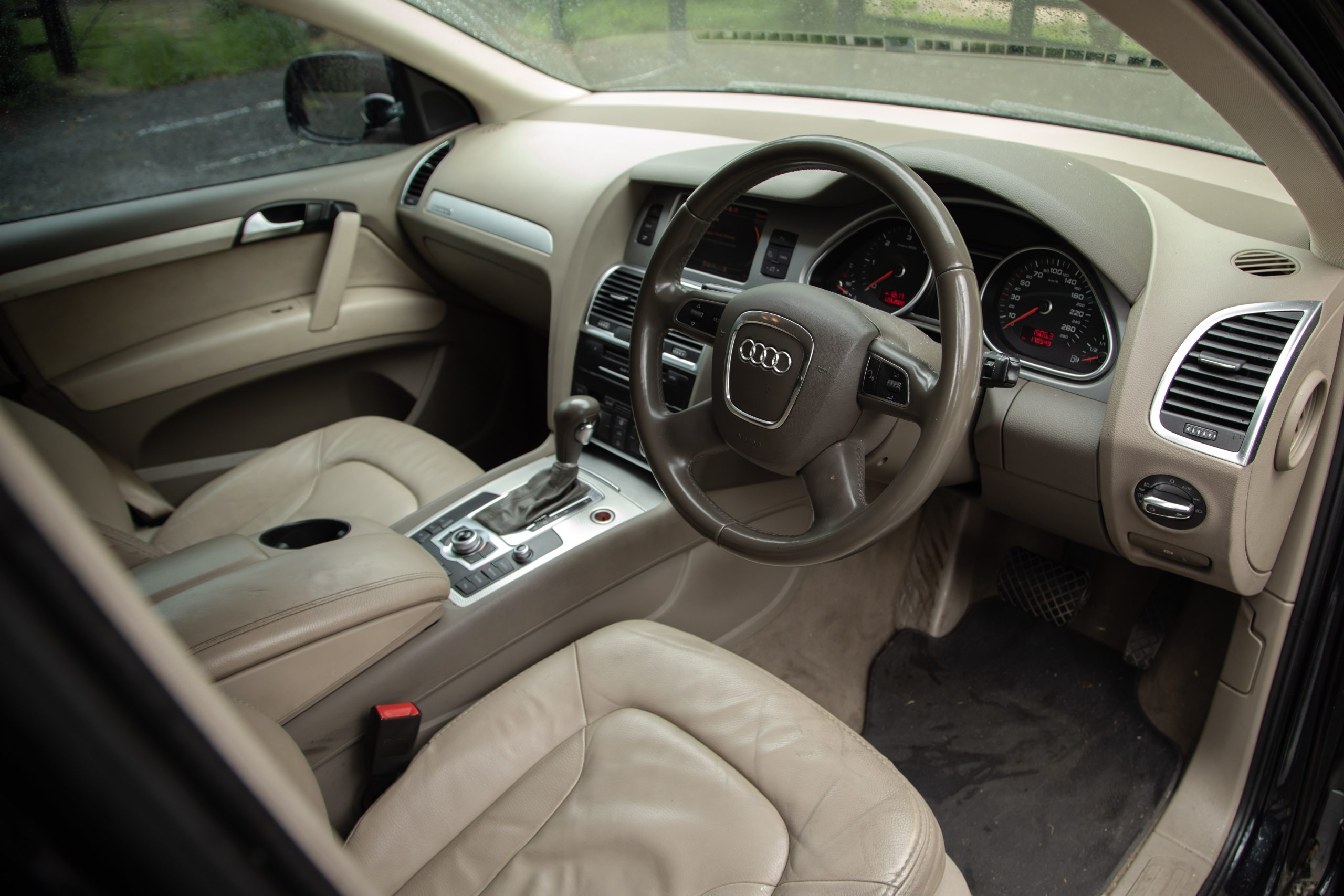
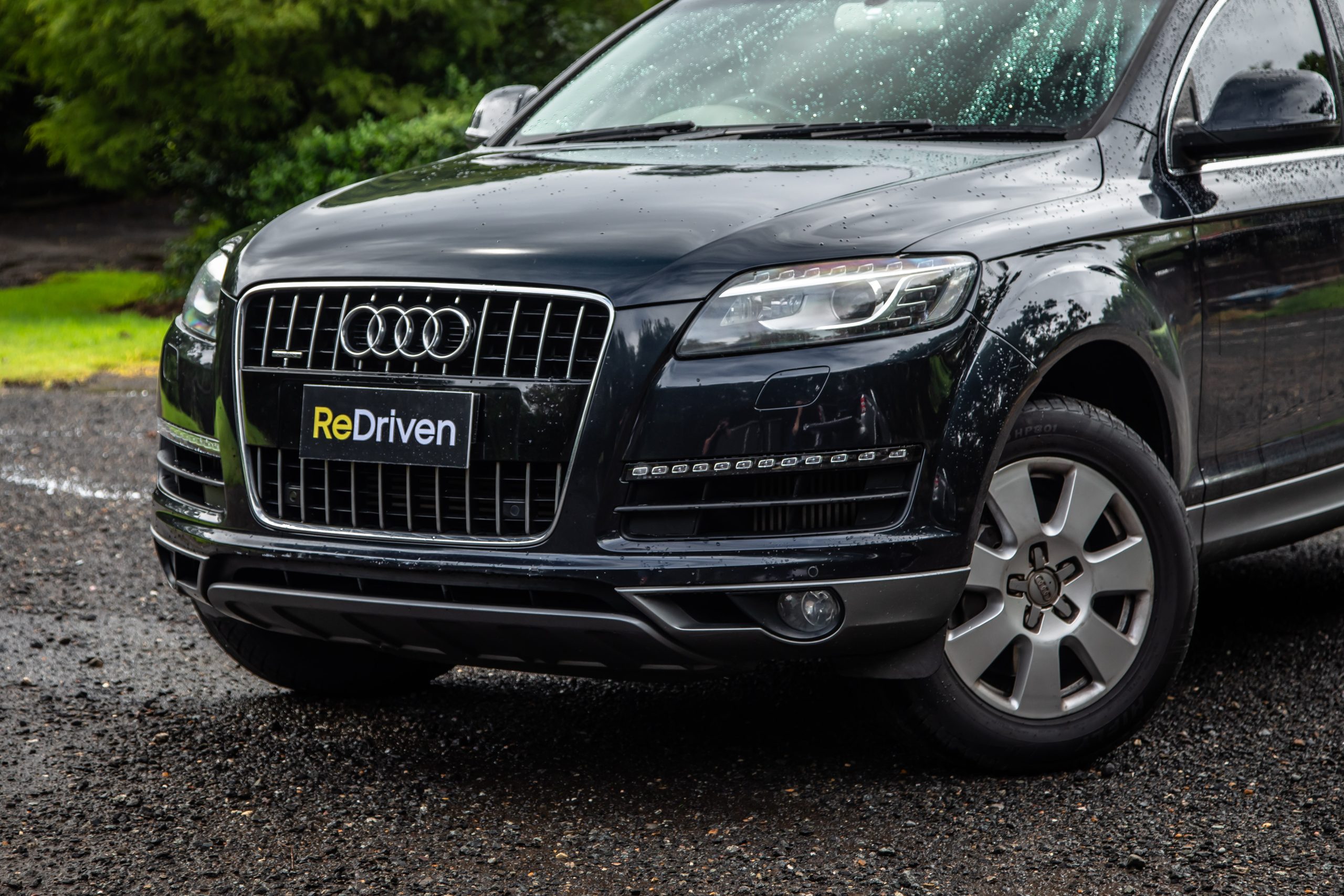
+9 Photos
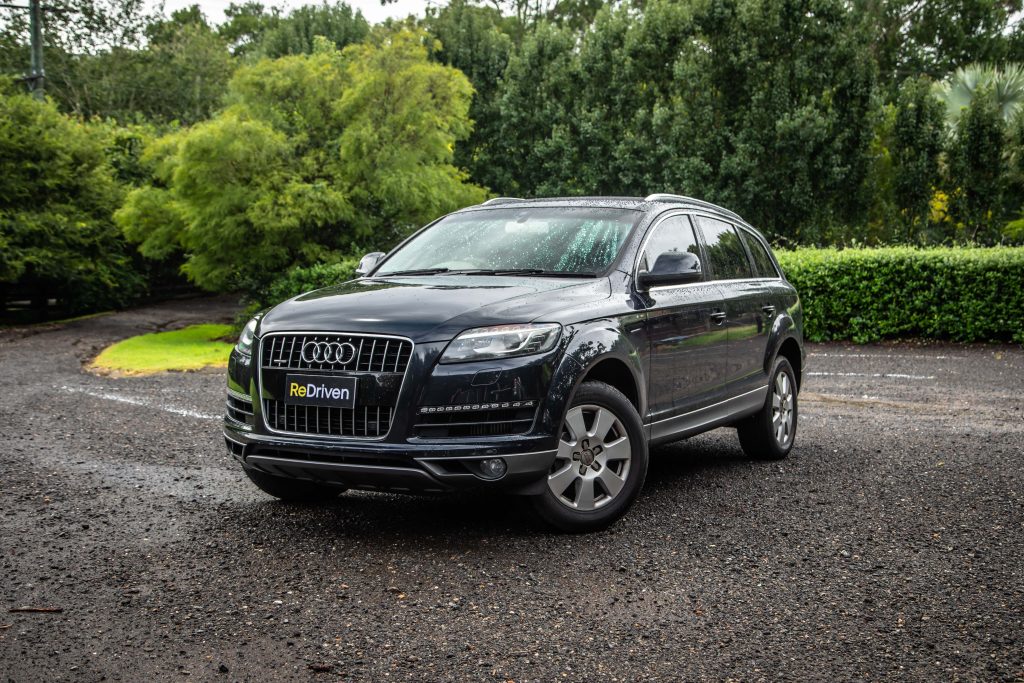
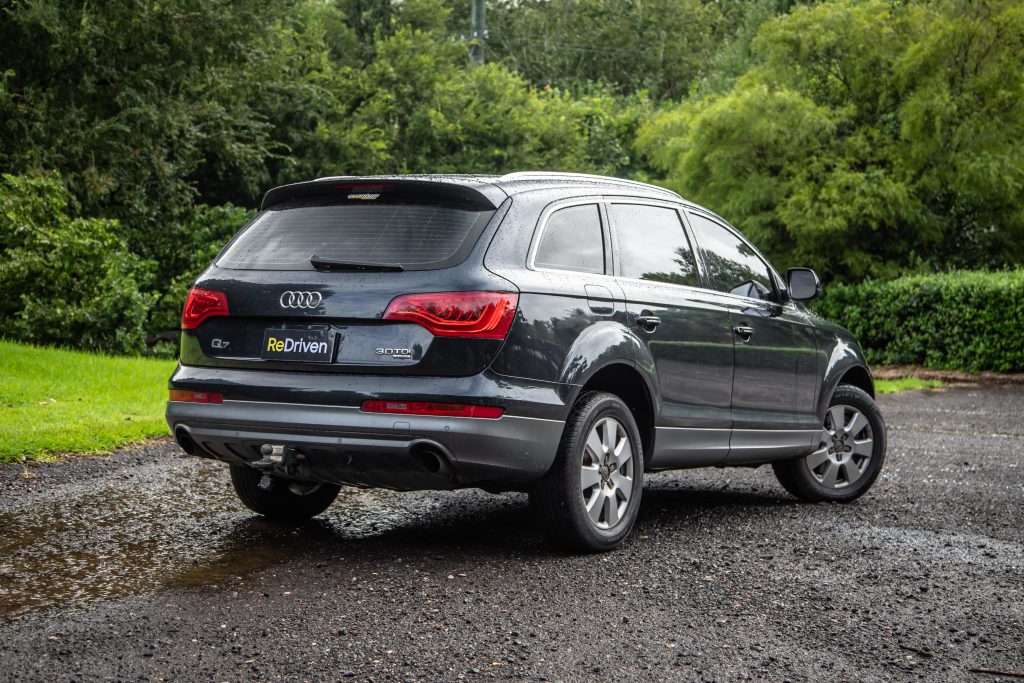
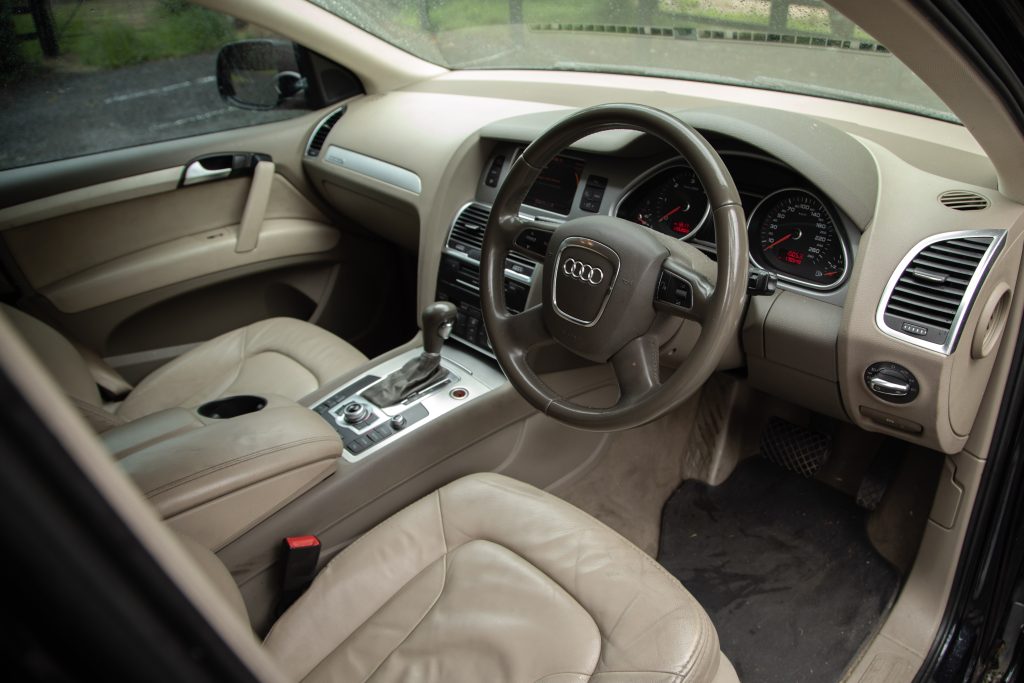
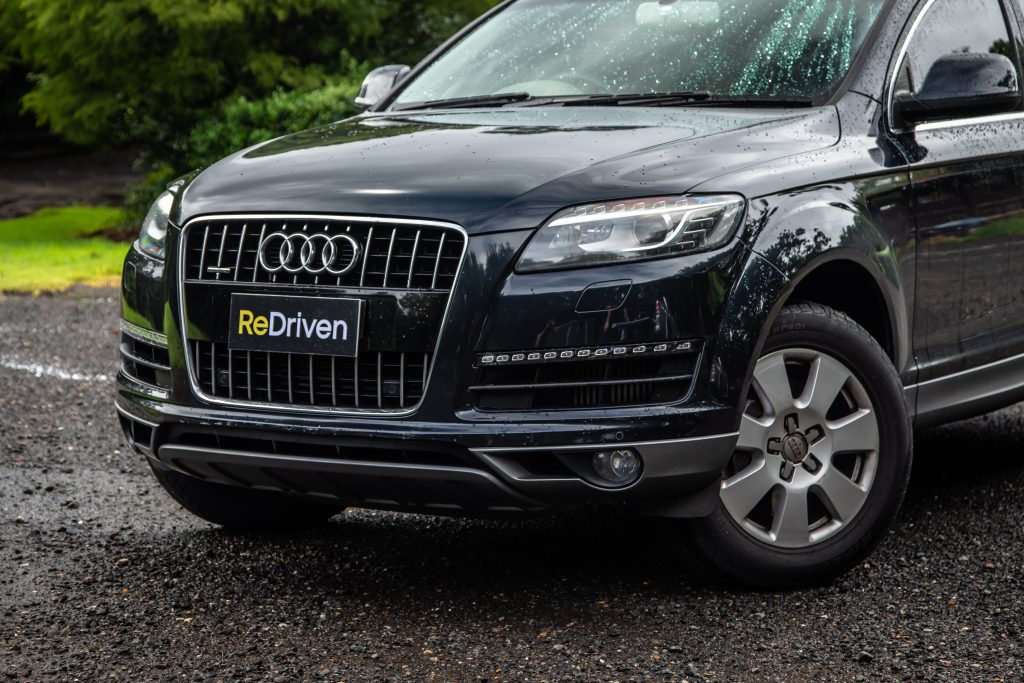
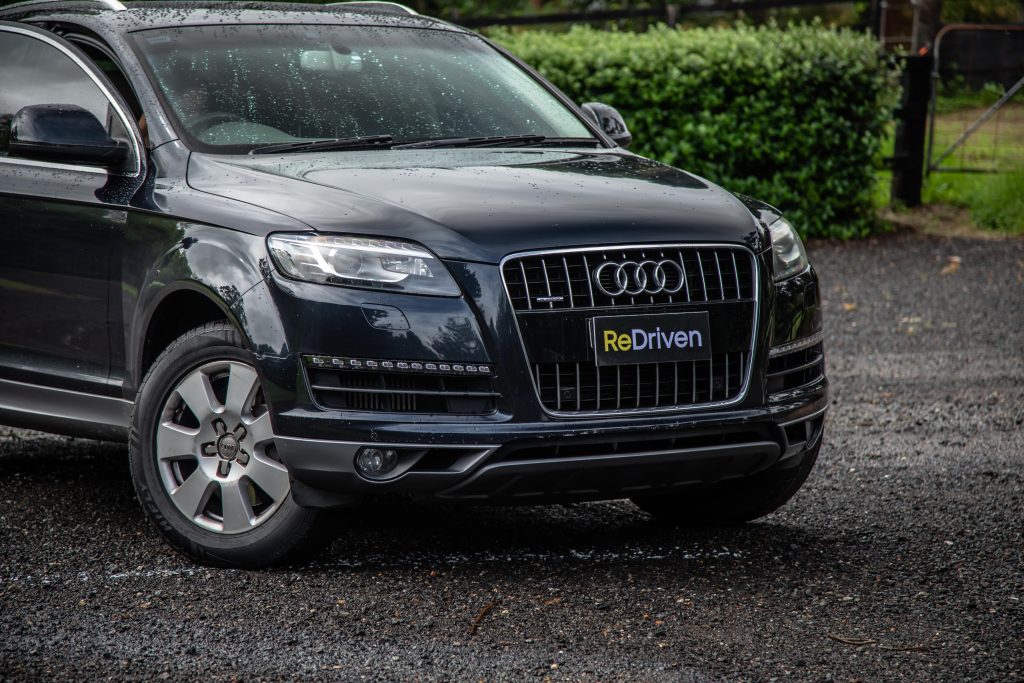
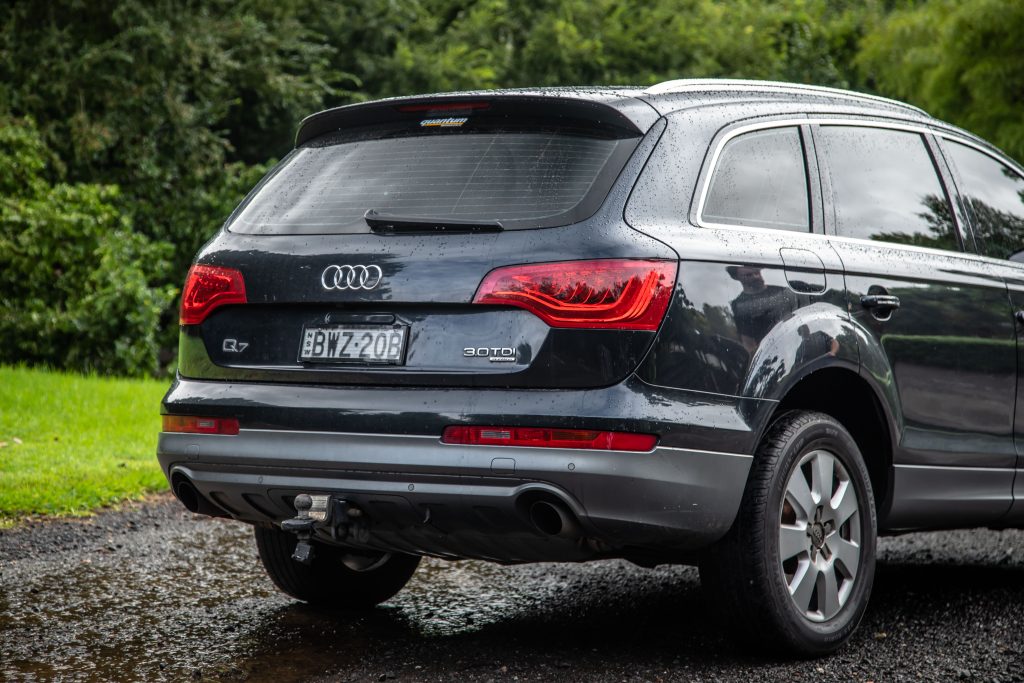
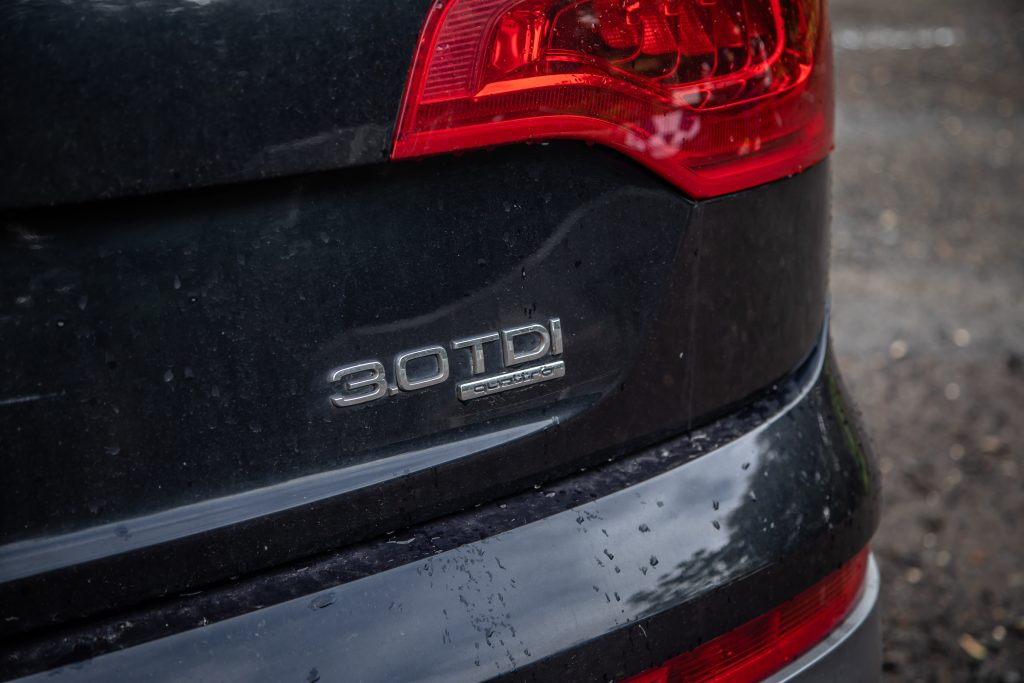
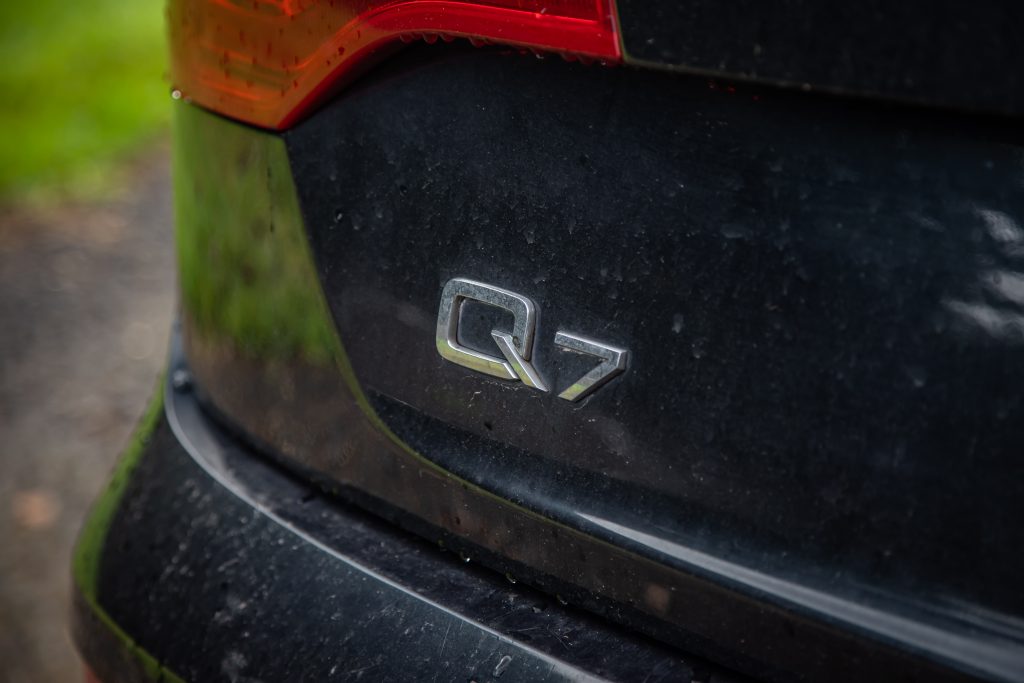
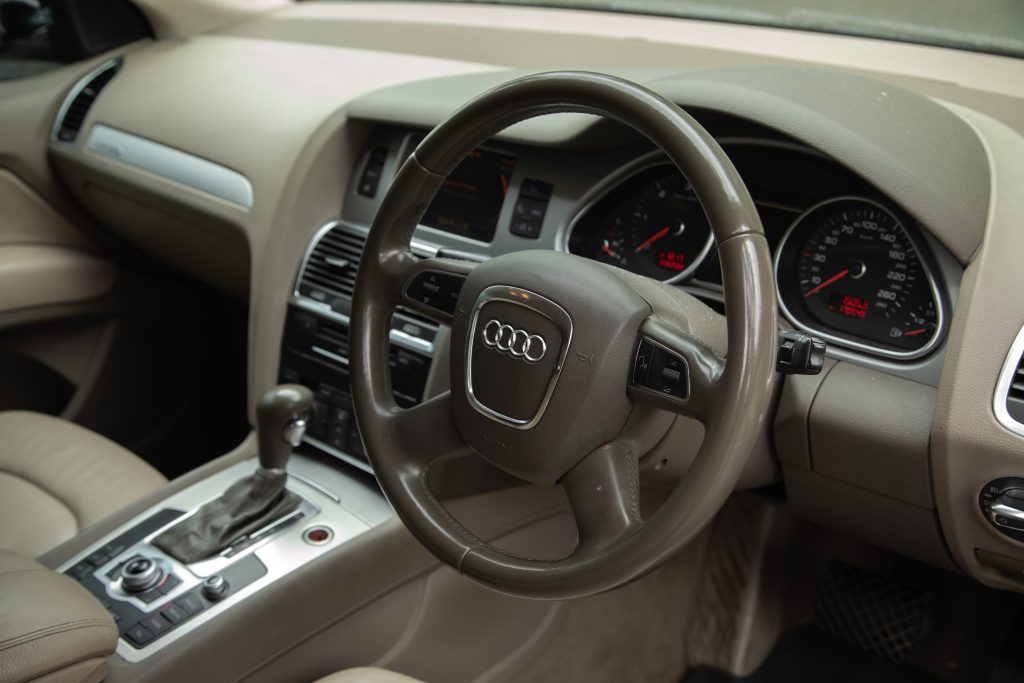
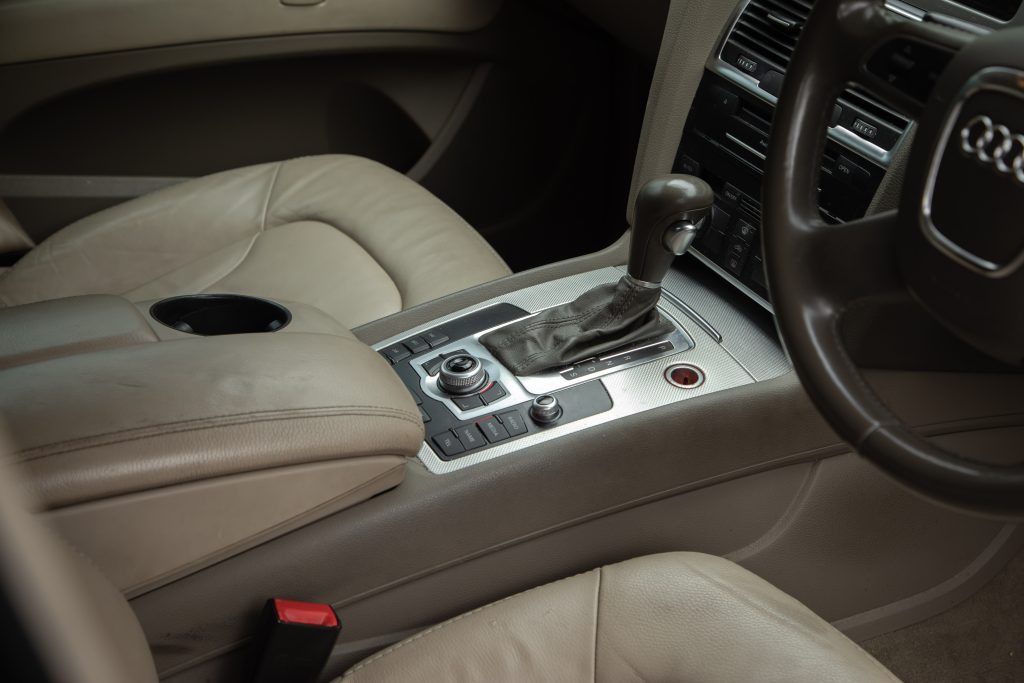
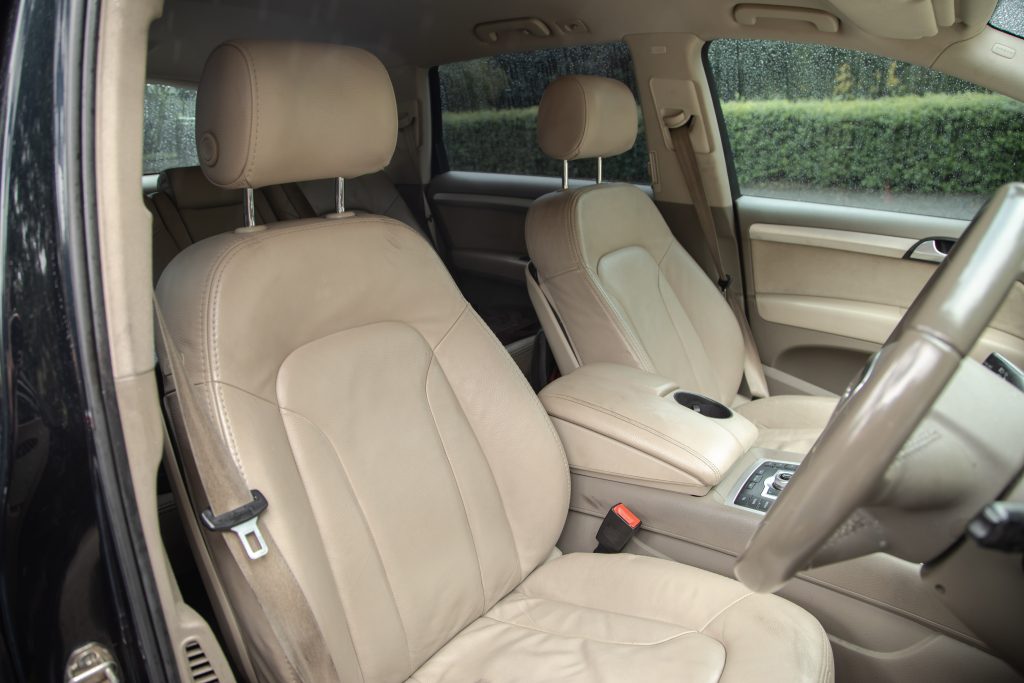

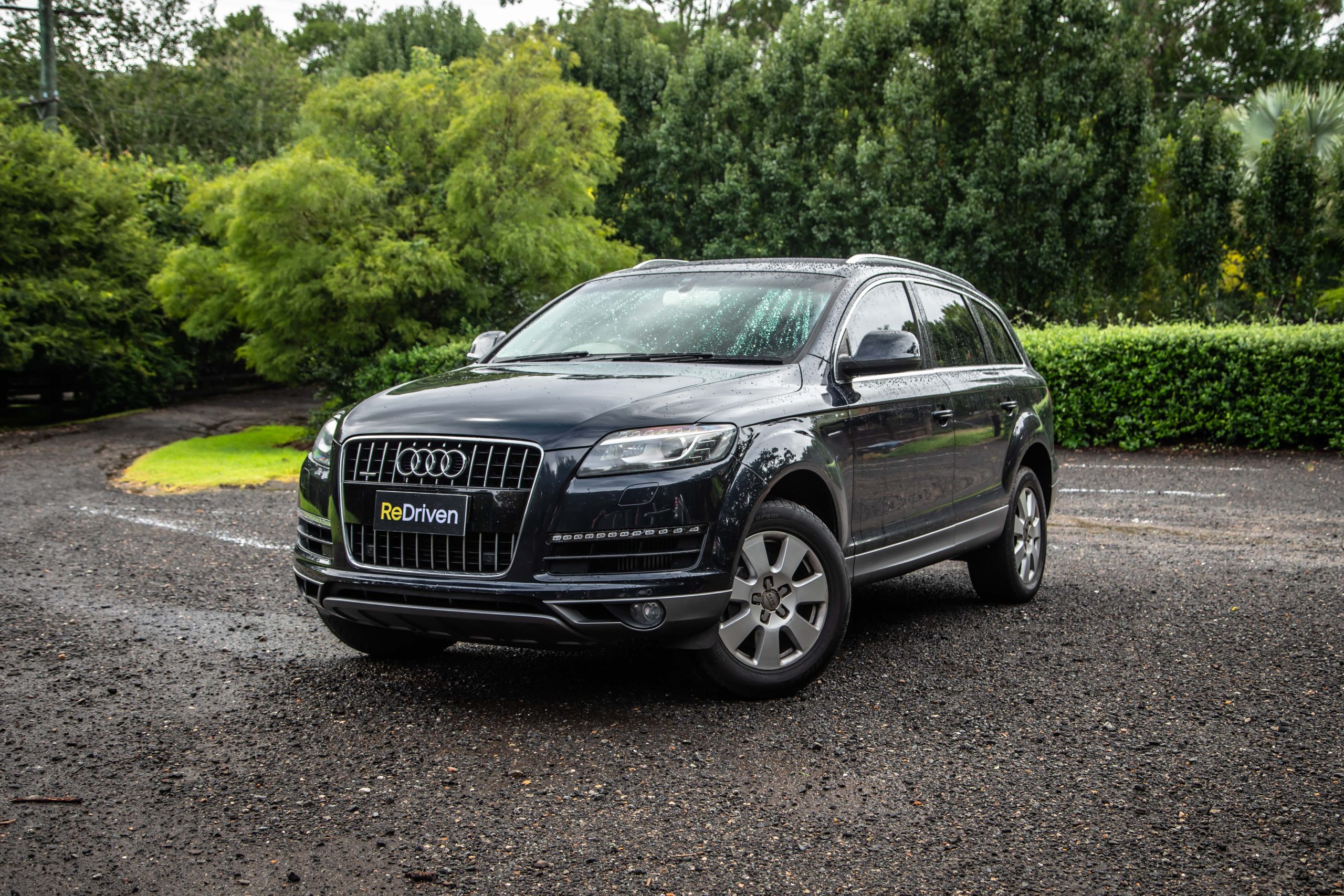
2010 Ausi Q7 3.0 TDI

21 March 2022
Probably not.

2010 Ausi Q7 3.0 TDI

Used car review
21 March 2022
Audi’s Q7 was initially gun shy about SUV, its first, the large-segment Q7, arriving in 2006, fashionably much later the established competition from BMW (X5), Mercedes-Benz (ML-Class), Porsche (Cayenne) and Volkswagen (Touareg).
Audi’s largest model to date launched locally via a lengthy media tour of Outback Australia to prove its multi-terrain capabilities. By all accounts, it proved its mettle handsomely, even if conventional wisdom was, prior to today’s SUV hysteria, few owners would ever tackle serious off-roading.

Underpinned by a version of the Volkswagen Group’s PL71 and built alongside Touareg in Slovakia, the gen-one Q7 was initially offered in both TDI and FSI petrol guises, entering the fray with a choice of two six-pot engines: a 3.0-litre oiler good for 171kW/500Nm or a naturally aspirated 3.6 petrol at 206kW and 360Nm, both priced around the mid-$80k mark.
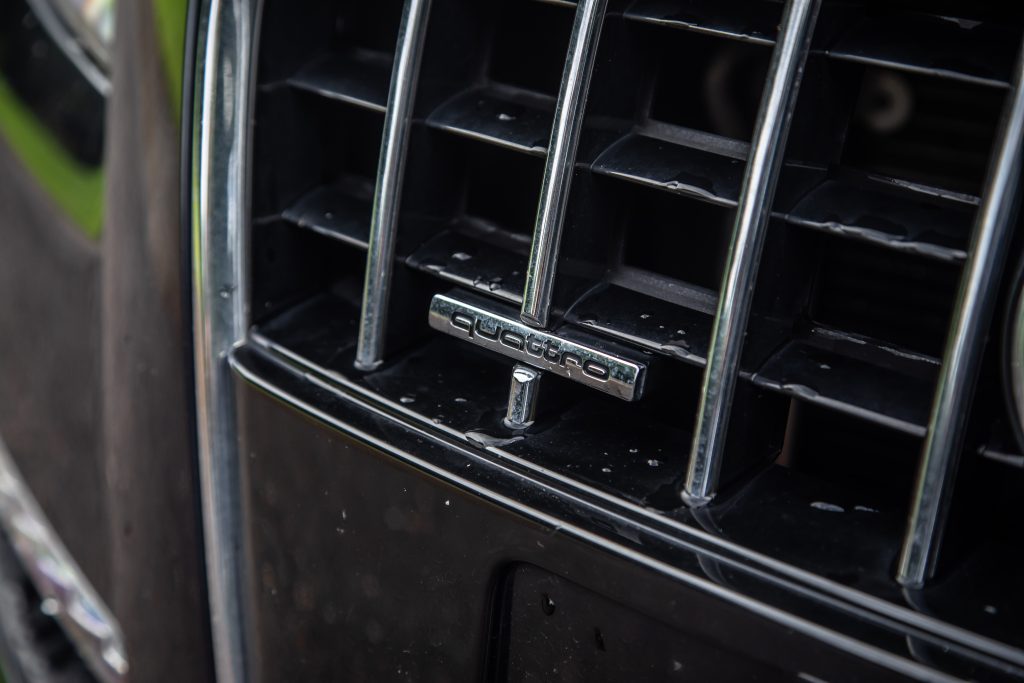
The tree-topper was a naturally aspirated FSI petrol V8 good for 257kW and 440Nm that fitted adaptive air suspension rather than the conventional spring format of the sixes. A six-speed auto was fitted range wide, while Audi’s penchant for ‘quattro’ permanent all-wheel drive was also par for the Q7 course.
Available in five-, seven- and a rarely optioned six-seat (2+2+2) guises, the Q7 was big, comfy, reasonably well equipped in low-grade from a lobbed at time where premium European marques charged for extra like wounded bulls.
Nice wheels, electric leather seating and a sunroof could be a five-figure on-cost. They’re also, by today’s standards, quite thirsty, advertising consumptions of between 10.5L (TDI six) and 13.6L (FSI V8) claimed.
This was also the era when Audi pushed diesel hard as a performance choice, notably marketed through endurance motorsport, and 2008’s Q7 TDI V8, its 4.2-litre twin-turbo unit churning out 240kW and 760Nm, became the range flagship at just under $128k. But there was much more to come…
MY10 saw the arrival of the TDI V12 offering 368kW and ONE THOUSAND Newton metres of torque from its whopping six-litre capacity and dozen-cylinder count, in homage (of sorts) to Audi’s Le Mans racing endeavours. Despite 2.5 tonnes it dispatched 0-100km/h in 5.5 seconds and cost a quarter-mil.
A facelift, going some way to amending early Q7’s frumpy styling, lobbed in 2010. Around this time, the underachieving naturally aspirated 3.6 petrol was replaced by a fitter supercharged 3.0-litre unit, outputting a far healthier 254kW and 440Nm and improved (10.7L) fuel consumption, with Audi hiking pricing up to around $94k. Australia’s 3.0SC engine was the higher-output version of two tunes offered globally.
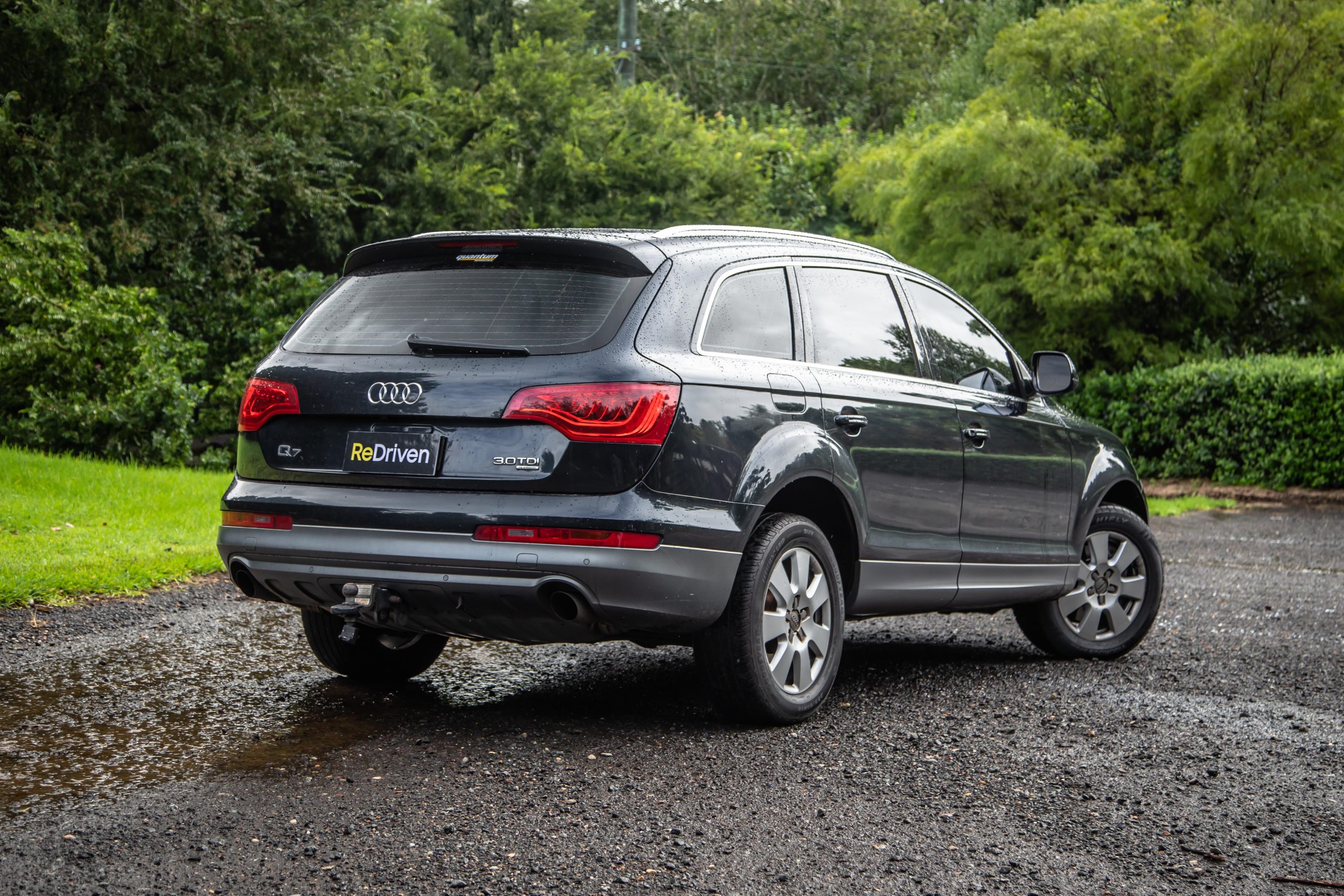
Around this time, Audi also dropped the six-speed automatic in favour of a more modern and efficient eight-speed unit in everything par the mighty V12. Meanwhile, the petrol V8 was retired from the Q7 stable and a more efficient, Euro 6-certified 3.0-litre diesel – 180kW, 550Nm, just 7.4L/100kms – migrated to the lower end of the Q7 line-up.
Later first-gen Q7s also benefited from Audi expanding more into S-line styling upgrade and a broader choice of aesthetic options and wheel choices. The marque’s now staple MMI infotainment format also surfaced towards the tail end of the lifecycle, which ended in September 2015 when the all-new ‘boxy’ second-generation Q7 launched in Australia.
There are reports that the windscreen wiper arms are known to break far too easily and the windscreen washer fluid lines are known to leak. It seems some Q7’s make it very hard to wash or clear your windscreen.
The keyless entry sensors in the door handles are known to fail, as are the actual locking actuators, basically not unlocking the car, potentially leaving you stranded. To fix these issues, occasionally you’ll have to buy an entire new handle, for all 4 doors and requiring genuine Audi parts, this will become expensive.
The power windows are beginning to have regulator issues.
The electric tailgate may not close properly due to a faulty latch or it can close “”abruptly and unexpectedly”” after being opened, with a chance of injury to anyone in the way at the time. However, this should have been sorted by Audi thanks to a recall.
There are many reports of water leaks thanks to clogged drains located under the windscreen and around the infamous sunroof drains.
The problem here is that the water can leak into the interior and play absolute havoc with the cars electronics, this can result in a horrific repair bill.
Early Q7s are reported to occasionally burn out the rear lights, sometimes requiring a new wiring harness for these lights.
The Blower motor for the air conditioning is known to fail but luckily it should be a relatively easy fix. However, there are regular reports of other air conditioning issues that require expensive parts (evaporators and compressors) and lengthy repair times, all of which add up to horrendous repair bills.
There are loads of reports that the multimedia system fails and fail to play any audio or sound whatsoever. This can be due to failed amplifiers due to more potential water leaks that can occur.
The multimedia system can just attempt to reboot over and over, draining the battery and the system can just completely fail in general.
Also, due to many of these systems being interconnected, if one module goes down, it can potentially take others with it.
Mechanically, Injector seals and injector issues are becoming a regular issue. Injector seals (per injector) can cost approximately $300, however an entire injector can potentially cost upwards of $2000. If you require all 6 injectors replaced, yes that can become a $12,000 repair bill in some circumstances.
It’s important to note that non-OEM (not an Audi/Volkswagen genuine part) injectors and injector seals are available and in most circumstances will cost far less.
There are many reports regarding timing chain issues, again which can cost into the thousands to repair.
Diesel particulate filter (DPF) and exhaust gas recirculation (EGR) issues are coming common.
Turbo issues are reported regularly as are the typical Audi/Volkswagen coolant and oil leaks.
Various electrical gremlins and software issues are now common place throughout the entire vehicle, and in the worst case scenario, can impact the transmission with reports that some examples can suffer catastrophic failures.
We should note, these are just the more common issues we found through our research, the range and breadth of sporadic problems and faults are terrifyingly extensive.
Should you buy a used Audi Q7 (4L)?
We do understand why you’d want to.
Besides the fact that Audi have absolutely nailed their marketing, convincing large chunks of the population that the Q7 is some sort of aspirational status symbol of an SUV, even when used, it is still a genuinely lovely thing to drive, it’s ultra practical and still, (sort of) does what this category of car requires.
But unfortunately, that’s about where the positives end.
No matter how fancy the brand name or how lofty the associated image may be, the potential for serious mechanical and electrical issues, and the cost to repair them are just far too high in our opinion.
Combine that with truly terrifying levels of depreciation and the fact that, even when looked after and cared for, the Q7 isn’t ageing all that gracefully.
Yes there are those unicorn examples out there that have never had an issue and their owners love them but now that these are getting older, even perfectly maintained examples are beginning to have catastrophic failures completely out of the blue.
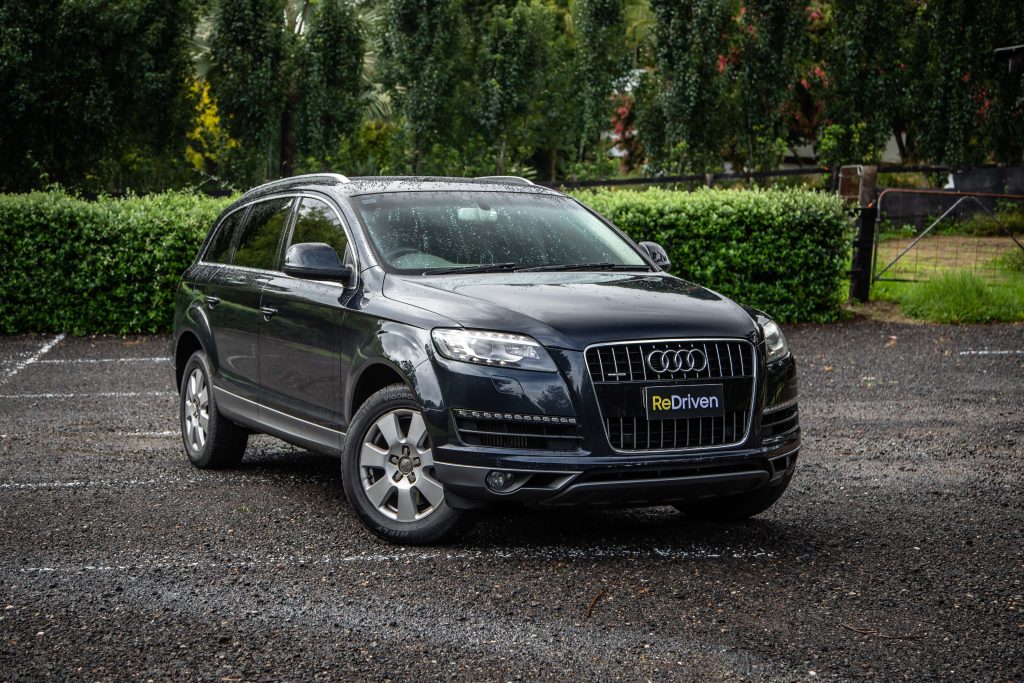
If you can easily afford to pay for the potentially exorbitant parts and repair bills, and you’re in the financial position to justify the stupid levels of depreciation, and you have another car to drive around while your Q7 is away getting repaired, and for whatever reason even though you can afford all that you want one of these older Q7s, sure buy one, it’s only money right.
But, if you’re on a budget or don’t enjoy the feeling of a dark cloud of potential expensive repair costs hovering over you every time you drive your large SUV, do not buy a Q7.
MORE: Explore our Audi reviews
MORE: Explore our SUV reviews


Co-creator, presenter & writer, ReDriven

Probably not.

 2 weeks ago
 3 weeks ago
 4 weeks ago