Australia’s No. 1 Used Car Review Website
Australia’s No. 1 Used Car Review Website
+16 Photos
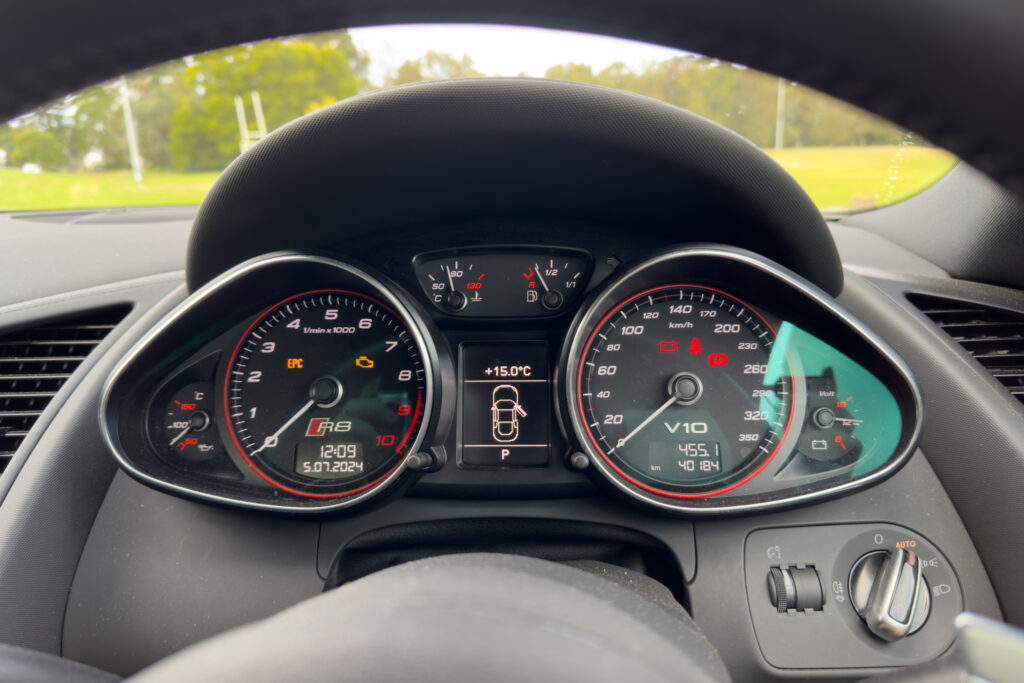
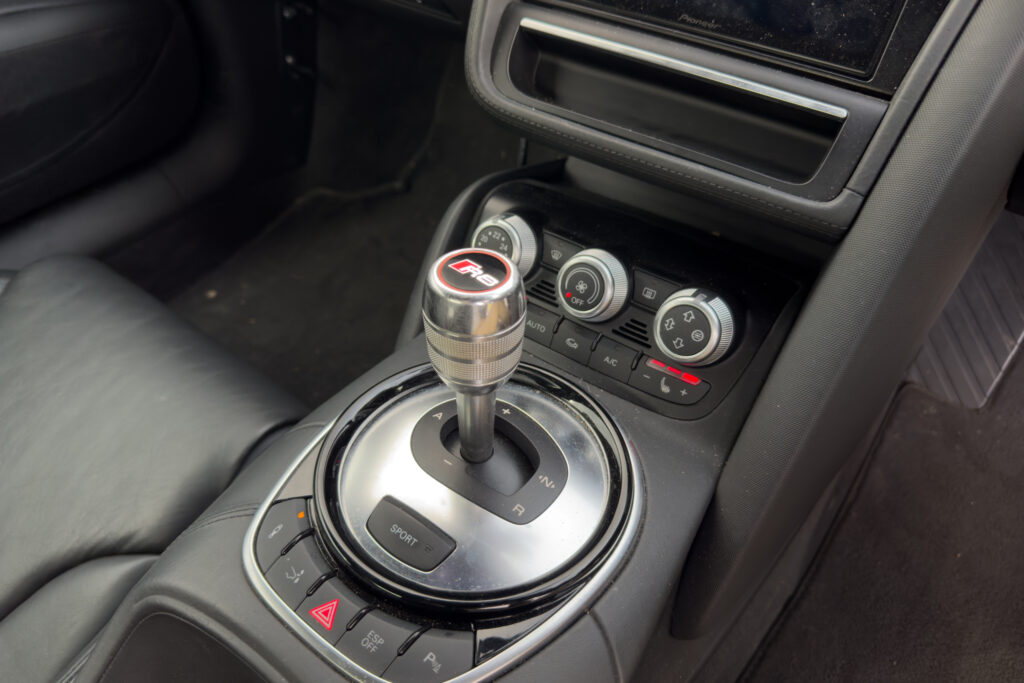
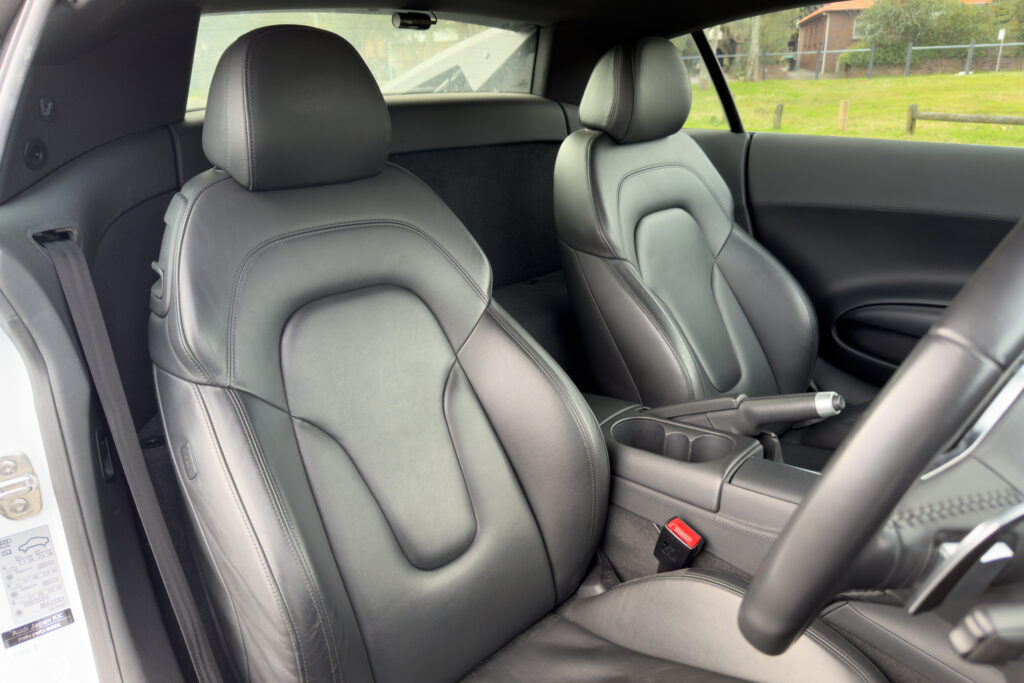
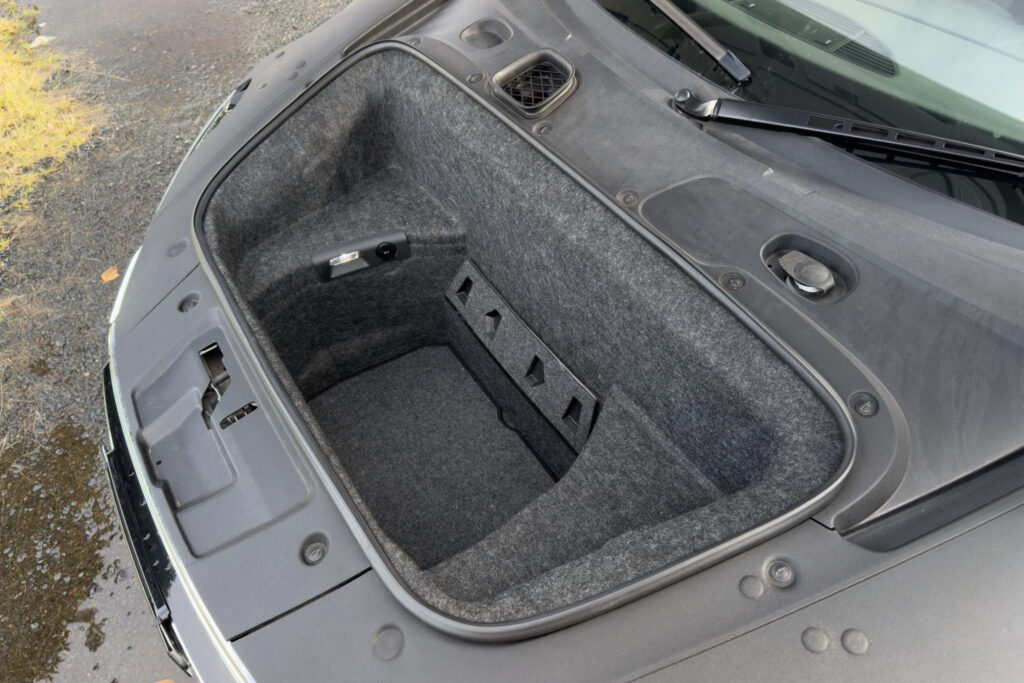

2014 Audi R8 DCT V10

04 August 2024
Yes. But only the right example.

2014 Audi R8 DCT V10

Used car review
04 August 2024
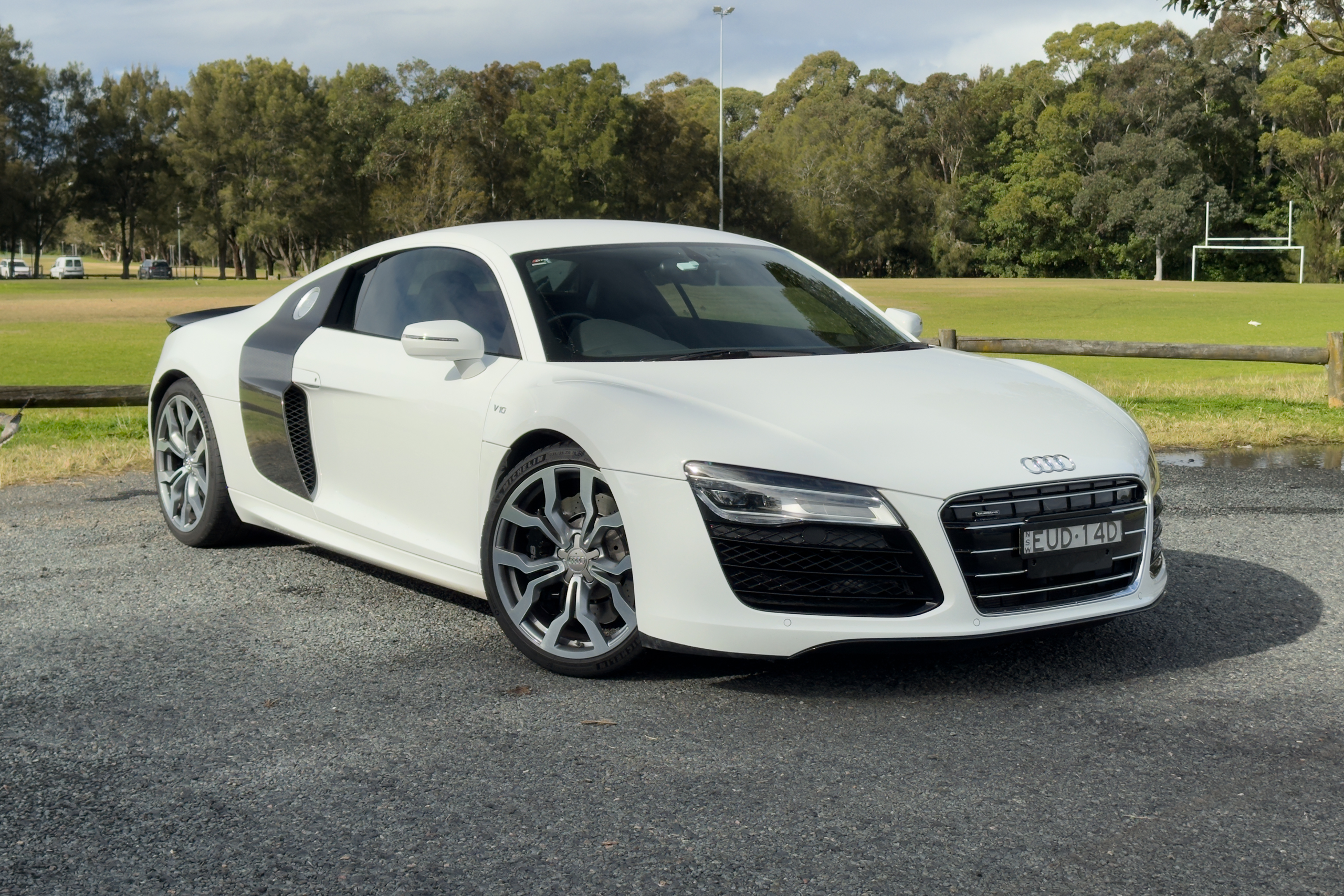
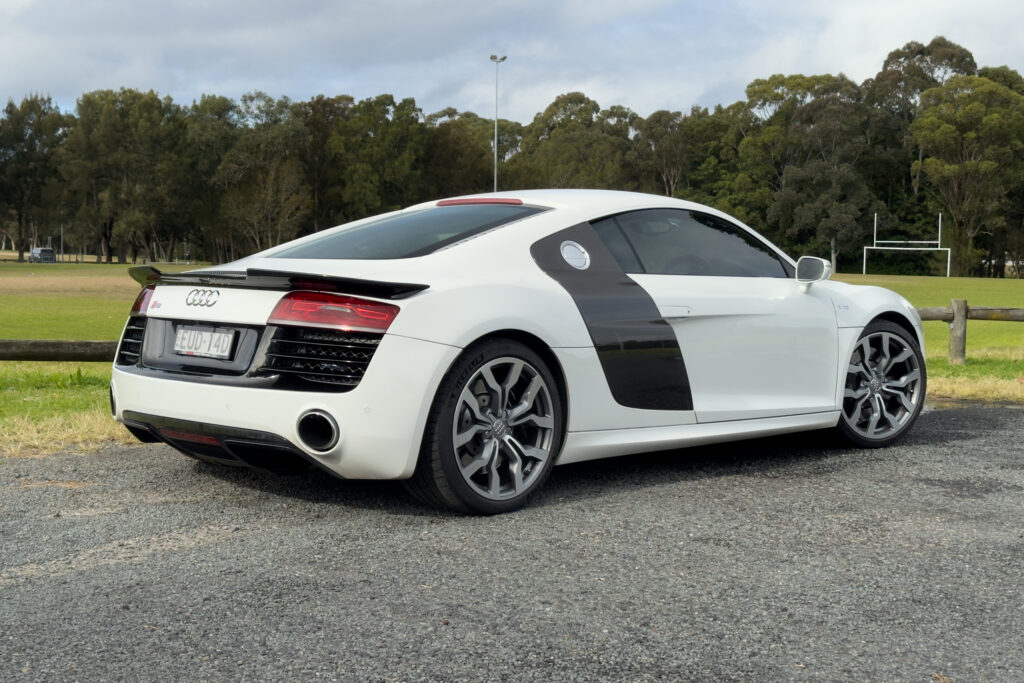
The first-generation Audi R8, thanks to Volkswagen’s ownership of both Audi and Lamborghini, shares many components with the Gallardo. The Italians played a significant role in the R8’s development and calibration, lending their expertise to ensure an extremely high-performance vehicle.
Initially, the R8 was equipped with a 4.2-litre V8 engine, closely related to the power plant found in the B7 Audi RS4. This engine delivered power to all four wheels through either a superb 6-speed manual transmission or a ah, less impressive 6-speed automated single-clutch R-tronic automatic.

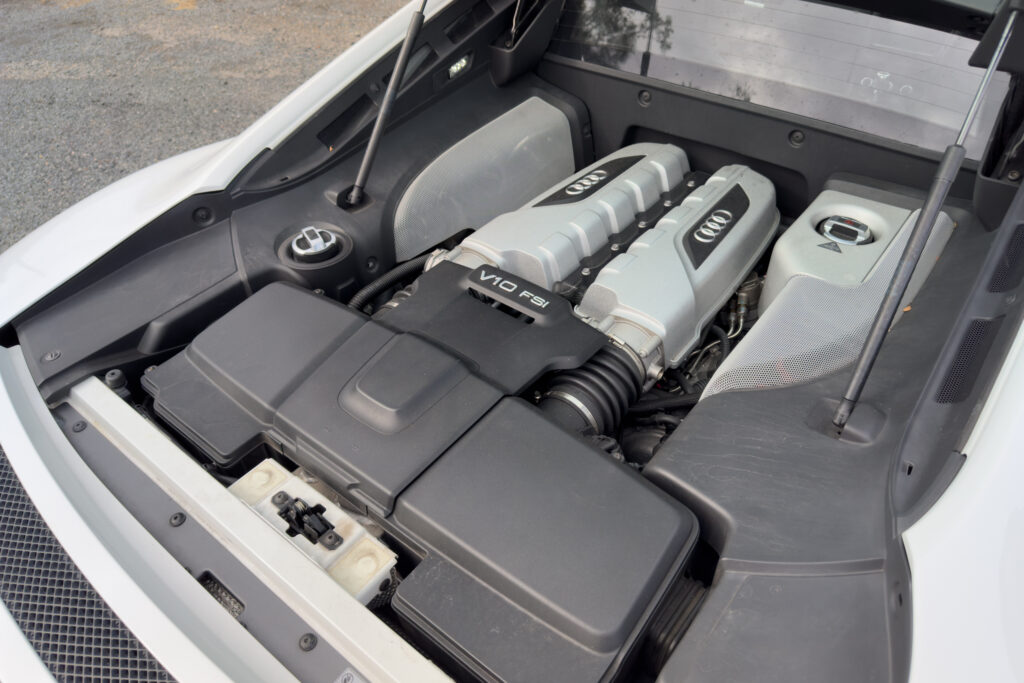
In 2009, the R8 lineup expanded to include a 5.2-litre V10 engine. This engine, nearly identical to the one found in the Lamborghini Gallardo LP 560-4, was slightly detuned to ensure the R8 did not outshine its more flamboyant Italian cousin.
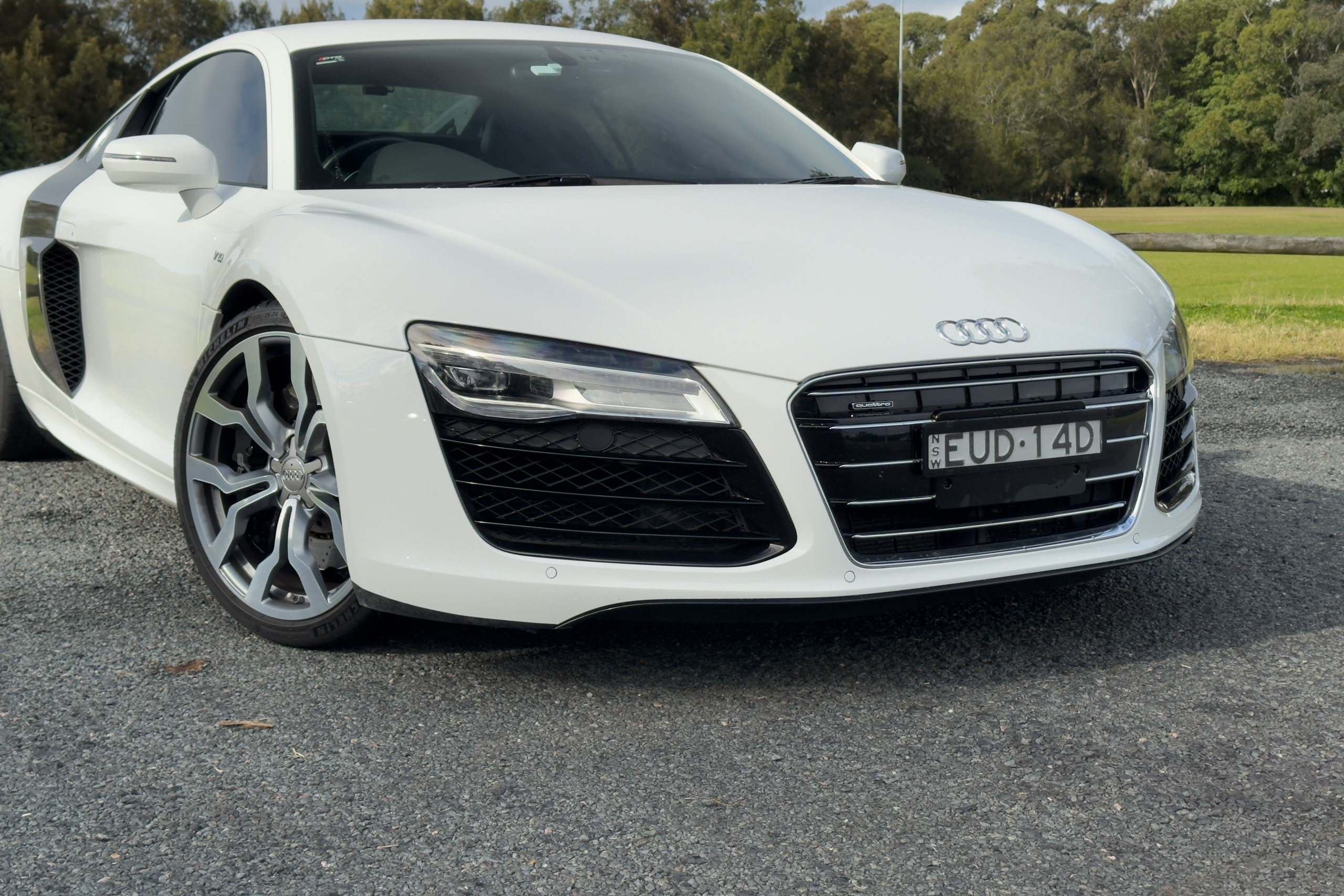
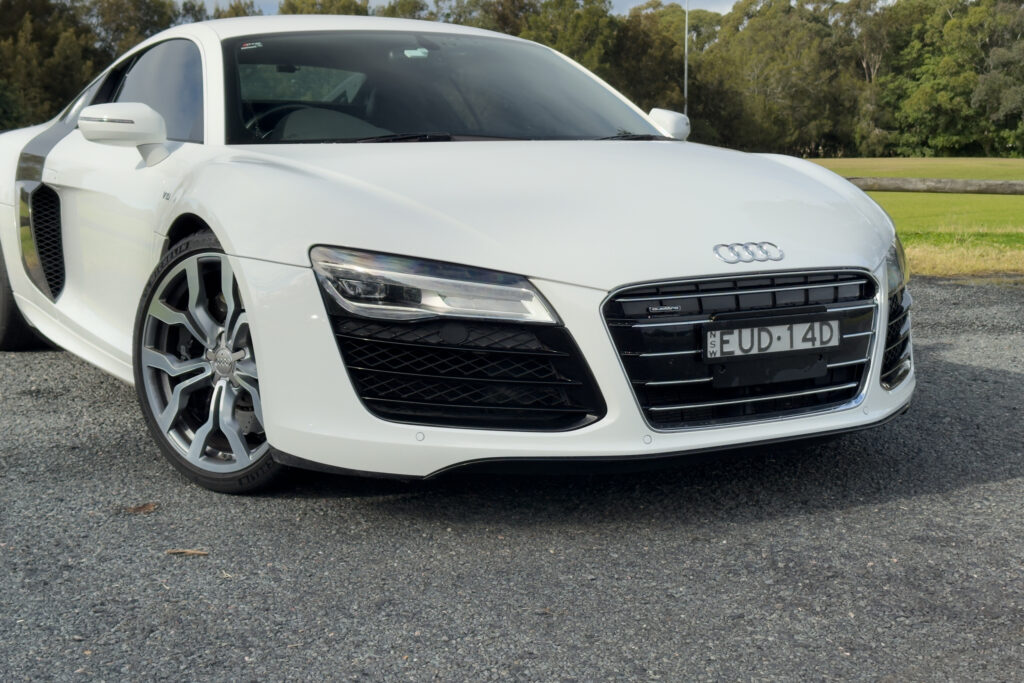
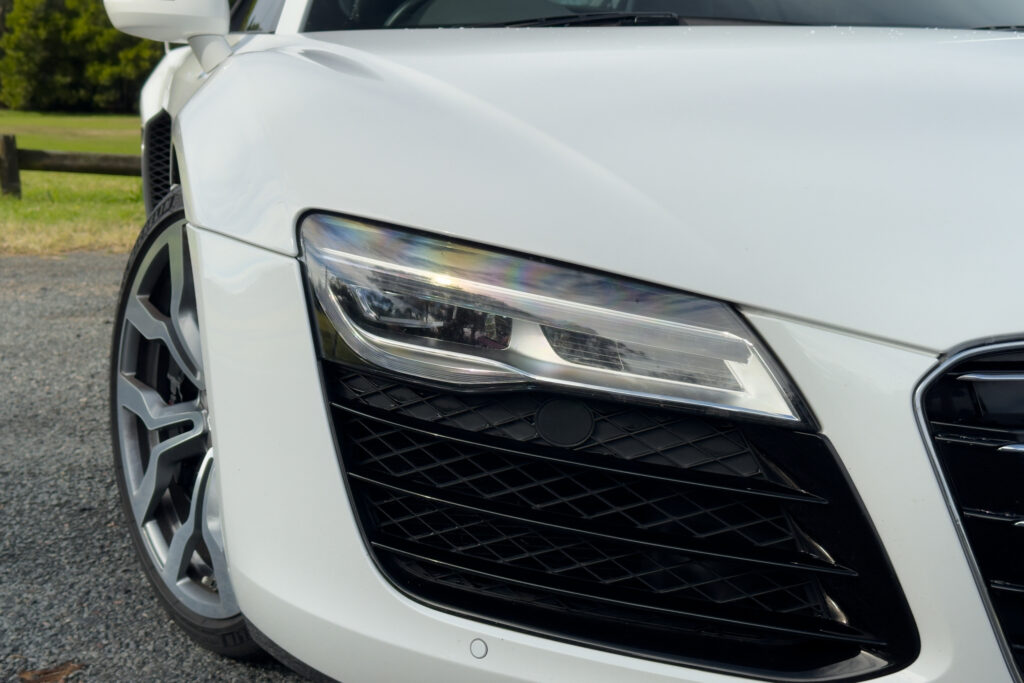
In 2010, drop-top variants joined the lineup. Then, in 2013, the range received a significant update. The clunky R-tronic transmissions were replaced with a dual-clutch S-Tronic unit, and the car also received various design tweaks inside and out. The updated models featured LED headlights, which were among the first ever fitted to a production car.
While the 2013 update is considered the most substantial, Audi made subtle improvements to the R8 almost every year, adding more features and optional extras.
In Australia, pre-update R8s were available as a Carbon Edition or the very limited GT spec, with only 333 units produced, making them rare finds on the used market.
Post-update models included the V10 Plus and the LMX, although only 99 LMX units were produced. The Carbon Edition also returned to the range. Internationally, the selection of limited models is even broader.
As R8 prices become more affordable, many examples have unfortunately been owned and driven by individuals lacking mechanical sympathy or the financial means to maintain these cars properly. This has led to a range of common issues that potential buyers should be aware of.
Understanding these details and what to look for can help you make a more informed decision if you’re considering purchasing a first-generation Audi R8.
Exterior
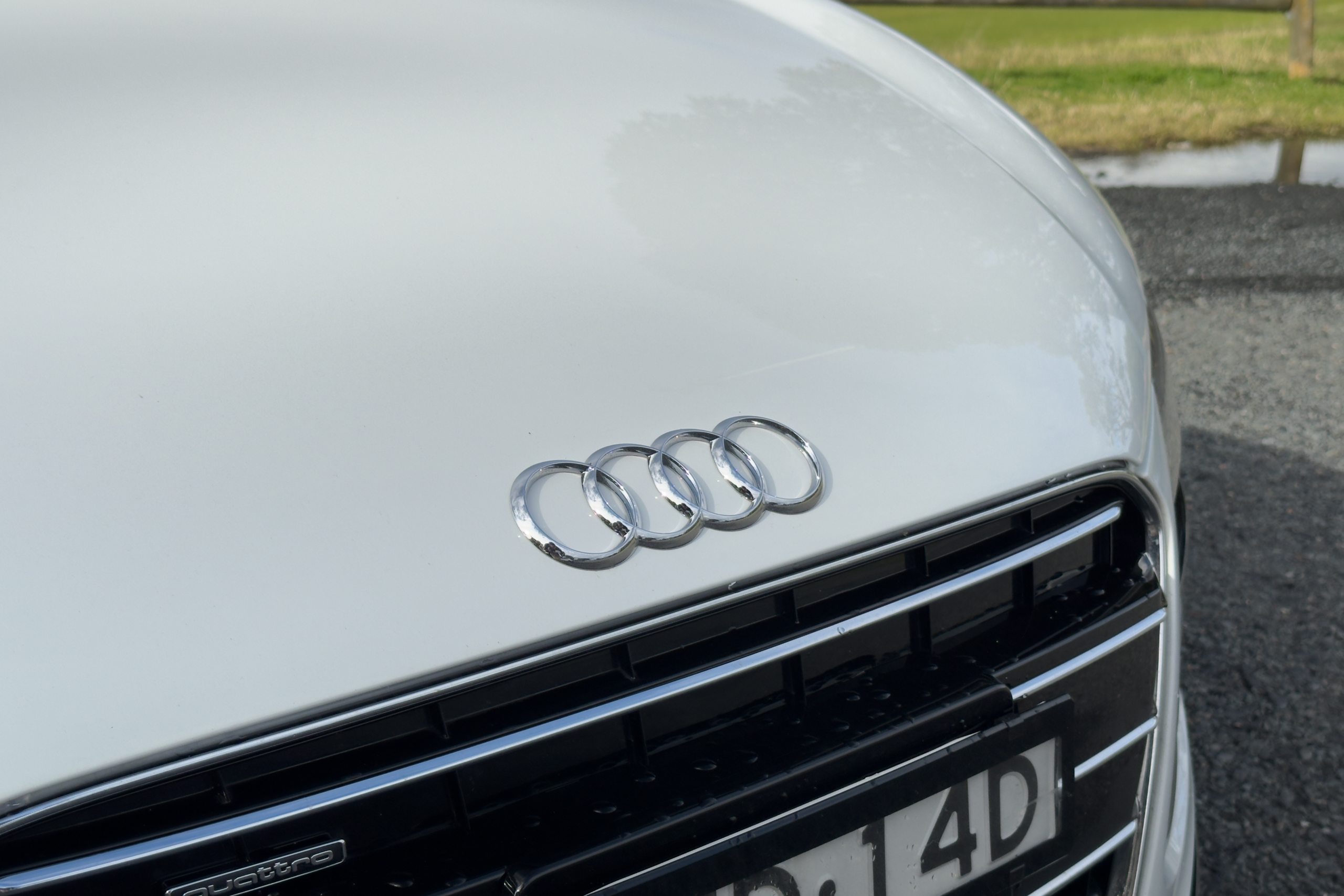
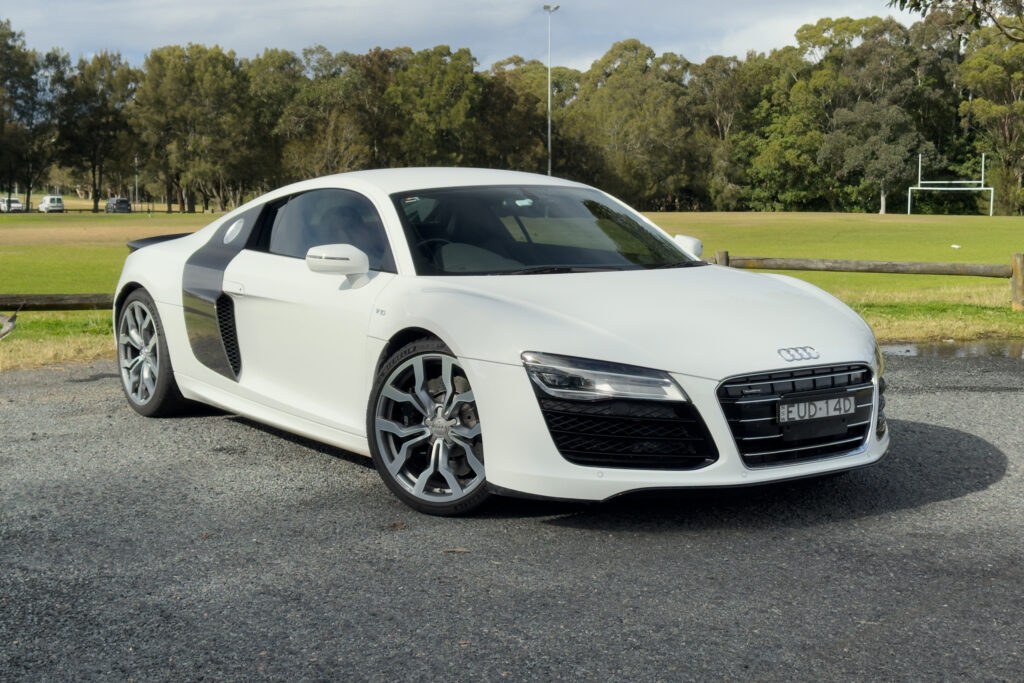
Starting with the blades, heavily used examples of the Audi R8 can be vulnerable to damage or chipping on the leading edge.
The same can be said for the leading edge of the bonnet, the bottom of both doors, and around the rear wheel arches. Look for any signs of paint peeling or bubbling, as addressing these issues with a quality respray can cost several thousand dollars.
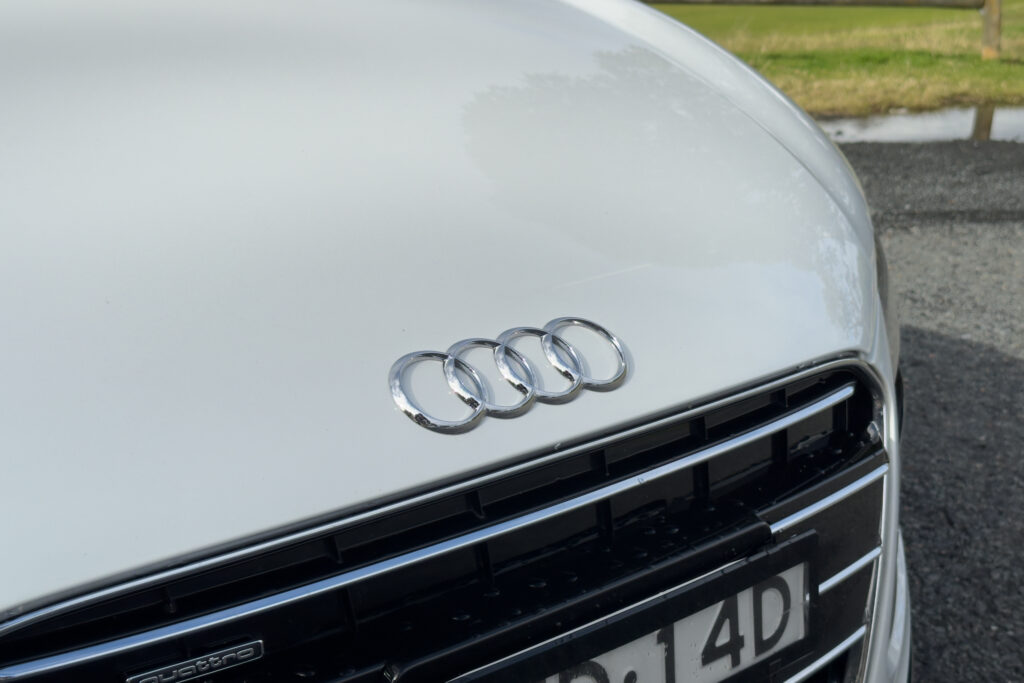
When checking for resprays, inspect the panel gaps across the entire car, especially around the large clamshell bonnet. These bonnets are notoriously difficult to re-align if they’ve been removed.
Misalignment can lead to scuffs and oxidation, necessitating a full respray, which, again, is expensive. If the bonnet has been removed, it’s crucial to understand why.
Fog lights are another area of concern. Many owners have reported issues with fog light failure due to water damage. The bulb holder can get wet and short out, rendering the fog light inoperative. While this isn’t a major issue, it is annoying and indicative of a design flaw.
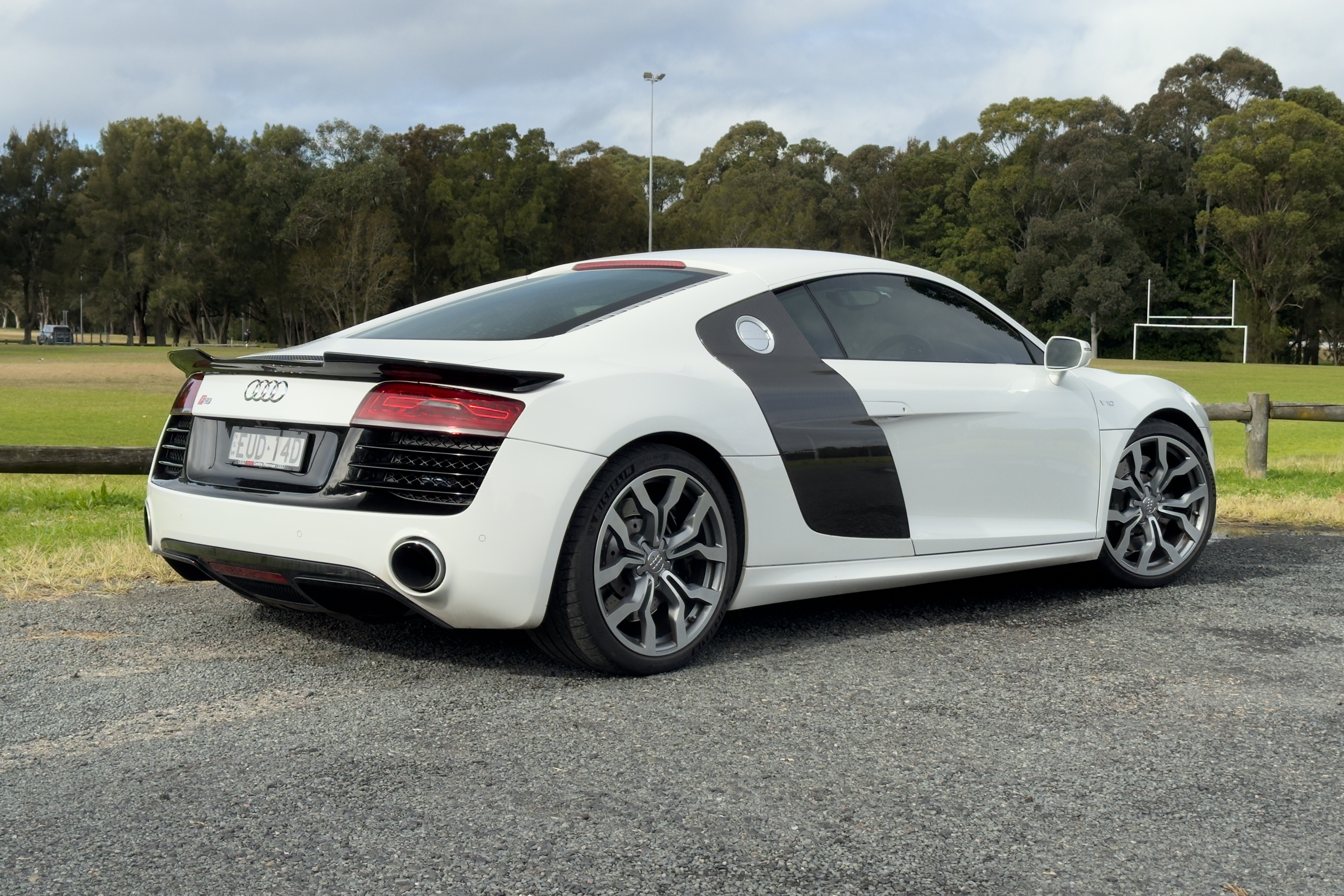
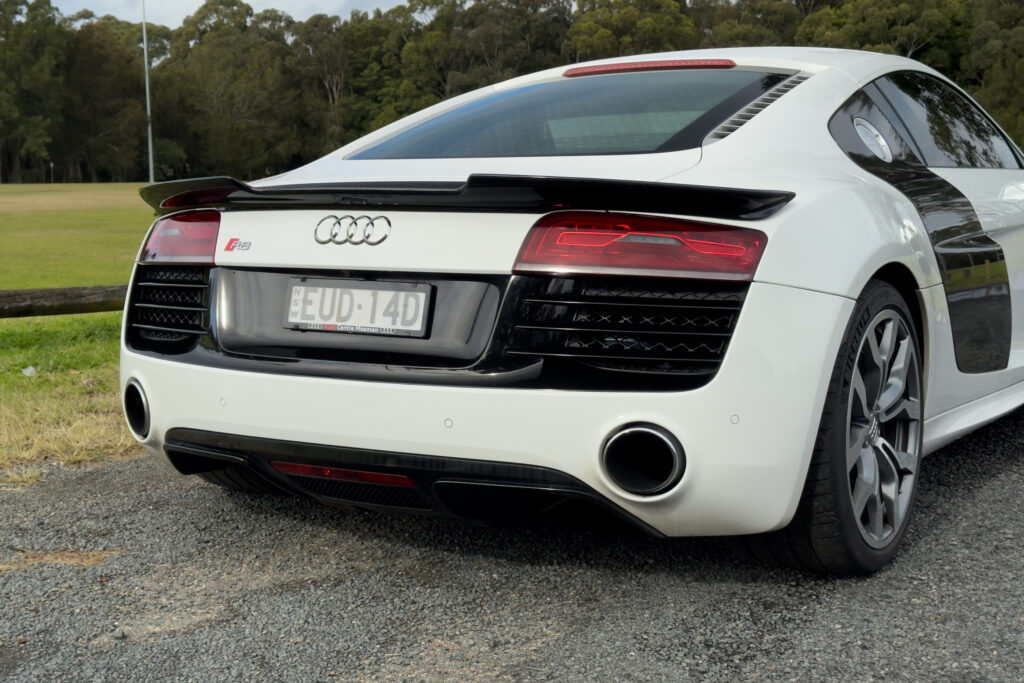
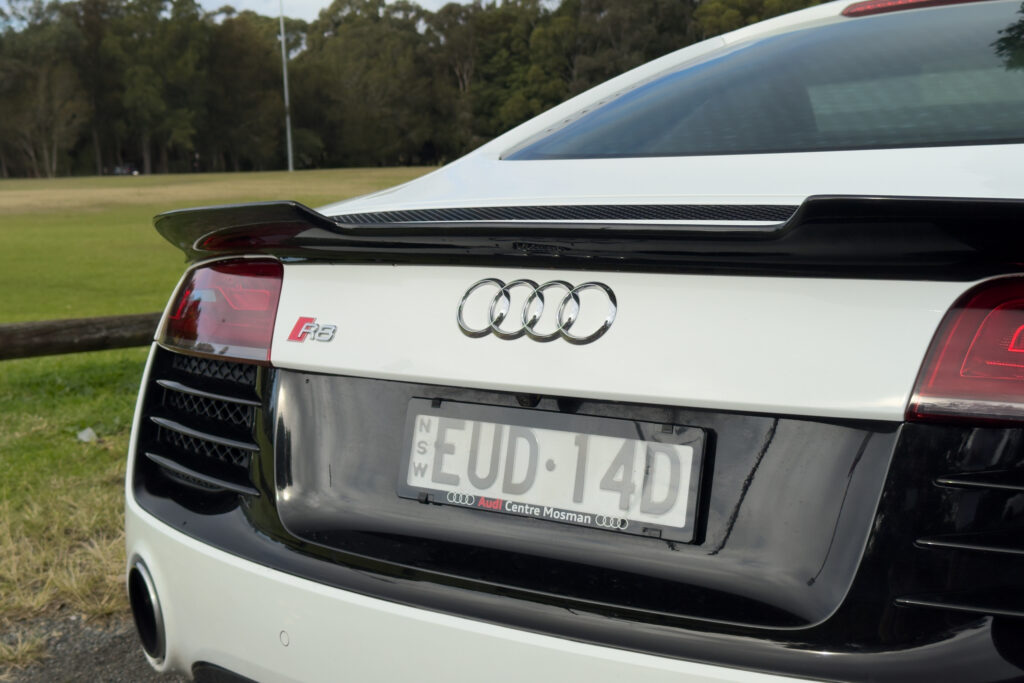
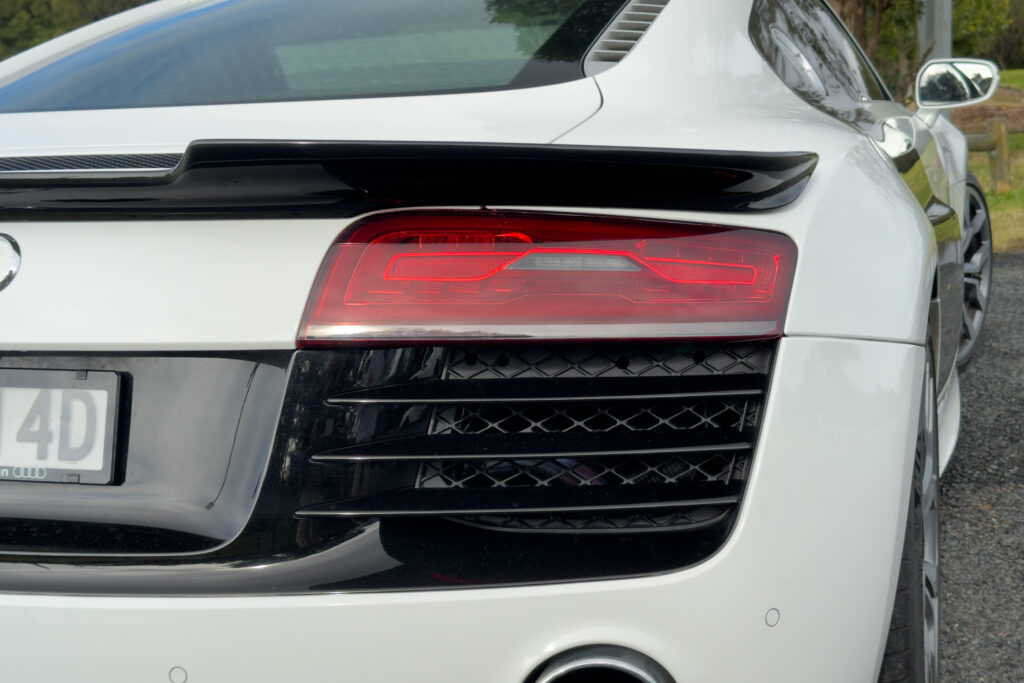
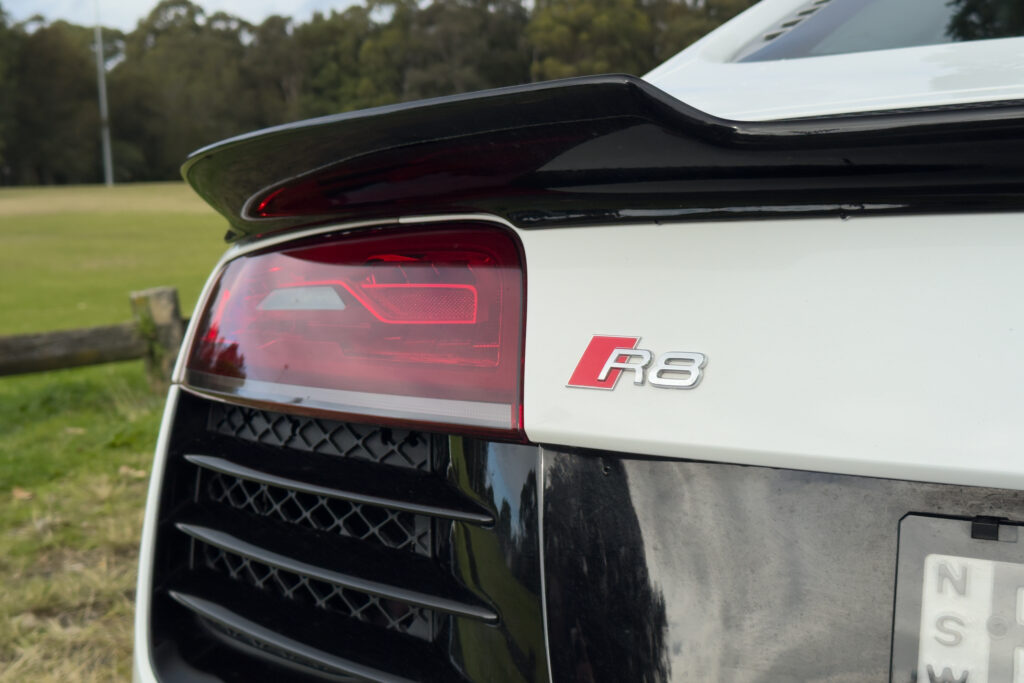
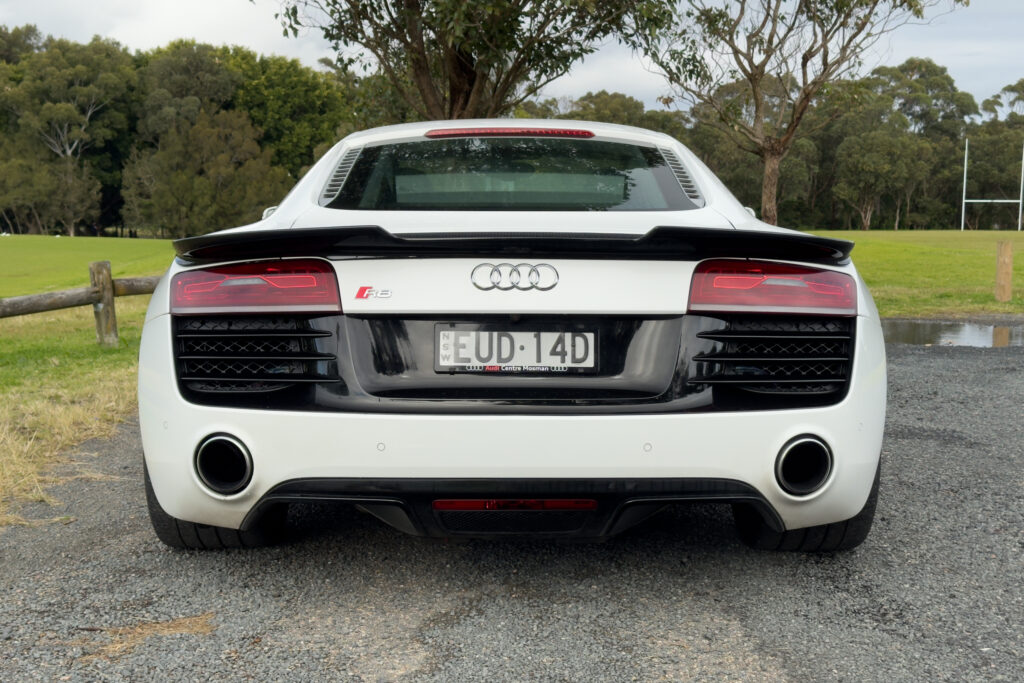
Electronic issues are also common. Some owners have had problems with the rear wing not operating properly. Make sure the button inside the car raises and lowers the wing correctly.
You may have heard of frame cracking issues, which understandably sound catastrophic. However, this was primarily a problem in very early models and was rectified by Audi in 2011.
According to R8 specialists, cars with cracked frames had typically been involved in accidents or experienced heavy impacts like driving over a curb. It’s not a common issue, but it’s worth checking for.
Interior
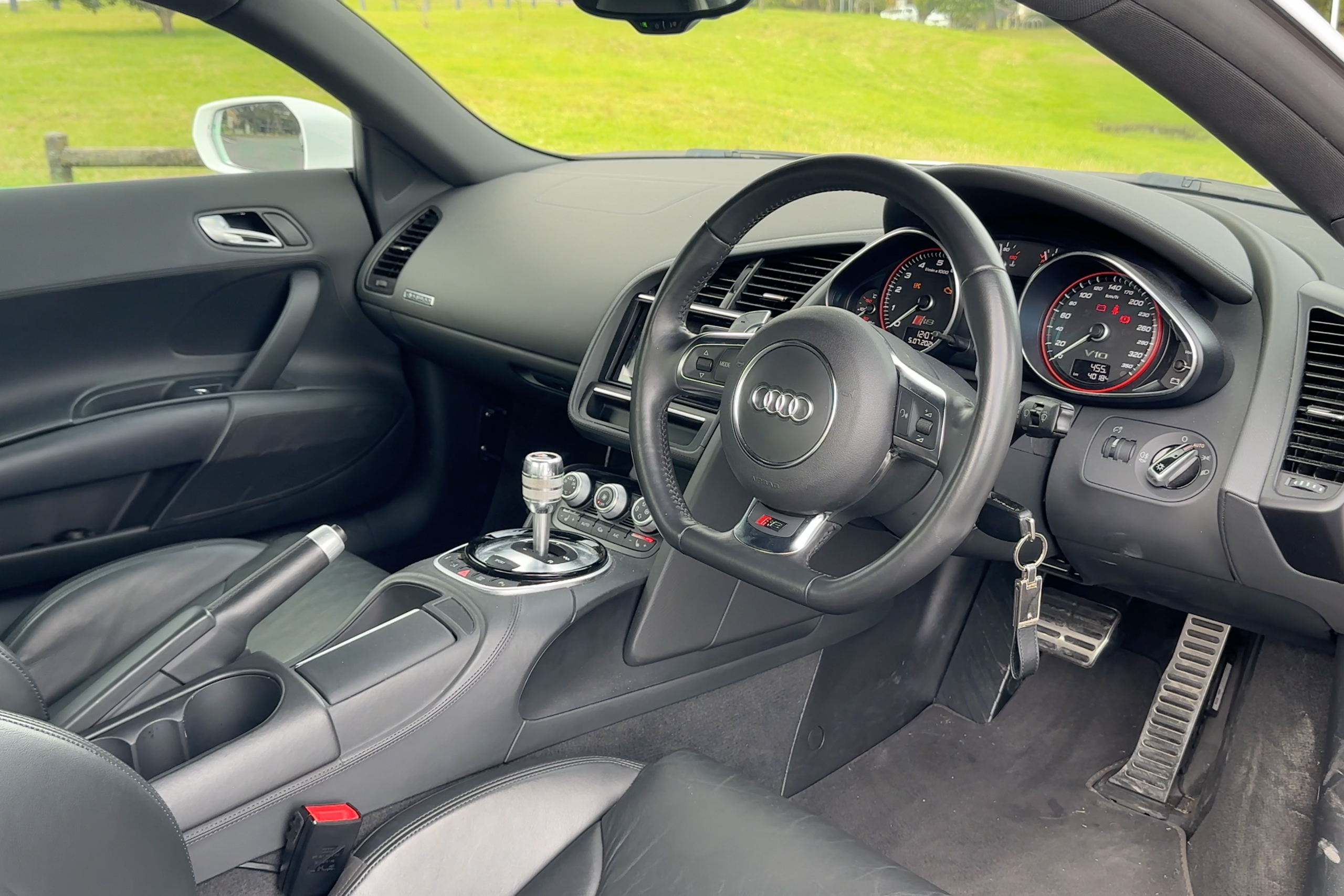
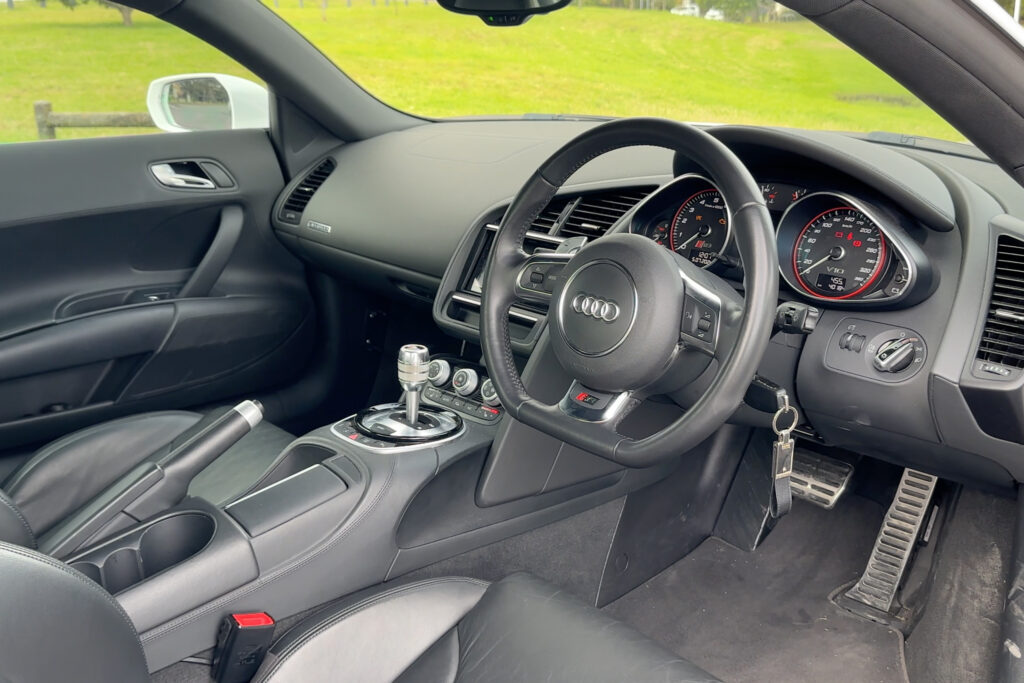
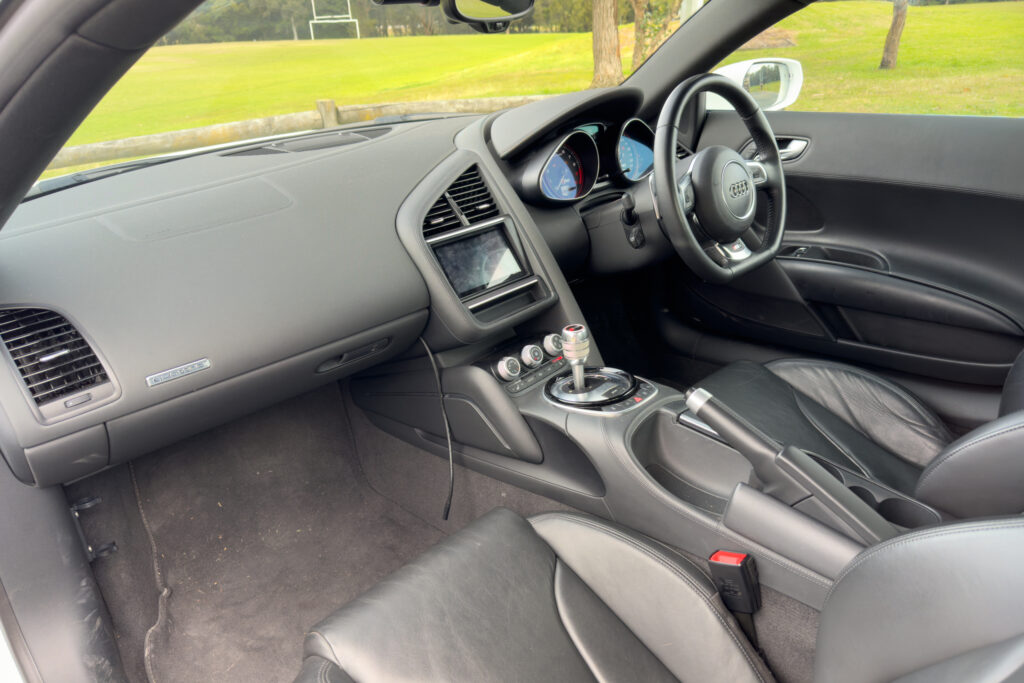
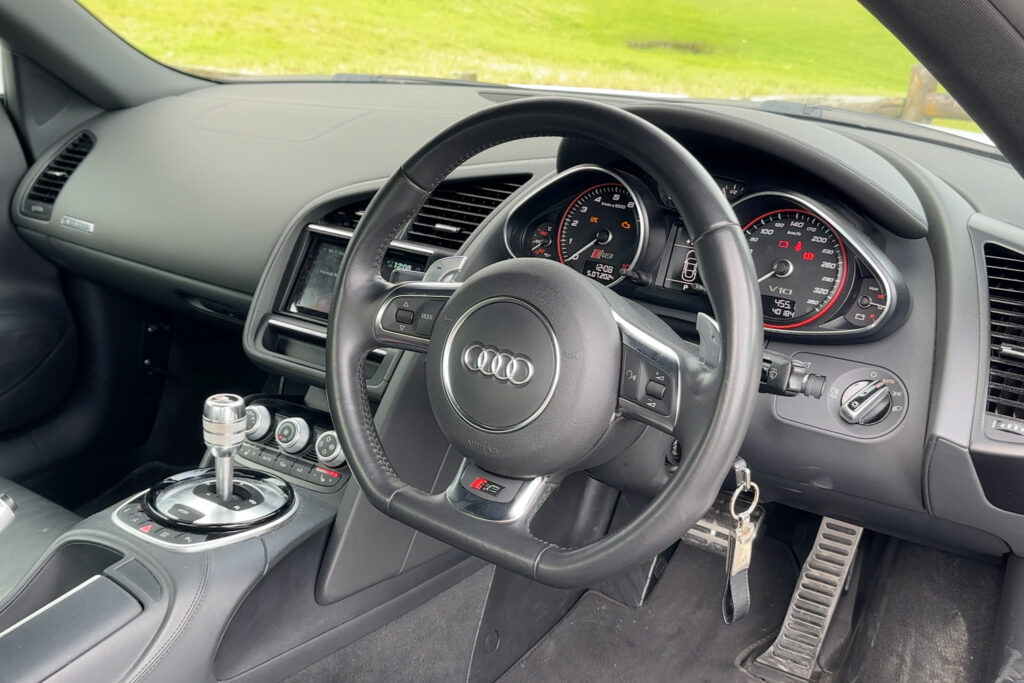
One of the main complaints from R8 owners is the outdated infotainment system. These systems fall into that awkward period where premium cars featured screens, but the technology has aged poorly. Many owners have experienced issues such as system lockups, screen failures, and connectivity problems.
Fortunately, there are numerous aftermarket kits available that allow you to update the system with Apple CarPlay and Android Auto. However, it’s important to use quality components, including the surrounding fascia. Installing a cheap system can lead to numerous problems, as experienced by many owners.
The bolsters on the entry sides of the seats are also known to lose their form and firmness due to the contortions required to get in and out of the car. This can be easily fixed, as can the sagging leather on the seat bases, by a quality upholsterer.
The HVAC system can also have issues. The air conditioning switch is a known problem, and the replacement part is expensive. Additionally, some owners have had problems with their AC compressors and heater valves. If the air conditioning isn’t working correctly, it might need more than just a regassing.
Mechanically
The 4.2-litre V8 engine is very robust, but coils and injectors can be problematic and lead to misfires.
The valve cover can leak oil, and while the gasket on the right-hand side can be replaced, the left-hand side often requires the entire valve cover to be changed due to an integrated PCV issue.
The expansion tank is also a weak point, although Audi offers a reinforcing strap to prevent spontaneous bursting.
Thanks to the direct fuel injection system, carbon buildup can be a significant issue. This buildup can steal power and impact efficiency.
The breather system design and camshaft timing tricks are intended to meet emissions targets but can cause problems when clogged with carbon.
For early V8 models, ball joints are now unavailable from Audi. Some companies offer rebuilt joints, but if those can’t be sourced, upgrading to the later V10 style hub assembly is necessary, which is costly.
The front trunk release cable is another point of concern. If it fails, accessing the battery can be problematic, as the latch is electrically operated.
The 5.2-litre V10 engine is generally reliable, but poorly modified engines can experience failures.
Corrosion can be an issue in areas where it is common, leading to oil supply and return pipe leaks.
There’s also a heater valve located in the transmission tunnel that, if it fails, causes the air conditioning to blow hot air. This is a relatively common problem and costs around $1,000 to fix.
High-mileage manual transmissions, especially if not properly serviced, can develop gear roll rattling. This rattling is usually audible from outside when idling. While it doesn’t typically indicate imminent failure, it’s a sign of wear. Thicker 75/140 oil can help mitigate this issue.
The R-tronic transmission, though not popular among purists, has proven to be relatively reliable.
The S-tronic dual-clutch transmission requires meticulous maintenance. If cared for properly, it shouldn’t cause major issues, but neglect can lead to expensive problems.
A more common concern is the mag ride suspension. While it works fabulously when functional, it is prone to leaking or complete failure. Replacing the mag ride struts with OEM parts is extremely expensive and may result in the same issues down the road.
Many owners and specialists recommend upgrading to a premium quality aftermarket passive suspension setup, which can improve ride and handling.
Brakes are another significant expense. Given that the R8 is a serious performance car, it requires serious brakes, which come at a high cost.
While aftermarket options can save money, the OEM parts are designed to provide both immense stopping power and everyday usability. Opting for cheaper alternatives might result in squeaky brakes and excessive brake dust.
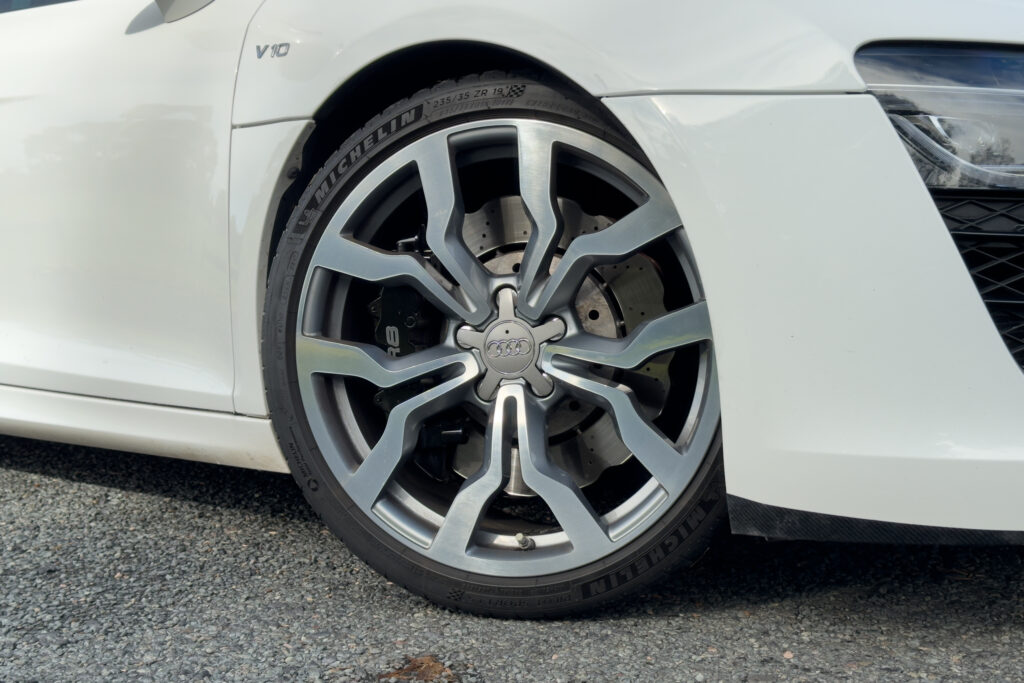
Lastly, tyres are crucial for performance. The R8 requires high-quality performance tyres, which can be expensive. Using mismatched or economy tyres is a clear sign that the owner has cut corners on maintenance and upkeep.
You might think that the first-generation Audi R8, with its stunning looks and promising driving experience, would be plagued by the reliability issues common in older Audis. However, we have good news.
While the R8 isn’t perfect and examples without a perfect service history or those showing signs of abuse or neglect should be avoided, many pristine used models with impeccable maintenance records are available. The R8 is an extremely premium and beloved car, which has contributed to the availability of well-maintained examples.
This car wasn’t just Audi’s flagship; it showcased what the company could achieve. It also served as the basis for Lamborghini’s higher-selling supercars, and you can tell the difference. Unlike many Audis that feel like rebadged Volkswagens with more leather, the R8 is incredibly special.
We are confident that the first-generation R8 will become a future classic. If you can afford one and find a well-maintained example, it is definitely worth buying.
MORE: Explore our Audi reviews


Co-creator, presenter & writer, ReDriven

Yes. But only the right example.

 1 month ago
 1 month ago
 2 months ago