Australia’s No. 1 Used Car Review Website
Australia’s No. 1 Used Car Review Website
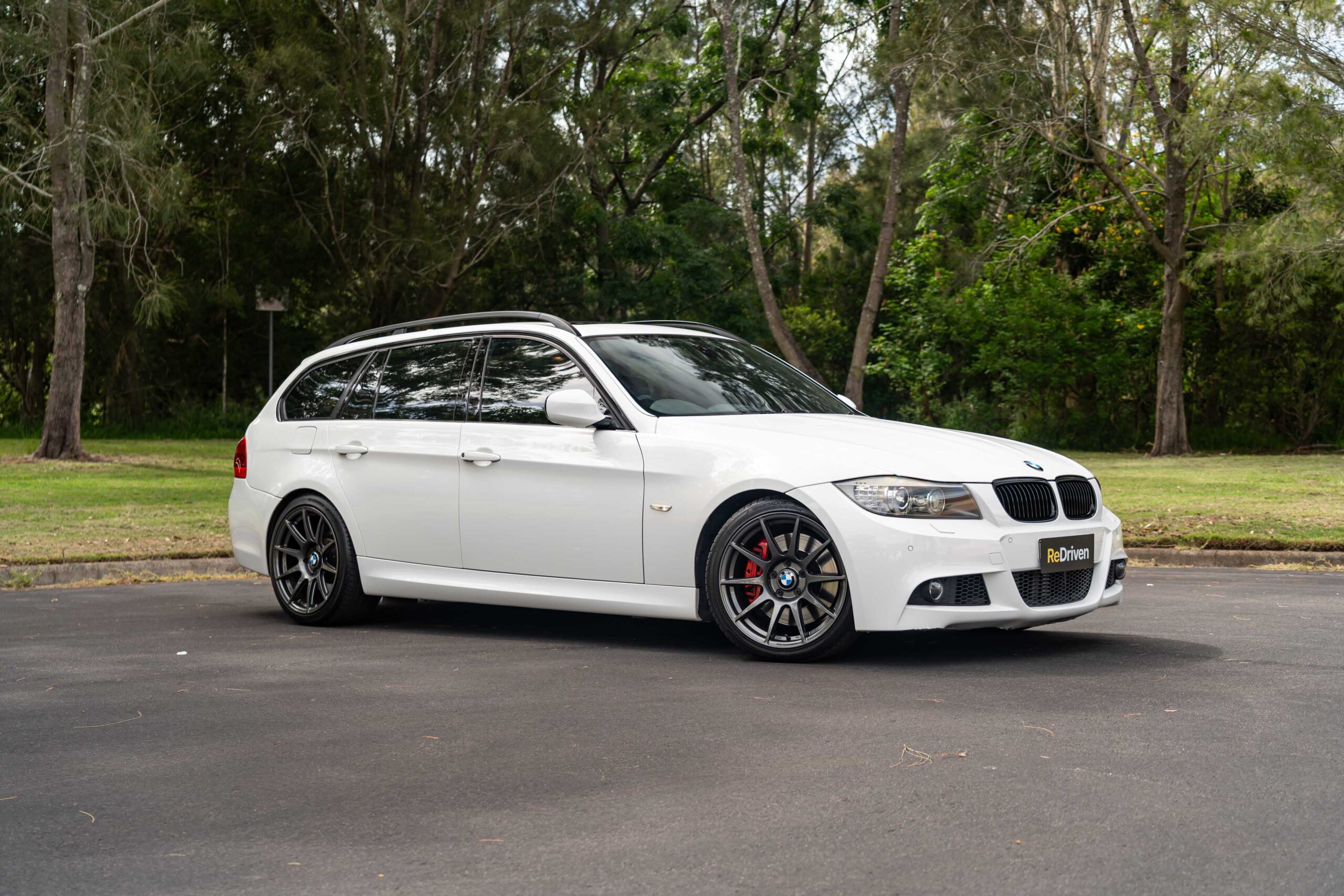
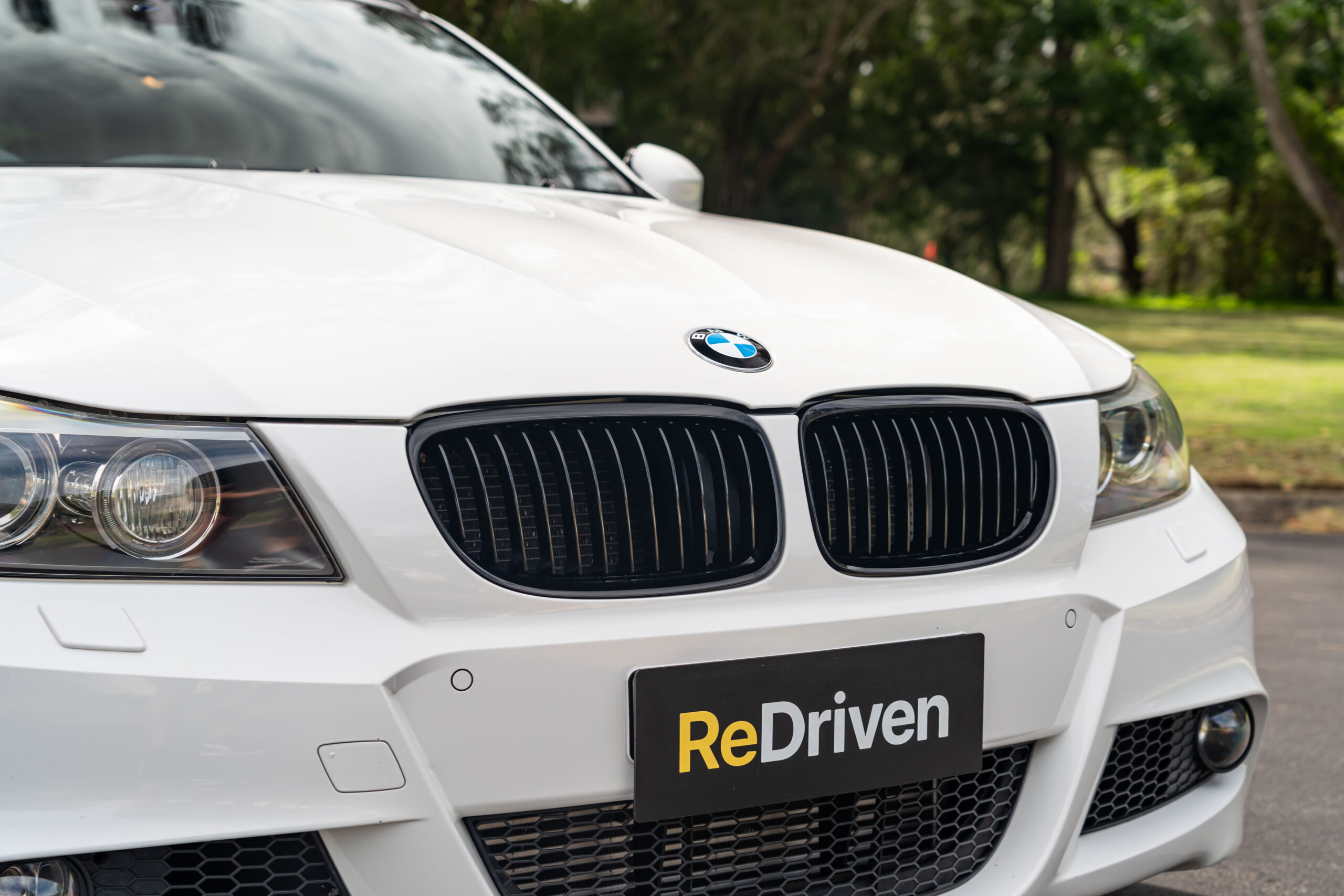
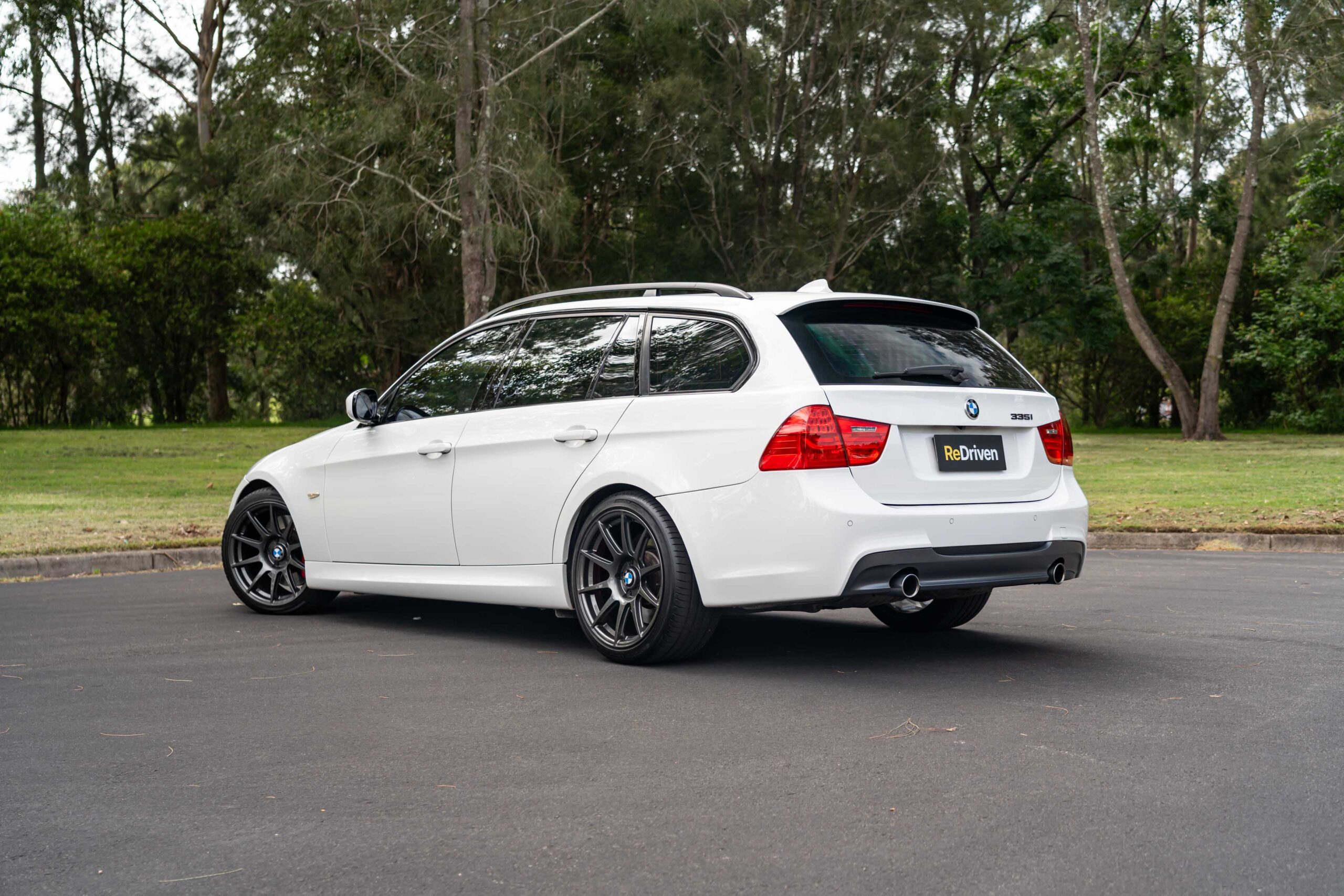
+20 Photos
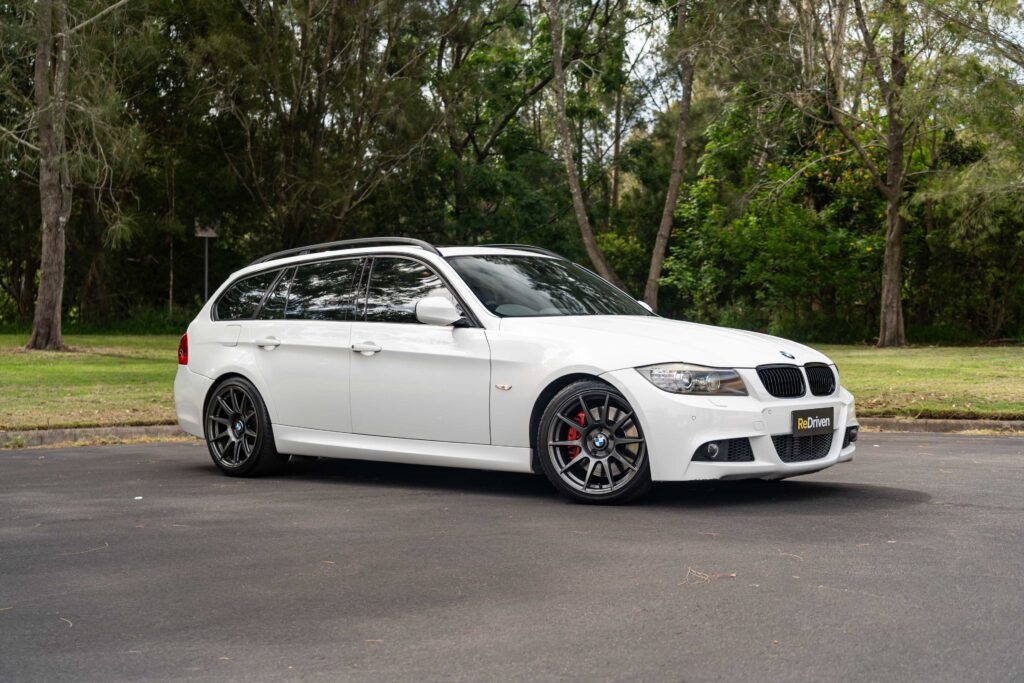
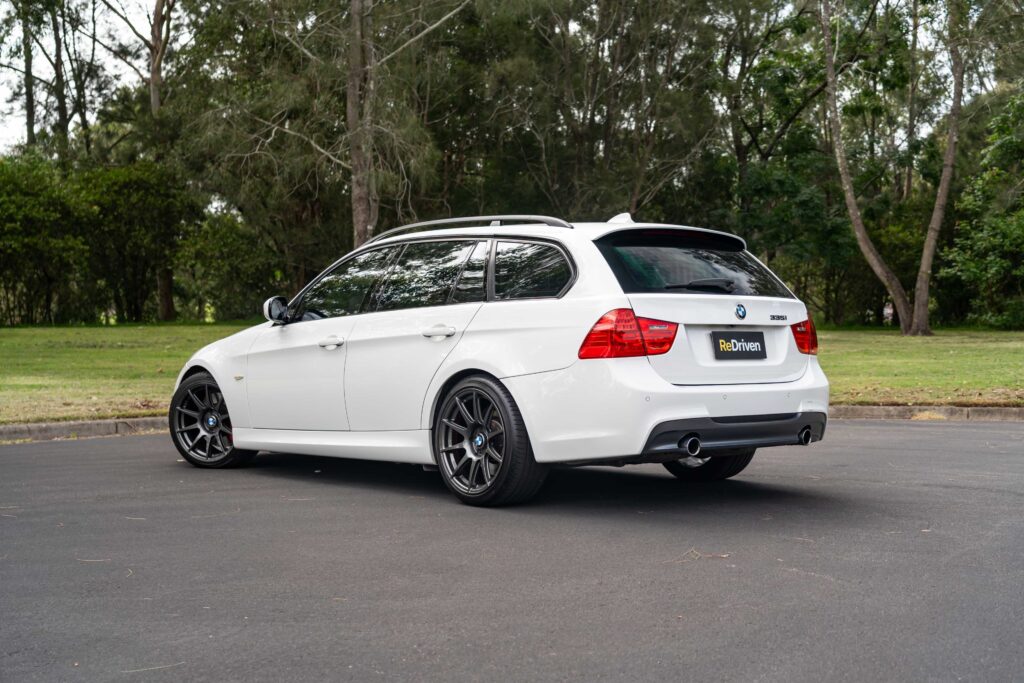
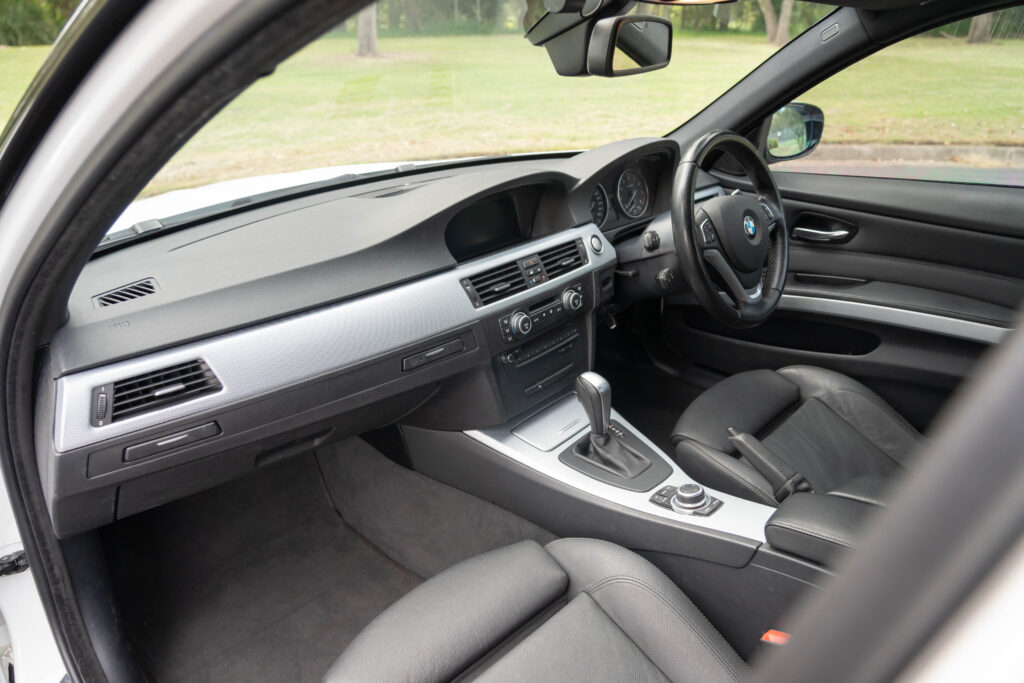
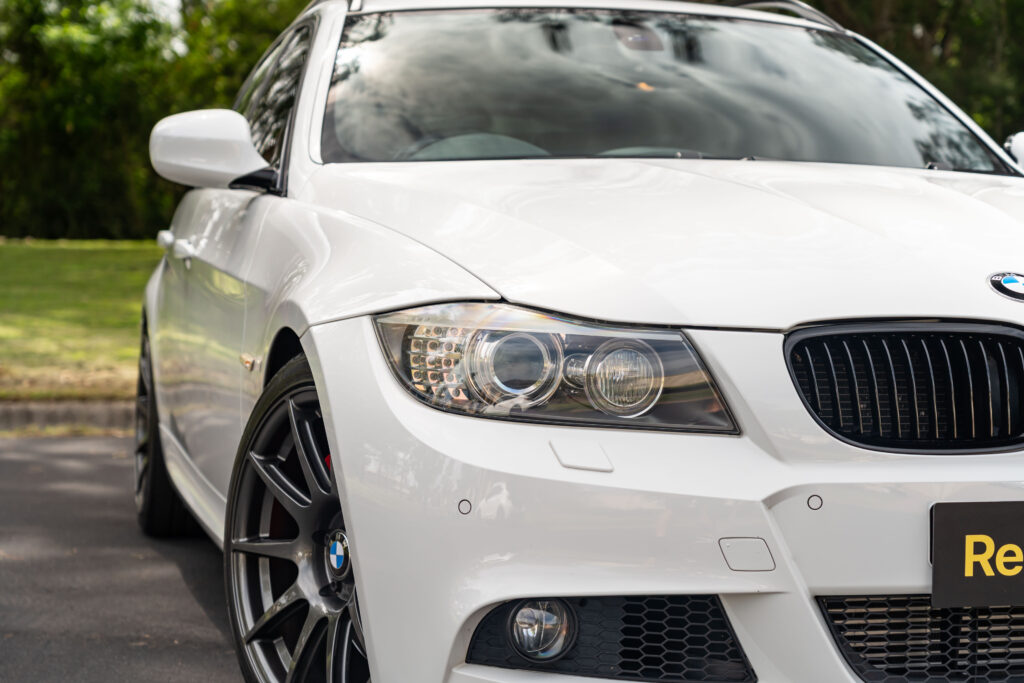
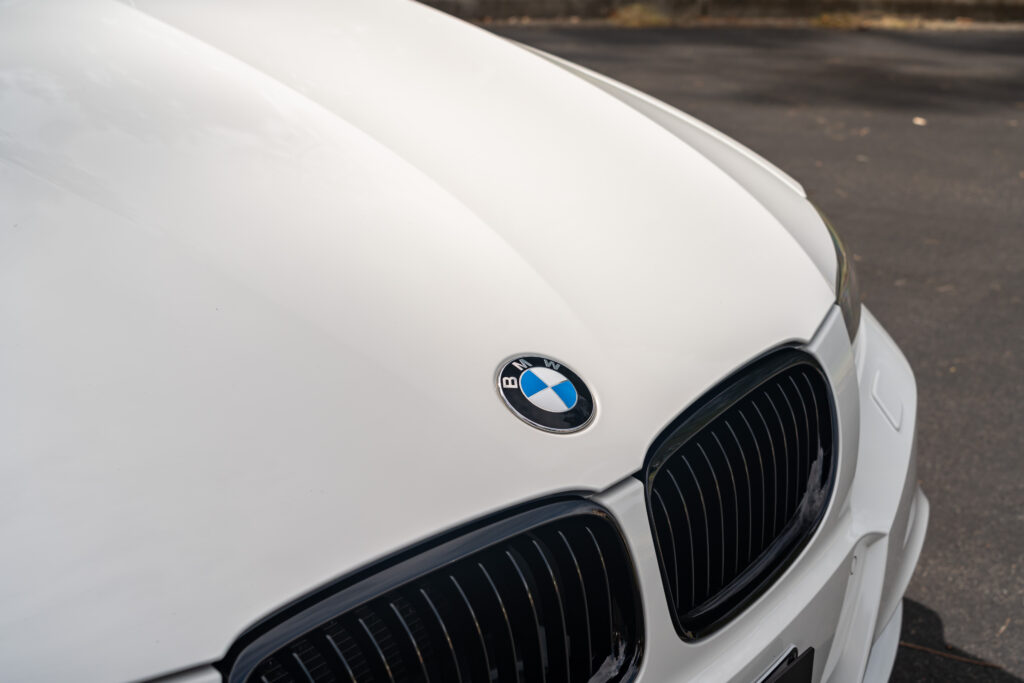
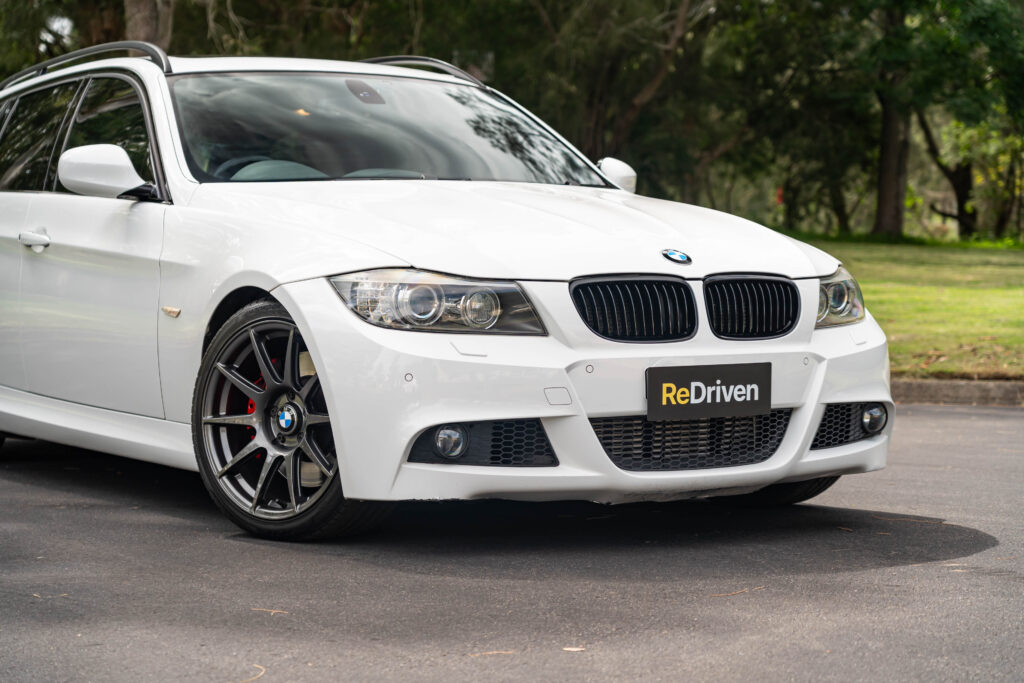
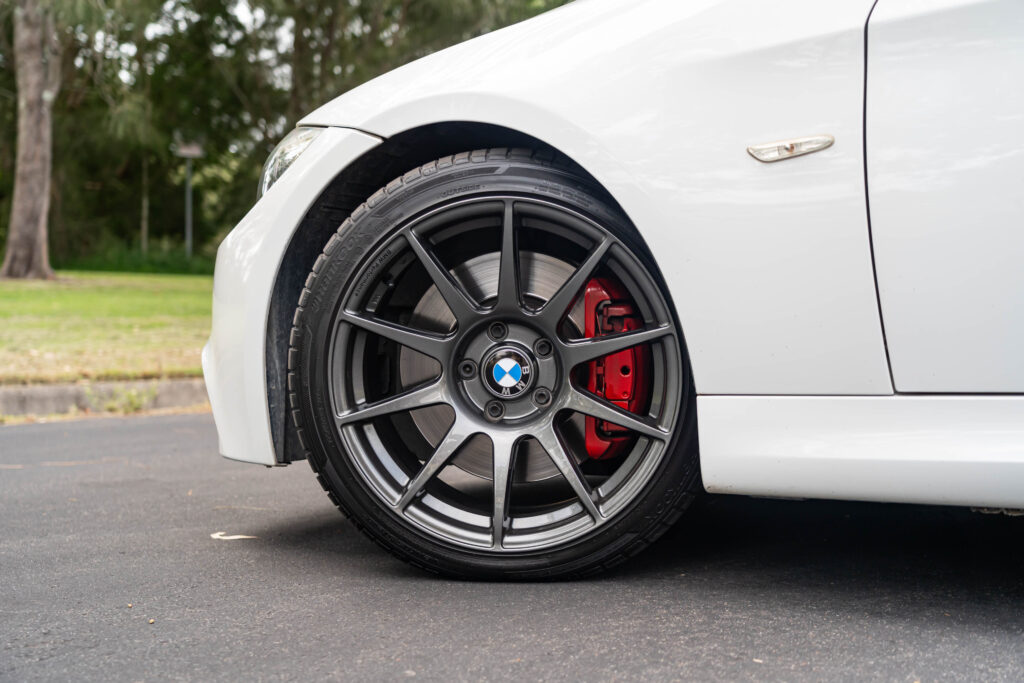
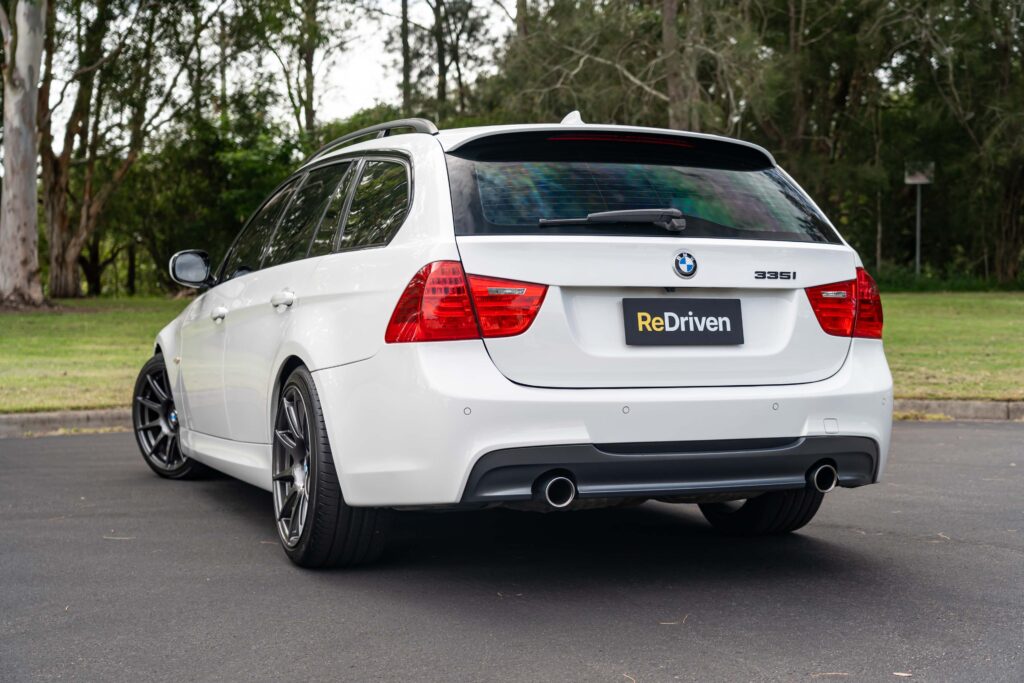
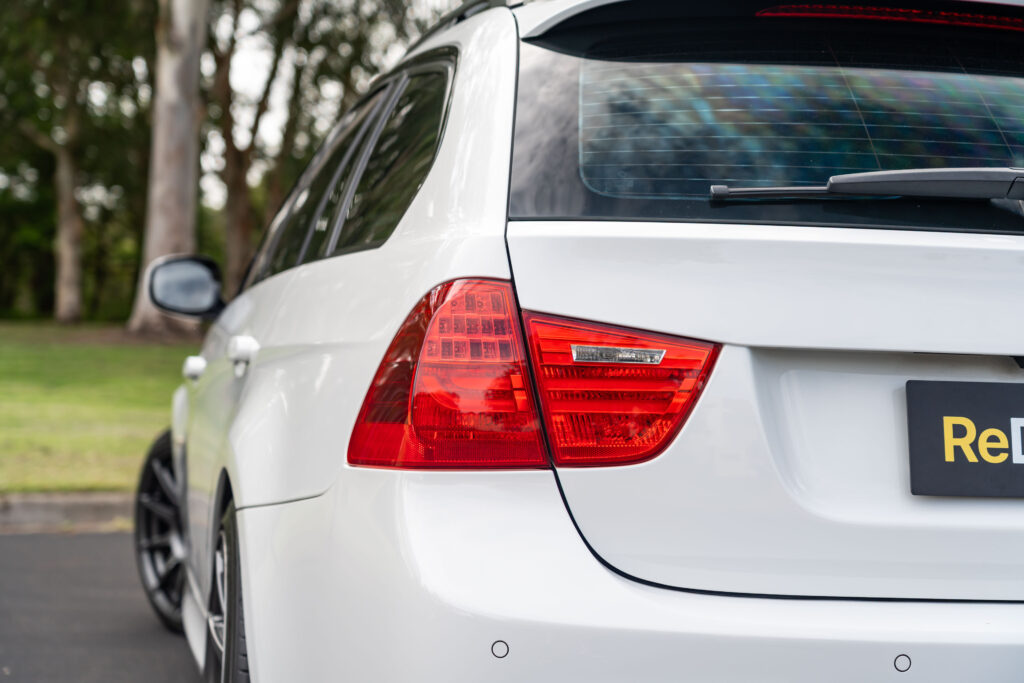
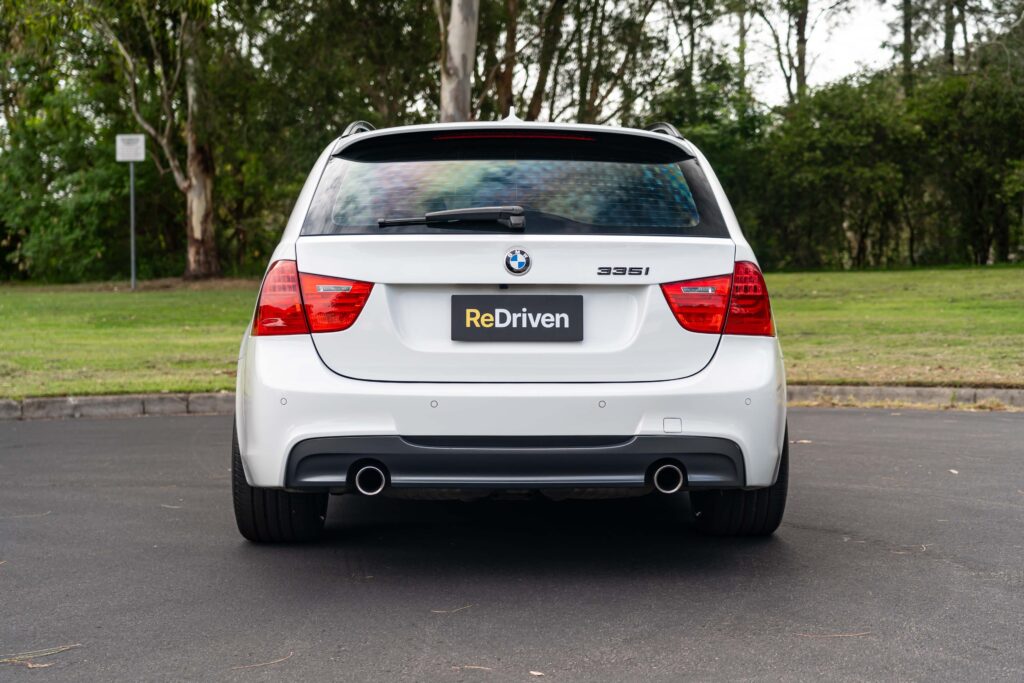
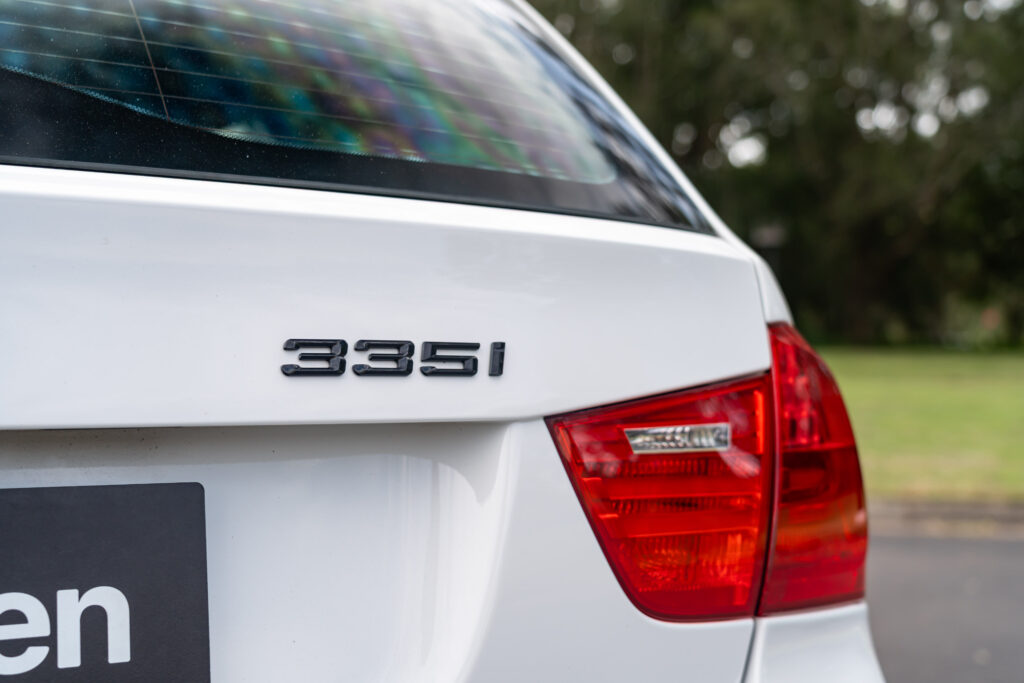
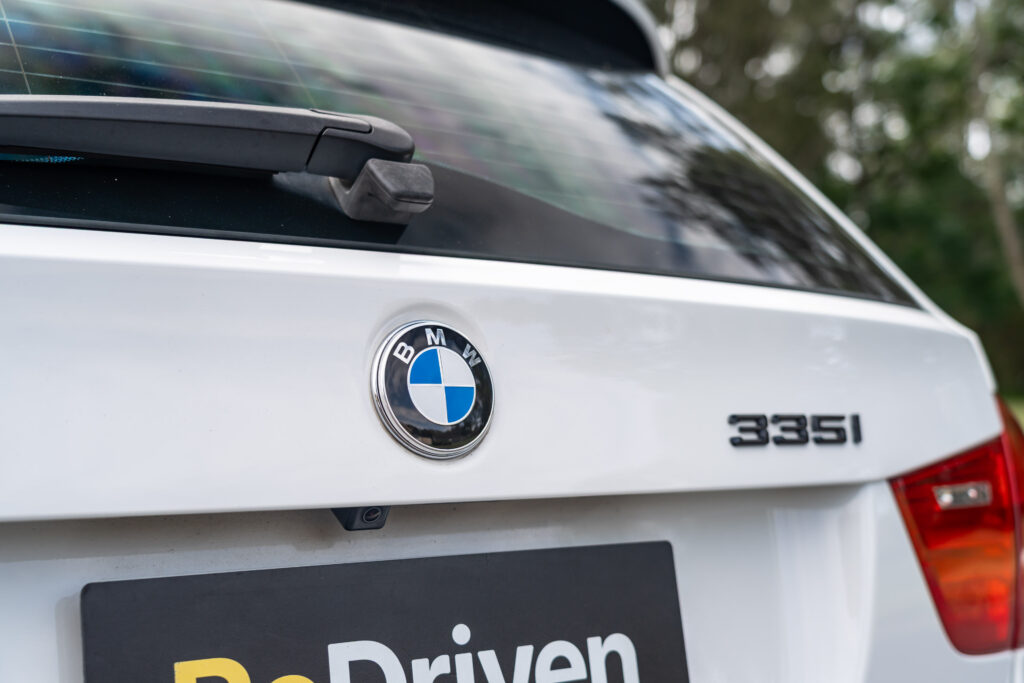
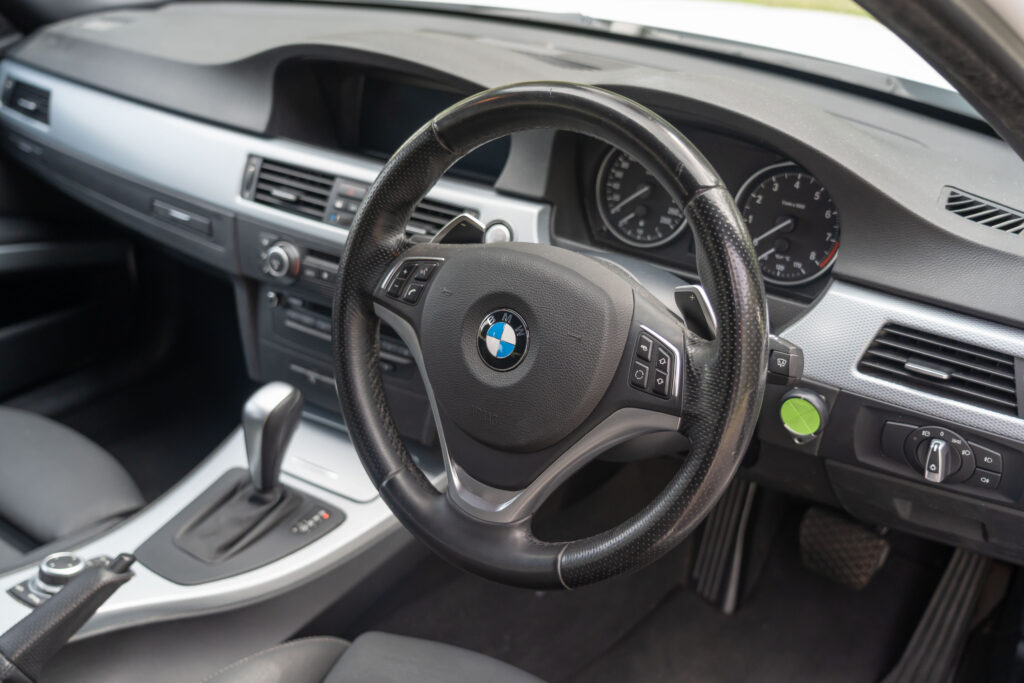

2008 BMW 335i M-Sport (E91)

16 February 2026
Yes. But only the right example.

2008 BMW 335i M-Sport (E91)

Used car review
16 February 2026
The E90-generation, also known as the fifth-generation BMW 3-Series, served as the successor to the E46-generation of BMW’s entry-level, rear-wheel drive sedan, bringing many features and equipment shared with its larger BMW 5 and 7-Series counterparts, including the then-controversial Chris Bangle-era styling.
The 3-Series also grew in size compared to the preceding E46-generation, with a longer wheelbase, wider track, and more spacious interior, along with several improvements to the chassis and driving characteristics.

Throughout its entire run, the E90-gen was available in various bodystyles, denoted by their chassis codes:
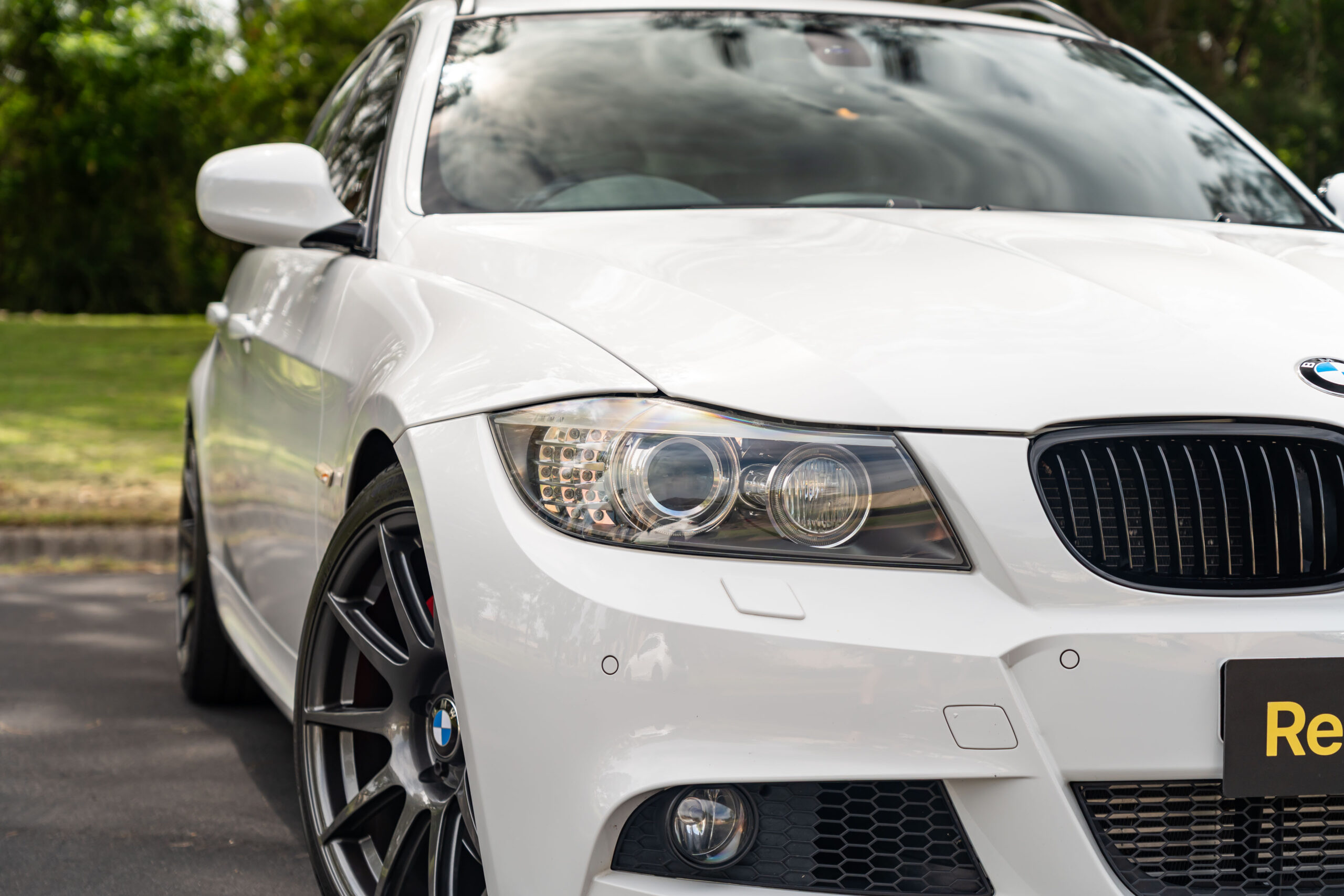
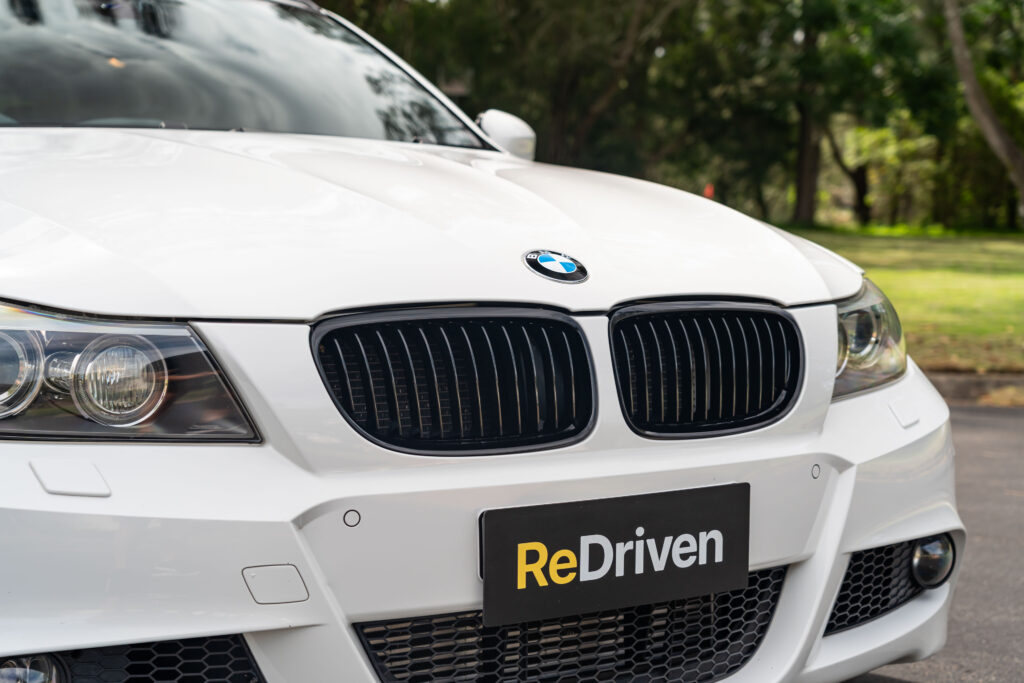
Early, pre-update cars were made from 2006 to 2008, before a post-update, aka ‘LCI’ (Life Cycle Impulse) was introduced for those made from 2008 to 2012. Key changes post-LCI cars brought included redesigned front/rear bumpers, exterior lights, boot lid, slightly wider front kidney grilles, and side door mirrors.
Interior changes included active head restraints for the front seats, along with an updated version of the iDrive system.
For the Australian market, a variety of petrol (naturally-aspirated and single/twin-turbocharged) and turbodiesel engines were available, ranging from inline four and six-cylinder units in different capacities.
These could be paired to either a six-speed manual or automatic transmission. The majority send power to the rear wheels, though in other markets they were offered with BMW’s ‘xDrive’ all-wheel drive system.
Plus, this generation produced one of the most celebrated BMW M models of this era, the E90-generation BMW M3 and its naturally-aspirated V8, but its truly in a class of its own and has to be treated separately from the standard 3-Series models.
The E90-generation 3-Series was widely praised among the automotive media at its launch. But how does it fare now as a twenty-year-old car?
Exterior Issues:
E90-gen 3-Series models made before 2007 were known for door handles that were prone to sticking. These were generally fixed under warranty, but if they experience the same problems – applying lubricant like WD40 or silicon spray should resolve them.
The exterior trim along the top of the windscreen section can start to wear out, especially in hot climates like Australia. But these can be easily fixed with a variety of cheap, DIY solutions.
It’s not uncommon for these cars to experience condensation within the headlights, which could be a sign that the rubber seals within the lights are worn and causing water to collect inside, potentially leading to the headlight components corroding or the modules at the bottom failing.
If you notice any washer fluid leaks underneath the front bumper, it’s a likely sign that the headlight washers are leaking – thankfully, there are plenty of affordable, aftermarket solutions that can fix this.
At the same time, pay close attention to the condition of the exterior rubber seals – sections like around the sunroof and along the door seals.
Make sure their drainage channels are cleared regularly and the rubber material isn’t too shagged, as any water ingress into the cabin can lead to potential electronic issues – especially the Footwell Module (FRM) located within the driver’s footwell, which serves as the central brain for the vehicle’s core electronic features like the central locking, lights, and other computer-based aids.
Hence, it’s crucial to check that anything powered by electricity works without issues – it could simply be due to the component itself starting to go out, but if it’s because of a failed FRM, that can be stressful and expensive to repair.
On top of this, many of the individual electrically-powered components can also develop inherent issues – like the door lock actuators and folding side door mirrors. Usually, these aren’t too difficult or expensive to fix.
The rear window actuators can also be a bit temperamental, but when addressing this, many owners recommend not going for cheap replacement parts, as these rely heavily on the standard cable lengths for them to operate normally. In this case, stick with the genuine BMW parts.
The E93 Convertible models were among the first BMWs to utilise a power-folding metal hardtop roof, unlike previous 3-Series convertibles that used a softop folding roof. If you’re looking at one of these variants, pay attention to any number of rubber, plastic, electronic, mechanical, and water leakage issues these are known to experience.
Interior Issues:
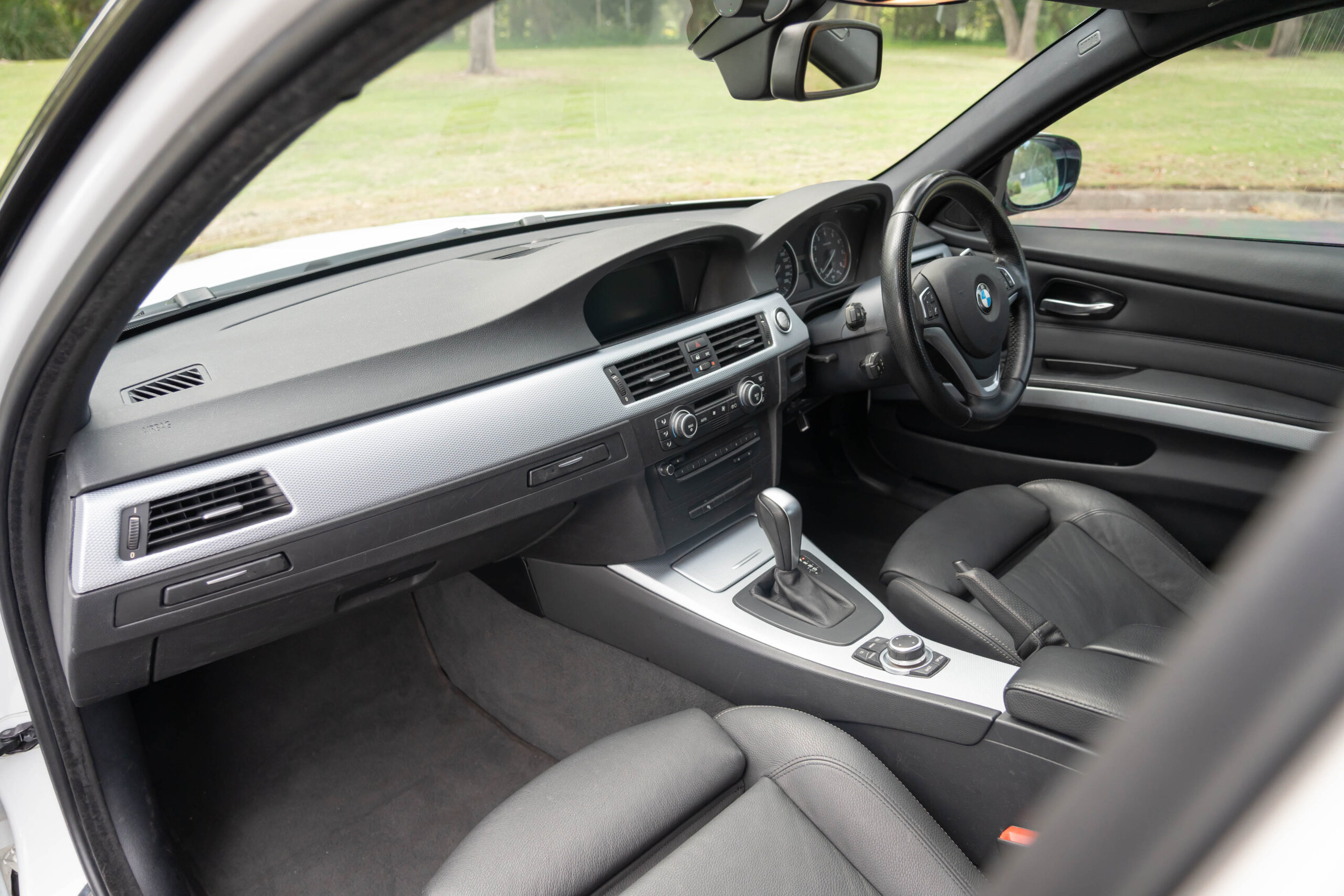
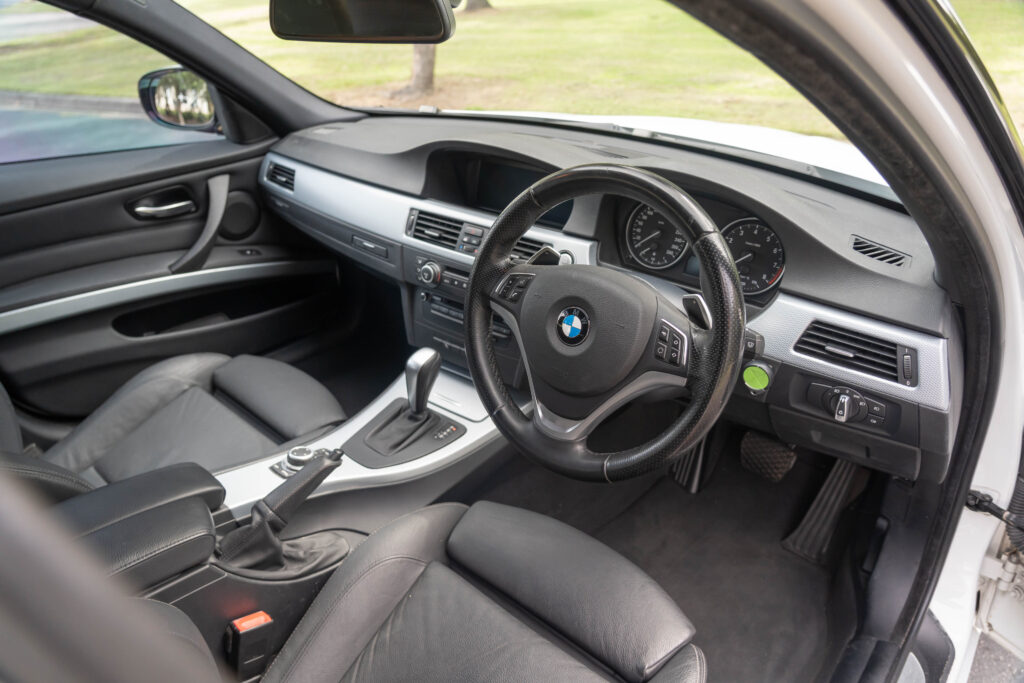
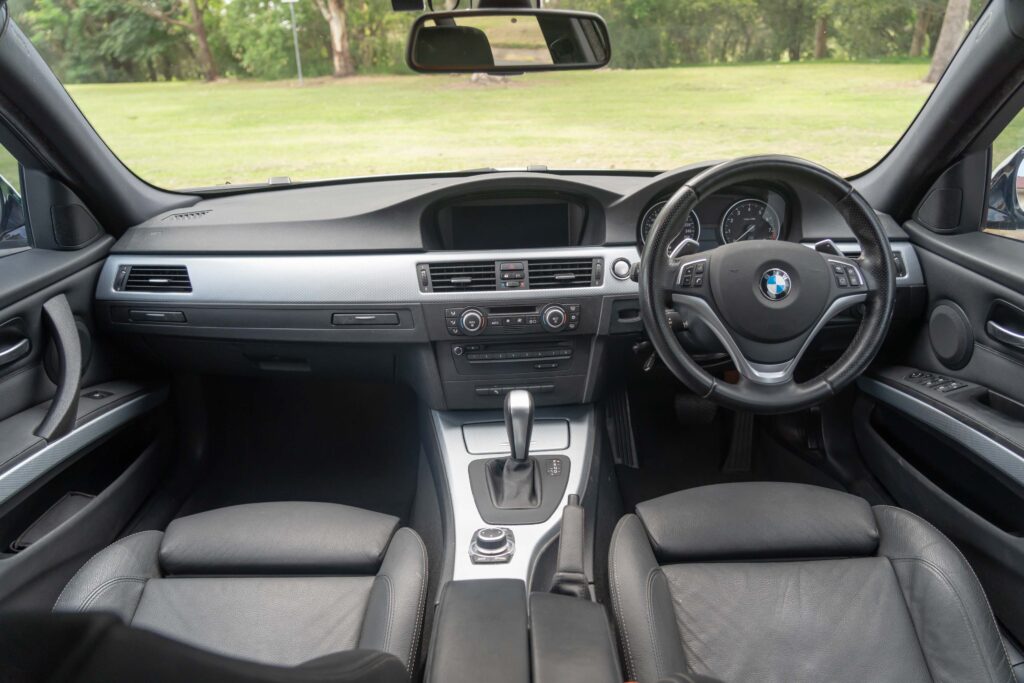
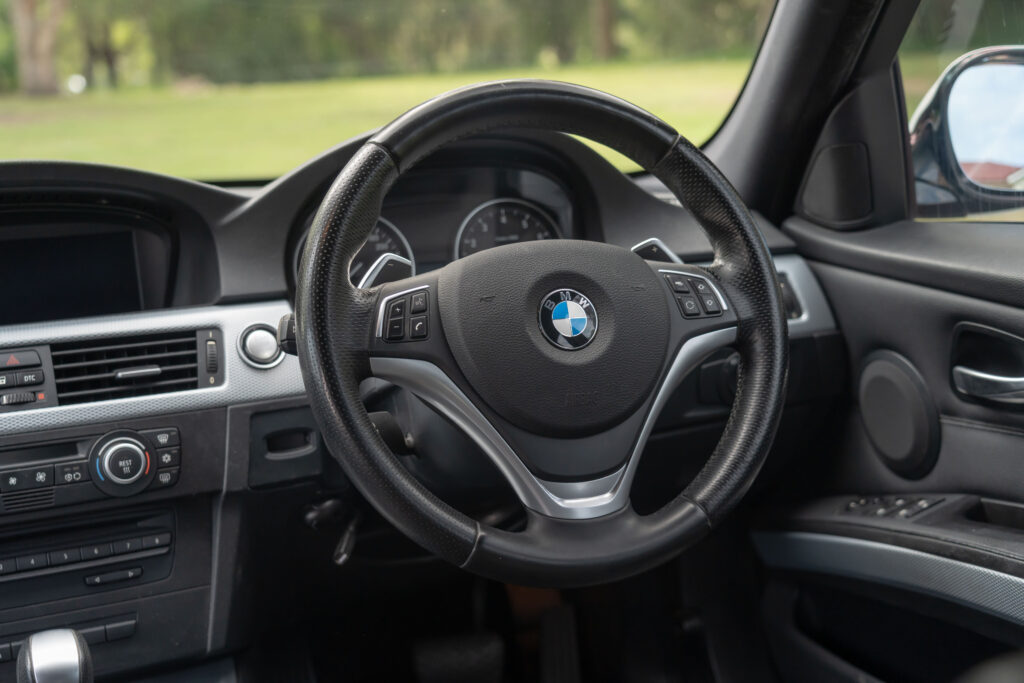
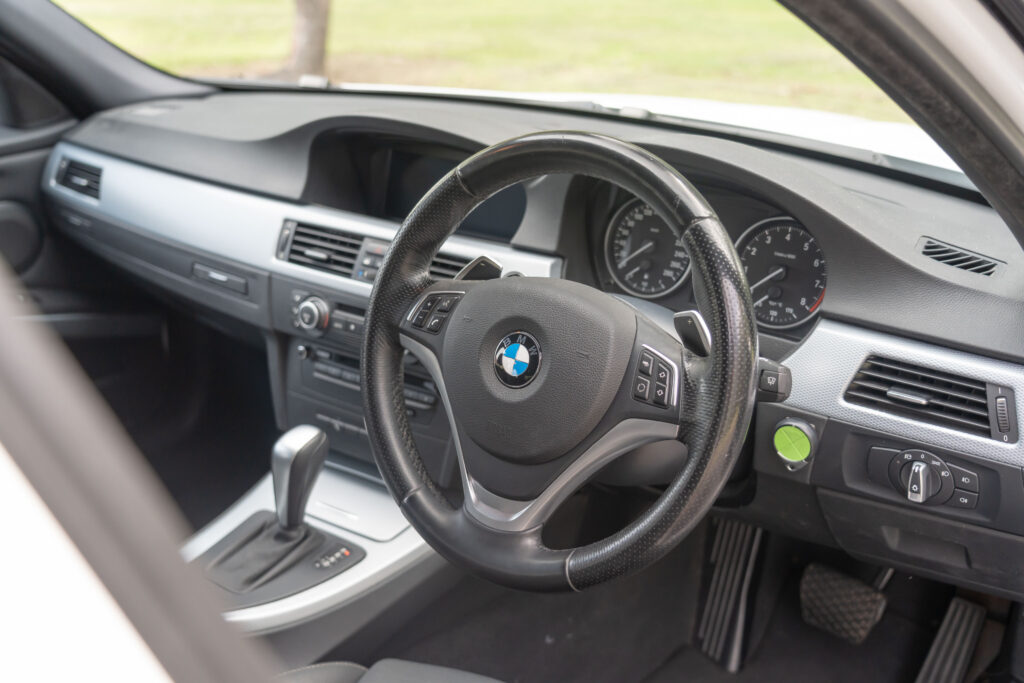
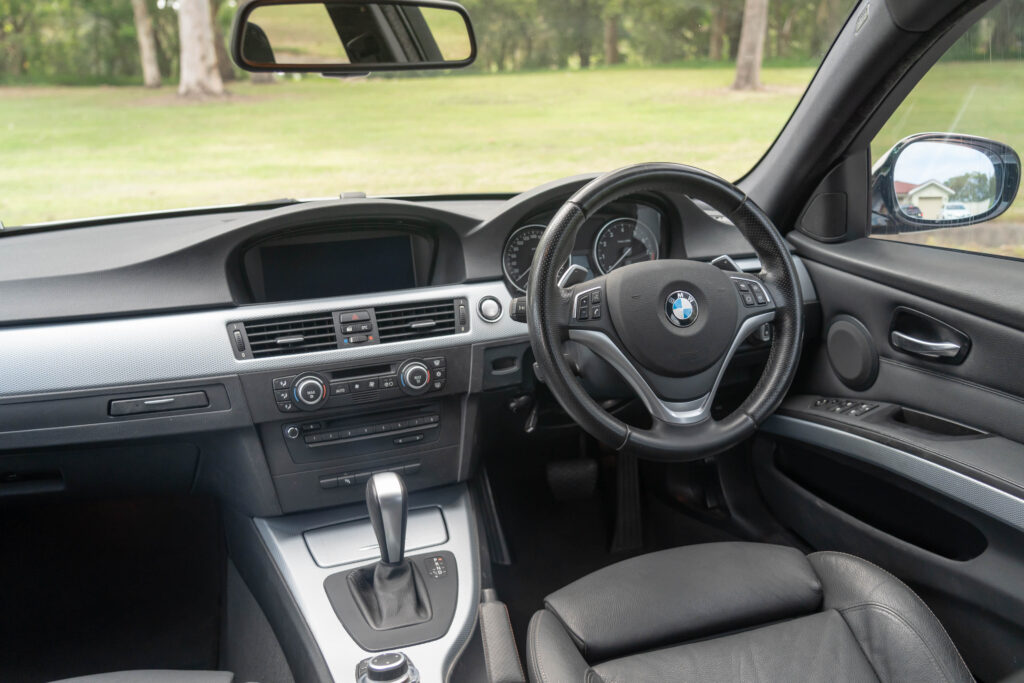
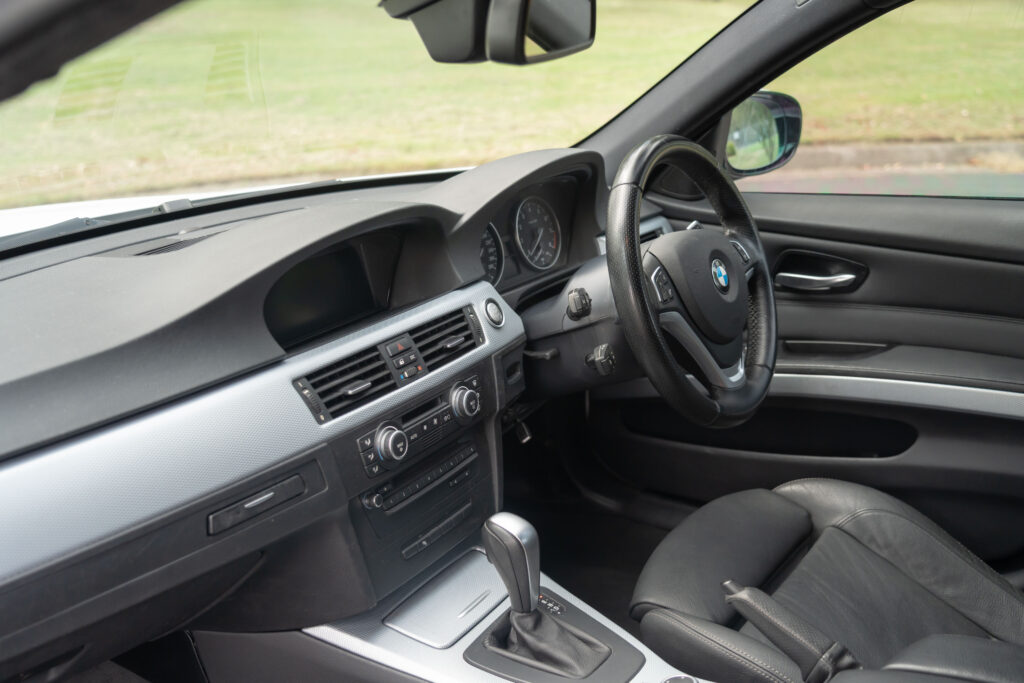
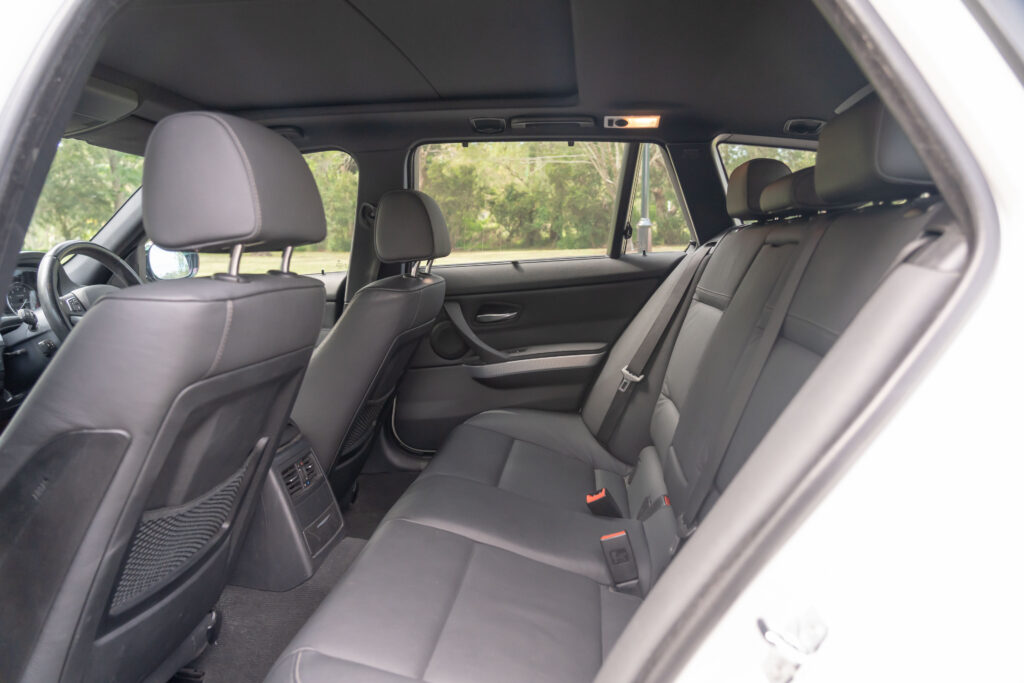
Many have praised the E-generation interiors for aging gracefully even by today’s standards, the BMW 3-Series included, with the right amount of analog controls and well-balanced ergonomics.
Internationally, BMW, like all premium European brands, tended to only fit base-spec cars with the bare essentials (as a way to coax new buyers to select endless optional extras), so many of the cheaper examples lacked some higher-grade equipment (climate control, basic seat upholstery, and stereo systems).
For the Australian market, most of the base-spec E90-gen 3-Series we received new did bring a far better range of equipment, like dual-zone climate control, Bluetooth hands-free, and automatic lights/wipers as standard.
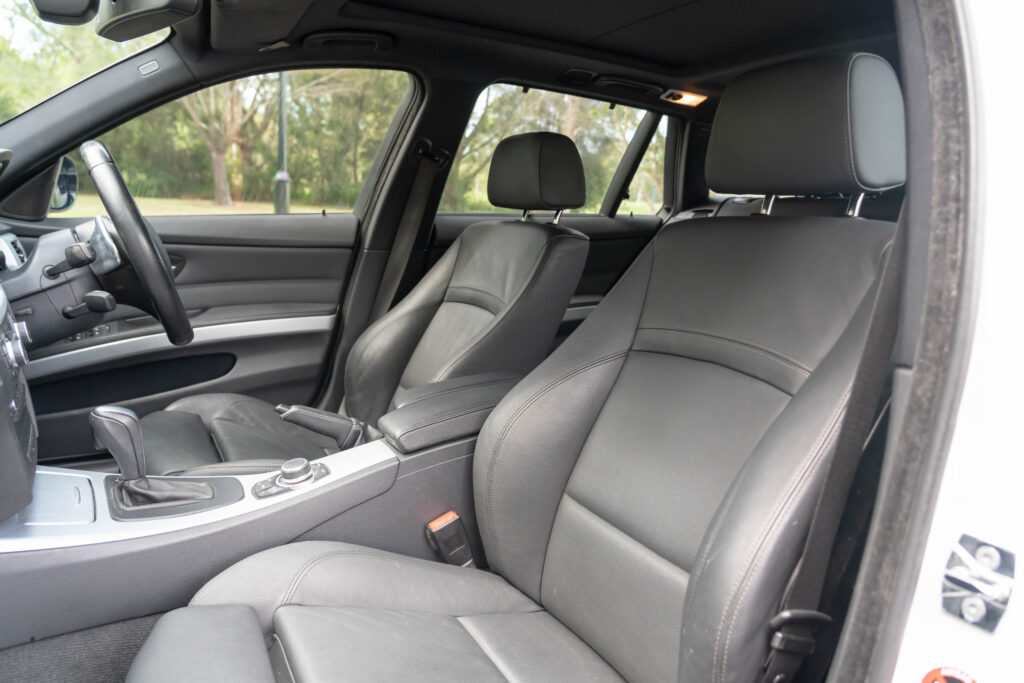
You’ll likely find better grades of materials and slightly more up-to-date features in the higher-spec, as well as the majority of the post-LCI cars.
But given the age of these cars now, some issues are to be expected with how the cabins’ materials and pieces are holding up.
Interior rattles from brittle and aging plastics have been reported and will obviously vary from car to car, as well as age and how hard of a life the car’s had. It can be a bit disappointing to think that compared to other luxury cars that are just as old (ie. Lexus), these have slightly below par interior build quality.
The factory cupholders are one particular trim item that draws a lot of complaints. There are plenty of DIY solutions to fix them through the owners’ groups and forums, but many owners state it’s better to replace them outright with far better constructed aftermarket units.
Most of the standard interior trim is covered in a layer of rubberised material, especially among the pre-LCI cars. Over time, the material can deteriorate and become sticky, like the door handles and surrounding trim. Many owners also recommend replacing these with more robust aftermarket parts, which can outlast the equivalent OEM ones.
Some owners report that the steering wheel lock cannot be unlocked intermittently, leaving them unable to start the car.
The convertible and coupe models use a telescopic seat belt arm that, being powered by electricity and using a lot of plastics, can be very brittle or stop working altogether.
The passenger seat sensors are known to experience issues and can often cause the airbag warning light to remain on. A software update can easily fix this, but some owners also report having to resort to a bypass lead to ‘trick’ the car’s computer to clear this fault.
The HVAC, or air conditioning system, can experience some issues among higher mileage examples (~100,000 km), such as the blower motors seizing up and failing altogether.
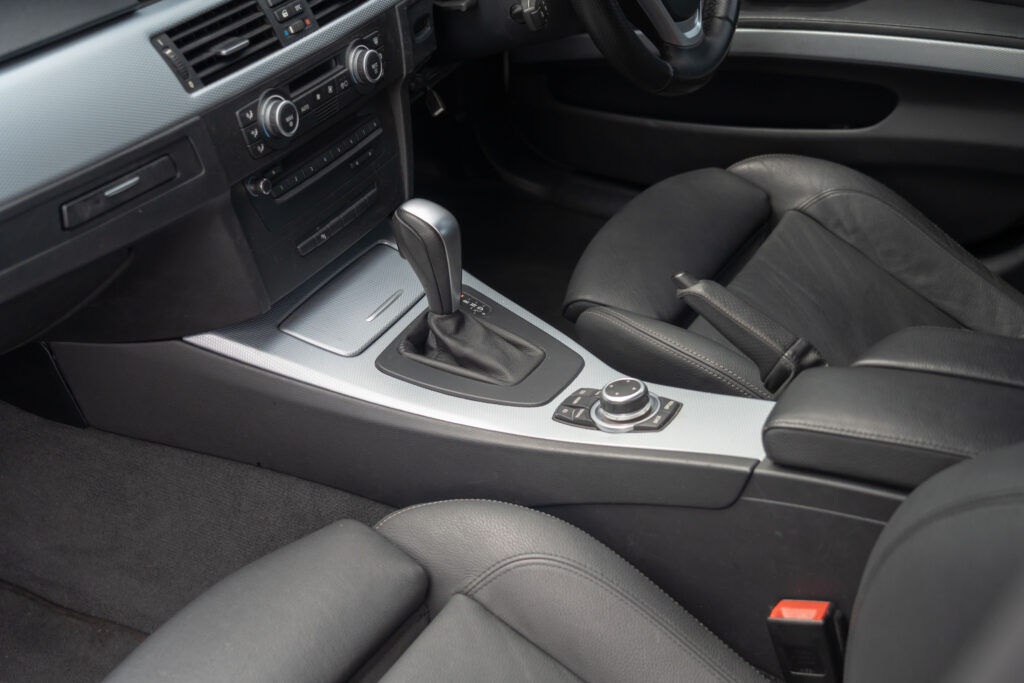
The E90-gen 3-Series was among the first BMWs to utilise the brand’s iDrive infotainment system and was at the top of its class at the time. But it’s no surprise that these days, this early version of iDrive is very ancient by now.
Thankfully, there are plenty of options within the E90’s extensive aftermarket support to replace these with more up-to-date headunits that support Apple CarPlay/Android Auto, Bluetooth audio, parking sensors, and rear view cameras.
Above all, keep in mind that for any number of issues that can come up with these BMWs, the E90-gen owners groups and forums are one of the most supportive car communities out there, and are great sources for advice on how to resolve them.
For pretty much every common issue we’ve brought up, there’s bound to be a tutorial video or step-by-step guide that can be a lifesaver.
Mechanical issues:
Many E90-gen models came equipped as standard with BMW’s runflat tyres, which have attracted some complaints over how they affect the overall ride and handling – plenty of owners recommend swapping to more performance-optimised tyres that can significantly improve the driving behaviour.
Suspension components like the bushes, struts, and springs are likely going to be well past their original state – owners also recommend exploring the wide range of options from aftermarket suppliers over OEM parts.
Especially given how far suspension technology and parts have evolved, the right combination of parts can significantly impact how an already great rear-wheel drive platform like this can drive – likely more agile through corners, and more refined for everyday use.
Engines:
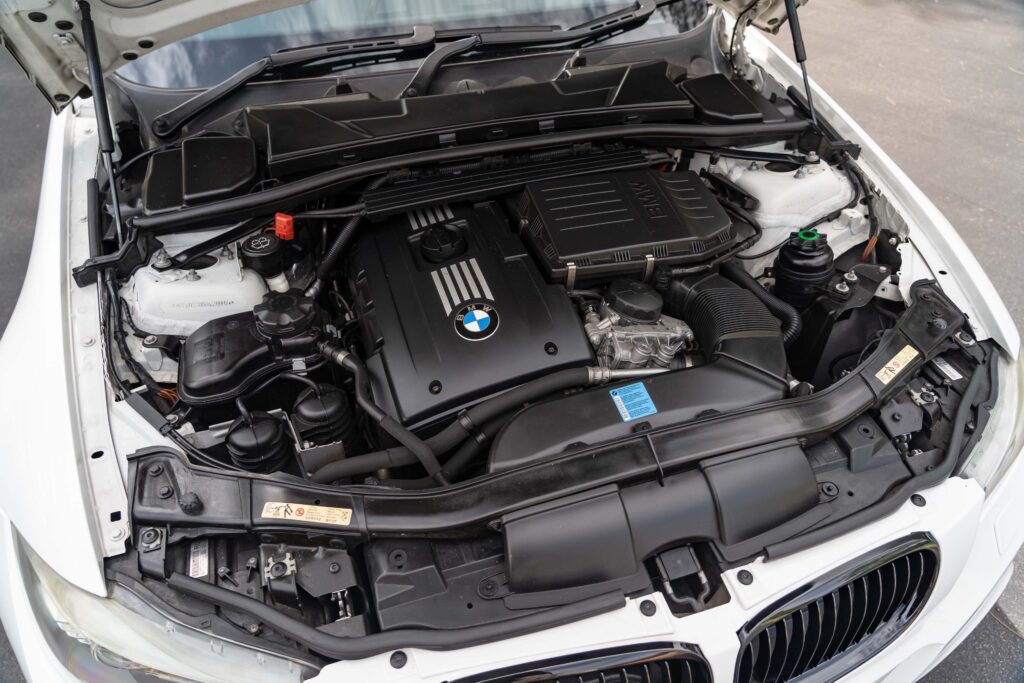
Across all of the engines, whether it be four/six cylinder to gasoline or diesel, oil leaks are the weakest link and most frequently reported problem.
Many are also very cheap to buy and offer vast potential for aftermarket tuning, especially the turbocharged engines. But many have been done poorly and on a very tight budget.
Fully stock ones are the safest option, but if you are looking at a modified example or considering adding mods, just make sure the tunes have been done correctly and nothing has seriously degraded the overall health of the powertrain.
Petrol four-cylinders:
Naturally-Aspirated Four-Cylinder Petrol (N46, N43)
Pre-LCI cars utilise the N46 four-cylinders, which are an old-school constructed unit with port injection and are generally viewed as the more robust of the two gasoline four-cylinders.
The timing chain has a weak tensioner, which can slip and then cause problems – rattling noises from the engine bay are a sign they need attention.
Frequent sources for oil leaks include the valve cover, the oil filter housing, and the timing cover itself. Excessive oil consumption is also a known problem.
Some of the most costly problems can involve valvetronic motor and eccentric shaft complications.
PCV valve complications can also affect the N46 engines, but is largely a simple fix that involves replacing the PCV diaphragm.
Cooling system issues can also creep up, largely caused by the expansion tank breaking and leaking fluid, and any number of the plastic cooling system components breaking easily. These can get more brittle with age, so it’s worth keeping an eye on them.
The N43 four-cylinder was one of the first mass-produced BMW engines to use direct injection, and widely known within the BMW community as one of their most problematic gasoline engines of the modern era.
Injector failures, as well as their high-pressure fuel pump, are among the common problems these engines can experience – these components are not that durable, and replacements can be expensive.
Carbon buildup can also occur, causing deposits to clog up the entire inlet system.
Mechanically aside, many in the E90 community also mention these engines, especially the smaller gasoline ones, can be generally gutless and lack any power.
Petrol six-cylinders:
Naturally-Aspirated Six-Cylinder Petrol (N52 B25/2.5L, B30/3.5L)
These six-cylinders are generally viewed to be quite reliable. Both the 2.5L and 3.5L N25s utilize port injection, which means they don’t experience any clogging or HPFP issues.
These engines also have a very strong timing chain compared to the four-cylinder engines.
The electric water pump on these engines can be problematic, typically an internal electrical fault, but this mainly affects cars in hot climates.
Valvetronic actuator and position sensor issues are something to look out for, but they are not usually catastrophic – though they can be annoying and expensive to deal with.
They can still suffer oil leaks within the same areas as the four-cylinders, as well as excessive oil consumption. Same for the cooling system parts, like the plastic expansion tanks and radiators.
PVC issues can also affect these, with whistling noises serving as an indicator that they need attention. As mentioned before, a new PVC diaphragm can resolve this rather than an entirely new PVC valve.
Turbocharged Six-Cylinder Petrol (N54/N55 B30)
Both the single and twin-turbocharged 3.0L inline-six cylinders are the most desired engines out of all those available with the E90s.
Both the N54 and N55 feature direct injection, and the injectors do frequently experience problems, from misfiring to leaks. It’s highly recommended to replace all six injectors in one go, and make sure they’re the right ones – they all have an index number (evolution number of the injector) that must match.
Coil pack failures are also frequently reported, which can lead to misfiring. Note that sometimes failed injectors can be misdiagnosed as coil packs, so pay close attention to the root of what is causing issues.
The high-pressure fuel pump can also frequently have problems and is not a cheap part; early models were not quite durable, but this component did improve in later iterations.
N54s were also prone to wastegate rattle issues, largely due to the wastegate actuator pivot or actuator rod wearing down. It’s more prevalent when the engine is cold and is more of a general annoyance.
The electric water pump issues are more prevalent, given that these are exposed more to heat via the turbochargers.
It’s also worth highlighting that the N55 is a single, twin-scroll turbocharger setup that is a less complex design. Compared to the N54, fuel systems are less frequently reported and is free of the wastegate rattle issues mentioned.
However, the N55 uses an electronic wastegate actuator that is prone to failing and is not cheap to replace.
The N55’s valvetroic systems can also experience issues with the actuator and position sensors, but not to a catastrophic extent.
These still can experience the same range and number of cooling system and oil leak issues as the other gasoline engines.
Diesels:
The M47 and M57 turbodiesels applied to pre-LCI cars are quite durable and were built to last compared to more up-to-date BMW diesel powertrains.
Occasional issues with the swirl flaps within the manifold or injectors can happen, but mainly on those with very high mileage or been seriously neglected. The same applies to the turbochargers.
Both pre-LCI diesels also have a more robust timing chain and rarely pose an issue.
N47 and N57 diesels applied to post-LCI cars were widely known for timing chain failure, largely from their poor nature of design – they can stretch, the guides wear, and can also lead to the belt tensioners failing altogether. Excessive rattling is a clear sign that they need to be replaced.
Accessing the timing chains in these requires removal of the engine and transmission, as they are located at the rear of the engine, adding to their complexity. Though compared to the four-cylinder diesels, the six-cylinder diesels are less likely to experience timing chain problems.
DPF and EGR complications are also beginning to affect these eras of diesels as they get older.
Just like their gasoline counterparts, cooling system components like the intake manifold and swirl flaps are made of plastic and are known to fail, causing leaks and spraying soot everywhere.
Transmissions:
The six-speed manuals can prove to be very robust, provided they’re not driven hard or abused, as well as maintained properly. The more difficult part can be trying to find one in the used market, as not many E90-gen models were sold from factory with the manual.
These units are manufactured by General Motors and found in a wide range of other Rear Wheel Drive models, like the V6-powered Holden VE/VF Commodores. Plus, given their universal application – there are plenty of aftermarket bushings and short-shifter kits that can improve their overall responsiveness.
The six-speed torque converter automatics are a unit manufactured by ZF (ZF6HP), and were also applied to a host of other cars of this period. But while BMW claimed these were maintenance-free for life, ZF disagrees.
Following BMW’s bold claims will no doubt cause the early death of the transmission. Ensure transmission fluid changes and servicing are done to schedule, and these can last a long time.
The cheapest examples of E90-gen BMWs can be had for as low as $1,500, while the most expensive, pristine examples are likely to start at $35,000.
Post-LCI cars are likely going to ask for a higher premium compared to pre-update cars, with these typically starting from $4,000 and can top out at least $40,000.
Compared to the four-door sedans, the two-door E90-gen coupes and convertibles also lean towards the more expensive price range.
Realistically, we think you should aim for those priced within the middle, which can range anywhere between $10-20,000.
We’d advise it’s best to stay away from the cheapest examples on the secondhand market – they may be cheap to buy, but they’ll be expensive in the long run, unless you’re looking for one to serve as a project car, fully aware of what you’re getting yourself into and can justify the expenses involved.
Target to find a good example that has been well cared for by previous owners, with no detrimental modifications, and with a spotless service history that shows all the preventive maintenance has been done.
Just remember that while these come from a German luxury brand, they don’t age as gracefully compared to other luxury models of the same age, like those from Japanese brands.
Even the occasional missed or delayed maintenance can play a big role in the overall health, so treat these with care if you intend to own these in the long run.
MORE: Explore our BMW reviews


Co-creator, presenter & writer, ReDriven

Yes. But only the right example.

 1 week ago
 2 months ago
 4 months ago