Australia’s No. 1 Used Car Review Website
Australia’s No. 1 Used Car Review Website
+12 Photos
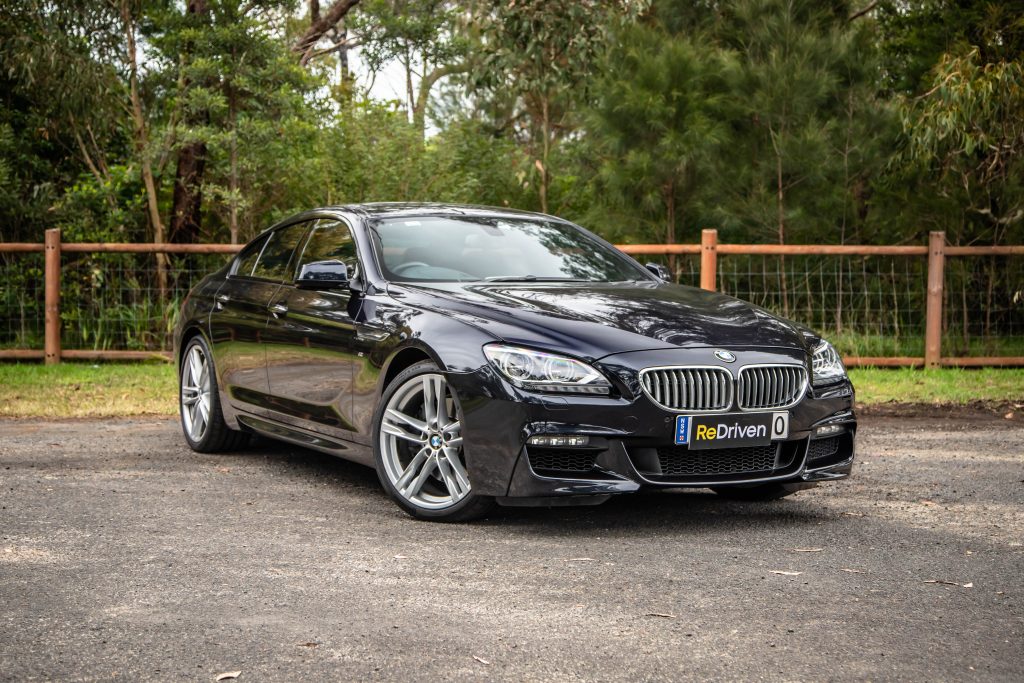
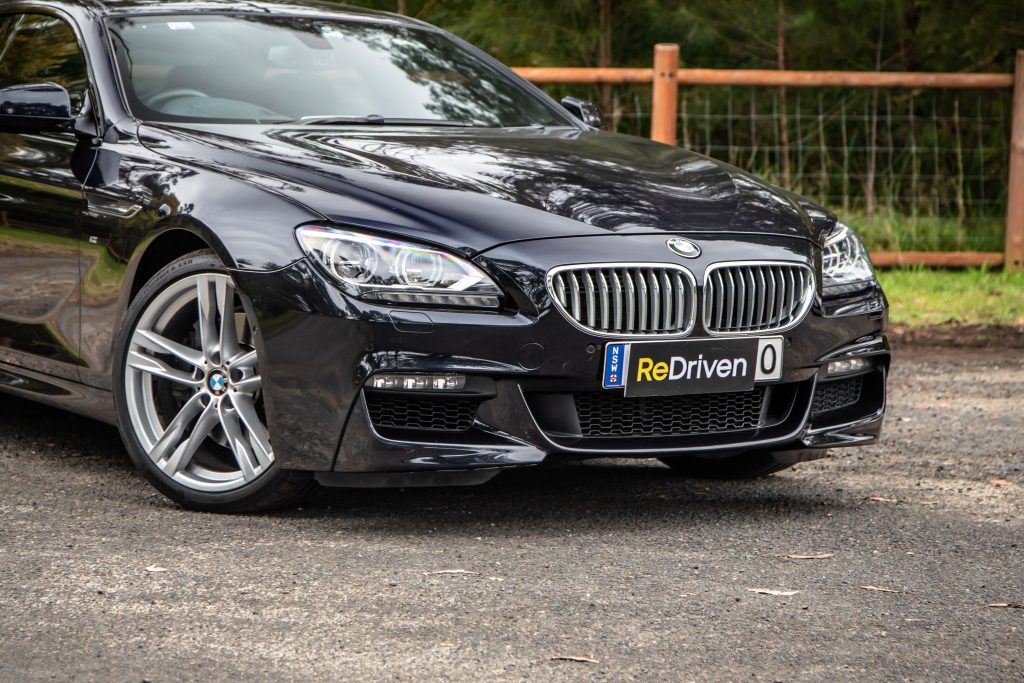
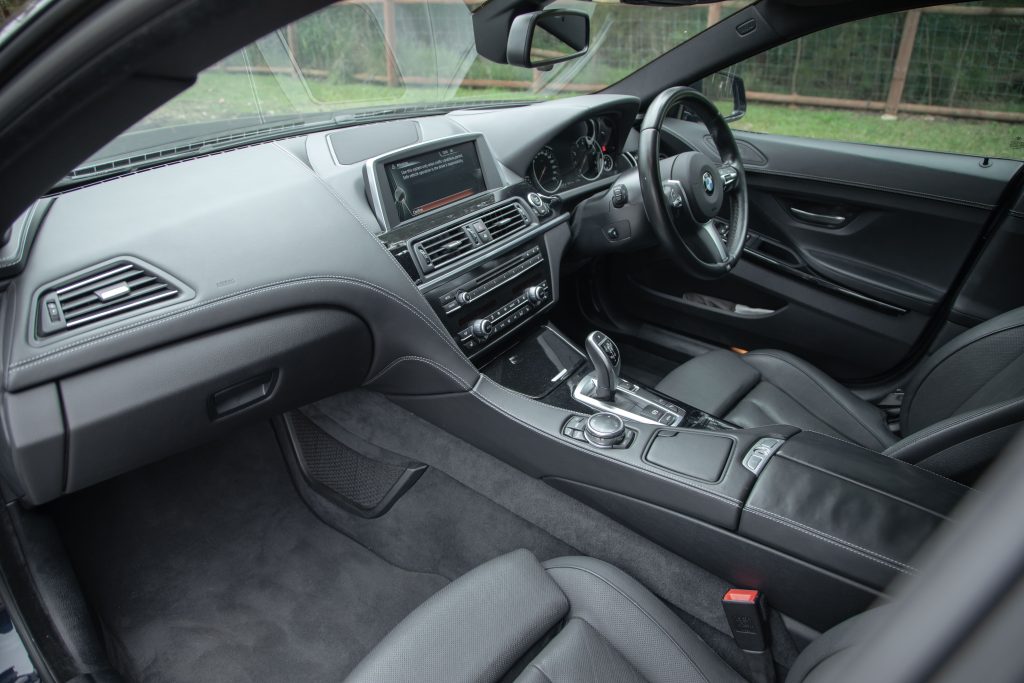
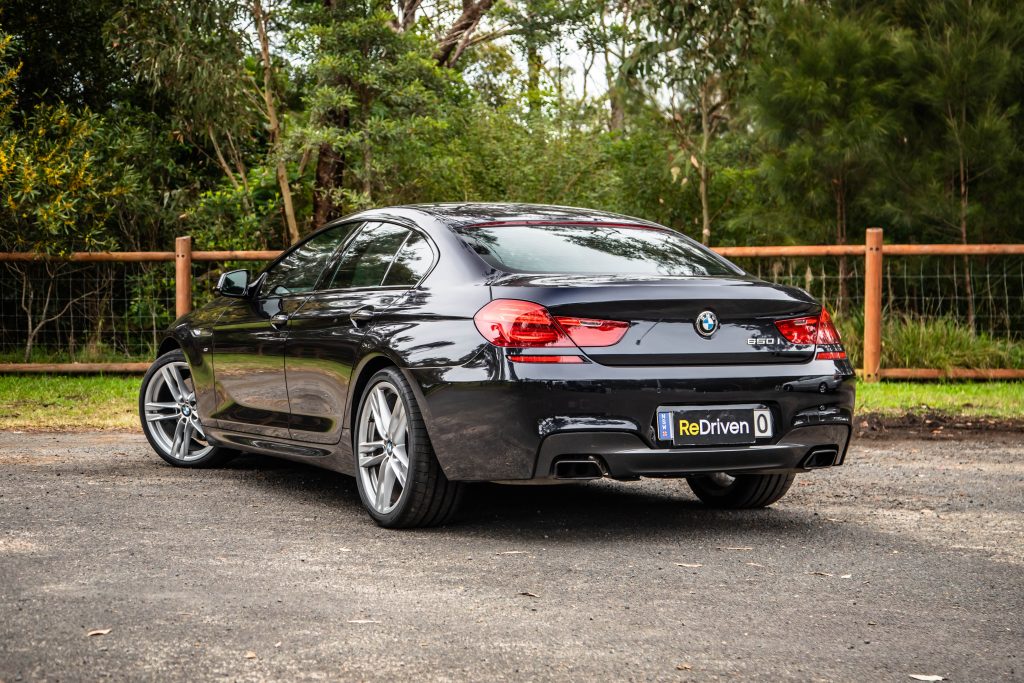
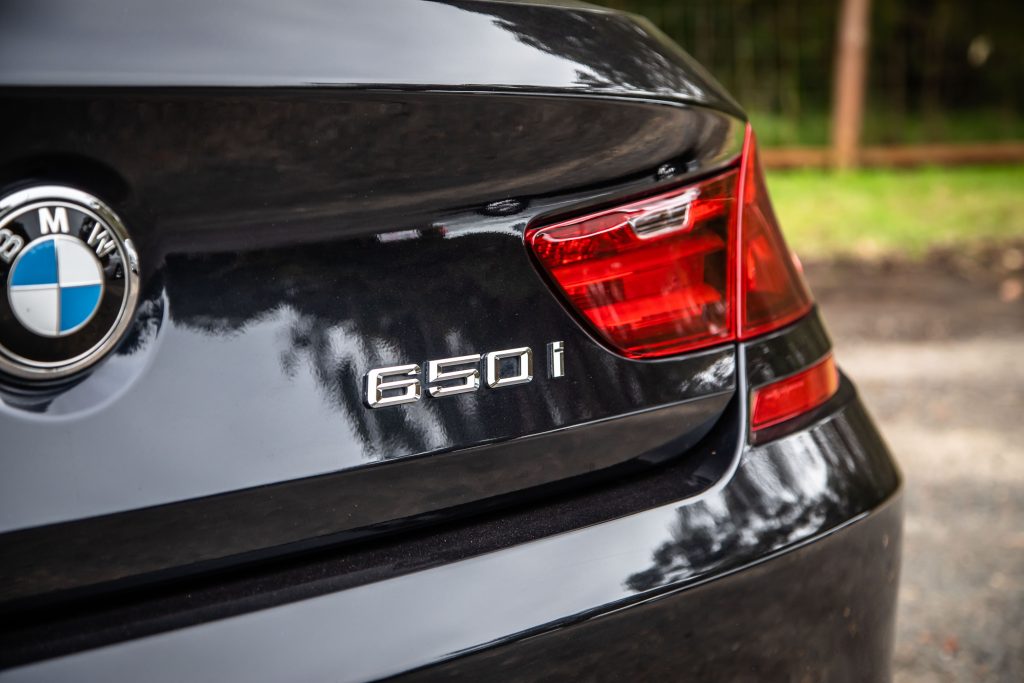
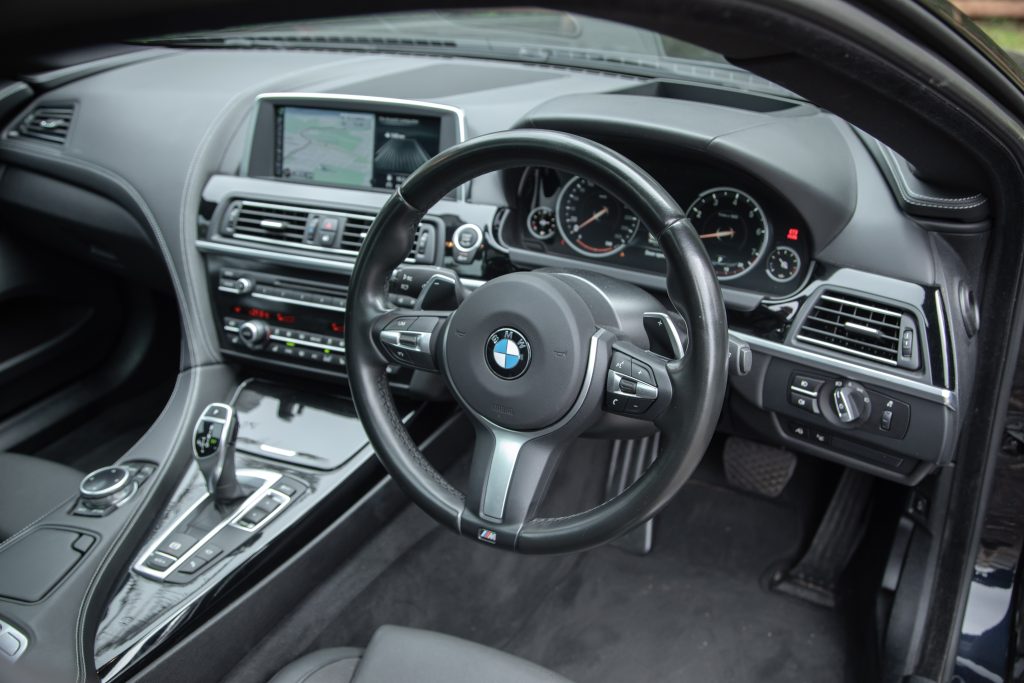
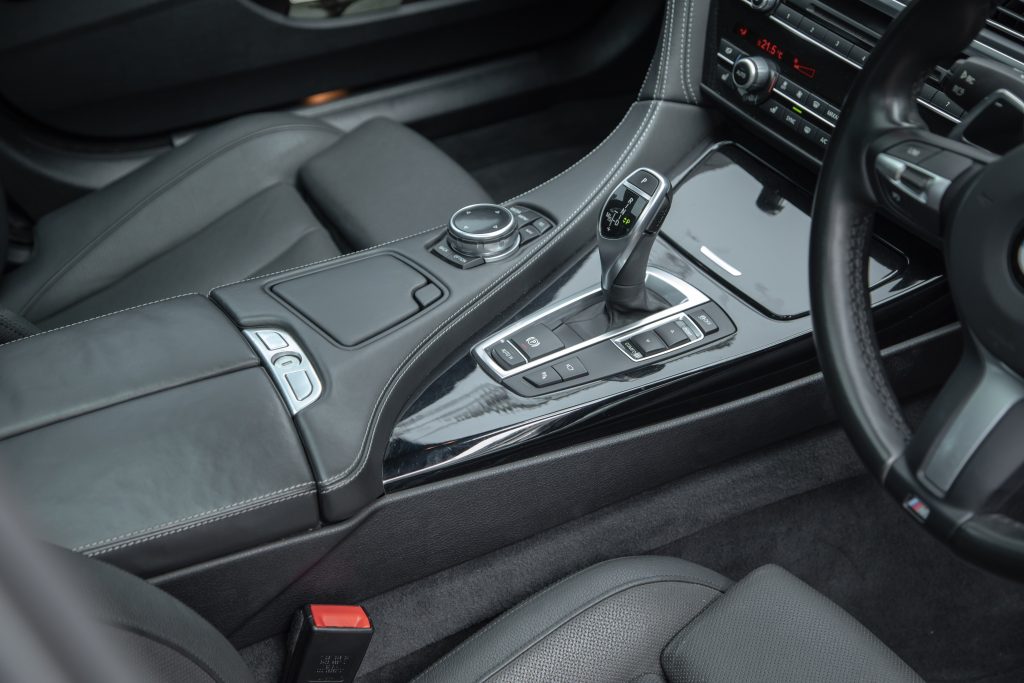
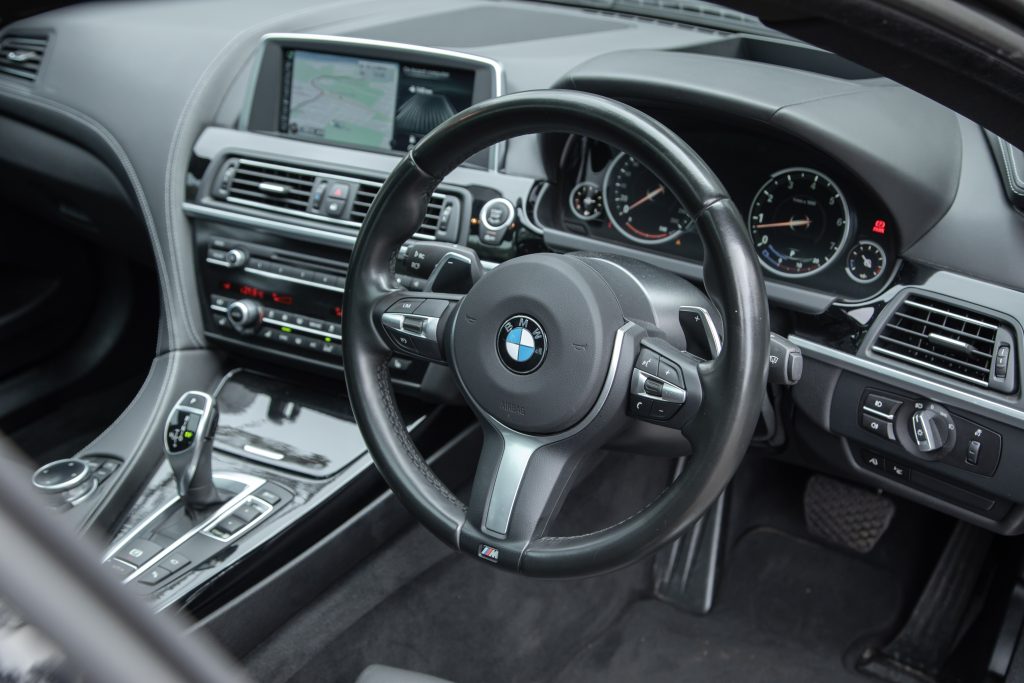
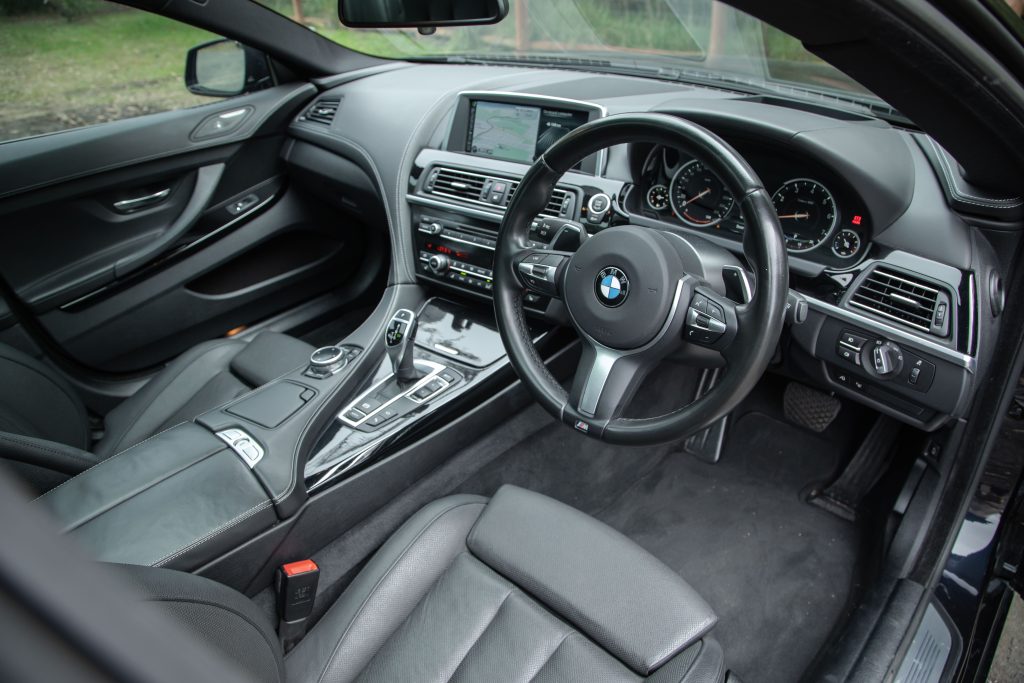
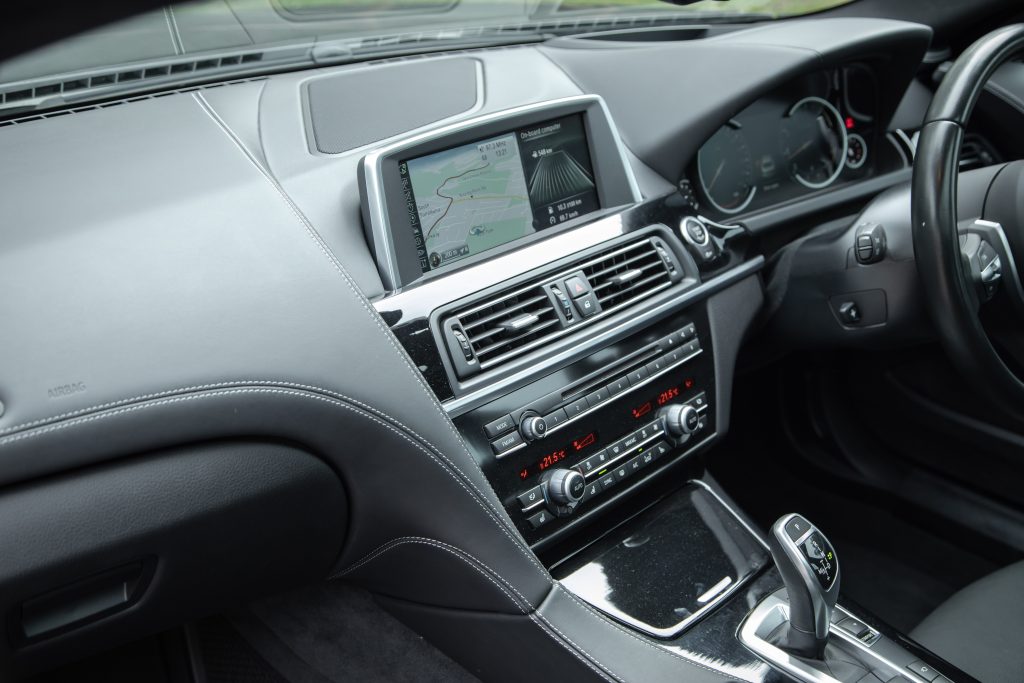

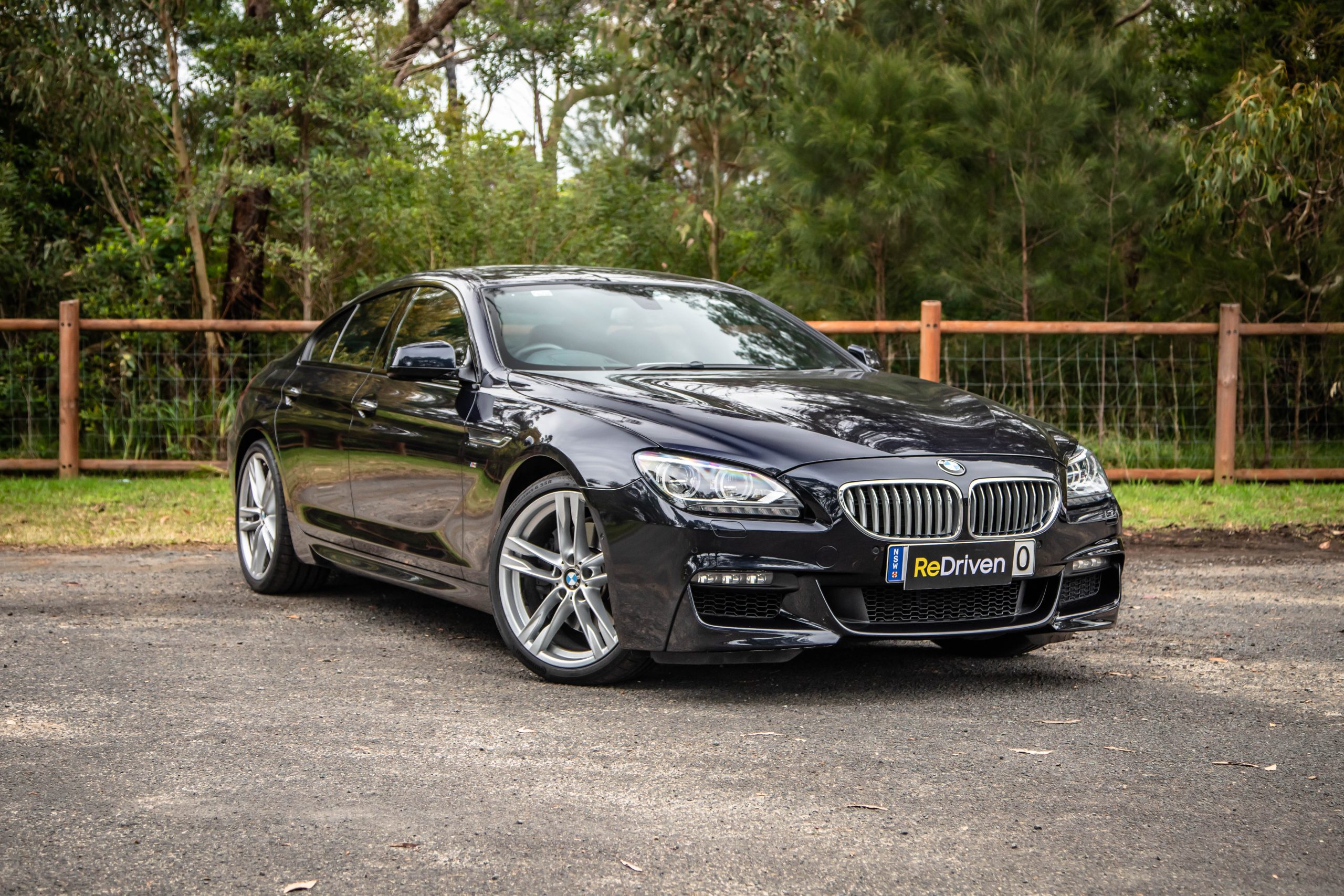
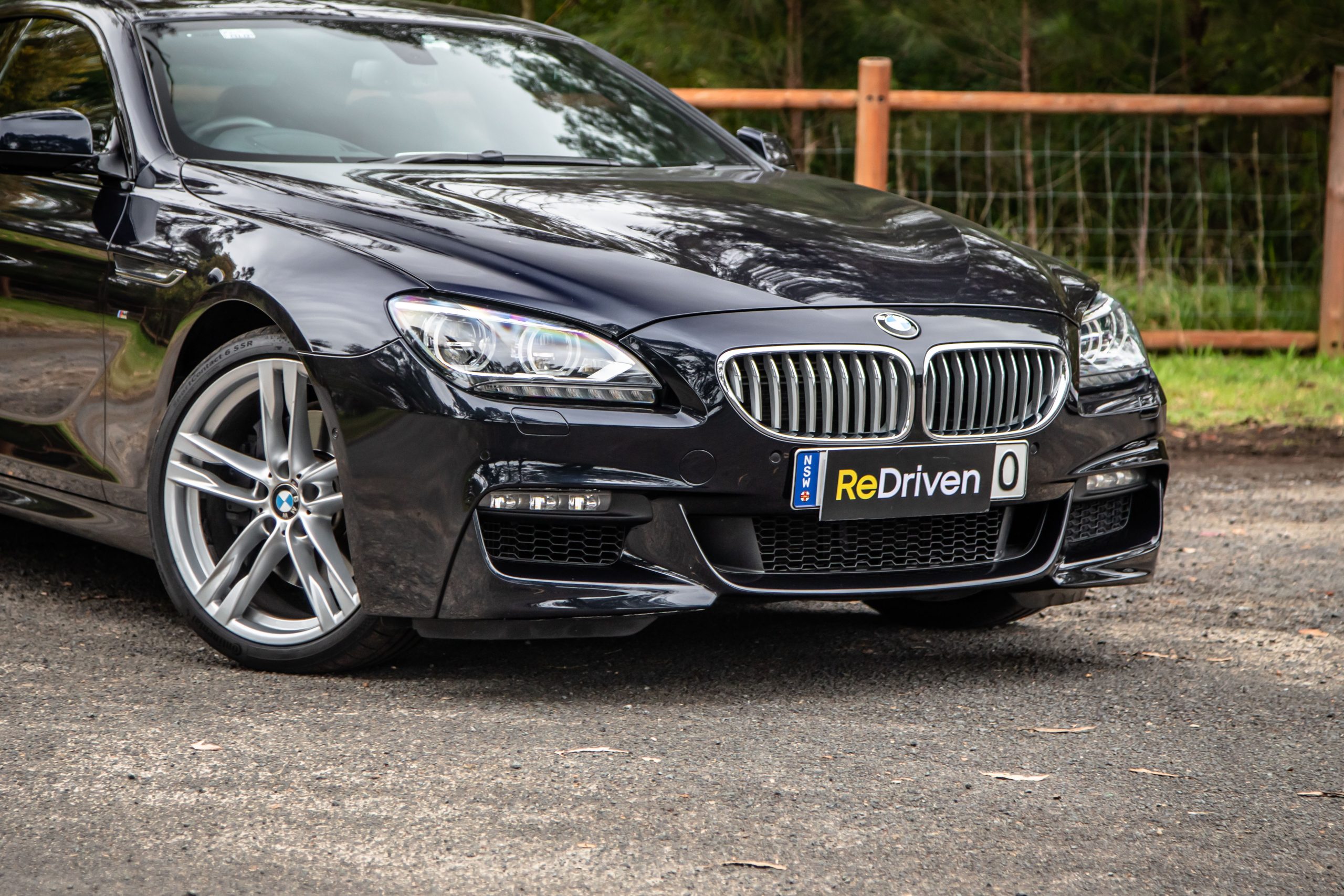
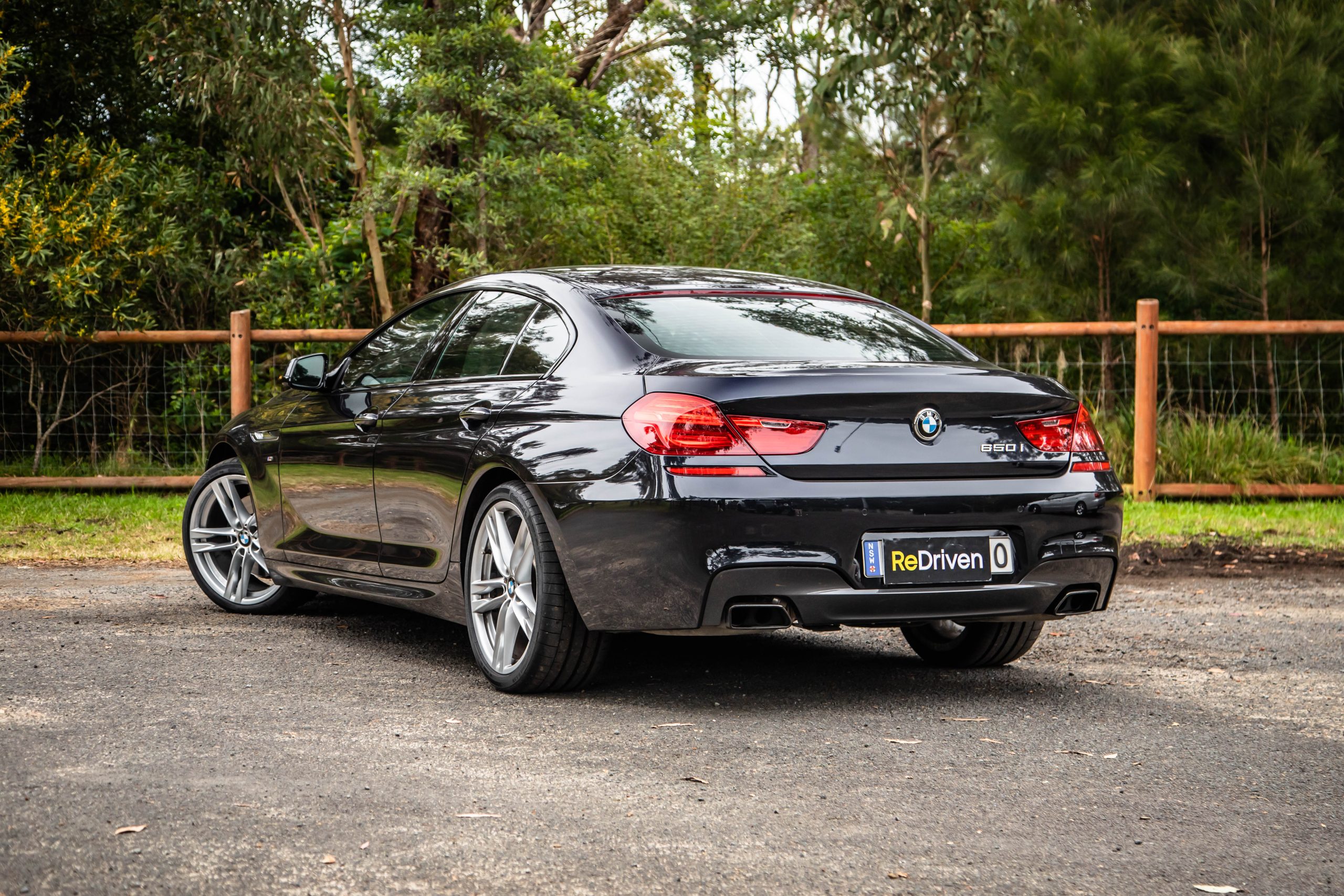
2016 BMW 650i Gran Coupe M Sport

26 August 2022
There are better cars out there.

2016 BMW 650i Gran Coupe M Sport

Used car review
26 August 2022
The third-gen 6 Series existed from around 2011 to 2018 which was available in three body styles with a few different mechanical packages.
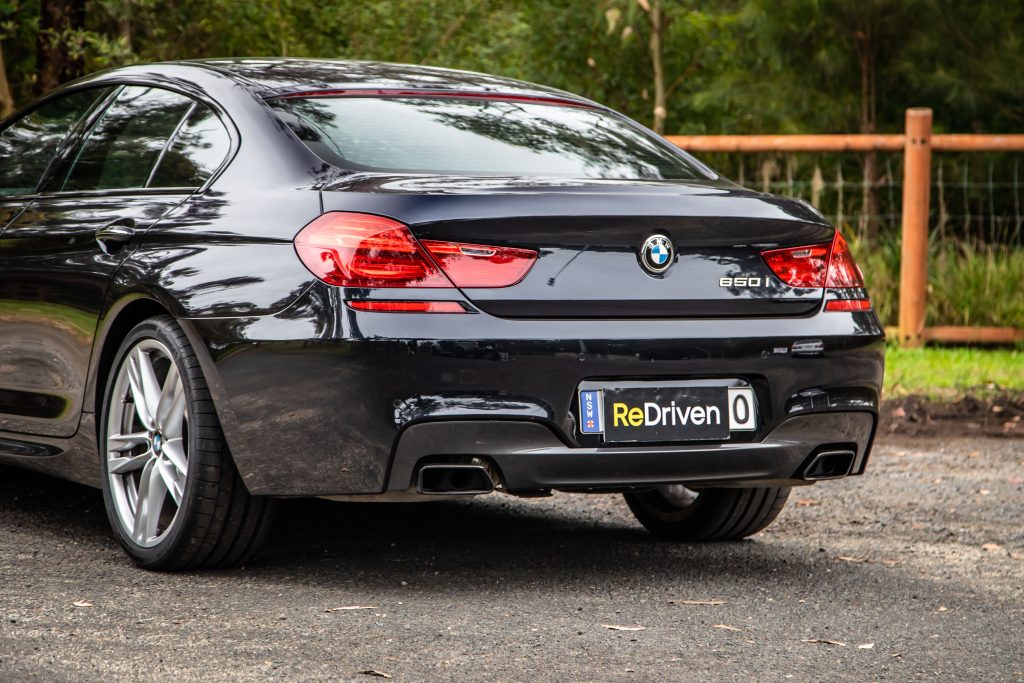
There’s the car we’re reviewing, the 4-door Gran Coupe in 4.4-litre V8 650i form, and in M Sport trim however if you have no need for the practicality of back doors you can have the 6 Series as a 2-door coupe or if you’d rather spend your life topless, as a 2-door convertible.

Engine wise, you could have the 6 Series as a V8, which received a boost in power for the LCI update, as well as a less powerful, 3.0-litre turbocharged in-line 6-cyl in the 640i, an even more powerful twin-turbo V8 in the M6 and twin-turbo straight 6-cyl in the diesel-powered 640d.
All 6 series here in Australia are rear-wheel drive only but some countries do have the option of all-wheel drive or xDrive as BMW calls it.
In terms of updates, the 6 Series received a host of various additions almost every year of its lifecycle but the biggest change came in 2015 with the LCI update, featuring a subtle facelift, improvements and updates to the tech and features and a few minor mechanical changes.
Exterior:
The Electric windows are becoming known to glitch out and either be faulty occasionally or just stop working altogether. Be sure to check that the windows go up and down.
There are some reports that the reversing camera harness and the camera itself can be faulty or glitchy or just not work at all.
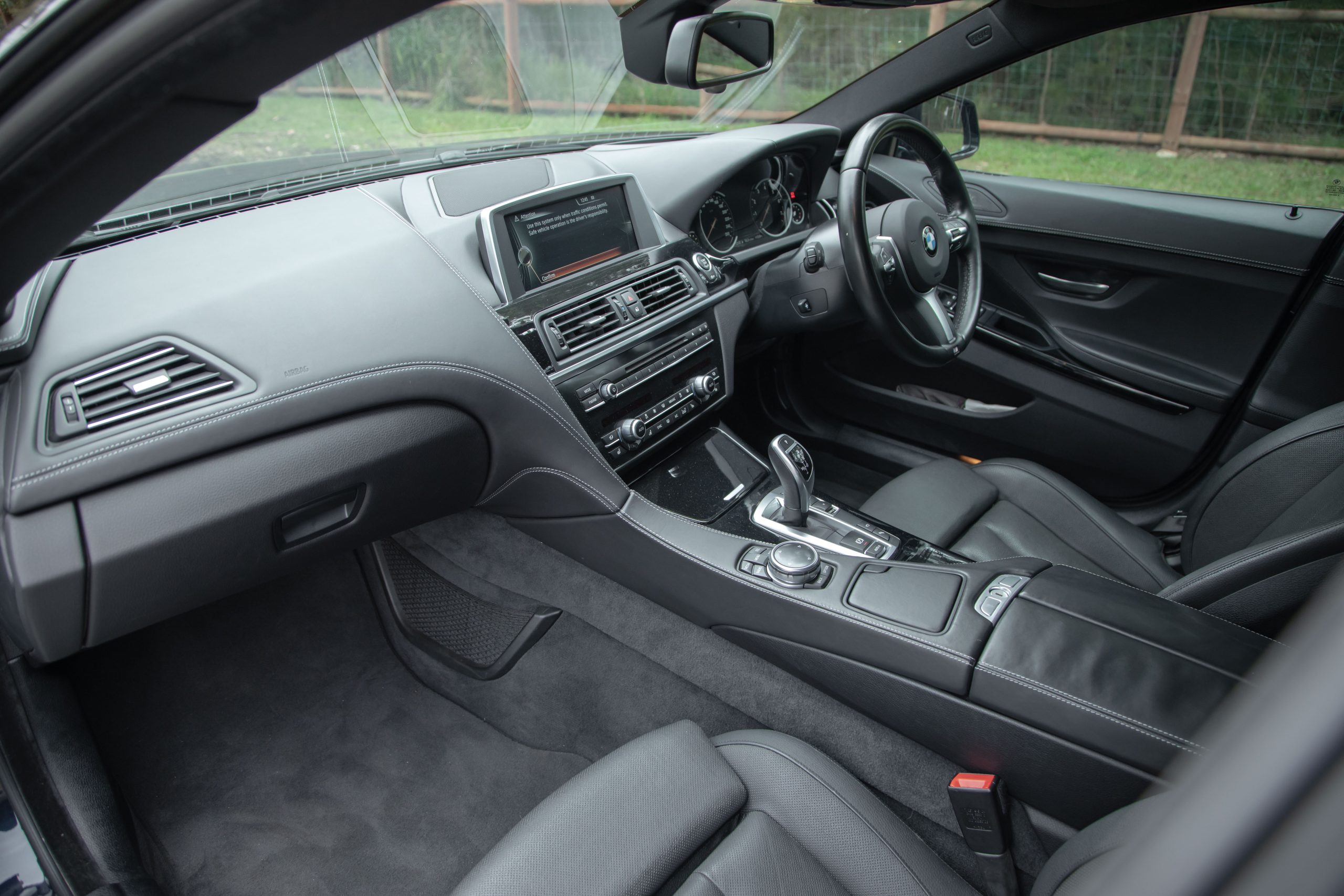
Interior:
There are some reports that the seat frames can become lose, moving around on their base through corners. This can also result in the front seats becoming rattly or squeaky.
Mechanically:
Firstly, the 6-cylinder petrol or diesel options make far more sense than the V8 and we’ll explain why shortly.
We need to note, all the engine options in this generation of 6 Series do have their fair share of problems and all of them will benefit from 10,000km or even 5000km service intervals.
The petrol 6 cylinder (the N55) is a bit of a BMW work horse that is fitted to many different BMW models.
Some common and semi-serious problems are oil leaks from the valve cover & oil filter housings. Water pump, expansion tank & thermostat failures. Cam timing solenoid issues. Engine misfires from crook injectors or ignition issues.
Because of emissions & efficiency reasons they have direct fuel injection and combined with a problematic breather system, they tend to clog up their inlet ports & coke up valves.
Due to this clogging, the engine becomes far less efficient. It can be cleaned out with something like a walnut blasting process and all resulting repairs should take no more than a day that shouldn’t send you broke.
In terms of the (N57) diesel, it is fairly reliable but there are some issues with the timing chain which is actually located at the back of the engine and was never really designed to be a serviceable part.
They do stretch and, in some cases, in higher milage engines can fail and thus destroy the engine. More frequent services will significantly lower the risk of that catastrophic failure happening. Also those more frequent services will also help with some EGR & DPF complications that these engines are prone to.
In regards to the (N63) V8, the engineers here have done a great job with the engine’s efficiency & packaging, its capable of generating immense horsepower, and who doesn’t love a twin turbo V8. Well, this V8, the hot V is a hot mess! I
n the pursuit of excellence, they’ve created something unnecessarily complicated. There is just so much that goes wrong with these engines from timing chain and variable cam gear complications to oil consumption problems from dodgy valve guides, to PCV system complications and coolant pump & heat exchanger issues, the list goes on and on.
Electronically, in a car that’ has more than 30 plus control modules its hardly surprising that the engine has 2 separate DMEs (that’s the engine computers) to run it which can equate to twice as many things (in terms of the DME’s) to potentially go wrong.
BMW know they’re a bit shit because there’s extra factory support available to repair them. But that support will not last forever and even well serviced examples can have these problems.
A potentially larger issue is when something goes wrong, it will most likely be off the road for considerable amount of time and is going to be eye-wateringly expensive to repair.
If buying a 6 Series is putting you at the outer limits of your finances, then absolutely not.
Yes these are utterly exquisite cars but they are also immensely complex and thanks to a long list of common faults and a high potential for mechanical issues, IF anything were to go wrong, chances are, it will result in an expensive repair bill.
However, if you have the money and time to maintain it, are happy to shift some cash out of your investment portfolio to pay for any repair bills and you’re aware of what you’re getting yourself into, and you maybe also own a Toyota Yaris or Mazda 2 for when the 6 Series is visiting the mechanic, it’s a cautious yes, you should buy one.
But it is critical that it has an absolutely faultless service history, has been cared for like the previous owner’s firstborn and has been given the tick of approval from a thorough pre-purchase inspection,
If it checks out on all accounts, we’re not sure if any other car offers so much car for the money, but still, please be very very careful.
MORE: Explore our BMW reviews


Co-creator, presenter & writer, ReDriven

There are better cars out there.

 1 month ago
 2 months ago
 2 months ago