
Australia’s No. 1 Used Car Review Website
Australia’s No. 1 Used Car Review Website
+11 Photos

1994 Dodge Viper RT/10

17 May 2024
There are better cars out there.

1994 Dodge Viper RT/10

Owner review
17 May 2024
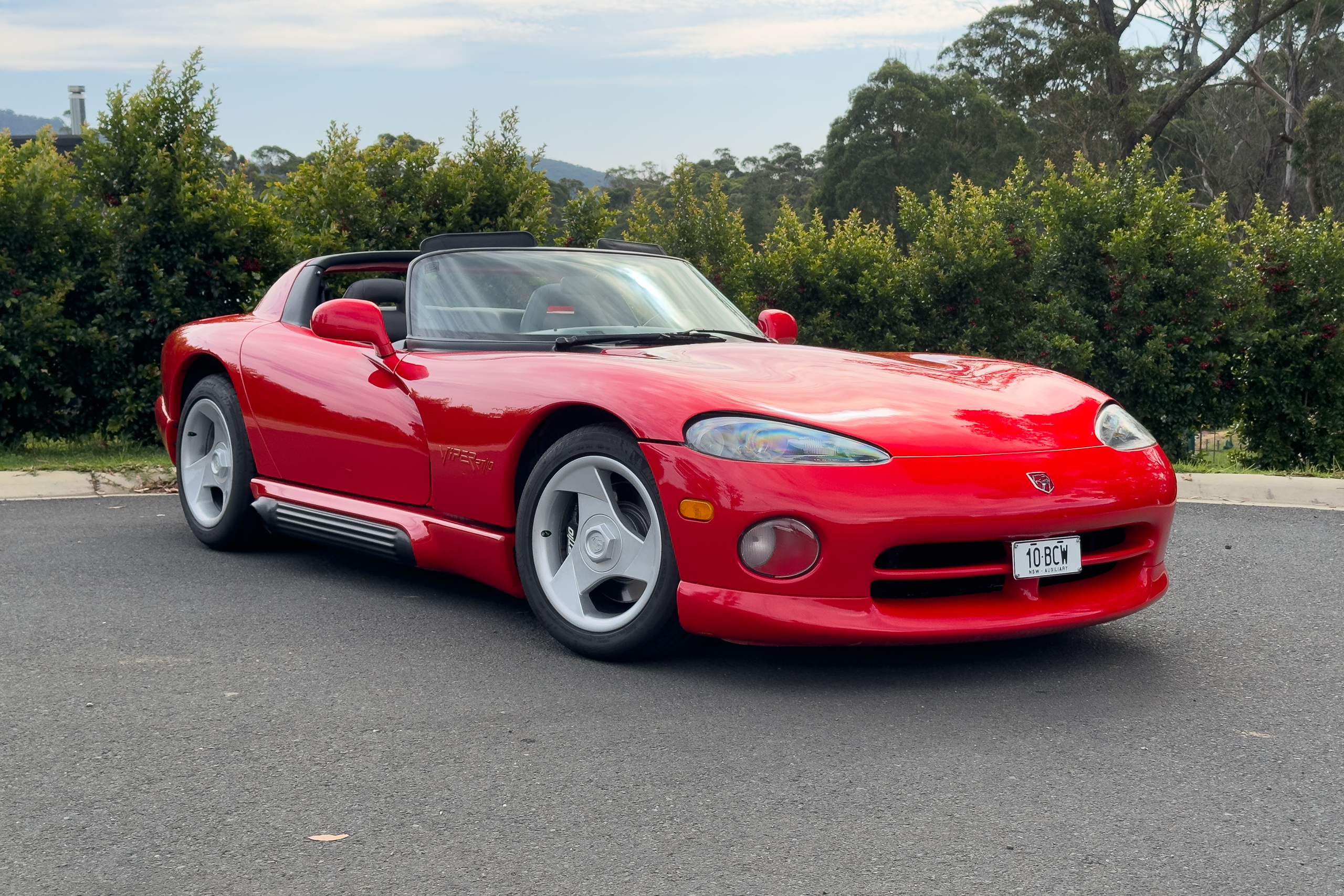
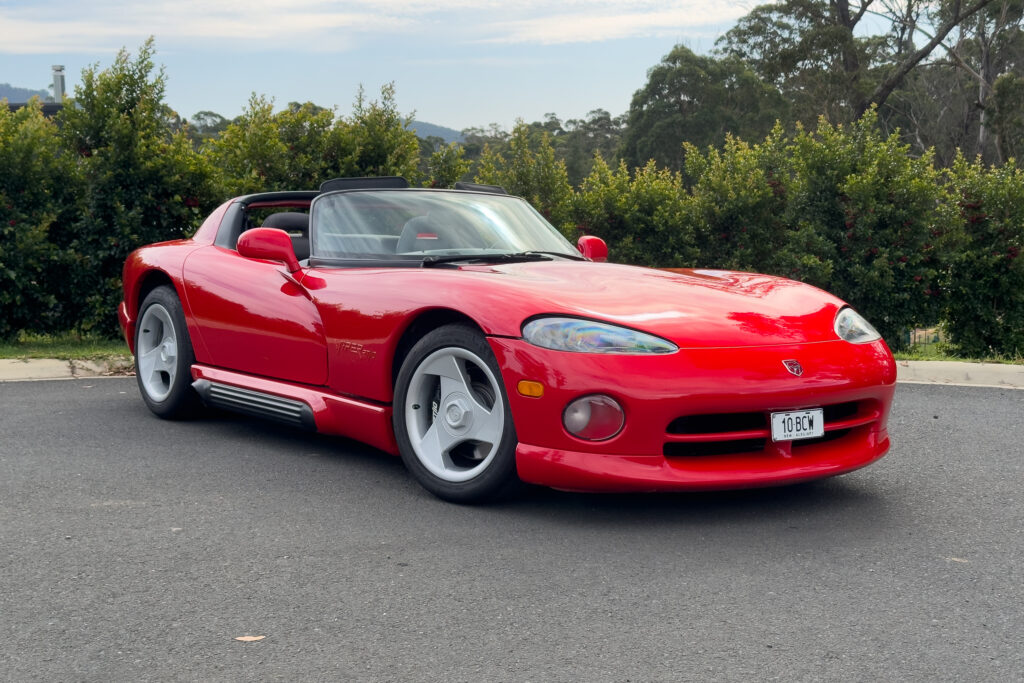
The original Dodge Viper was produced from 1991 to 1995, designed to be an iconic American sports car.
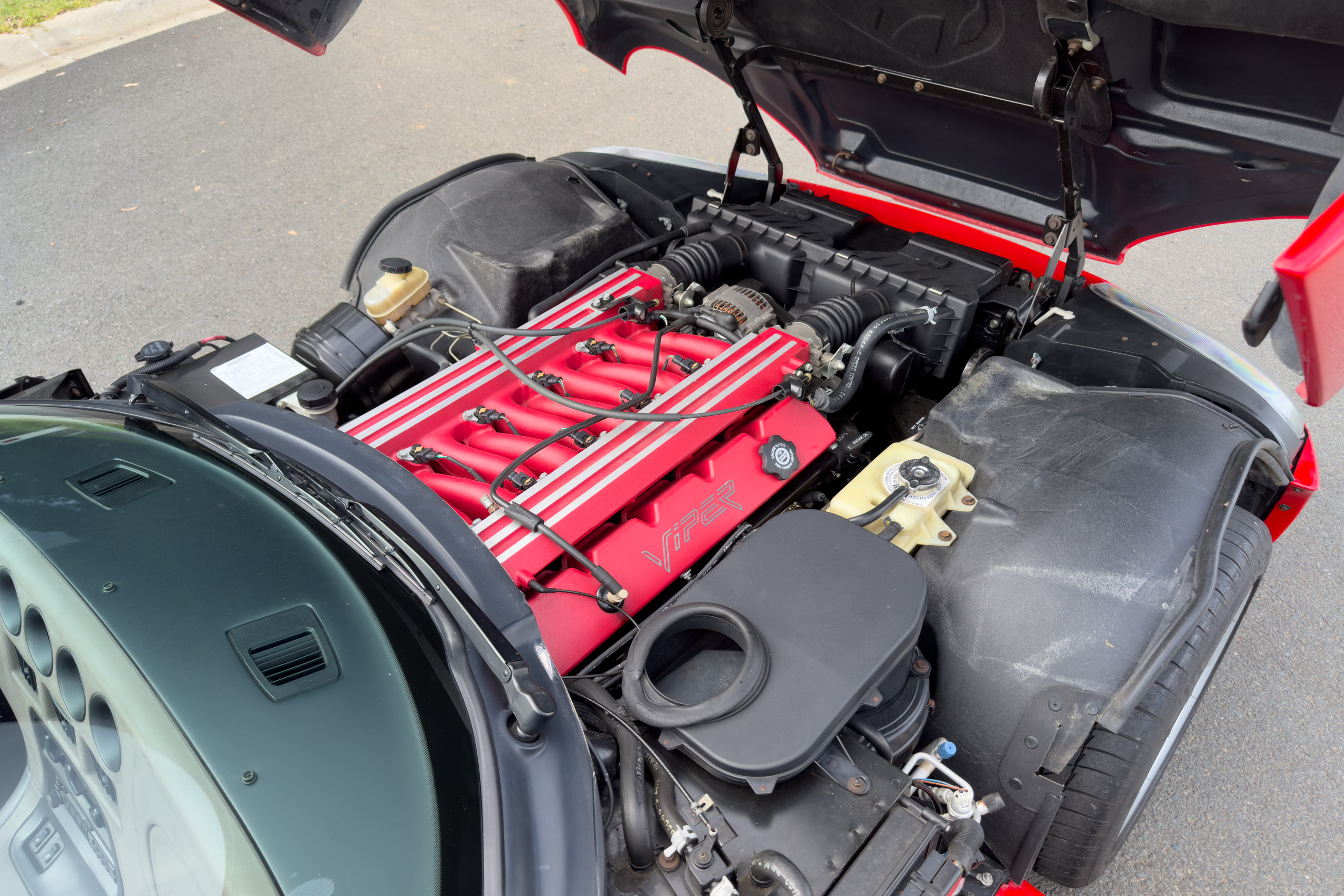
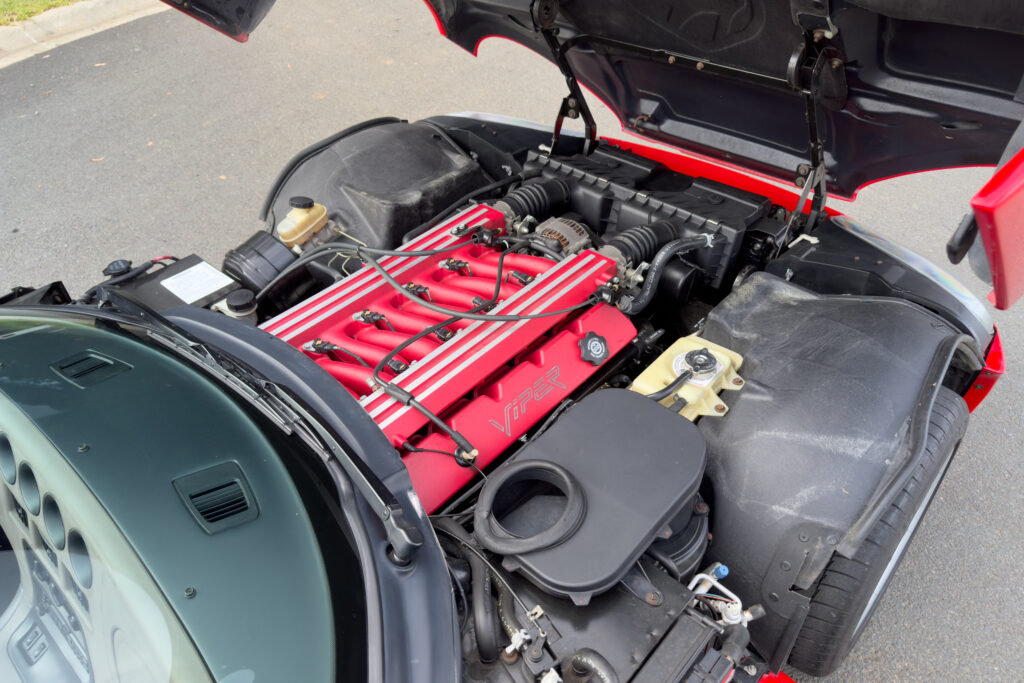
It featured an 8-litre V10 engine, manual transmission, and rear-wheel drive, emphasising simple engineering and a pure driving experience.

The car was stripped down to the essentials, providing a raw and exhilarating driving experience that focused on power and handling rather than luxury or convenience.
Contrary to popular belief, the Viper’s V10 engine was not merely a repurposed truck engine from the Dodge RAM. The Viper’s engine actually predates the RAM’s V10 by two years.
It features aluminium block castings and other components designed by Lamborghini, thanks to Chrysler’s ownership of Lamborghini at the time. This collaboration resulted in an engine that, despite its simplicity, shares more characteristics with Italian supercars than with work trucks.
The engine’s design prioritised performance, with a robust power output and a distinctive exhaust note that became one of the Viper’s trademarks.
Due to its hand-made nature, the first-generation Viper saw subtle improvements and updates throughout its production run. Each car was essentially custom-built, allowing for continuous refinement.
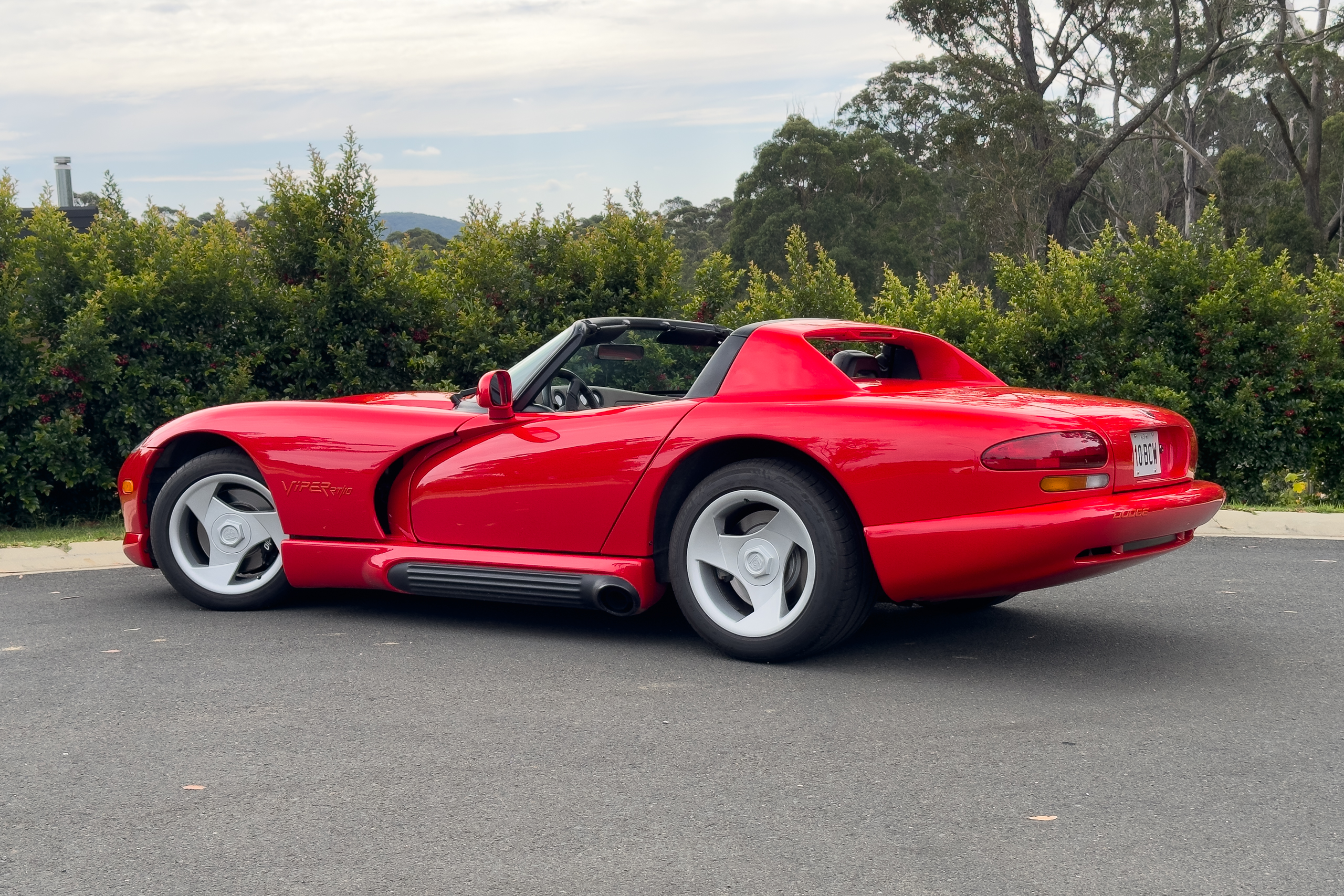
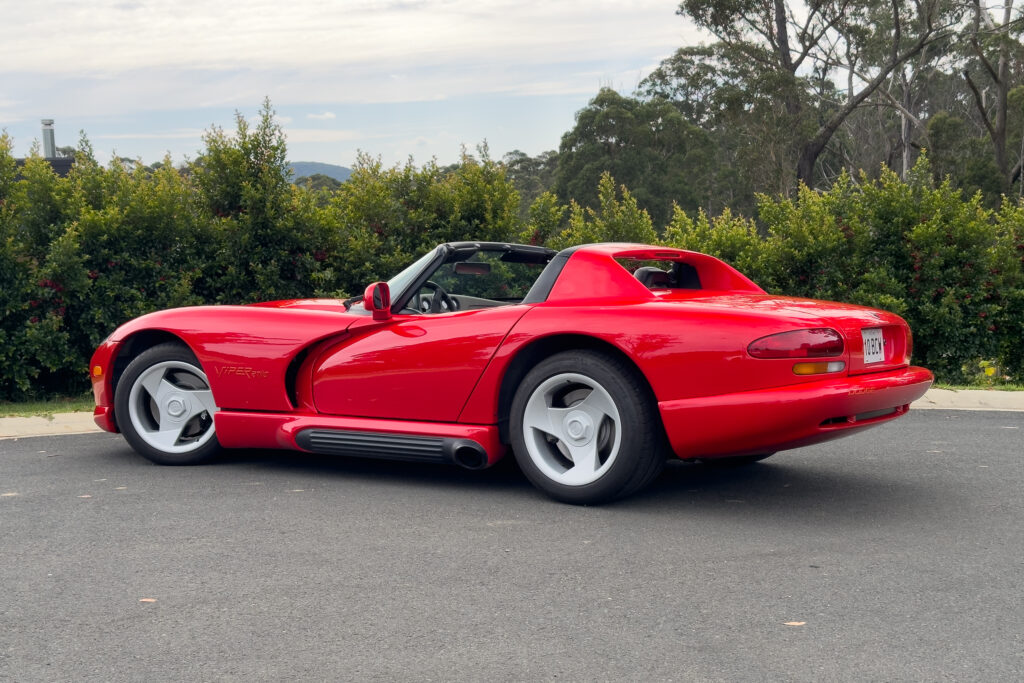
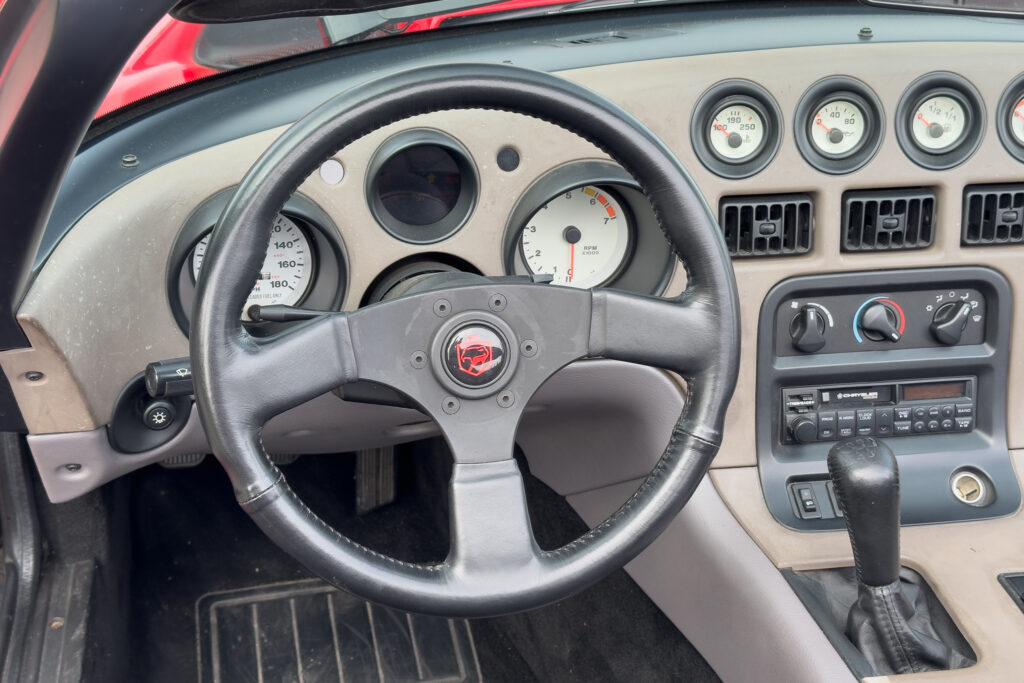
Early models were particularly sparse, lacking even basic features such as windows and a roof.
Initially, side curtains were used instead of proper windows, and the roof was a simple canvas top.
Dodge eventually addressed these shortcomings by offering removable hardtops and improved side windows, though the early versions were still rudimentary and had a distinctively utilitarian appearance.
For enthusiasts seeking exotic and aggressive looks, a removable roof, a powerful engine, a manual transmission, rear-wheel drive, and a stripped-down driving experience, the Viper offers a unique combination at a competitive price.
Its performance capabilities, combined with its raw, unfiltered driving experience, make it a favourite among purists and collectors.
Despite its mechanical simplicity, the Viper can develop issues due to its age, we elaborate below.
Owners should also be aware of the Viper’s lack of modern safety features, which can make it a more challenging vehicle to drive compared to contemporary sports cars.
Regular maintenance and a thorough understanding of the car’s quirks are essential for keeping a first-generation Viper in top condition.
Read on to discover more about maintenance tips and common problems associated with these iconic vehicles.
Exterior:
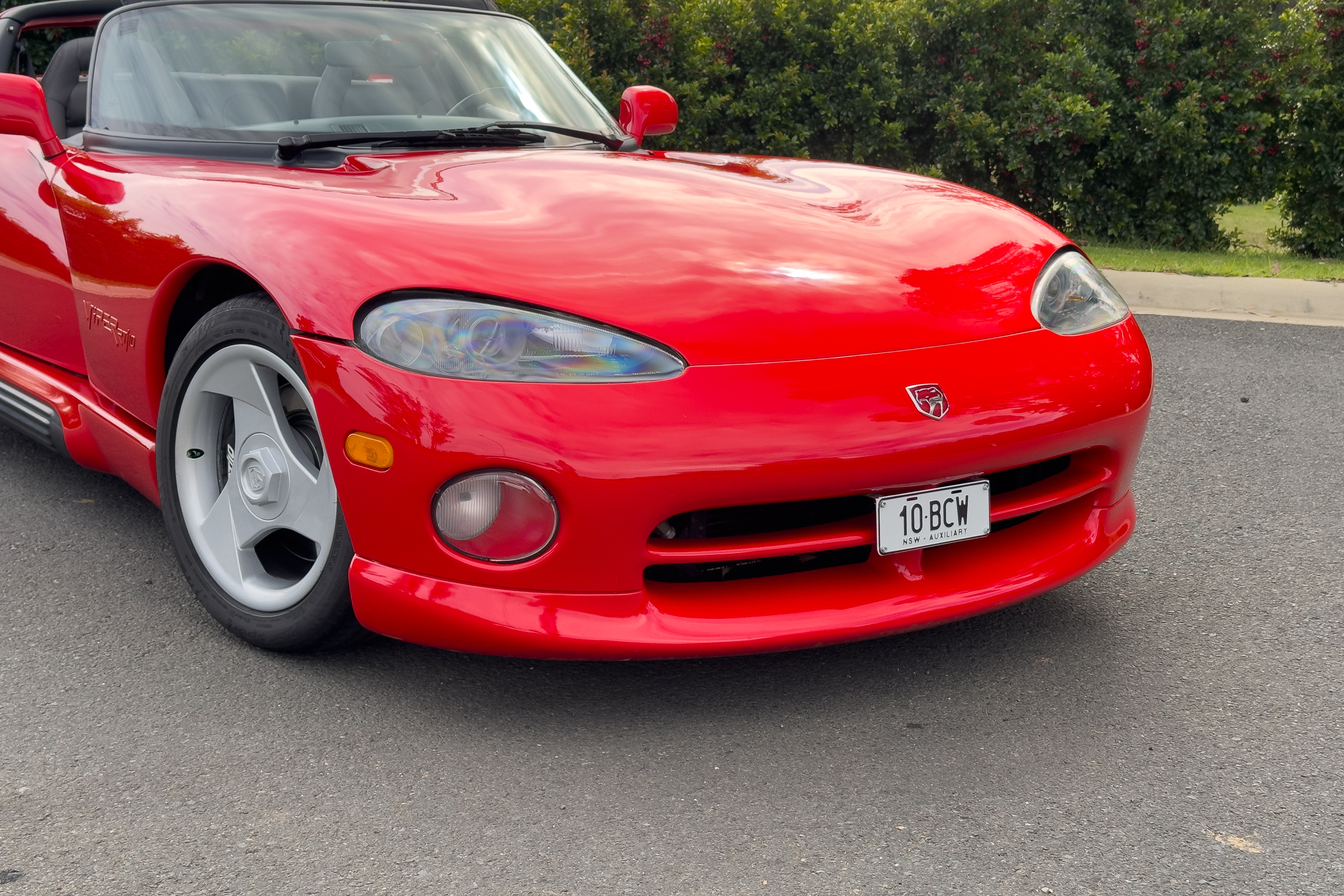
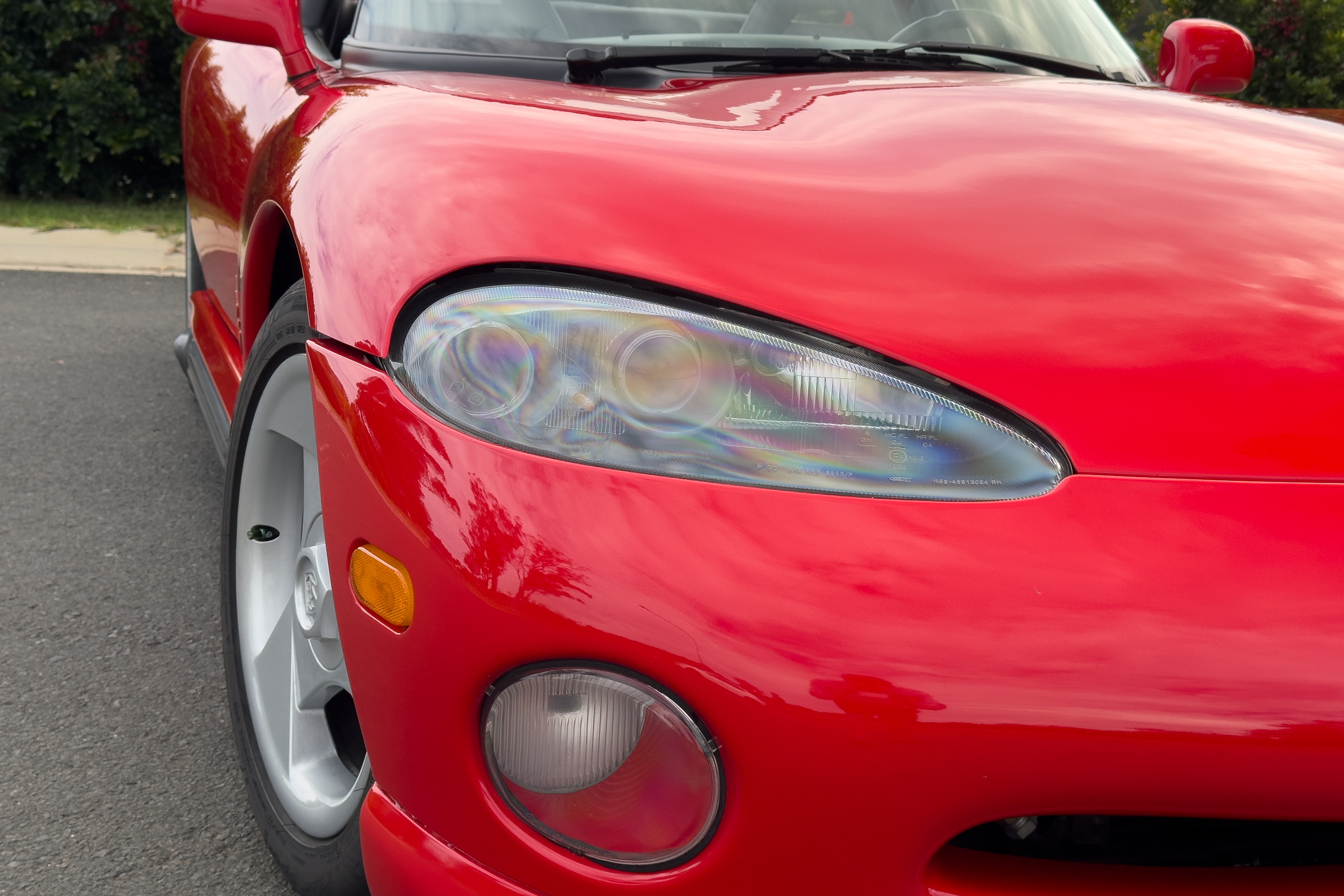
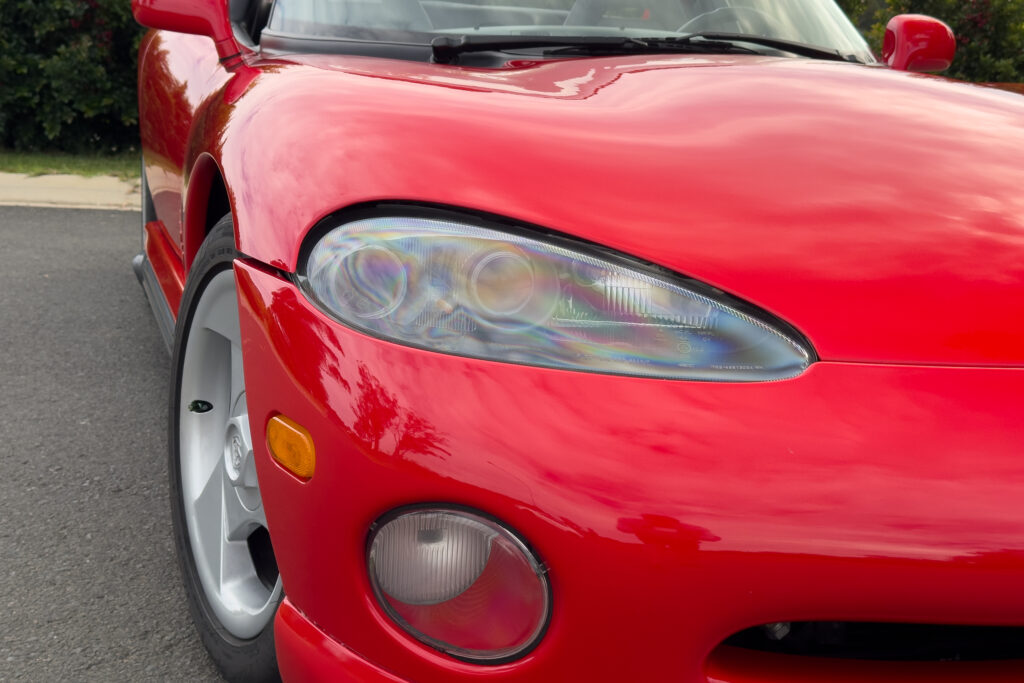
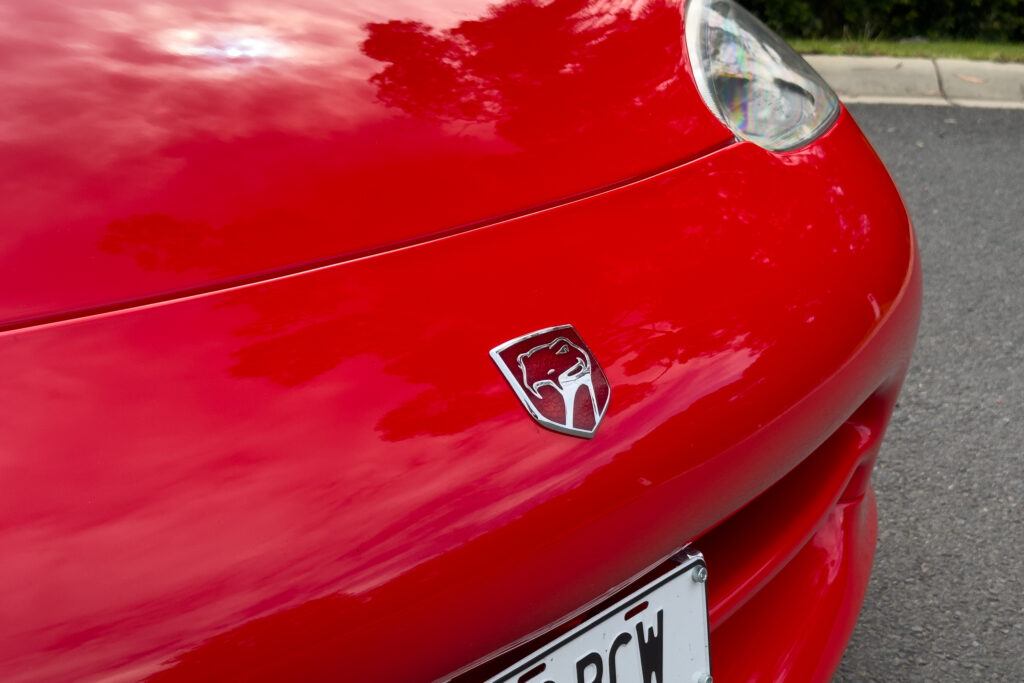
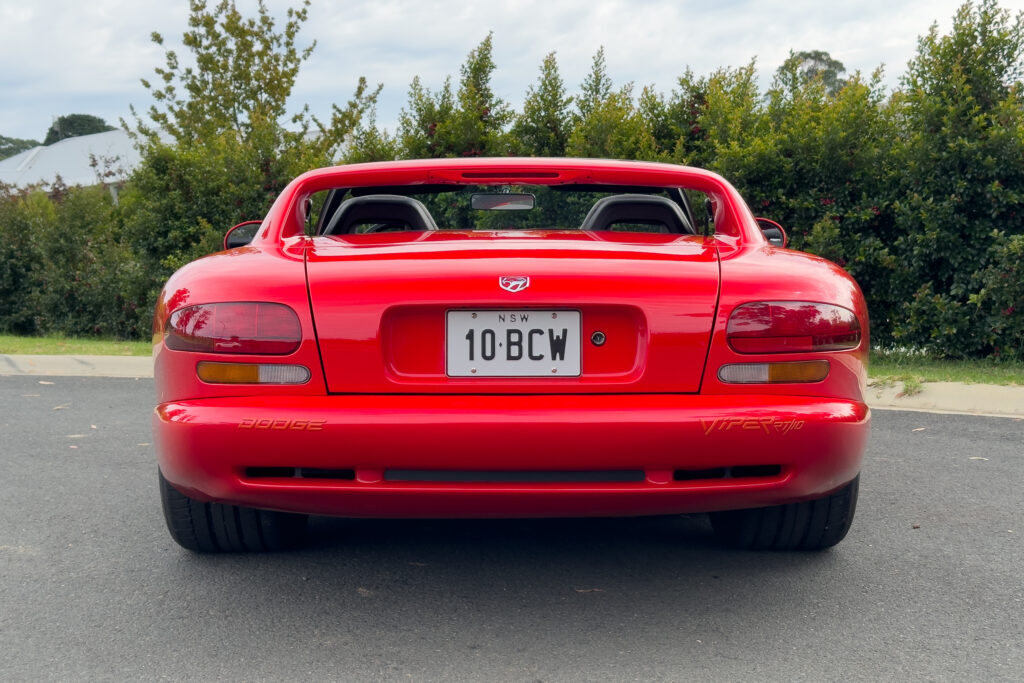
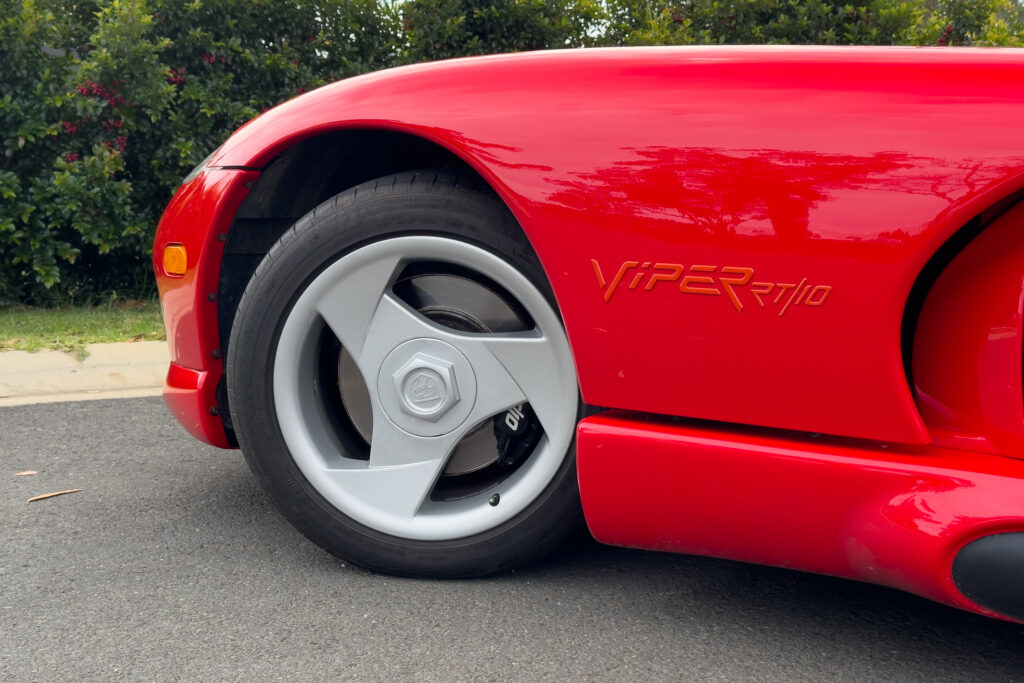
Exterior panels are no longer manufactured, making even used replacements extremely expensive.
A plastic windscreen cowl can cost around $3,000.
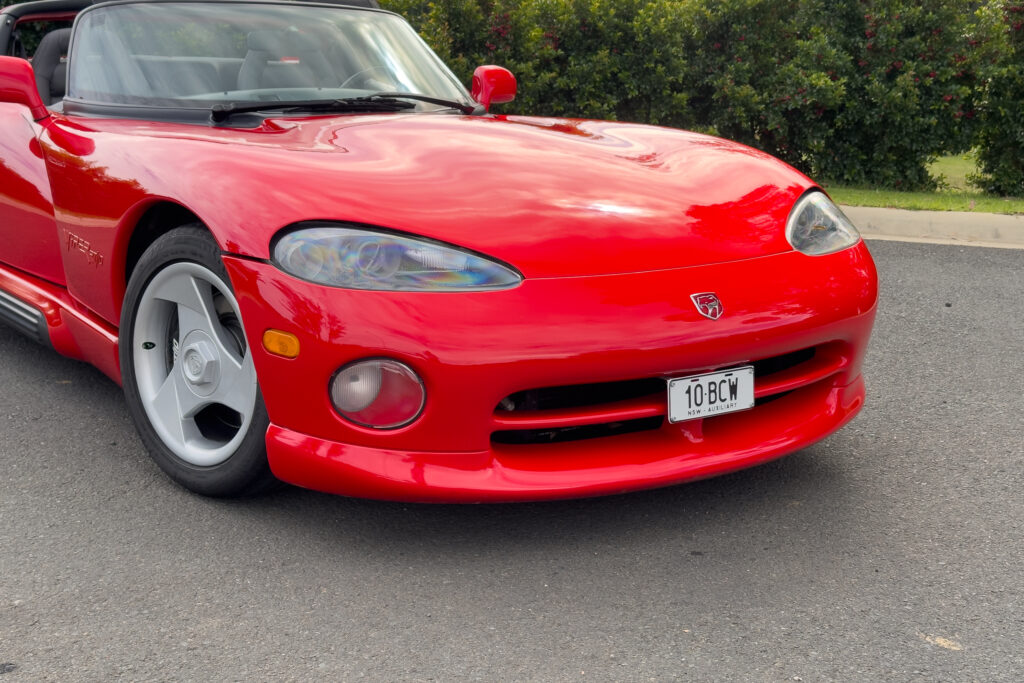
An enormous bonnet clamshell, shipped to Australia, can exceed $10,000 before painting; a freshly painted new bonnet can cost around $20,000.
The bonnet’s size and weight can make alignment difficult and it can shift over time, causing uneven panel gaps.
Due to the hand-made nature of the car, some owners report persistent issues with achieving perfect panel fitment.
It’s critical to inspect any Viper for accident damage before purchase, as restoring the body requires significant skill and dedication.
There are reports of sagging doors that need occasional alignment and other minor sporadic issues.
Thanks to the lack of exterior features and electronics, not much else goes wrong with the exterior. The simplicity makes minor repairs easier.
The Viper shares many components with other Chrysler and Dodge vehicles, making some parts affordable despite the high cost of major components like doors.
Interior:
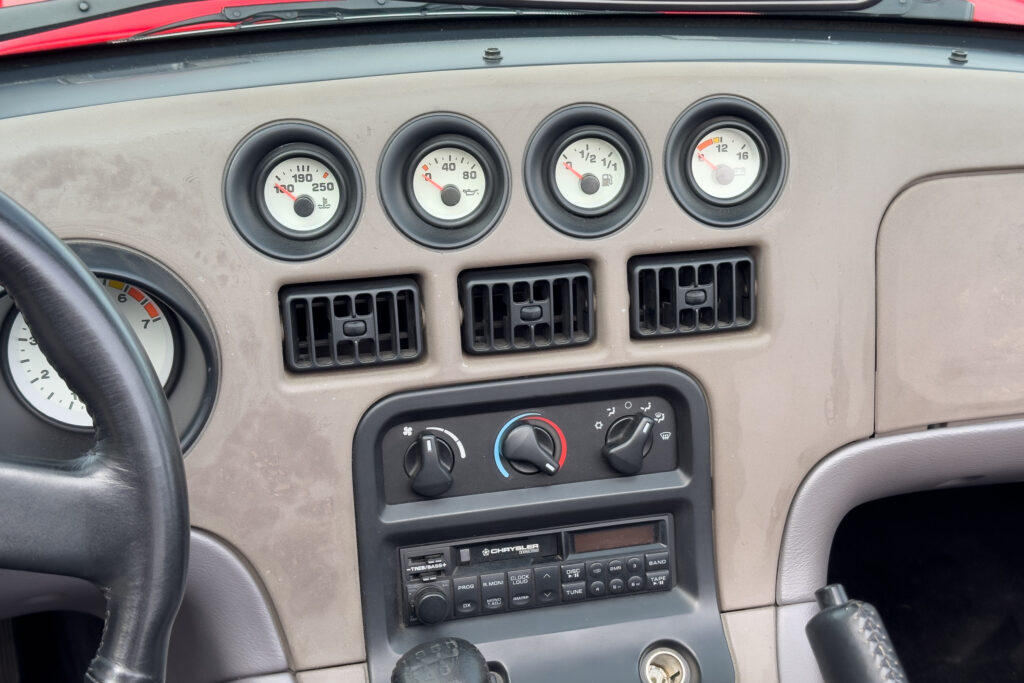
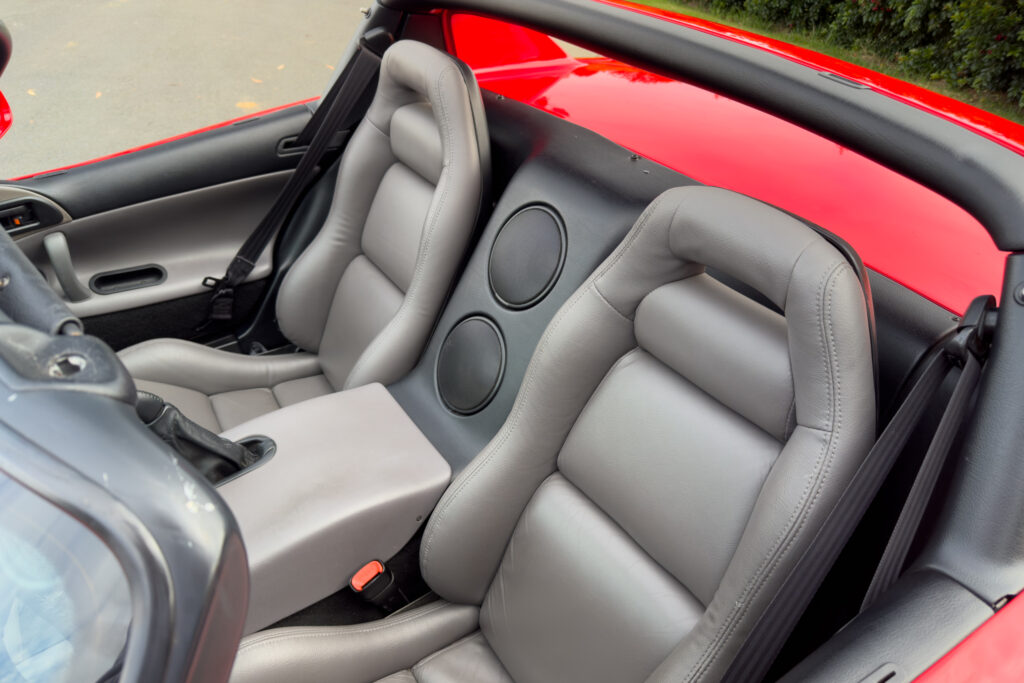
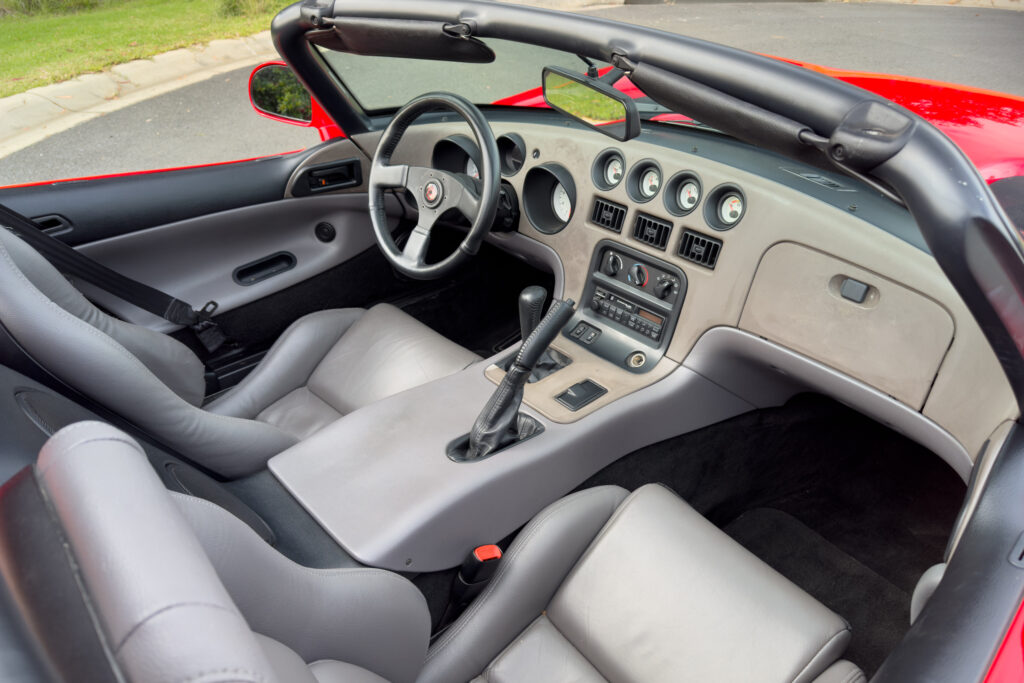
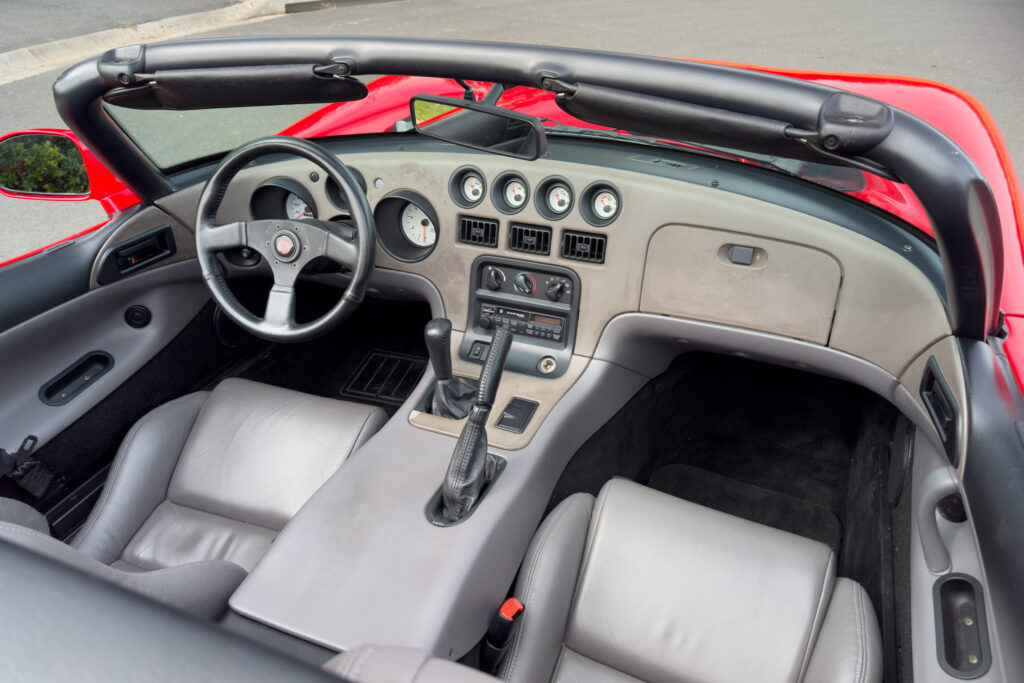
Given its 30-year age, the interior can show wear in high-traffic areas.
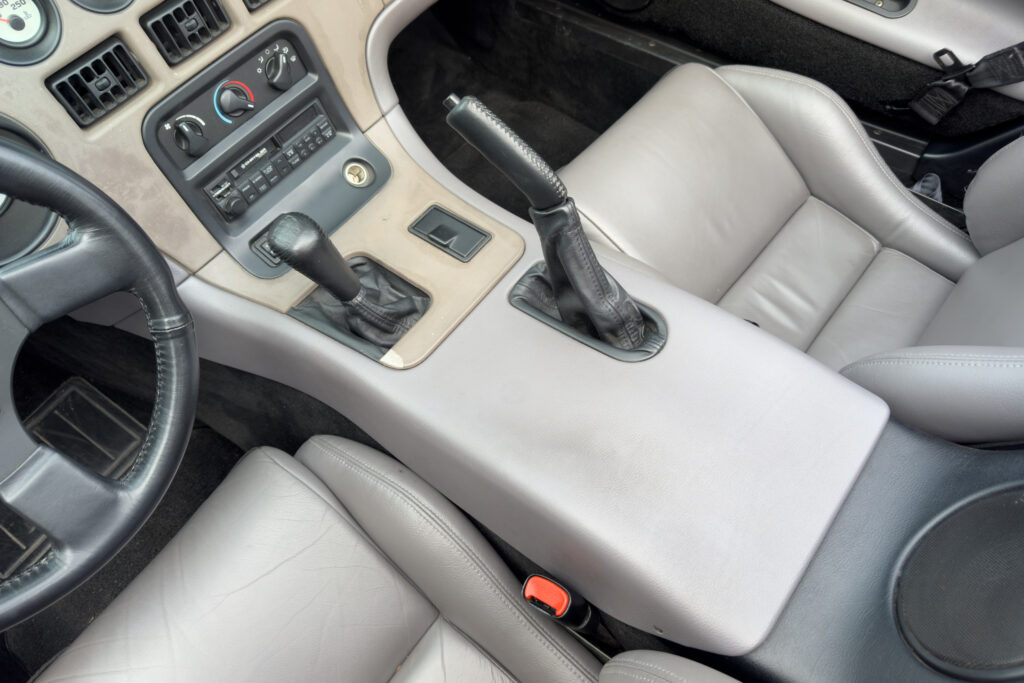
A common issue is a creased centre armrest, which indicates a cracked support structure. Repairing this involves removing the centre console and reinforcing it with fibreglass, a time-consuming task.
Mechanically:
The Generation 1 Viper is known for not only its mechanical simplicity, thanks to it lacking features like windows and door handles, it all reduces potential points of failure.
Despite being old, the Viper is generally mechanically reliable, which is why many are used in motorsports and often modified and turbocharged for higher performance.
Engine:
The V10 engine is simple and robust, featuring old-school pushrod technology, which contributes to its reliability.
Common issues include oil consumption due to the engine’s design from the 1980s and rare occurrences of blown head gaskets.
Early models had some issues with oil consumption and fuel pressure regulators and filter leaks from plastic fittings, but upgrades are available.
Transmission:
The T-56 6-speed transmission, initially designed for the Viper and used in millions of cars until 2008, is extremely reliable.
While some parts are hard to find, many components are shared with other Dodge models, aiding in maintenance and repairs.
Due to its age and the unique nature of its construction, a thorough inspection is crucial before purchasing a first-generation Viper.
Regular maintenance is essential to address common issues and ensure the car remains in top condition.
The first-generation Viper offers an unmatched driving experience with its powerful engine, manual transmission, and rear-wheel drive.
Its hand-built nature and minimalistic design make it a standout vehicle for enthusiasts who appreciate raw, unfiltered driving dynamics.
Should you buy a Viper? Logically, no—you should opt for something more sensible. And that’s precisely why you should buy a Viper.
If you’re looking for a weekend toy, stop researching other cars’ Nürburgring lap times and acceleration figures. Those stats won’t make you laugh—a Viper will.
It might sound crazy, but hear us out. We love performance cars because they’re fun and make us feel alive. Few cars will make you feel as alive as a Dodge Viper. Every drive is an event, an exhilarating experience that’s hard to match.
Be prepared for some significant expenses, such as $20,000 for a new bonnet, along with fuel and possibly increasing your life insurance. The Viper offers a raw, thrilling driving experience unlike any other, making it a joy for enthusiasts who seek excitement over practicality.
In essence, the Viper is for those who want an unforgettable, unfiltered driving experience. If you crave excitement and are ready for the commitment, the Viper is the perfect choice.


Co-creator, presenter & writer, ReDriven

There are better cars out there.

 1 month ago
 2 months ago
 2 months ago