Australia’s No. 1 Used Car Review Website
Australia’s No. 1 Used Car Review Website
+20 Photos
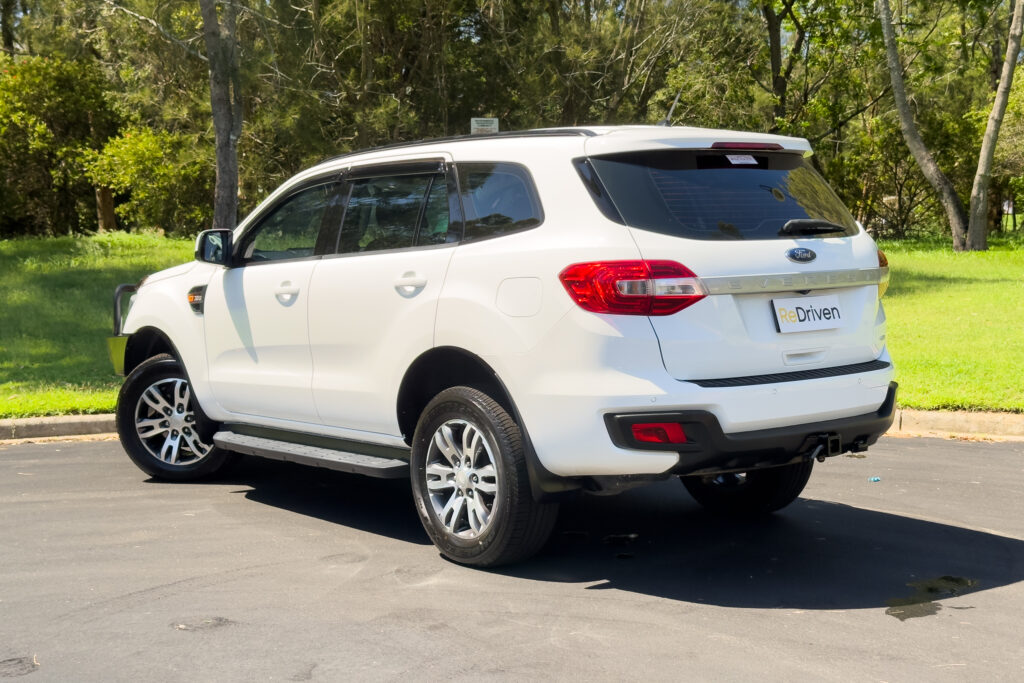
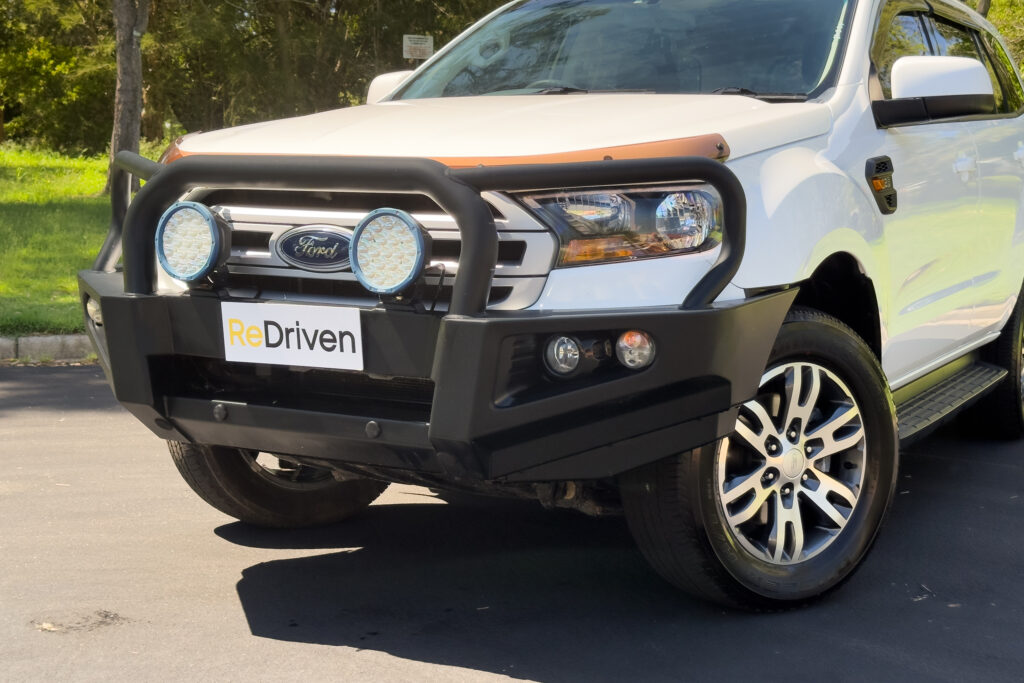
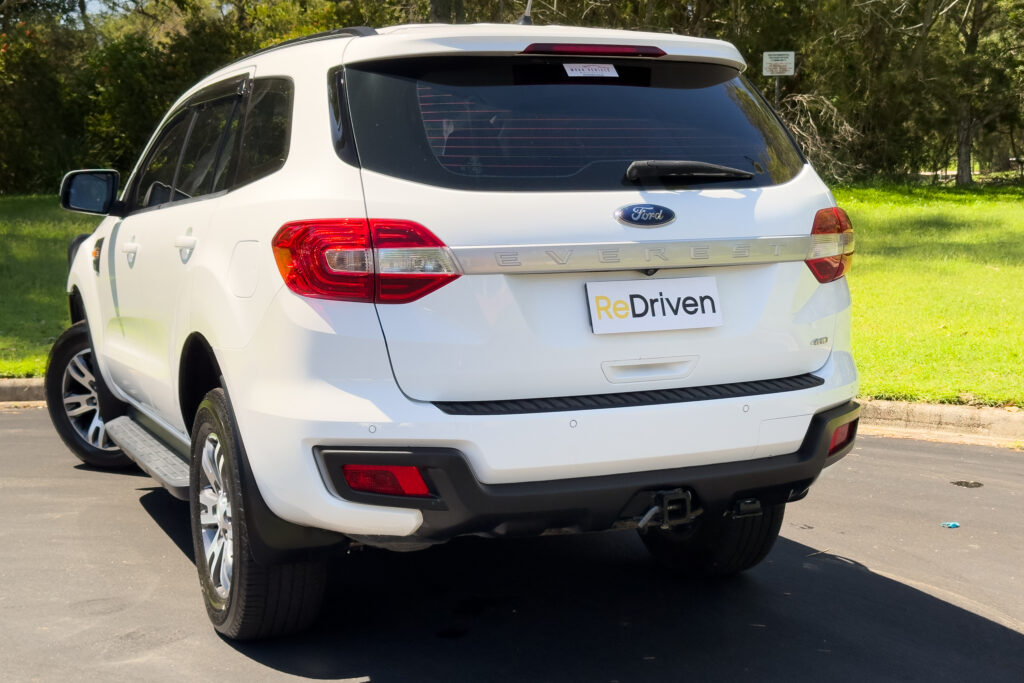
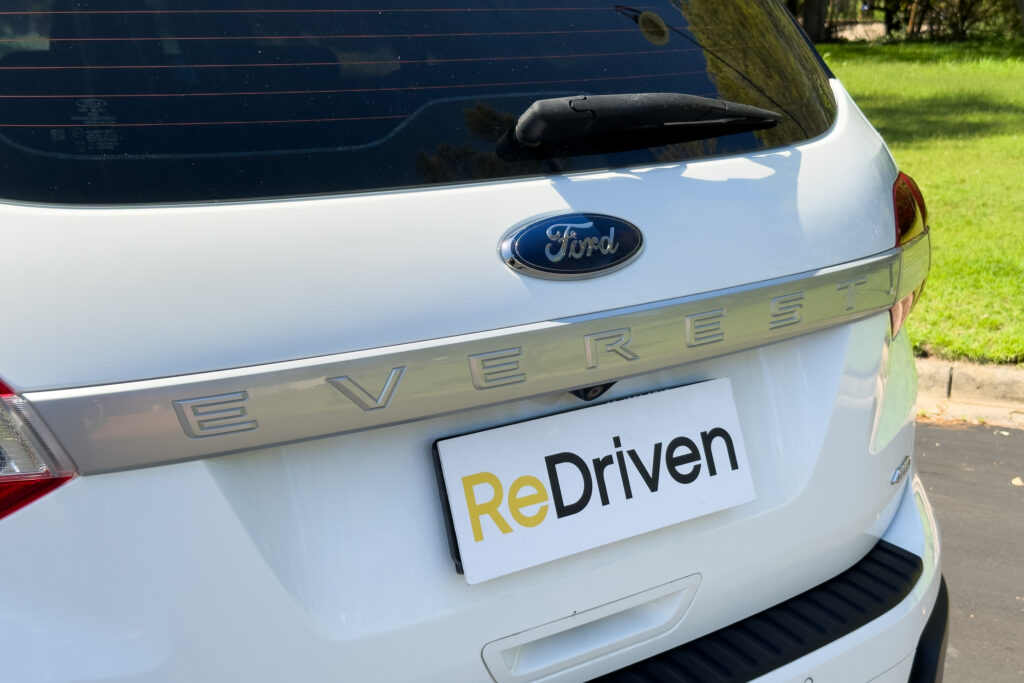
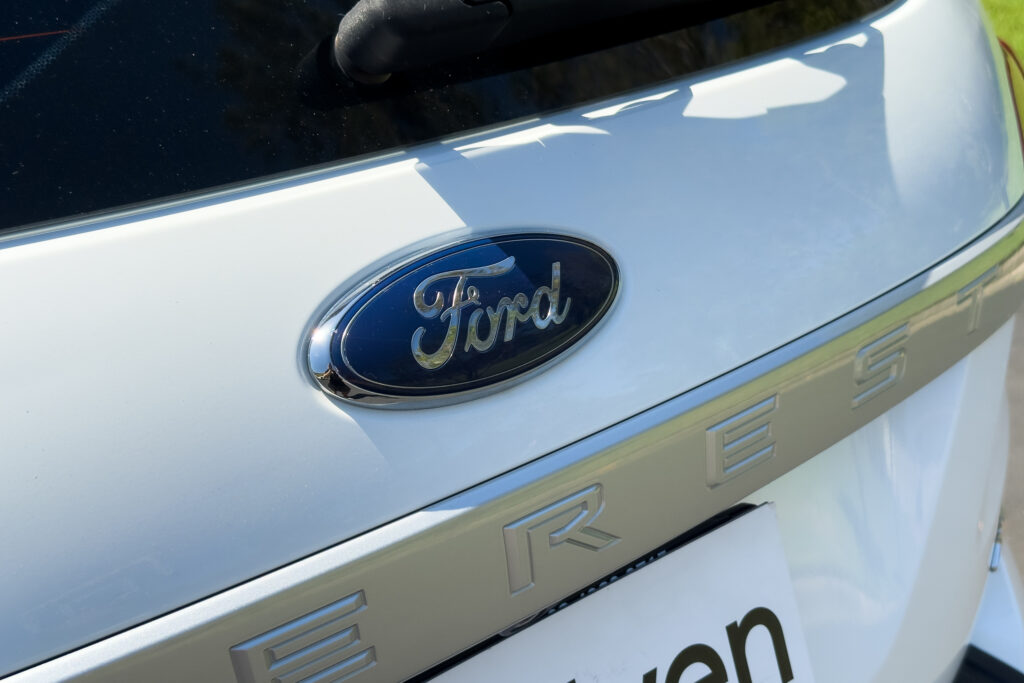
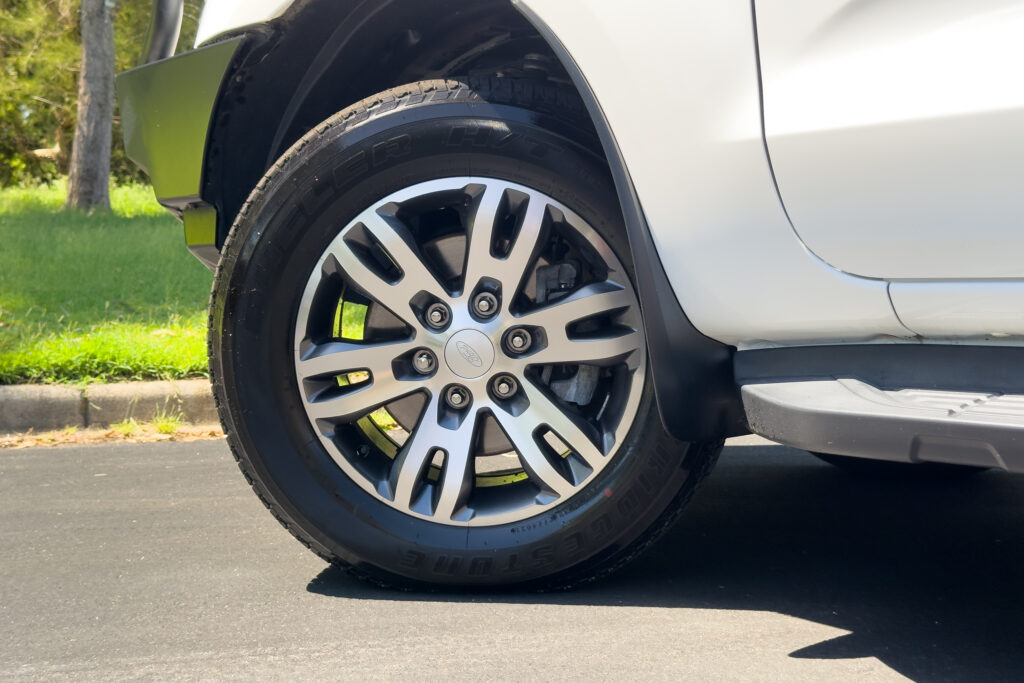
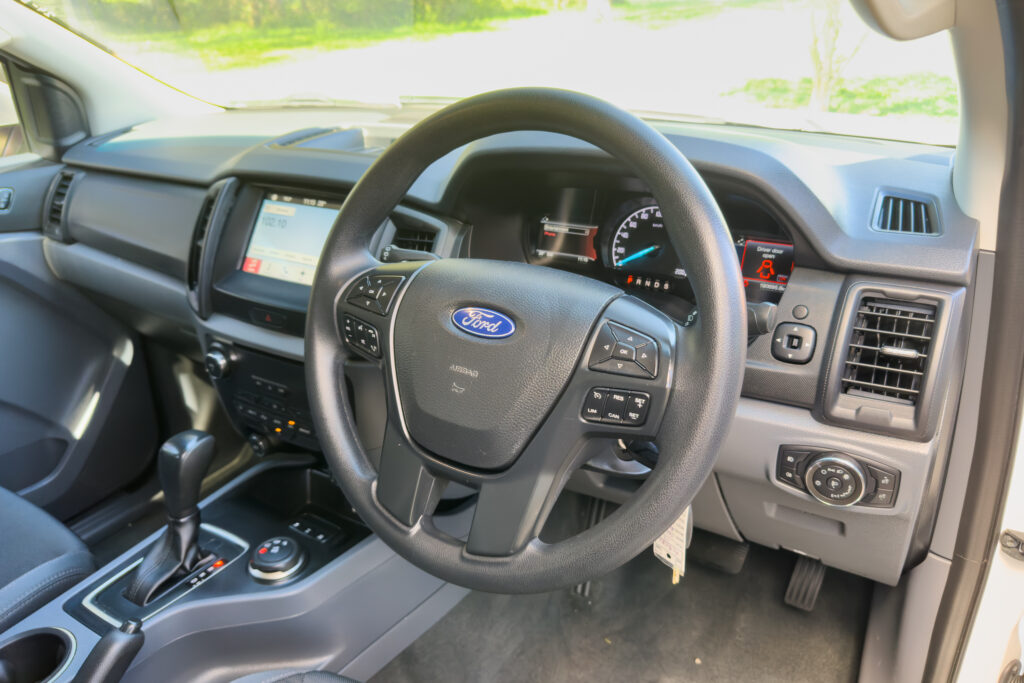
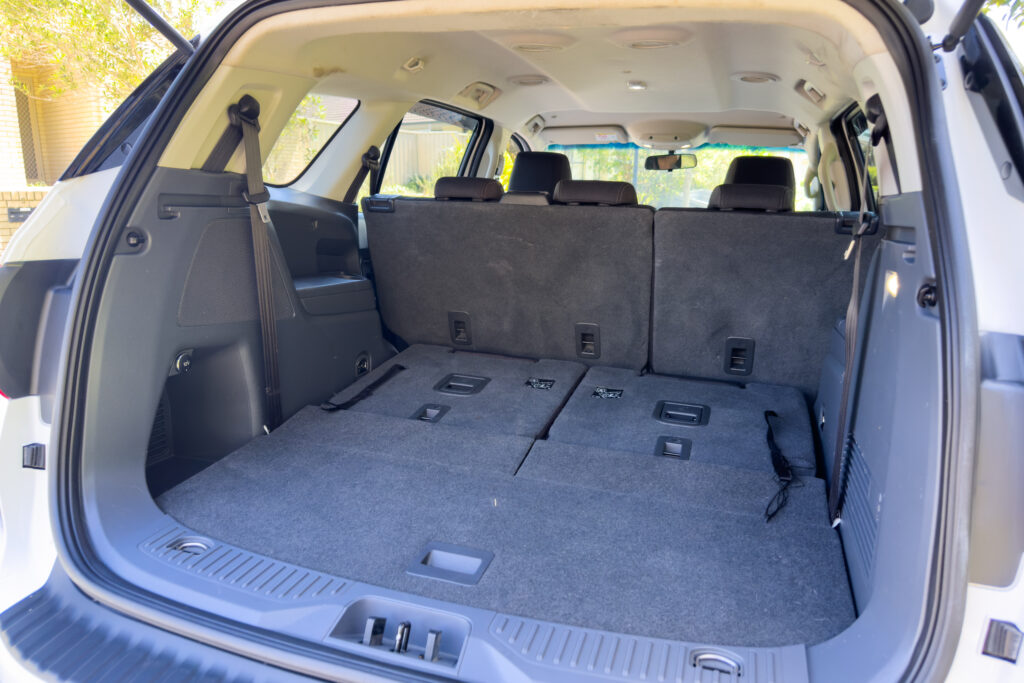
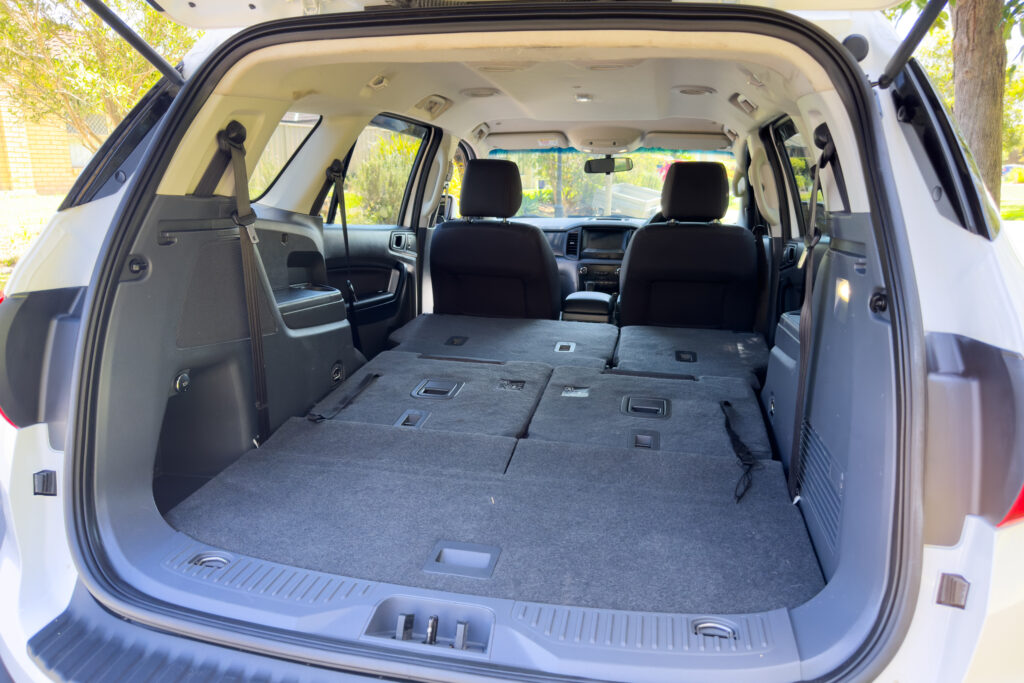

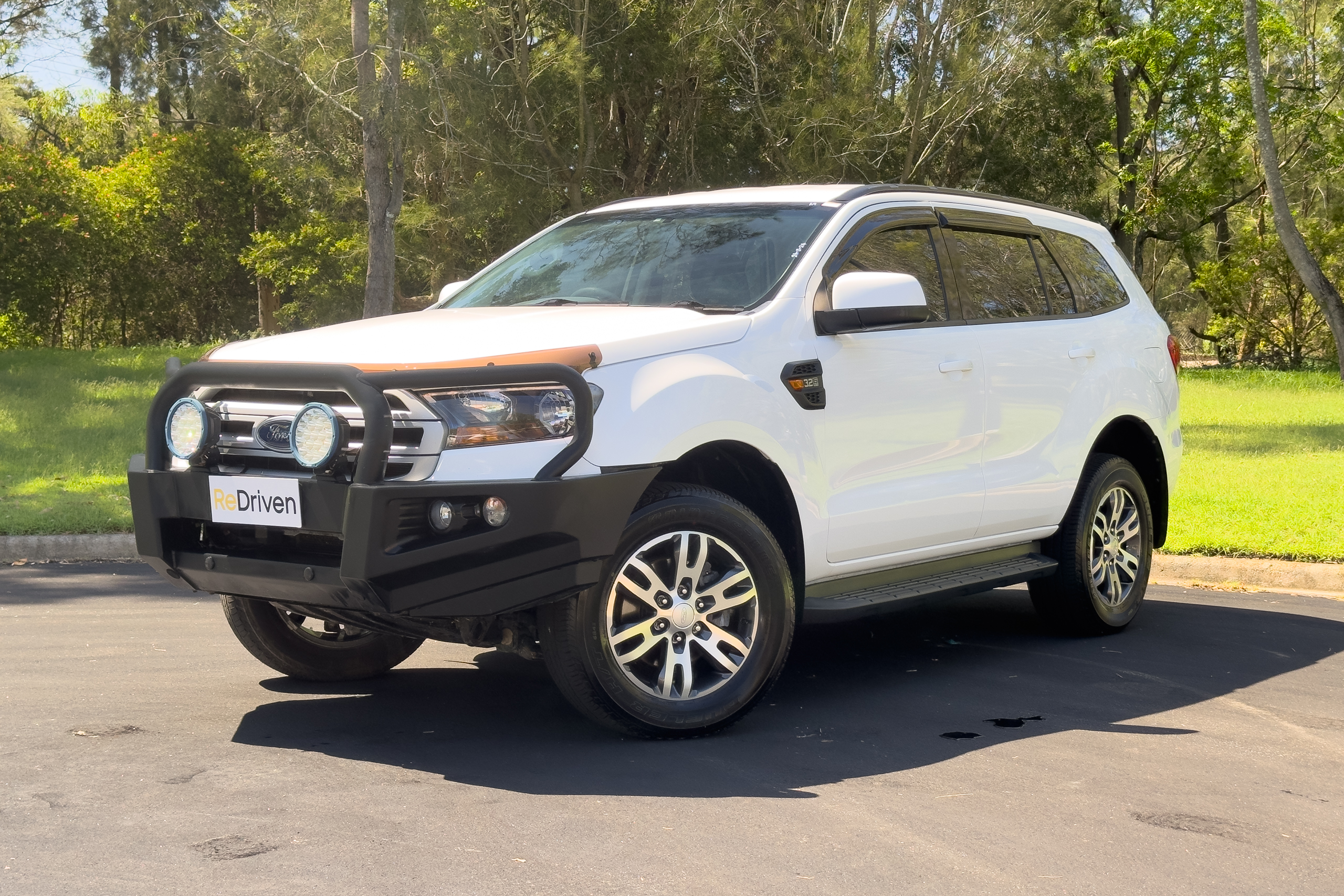
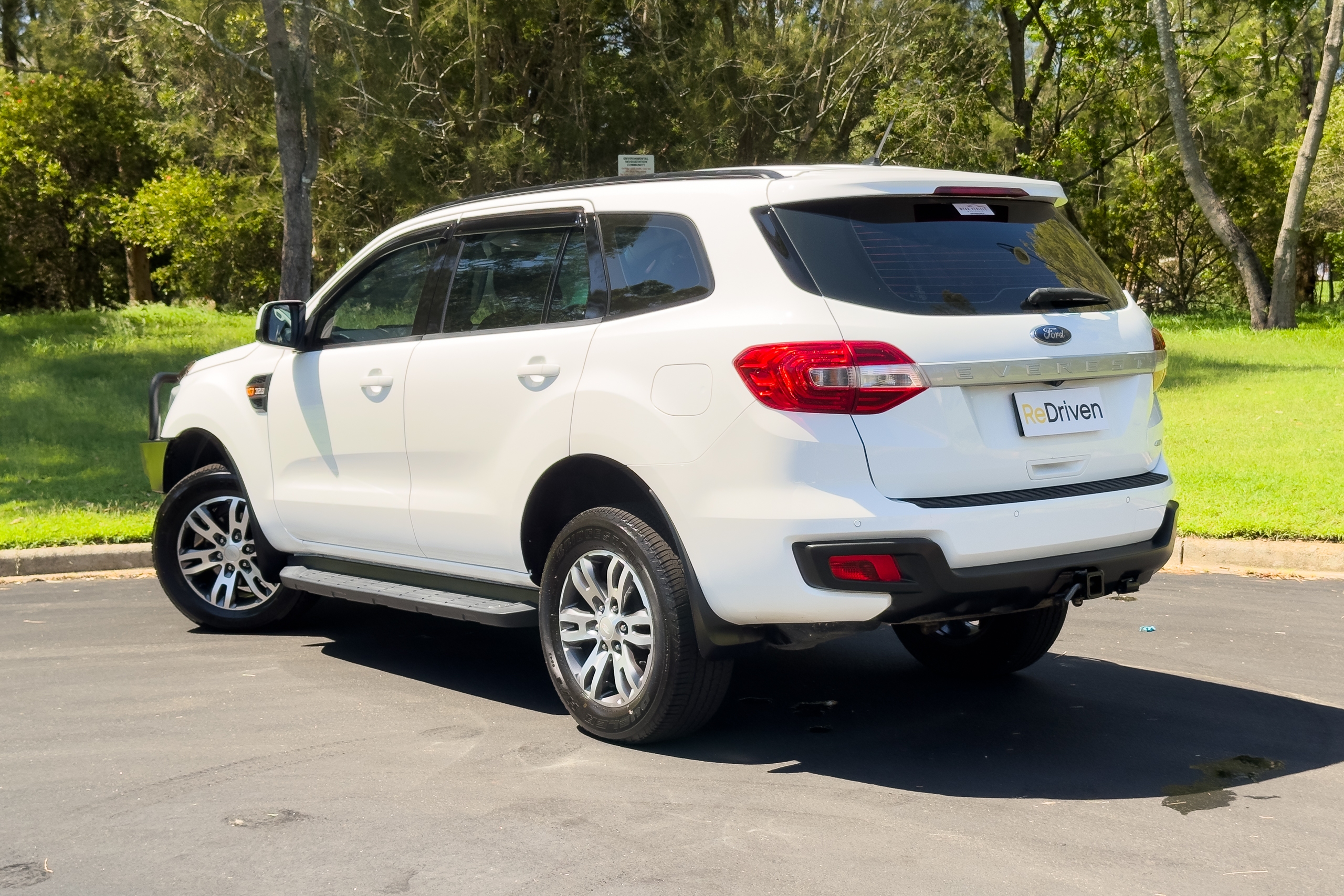
2017 Ford Everest Ambiente

27 June 2024
Yes. But only the right example.

2017 Ford Everest Ambiente

Used car review
27 June 2024
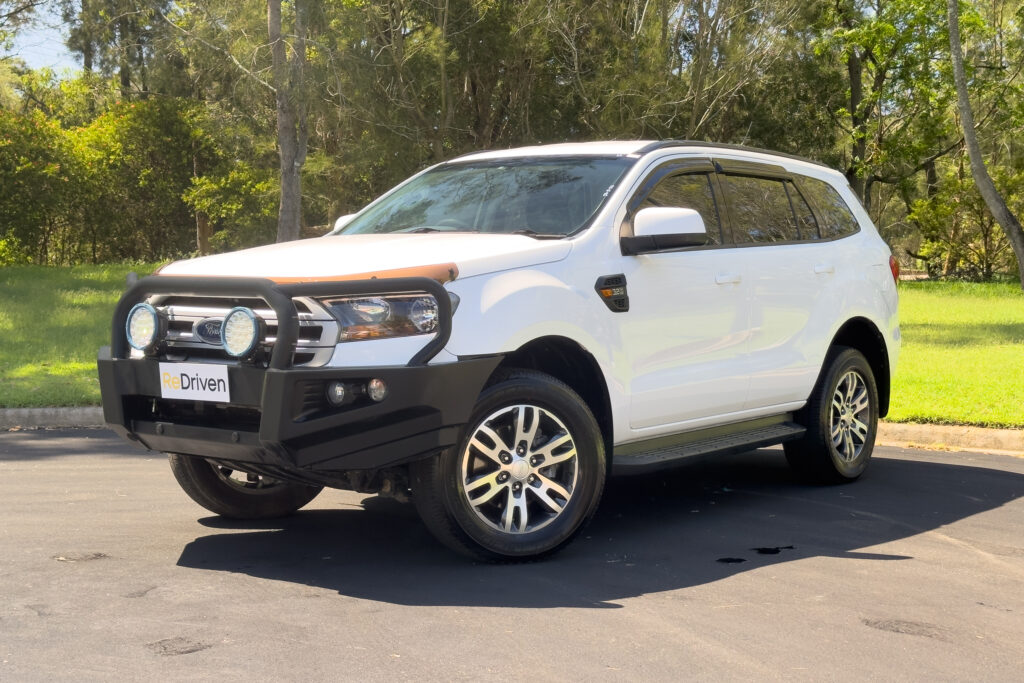
The Ford UA Everest (2015-2022) was a mid-size SUV known for its rugged design, off-road capabilities, and spacious interior. Built on a ladder-frame chassis, it was engineered for off-road excursions and heavy towing.
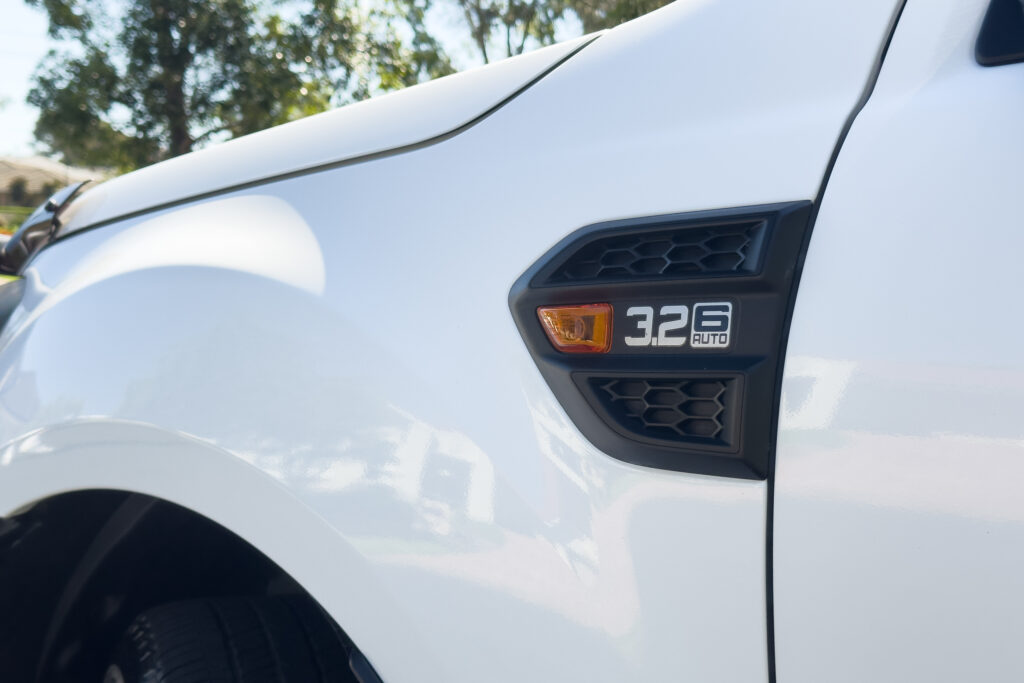
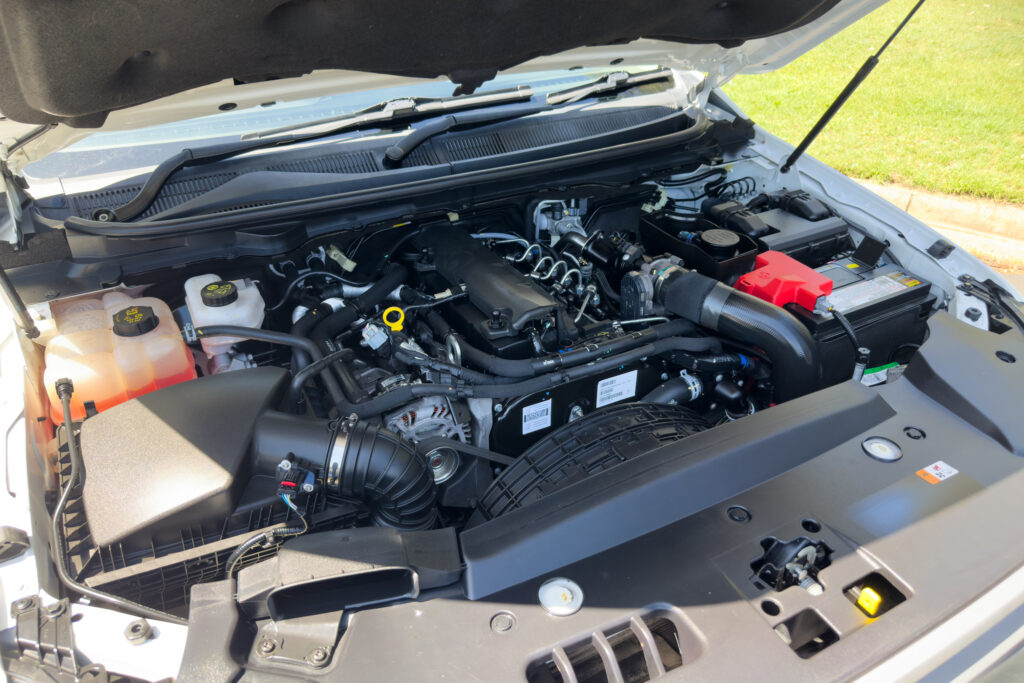
The UA Ford Everest offered two engine options: a 3.2-litre 5-cylinder turbo-diesel and a 2.0-litre 4-cylinder turbo-diesel, with rear-wheel and four-wheel drive configurations. The 2018 UA2 update introduced a more powerful 2.0-litre bi-turbo diesel 4-cylinder engine.

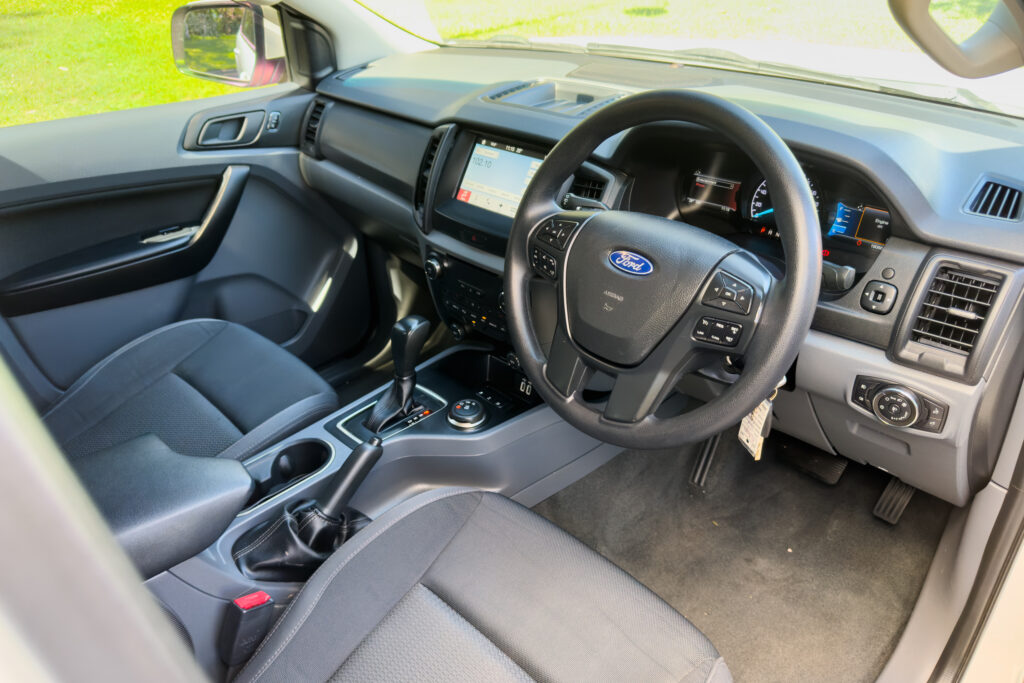
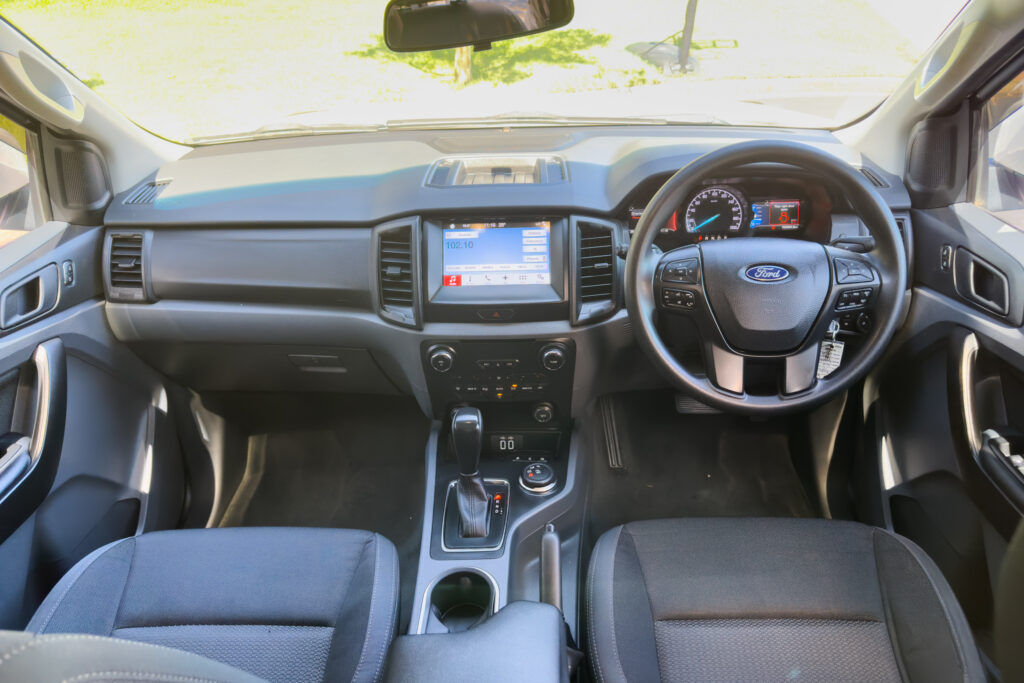
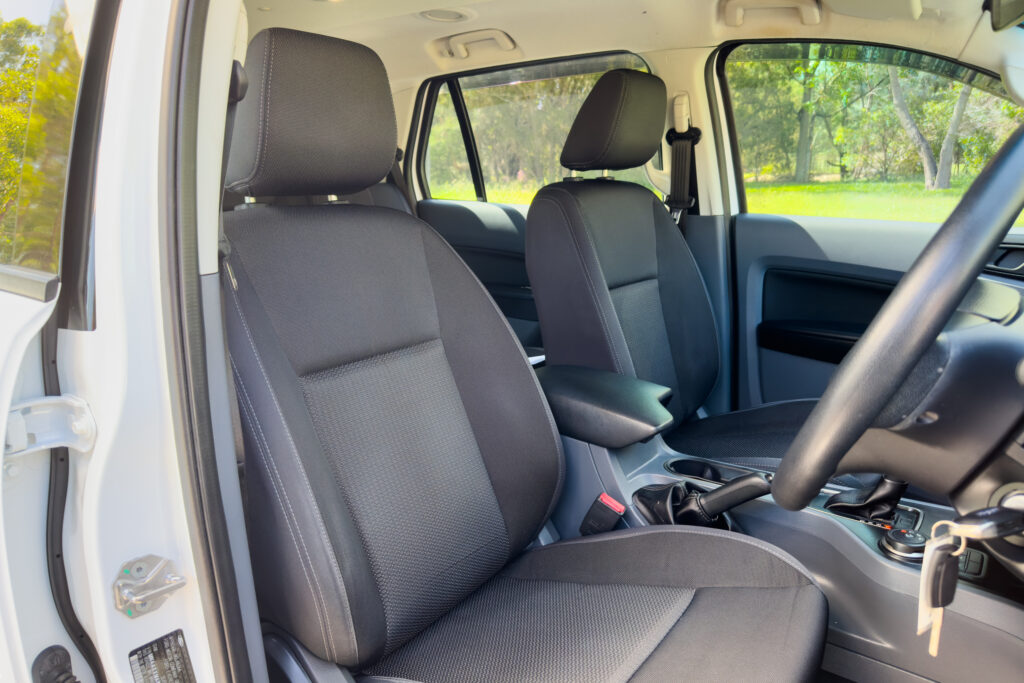
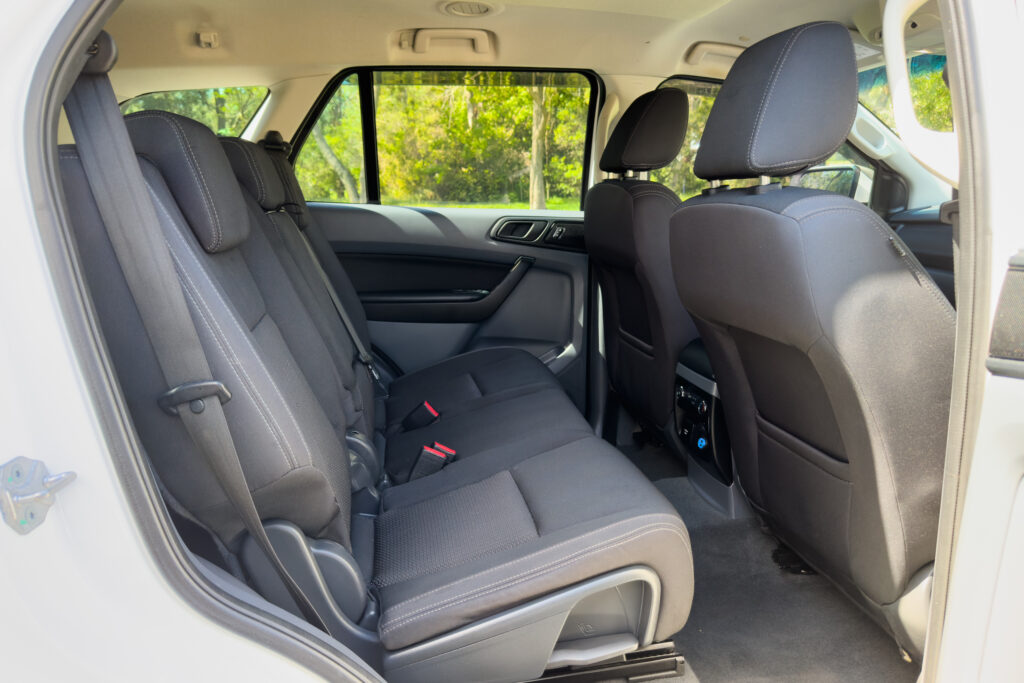
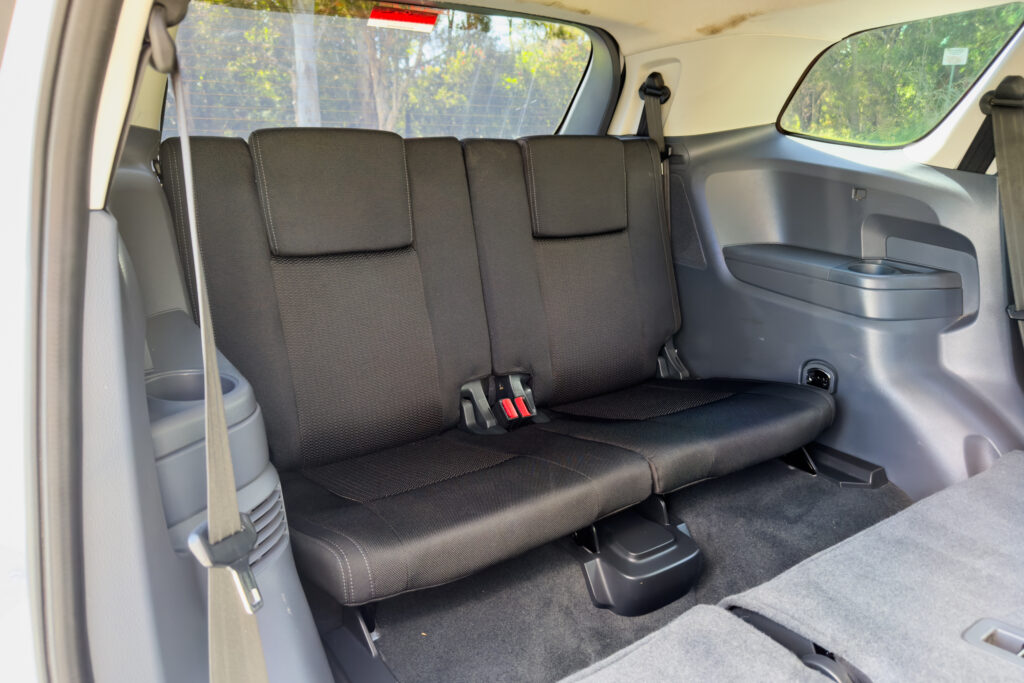
The Ford Everest’s interior prioritises comfort and practicality, accommodating up to seven passengers with premium materials and advanced features. Safety is a priority with multiple airbags and driver-assistance technologies.
Ford updated the UA Everest with significant revisions in 2016, 2017, and 2019, improving technology, aesthetics, and driving. The Everest featured all-wheel drive with off-road capabilities and rear-wheel drive variants were introduced in 2016.
Despite its sales success in Australia, the UA Ford Everest was not without its challenges. Reports of reliability issues surfaced, including failures in engines, transmissions, and electrical systems. These concerns impacted the vehicle’s reputation and highlighted the importance of thorough maintenance and addressing potential mechanical vulnerabilities.
Ford Everest models have reported rust and corrosion issues, notably in door, bonnet, and boot seams, indicated by paint bubbling and unevenness. Although often occurring post-warranty, owners report successful panel replacements and repairs by Ford dealerships.
Owners encountering these issues may find support and shared solutions within online communities, such as the Ford Everest Club Australia on Facebook.
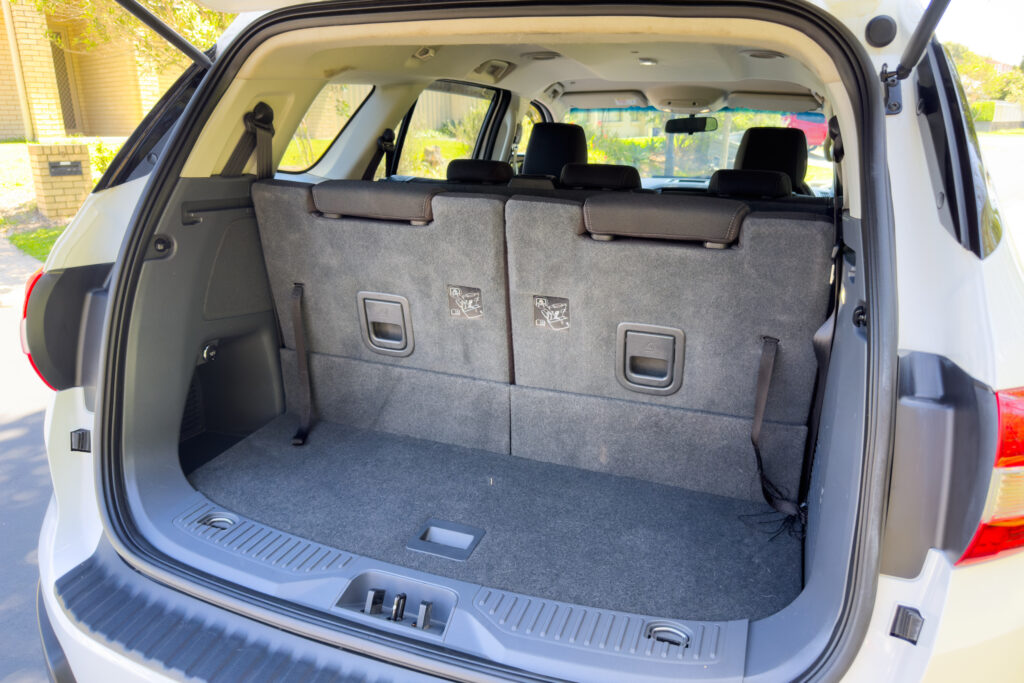
There are reports of issues with the powered tailgate, exhibiting erratic behaviour and failures. While tailgate module replacement is a common repair, its effectiveness varies. Online owner forums offer troubleshooting support for these and other electronic malfunctions.
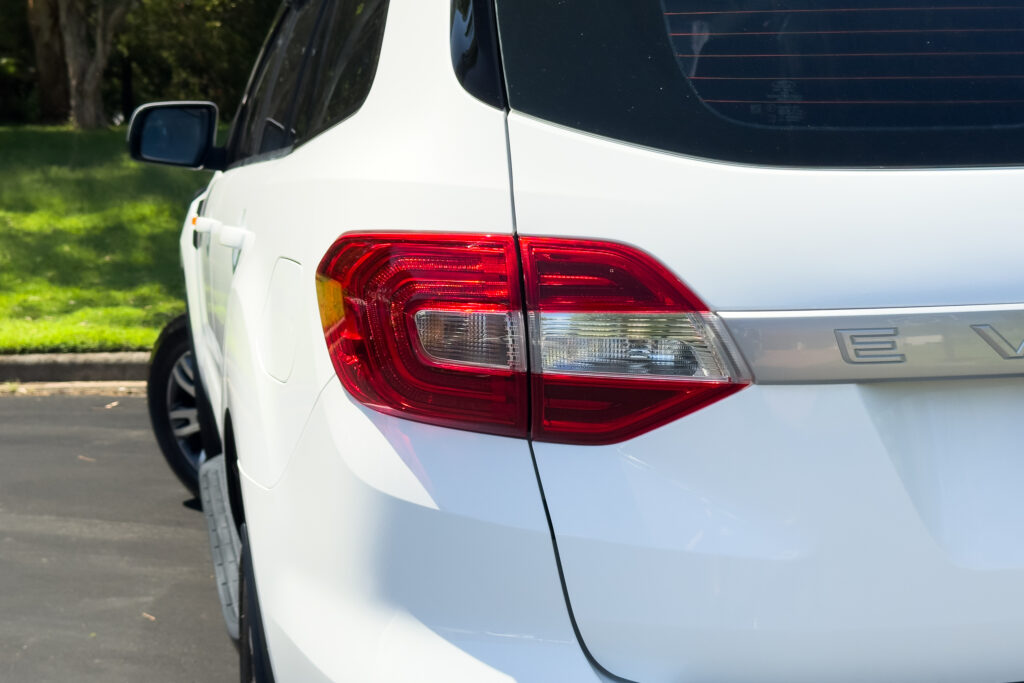
Additionally, the exterior plastic trim on these vehicles is susceptible to degradation, characterised by discolouration and increased brittleness over time.
Interior:
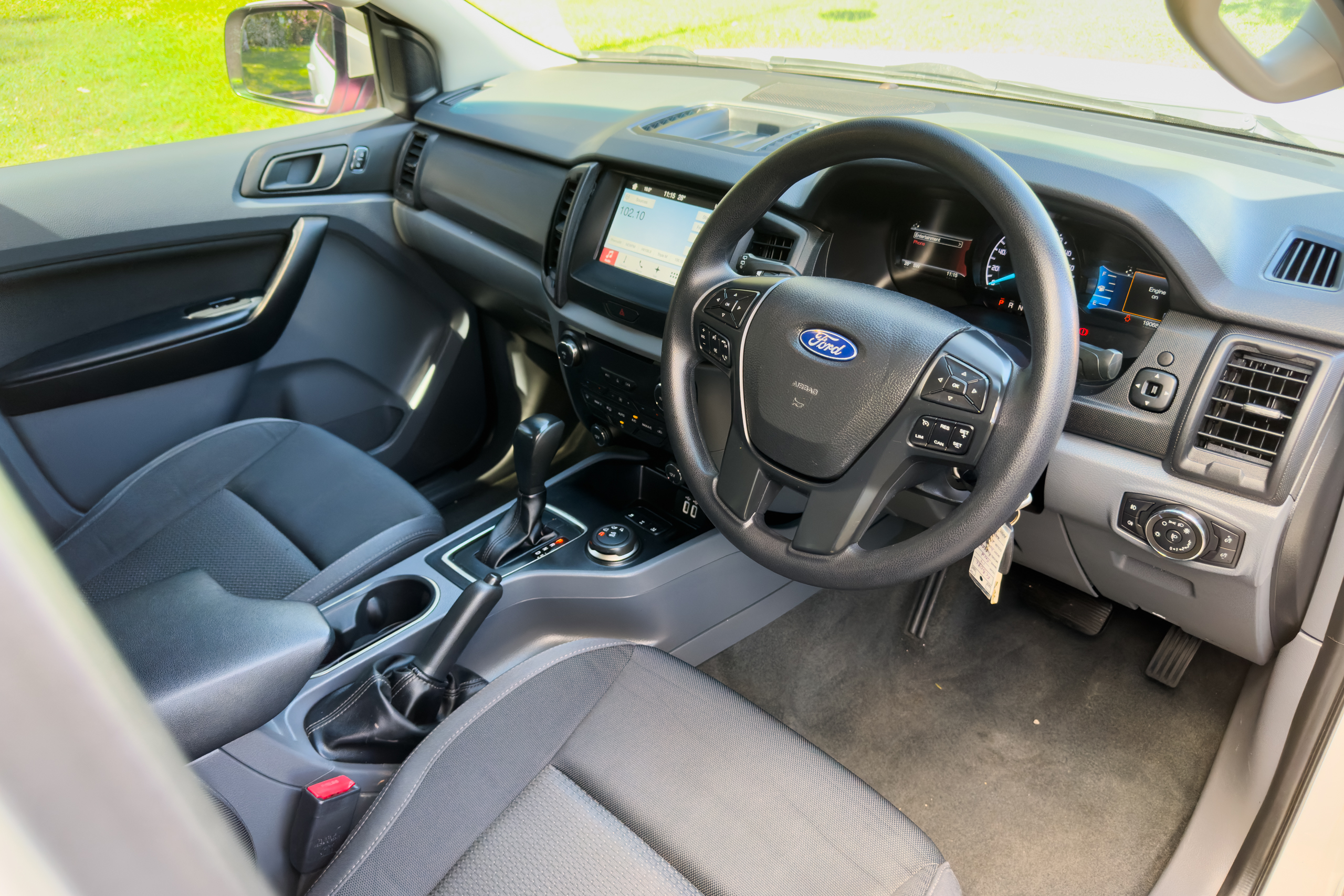
Deterioration of plastic trim, especially on door handles, is a widespread concern, with reports of paint peeling off.
Some owners have had these issues fixed under warranty, but there is a possibility of recurrence.
Owners’ groups provide tutorials on how to refinish these components, offering a cost-effective solution.
There are reports of interior door handles have snapped off, necessitating the replacement of the entire door card.
Repairing just the handle requires skill and time, and it’s often easier to replace the entire door card.
Some owners mention that the handles can be sharp, and there are reports of chrome finish peeling; Ford typically covers these issues.
There are sporadic reports that mention electronic problems with the 240 inverter and various switches.
3.2 L 5-cylinder turbo diesel:
Engine failures are not uncommon, often necessitating a complete engine replacement. This is extremely expensive and can take time to source replacement engines.
The water-cooled EGR cooler can split, leading to coolant loss, potential engine overheating, head gasket failure and eventually catastrophic engine failure. Regular renewal of the EGR cooler at 100,000 km is advised to prevent issues.
Failures in the drive belt and tensioner are relatively common, sometimes occurring at less than 100,000 km.
Contaminated fuel can damage injectors and pumps, necessitating expensive repairs.
Turbo issues are not rare, often requiring replacement.
Cracks in intercooler pipes are reported but considered a repairable and less expensive issue.
Front engine wiring rubbing through is a known concern, potentially causing electronic malfunctions.
Quick oil changes, completed in under 10 minutes, are crucial to prevent oil pump issues.
2.0 L Bi-Turbo diesel:
The engine features a wet belt timing belt, and while no widespread issues have been reported in Everests, potential future concerns exist. In other applications, such as Transit vans, reports of the belt deteriorating and causing oil pick-up strainer clogging are noted.
Owners report problems with the AdBlue system, leading to issues with injectors, heaters, and level sensor calibration.
Intercooler pipes can crack, but repairs are considered manageable.
Common rail diesel engines may face Diesel Particulate Filter (DPF) issues.
While fitting a catch can is recommended for engine health, it may void the warranty.
Premature wear of the parking brake is a common issue, especially if exposed to muddy water, requiring specific recalibration.
6-Speed Auto Transmission Issues:
The 6-speed auto transmission frequently encounters problems, often stemming from valve body faults.
Internal problems with the torque converter, specifically the drive coupling, may require attention.
Overheating problems are prevalent, and an upgraded cooler is highly recommended.
10-Speed Auto Transmission:
While the 10-speed auto transmission is an improvement, issues with torque converters and valve bodies persist.
Common CDF drum issues (drive clutch drum assembly) can lead to significant drivability problems, requiring a transmission rebuild.
The recommended service interval for the transmission is every 240,000 km or 10 years, but more frequent servicing is advised, especially for towing, to extend its lifespan.
Recalls:
If you’re considering purchasing a first-generation Ford Everest, finding the ideal one requires identifying what we refer to as the ‘Goldilocks’ Everest. Try to find an Everest with the least amount of owners, with the most recent model available within your budget and a complete and thorough service history.
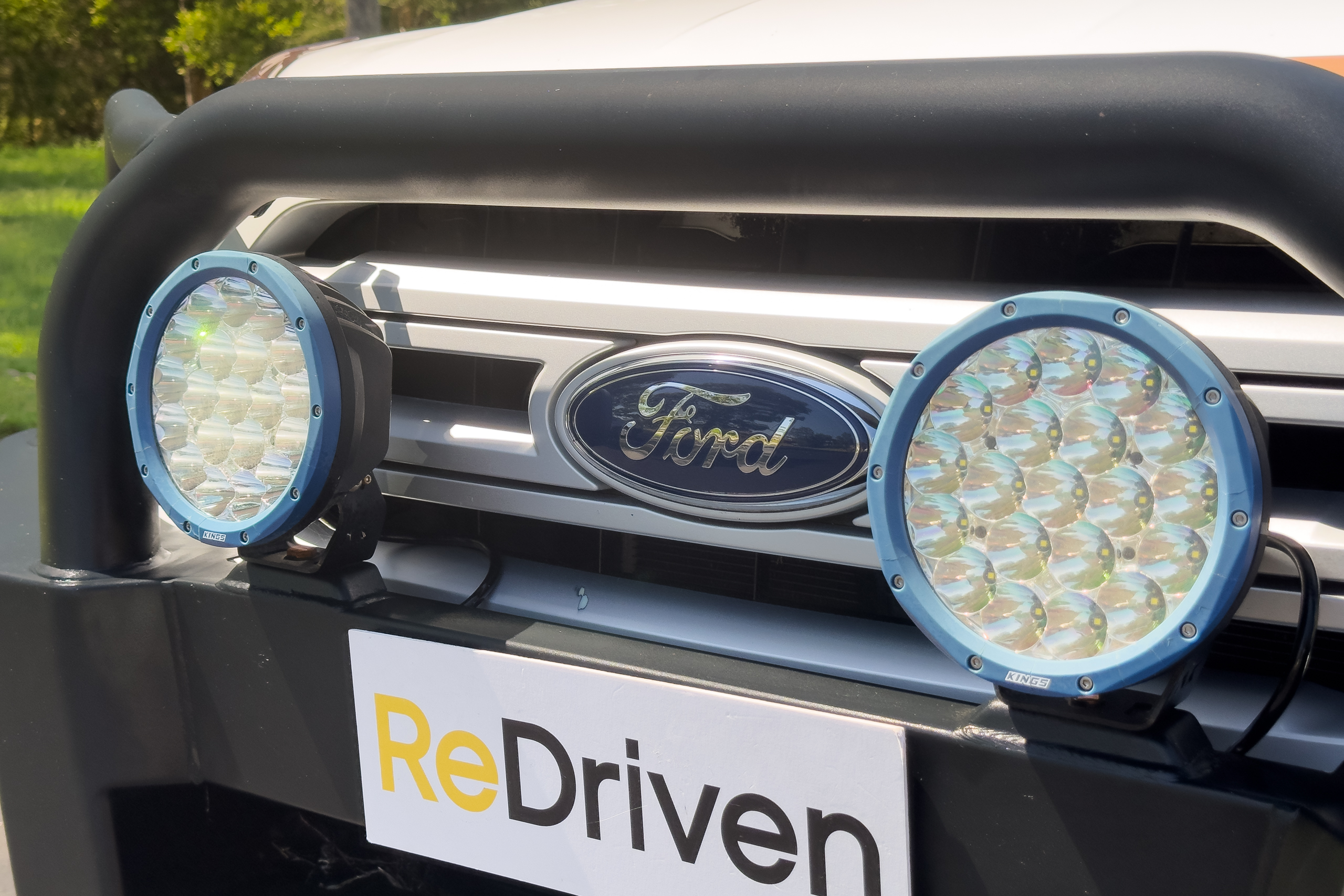
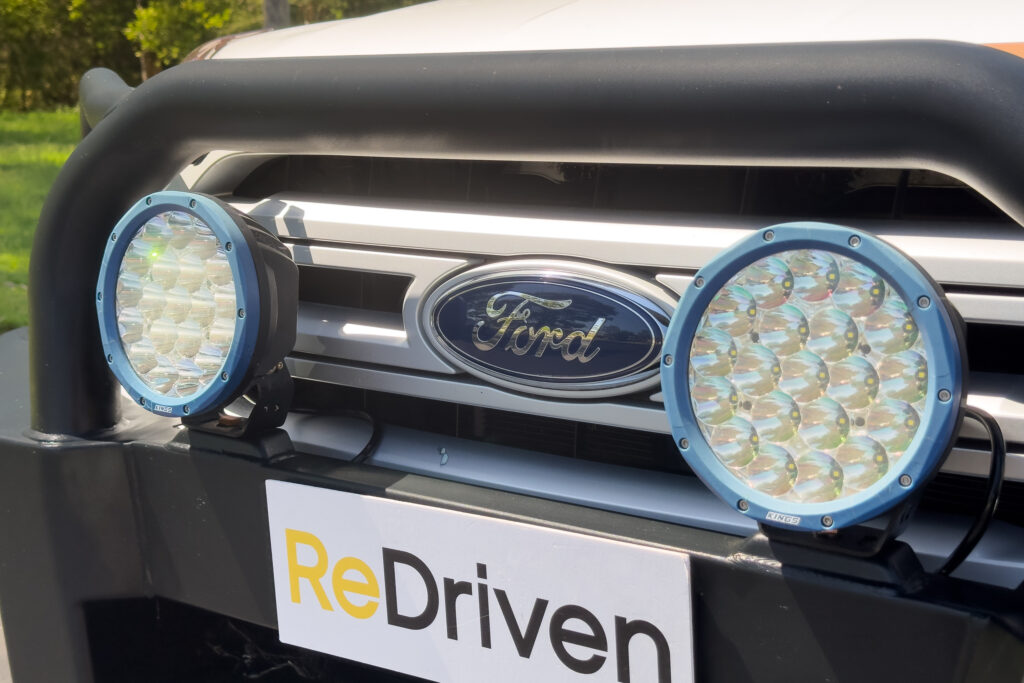
Also, make sure you get a pre-purchase inspection to validate the vehicle’s condition, steer clear of heavily modified units and avoid vehicles that have been extensively used off-road or have spent extensive time towing.
Should you find an Everest that meets all these criteria, it’s a solid buy. However, anticipate occasional interesting ownership experiences. While we hope such issues won’t arise, it’s prudent to be prepared for any potential challenges.
But if you’re going to spend your whole life in a suburban setting, you might be better off getting something like a Mazda CX-9 or even the slightly smaller Toyota Kluger.
But, if you absolutely need something to go way off-road, we’d argue the Toyota LandCruiser Prado is better off-road, more reliable, a bit cheaper, and even more bearable to drive around town.
That said, if you’re compelled to buy an Everest, and you find a perfect example with a faultless history, you’re still potentially buying a great SUV.
MORE: Explore our Ford reviews
MORE: Explore our 4×4 & ute reviews
MORE: Explore our SUV reviews


Co-creator, presenter & writer, ReDriven

Yes. But only the right example.
 2 weeks ago
 3 weeks ago
 4 weeks ago