Australia’s No. 1 Used Car Review Website
Australia’s No. 1 Used Car Review Website
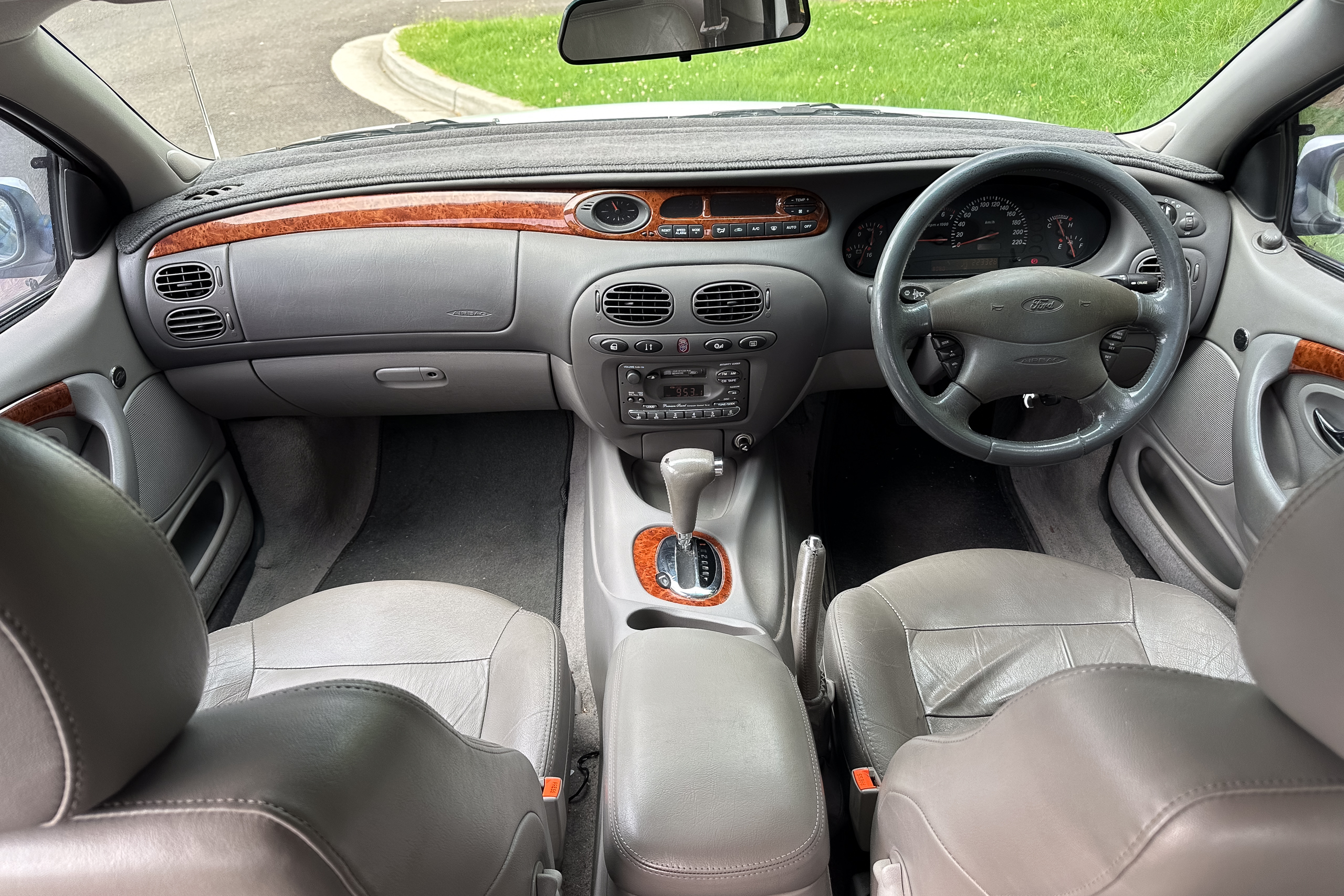
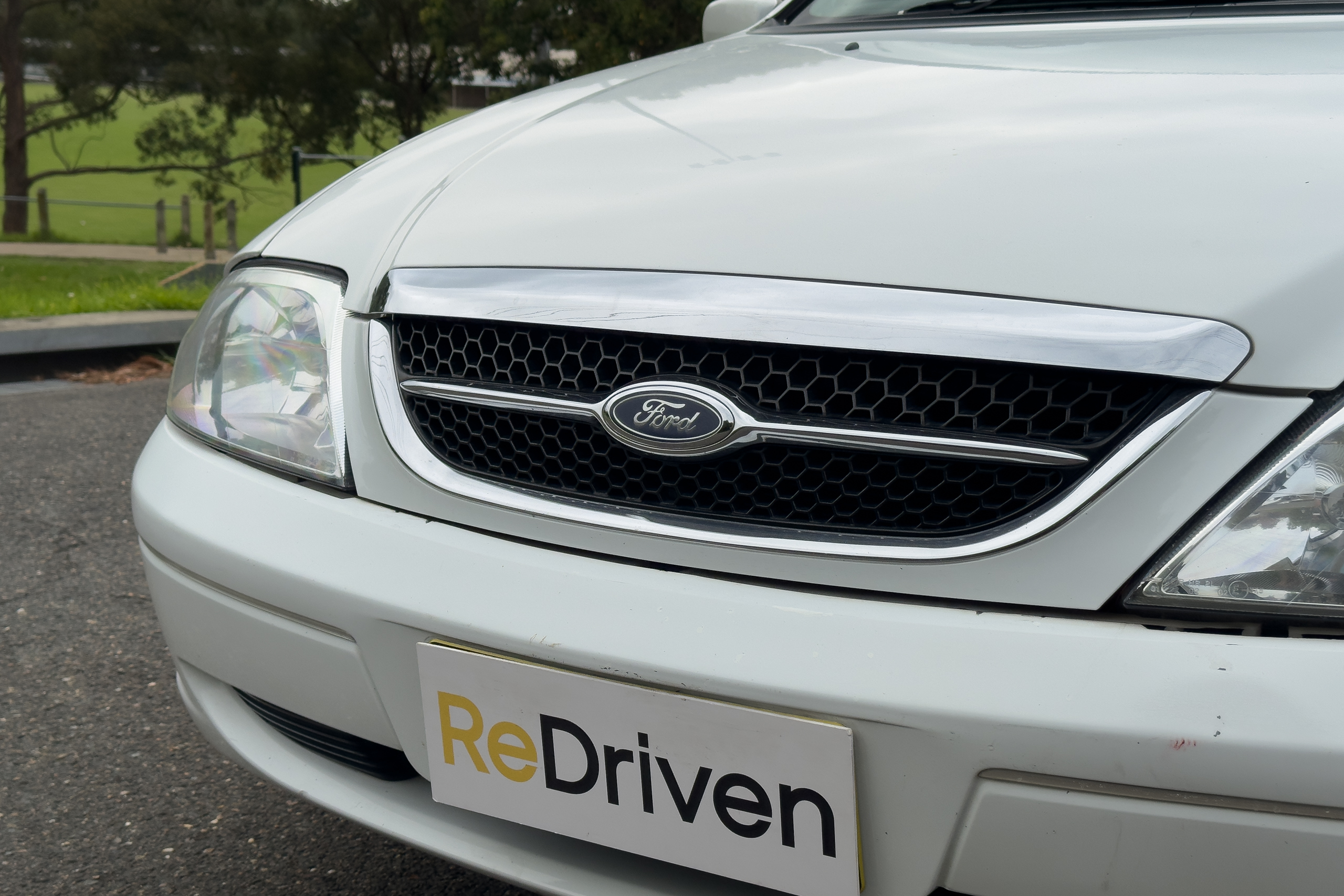
+13 Photos
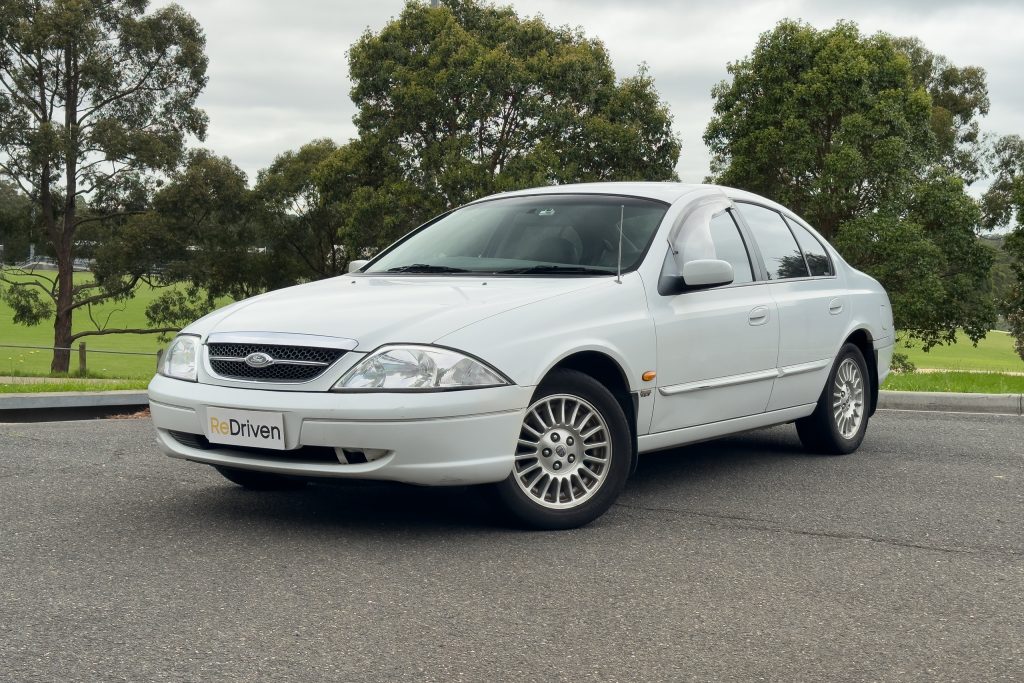
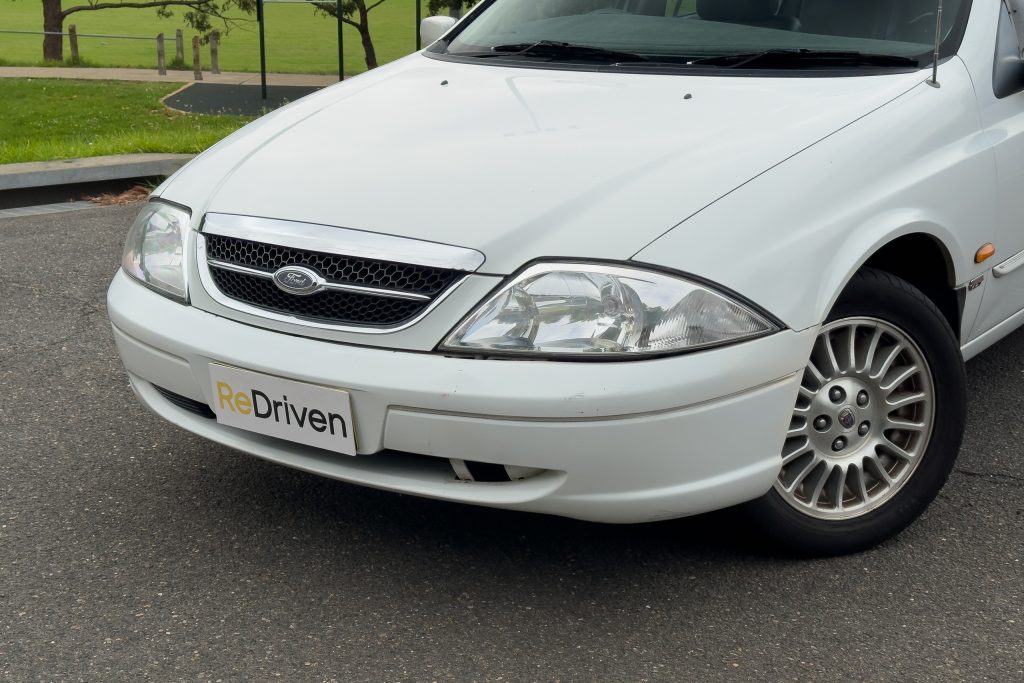
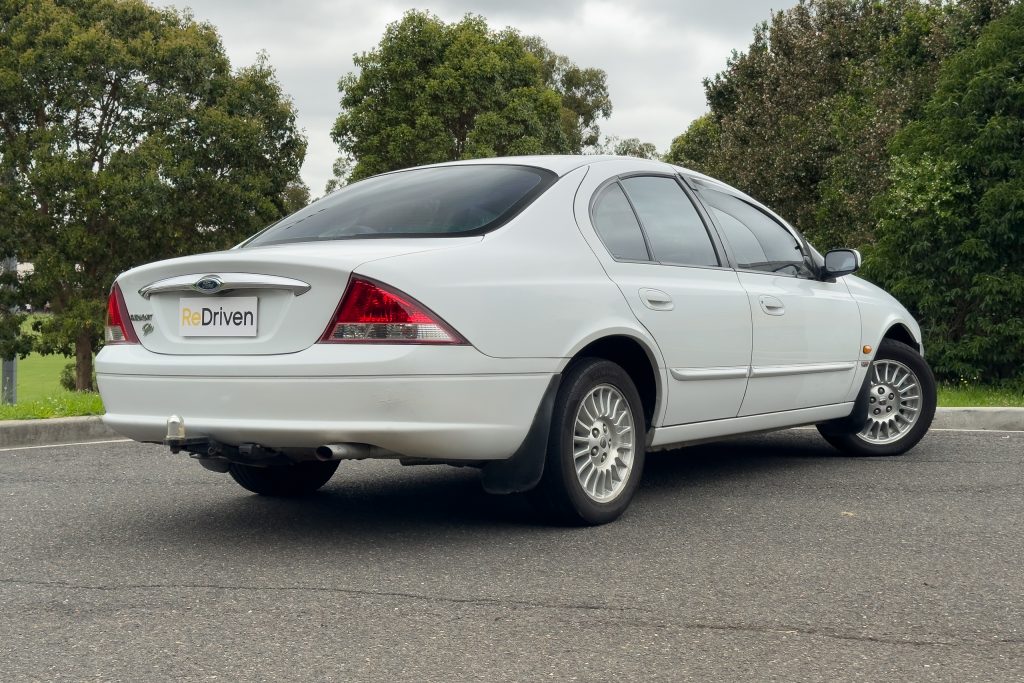
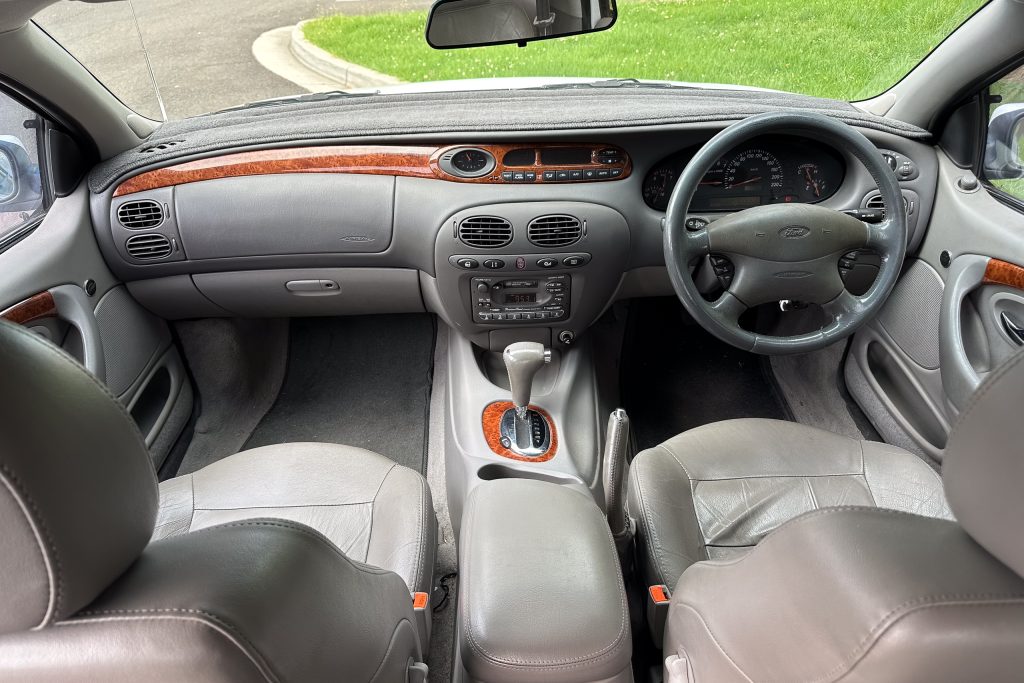
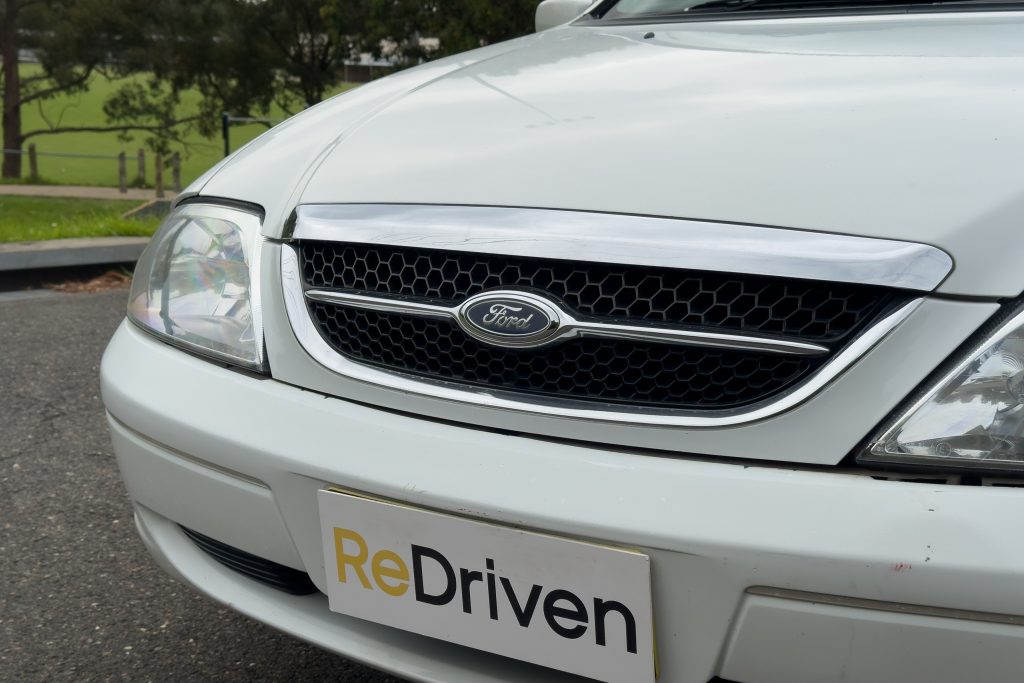
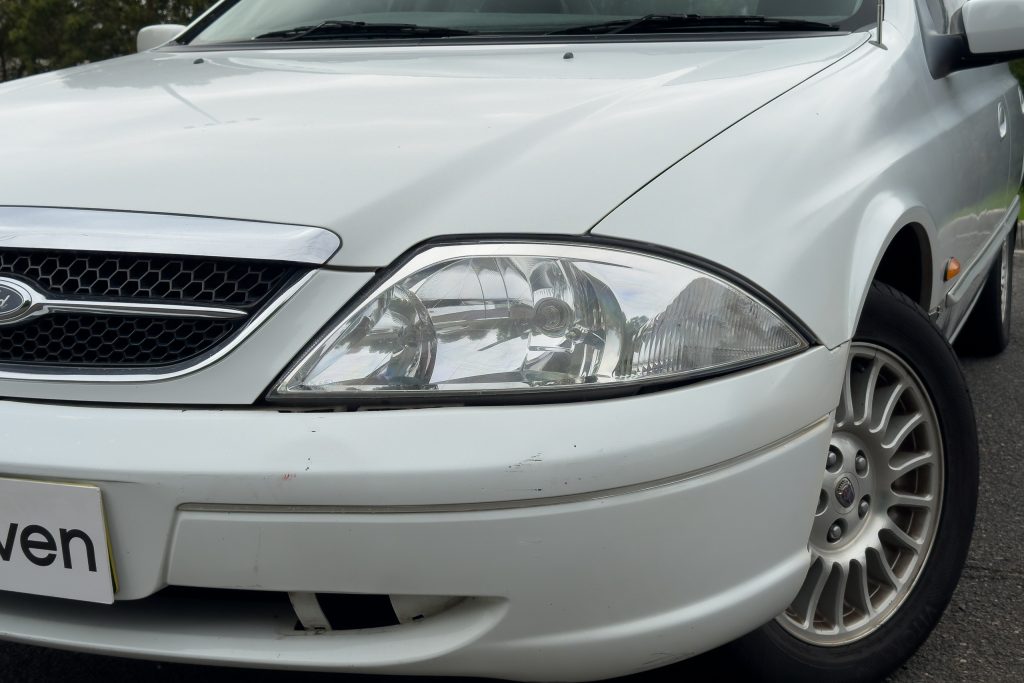
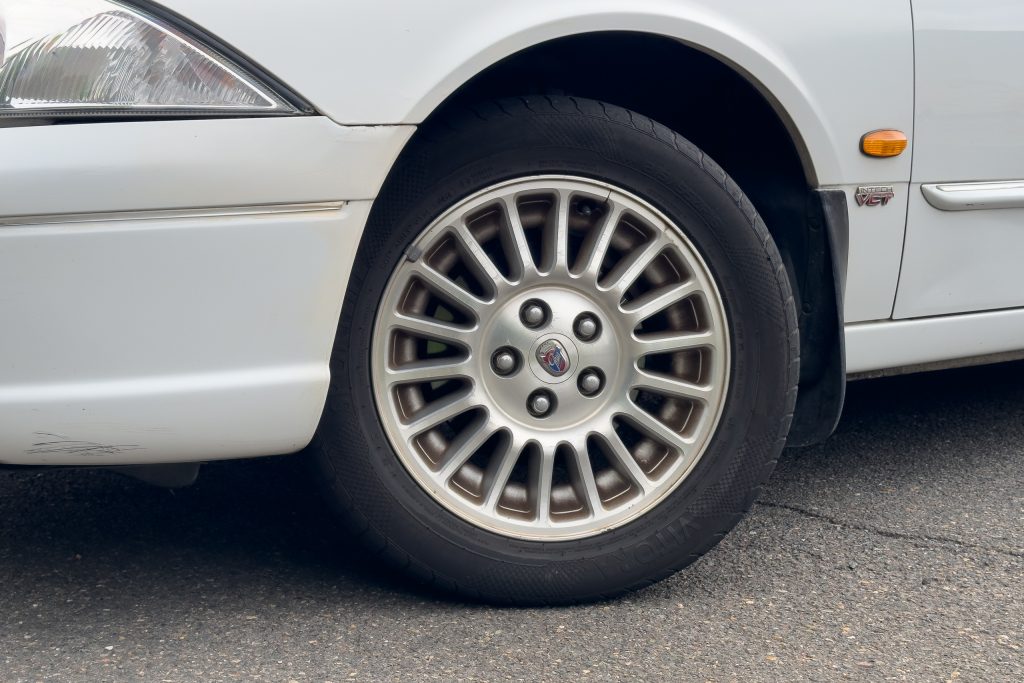
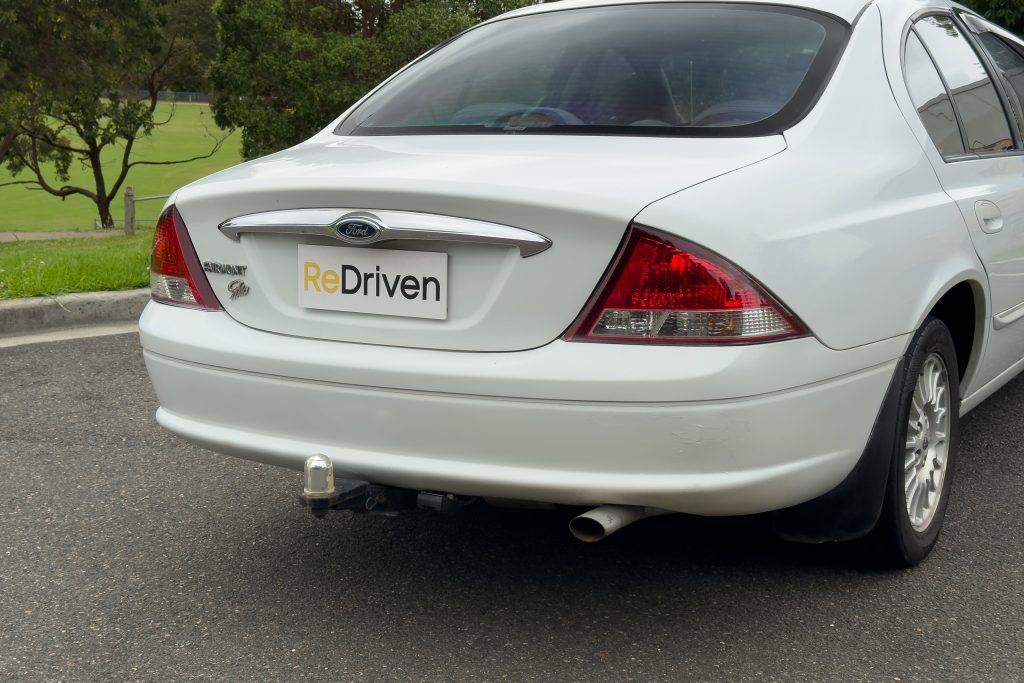
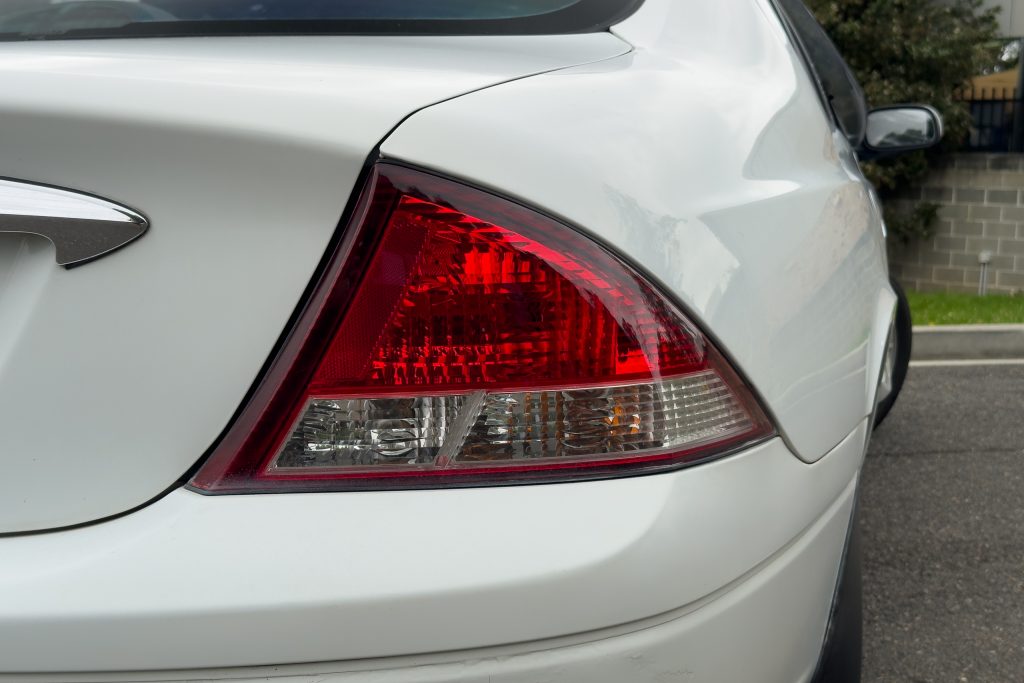
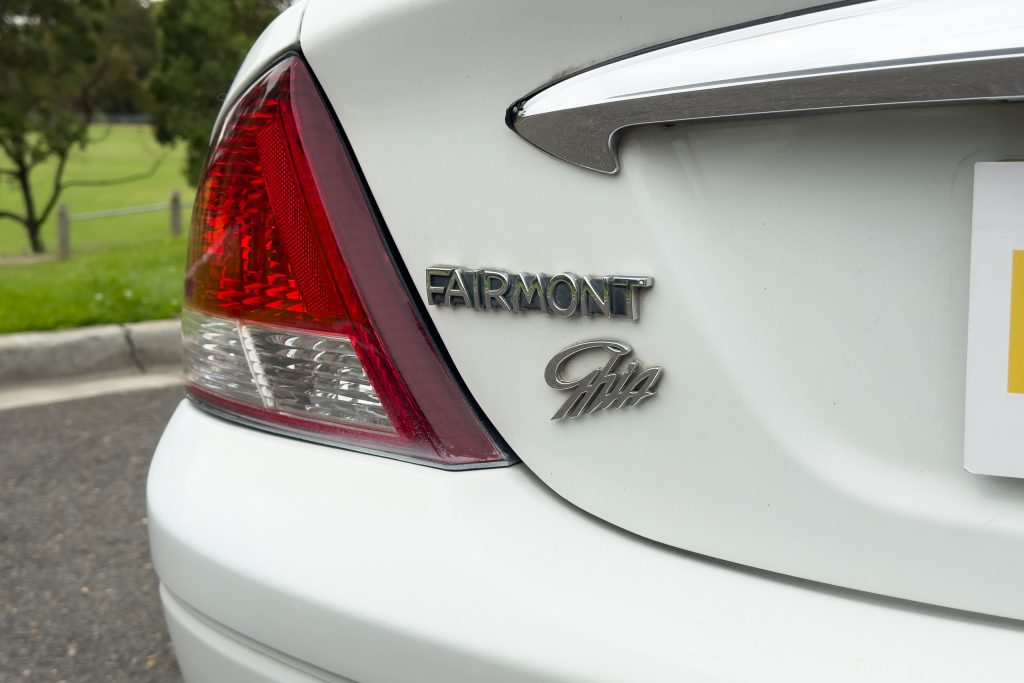
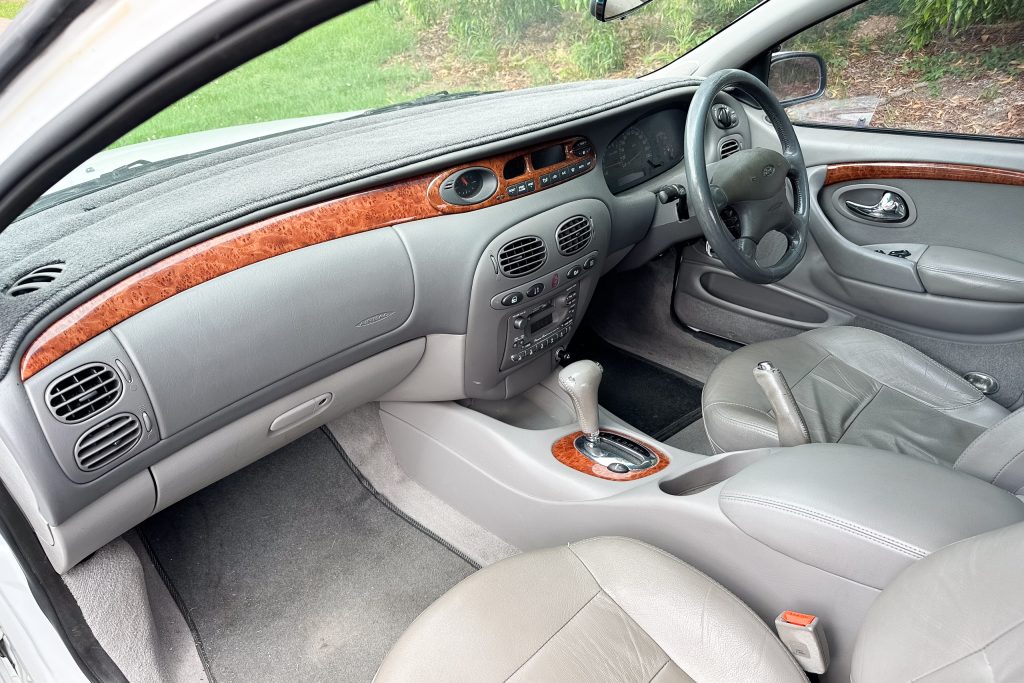
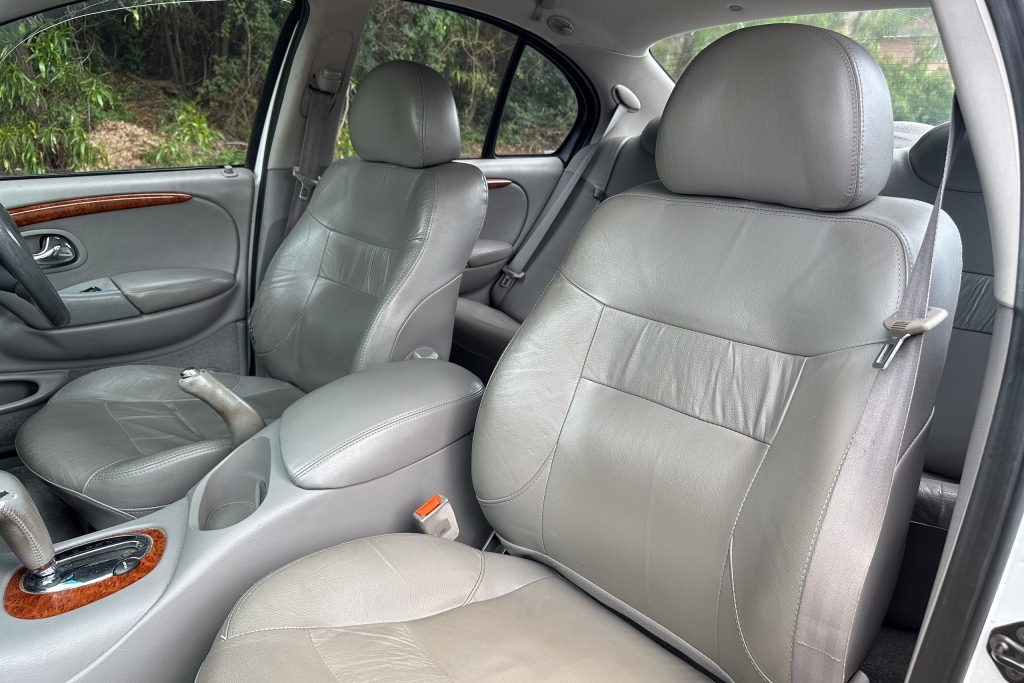
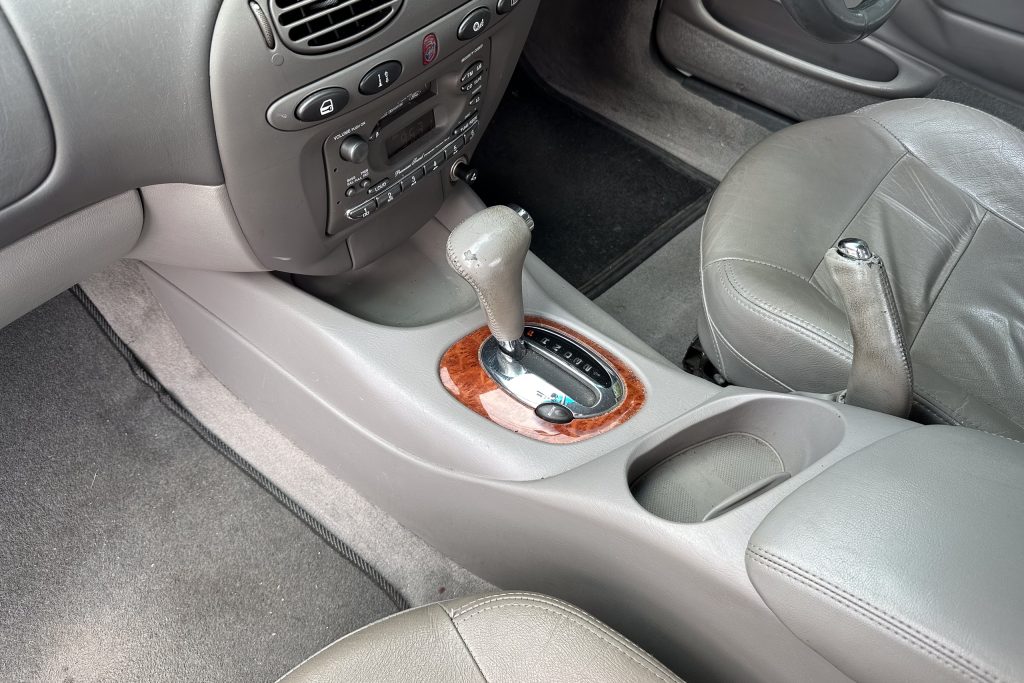
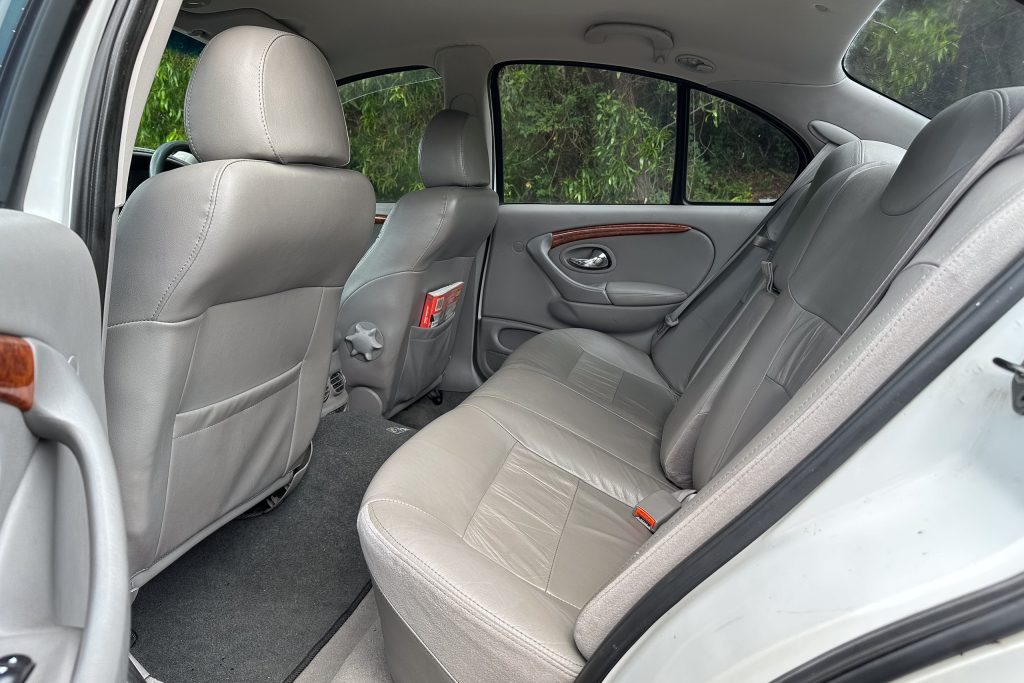
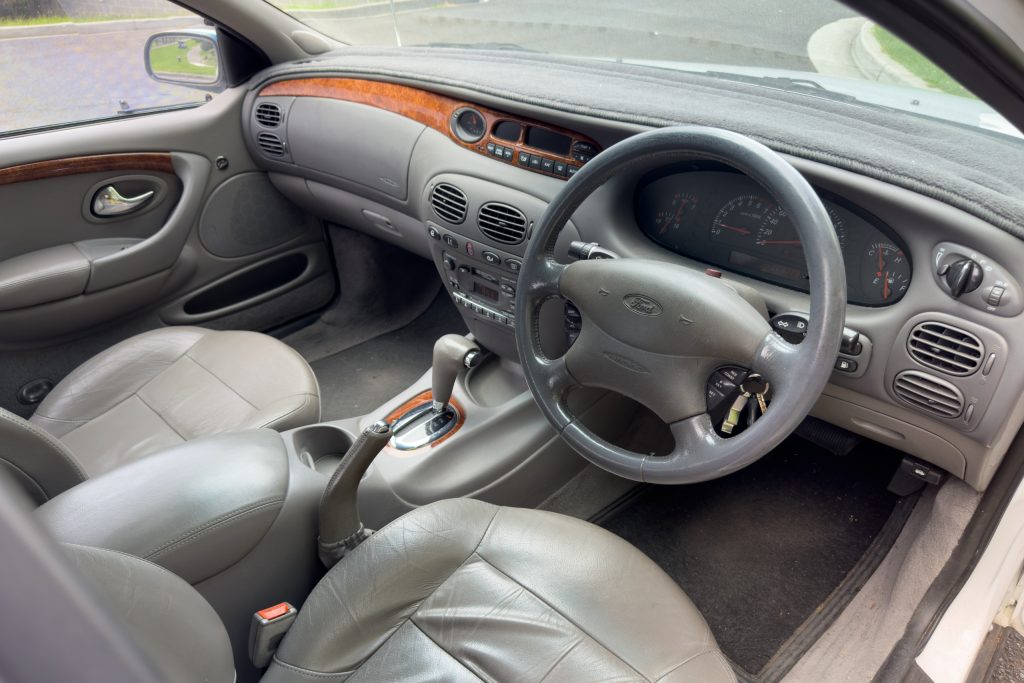

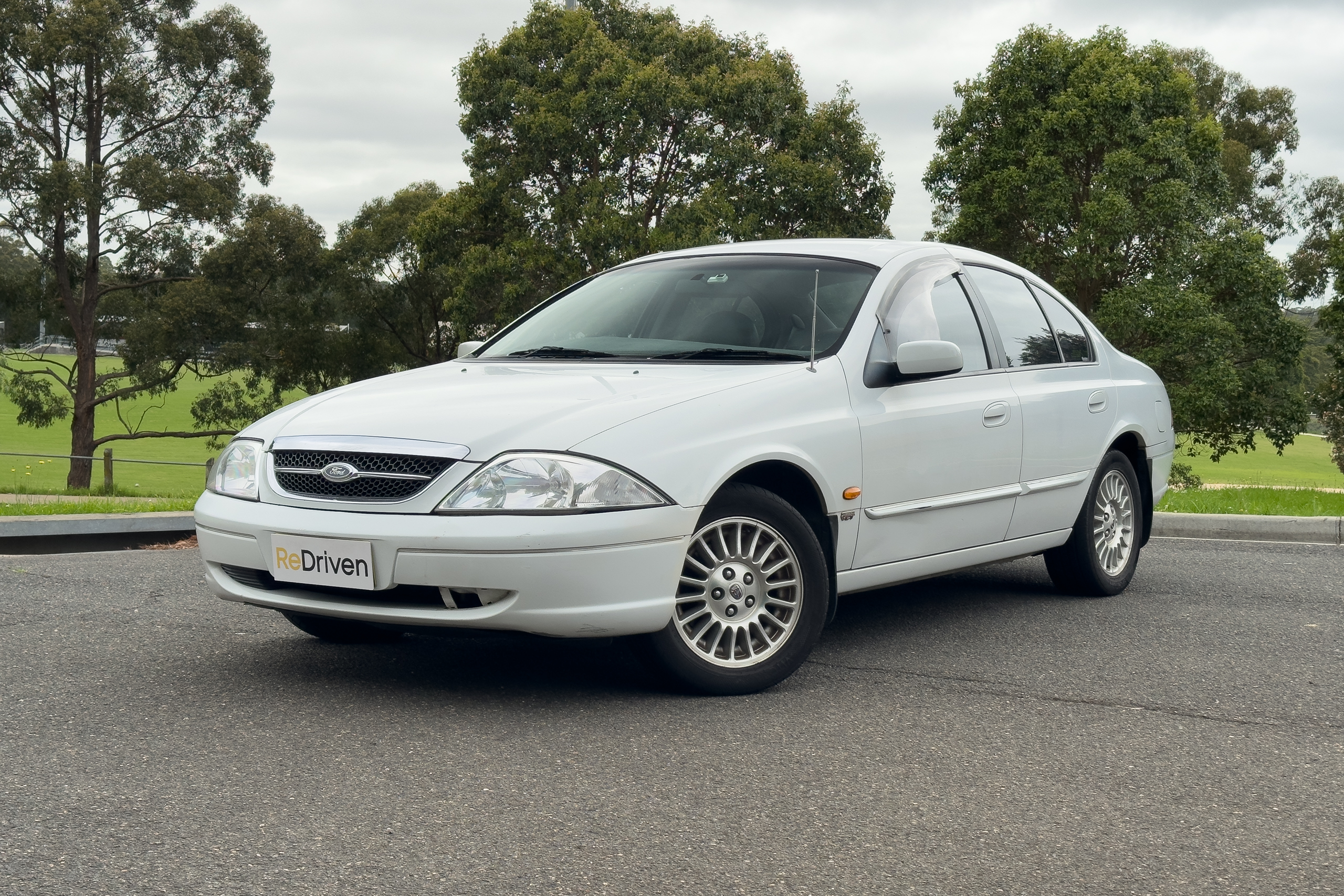
1999 Ford Fairmont Ghia

19 January 2024
There are better cars out there.

1999 Ford Fairmont Ghia

Used car review
19 January 2024
Interested in buying an AU Falcon? Here are the basics that you need to know.
The AU Falcon, a now iconic Australian vehicle, was manufactured during what many consider the peak of Australian automotive manufacturing from 1998 to 2002, covering three series iterations. Series 1 (1998 – 2000), Series 2 (2000 – 2001) and Series 3 (2001 – 2002).

Despite facing strong competition from the VT Holden Commodore, thanks to its very polarising design, the AU Falcon did not perform well in sales and popularity.
The AU range includes three main body styles: sedan, wagon, and ute.
Despite the unpopular exterior design, mechanically the AU was an engineering standout, featuring (depending on the year model and trim spec) double wishbone independent front and rear suspension.
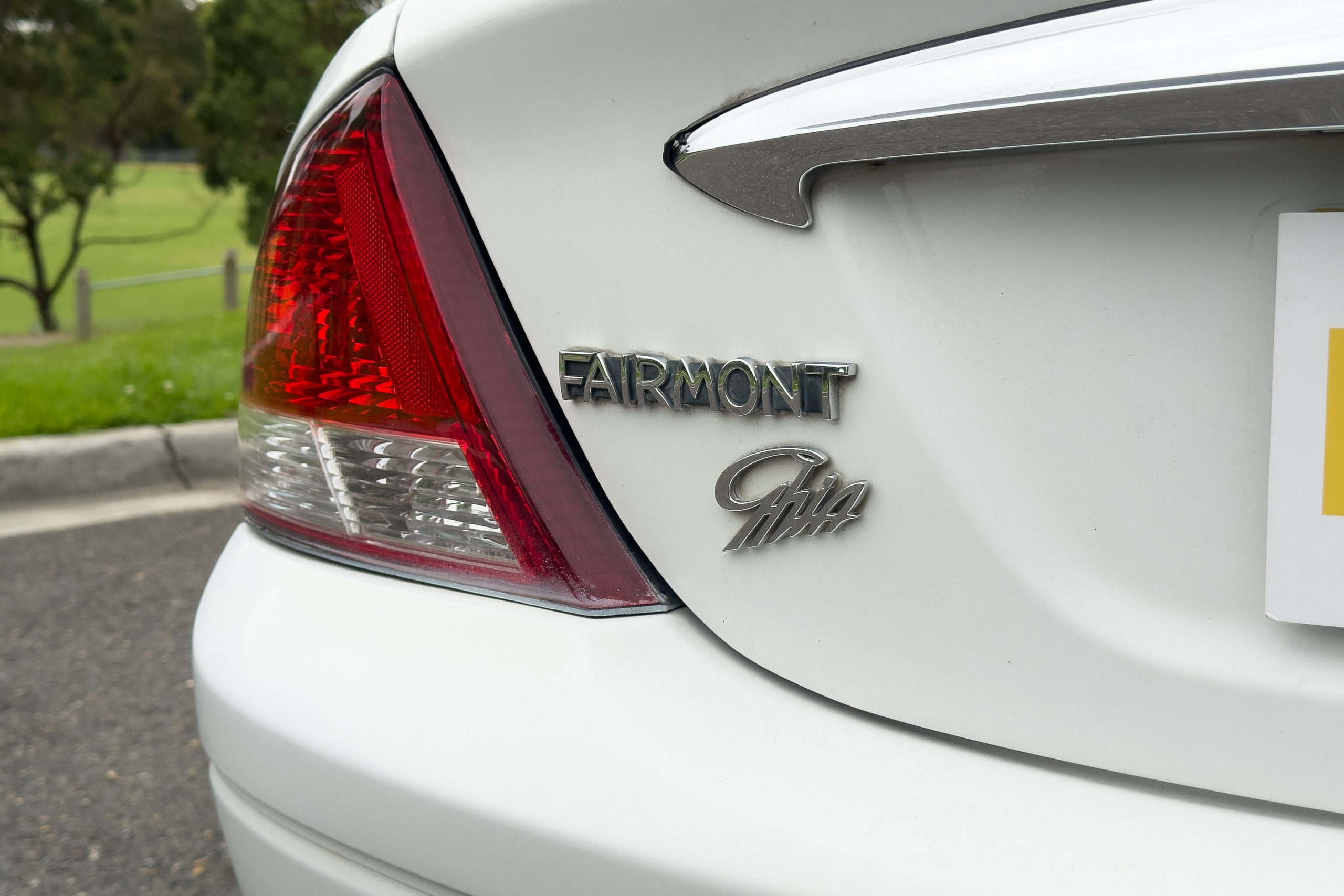
The AU title extends beyond the Falcon to include the higher spec Fairmont and even higher spec Fairlane, with the latter being significantly different and deserving of its own cheat sheet.
The AU is powered by either a 4.0-litre straight 6 or a 5.0-litre V8 petrol engine, with various states of tune available, all listed in the tech specs. Notably, the 4.0-litre straight 6 is the predecessor to the legendary Barra engine.
Trim options for the AU are extensive, with normal Falcons available in 12 flavours and the ute in 13, ranging from fleet sale and hire car classics like the Forte to high-performance XR8 models.
The Fairmont offers a simpler lineup with just two specs, but even these come with customisation options.
For those seeking enhanced performance, the Tickford-enhanced TE50 and TS50 models offer a more serious and special driving experience.
Despite being 20 years old, the AU has gained ironic coolness, leading to increased demand. However, being an older vehicle, it may experience issues; explore potential problems in the following sections.
Exterior:
Rust is a significant concern for the AU Falcon, with potential hiding spots including basically the entire car, particularly around doors, door sills, and under rubber seals.
Check seams, chassis rails, and areas behind front guards, which may require guard removal for a thorough inspection.
Inspect the engine bay, focusing on strut towers and seam intersections for brown staining or corrosion.
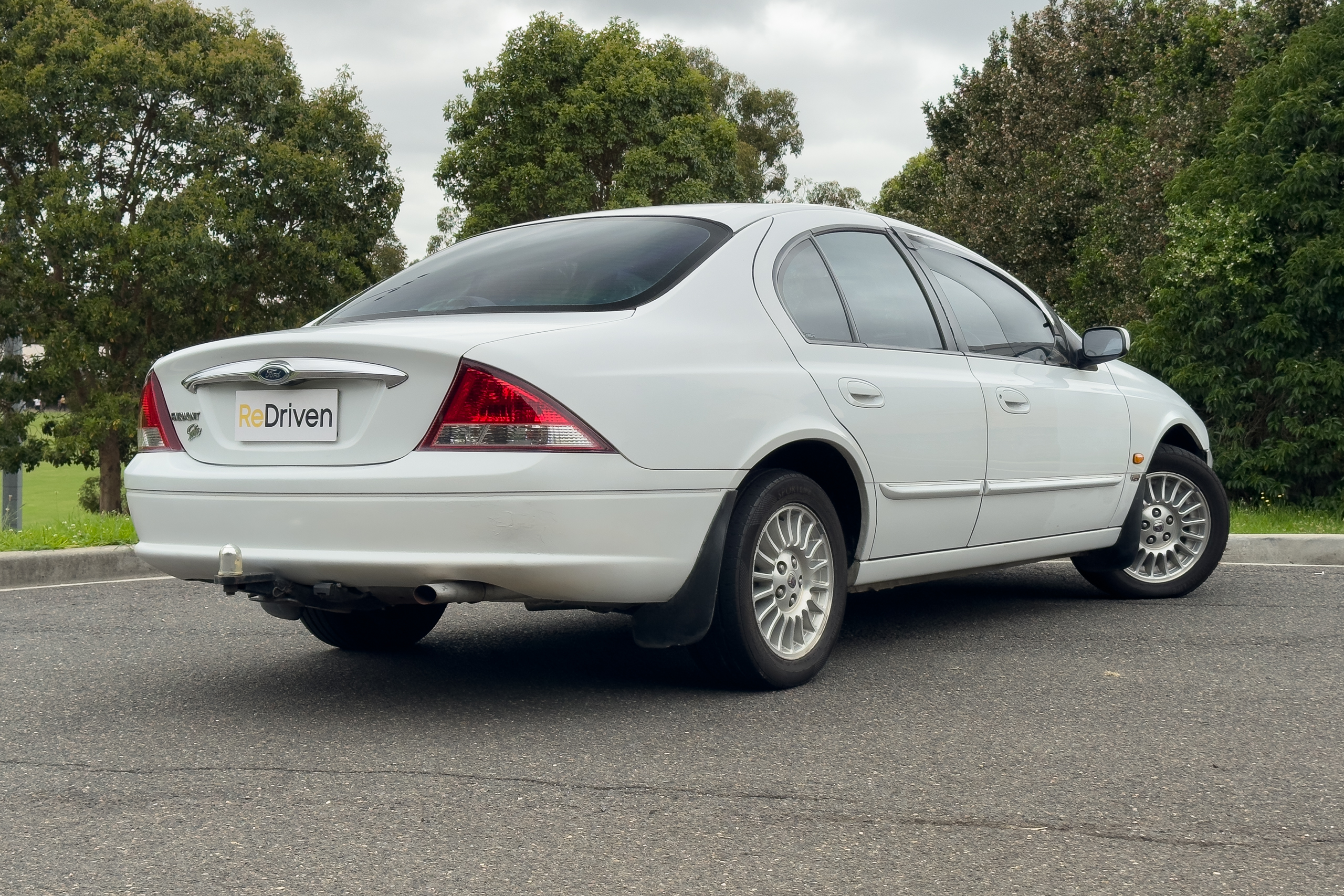
Boot-related areas, such as the bottom of gas struts and the hinge hole, are prone to corrosion.
The base of the windscreen, A-pillars, B-Pillars, and C-Pillars should be examined for rust.
Attention is needed for the boot lid’s leading edge and underneath, especially below the number plate.
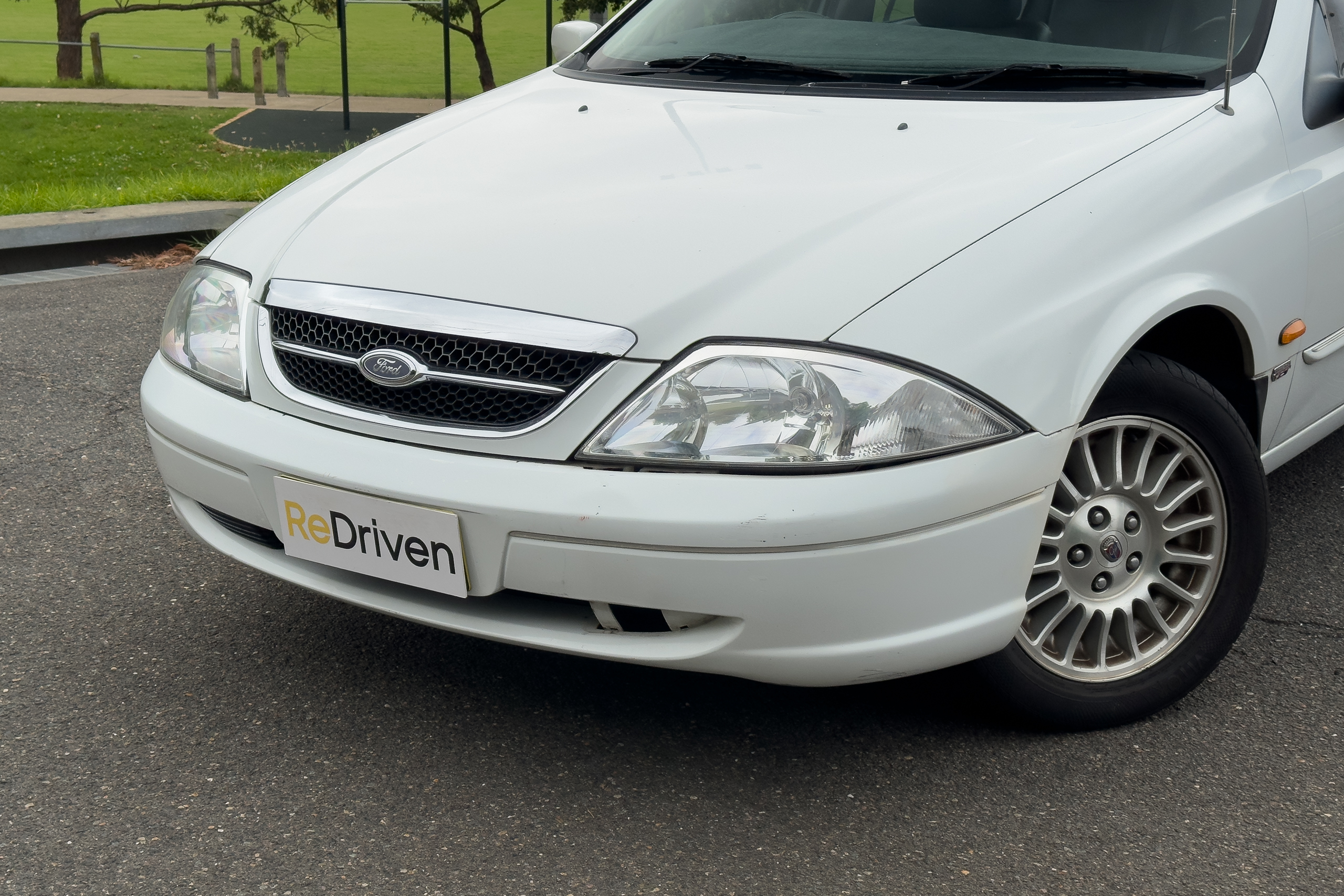
Elsewhere with the exterior, clear coat issues are common, leading to fading or peeling, requiring costly solutions like a re-spray or fresh clear coat application.
Electrical components, such as door lock actuators, power windows, and mirrors, may experience issues but are generally affordable to fix.
Headlights are known to yellow over time, but fixing this issue is inexpensive.
The entire car may rust, so a detailed inspection is crucial, with any more than surface rust warranting caution.
Inside:
Seat bolsters can collapse, particularly if heavily used.
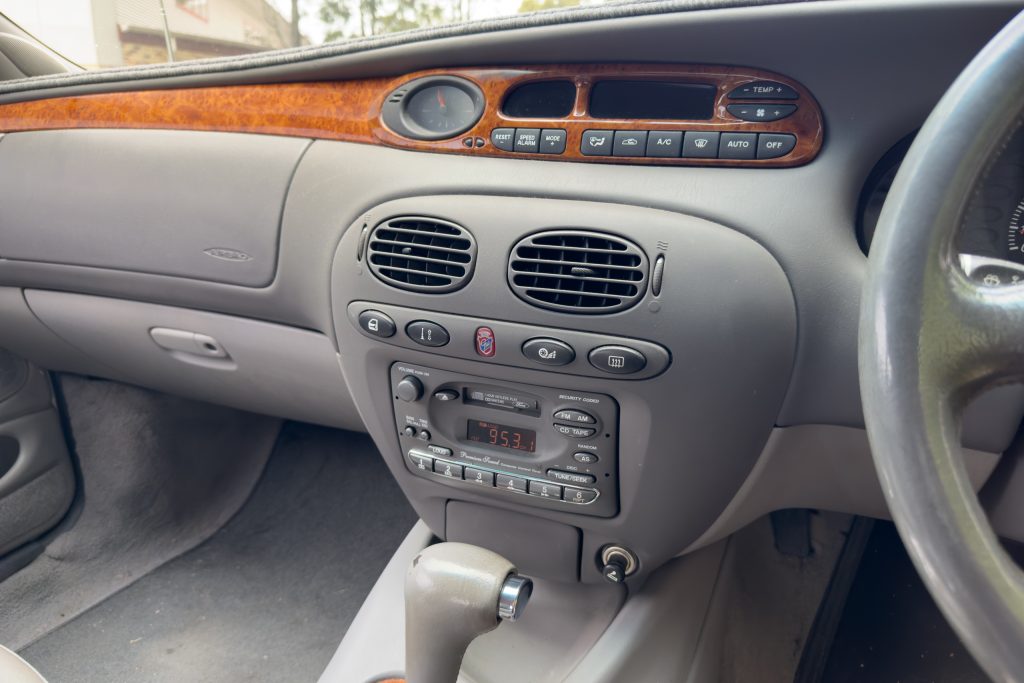
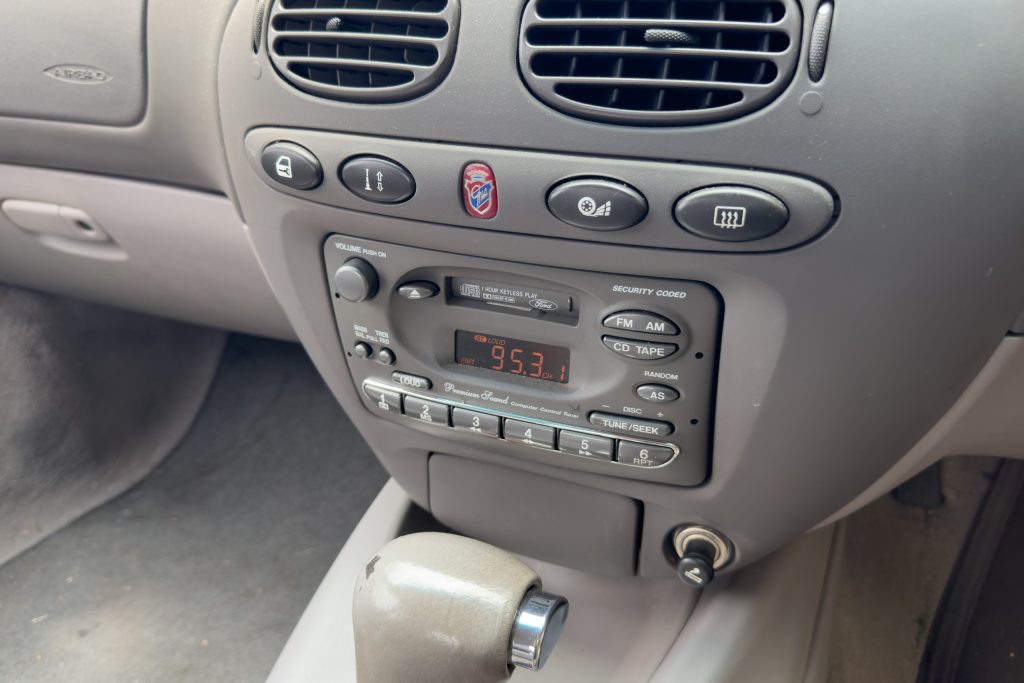
Electronic issues, including window switch problems, are reported, often caused by gunk buildup in the switches. Infotainment systems may have been replaced with aftermarket options due to dissatisfaction.
A common issue in all Ford Falcons, including the AU, is sagging headliners.
Mechanically:
The Intech 6-cylinder engine is generally reliable, though head gasket issues can still occur.
Front oil seal leaks, drive belt, and tensioner rattles are common concerns.
Inlet or intake manifold gasket failures leading to leaks may occur.
Ignition leads and coil packs are known to have issues, potentially causing misfires.
Cooling system problems are frequent, with issues like o-ring failures at the back of the water pump and thermostat housing.
Power steering pumps may leak onto the alternator, causing damage.
Timing cover and timing chain tensioner o-ring oil leaks are possible.
Transmission cooler leaks in the radiator can result in a problematic milkshake of liquids, often requiring an aftermarket oil cooler installation.
Wheel bearing and diff whine issues may arise due to thrashing or lack of maintenance.
The Tremec T5 manual and BTR auto transmissions are generally reliable, but BTR autos may face shift solenoid problems and can go into limp mode with poor fluid and lack of servicing.
Extension housing bushes may need replacement.
Brake disc warping, especially in Series 1 AU, is a known concern.
Upper ball joints and front wheel bearings commonly require attention.
A broken bonnet latch may necessitate tools for opening.
Firewall cracks can occur in manuals.
Despite the list of potential issues, the AU is a relatively simple car, and repair work is generally straightforward with affordable parts, excluding rust and paint problems.
Should you consider purchasing an AU? Typically, we would advise that the decision depends on your specific situation and the condition of the particular vehicle you are considering.
However, if it’s not a complete rust bucket, and a qualified mechanic has given it a thorough inspection and approves it, then there’s no reason not to go for it. It would almost be un-Australian not to.
The AU embodies the spirit of Australia in a car. Just like our diverse population, it comes in a vast array of colours, shapes, and sizes.
In various situations, the AU, much like Australians, can be inappropriate and unconventional. Both are often divisive, and let’s face it, they may not always be considered the most attractive.
Yet, at its core, similar to Australia and its people, the AU is a reliable, great-value, no-nonsense workhorse that gets the job done while bringing a smile to your face.
Plus, these vehicles are budget-friendly, enjoyable to drive, and easy and affordable to maintain.
However, we kindly request a favour – if you decide to get one, please avoid driving like a dickhead. Driving like this tarnishes the image of an Aussie icon for everyone.
MORE: Explore our Ford reviews


Co-creator, presenter & writer, ReDriven

There are better cars out there.

 7 days ago
 1 month ago
 2 months ago