Australia’s No. 1 Used Car Review Website
Australia’s No. 1 Used Car Review Website
+14 Photos
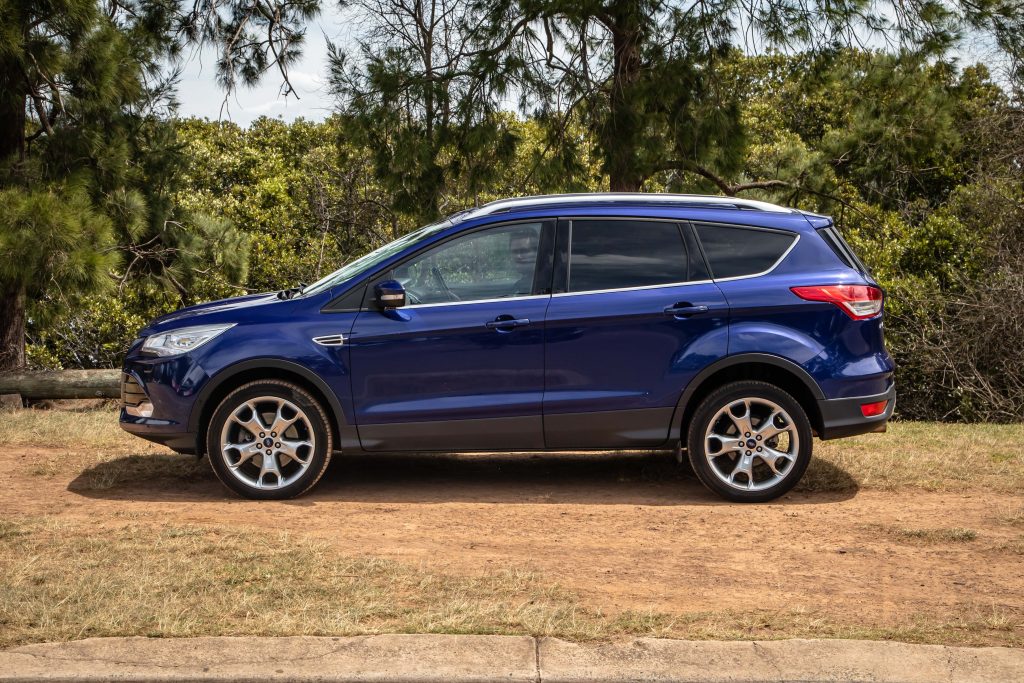
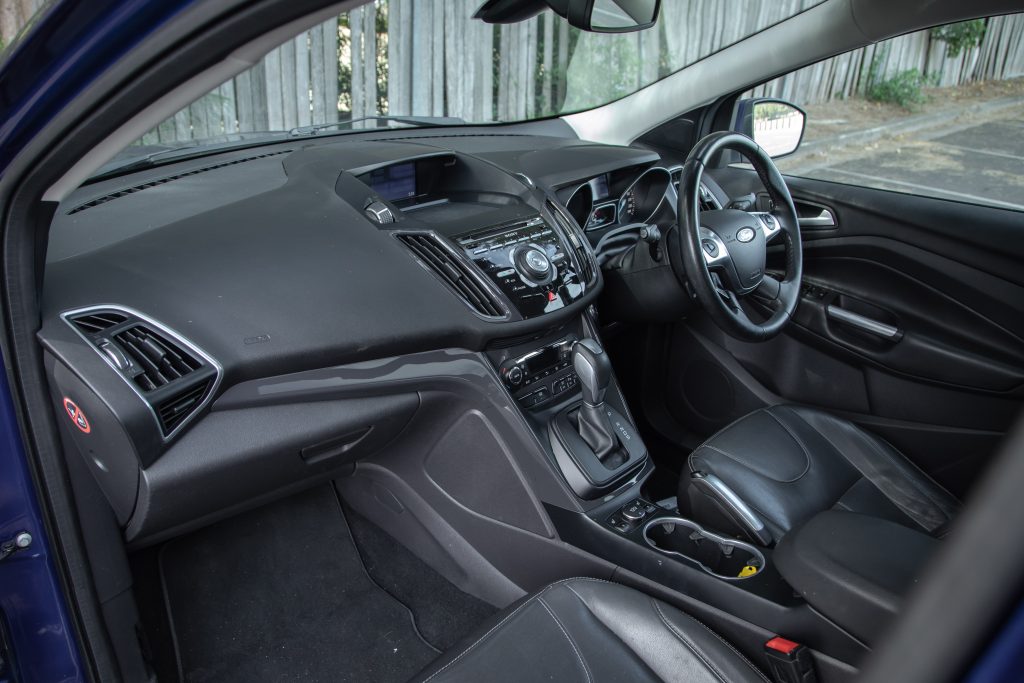
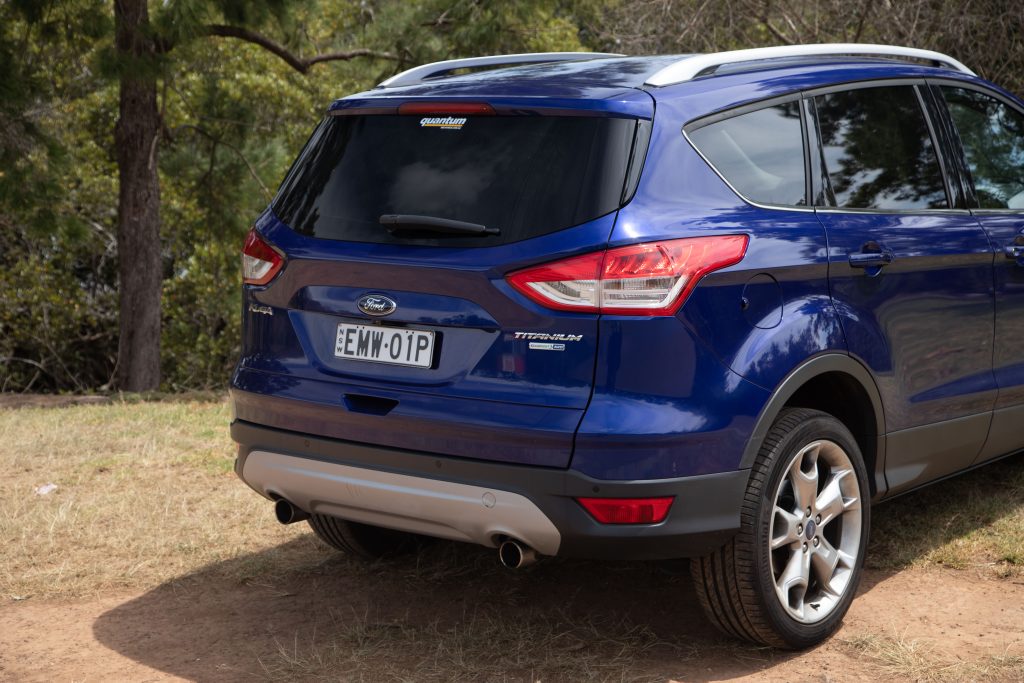
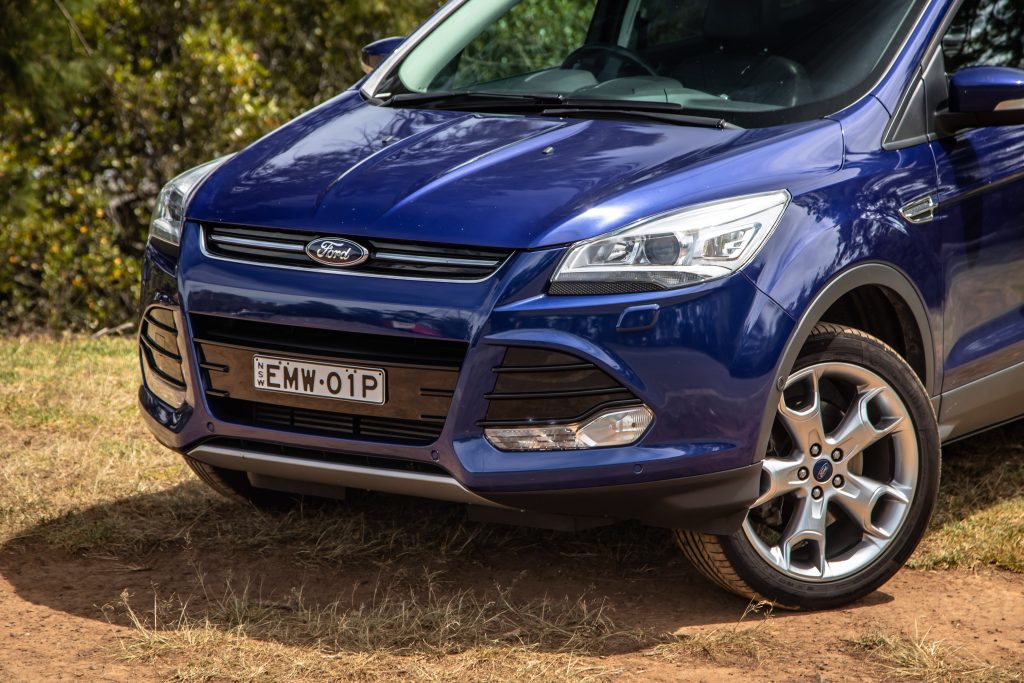
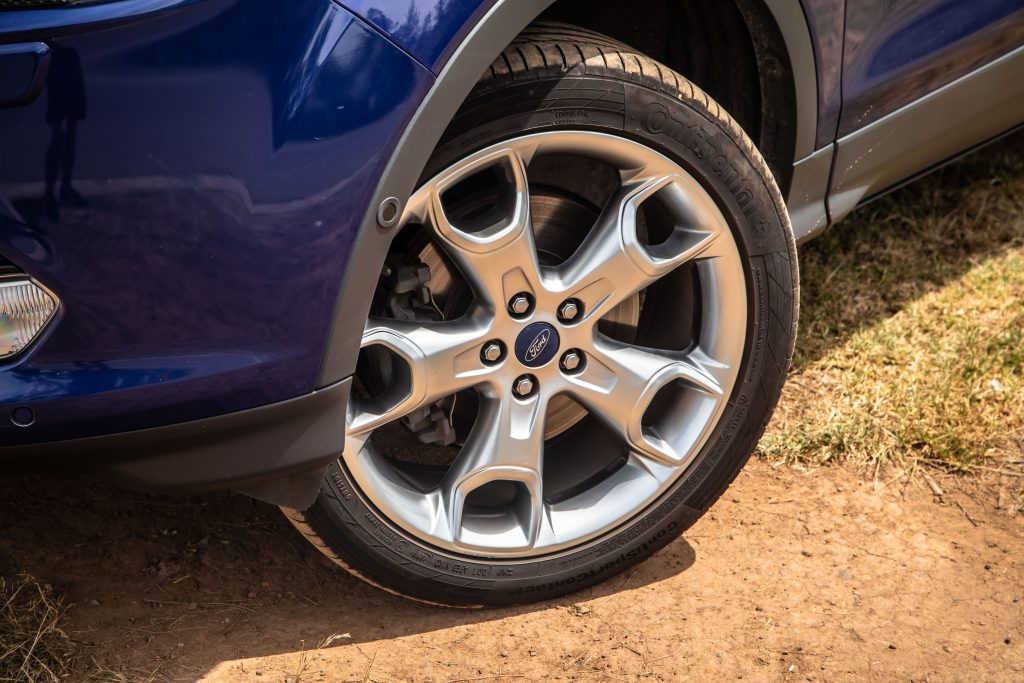
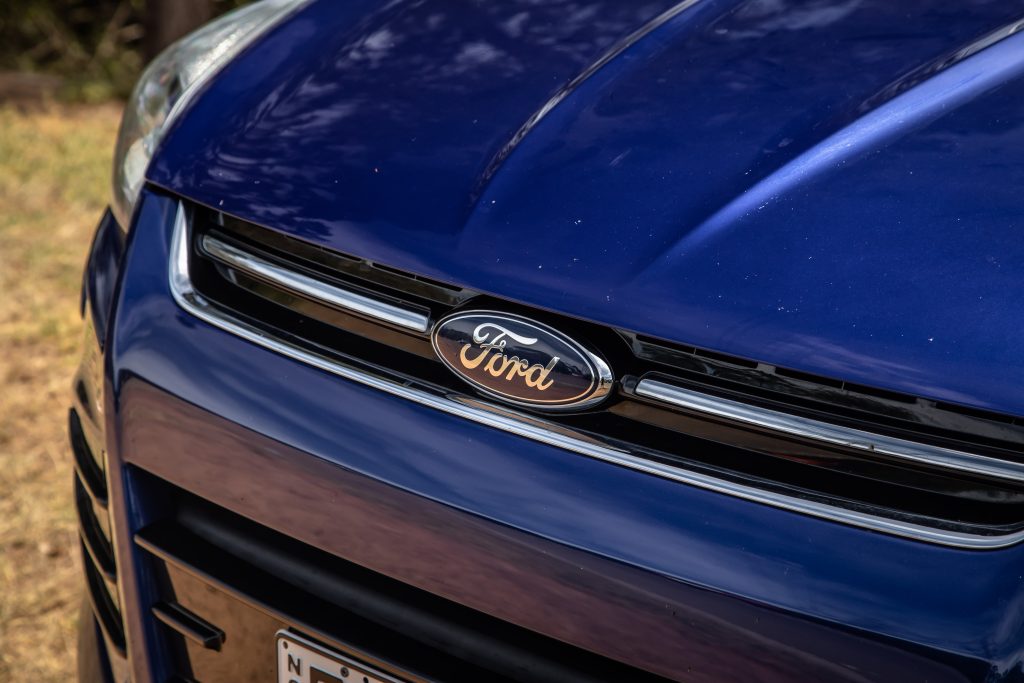
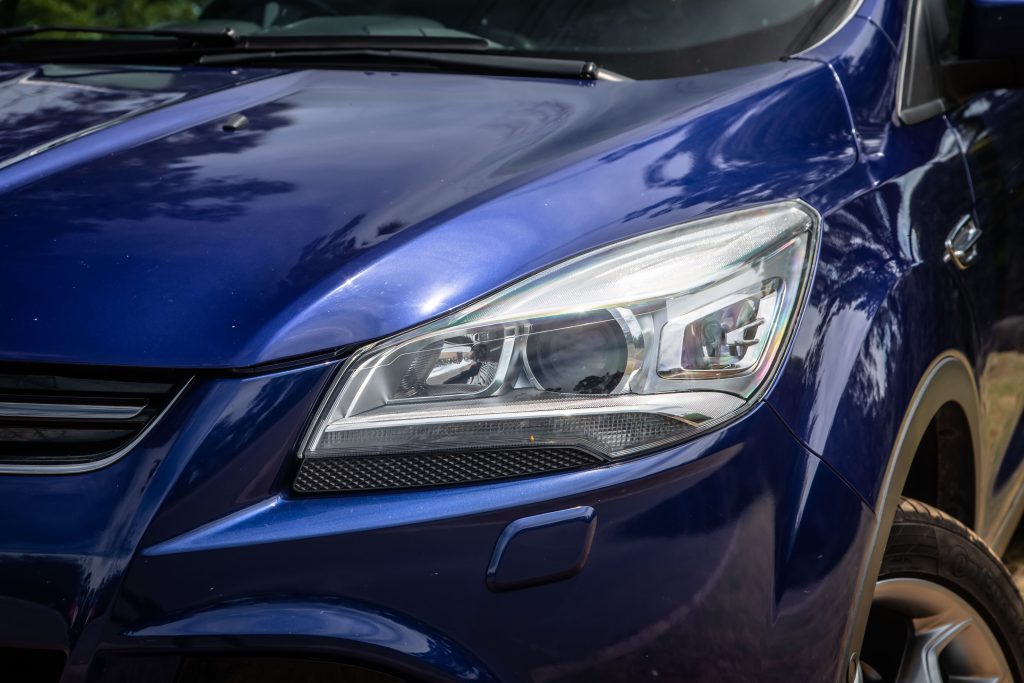
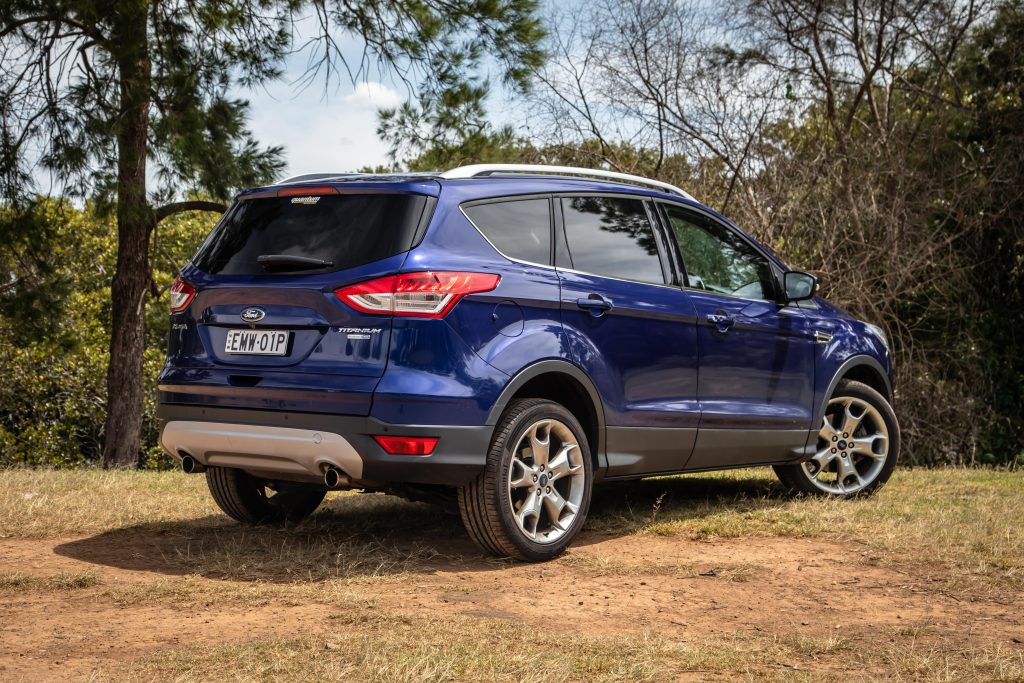
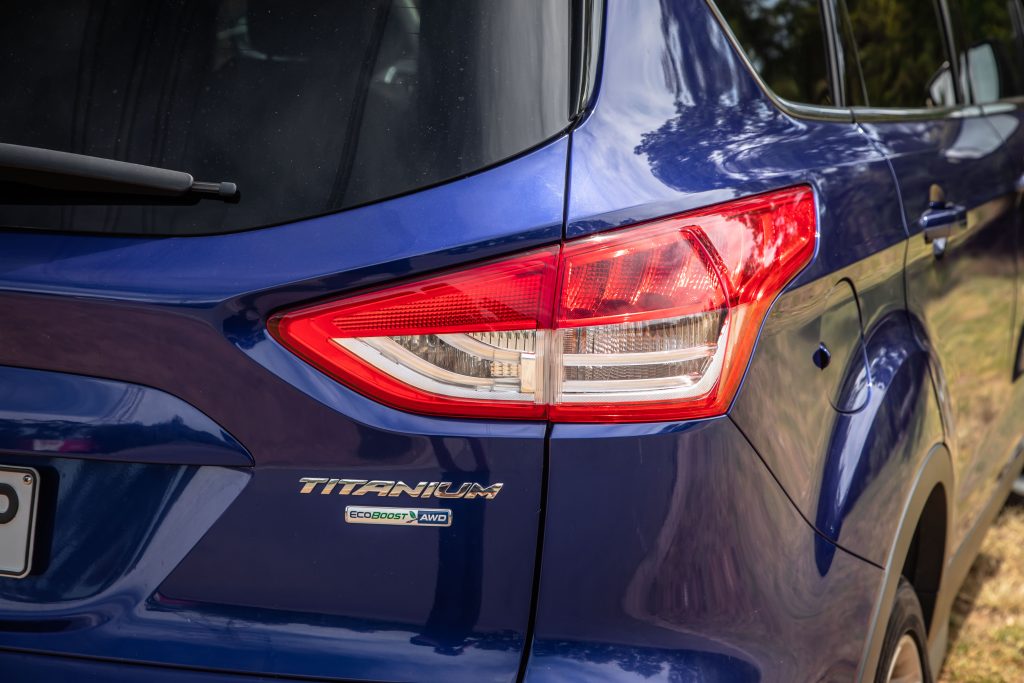
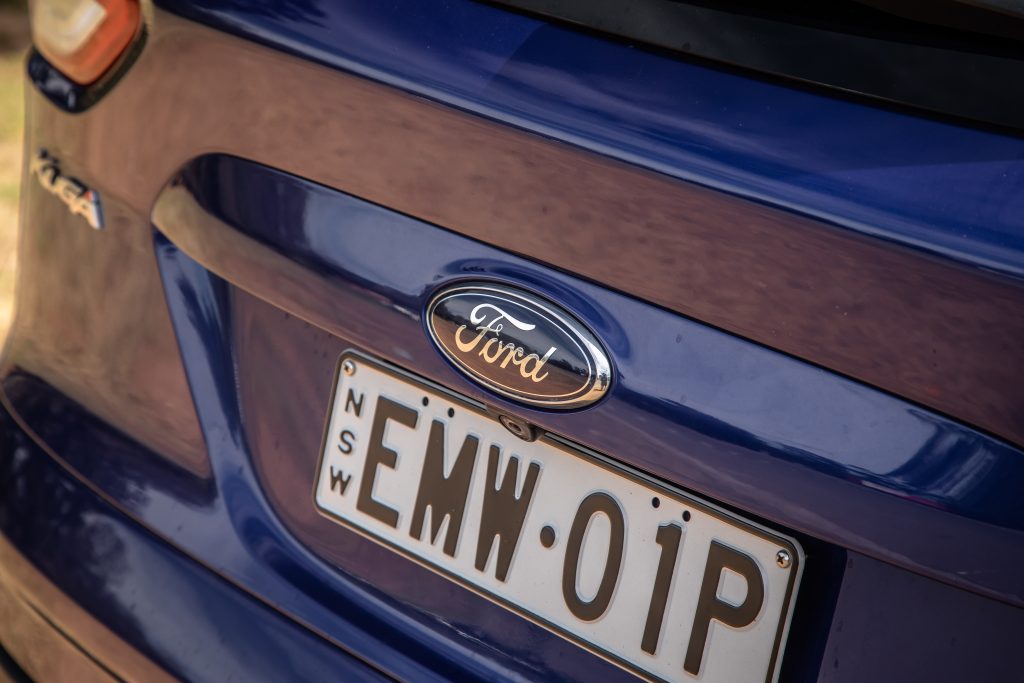
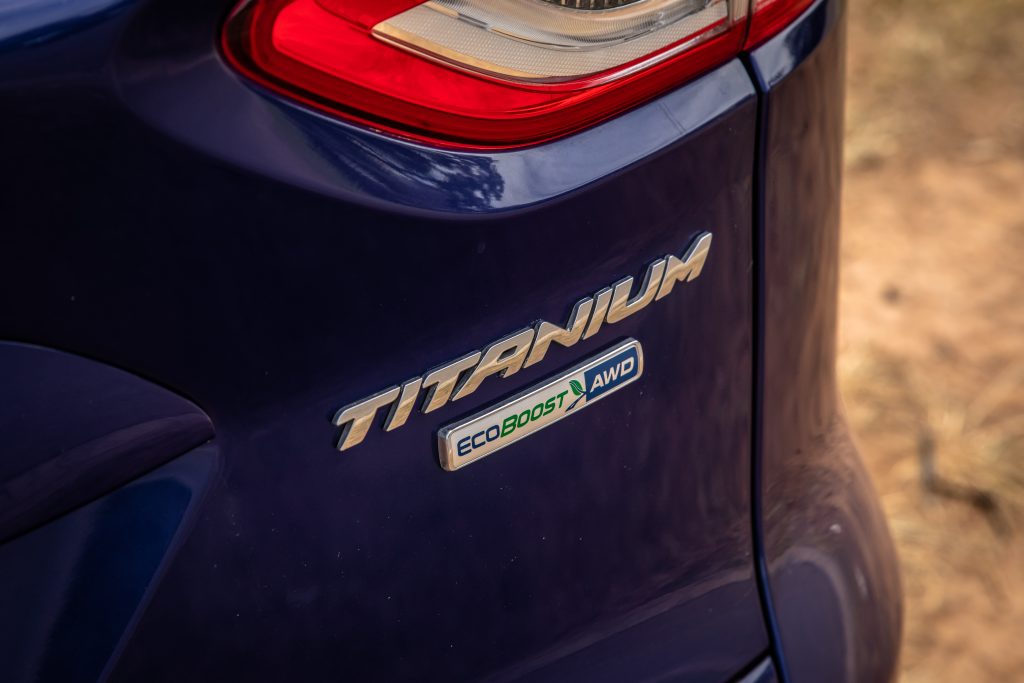
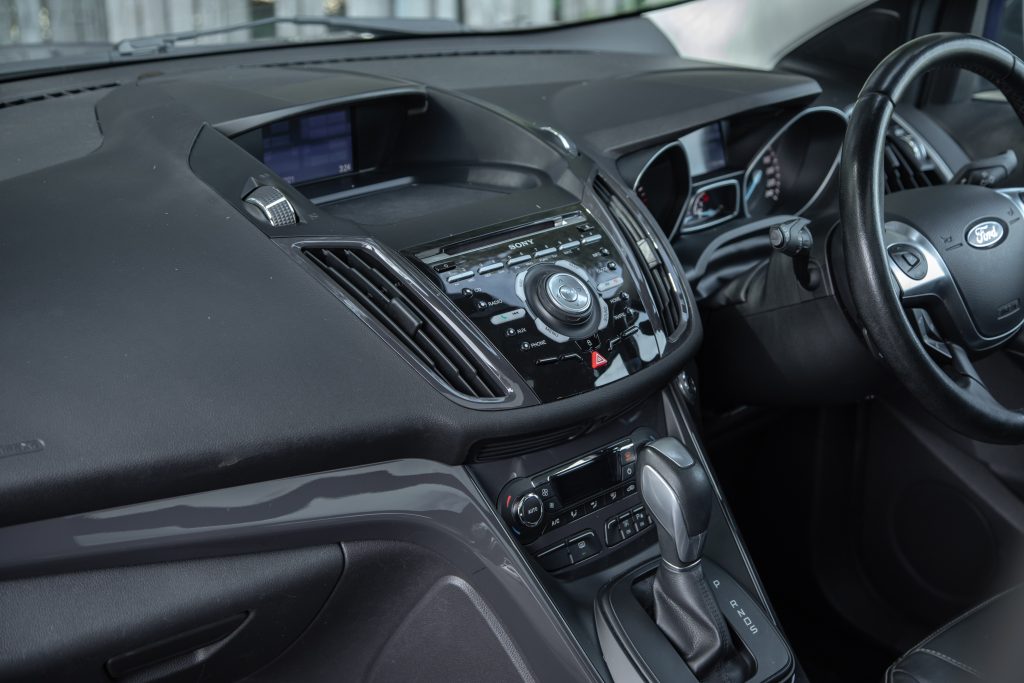

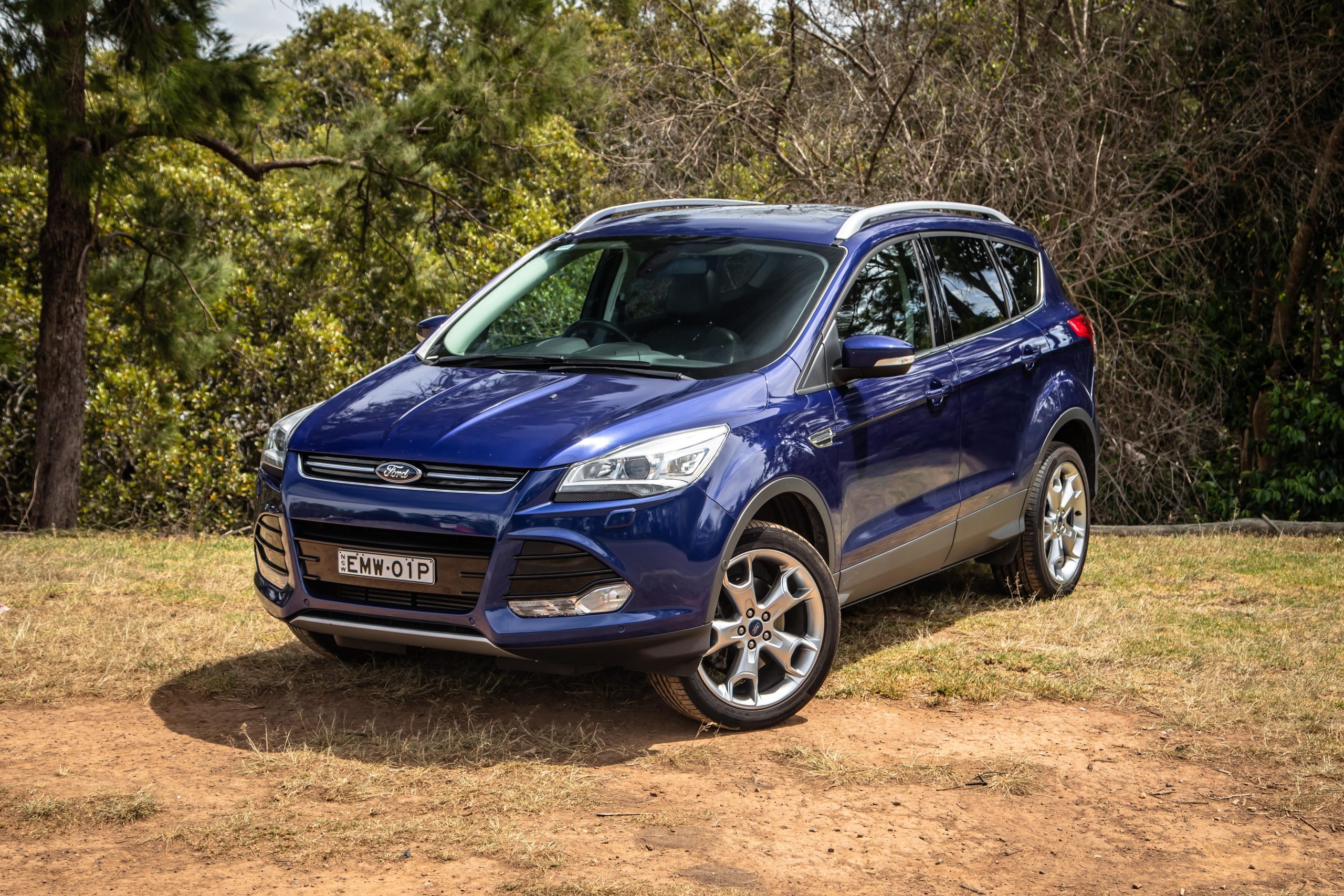
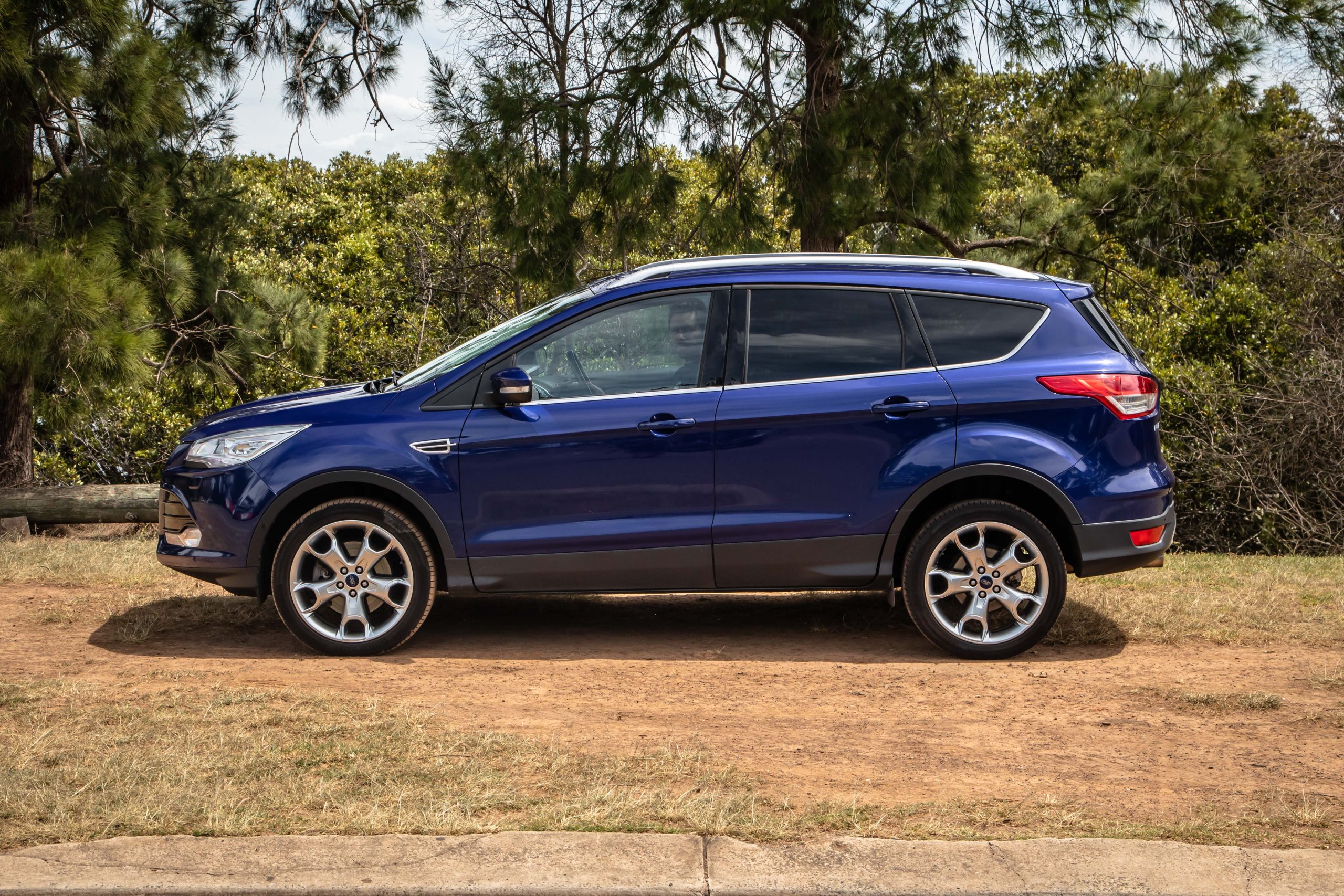
2015 Ford Kuga Titanium

13 November 2021
There are better cars out there.

2015 Ford Kuga Titanium

Used car review
13 November 2021
For the global behemoth responsible for F Series truck, regularly the biggest-selling nameplate in the world, the lack of success in the otherwise hot mid-sized SUV segment must come as a major headscratcher, especially in Oz.
The Ford Kuga, arriving in TE guise in 2012 with a fizzle, its frumpy styling and rich asking price ($39k-$45k) with semi-premium promise turning out to be a letdown that lacked in competitive spaciousness and equipment. Its feisty 147kW 2.5-litre turbo four, lifted from Focus RS, was some consolation…
Not favouring its fortunes was that it lobbed fresh off the boat within a year of being replaced by a second-generation (C530) TF, launched April 2013, that was superior in almost every way.

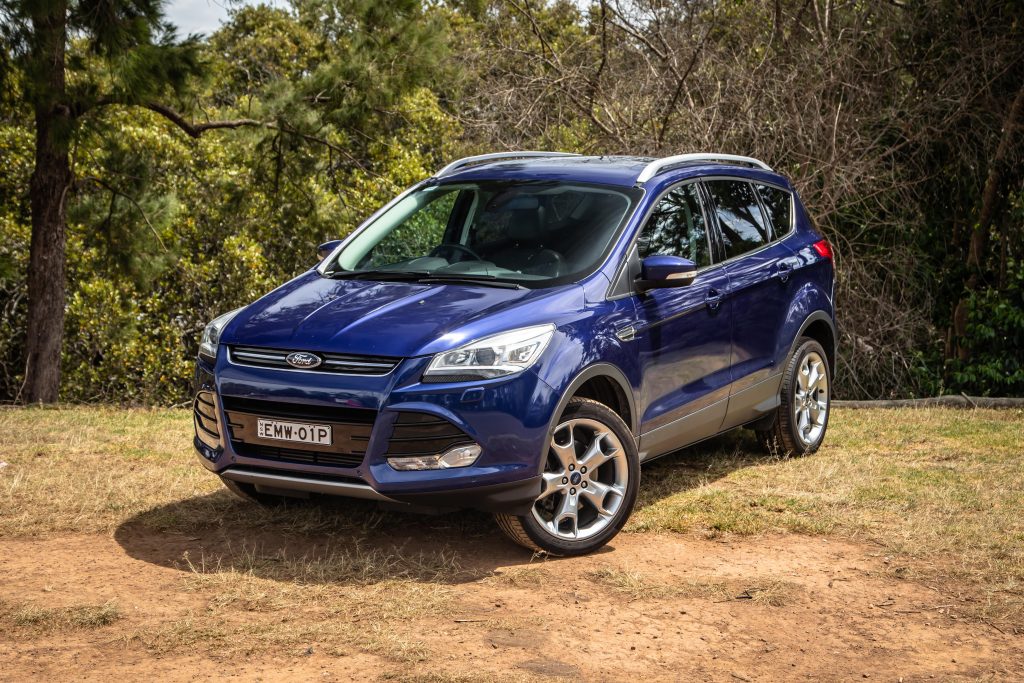
Initially, TF Kuga stretched from $28k in base front-drive manual Ambiente form to almost $48k for the flagship Titanium AWD, a larger and roomier Euro-styled prospect with either 1.6-litre EcoBoost turbo petrol power or a lusty 2.0-litre turbodiesel, underpinned with a friendly, fun-to-drive chassis.
The Spanish-built range was quieter, more mature, better specified and priced more sensibly than its unloved predecessor. Variants offered six-speed manual or conventional automatics paired to petrol engines, or a six-cog dual-clutch transmission sat behind the oiler.
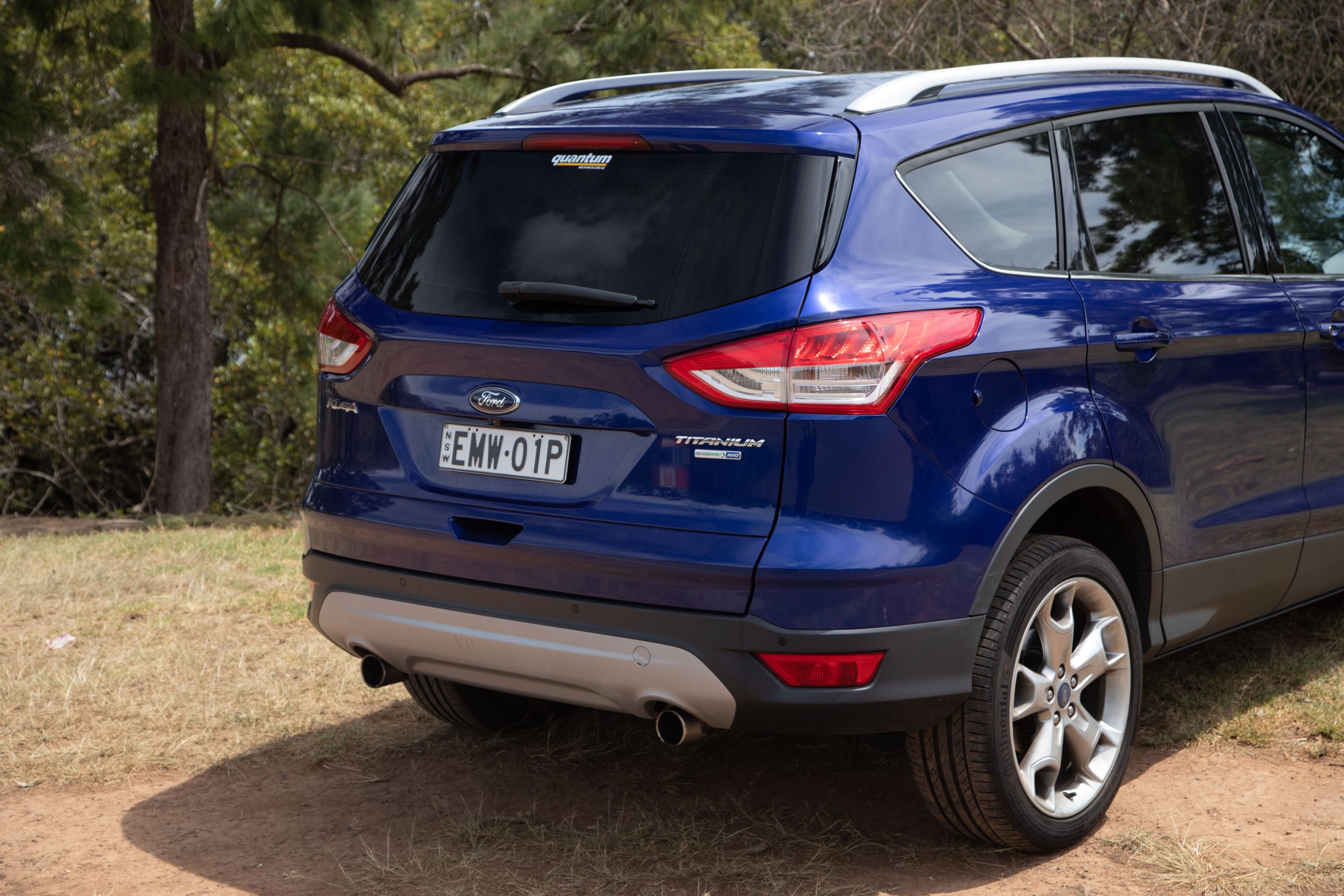
The TF MkII lobbed quickly, in late 2014, bringing a smaller 1.5-litre petrol as the base engine and a 2.0-litre turbo petrol four, related to that offered in Falcon, that could be had in mid Trend trim with 178kW/345Nm plied through on-demand all-wheel drive, making for a warm-hatch-on-stilts prospect for under $37k in a ‘sleeper’ package that won’t draw undue attention. Nice.
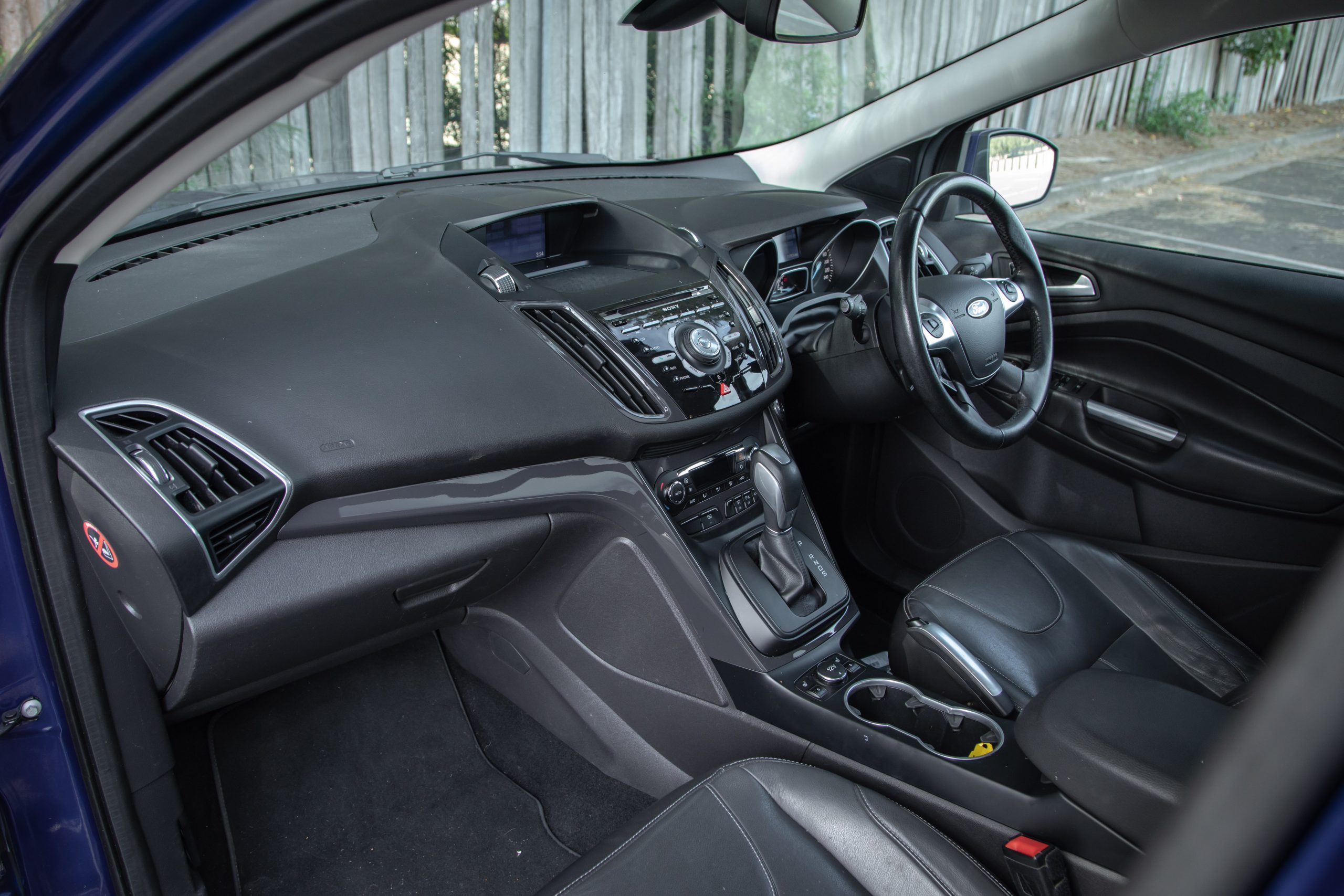
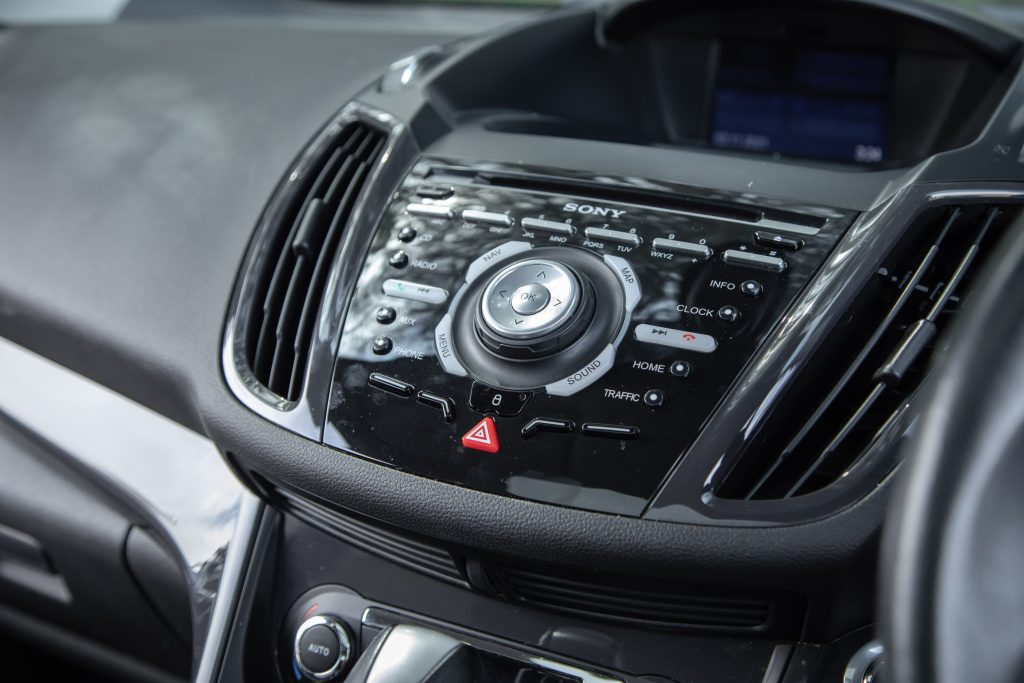
Still, Kuga continued to lag behind the sales race in segment, so 2017’s ZG facelift brought Escape rebranding to compliment refreshed styling, a more efficient 2.0-litre petrol engine tune and nicer equipment fit-out, including an 8.0-inch touchscreen infotainment system range wide with Sync3 multimedia and Apple CarPlay and Android Auto smartphone mirroring. Under the skin, though, the ZG is mostly carryover from TF Mk II.
Weighing against Escape, and its Kuga forebears, are the slim active safety credentials. Despite a five-star ANCAP rating, autonomous emergency braking, for one crucial area, continued to only be offered on high-grade variants. And a full safety suite was only available optionally. That’s something to ponder as a my-first-car proposition for younger, more inexperienced drivers.
The early 1.6T versions, too, were infamous for an under-bonnet fire risk, forcing Ford Australia to issue a recall back in March 2017.
The big used drawcard is bang for your buck, particularly with the older, cheaper and ultimately more value-laden Kugas. The lusty powertrains and dynamically adept platform make for compelling left-field choice outside of the more popular and resale-savvy Toyota and Mazda competitors. And the range-topping Titanium stock make for a whole lot of goodness for not a lot of coin.
A well-kept and regularly maintained example of this Kuga/Escape generation makes for a real hidden used car gem.
We’d recommend against purchasing a diesel variant as, while you may save some money in terms of fuel, the cost of maintenance may diminish any savings you have made.
The petrol variants should provide more trouble free longevity and they are just more enjoyable to drive.
However, while the 1.6 litre petrol engined variants offer quite good value for money on the used market and, yes they are quite ok, for what they cost, there are other cars we’d recommend over the smaller engined Kuga and Escape models. For example the Mazda CX5, Toyota RAV4 and Hyundai Tucson.
But, what about when it comes to the 2.0-Litre turbocharged all wheel drive variants? Yes, you should buy one of these.
We feel the higher spec Kuga and Escape were severely underrated when new here in Australia and that belief still stands.
While these variants are not perfect and although they lightly knock on the door of the performance SUV camp, they are still more of a very quick normal SUV rather than something deserving of performance car acclaim.
We especially recommend the higher spec Kuga and Escape variants as they just offer something a just little different while still providing good value for money and excellent practicality.
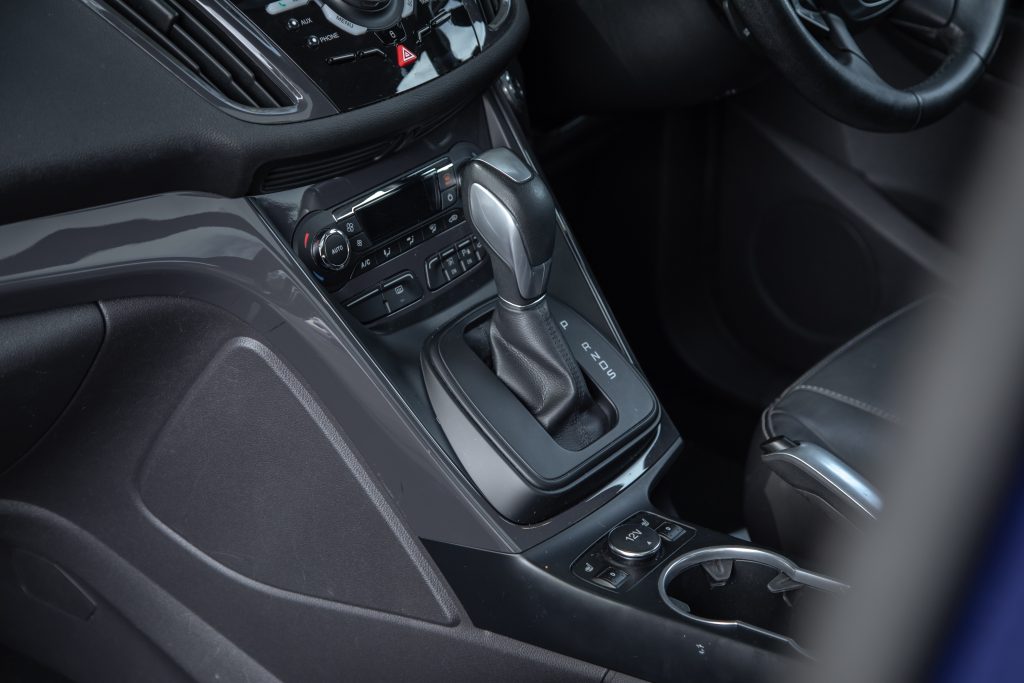
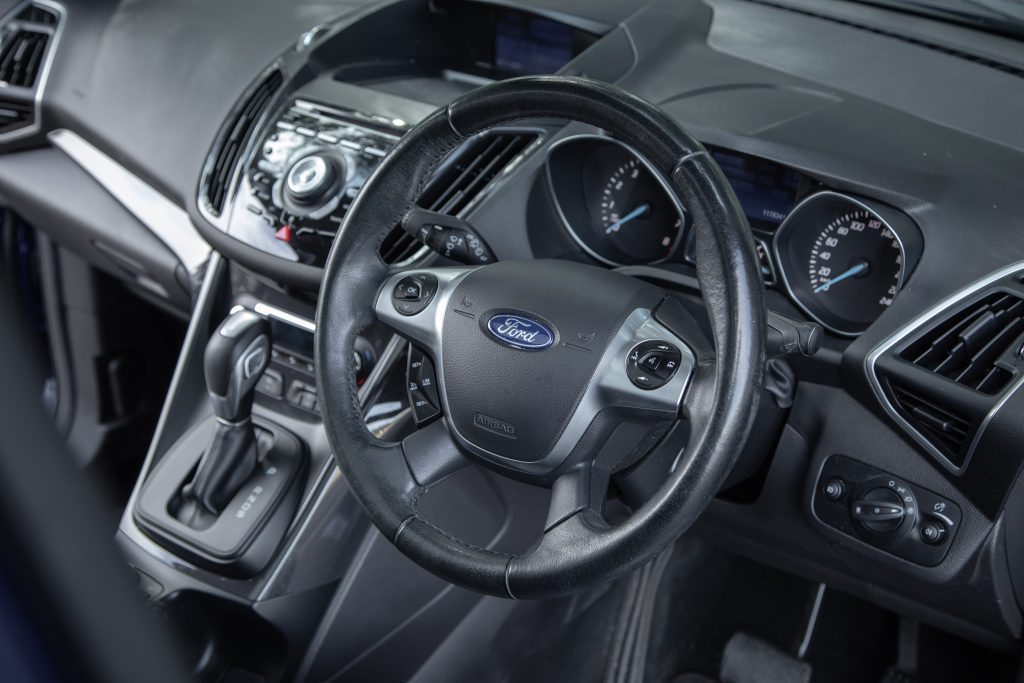
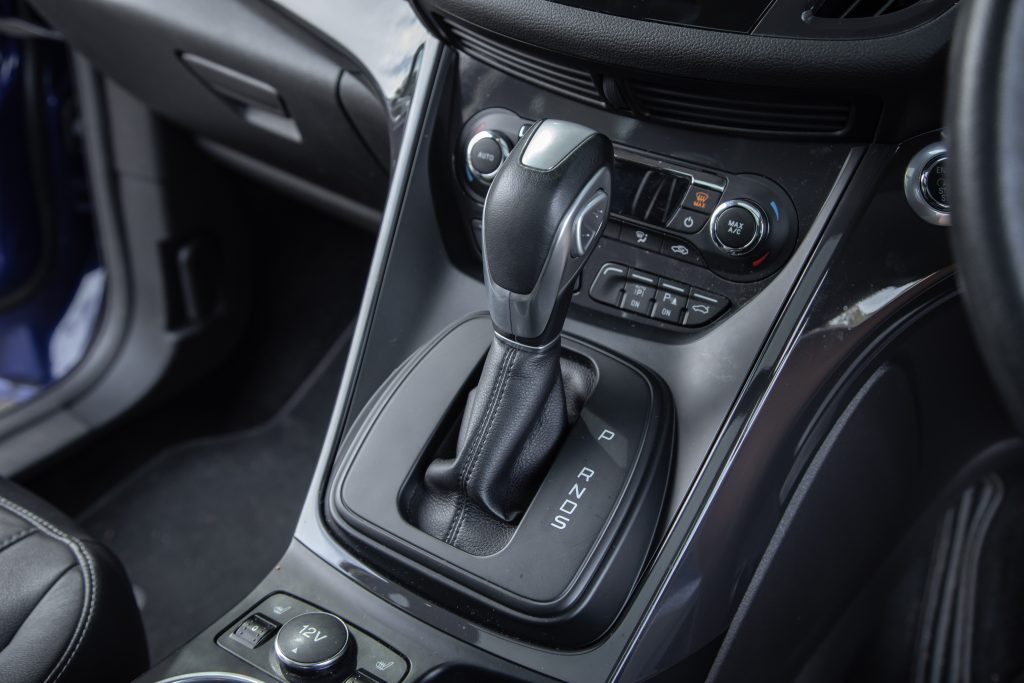
Plus these top spec models are equipped with all the niceties like leather interiors and a panoramic roof and they are fitted with a great amount of tech and safety plus they are showing very decent reliability and longevity.
MORE: Explore our Ford reviews
MORE: Explore our SUV reviews


Co-creator, presenter & writer, ReDriven

There are better cars out there.

 2 weeks ago
 3 weeks ago
 4 weeks ago