Australia’s No. 1 Used Car Review Website
Australia’s No. 1 Used Car Review Website
+18 Photos
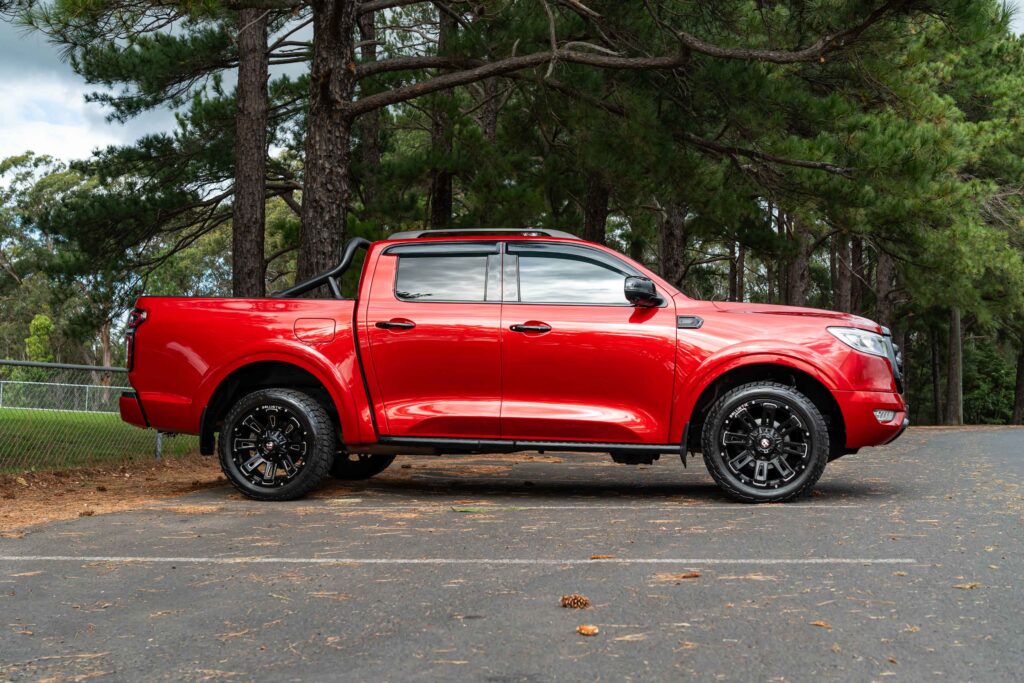

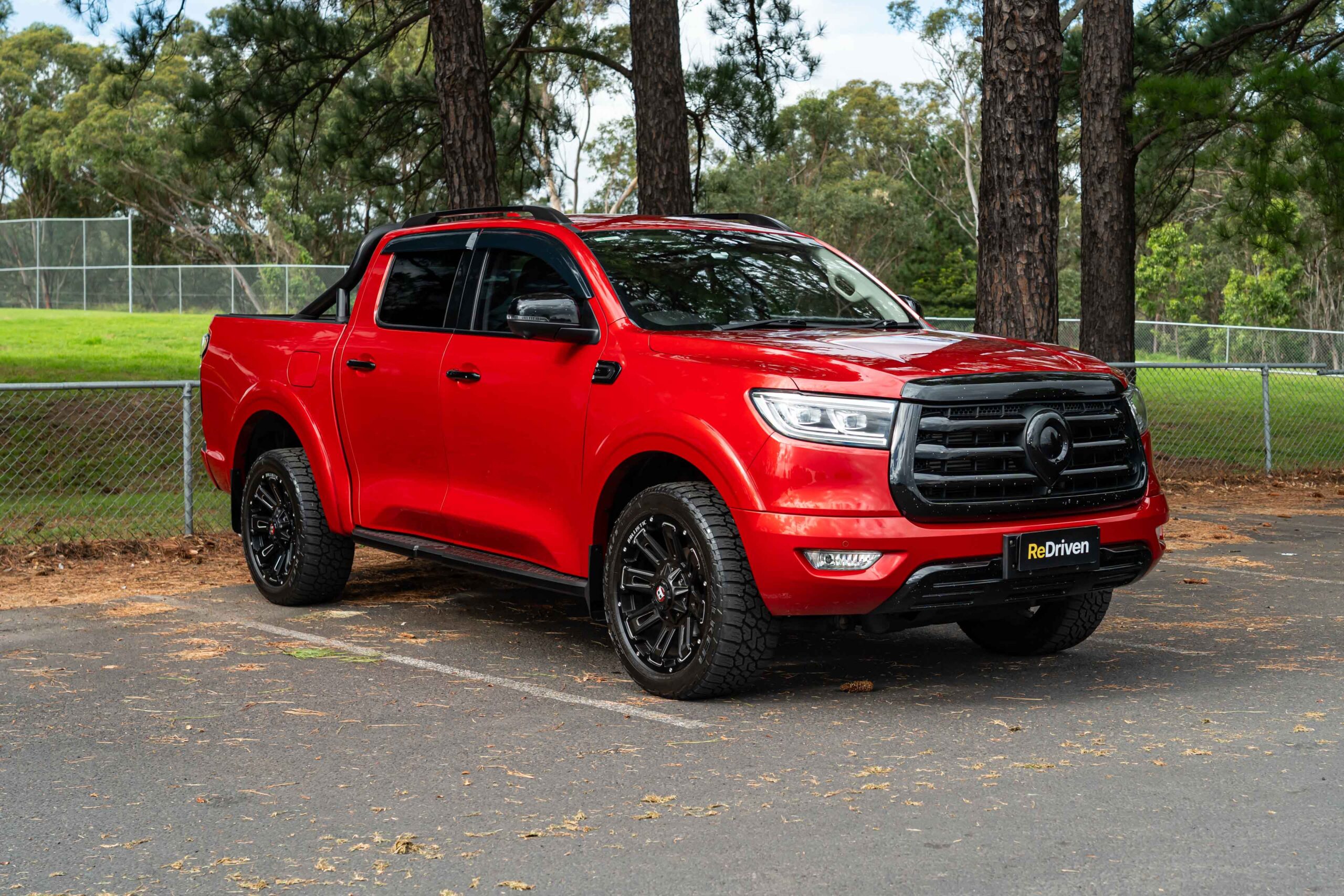
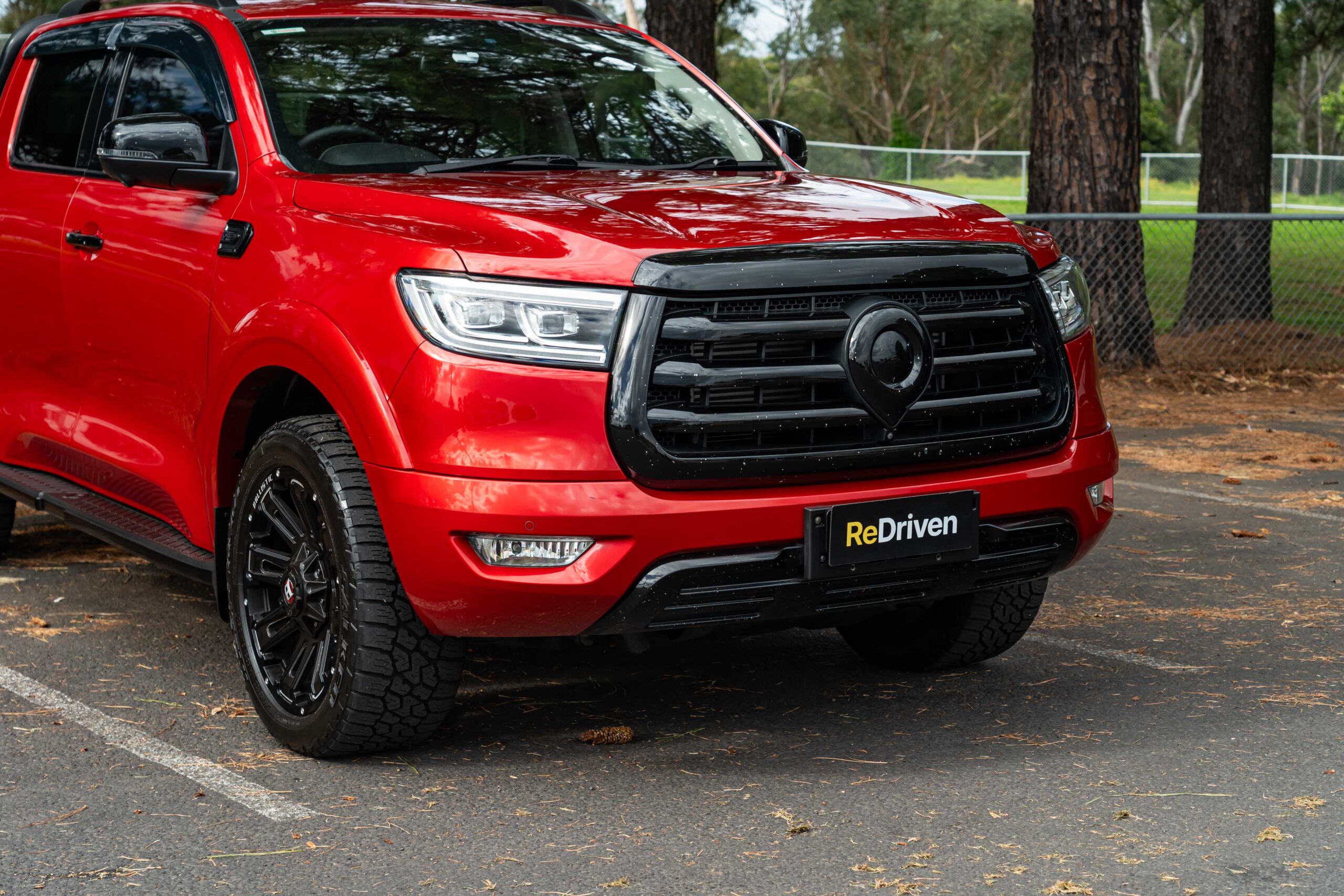
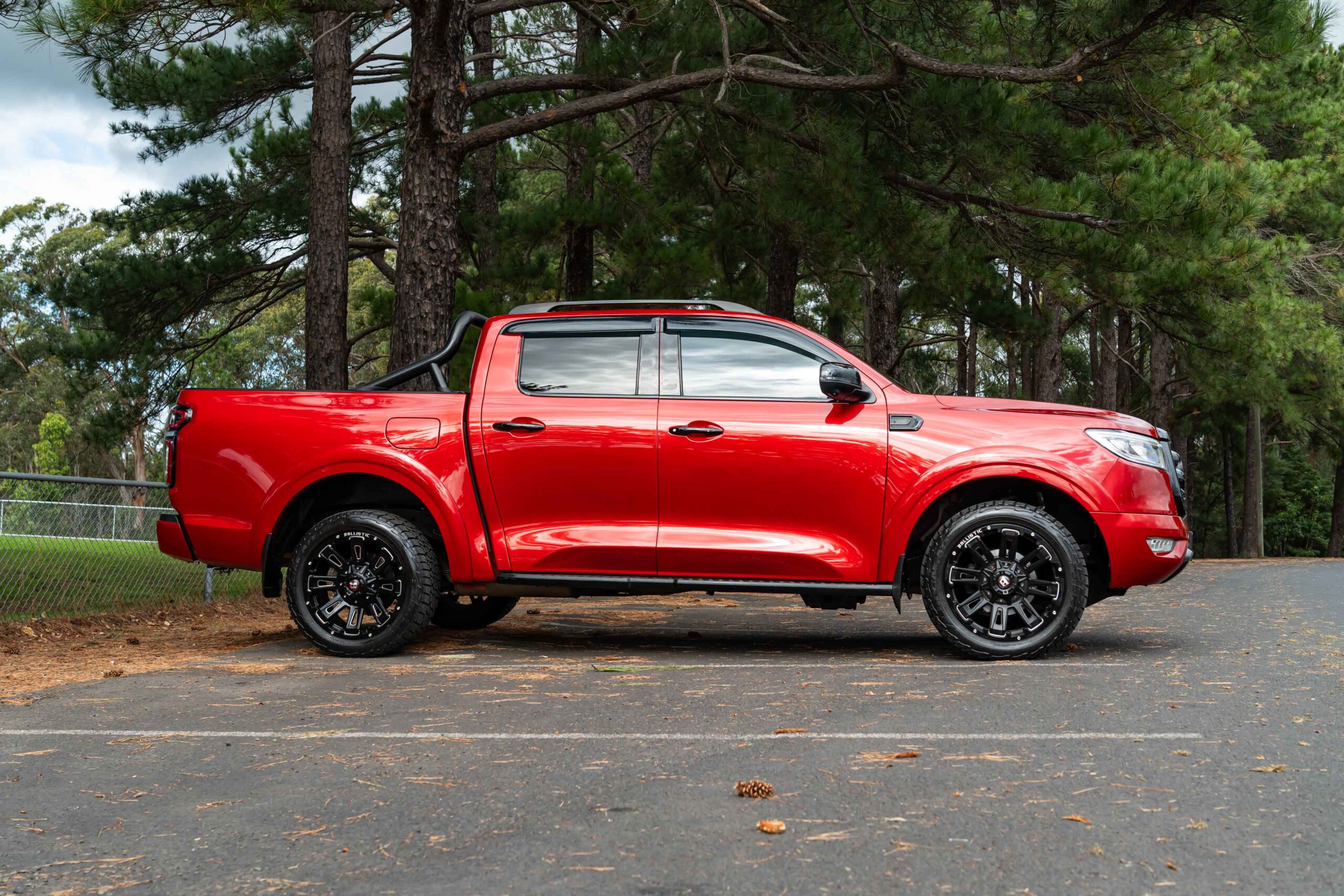
2021 GWM Ute Cannon X

29 May 2026
Yes. But only the right example.

2021 GWM Ute Cannon X

Used car review
29 May 2026
GWM, or Great Wall Motor, for those who don’t know, is one of the newest entries to the ute segment. Specifically, it’s one of the latest brands to emerge from China that is aiming to compete against long-standing SUV/ute offerings from Toyota, Isuzu, and Ford.
Initially launched in Australia as the GWM ute (before being renamed the Cannon), this was Great Wall Motor’s first model sold in Australia under the brand’s latest refresh. Also, depending on where you are based and your local market, it can be referred to as the GWM Poer, P-Series, Poer Ruman/Sucan/Sahar, or Poer P30.
Australian-market models, available in single- or dual-cab configurations, initially came with a 2.0L four-cylinder turbodiesel paired with an eight-speed automatic before a refresh introduced a 2.4L four-cylinder turbodiesel and a nine-speed automatic transmission. Both powertrains send power to the rear and all four wheels.
At launch (2020-2023), the lineup for Australian models consisted of the following:
From 2023-2024, GWM dropped the Ute from the Cannon’s nameplate and renamed all the trims:
The lineup was renamed again for 2025 onwards, which restored the ‘Ute’ naming and rearranged the lineup once more:
Also in certain markets, the Cannon is offered with a 2.0L petrol turbocharged four-cylinder engine, a 3.0L turbodiesel V6, and an all-electric powertrain, with the option of a manual transmission.
A plug-in hybrid powertrain has also begun to make its way into the GWM range, available via the bigger, more premium Cannon Alpha model that is still fairly new to the brand’s lineup.
But given that Chinese-made utes have an infamous reputation for build quality issues, and some are still sceptical about the reliability of vehicles from Chinese brands, should you approach a used GWM Cannon with caution or are all of those worries (especially internet comments) not representative of the true ownership experience?
Exterior:
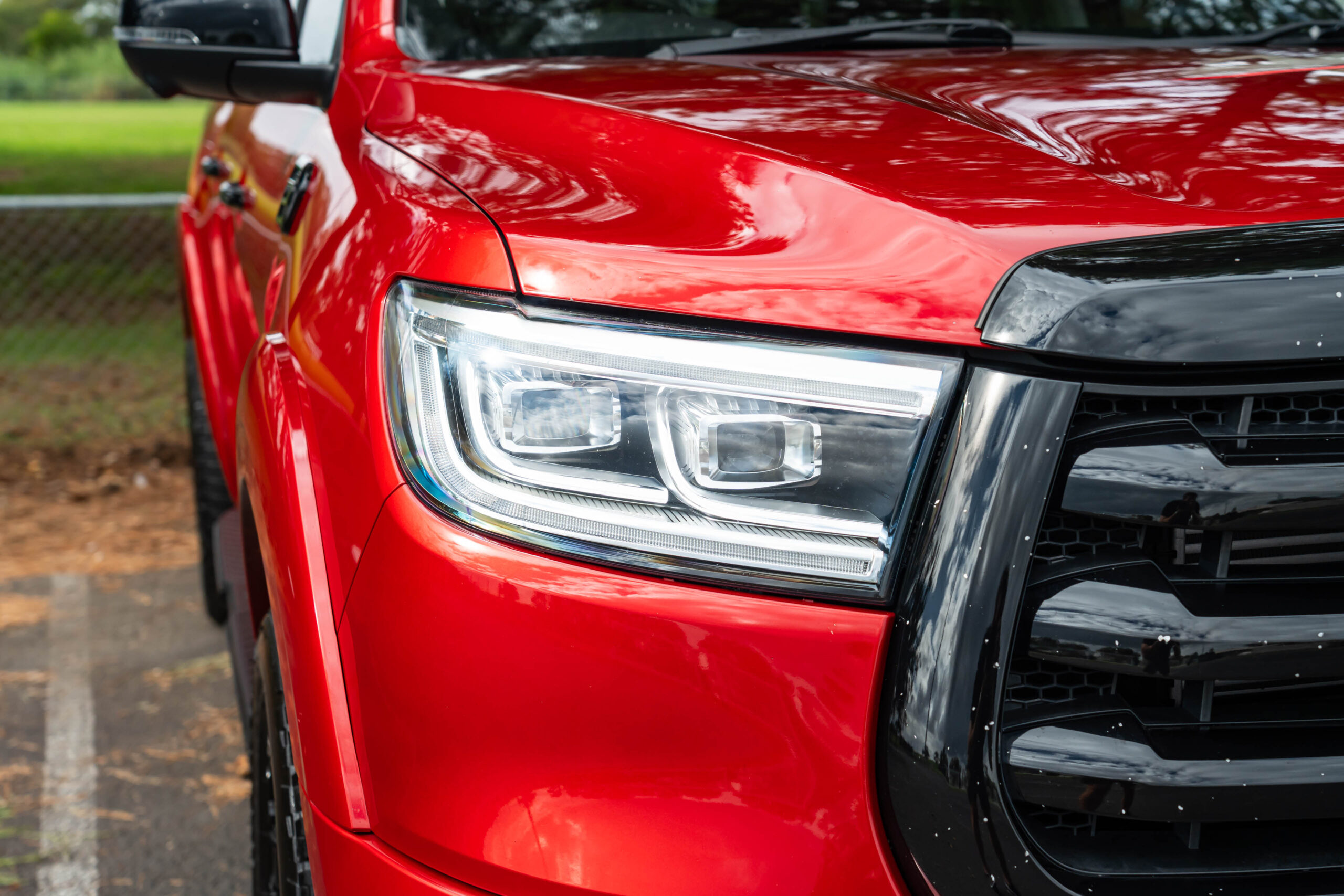
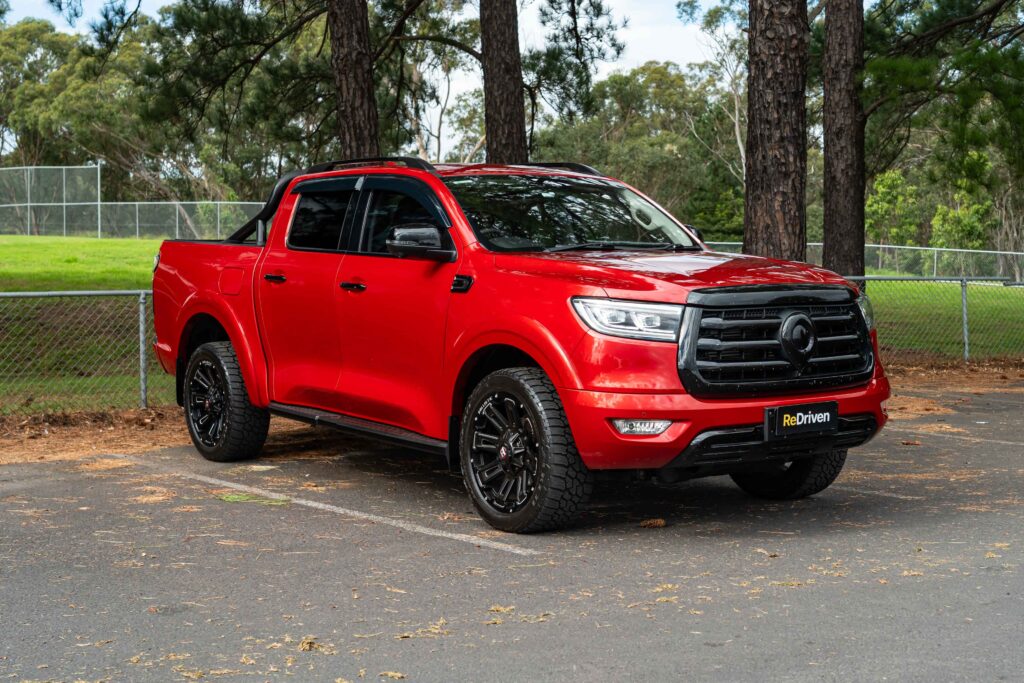
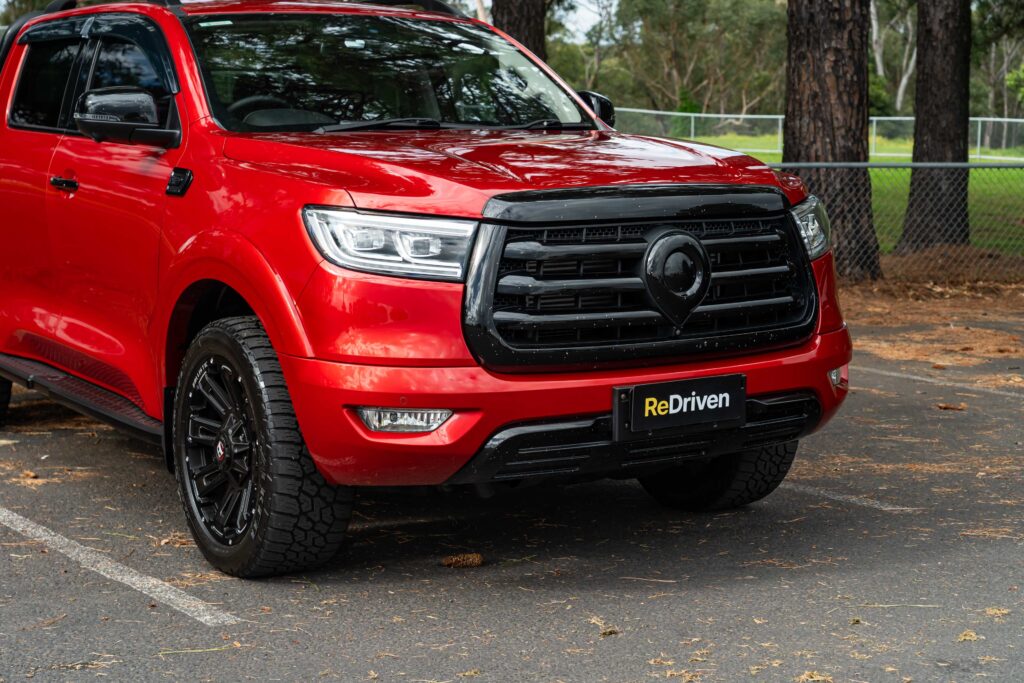
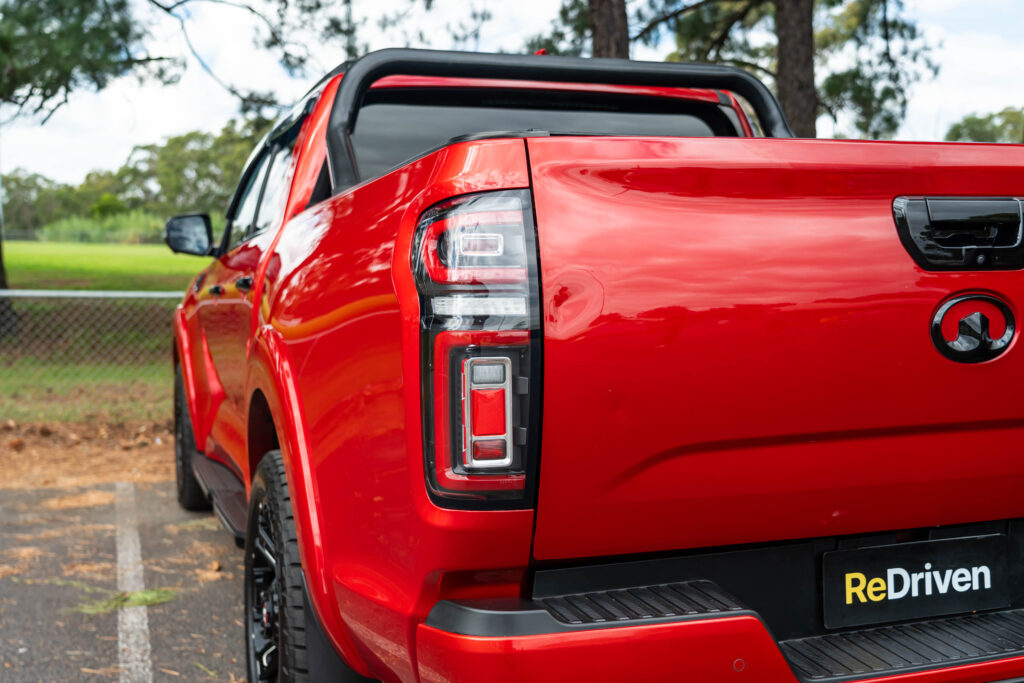
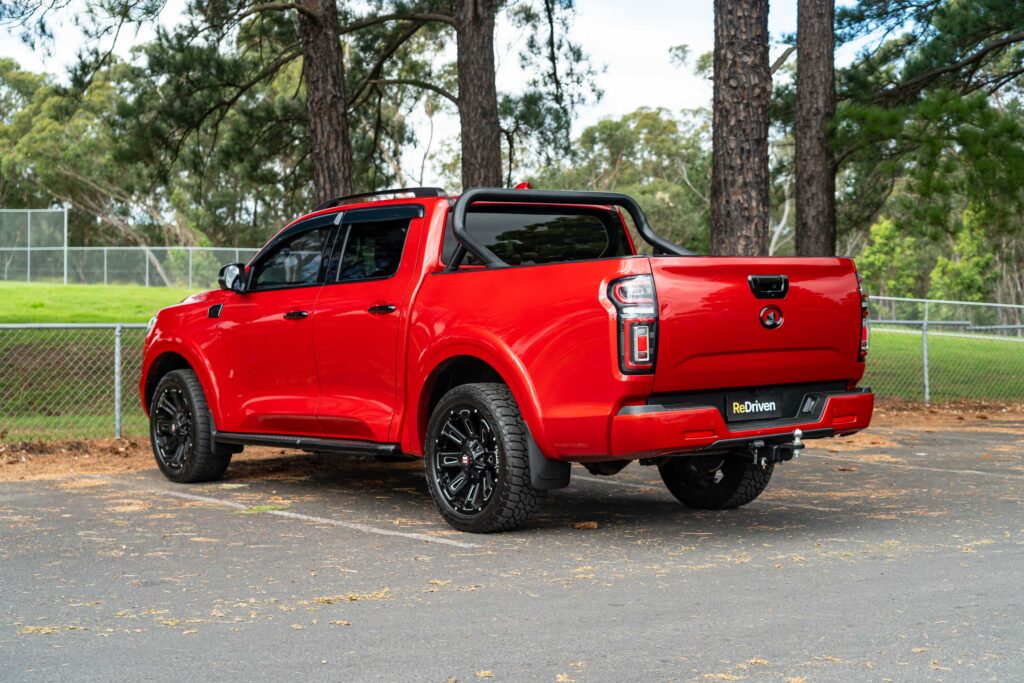
Corrosion issues affecting other Chinese utes (eg, LDV T60) are a hot topic whenever these vehicles are brought up, but the good news is that body shops and service techs we spoke to report the bodies of the GWM Cannon are proving to be built to higher standards – for now.
It’s no harm to still check common areas where corrosion can form (as with other utes), such as the rollbars, around the windscreen, and the roof sections.
The paint quality can be susceptible to marks and chipping easily, but the same can be said for pretty much every other vehicle in this class.
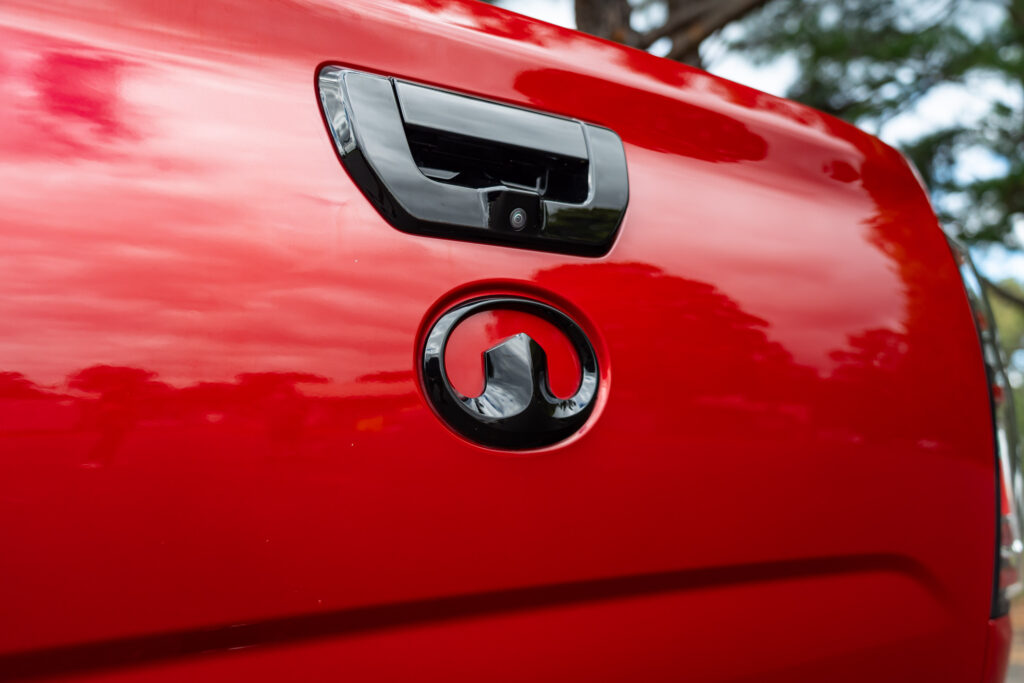
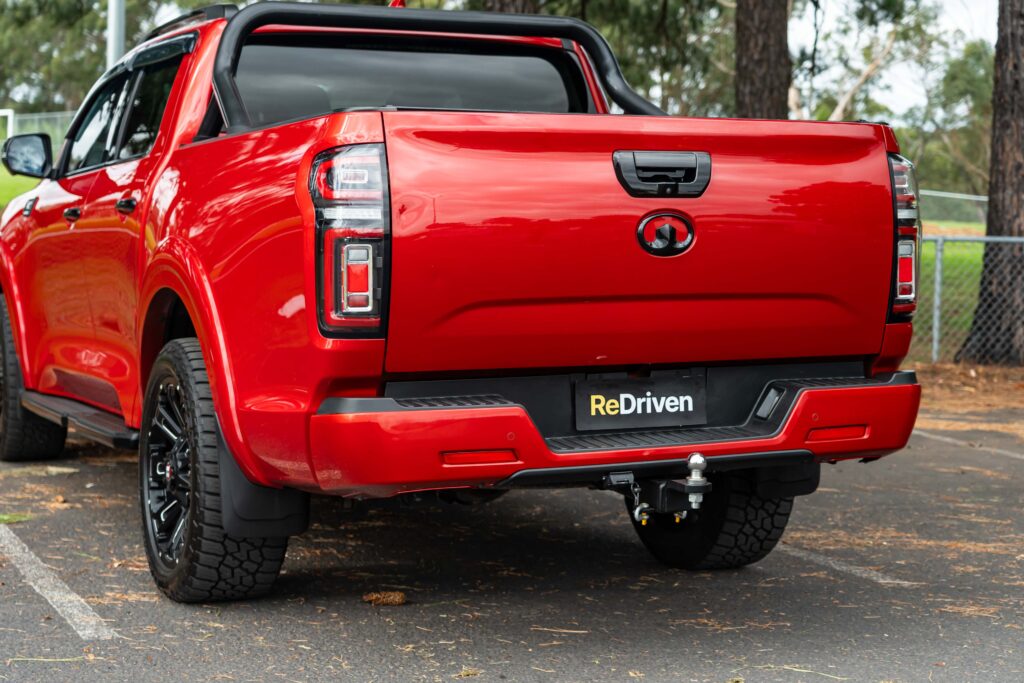
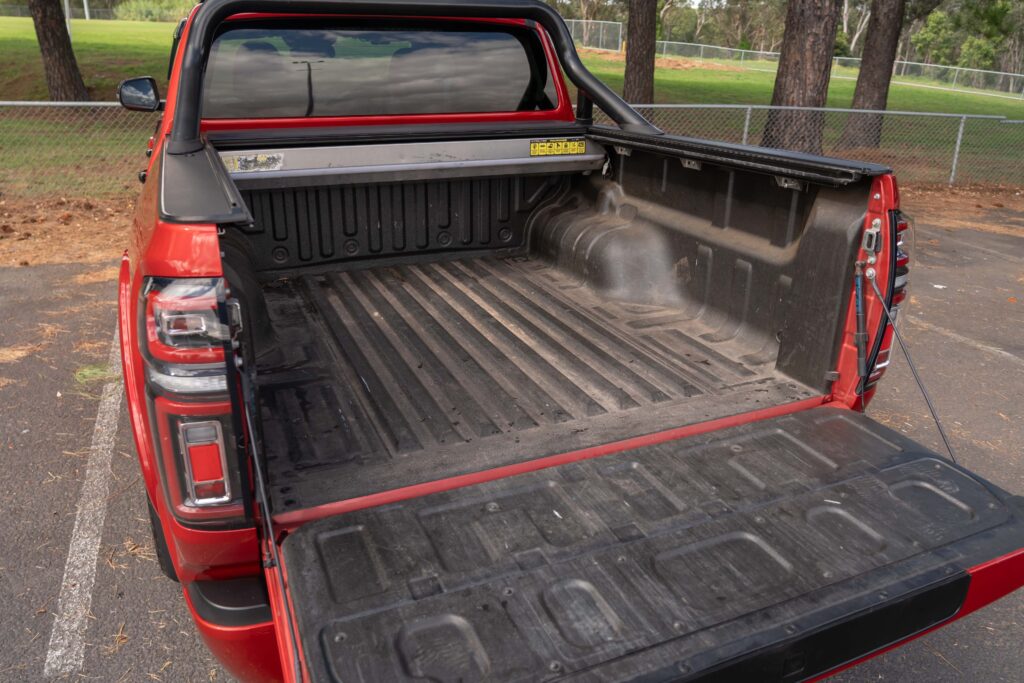
Oddly, the rear tailgate on pre-update models has no locking feature as standard, not even a physical key barrel on the handle. But there are plenty of aftermarket solutions you can install to add this, and it’s worth mentioning that higher-spec models 2025 onwards added integrated central locking.
The gas support struts for the rear tailgate can fail prematurely or generate more noise than usual, but it’s not too commonly reported.
Tailgate/rear truck bed issues aside, owners highlight that GWM has incorporated useful features in the rear bed that add to the all-around usability. A spray-on bed liner is featured even on base models, alongside an integrated, retractable step ladder for easy access.
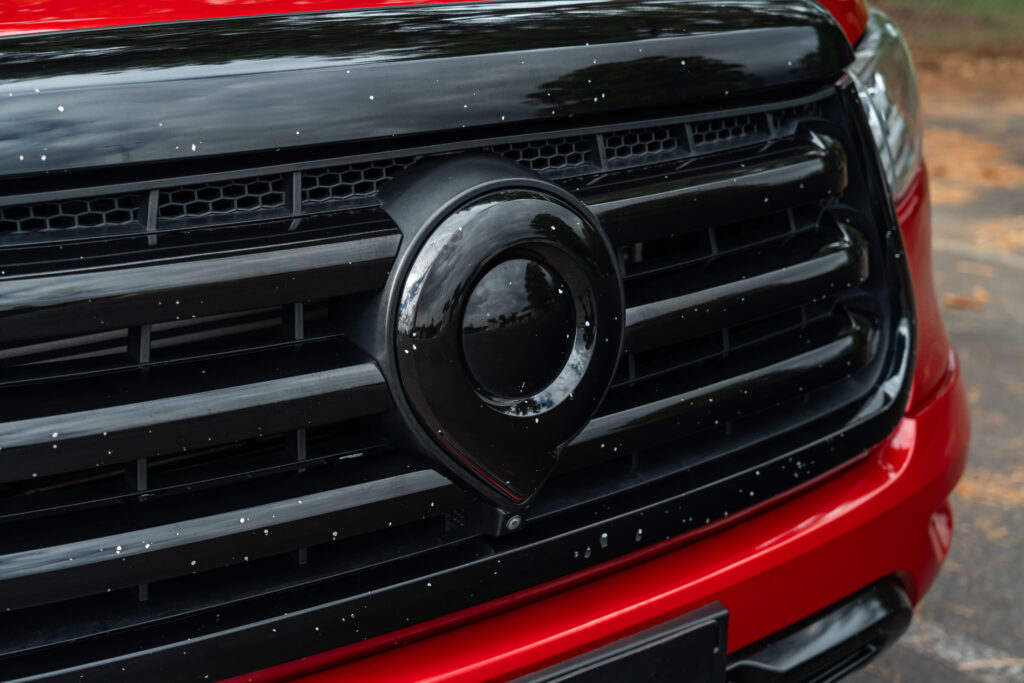
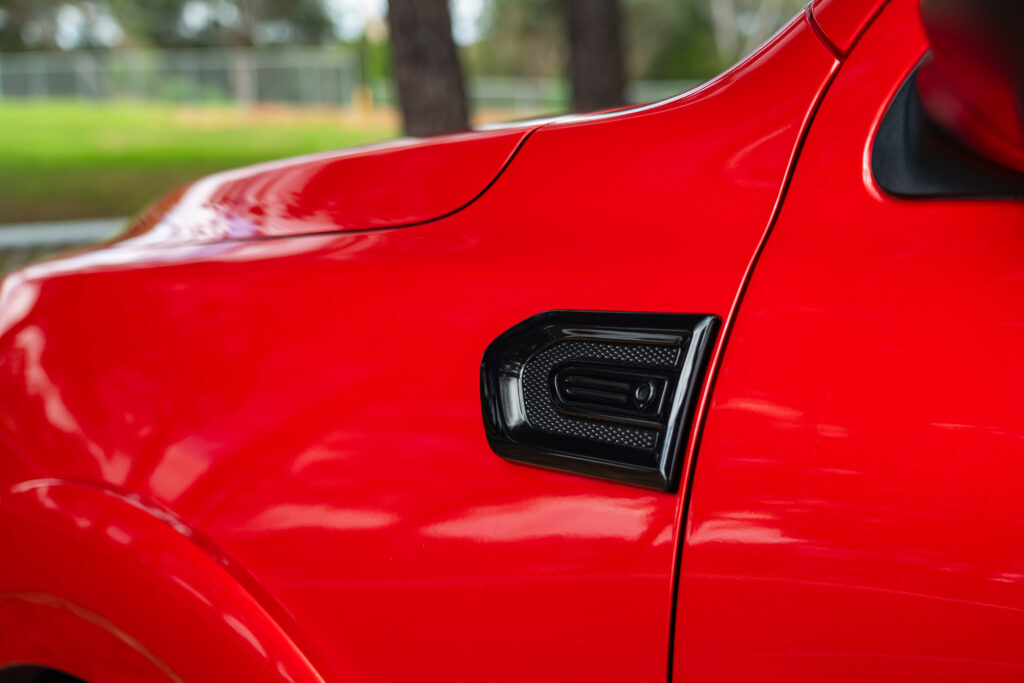
Some early models report that the exterior badges can peel or fade, but these issues were resolved quickly by GWM.
Interior:
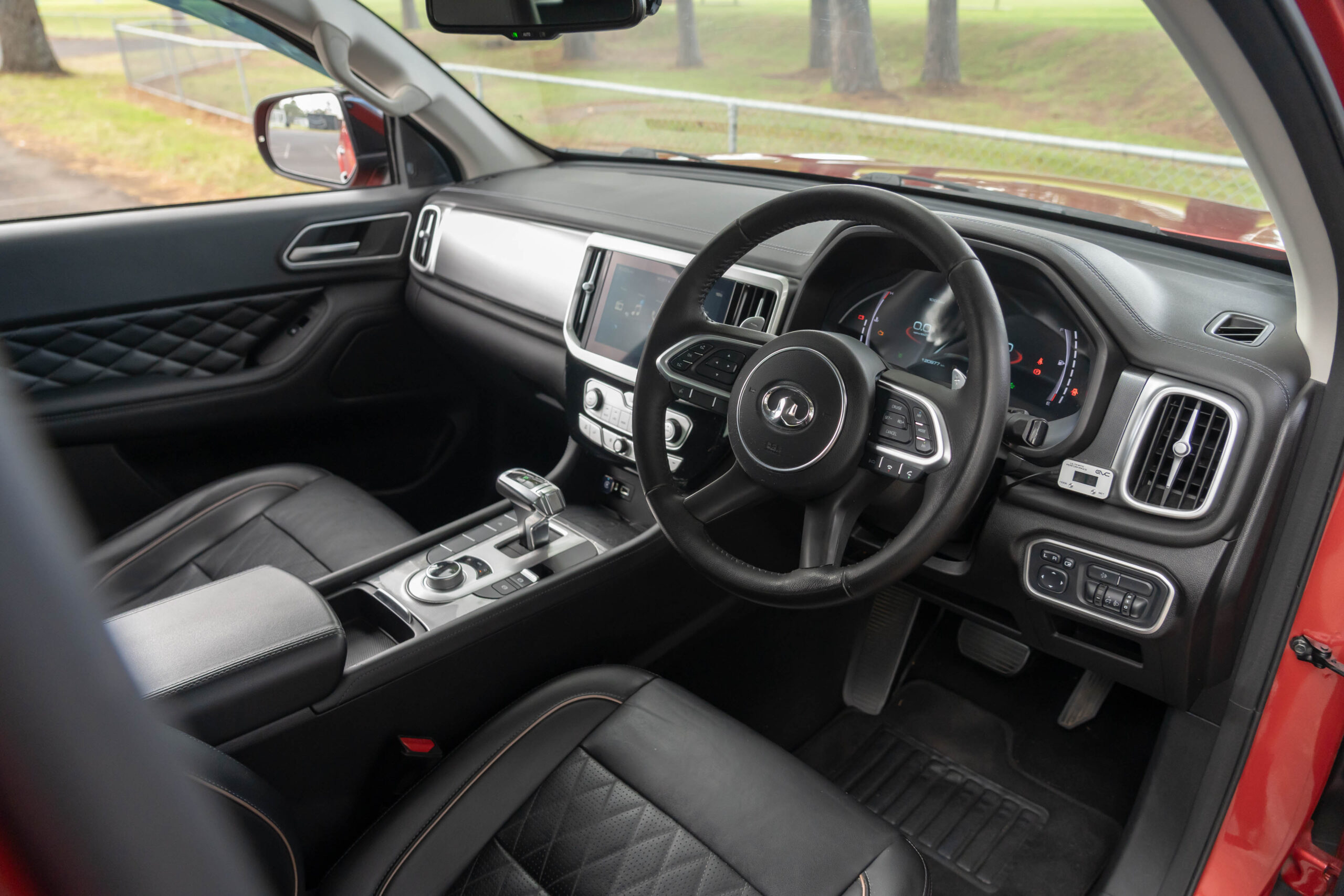
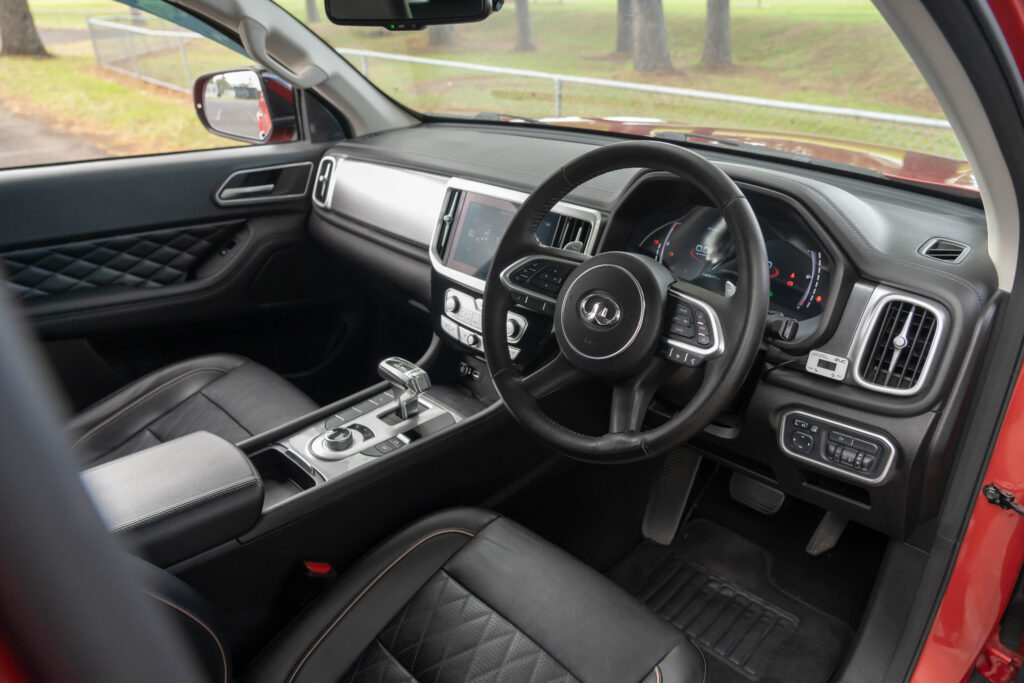
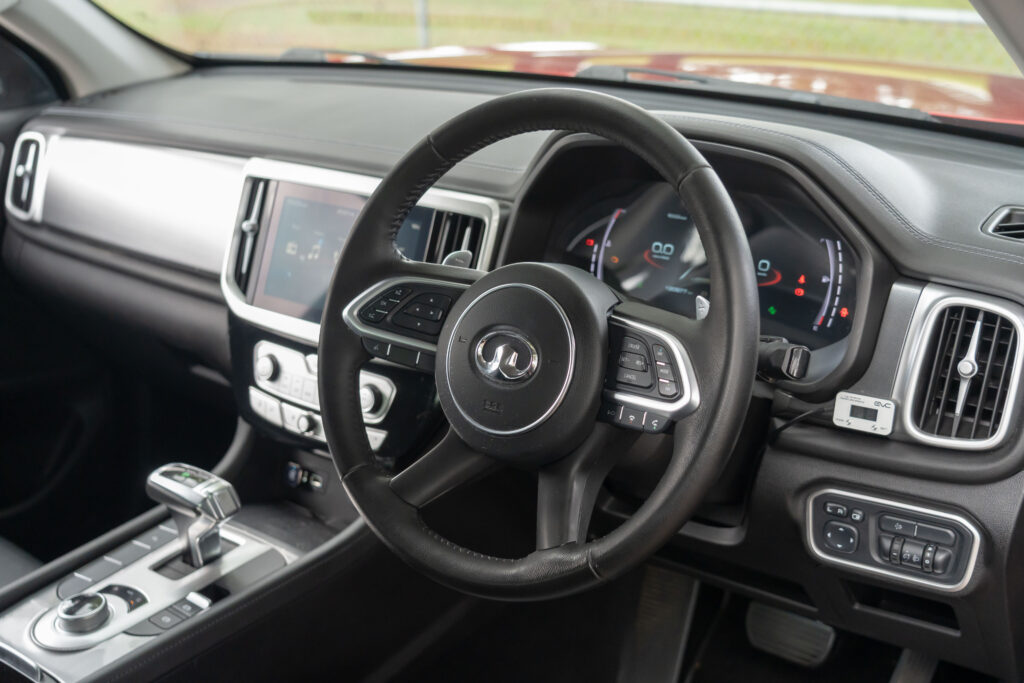
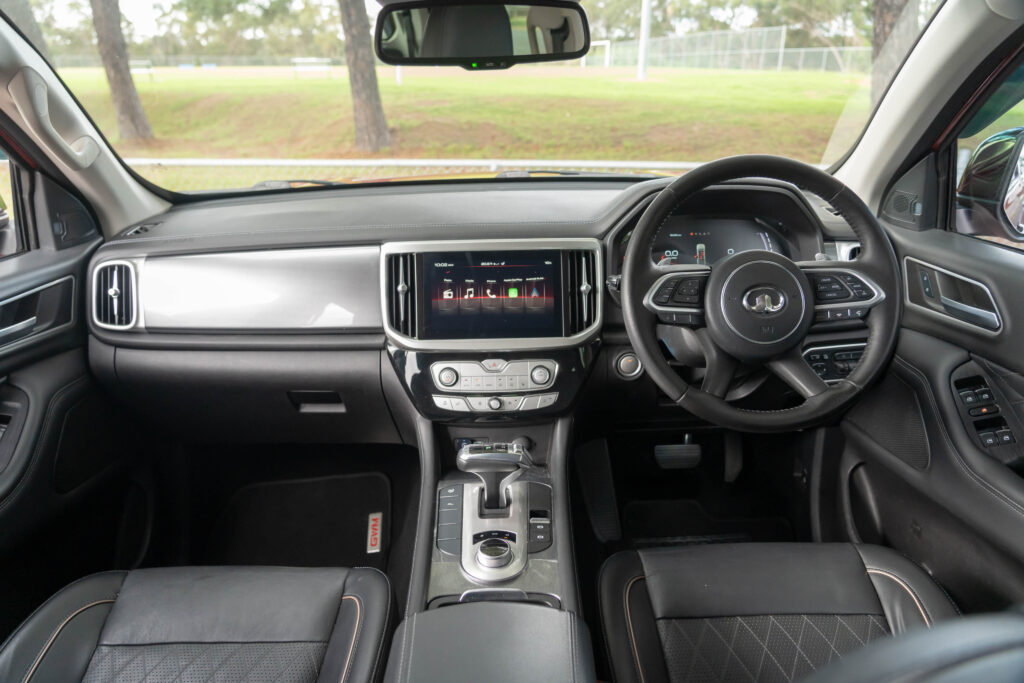
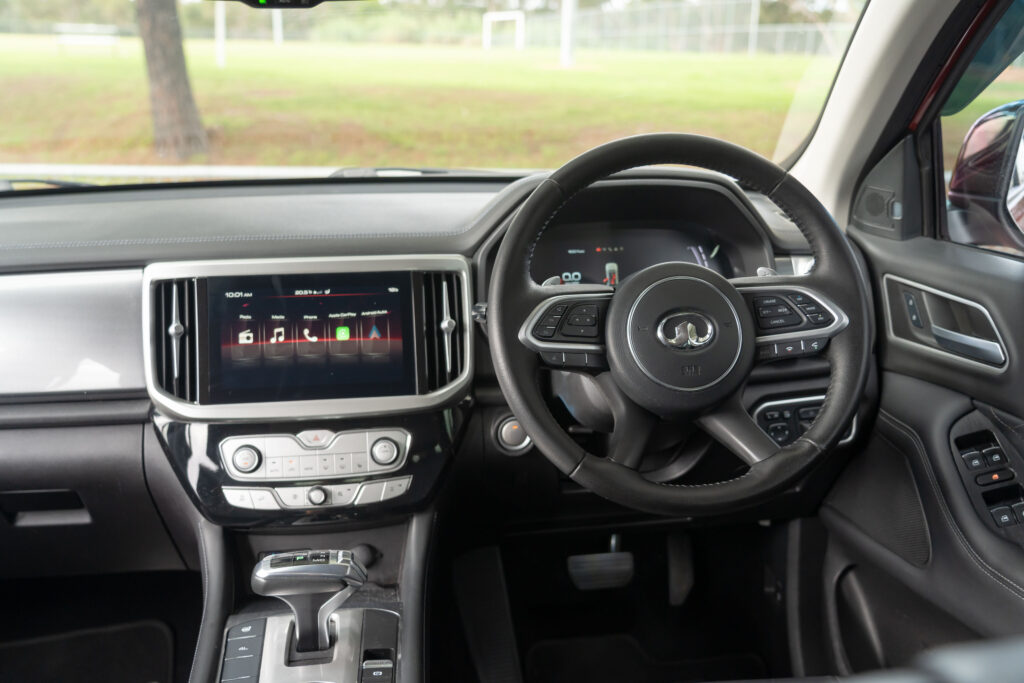
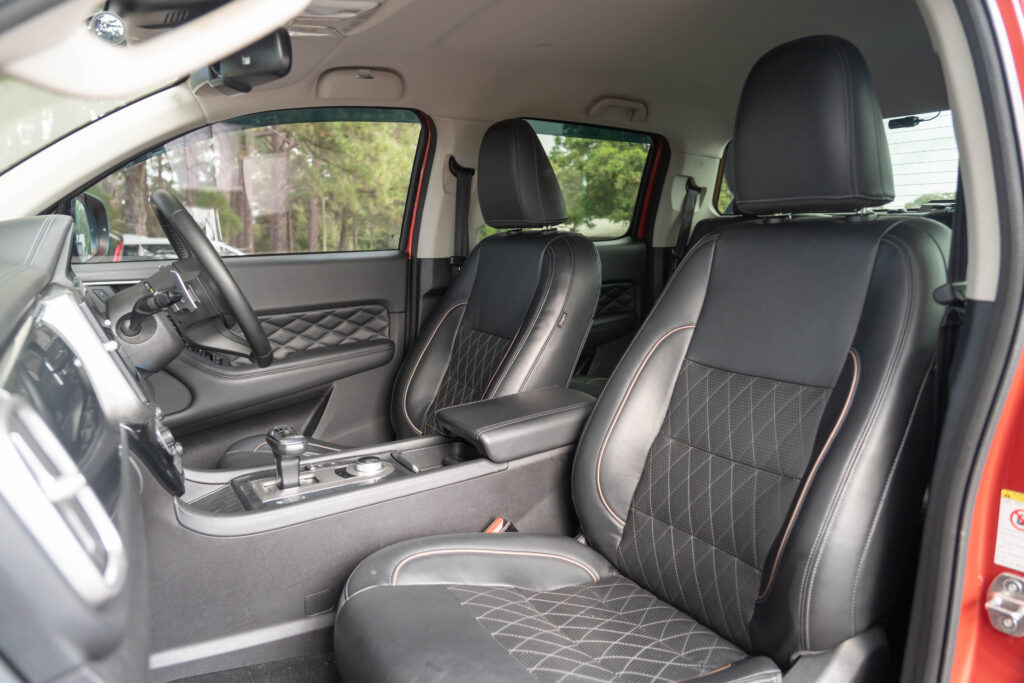
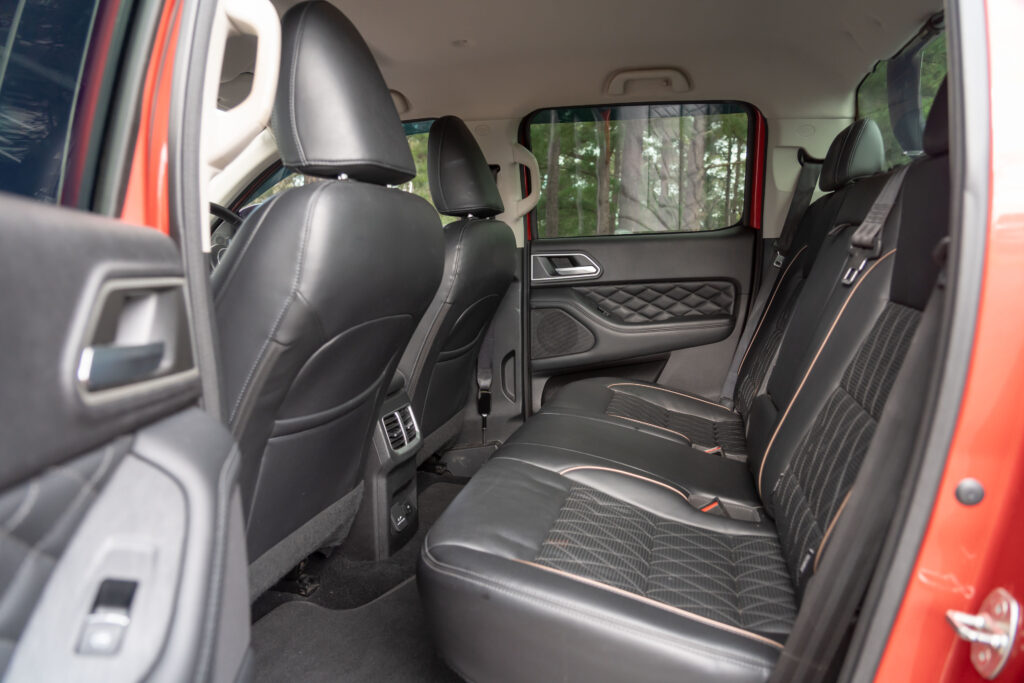
Many owners are reporting that the cabins are proving to be well constructed and very resilient – comparable to the levels of build quality you find in the likes of the Toyota Hilux and Ford Ranger.
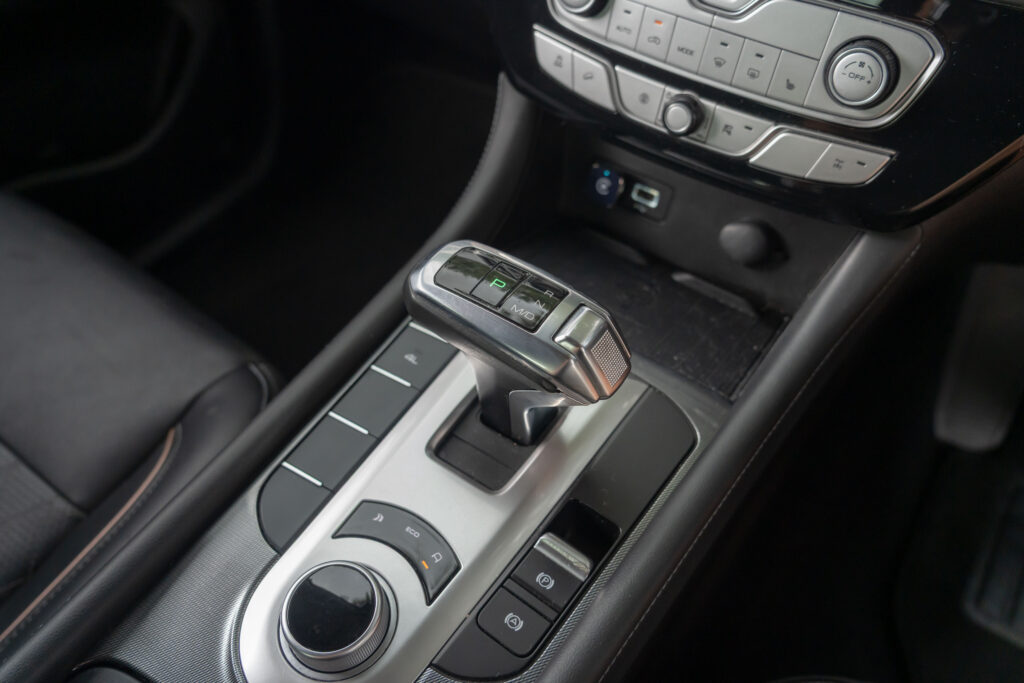
Minor complaints do creep up – the eco-leather material on early models can experience premature wear, and owners say the cupholder design is known to be frustrating.
But overall, the build quality is proving to be better than what most expect from a Chinese brand, with little to no reports of cabin trim/material rattles or the feeling that they’re subpar; with very few reports of electrical gremlins as well.
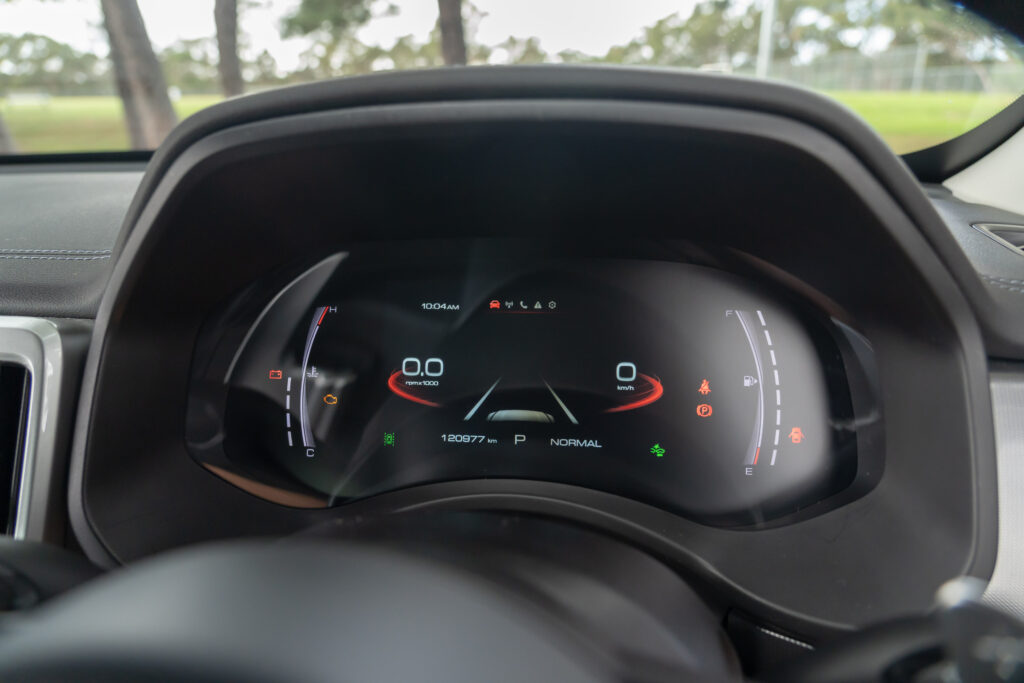
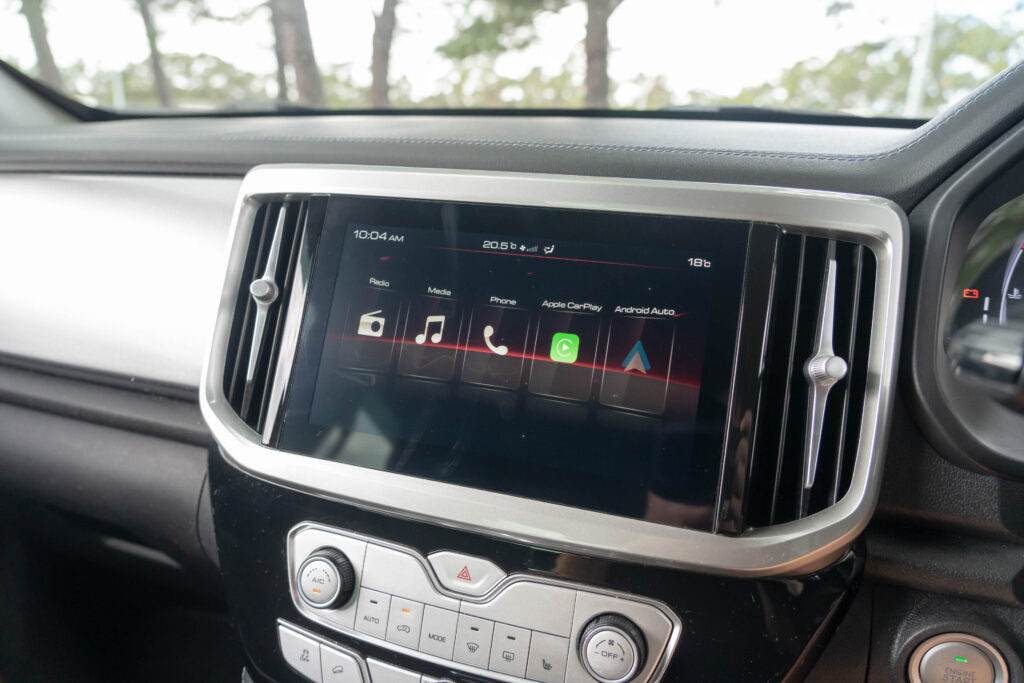
We’ve read interior design and materials significantly improved on the latest post-update models – cabin material qualities increased, plus the tech was improved across the board and featured a larger, newer screen and updated interface.
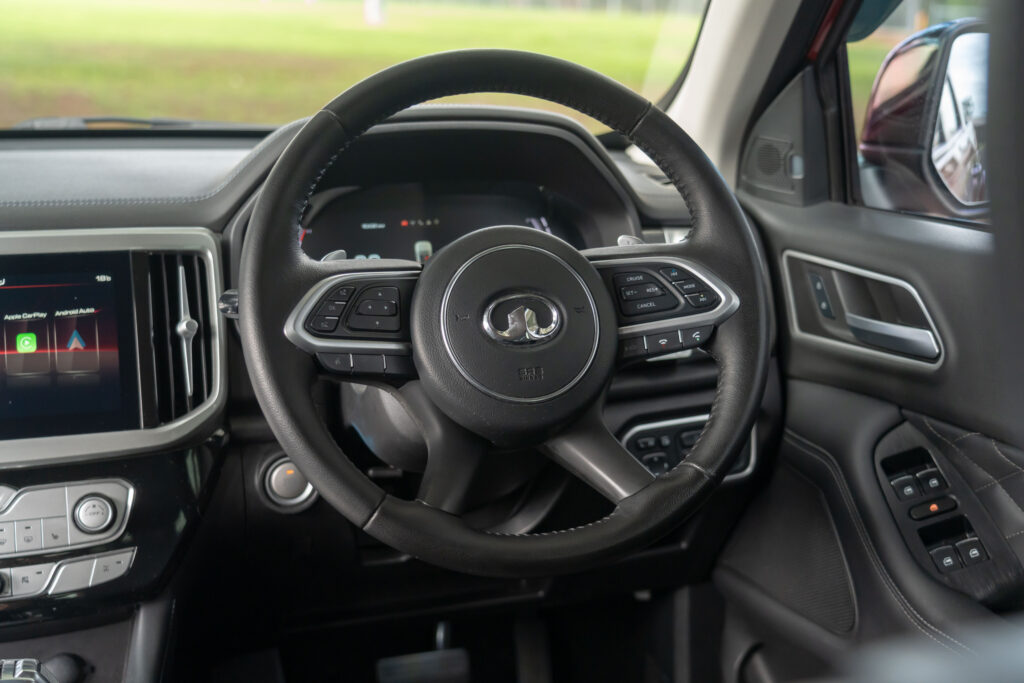
That being said, pre/post-update infotainment systems can experience some issues – namely, the usual inconsistent Apple CarPlay/Android Auto/Bluetooth connections, but owners report that software updates resolve these quickly.
Many owners have complimented the UI, finding it very intuitive to use, and the rear-view/around-view camera quality is excellent, especially the ‘see-through 360 view’ mode on top-spec models, which is very useful in tight parking or off-road situations.
However, some complain that the audio quality for both the microphone for phone calls and the stereo in general is pretty average, but these can be improved with aftermarket parts.
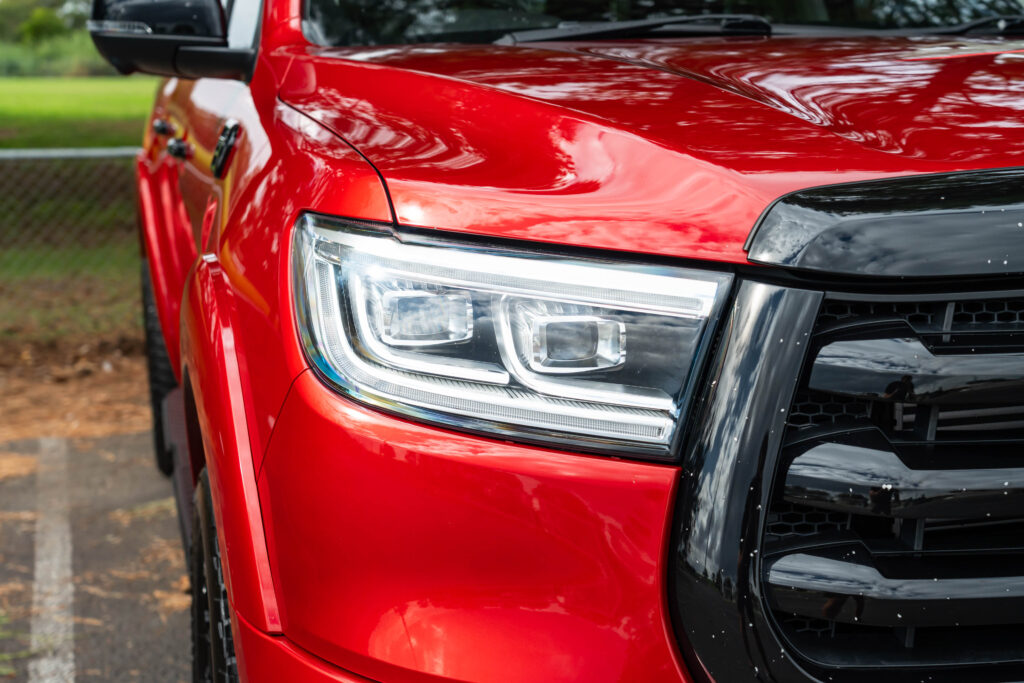
A minor detail some owners of early models experience is the quality of the turn signals, which is stated to have been improved post-update.
Various ADAS tech is featured as standard, but we’ve heard owners complain about systems like the active cruise control and lane keep assist being poorly calibrated or overly sensitive.
Mechanically:
Great Wall Motors currently offers a very competitive 7-year, unlimited-kilometre warranty in Australia, which is among the best compared to other utes in this segment (Toyota, Ford, and VW only offer 5-year coverage, but 10-year programs from Mitsubishi and Nissan are more comprehensive).
However, it’s important to note that GWM’s warranty has some strict terms and conditions, so take time to read the fine print to avoid voiding it.
Unfortunately, like what customers of Chinese brands continue to report, GWM dealer experiences can be quite inconsistent. Some owners report exceptional service, while others have dealt with such poor treatment that it’s led them to avoid the dealerships entirely – and this inconsistency is more apparent when owners attempt to file warranty claims.
Parts supply and turnaround for maintenance is also something owners have complained about, from a lack of locally available supply to long delays for components like windscreens, sensors, and body components. But do note – this seems to be the case across the entire industry and not just one specific brand.
Towing capacities are fairly decent for the Cannon – the 2.0L models are rated at 3 tonnes, while the latest ones with the 2.4L engine and nine-speed automatic can pull up to 3.5L tonnes. If you are still sceptical of this ute’s towing potential, we recommend watching the testing done by Jordan of the ‘Wheels By The Ocean’ YouTube channel.
Owners and the automotive press criticised early models (MY2021) for subpar ride quality and driving characteristics. In particular, the setup of the front/rear suspension was criticised for being ‘abysmally soft’. GWM took note of this and returned the suspension for models late 2021 onwards, but the biggest improvements came with the Cannon’s first major midlife refresh.
Post-update models (2026 onwards) report far better ride quality and less firm suspension, in part because the upgraded AT1 (Australian Tune #1 package) suspension they use has been refined by a team led by ex-Holden engineering talent, Rob Trubiani (who serves as GWM Australia/New Zealand’s chief engineer).
Thanks to the testing and fine-tuning they’ve received at Victoria’s Lang Lang proving ground, many report they are far better optimised for Australian road conditions.
Even for a fairly new ute model, the aftermarket support for the GWM Cannon is quite strong, but as we’ve advised with other models, check that any non-original parts installed are legal and compliant within your region.
Engines:
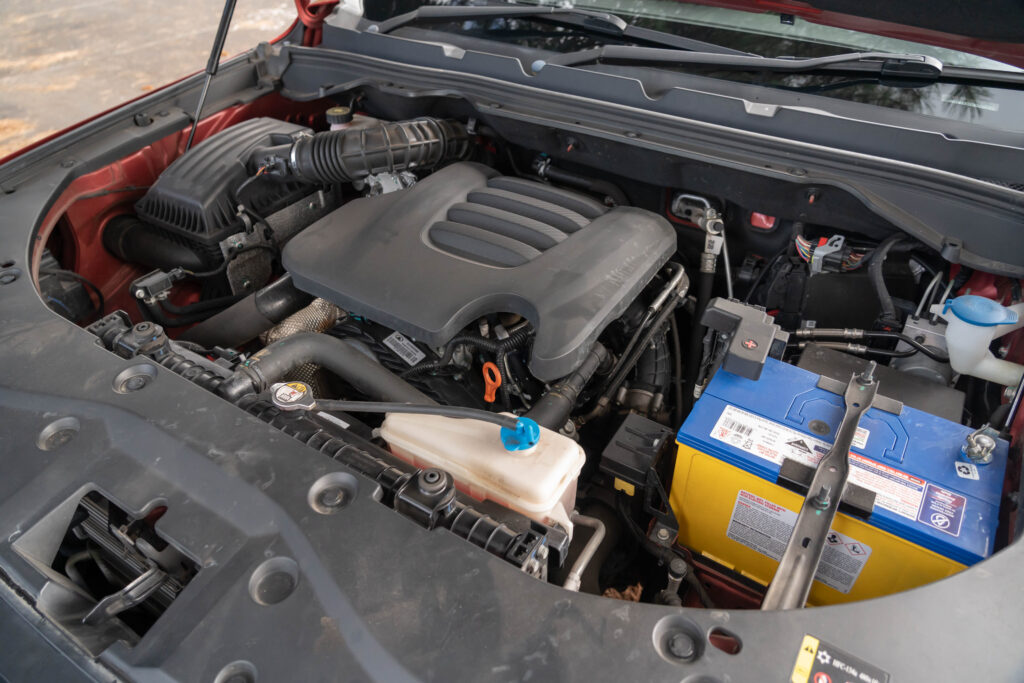
2.0L turbodiesel four-cylinder
As with other modern-era turbodiesel units, the same list of common issues is worth keeping in mind when it comes to reliability – DPF (Diesel Particulate Filter) blockage and regen issues (on short trips), irregular EGR (Exhaust Gas Recirculation), and turbo issues.
GWM’s turbodiesel powertrains are still fairly new on the market, and the 2.0L is generally quite robust, based on the latest available information.
Occasional reports of the intercooler pipes splitting are known – most modern turbodiesels can experience this.
Oil leaks can also happen from the rear of the head, caused by a faulty vacuum pump. Also prone to oil leaks are the engine mounts, which can fail easily.
We have also heard some instances of the fuel pump within the fuel tank failing, but it’s not too commonly reported.
GWM recommends servicing every 10,000 kilometres, which is fairly ahead compared to the intervals stated by other brands. However, we’ve heard reports of components like the turbocharger failing at fairly low kilometres (~65,000 km).
Hence, we strongly recommend being on top of all the routine maintenance and servicing to make these last, even considering doing servicing every 7,500 kilometres to be safe.
They also recommend the timing belt should be replaced every 75,000 kilometres – whereas other models will state they can last every 100-150,000 kilometres or higher.
A few owners have complained that the 2.0L’s power delivery/throttle response can be a bit lethargic, but consult owners groups, and you’ll find plenty of suggestions for aftermarket solutions (throttle controllers) to improve their settings.
2.4L turbodiesel four-cylinder
The latest models that come with the 2.4L four-cylinder not only benefit from more power and the nine-speed automatic (versus the eight-speed), but also better fuel efficiency. Even when towing, owners report they can achieve around 10-14L per 100 kilometres.
It’s still too new to get any accurate info about overall reliability, but given what is known about the 2.0L engine, it should prove to be the same.
Transmission/Drivetrain:
Both the 2.0L and 2.4L use a ZF-manufactured automatic transmission (ZF8HP/ZF9HP). ZF transmissions have a track record of being solid units; as a result, they’re used in all types of models from European to American brands, including Chinese utes.
Some report slightly uneven gear changes, but there are aftermarket tunes/solutions to make them less rough.
Routine maintenance is still essential to keep these in working order – scheduled transmission fluid changes will benefit their longevity.
These also feature an intelligent BorgWarner transfer case that allows them to be very capable off-road when required, and unlike most 4WD dual-cab utes in this price range that need to be in rear-wheel drive mode to drive on sealed surfaces, the transfer case allows them to be more flexible on more terrain/surfaces.
Note the off-road-oriented XSR trim isn’t as flexible as it features both front and rear locking differentials, and therefore is limited to rear-wheel drive on sealed surfaces.
You can expect prices for GWM Cannons slowly making their way onto the secondhand market to start from $20,000 and top out around $40,000.
Even most fully-loaded examples with a decent amount of modifications will start from around $50,000, which is a fantastic value for money compared to rival utes offered by Ford and Toyota.
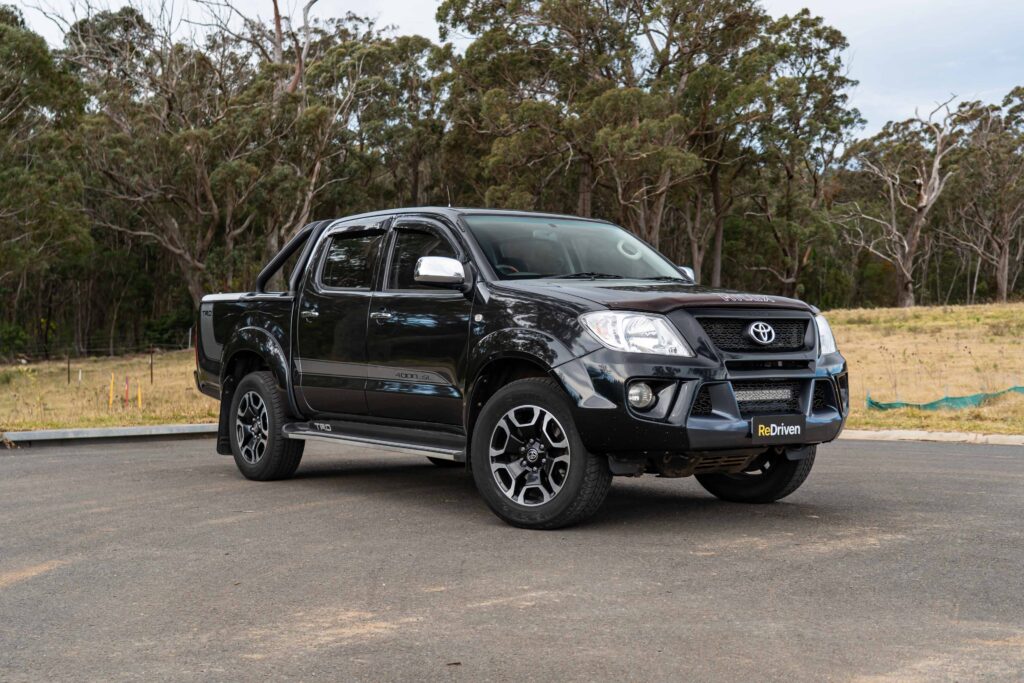
To put into perspective the value these offer in the used market: you can pick up a top-spec, 2021 low-kilometre Cannon X for roughly the same price as a base-model, high-kilometre 2018 Toyota Hilux Workmate; or even for the equivalent price of a Ford Ranger Wildtrack, they could pick up two Cannon X’s (of similar age/condition) and still have money left over.
While a GWM Cannon, on average, does lose a higher percentage of its value than a Toyota Hilux or Ford Ranger, don’t forget that it has a much lower initial purchase price. The result is that the total depreciation it experiences over 3-5 years is often less than an equivalent Toyota or Ford over the same period.
Even though current dealer and after-sales support may not be as strong as rival ute brands, with Chinese brands like GWM investing heavily in Australia to further develop their products for our market, that could not be as big an issue in the near future.
As we have said before, every ute has its own set of strengths and weaknesses (or ‘unique’ owners), but the GWM Cannon demonstrates you can get everything you need from a ute in this class, for far less money than what the majority of the alternatives will ask.
It may not stroke your inner ego as other midsize utes, but the Cannon shows Chinese-made utes are improving in refinement and product quality, along with more features/equipment within their entry-level trims that higher-spec models from legacy ute brands will charge a premium for.
Provided a pre-purchase inspection shows no concerns or issues, we’d strongly recommend looking into one of these if you’re in the market for a dependable workhorse.


Co-creator, presenter & writer, ReDriven

Yes. But only the right example.
 1 month ago
 5 months ago
 7 months ago