Australia’s No. 1 Used Car Review Website
Australia’s No. 1 Used Car Review Website
+24 Photos
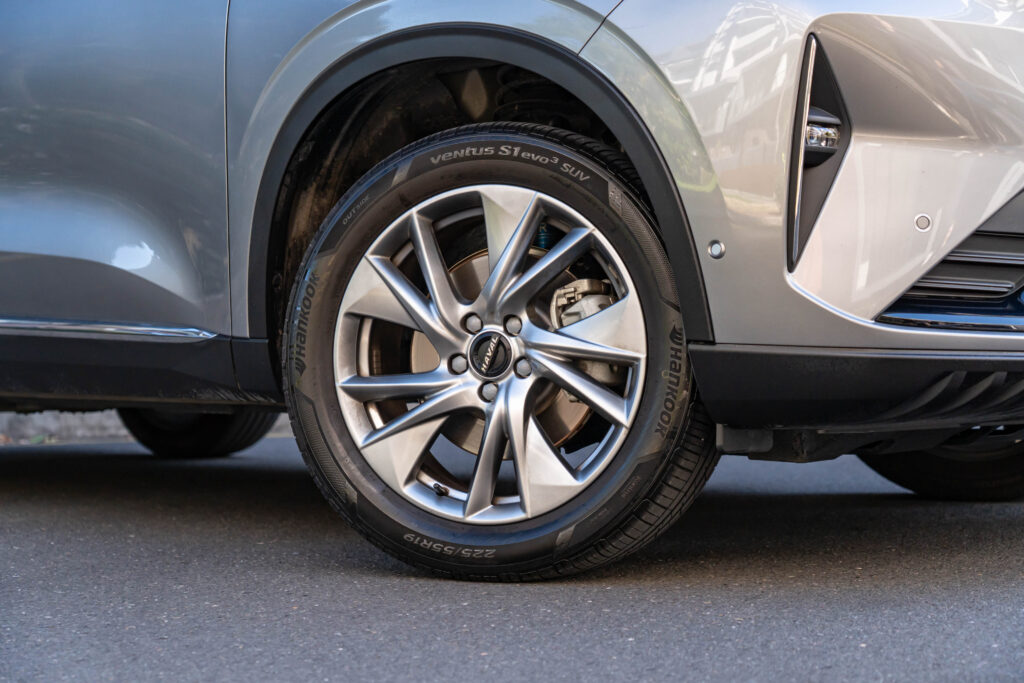
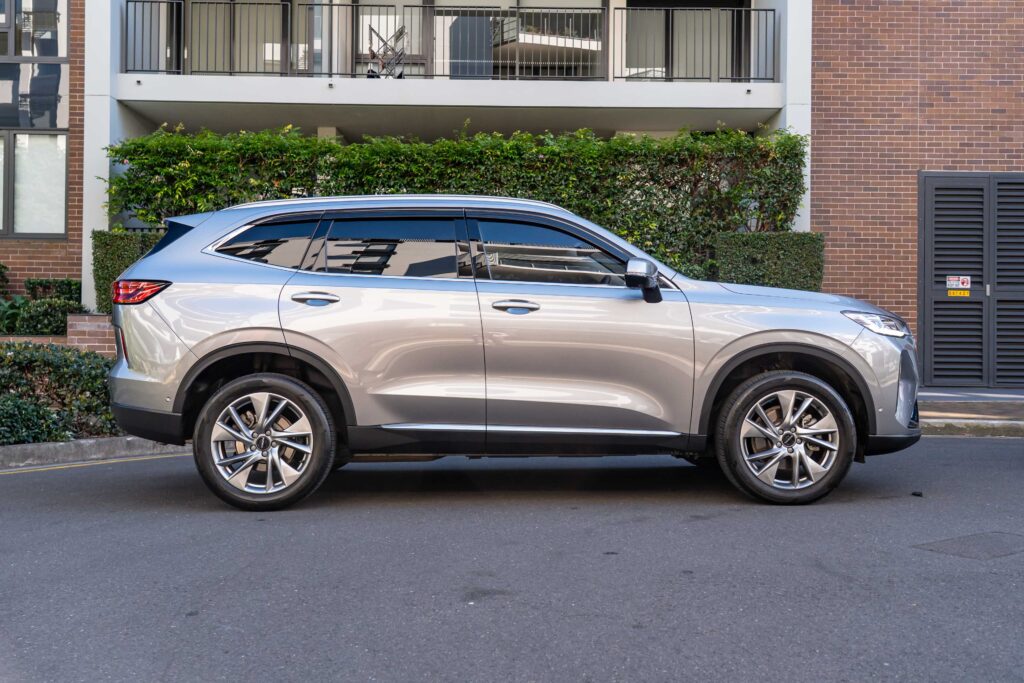
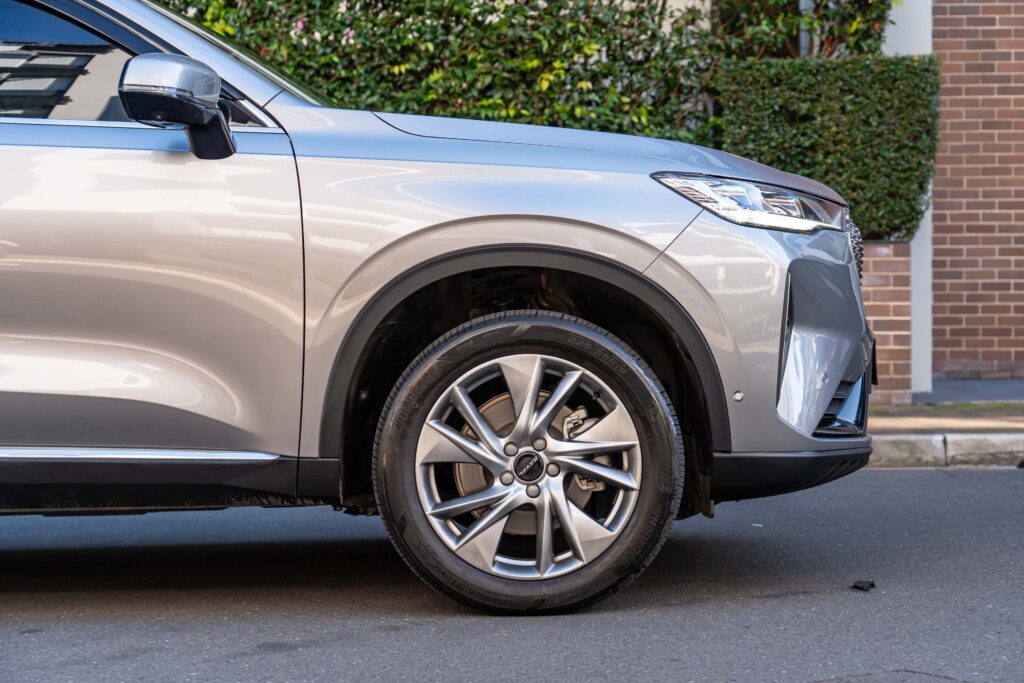
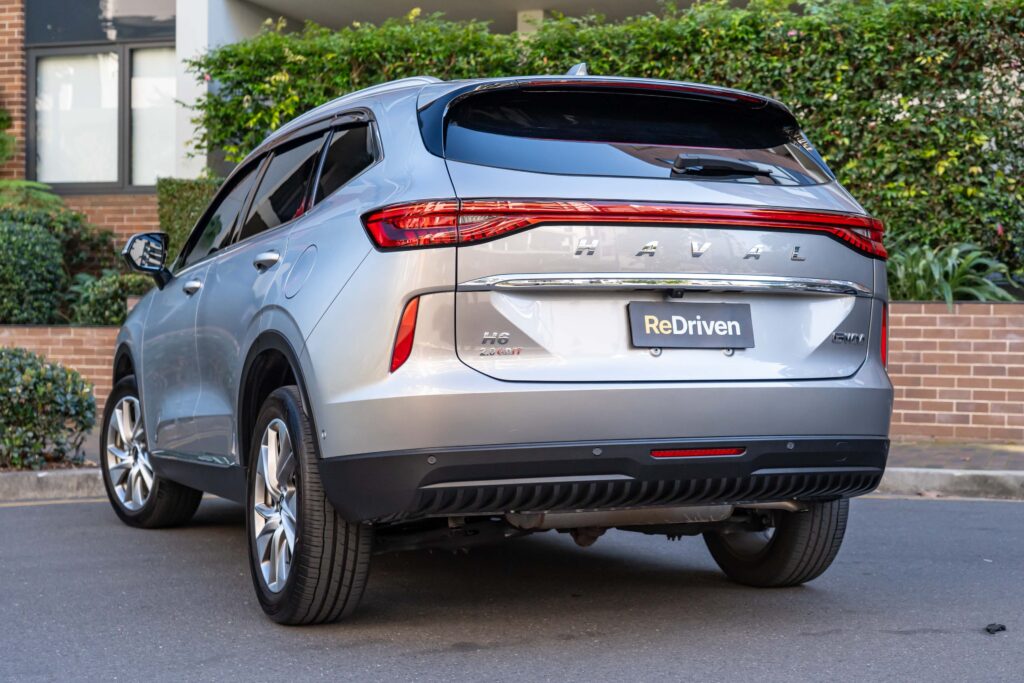

2022 GWM Haval H6 Ultra

13 October 2026
There are better cars out there.

2022 GWM Haval H6 Ultra

Used car review
13 October 2026
Launched under Great Wall Motor’s Haval brand, the H6 has been in production since 2011 in its native Chinese market, but has been available in Australia since its third generation from 2021 onwards.
Arguably, the H6 has been one of the most critical products in GWM history and its SUV-oriented Haval brand, as they expand globally outside of their native China, considering the model has (as of now) passed at least four million units in cumulative sales, making it one of the best-selling SUV nameplates internationally.
GWM has continually updated the Haval H6 since its debut, bringing a host of changes to each model’s specifications and powertrains (including output/fuel efficiency/front or all-wheel drive configuration), which can make identifying what examples are on the used market difficult.
While they can differ depending on region or market, in summary, the H6 has experienced one major facelift (2024 onwards) that also brought tech/ADAS calibration updates, and is available in two different body styles: a hatchback SUV and a ‘fastback’ coupe-SUV (H6 GT), and in certain regions, a long wheelbase version (H6L).
Australian-market H6s will primarily feature a turbocharged four-cylinder engine, which can also incorporate a self-charging petrol-hybrid or plug-in hybrid powertrain, sending power to the front or all four wheels, using a dual-clutch automatic or a multi-mode DHT (Dedicated Hybrid Transmission, exclusive to the PHEVs).
Comparable SUVs to the H6 include a host of legacy models from Japanese, Korean, and European brands, alongside the many SUV offerings from the latest or soon-to-debut rival Chinese ones.
Exterior:
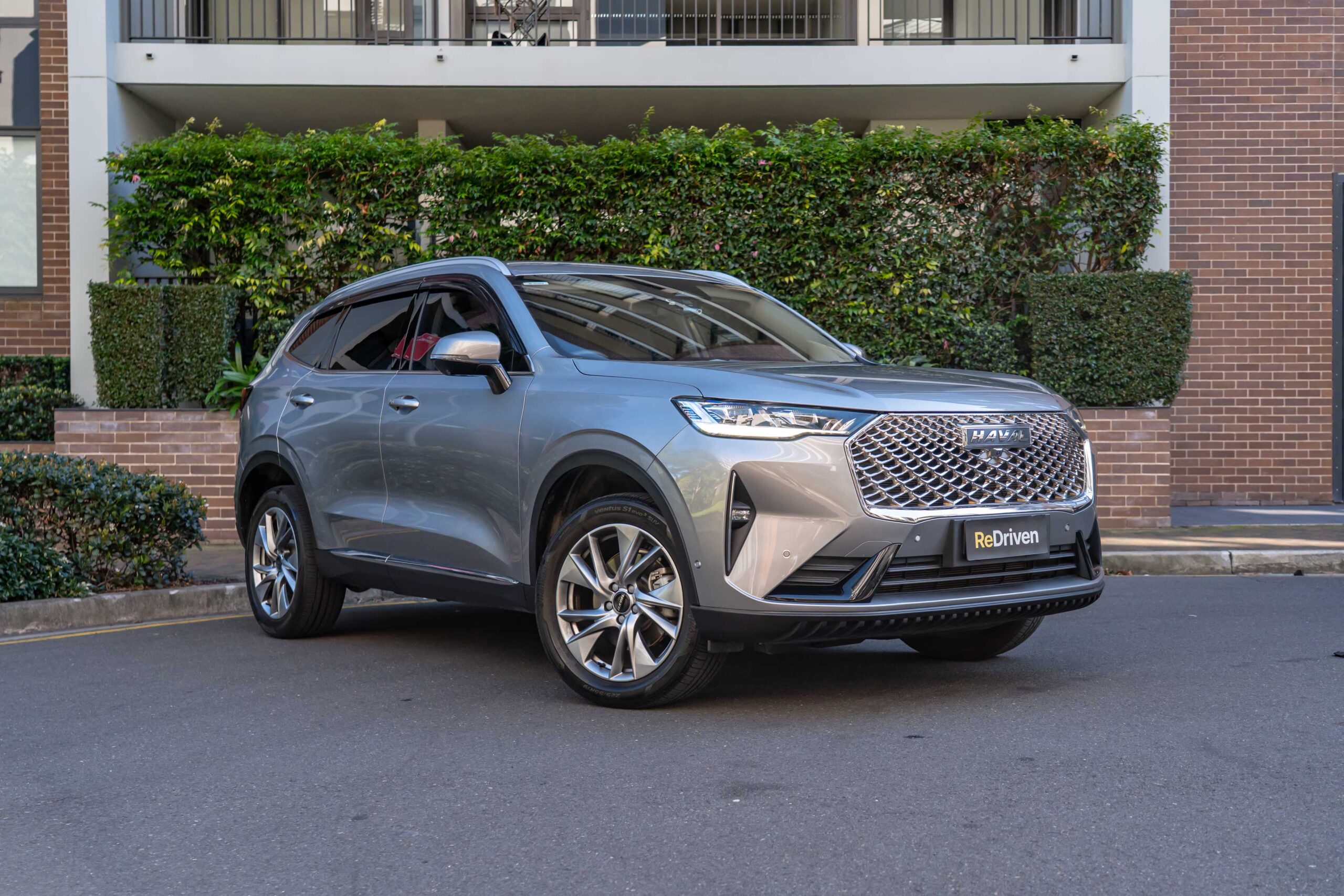
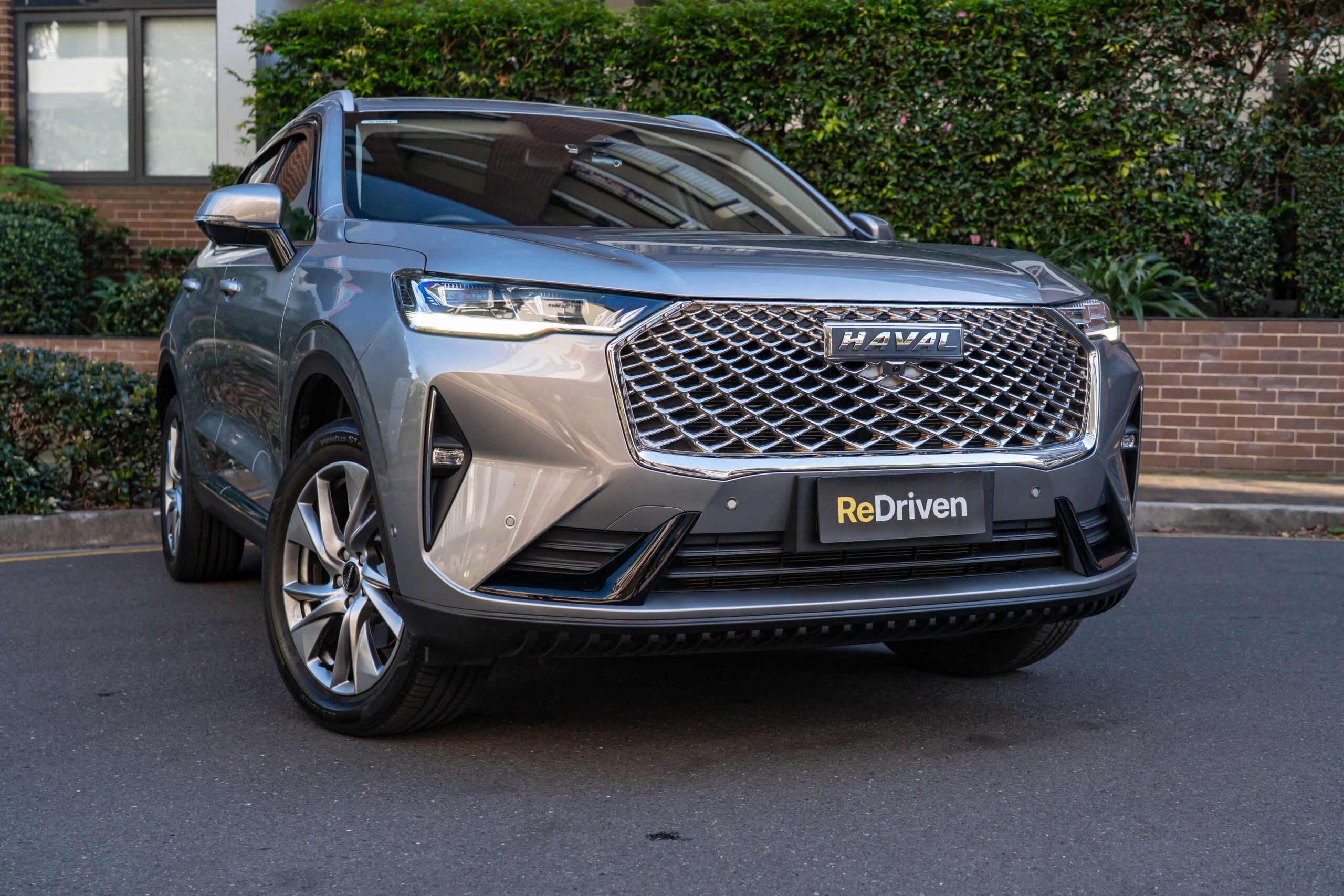
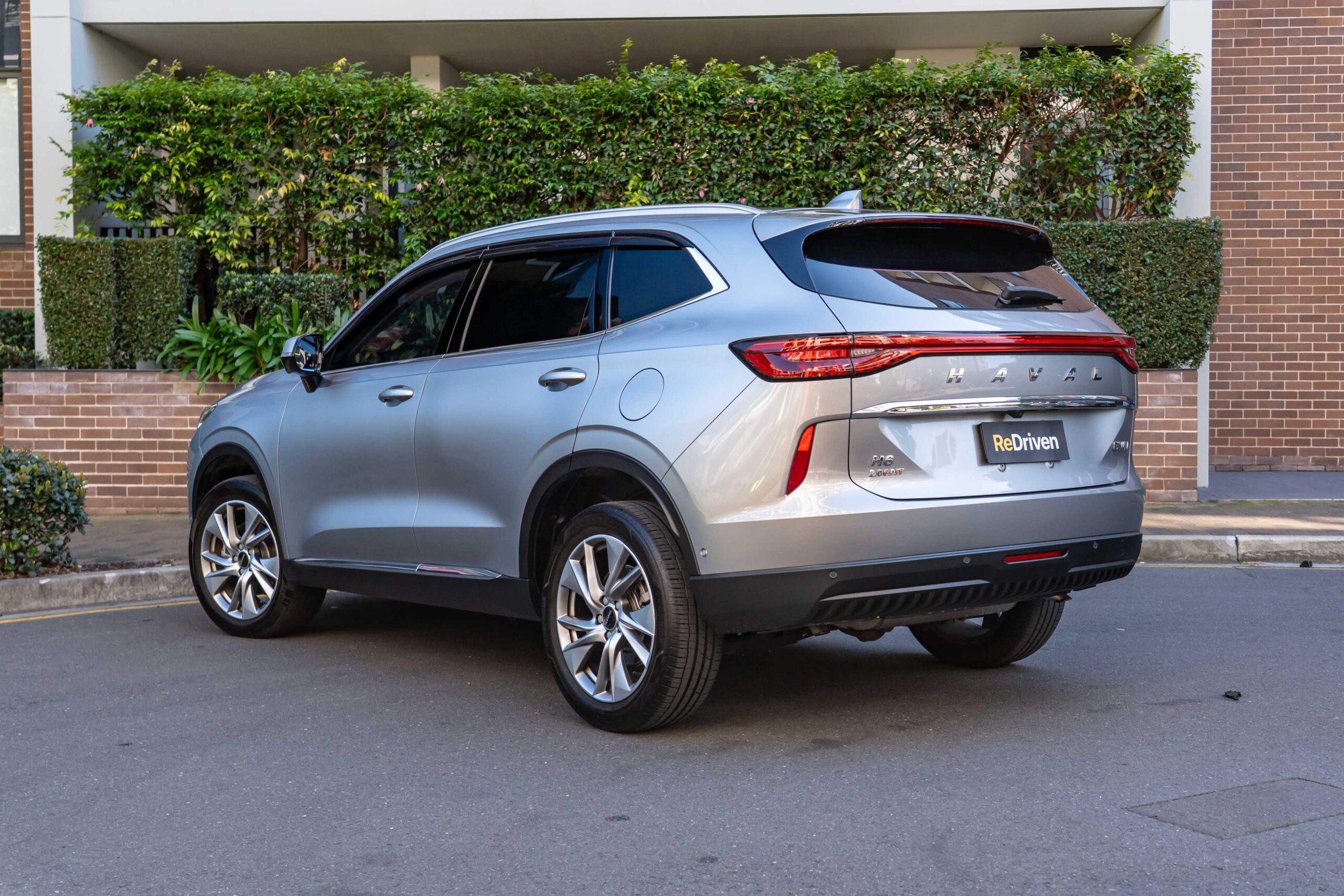
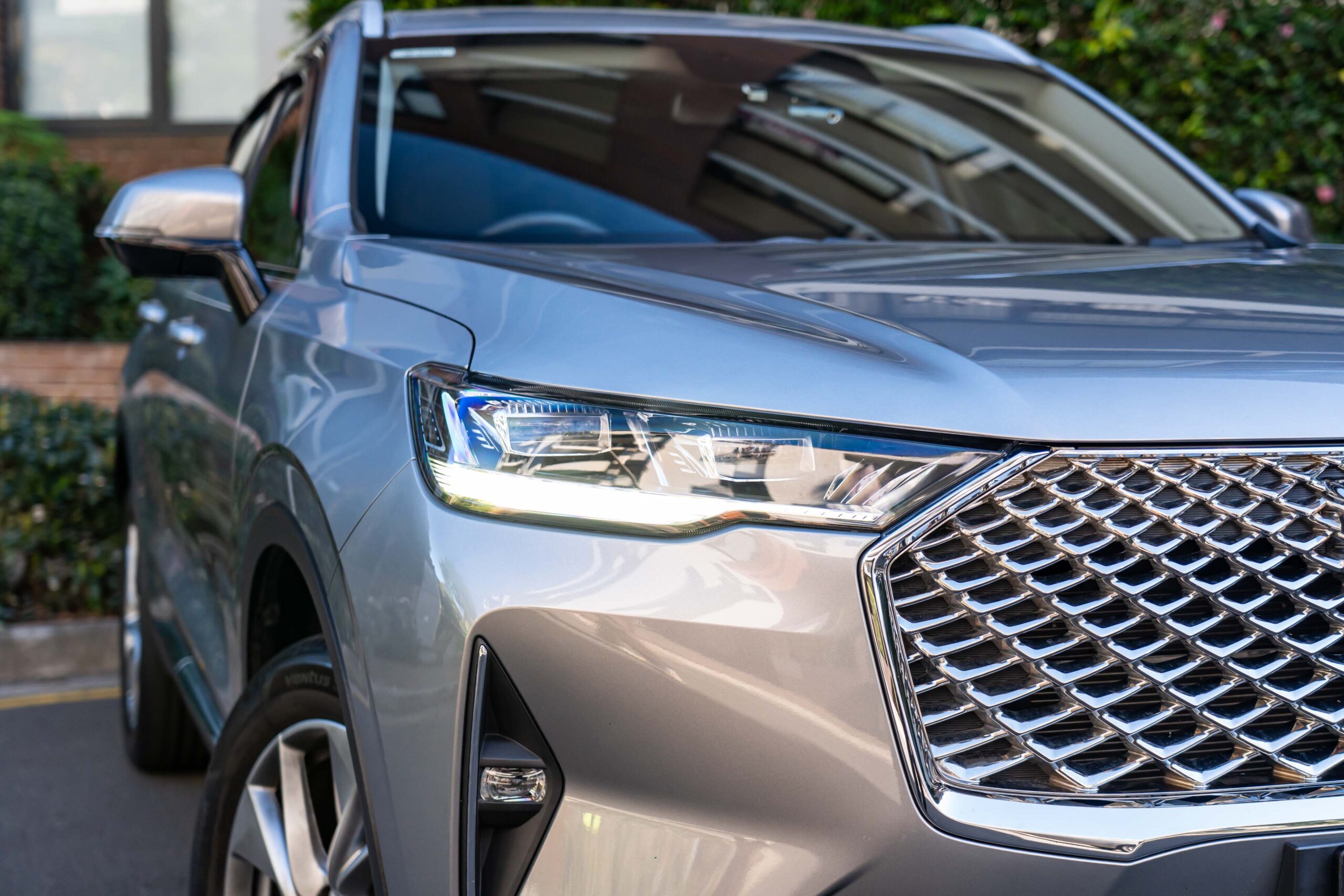
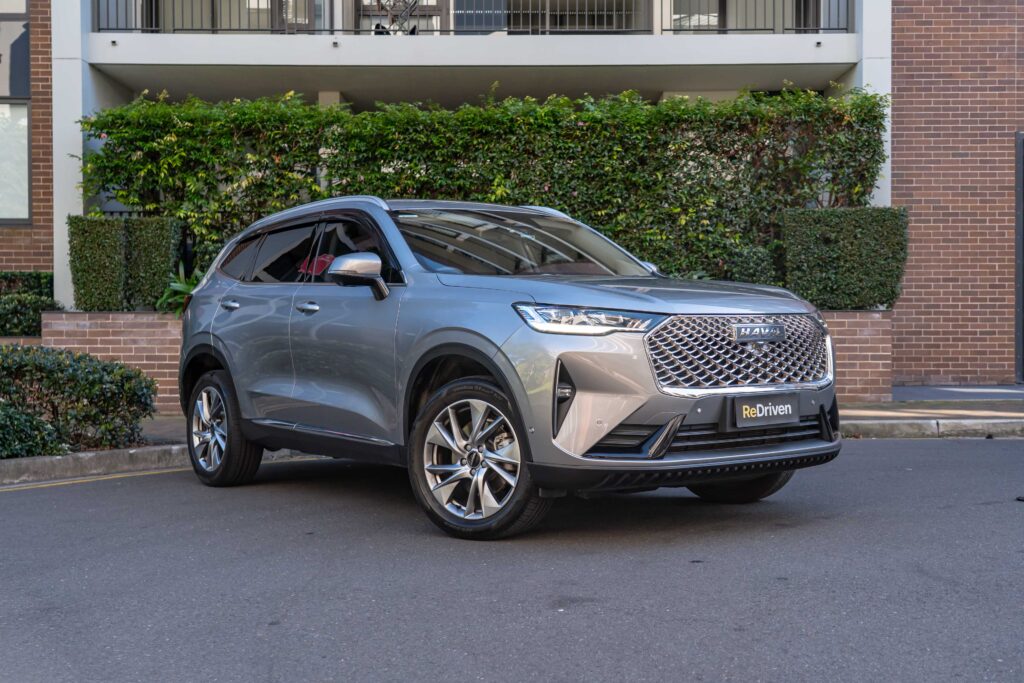
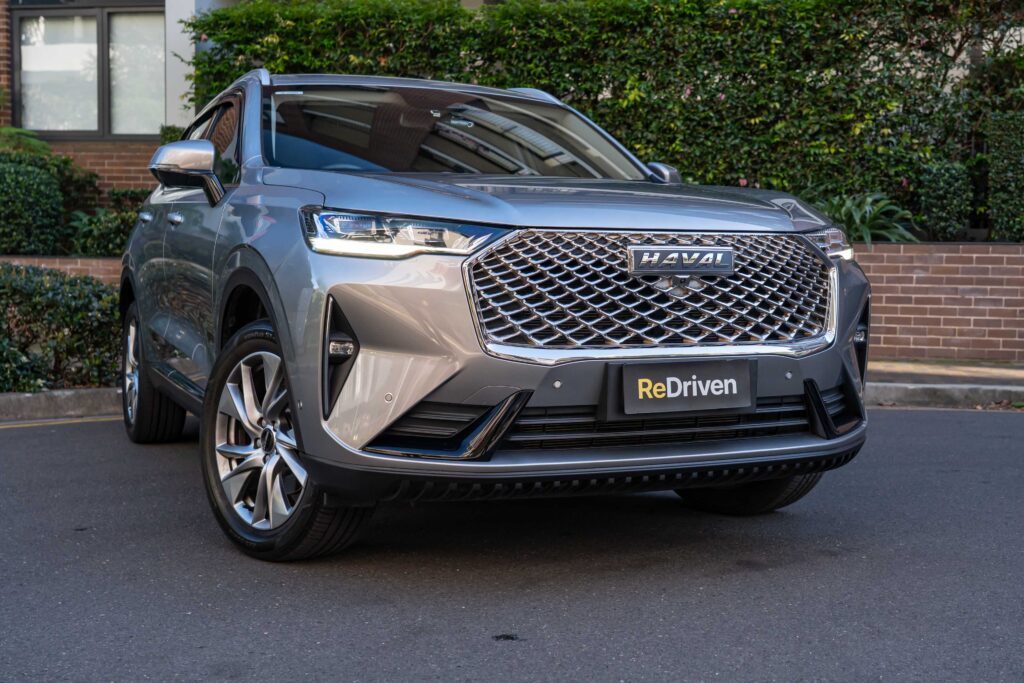
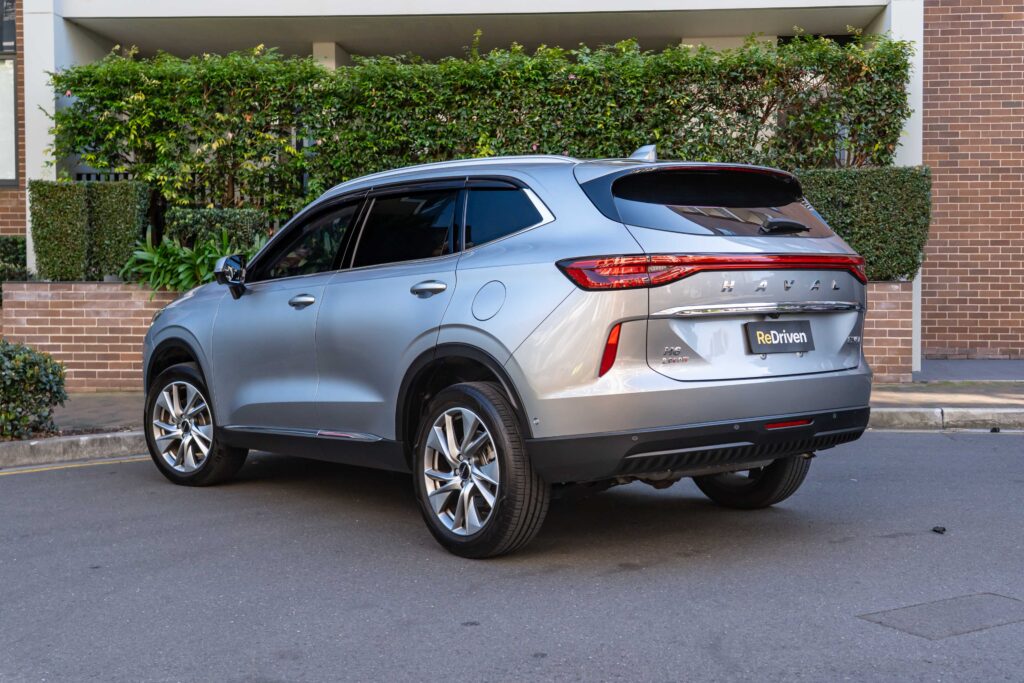
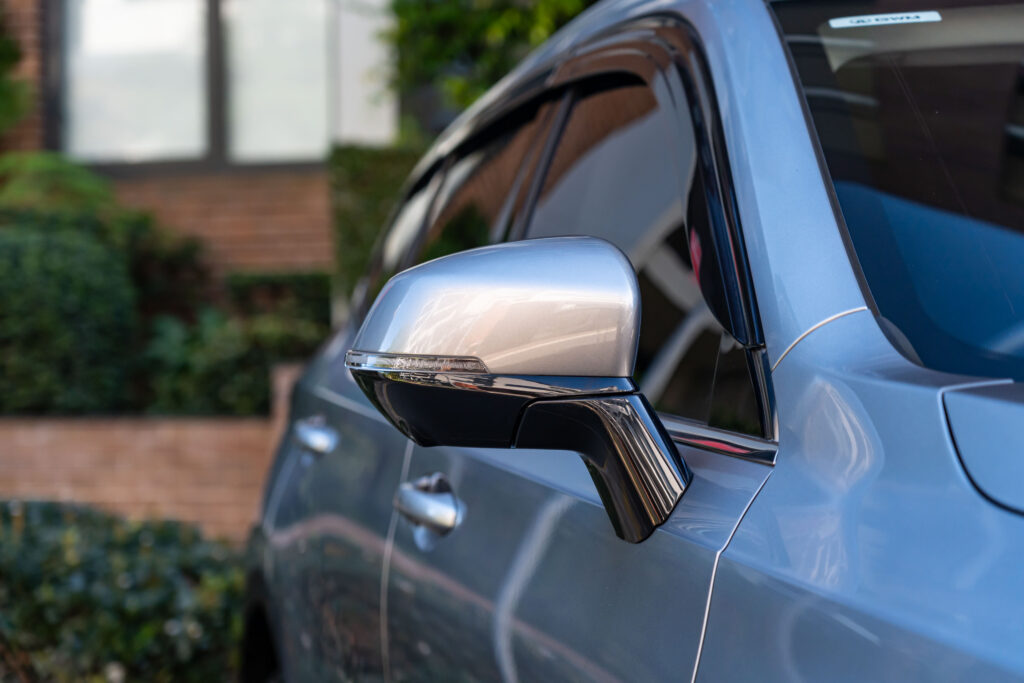
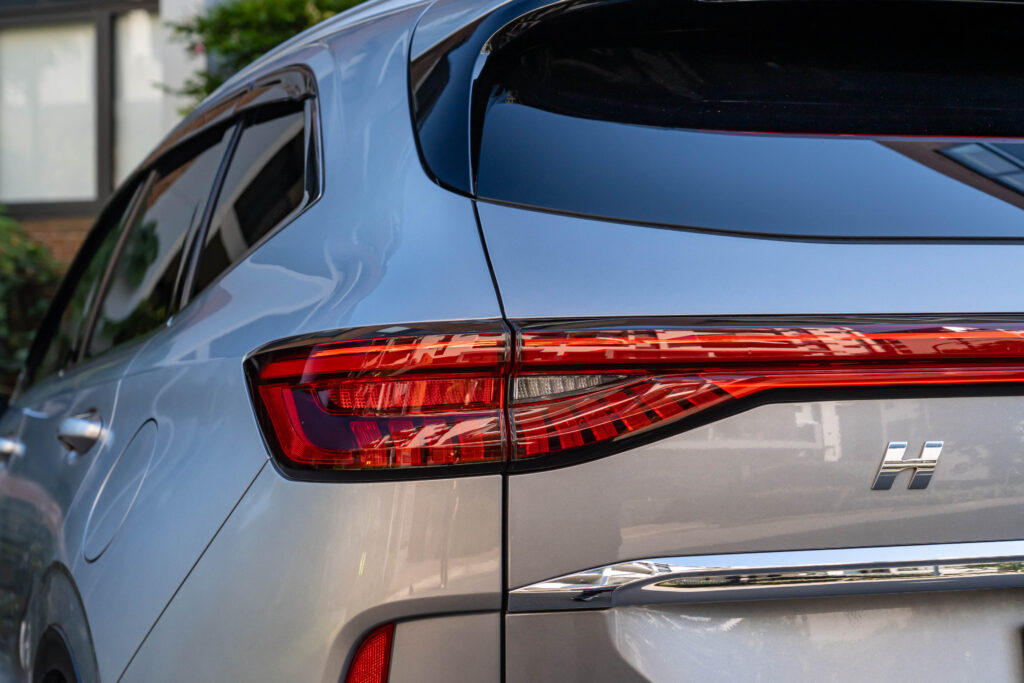
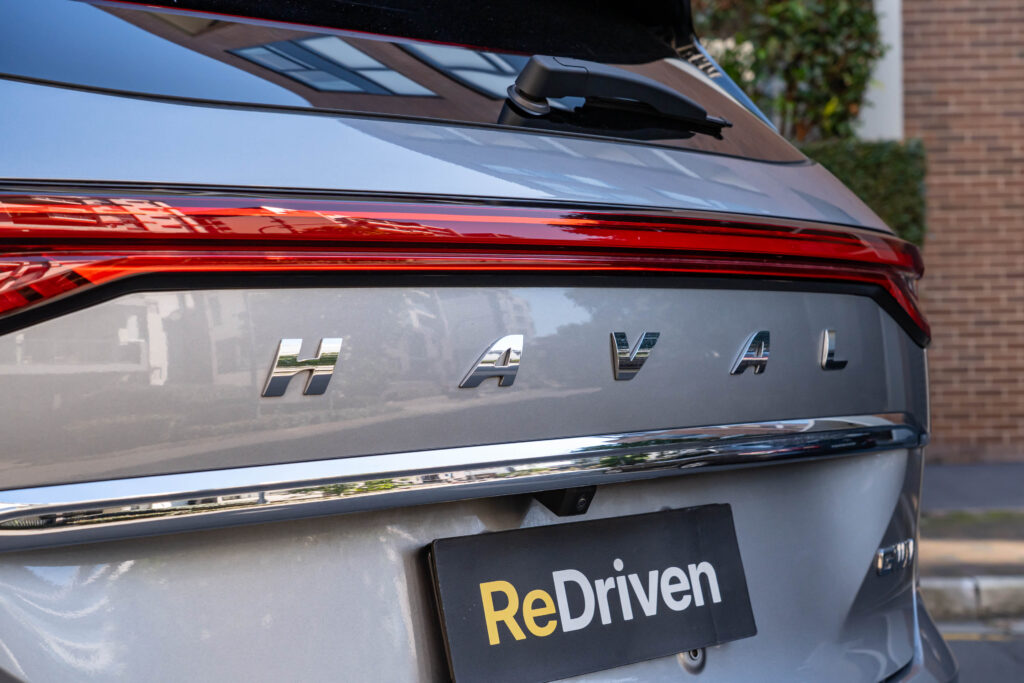
While some Chinese brands have experienced build quality issues with the construction of their exterior, GWM products, the Haval H6 included, haven’t attracted any common complaints about the fit and finish of their trim or body panel imperfections.
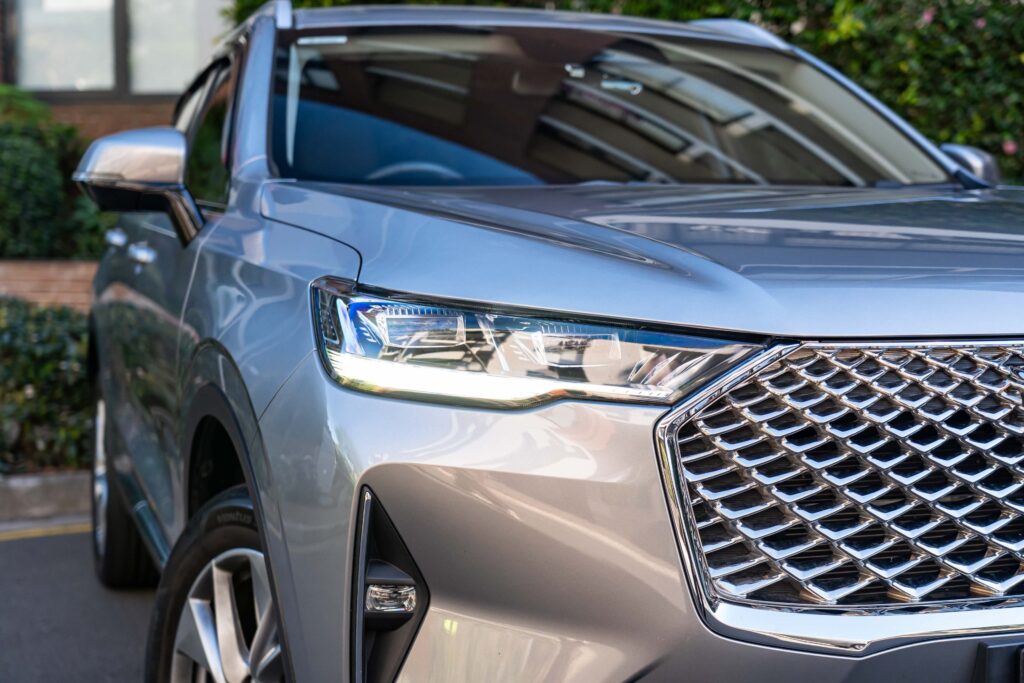
Many have, in fact, complimented the overall appearance for looking more premium than what its price point suggests, with European levels of styling – helped in part by the fact that ex-Jaguar Land Rover exterior designer Phil Simmons now serves as Haval’s chief designer.
Though like many other modern-era cars, complaints over thin or inconsistent clear coat on the body panels can extend to the H6, with darker metallic paint finishes being more prone to surface marks or chips.
A few examples have experienced issues with their sunroofs, where they can fail to open or close, requiring a replacement mechanism that in some cases, can take more than two and a half months to arrive.
We’ve also heard some owners experiencing intermittent issues with the key fob and immobiliser, causing a ‘key not found’ error message to display on the screen and, in certain cases, won’t allow the car to start.
It’s not too common, but it’s reported to happen every 1-2 times every 10 ignition starts.
Interior:
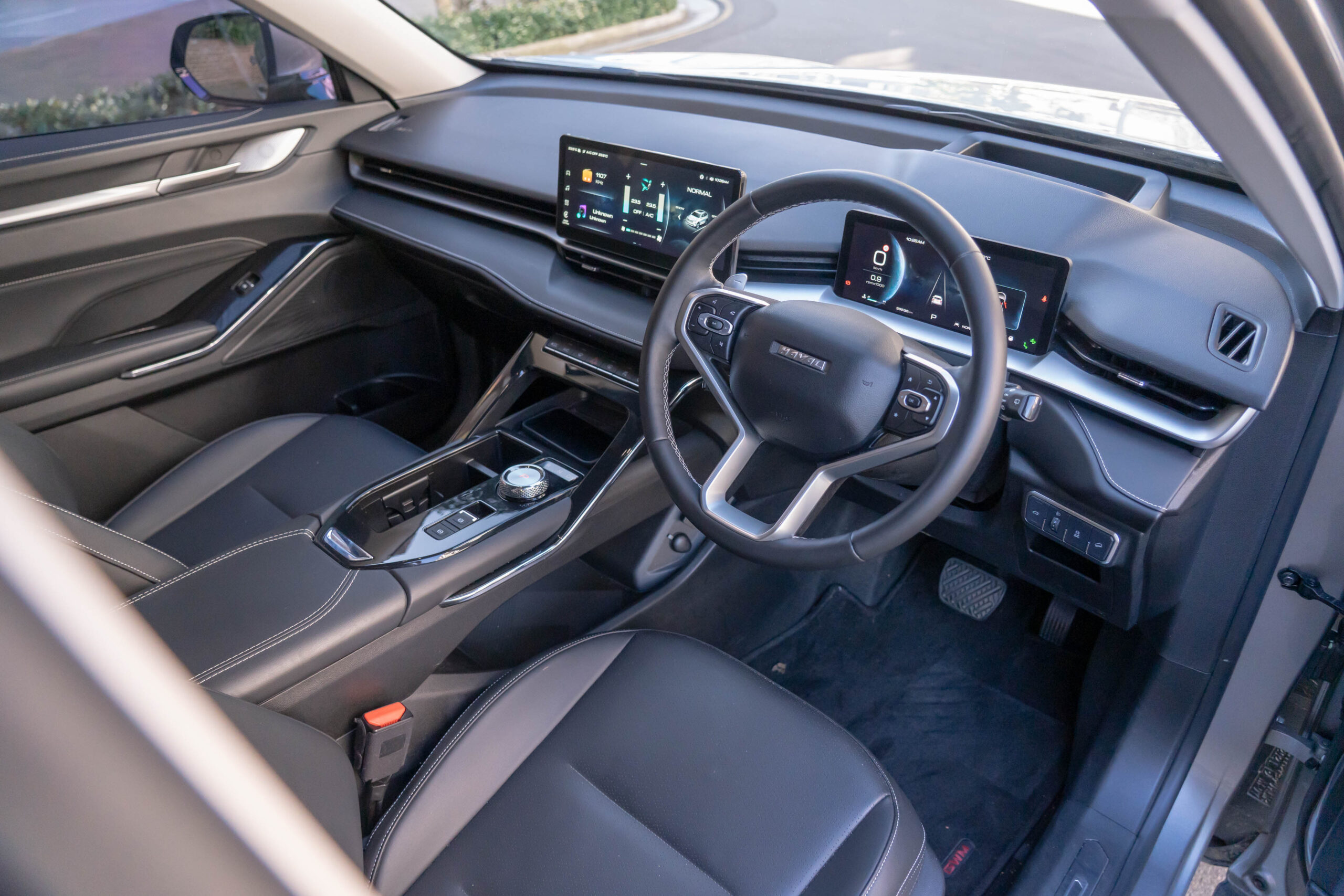
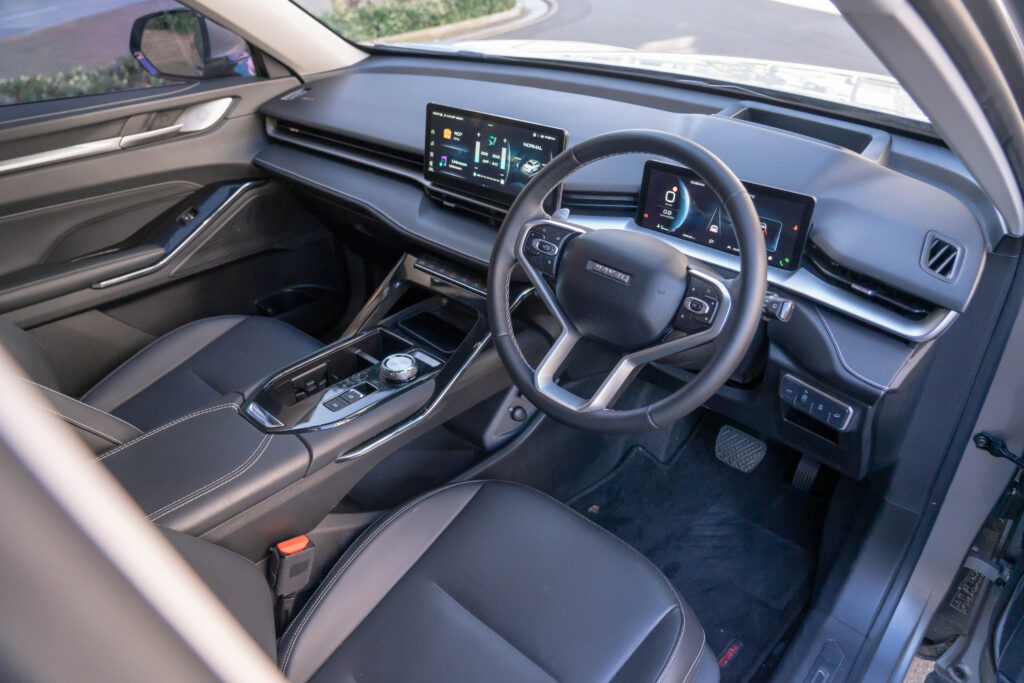
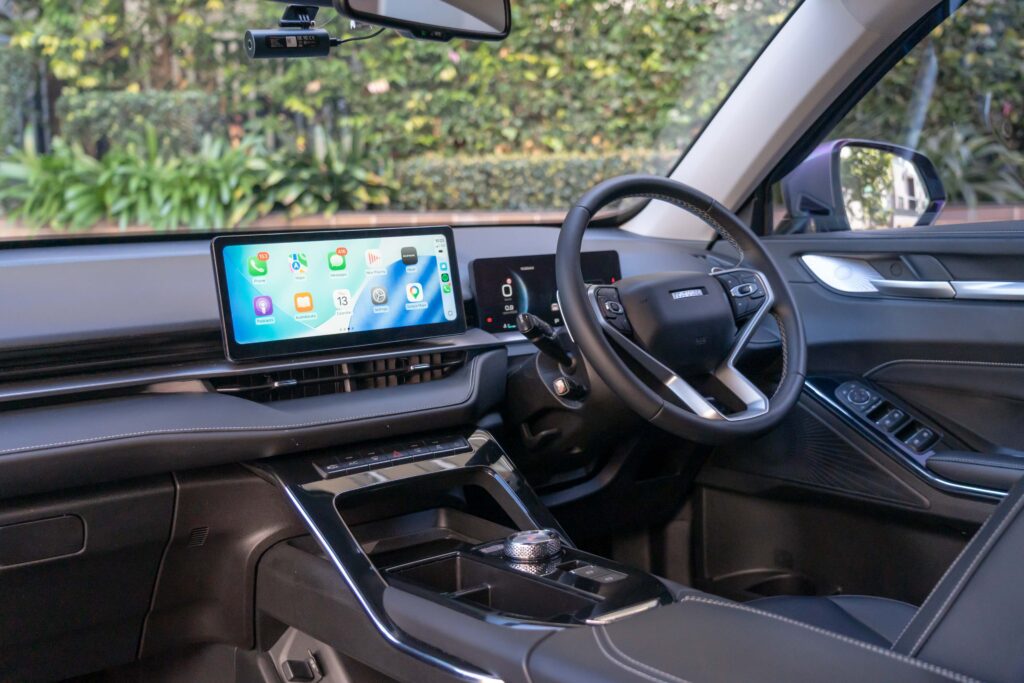
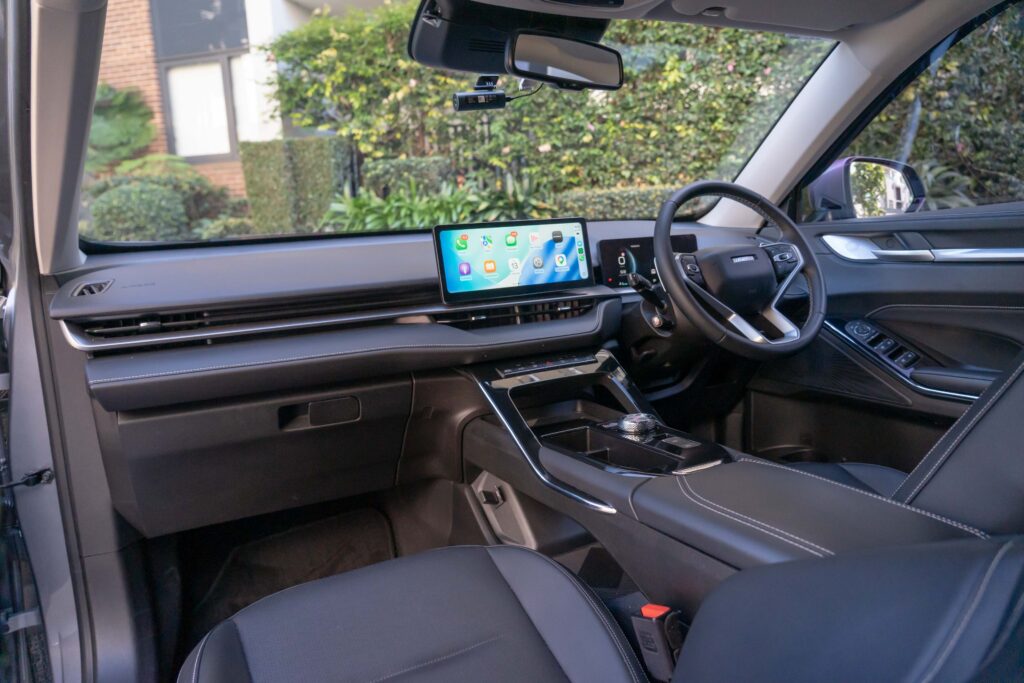
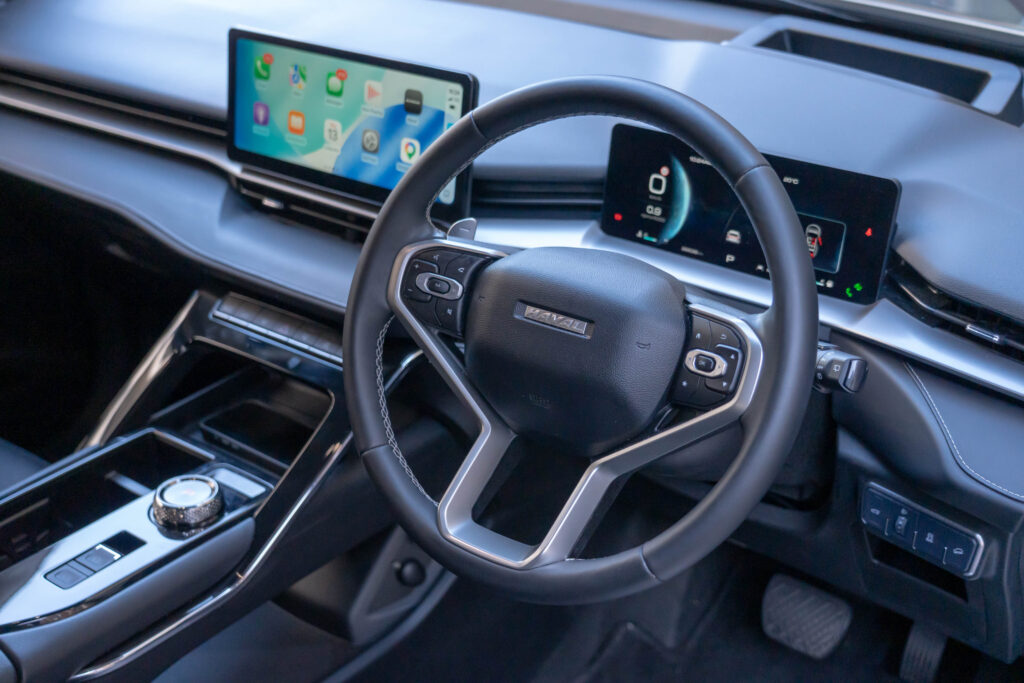
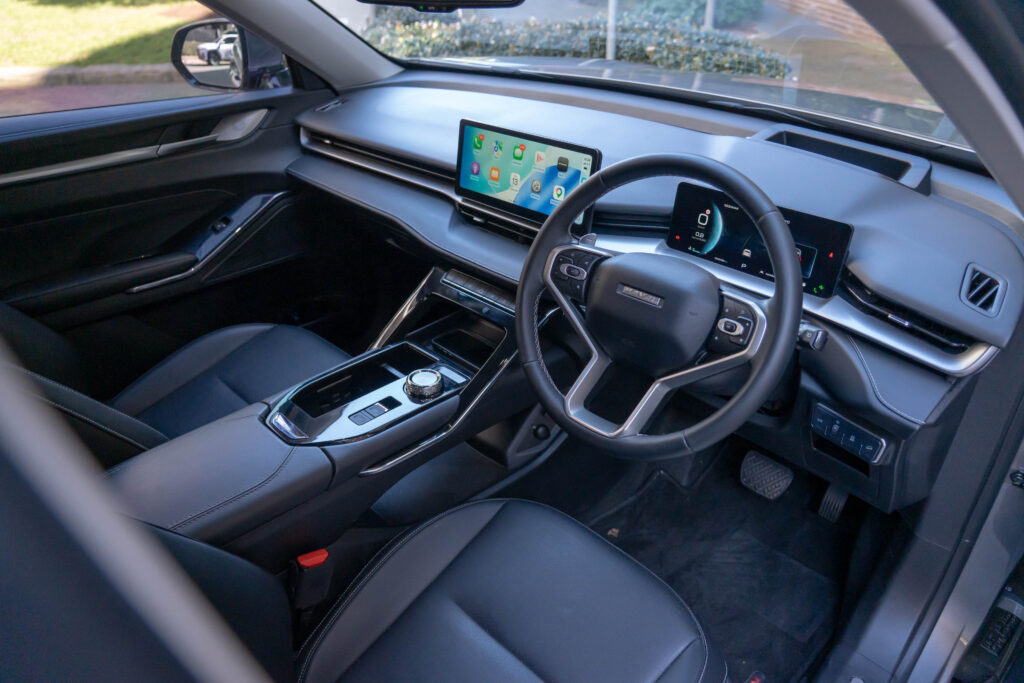
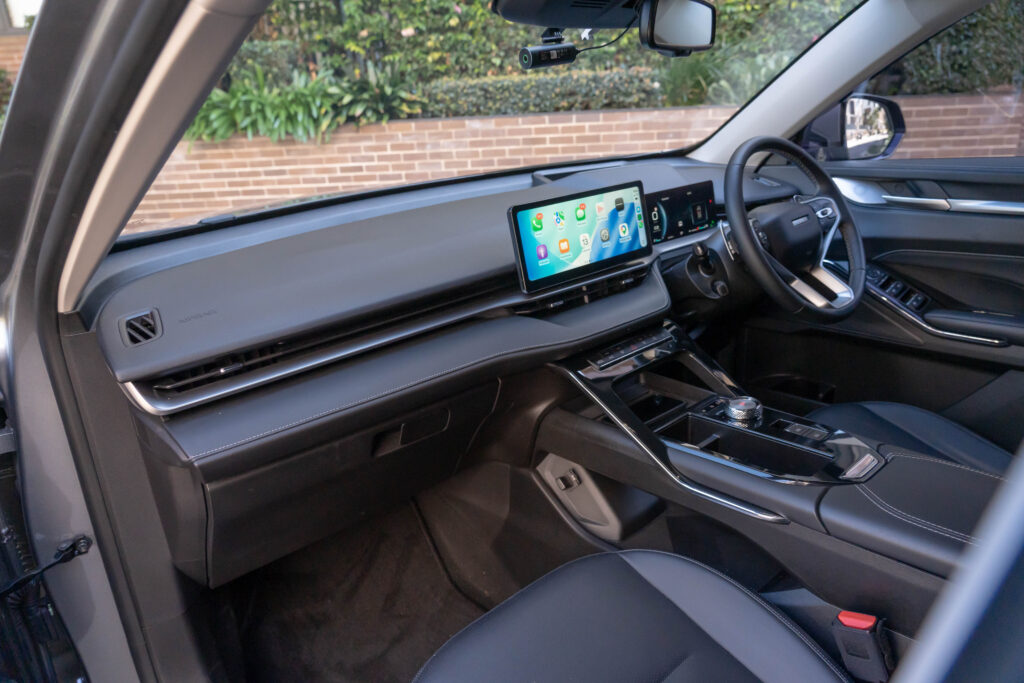
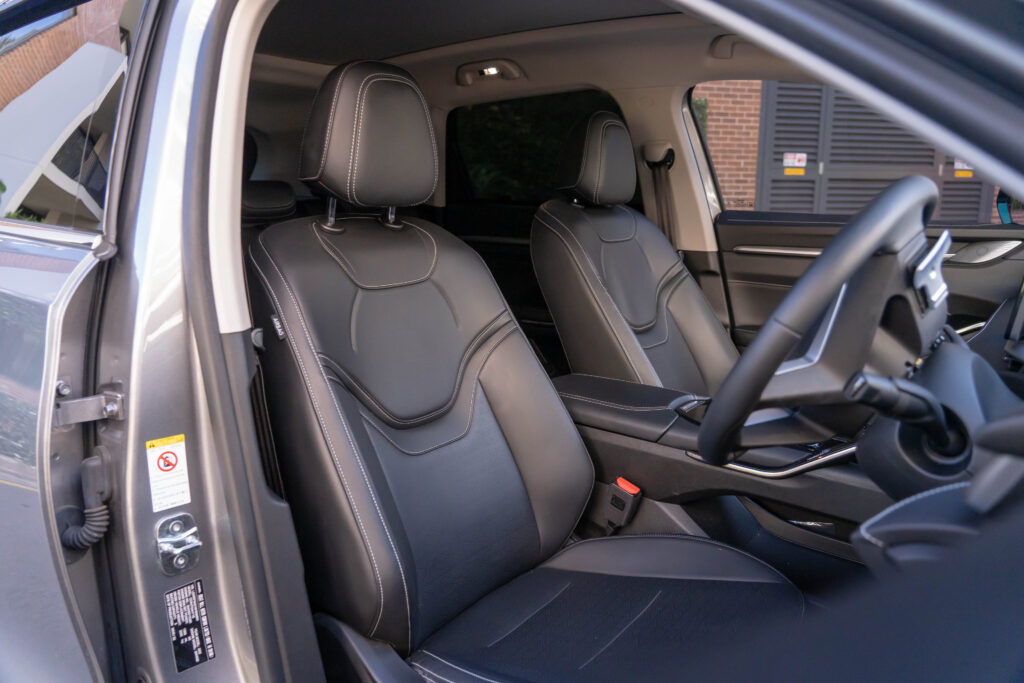
Despite some assumptions towards Chinese-made vehicles, the H6’s overall interior quality is miles above those of Chinese brands back when the industry was in its earliest stages; the result being the inside feels much more upmarket than what you might find in rival legacy brands.
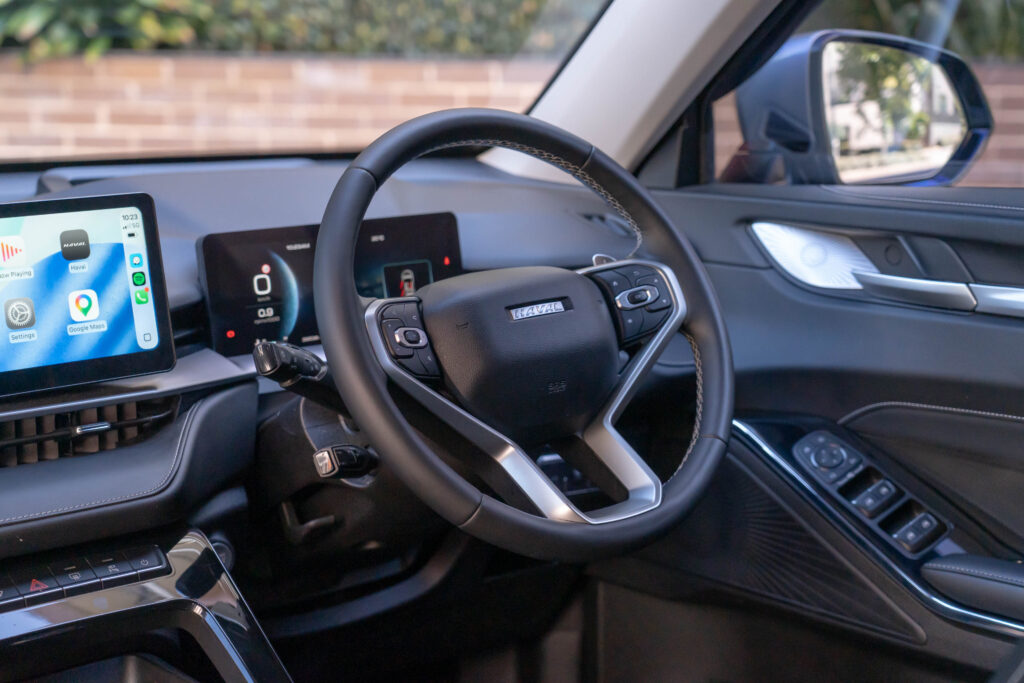
It’s also complemented by the levels of standard equipment you receive across all trim levels – features like heated/ventilated seats, heated steering wheel, head-up display, panoramic sunroof, and a 360° camera that would normally be limited to the most expensive versions of European/Japanese rivals.
We did hear some early examples have had issues with the dashboard swelling, bubbling, or degrading, and certain plastic trims can be more susceptible to surface marks or chips.
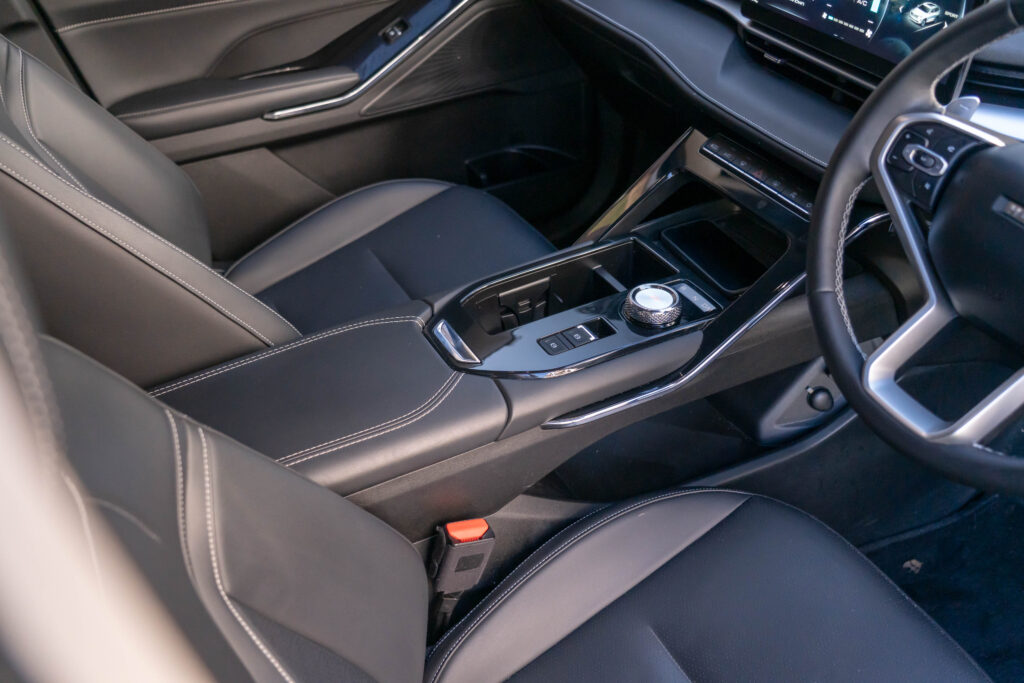
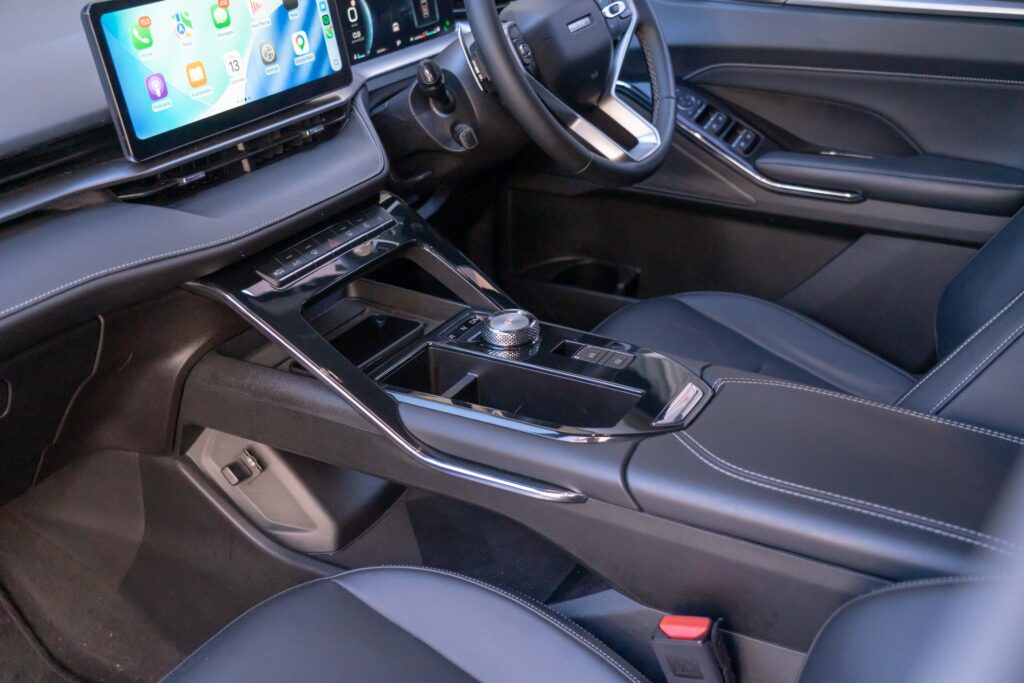
The area surrounding the centre console also uses ‘piano-black’ plastic surfaces that, as we’ve mentioned in other cars, can easily accumulate dust, scratches, and fingerprints.
Minor wear holes forming in the carpet near the driver’s footwell have been reported by some owners.
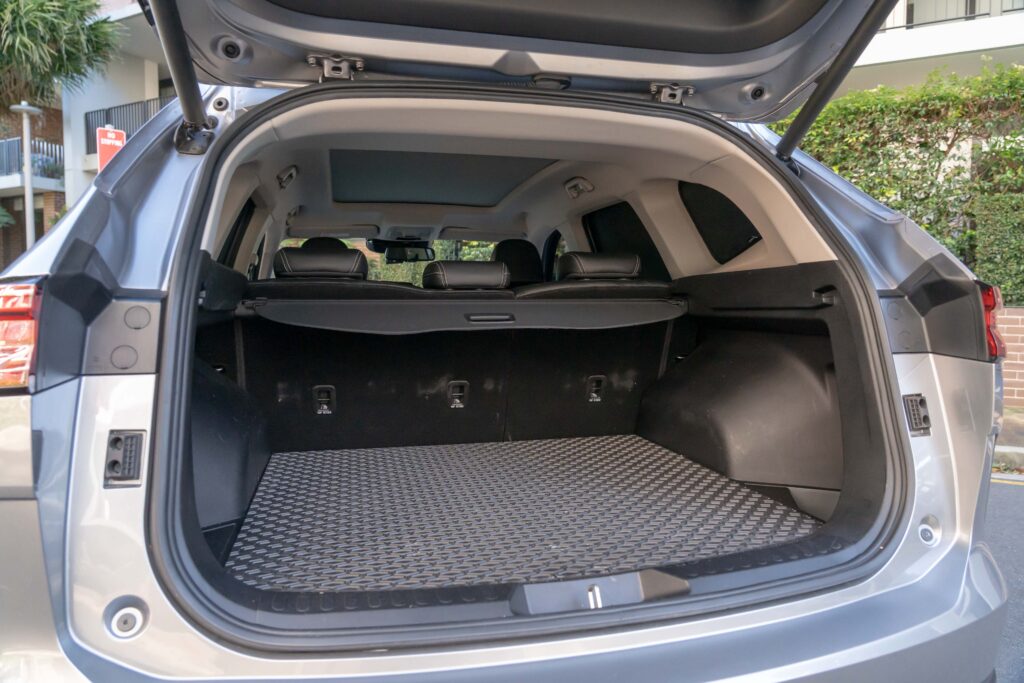
Rattles or noises coming from the rear tailgate or seat have been reported by a number of owners, though cases like these are usually fixed under warranty.
But even on the oldest examples out there, we’ve heard owners comment that they are still proving to be quite resilient and solid – among high-mileage ones that have accumulated over 250,000 kilometres, or those who employ these for ride-sharing duties/commercial fleets, barely show any indicators of wear.
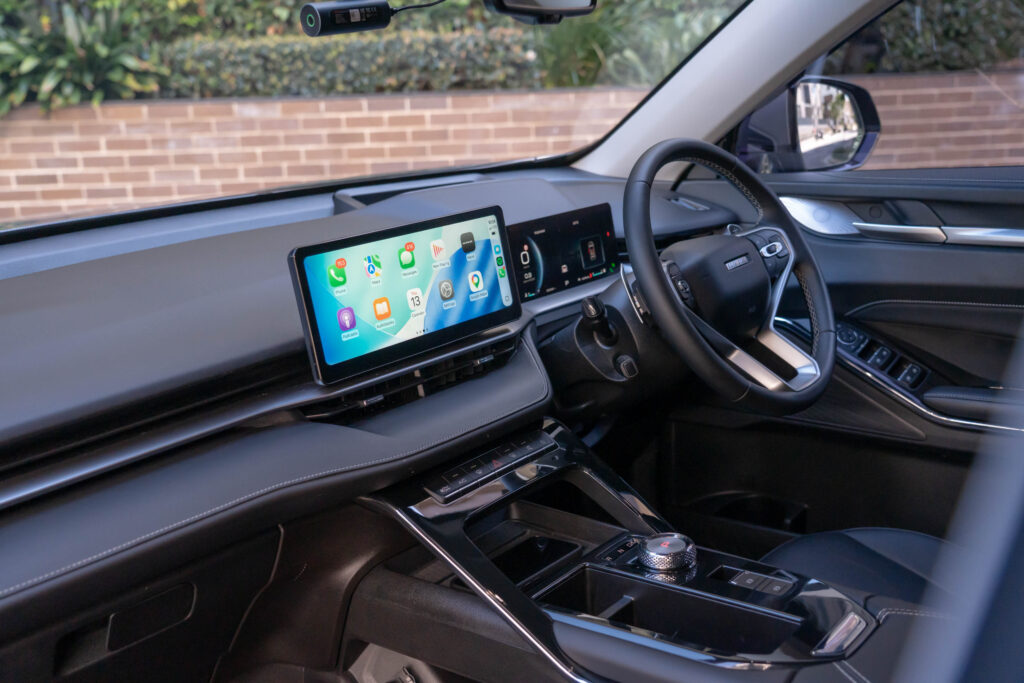
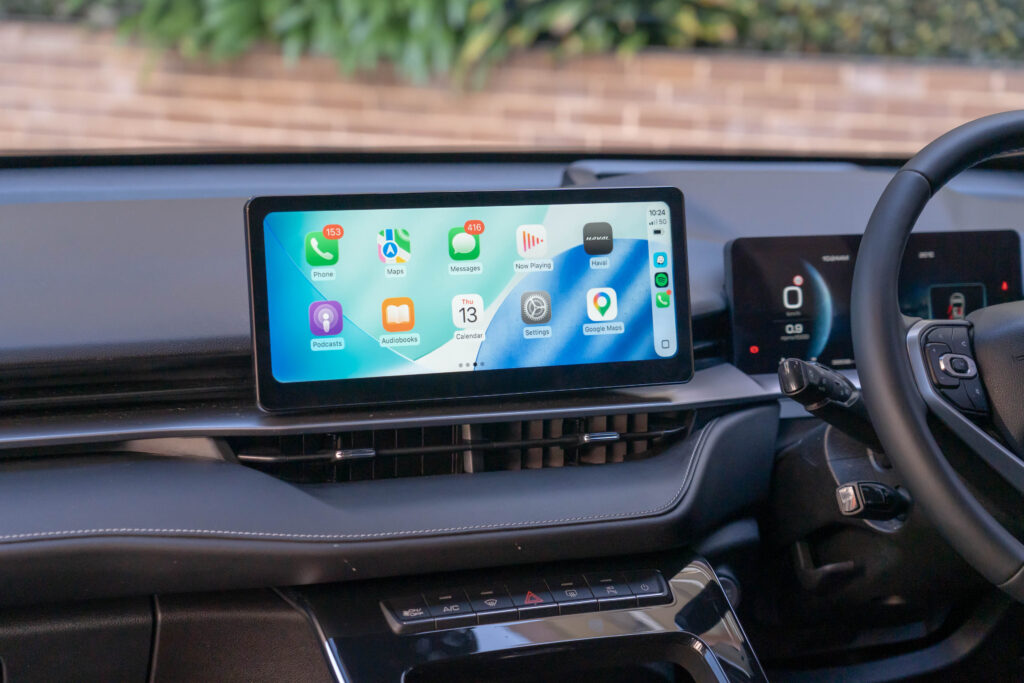
The succession of updates rolled out to H6s each model year can make identifying specific models difficult – the infotainment system was updated for certain models made for MY2025, but a major update to the cabin design and a larger screen has just been applied for the latest MY2026 models.
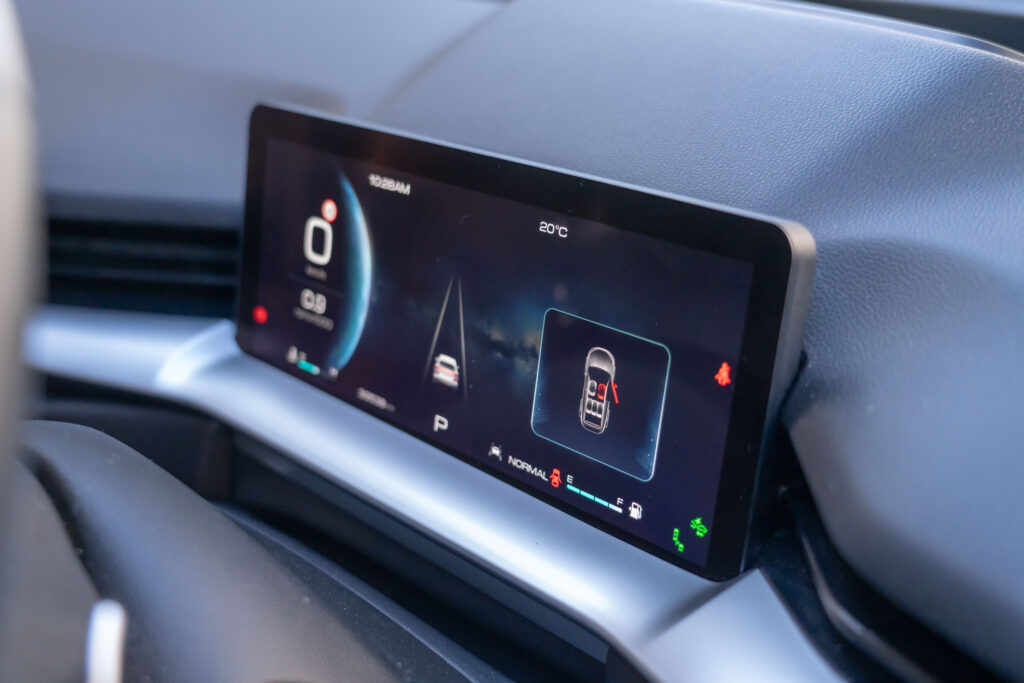
Plenty of owners report satisfaction with the level of tech and features offered by the H6’s native infotainment system, combined with the digital instrument display. You may have to get accustomed to navigating multiple menus to access key functions and adjustments to features like air conditioning, but it’s no worse than many other equivalent models.
However, both pre- and post-update setups have drawn complaints of screen blackouts or freezing altogether, and worryingly for the H6, this can also happen to the gauge cluster screen. Software updates have been released to fix plenty of these bugs, but it can still be inconsistent – some owners still report recurring issues after multiple trips to dealers.
The only disappointment you may encounter with the H6’s connectivity features is the poor quality of the Bluetooth microphone (with anyone on the receiving end unable to hear the driver speak clearly unless the car is switched off and somewhere with minimal background noise) and the factory sound system.
Given the H6 is a very digital-centric vehicle, containing multiple modules and systems, it can also be a victim of main 12V battery drainage if the key fob is kept in proximity to the car while it’s parked for extended periods (ie. at home), meaning it’s not fully switched off, and these functions drain power that can leave the car dead.
To alleviate this, it’s worthwhile to install a quality aftermarket battery and keep the key as far away from the vehicle when parked, or store it in a Faraday pouch.
Plenty of ADAS tech comes standard on all Haval H6 trims, but like other modern vehicles, their factory settings make them quite sensitive; combined with incessant warning sounds/messages at the slightest ‘danger’ that can’t be fully disabled, putting up with them can be infuriating – owners highlight that the adaptive cruise control and lane-keep assist can be aggressive to the point it makes normal driving feel unforgiving.
GWM has attempted to fine-tune these ADAS settings through software updates, but owners still report dissatisfaction after they’ve been installed.
Mechanical Issues:
GWM’s generous factory warranty package is one of the H6’s standout selling points – for Australia, it’s currently for 7 years/unlimited kilometres, with 5-year capped (fixed-price) servicing, making it very appealing against the warranty coverage of Hyundai/Kia products.
However, owners report encountering certain obstacles when attempting to file for warranty claims, even if they follow all of the stipulated or (very) hidden terms in the warranty agreements.
A frequent one is missing scheduled maintenance intervals, even if the late/delayed servicing was caused by a GWM dealer’s existing backlog; some of which can extend up to 6-8 weeks before a car can be accepted for maintenance.
Even when service departments get openings to intake new cars, many have also experienced extended turnaround times, due to certain issues being difficult to diagnose, or the technicians being unable to replicate plenty of intermittent electronic faults, despite owners providing as much evidence to prove their case.
Compounding this frustration is that attempts to appeal these via GWM’s head office are met with a lack of customer service- whether it be no direct phone contact, multi-week email response times, and resolutions ultimately taking months.
Plus, like what brands as of late have attracted complaints about, owners also report extended wait times to receive certain spare parts, caused by a mixture of external and internal factors within GWM’s network, from lack of locally available supply to long delays for specific components.
The ride quality on early Australian-market Haval H6s, like what other GWM products attracted, drew many complaints from the press and owners, with inconsistent ride feedback on Australian roads and suspension components wearing out faster than expected.
These were largely rectified following the rollout of GWM’s AT1 (Australia Tune 1) suspension upgrade, led by former Holden engineering talent Rob Trubiani (now serving as GWM’s Australia/New Zealand chief product engineer), in addition to other investment efforts into the ANZ region, which includes testing of these models at the Victoria Lang Lang proving ground.
Changes brought on by the AT1 package have been praised by Haval owners and automotive reviewers for the big improvements they’ve had towards vehicle handling and suspension harshness levels, with many agreeing up-to-date models are better adapted to the rough and demanding Australian road conditions.
Most H6s made after 2025 should have these AT1 changes as part of the refresh GWM rolled out in the same model year.
However, we’ve heard cases where some cars can be inconsistent in terms of what updates or features they actually have versus what GWM reports, so be prepared for any degree of frustration confirming the one you’re considering actually matches the manufacturer’s specifications for the stated model/build year, or trim specs.
Powertrains/Transmissions:
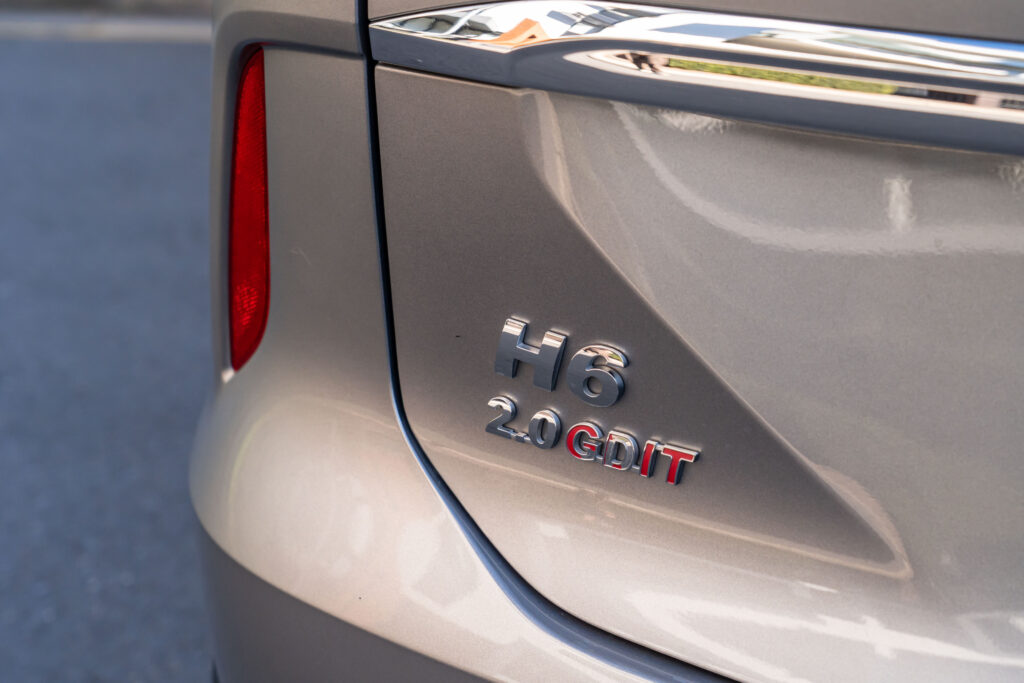
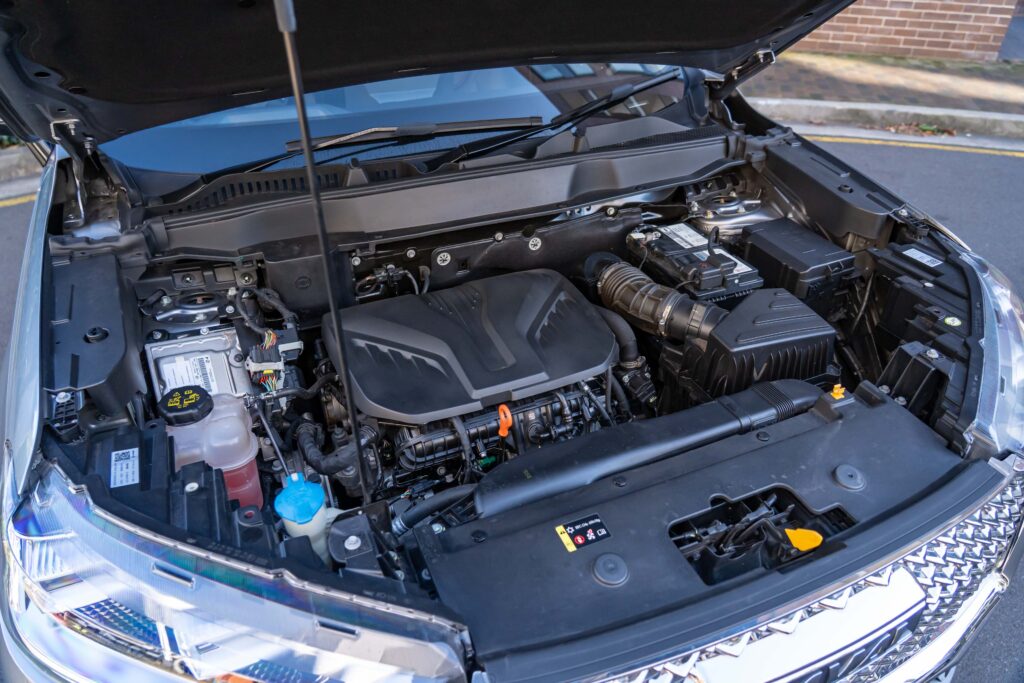
Among all of the Australian-specific H6 powertrains: the 2.0L turbocharged non-hybrid four-cylinder, 1.5L turbocharged petrol hybrid, and plug-in hybrid, none of them have developed a consistent pattern of major mechanical issues or failures.
Owners’ complaints tend to centre on software-related issues with the Haval’s onboard electronics/functions and hybrid control systems rather than mechanical issues, which are usually cleared with a software update.
If you search hard, you might come across a few isolated reports of mechanical issues, such as hybrid battery/inverter faults, alongside the occasional misfires, engine oil/coolant leaks, coolant system leaks (charge pipes), and turbocharger/HPFP complications; but overall, none of these has been reported to a degree to consider them frequent or serious.
This is partly because they’ve only been on sale for a few years and have yet to gather any reliability track record close to what their legacy equivalents have, plus they are still considered too ‘new’ to experience any serious problems; though as they continue to age and more examples enter the market, time will tell if they will still be as robust.
Despite only being on the secondhand market for a few years, you can find Haval H6s currently ranging between $15-35,000.
Whether you approach these new or used, their incredible value for money is one of their strongest points compared to other equivalents from Japanese, Korean, and European brands in the SUV segment.
The H6 is proving to be one of the more successful and higher-quality recent Chinese models currently on sale, though ownership experiences have proven to be quite decisive, ranging from those who attest this has been one of the best cars they’ve owned to those who deeply regret their purchasing decision.
The main concern surrounding the H6, more so, has to do with the current model’s potential obsolescence, as the pace and development of Chinese car manufacturing is far quicker than what you may find with other legacy brands.
To put this into context, there’s already an all-new, larger fourth-generation H6 that has been on sale in China since June 2026, and there’s a good chance it will arrive in other regions, like Australia, very soon.
Adding to this, these suffer from some of the highest percentage losses when it comes to depreciation of any mainstream-brand rival; H6s, on average, lose 49% of their original value.
This means some buyers as of 2026 are still buying a car whose home-market equivalent has already been superseded, and could affect the existing depreciation trends of this model even further.
It’s very clear many Chinese brands have improved significantly when it comes to their overall perception as a product, and the Haval H6 is a good example of this.
But even if a secondhand Haval H6 checks out post-pre-purchase inspection with no concerns, there’s a certain dilemma here as to whether its worth your money to hold off from buying an already-affordable example, or put it towards a newer one?
If all those seem too overwhelming – however enticing the Haval H6 might be as an option for a midsize SUV- understandably, those who don’t want to live with these discounting factors will find the more familiar, established legacy models more accommodating to their needs.


Co-creator, presenter & writer, ReDriven

There are better cars out there.
 6 days ago
 2 weeks ago
 2 weeks ago