Australia’s No. 1 Used Car Review Website
Australia’s No. 1 Used Car Review Website
+8 Photos
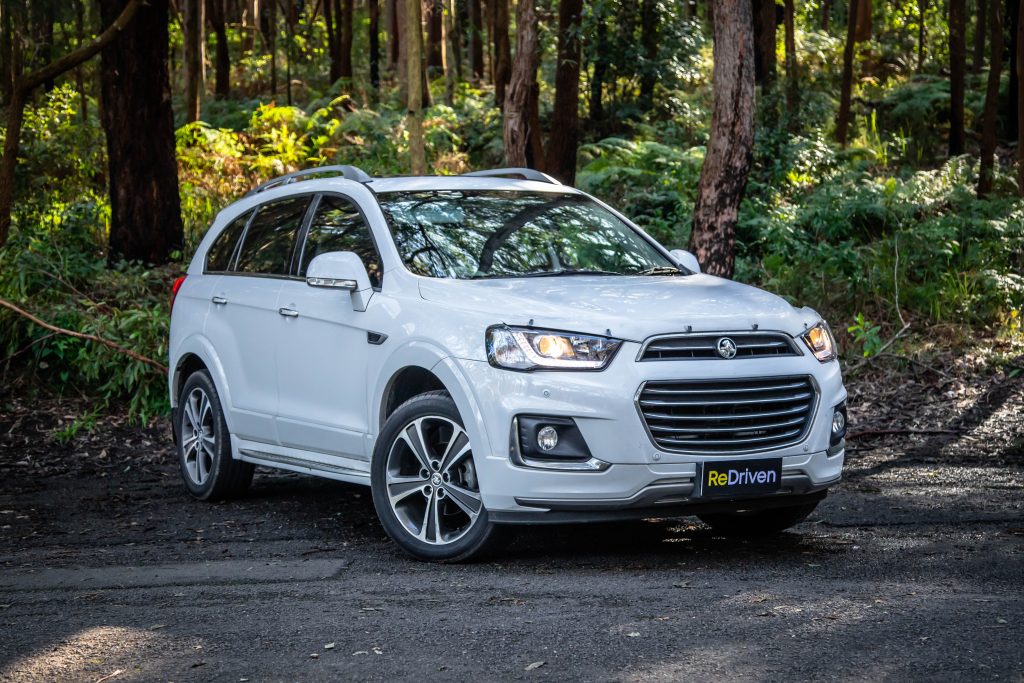
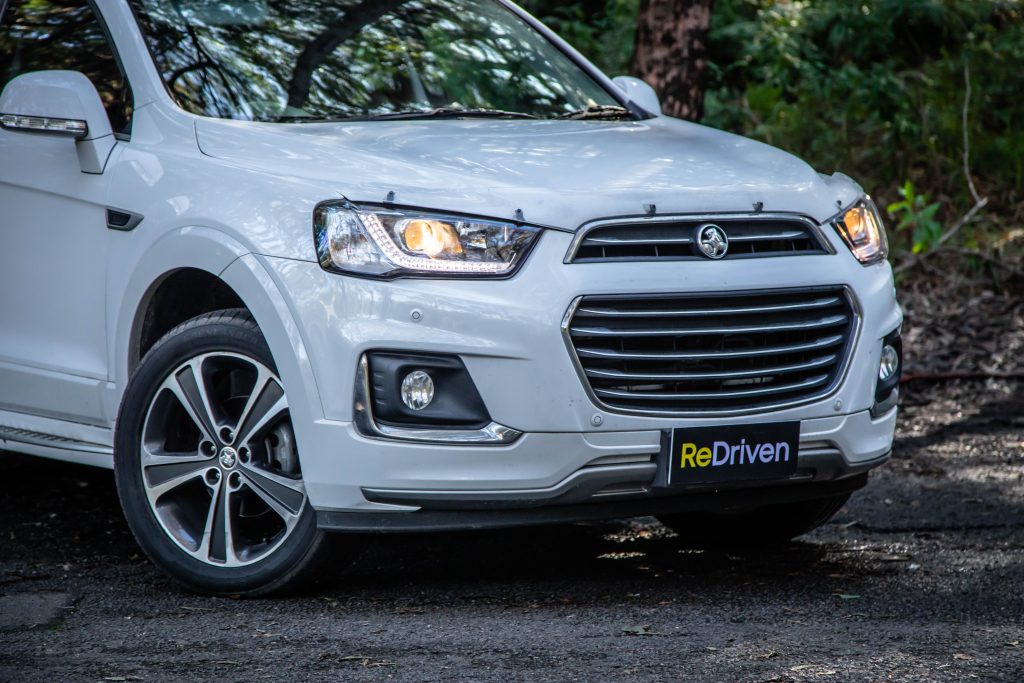
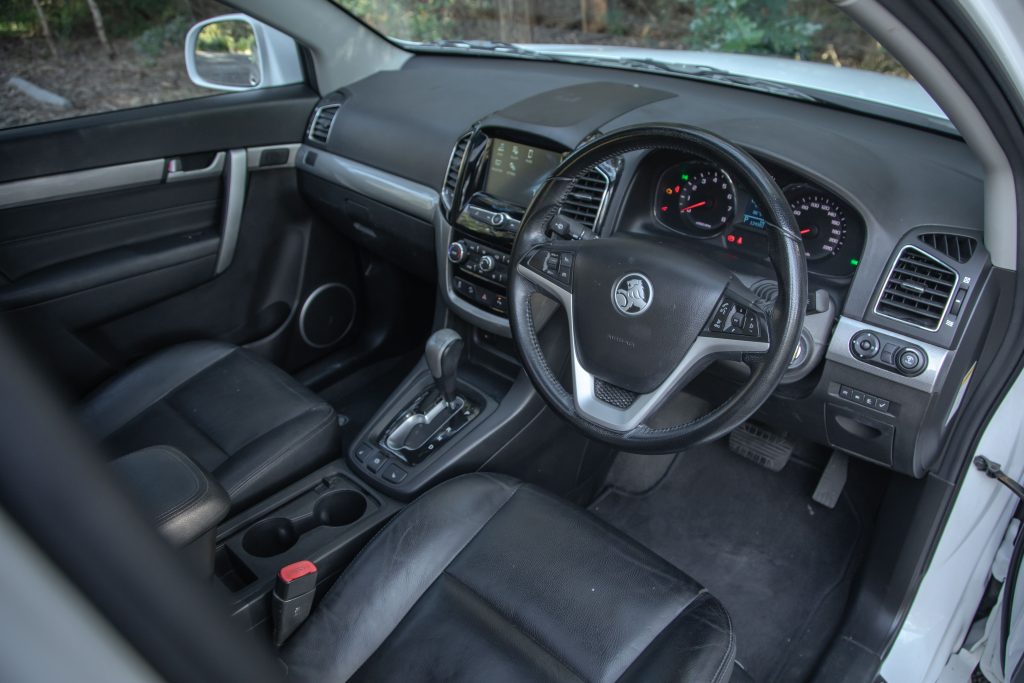
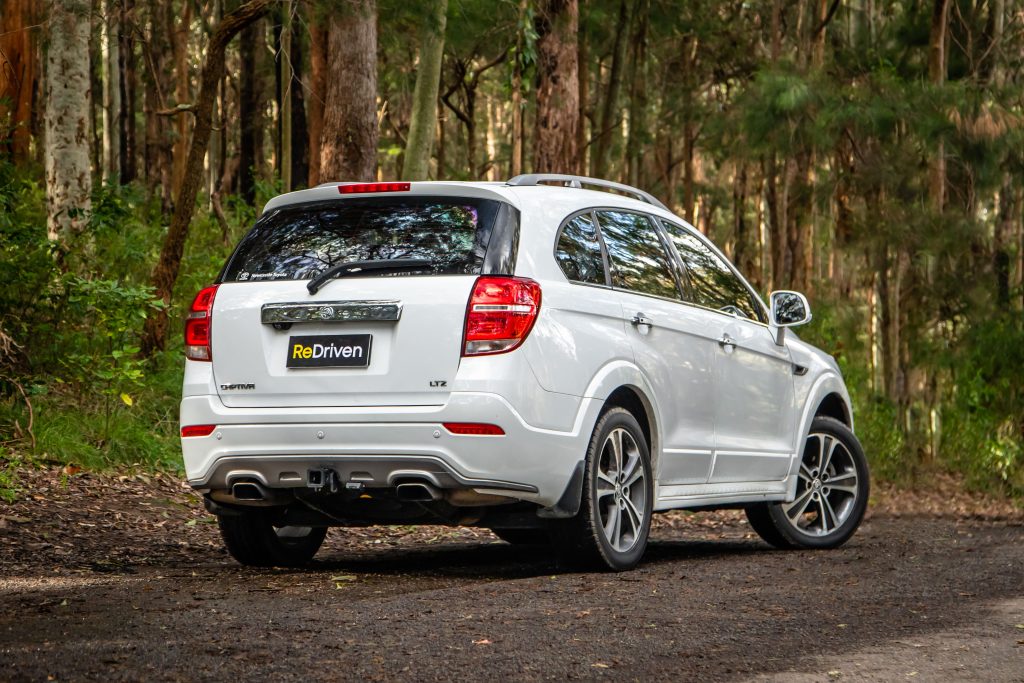
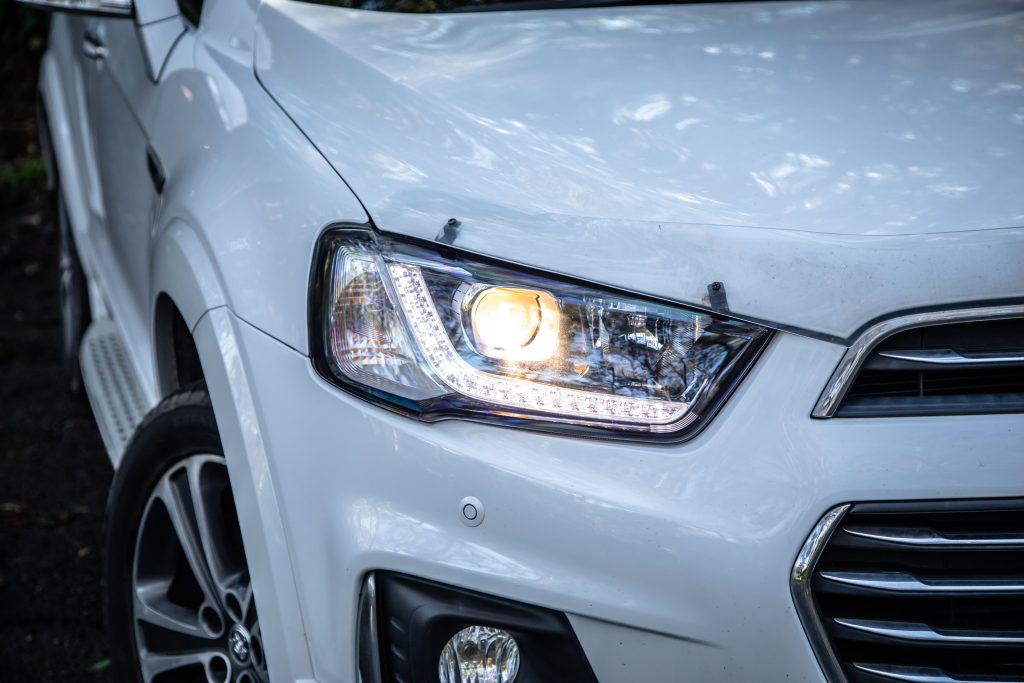
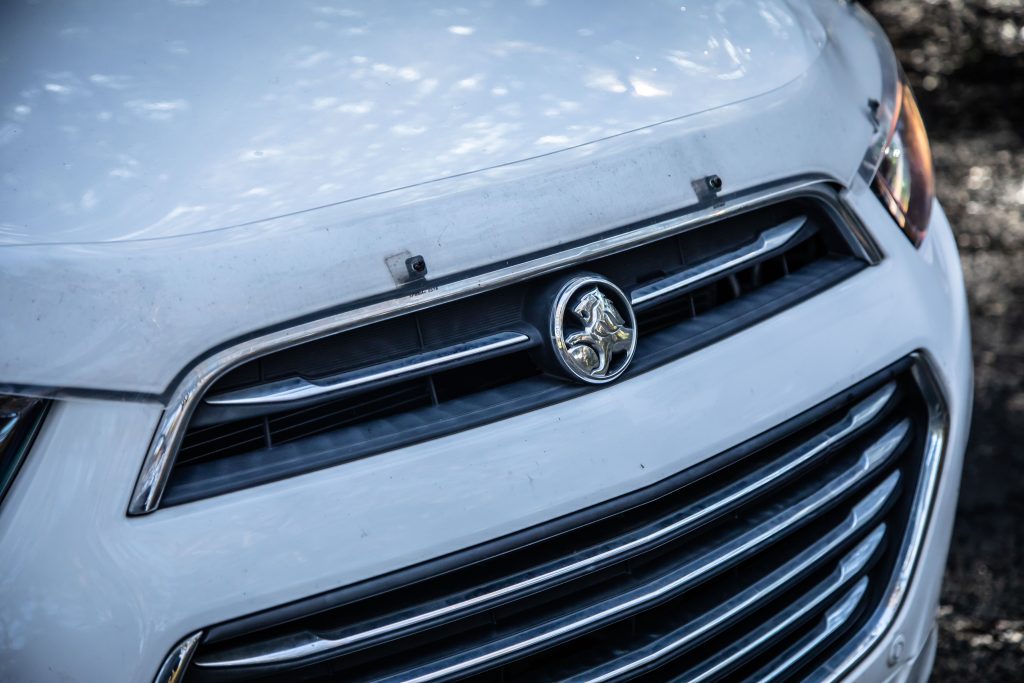
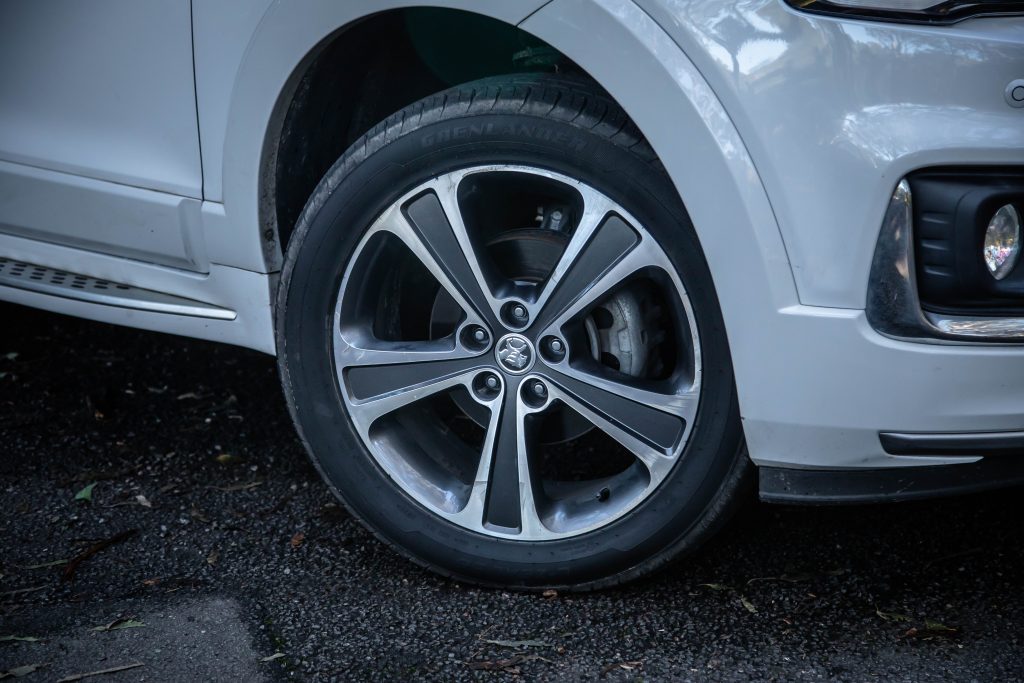
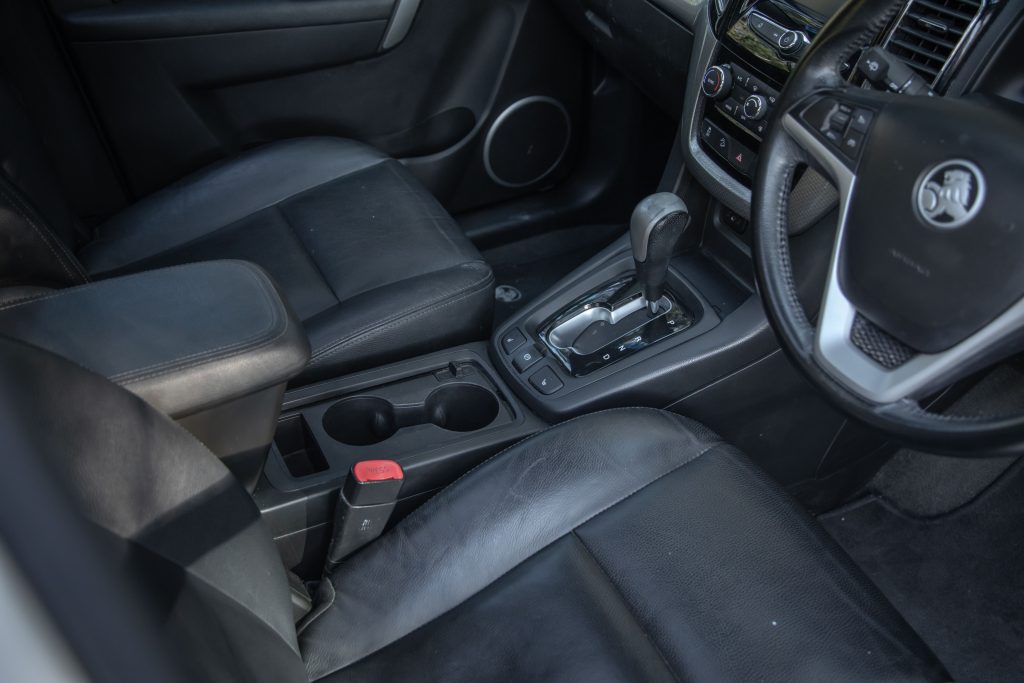
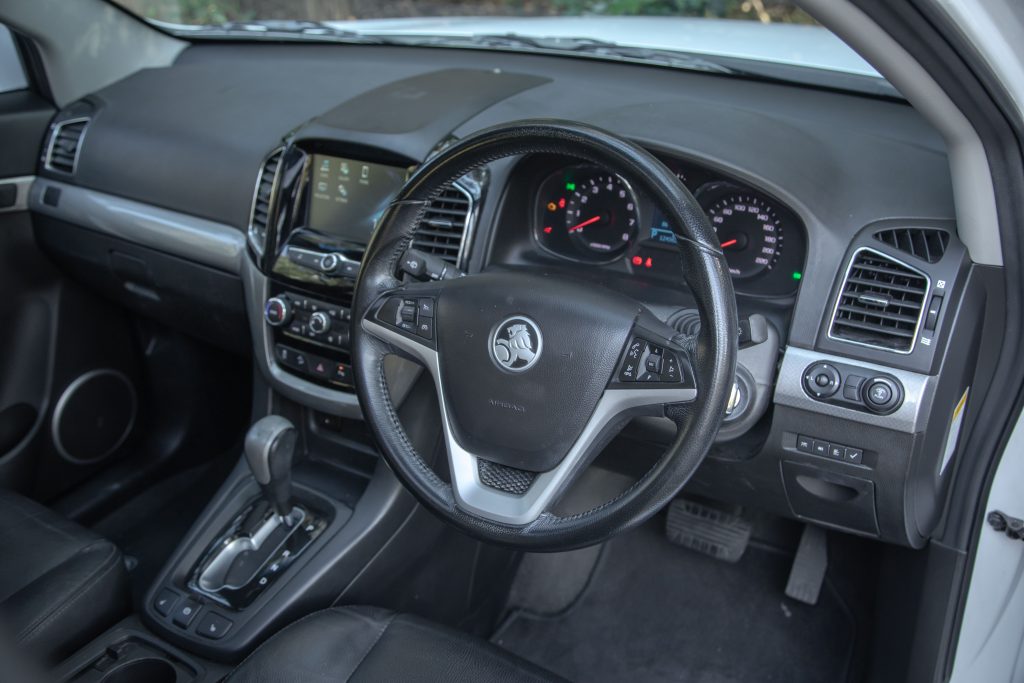

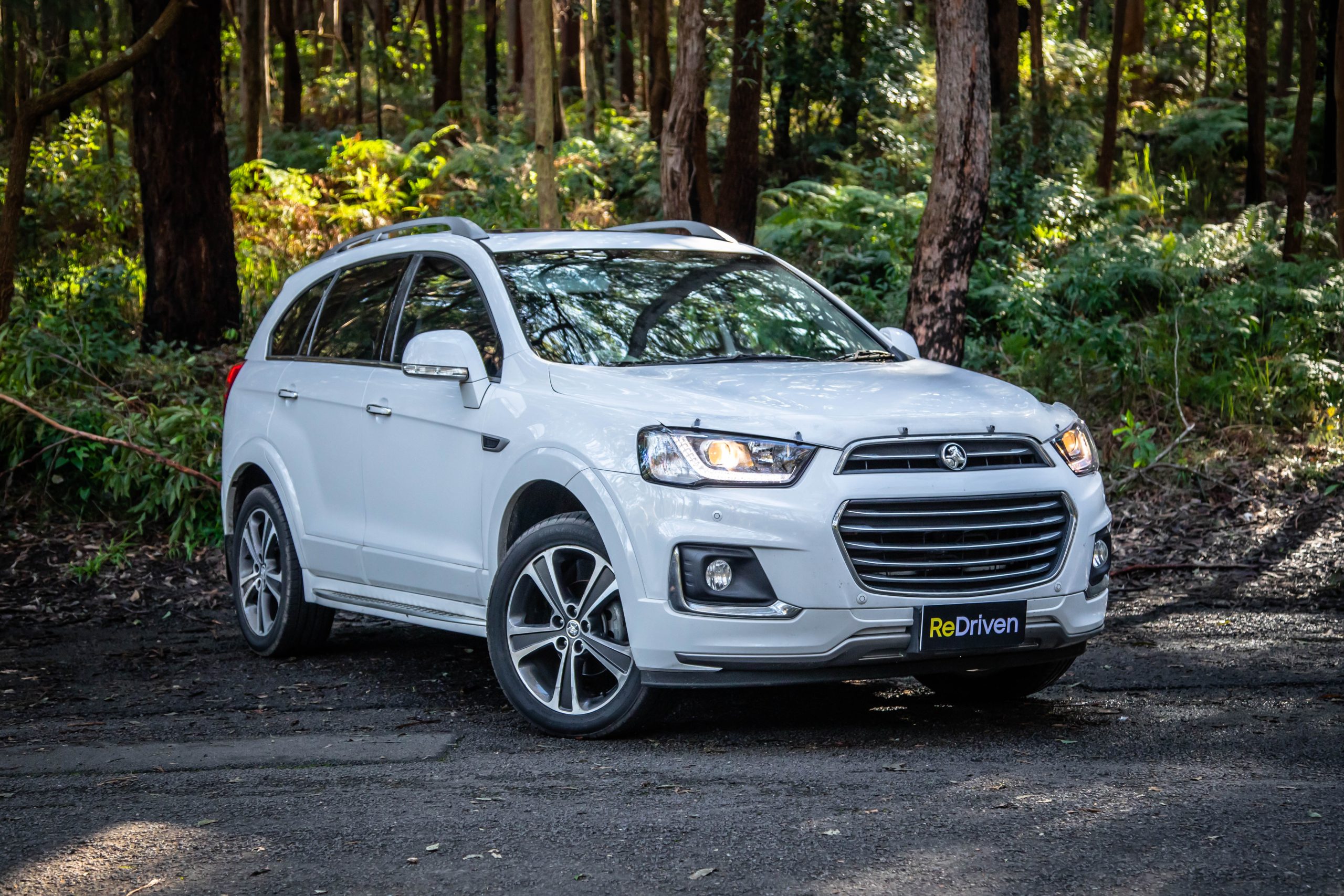
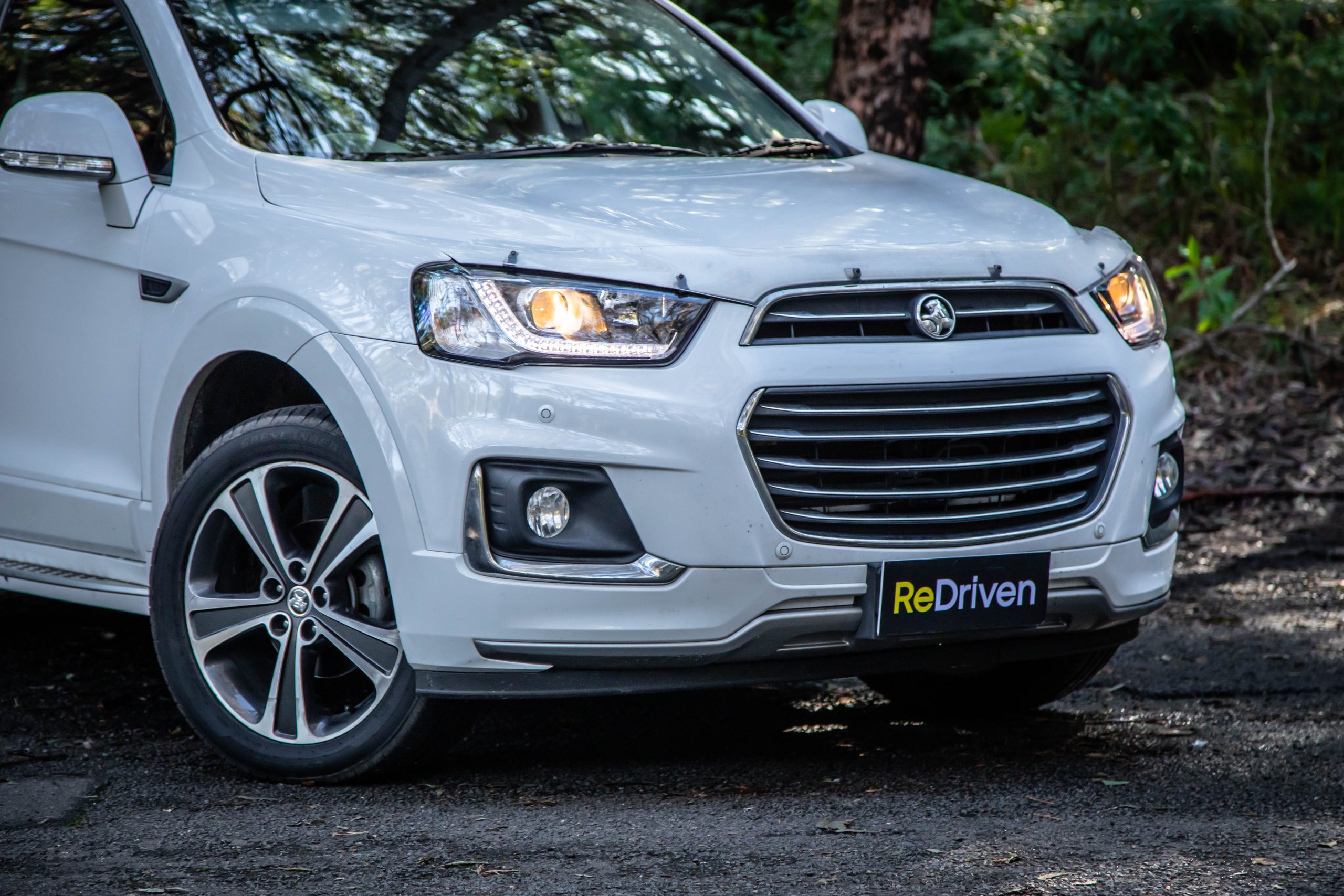
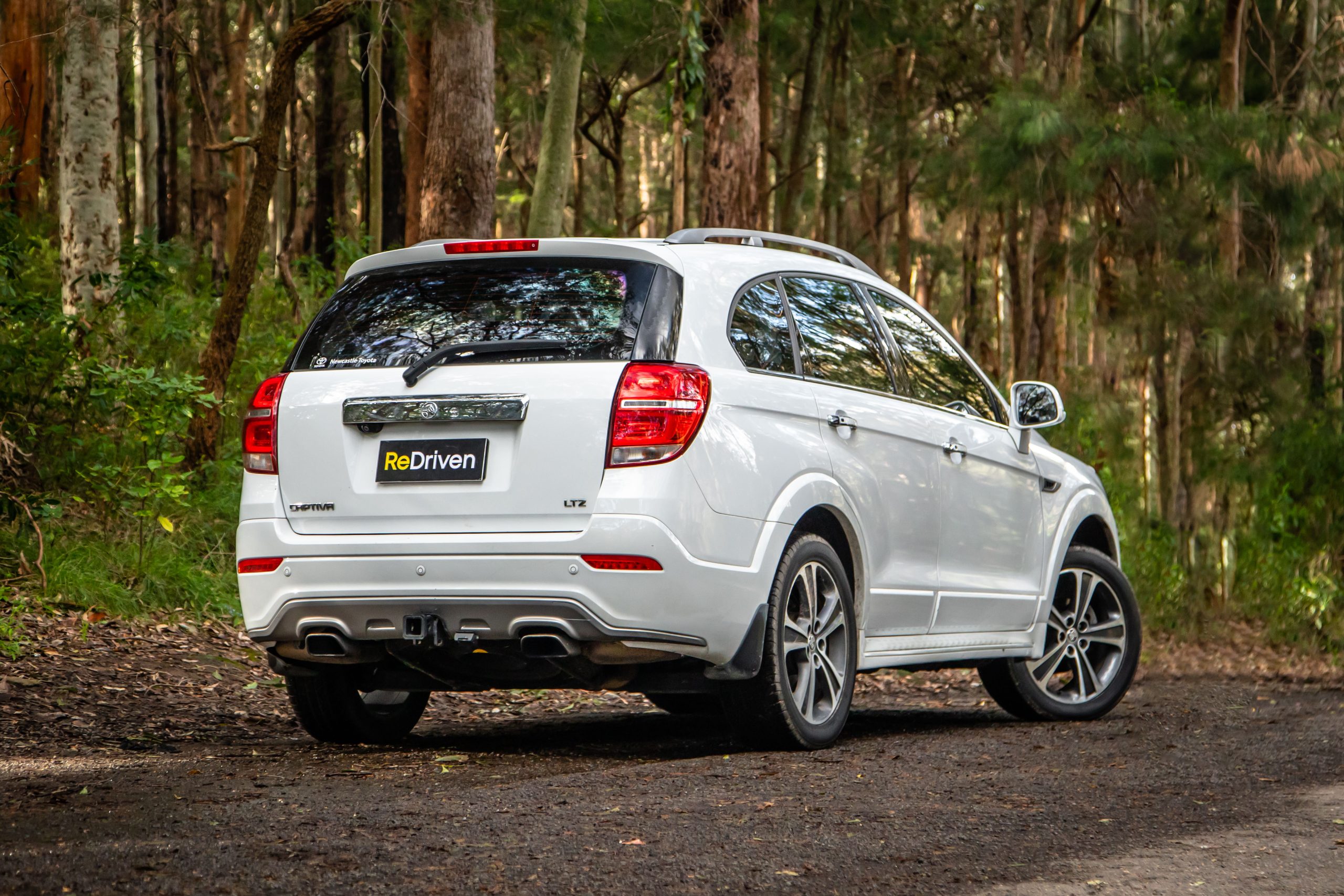
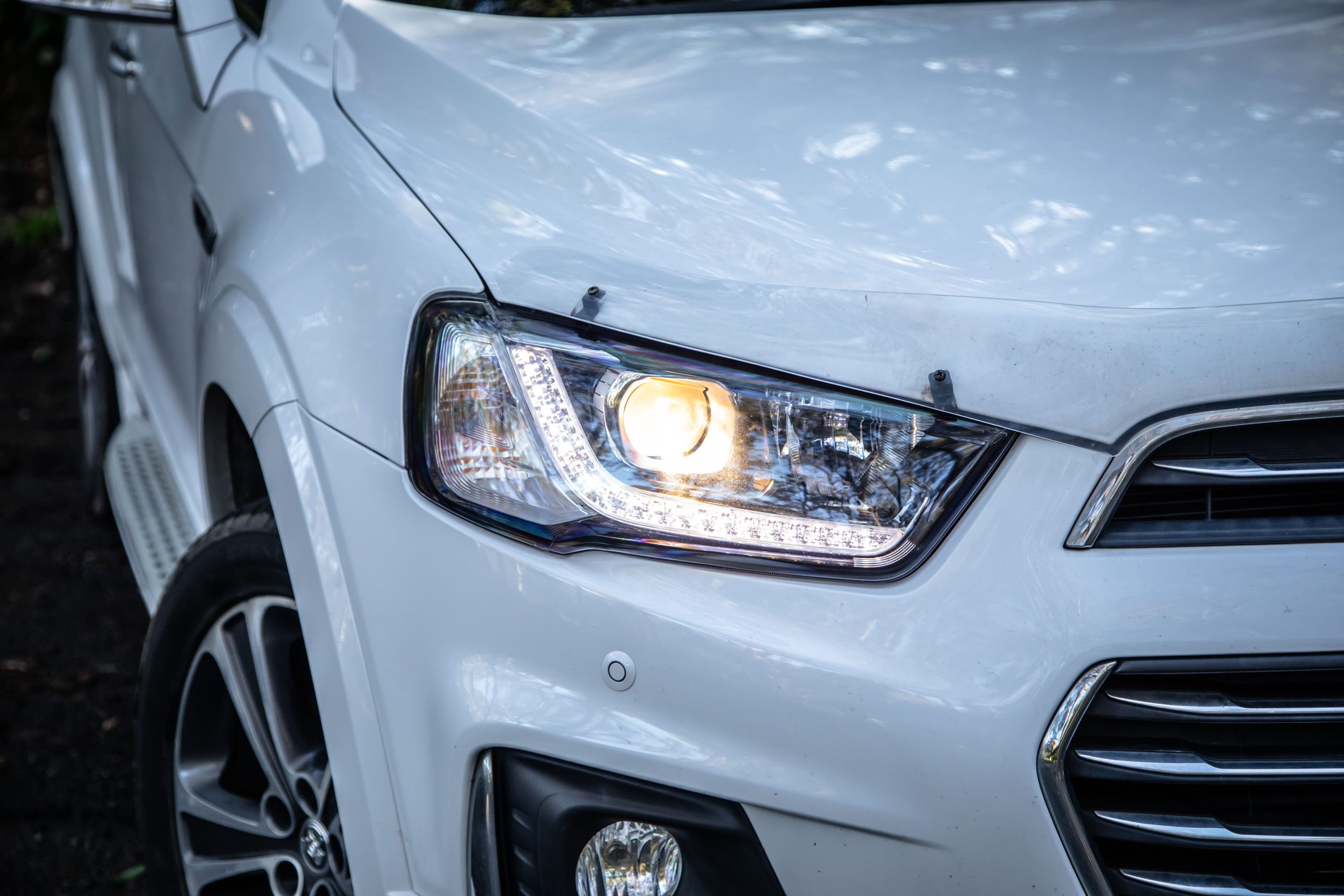
2015 Holden Captiva 7 LTZ

25 July 2022
Zero chance.

2015 Holden Captiva 7 LTZ

Used car review
25 July 2022
The Captiva mid-sized five- or seven-seater lobbed in the mid Noughties as Holden’s solution for a must-have large-ish SUV. It was GM/H response to Ford’s home-spun Territory and a replacement for the mixed-bag Commodore wagon-based Adventra and the imported Captiva couldn’t have more different in every way.
Its story is, erm, complicated. And can be a bit of a minefield for the casual used-tyre-kicker.

The Captiva was sourced from GM Korea, aka the former Daewoo. Well, both of them. See, the regular Captiva was a rebadged Chevrolet of the same model name, whereas the high-end Captiva MaXX version was instead based on an Opel Antara. Different vehicles, then, albeit with technical similarities in platform and with powertrains.
At its 2006 launch, there were three grades – SX, CX and LX – of regular Captiva, price between $36k and $42k. The Opel based (slightly shorter) MaXX range-topper was $43k.
Despite the South Korean source, all version used an Aussie-made 169kW/297Nm 3.2 petrol V6 backed by a five-speed auto and on-demand all-wheel drive. To confuse matters (more), the SX and MaXX were five-seaters, the middle-rung variants offering seven…
For MY08, a 2.0-litre turbodiesel four outputting 110kW/320Nm lobbed and could had with a five- speed manual in base SX trim ($35k) as well as the staple automatic elsewhere in the range.
From mid-2008, you could also get the oiler SX in front-wheel drive. Right around here the Captiva story gets muddier. Holden axes the MaXX flagship, though it returns in spirit in late 2009 as the Captiva 5 (for five seats).
And with the new name is fresh power by way of a new 103kW/220Nm 2.4-litre four-cylinder engine, with manual/auto and FWD/AWD options, kicking off as low as $28k.
From here, the ‘5’ sits along the renamed Captiva 7 (for…you get the idea) carrying over the petrol-V6 and diesel-four motivation as the higher-spec versions that nudge up to a $45k plateau. At least Holden kept the SX, CX and LX variant structure for familiar continuity.
Then the Series II facelift arrived in 2011 and the whole shebang copped another shake-up. The Captiva 5’s petrol 2.4 was upped to 123kW/230Nm as a front driver only (from $28k), but soon enough a more powerful 135kW/400Nm 2.2L diesel ‘5’ joined the fray ($34k) with a six-speed auto.
Meanwhile, the now (77mm) longer Series II Captiva 7 could be had with a new, Aussie-made, Commodore-shared 3.0-litre petrol V6 good for 190kW/288Nm. You could also get the new 2.2 oiler in the ‘7’, with both engines backed by a six-speed auto and AWD.
Just to ensure everyone was paying attention, Holden went and adopted (mid-spec) LT and (flagship) LTZ naming in 2015 – both seven seaters – while the familiar LS could be had with five or (optional) seven pews.
Digging down into features and options throughout Captiva’s dozen-year lifecycle is too exhaustive for here. But in a nutshell, Holden’s large-ish family hauler never really hit critical heights in its segment and was renown, fairly or not, for patchy quality and questionable reliability.
Holden would axed the Captiva 5 in 2016, the nameplate living on for a couple of years – as just Captiva, no ‘7’ – until the then seven-seat-only model was replaced by Equinox in 2018.
In terms of the exterior there are many of reports that anything that has a relationship with electricity, like the windows, the mirrors, the lights, the and the central locking can all glitch out or just fail.
Captiva’s fitted with sunroofs are becoming renown for excessive rattles and there are many reports of the roofs leaking.
There are reports out there of door seals leaking.
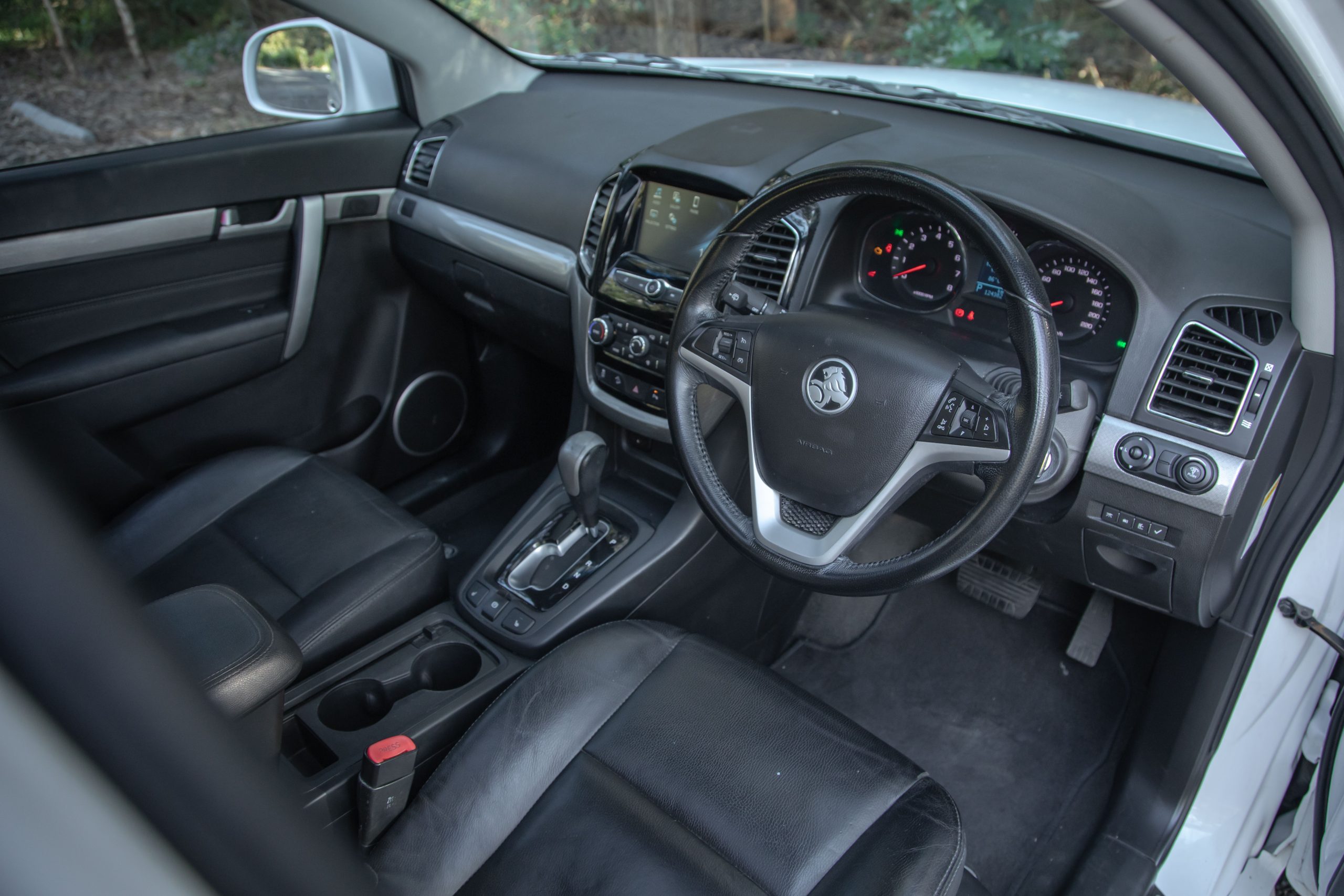
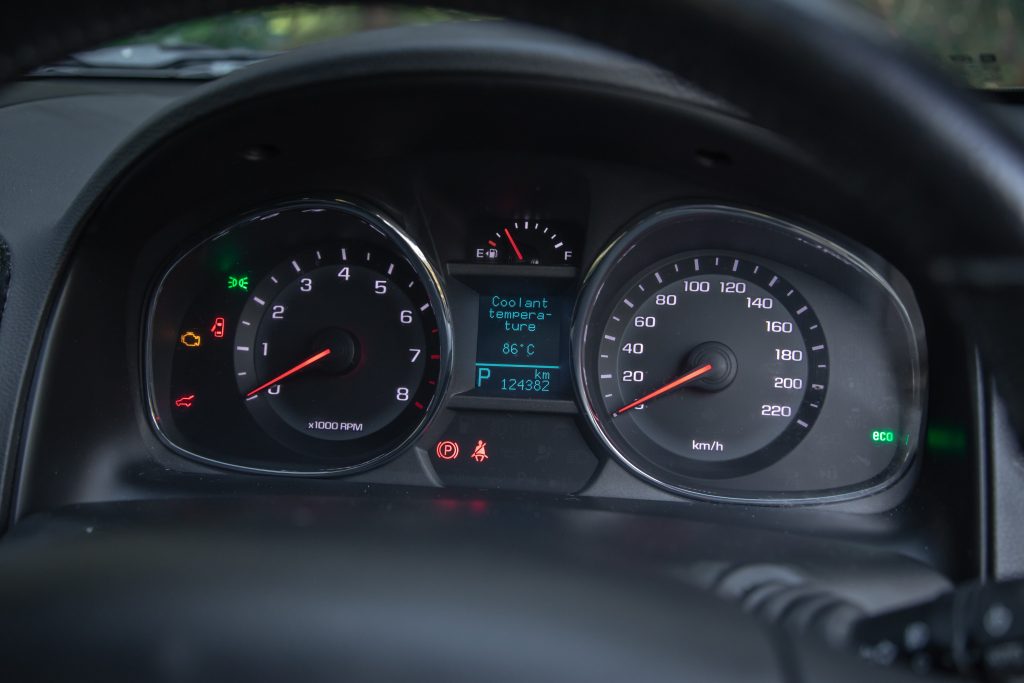
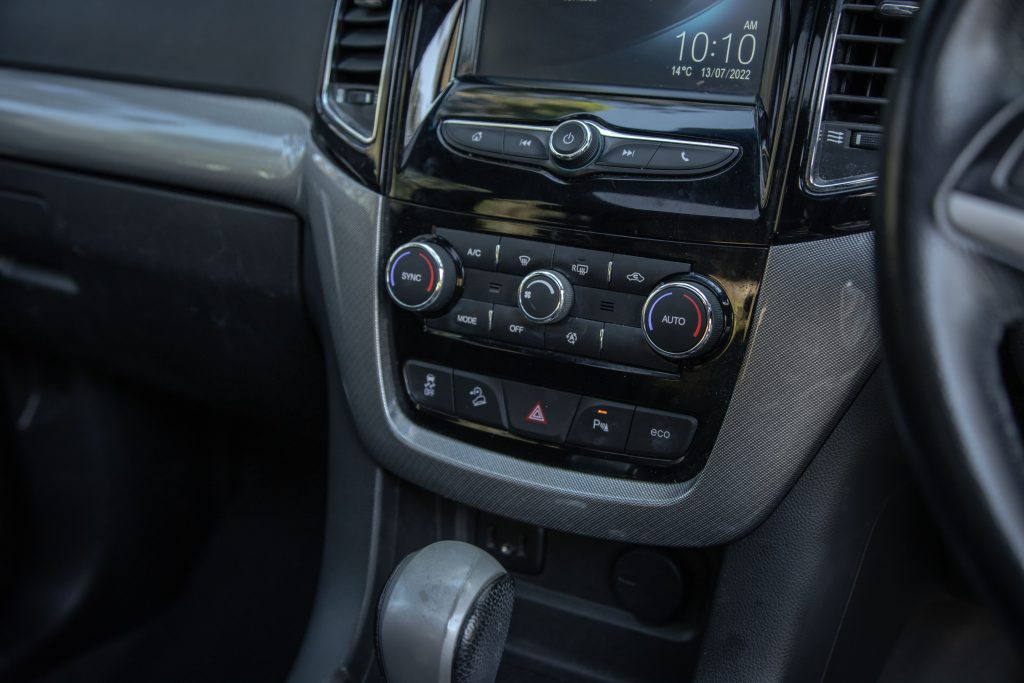
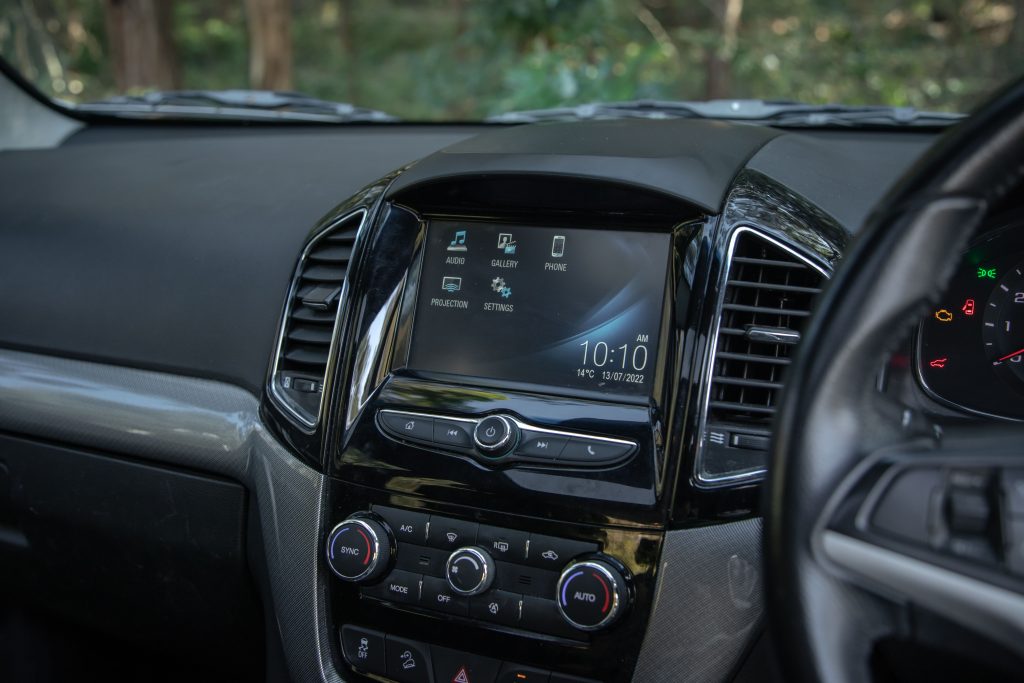
Inside it’s the same story as the exterior, electronic gremlins galore. Everything from the Air Conditioning and ventilation failing to infotainment systems crashing to random dash warnings and faulty gauges,
The worst however is dodgy electronics that can lead to stuttering acceleration, even resulting in the engine stopping completely.
If you are in the market for one of these, make sure you press every button and make sure everything works.
Aside from the above, there are dozens of reports of random things breaking, falling apart or failing. Trim pieces, upholstery, all something of a nightmare really.
We should also mention, the Captiva has been recalled multiple times for everything from niggly issues to genuine safety concerns so make sure you check out the car’s history to see if these recalls have been resolved.
Mechanically the terrible reputation is well deserved too.
The worst enemy of the V6 petrol is the dreaded P0016 cam/crank correlation fault codes. This is where the cam shafts & crank shaft are slightly out of sync and is caused by stretched timing chains & worn guides.
It’s a complicated repair and here in Australia most independent workshops can repair it in a day and typically costs around $1500. It’s a job that we’d highly recommend using the genuine GM timing kit to repair it. They might be slightly more expensive but they’re a more comprehensive kit just fit more accurately.
The 4-cylinder petrol engines have timing chain issues too. The pivot bolt for the chain tensioner likes to break off cause timing chain failure.
As for the 2.2 litre 4-cylinder turbo diesels, they also have timing chain complications, turbo problems too which can sometimes be linked to lack of servicing.
Another common thing that happens randomly regardless of service history is oil cooler leaks, forcing engine oil into the cooling system. To replace this with a decent quality cooler and all the associated seals is about $1200 round trip.
The drivelines have plenty of problems too. Transfer case failure is fairly common and rear diff and the rear diff coupling can be problematic too.
You don’t have to buy a Captiva, and you should not buy a Captiva.
Yes on paper they offer a lot of equipment and features and when compared to their rivals, they seem to offer excellent value for money but the problem is, excluding maybe a couple of dozen unicorn examples out there, the Captiva is just a bad car.
Even the unicorn examples are average at best and there are just so many other better options, like public transport, walking or being shot out of a cannon.
Please do not buy a Captiva, they’re terrible and only getting worse.
MORE: Explore our Holden reviews
MORE: Explore our SUV reviews


Co-creator, presenter & writer, ReDriven

Zero chance.

 2 weeks ago
 3 weeks ago
 4 weeks ago