Australia’s No. 1 Used Car Review Website
Australia’s No. 1 Used Car Review Website
+9 Photos
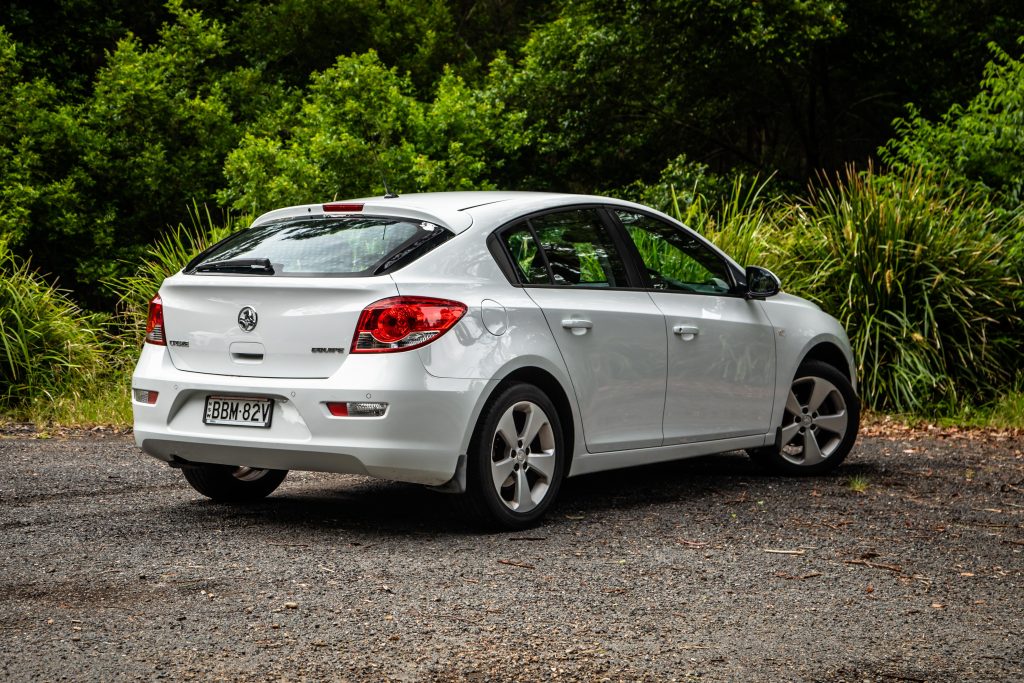
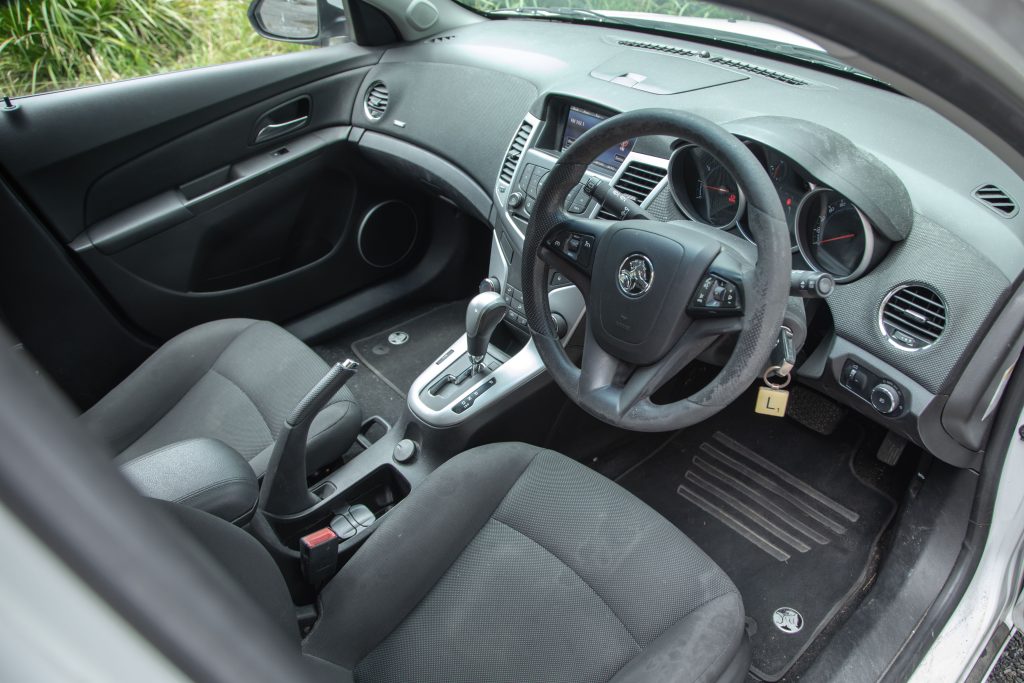
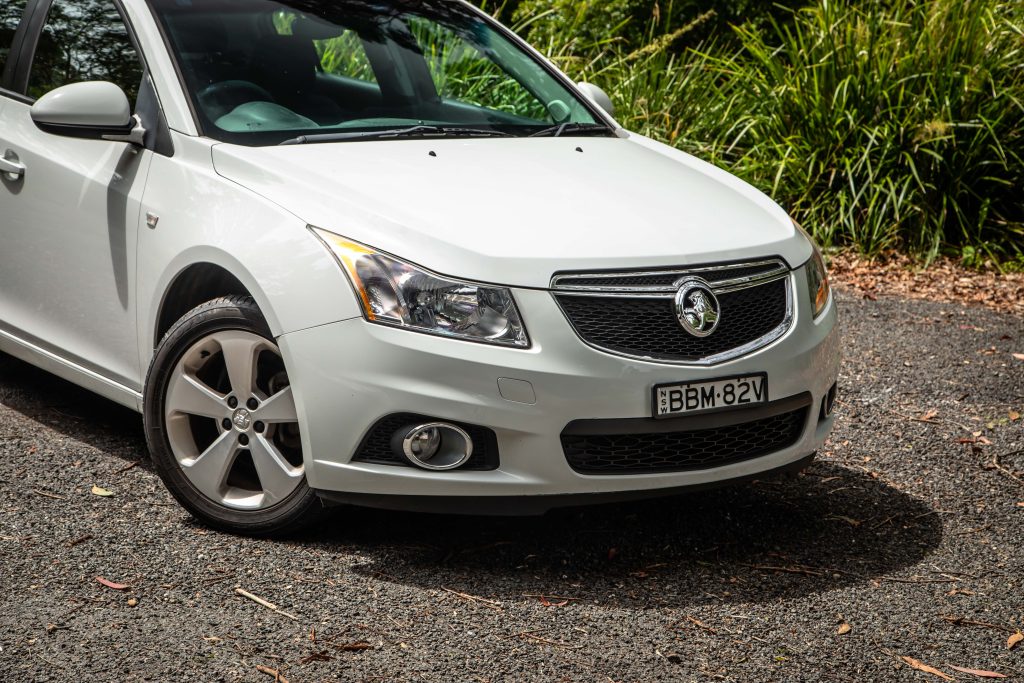
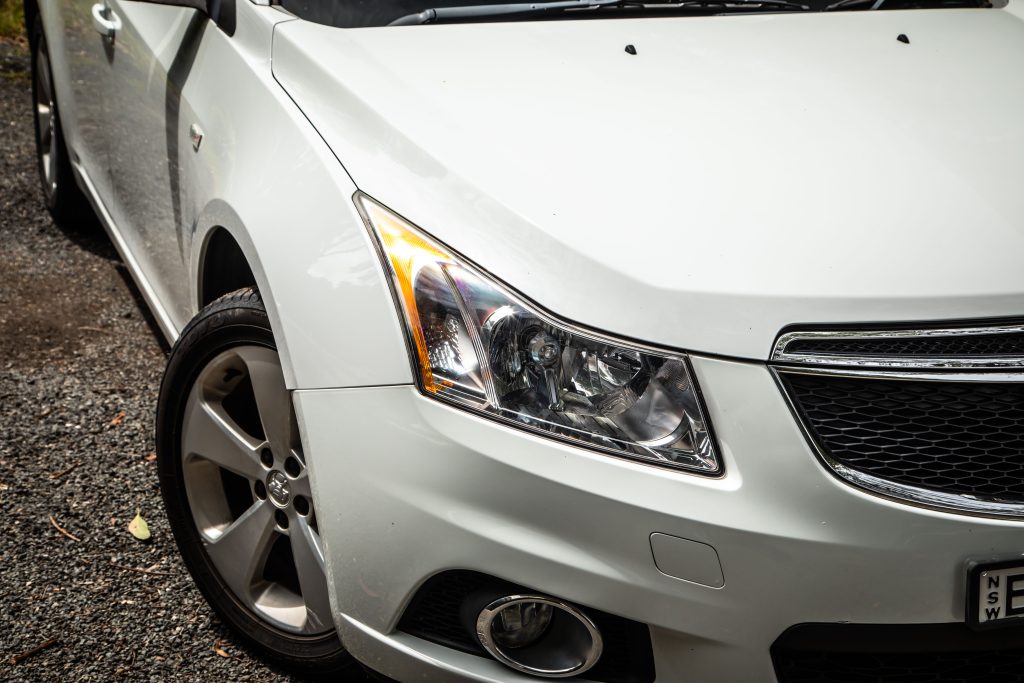
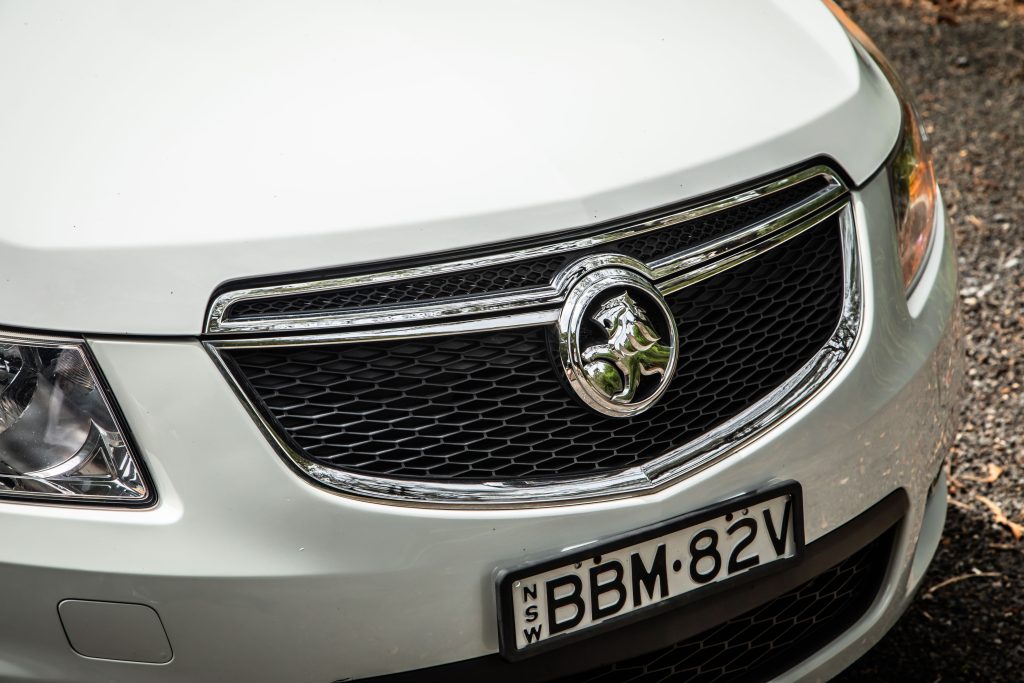
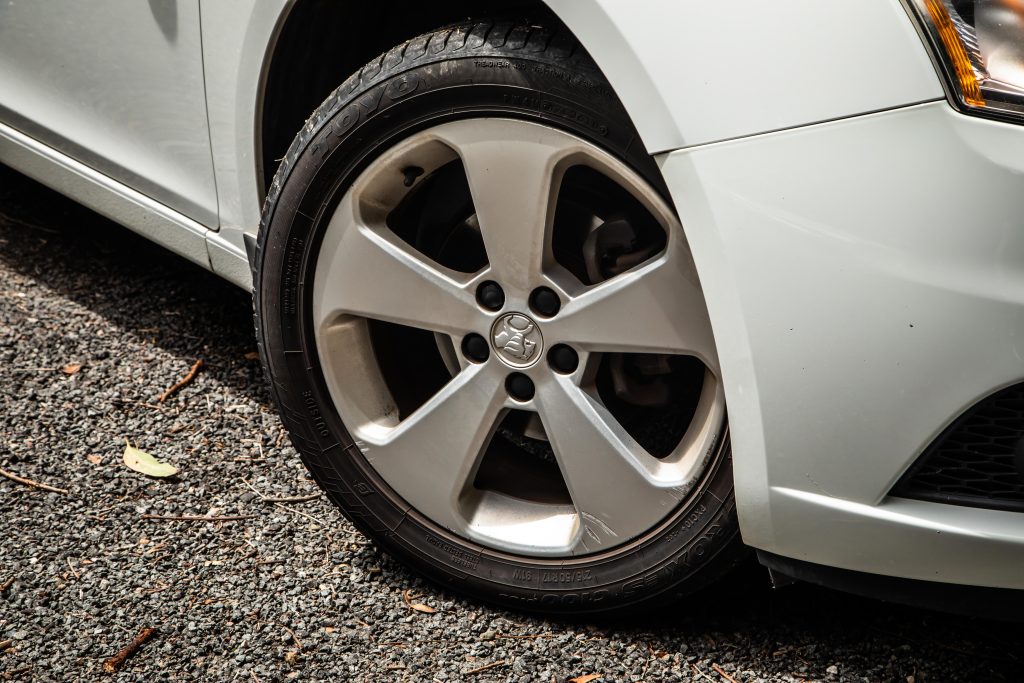
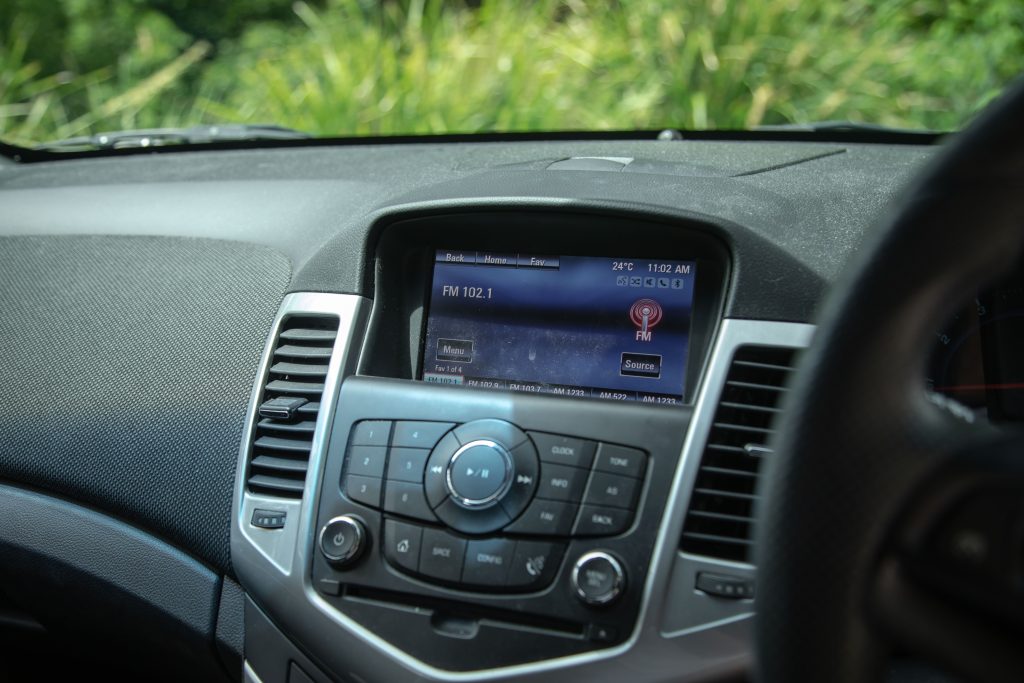
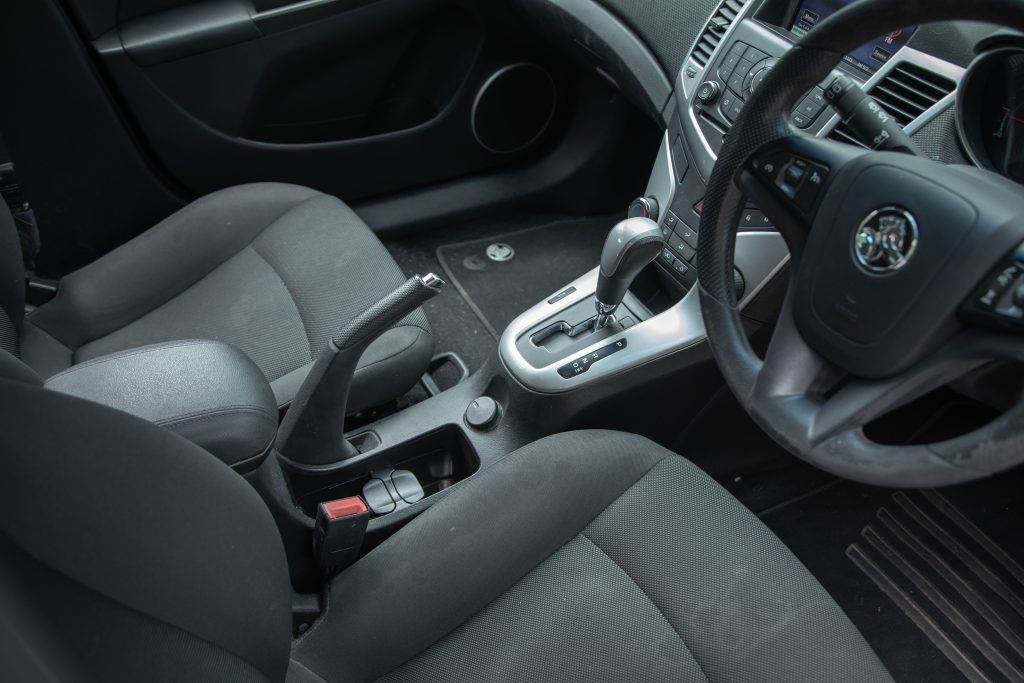
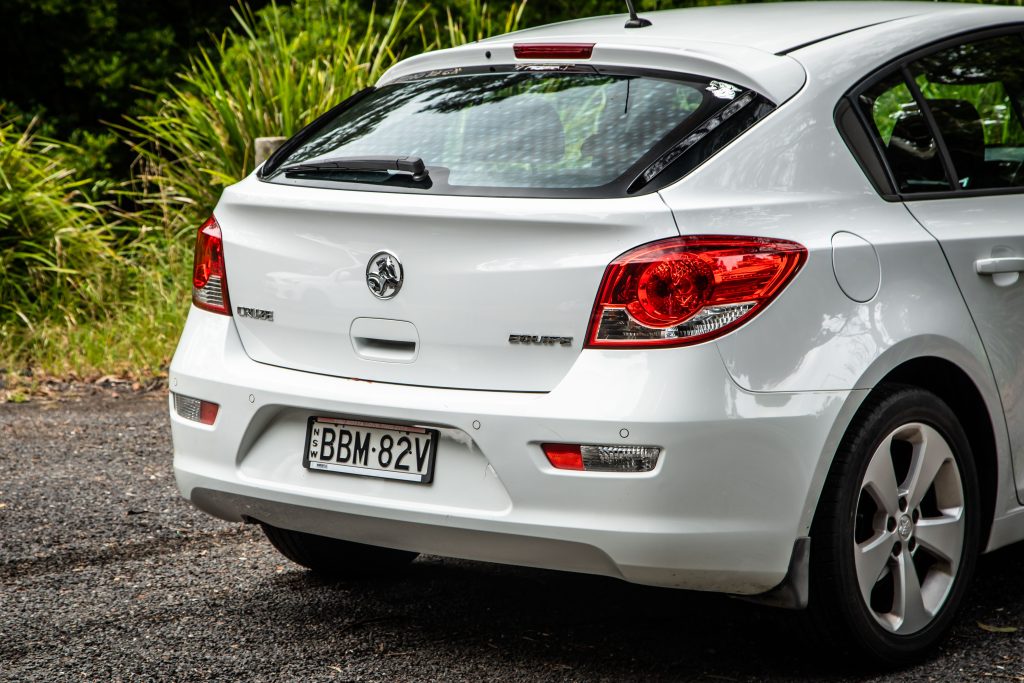
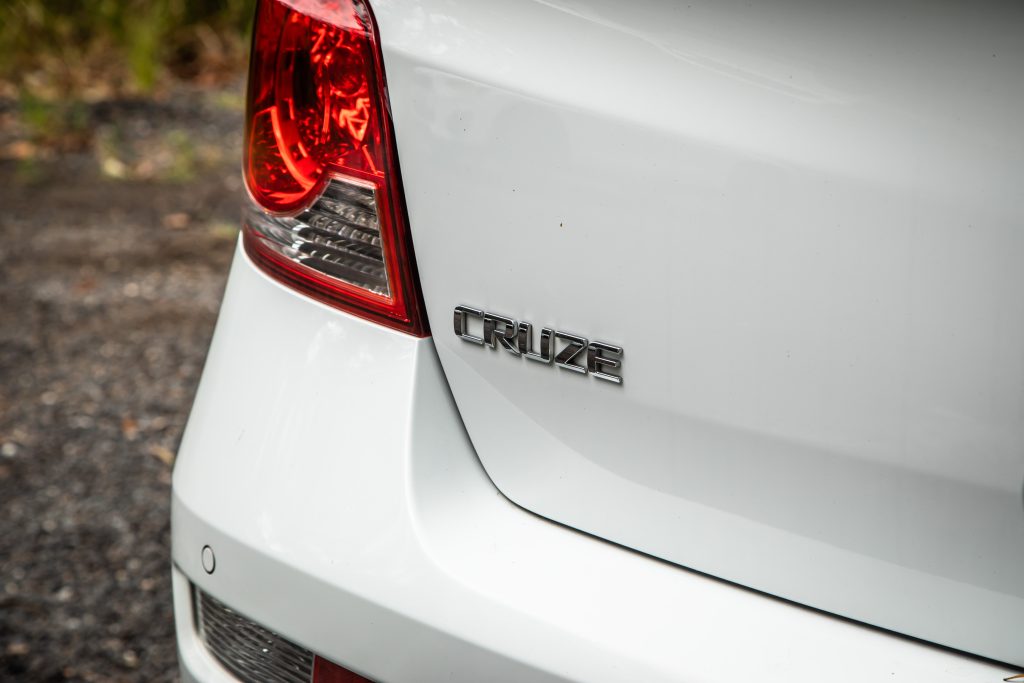
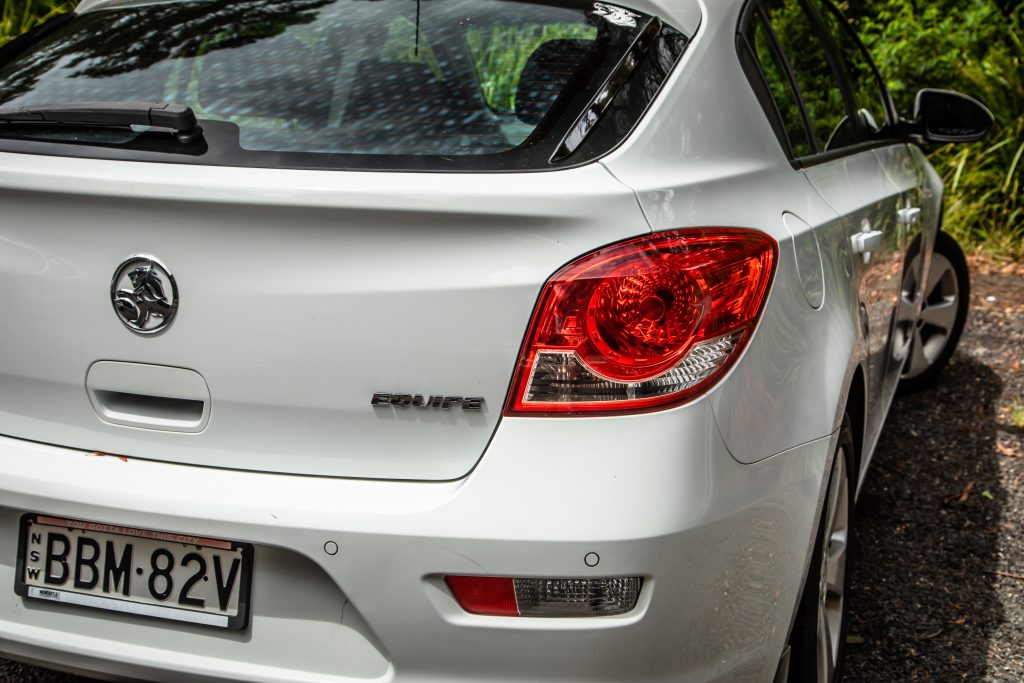

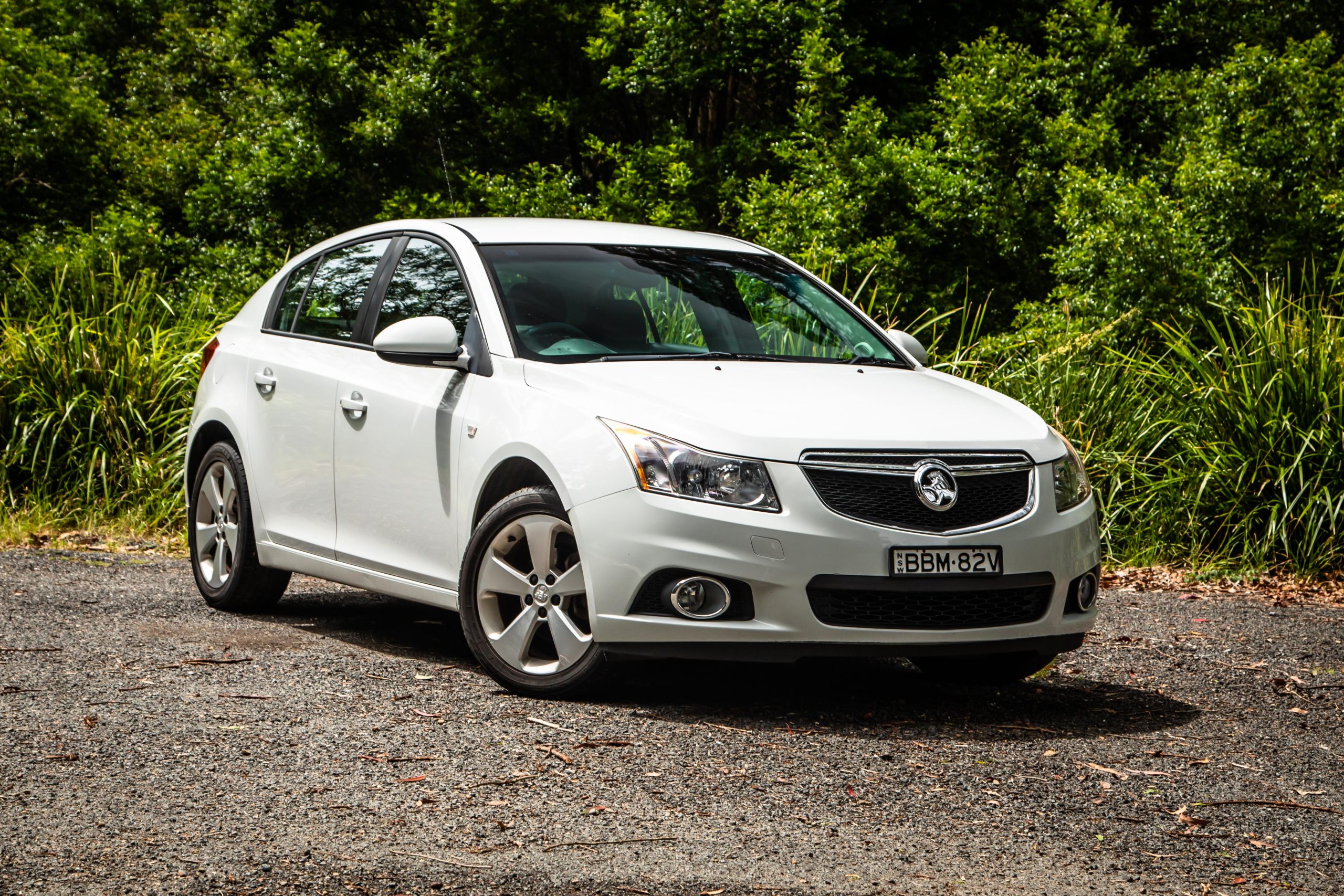
2015 Holden Cruze Equipe

13 October 2021
Would We Buy It?

2015 Holden Cruze Equipe

Used car review
13 October 2021
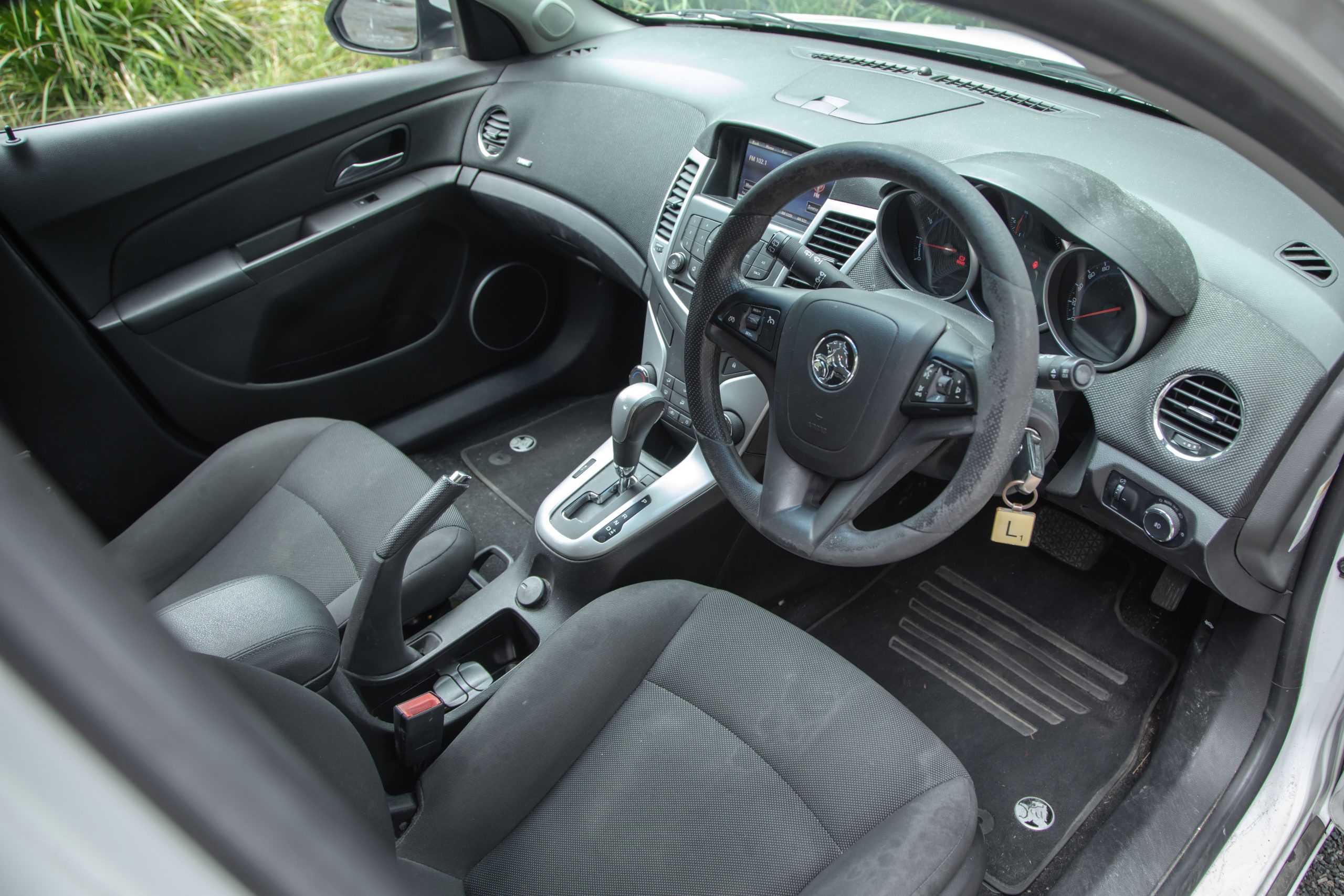
The story of the Holden Cruze, Holden’s last locally built small family car, is a bit messy and confusing. To start, it’s not to be mistaken for the tiny Suzuki Ignis-based 4×4 from the 2000s, even though it shares the same name.
The Cruze began life as a global GM model that landed in Australia in 2009 as a Korean-built sedan from Daewoo. Local production started in 2011 at Holden’s Adelaide plant, expanding to include both four-door sedans and five-door hatches. A wagon joined the lineup between 2012 and 2016, though it remained an import from Korea.
This version of the Cruze replaced the poorly received Opel-sourced AH Astra and the forgettable Viva. When Holden ended local production in 2016, the Cruze was succeeded by a Euro-sourced “PJ” Opel Astra hatch and a Korean-made “BK” Astra sedan. Both wore Holden badges here, though the hatch was also briefly sold as an Opel before that brand quickly disappeared from the Australian market. Not exactly a golden era for GM.

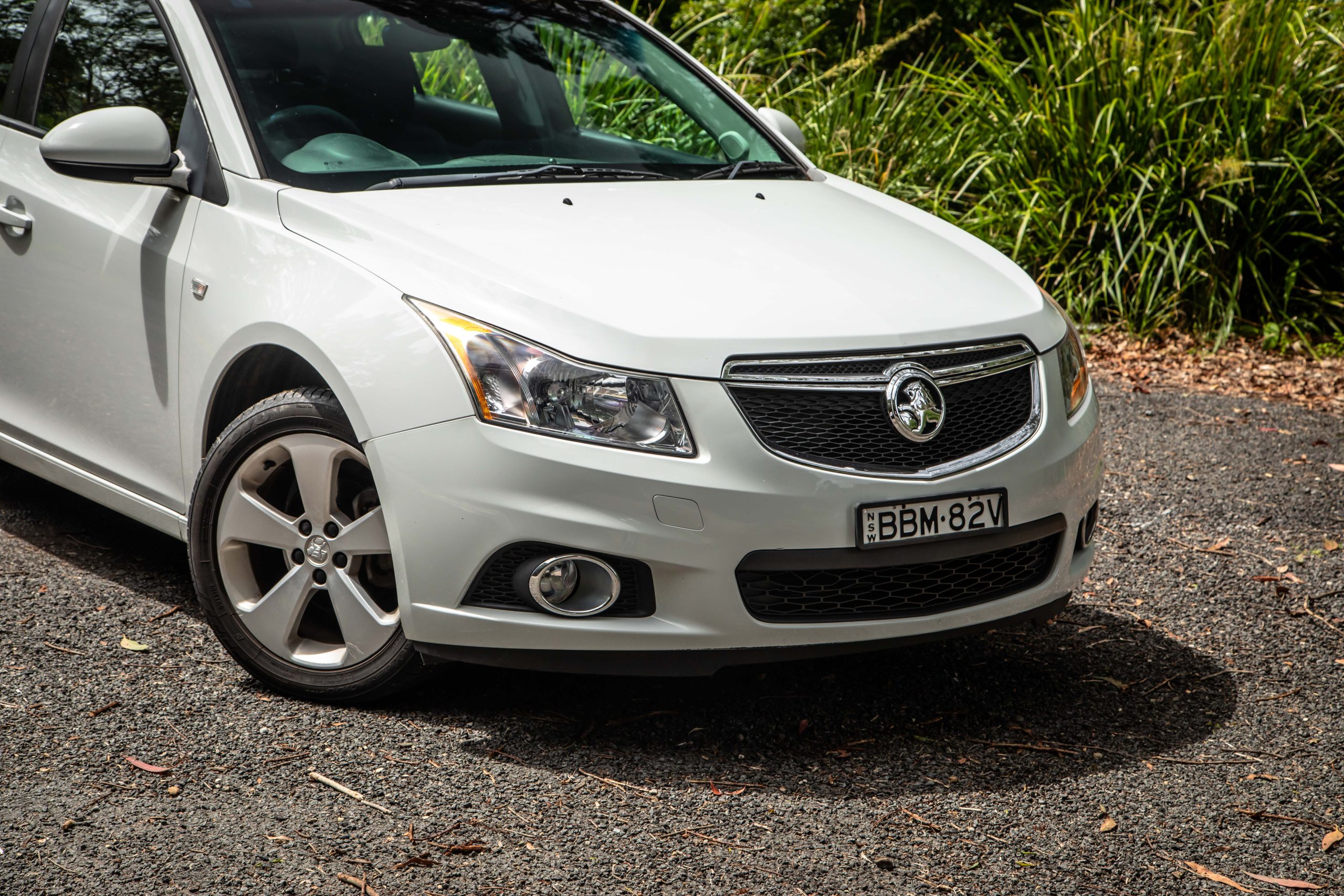
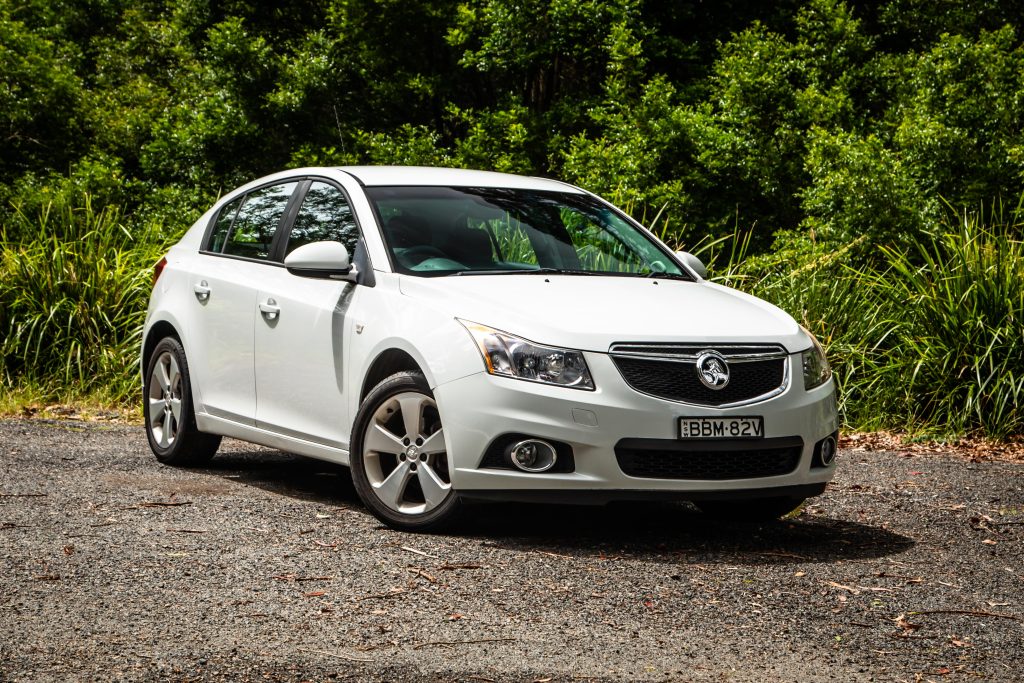
With its Holden styling influence and hints of Commodore design, the first imported JG Cruze offered a modern but conservative look, good cabin space and decent value for money, with prices starting around $21,000. Power came from either a 104kW/176Nm 1.8-litre petrol or a 110kW/320Nm 2.0-litre turbo diesel, both front-wheel drive and available with a five-speed manual or six-speed auto.
The Korean-built JG models were only offered as sedans, available in base CD or better-equipped CDX trims. All versions came with cruise control, air conditioning, six airbags and a five-star ANCAP rating for 2009 – respectable safety for the time.
Things improved when local manufacturing began in 2011. The updated JH “Series II” Cruze brought an Australian-developed hatch and better powertrains, along with more variants. The 1.8 petrol and 2.0 diesel engines were refined, the diesel boosted to 120kW/360Nm, and a new 1.4-litre turbo petrol joined the range with 103kW/200Nm.
New trims followed, from the budget-friendly Equipe (priced below $20k) to the higher-spec Z Series, plus sporty SRi and SRi-V models. The latter arrived in mid-2013 with a punchy 1.6-litre turbo engine making 132kW/230Nm.
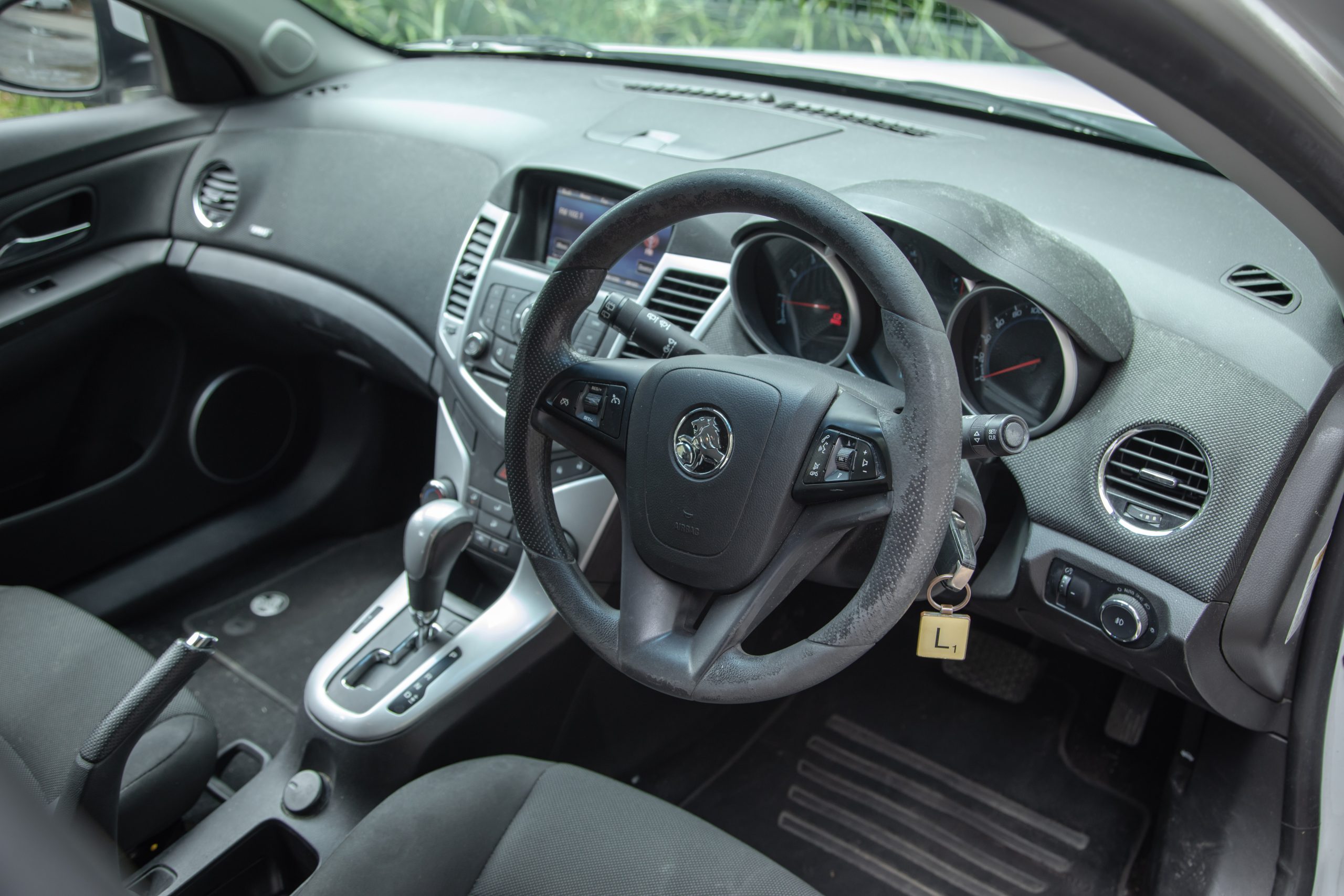
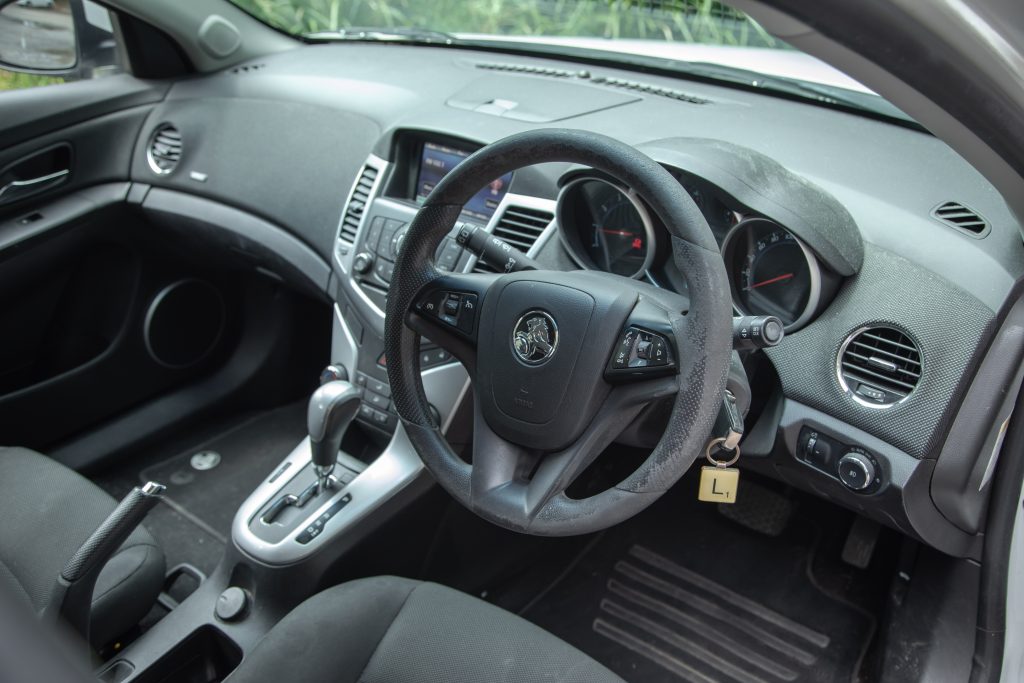
While generally pleasant to drive, no Cruze variant is truly engaging behind the wheel. The earlier engines feel rough and lack urgency, and the cabin design hasn’t aged particularly well. If you’re chasing something that feels premium, this isn’t it.
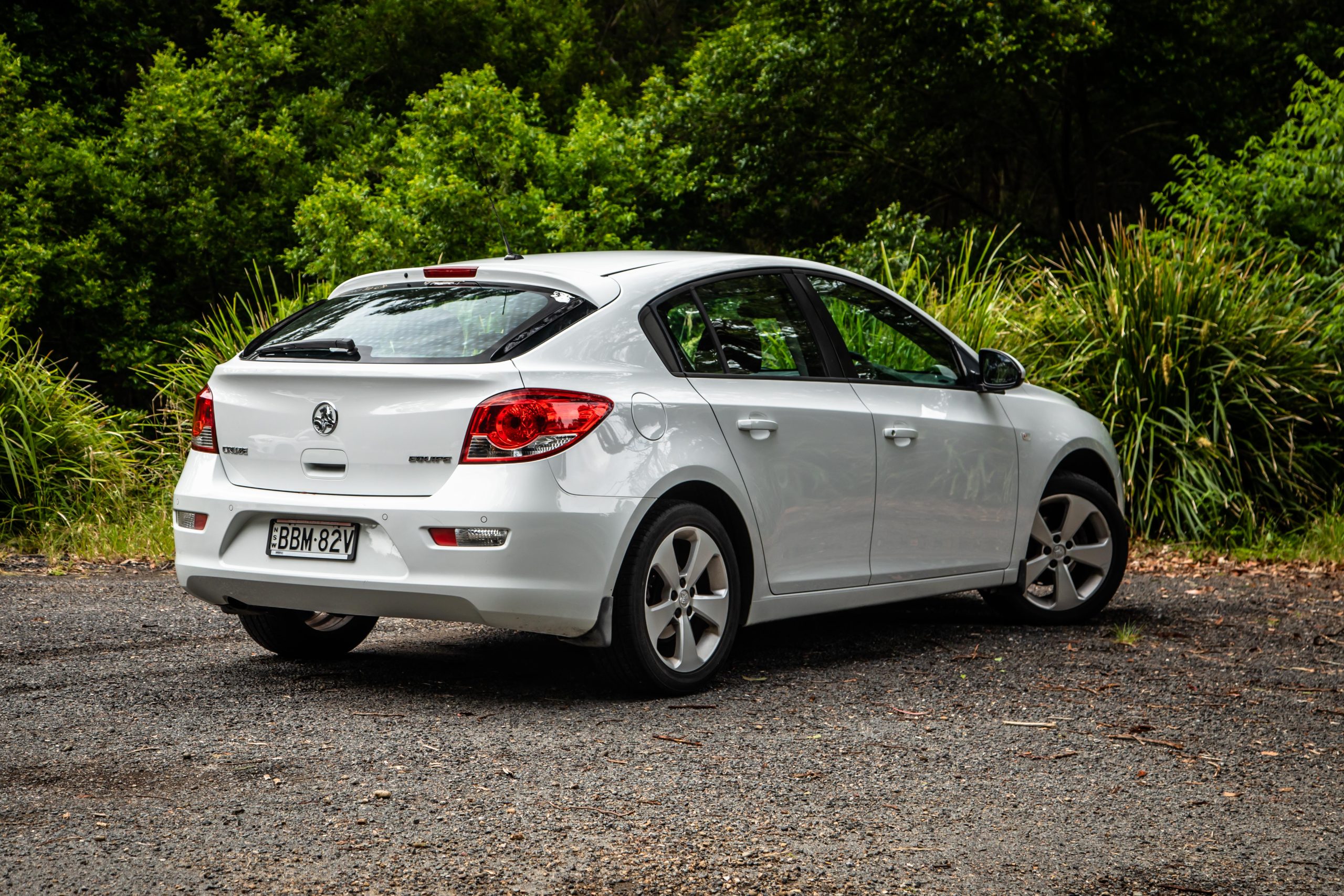
Though sedans and hatches were similarly priced, the hatchback is arguably the better buy, offering a larger boot and easier access, making it the more practical choice for families. The wagon, with 686 litres of space (expanding to almost 1500L with the seats folded), is even more practical, though it only came in CD and CDX trims and missed out on the turbo petrol engines. Still, it’s a sensible option for anyone prioritising space and value, especially with the diesel engine.
Depreciation has hit the Cruze hard, making newer, higher-grade used examples great value for money. The later Australian-built models don’t carry the same reliability issues that plagued some of the earlier Korean imports, making them the smarter pick second-hand.
No, Nup, Nada, do not buy a Holden or Chevrolet Cruze.
Yes they are cheap but they’re cheap and nasty.
For what the Cruze costs to buy, we’d recommend an older, higher kilometre Toyota, Honda or Mazda over a newer lower kilometre Cruze.
Actually we’d recommend walking, public transport or learning how to rollerblade instead of buying a Cruze, these are genuinely bad cars.
Yes there may be a few okay examples out there but do you really want to risk it? We certainly wouldn’t.


Co-creator, presenter & writer, ReDriven


 1 month ago
 1 month ago
 2 months ago