Australia’s No. 1 Used Car Review Website
Australia’s No. 1 Used Car Review Website
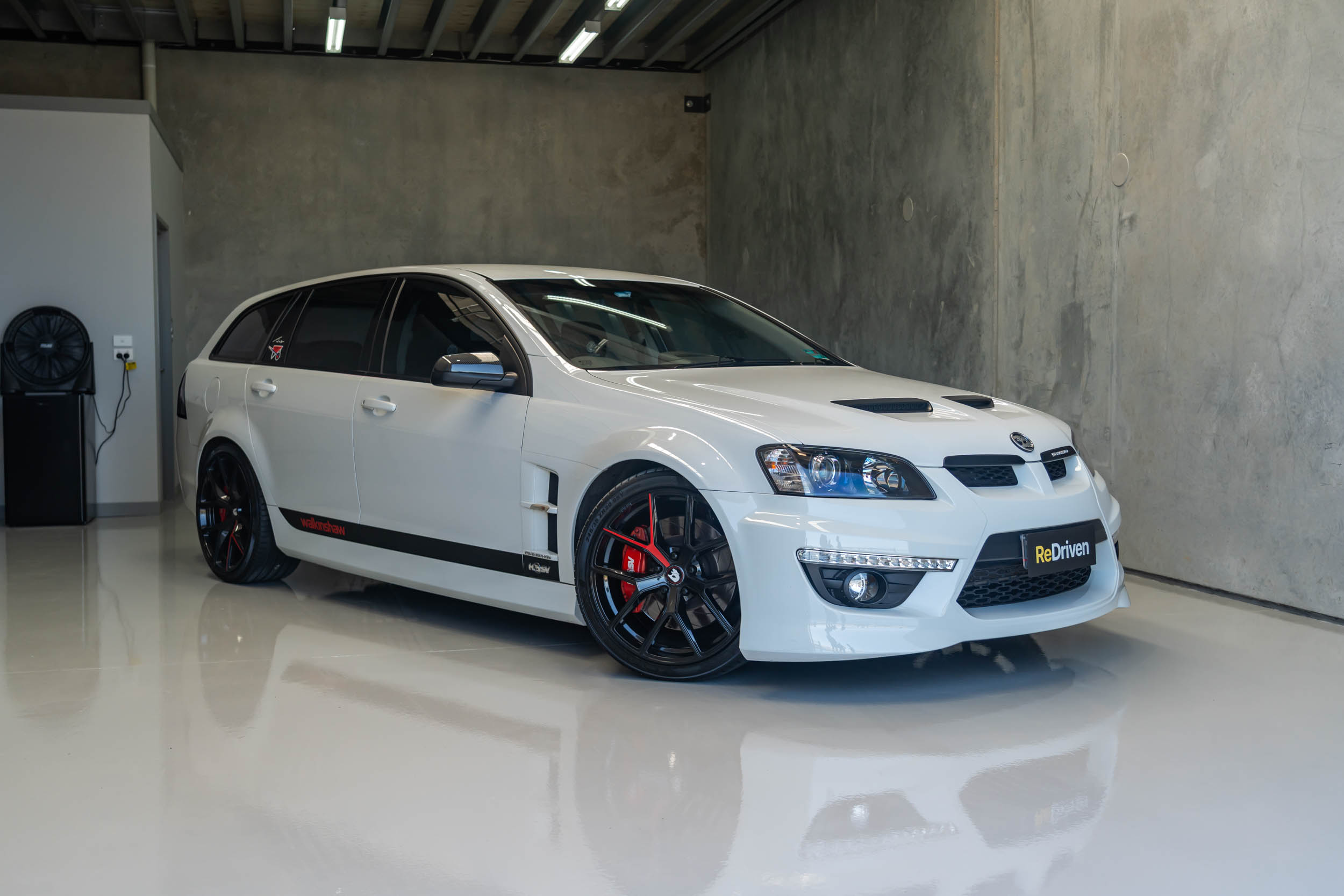
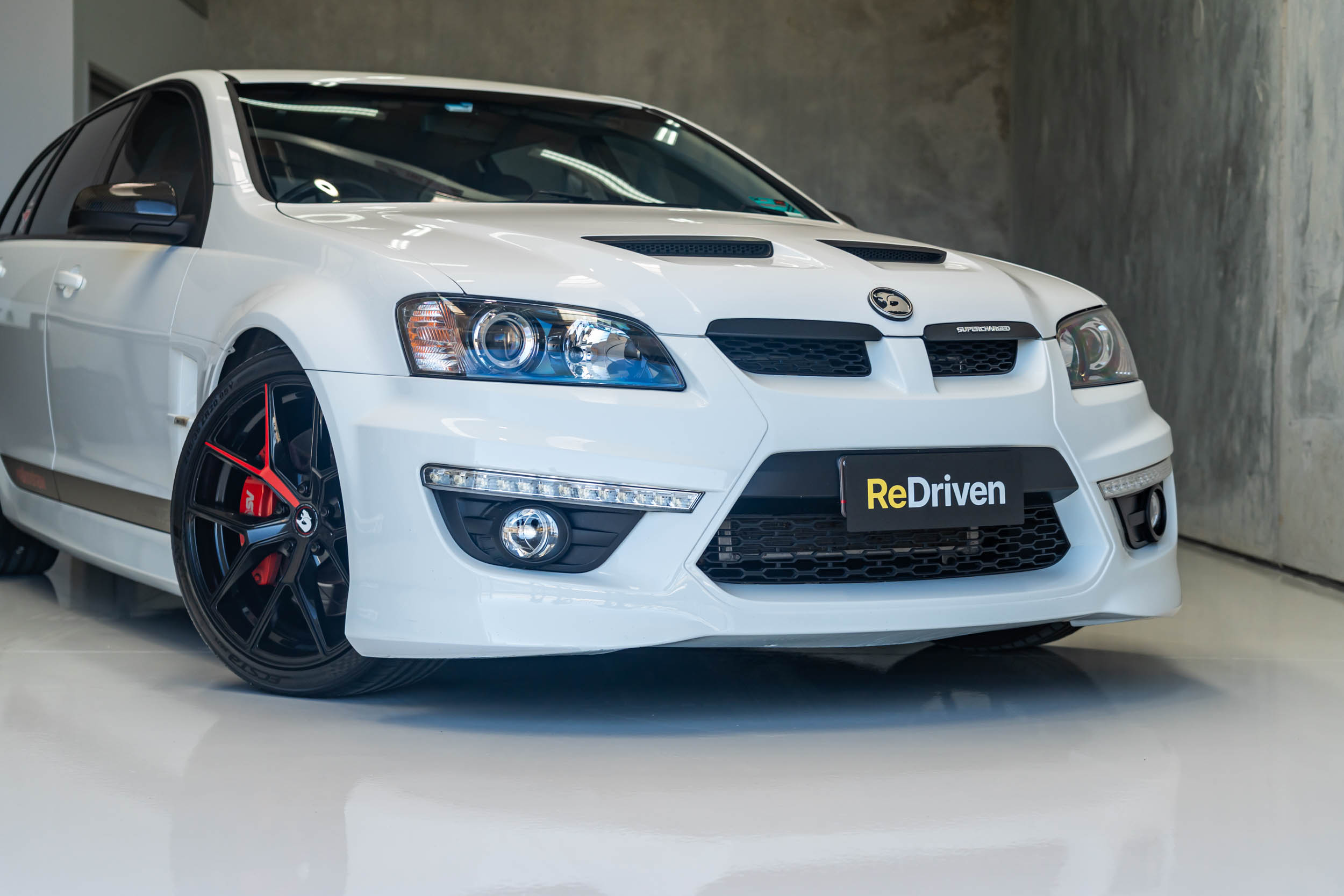
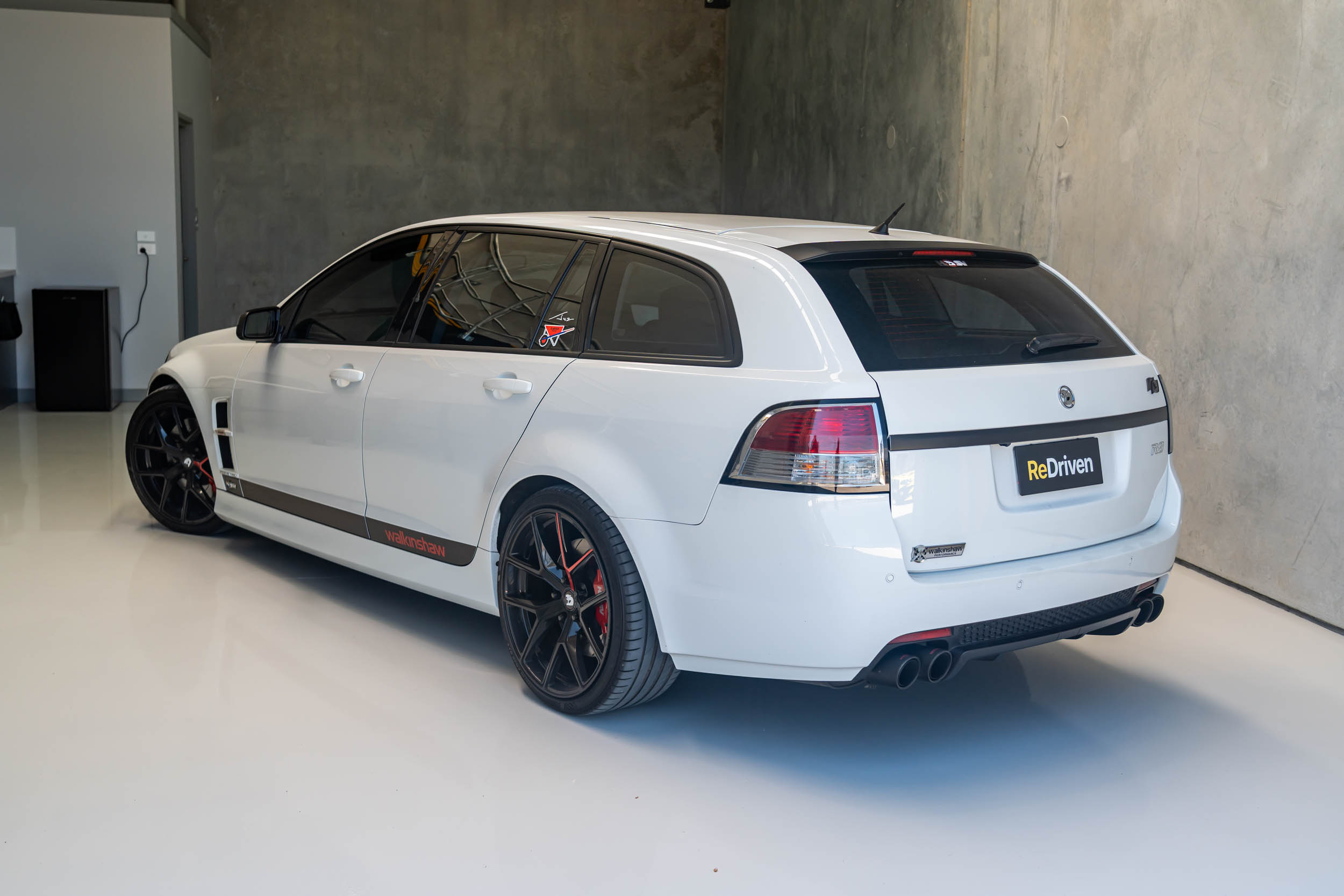
+31 Photos
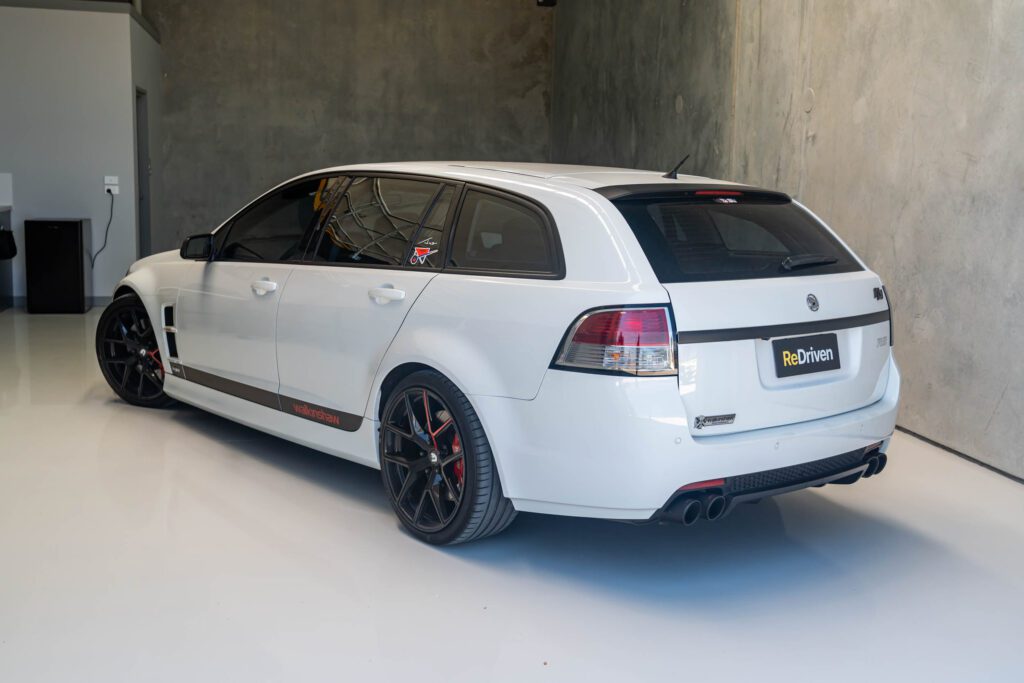
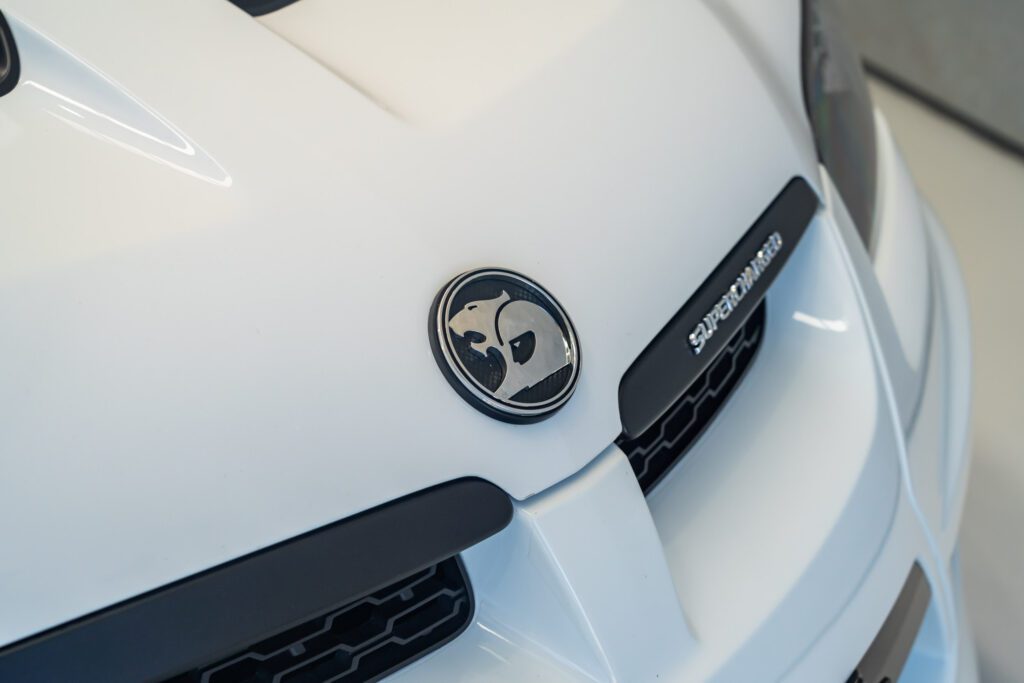
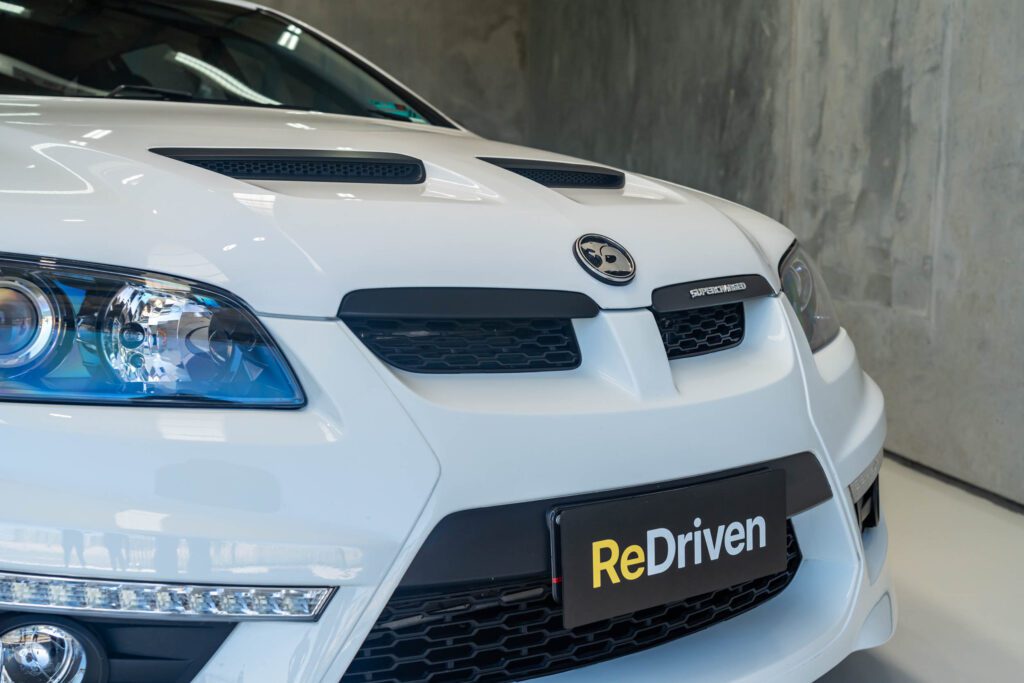
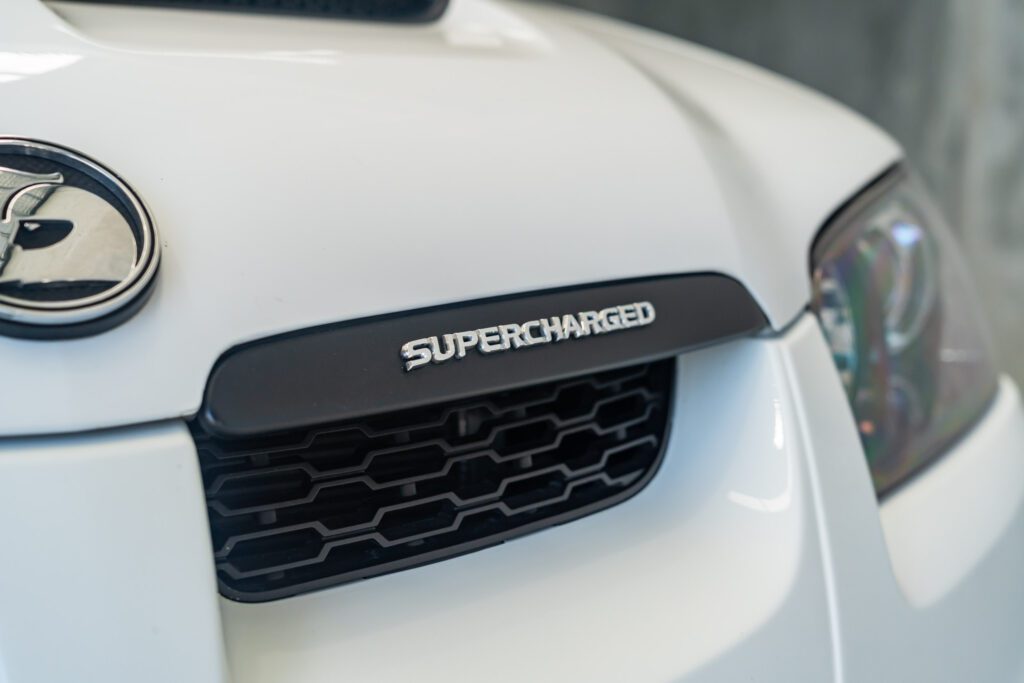
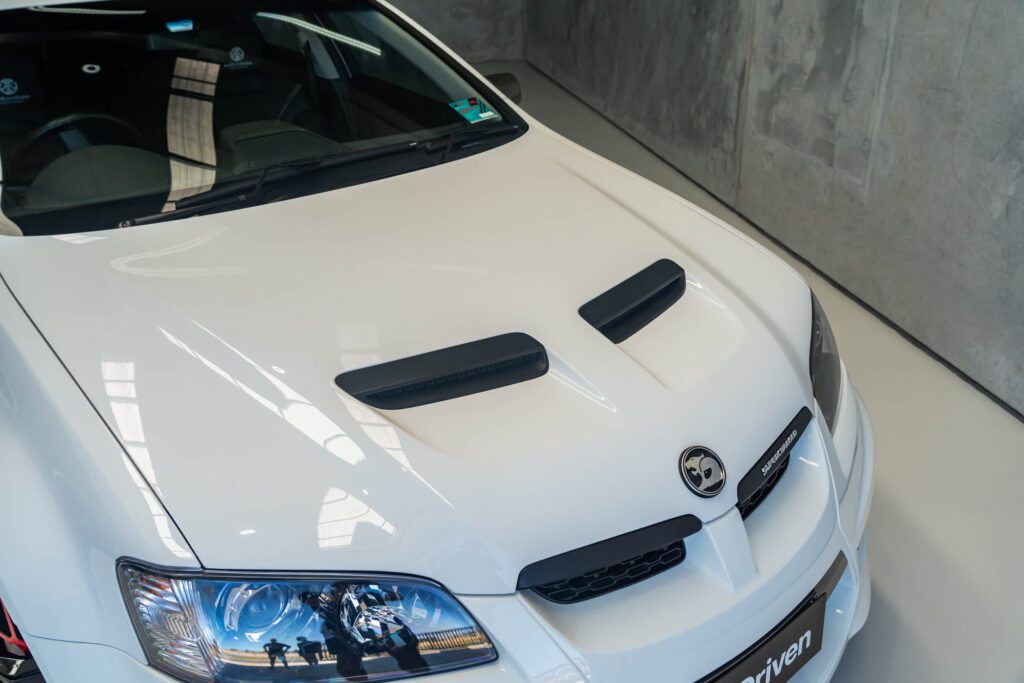
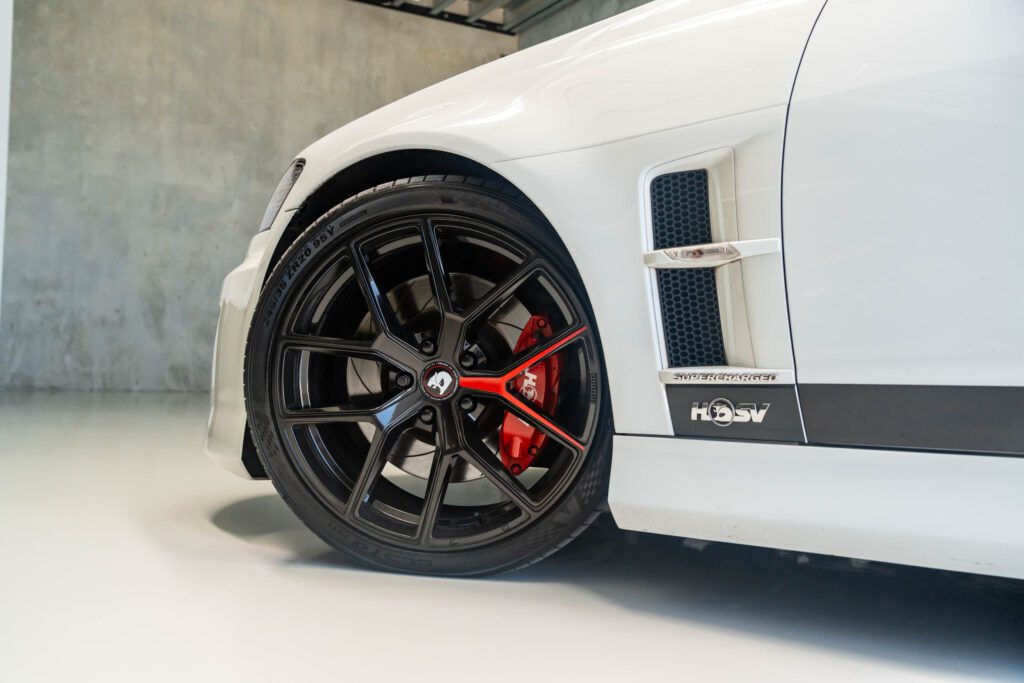
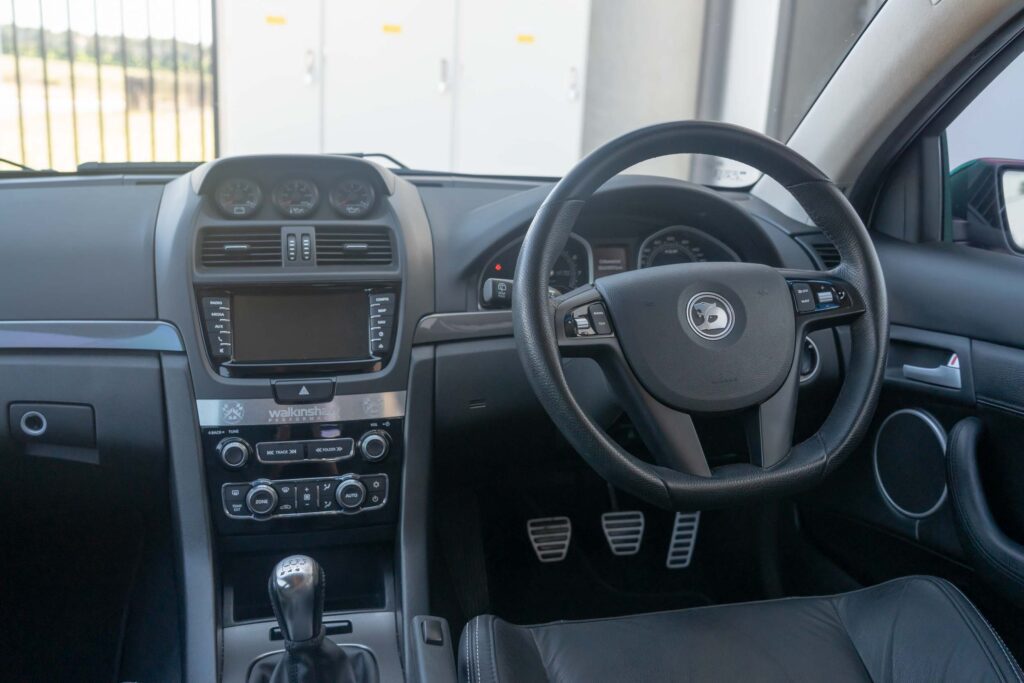
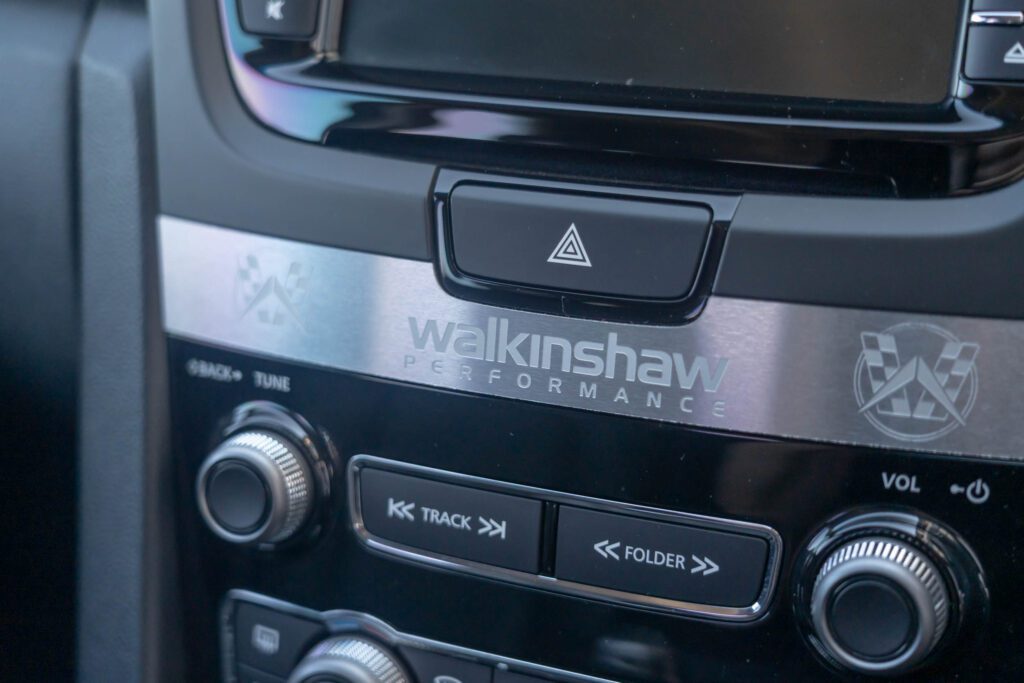
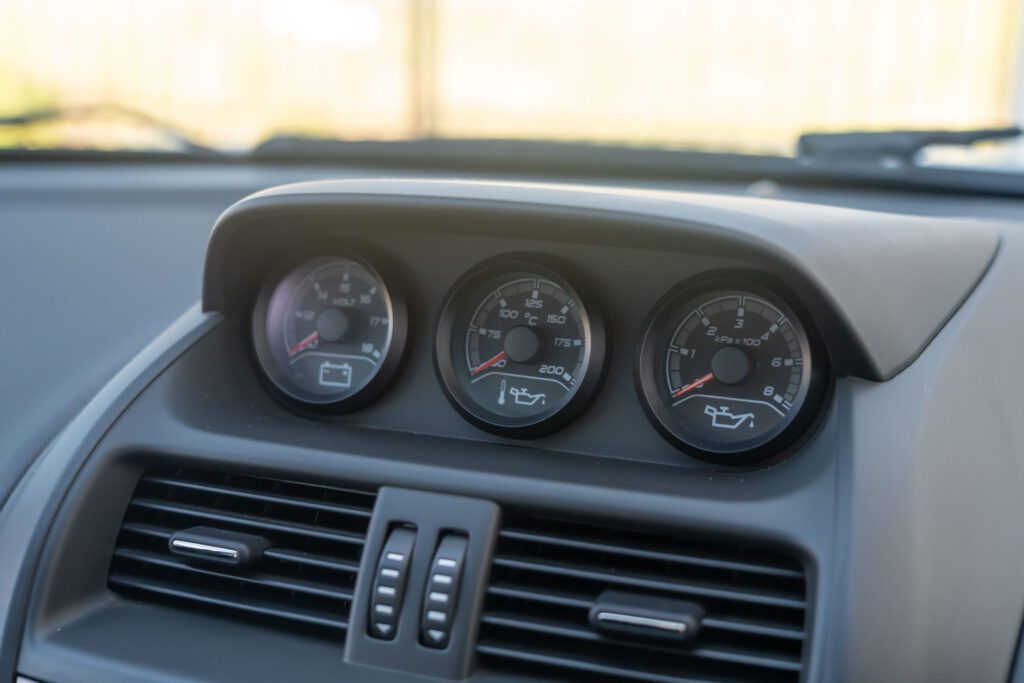

2012 Holden HSV Clubsport R8 Tourer

22 January 2026
Yes. But only the right example.

2012 Holden HSV Clubsport R8 Tourer

Used car review
22 January 2026
There’s nothing more Australian than a V8-powered, rear-wheel drive sedan, and anything that underwent the treatment of HSV, or the Holden Special Vehicles division, is no exception.
If you have no idea what HSV is, think of it as what AMG is to Mercedes-Benz or the ‘M’ division to BMW.

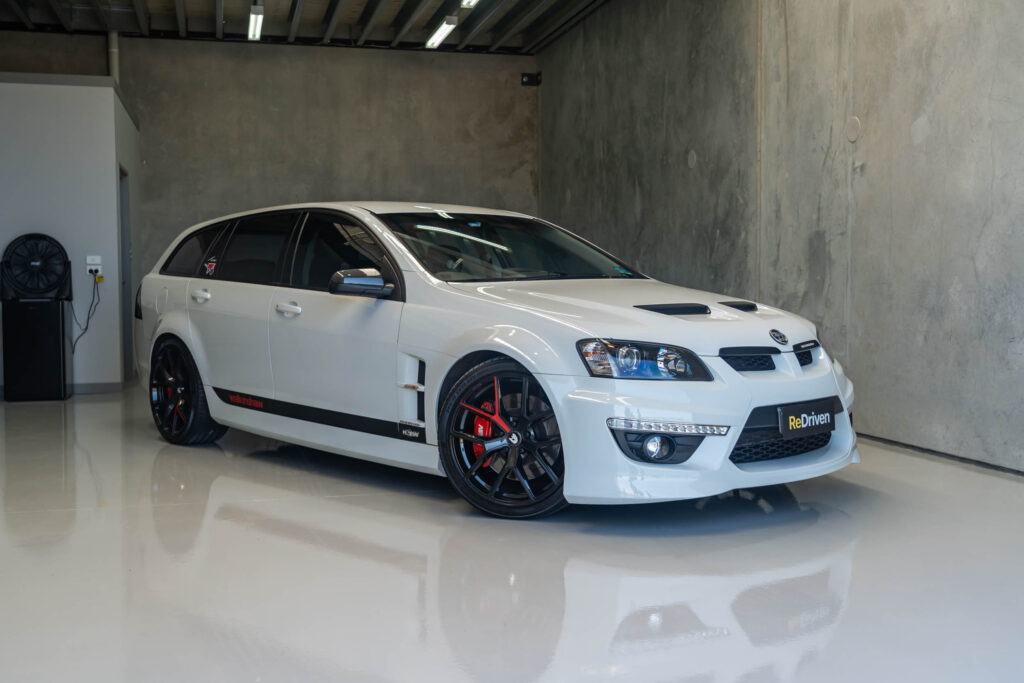
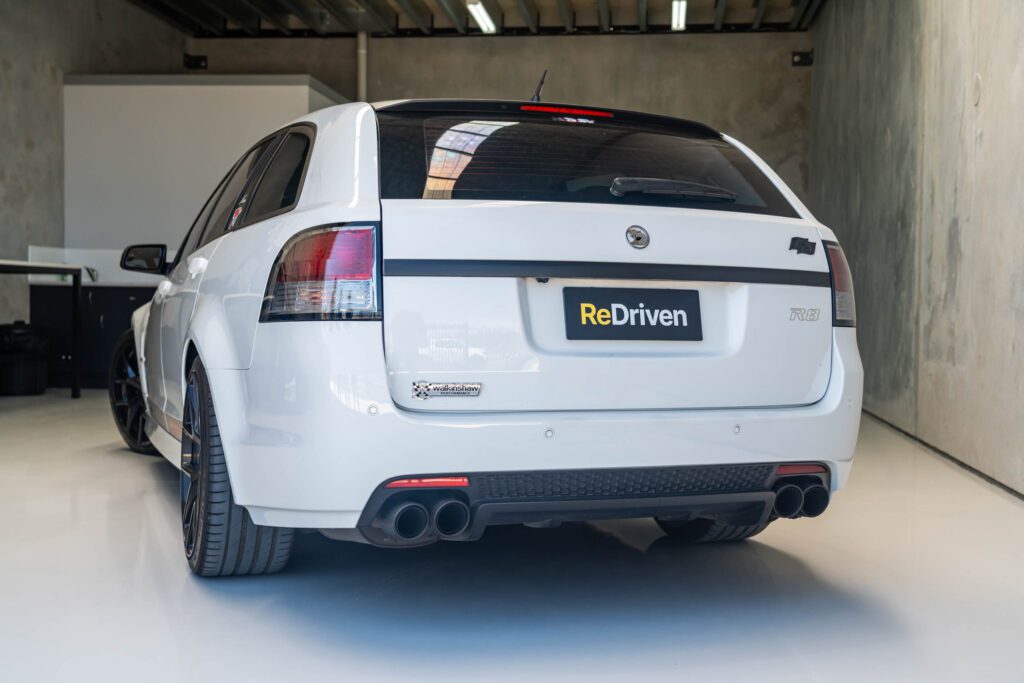
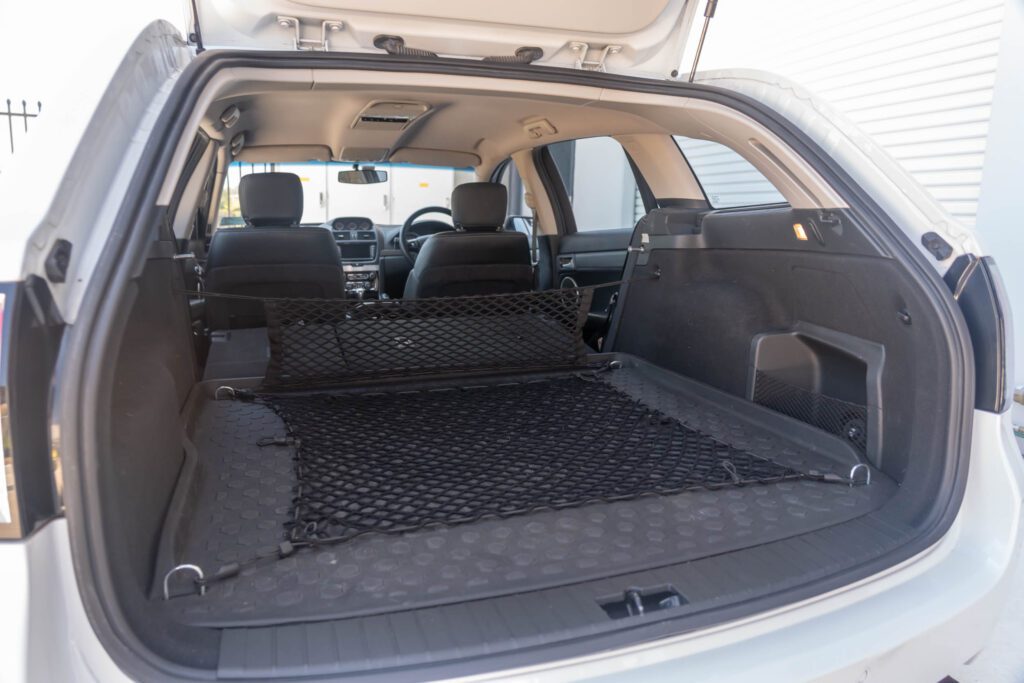
The HSV E-Series models were all based on the VE-generation Holden Commodore, produced from 2006 up until 2013. Like the Commodore it was based upon, these were available as four-door sedans, five-door wagons (Tourer/Sportswagon), and a two-door ute (pickup).
Plus, fun fact: for those abroad who wanted this example of Australian engineering, it was exported as the Vauxhall VXR8 for the United Kingdom, and in left-hand drive configuration for the Middle East as the Chevrolet (CSV) CR8.
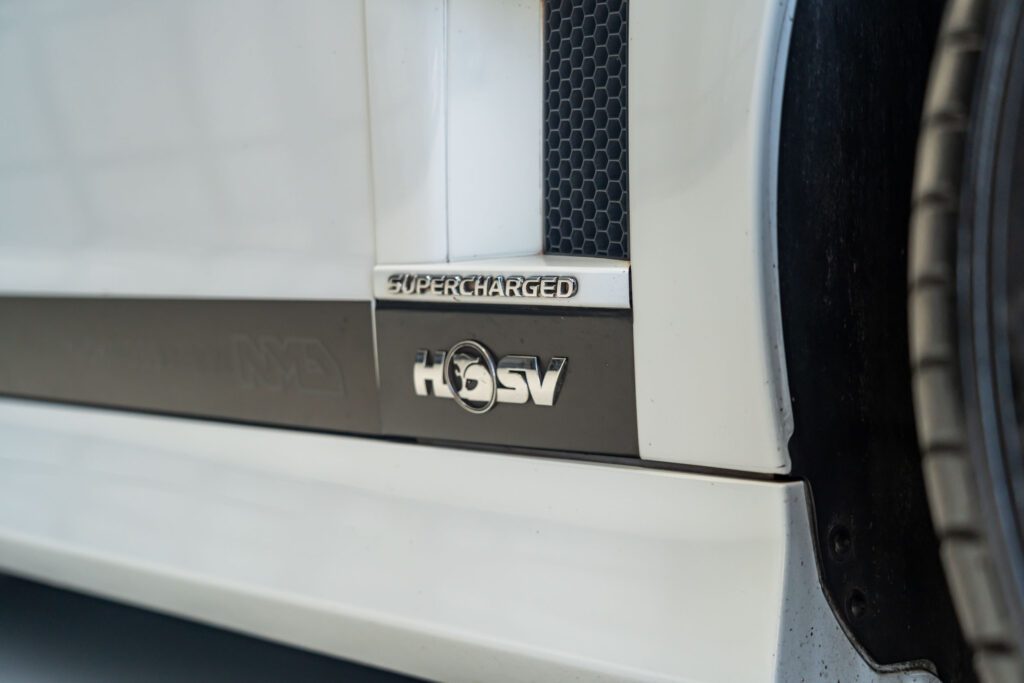
In HSV guise, these came with a far more diverse range of power configurations and variants, using the LS-series V8 (LS2/LS3), aka the same engine you’d find in other General Motors’ American muscle cars, like the Corvette.
These were paired with a six-speed manual or automatic transmission, and keeping with Aussie motoring traditions, were rear-wheel drive only.
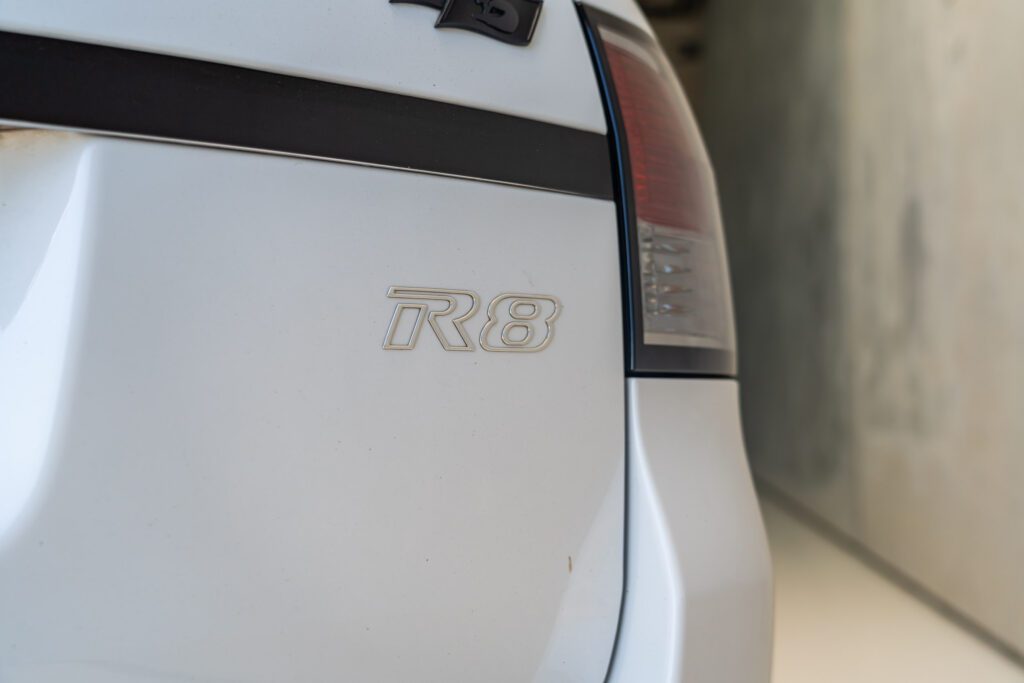
The HSV E-Series model lineup consisted of the Clubsport R8/GTS (in both sedan and wagon form), the luxury, executive-focused Grange and Senator (sedan only), and the Maloo/Maloo R8 (two-door ute only).
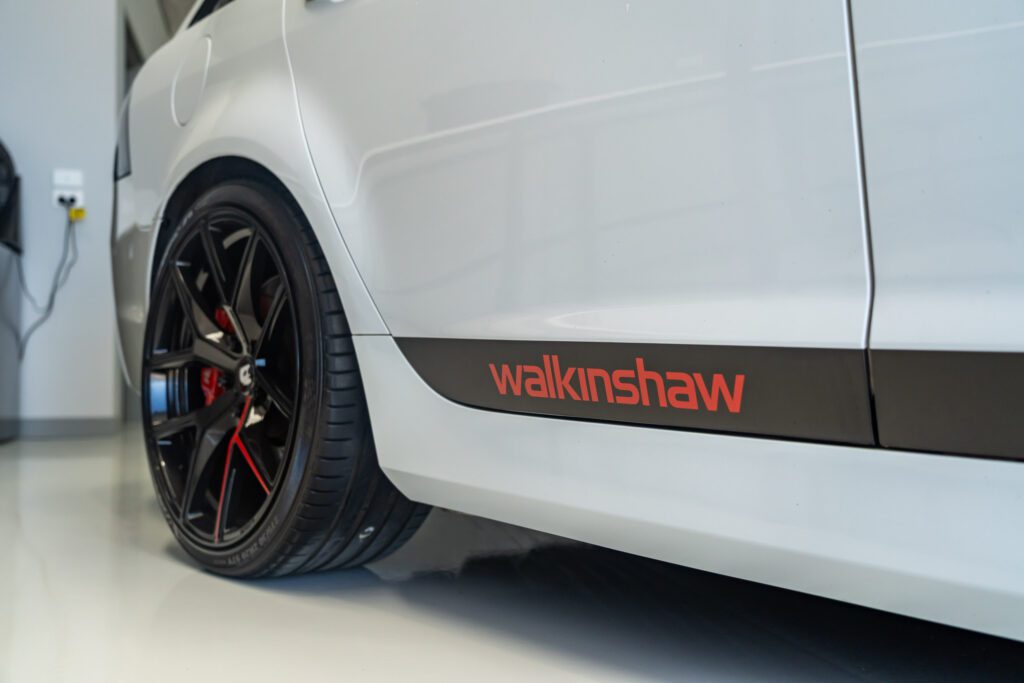
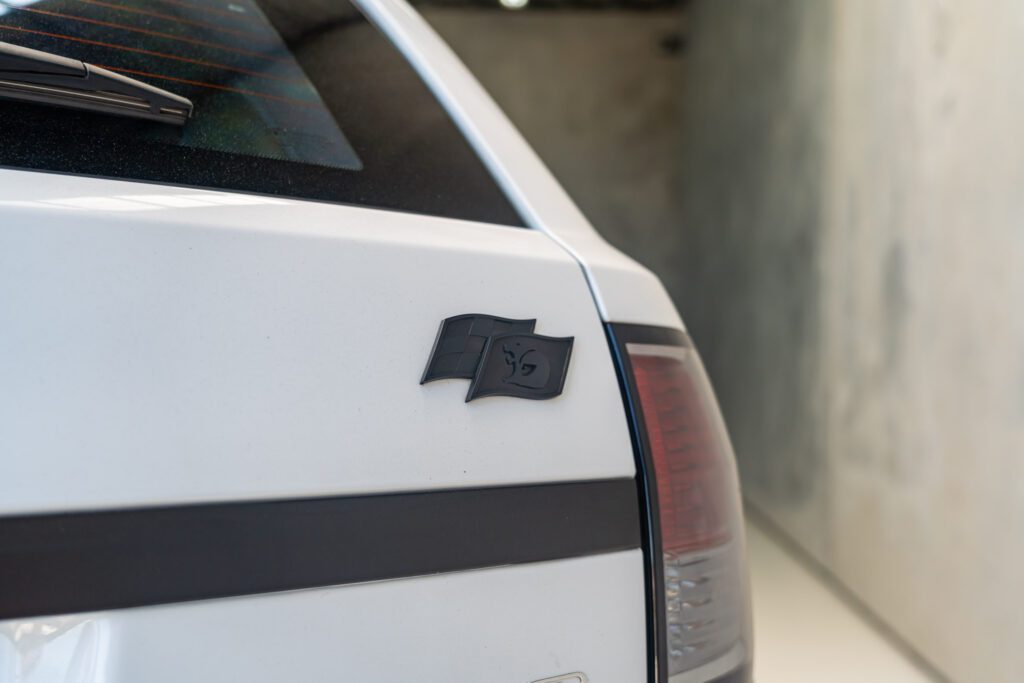
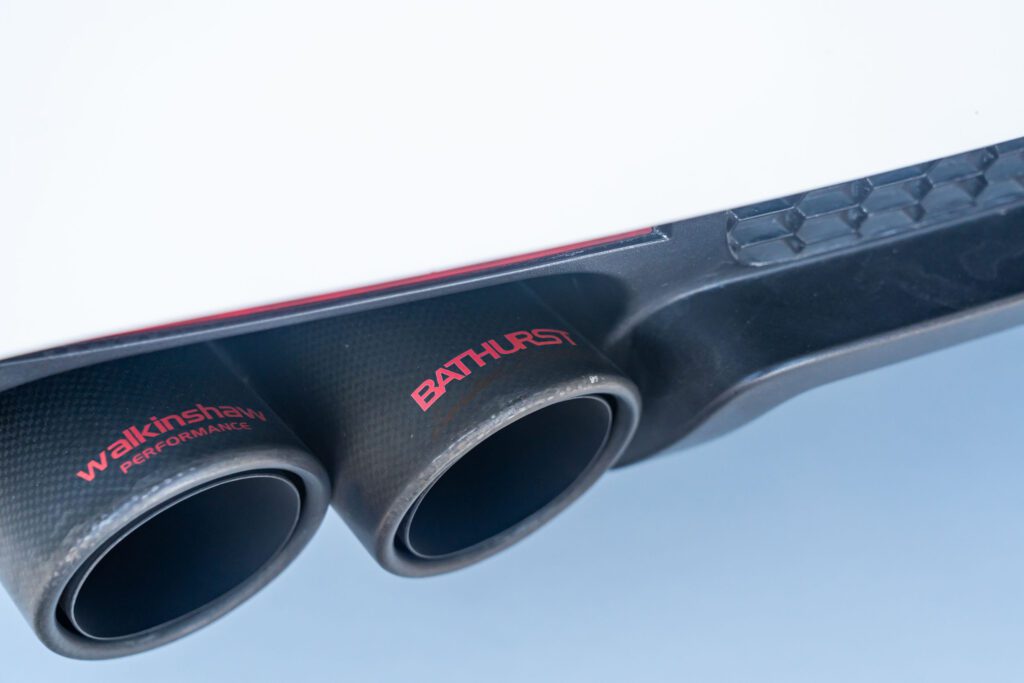
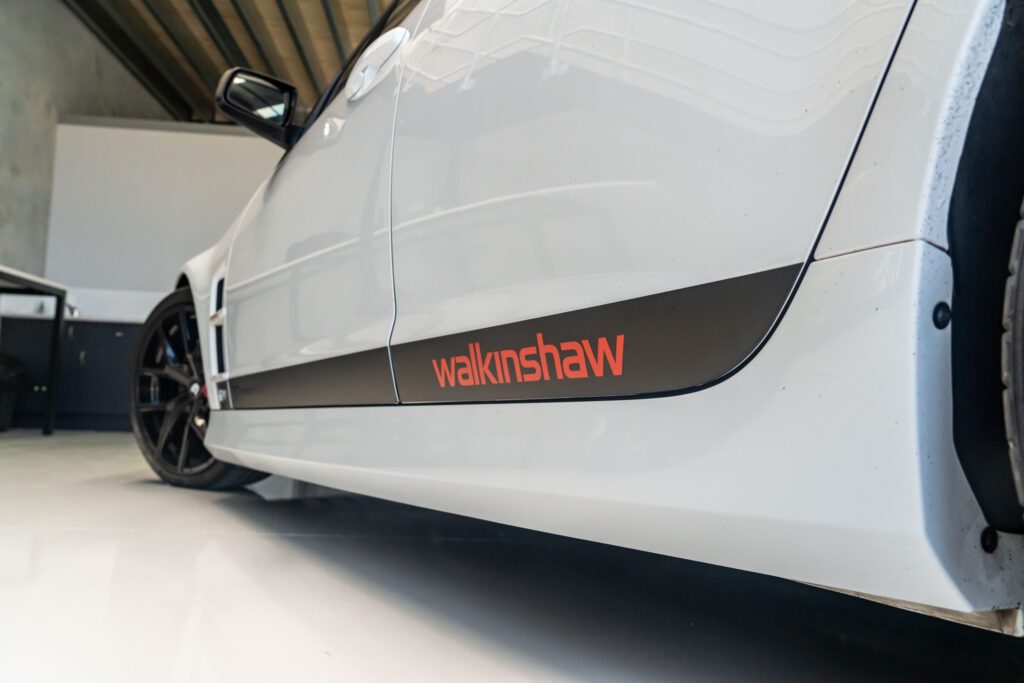
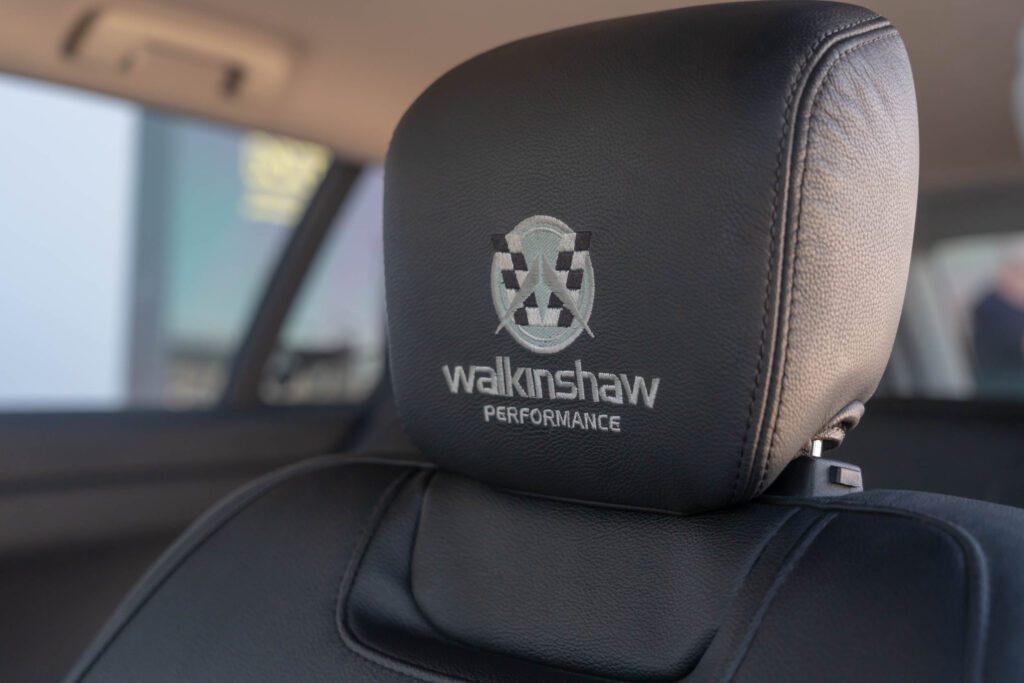
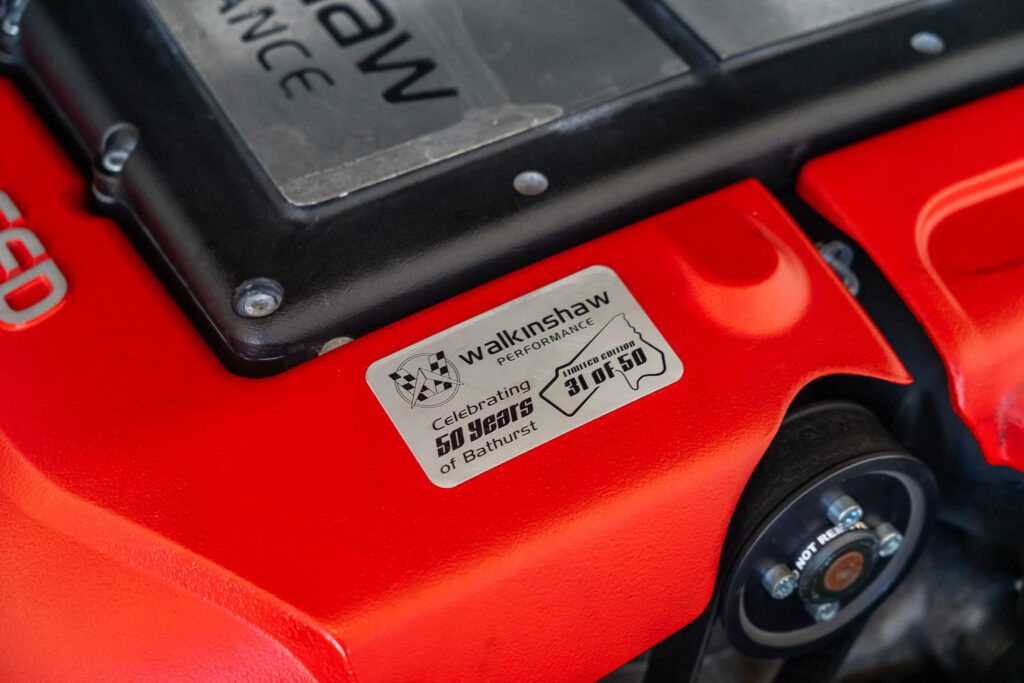
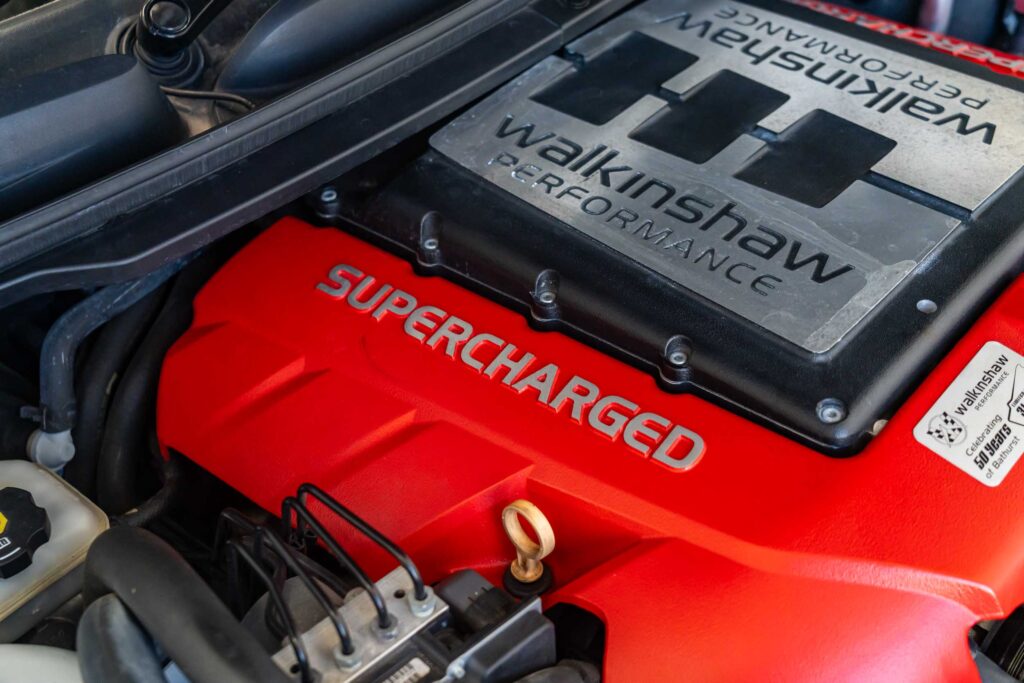
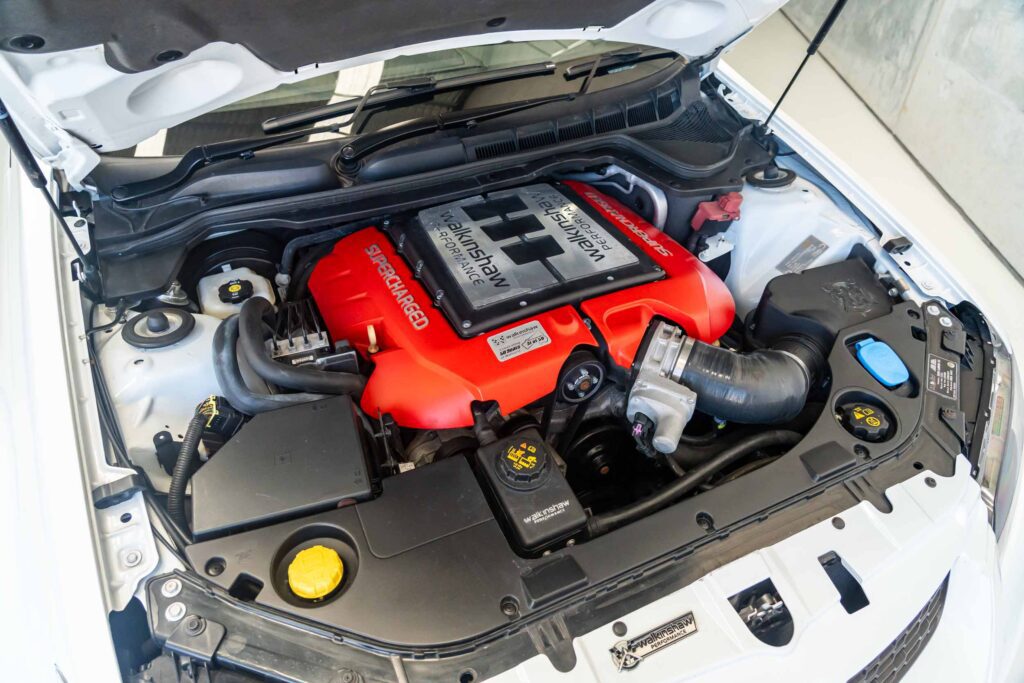
But special mention has to go to two limited edition models: the W427, the only HSV model that featured one of the largest LS-series V8s (the 7.0L LS7), and the Walkinshaw Bathurst Edition (also known as the VXR8 Bathurst in the UK), which added a supercharger to the 6.2L V8, and only 50 examples were reportedly ever made.
The E-Series experienced three iterations during its production run from 2006 up until 2013:
Twenty years on, and these are still regarded as an Australian motoring icon. But if you’re looking at these from a secondhand buyer’s perspective, are there any serious problems or concerns hidden underneath all that nostalgia for the glory days of Aussie engineering?
Exterior Issues:
Many technicians and experts we consulted frequently mentioned that the build quality on the E-Series models is a massive improvement compared to previous generations of HSV products. We rarely hear of problems like paint fade or panel gaps affecting these cars.
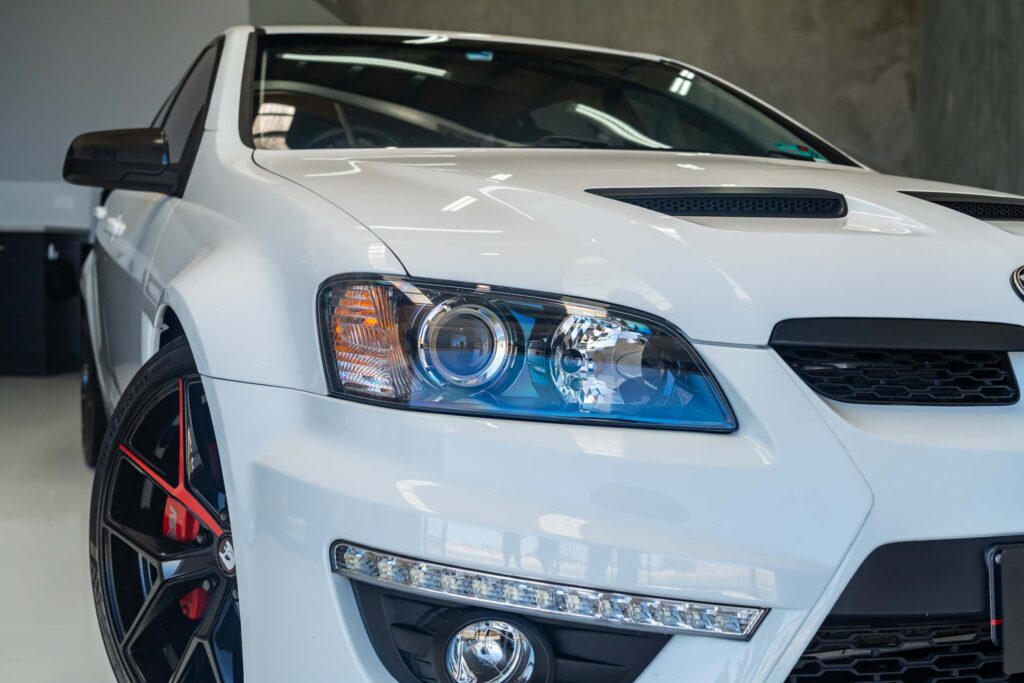
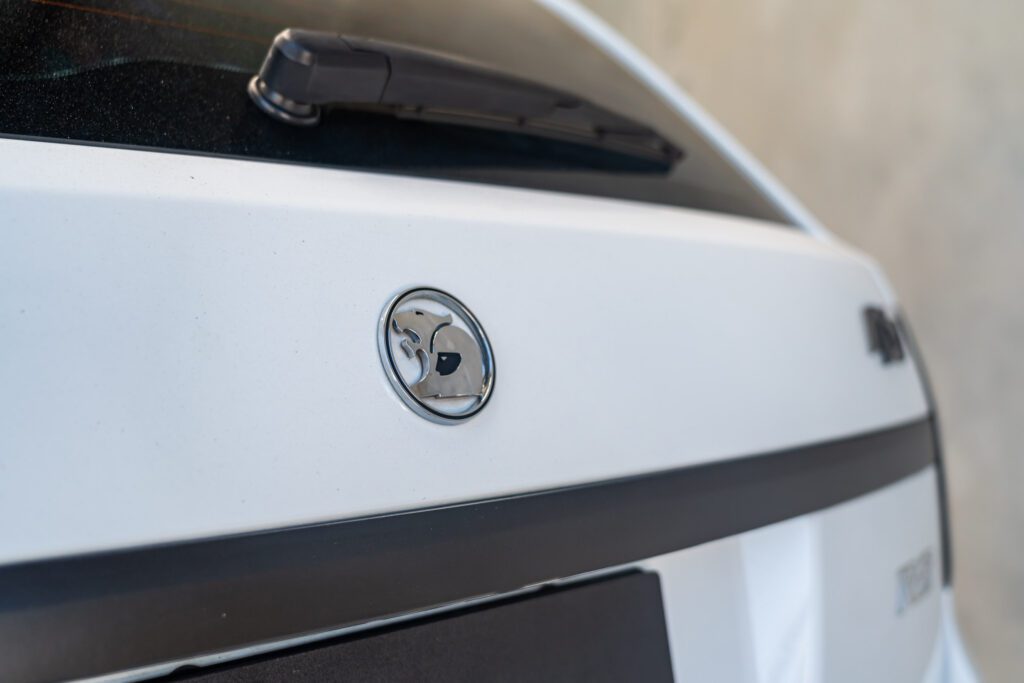
That being said, if you do need spare bumpers or HSV-specific trim/exterior emblems, bear in mind that sourcing them can be difficult, or expect to pay a premium for genuine replacements, given that HSV and Holden, as well as any form of aftersales support from General Motors, have long since gone defunct.
There are sporadic reports of electronic faults, which, while they aren’t common per se, are worth keeping an eye out for.
One item to pay attention of are the rear LED taillights, which differ significantly from the standard VE-gen Commodore units (and reportedly, HSV invested up to three million dollars to engineer their bespoke design).
Those on E-Series sedan models can have their reflectors within the taillight clusters fade over time. It’s possible to fix these, but as the taillight assemblies were not intended to be taken apart, means they can be a challenge to repair.
We also heard that not only E-Series sedans, but also the wagon and ute models can experience issues with rear tailight modules, causing them to continuously flash, or they stop working altogether. It’s also not uncommon for some owners to have to replace these modules every 3-4 years.
The factory tire pressure monitor sensors can also play up. Keep in mind that if one fails, this can also lead to all of the sensors not functioning, which requires all of them to be replaced. Some owners report they have had to replace them every 8-10 years.
Interior Issues:
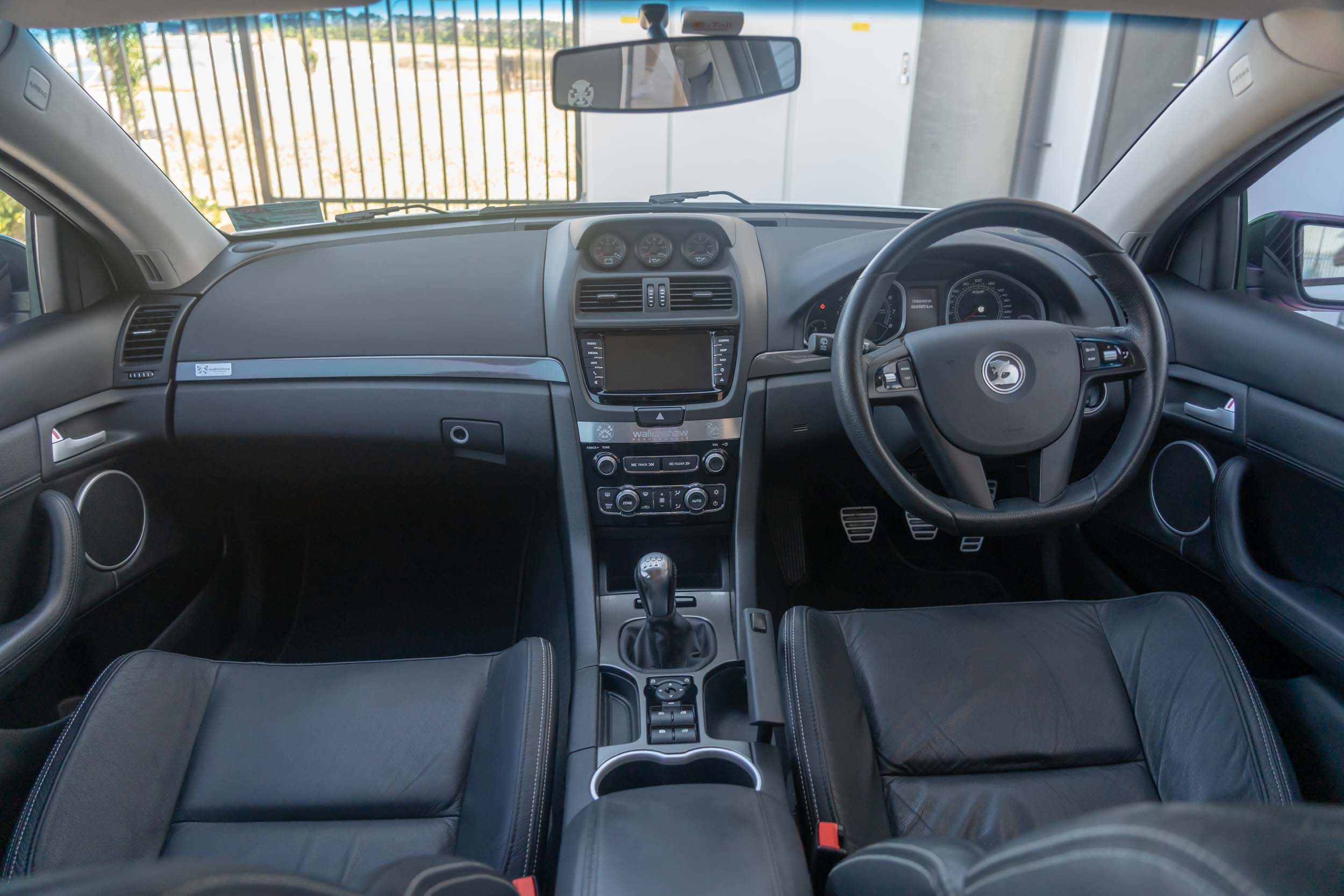
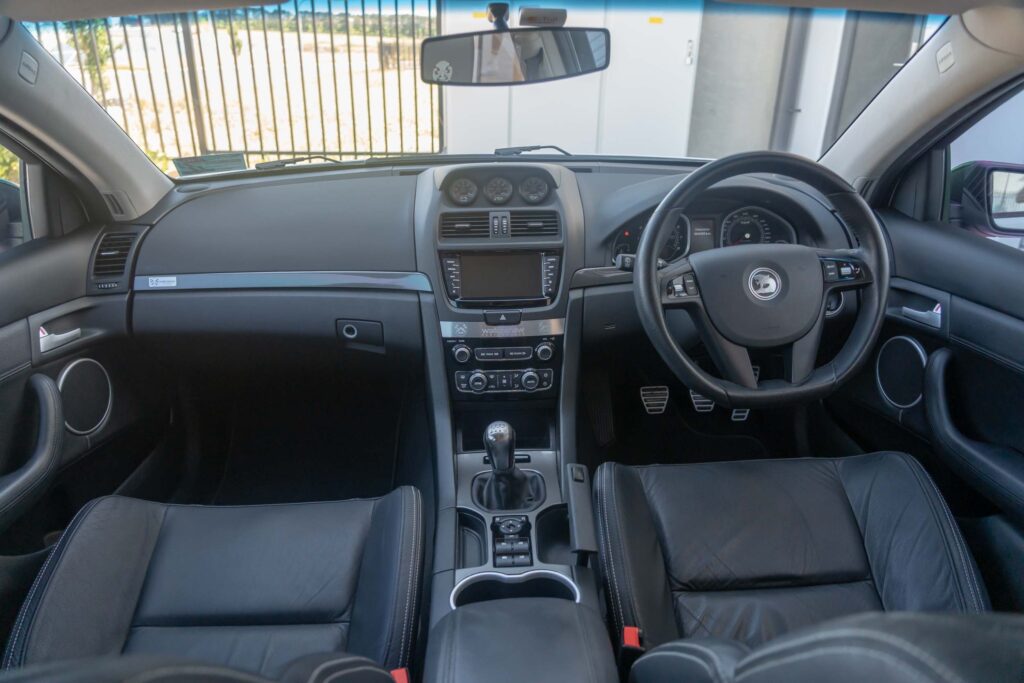
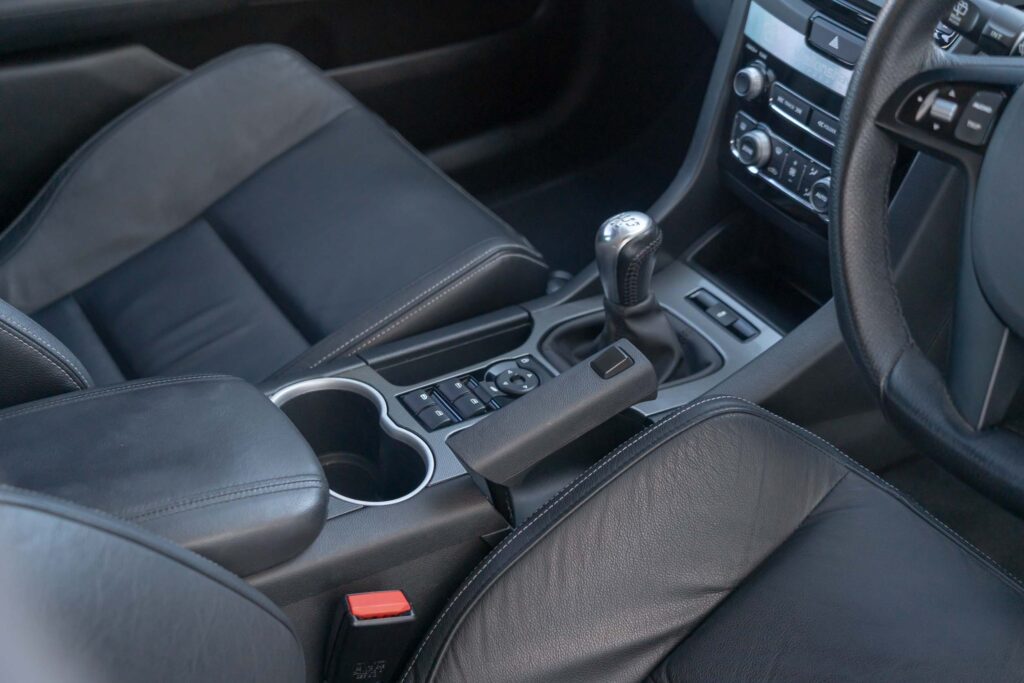
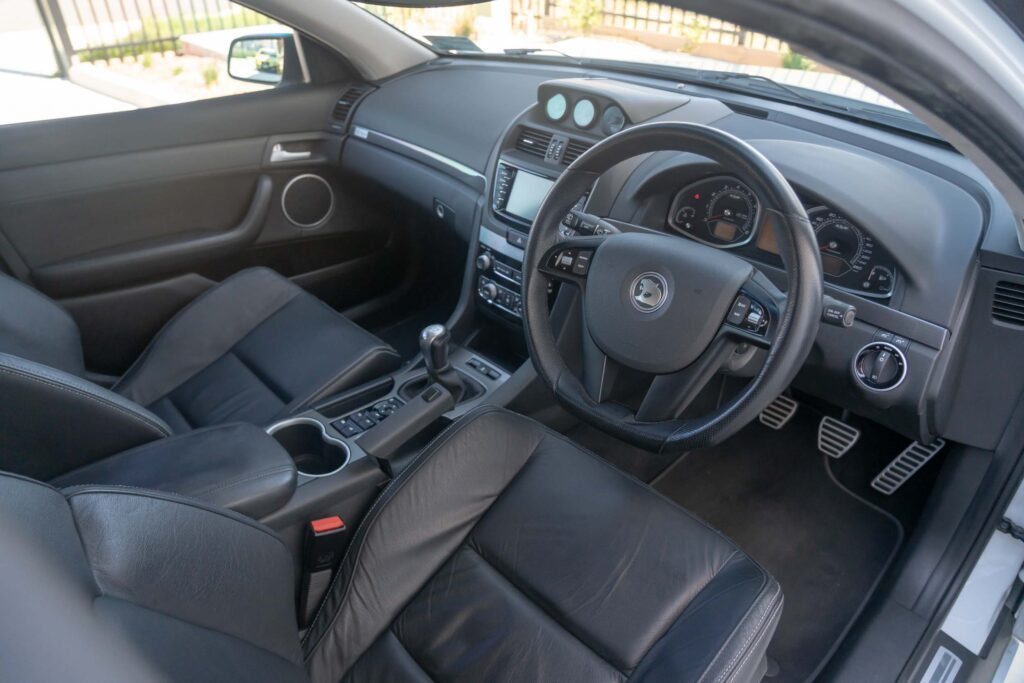
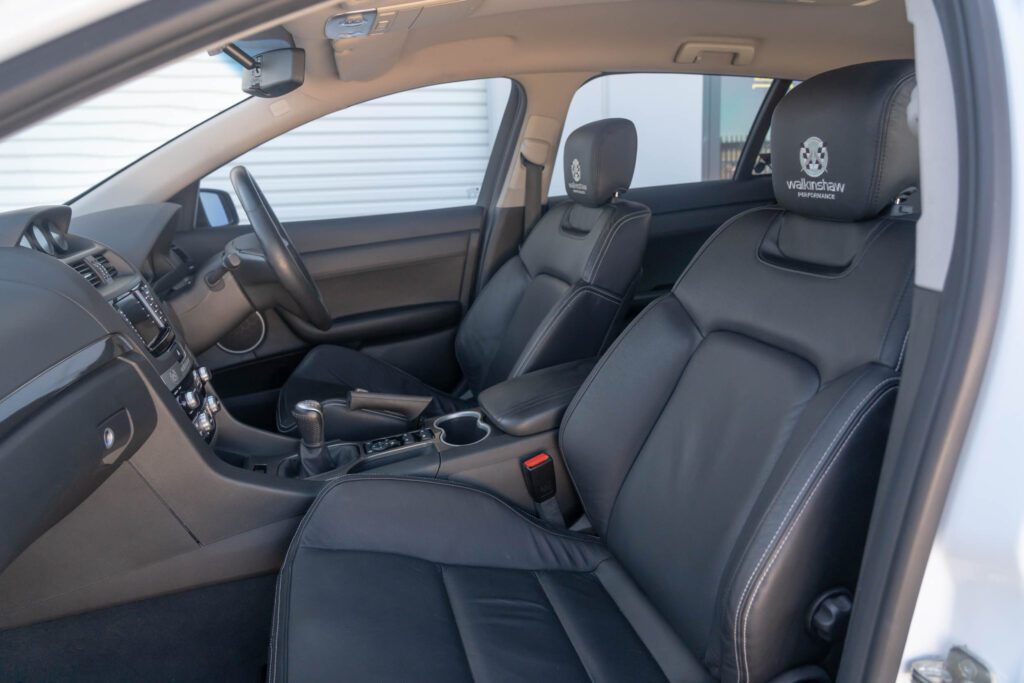
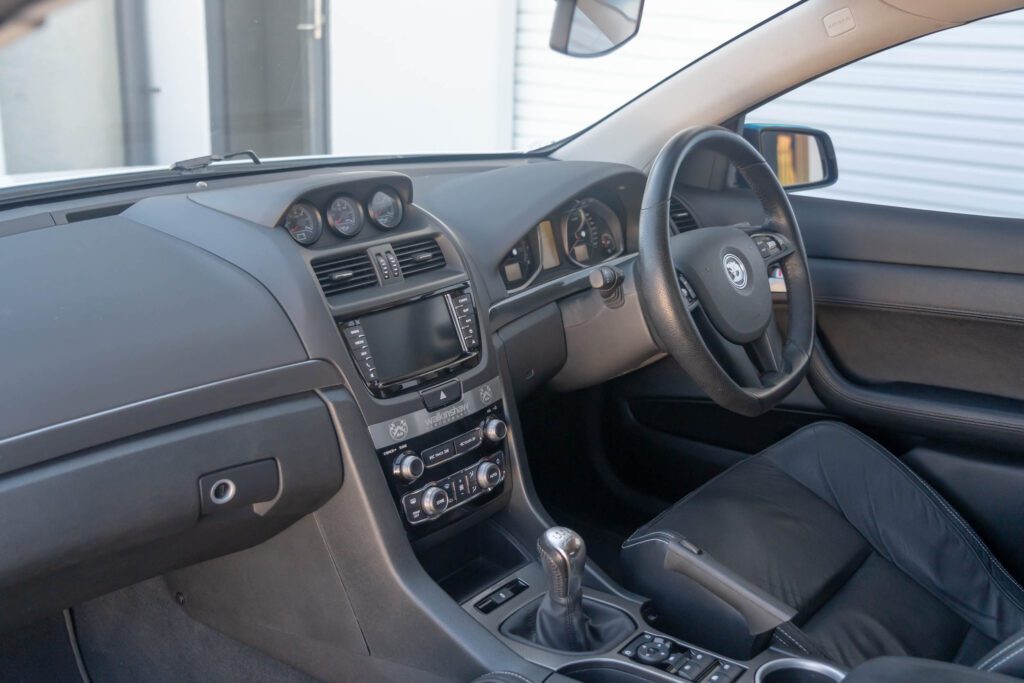
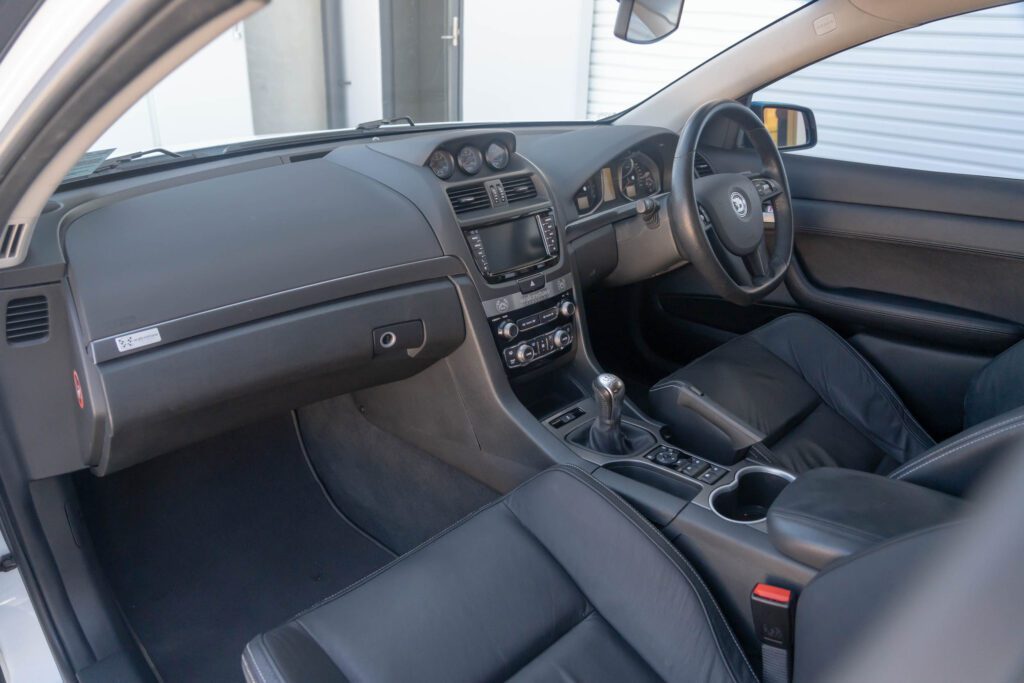
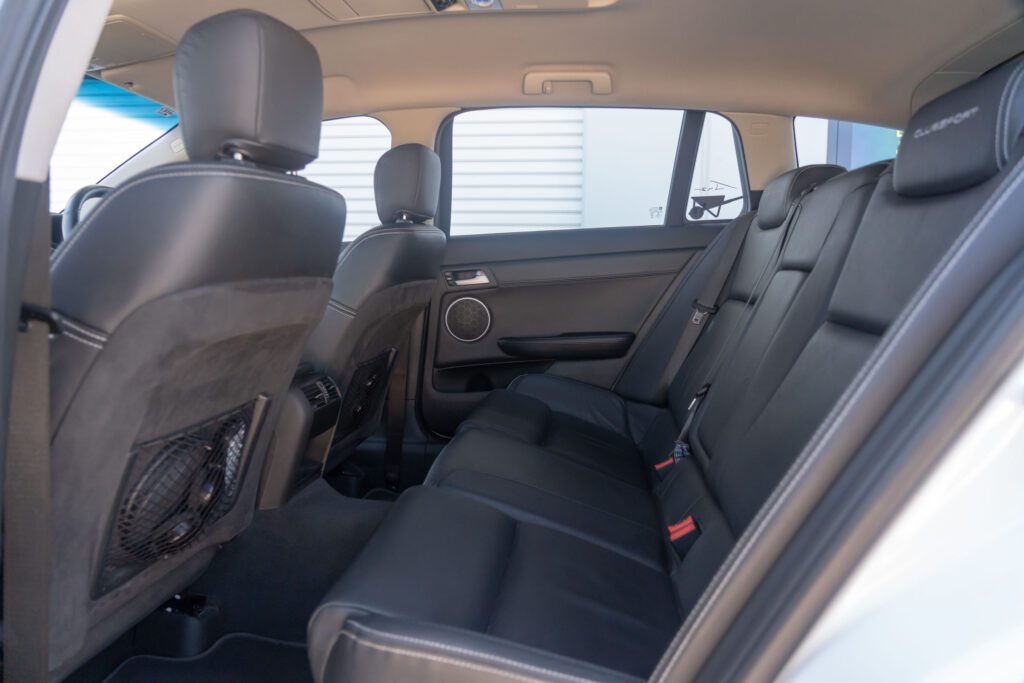
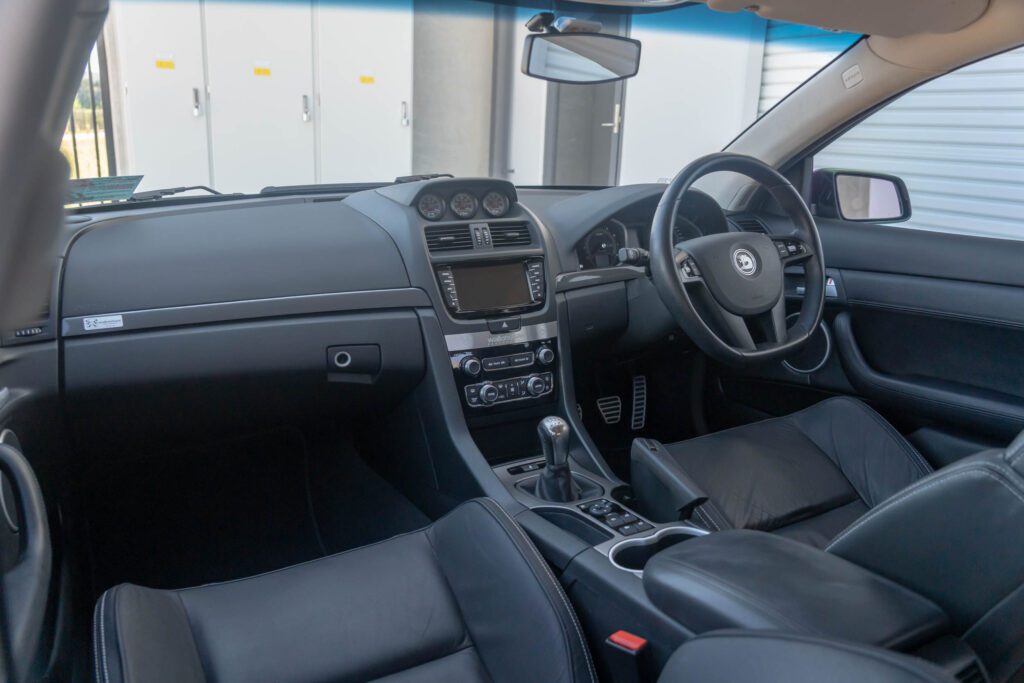
The cabins of these HSVs are proving to be quite resilient, helped in part by the fact that these were made in Australia and engineered specifically for Australian conditions.
Especially if you target the later model, high trim spec models like a Series 2 or 3 GTS or Senator, you’ll benefit from both strong interior build quality and impressive amounts of equipment for your money’s worth.
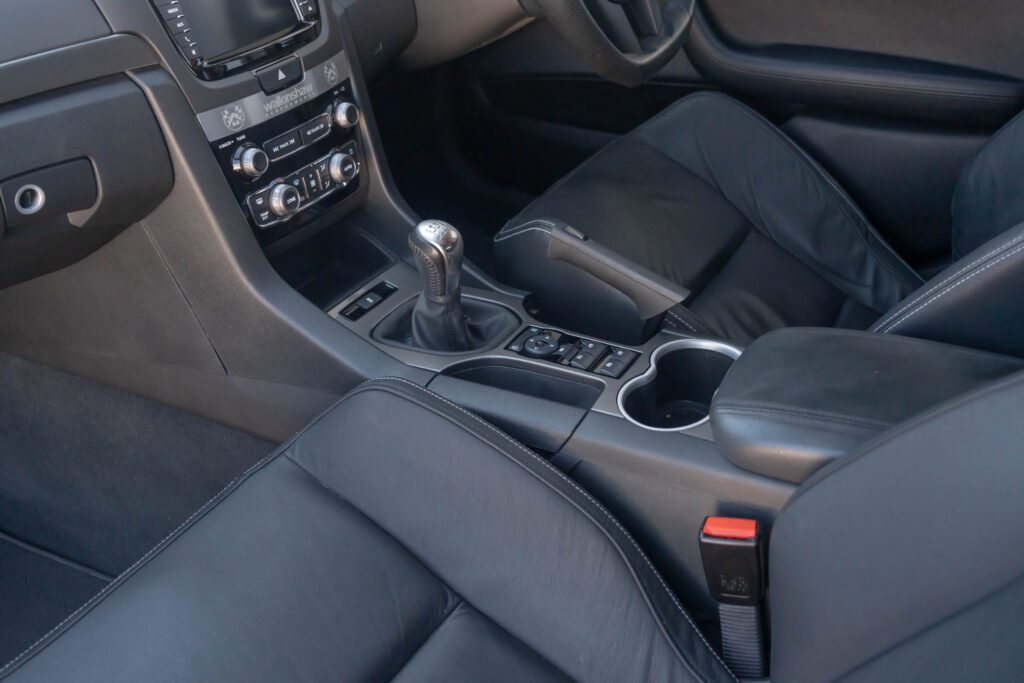
But given the current age of these cars, it’s not uncommon to hear of the switchgear, interior trim, and any number of cabin plastics showing wear, which tend to affect very early models that are now at least 20 years old.
Common areas to look out for include the plastic materials for the lower trim panels, the glovebox, as well as the centre console shifter surround and shift boot.
The adhesive that holds the headliner in place can also be quite weak now, causing some sections to sag.
Owners we spoke to report the cabin build quality greatly improved from the Series 2 onwards, to the extent that those who own Series 1 models tend to update their interiors to Series 2 specifications – retrofitting any number of interior parts is possible, but sourcing genuine parts may be a headache.
A weak 12V main battery causing voltage problems is among the common issues owners experience, which can lead to any number of powered equipment, like the power windows, the EDI (Enhanced Driver Interface), or amplifiers/speakers operating intermittently.
Before assuming a component is at fault, it’s worth checking the health of the 12V battery first. Plus, there’s always the classic VE-gen Commodore solution to any electrical problem you come across: disconnect the battery, wait a few minutes, and reconnect it again, which should put everything back right.
The climate control settings can experience some software issues, but these can be easily fixed through a software update. Similarly, while the HVAC/air conditioning systems can leak in some places, remedies are fairly straightforward and should be very affordable – new A/C system valves and a refrigerant recharge should put them right.
But the factory infotainment systems, no matter what iteration, are by now seriously outdated compared to current tech standards.
While later models (Series 3) did bring in a touchscreen setup that can reportedly be retrofitted with more up-to-date connectivity, the displays themselves are known to flicker, and those that include features like satellite navigation are hardly worth using in this day and age, if the systems don’t fail altogether.
Hence, it’s worth upgrading the factory setup with an aftermarket headunit that will seamlessly add Apple CarPlay/Android Auto and hands-free audio connectivity, and even a higher resolution rear view camera.
Mechanical issues:
As the top-spec, performance variants of the VE-gen Holden Commodore, all of these feature some version of the LS-series V8. If they have been serviced according to schedule and used regularly, these can prove to be very reliable.
Known issues aren’t too unique, as problems they can experience are common across other models that use the GM LS-series engine.
The harmonic balancer (aka front crankshaft pulley) is known to fail – pay attention to it while the engine is running and check for run-out.
Rocker arm bearings, as seen in other models featuring the LS-series, remain this engine’s weakness. The needle roller within is small and is prone to failing.
If you’re planning to subject these to track use or use them frequently within the top RPM ranges, it’s highly recommended to upgrade this component for the longevity of the drivetrain.
They can also be prone to oil leaks, primarily due to the rear main oil seals going out. Note that to replace these, it requires the transmission to be removed to access where they’re located within the engine.
Heat from the exhaust can also damage the wiring related to the coolant temperature and/or knock sensors.
Occasionally, these might experience issues related to the cooling and ignition systems, but these are fairly robust parts.
It’s also worth highlighting that HSV models based on the VE-gen did not feature AFM (Active Fuel Management), aka the cylinder deactivation system, while other VE models like the SS and Calais included this for better fuel economy.
Omitting this feature in the HSV powertrains was a decision made to improve their overall reliability, and the result is these are less prone to hydraulic lifter and cam issues.
Also, don’t mind us bringing up the HSV W427 again – maintenance aside, it’s impossible to ignore the fact that it’s the only Commodore-based vehicle made in Australia that got the almighty LS7 7.0L V8 engine.
It’s a dry sump unit, which means it is extremely reliable, adding to its existing prestige and rarity factor. In short, it’s very cool, despite being very expensive.
The Tremec-manufactured six-speed manual and GM 6L80-E automatic transmissions featured with the E-Series models are both quite solid units, provided they aren’t subjected to any aggressive driving styles. Keep servicing them regularly, and they shouldn’t experience any serious issues.
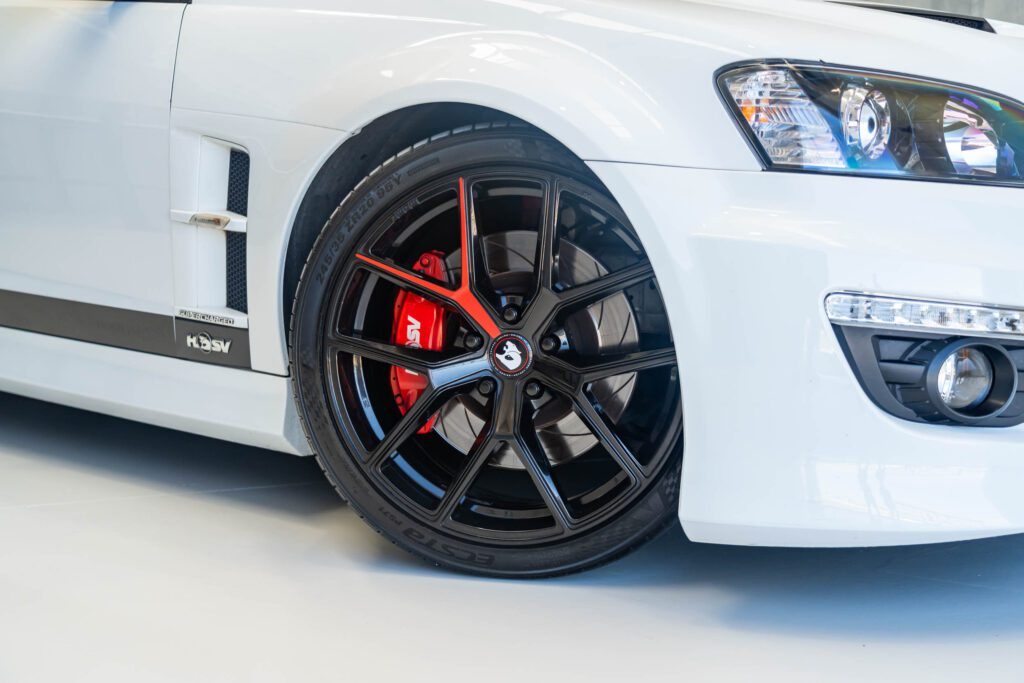
Some models (Grange, Senator, GTS, W427) feature HSV’s advanced MRC – magnetic ride control suspension. When it’s working correctly, it makes these drive brilliantly, but it can be a challenge sourcing genuine replacement parts to maintain this complex setup.
If you’re looking for an up-to-date suspension setup that’ll keep these driving perfectly in the long run, plenty of owners recommend looking into aftermarket suspension units to replace the magnetic ride suspension.
While these types of cars easily draw stereotypes of ‘hooligan’-type drivers behind the wheel, if you put those negative associations aside, the E-Series HSVs are fantastic cars for your money’s worth.
Think about it: you get a practical, refined vehicle that’s easy to live with and use every day, that can also be a thrill to drive with muscle car theatrics when you want it to.
Pricing-wise, the cheapest HSV E-Series models currently are the luxury-focused Grange models that start from $25,000.
While at the very top end of the used market, you can expect to pay at least $200,000 for low-volume, limited edition models like the W427.
Meanwhile, E-Series Clubsports, Senators, Maloos, and GTS models can range from $30,000 to 100,000.
A tip if you’re targeting one to invest in as a potential future classic: we’d focus on a Series 2 or 3 model with a manual transmission and in pristine, fully unmodified condition that are more likely to net a higher return on investment.
But if you just want to acquire one purely to drive and enjoy, just ensure it comes with a spotless history, passes a pre-purchase inspection with flying colours, and budget for fuel and rear tyres to exhaust at your heart’s content, and you’ll enjoy a great example of Aussie engineering at its peak.
After all, what enthusiast won’t say no to a V8 with rear-wheel drive?
MORE: Explore our Holden reviews
MORE: Explore our wagon reviews


Co-creator, presenter & writer, ReDriven

Yes. But only the right example.
 6 days ago
 1 month ago
 1 month ago