Australia’s No. 1 Used Car Review Website
Australia’s No. 1 Used Car Review Website
+24 Photos
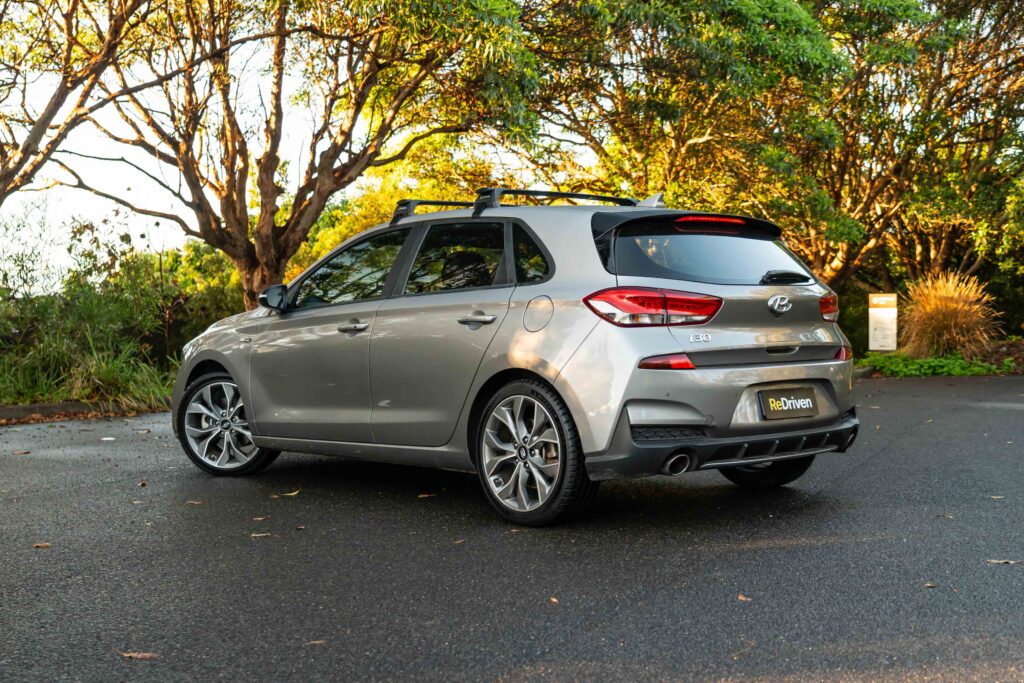
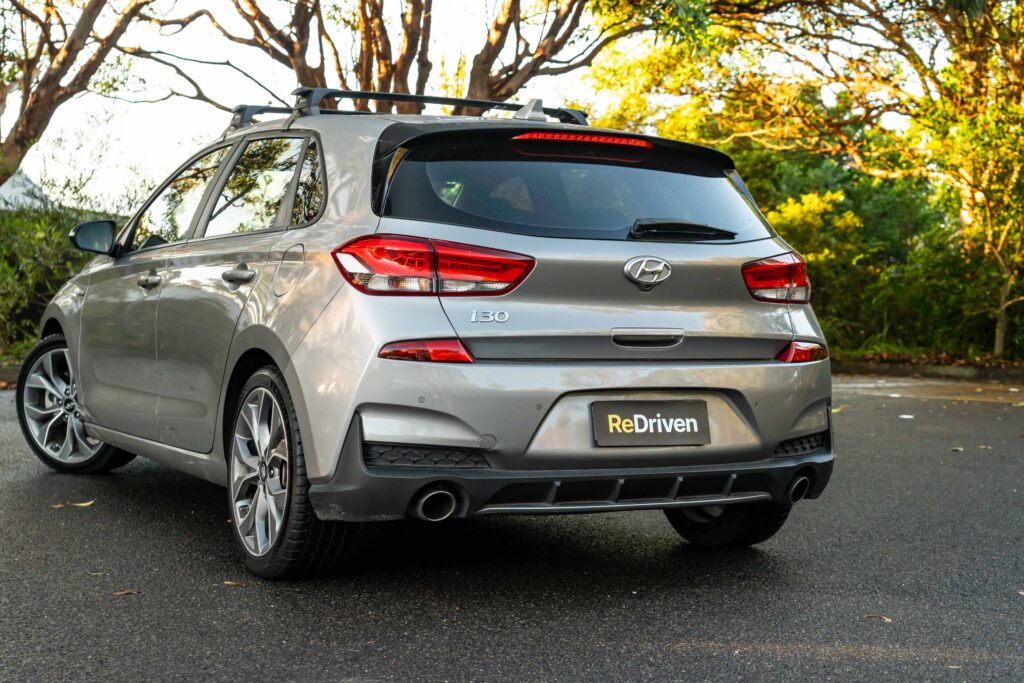
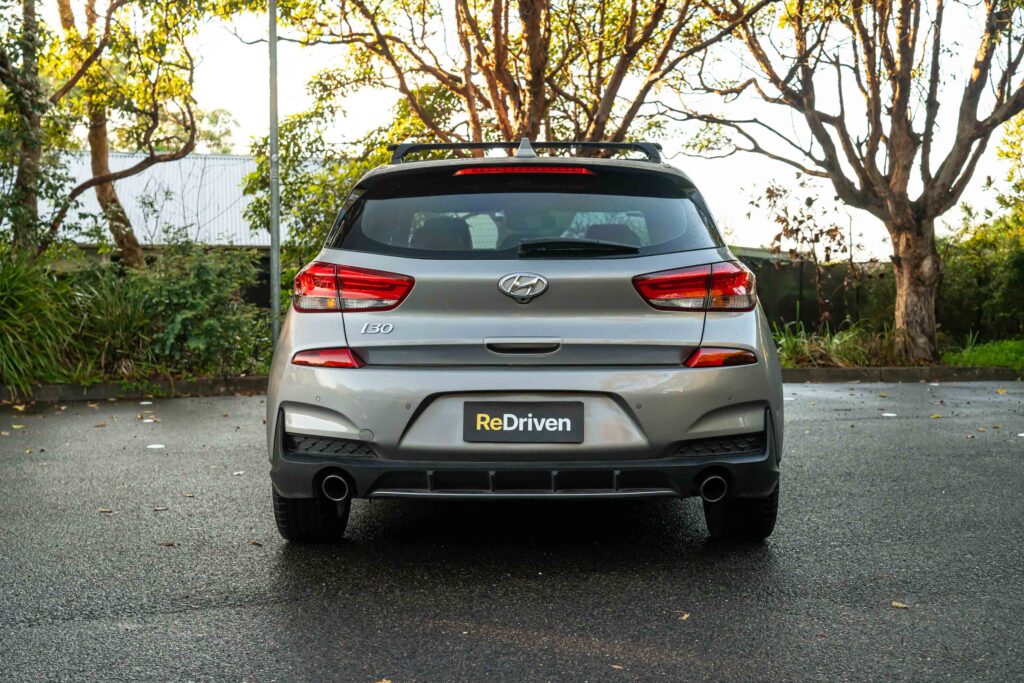
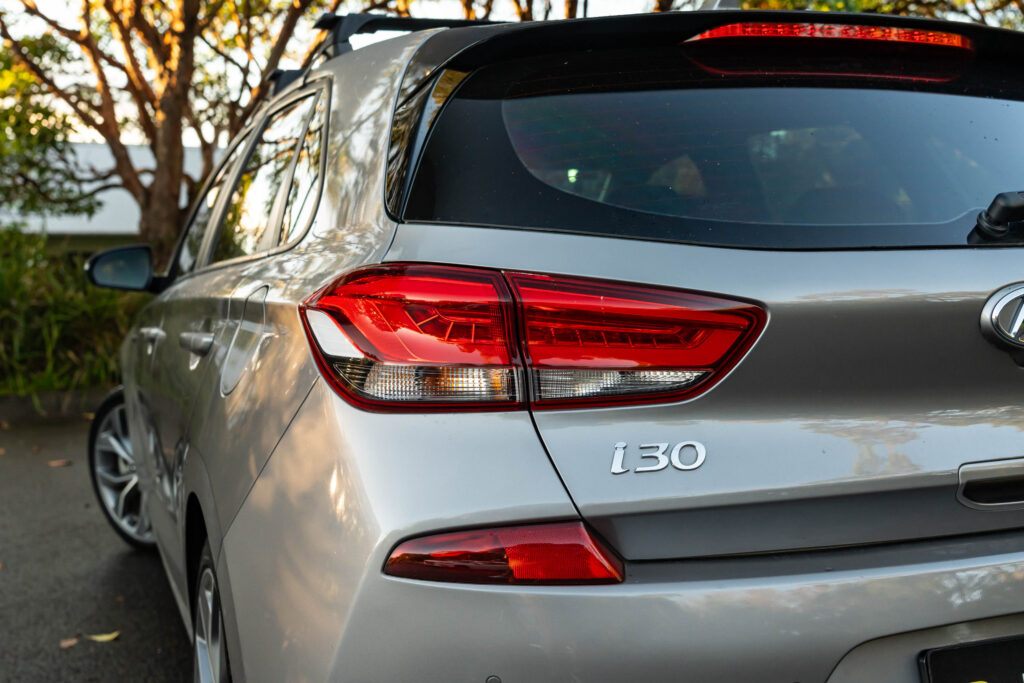
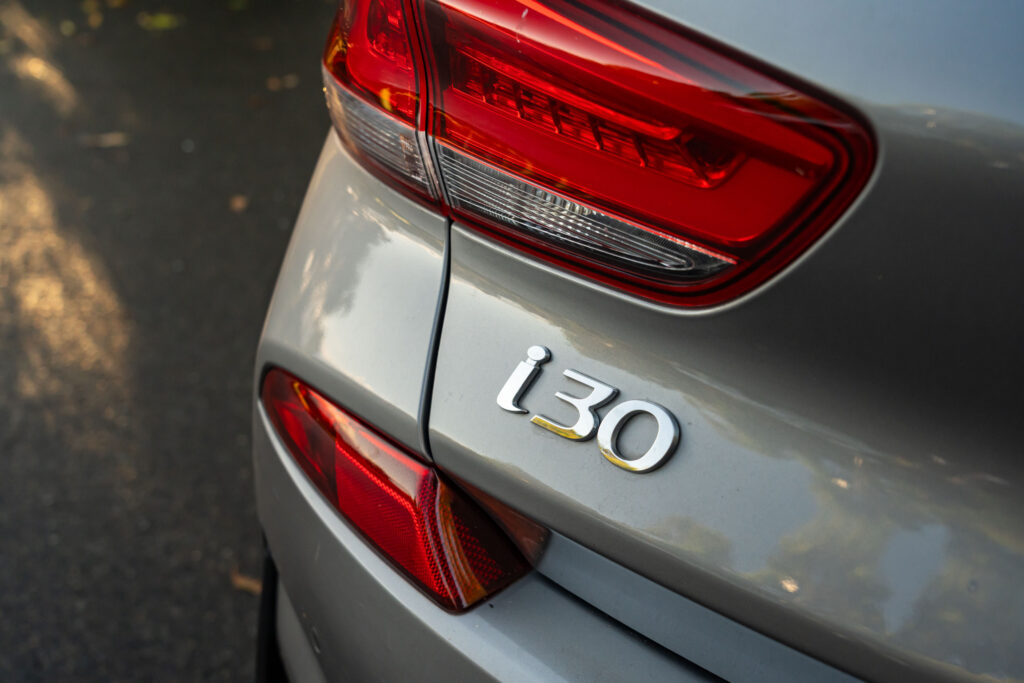
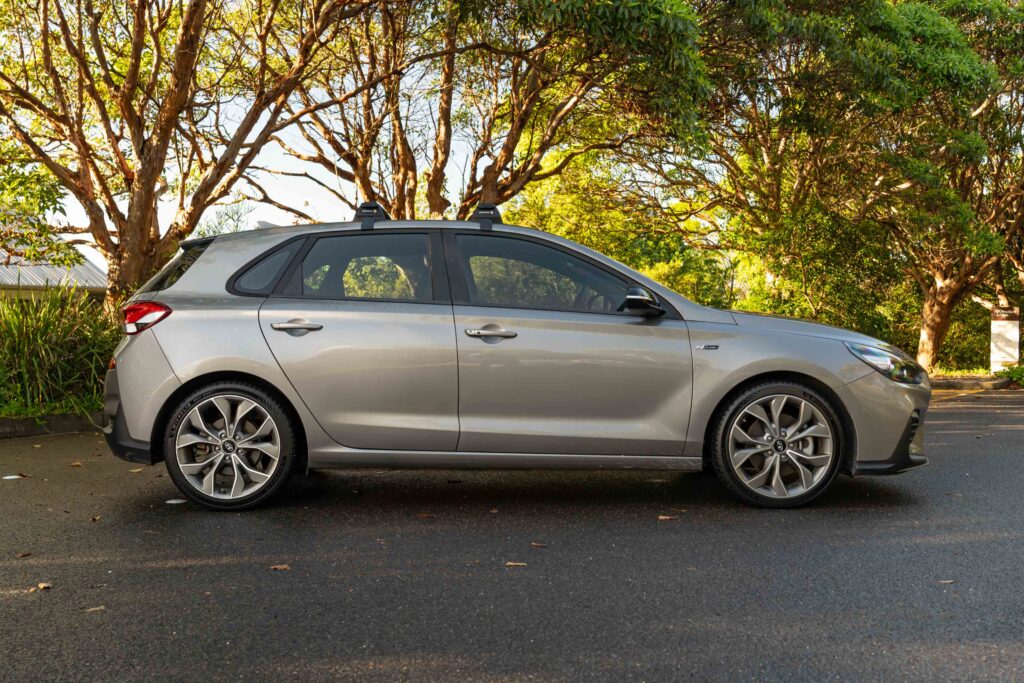

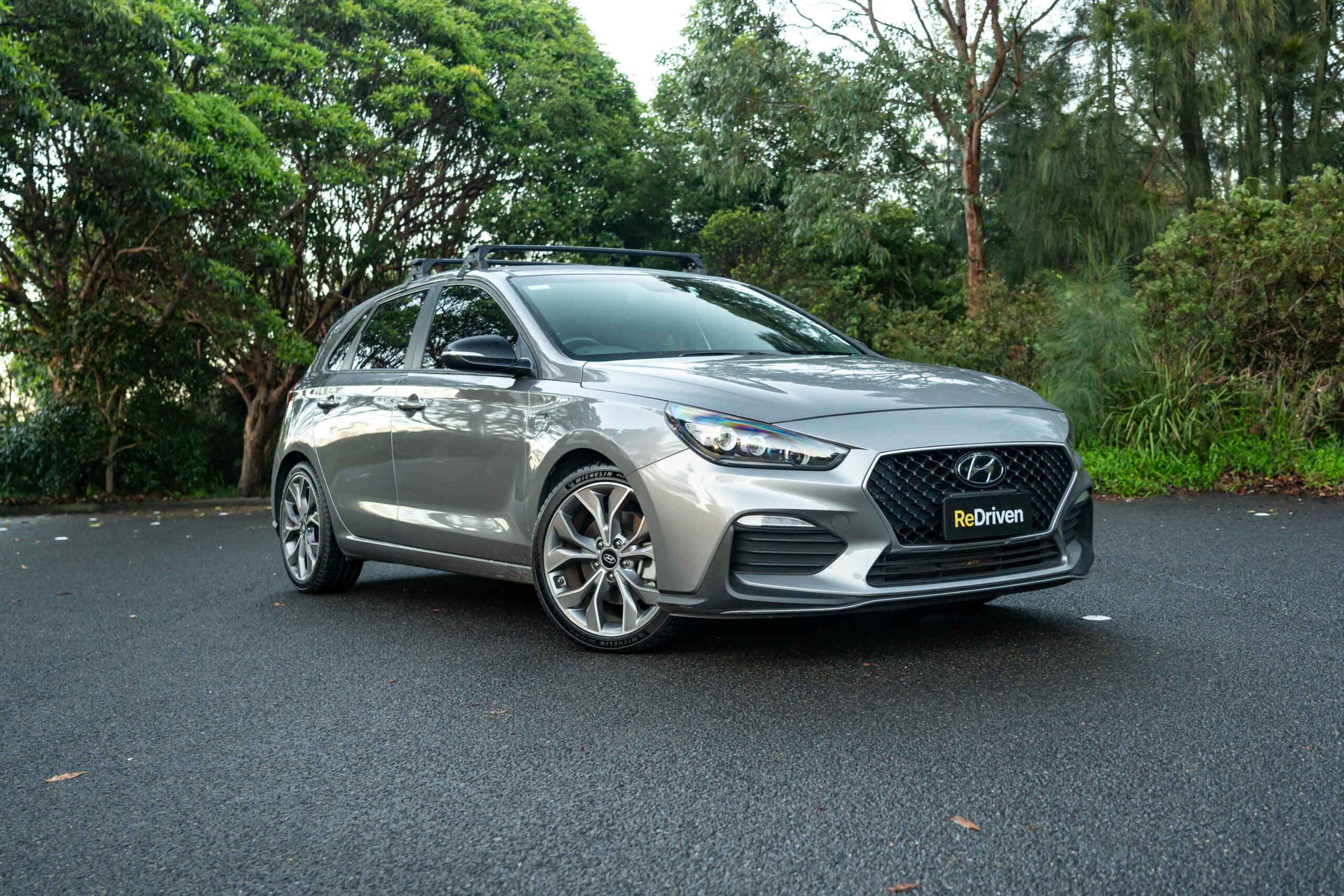
2021 Hyundai i30 N-Line

30 April 2026
Yes. But only the right example.

2021 Hyundai i30 N-Line

Used car review
30 April 2026
The third-generation Hyundai i30 (aka the Elantra GT in certain markets) first launched in 2016, positioned above the compact Hyundai i20 hatchback and below the Elantra (aka i30 Sedan for Australia) in Hyundai’s range.
The i30 competes against other hatchbacks from European and Japanese rivals, from the Toyota Corolla to the Ford Focus, Holden Astra, Volkswagen Golf, and Honda Civic.
Of course, this forms the basis of the high-performance, upgraded Hyundai i30N, but that is in a different segment altogether – we’re focusing specifically on the standard Elantra model in this review.
Australian market Hyundai i30s only came as a five-door hatchback, but in certain markets/regions, the i30 is also available as a five-door estate and even a four-door ‘fastback’ sedan.
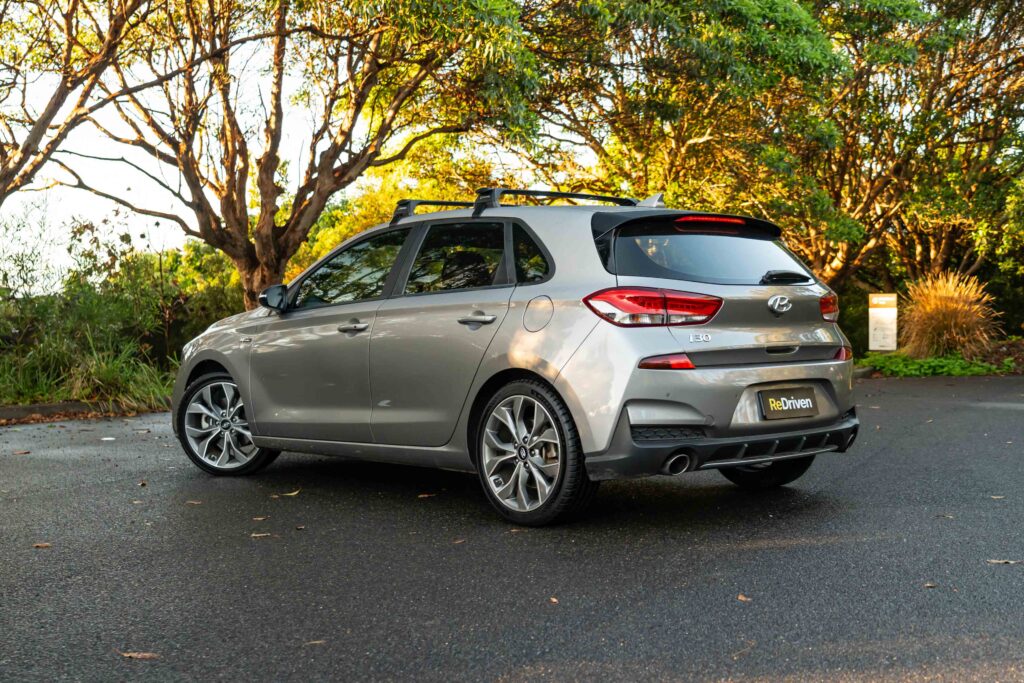
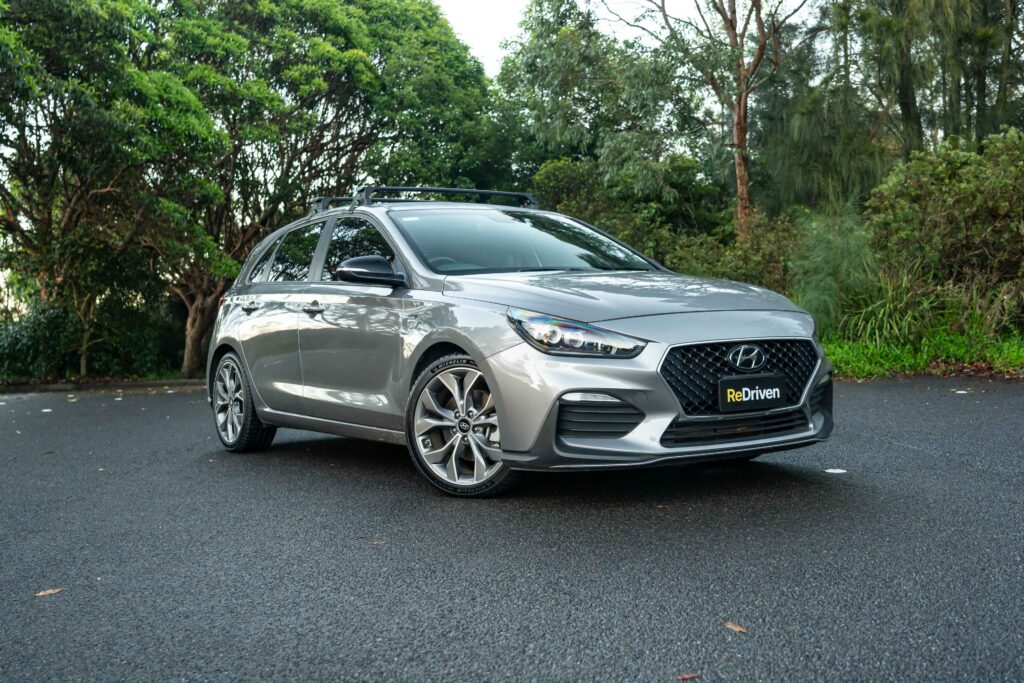
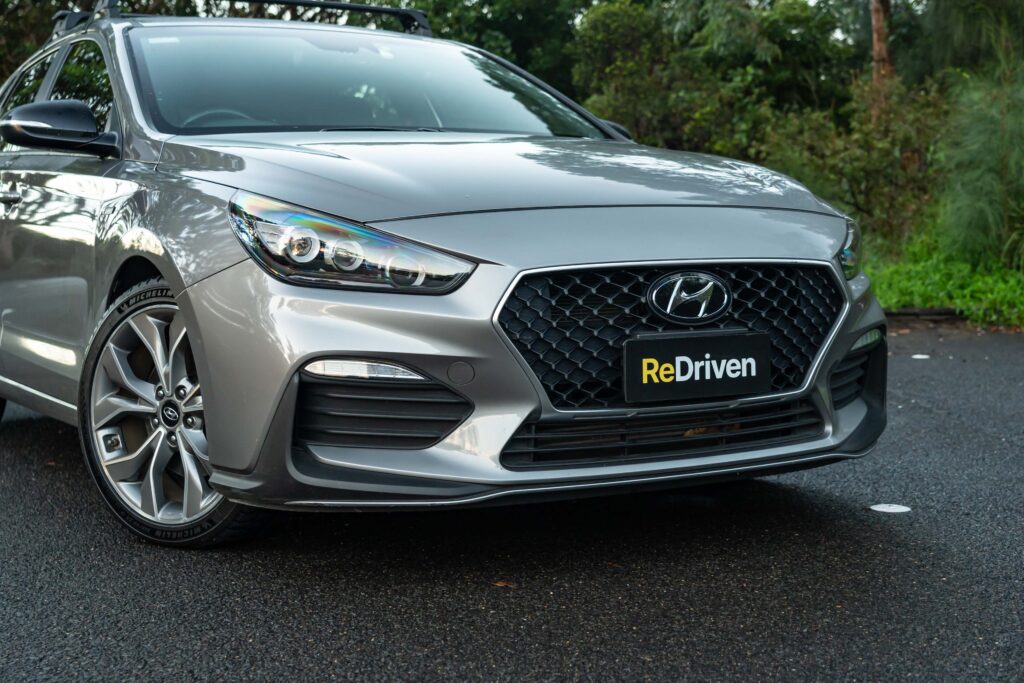
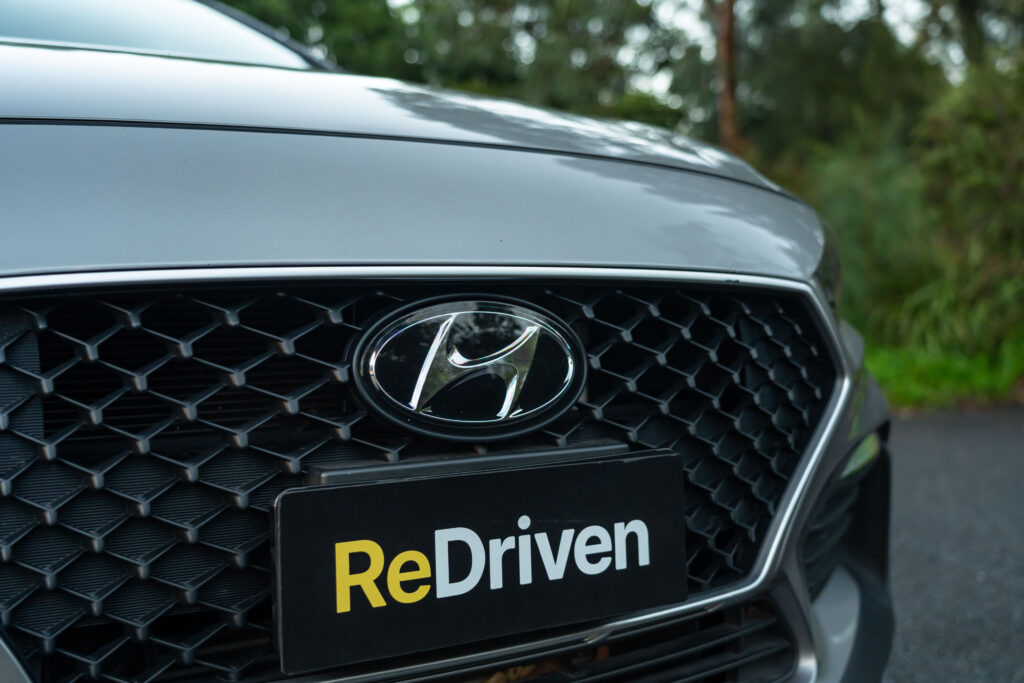
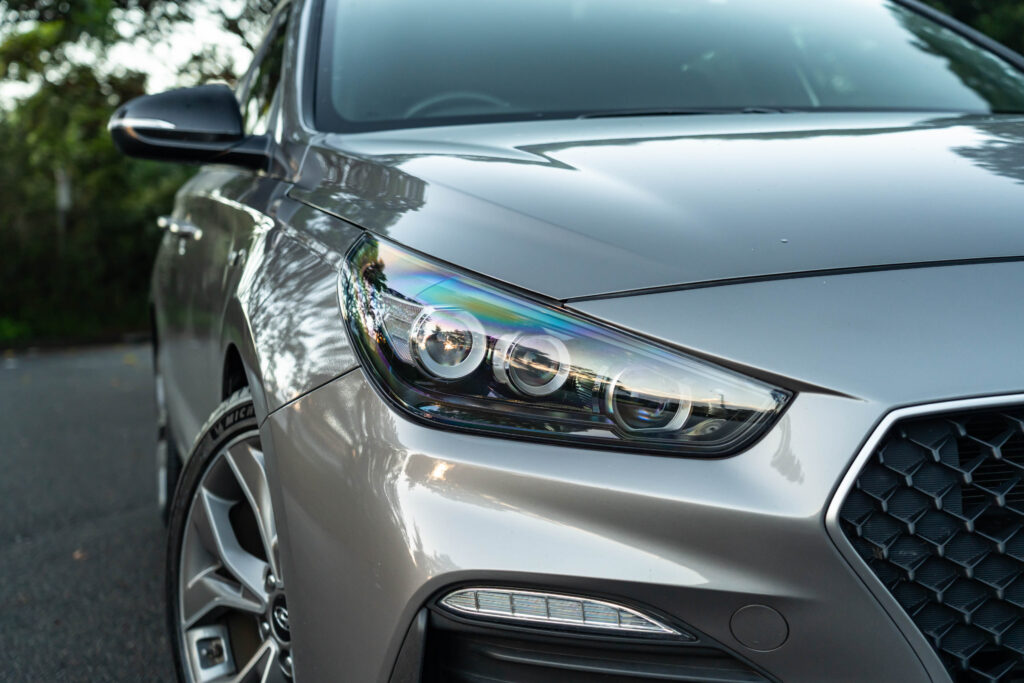
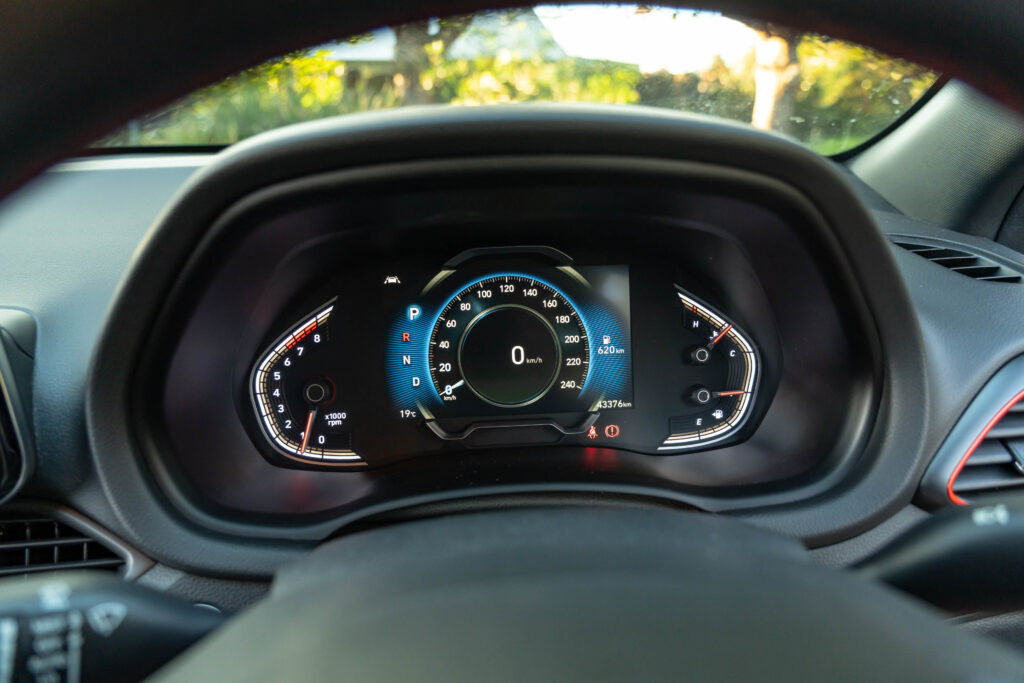
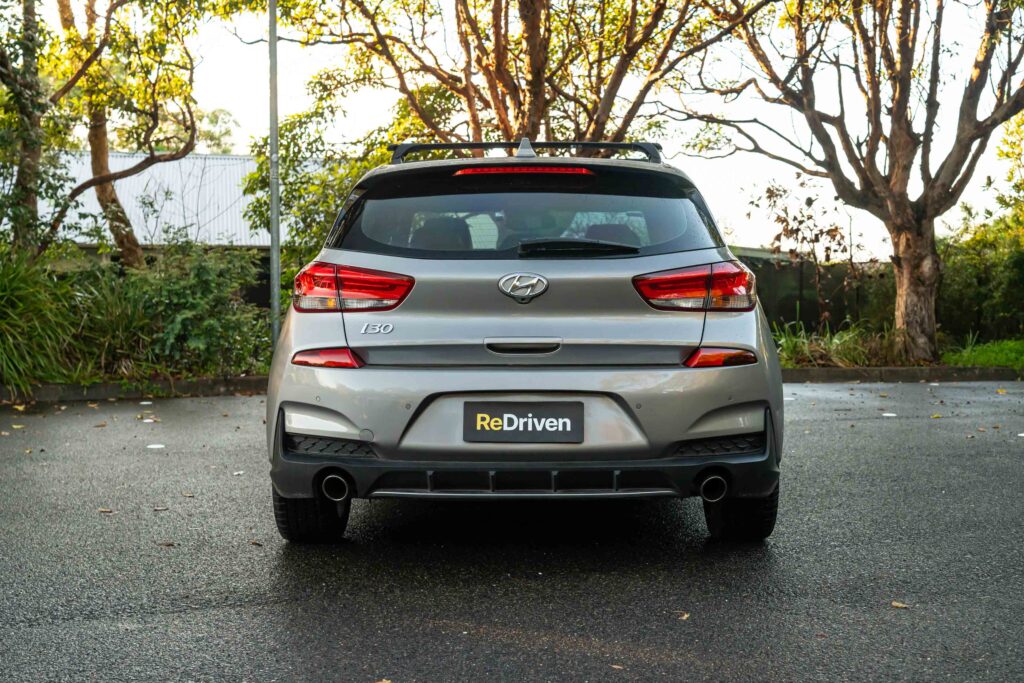
The third-gen Hyundai i30 has experienced two facelifts – the first being rolled out from 2020 that added slimmer LED headlamps, digital instrument cluster, larger 10.25-inch touchscreen infotainment system, and Hyundai SmartSense tech. Another update, 2024 onwards, brought a redesigned front grille and rear bumper.
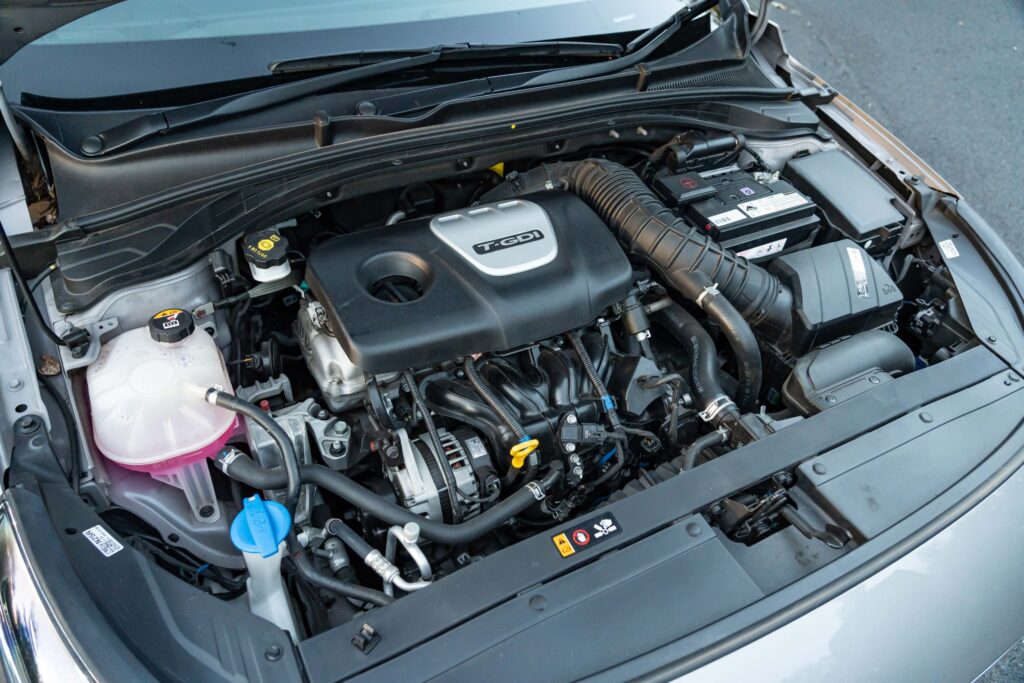
Engine choices our market received include a 1.6L turbocharged four-cylinder, alongside a 2.0L non-turbocharged variant, a 1.5L turbocharged four-cylinder (mild-hybrid) and a 1.6L turbodiesel four-cylinder. Transmissions included a six-speed manual/torque converter automatic, alongside a six/seven-speed dual clutch automatic.
Exterior:
Even though it isn’t too old, the Hyundai i30’s exterior can experience a few issues.
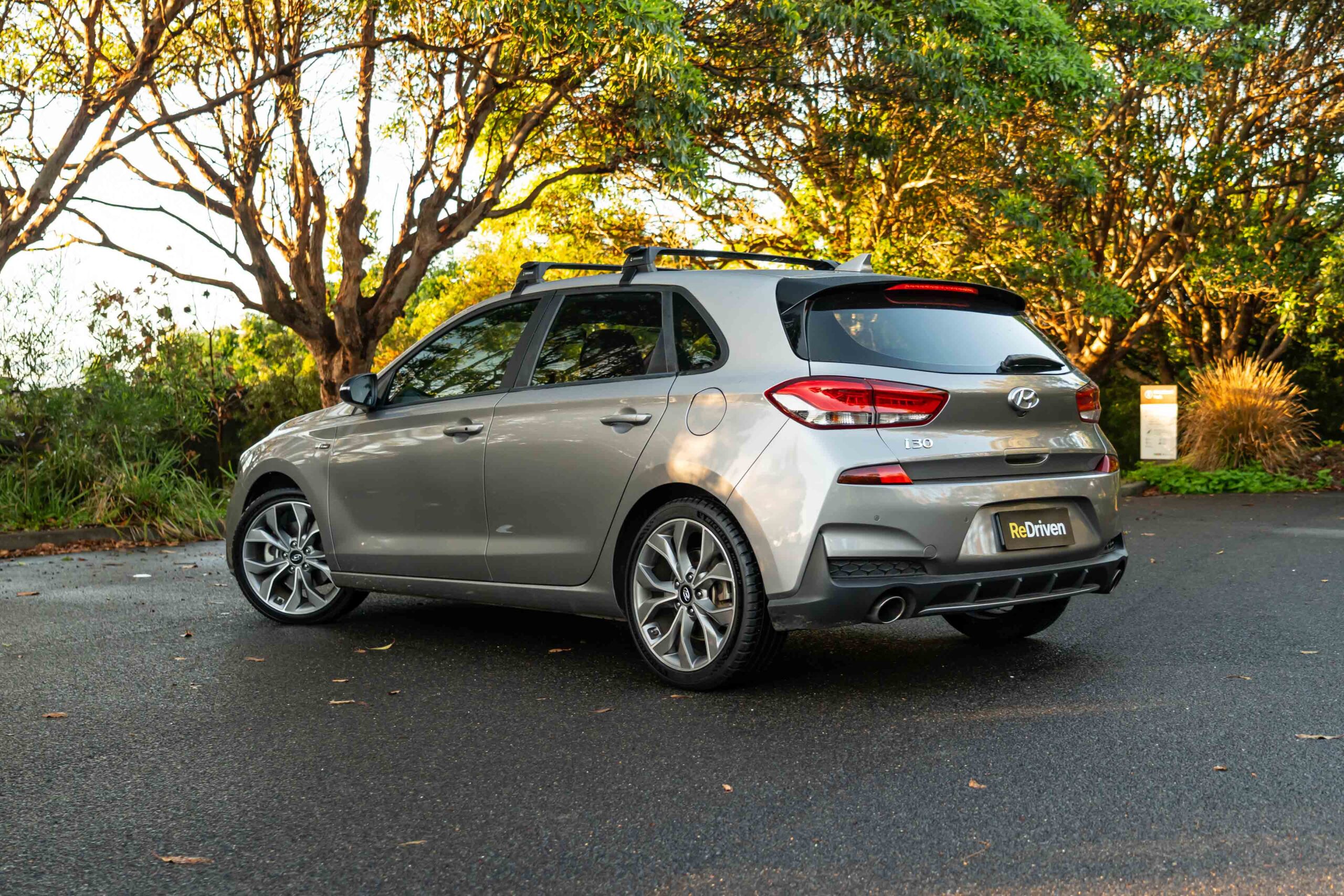
The factory paint can be fairly thin, and the paint on any exterior plastic surfaces can also discolour prematurely – the rear hatch spoilers are a common section that owners have had to get repainted. However, as many are still covered under Hyundai’s (generous) warranty, these have been done at no extra cost.
Early models are also known for the rubber trims getting loose easily, along with the exterior window trim fading – remedies are still cheap and straightforward to perform.
Those featuring a panoramic sunroof need more attention paid to clean and maintain them, as the trim can come loose and develop audible noises, and the channels are susceptible to blockage, leading to water ingress issues.
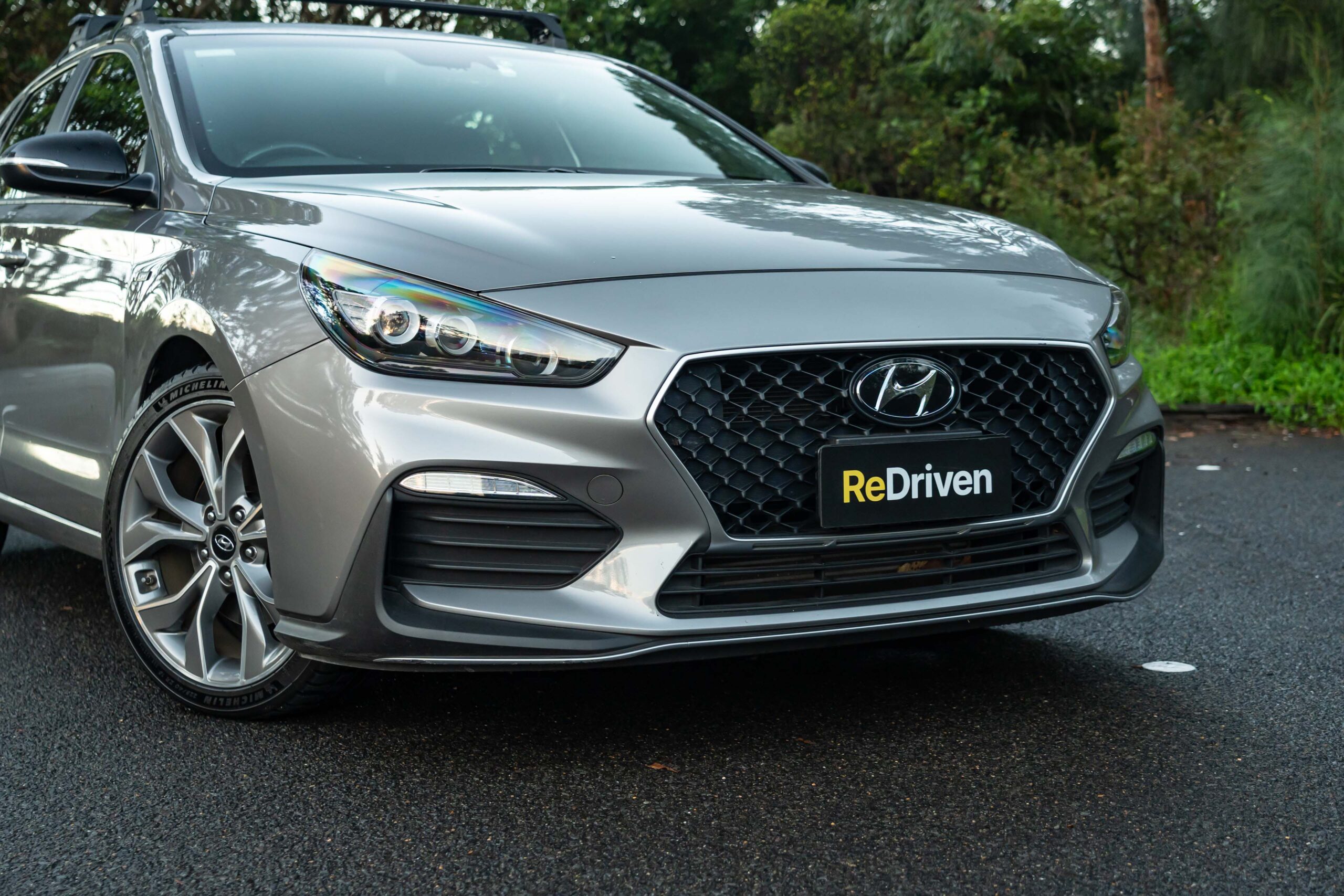
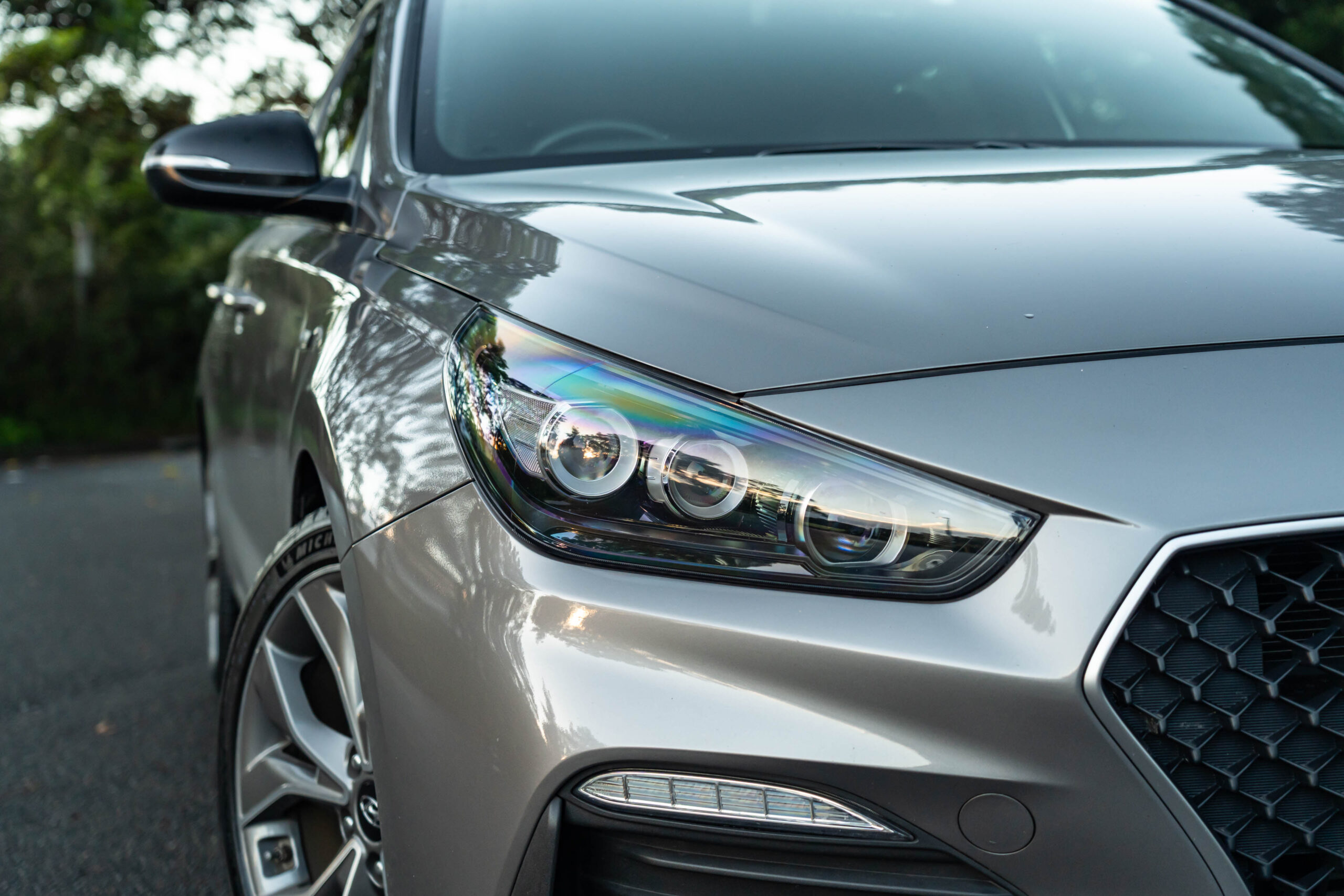
Moisture or water ingress issues are known to affect the headlights if their seals are compromised. Also, if you want to attempt replacing the dipped headlight bulbs yourself, it’s worthwhile to check owners’ groups/forums for advice on how to approach these complex units.
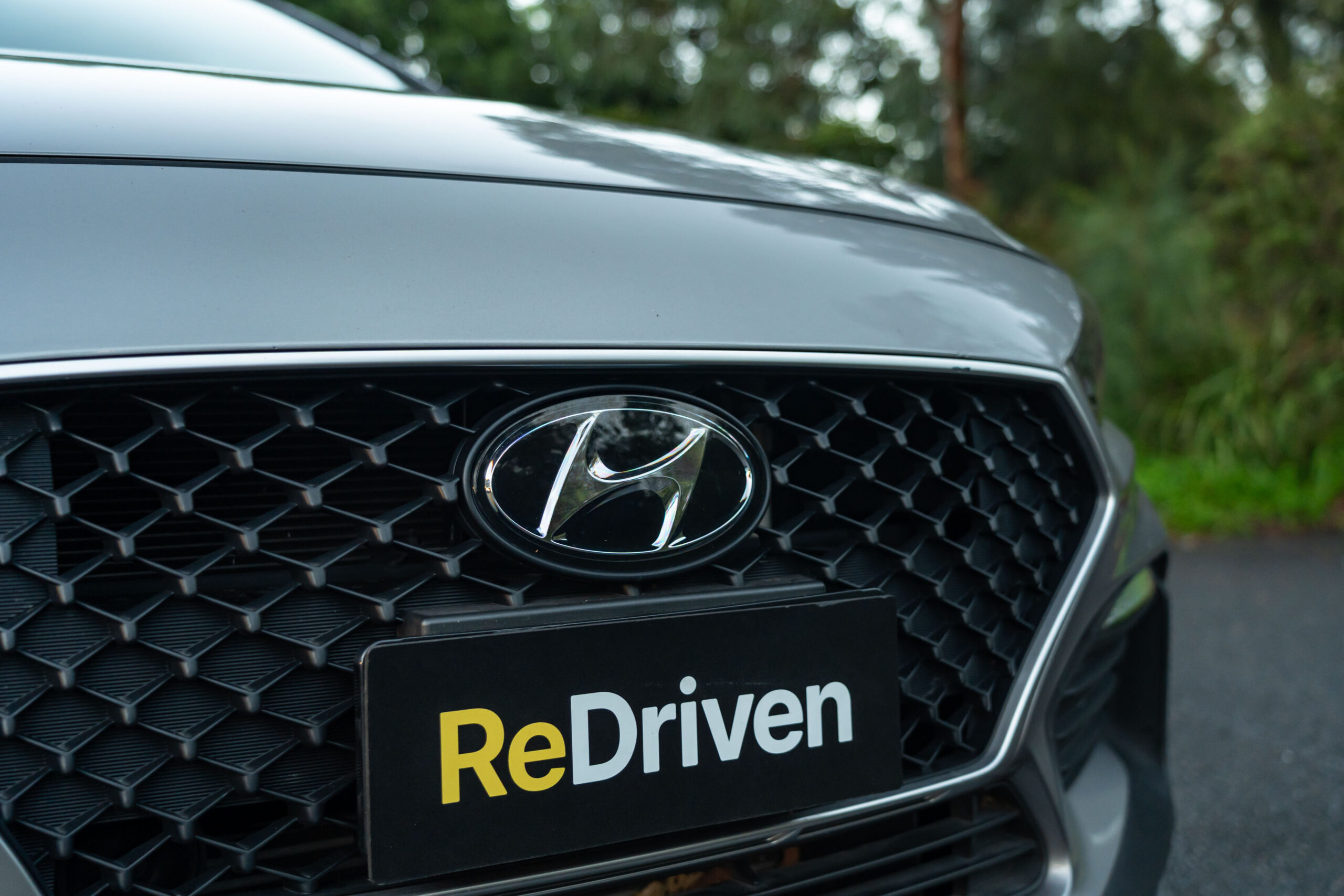
Check the underside, especially the front and the area surrounding the front bar. The air conditioning condenser is located quite low, meaning its vulnerable to damage from stone chips/debris if they get into the front grille, causing gas leaks or A/C system failure.
The front section also houses multiple sensors/radars as part of the ADAS features that come on the Hyundai. The front collision sensors/radars can have issues, and while these are still covered under warranty, owners mentioned lead time for replacement parts can take a few weeks.
Interior:
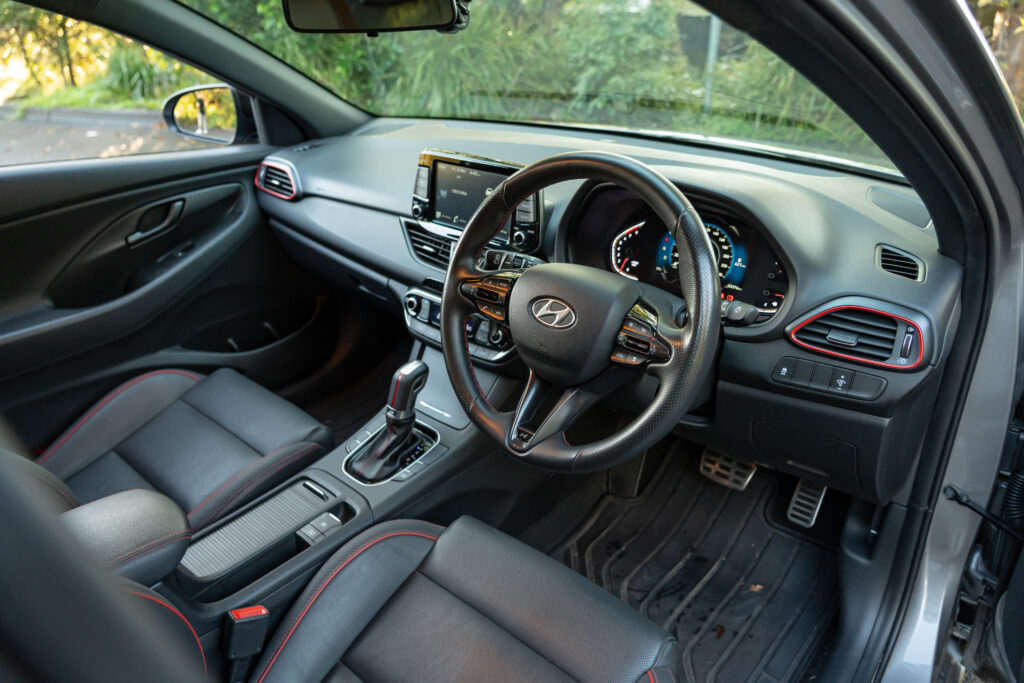
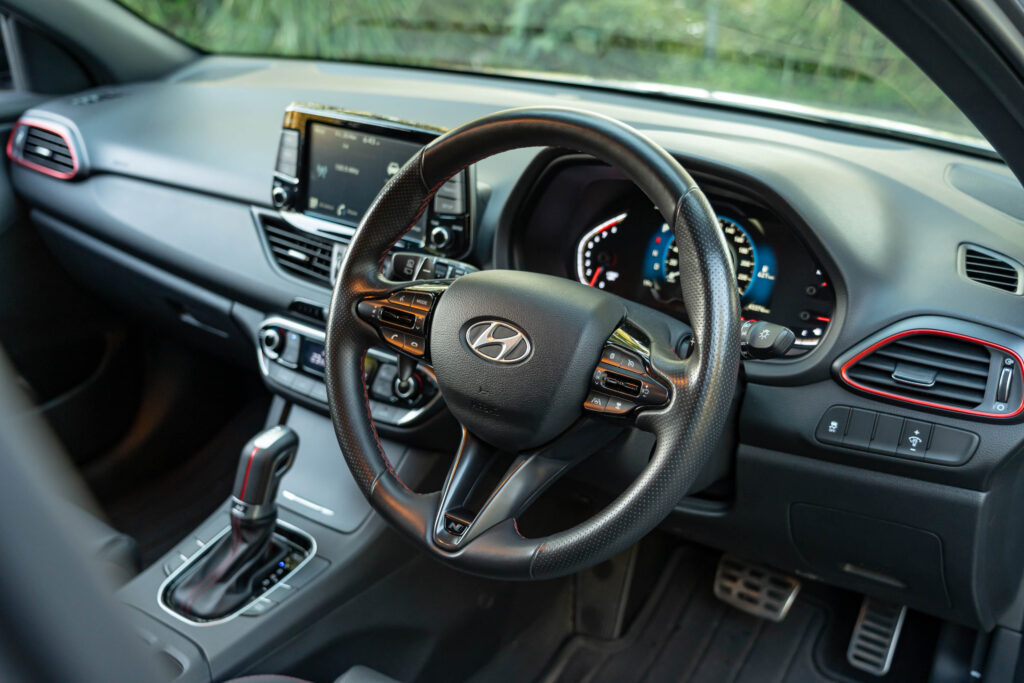
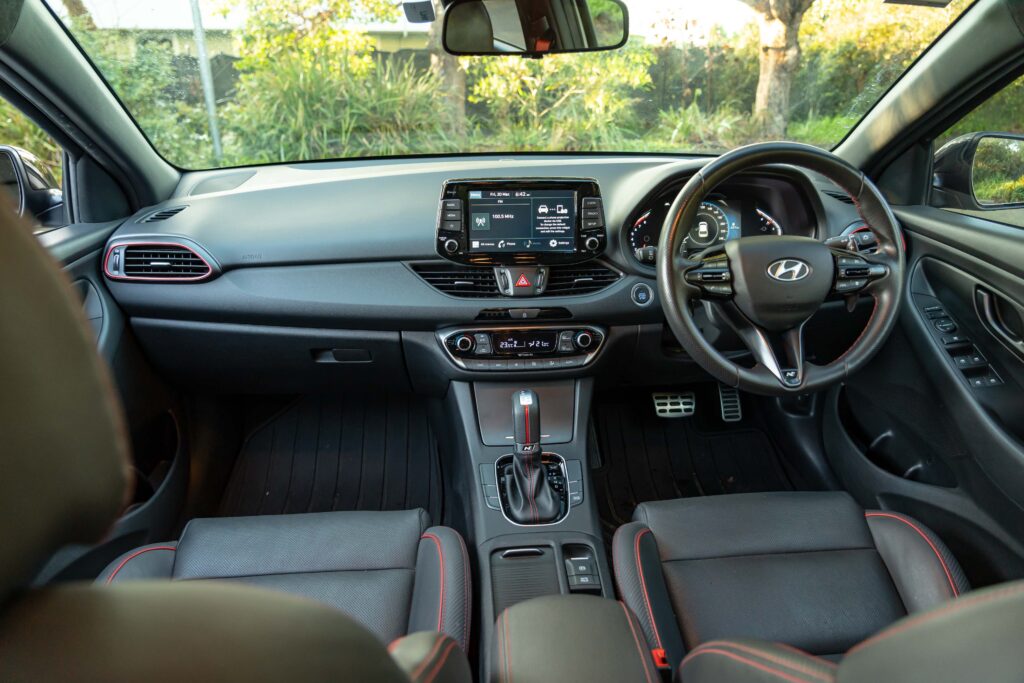
Most of the cabin switchgear and buttons are fairly solid, but owners have cited that the rear window switches can be quite fragile.
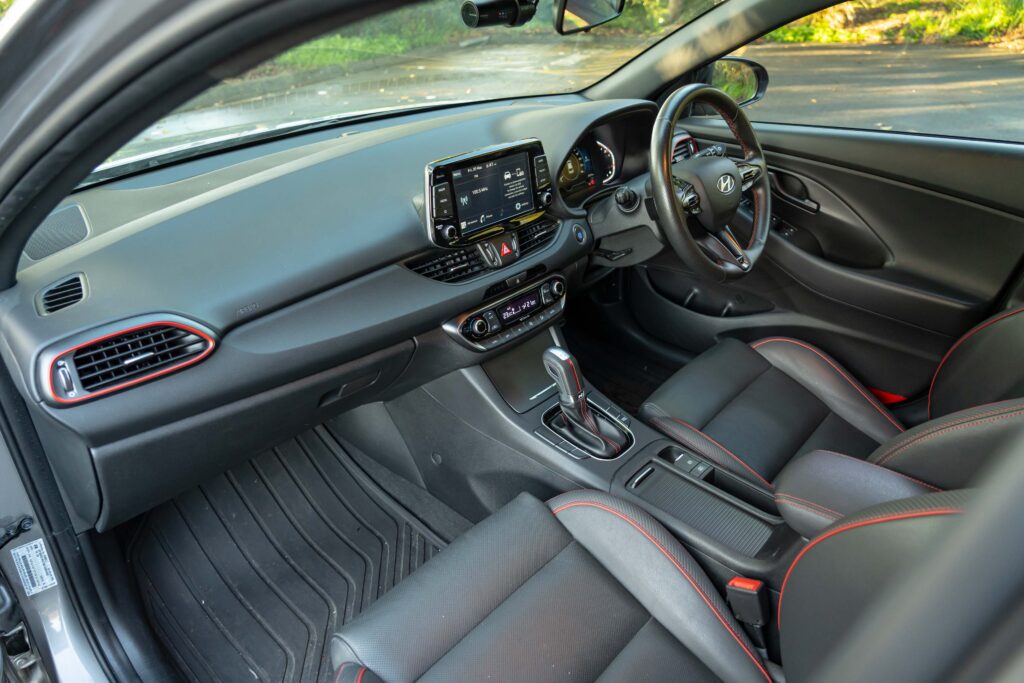
The same can apply to the interior trim pieces – depending on how they’ve been treated, things can easily come loose and rattle audibly. A few owners also mention they’ve noticed the hard plastic surfaces can mark and scratch easily.
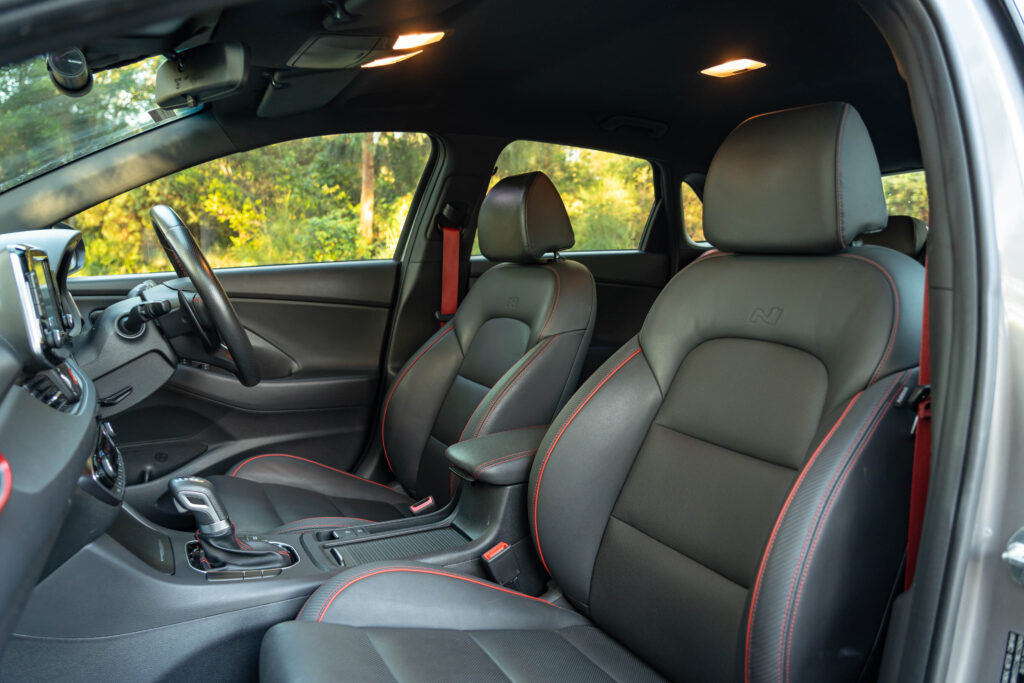
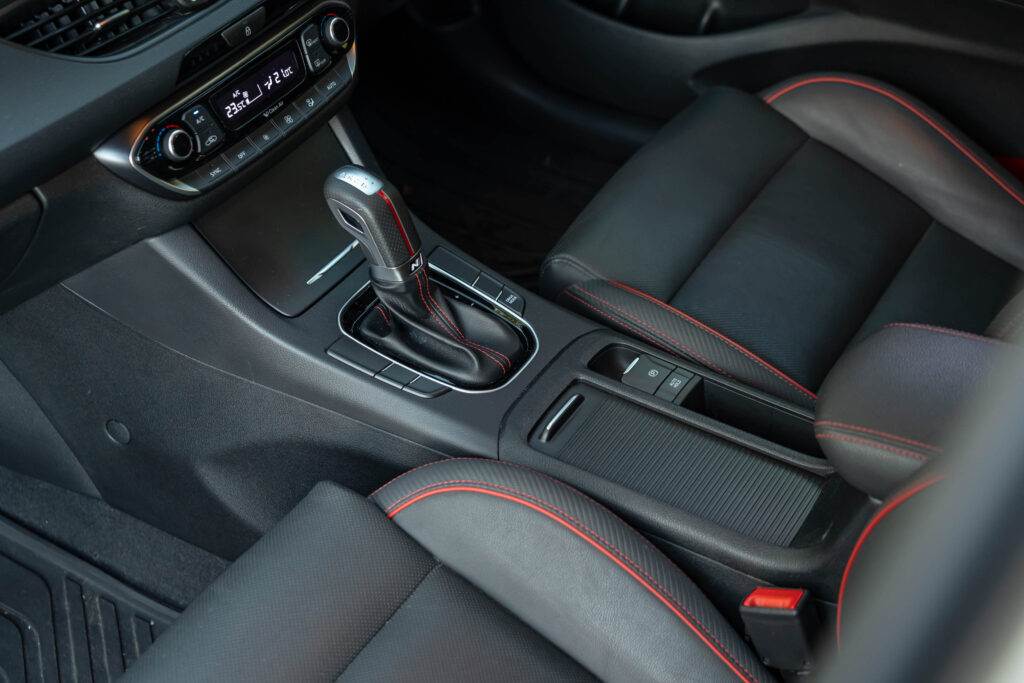
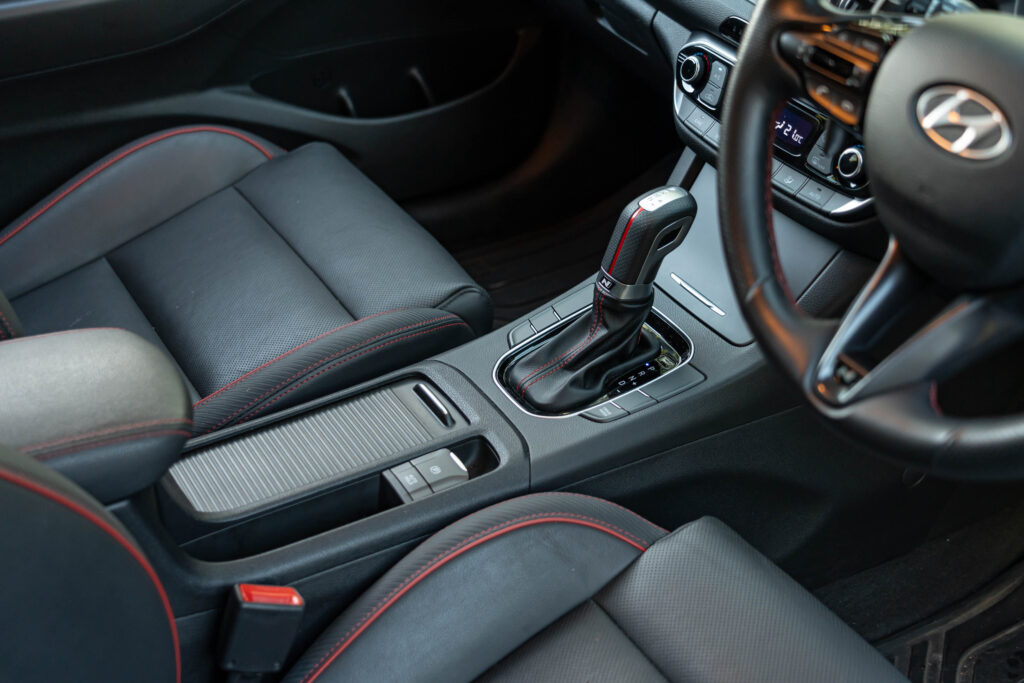
The ‘leather’ upholstery can also start to show its age – the steering wheel surfaces can peel or flake, especially under high UV exposure, and i30s with sports-style seats (SR/N-Line) can also begin to show ‘cracking’ on the driver side bolsters.
Some higher-grade models feature a head-up display, with a small, audible ‘buzz’ or rattling noise coming from the dashboard near the display unit.
As reported on other Korean models, if any warning lights appear on the dashboard, it could be just due to poor voltage, in which case a new battery should take care of the issues.
The electronic parking brake switch can have occasional gremlins, but typically a software update or reset makes them go away.
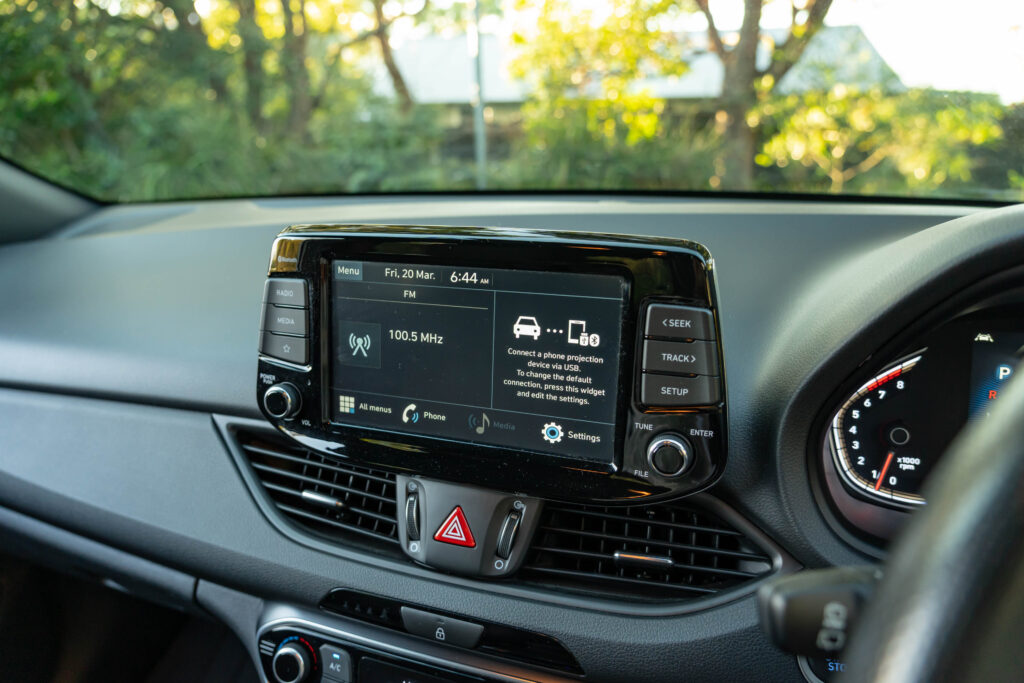
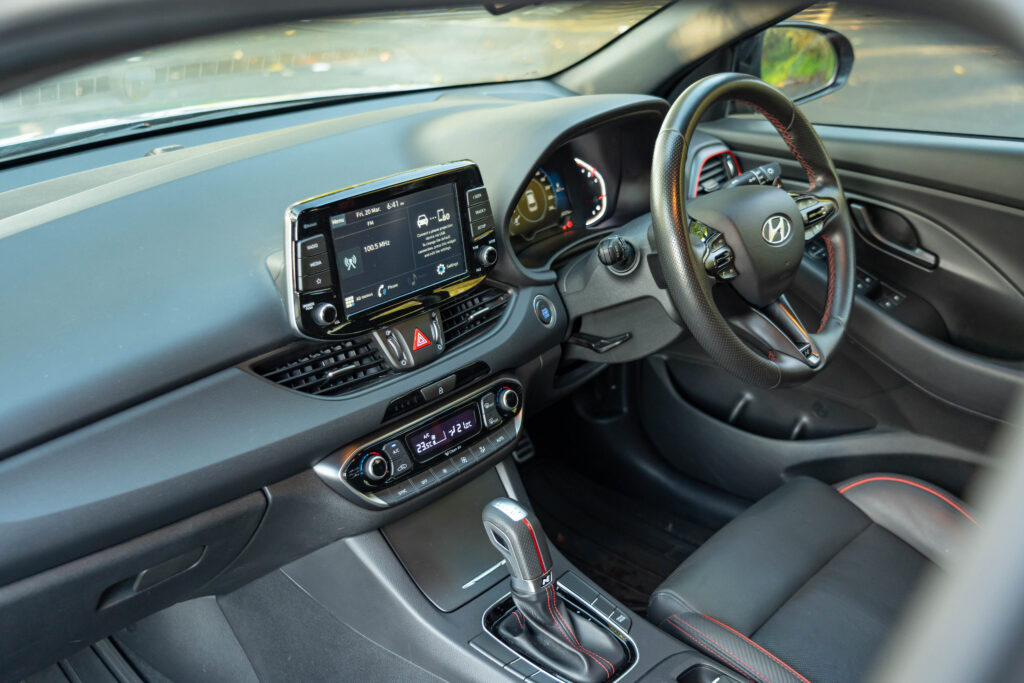
All i30s for the Australian market feature Apple CarPlay/Android Auto as standard, but the infotainment screen differs between models.
Pre-update i30s made before 2020, and lower-spec trims post-update come with an 8-inch touchscreen unit. We heard of rare instances of screens freezing/blacking out or the UI rebooting randomly – which usually resolves by removing/reinserting the system’s SD card or installing a software update.
While higher spec models from 2020 onwards post-update bring a larger 10.25-inch screen that has had slightly more instances of connectivity issues (especially for the wireless CarPlay/Android Auto functions), spotty Bluetooth synchronisation, or software bugs with the interface.
The headunit also displays a rearview camera that can be susceptible to moisture getting into the camera unit, causing the view to be obscured or cloudy. But generally speaking, the i30s factory infotainment system is far less problematic compared to those of its rivals.
The i30 comes with plenty of safety assists and tech as standard, though many owners report they can be somewhat overwhelming, with the warnings/chimes being more distracting than expected and making driving less safe.
The lane keep assist in particular can be very aggressive compared to equivalents from other brands, steering you back into the center lane aggressively and forcefully rather than swiftly and gently.
If you’re focusing on the early models, we recommend targeting one that comes with the optional safety pack, as these featured a lot of ‘Smartsense’ safety assists (before they became standard in later iterations) and are slightly more desirable in the used market.
Mechanical issues:
Reliability-wise, Korean brands like Hyundai rank fairly high in customer satisfaction reports and ratings. Their after-sales support also continues to have a major advantage over rival brands’ with their 5-year, unlimited mileage warranty.
However, as mentioned with other Hyundai models, it’s still worth doing due diligence on which dealers you entrust to perform servicing or any warranty-covered repairs, as many owners report Hyundai’s dealership network can be inconsistent, depending on your area/region.
Engines:
Four-cylinder engines and Hyundais do have a somewhat infamous reputation, with models/units made 2010 onwards being most prone to engine failure.
The good news is that quality assurance improved on these powertrains in more recent years (~2016 onwards), but that hasn’t stopped class action lawsuits filed against Hyundai globally, including Australia, for how problematic their turbocharged 1.6L and 2.0L naturally-aspirated four-cylinder engines can be.
1.6L turbocharged four-cylinder (G4FJ, Gamma 2)
These are known for excessive oil consumption, which is what has gained this era of Hyundai powertrains their poor reputation for reliability in the first place.
The turbochargers themselves are known to be problematic – internal seals can leak, and in some cases, the oil supply can be restricted due to carbon/debris collecting internally. causing them to fail.
They can also experience wastegate failure, which causes a complete loss of turbo boost or delivery.
The best examples will have been attentively looked after, with regular scheduled maintenance carried out every 10,000 km from new – hence we strongly recommend that any you consider come with a detailed service history. We also recommend frequent oil changes.
2.0L naturally-aspirated four-cylinder (G4NA)
High oil consumption continues to frequently affect these engines, and it’s among the top reasons they fail in the first place.
This can also lead to premature timing chain wear and cam phaser issues – timing chain rattles are a clear indicator, which are more prevalent on cold starts.
Oil leaks can also frequently occur above 100,000 kilometres, but if identified promptly, they’re not too expensive to fix. It’s also worth highlighting that the rear main oil seals are also prone to leaking, and they’re more expensive to repair as the transmission needs to be removed to access them.
High mileage examples are also known to experience carbon buildup in their valves, which also clog up the inlets (like many modern-era direct injection engines). Note that when this begins to affect engine performance/fuel consumption, there are solutions – like chemical cleanses or walnut blasting to clear them out.
Just like its turbo counterpart, regular, scheduled maintenance is crucial to make these last as long as possible. But most owners don’t care enough about these to spend the money to take care of them.
1.6L turbodiesel four-cylinder
The turbodiesel only made up 5% of new Hyundai i30 sales in Australia before Hyundai Australia discontinued them 2019 onwards, and as a result, they are very rare on the used market.
These can suffer from the same range of modern-era diesel issues as mentioned in other Hyundai products – DPF (Diesel Particulate Filter) blockage and regen issues (on short trips), as well as irregular EGR (Exhaust Gas Recirculation), and VGT turbocharger/fuel injector failure.
Our professional opinion is to avoid the diesel models altogether, given that they are slower, noisier, and more costly to buy/maintain than their petrol counterparts.
Transmissions:
The dual-clutch automatics (exclusive to the turbocharged 1.6L), as reported with other Hyundai/Kia products, have a track record of common problems.
Their main problems are largely around general operation/drivability. Common complaints include excessive shuddering and vibrations during normal operation, significant delays when engaging or changing gears; alongside usual dual-clutch gremlins, from hesitation when pulling away to rough gear changes at low speeds.
They can suffer clutch pack and flywheel complications, along with issues with their mechatronic components. In short, the DCTs are still proving to be stressful to live with and upkeep.
By contrast, the torque-converter units applied to the 2.0L four-cylinder are far less prone to issues and are viewed to be the more ‘reliable’ of the two automatics. The same can also be said of the manual transmissions – provided they’re serviced regularly and cared for, they can experience little to no serious problems.
Currently, most i30s start from as low as $5,000, with the most expensive ones starting from $40,000.
We view those in the cheapest price range are too risky to consider, and would target those close to the higher end, especially the post-update i30 N-Lines that bring in the most ‘sportiest’ appearance of all iterations, and up-to-date levels of equipment.
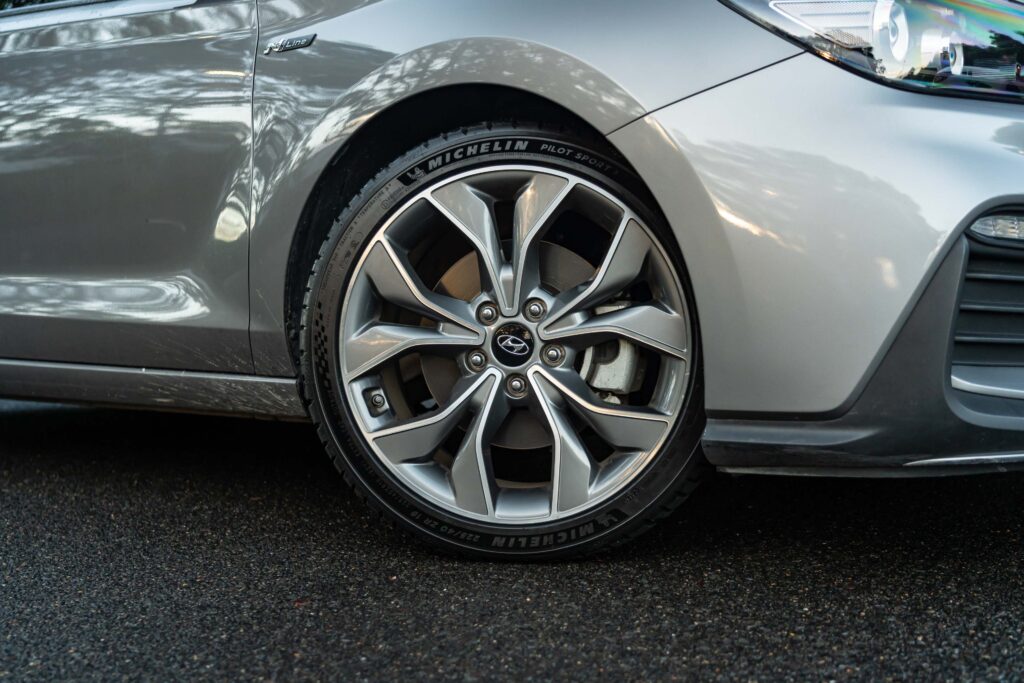
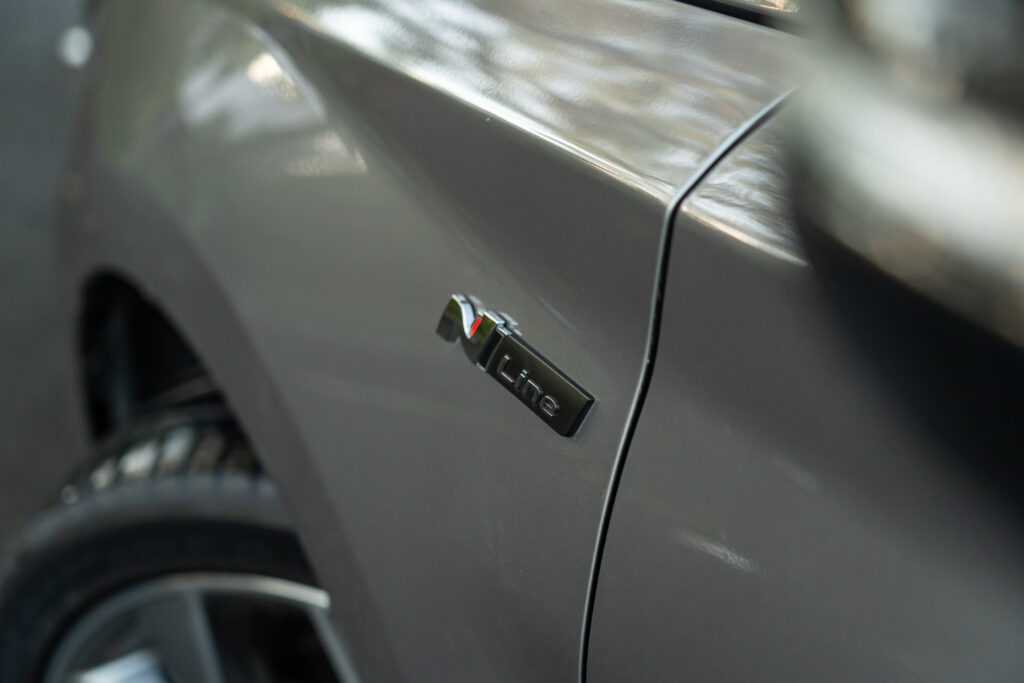
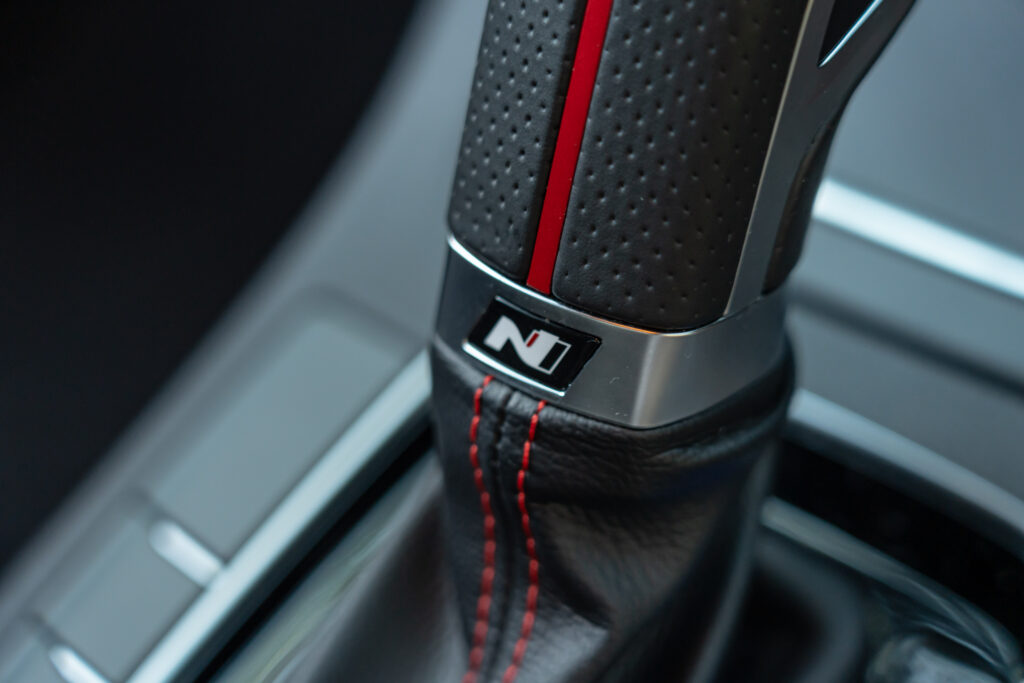
We especially recommend the N-Line models. They offer plenty of amenities, and a slightly sportier suspension setup compared to other trims that make them engaging to drive; if you don’t need the full, ‘hot’ package brought by the i30N models.
Along with the generous Hyundai warranty package, many i30s hold their value better compared to European hatchbacks like the Volkswagen Golf and Ford Focus, and come with a better grade of standard features.
The Hyundai i30 has a lot of selling points, but it’s also worth comparing it to rivals from Japanese brands, like the Mazda 3 and Toyota Corolla, that deliver just as much value for money, and have a far more consistent reliability track record.
Compared to its Japanese equivalents, the Hyundai is slightly more questionable when it comes to how it will hold up in the long run; despite many on the used market still covered under the brand’s generous warranty and factory support.
With reliability being one of the top priorities in this segment, we understand some view the Hyundai as a slight gamble you don’t want to risk, and while they are slightly more expensive, it’s better to play safe with a Japanese offering.


Co-creator, presenter & writer, ReDriven

Yes. But only the right example.
 2 months ago
 2 months ago
 2 months ago