Australia’s No. 1 Used Car Review Website
Australia’s No. 1 Used Car Review Website
+17 Photos
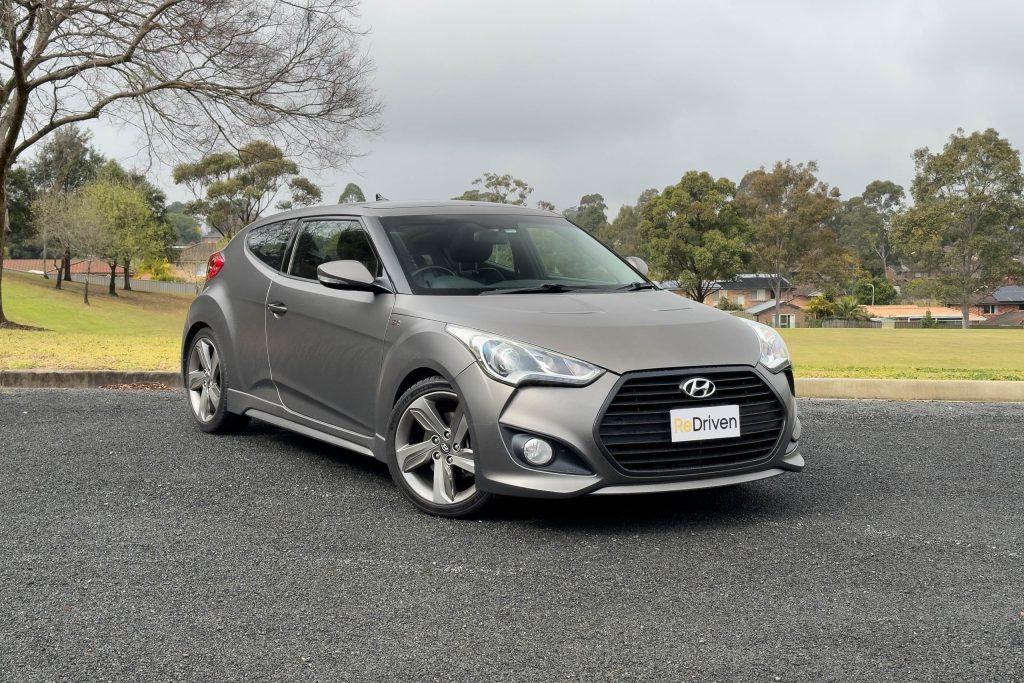
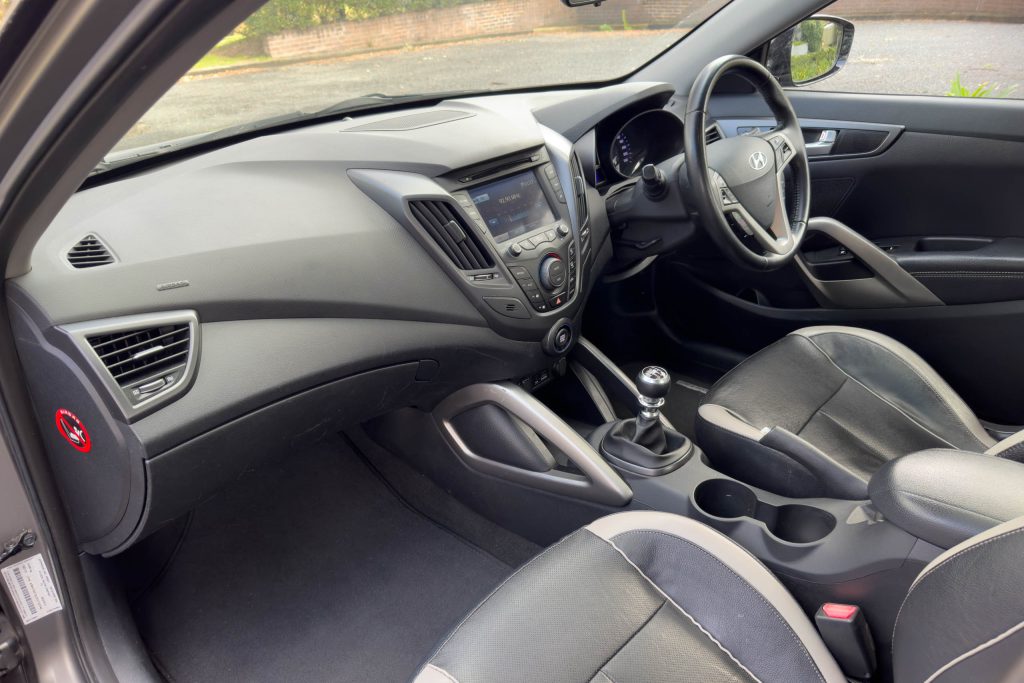
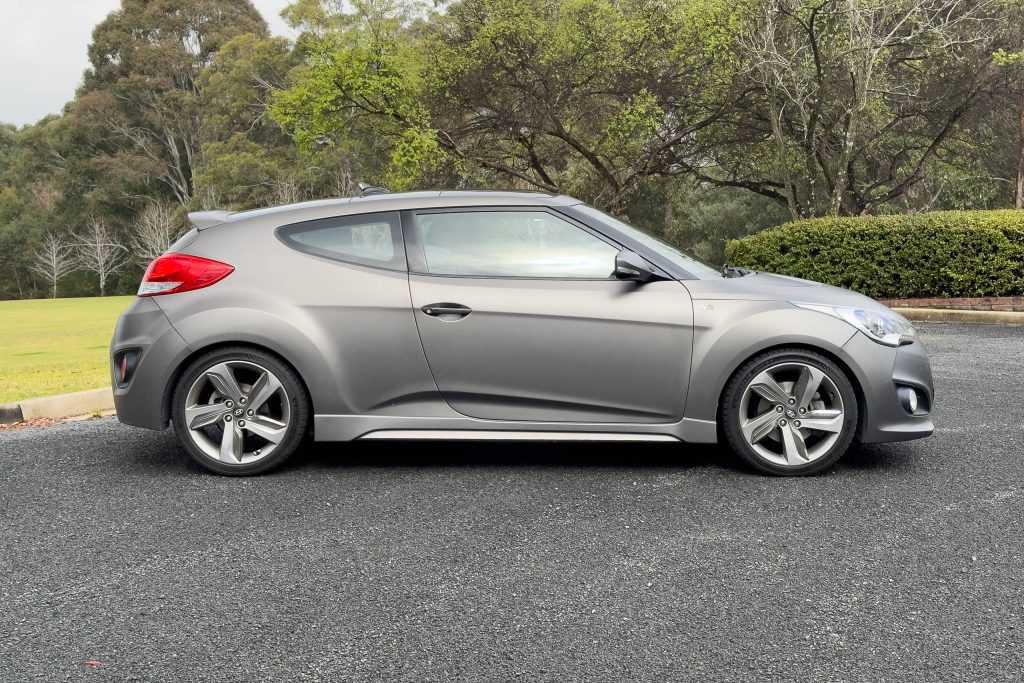
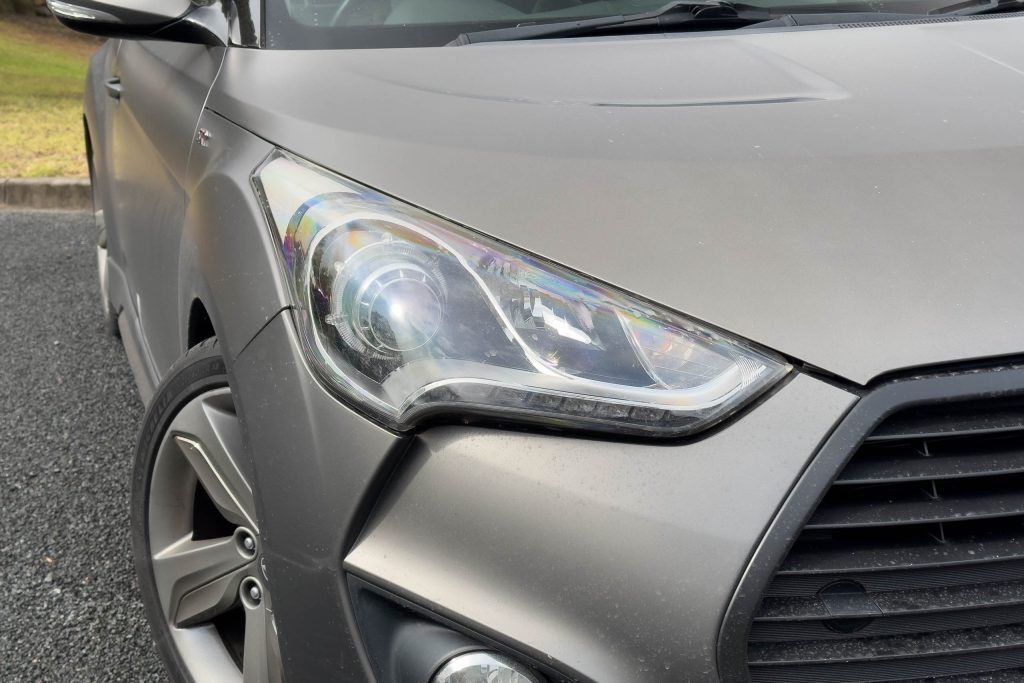
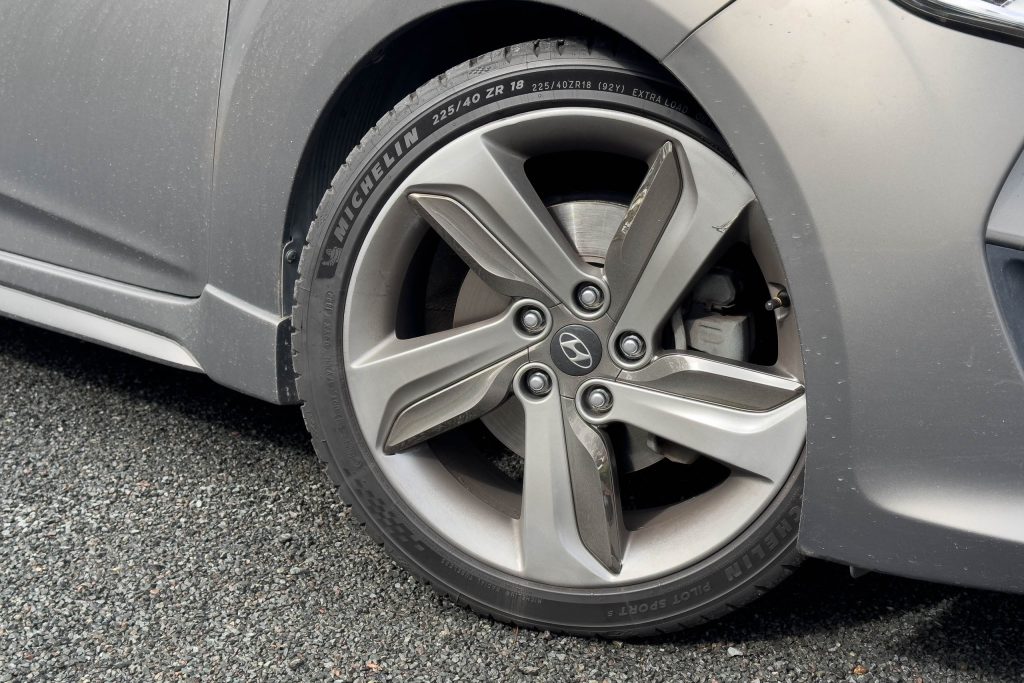
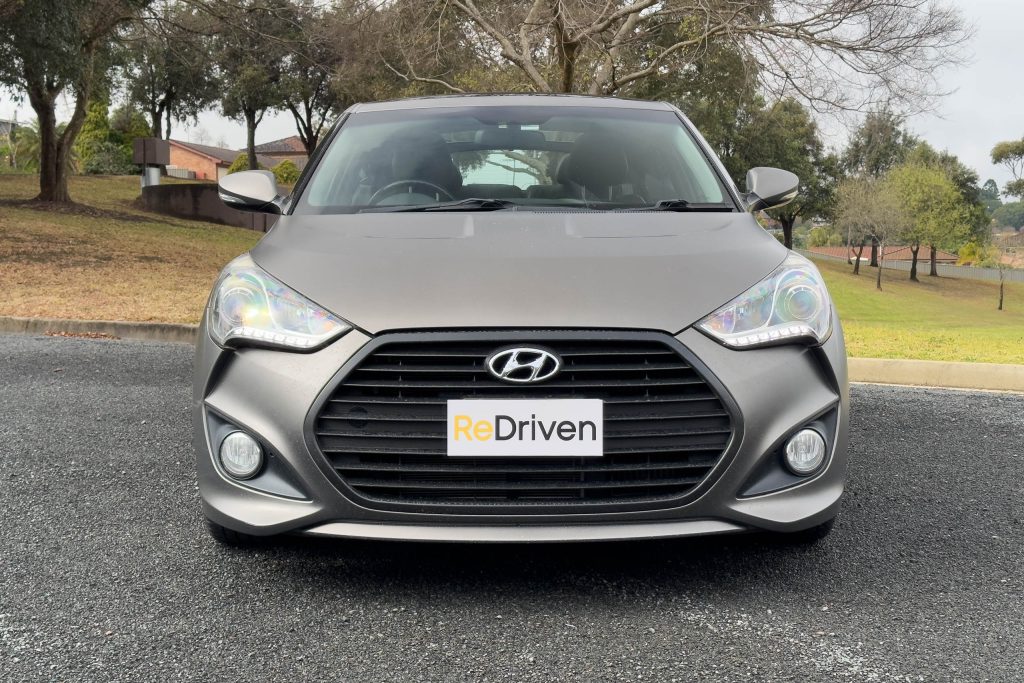
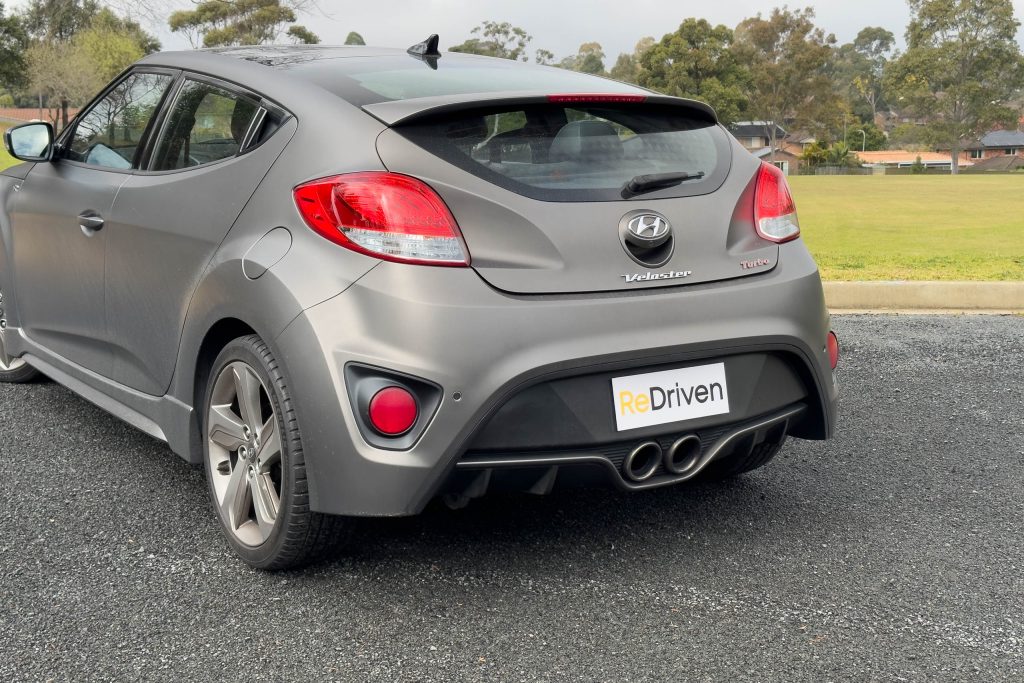
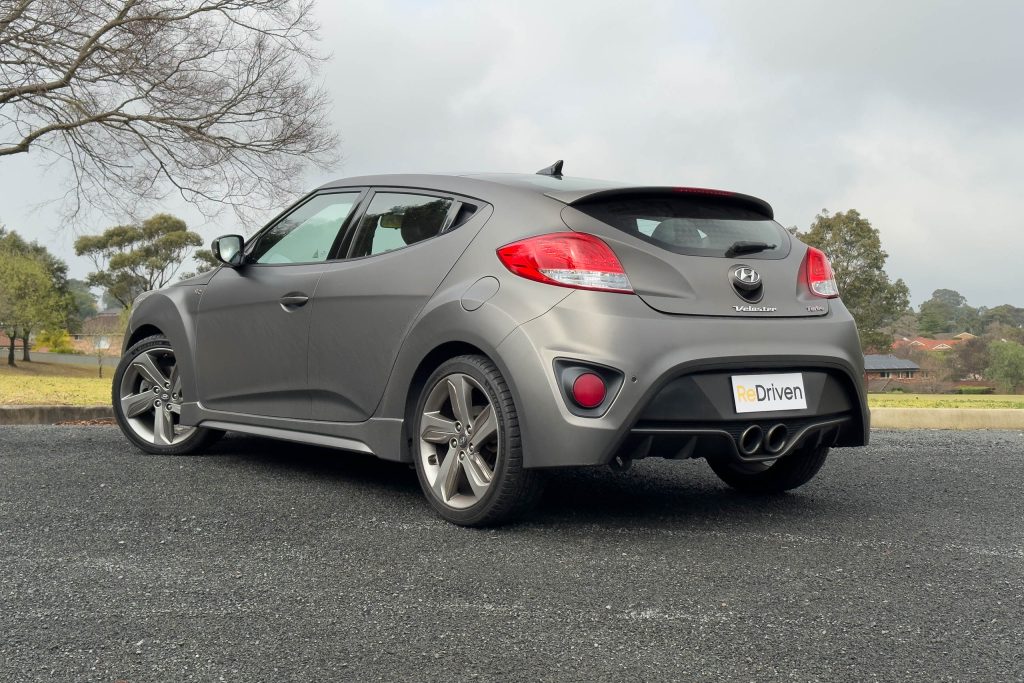
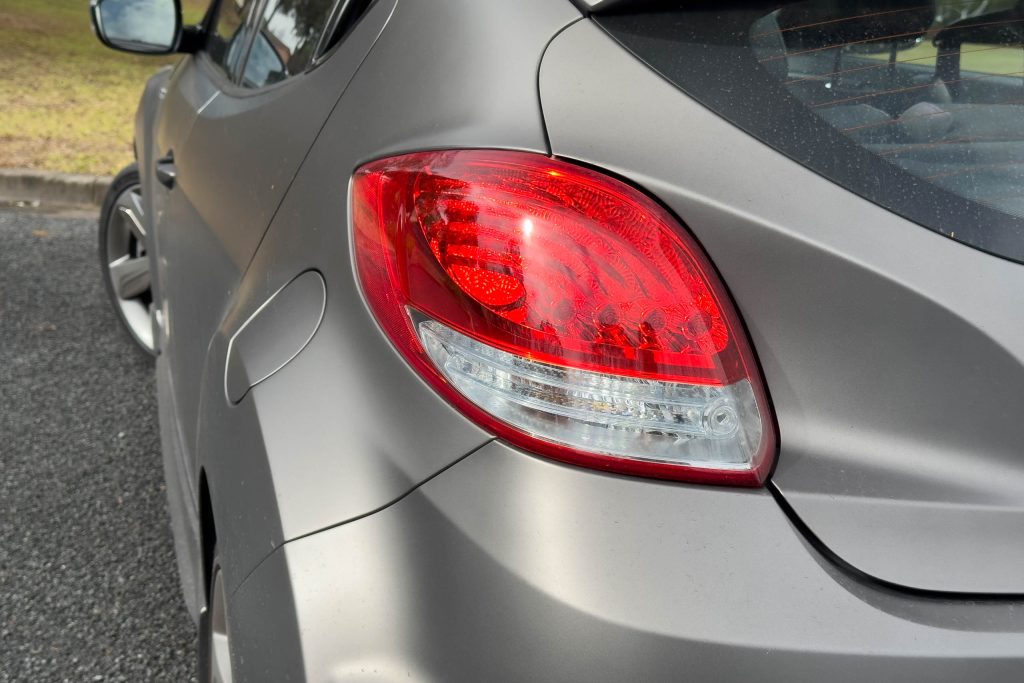
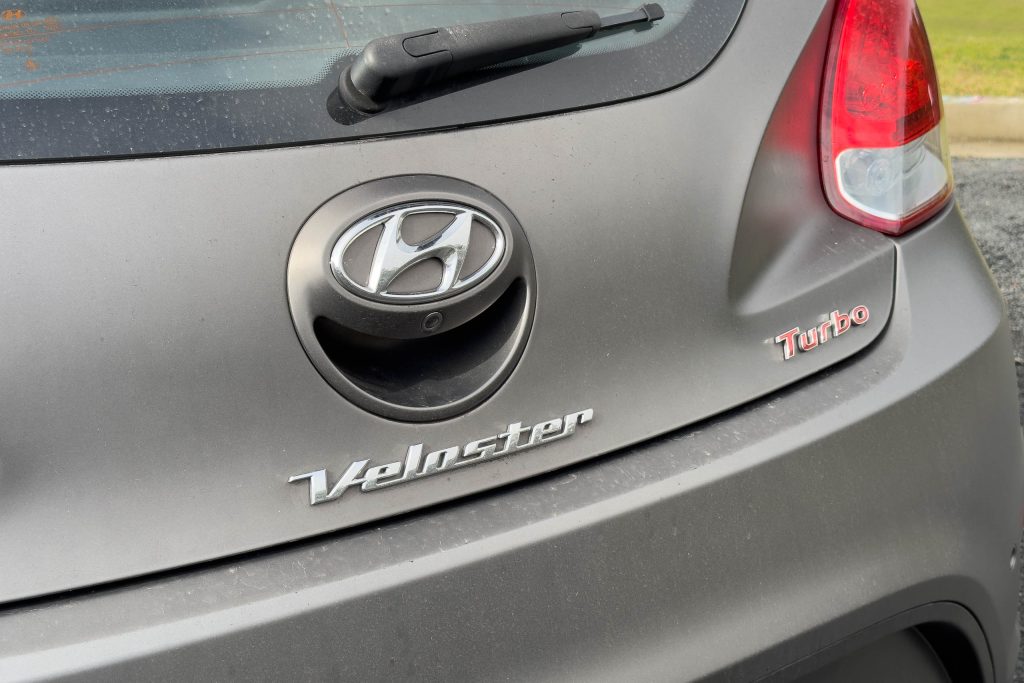
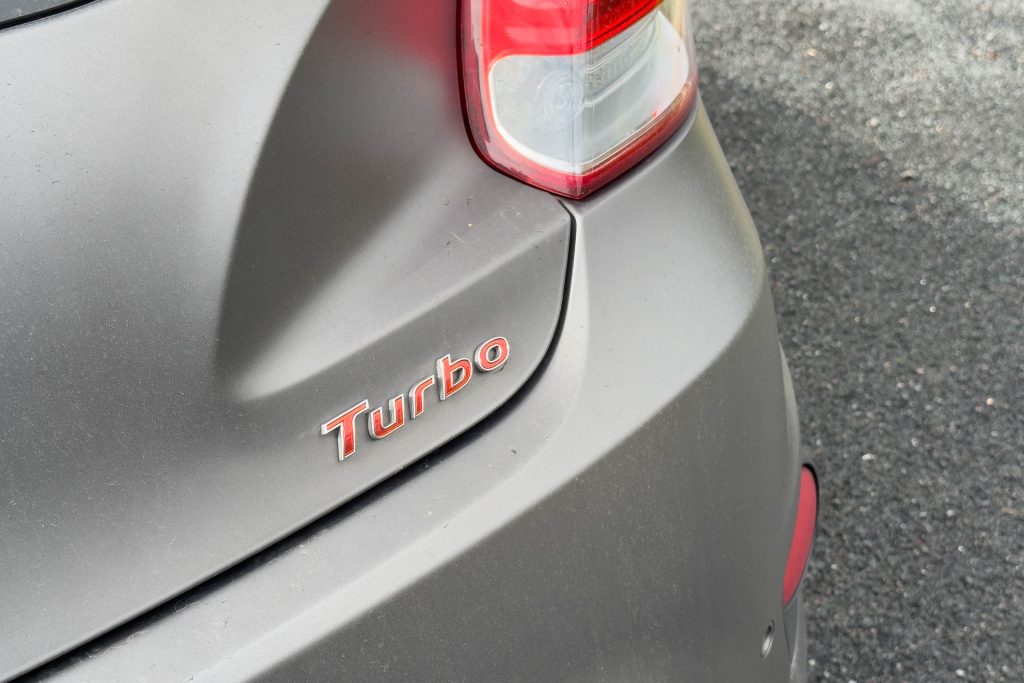
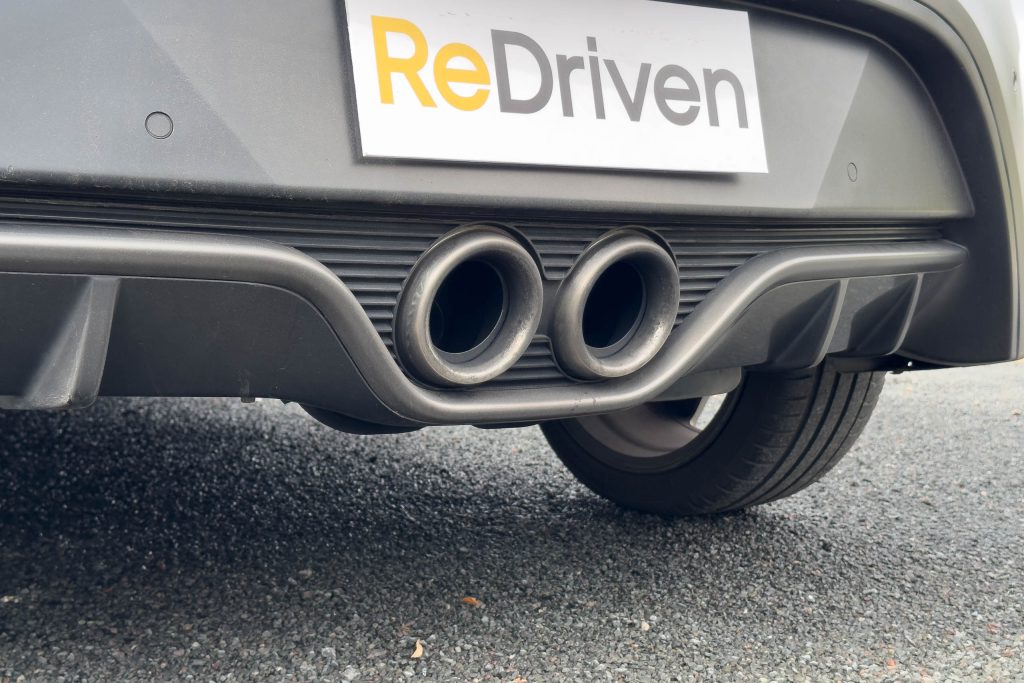
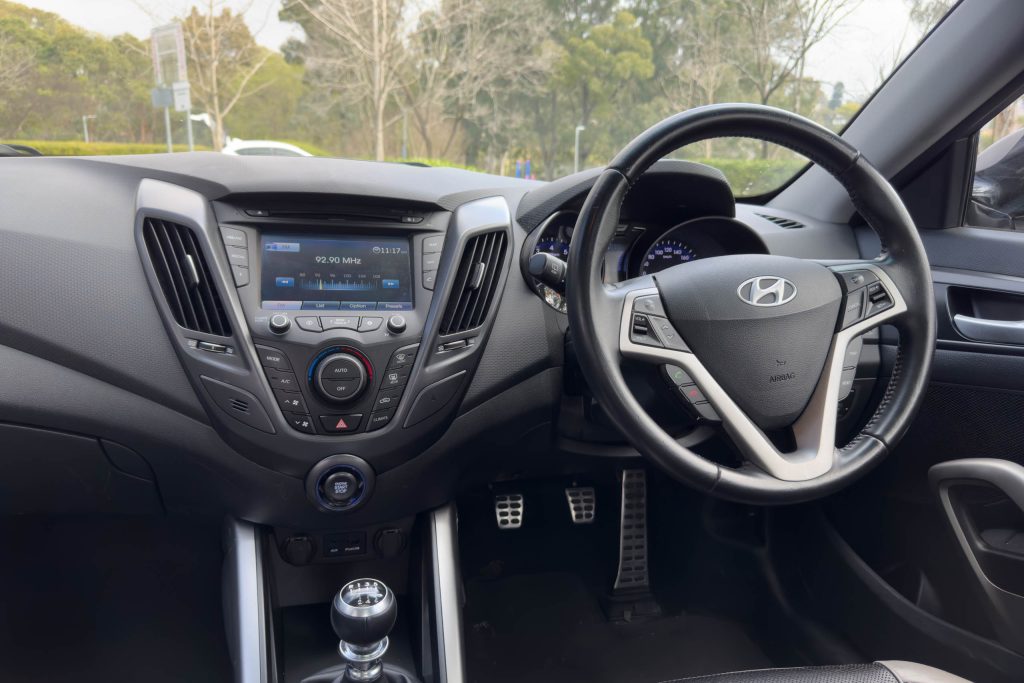
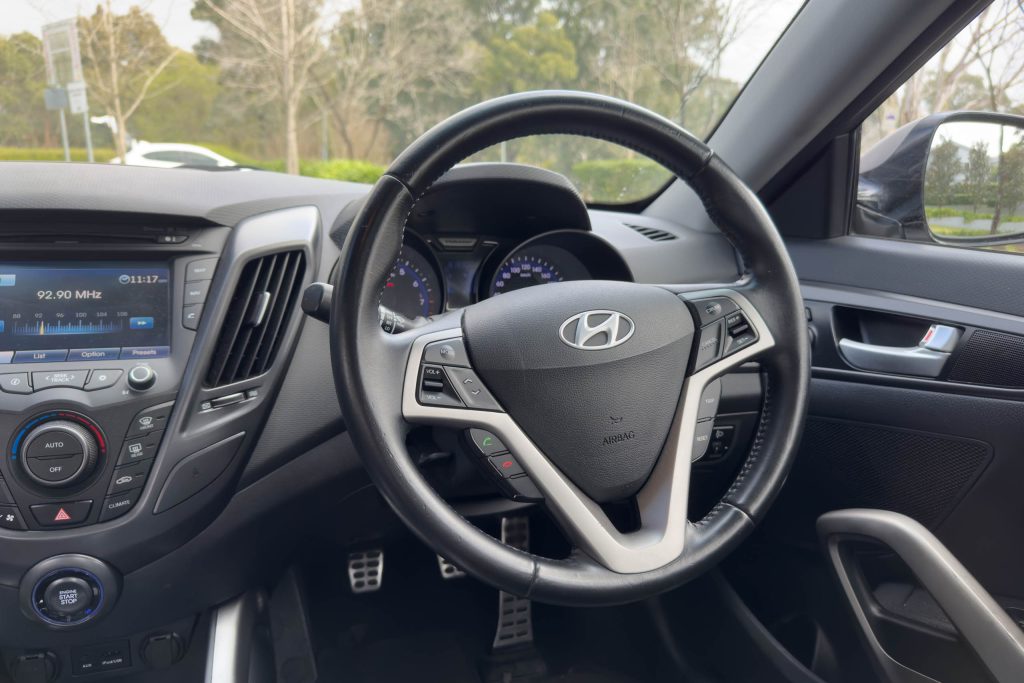
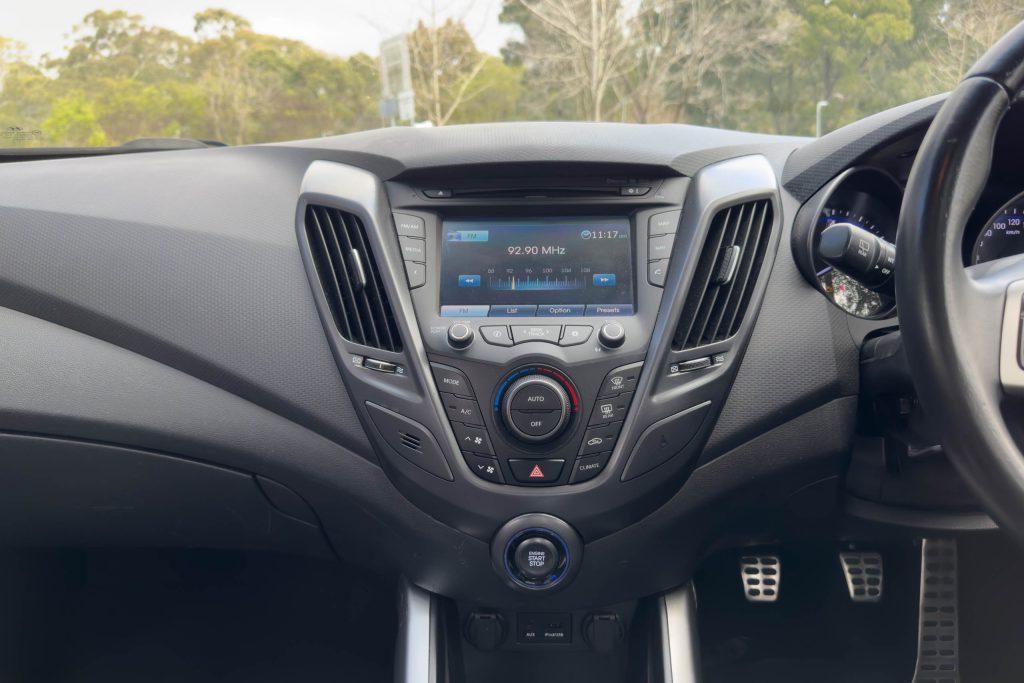
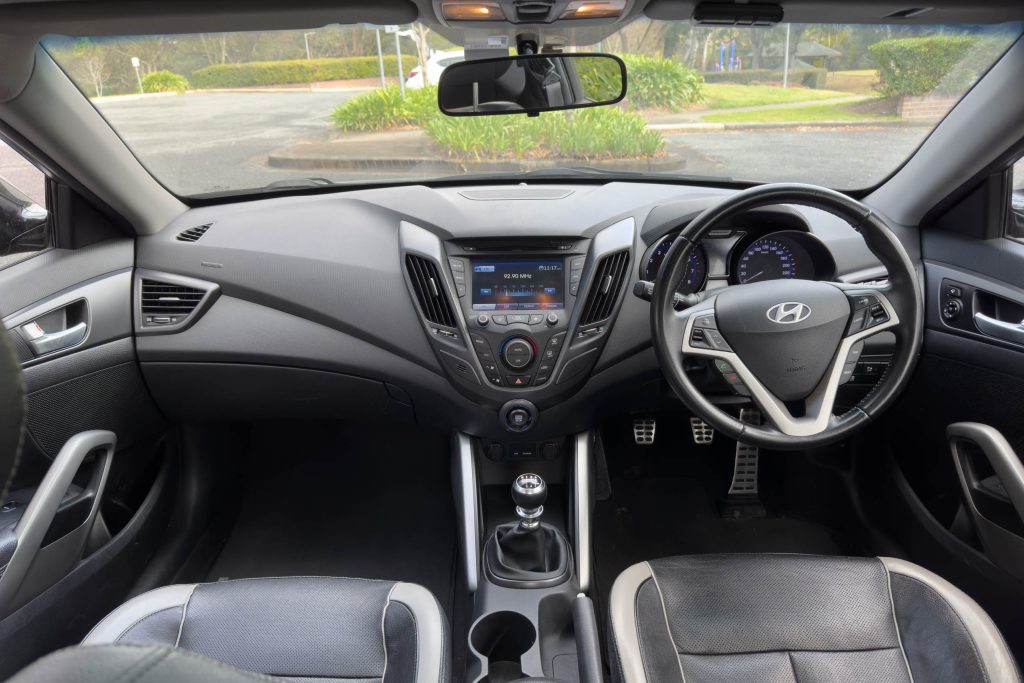

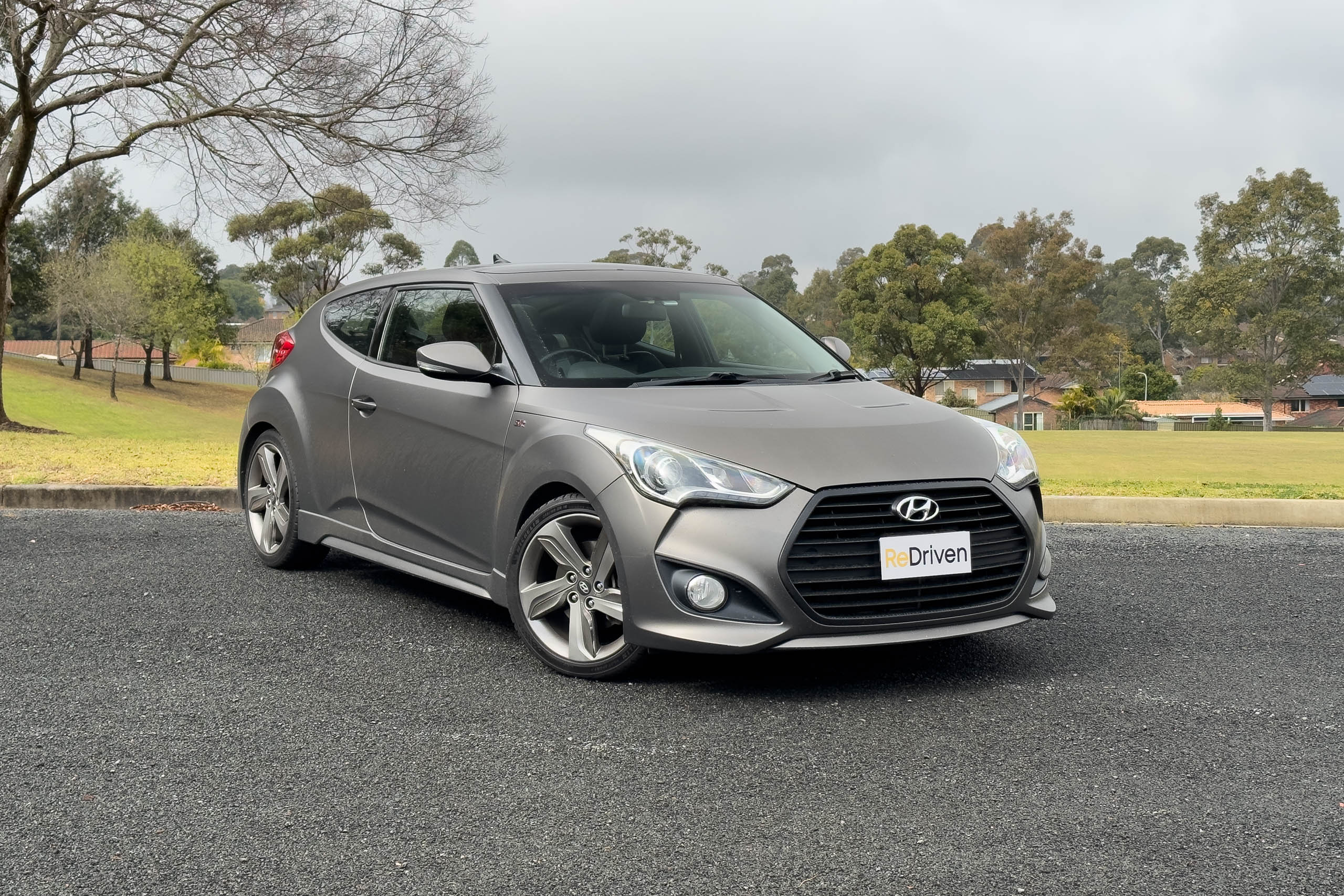
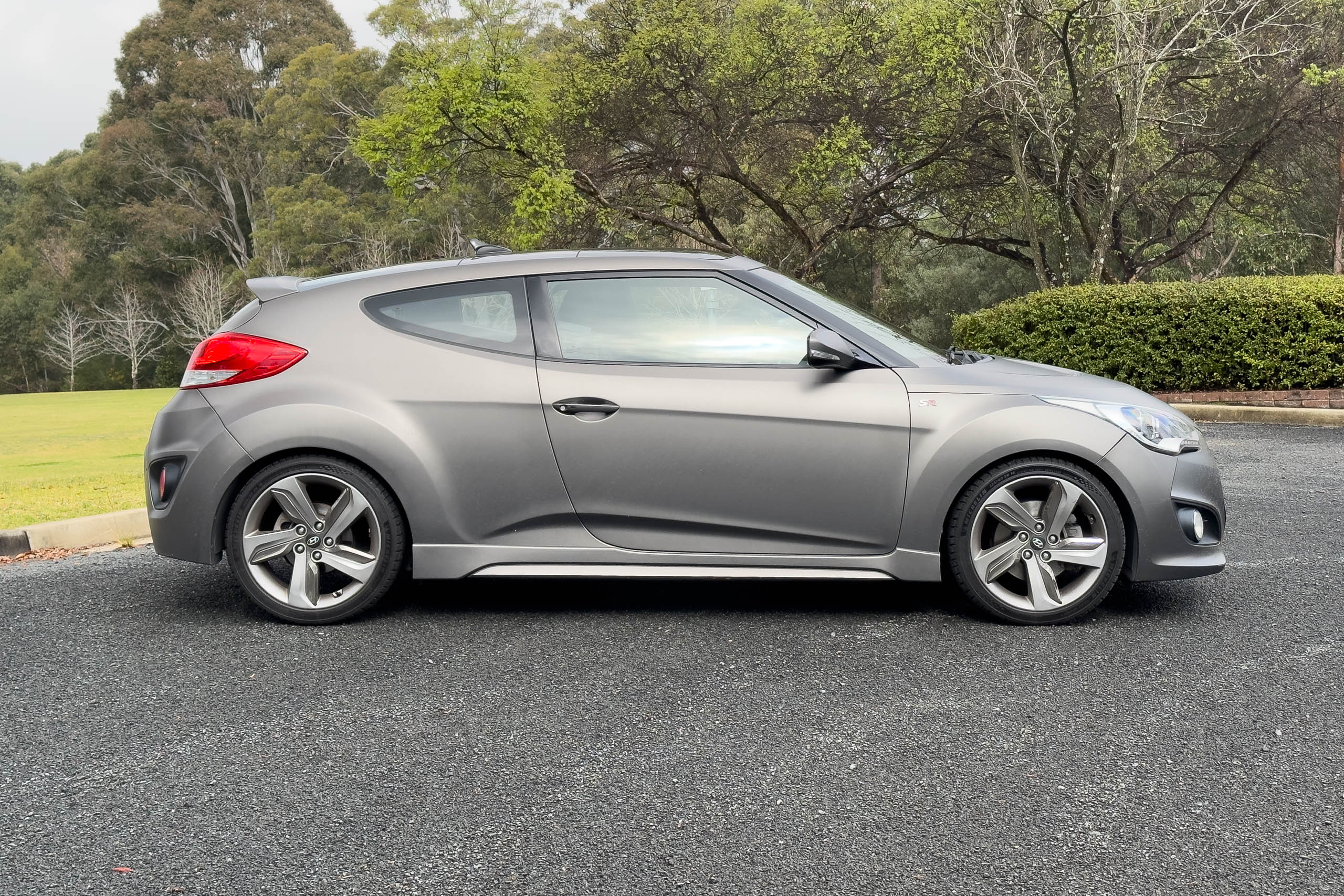
2013 Hyundai Veloster SR Turbo

11 October 2023
Yes. But only the right example.

2013 Hyundai Veloster SR Turbo

Used car review
11 October 2023
The first-generation Hyundai Veloster has often faced criticism. However, in a world dominated by conventional and uninspiring vehicles, Hyundai dared to introduce something refreshingly unique.
To elaborate on its distinctiveness, for those new to the Veloster, this car is a fusion of a coupe, hatchback, and liftback, all rolled into one. It cleverly solves the dilemma of choosing between a practical hatch or a stylish coupe by offering both options – a multi-door hatch and a two-door coupe, all in a single vehicle.

In contrast to other hot hatches and coupes such as the Golf GTI, Renault Megane RS, and the Toyota 86 / Subaru BRZ twins, which primarily emphasise performance, the Veloster, even in its Turbo form, adopts a more relaxed and enjoyable approach. This approach, while appealing to some, does tend to frustrate those seeking a more performance-oriented ride.
For those uninterested in spirited driving, it’s worth noting that the Veloster is also available without a Turbo. In fact, the initial release of the Veloster in 2012 did not include Turbo models; they were introduced later in the same year.
An intriguing tidbit about the first-gen Veloster is its close relationship with the Kia Pro-Ceed GT, aside from a few aesthetic differences. The most significant distinction lies in the rear suspension design, as most other components are nearly identical.
Throughout its first-generation lifespan, the Veloster remained largely unchanged, with minor aesthetic enhancements, additional gear ratios, some steering and suspension improvements, and subtle visual modifications during its update.
In terms of trim specifications, the range is straightforward. The naturally aspirated models include the Veloster and Veloster +, and the Turbocharged variants include SR Turbo, SR Turbo +, and Street models.
While Hyundai generally has an excellent reputation when it comes to reliability, with the Veloster being an affordable light-performance car, many examples have been driven with a lack of mechanical sympathy while missing critical maintenance, resulting in quite a few reliability concerns and potentially expensive repair bills, which begs the question, should you buy one? Read on.
Exterior:
The paint on the Veloster is not considered premium, and over time, it is prone to fading, particularly if it hasn’t been well-maintained. This is especially evident in Australia’s harsh climate. Many owners have voiced complaints about the paint chipping easily.
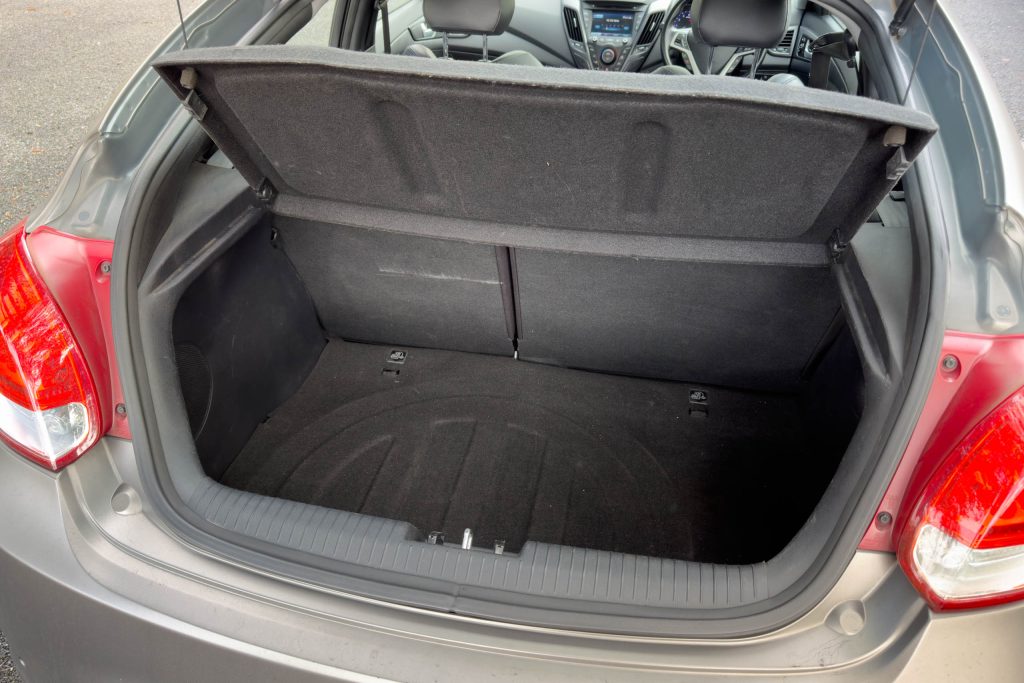
One of the most common faults with this model is the failure of the boot latch mechanism. To resolve this issue, owners often need to replace the entire unit to regain the ability to open the boot from the outside.
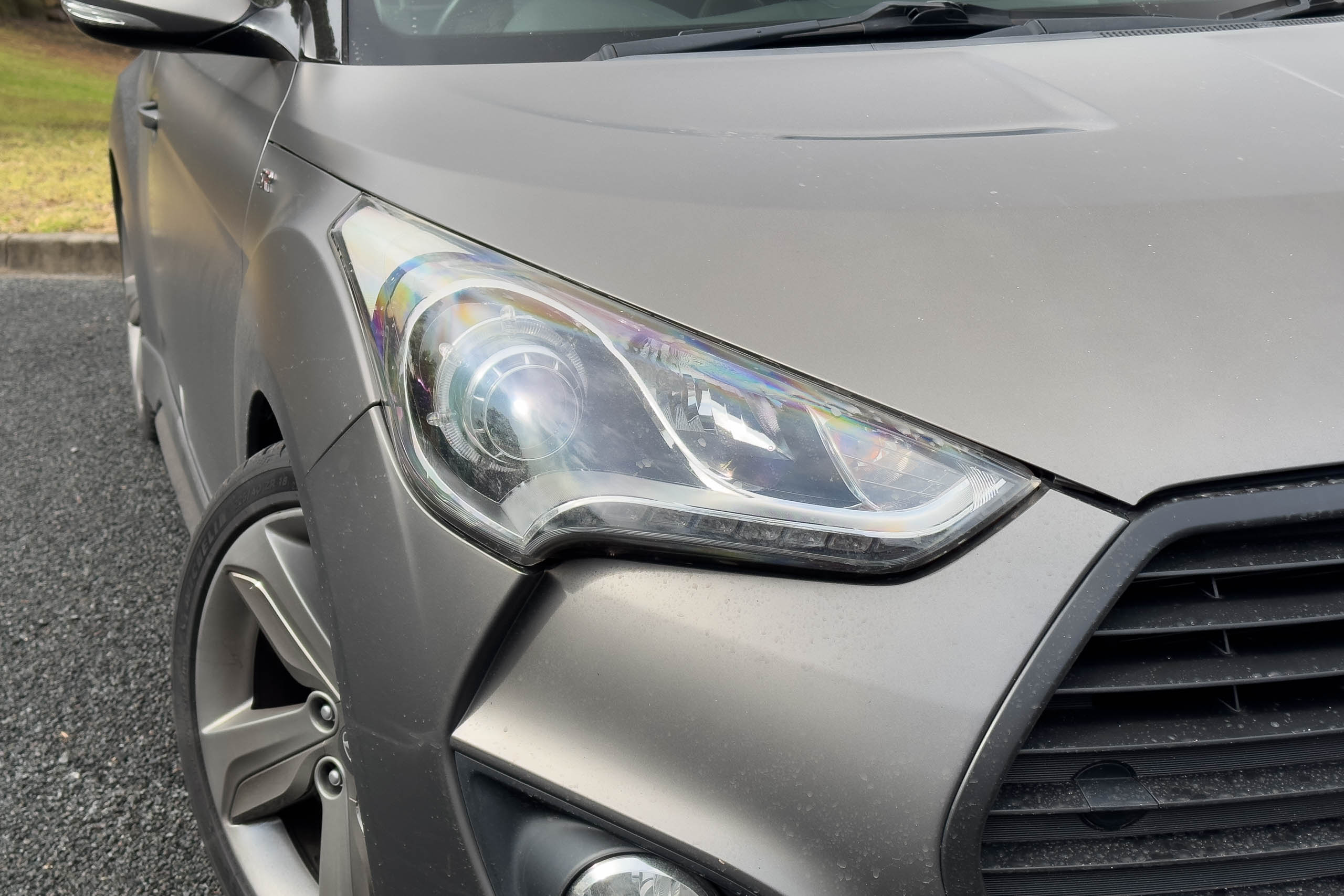
The effectiveness of the headlights tends to diminish as the vehicle ages, and they may also develop a yellowish tint.
There have been reports of the windows falling off their tracks, as well as the antenna detaching.
Owners have noted issues with the reverse camera, such as a fuzzy display and intermittent functionality.
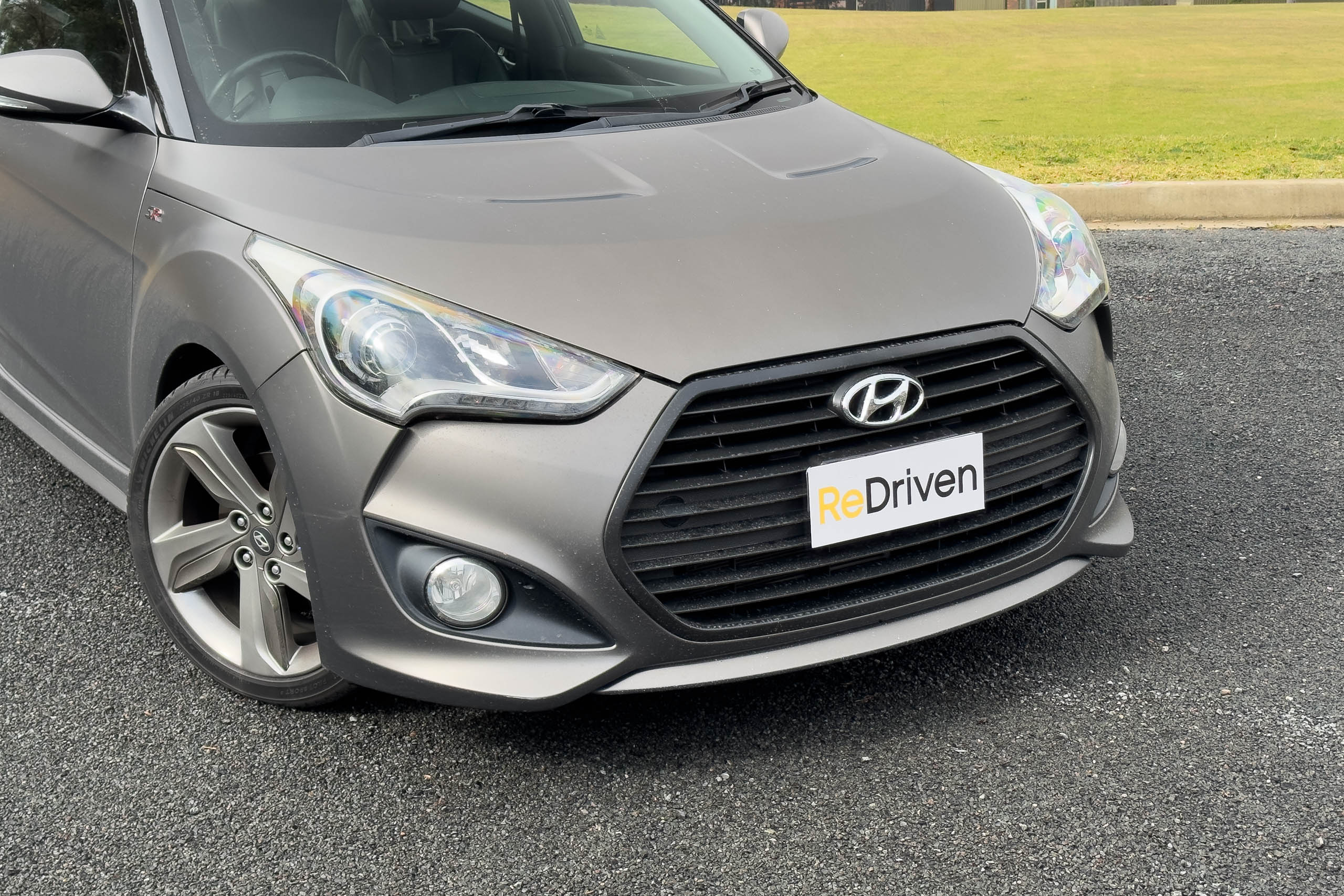
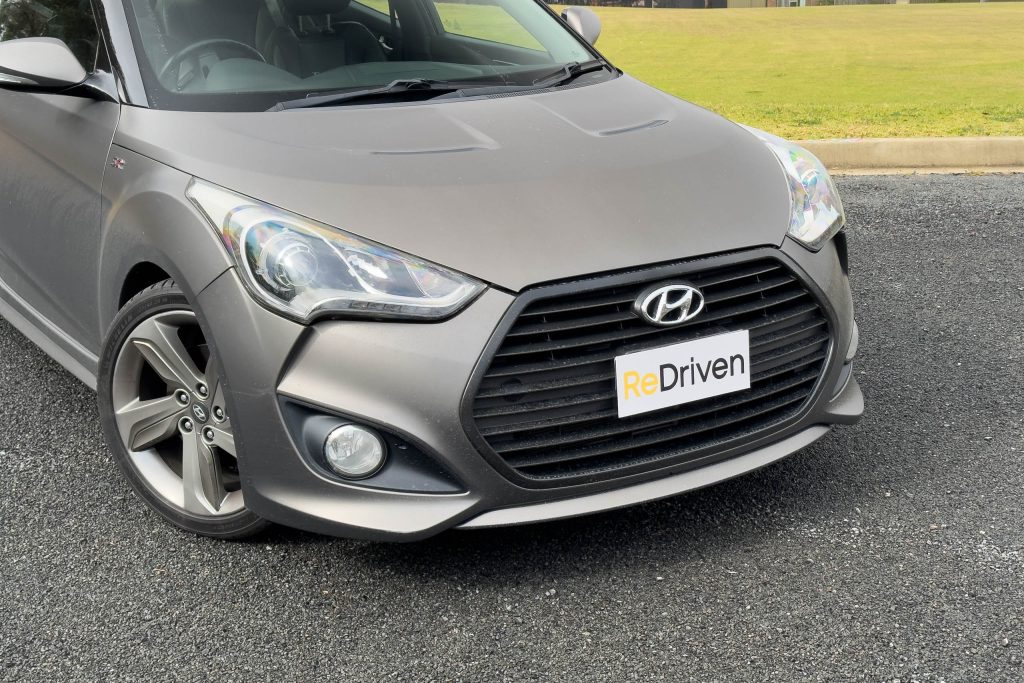
The unique front bumpers are affixed with inexpensive clips that can break, leading to the bumper sagging.
An international recall was initiated due to sunroof-related problems. While it doesn’t lead to dramatic James Bond-style explosions, the sunroof can shatter unexpectedly. Ensure that any Veloster you’re considering has received the necessary recall repairs.
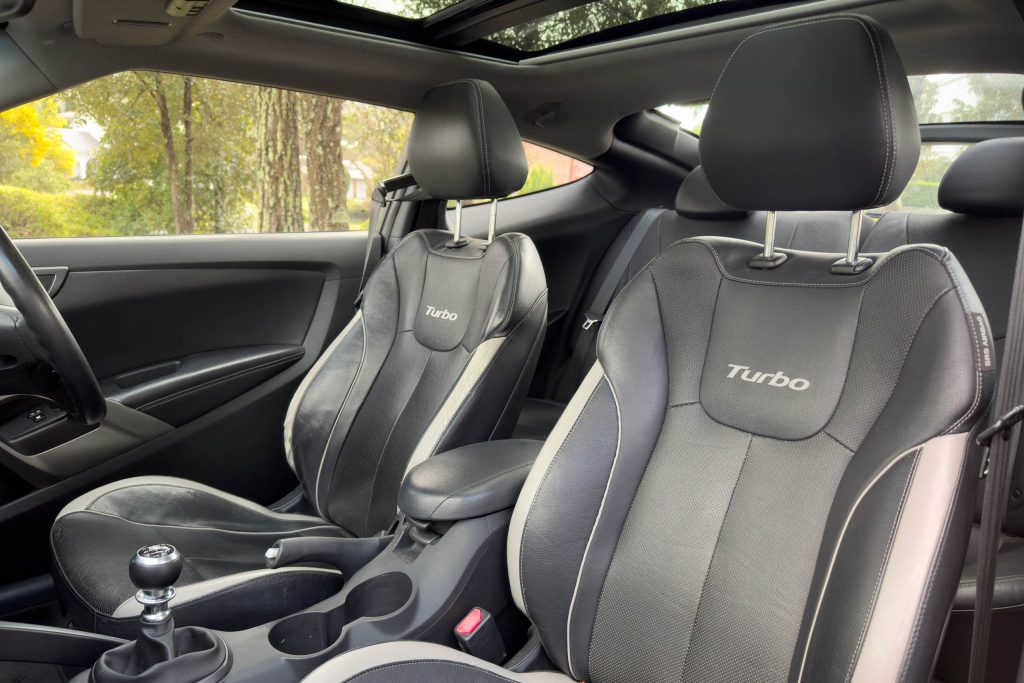
Users have reported issues with the sunroof mechanism, underscoring the importance of maintaining clean drainage channels to prevent water from leaking into the cabin. The Veloster’s interior is not particularly resilient to excess moisture. Signs of water damage may include deteriorating leather and wet carpets.
Interior:
The vehicle’s speakers are known to blow out relatively easily, requiring replacement. Unless you enjoy the sound of constant crackling with your music and podcasts, this is an issue to address.
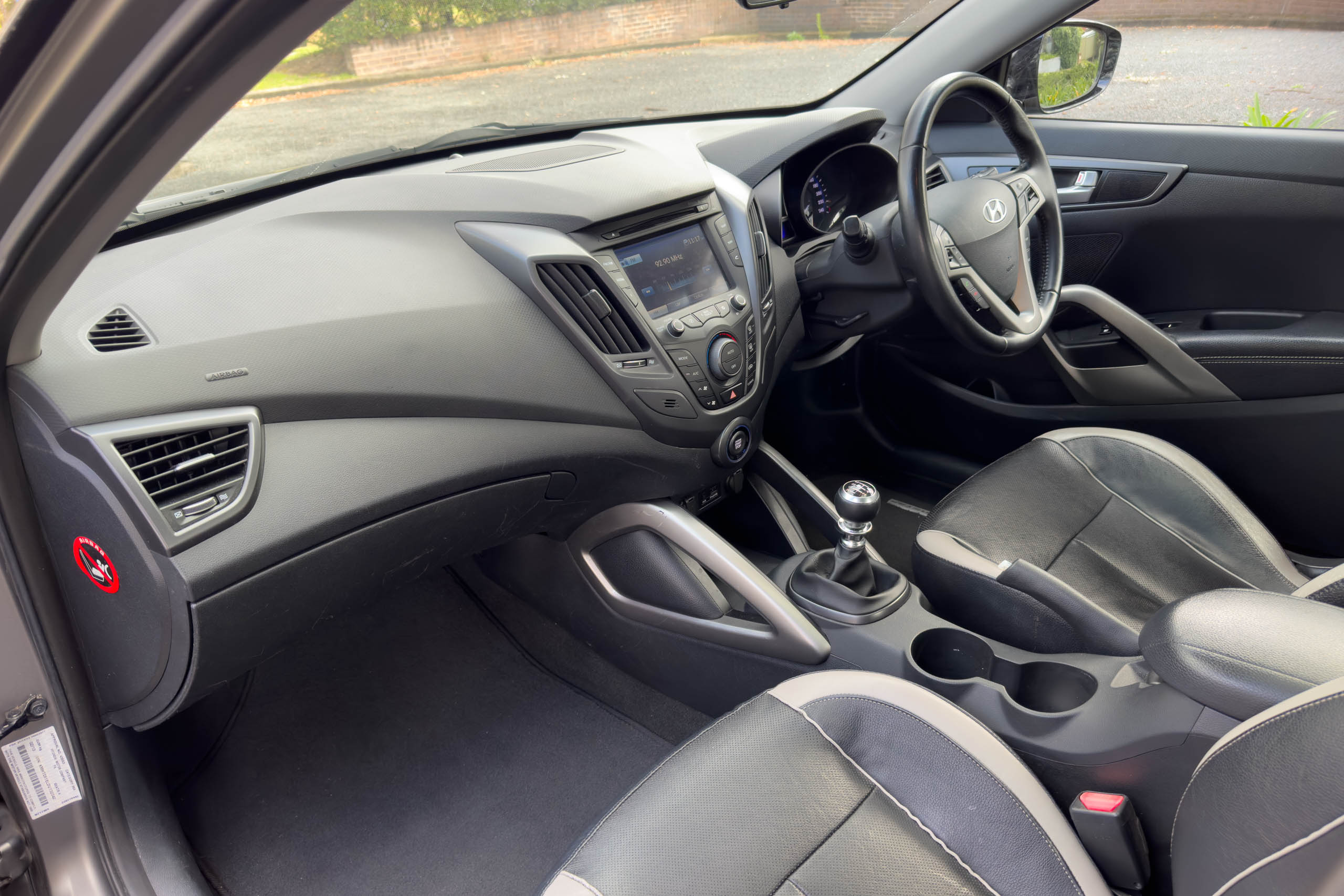
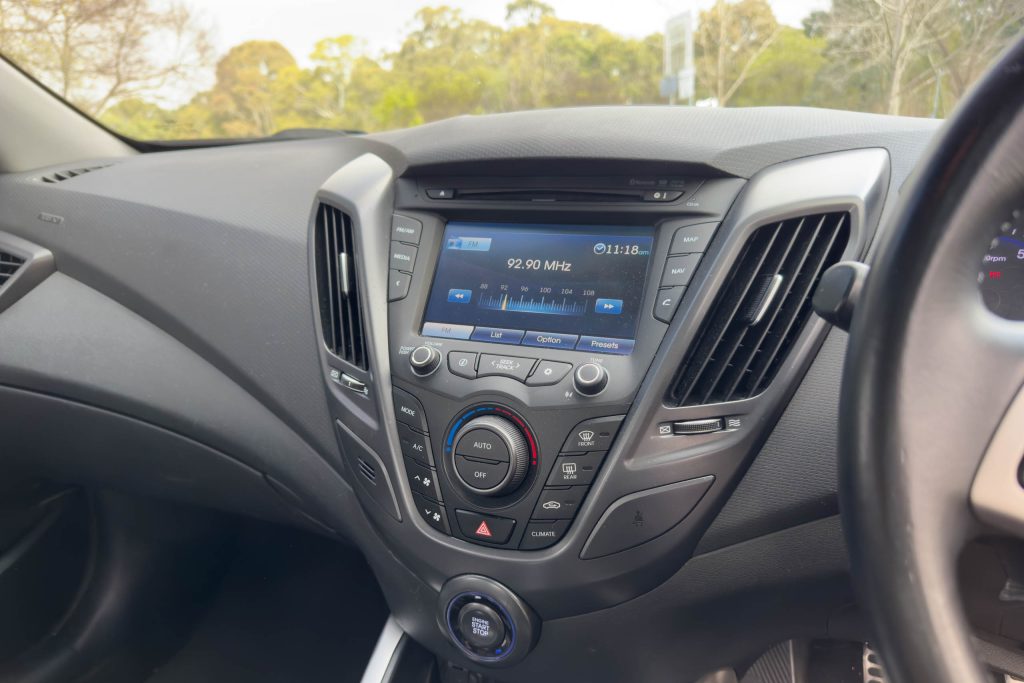
The early touchscreen systems can experience glitches and ultimately fail. If you’re replacing the speakers, consider fitting a new screen at the same time.
Steering wheel couplers can deteriorate, rendering the buttons on the wheel non-functional. Many owners have also reported an annoying clicking sound and sensation while turning the wheel. This may be attributed to a small rubber bushing deep in the steering column that may go bad. While the part itself is not expensive, replacing it can be a labour-intensive task or require high costs.
Numerous owners have raised concerns about rattles within the vehicle, ranging from minor annoyances to peculiar issues like the passenger seat shuddering at specific speeds.
The A/C knob has been known to overheat, melting the controls responsible for interior temperature regulation. This is more pronounced when using fan speed 4 or the maximum setting. It is suggested either to avoid using fan speed 4 or to have the entire system repaired.
Unfortunately, the HVAC system has its fair share of complaints, with problems ranging from minor annoyances to more severe issues, affecting the overall comfort of the vehicle.
Mechanically:
The Veloster uses a 1.6-litre Gamma family of engines, which has a somewhat better reputation than the problematic 1.8, 2.0, and 2.4-litre Theta platform engines.
Some early 1.6-litre Gamma engines were prone to bottom-end failures, primarily involving connecting rod bearings, leading to recalls to address these problems.
Premature timing chain failures have been reported; a rattle during startup is a common sign of this issue.
Carbon build-up on valves and inlet clogs can occur in higher mileage engines, affecting performance and fuel economy; remediation options include chemical cleaning or walnut blasting.
Valve cover oil leaks are a common occurrence, often appearing after surpassing the 100,000 km mark. While not overly costly to repair, it is a recurring problem.
Rear main oil seals are prone to leakage, necessitating the removal of the transmission for repair, which can be a more expensive task.
Due to their propensity for oil consumption, rigorous servicing at 10,000 km intervals from the start is imperative.
Manual transmissions are considered the more reliable option, providing a smoother and less problematic driving experience.
Dual Clutch Transmissions (DCT) in Velosters have had a history of complications with clutch actuators and selector issues, which can result in costly repair work.
When considering the purchase of a Veloster, it is advisable to avoid vehicles that have been modified, as such changes can introduce unforeseen issues.
Ensuring that the car has been diligently serviced throughout its lifespan is crucial to mitigate potential engine and transmission problems. A flawless service history is highly desirable.
Recalls:
Should you buy a used Veloster? Well, the answer lies in buying the right one. Unfortunately, a significant number of used Velosters in the market have seen financial corners cut, missed services, lack a maintenance history, been subjected to poor modifications, and have been driven and maintained with little care and mechanical sympathy.
If you encounter a Veloster that exhibits even the slightest signs of neglect or questionable history, it’s best to steer clear. While it might initially seem like a fun and affordable car, opting for such a vehicle could end up costing you more in the long run.
On the other hand, if you manage to find a meticulously maintained Veloster, ideally one with any engine issues addressed and equipped with a manual transmission, a perfect service history, and clear evidence of being loved and well-cared for, then it’s a cautious yet commendable choice.
In the grand scheme of things, the Hyundai Veloster is often misunderstood and underestimated because it isn’t a dedicated performance car.
However, it was never intended to be a pure driving machine. It stands out as a funky, relatively practical, and affordable car that is also incredibly enjoyable to drive.
Admittedly, the Veloster isn’t a car for everyone, but for those on a budget who appreciate its unique qualities, it’s a refreshing alternative to the sea of ordinary, uninspiring vehicles on the road. Embrace the individuality of the Veloster, and you’ll find it to be a truly enjoyable driving experience.
MORE: Explore our Hyundai reviews


Co-creator, presenter & writer, ReDriven

Yes. But only the right example.

 1 month ago
 1 month ago
 2 months ago