Australia’s No. 1 Used Car Review Website
Australia’s No. 1 Used Car Review Website
+13 Photos
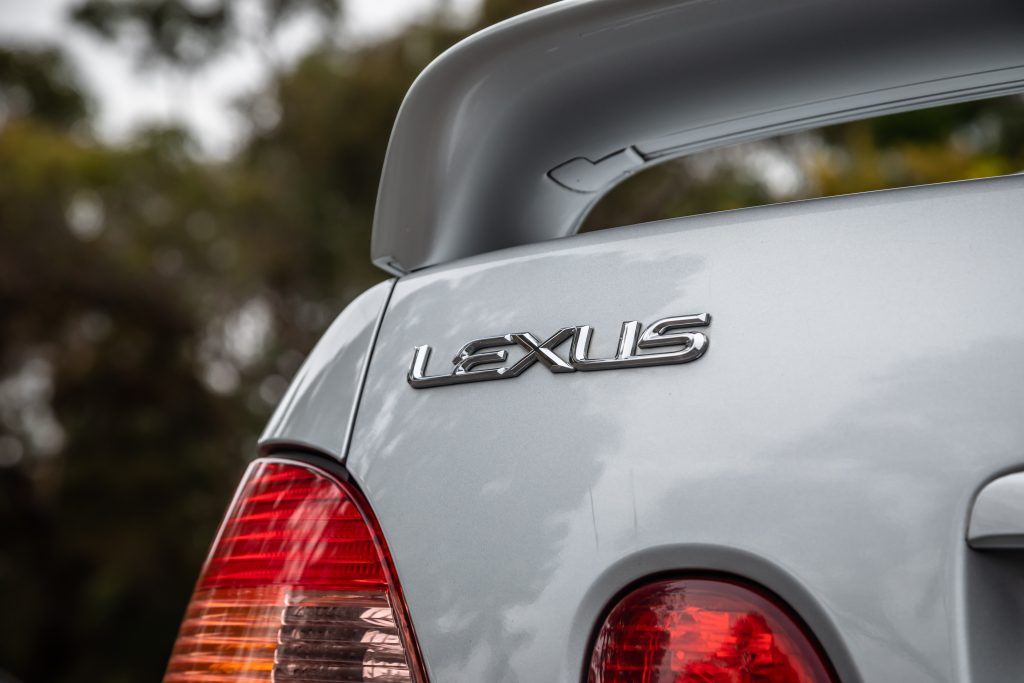
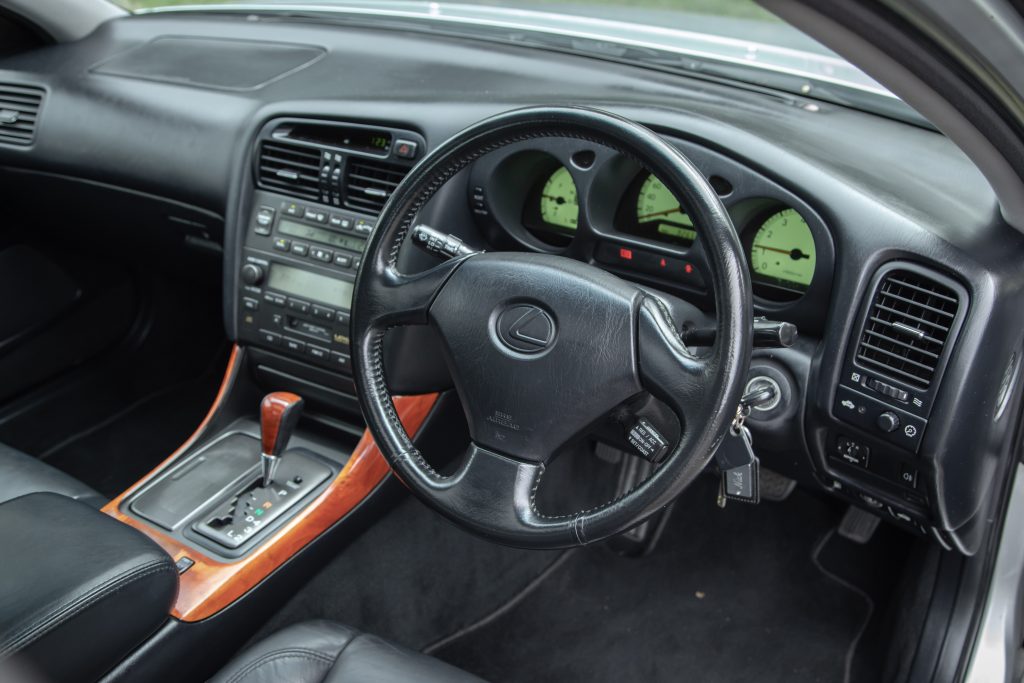
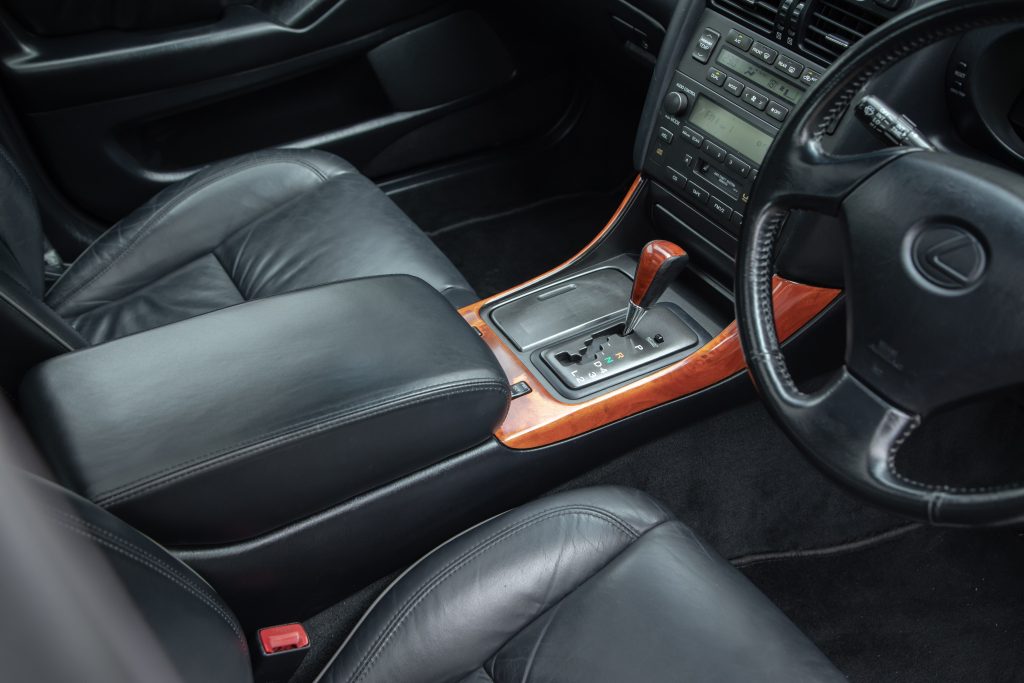
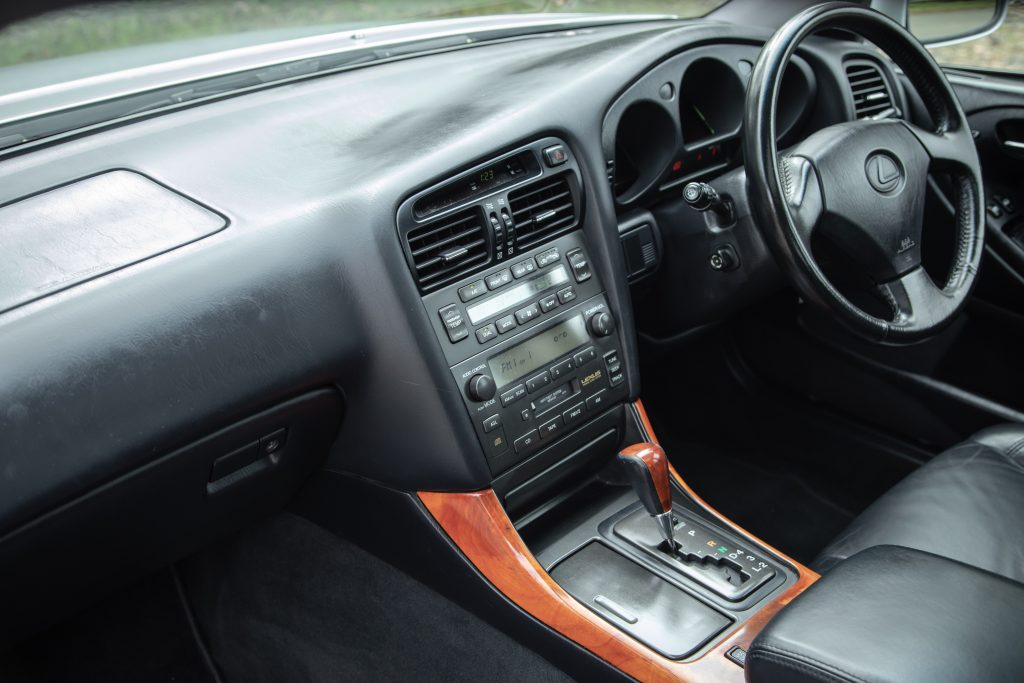

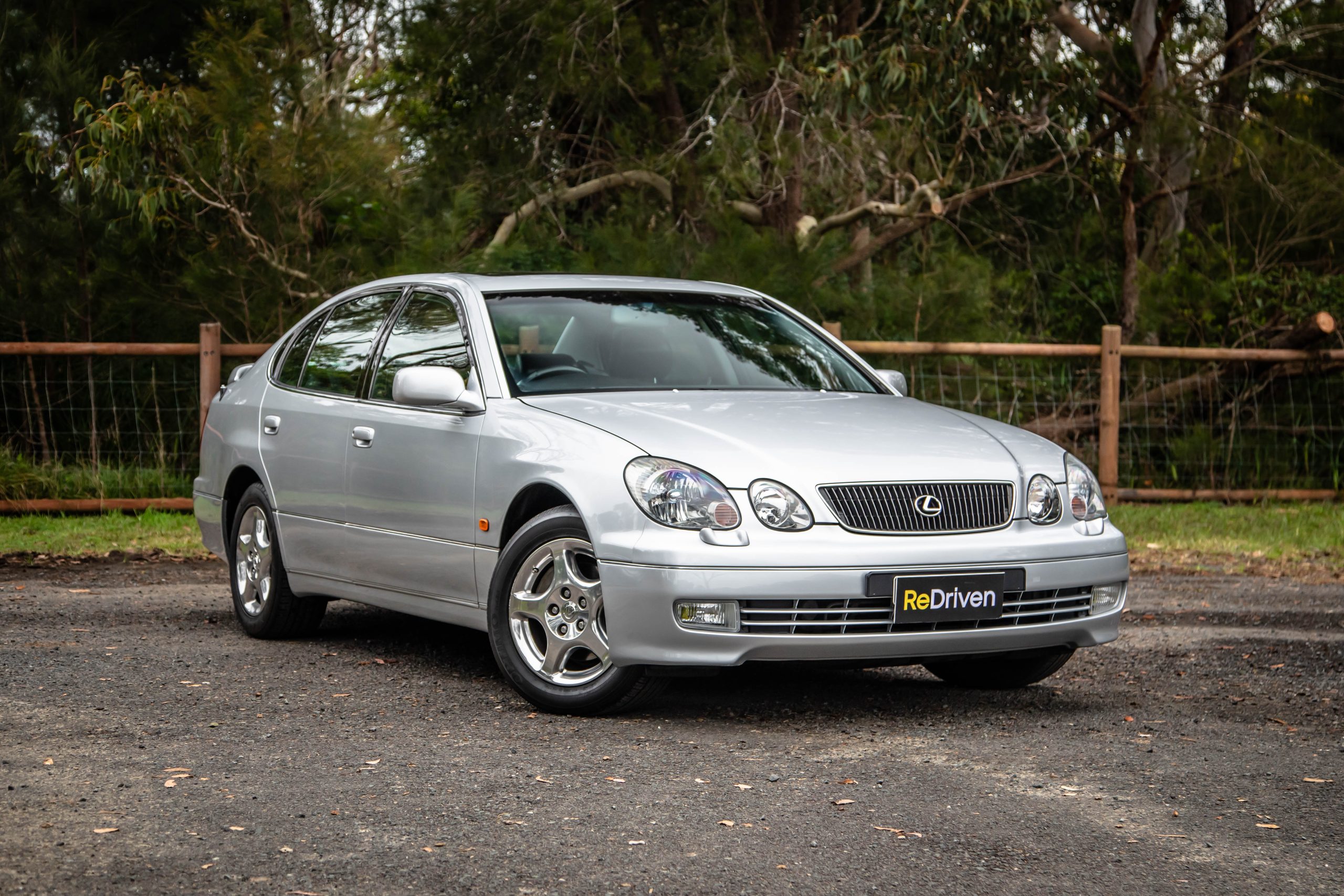
1998 Lexus GS300

19 August 2022
Would We Buy It?

1998 Lexus GS300

Used car review
19 August 2022
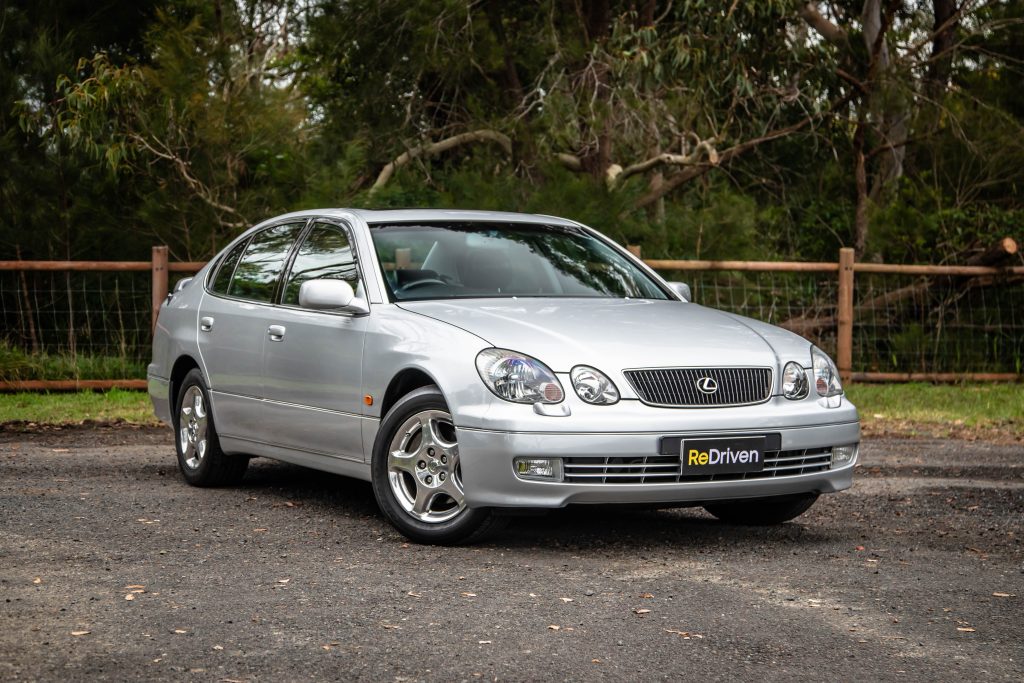
The second-generation ‘S160’ Lexus GS, launched locally in September 1997, was an important mid-to-large sedan model intended to validate with Aussie buyers that the Japanese luxury marque be considered in the same breath as BMW and Mercedes-Benz.
Its predecessor, the ‘S140’, were essentially rebadged Toyotas and would only make their way to Oz the grey import route. The ‘S160’, though, help spearhead Lexus traction Down Under, pitching quality to match the Germans if with an indicatively Japanese(-built) twist and equipment-laden value.

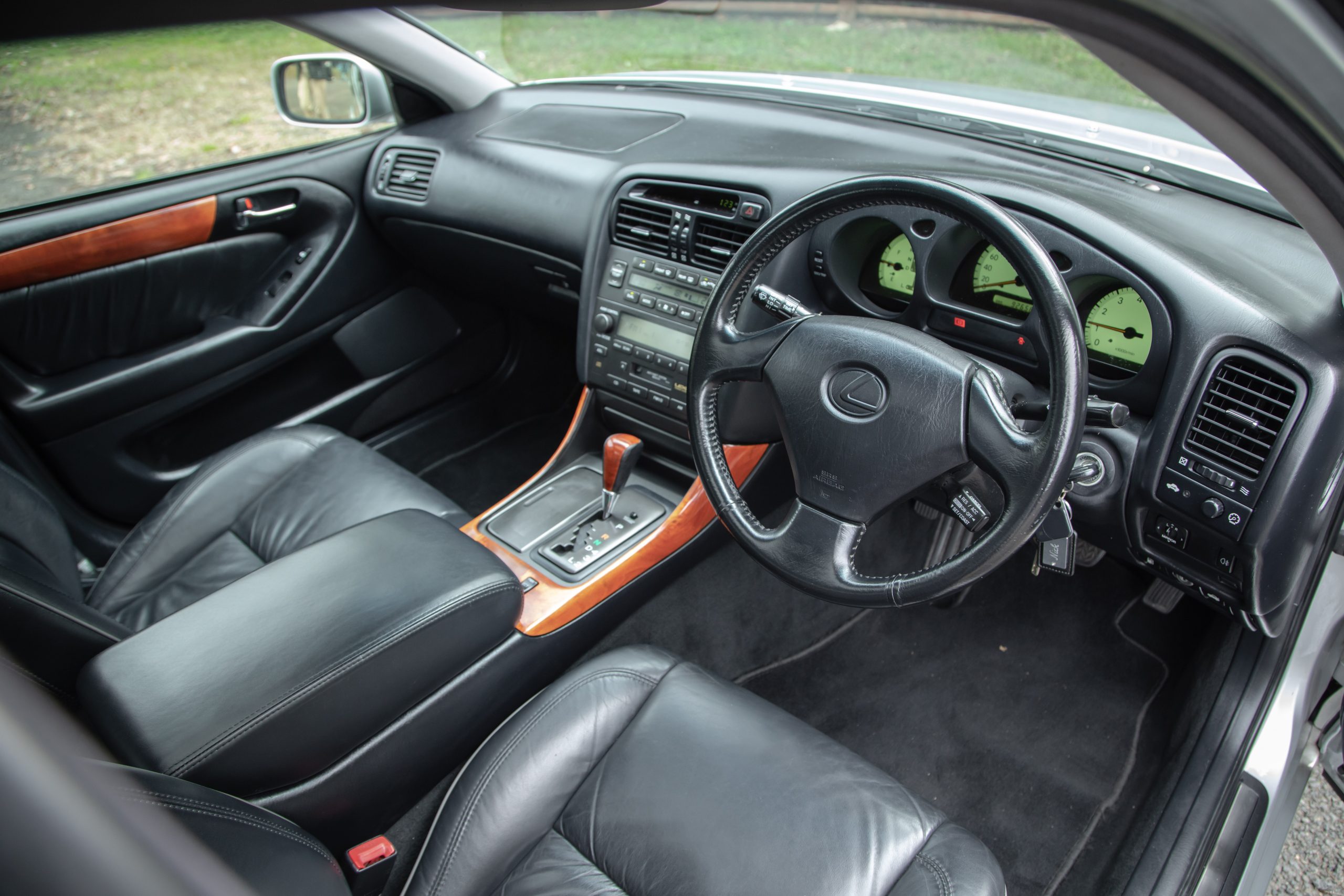
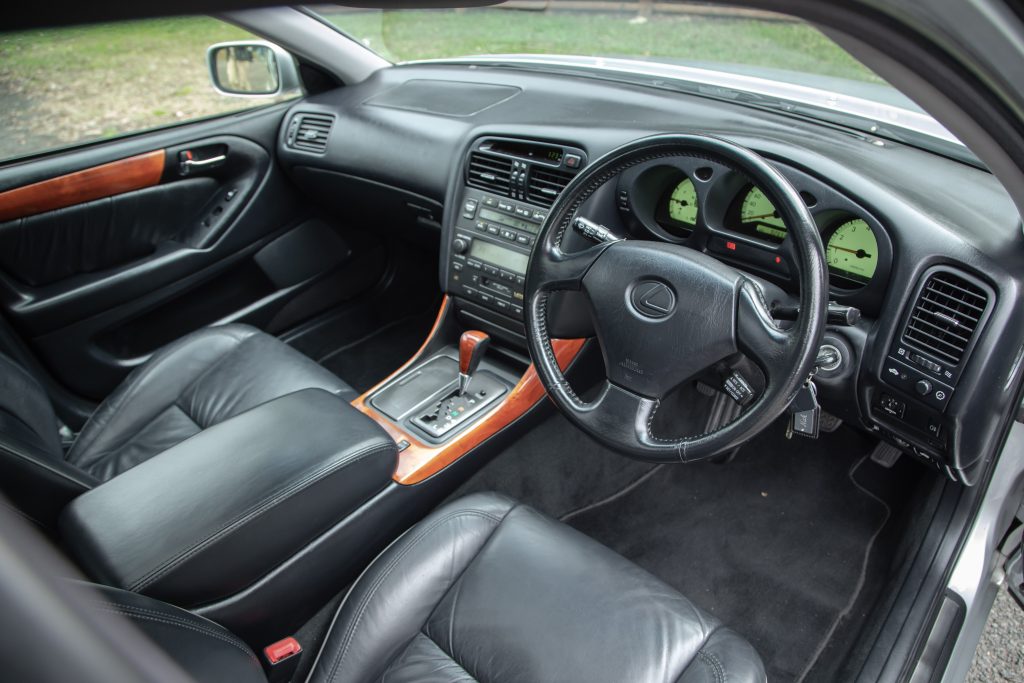
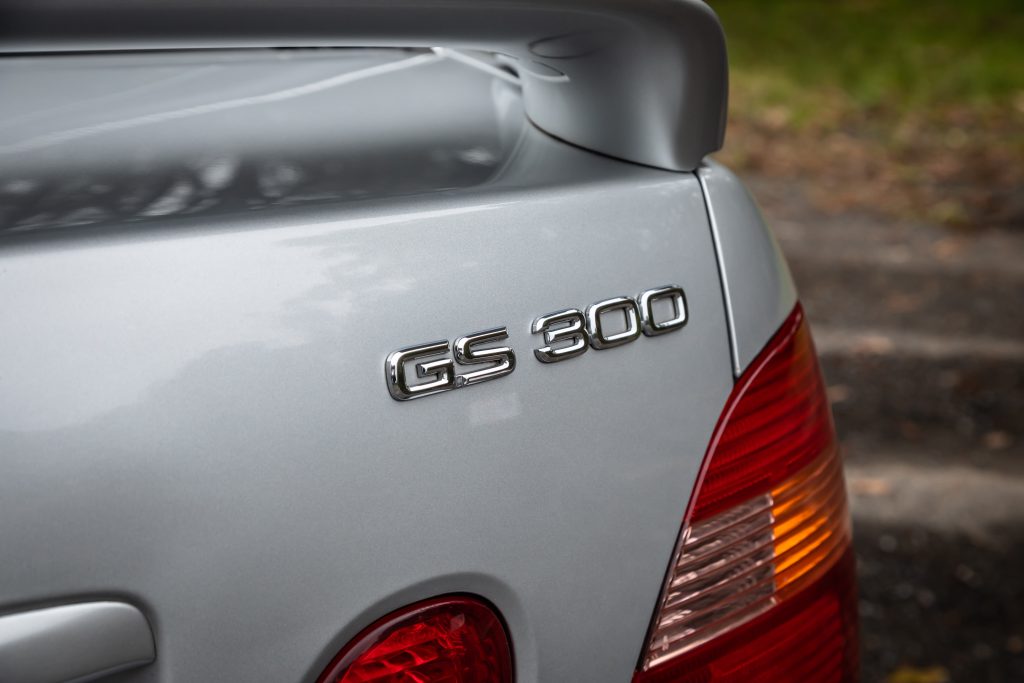
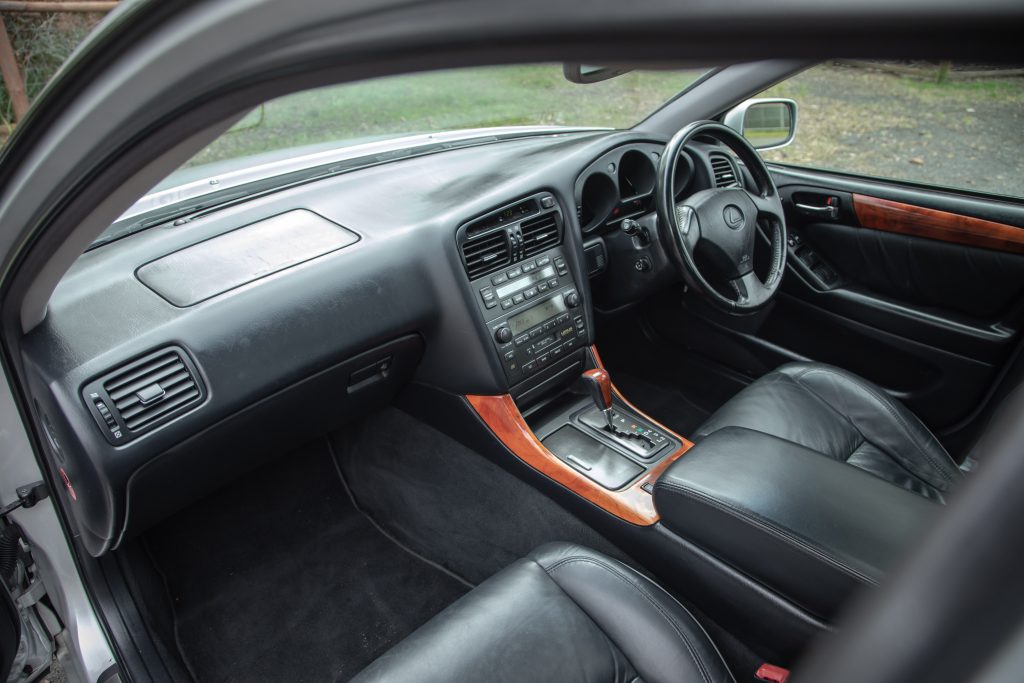
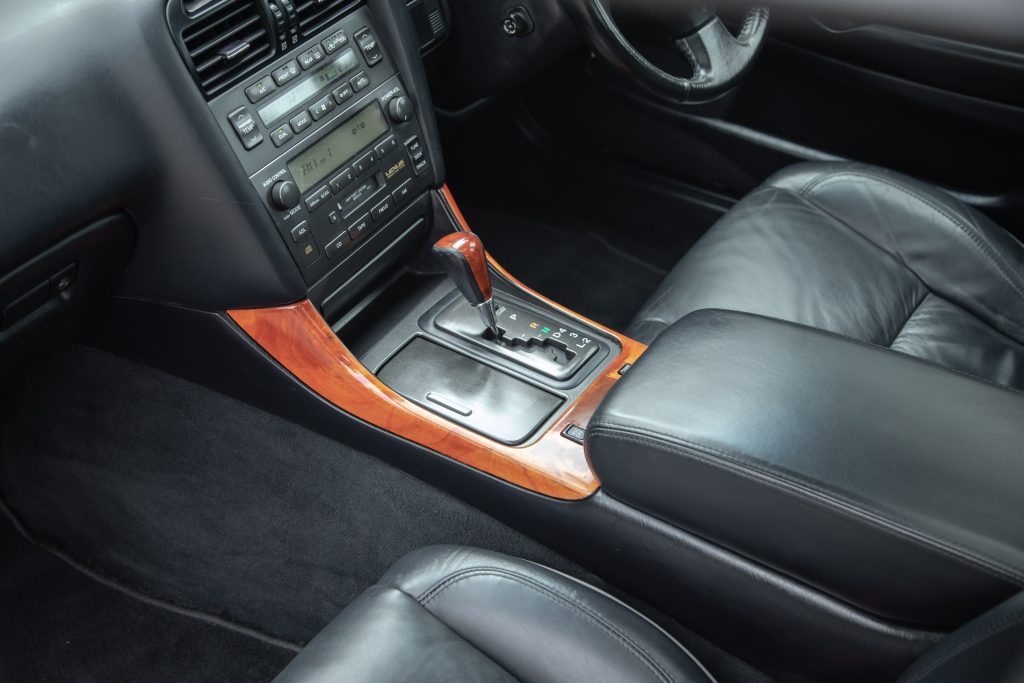
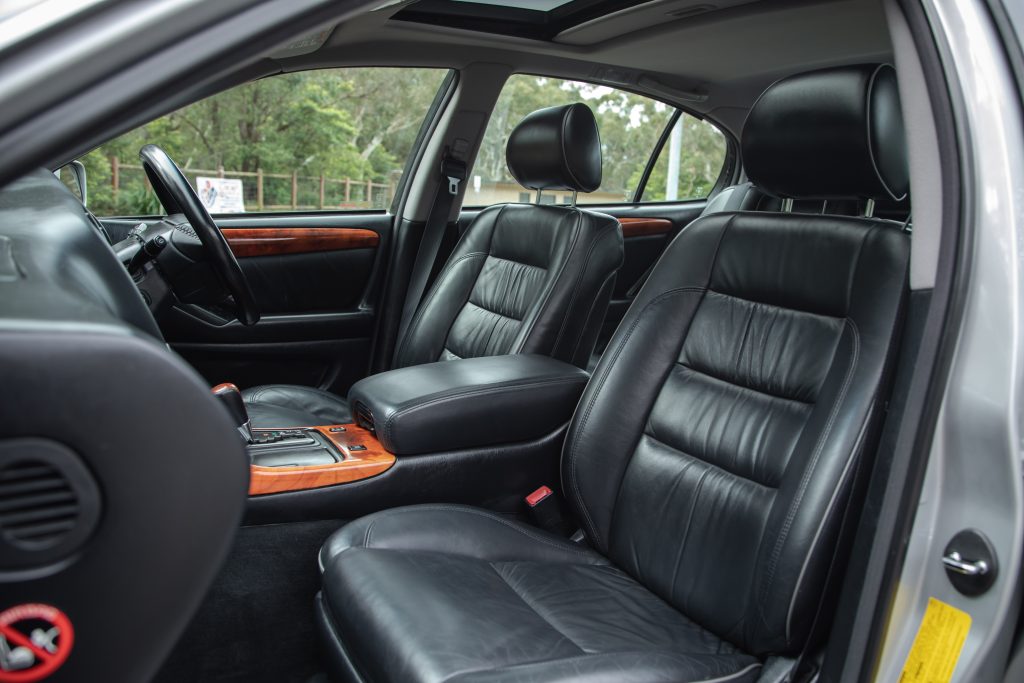
It launched with the GS300 variant, roughly 5 Series and E-Class in size. And it quickly plied a reputation for big comfort, high refinement levels and quality build. At around $90k, it loaded in features that are commonplace now if indulgent for its late-’90’s era, such as leather trim, climate control, cruise control, powered driver’s seat with memory, power windows and mirrors and as evens-speaker six-CD-stacker sound system.
Motivation was quite ‘European’ in that the GS300 brought a similar (3.0-litre 2JZ-GE) straight-six petrol engine, (five-speed) automatic and rear-drive combination as offered by its BMW rival. And it certainly delivered handsomely in Lexus’ aims for comfort when it came to ride quality.
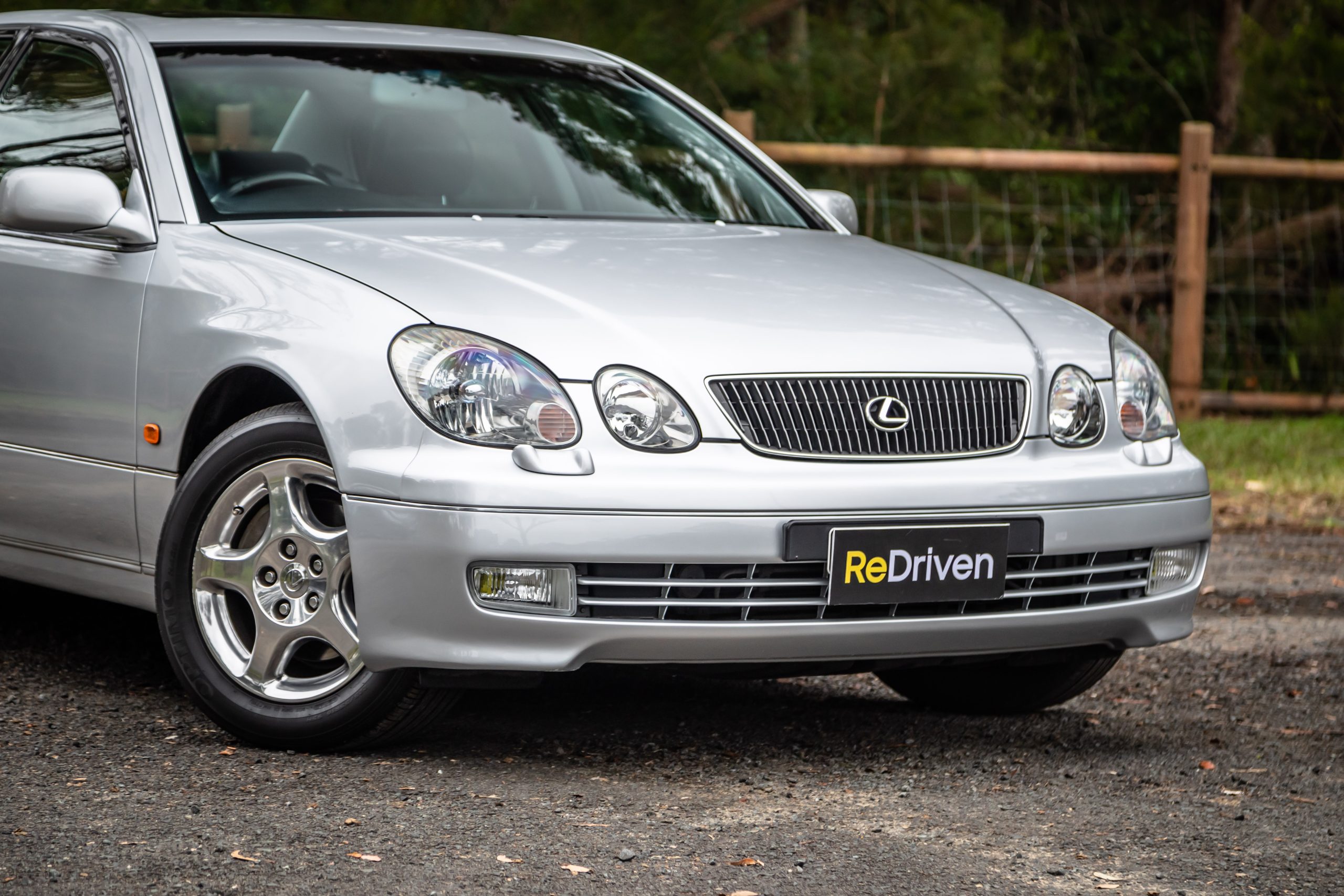
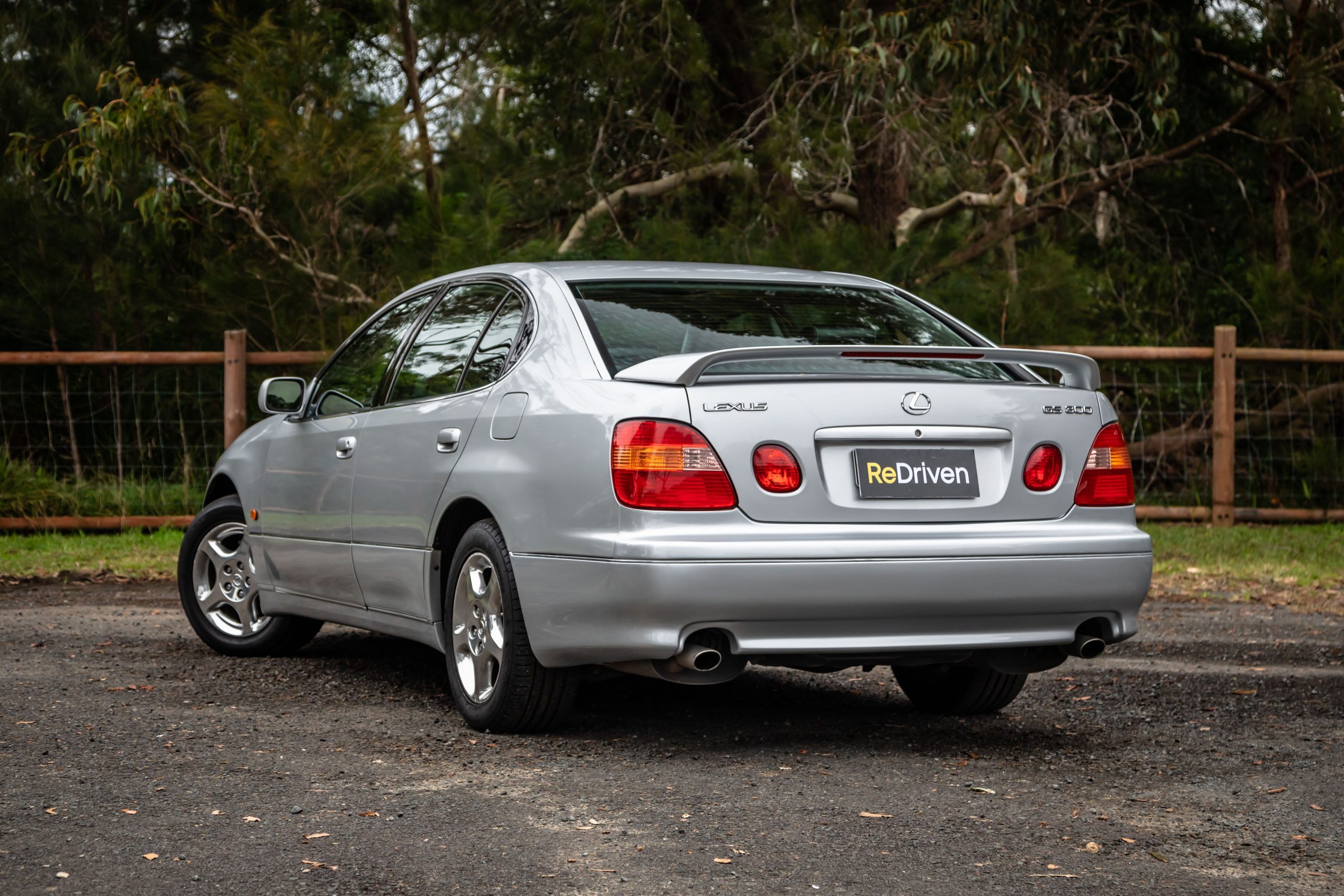
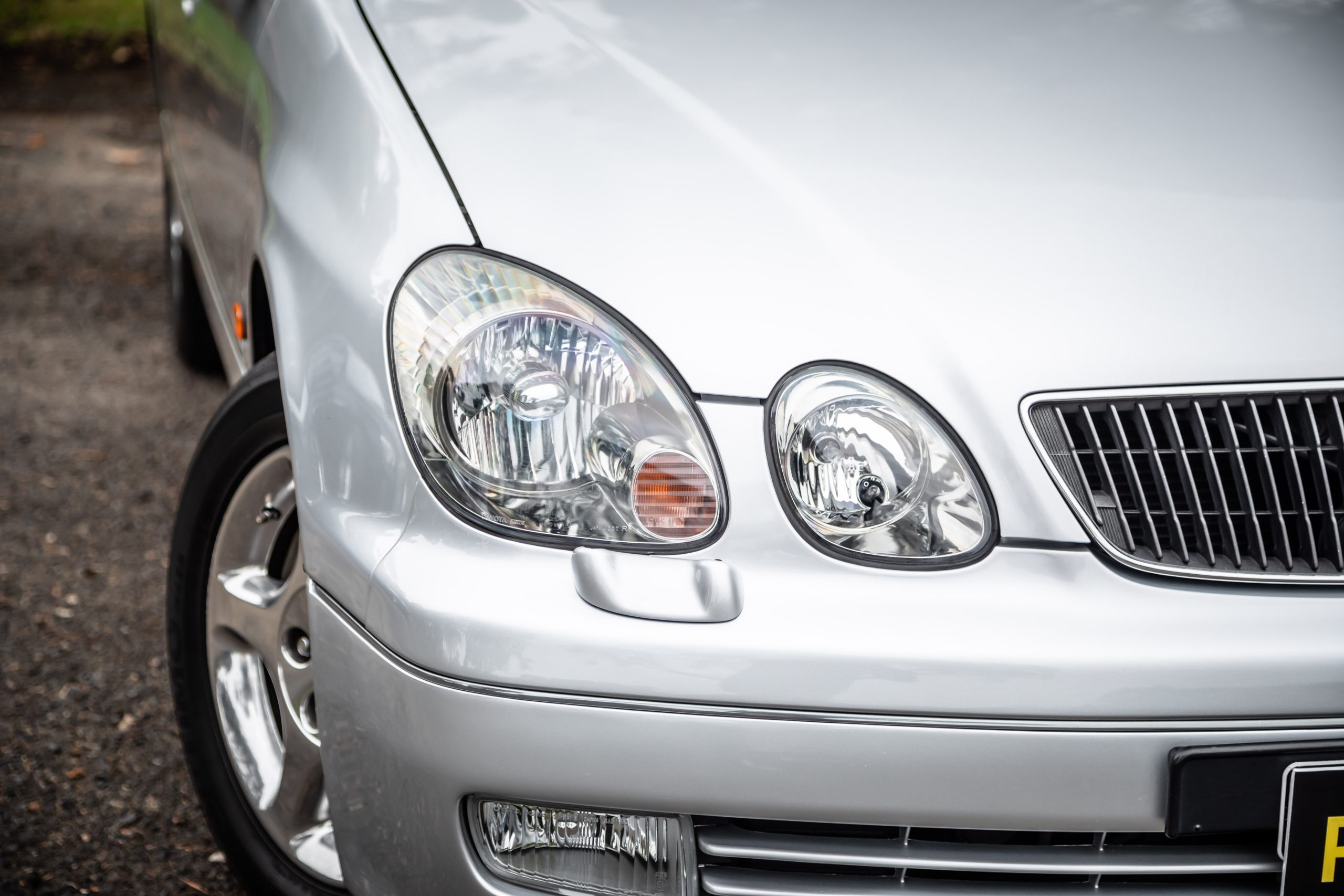
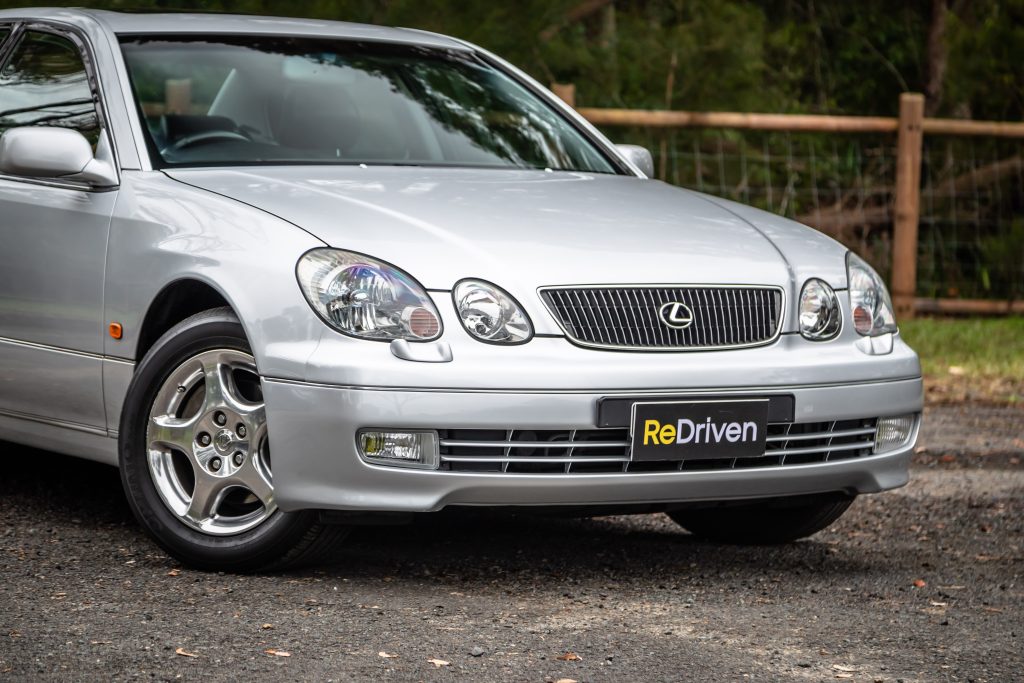
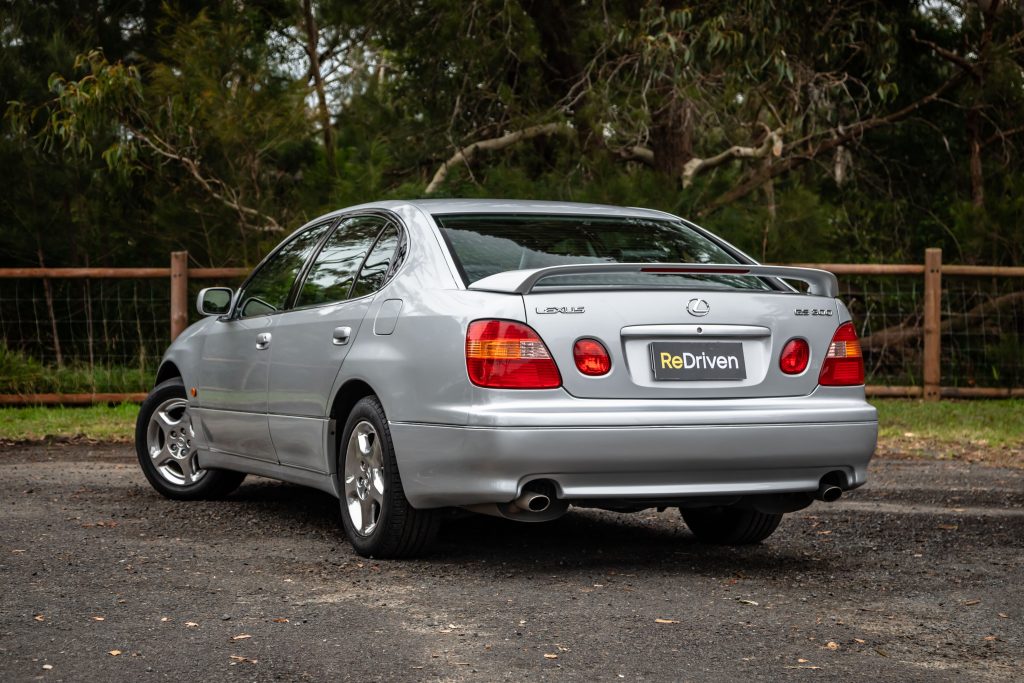
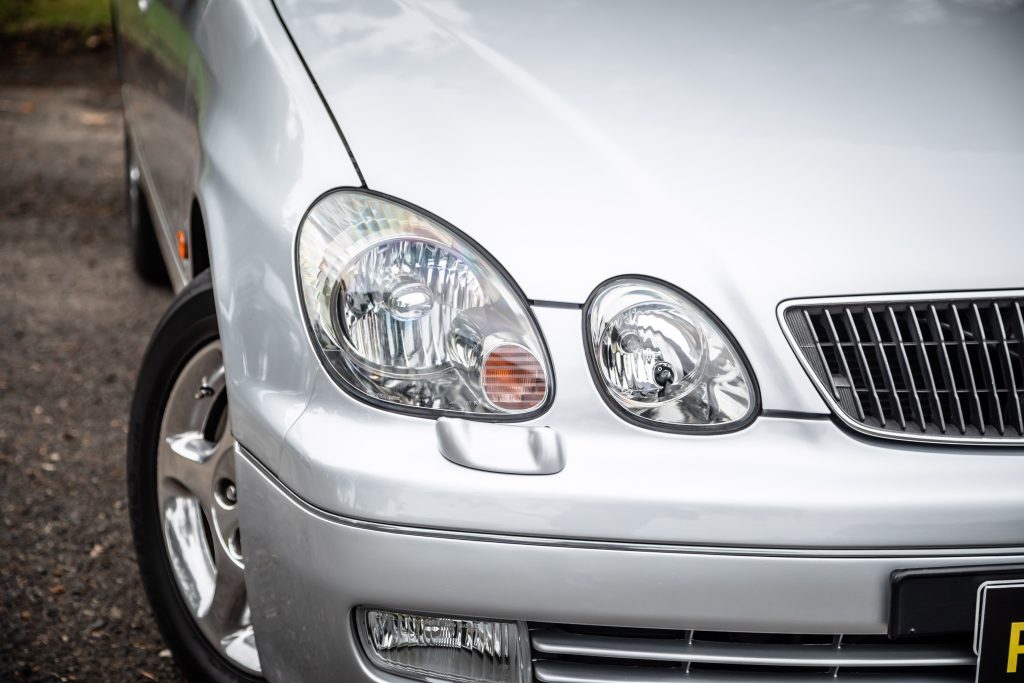
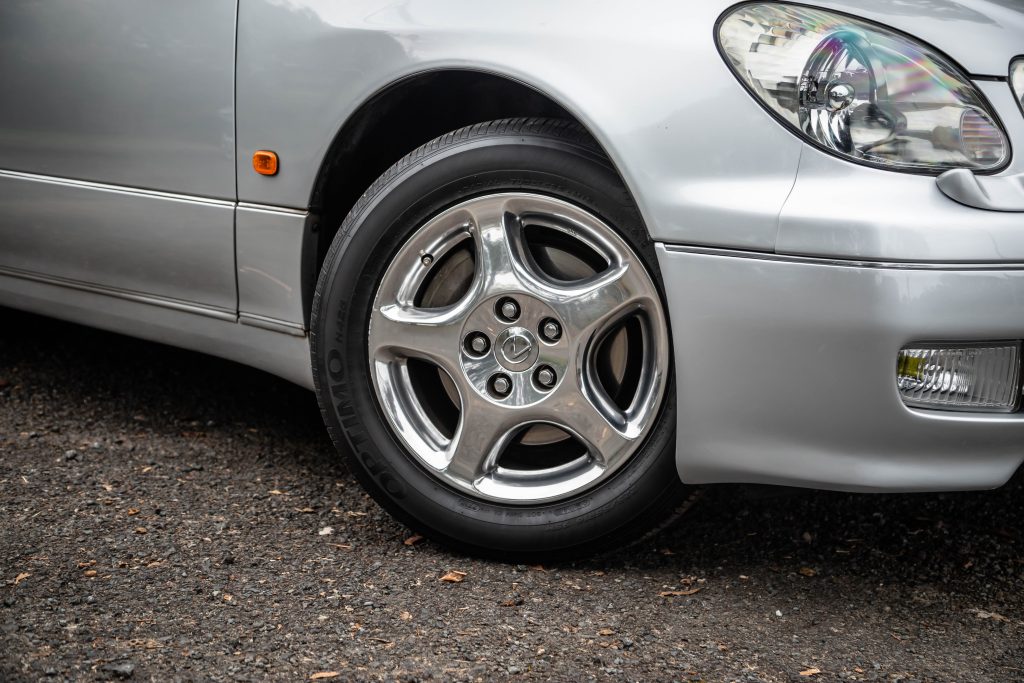
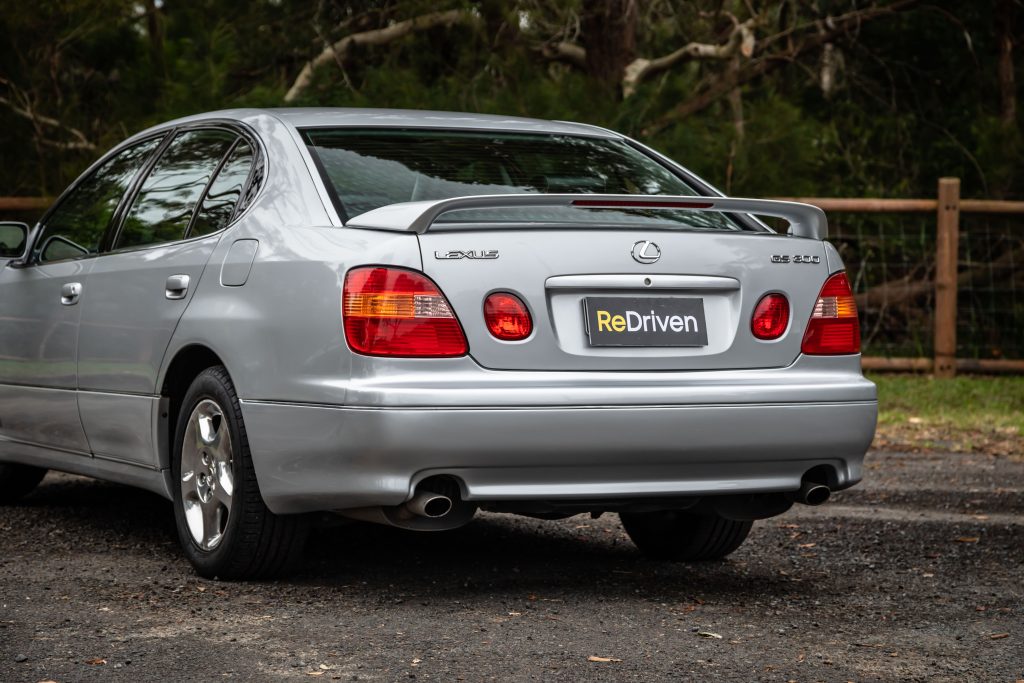
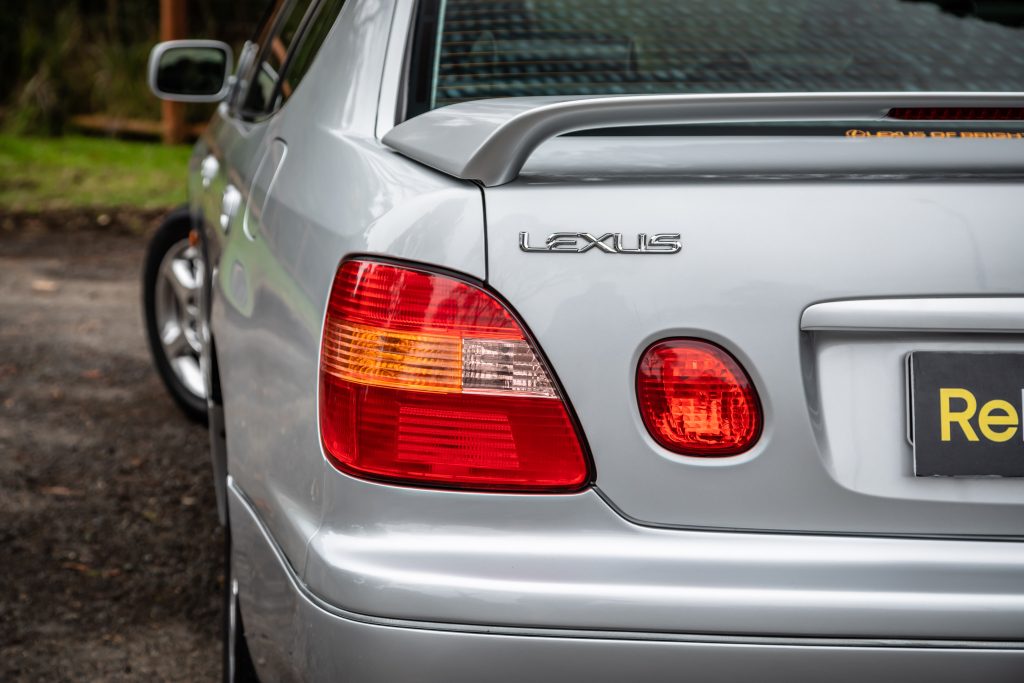
The flipside, though, was that the GS styling was quite bland, its powertrain was – at 166kW and 298Nm with an 8.8-second 0-100km/h claim – quite leisurely and its cushy ride on modest 16-inch wheels brought dynamic compromises, with quite flaccid body control.
Oh, sure, there are twin-turbocharged Aristo version running about local terra firma. By they’re all grey imports and never made the local Lexus new car dealerships.
Caught in groundswell of late-’90s local interest in Japanese turbocharged performance, the Lexus quickly earned the stigma as an ‘old man’s’ land barge. But perception for what the luxury sedan would ultimate represent has become more widely appreciated with time.
By 1999 pricing had crept to around $94k and then $96k in 2000 and, for today’s used tyre-kicker, a peachy used example can make for a remarkably good value.
Safety wise, the early run examples fit dual front and side airbags, ABS and traction control, while the MY21 update brought additional brake assist functionality for its four-wheel-disc hardware.
Lexus Australia would offer a limited 20-unit-only GS300 L-Tuned in 2003 to sex-up its luxo-sedan, a dealer-fit bundle of enhancements adding sport suspension, steering and exhaust enhancements, unique styling an 18-inch OZ wheels. And it asked a handsome $116k for the privilege in a package still quoting a modest 166kW for the 3.0L six.
Aussie buyers would have to wait for the third-generation S190, launched March 2005, for a kick up the tailpipes via the 4.3-litre V8 in a GS430, a nameplate that had already been offered in other markets in the gen-II GS.
Firstly, there are reports of rattles coming from incorrectly fitted windscreens, however remedying this is a relatively easy fix.
The door lock actuators can become faulty meaning the car won’t lock or unlock however this is not a “common” fault as such.
Examples fitted with a standard infotainment system fitted, after 20 years they are becoming problematic, turning off, having faults, only playing music from the 90’s but updating the infotainment system is quite simple.
There are a few reports of the air conditioning not working but rather than a hardware issue, it’s generally down to a faulty AC ECU.
The engines in these (the 2j & the 1u family) are arguably amongst the most reliable engines ever made. Especially the 2J, these are pretty much bullet proof & immensely popular in motor sport applications. Having said that, on turbo models, if the boost has been turned up to a silly level and it has been revved to the moon it might break in half.
But in a daily driver, in stock form, a well serviced 2J will just about go for ever. Unless of course it has had questionable and cheap modifications. In that case all bets are off. Service wise, they’re old school timing belt engines which are due every 100k & platinum spark plugs every 100k which can be pricey.
They’re all at the age now where all the gaskets and seals are getting a bit hard so you might see a few oil leaks. Also at this age everything in the engine bay that’s made of plastic or rubber will be a bit brittle. Which will be more of an issue with the turbo versions because there is extra plumbing, and hoses and plastic solenoids.
What type of climate the car has been exposed should also be taken into consideration as it’s not just engine bay plastics and rubbers you need to worry about. All of the suspension bushes, brakes hoses and hydraulic systems are all going to be something that may required some extra love and attention.
If it has been well serviced, and hasn’t been ruined with dickhead modifications, and has been kept out of the weather it will still probably be more reliable than many cars half its age and most of the cars of that age.
Simply, yes.
If you’re in the market for a large rear wheel drive sedan at this budget, about the only reasons you wouldn’t buy a GS are if the safety leaves a bit to be desired, you just aren’t sold on the looks, or if the fuel consumption is just a little too rich for your finances, besides that, the Lexus GS is a no brainer.
However, be extremely cautious of modified examples and even if you’re looking at a concourse condition example with a truly faultless history, make sure you have a full pre-purchase inspection carried out.
If it checks out on those accounts, yes, buy it. Superb car.


Co-creator, presenter & writer, ReDriven


 4 weeks ago
 2 months ago
 3 months ago