Australia’s No. 1 Used Car Review Website
Australia’s No. 1 Used Car Review Website
+20 Photos
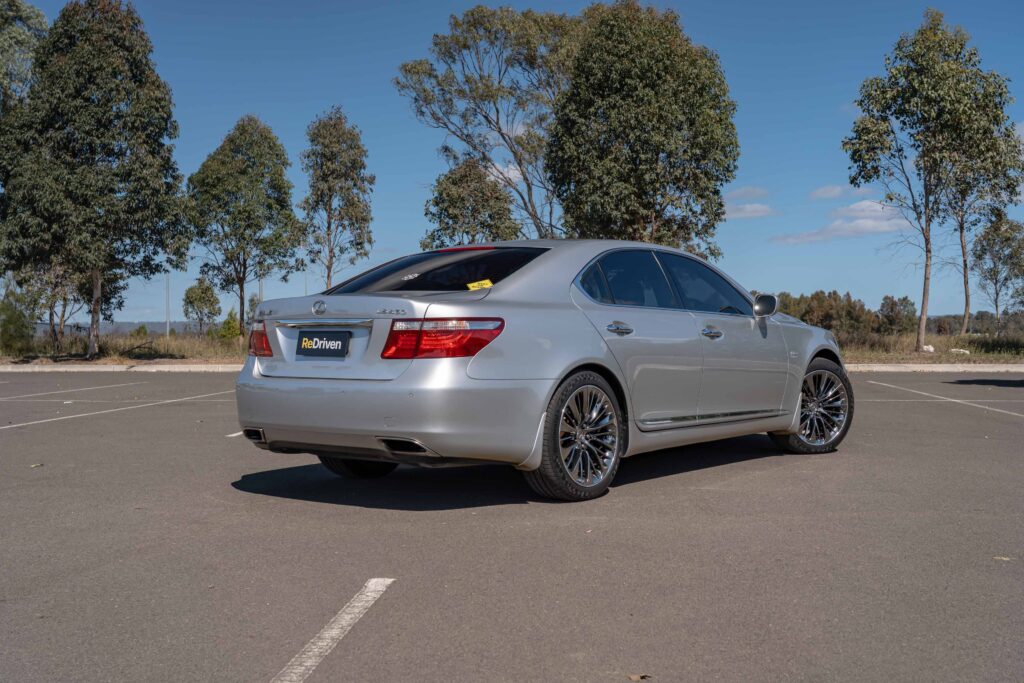
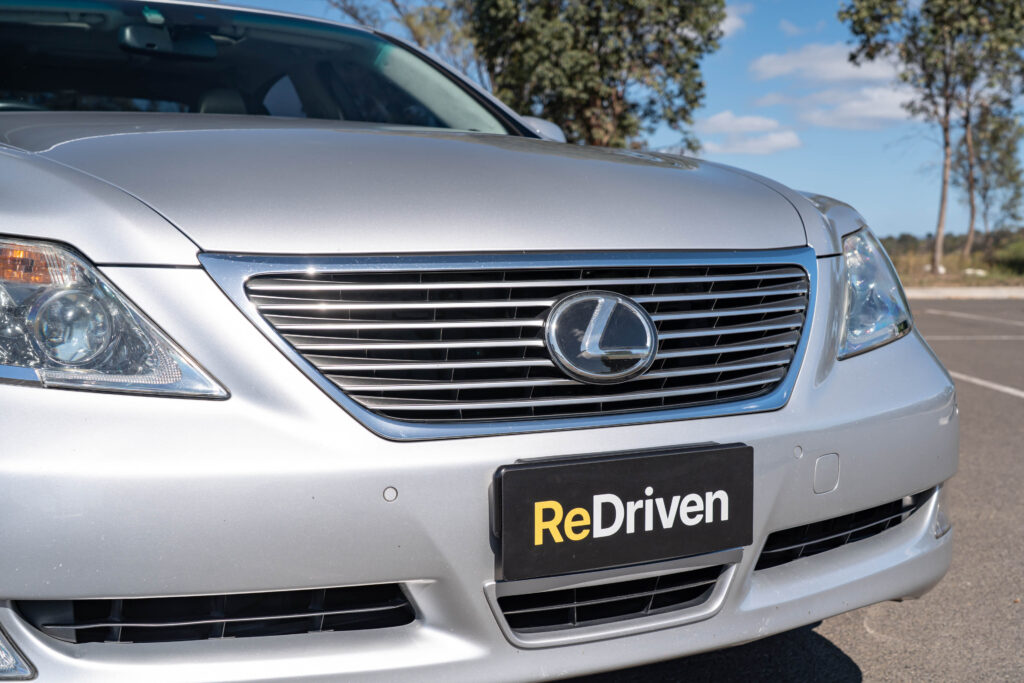
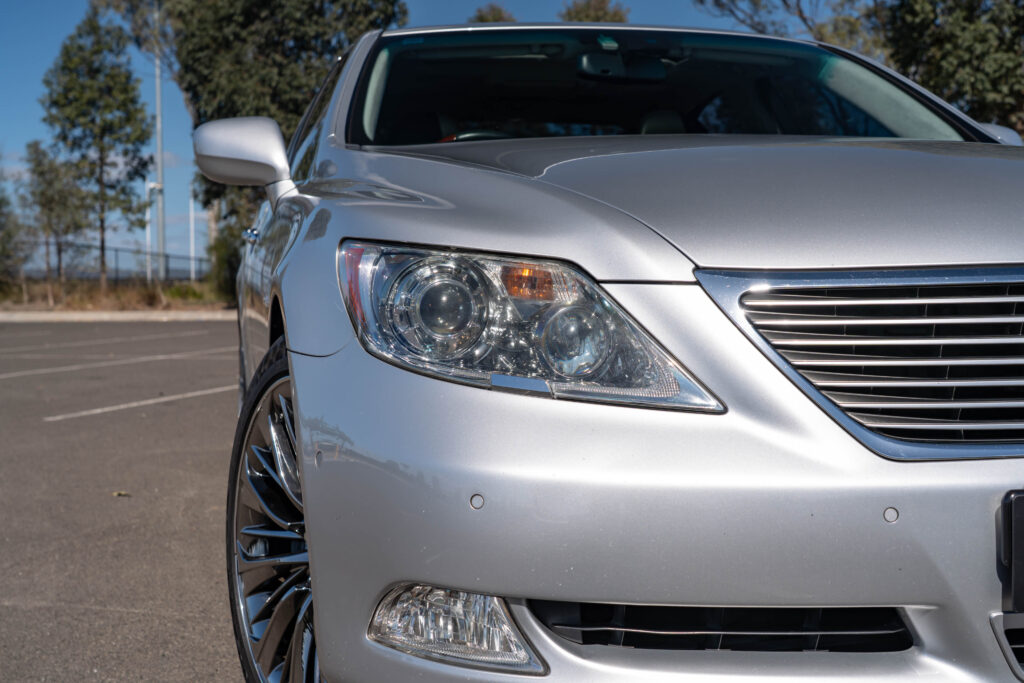
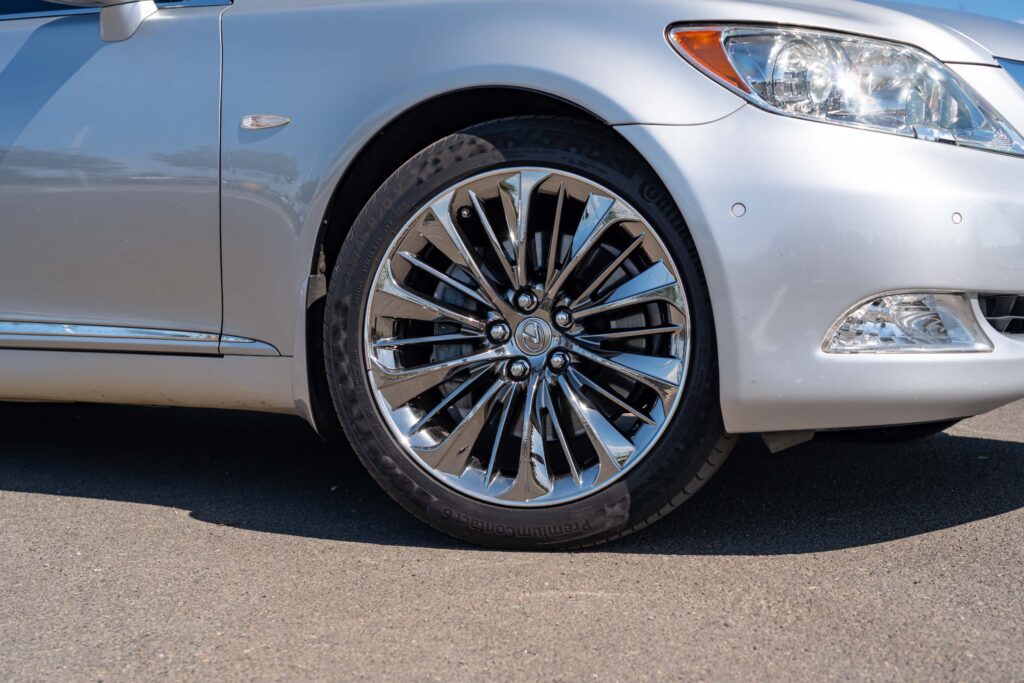
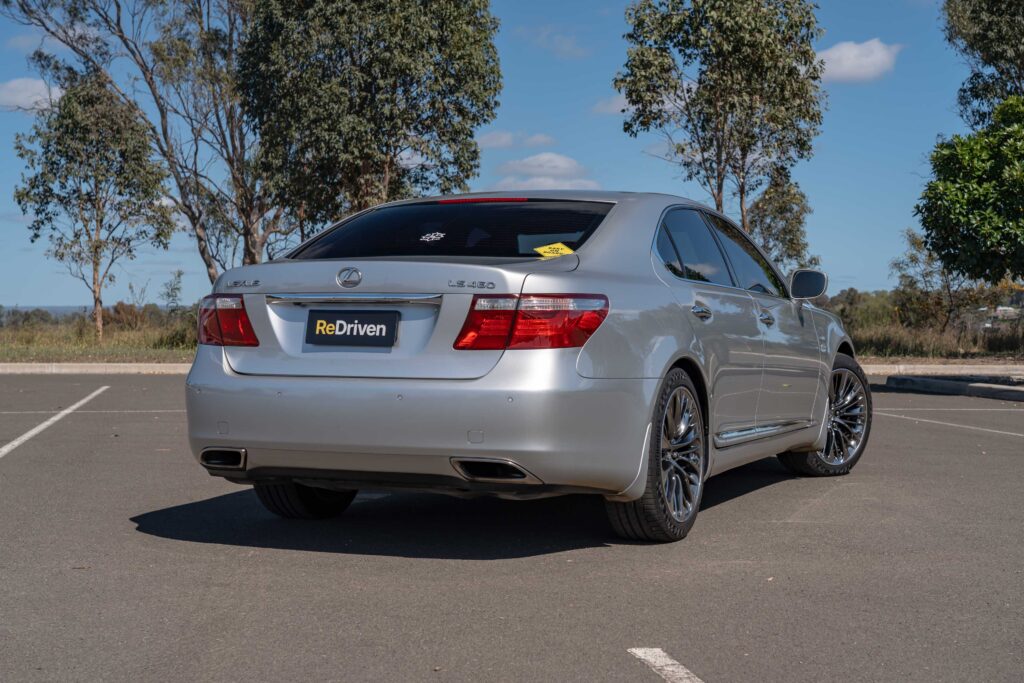
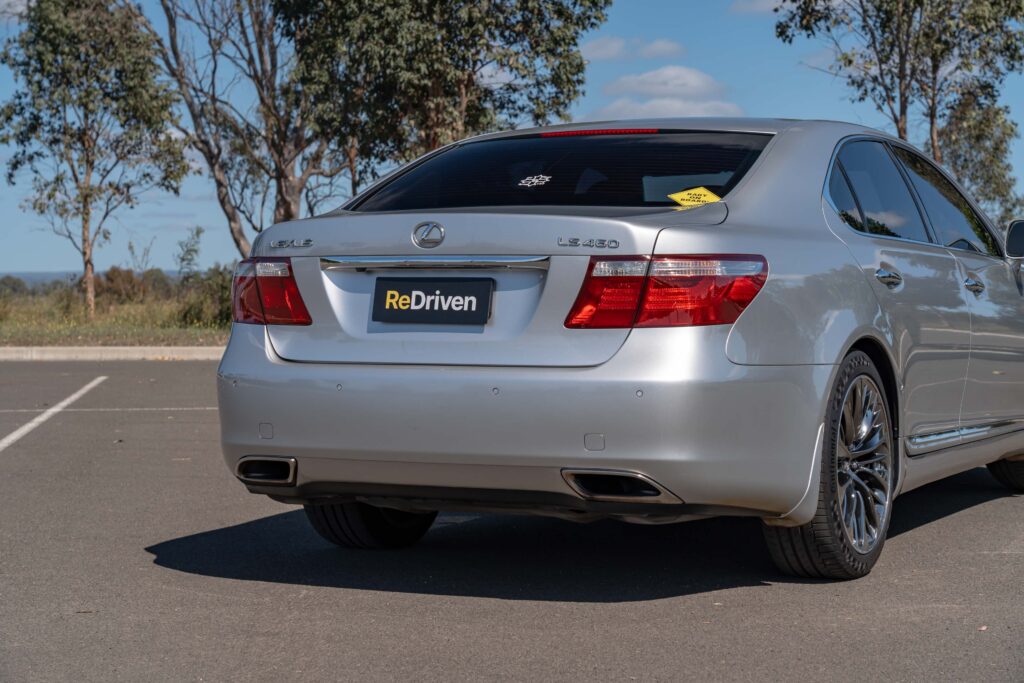
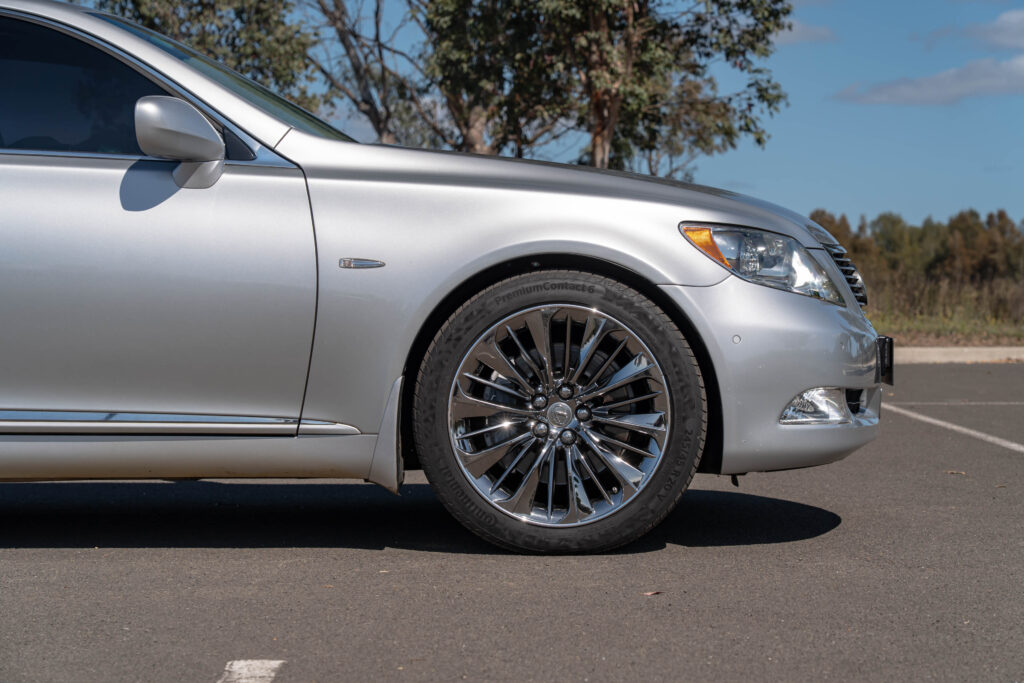
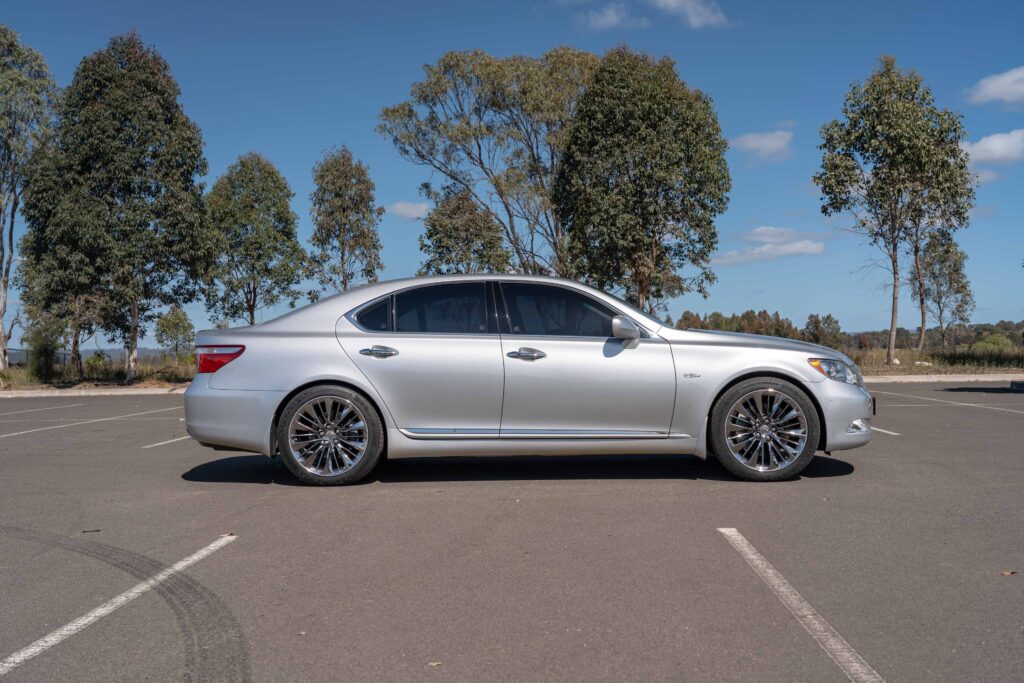
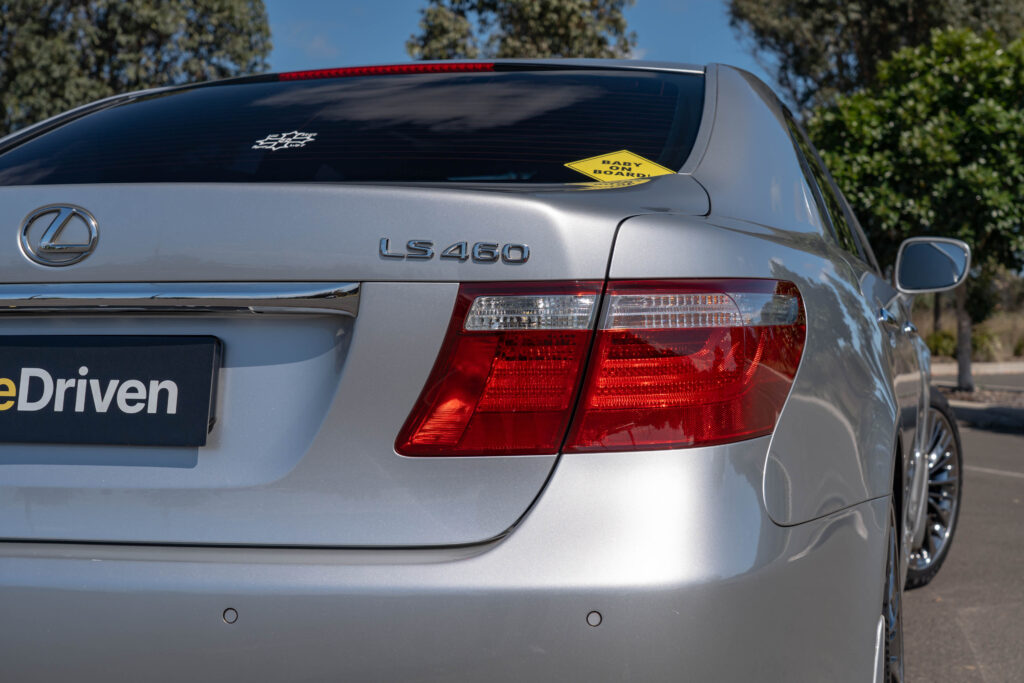
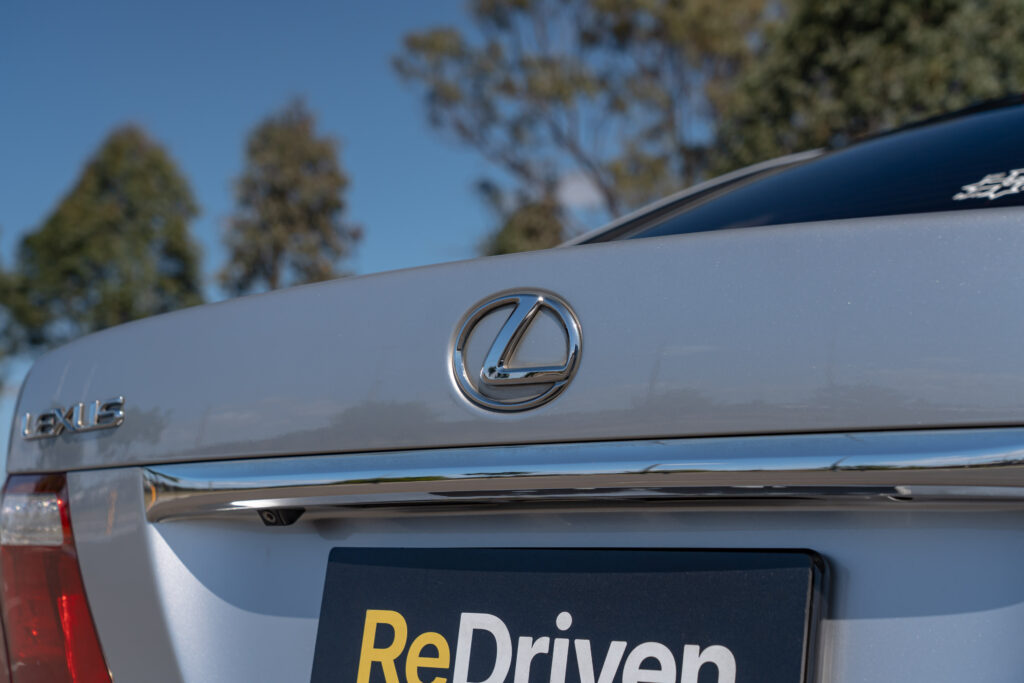
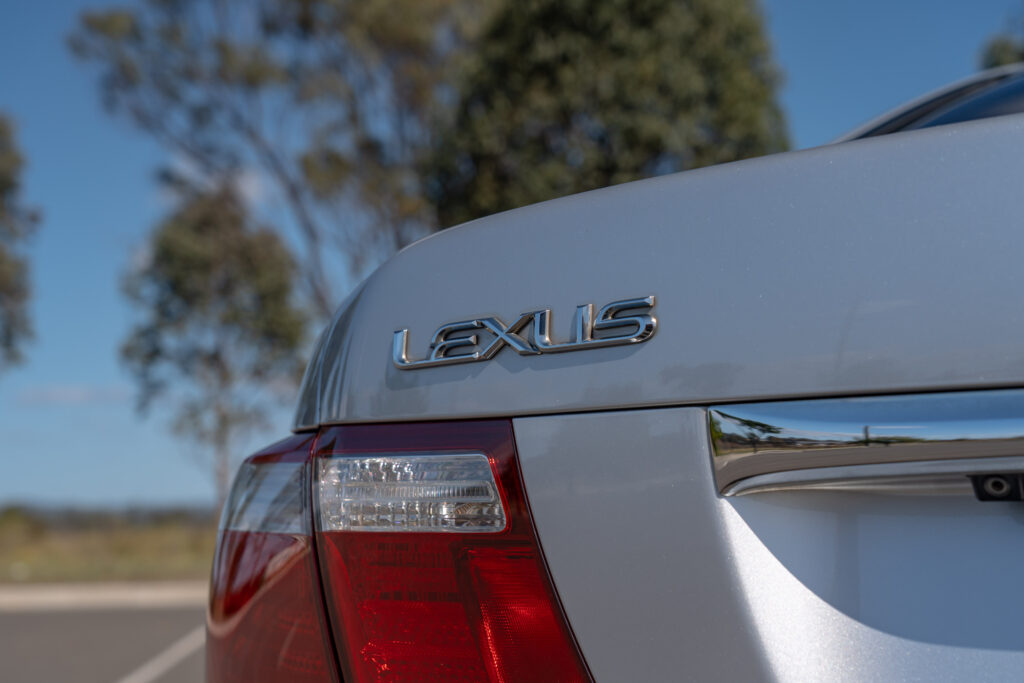

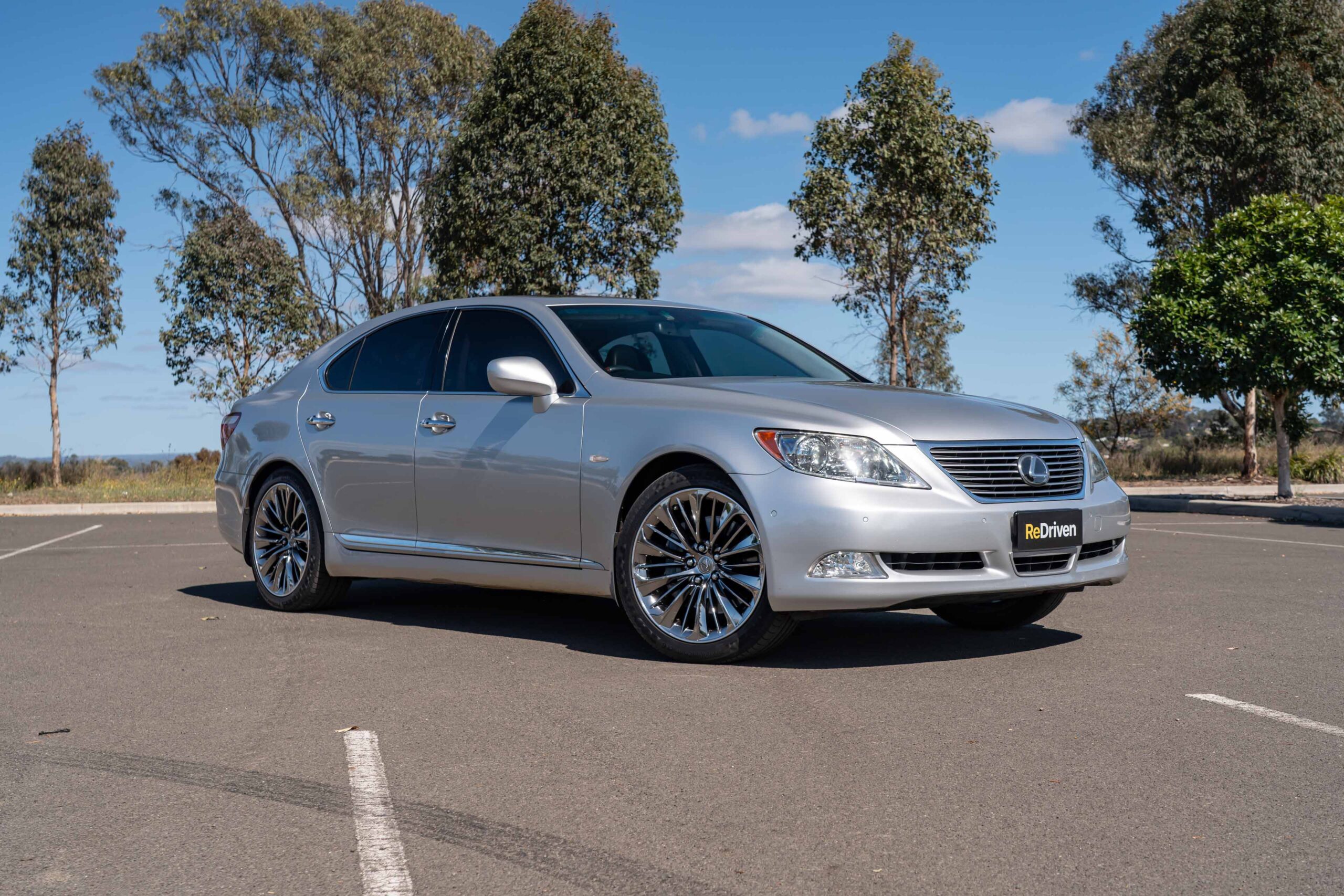
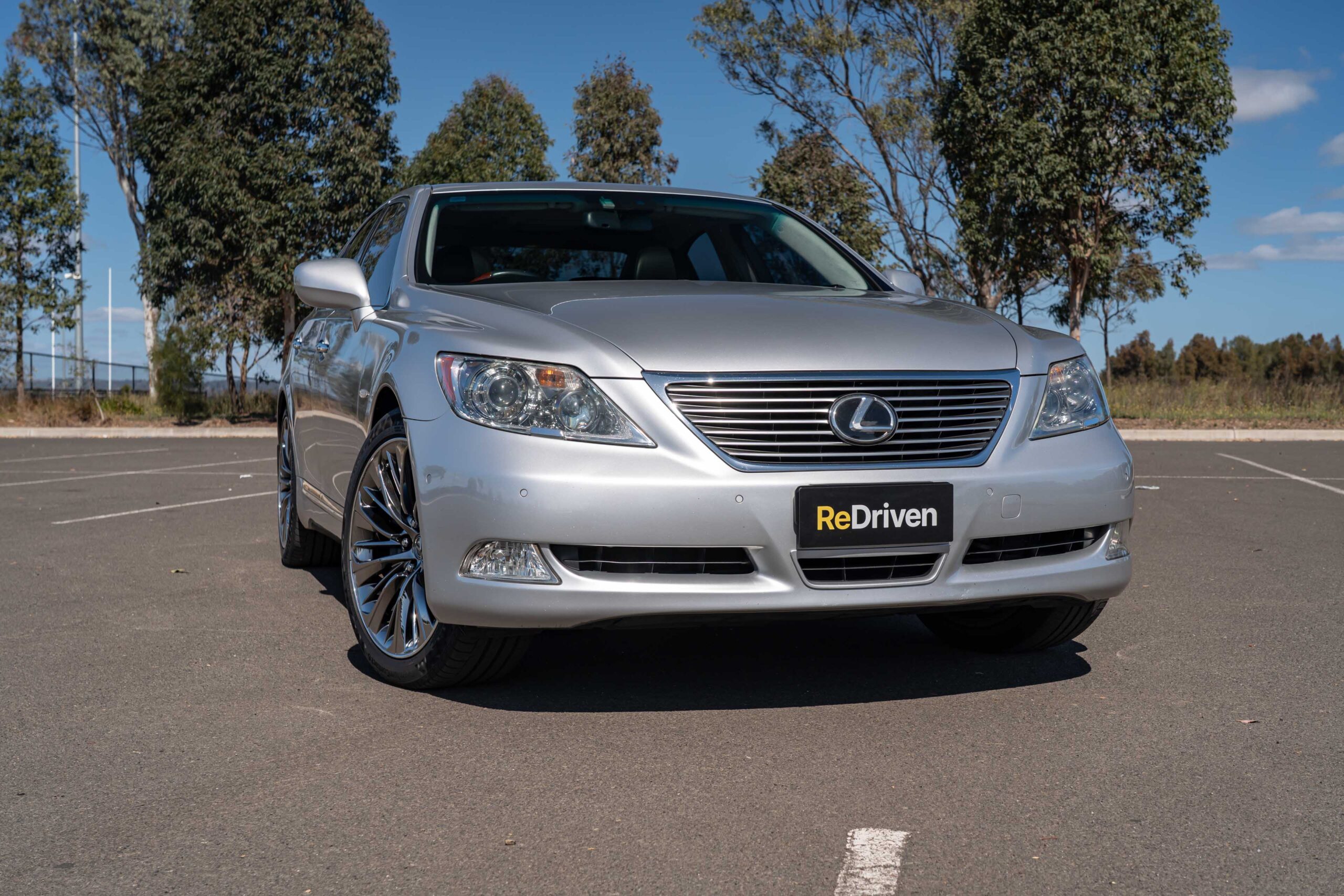
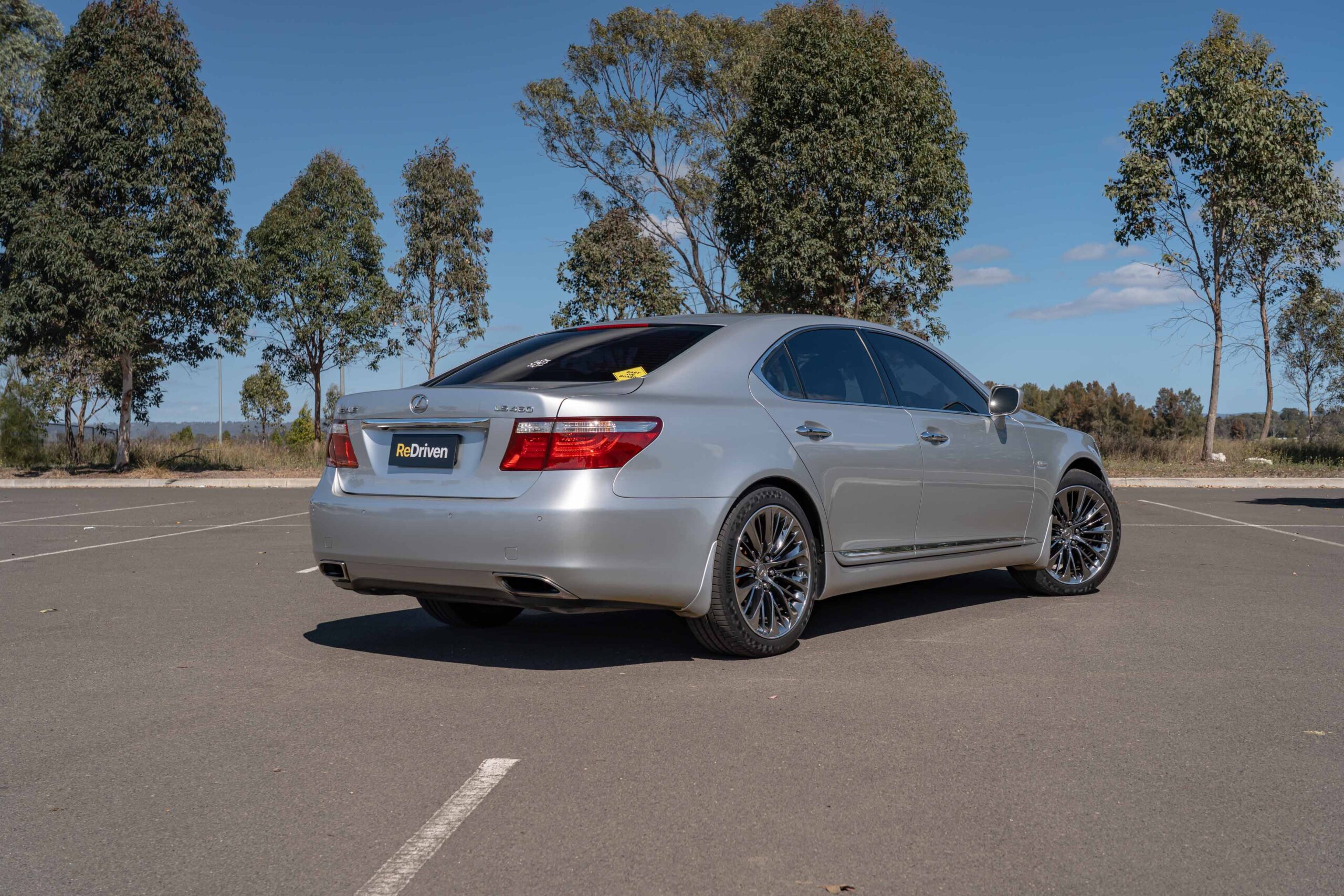
2008 Lexus LS460

30 October 2026
Yes. 100%.

2008 Lexus LS460

Used car review
30 October 2026
The Lexus LS has served as the Japanese luxury marque’s flagship sedan since its introduction in the 90s, with the fourth generation (also known as the XF40) spanning one of the longest production runs in Lexus’s history, with production starting in 2007 and extending for ten years up until 2017.
Much like how the first models aimed to demonstrate Toyota’s best and finest qualities when it came to their vehicles to rival their contemporary European rivals, the fourth-gen LS was designed to raise the bar even further as a representation of what they were capable of, from vehicle refinement to automotive innovations.
This iteration of the LS notably brought many innovations to the automotive industry, specifically within ADAS and driver assistance technologies. It was one of the first production vehicles to feature self-parking, adaptive cruise control, lane keep assist, automatic emergency braking, and driver monitoring, among other features that are now treated as commonplace on all current-era vehicles.
The fourth-gen LS experienced two midlife updates during its original production run:
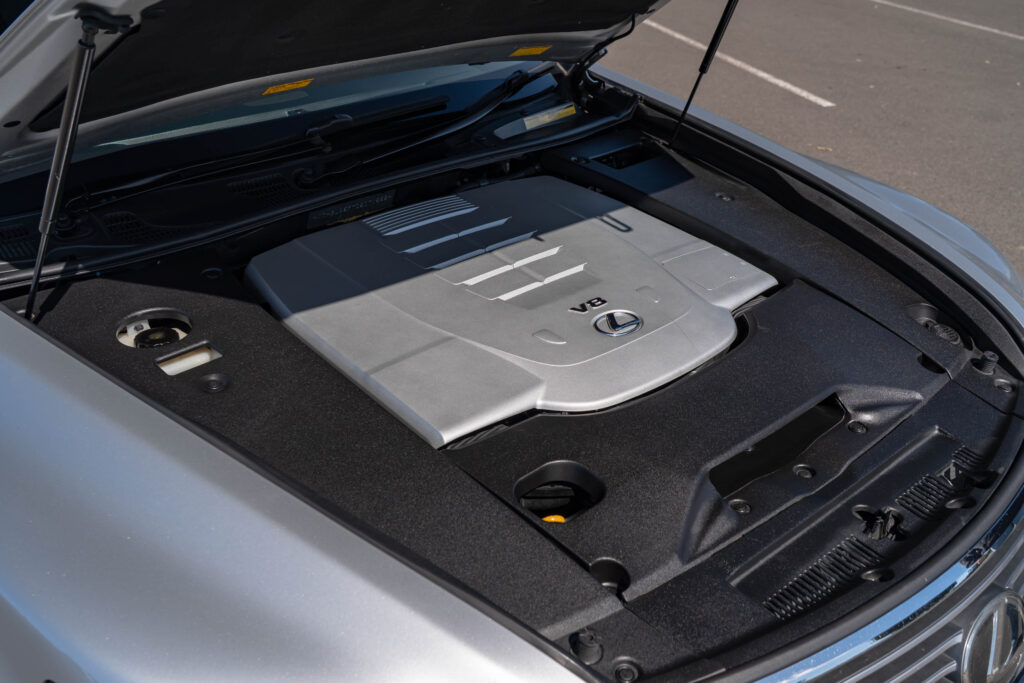
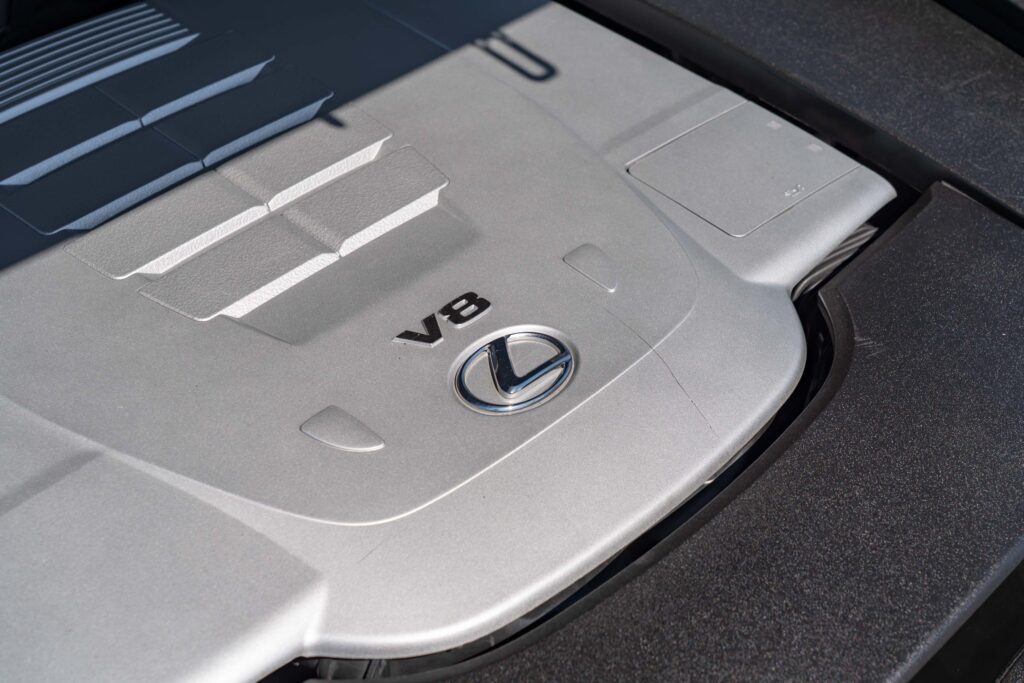
Across all markets it was sold, powertrains included a 4.6L naturally aspirated V8 paired with an eight-speed automatic, and a 5.0L petrol-hybrid V8 paired to an eCVT, with rear and all-wheel drive configurations available.
The LS’s core rivals at the time included the Mercedes-Benz S-Class (W221/W222), BMW 7 Series (F01/F02), Audi A8 (D3/D4), Jaguar XJ (X351) and Maserati Quattroporte.
Exterior:
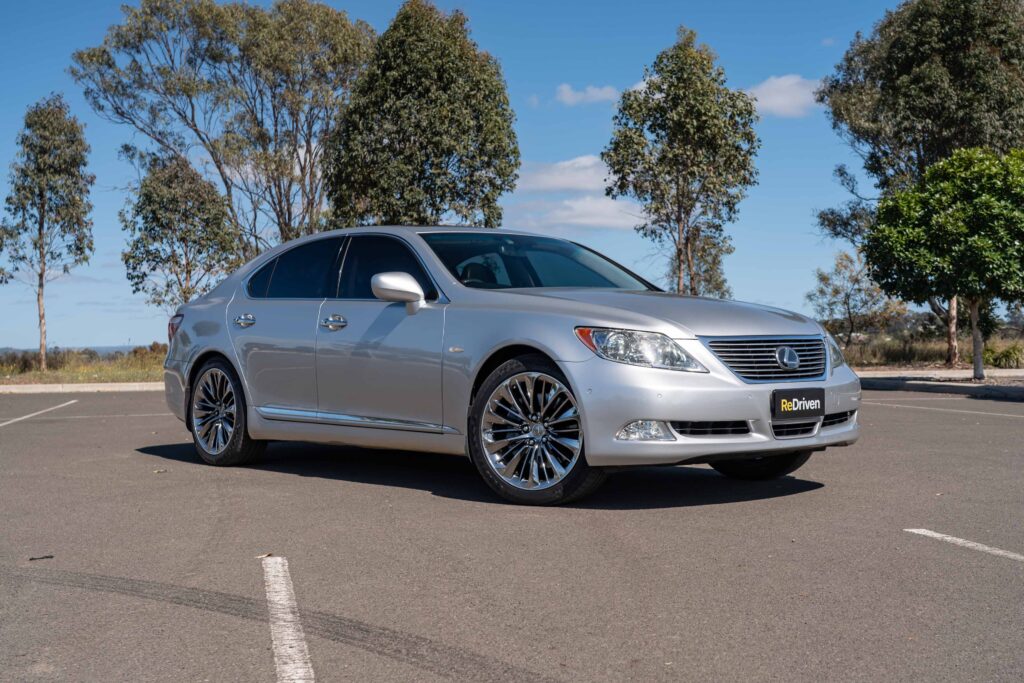
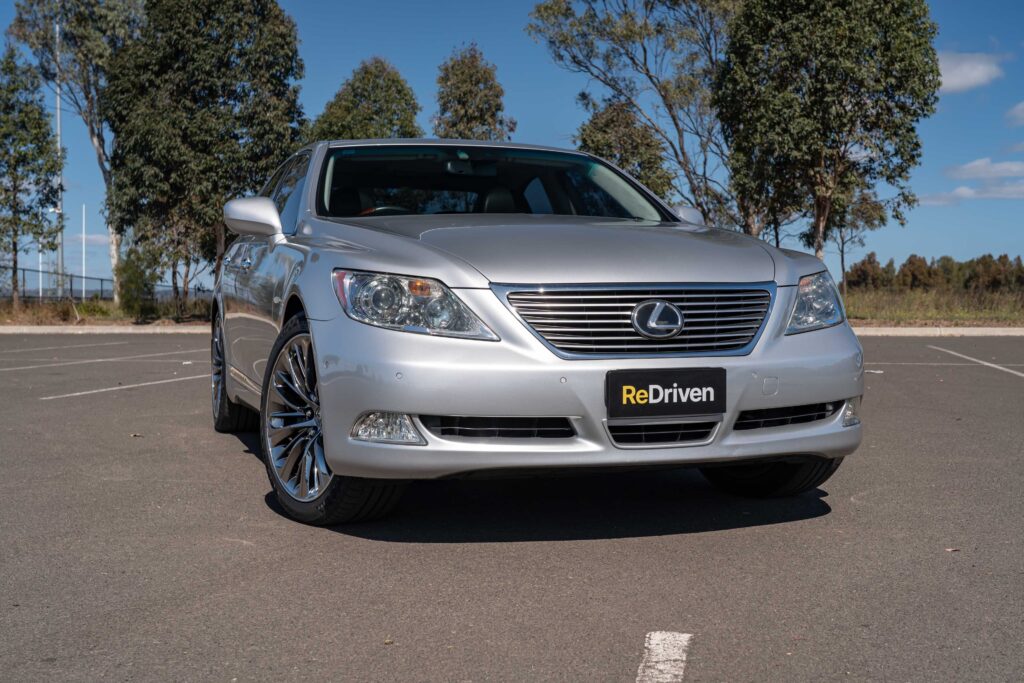
Lexus’s attention to detail that applied from the first LS continued to apply to succeeding iterations, including the fourth-gen.
As a result, you’ll find the exterior and body panels are proving to be quite resilient, even among well-used or high-kilometre examples, as these cars exceed or approach being more than twenty years old.
If looked after, many report the general build quality, fit and finish, and the original paint finish/clear coat are proving to be exceptional – arguably the best on any cars from this era and price point.
These iterations of the Lexus LS also report far fewer electronic gremlins with their exterior accessories than what their European alternatives can report. Do ensure features like power folding mirrors, door lock actuators, wiper motors, and tyre pressure sensors operate flawlessly.
Interior:
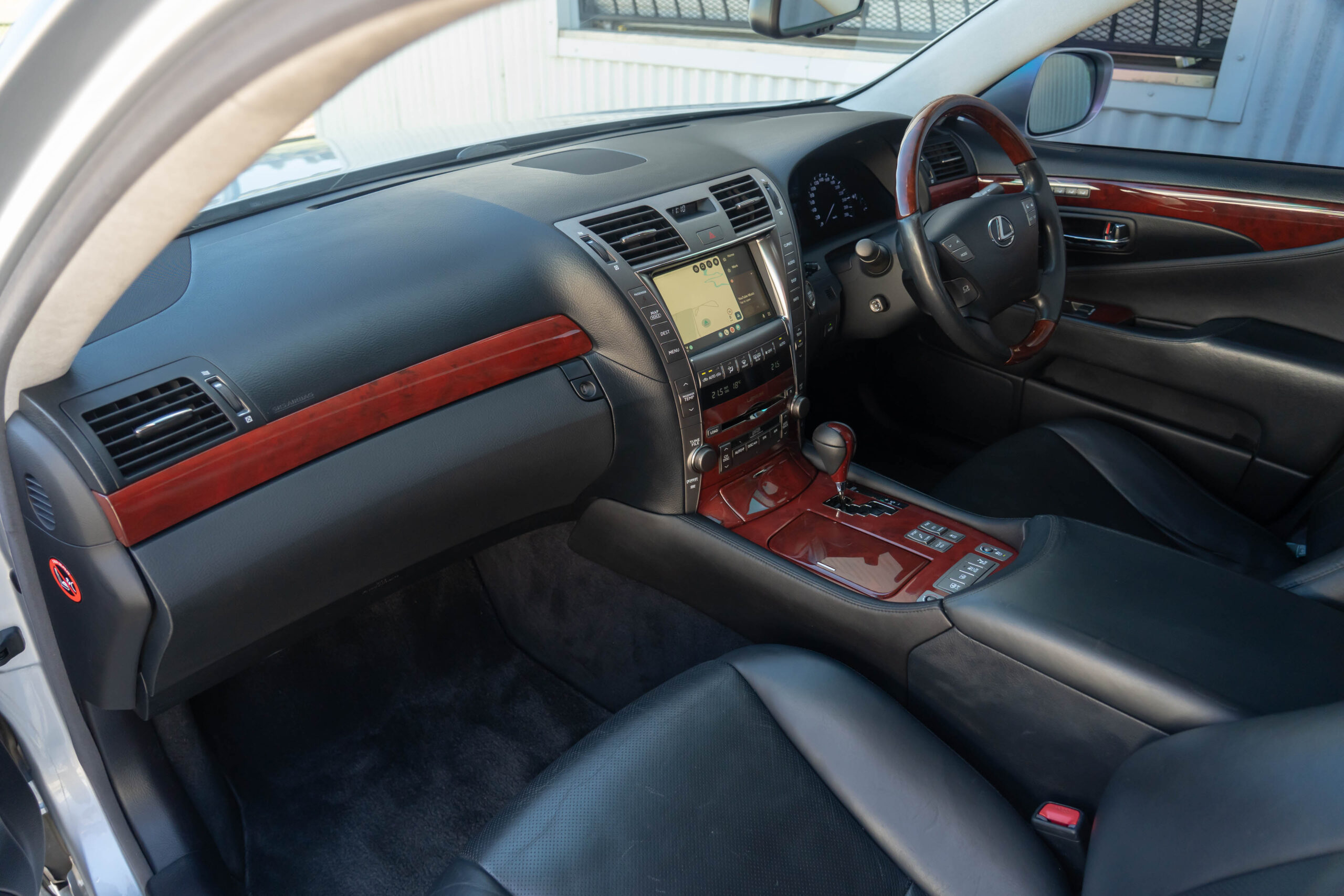
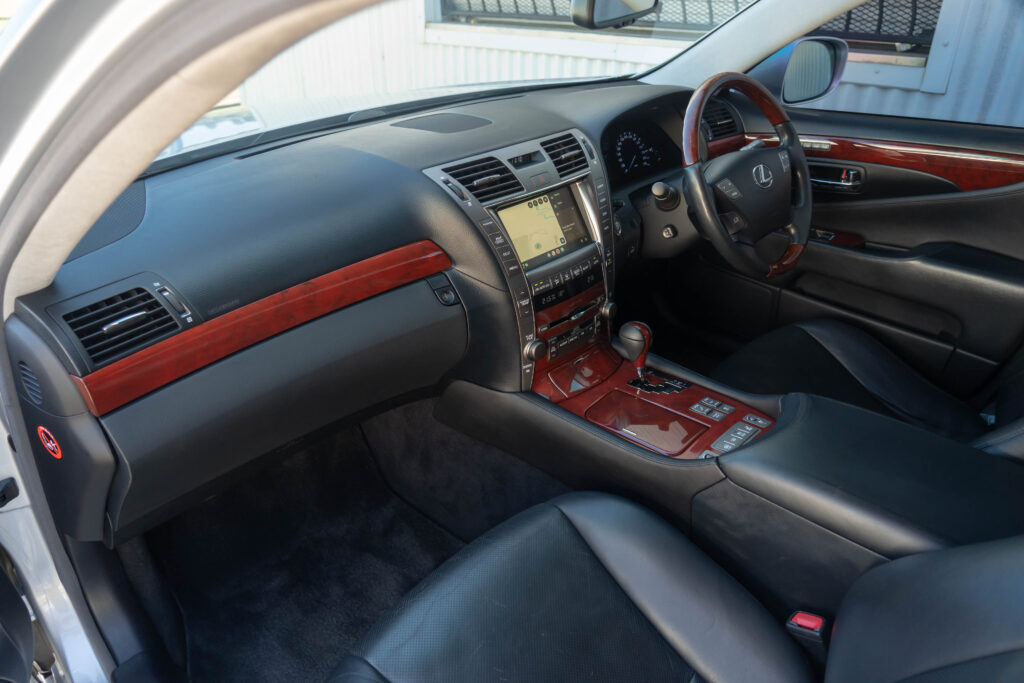
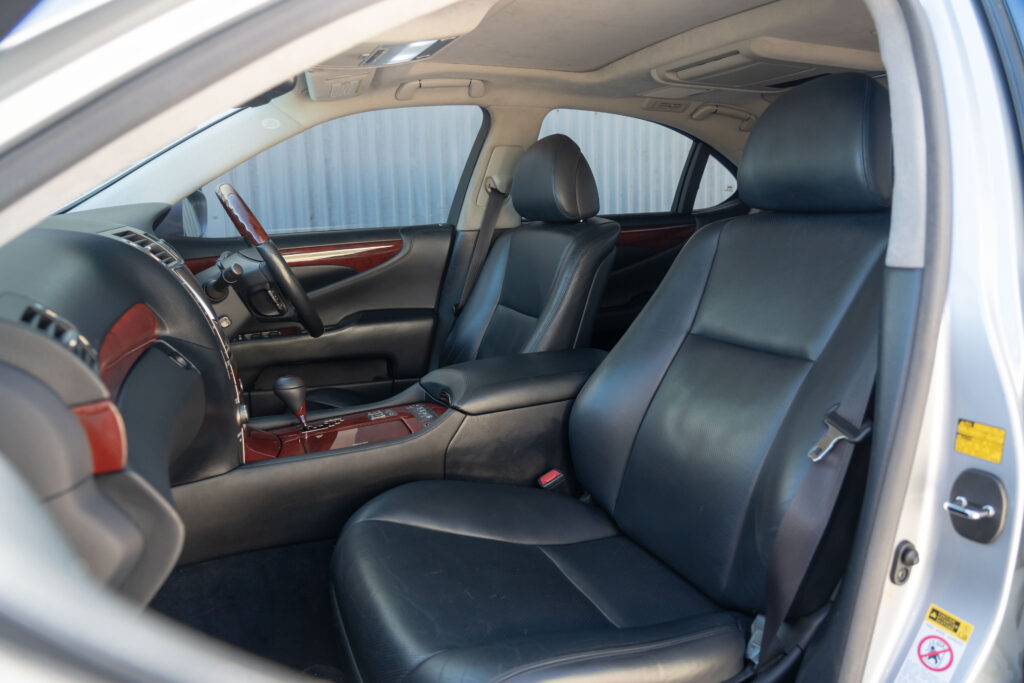
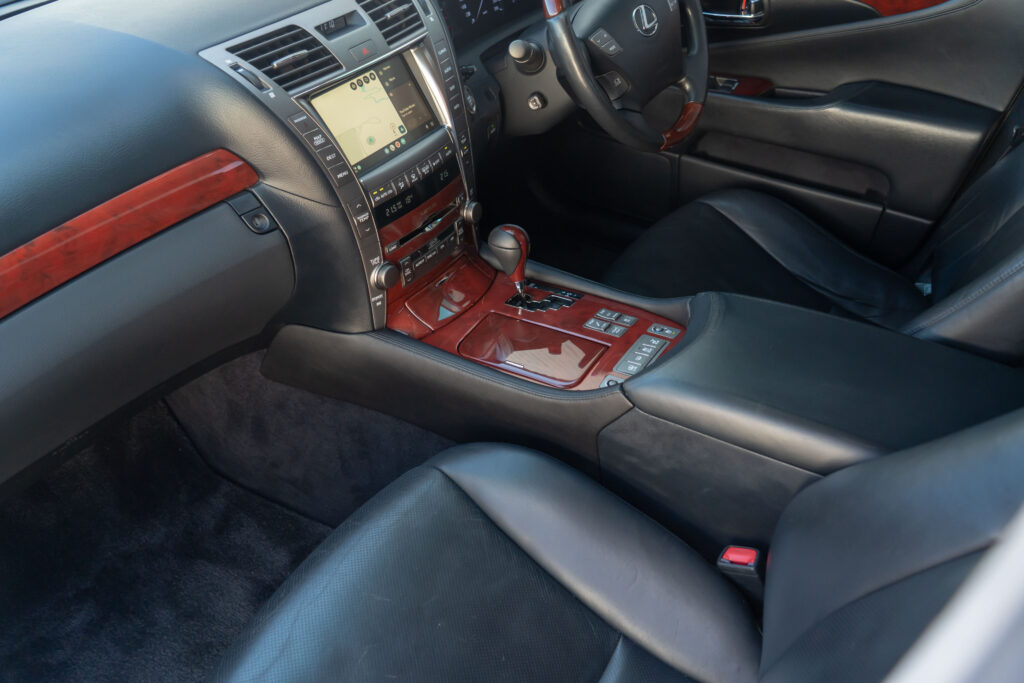
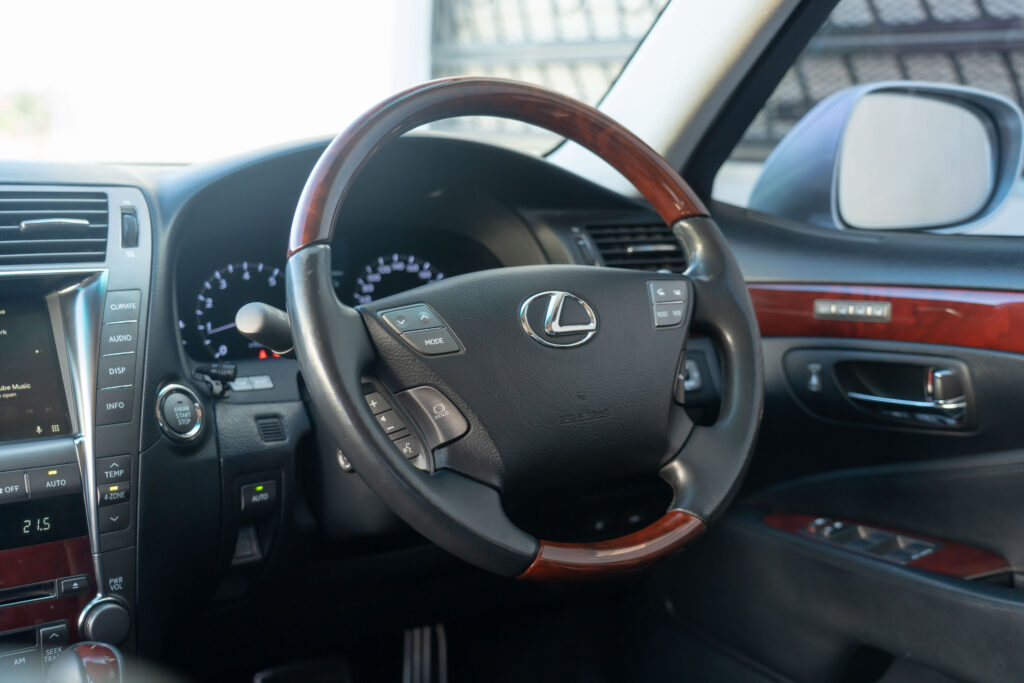
Lexus’s attention to detail continues into the build quality and amount of features as standard provided inside the fourth-gen LS. While they might seem conservative in their aesthetic style and appearance, it’s the smallest details where Lexus heavily invested their efforts to make the flagship cabins the best they possibly could.
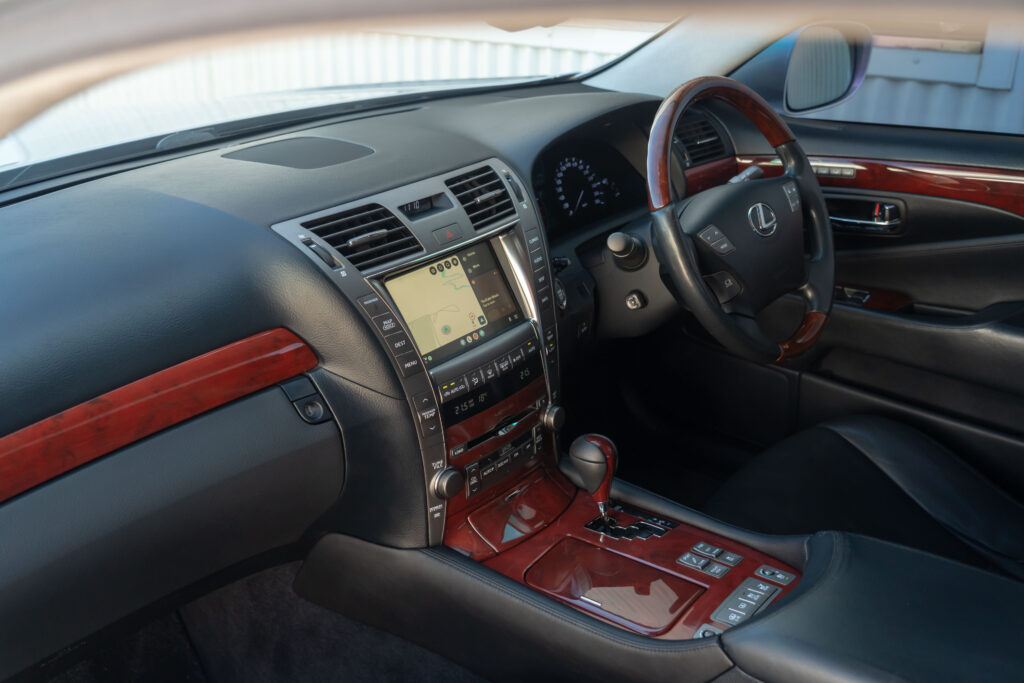
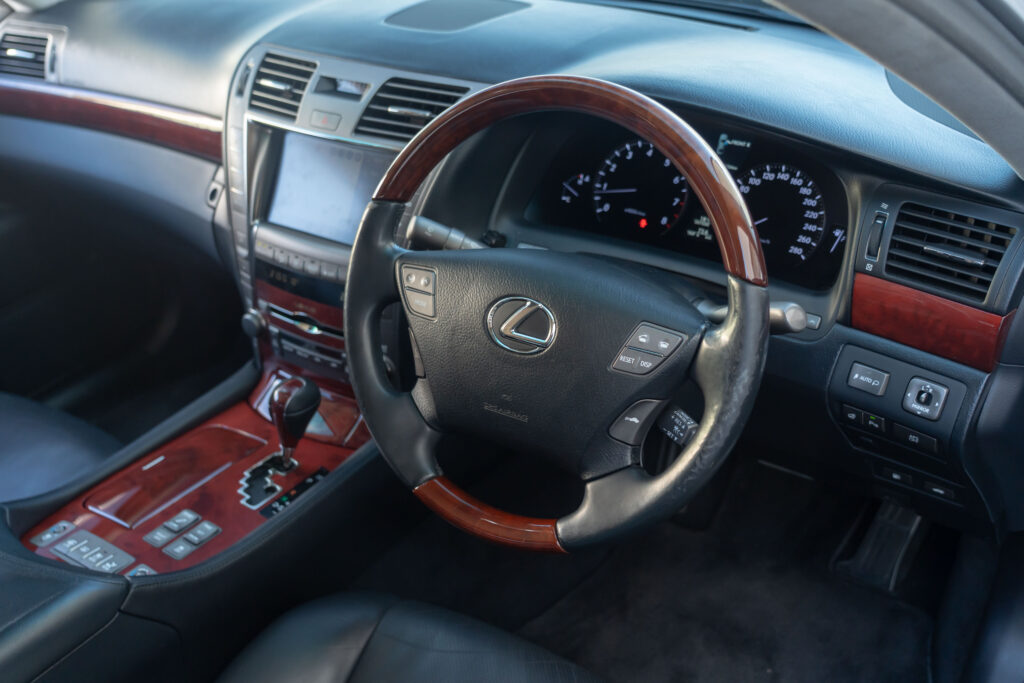
For instance, the factory wood trim was constructed in conjunction with artisans responsible for wood features on Yamaha grand pianos. The resulting byproduct, specialised laminated real wood veneers on top of thin sheets of aluminium, is used in the LS cabins, adding to their long-term durability.
Post-update LSs saw Yamaha and Lexus take this attentive construction further, creating a pinstripe-like wood effect termed ‘Shimamoku’, built over the course of 38 days and individual manufacturing steps that include polishing techniques Yamaha reserves for its concert-grade grand pianos.
This continued with the number of standard features – even from standard, these came with far more standard features than European equivalents.
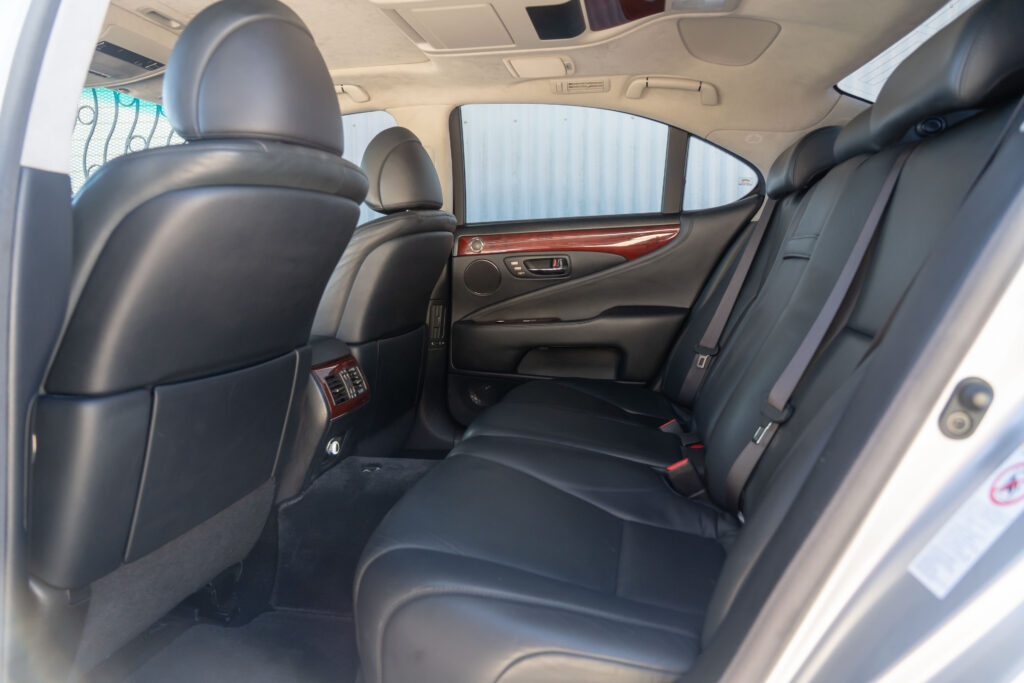
Higher-spec models feature a host of amenities, ranging from power reclining seats (with extendable ottoman footrests), a four-zone climate control, and rear seat entertainment systems, along with different grades of luxury/tech packages by market.
Going further, some of the top-grade amenities include rear massaging seats (whose programs were designed with input from Japanese shiatsu masseurs), infrared-sensing climate control that could monitor occupants’ skin temperatures and the UV rays through the glass, adjusting the air conditioning to compensate for the amount of sunlight entering through the windows, and acoustically insulated, double-glazed glass with integrated UV film.
Lexus also generally loaded these with standard features that are typically optional extras within its European competition, a highlight being a 19-speaker Mark Levinson premium audio system that is still regarded by many owners today as one of the best factory car stereos you’ll find.
But like what other Toyota/Lexus models of this era experience, even the most solid examples of the LS have developed issues with their cabins.
Especially among pre-update LSs made between 2007-2012, the most common complaint reported within the interior is sticky interior dashboards and top sections of the door trims – most prevalent on those subjected to warm climates or high UV exposure.
The soft-touch coating on the dashboard top and side door cards degrades, forming a tacky/gummy texture, before they crack and deteriorate altogether.
UV/heat exposure can also degrade various interior plastics, the air vents, and trim clips, causing them to become brittle or disintegrate as they wear away.
Lexus was aware of this quality issue and did carry out a goodwill programme to replace affected dashboards/interiors, but support has long since ceased, and even those previously replaced under this program report inconsistent results.
While investing in a full interior refurbishment can be one solution, other successful remedies cited by owners include good quality dashboard sunshades that fit over the entire sections, applying UV protectant spray, and generally ensuring to avoid parking outdoors for extended periods.
Owners do report higher-spec cars with semi-aniline leather and hand-stitched trim (primarily late-model LS600hLs) on these areas, along with post 2013-update cars being less prone to sticky dashboards than earlier models with the standard grade leather upholstery.
Adding to this, owners report the interiors, from the seat leather/cushions to trim pieces, hold up far better than those of the Lexus’s rivals, even on well-used, high-kilometre cars. Contributing to their long-term durability is that much of the structure holding the interior together is cast metal, unlike BMW/Mercedes-Benz models that use plastic mounting points/structual points that eventually become brittle and develop rattles.
Both the original standard and higher-grade leather upholstery are also found to be resilient against long-term wear and tear.
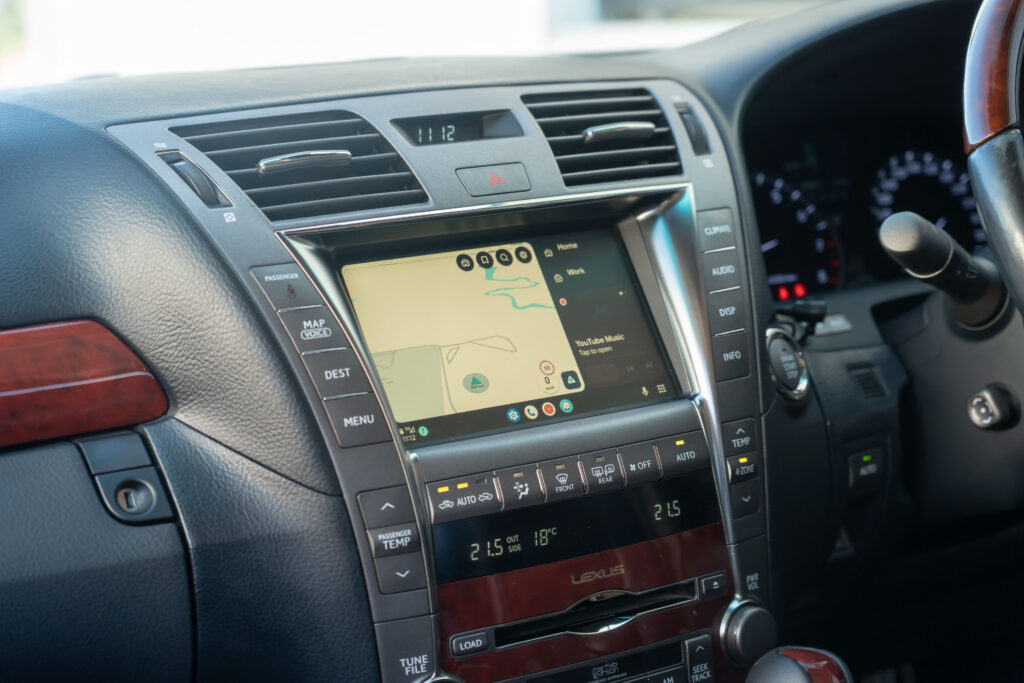
Early models have a very outdated infotainment system whose Bluetooth connectivity often fails and doesn’t even include Bluetooth audio streaming (hands-free phone calls only), and though it relies on touchscreen inputs, as one of the very first implementations, it can be slow to respond or receive inputs.
While it’s not a straightforward installation (given the climate control settings are integrated as part of the system), original, pre-update factory systems can be replaced with a more up-to-date system, but owners also report it is possible to retrofit modern connectivity like wireless Apple CarPlay/Android Auto on the OEM systems and equipment
Later, post-update models did eventually bring a more up-to-date UI and Bluetooth audio streaming, but these are also a source of complaints due to their inclusion of Lexus’s highly frustrating ‘Remote Touch Interface’ joystick-dial setup.
Minor electronic faults can also present with the convenience features, so it’s worth checking everything works – from the power-operated sunshades to seat motors. Even if they develop issues, they’re inexpensive to fix, and the frequency of issues remains far less than what European rivals can experience.
Cargo space in the rear can differ between the non-hybrid/hybrid models, in both standard and long wheelbase configurations.
Note the hybrid’s battery pack and electronics located underneath reduce available cargo room in the boot. Non-hybrid long wheelbase models, if equipped with certain option packages (rear seat entertainment, air purifier, cooler, or individual ottoman-reclining seats) can also reduce available rear cargo area.
Mechanically:
Even those who only know the Lexus brand by name instantly associate these with the highest levels of mechanical reliability. Lexus’s track record of leading customer satisfaction surveys and multiple accolades for consecutive years affirms they’re still one of the best in the industry.
Also, keep in mind that this generation of the LS was one of the final Lexus products made before the 2009 financial crisis, meaning it was one of their last efforts that saw the brand spare no expense when it came to engineering these, in their ‘relentless pursuit of perfection.’
In other words, Lexus were determined to offer more standard features than any of the competition and had an engineering budget to develop this specific generation to their best standards that has not been repeated since.
Also, being a Toyota product, parts are still readily available and won’t set you back high premiums, unlike trying to upkeep a European luxury model; though it’s still worth exploring aftermarket options that can elevate on its qualities further.
When sorting through both locally delivered and grey import examples, keep in mind many examples were also previously employed as part of hire car or premium taxi (limousine) fleets – telltale signs are ‘fleet service’ stickers in the interior or engine bay, or interior wear inconsistent with indicated kilometres.
As robust as these Lexuses are, those subjected to hard lives/employment can be a liability. Even if they are very attractively priced, they could also have been subjected to neglected or poor maintenance.
Powertrains:
4.6-litre naturally-aspirated V8 (LS400/460L)
The non-hybrid 4.6L 1UR-FE/FSE V8s are quite solid powertrains, noticeably more reliable than any other mass-produced V8s you find in European equivalents, and cheaper to maintain compared to other luxury segment cars. However, they are not entirely trouble-proof.
A manufacturer recall was previously issued for this engine over a potential valve spring defect. Ensure the fix has already been performed.
They can also develop coolant cover plate leaks within the engine itself, which requires a substantial amount of parts removal to access and replace a faulty heat exchanger. In addition, the water pump on these V8s can also develop leaks. If any one of these requires attention, it’s worthwhile to replace both at the same time.
Age-related maintenance items are something to factor in (belts, tensioners, spark plugs, coils etc.) as these cars get older.
5.0-litre petrol-hybrid V8 (LS600h/600hL)
The hybrid LS pairs the 5.0L V8 (2UR-FSE) with an electric-drive hybrid system – importantly, it uses an integrated electric motor setup, unlike the ‘afterthought’ systems you find in more recent Toyota/Lexus hybrid vehicles, or a mild-hybrid system.
This hybrid setup not only boosts power output, but the LS600h models can also drive solely on the electric motor at low speeds, with the petrol engine switched off.
As observed with other hybrid Lexus models, these are still proving to be fairly reliable. Just ensure the cooling fan vents (filters) are regularly cleaned, as debris that can stop the fan from functioning normally will lead to overheating issues or issues affecting the entire hybrid system. Treat this on top of regular maintenance, and these shouldn’t see any serious complications.
Just like non-hybrid models, age-related maintenance to replace powertrain components on older cars or high-kilometre cars is something to keep in mind.
Given the age of fourth-gen Lexus LSs by now, owners’ communities are beginning to highlight that the non-hybrid LS460s are being viewed as the better option between the two powertrains.
While both deliver the same core features and selling points that define the LS, when factoring in the hybrid’s marginal, real-world fuel savings (by today’s standards) compared to the average fuel consumption of the non-hybrid V8, combined with the inevitable costs of a potential replacement hybrid battery, secondhand LS buyers might be better off with the latter.
That being said, some remain defensive of the hybrid powertrain and argue the running costs to upkeep the hybrid powertrain as a fair trade for what remains, even 15–20 years on, a quite solid, rewarding luxury vehicle.
Transmission:
The torque converter automatic transmission in non-hybrid LSs may not be as responsive compared to the ZF8HP used in other European luxury cars, but it’s generally quite robust. Provided they’re regularly serviced, these transmissions can prove to be fairly reliable.
The same applies for the hybrid’s eCVT, especially considering it’s not a belt-driven unit that attracts more complaints and issues. If subjected to regular driving and attentively cared for, they can experience little to no serious issues.
Suspension/Drivetrain:
The suspension components are arguably the most expensive and concerning items to keep in mind, consistently named by owners as one of the largest ticket items to budget within fourth-gen Lexus LS ownership.
Don’t forget that, as it’s quite a heavy vehicle, it puts a lot of strain and wear on plenty of suspension parts, especially on the front end, with premature wear of bushes often the first thing to go (as they are quite delicate).
As these cars age, they will inevitably require attention (which can also extend to consumables like tyres, depending on usage). When these reach 80-100,000 kilometres (guaranteed on high-mileage or older pre-facelift cars), replacement parts will be expected on the job list.
Ensuring any part of these is in working order is highly desirable when you consider Lexus engineered a bespoke multi-link rear suspension setup with aluminium components and standard adaptive air suspension on all LS models to provide the ‘magic carpet’-style ride it excels in delivering.
The LS600hLs are particularly more costly to upkeep – not only are they heavier with the inclusion of a hybrid system onboard, but they use eight front control arms, front and rear links versus a simpler front-end setup in the LS460.
When new control arms are due, it’s worth replacing them with post-2015 units, as part of the lifecycle improvements Lexus implemented in later years; this extended to the arms’ bushes.
The most expensive parts to replace are the air suspension struts and springs, as you find with any vehicle equipped with complex air suspension. The struts degrade over time, developing leaks or causing the entire vehicle to sag lower on one end/side. Quotes for OEM replacement struts can start anywhere from $1,500-1,600 per unit (~$6,000+ for x4 in total).
Combine that with new control arms and bushes, and you can be quoted at least $10,000 (before labour) from Lexus dealerships to replace them with OEM parts; or closer to $7,000 if combined with OEM/aftermarket parts by independent specialists.
Aftermarket air suspension struts/parts from China are available at a fraction of what OEM Lexus parts typically ask for, though long-term durability on these still produces mixed/anecdotal results at best.
Brakes can also be fairly expensive to replace, with OEM replacements quoted at over $1,000 in parts alone. It’s worth consulting owners’ groups and forums for suggestions on better-performing, affordable aftermarket equivalents.
ABS and brake actuator assembly failures have also been reported with these cars, which typically have been repaired under warranty. If they do play up again, note that replacement parts alone (before labour) can range between $500-1,000.
Occasionally, the parking brake actuator can also fail, and its location can make resolving any faults with it difficult and expensive to do. Note it’s located above the rear axle, which may require removing the rear subframe first to access it.
You can expect pricing for fourth-gen Lexus LSs to start as low as $10-12,000, with the most pristine examples topping out around $50,000, with only marginal differences between regular and long-wheelbase, non-hybrid vs hybrid models now; though cars with certain option packages and later, post-2013 update models do fetch higher premiums.
As with other used luxury flagship sedans, even this iteration of the Lexus LS hasn’t been fully immune to depreciation. But when comparing the Lexus’s average depreciation versus those of German, Italian, American, or British counterparts, these are proving to retain value far better than any of them.
While it might not be the most thrilling luxury car to drive, as with previous iterations, the fourth-gen LS is consistently regarded as this era’s segment’s best-built and most reliable option, which continues to position it as an alluring secondhand purchase.
As a result, in some markets/regions, you may find prices for these cars starting to appreciate, especially for later models that still hold their value well – on par with the Toyota family’s other flagship sedan, the Century.
But plenty of Japanese-market Lexus LSs are also available, or appearing within the grey market, which can net you the same car without the high asking premium locally-delivered cars ask for.
Preventive maintenance is key to ensure these retain all of their valued qualities, but we believe they’ll prove beneficial in the long run. These possess genuine longevity, as well-maintained examples are regularly reported reaching 250,000–400,000+ km once known wear items are addressed.
The best ones to target, in our opinion, are newer post-update cars. But even well-maintained, pre-update LSs can still prove to be excellent purchases, especially for the very low price they ask for now.
The fourth-gen Lexus LS was an underrated luxury flagship at its launch, and it very much continues to be among the options currently in the used market. If you shop carefully and it checks out, these can still reward handsomely in terms of a premium car, with the benefit of attentive, long-lasting Japanese reliability.


Co-creator, presenter & writer, ReDriven

Yes. 100%.
 1 week ago
 3 weeks ago
 1 month ago