
Australia’s No. 1 Used Car Review Website
Australia’s No. 1 Used Car Review Website

+15 Photos

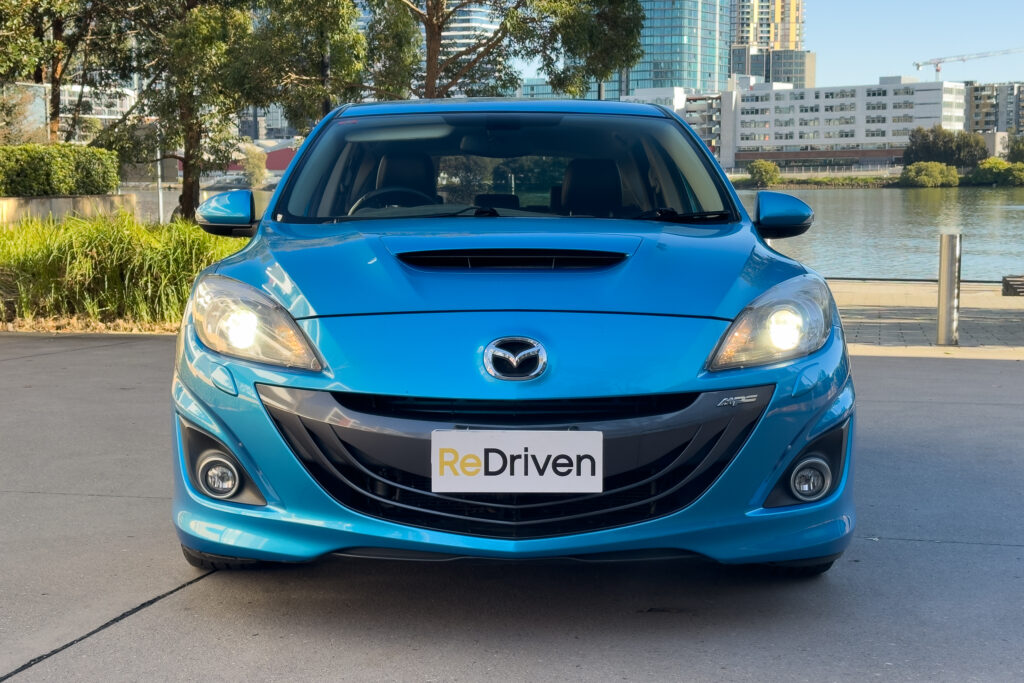
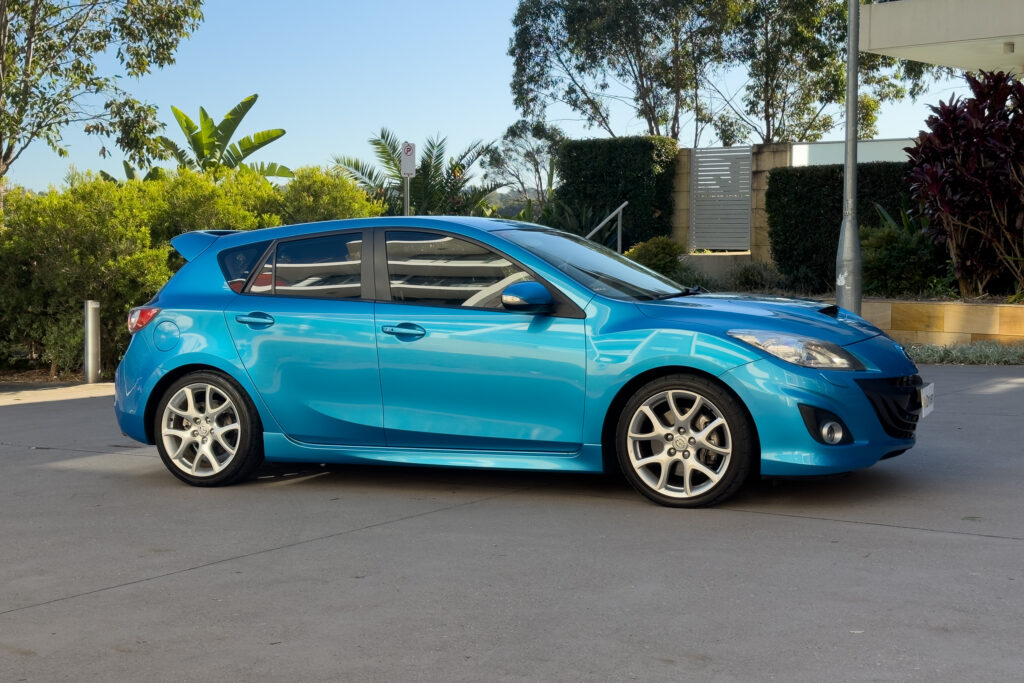
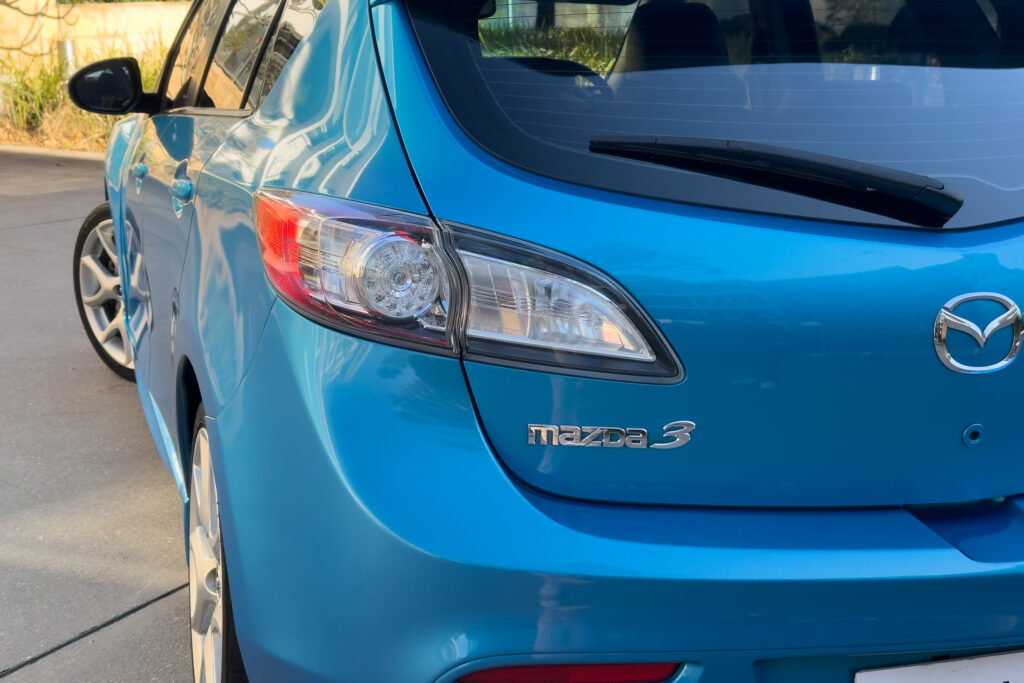
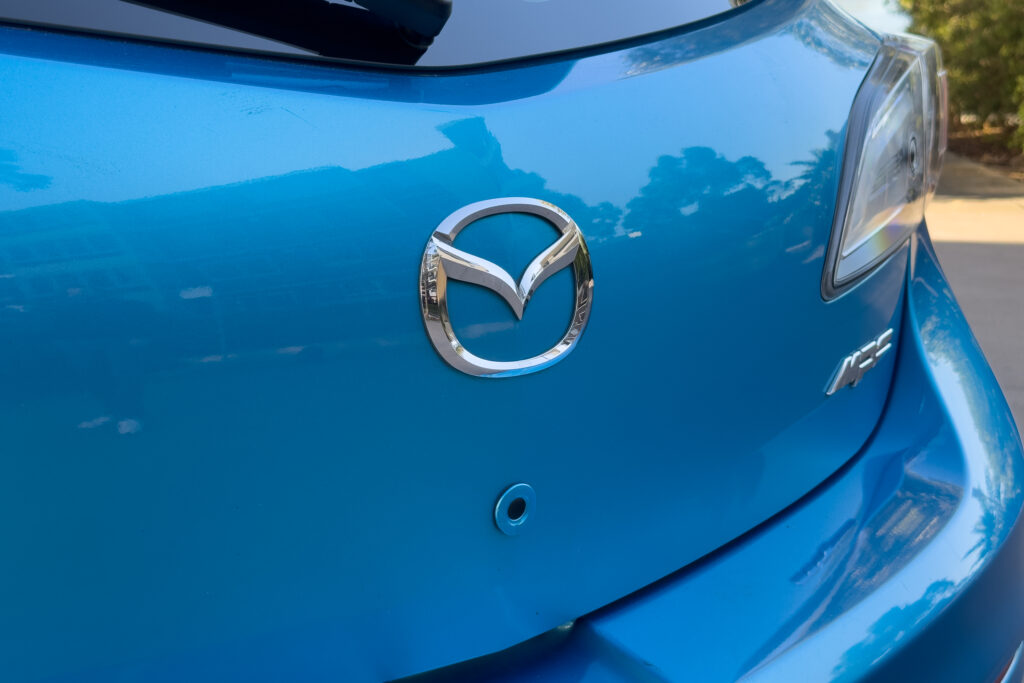
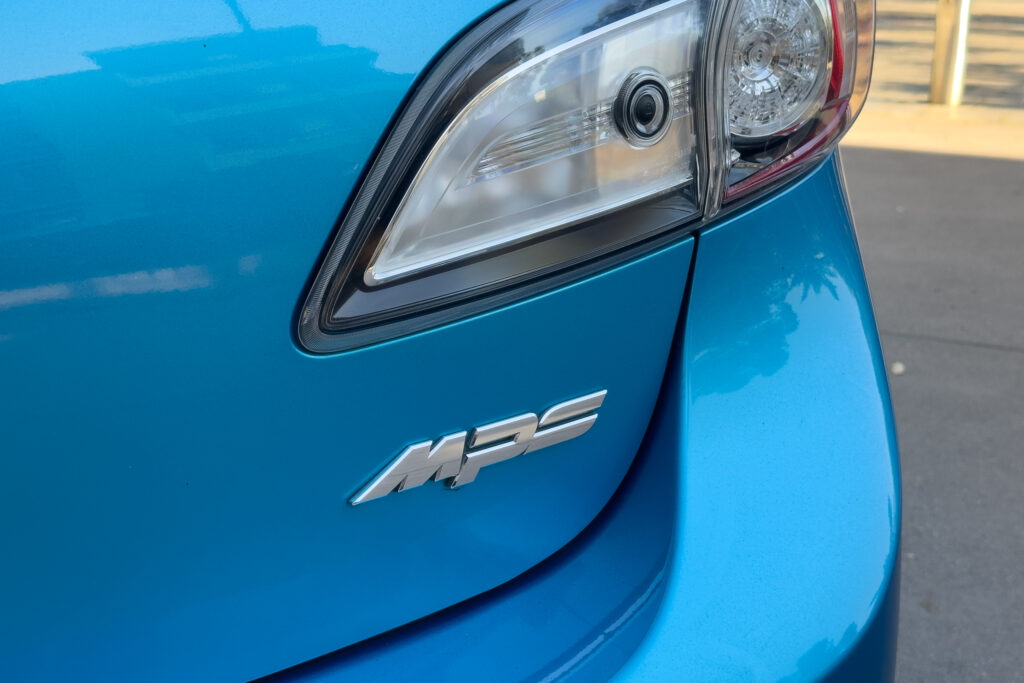
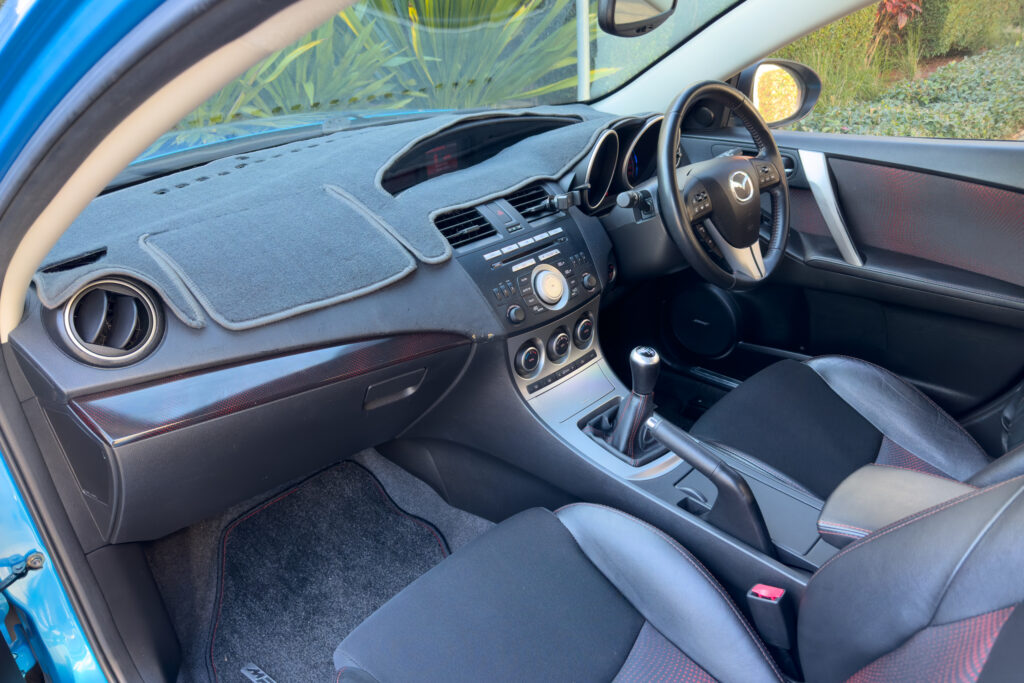
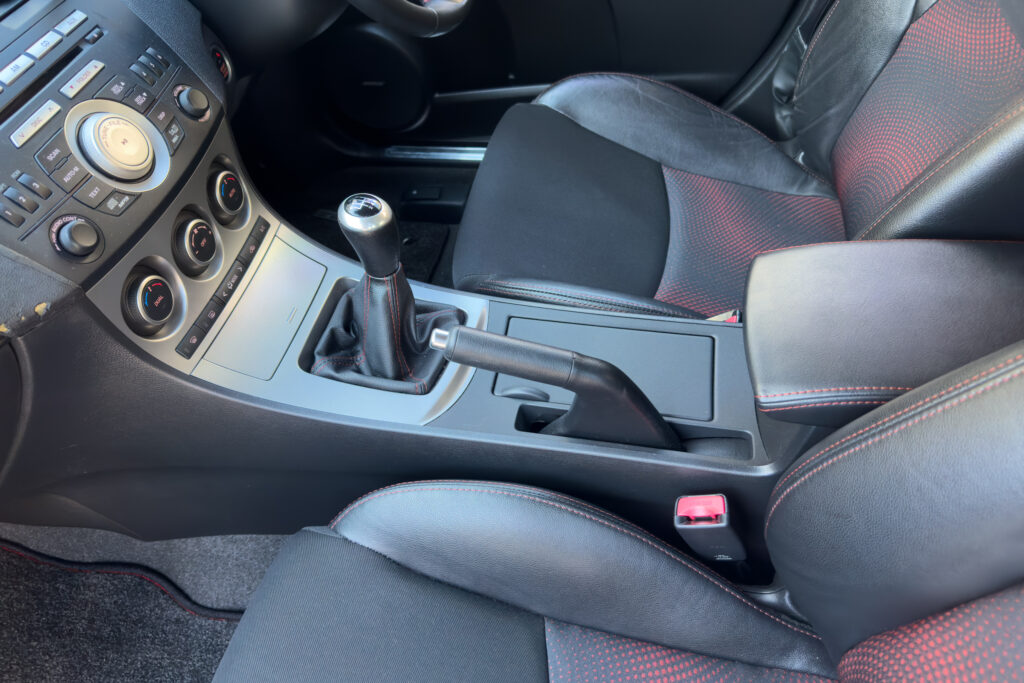
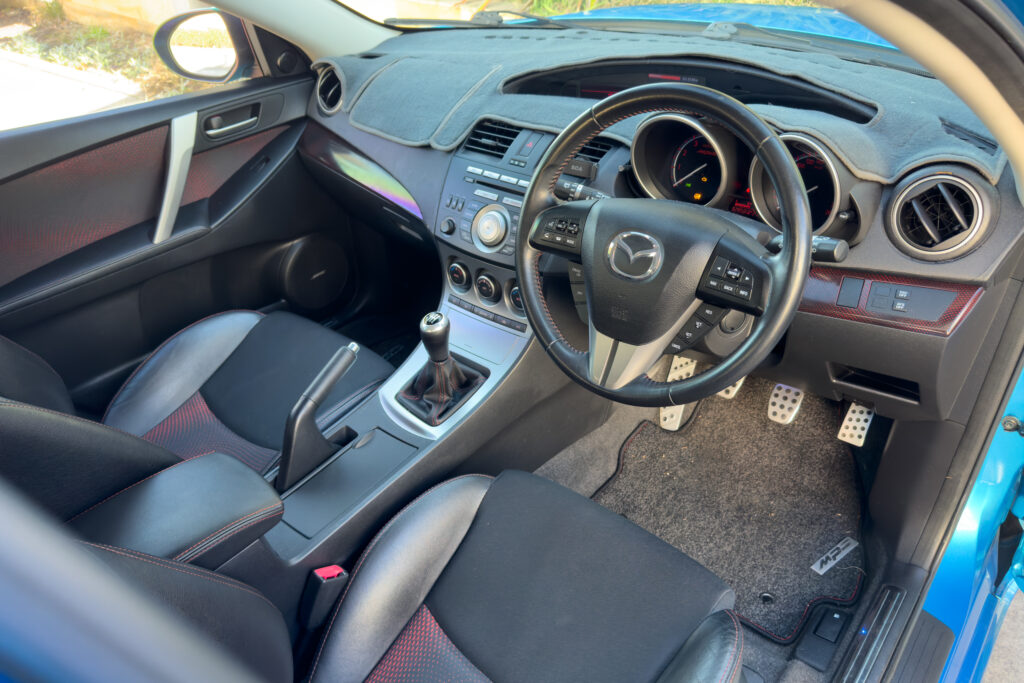

2009 Mazda 3 MPS Luxury

12 July 2024
There are better cars out there.

2009 Mazda 3 MPS Luxury

Used car review
12 July 2024
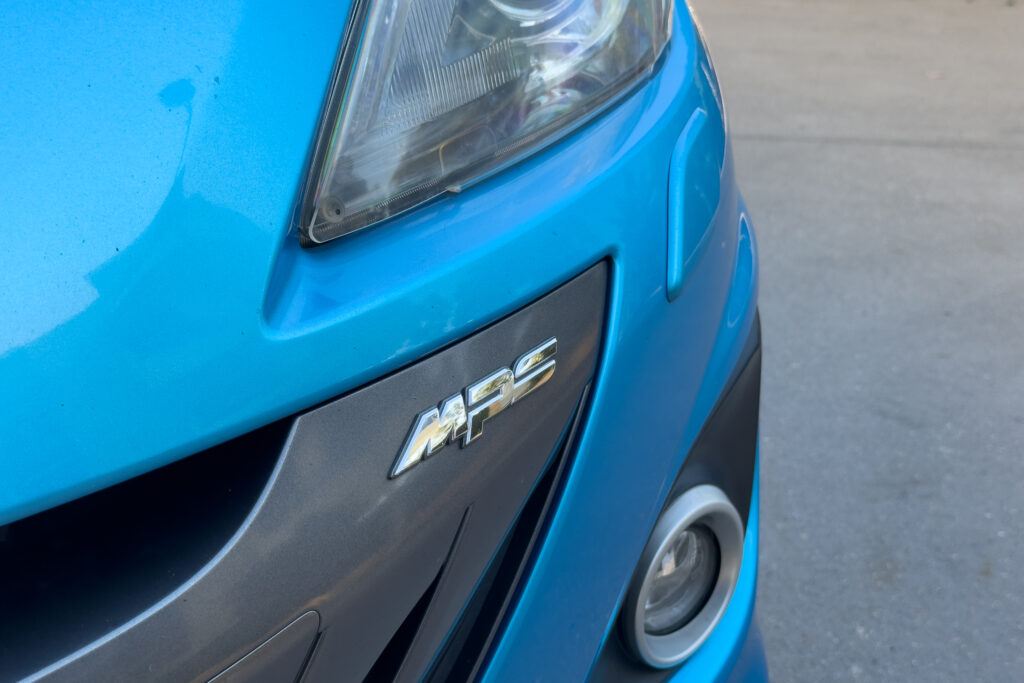
In the UK and Australia, this car is known as the Mazda 3 MPS, while in Japan, it’s referred to as the Mazdaspeed Axela. In most other regions, it’s called the Mazdaspeed 3. This performance-focused and flagship model of the second-generation Mazda3 (BL) was produced from 2010 to 2013.
Mazda took the 5-door hatch version of the BL series Mazda 3 and equipped it with a turbocharged 2.3-litre 4-cylinder engine, delivering a substantial amount of power to the front wheels.

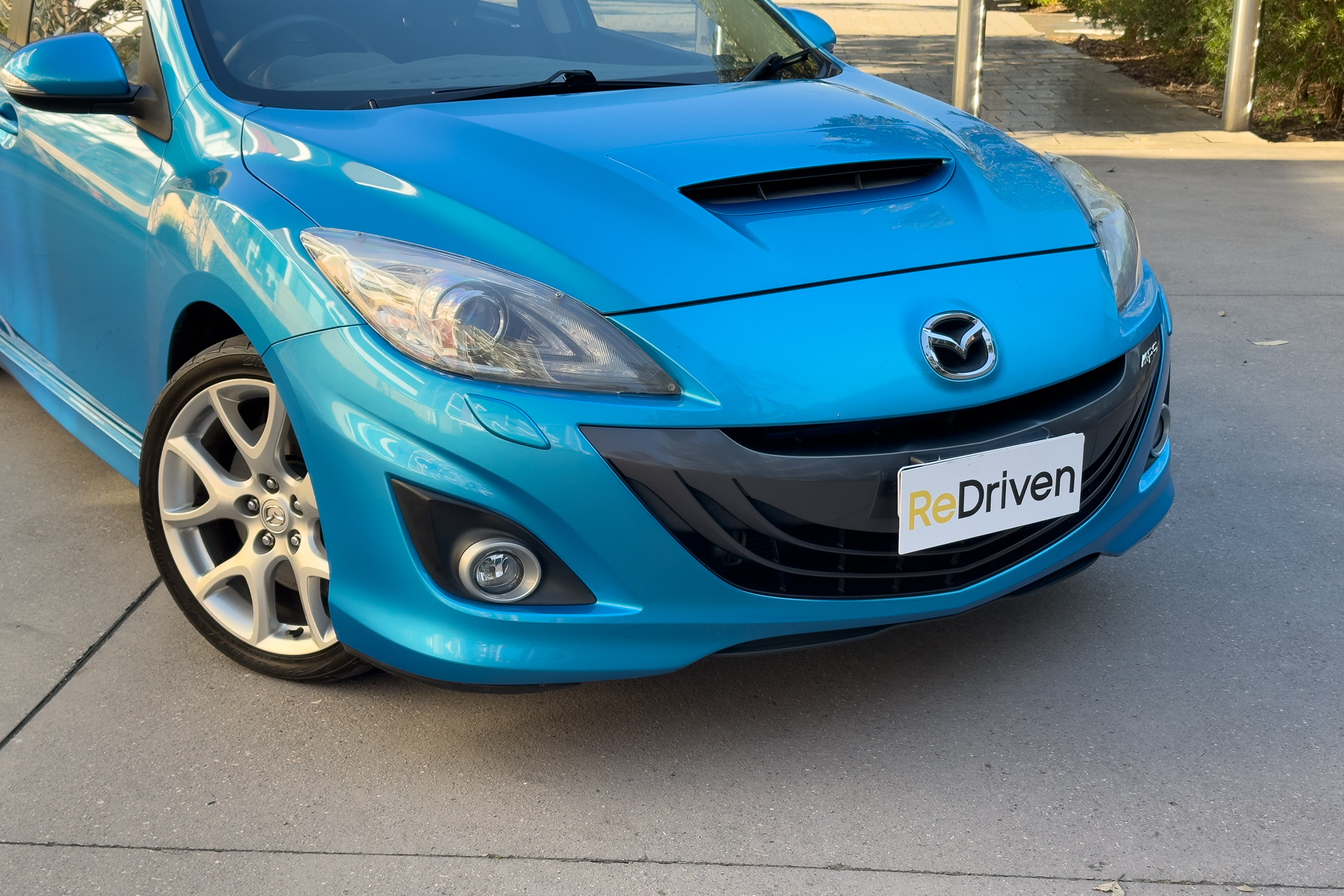
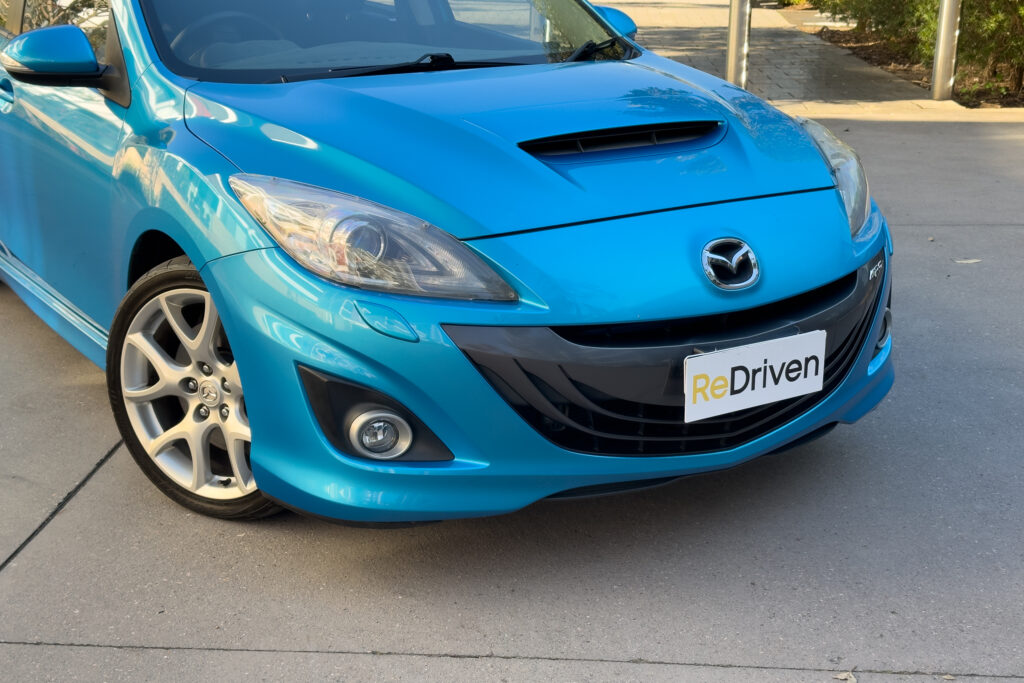
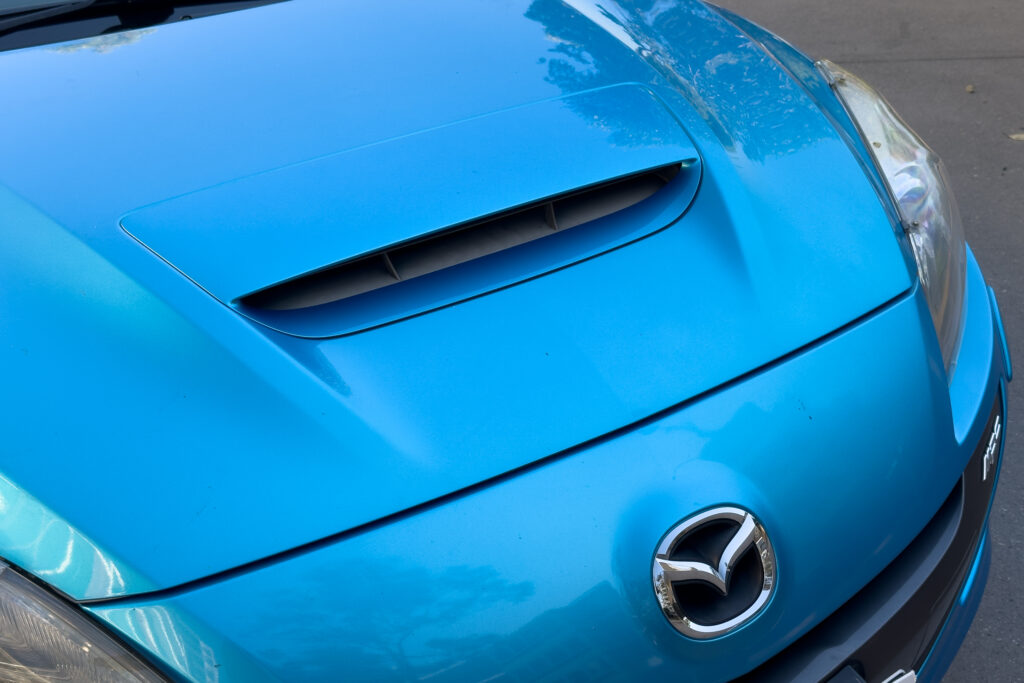
This decision alienated a significant portion of the market as the vehicle was only available with a 6-speed manual transmission. The exterior features performance-oriented bodywork, including a prominent and functional bonnet scoop.
To manage the front wheels’ power and prevent excessive wheel spin or torque steer, Mazda incorporated a torque-sensing conical limited-slip differential.
The ECU was also calibrated to limit boost based on gear and steering angle. However, due to widespread modifications, many ECUs may have been altered, potentially leading to issues that we will discuss in the section on potential mechanical problems.
When purchasing a Mazda3 MPS, buyers can choose between a standard model or the MPS Luxury spec, as well as between pre-update (2009-2011) and post-update (2011-2013) versions.
The post-update models feature a stiffer structure and improved refinement levels. The differences in features between the standard and Luxury spec will be detailed in the technical specifications below.
In Australia, the Mazda3 MPS competes with other enticing 5-door front-wheel-drive hot hatches, including the Volkswagen Golf GTI, Ford Focus ST or XR5 Turbo, and the striking Alfa Romeo Giulietta QV.
A major issue facing the Mazda3 MPS is the condition of used examples, as many have been driven hard with little mechanical sympathy and have suffered from poor modifications. Additionally, this engine has its share of inherent issues, which we will explore further below.
Exterior:
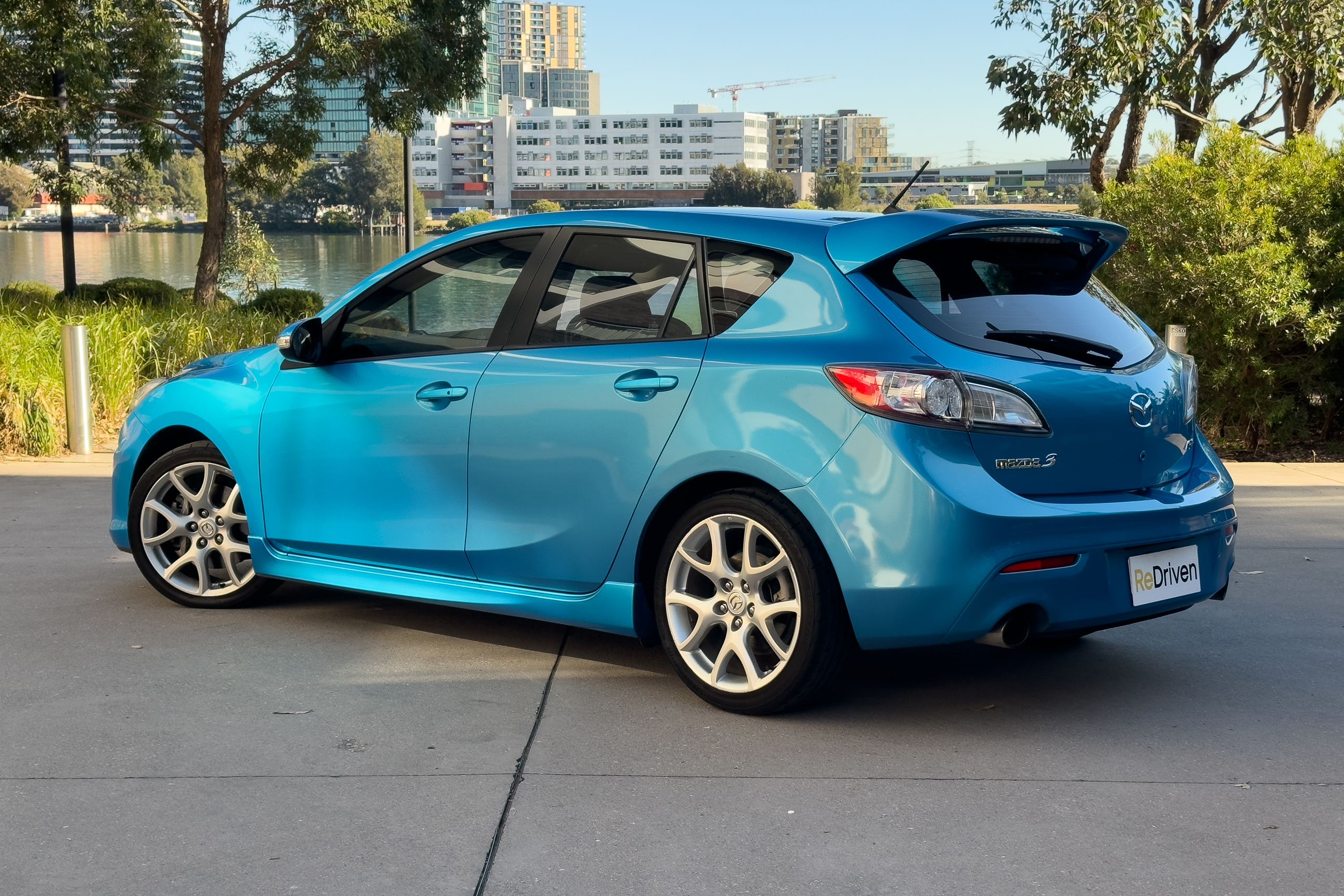
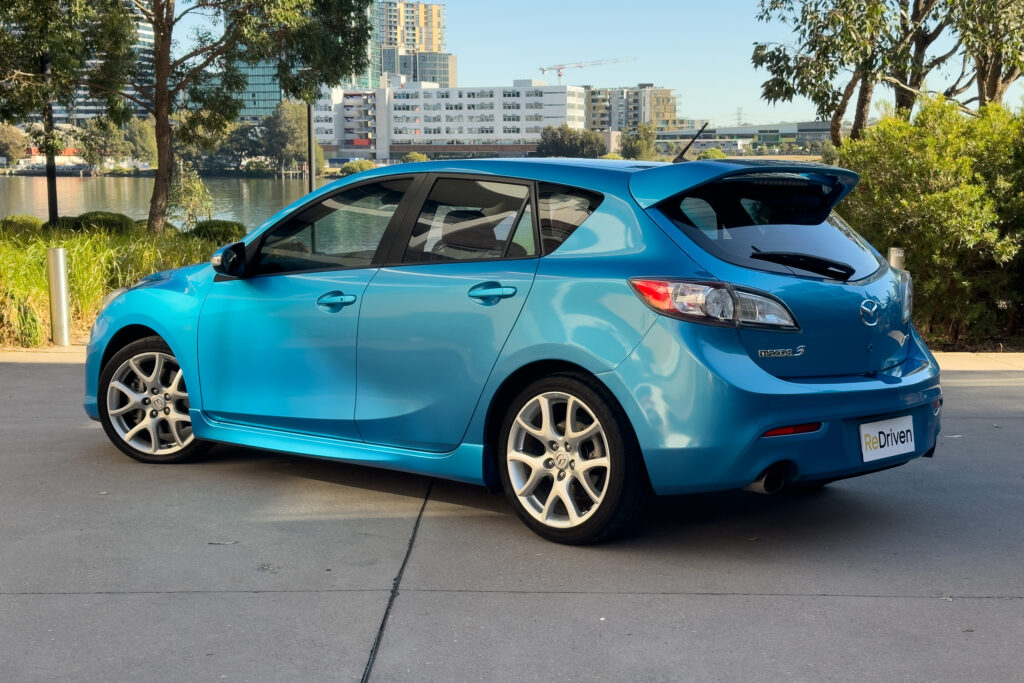
The Mazda3 MPS shares many common issues with the rest of the Mazda 3 range, but there are some specific concerns to be aware of. One particular issue is the rear wing, which can come loose over time, so ensure it is securely attached.
Door lock actuator problems are also known, though they are not difficult or expensive to fix.
In colder climates with salted roads, corrosion can be more prevalent. Be sure to check behind the front and rear bumpers, on the wheel arches, around the tailgate, and underneath the vehicle for signs of rust.
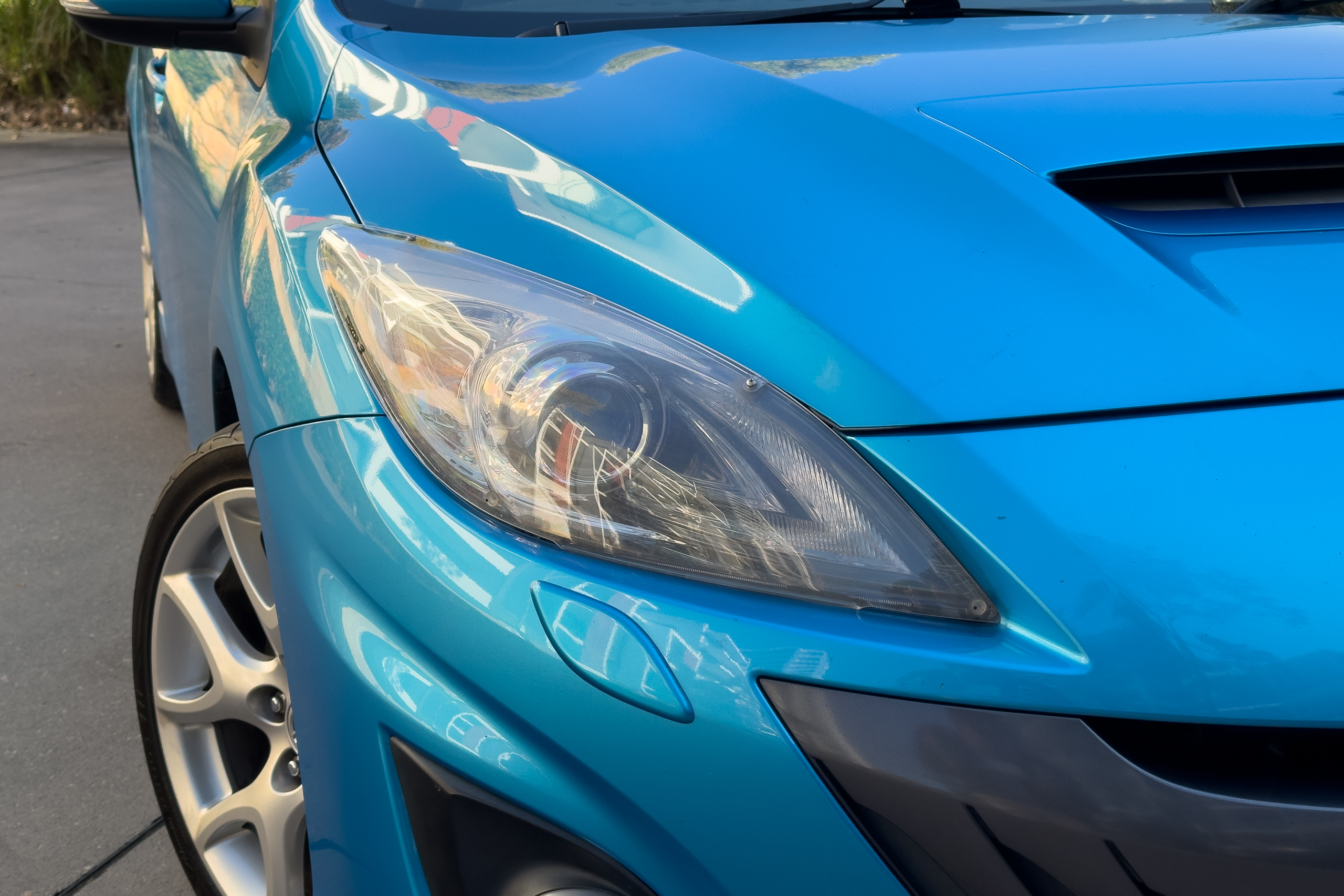
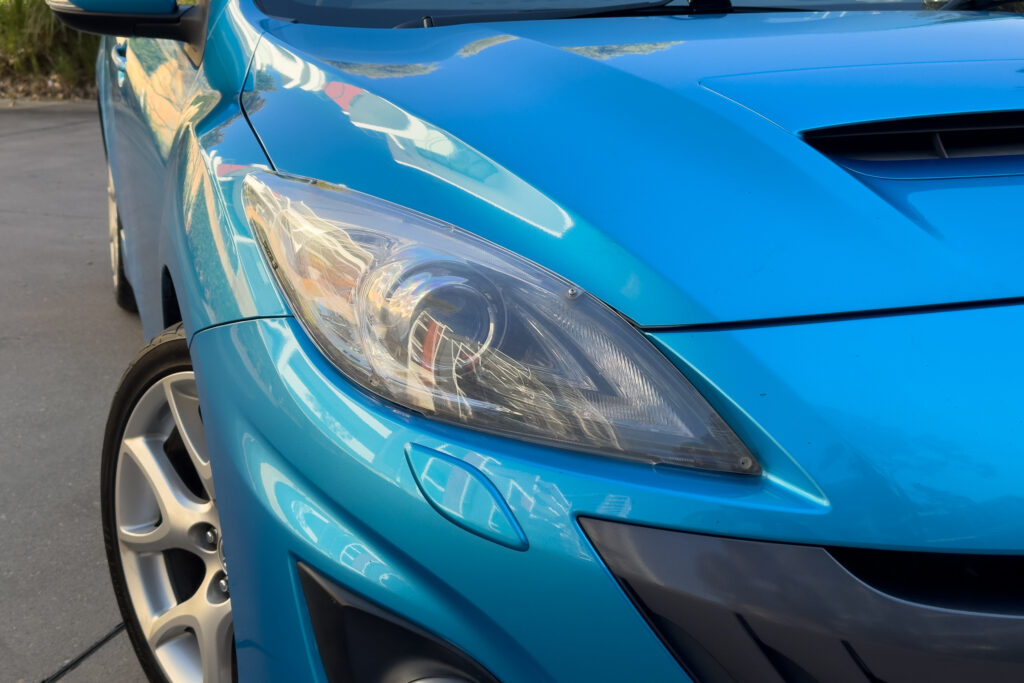
If the headlights are malfunctioning, it is likely an issue with the headlight ballast, which is relatively easy and inexpensive to repair.
The biggest exterior concern often stems from the behaviour of previous owners. Thoroughly inspect the car for any signs of accident damage, poor repair work, or evidence of modifications that have been reverted to stock for sale.
A pre-purchase inspection and vehicle history check are critical to avoid potential problems.
Interior:
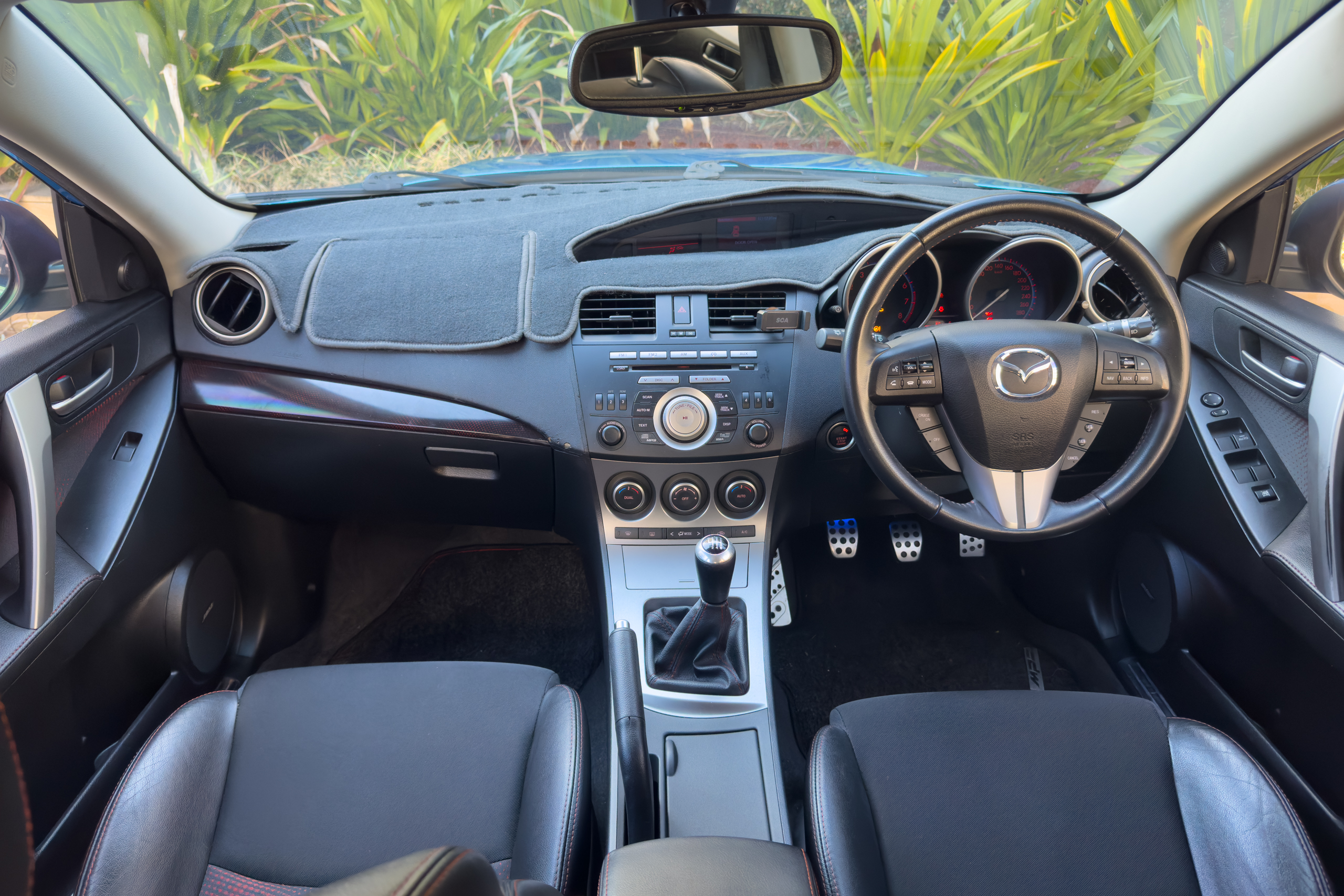
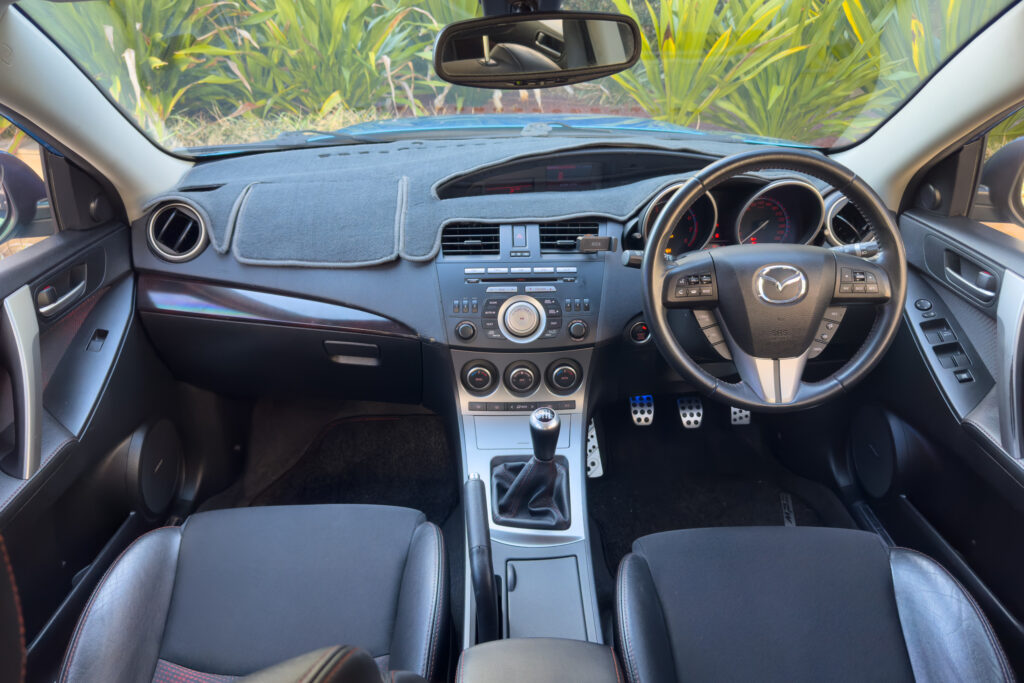
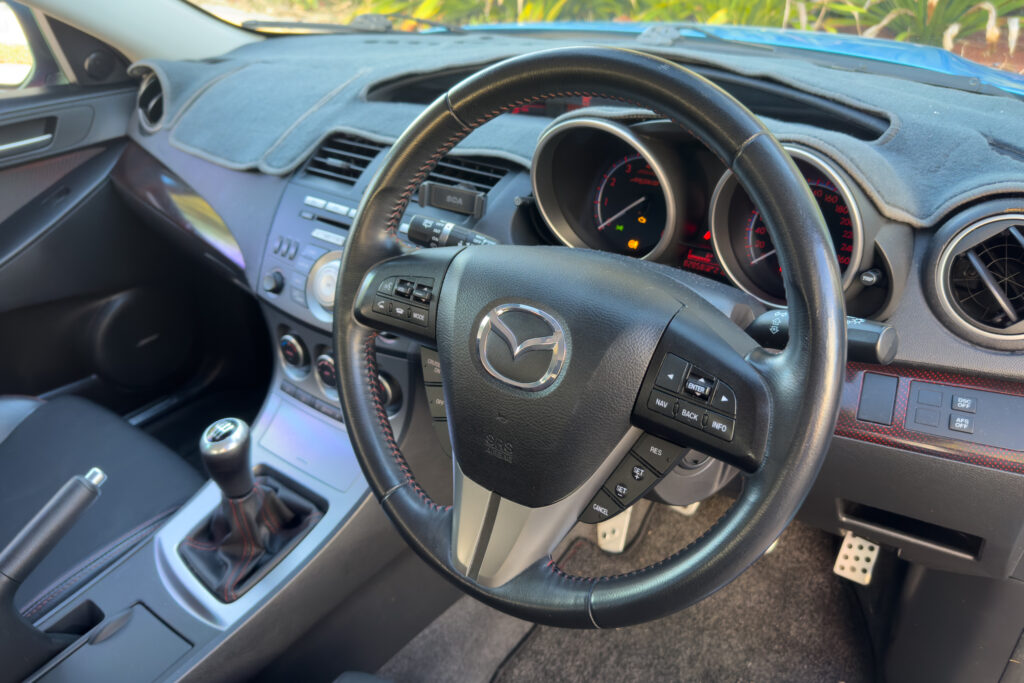
In the interior, the dashboard can become sticky, particularly in hot climates like Australia. This occurs as the oils in the plastic are drawn out, making it unpleasant. Mazda offered a 10-year goodwill replacement for this issue, but it is unlikely to still be in effect.
Owners have also reported a few electrical glitches, ranging from simple fixes for power windows to more significant issues with the stereo amplifier. If the windows stop moving, holding the problematic window button down until it starts moving can reset the body control module and often resolves the issue.
The stereo amplifier can be repaired or replaced with a second-hand unit, but many owners opt to upgrade the entire stereo system instead, which can be more cost-effective.
Other common complaints involve modifications made by previous owners. Look for holes in the driver’s side A-pillar where gauges may have been fitted, or if the A-pillar trim appears newer than the rest of the car, which can indicate previous modifications.
Additionally, check for scratches near the OBD2 port, as frequent use of this area can suggest that different tunes have been pumped through the car, which is not ideal. Overall, careful inspection and attention to these details can help ensure a well-maintained Mazda3 MPS.
Mechanically:
The Mazda3 MPS has issues with its engine mounts, particularly the lower engine mount that handles all the torsional load of the engine. This mount frequently wears out and fails. Additionally, the right-hand engine mount, which is a hydraulic mount that supports most of the engine’s weight, also tends to fail often.
This is a common problem across the Mazda 3 range. When these mounts fail, they cause the car to vibrate and feel uncomfortable, though the engine will not fall out of the car. The mounts themselves, however, need regular attention and replacement.
Engine-wise, the Mazda3 MPS faces significant issues with its Positive Crankcase Ventilation (PCV) system, which is the engine’s breathing system, and the Exhaust Gas Recirculation (EGR) system.
These systems can cause problems with the air-fuel ratio, making the engine run lean. A lean fuel mixture can lead to engine failures, which is a serious concern for these vehicles.
Another critical problem is the high-pressure fuel pump. This component is not up to standard even in stock form and is especially problematic if the car is modified. If the fuel pump fails or underperforms, it can cause the car to run lean, which is particularly dangerous for turbocharged engines, leading to potential catastrophic failure.
The variable valve timing solenoid is another common issue. Sometimes, this solenoid breaks, and if the broken pieces fall into the oil sump, it might not cause significant problems.
However, more often, the fragments end up in the timing chain, leading to severe damage. This can result in the entire timing chain system failing, which usually means game over for the engine.
The timing chains themselves are a major weakness. They tend to stretch, and the guides can break, causing the variable valve timing gear to fail. These issues contribute to significant engine failure. If the timing chain is about to fail, you might hear a rattling noise, but sometimes the failure happens suddenly and without warning.
The turbochargers in these cars are also prone to problems, particularly with the turbo seals. When these seals fail, the turbo starts leaking oil. Fortunately, there are many upgrade options available within the owner’s community.
However, it’s important to ensure that any turbo upgrade is accompanied by a proper fuel system upgrade to maintain balance and prevent further issues.
The transmission selector seal, located where the shaft enters the top of the transmission, is another component that can leak oil. Fortunately, this is a relatively easy fix that can be done without removing the gearbox from the car.
The ABS modules in the Mazda3 MPS are known to fail, and replacing them with a new one from Mazda can be very expensive.
Many owners opt for second-hand modules, but it’s crucial to match the part numbers exactly, which can be challenging due to the rarity of the vehicle. Finding the correct ABS control module is often difficult.
Arguably, one of the biggest problems stems from previous owners. Many Mazda3 MPS cars have been modified, often poorly. Adding more power to these cars can exacerbate traction issues and torque steer, making the car harder to handle. It’s crucial to thoroughly inspect for signs of modifications and revert to stock settings if necessary.
When it comes to considering a Mazda 3 MPS, we face a dilemma. As much as we want to recommend these cars due to their potential to be wonderful vehicles, the reality is that many used examples on the market have been compromised.
The issues often stem from poor modifications by previous owners, a lack of understanding about the importance of driving with mechanical sympathy, or neglecting routine maintenance. These factors make it challenging to justify the risk of purchasing a used Mazda 3 MPS.
However, if you can find a pristine example that meets all pre-purchase inspection criteria—such as minimal previous owners, low mileage, excellent condition, and a comprehensive service history with all preventative maintenance addressed—then it is definitely worth considering.
Finding a “unicorn” car, like Mitch’s here, would make it a top choice among hot hatches in this class. In fact, we would personally choose it over nearly every other hot hatch available.


Co-creator, presenter & writer, ReDriven

There are better cars out there.


 1 month ago
 1 month ago
 2 months ago