Australia’s No. 1 Used Car Review Website
Australia’s No. 1 Used Car Review Website
+12 Photos
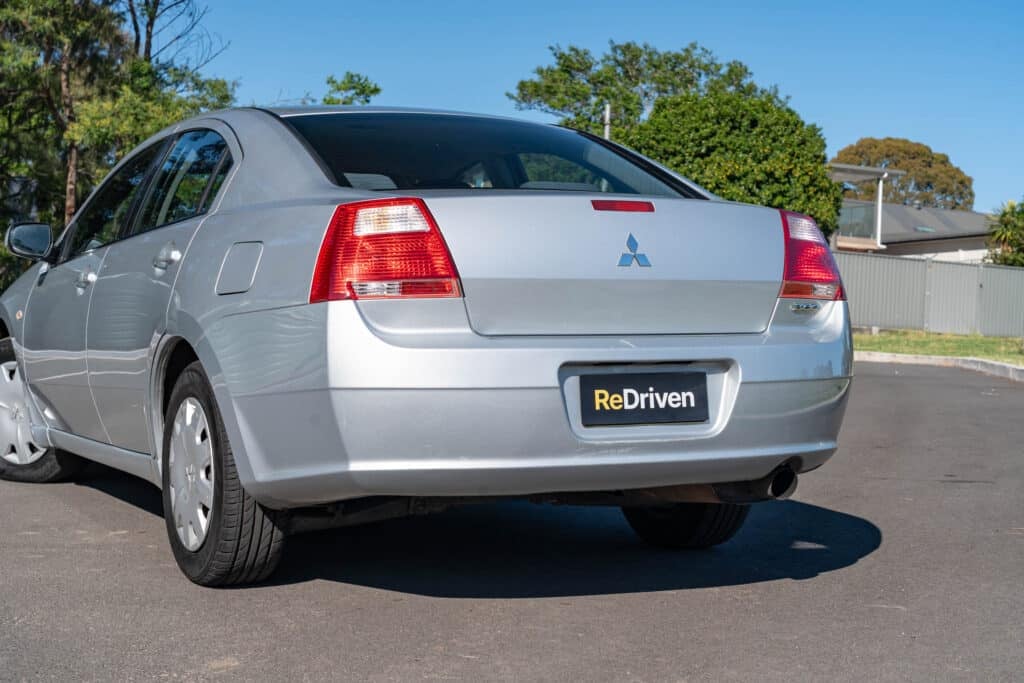
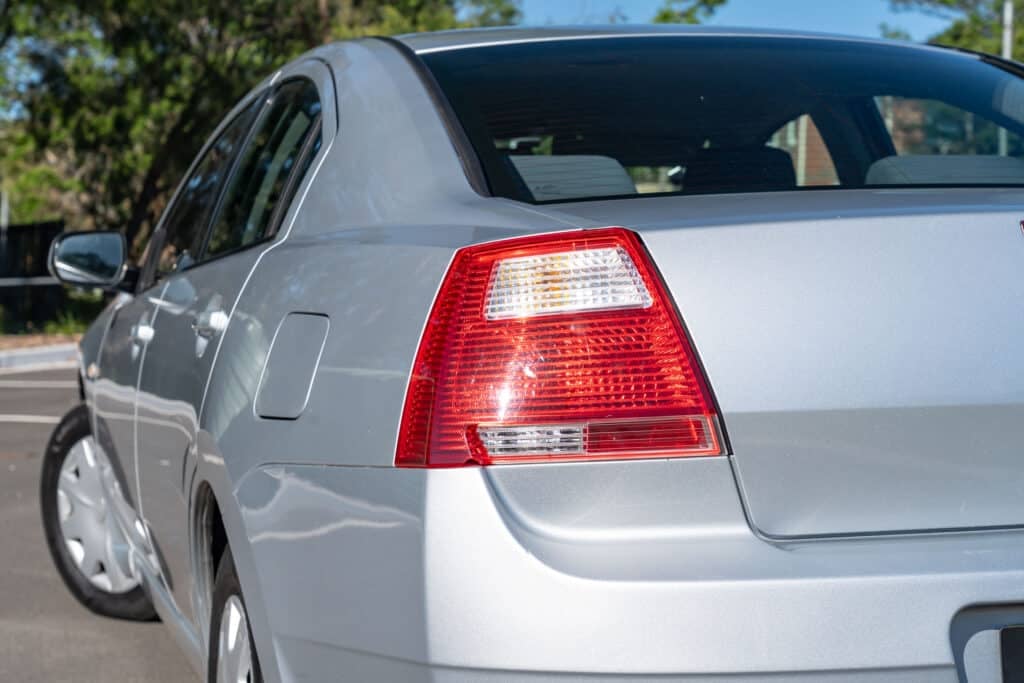
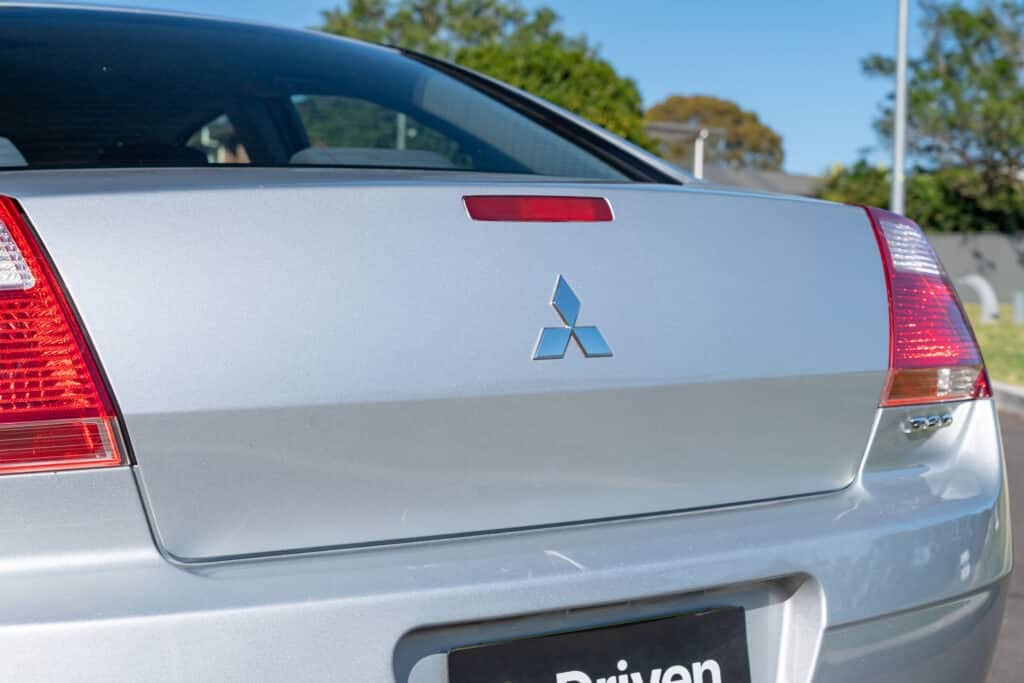
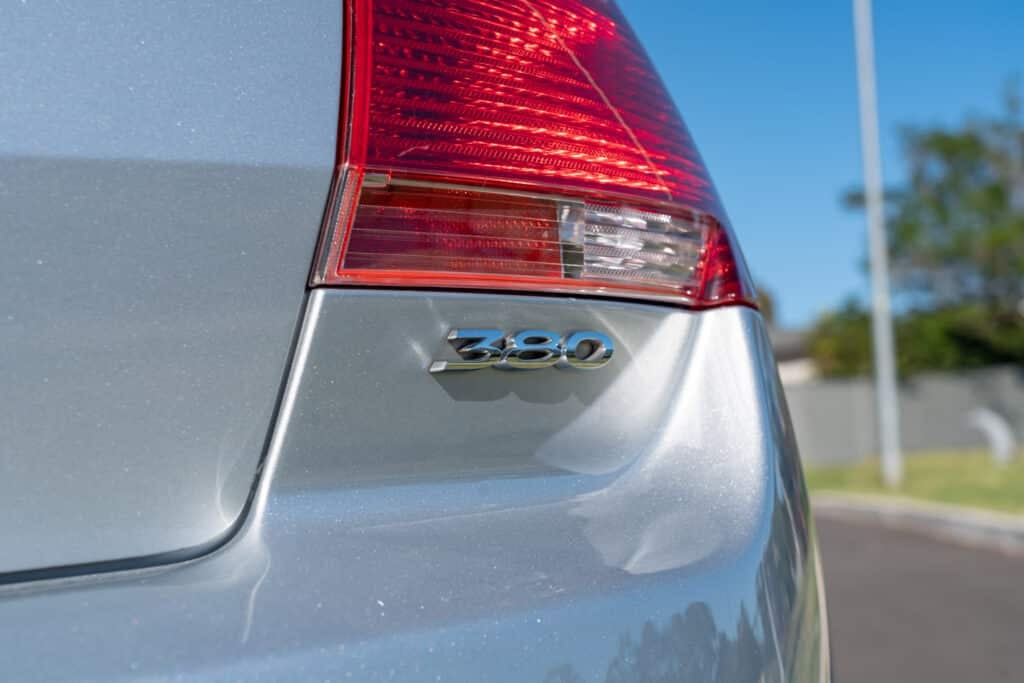

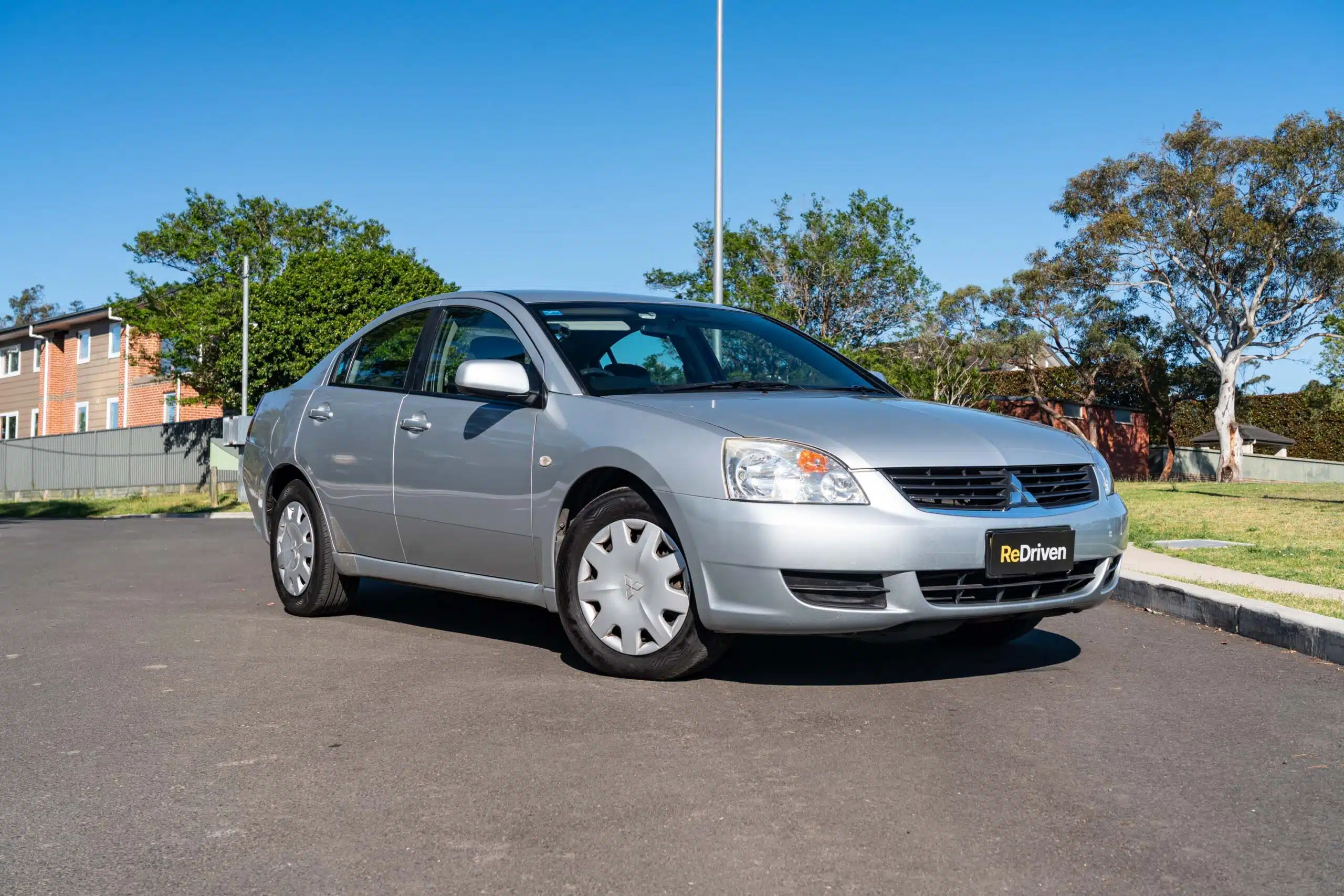
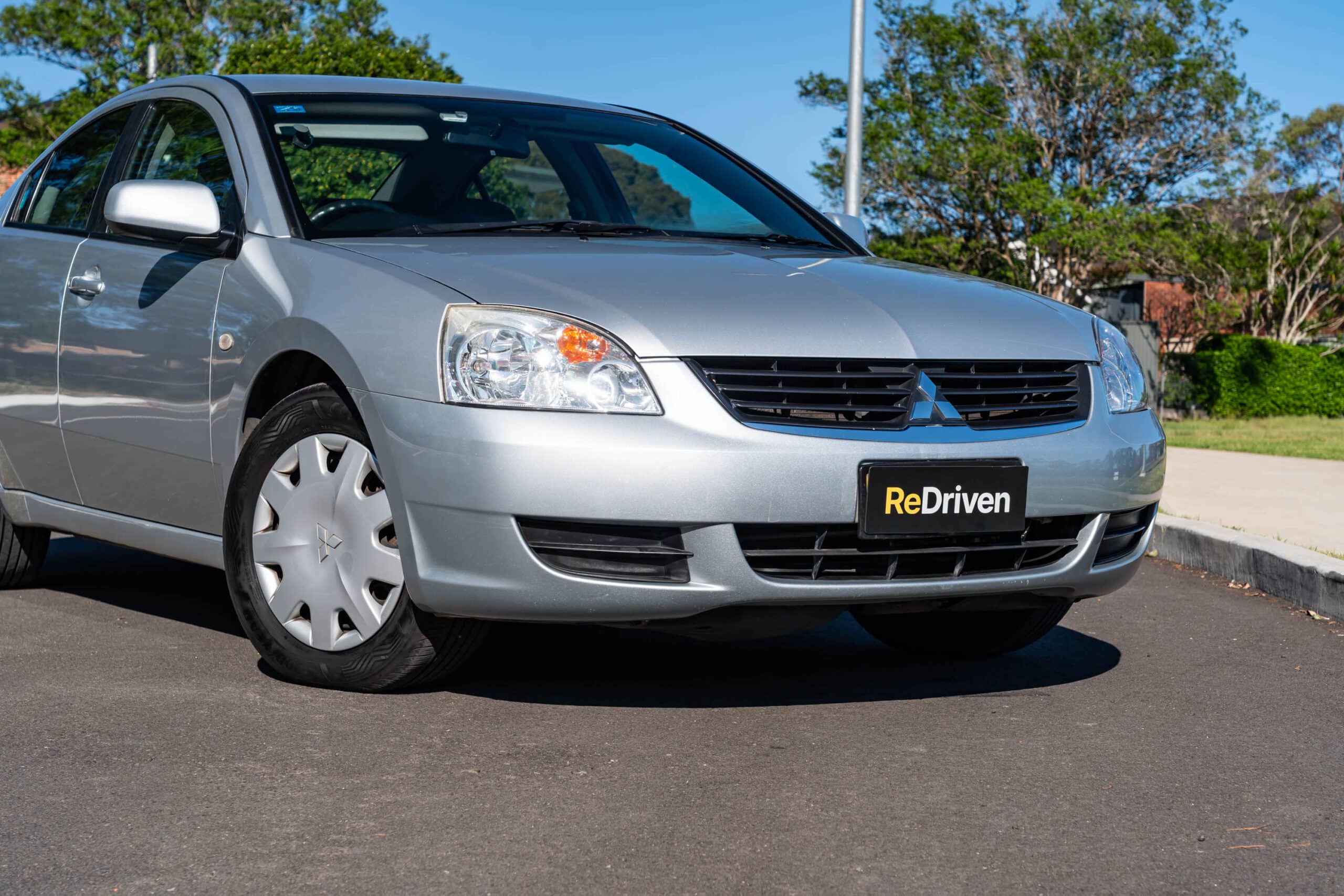
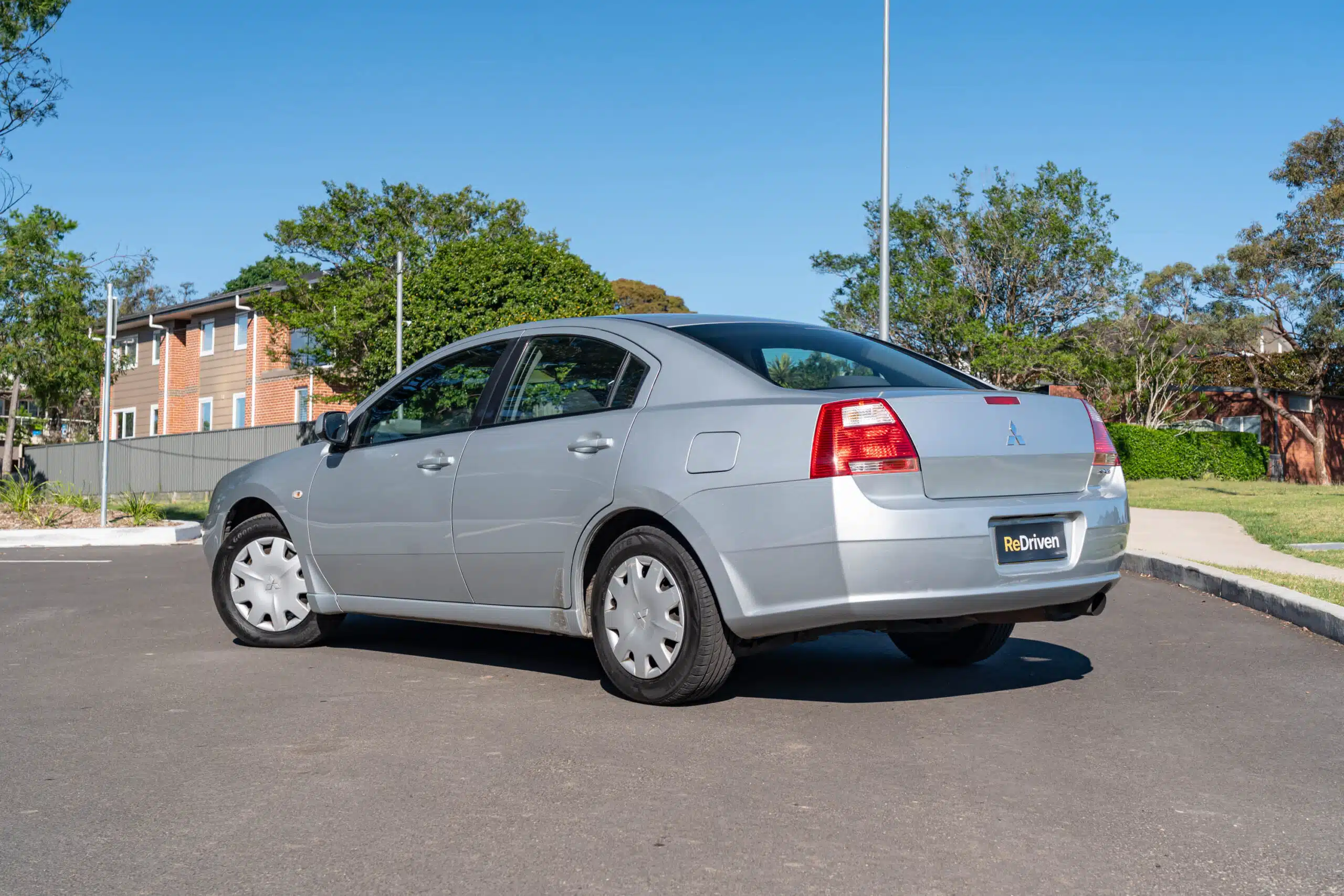
2006 Mitsubishi 380 ES

08 December 2025
There are better cars out there.

2006 Mitsubishi 380 ES

Used car review
08 December 2025
The Mitsubishi 380 may have been manufactured by a Japanese brand, but did you know it was engineered specifically for Australia?
After all, Mitsubishi Motors’ Australian division invested up to $600 million to develop the 380 from the ground up, a clear indicator of which market this midsize sedan was made for, and how much Mitsubishi’s Australian division was banking on the success of this car.

Produced from 2005 to 2008, the Mitsubishi 380 served as the successor to the Mitsubishi Magna, sharing a platform with the ninth-generation Mitsubishi Galant sold in the United States at the time, but adapted up to 70% of the Galant’s body and underpinnings to be more suited to Australian road conditions, environment, and consumer preferences.
The 380 underwent three iterations during its production run: Series 1 (2005-2006), Series 2 (2006-2007), and Series 3 (2007-2008). Within the same year, it also saw the closure of Mitsubishi Motors’ Australian division.
All versions of the 380 featured a 3.8-litre naturally aspirated V6, sending power to the front wheels through a five-speed manual or automatic transmission, except for the very limited-production TMR 380, which added a supercharger to the V6, resulting in a significant power bump from 235 to 310 hp. The TMR was also only available with a five-speed automatic.
Key rivals of the Mitsubishi 380 were other Australian-market sedans like the Ford Falcon and Holden Commodore, as well as another Japanese-branded, but locally Australian-engineered and produced sedan, the Toyota Aurion.
If you’re exploring affordable, midsize sedans on the used market, should you consider a Mitsubishi 380 to get the best value for money and some national pride, or should you put those feelings aside and avoid them instead?
Exterior Issues:
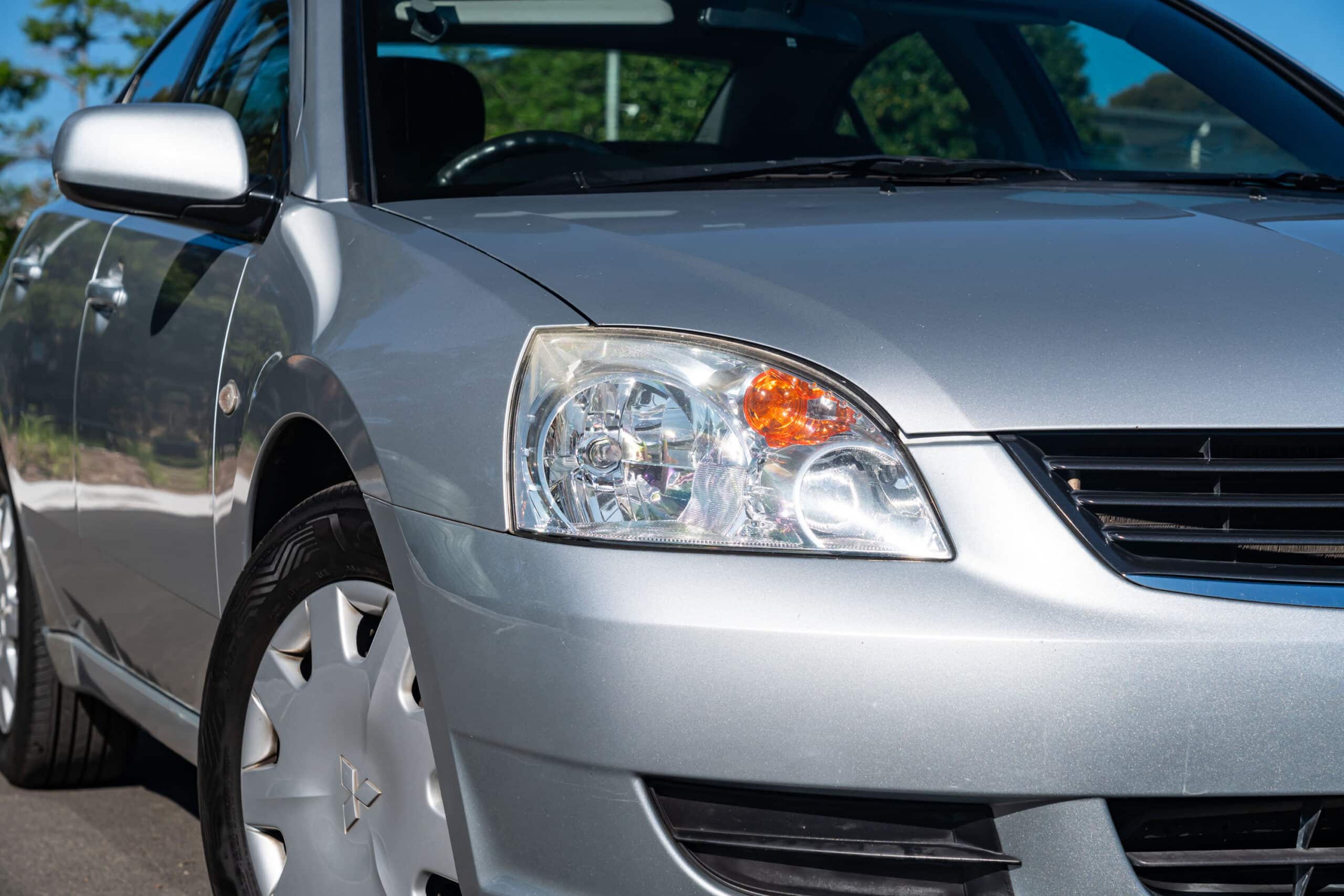
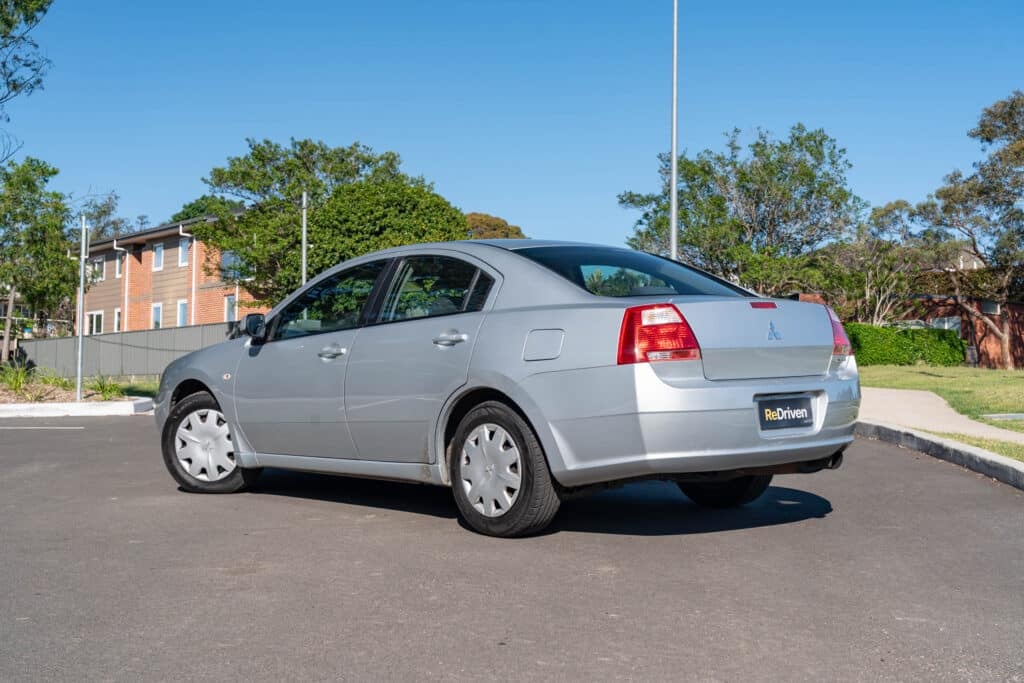
Fading paint and clear coat on the body is a common issue affecting many Australian-made cars from this era, and it applies to the Mitsubishi 380.
Even the most fastidiously-maintained examples can experience these body imperfections, mainly because manufacturers must use more environmentally-friendly processes to make the paint itself. Owners report that those finished in white tend to be more resilient and can still hold up well with some minor TLC.
As well as the condition of the paint, check how the exterior plastic or rubber is holding up. Inspect the body and undercarriage thoroughly for any signs of accident damage or sketchy repair work.
The combination of less-than-careful owners (especially among the lowest-priced examples) and usage as government/fleet vehicles means these cars could have been subjected to quite a lot of abuse. Steer especially clear of any that spent past lives as a rental car.
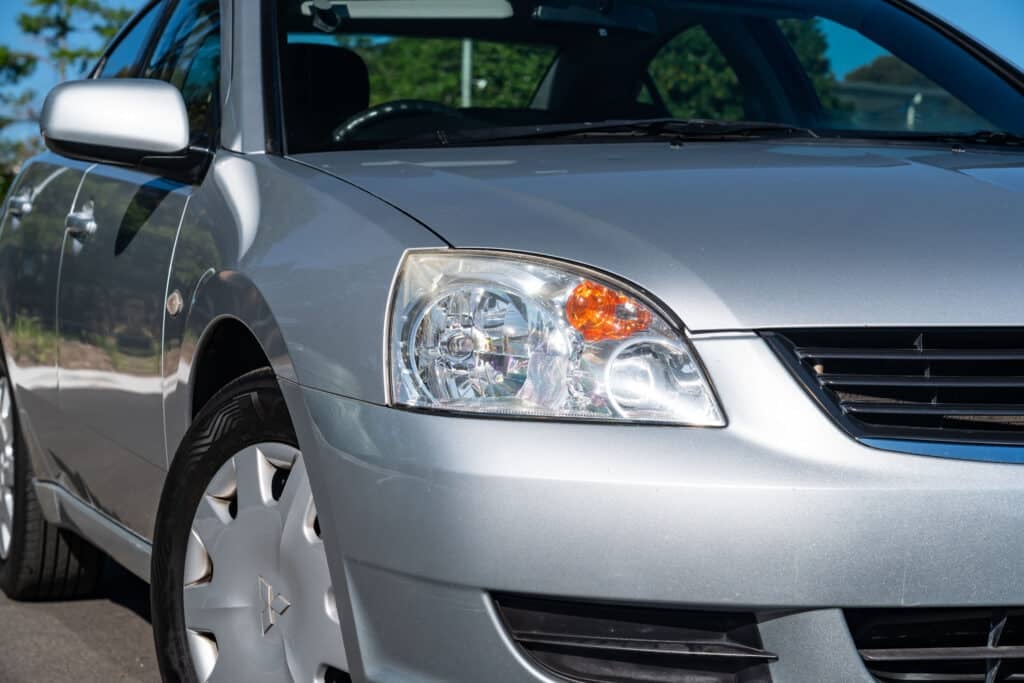
Changing the headlight bulbs is a challenging job because they’re hard to access by hand.
On the other hand, replacing parts like window motors/actuators is less complicated, and parts are more readily available for simple parts like these.
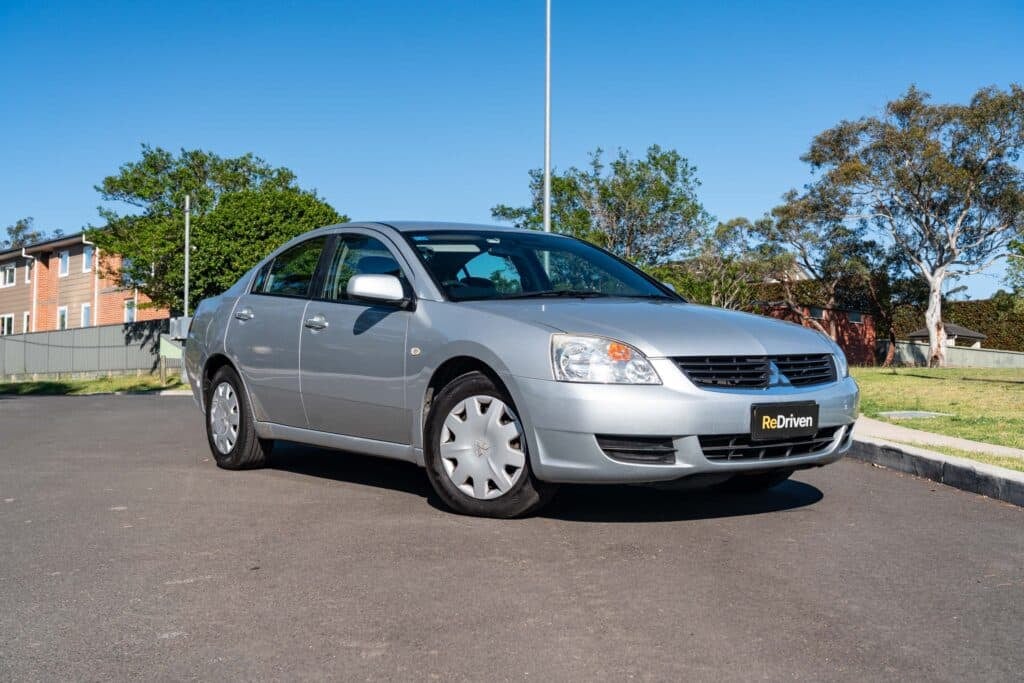
In general, the exteriors of Mitsubishi 380s should be excellent. Part of this is that, of all the Australian-made sedans, the Mitsubishi was the only one to use a single piece of stamped sheet metal on both sides of the body, making the body very rigid and contributing to its long-term durability.
Interior Issues:
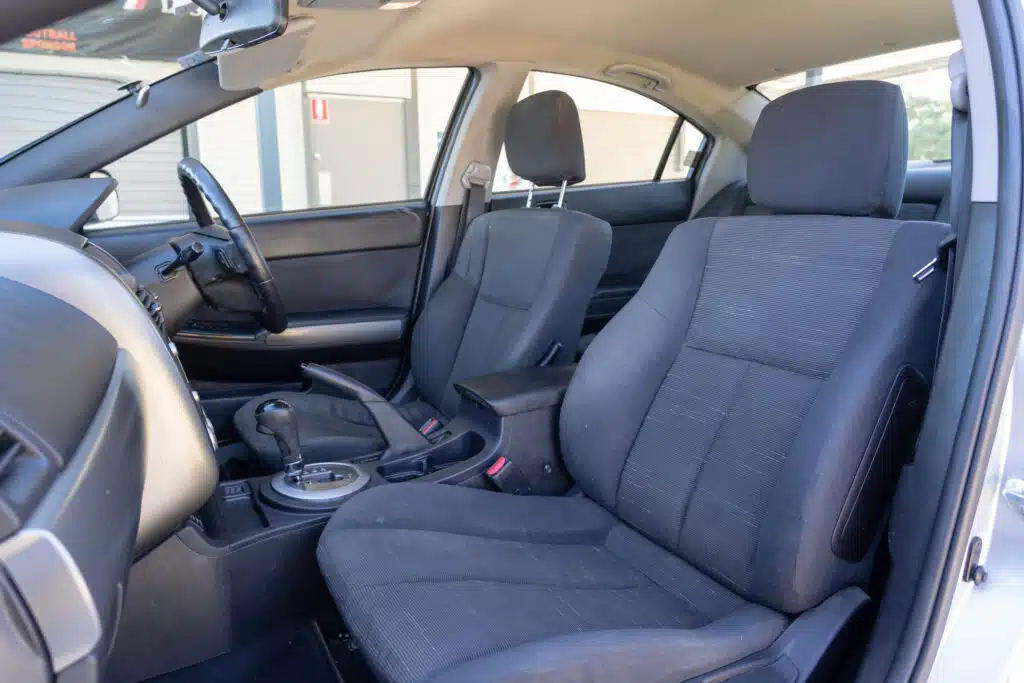
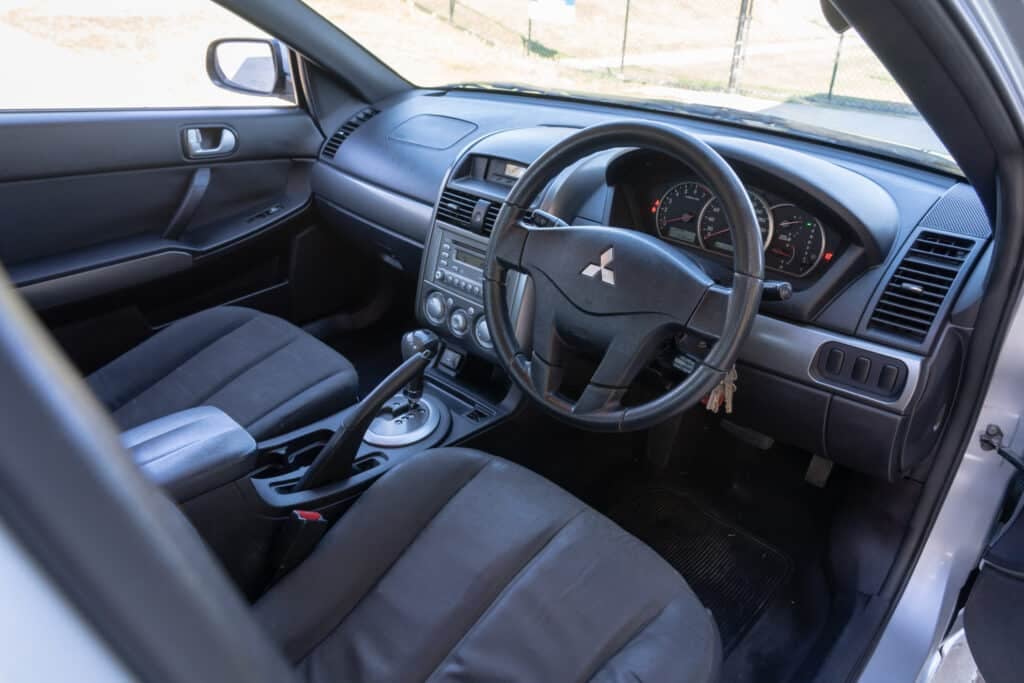
Owners report that the interiors of Mitsubishi 380s, even on the oldest examples, are proving fairly solid and holding together, and, compared to other secondhand sedans in this segment, the Mitsubishi is one of the more resilient.
Even to this day, you can find that the seats remain supportive, along with the fit and finish of various trim pieces and sections. We also heard that the switchgear is proving quite solid.
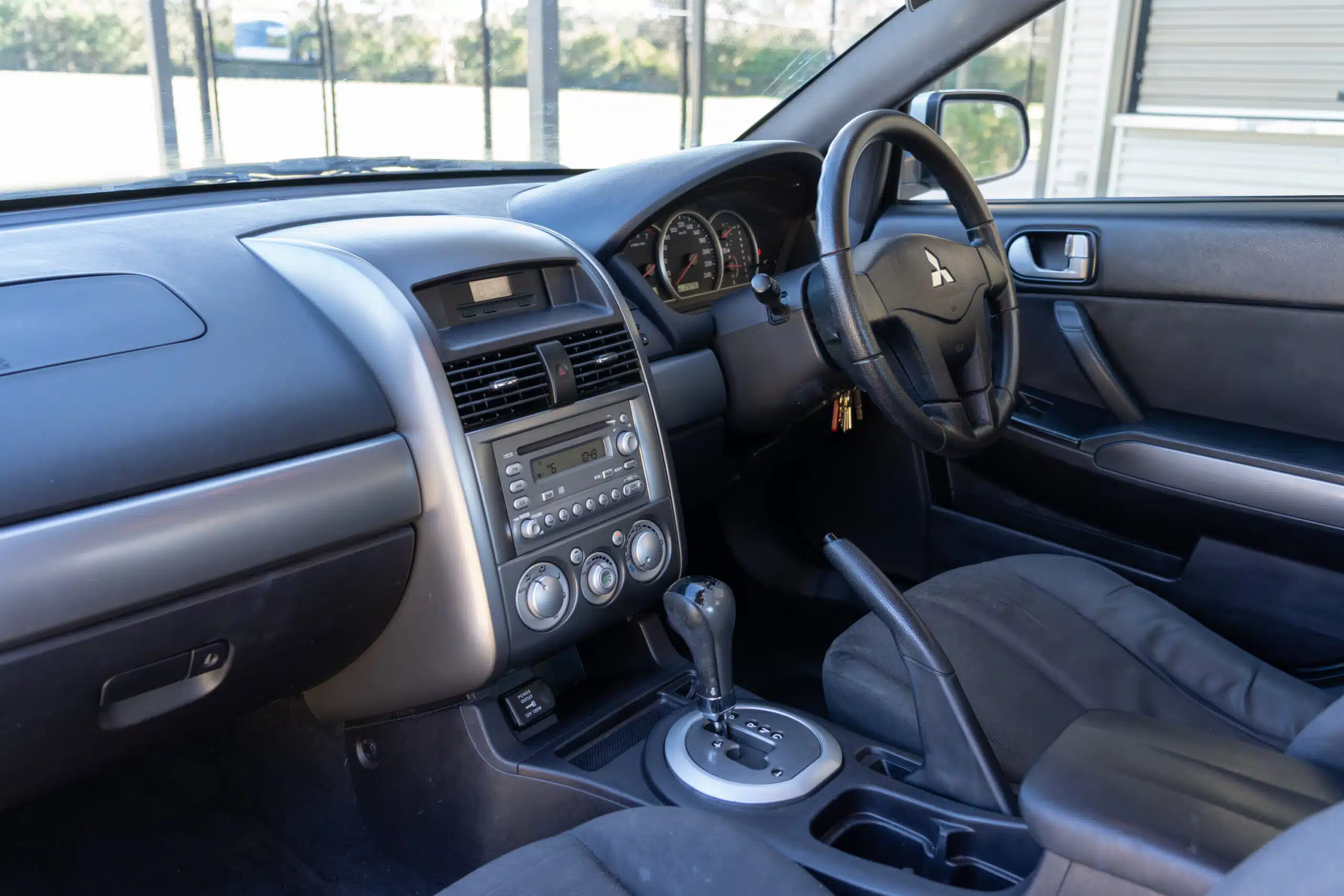
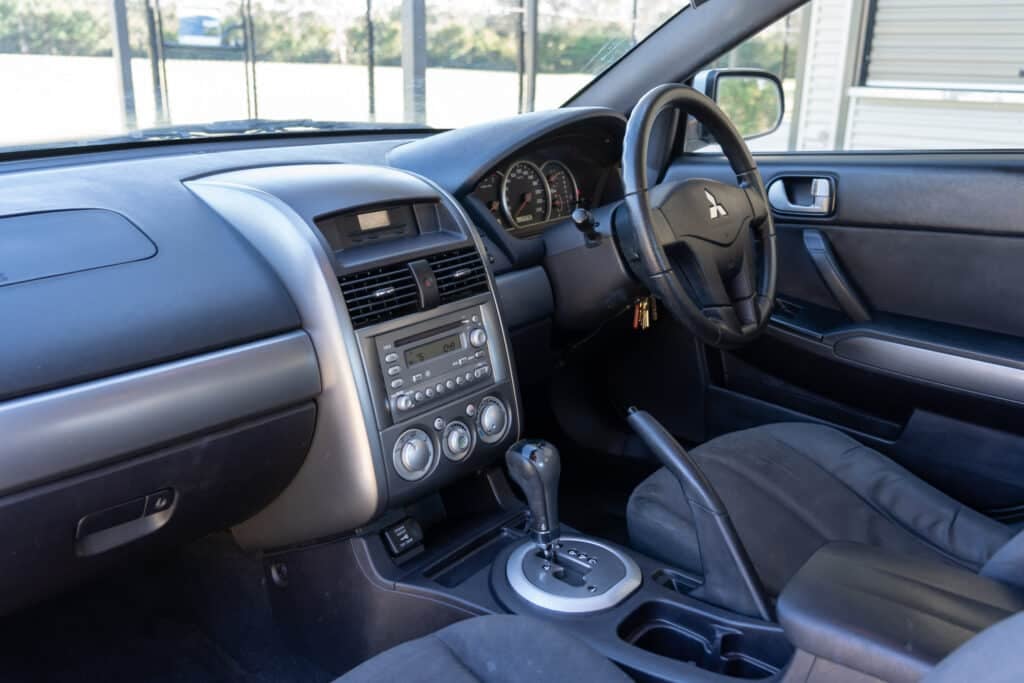
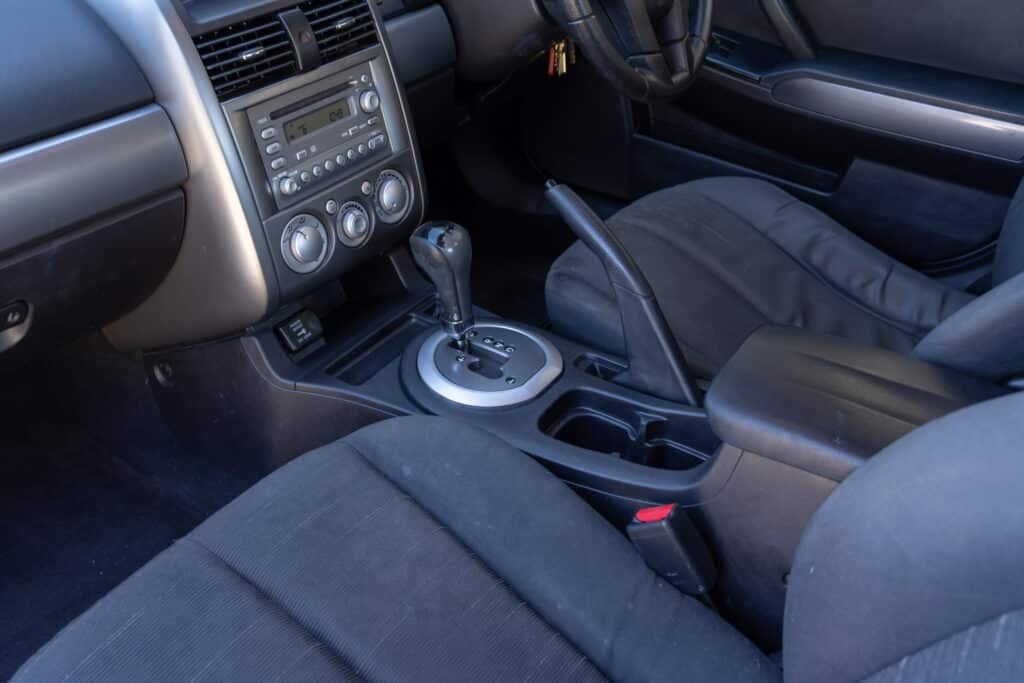
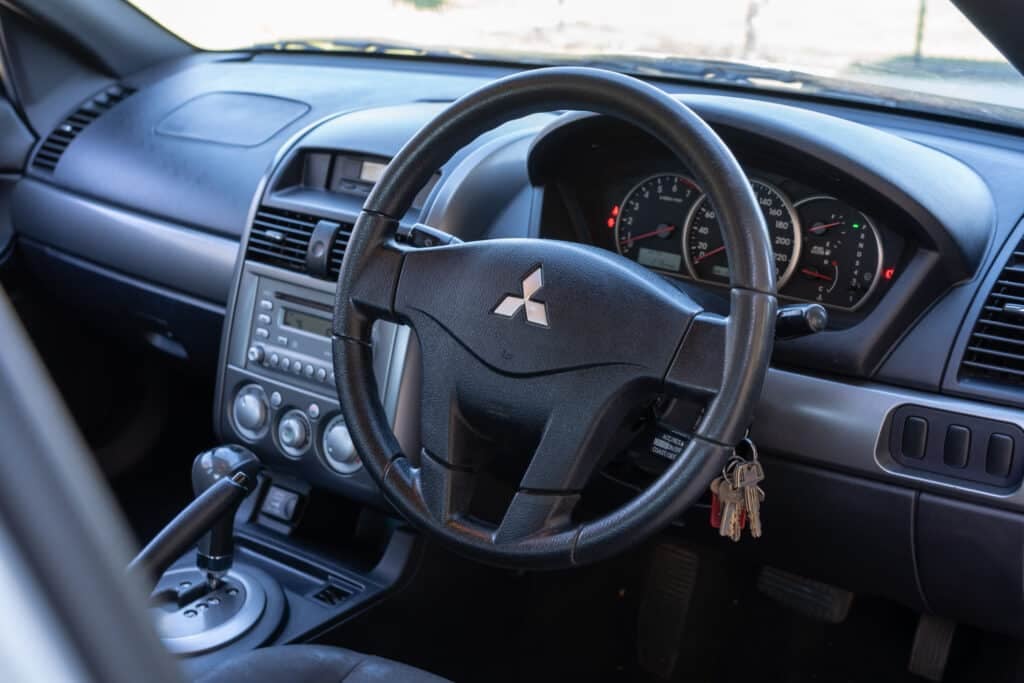
Also working in the 380’s favour is how much equipment even the base trims feature as standard, such as remote locking, cruise control, climate control, and a power-adjustable seat, to name a few. It also helps that Mitsubishi didn’t add an overly complex interior, keeping everything analog and straightforward.
But there are some areas to look out for: given the age of the car, combined with Australia’s warm climate, some interior parts exposed to a lot of sunlight or UV can have issues.
Areas like the dashboard can experience warping over time, and we’re told certain trim pieces like the latch on the console lid are especially fragile – and attempting to remedy these issues can be more difficult than you might think.
Headliners sagging from the roof are a well-documented issue, once again due to Mitsubishi having to adhere to environmentally friendly production processes. In addition, the side door cards’ trim can start to come off as their original adhesive wears down.
The top sections of the rear seats are also known to be fragile, and they can crack or disintegrate.
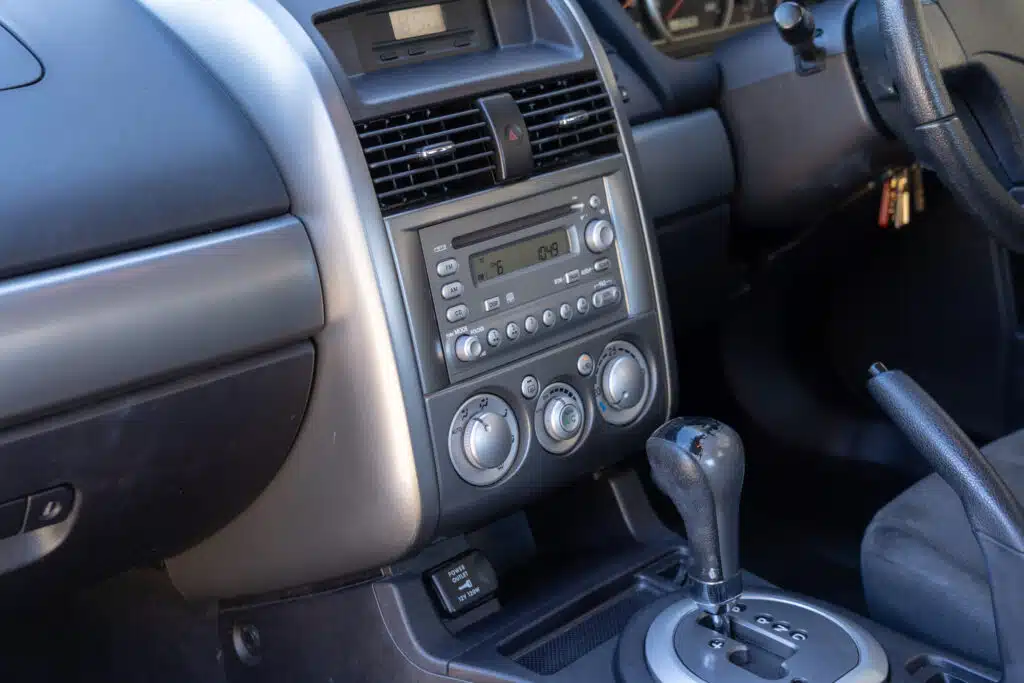
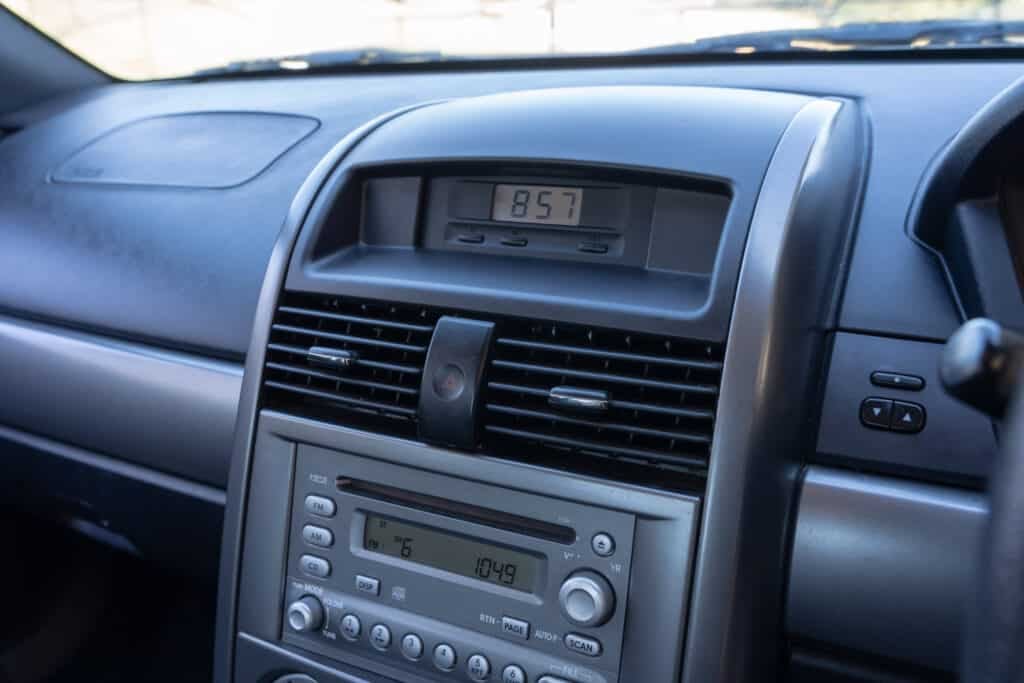
Expected of a cabin originally designed more than twenty years ago, the infotainment system reflects what the standards were at the time – factory units will have AM/FM radio, a CD Player, and auxiliary audio input, but don’t expect any current-gen tech features like Bluetooth connectivity/hands-free or Apple CarPlay/Android Auto.
Thankfully, browsing various owners’ groups will help you find solutions for retrofitting modern-day tech and features. You can also explore aftermarket options to install a better head unit or in-car speakers.
Mechanical issues:
The Mitsubishi 380 was renowned for its reliability, with no significant weaknesses or extensive list of complaints. Still, these are now quite old and can experience plenty of issues due to age, especially if maintenance has been put off.
While Mitsubishi sold a fair number of these initially, it can be harder to find some 380-specific parts, especially as these cars get older. Only around 30,000 Mitsubishi 380s were sold during its entire production run, compared to its predecessor, the Mitsubishi Magna, which sold twice as many units.
Finding aftermarket parts, especially for the suspension or drivetrain, can also be more difficult, as the Mitsubishi can’t match the long-term aftermarket support of models like the Holden Commodore or Ford Falcon.
Over time, some owners have found creative ways to retrofit parts from other Mitsubishi products or from the preceding Magna, but finding parts that the 380 will accept can be time-consuming or a laborious trial-and-error process.
Engine:
The entire cooling system can experience problems: coolant outlets and hoses can harden, and the steel outlets are also prone to corrosion. The steel coolant pipe in particular, that runs on the back of the water pump, tends to rust out and leak.
The timing belt is recommended to be changed every 100,000 km or 5 years. We would also recommend changing the spark plugs at the same time. Note that the inlet manifold has to be removed to access and replace the spark plugs on the 380’s V6. In addition, the valve cover gaskets are prone to leaking so it’s also worth changing the gaskets as well.
The valve stem seals can also fail, causing smoke to blow after idling for a while (if the guides are worn, new seals won’t help).
The hydraulic lifters can also get noisy, with excessive vibration at idle, which is a sign they’re going out.
High oil consumption is also something to look out for and is among the common issues owners report with 380s.
It’s worth noting that the engine compartment is full of plastic parts and materials, so be wary that everything from electrical connectors to coolant fittings is brittle and can easily break if not handled carefully.
Transmission:
Minor fun fact – apparently, the base-spec 380 ES manual was the fastest model out of the entire range, so it can offer a surprising amount of performance potential than you might initially think.
Shuddering or abnormal vibrations from the transmission is a common complaint – typically due to torque converter or lock-up clutch issues. Some owners report that doing a transmission fluid service or using additives can improve the transmission’s behaviour, but the same problems can return.
If it gets bad enough, the transmission – whether automatic or manual will likely need a rebuild. There are still parts available, but given the 380’s niche position and the lack of support, they won’t be cheap.
Prices for Mitsubishi 380s start from as low as $1,000 for the very ‘used and abused’ examples that are still registered and working, and excluding the very rare TMR 380 models, absolute mint examples will top at around $13,000.
We would focus on the majority priced between $3,000-$6,000, and when you consider how much car you’re getting for that amount of money (equivalent to a new Volkswagen water pump), one of these sounds ever more attractive.
Mitsubishi made a big deal about the 380 being designed and built with Australia in mind, with the marketing consistently touting how it was ranked ‘Australia’s Best Large Car of 2005’, among other accolades and praise it received from local automotive media.
Years have passed since then, and we reckon much of that praise still applies to the Mitsubishi 380s currently on the used market. 20 years on, this car still delivers a great driving experience, a stable ride, and proves to be a relatively solid product.
Especially if you get lucky and manage to land yourself one of the performance-focused 380 TMR models – don’t forget, there are just 20 examples in existence, and with its sharper styling to go with the supercharged V6 under the bonnet, it could potentially be appraised as a future classic.
There are so many other cars in the used market that ask far more price-wise that cannot match the Mitsubishi 380’s experience behind the wheel – from its potent V6 powertrain to its competent ride and handling, which still proves to be impressive despite its age.
The only factor that might hold it back is the scarcity of parts and aftermarket support for this platform. Still, as demonstrated by the strong community and owner groups these have cultivated, if you don’t mind also partaking in some creative DIY projects and solutions as part of the ownership experience.
However, if you don’t want to endure the stress of trying DIY solutions and are looking for a reliable daily driver with a stronger aftermarket/manufacturer support base, we suggest looking elsewhere.


Co-creator, presenter & writer, ReDriven

There are better cars out there.

 6 days ago
 1 month ago
 2 months ago