Australia’s No. 1 Used Car Review Website
Australia’s No. 1 Used Car Review Website
+11 Photos
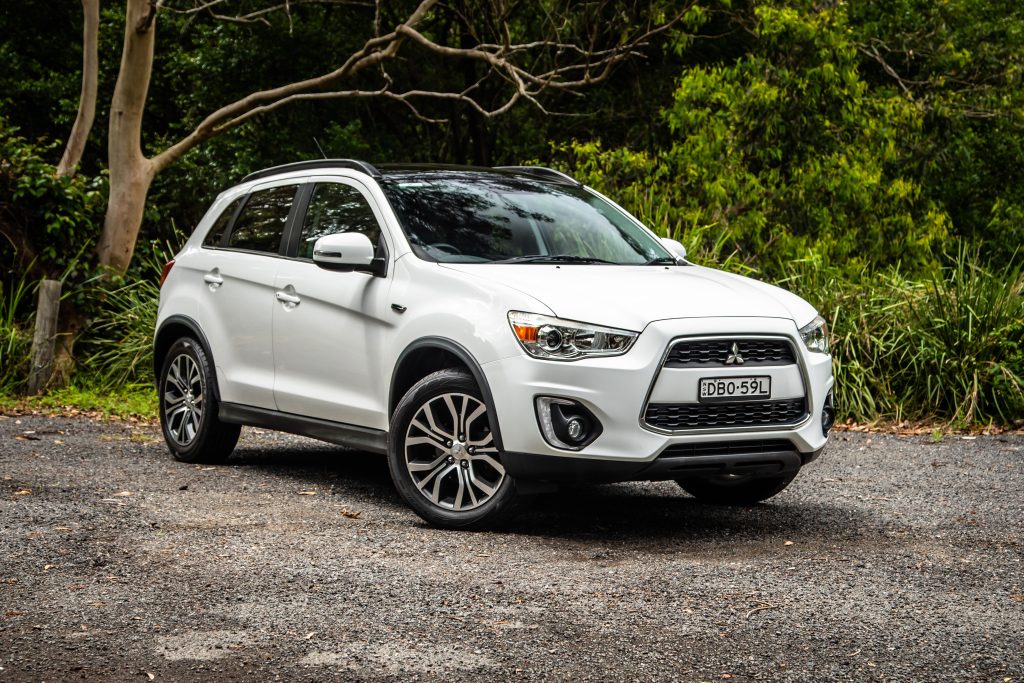
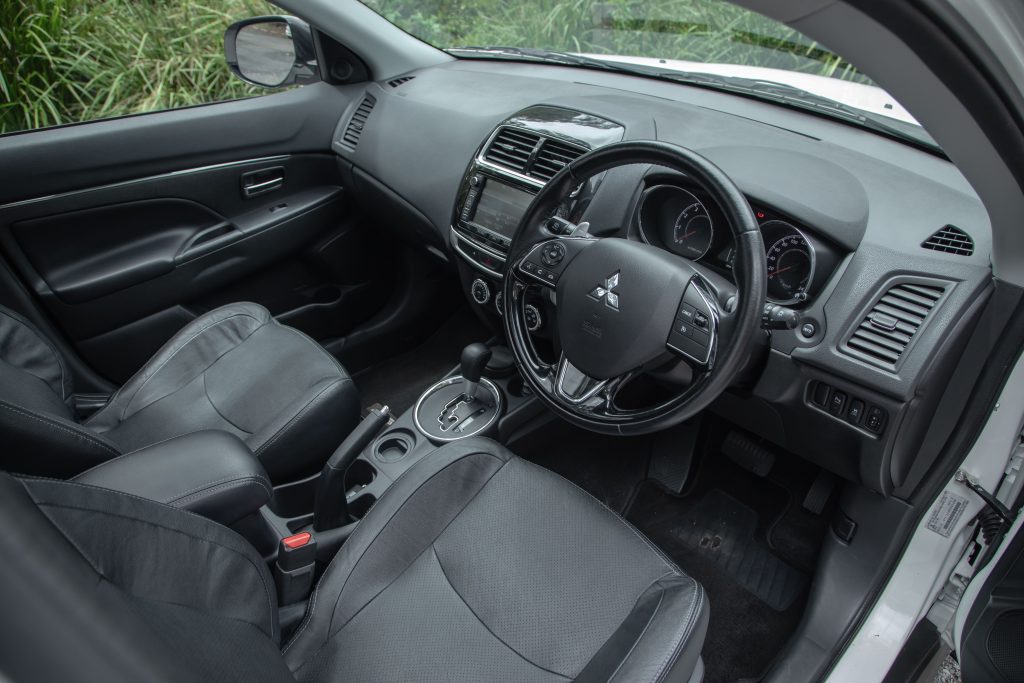
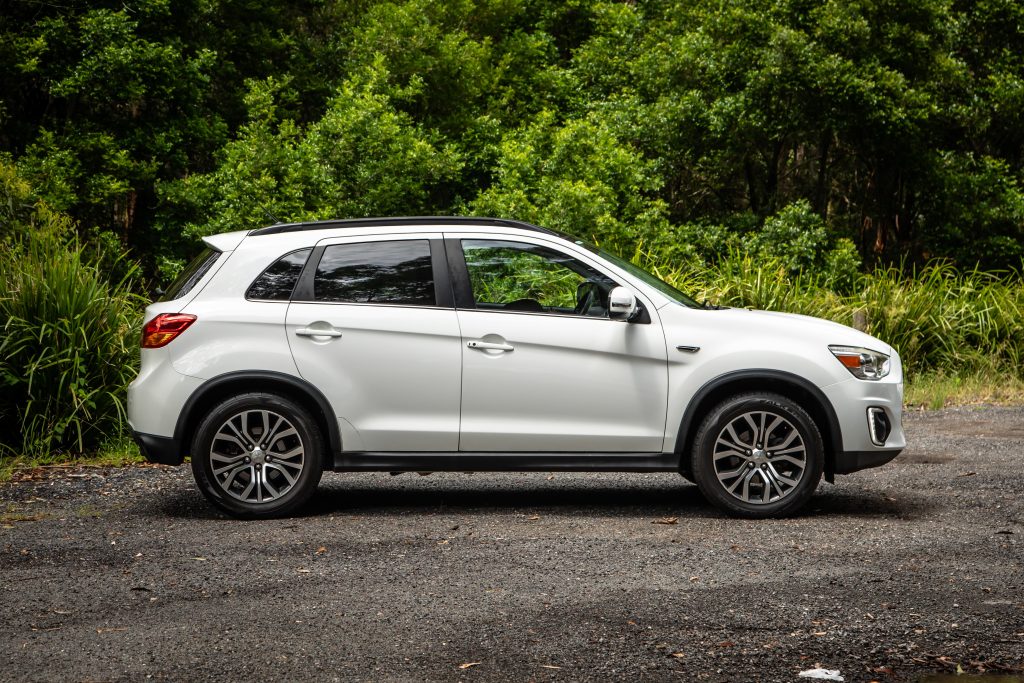
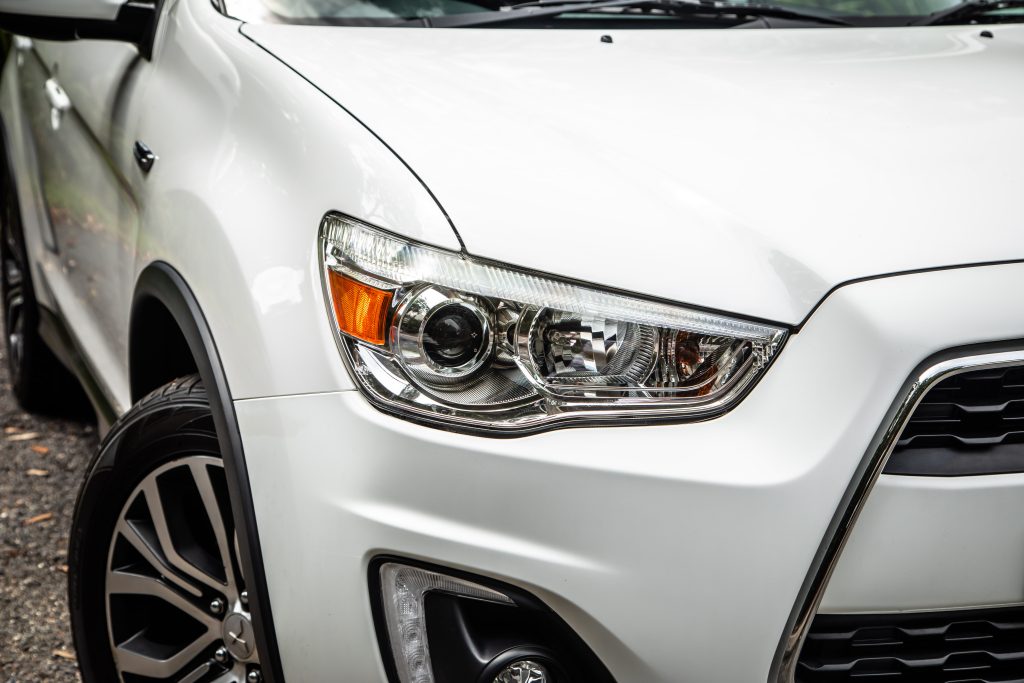
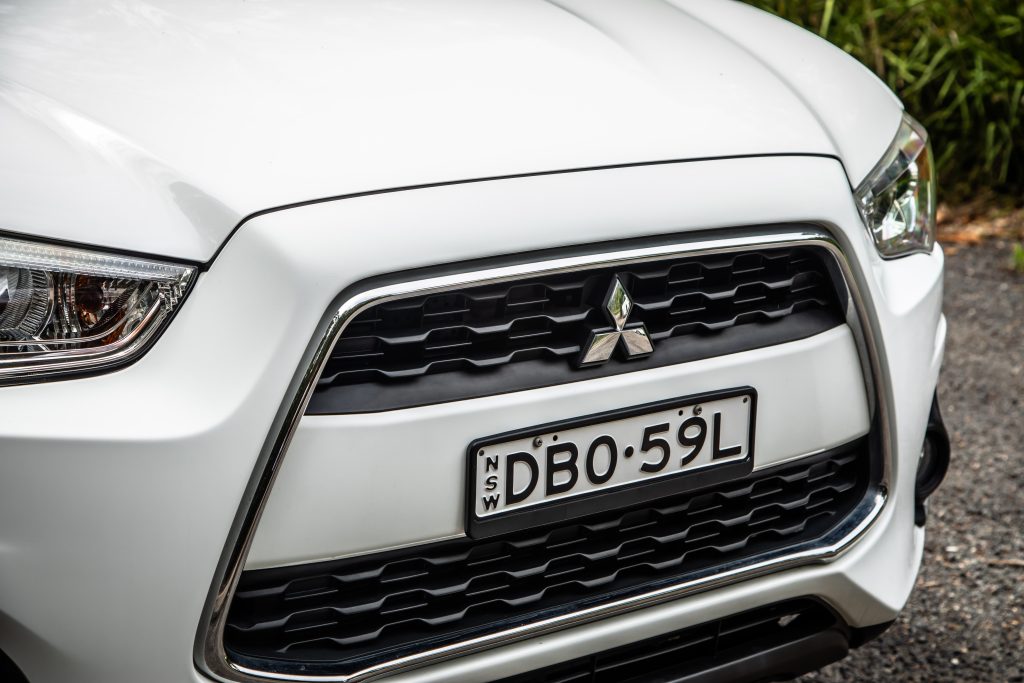
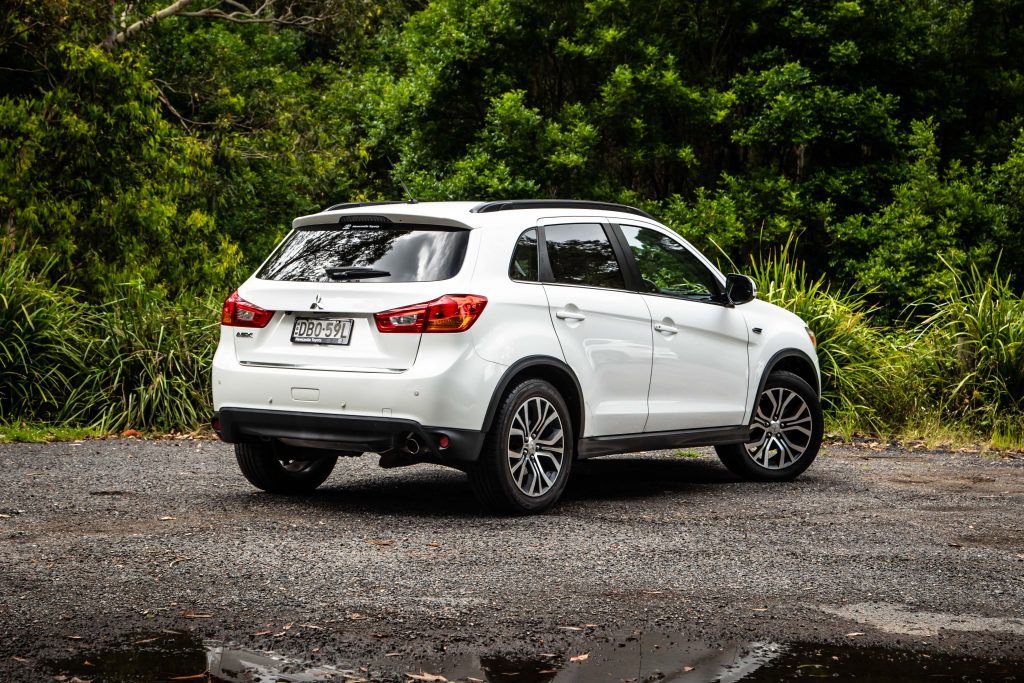
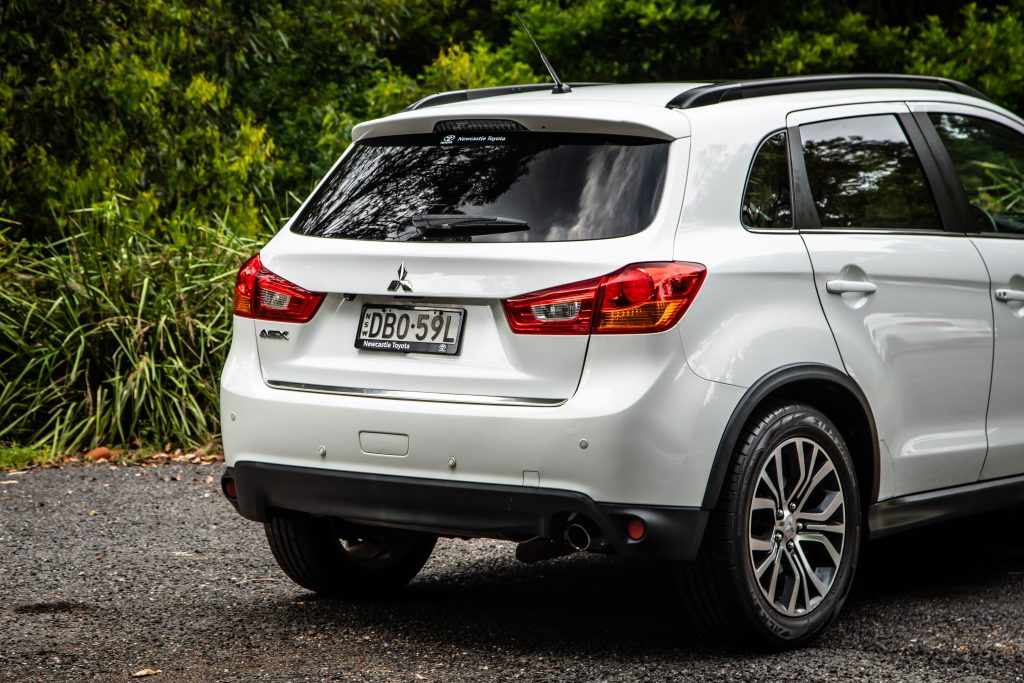
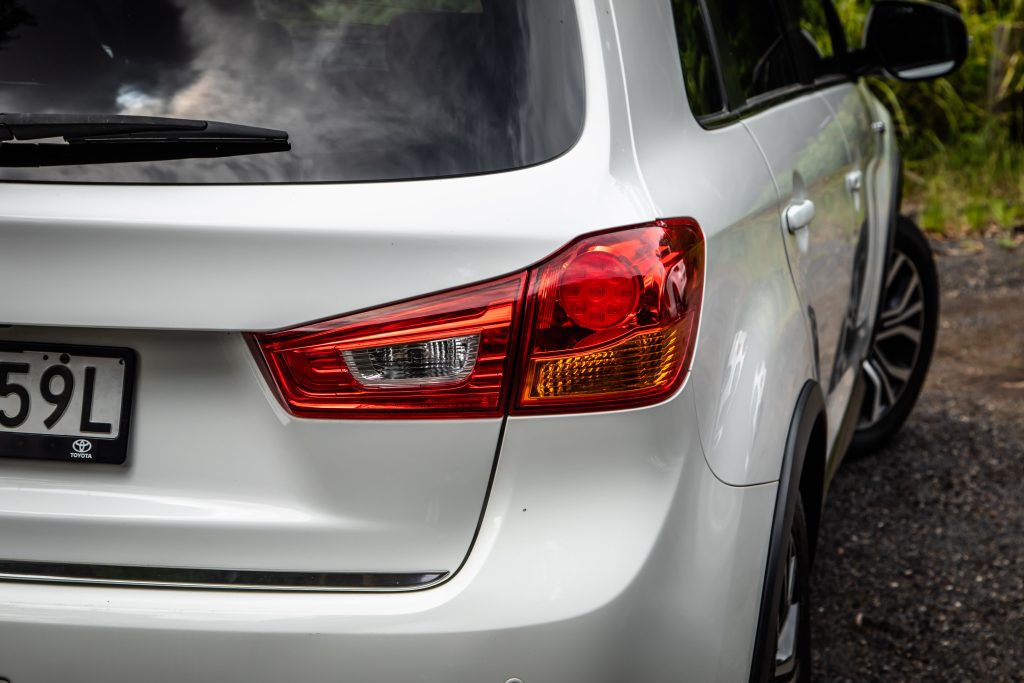
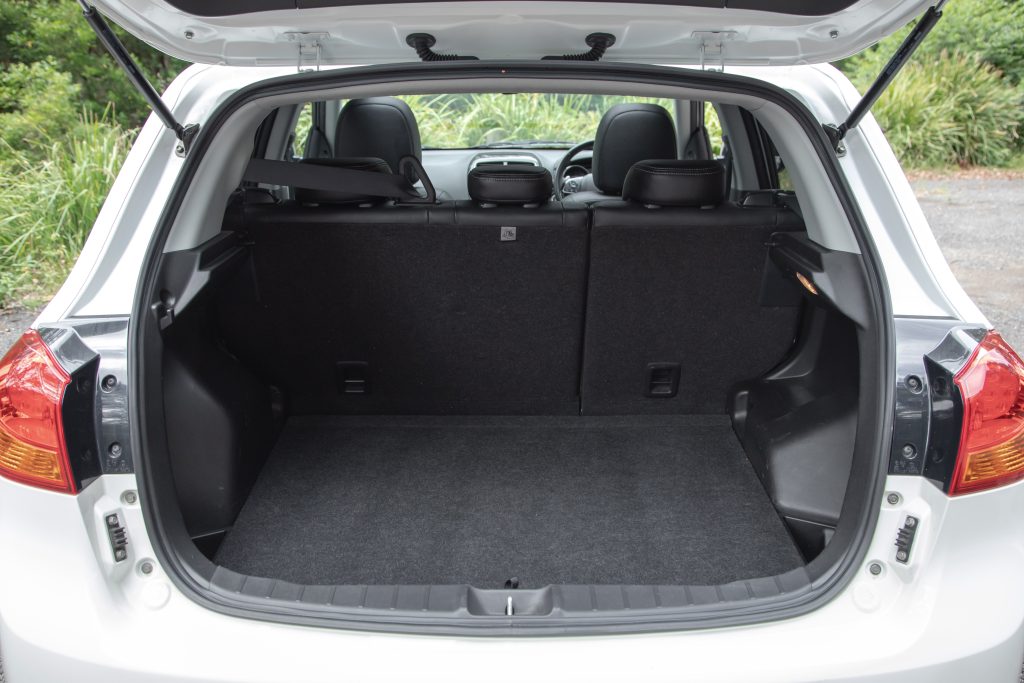

2015 Mitsubishi ASX XLS

13 December 2021
Probably not.

2015 Mitsubishi ASX XLS

Used car review
13 December 2021
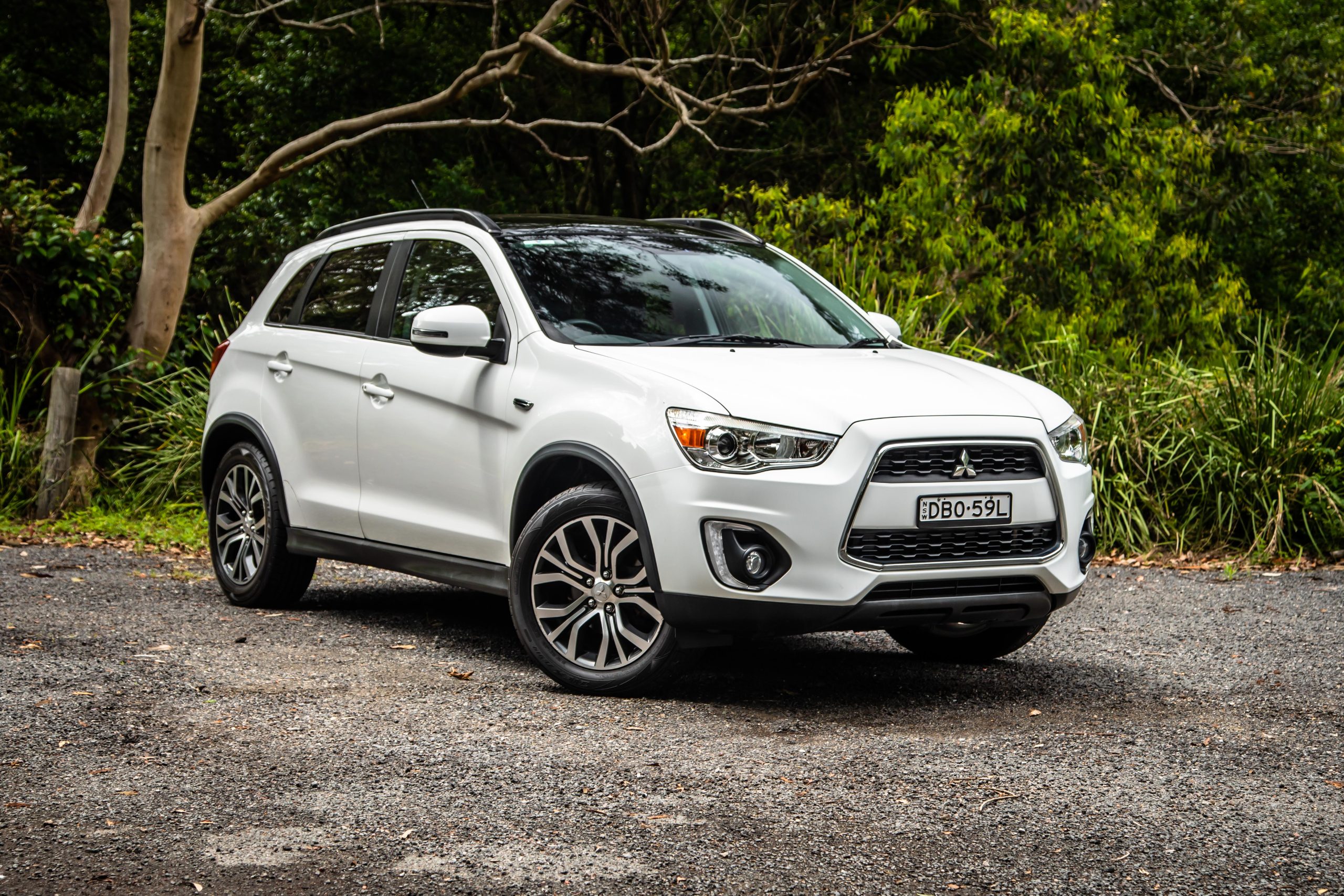
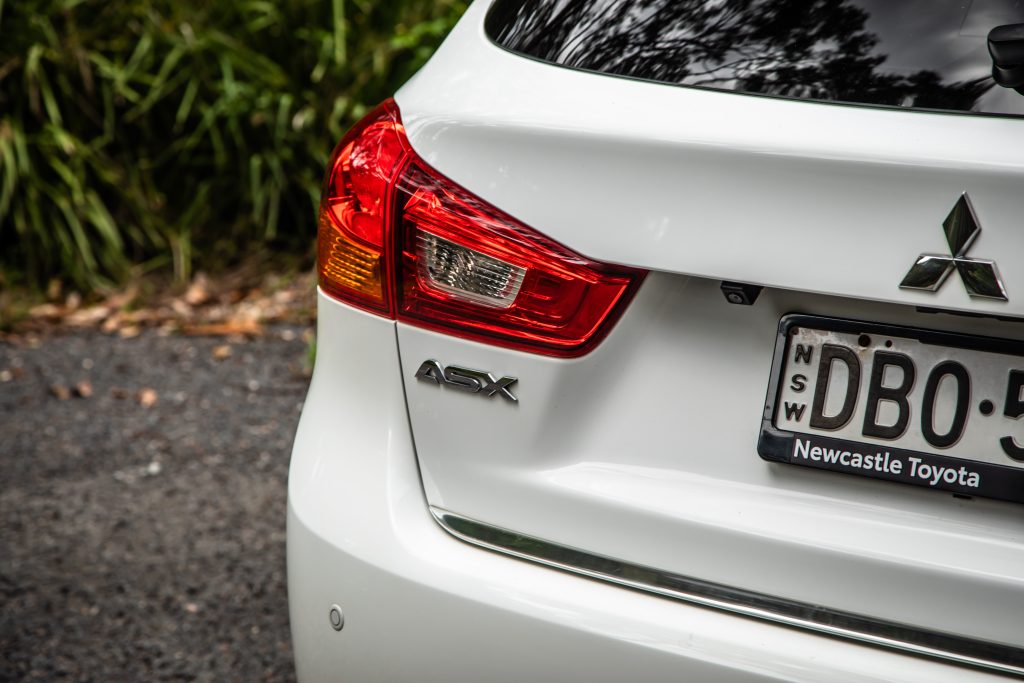
Mitsubishi’s ASX is an enigma. The current generation is nudging 12 years old, spanning four series changes (XA, XB, XC and XD) and as many face-lifts, remaining one of motoring’s oldest models still currently on sale in Oz. But its extraordinary popularity of the compact crossover has, amazingly, bucked convention, consistently outselling its own benchmarks as it marches along in its advancing age.
It outsells everything in its hotly contested segment…still. And it remains one of the top 10-selling nameplates in Australia outright.
Mitsubishi really got this third generation ‘RVR’, as it’s known overseas, right. Its compact size, smart packaging and decent two-suitcase luggage space minted in a fetching form seemingly impervious to ageing made it appealing to the young females, younger families on a budget and older empty-nesters who, according to its importer, are among its core private buyers.

The ASX’s car-like, Lancer-derived on-road manners won over many buyers. That Mitsubishi would eventually axe Lancer completely did, in no small part, spurn on the crossover’s popularity even further.
The range’s were and are cheap from new (from $24k), so they’re both affordable and plentiful as used propositions, and offer the sort of relatively bomb-proof reliability via uncomplicated running gear and engineering favoured by hire car companies who, at times, accounting for buying as much as 40 percent of ASXs sold.
Early XA examples, released in mid-2010, were offered with a 110kW/197Nm 2.0-litre petrol four or a 1.8-litre turbodiesel with identical powered but lustier 300Nm of torque.
While petrol version could be had with five-speed-manual or CVT transmissions and a choice of either front- or all-wheel drive, the diesels were manual 4x4s. No-name base and flagship Aspire grades were joined by Activ (essentially base with upsized 17-inch wheels) and mid-range Platinum variants for MY12.
The XB brought a mild face-lift in late 2012 for MY13, with a larger-capacity 2.2L diesel, with an uprated 360Nm, replacing the 1.8L oiler as a rolling change in late 2013 (essentially for MY14). Diesel buyers now had a more broadly appealing automatic transmission.
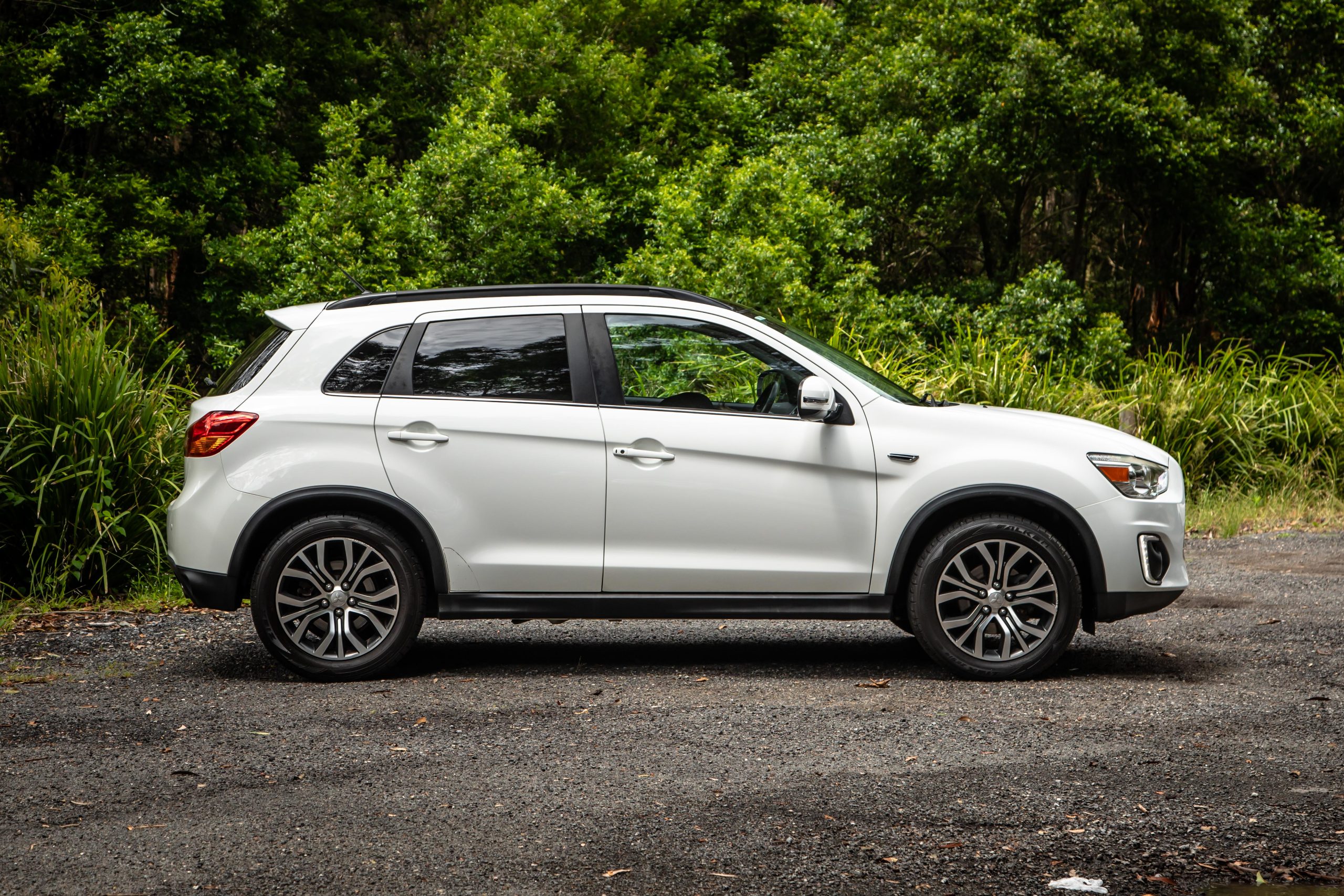
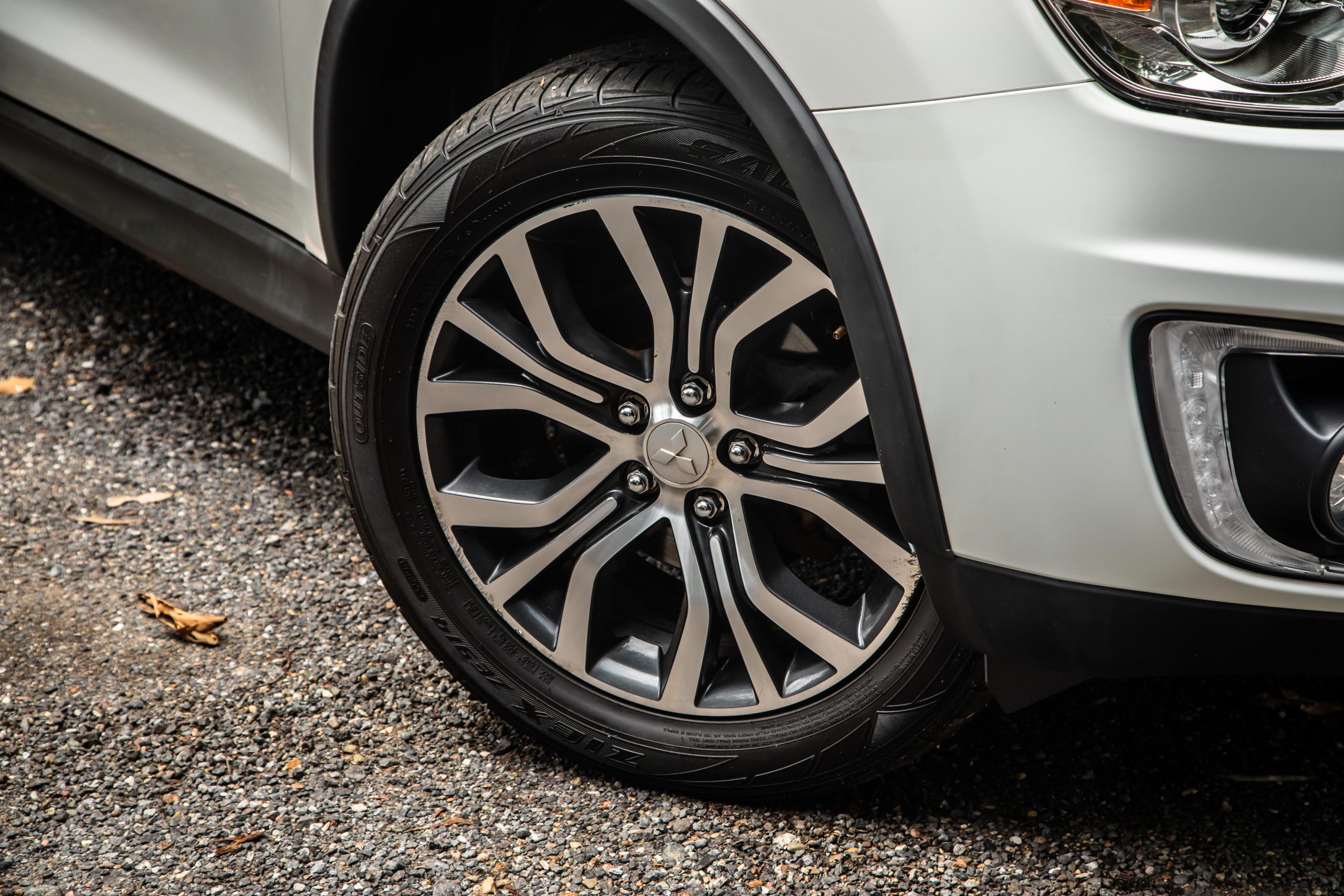
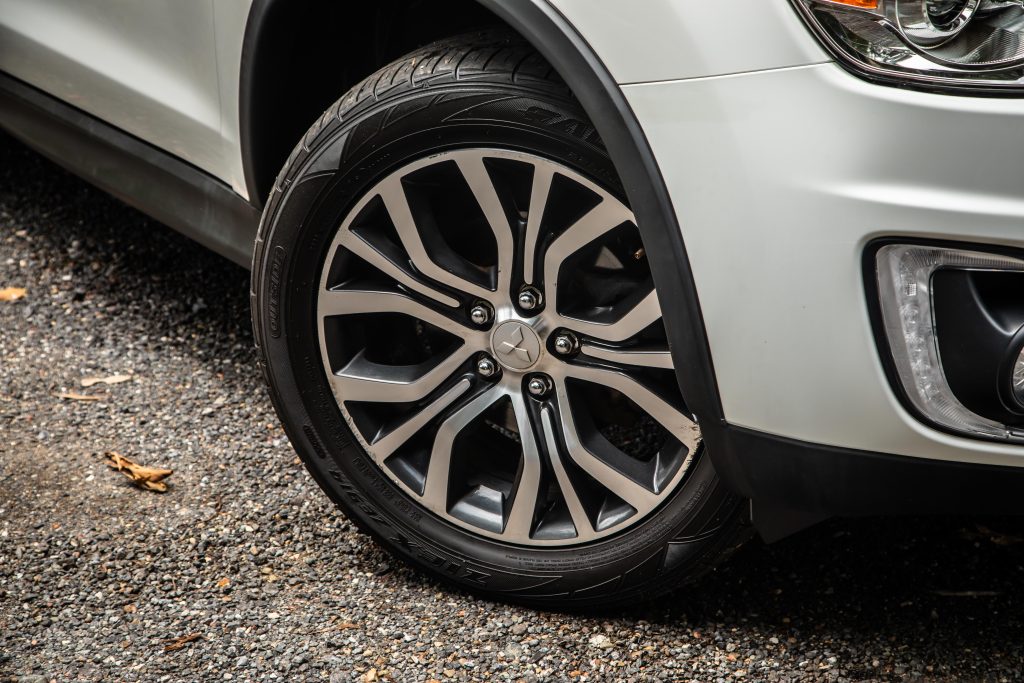
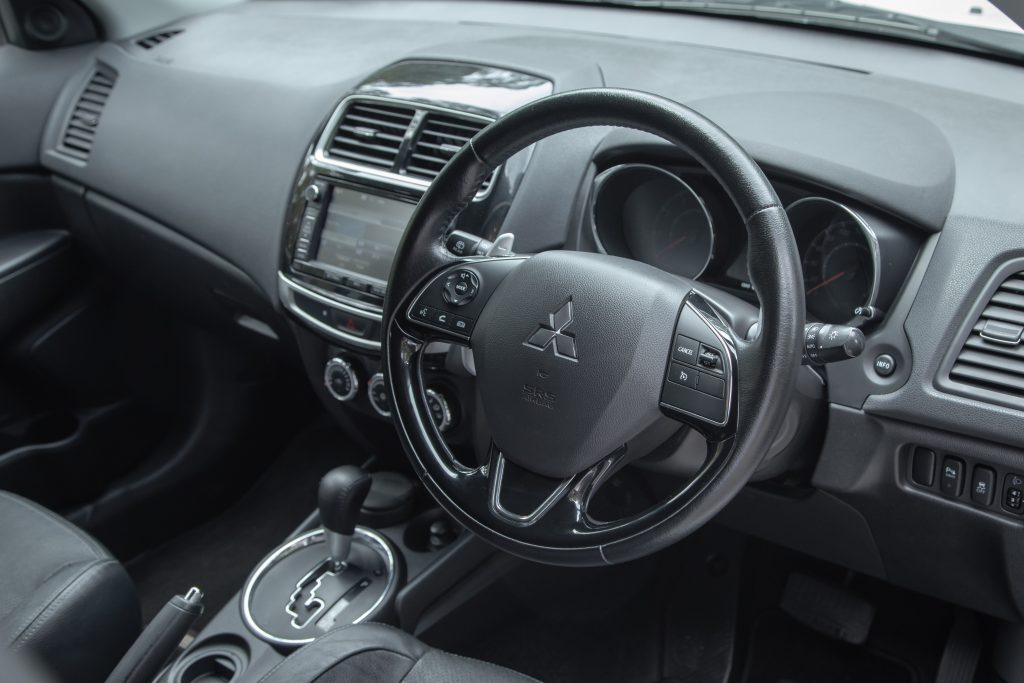
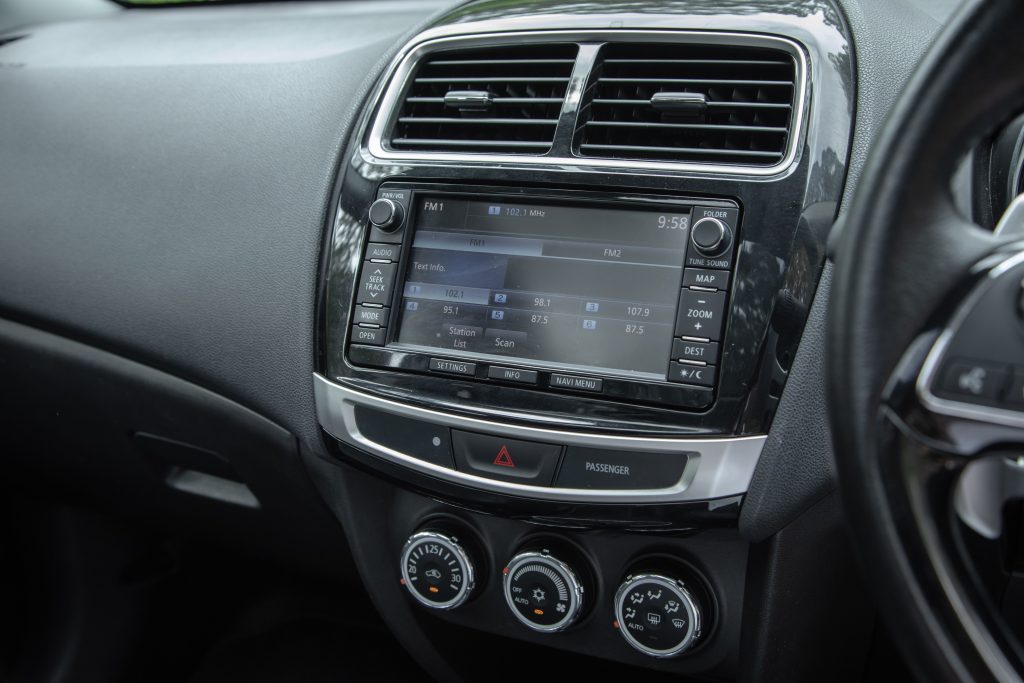
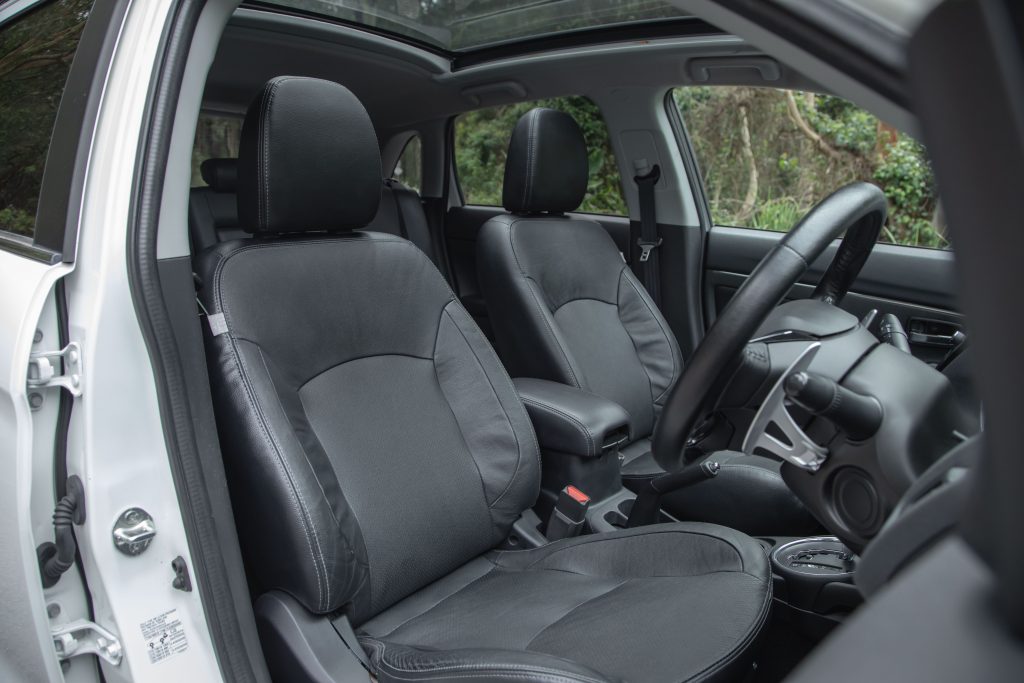
Proving that little stood still in the ASX, the MY15 (from mid-2014) brought a pep-up recognisable via refreshed wheel styling and a new (low) LS and (high) XLS naming convention. For MY15.5, wheels were upsized to 18-inch across the board in yet another new design.
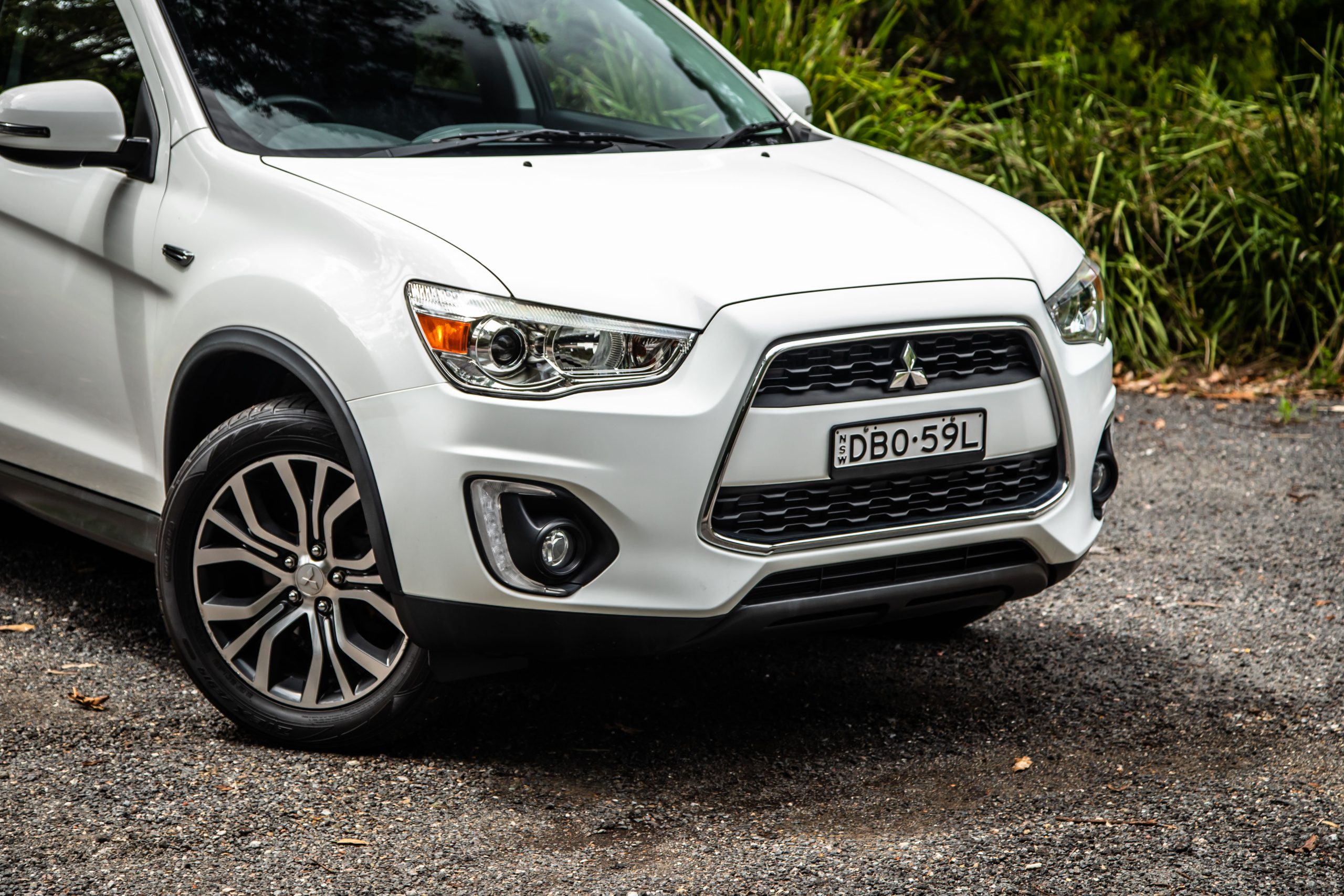
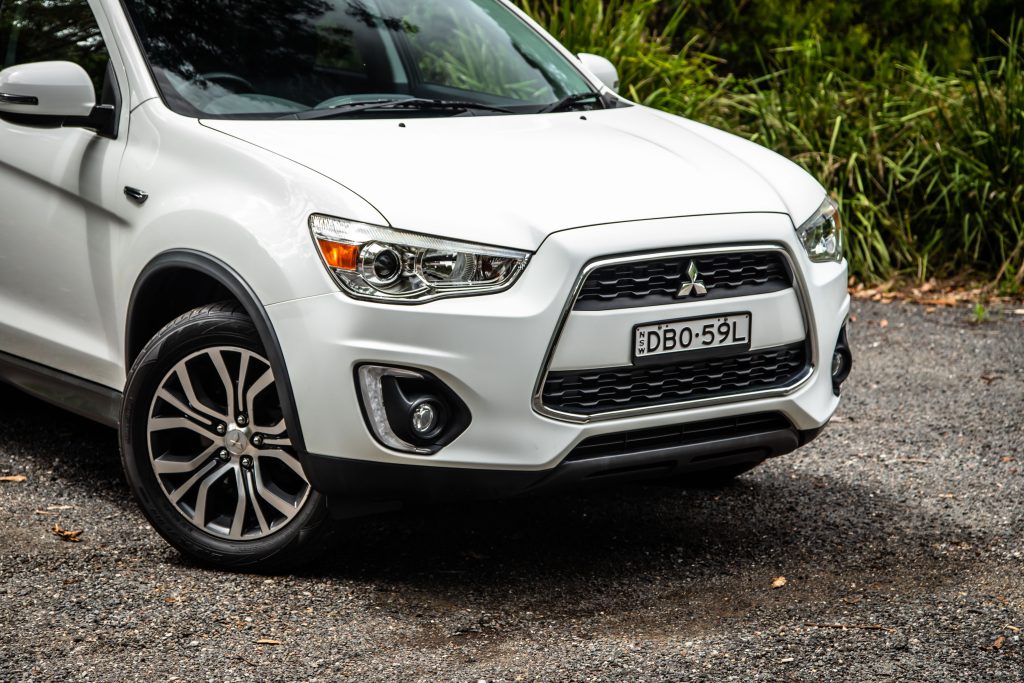
At a decade old, gen-three’s late-2019 XD major makeover introduced the fresher ‘Dynamic Shield’ front styling, replacing all panels and features from the windscreen forward, plus a new 123kW/222Nm 2.4-litre petrol four to sit alongside the carryover 2.0L.
The line-up also taps defunct Lancer heritage in two overtly sport-themed MR and GSR guises, adding to the ten-variant series offering both regular and slightly improved Plus versions of ES, MR and XLS.
The ASX kept reasonable step with fresher competition, even if it was largely nothing-broken-nothing-demanding-fixing under the range’s new skin. That said, the current XD’s introduction saw Mitsubishi ditch the now-slow selling diesel and all-wheel drive options for what was now an all-petrol front-driven line-up. And what still remains very hot property with so many Aussie buyers off the showroom floor.
If you’re ok with owning a pretty boring uninspiring car, sure, buy one.
However, we would recommend against the diesel variants as the maintenance costs may be more expensive than their petrol counterparts and repairs and upkeep will possibly eat into any savings you’ve made in terms of fuel consumption,
Plus in our opinion, the petrol engines are far more enjoyable to drive. But which petrol engined ASX should you buy?
Well that comes down to you and your budget. As there are so many different ASX’s available, we’d recommend the newest, lowest kilometre example your budget allows, but, it is absolutely critical that the ASX you’re looking at has a full and thorough service history and has had any factory recalls sorted out.
Yes they are a little boring but the ASX does offer great value for money and there are some absolute gems out there and with so many available on the used market, there’s no need to rush into buying one, take your time , find the ASX that fits your needs perfectly and you’ll have a good car, a boring, but good car.
MORE: Explore our SUV reviews


Co-creator, presenter & writer, ReDriven

Probably not.
 2 weeks ago
 3 weeks ago
 4 weeks ago