Australia’s No. 1 Used Car Review Website
Australia’s No. 1 Used Car Review Website

+22 Photos

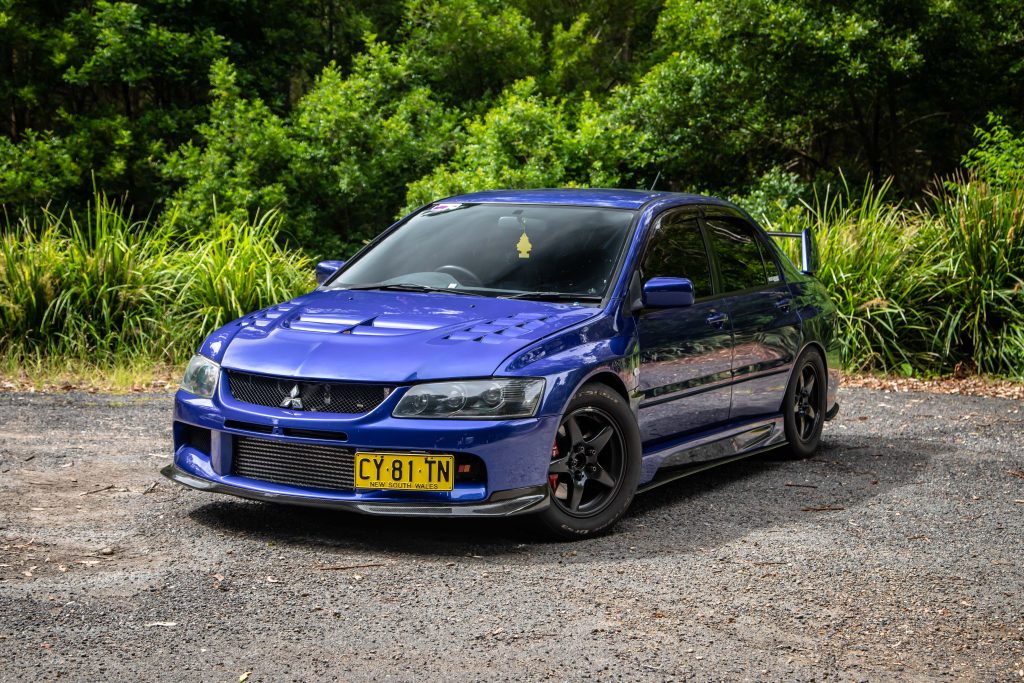
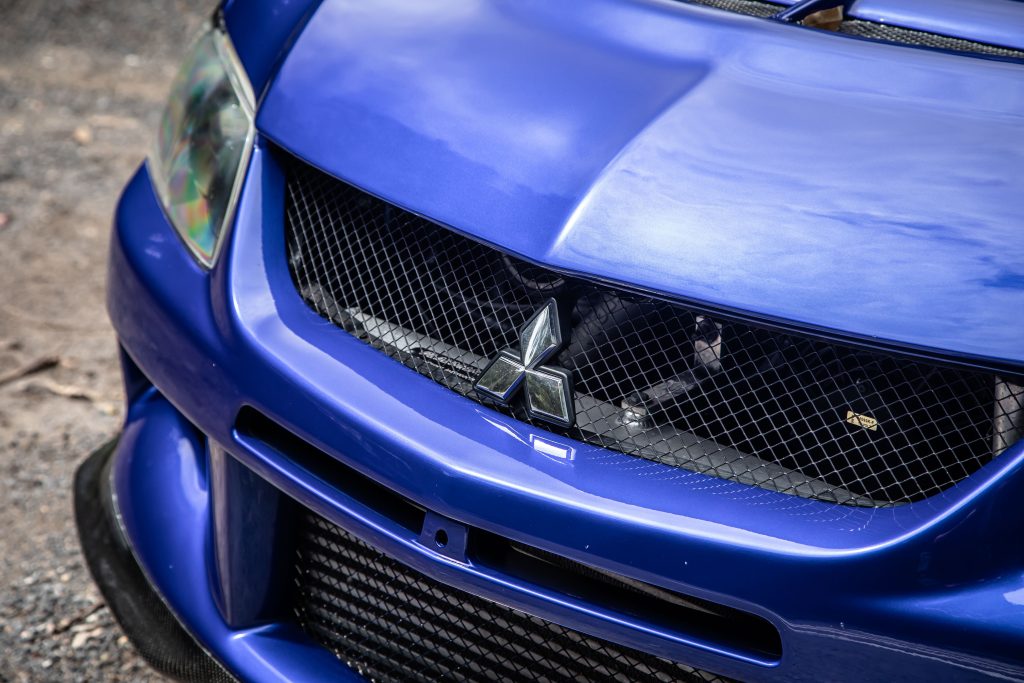
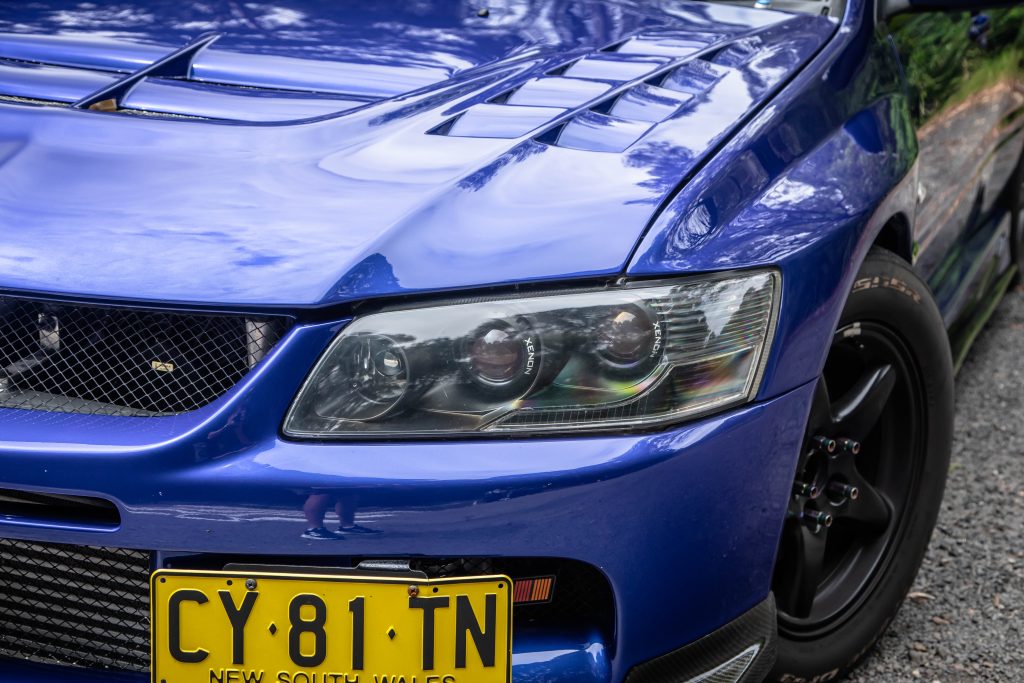
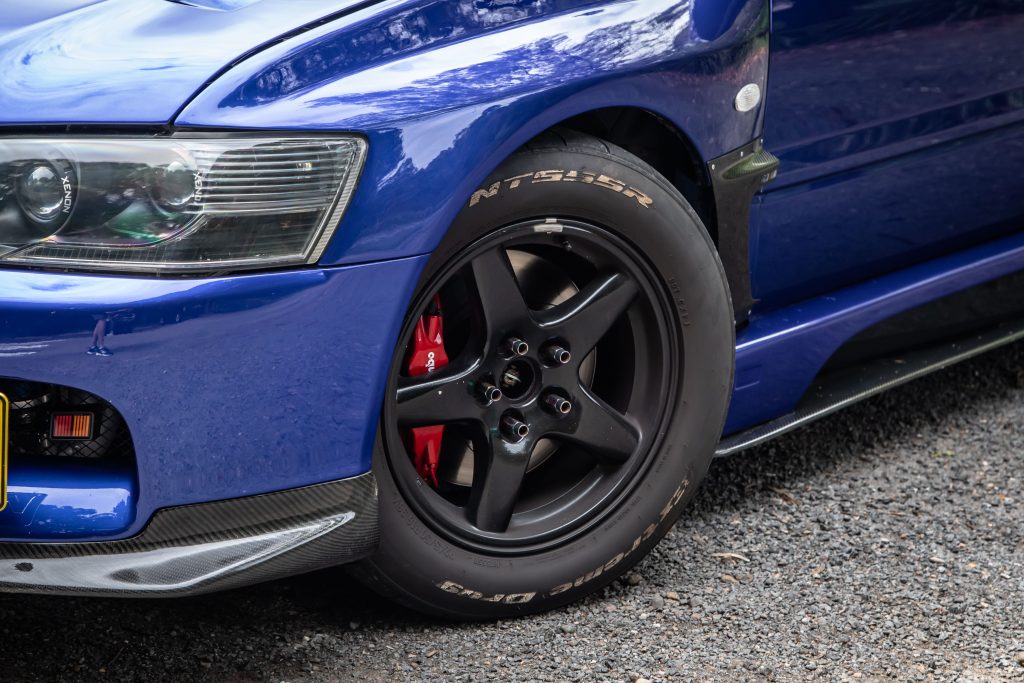
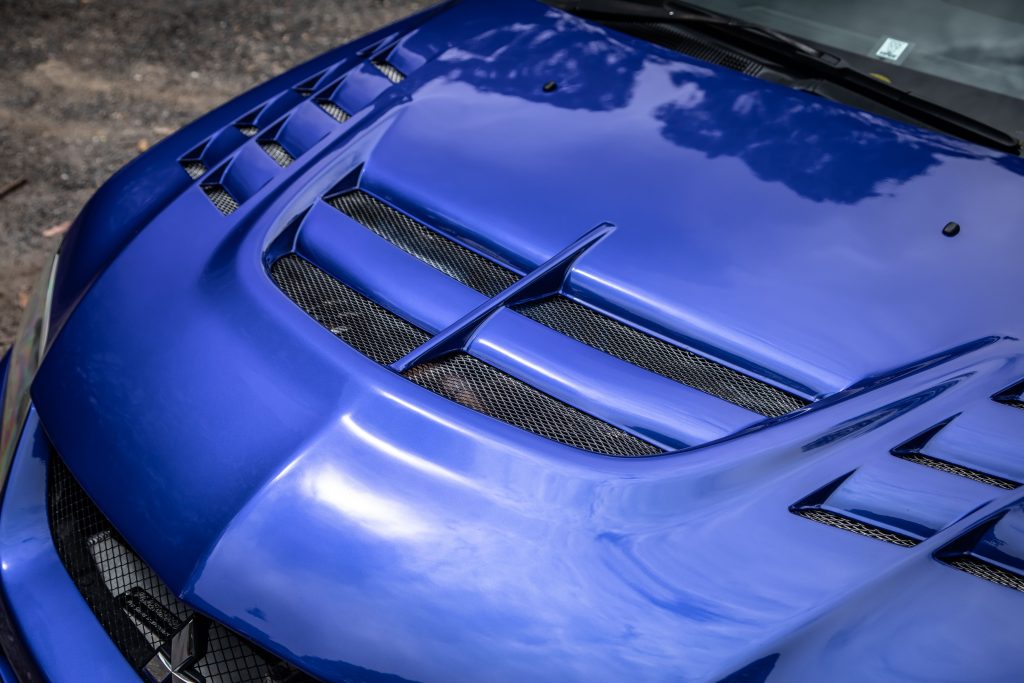
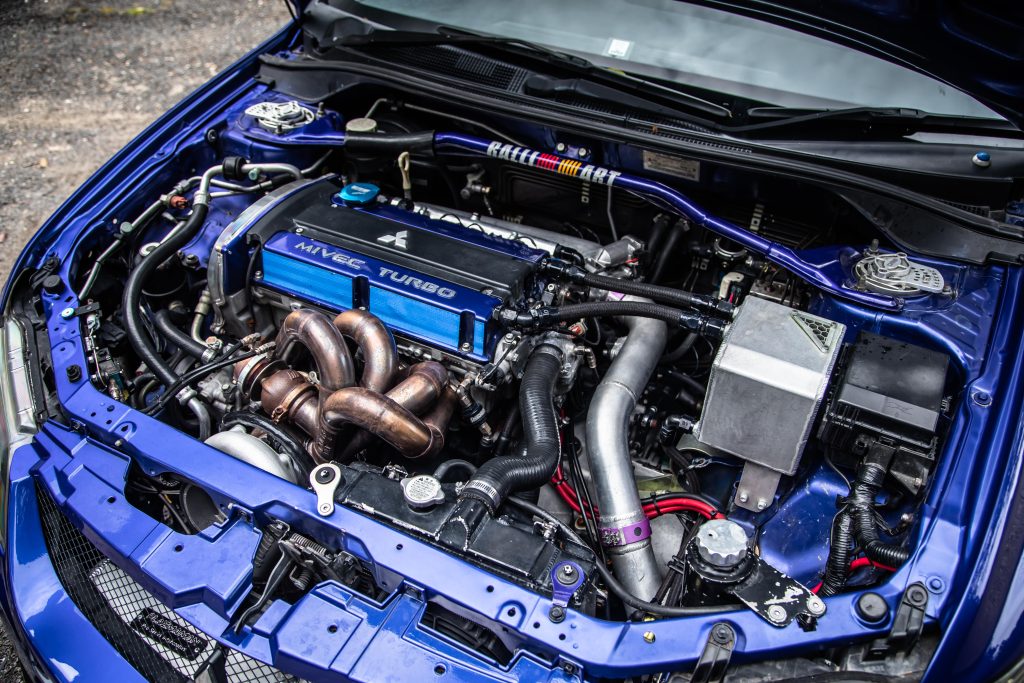
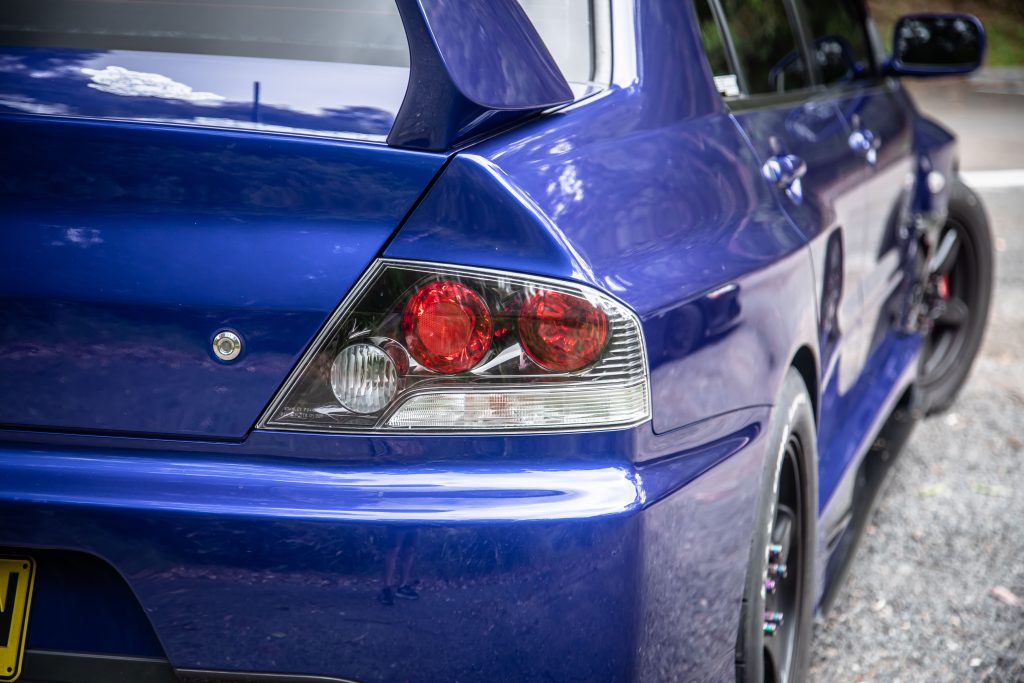
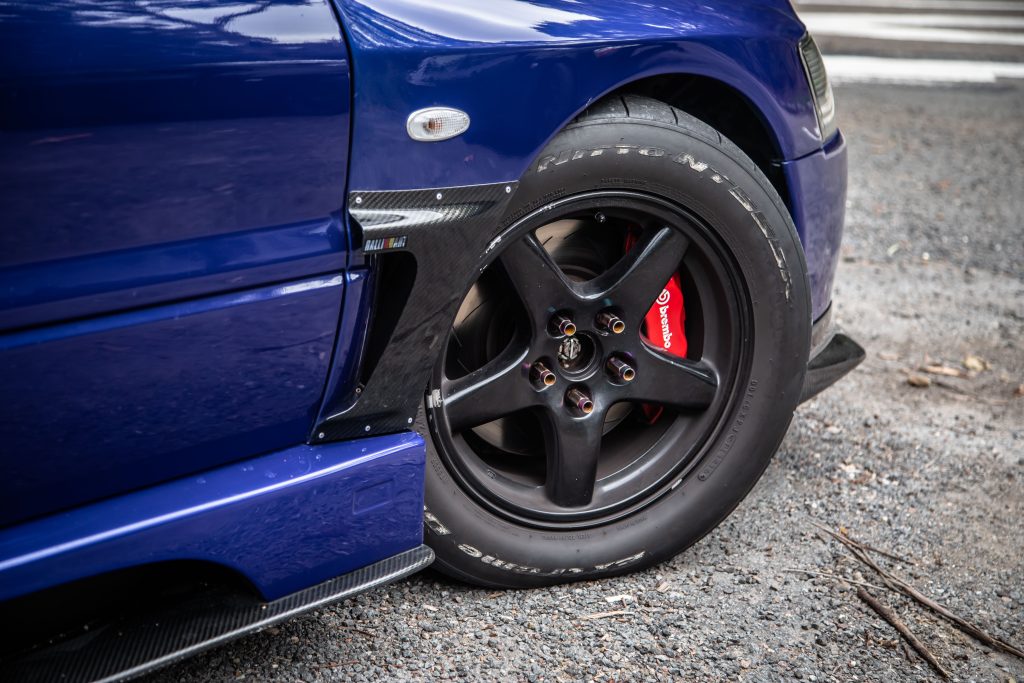
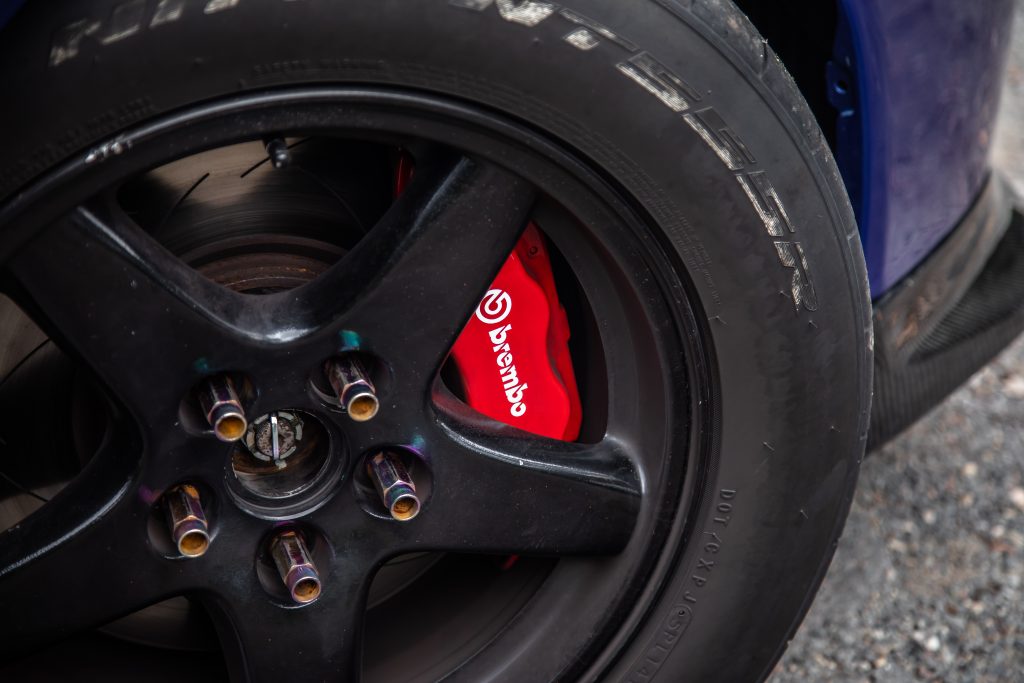
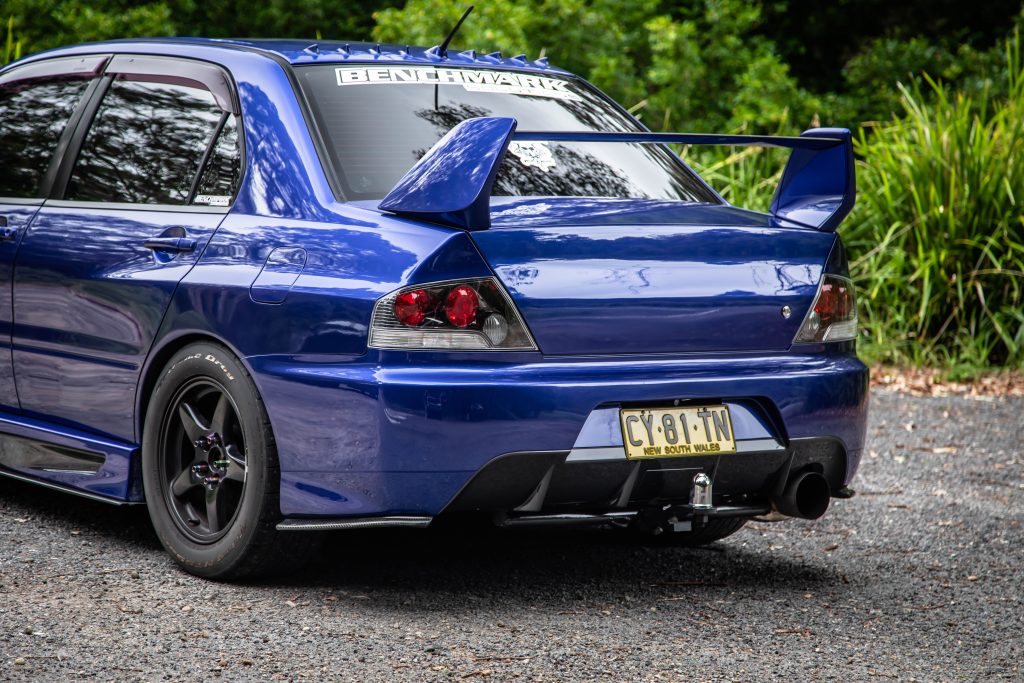
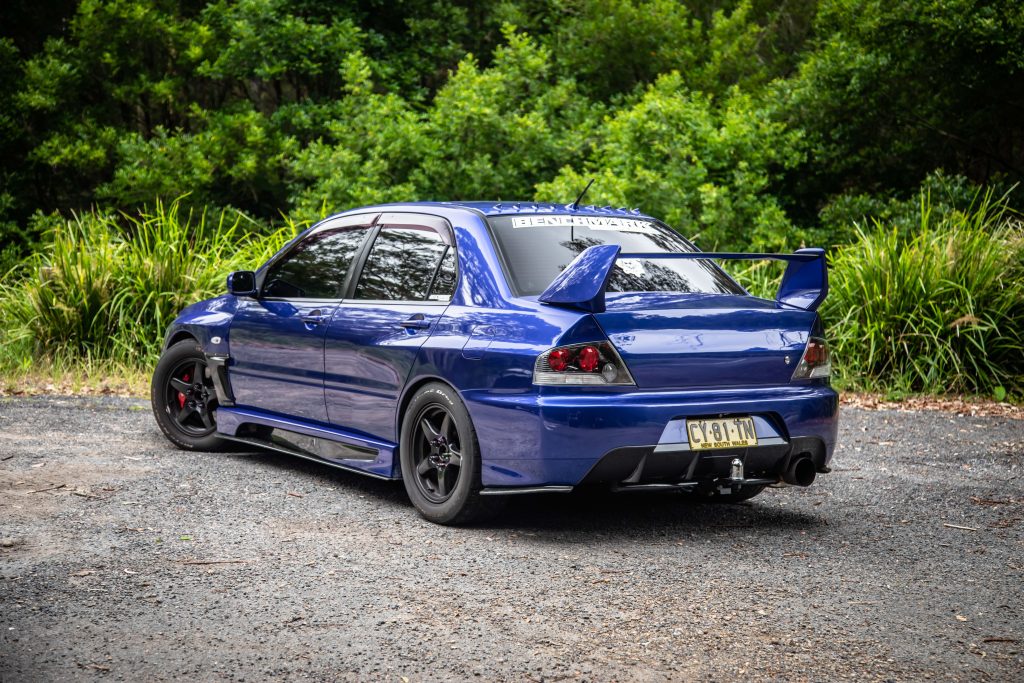
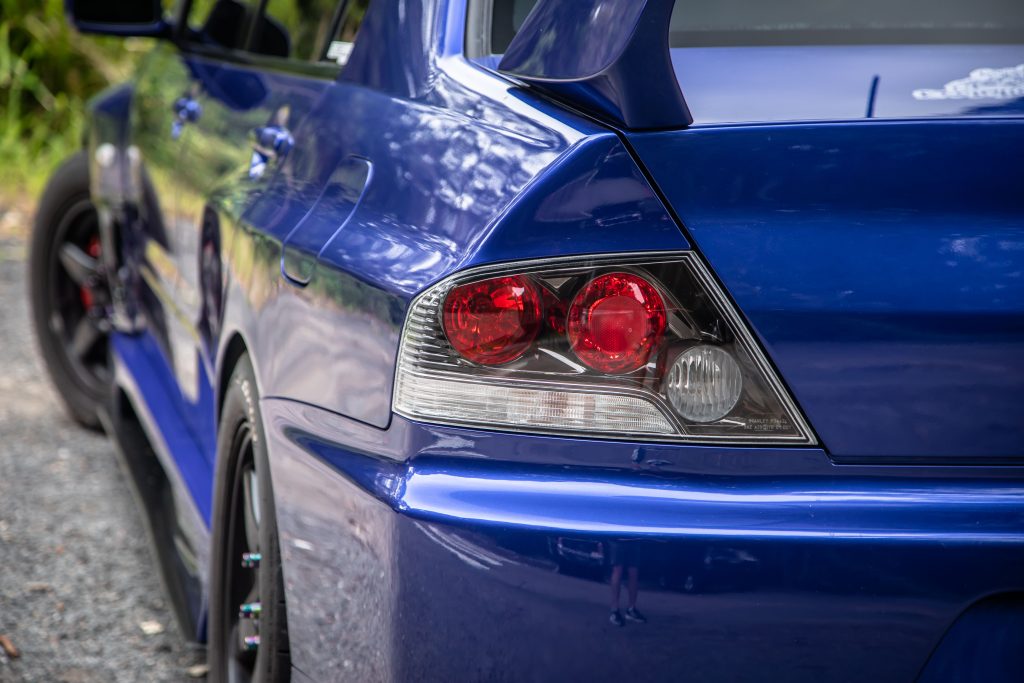
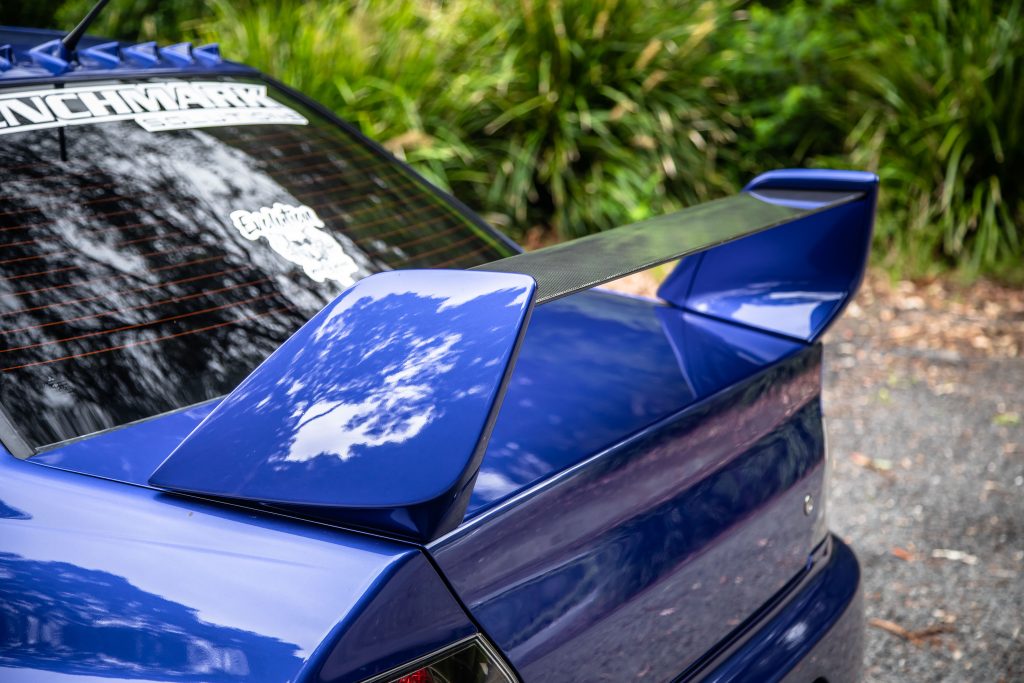
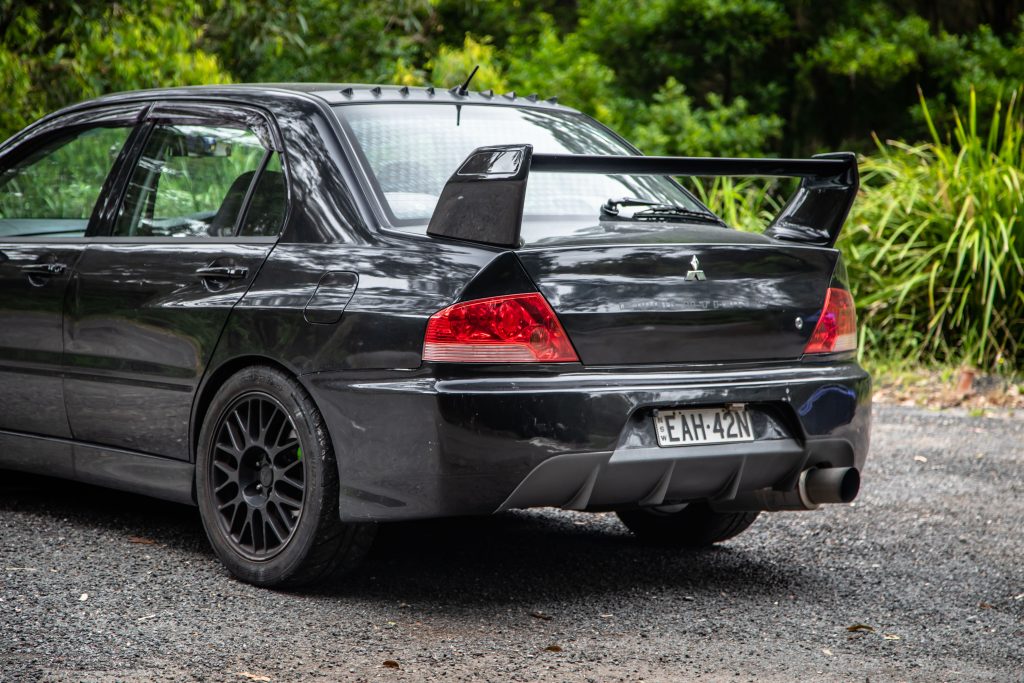
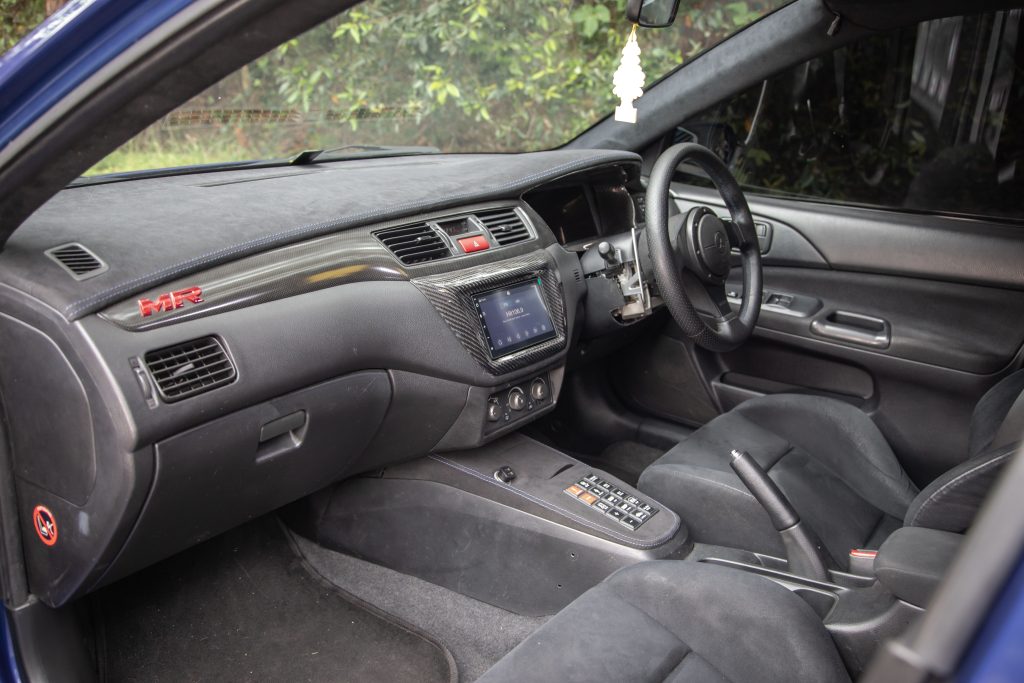
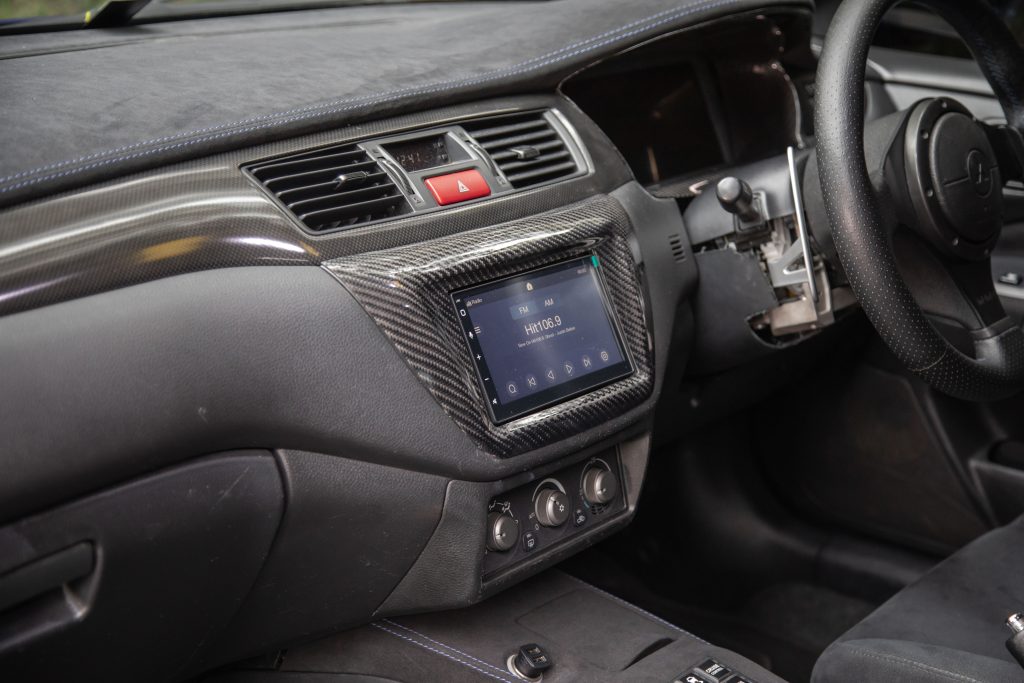
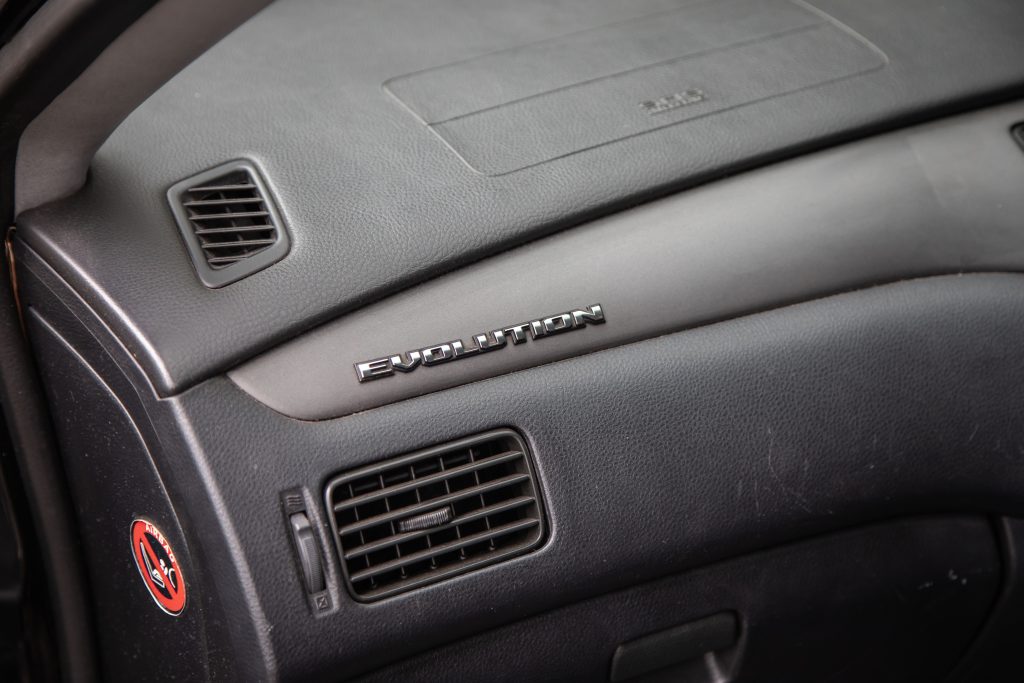

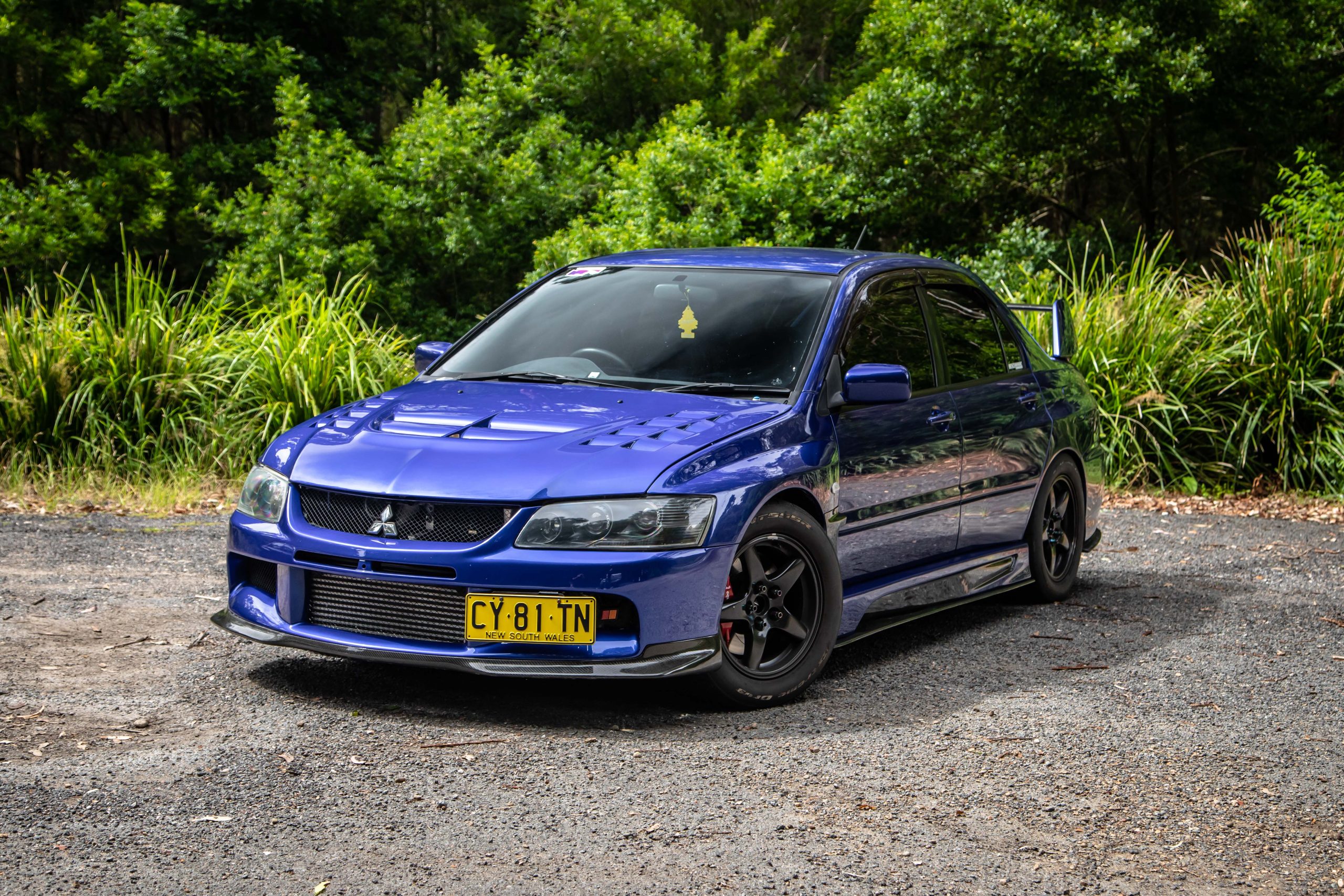
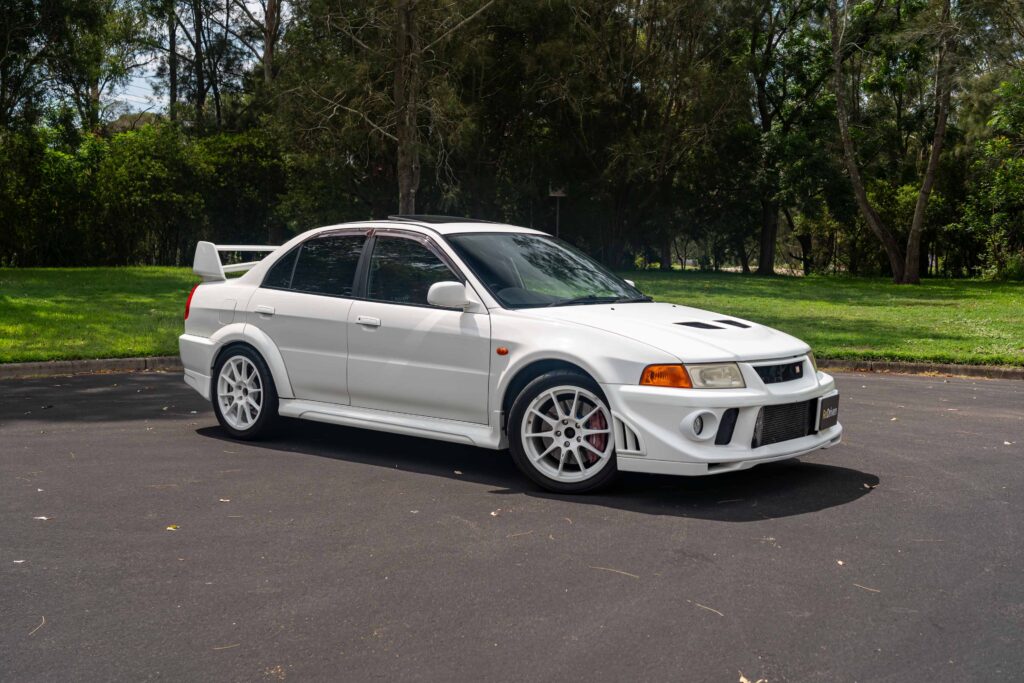
2001 Mitsubishi Lancer Evolution

13 December 2021
There are better cars out there.

2001 Mitsubishi Lancer Evolution

Used car review
13 December 2021
The Mitsubishi Lancer Evolution — or simply, the Evo — has earned its place as a genuine performance icon. Over ten generations and twenty-five years, Mitsubishi created a series of rally-inspired sedans, and occasionally wagons, that offered serious performance for surprisingly reasonable money.
If you’re thinking of diving in, be warned — the world of Evos is deep and full of detail. Each generation has its quirks, variations and passionate followers, so it pays to know what you’re looking at before buying.
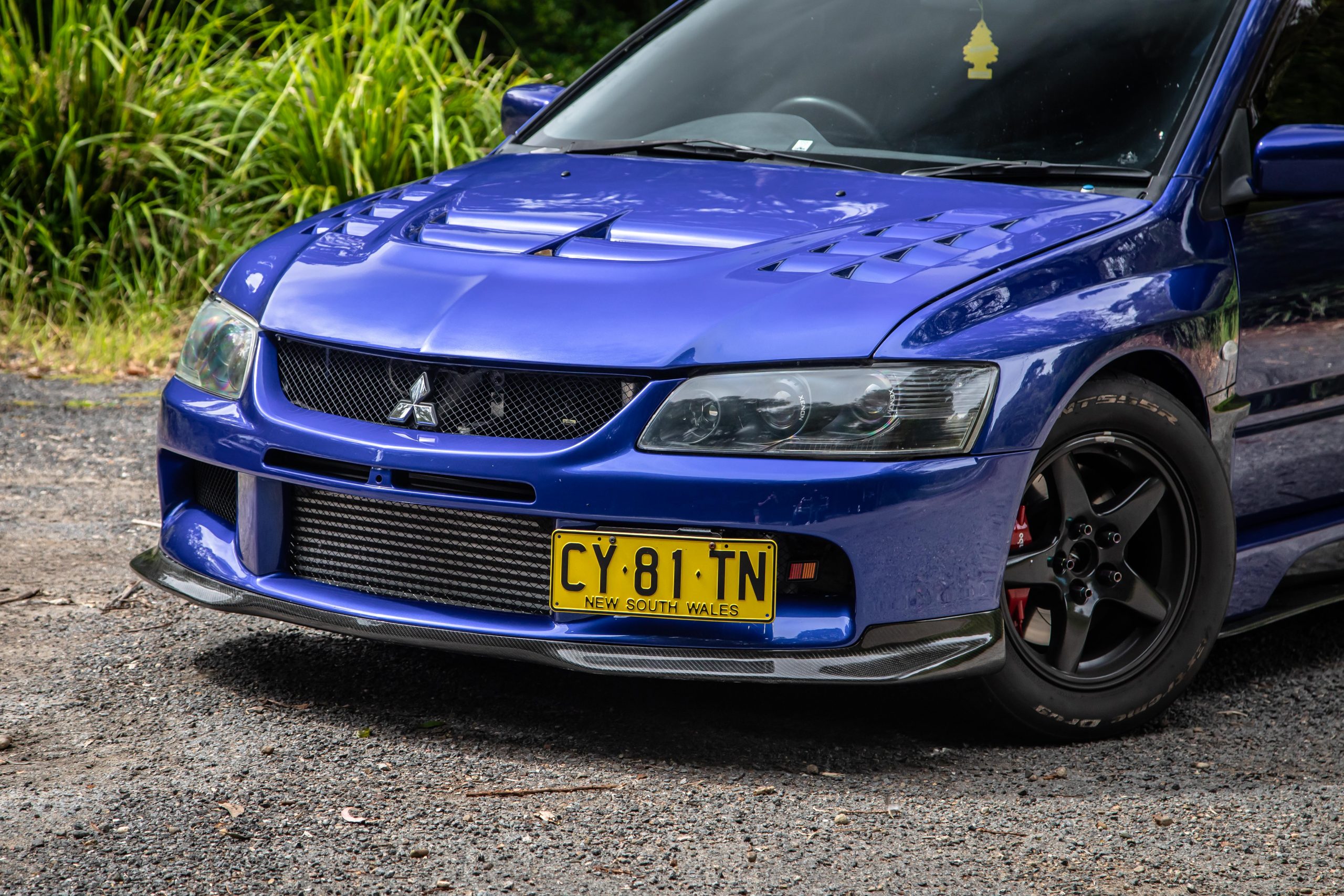
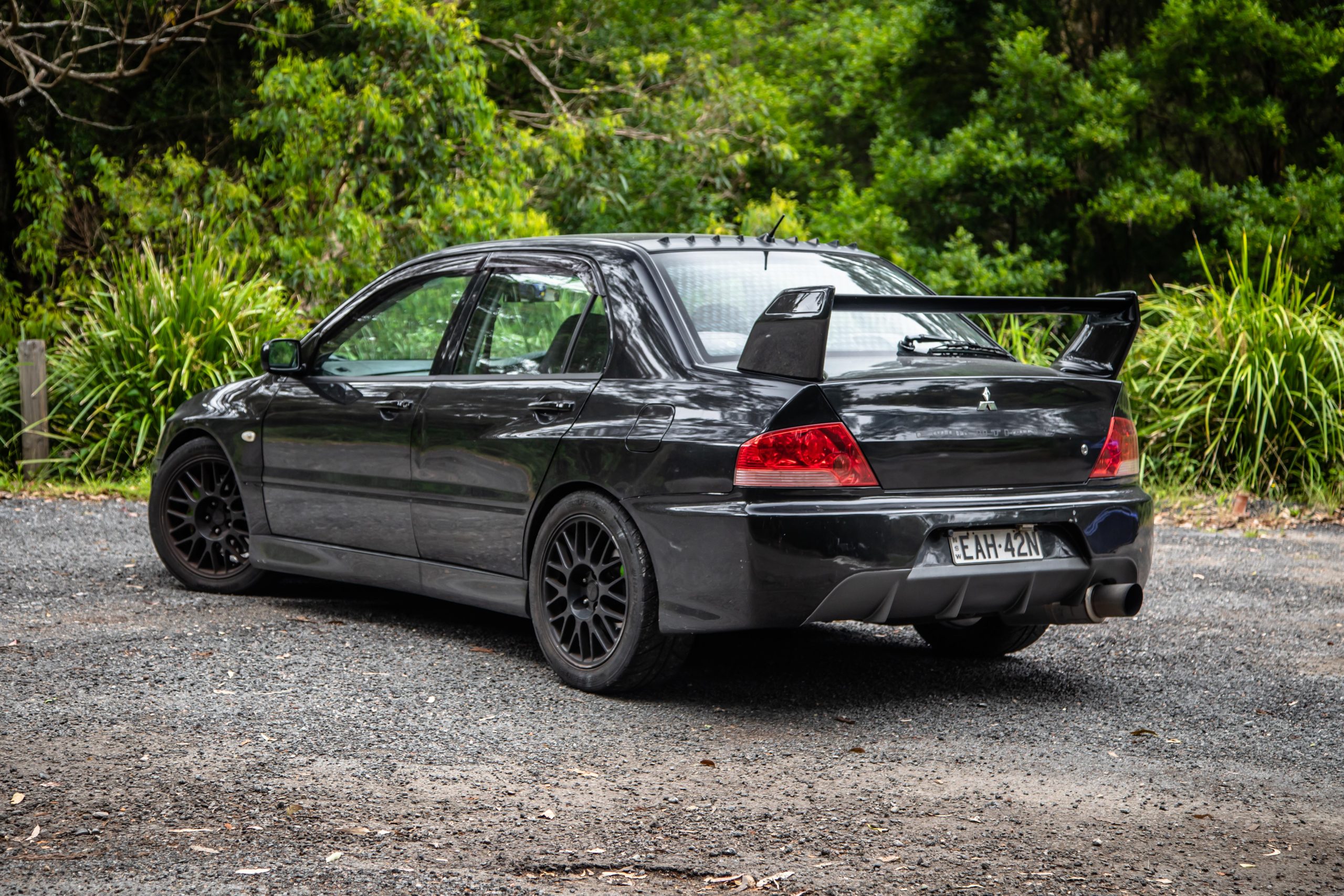
The Evo VII, VIII and IX, were all built on the seventh-generation Lancer platform known as CT9A (and CT9W for the wagon). These models marked a shift from the hard-edged, rally-homologated Evo VI and 6.5 Tommi Mäkinen Edition, into a new era of slightly more refined but still ferocious performance sedans.

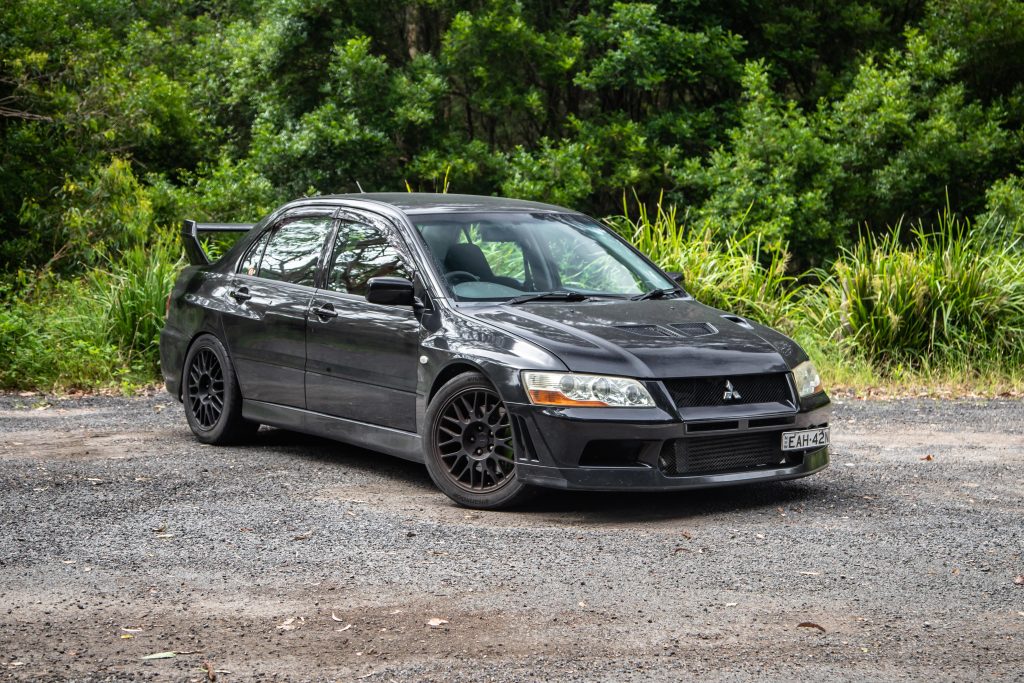
The Evo VII arrived in 2001 with sharper handling, an active centre differential, and a helical front diff — key ingredients in its incredible agility. Power came from the familiar 4G63 2.0-litre turbo engine, officially rated at 206kW and 380Nm, though it was widely suspected to be making more.
The Evo VIII followed in 2004 and marked the model’s official return to Australian showrooms. Limited to just 100 cars per year, our version featured a “Euro tune” engine with 195kW and 355Nm through a five-speed manual, while Japan’s version had 206kW, 373Nm and a six-speed.
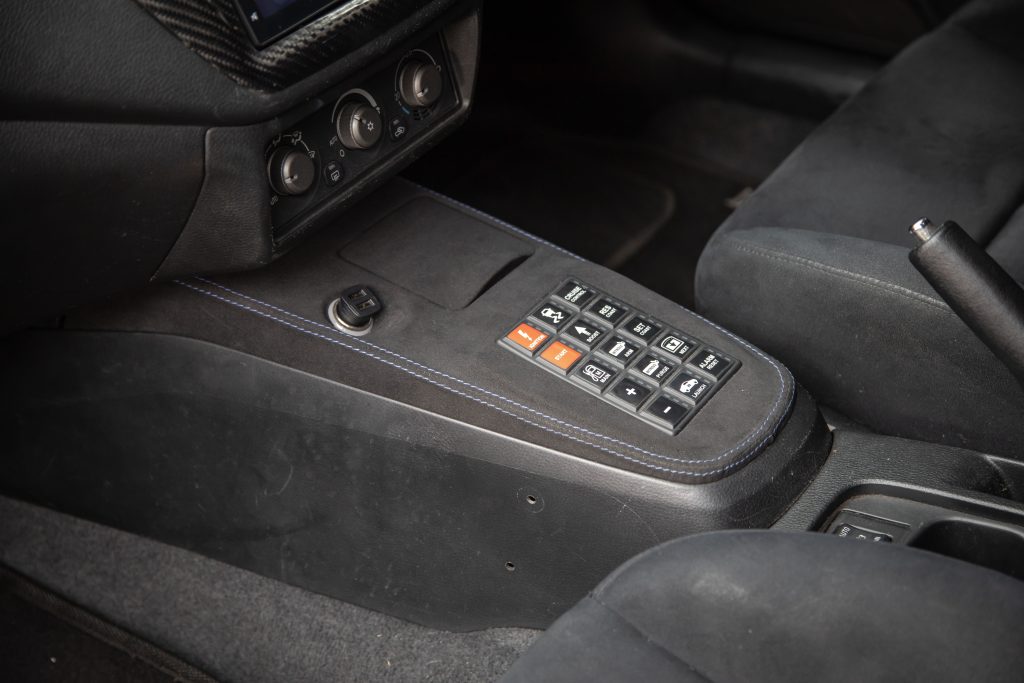
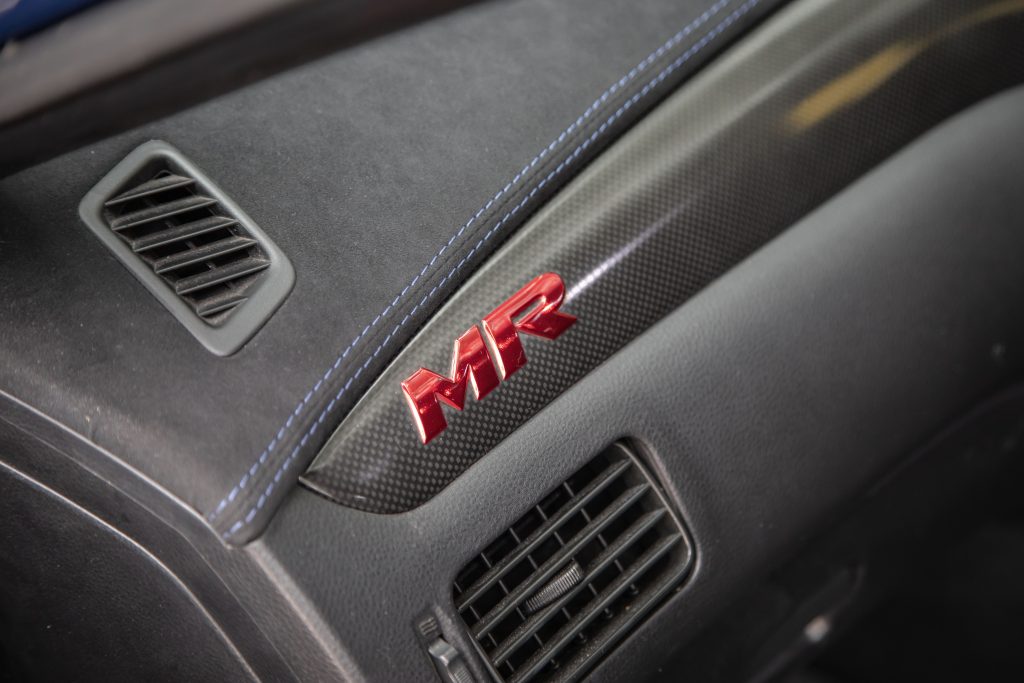
Japanese imports remain attractive today, offering the more powerful tune, six-speed gearbox and higher-spec MR variant, which added an alloy roof, Bilstein suspension, carbon-fibre accents and other upgrades. The stripped-out RS version existed mainly for motorsport use and wasn’t road-legal here.
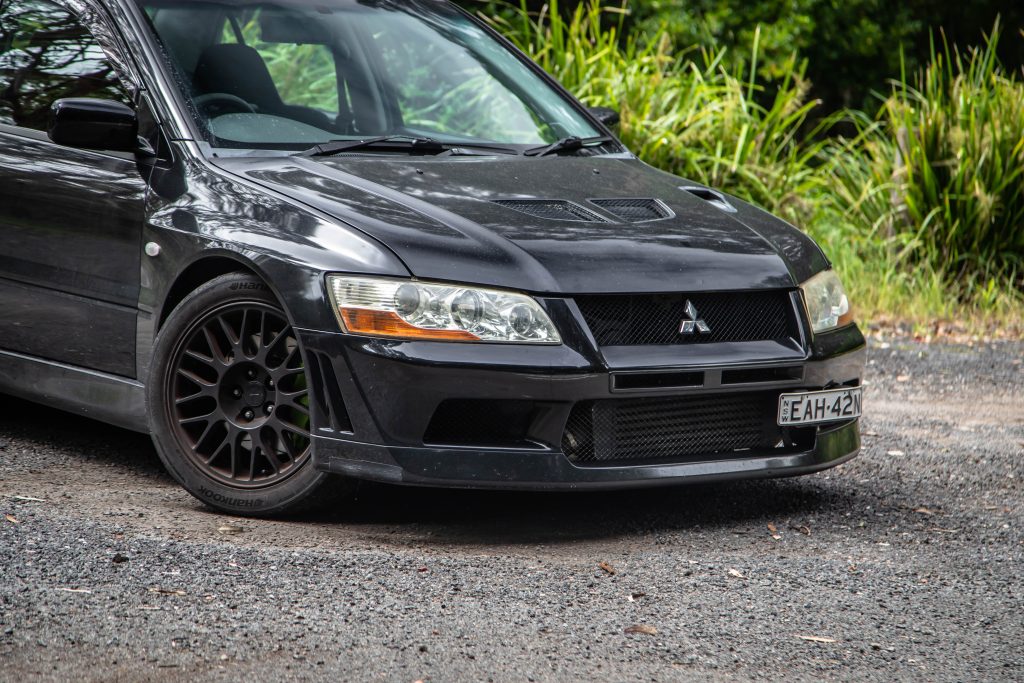
By late 2005, the Evo IX refined the formula even further. It introduced Mitsubishi’s MIVEC variable valve timing system to the 4G63 engine, lifting output to as much as 214kW and 392Nm overseas, or 206kW and 355Nm locally. A $3,700 Performance Pack offered firmer suspension and different wheels, while the standard car started around $57,000 — about five grand cheaper than before.
Australia also got something special: the locally developed Evo IX TMR 220. Built by Team Mitsubishi Ralliart in Melbourne, it pushed 220kW and 400Nm, added track-tuned suspension, 18-inch wheels and massive brakes. It cost $78,000 when new and has since become a rare collector’s item.
The IX also offered something unique — a wagon version, available as a grey import in both manual and automatic form.
Choosing the right Evo depends on what you want: a local car with factory history, a Japanese import with higher specs, or a project car ready for modification. Across the VII to IX generations, each model became progressively more refined and easier to live with, yet all retained the incredible pace, feedback and excitement that made the Evo name legendary.
Rust. As the Lancer Evolution (of all variants) grow older, rust has become more common and it is critical if you’re in the market for an Evo, make sure you raise it up on a hoist and look underneath for rust. Look along the chassis rails, around the front cross member, around the rear subframe, the tops of the strut housings, honestly just look everywhere and if you find rust, we’d recommend walking away.
Examples with a sunroof can leak and again, are susceptible to rust. Also, the sunroof mechanism can fail and or become very noisey with rattles and squeaks.
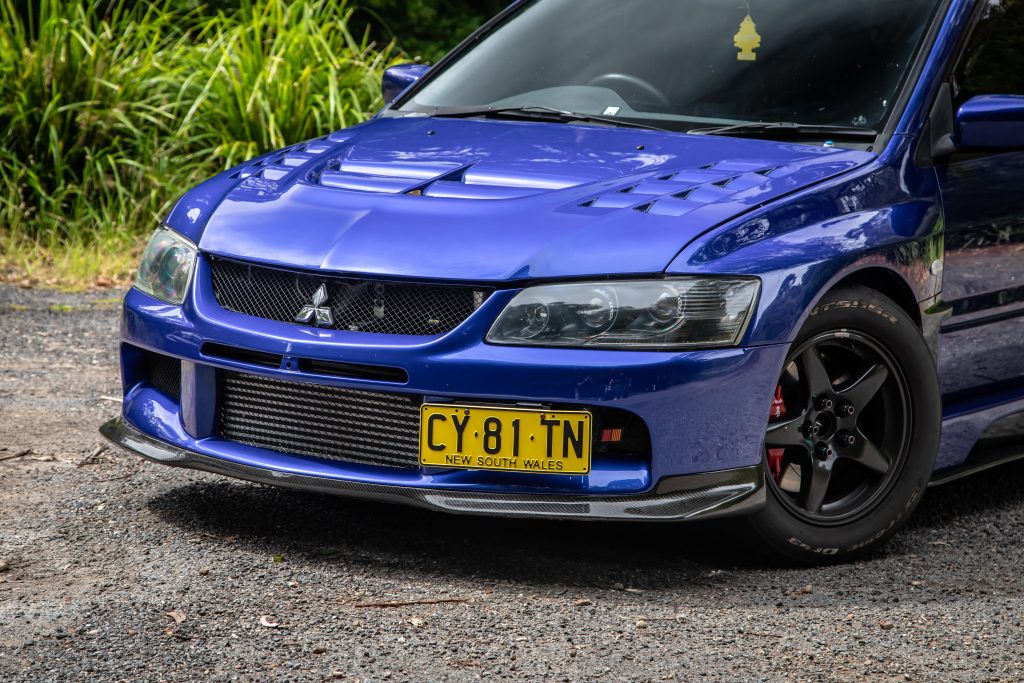
Many Evos have now been fully resprayed and it is important to check that any re-spray has been completed correctly and to the highest quality. If you can see where an owner has cut corners, it could be a very bad sign.
As the Evo is a performance car with copious levels of grip, when that grip runs out, the resulting accident can be quite large. Make sure you go over the entire car and check that the panel gaps all match, that paint matches in colour and texture and look for scratches and dents.
Obviously these cars are getting older and a few car park scuffs are to be expected but if the panels and paint miss match or there are signs of spray paint overspray, it could be a very bad sign.
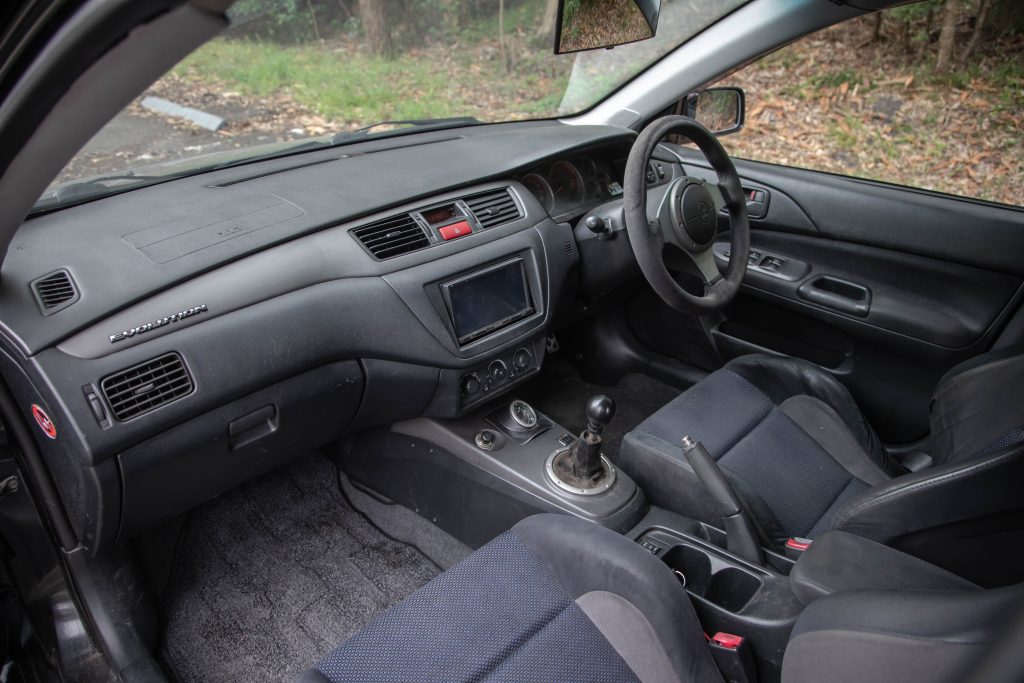
This is extremely importune t to be aware of if shopping for an Evo. As many Evos are imports or can have a mysterious history, there are many reports of certain owners swapping out the instrument cluster for one that is showing far less kilometres.
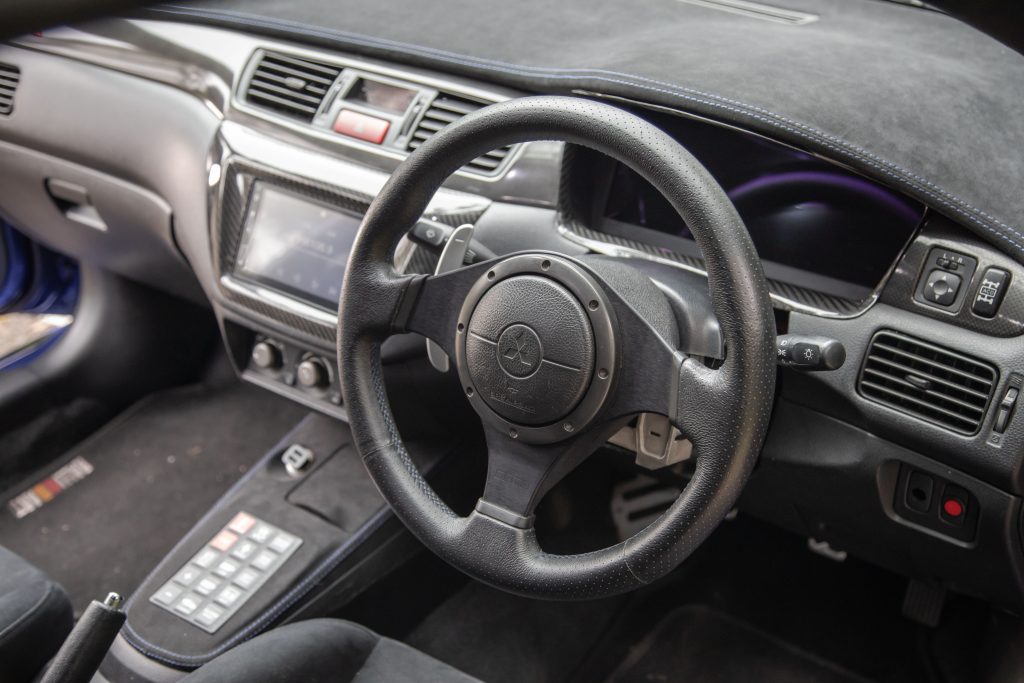
It will depend on where you’re reading this from on how to ascertain if the kilometres are correct in terms of previous registration records or documentation but if the odometer is showing 70,000kms but the pedals, carpets and steering wheel are heavily worn and the seat bolsters are collapsing and the car just feels old, there’s a high chance that odometer, and the seller are lying to you.
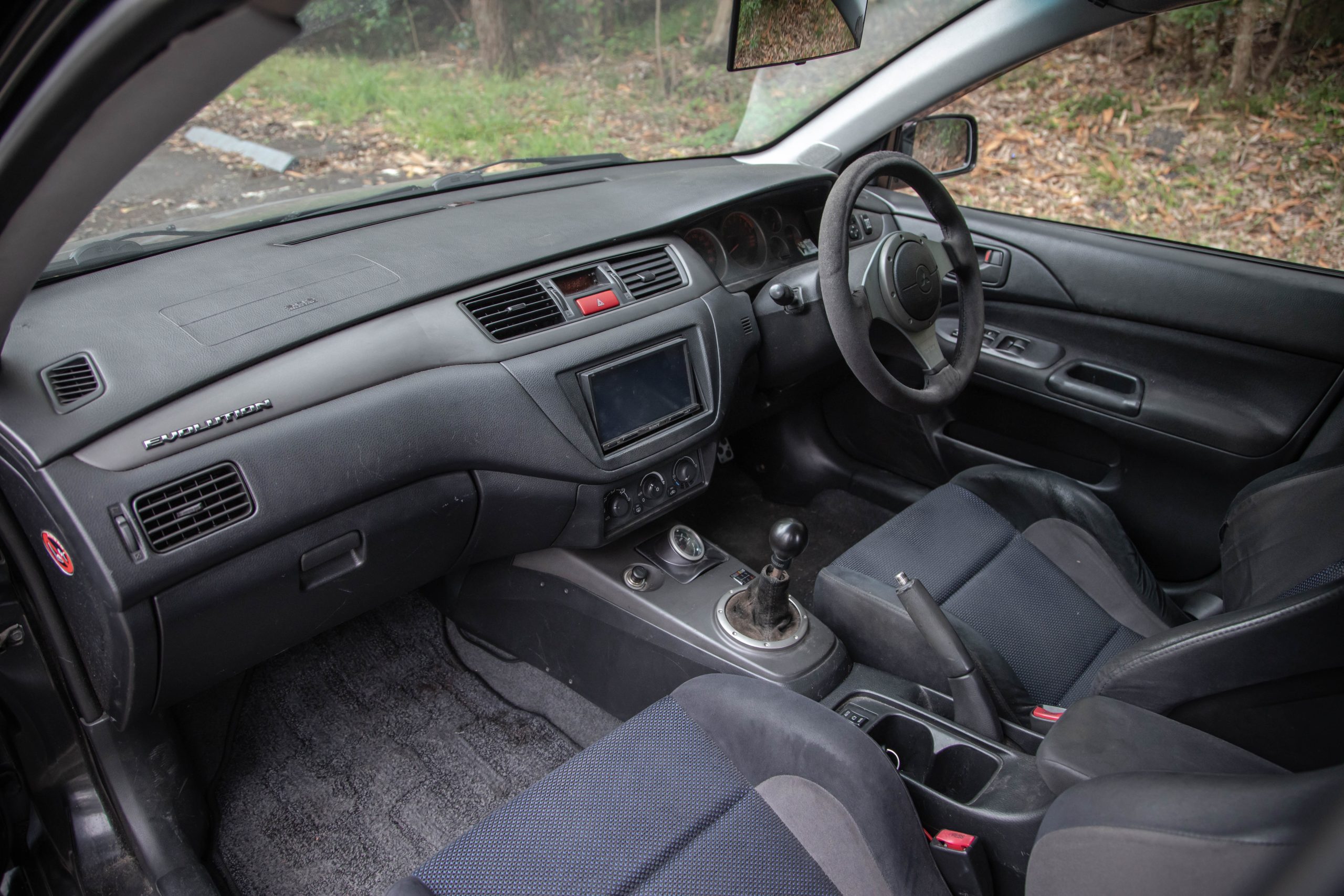
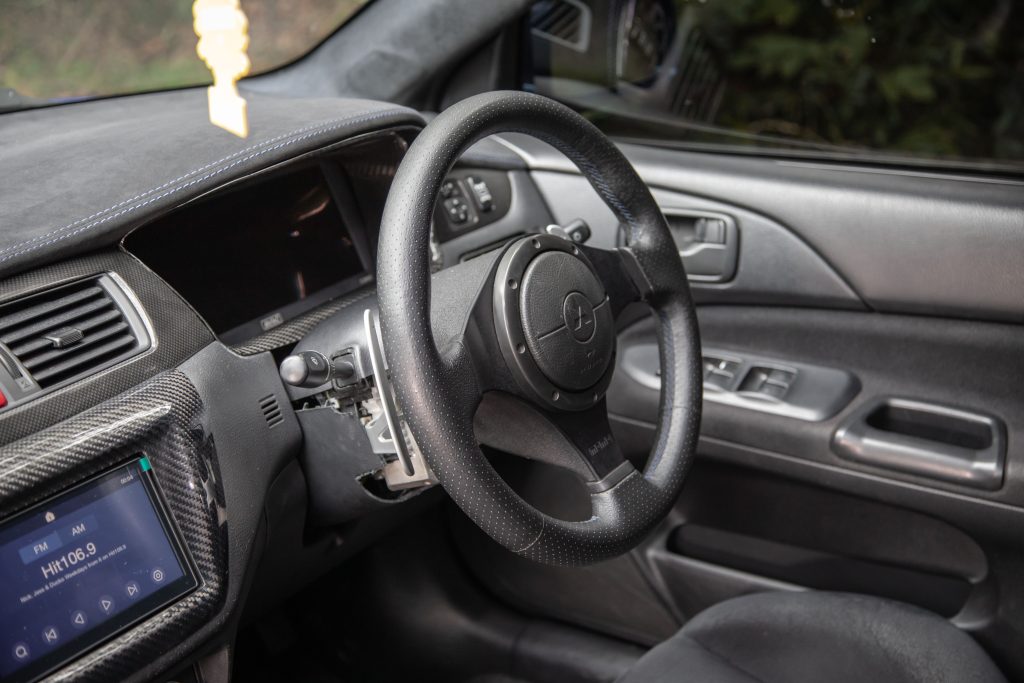
If there are extra gauges or any aftermarket equipment in the interior, does it all work? You’d be amazed how many people buy modified cars only to find out after they’ve bought it that nothing works.
Make sure you turn the key onto accessories and check to see if the ACD lights illuminate correctly.
Press the ACD button and make sure the lights scroll through as you select them. If these don’t illuminate, something way be very wrong.
The specific display of lights can vary depending on the generation of Evo and ACD, but just make sure it they illuminate correctly for the model you’re looking at.
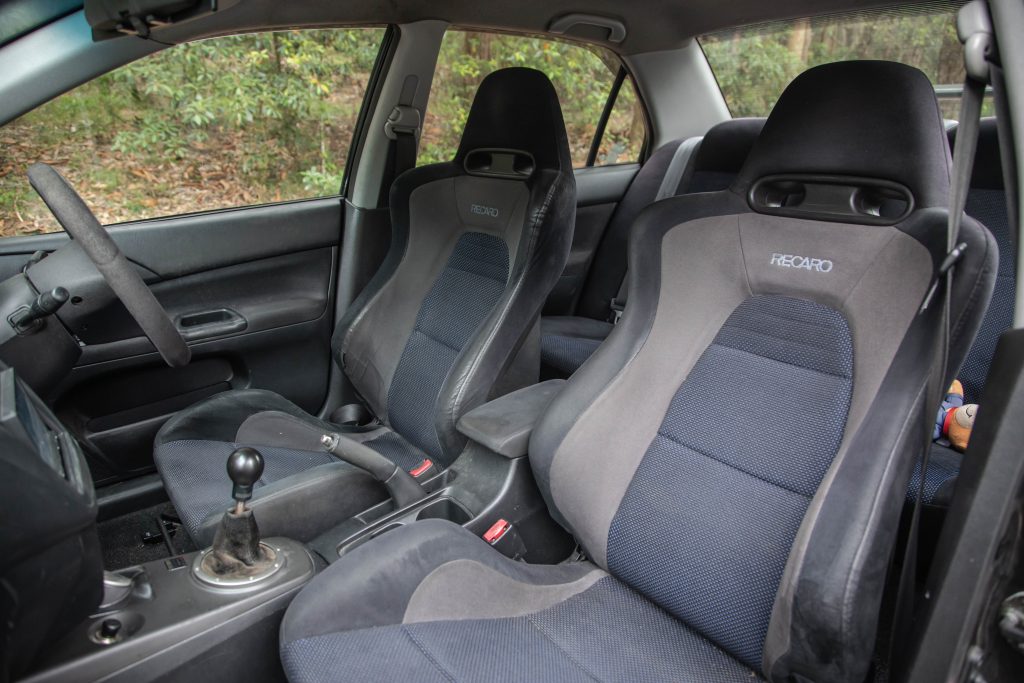
Check that the seats match the model of the car. The Recaro seats can be the target of theft and they are often swapped out for a bucket style race seat. If the seats have been changed, you need to know why.
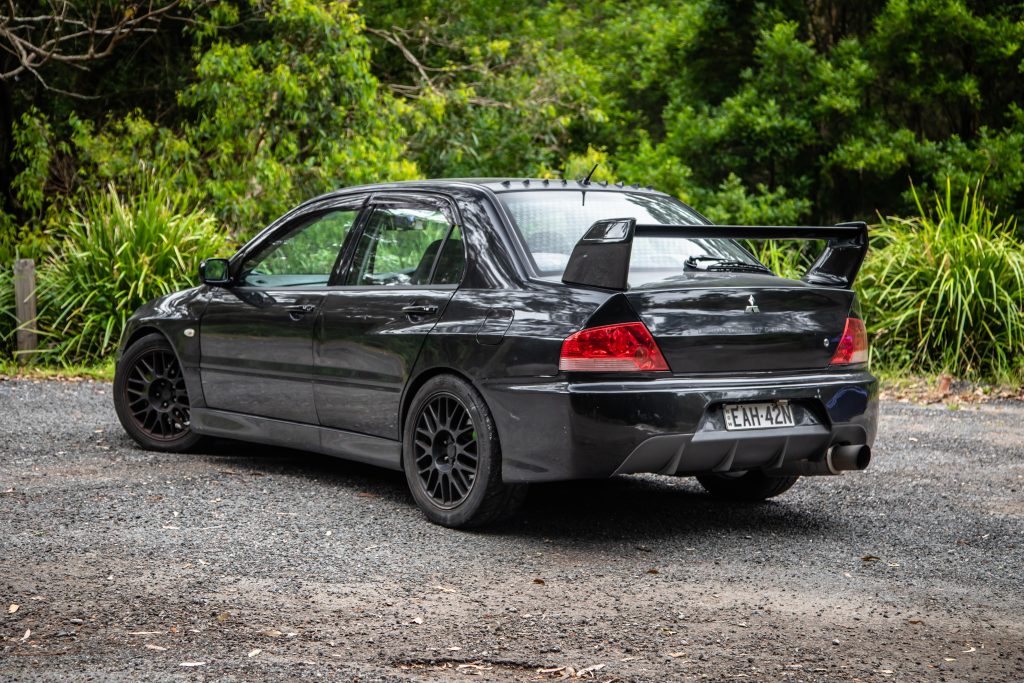
Next the tyres, do the tyres all match and are they a premium performance tyre? If the owner hasn’t invested in quality tyres, the one part of the car that touches the road, where else are they potentially cutting corners.
Look at the wear and tear. If the wear pattern isn’t even, the car may need a wheel alignment or even worse, may have some suspension damage. If the outside of the tyre is heavily worn, the car has been cornered hard. While that’s what these cars are designed for, just know, it has had a tough life.
Try to get underneath the car and look for any impact damage or gouges or big scratches or, any fresh paint trying to hide damage or dodgy repair work. Also look for any leaks or wet areas. If it looks sketchy, it probably is.
Mechanically, the 4G63 is a fairly bulletproof engine but things can go down hill very quickly if not maintained correctly.
Open the bonnet and check that everything look right. Is anything loose or falling off? Again, are there any signs of paint overspray? Are any modifications fitted correctly? Are all the fluids at their correct levels and what is the condition of these fluids?
Make sure the timing belt has been changed at the correct intervals, this is critical.
Look for any signs of oil leaks, how bad are the oil leaks?
Check diff bushes and make sure the gearbox isn’t grinding.
The Evo 7 has something of a reputation for weak transfer cases, although, this will generally only show itself with excessive modifications or if it has been driven without mechanical sympathy.
An overflowing expansion tank can be quite a common problem that can effect many Evolution models. The problem occurs because the cap does not seal properly and coolant leaks around it, instead of going down the drainpipe.
If the coolant drops below minimum and doesn’t settle, there may be a coolant leak somewhere in the system. This needs to be fixed as soon as possible and will require further inspection.
All Evos are beginning to have AYC and ACD pump issues when owners fail to service them correctly.
For those wishing to modify extensively, the bottom end in the Evo 7 is weaker than you’d expect. We’d recommend sticking to Evo 8 or 9 if chasing big power numbers.
The 5-speed gearboxes are proving to be stronger than the 6-speeds, but mechanical sympathy goes a long way.
Timing belts and serpentine belts tend to be worn on older examples. Make sure you replace them because if they snap, it will be expensive to rebuild the engine.
It might be worth getting AFR, water temp, oil temp and boost gauges to make sure everything is working nicely.
If unmodified, the Evo is a tough vehicle and should only suffer from the general old age, high kilometre issues that can impact any turbocharged all wheel drive car of this age.
But remember, the more modifications done to it, the more chance it’ll go bang and cost a small fortune to put right.These are a high maintenance vehicle and if cared for correctly, should provide many years of incredibly enjoyable driving.
Well yes and no.
It’s a yes in the sense that these generations of Evo still provide a brilliant driving experience, both when standard or when modified properly and with pricing ever increasing, there is some potential that you may be buying something of an investment as well an iconic drivers car, that also happens to offer quite good practicality and if cared for, great reliability.
But, unless you’re buying a Evo as a project car and are happy to spend every waking hour and final dollar transforming it into your dream ride, it’s a very big no if the Evo you’re looking at has been abused or mistreated in really anyway.
You are far better off spending more money on the most original, mint condition low kilometre Evo with minimal modifications and a full and thorough service history than an Evo with a questionable history as the money you may save in actually buying the car will soon be eaten up in repairing and maintaining a rough example.
The Evo 7, 8 and 9 has become almost like a vintage Ferrari, the actual cost of buying and maintaining them is ever increasing yet they come with real racing pedigree and the right one will provide a truly wonderful driving and ownership experience.
But, the wrong example will drain your bank account faster than an Evo can drain the blood from your extremities mid fast corner.


Co-creator, presenter & writer, ReDriven

There are better cars out there.

 1 month ago
 2 months ago
 2 months ago