
Australia’s No. 1 Used Car Review Website
Australia’s No. 1 Used Car Review Website
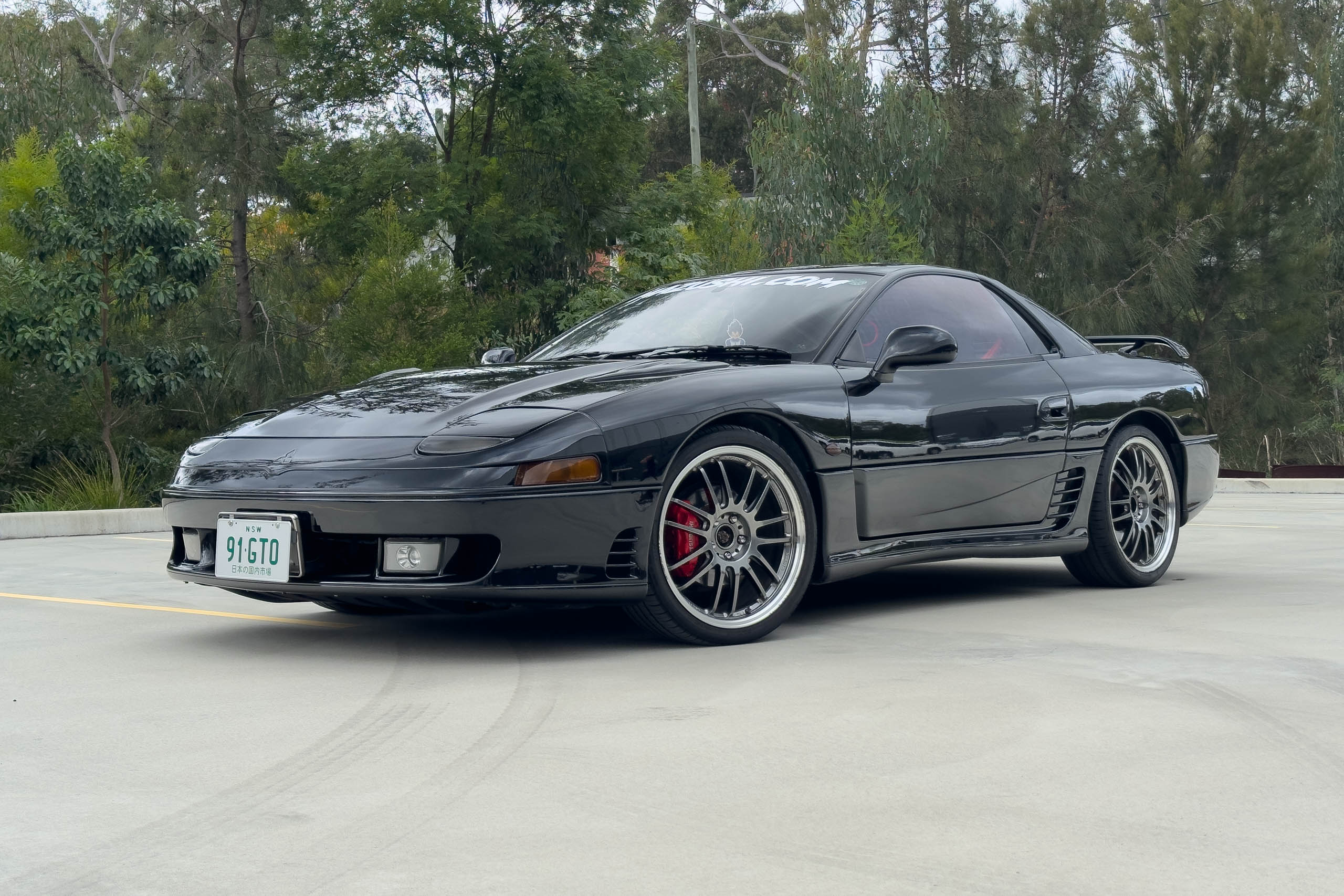
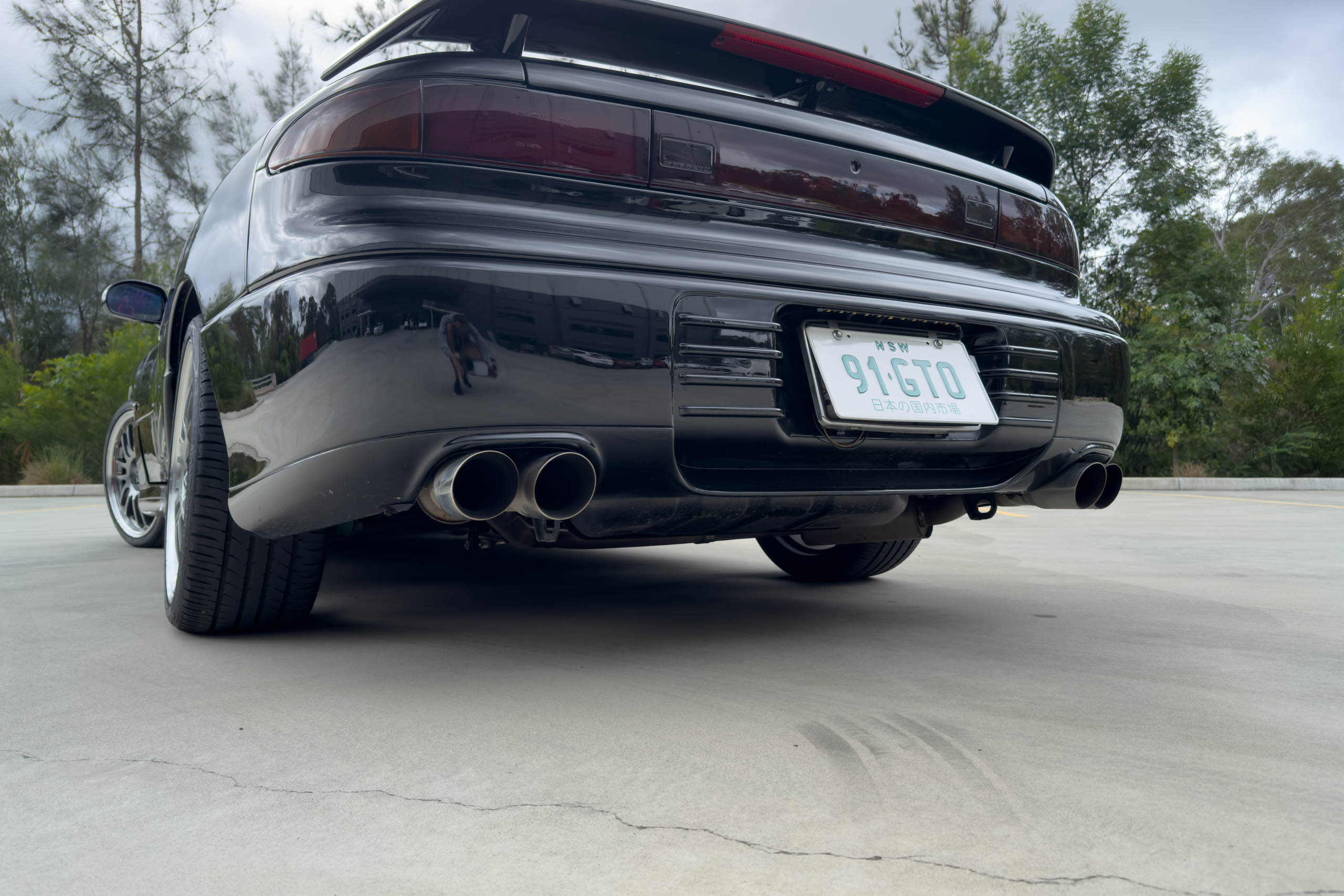
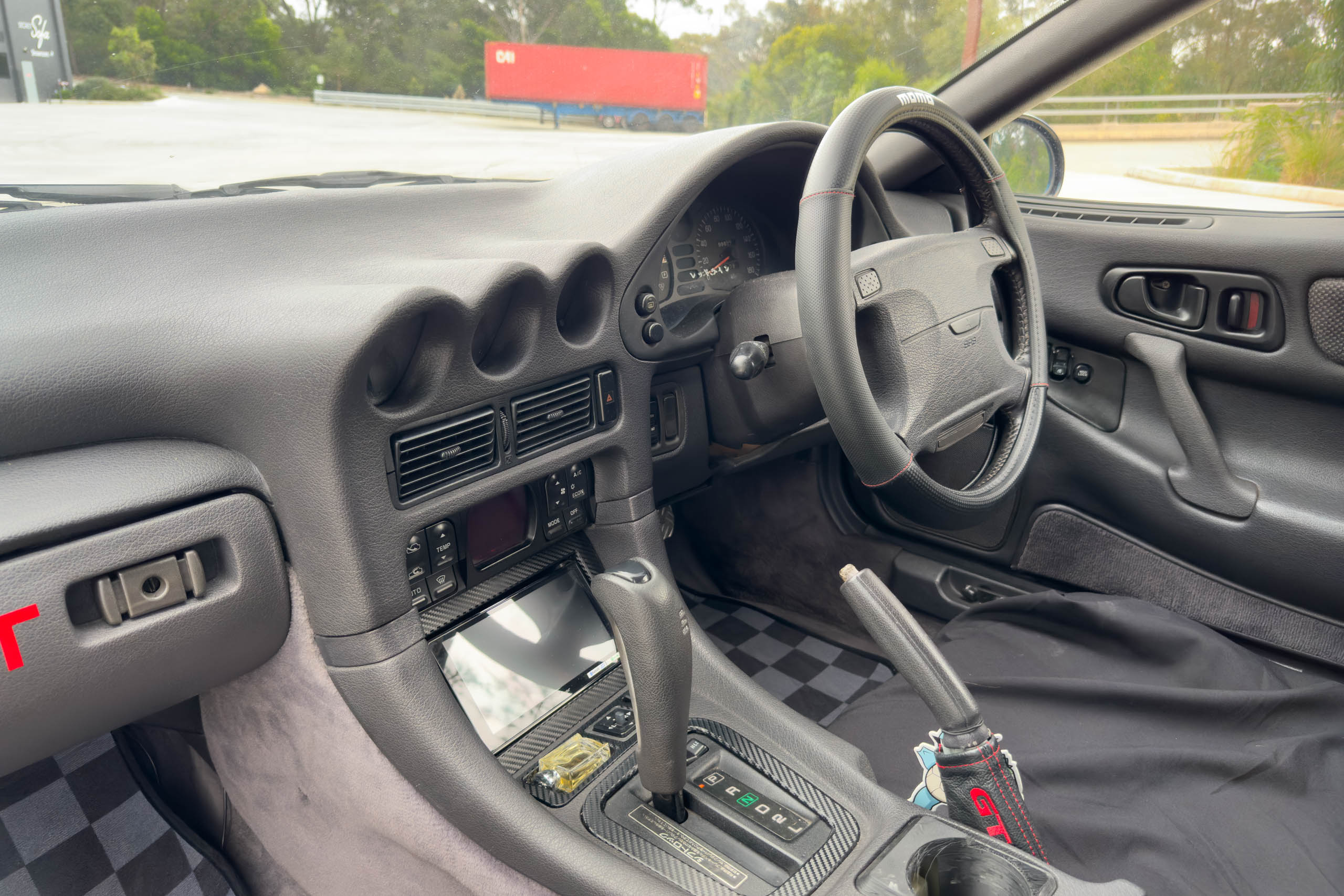
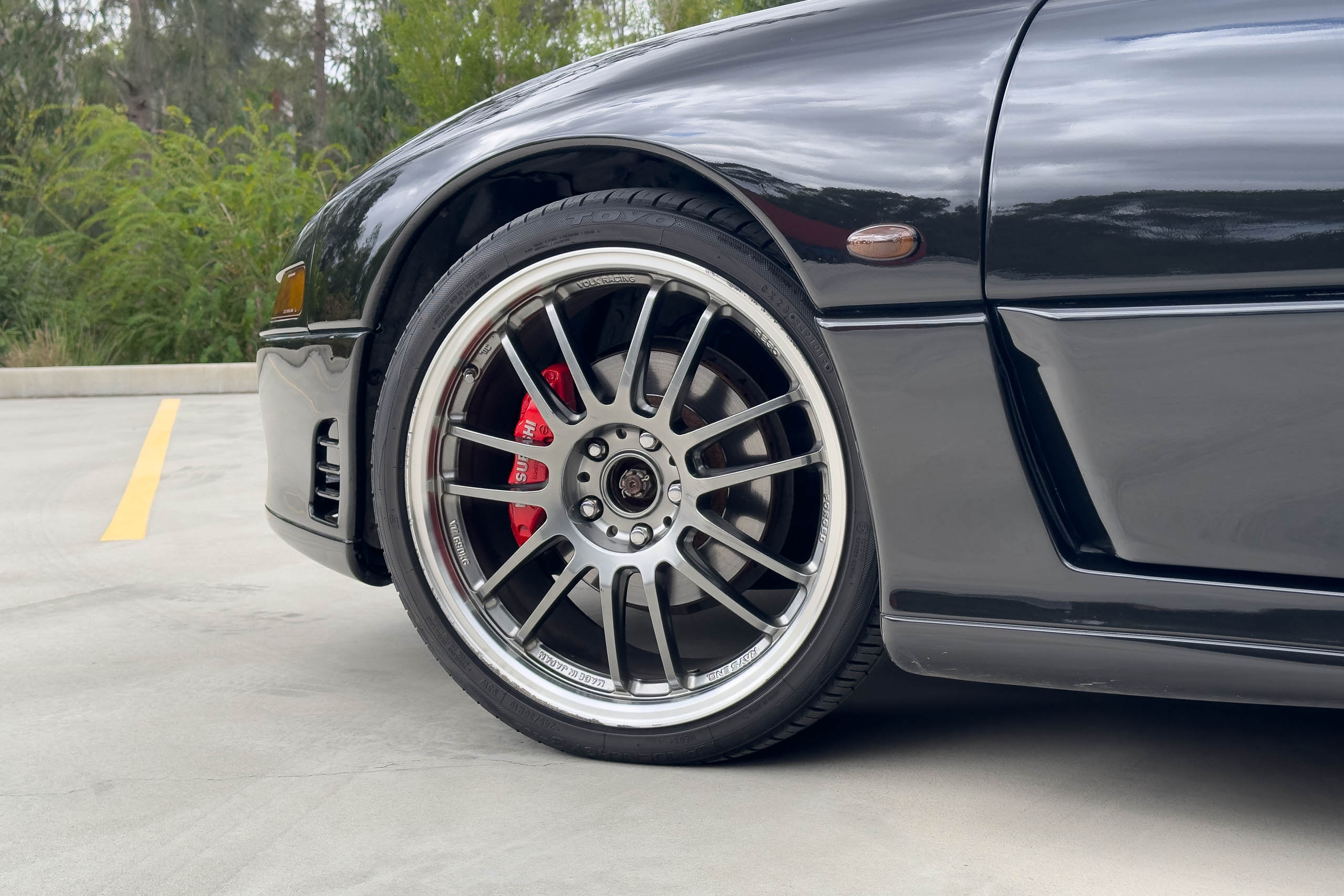
+8 Photos
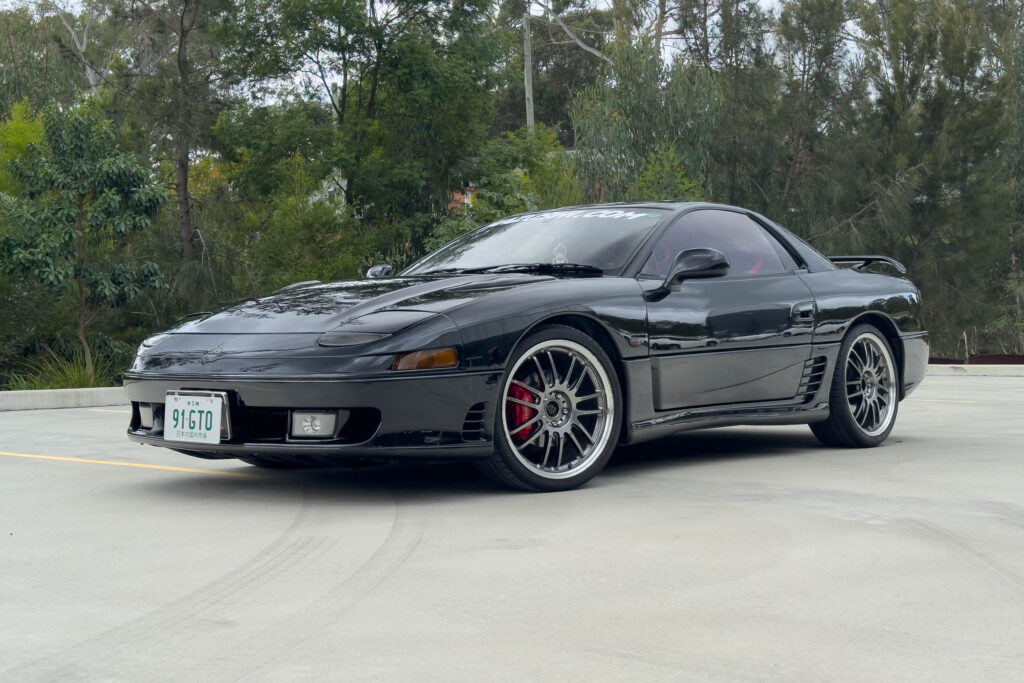
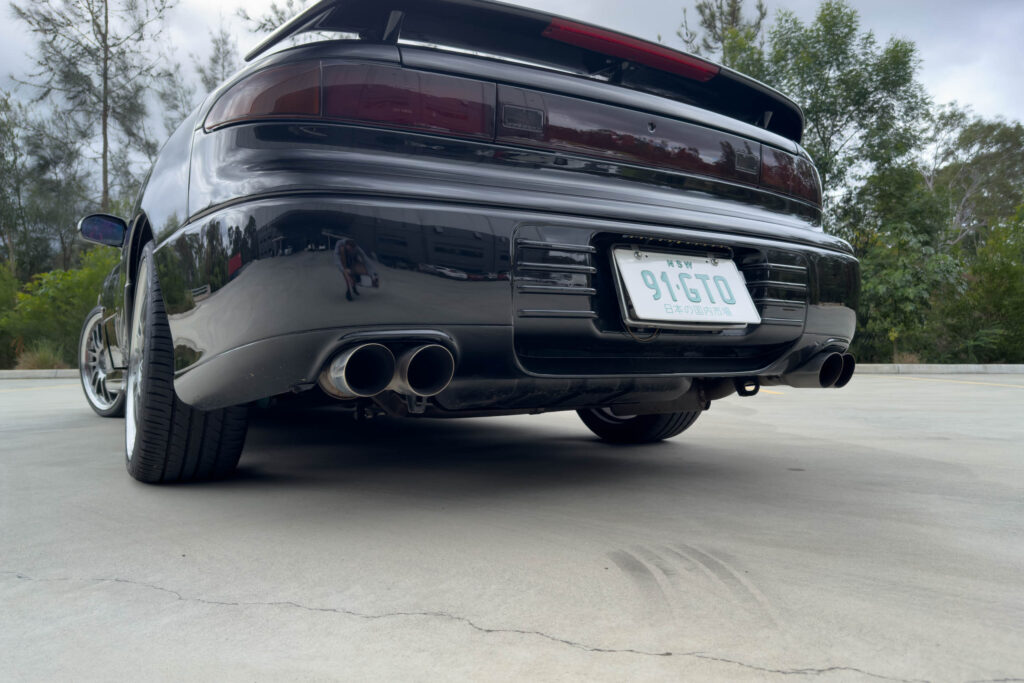
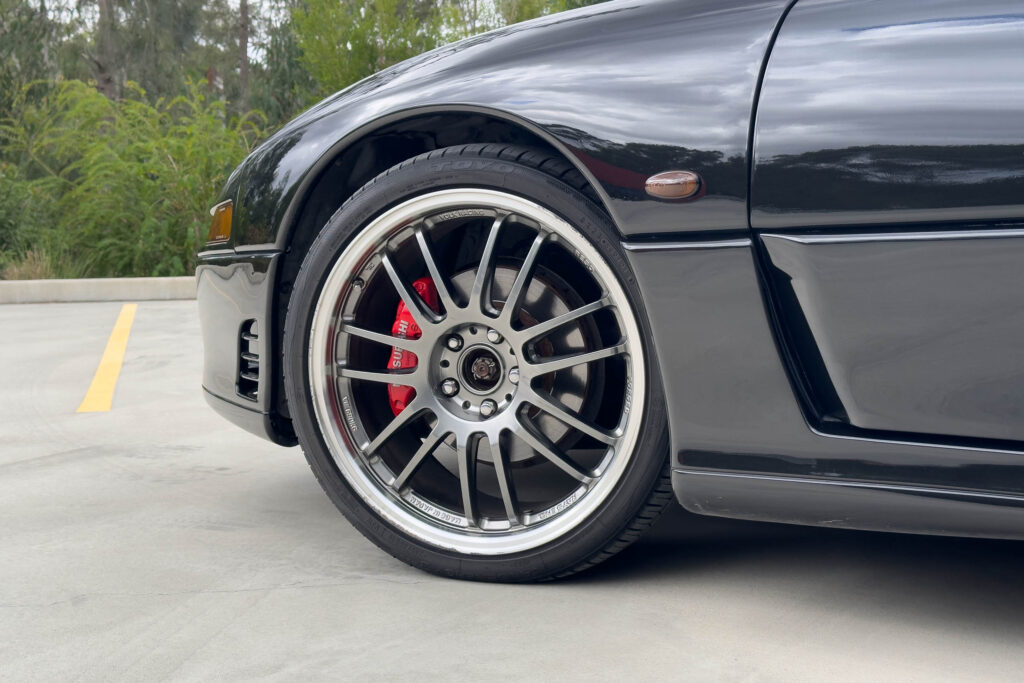
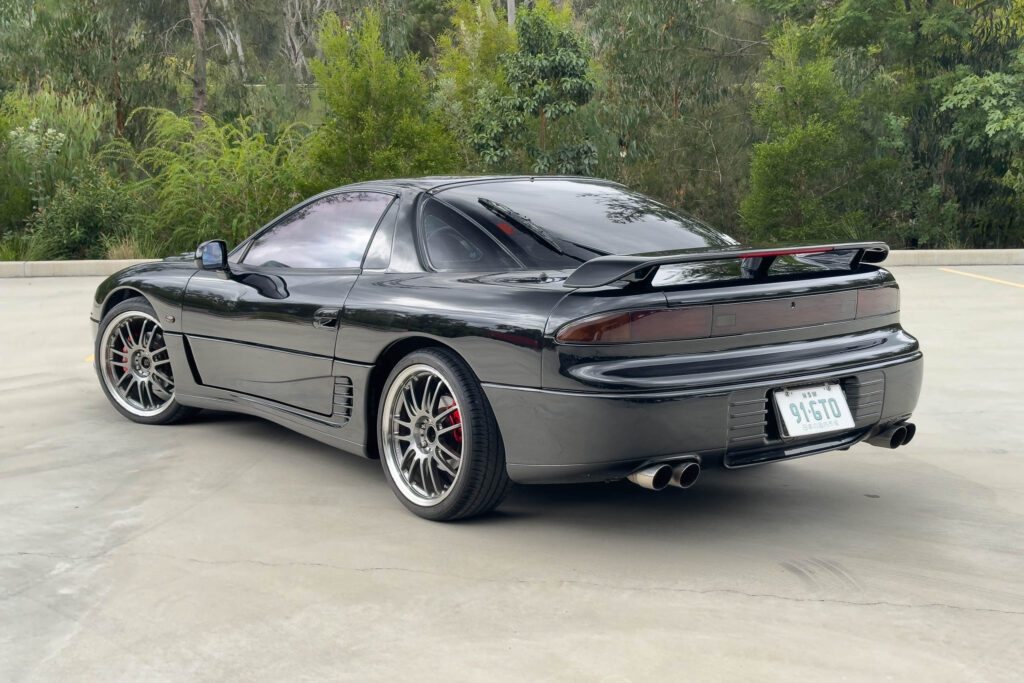
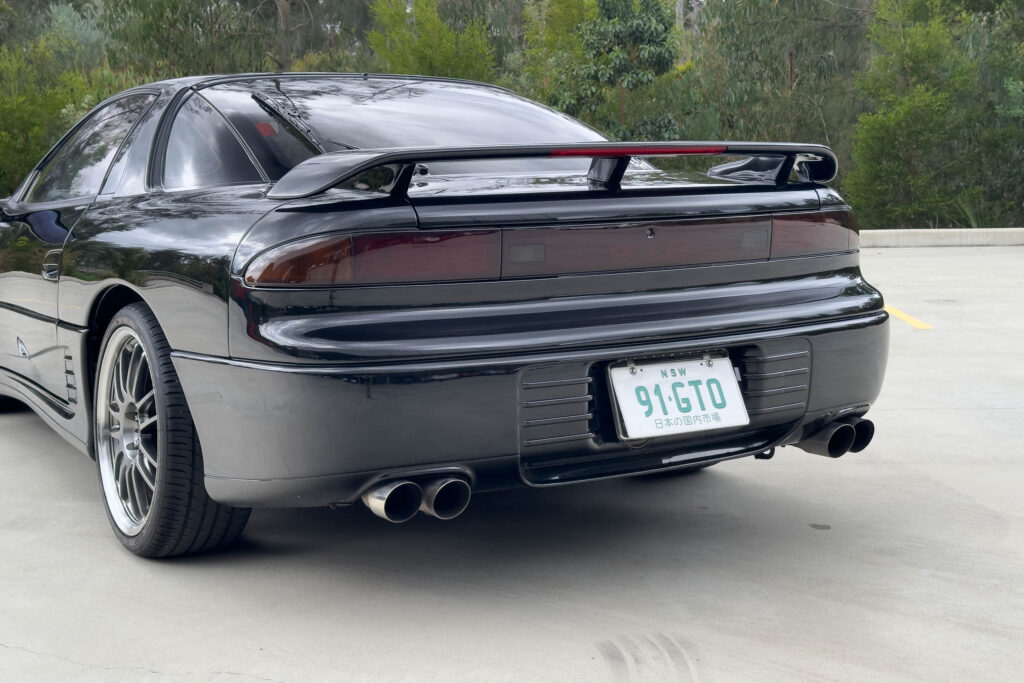
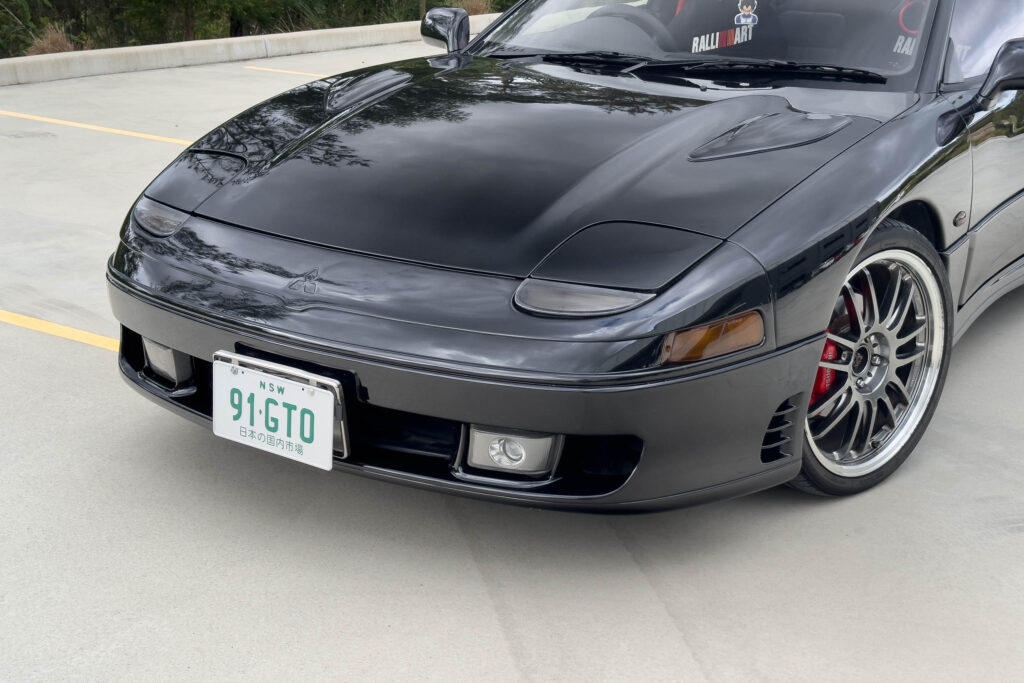
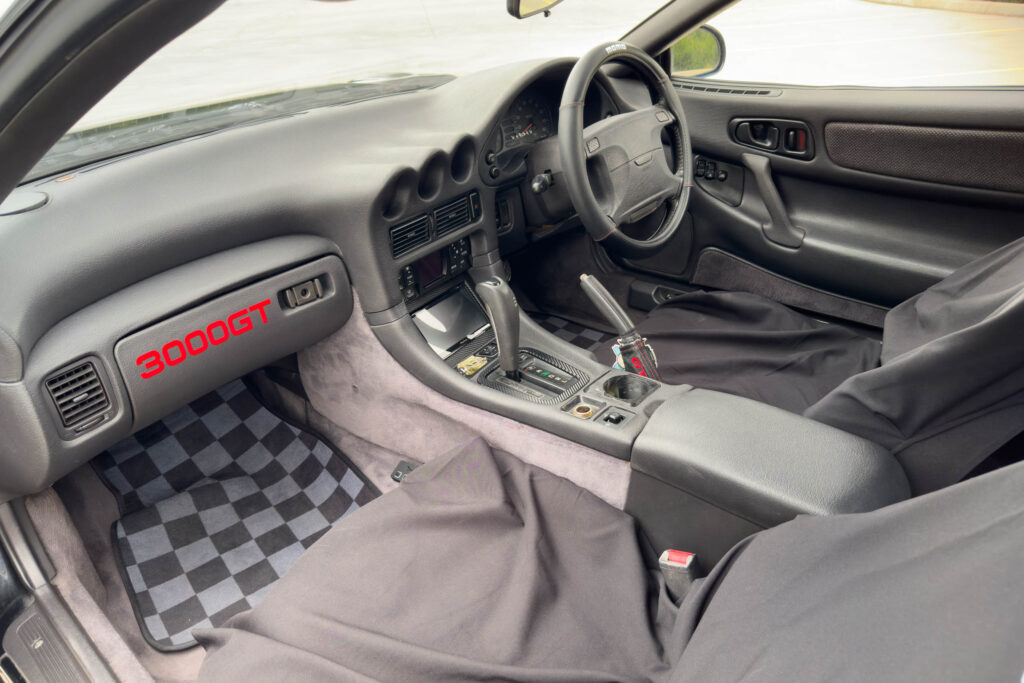

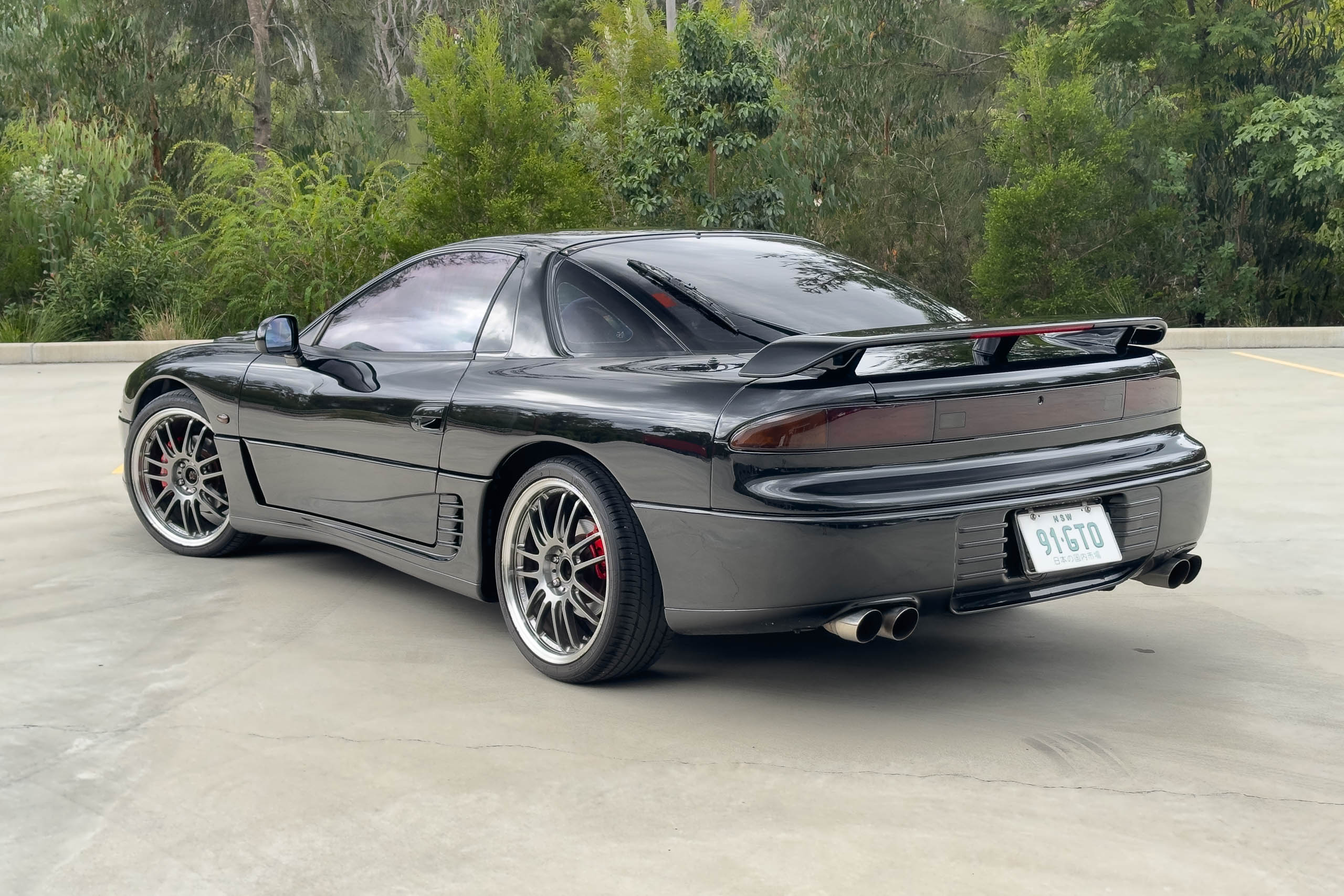
1991 Mitsubishi GTO

19 May 2024
There are better cars out there.

1991 Mitsubishi GTO

Used car review
19 May 2024
The Mitsubishi 3000GT and GTO (1990-2000), was the flagship performance car for Mitsubishi, produced during the 1990s.
It featured advanced technology like all-wheel drive (AWD) and adaptive dampers. All-wheel steering (AWS) and active aerodynamics enhanced handling and stability. Bi-modal exhaust system offered variable exhaust sound and performance.

Powered by a 3.0 L V6 engine in all variants, the majority of models, especially in Australia, had a twin-turbo setup. Twin-turbo models had significant mechanical differences from naturally aspirated versions. 6G72 engine is also used in various Mitsubishi, Dodge, Chrysler, and Hyundai vehicles.
Known as the GTO in Japan; grey import models in Australia are also called GTOs. It’s called the 3000GT in most other regions; some North American models are branded as the Dodge Stealth.
1994 update added more technology and power, and removed pop-up headlights: 1997 update included a subtle facelift and removal of some features due to economic factors. The 1999 update introduced more aggressive styling and the VR4’s inverted airfoil spoiler.
Variants included GTO SR, GTO MR, Beckenbauer Edition, 3000GT VR4, 3000GT SL, and Spyder. 3000GT outsold Nissan 300ZX, Mazda RX-7, and Toyota Supra combined.
Despite strong sales, it does not receive the same adoration as other JDM classics. Current prices start around $10,000; many examples have been poorly modified or mistreated. Affordable pricing has led to a range of conditions and potential issues in used models.
Exterior:
Generally reliable but some owners report issues where it stops working or works unevenly.
Repairing active aero components can be challenging after an accident due to the difficulty in sourcing parts.
Check all functions and ensure they do not foul on the bodywork.
Updated non-pop-up headlights may accumulate condensation, especially if modified.
Outer door rubbers are prone to degradation over time.
Red models are particularly susceptible to paint fade without proper care.
Inspect for scratches, dings, and signs of accident damage or poor repairs, which are common due to previous owners’ tight budgets.
Issues often related to age; flashing light on the selector could indicate sensor wire problems or ECS controller faults.
Mitsubishi no longer manufactures ECS controllers.
No light on the selector might be due to a blown bulb or deliberate removal to hide issues.
Many owners replace the ECS with aftermarket struts; ensure quality components are used due to the car’s weight.
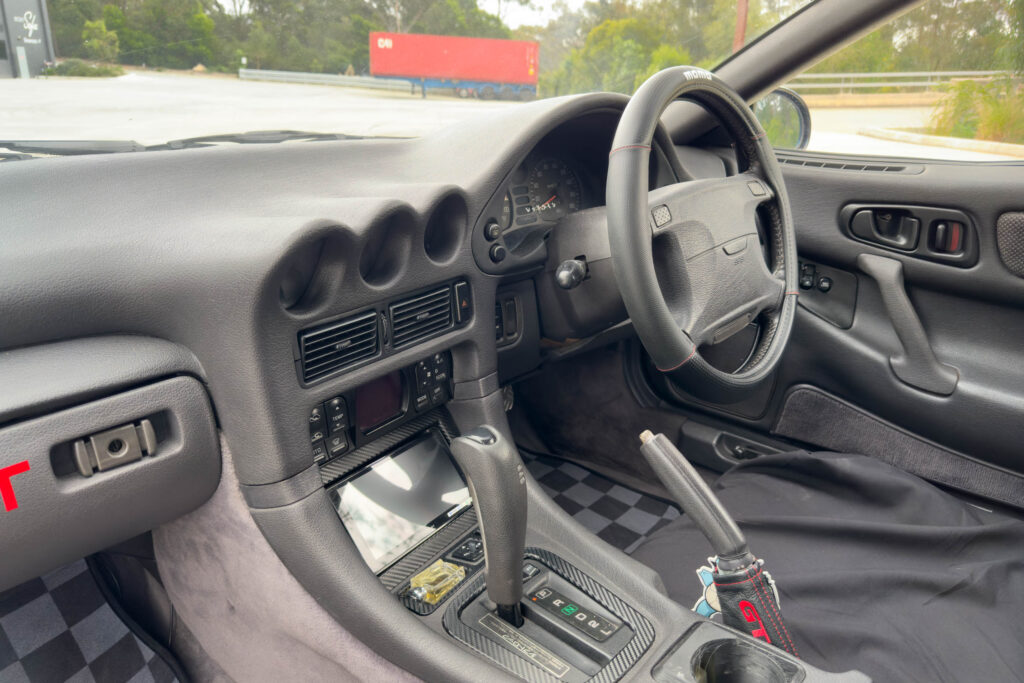
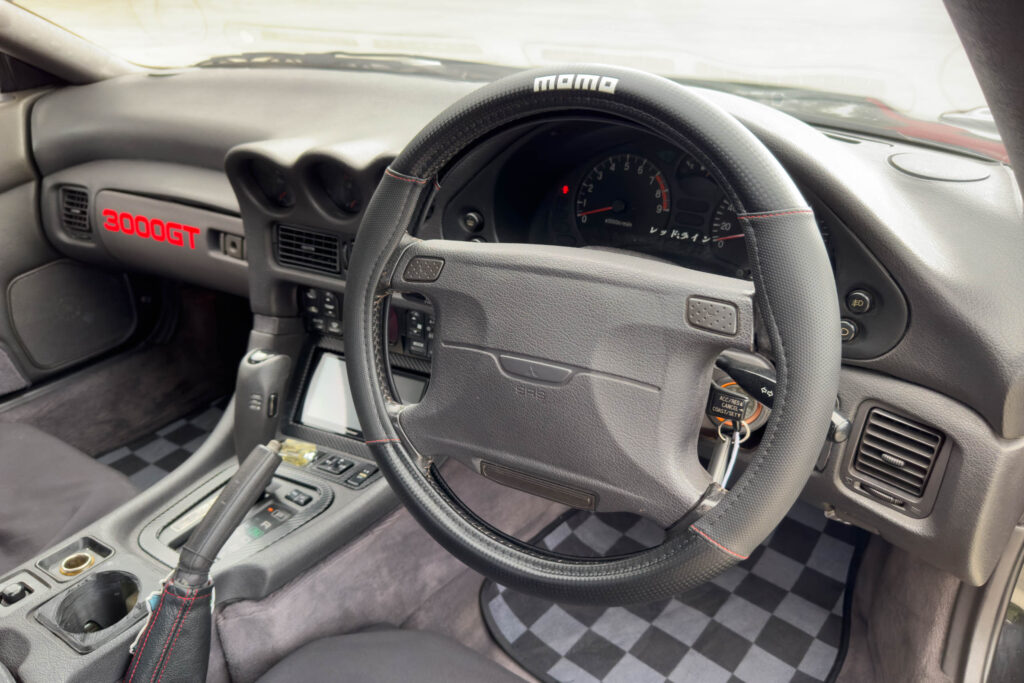
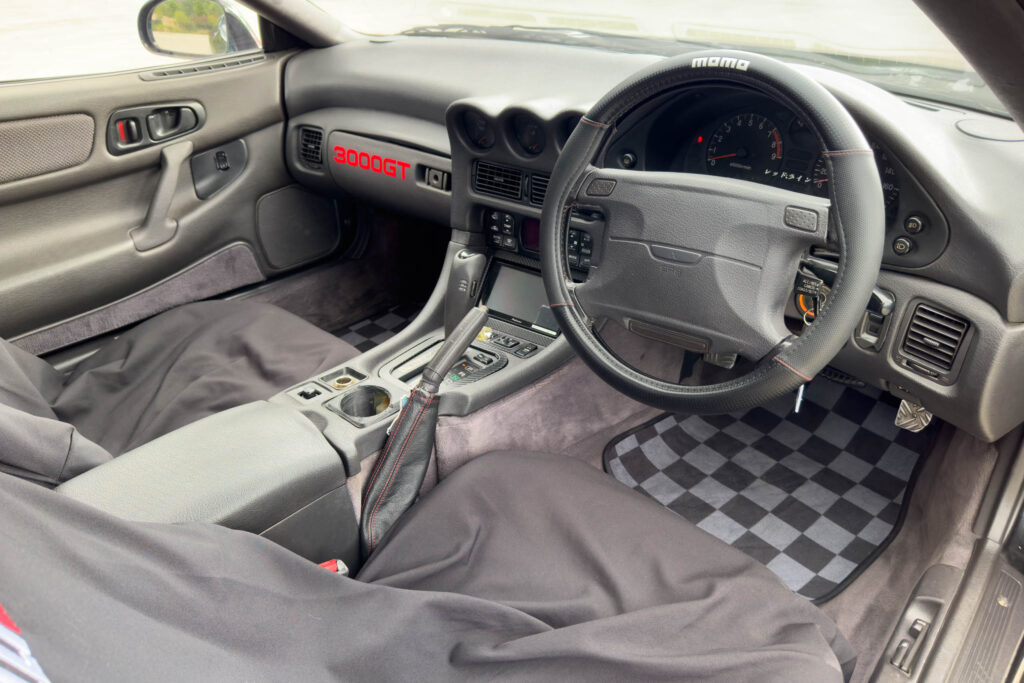
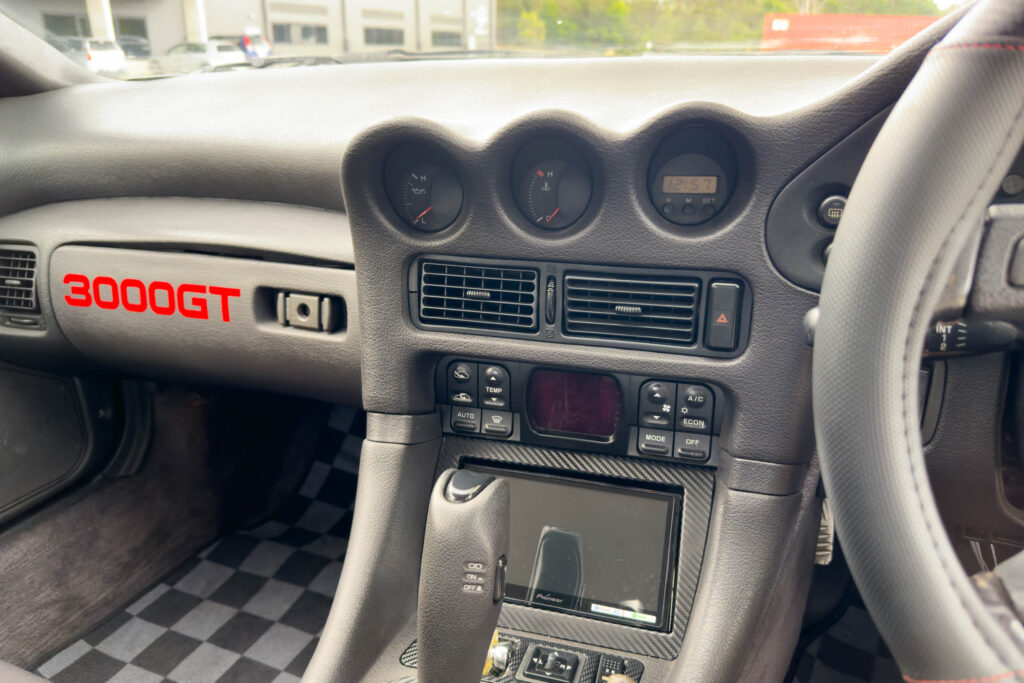
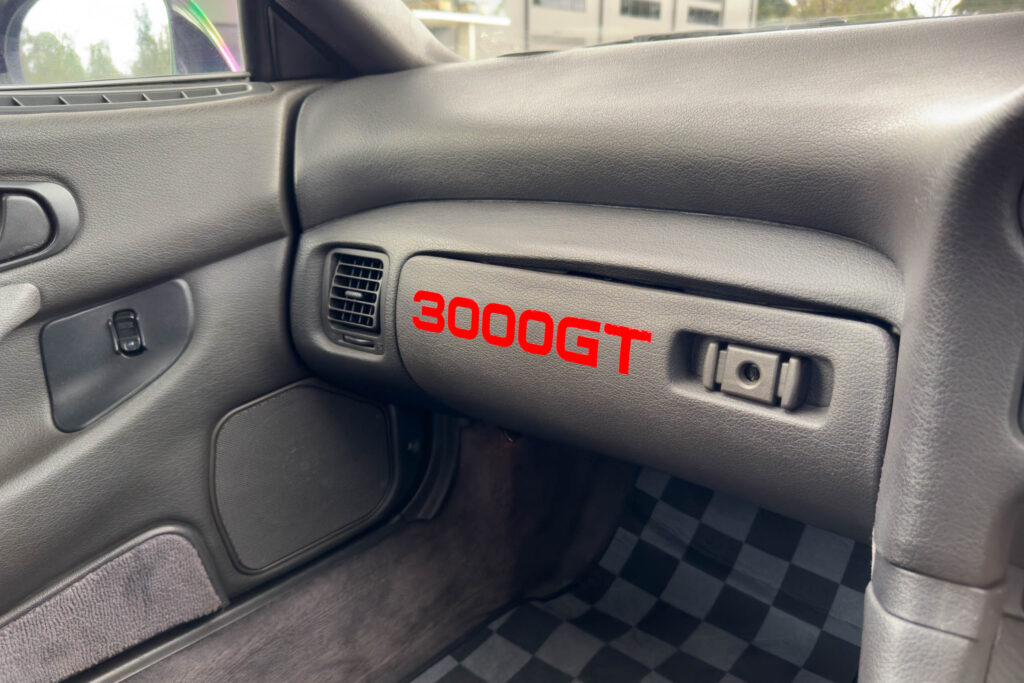
Interior:
Make sure all buttons and switches (mirrors, windows, climate control) function correctly.
Non-working components could hint at larger electronic issues like ECU capacitor failures.
Ensure all lights illuminate upon ignition; missing lights may indicate unplugged bulbs to hide problems.
Check the quality and installation of aftermarket head units and features.
Sun exposure can damage fabrics and plastics; replacements or re-trimming might be necessary.
Interiors tend to withstand the sun and wear better than similar-era Nissans and Mazdas.
Mechanical:
Engine:
Mitsubishi 6G7 engines (mid-80s to 2005) are reliable but prone to leaking valve stem seals.
Naturally aspirated (NA) versions are less performance-oriented, similar to Mitsubishi Magna underpinnings.
Turbo models are mechanically different and more complex, but not inherently unreliable.
Common “old car” issues include timing belts and rubber components.
Early ECU issues involve failing capacitors and circuit boards; Generation 3 ECUs are more reliable and can be retrofitted to older models.
Transmissions:
Common issue with the Transmission Control Module (TCU).
Generation 1 transfer case is weak and prone to breaking; Generation 2 and later models use a stronger steel transfer case, which is interchangeable with earlier models.
Equipped with Getrag transmissions, which may develop synchro problems and require specific oil.
Repairs can be extremely expensive if serious issues occur.
The biggest issues arise from neglect, mistreatment, and poor modifications by previous owners.
A pre-purchase inspection is critical to identify potential problems.
Out of all the halo Japanese performance cars of the 1990s, the Mitsubishi 3000GT might have initially seemed less appealing when new. However, today, it could be the best choice for enthusiasts.
All 90s JDM legends require care, attention, and a substantial savings account to maintain. The 3000GT stands out with an asking price often tens of thousands of dollars less than its more celebrated counterparts like the Nissan GT-R, Toyota Supra, and Mazda RX-7.
The 3000GT is potentially more usable and easier to live with as a daily driver. With the right modifications, it can hold its own in terms of sheer performance against its more famous rivals.
The cost of modifications and general maintenance for the 3000GT can often be more affordable compared to its more obvious alternatives.
It’s crucial to find a well-maintained example and have it thoroughly inspected before purchasing. Allocate a few thousand dollars for potential upkeep to ensure the car remains in top condition.
In summary, the Mitsubishi 3000GT offers an appealing combination of performance, usability, and affordability, making it a special car for the right buyer.


Co-creator, presenter & writer, ReDriven

There are better cars out there.

 1 month ago
 2 months ago
 2 months ago