Australia’s No. 1 Used Car Review Website
Australia’s No. 1 Used Car Review Website
+12 Photos
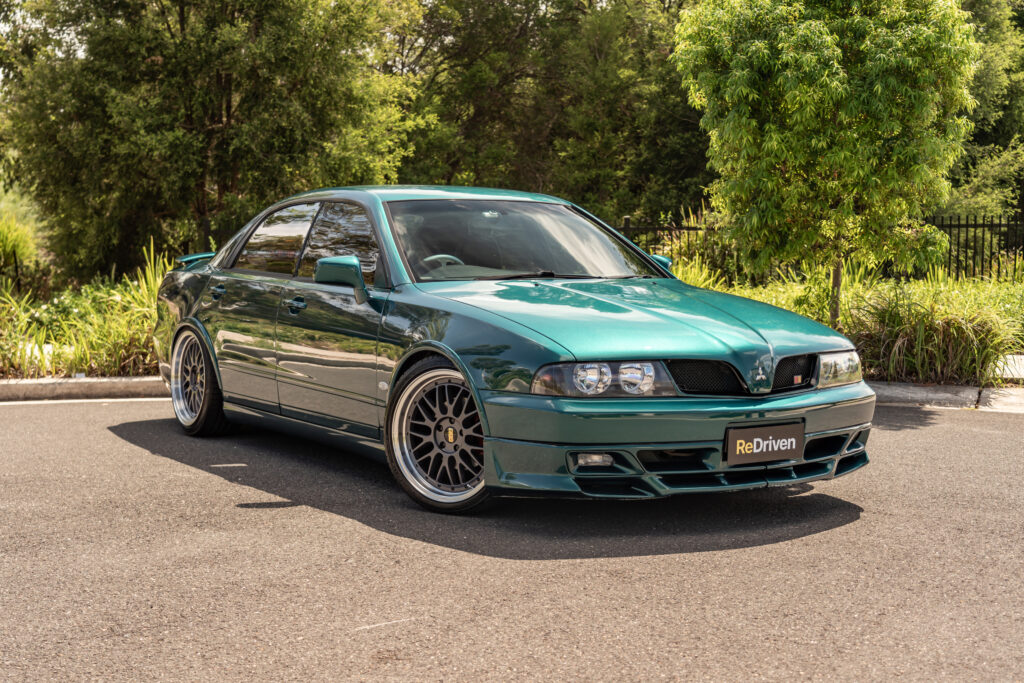
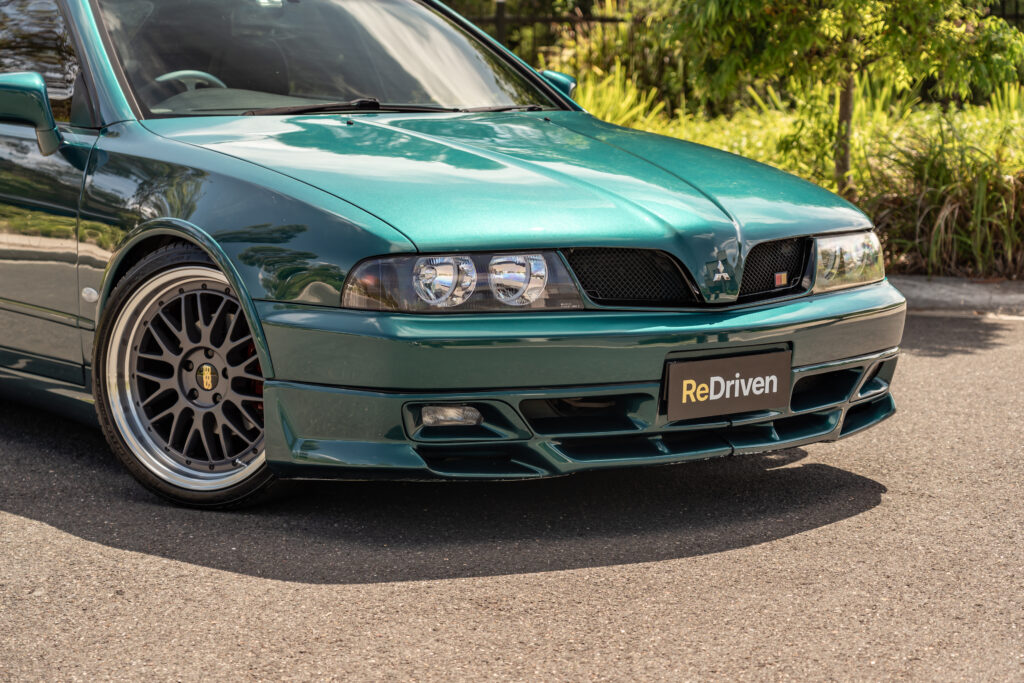
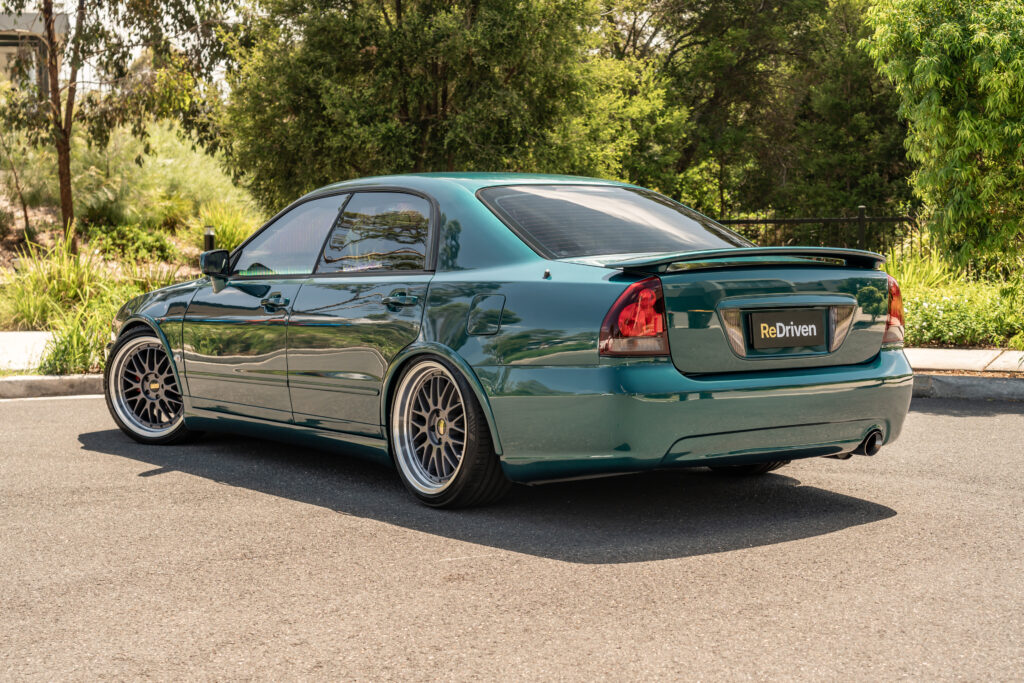
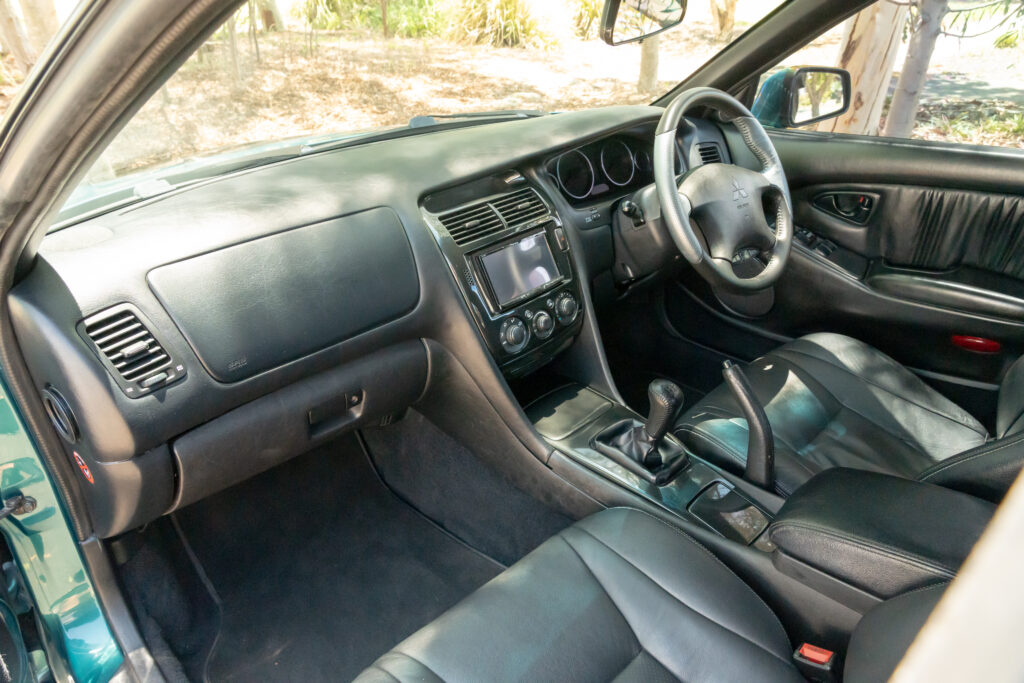
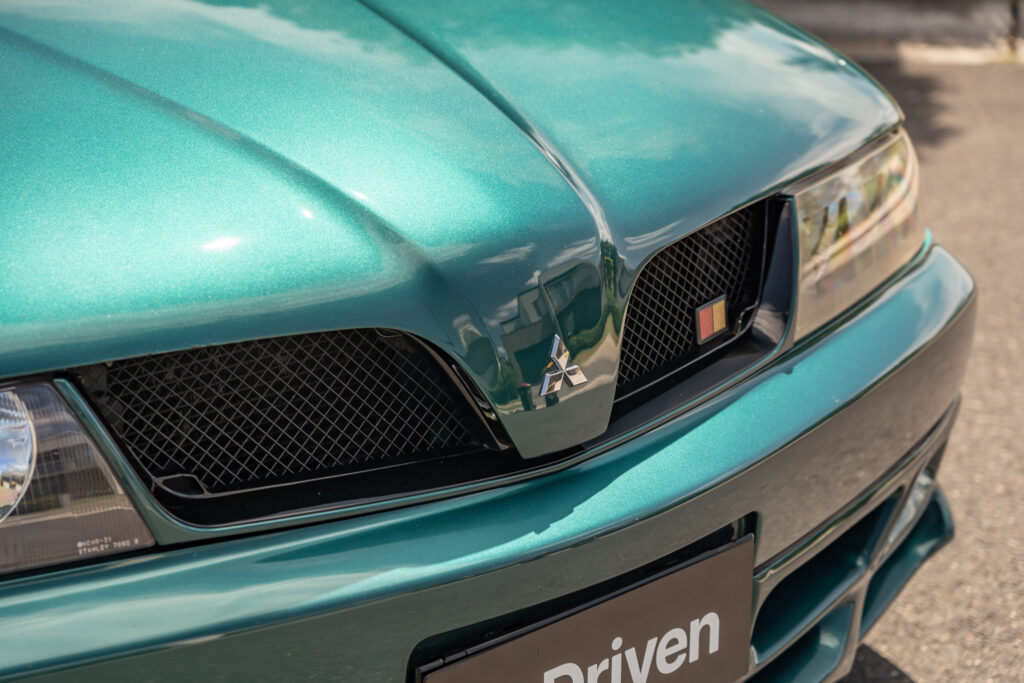
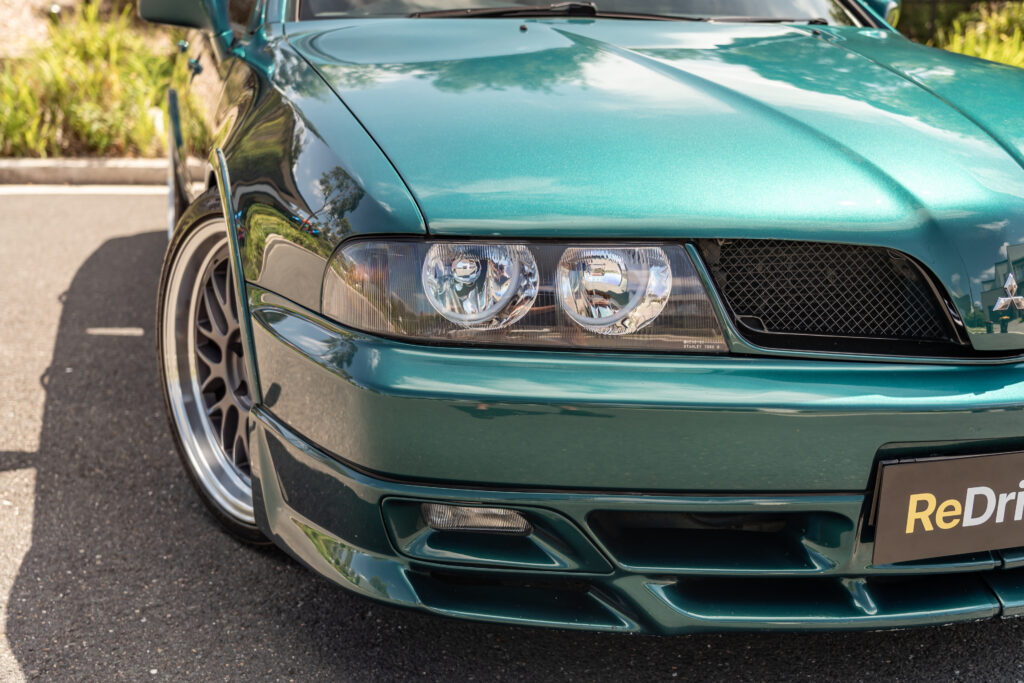
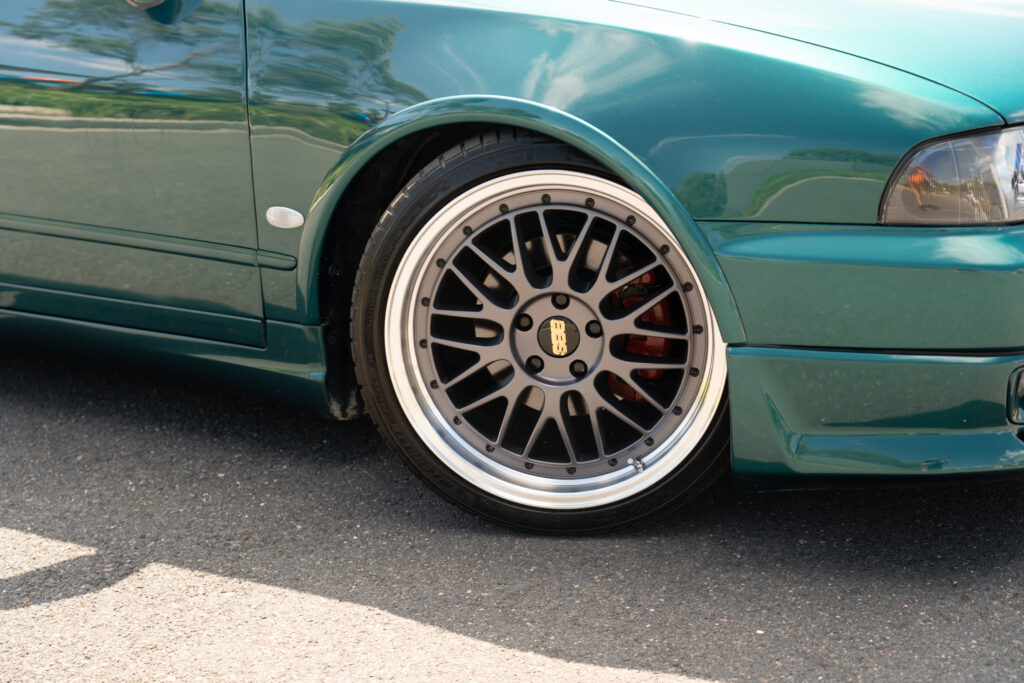
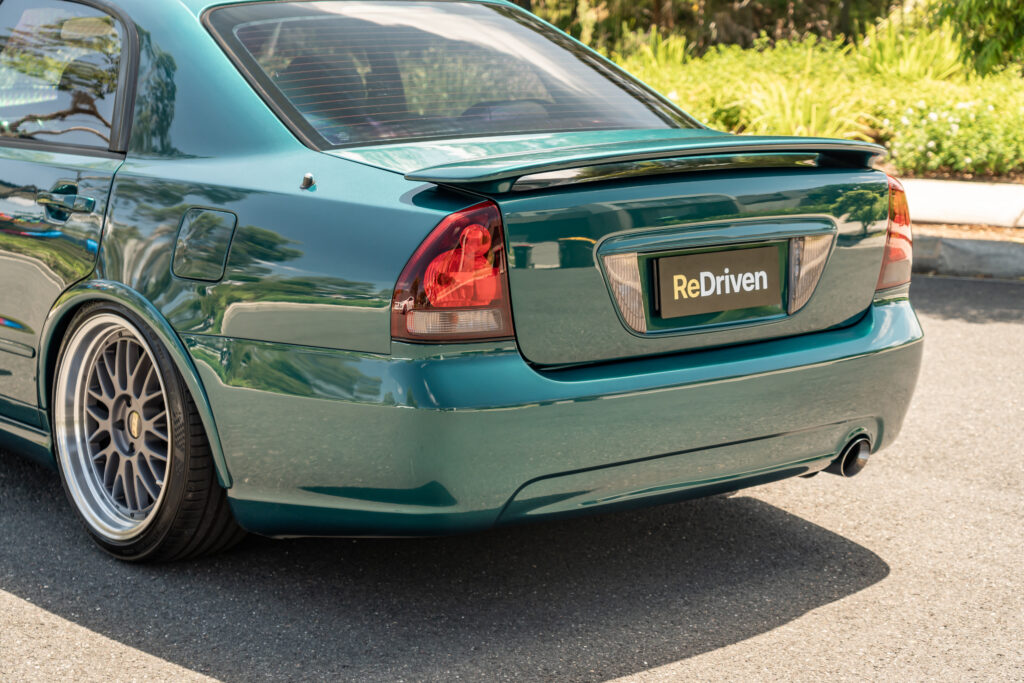
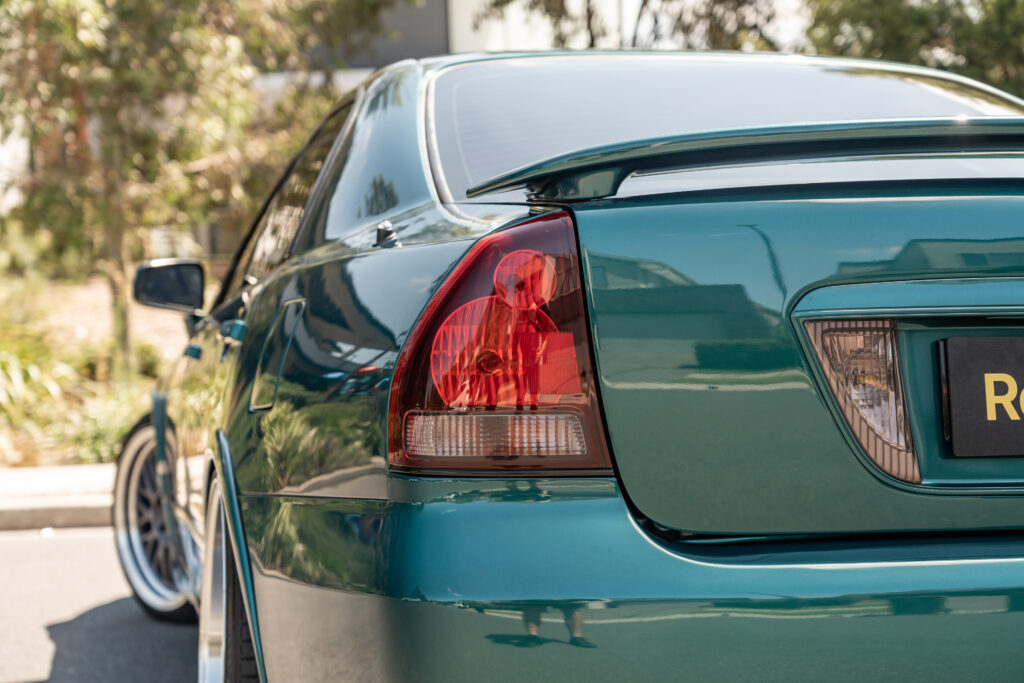
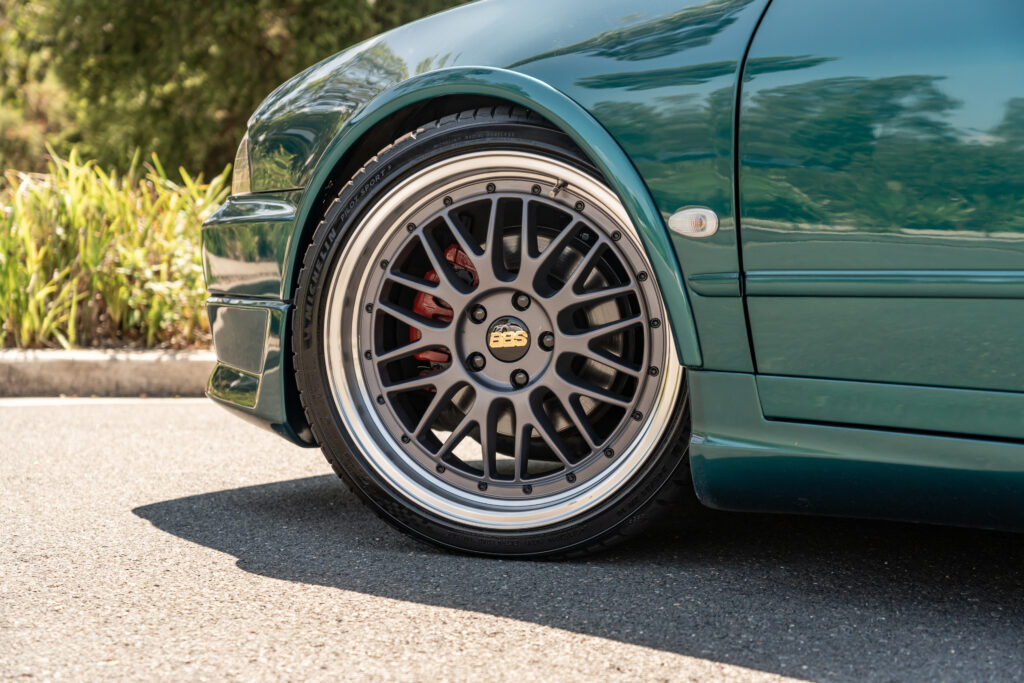
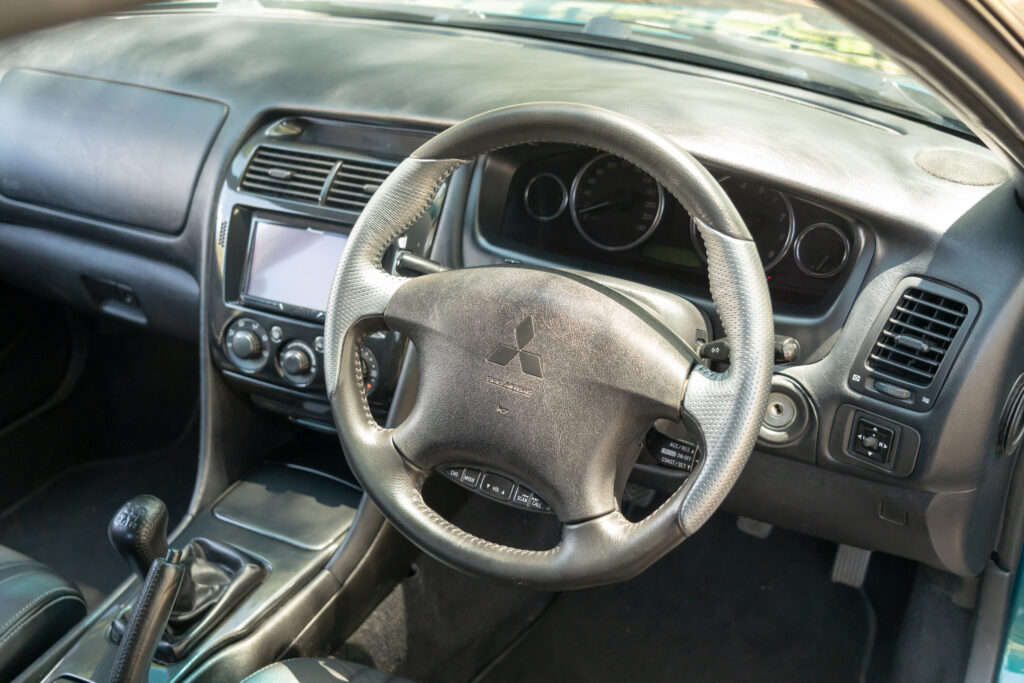
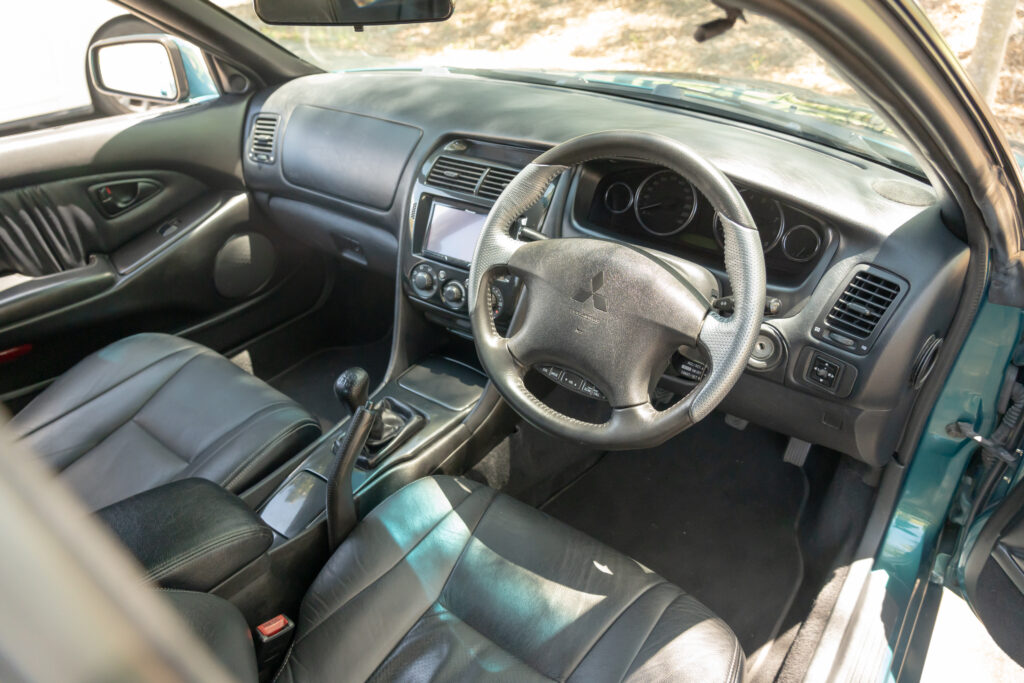
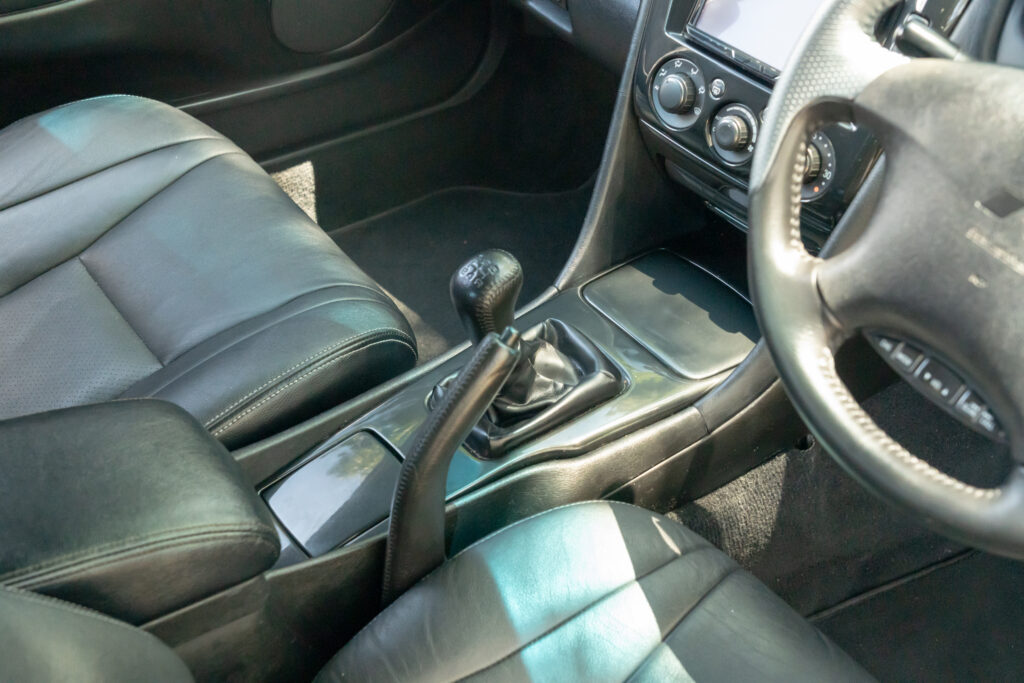
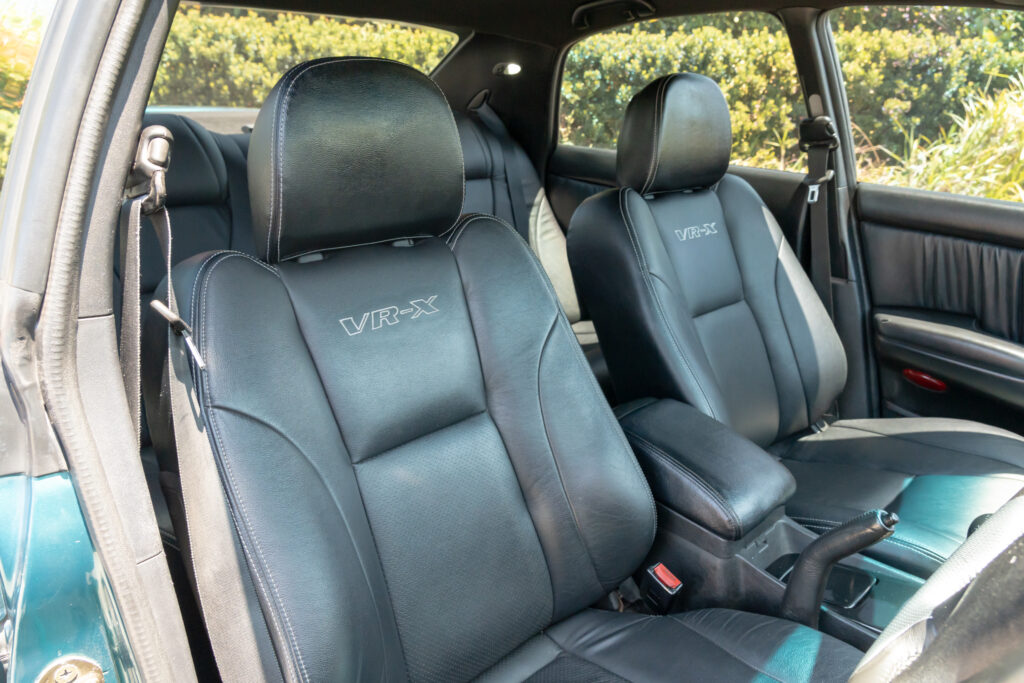
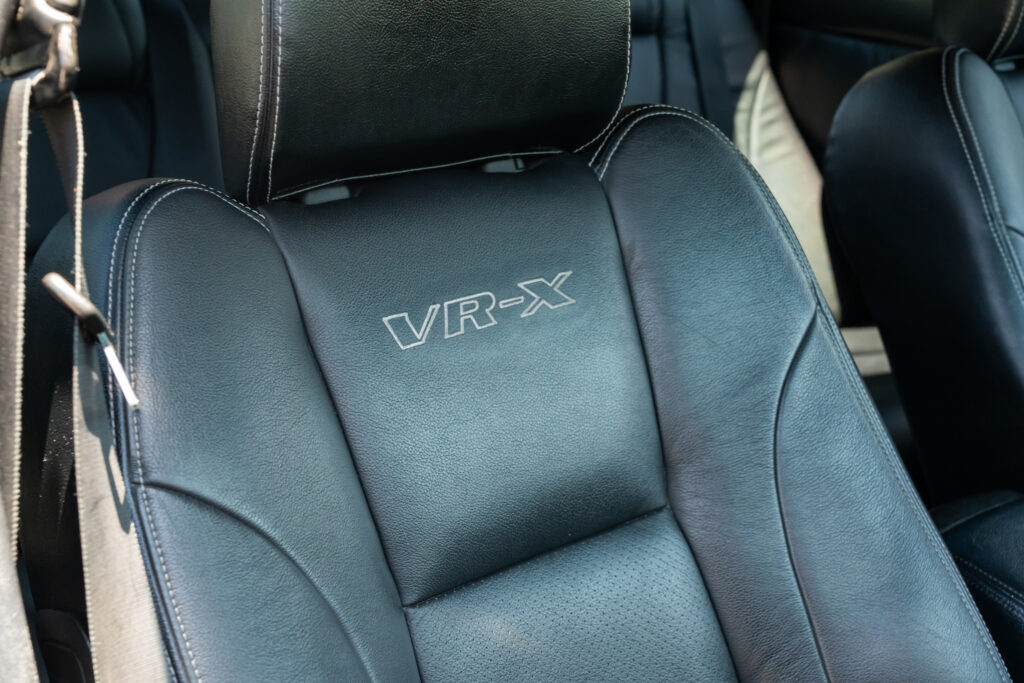

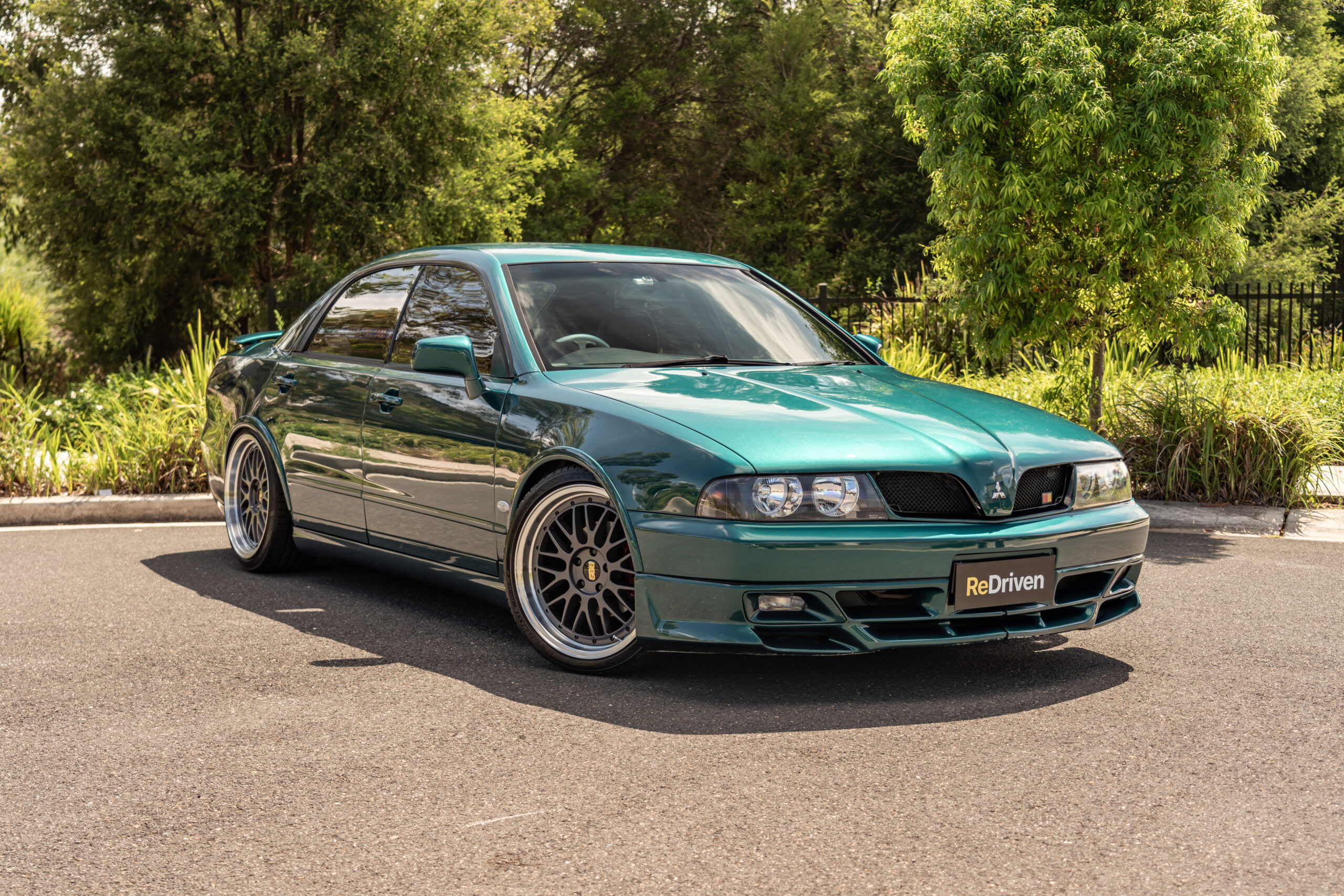
2000 Mitsubishi Magna VR-X

26 January 2025
Yes. But only the right example.

2000 Mitsubishi Magna VR-X

Used car review
26 January 2025
When we think of classic Australian-made cars, most of us immediately picture the Holden Commodore or Ford Falcon. However, many enthusiasts and experts argue that the third-generation Mitsubishi Magna deserves just as much recognition as a homegrown icon.
Celebrated by automotive engineers and respected motoring journalists alike, this Magna is often regarded as one of the greatest vehicles to emerge from our backyard.

From facelifts to drivetrain updates, Mitsubishi made it a habit to refine and tweak the Magna and its upmarket sibling, the Verada, throughout its nine years of production.
The result is a car that not only evolved to keep up with the competition but also left behind a labyrinth of trim levels, updates, and changes for prospective buyers to navigate.
Let’s start with the basics. Internationally, this car was known as the Mitsubishi Diamante or Sigma, and it was offered in sedan and wagon body styles in Australia. For those who wanted something more refined than the Magna, the Verada provided a premium alternative with additional luxury features and a more sophisticated aesthetic.
Regarding the constant evolution of this generation of Magna and Verada, in 1999, with the TH update, Mitsubishi dropped the four-cylinder engine option, making the 3.0L V6 standard across the range.
At the same time, the 3.5L V6—once exclusive to the Verada—was introduced into the Magna lineup. Then, in 2002, Mitsubishi added all-wheel-drive variants to the range, a move that made these cars stand out from their predominantly rear-wheel-drive competitors.
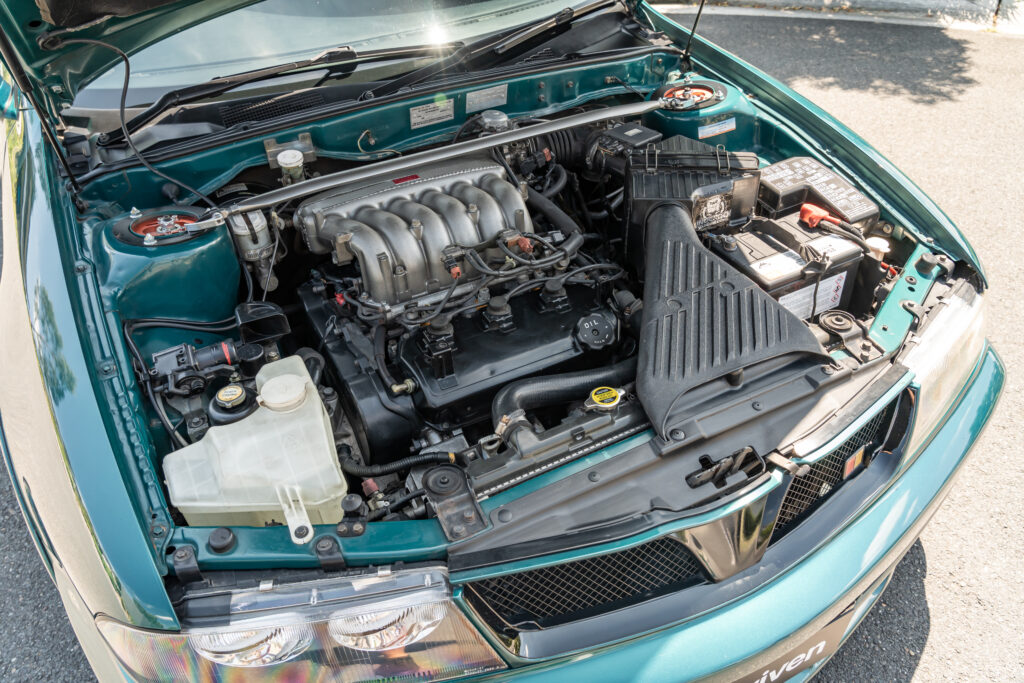
Speaking of engines, the V6 powertrains offered in the Magna are worth highlighting. The 3.0L engine shares much of its DNA with the naturally aspirated engine found in the legendary Mitsubishi 3000GT. Meanwhile, the 3.5L V6 is closely related to the powerplant that drives the iconic Pajero Evolution, albeit in a more sedate configuration.
Depending on the model year and trim level, the Magna’s 3.5L V6 was available in various states of tune, with higher-output versions capable of surprising more than a few Commodore and Falcon owners. This level of engineering pedigree made the Magna’s engines some of the most advanced and refined in its class.
While the Magna offered an impressive powertrain lineup, it was the sheer variety of trim levels that could leave buyers scratching their heads. Over its nine-year production run, Mitsubishi introduced an incredible 27 different trim specifications for the Magna and Verada, not including special dealer editions or regional variants.
In terms of its position in the market, the Magna was somewhat of an underdog compared to rivals like the Commodore, Falcon, and Toyota Camry. Despite often being an arguably overall superior car than its competitors, the Magna struggled to win over buyers, resulting in lower sales figures.
Depreciation hit the Magna particularly hard, even when new, which has made them an affordable option for buyers today. The Verada, as the premium option, was positioned to compete with luxury vehicles from Europe but often found itself overshadowed by its Japanese and German rivals in the used car market.
One of the Magna’s standout attributes was its generous equipment levels. Even base models were often better equipped than equivalent Camry, Commodore, or Falcon variants of the same era. The Magna frequently offered more advanced features, technology, and safety equipment, setting a benchmark for value in its segment.
This commitment to quality and innovation is part of the reason the third-generation Magna earned accolades such as the 1996 Wheels Car of the Year award.
Despite its underappreciated status, the Magna has earned a reputation for reliability when properly maintained. The engines and mechanicals are generally robust, and parts are generally affordable.
However, the limited popularity of these cars means that sourcing certain components can be challenging. With a comprehensive service history and diligent maintenance, the Magna can be a reliable and enjoyable car to own.
Exterior:
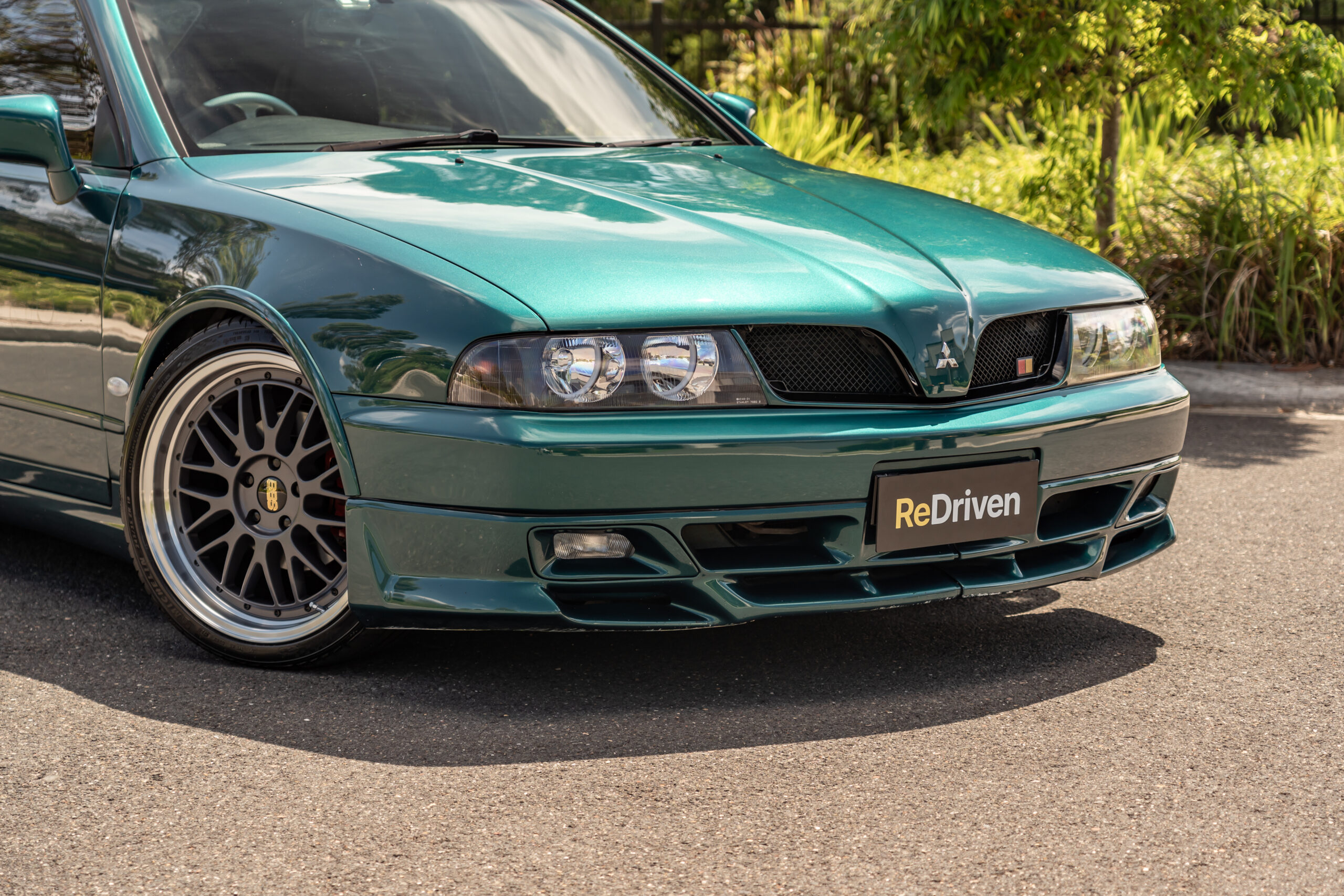
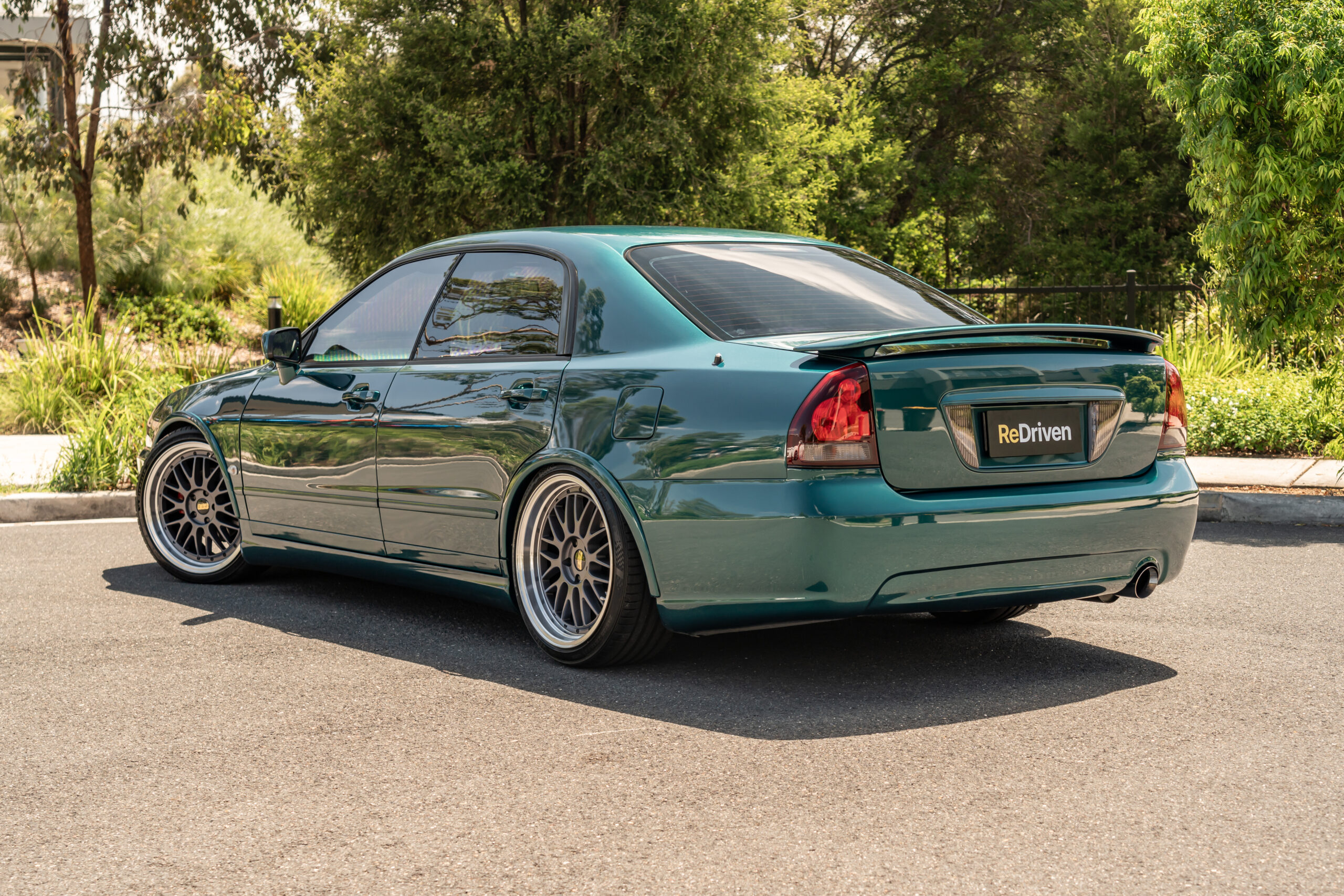
Let’s begin with the paint. You might encounter numerous online complaints from owners about paint and clear coat fading, but consider the context: these cars have endured over 20 years of exposure to Australia’s harsh climate.
If the car has been regularly garaged, cleaned, and polished, the paint can hold up remarkably well. After consulting with panel beaters, it’s clear that the paint quality and resilience of these cars are no better or worse than other vehicles of similar age and price range.
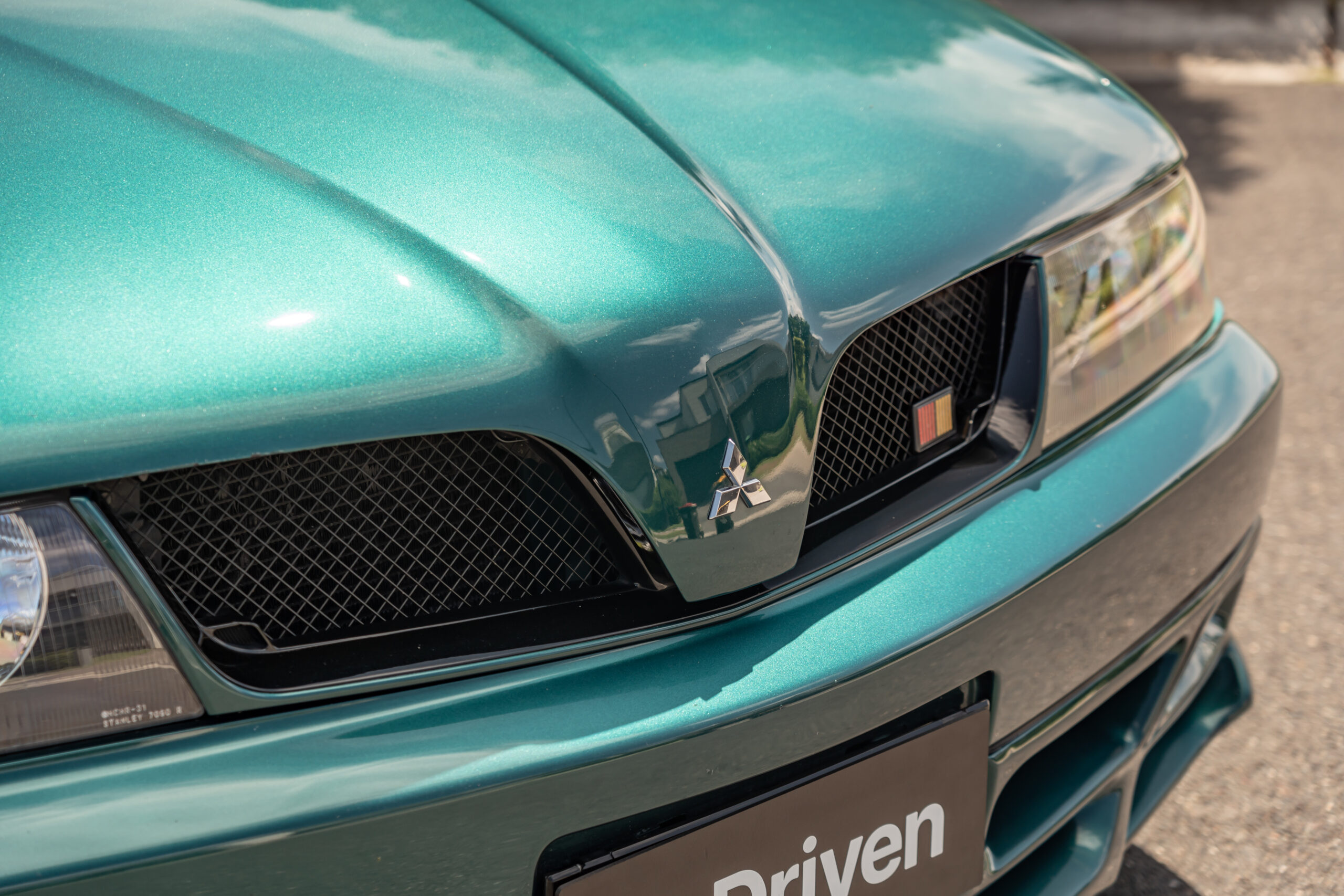
One area that hasn’t aged as gracefully, even with regular care, is the exterior plastics, rubbers, and seals. Expect brittle plastic clips and trims, with many examples likely sporting at least one cracked door handle surround.
Additionally, while the frameless doors are undeniably cool, once the rubber seals perish, you may encounter wind noise at best and water ingress at worst.
Despite these challenges, rust isn’t a common issue for the Magna or Verada. However, there are specific areas to inspect, such as beneath the plastic cowl where the windscreen wipers are mounted and around the boot lid seal, including the boot interior. Even so, these cars generally exhibit strong resistance to corrosion.
Interior:
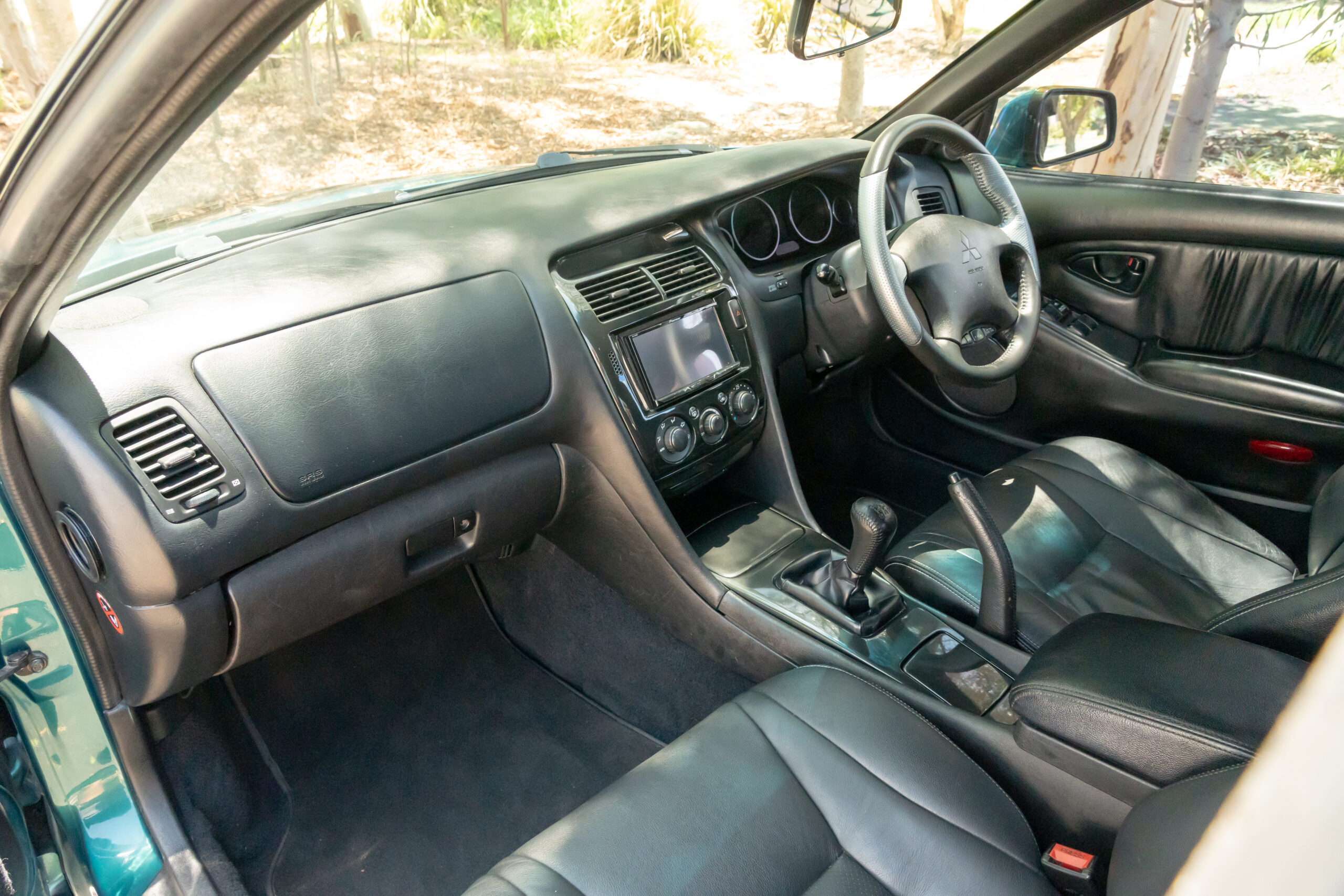
Inside, one of the most frequently reported problems is with the heater core, or more specifically, the plastic elbows exiting the core. These can crack over time, and in the worst-case scenario, this can lead to the car’s ECU being soaked. Needless to say, you don’t want coolant and electronics to mix.
Compounding the issue, sourcing replacement heater core connectors or an ECU is becoming increasingly difficult due to the car’s age and limited popularity.
Additionally, fixing the heater core often requires the entire dashboard to be removed, a labour-intensive task that can take up to eight hours, making it expensive if performed by a mechanic.
Another recurring issue is a strange electrical or immobiliser fault caused by tension on the wiring harness and corroded plugs, which interferes with the key barrel. This can lead to frustrating no-start conditions that require time and patience to resolve. While replacement parts are typically affordable, finding them can be a challenge.
Mechanically:
The Magna and Verada engines, including the 2.4L inline-4 and the 3.0L and 3.5L V6s, are known for their reliability, but all share similar age-related issues.
Oil consumption is a notable problem, primarily due to worn piston rings. Valve cover oil leaks are common as well, often dripping onto the exhaust. Additionally, these engines are infamous for burning oil due to worn valve stem seals, producing plumes of smoke and a distinctive odor when accelerating from a stoplight.
Timing belts need replacement every 100,000 km, but leaking front cam and crank seals can necessitate earlier service. For the 4-cylinder engines, the balance shaft belt is another concern, as it’s often found broken during timing belt replacements.
Cooling system issues are also prevalent, including corroded steel coolant pipes and throttle body fittings. Head gasket failures were once common, particularly on the 4-cylinder models, though most affected vehicles have likely been repaired by now, and recurrence is rare.
Other mechanical components prone to failure include old-school distributors and spark plug leads, which are frequent culprits of poor performance or starting issues. The idle speed control valve is another weak point but is relatively inexpensive and simple to repair.
The automatic transmissions in these cars can have a reputation for failure, particularly if they haven’t been regularly serviced. The primary issue is the wave spring, which can snap after years of use and heat cycles.
When this happens, fragments can enter the transmission oil pump, leading to catastrophic failure. This problem is more common in the later 5-speed automatics, though the 4-speed versions aren’t immune.
An important preventative measure is to replace the wave spring with the stronger version used in the final TW Magna and KW Verada.
Alternatively, removing the wave spring entirely eliminates the risk of failure. It’s worth noting, however, that many owners report no issues even with high-mileage 5-speed automatics.
Should you buy a 3rd-generation Mitsubishi Magna or Verada? The right Magna or Verada can be a fantastic car. Naturally, you should avoid examples that are clapped out, neglected, or abused.
But, if you find one that has been loved and well cared for, it could represent one of the most underrated options on the used market. That said, we ultimately don’t think you should buy one.
If you’re a dedicated fan of these cars and are willing to invest time on forums and in owners’ groups tracking down increasingly rare spare parts as age takes its toll on various components, then go for it.
Buy a Magna, and do everything you can to keep it on the road because it’s a car that deserves to be celebrated.
However, if you’re after a reliable, easy-to-maintain workhorse and are working within a tight budget, we’d suggest considering more popular alternatives. Models like the Toyota Camry, Ford Falcon, or Holden Commodore offer better parts availability and easier ownership overall.


Co-creator, presenter & writer, ReDriven

Yes. But only the right example.

 3 weeks ago
 2 months ago
 2 months ago