Australia’s No. 1 Used Car Review Website
Australia’s No. 1 Used Car Review Website
+15 Photos

1997 Mitsubishi Pajero Evolution

18 August 2023
Yes. 100%.

1997 Mitsubishi Pajero Evolution

Used car review
18 August 2023
The Mitsubishi Pajero Evolution is an offspring of an Evo rally car and a Pajero 4×4, making passionate love in the desert. To understand this rather odd analogy, first, a history lesson.
The Dakar Rally is a rally competition that was first held in 1979, running from Paris, France, to Dakar, Senegal, on the west coast of Africa. In 1983, Mitsubishi entered the rally for the first time, and over two decades, racked up 12 wins in the competition (including 150 stage wins).

Fast-forward to the mid-1990s, and the Dakar Rally introduced new regulations, one of which was that the car to be entered needed to be based on a current production car for homologation purposes (meaning a road-legal version required to be made available to the general public).
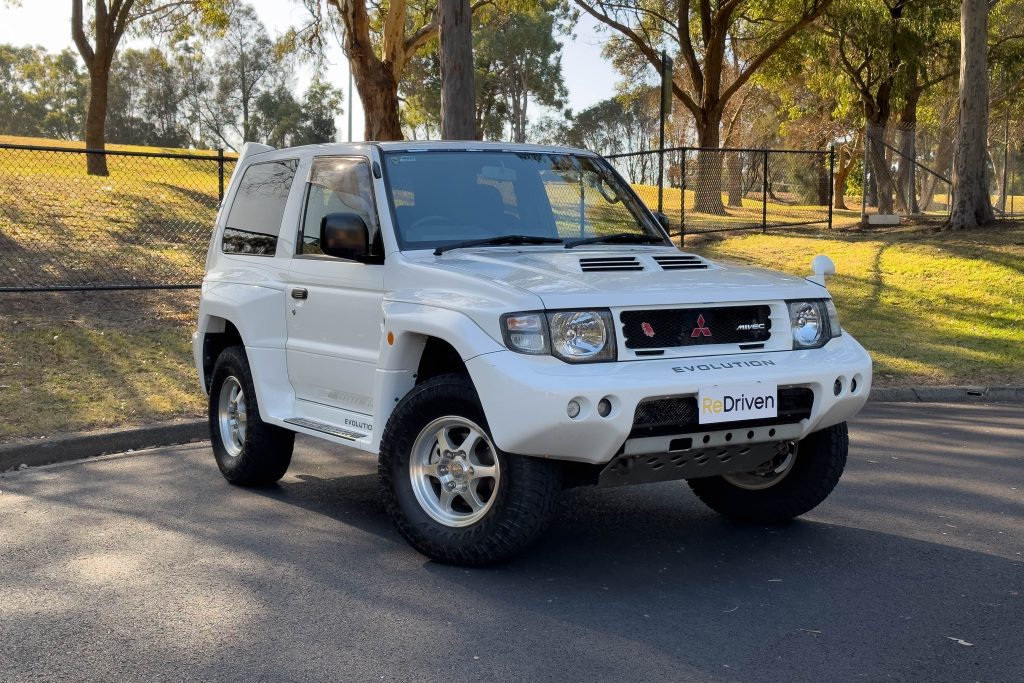
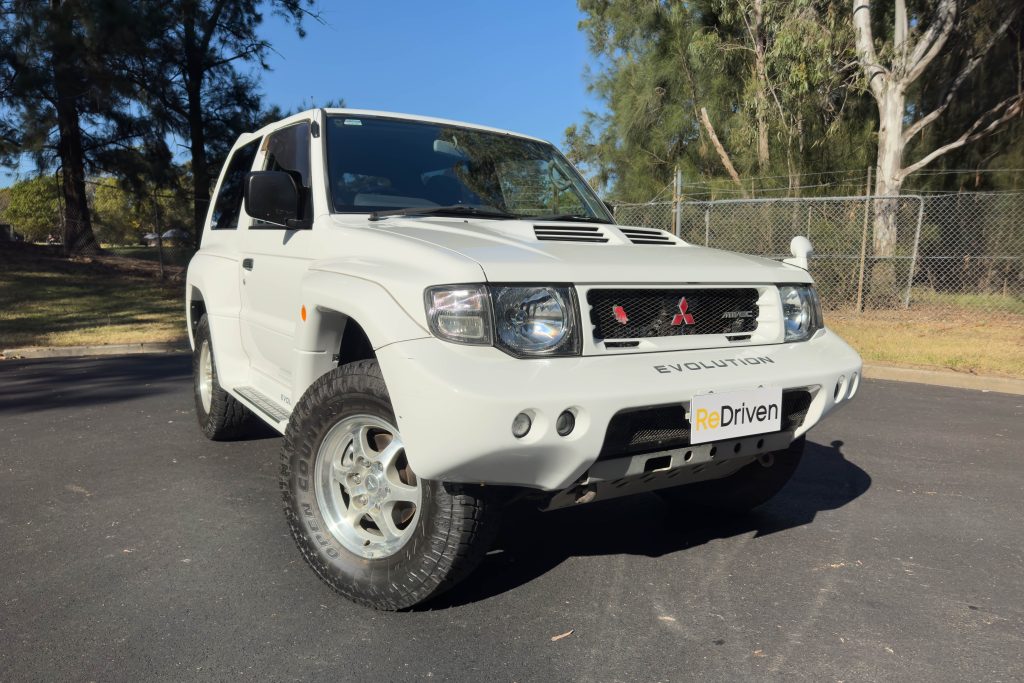
Come 1997, the V55W Mitsubishi Pajero Evolution was born, based on the unibody shell of a second-generation Mitsubishi Pajero but highly modified.
It was sold only in Japan, in limited numbers, with around 2,500 units available. Many have been shipped to other countries as grey imports.
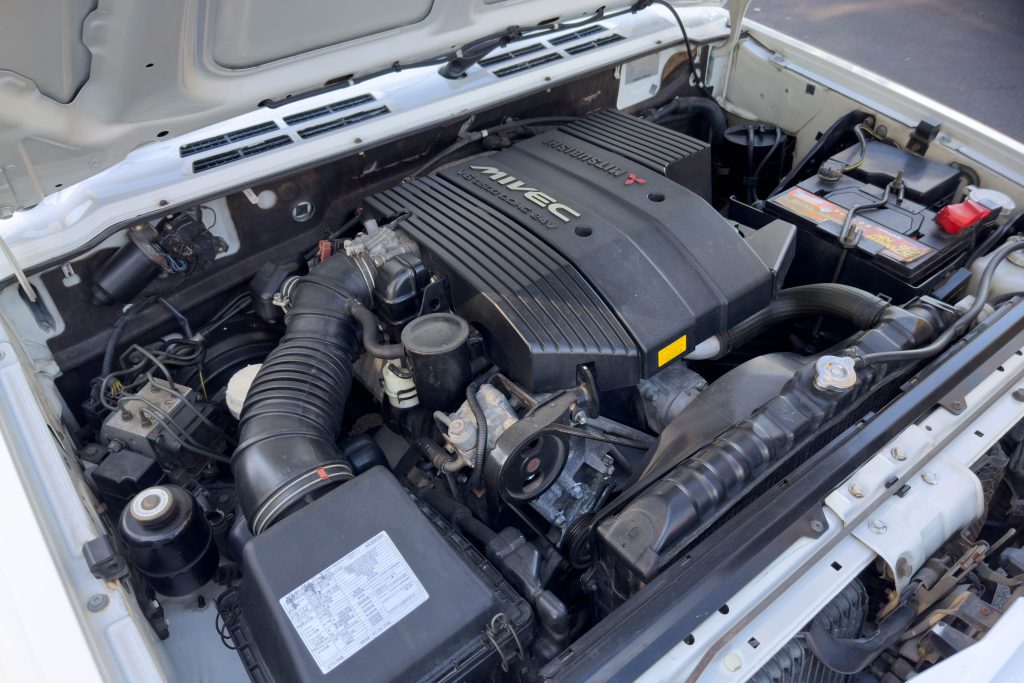
It features a 3.5-litre naturally aspirated V6 engine (Mitsubishi’s 6G74 variant) pumping around 209kW of power and 348 Nm of torque, mated to a 5-speed manual transmission or the more commonly chosen 5-speed automatic.
Other mechanical enhancements include: front double-wishbone independent suspension and a rear multi-link independent suspension; a 4×4 off-road system with front and rear Torsen differentials.
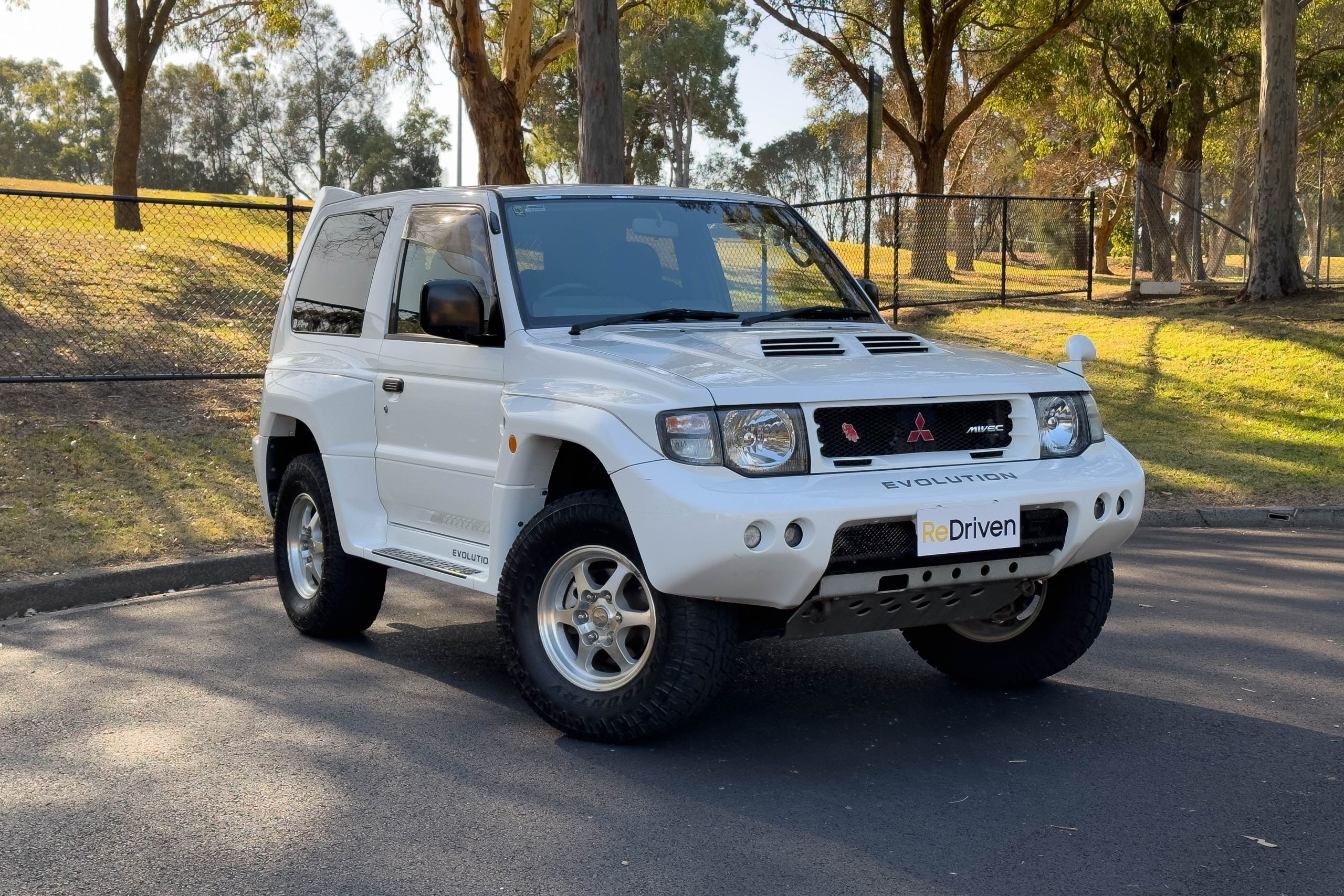
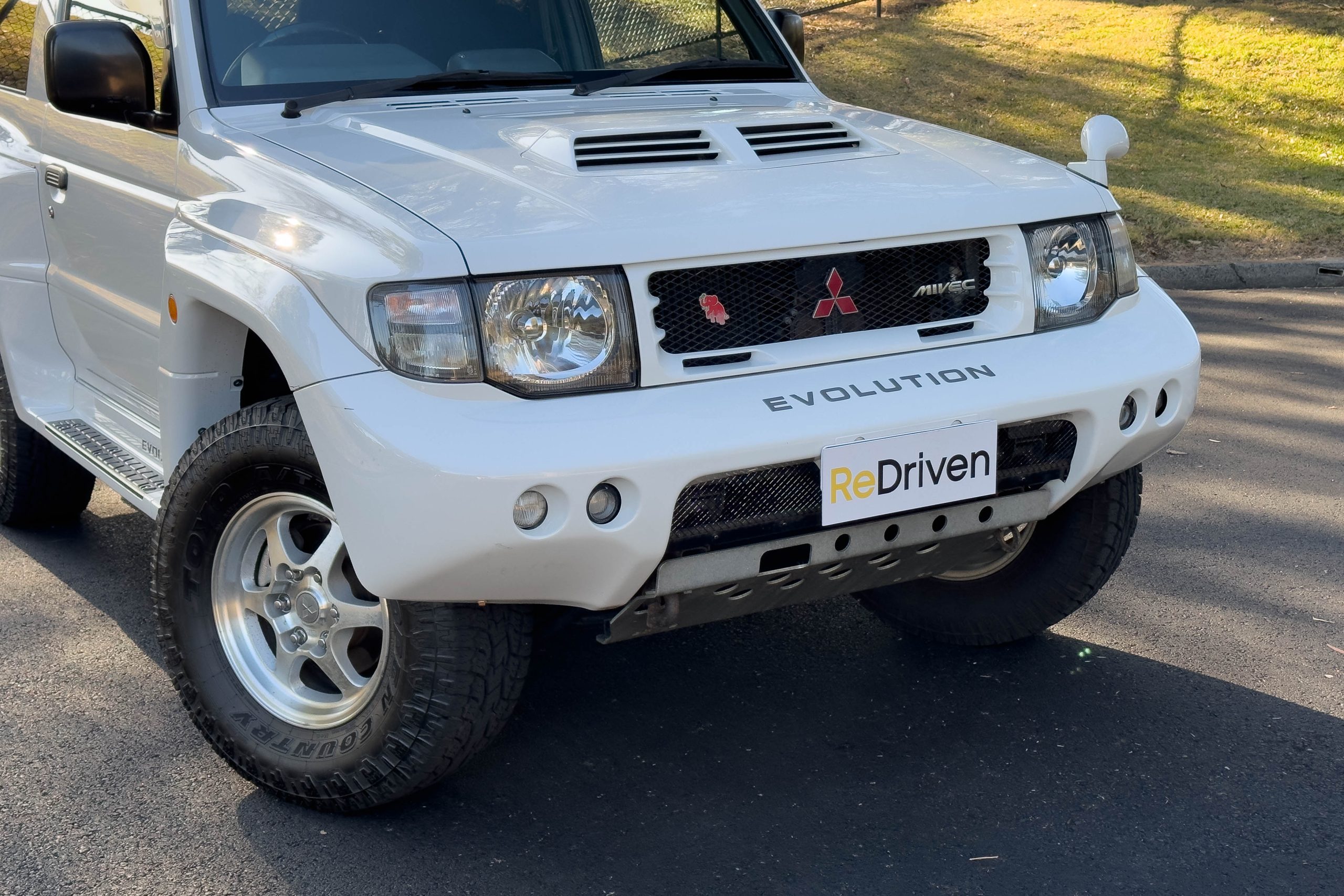
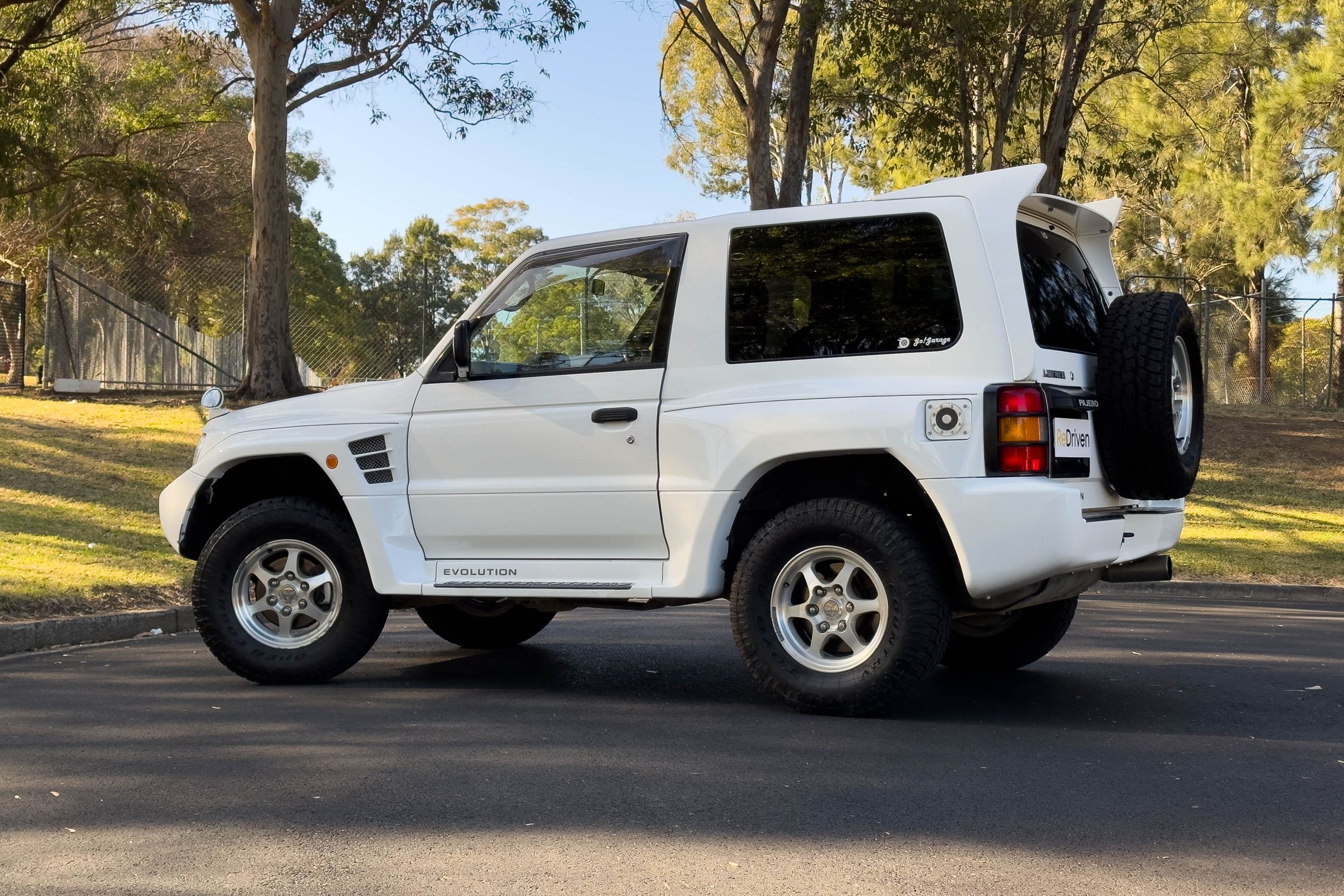
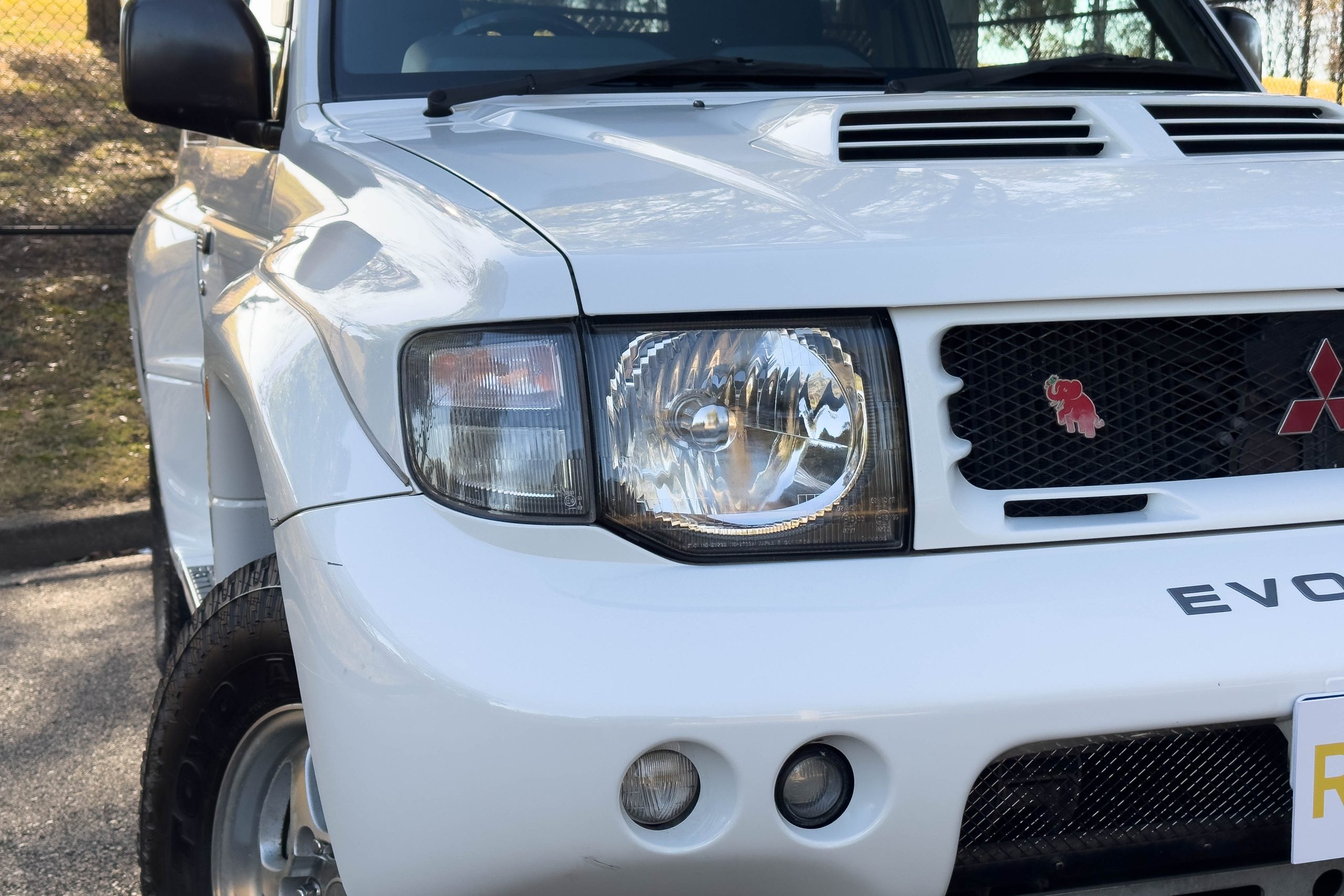
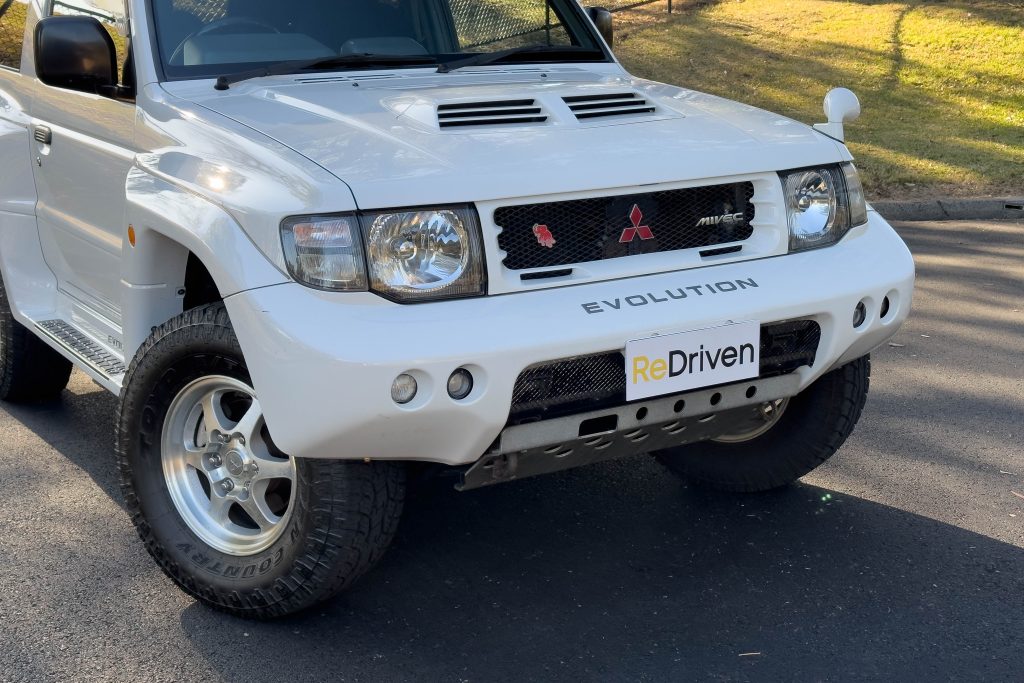
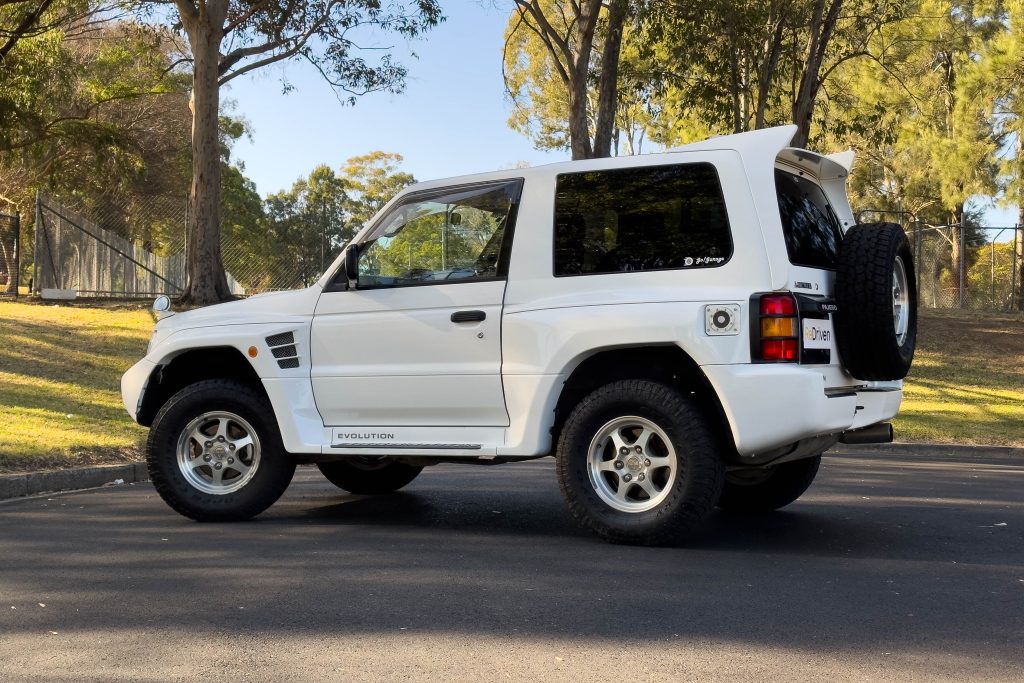
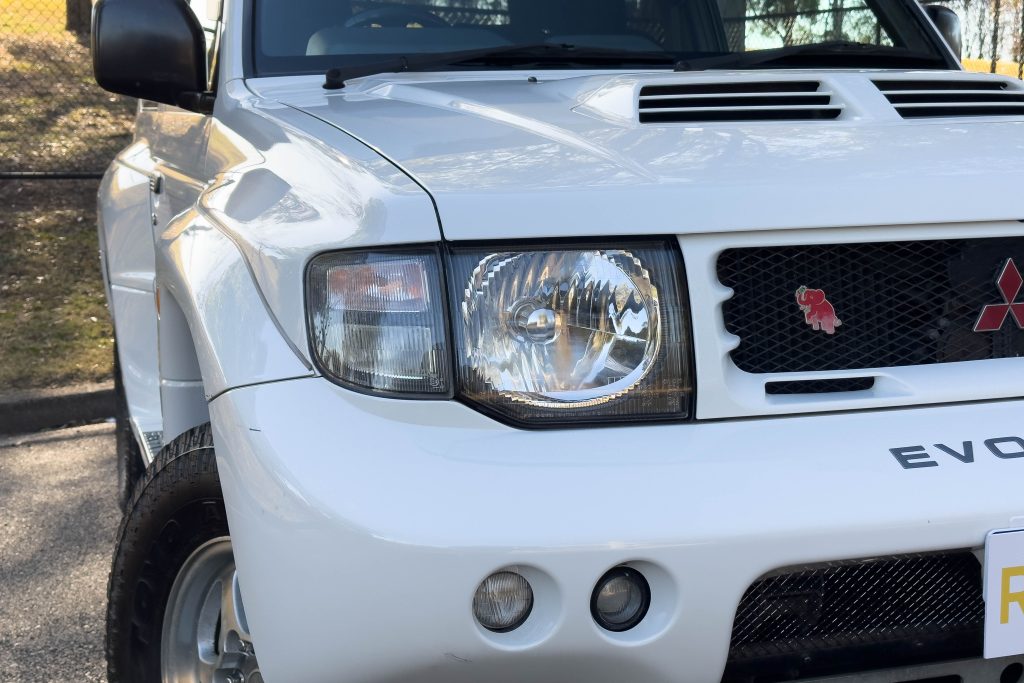
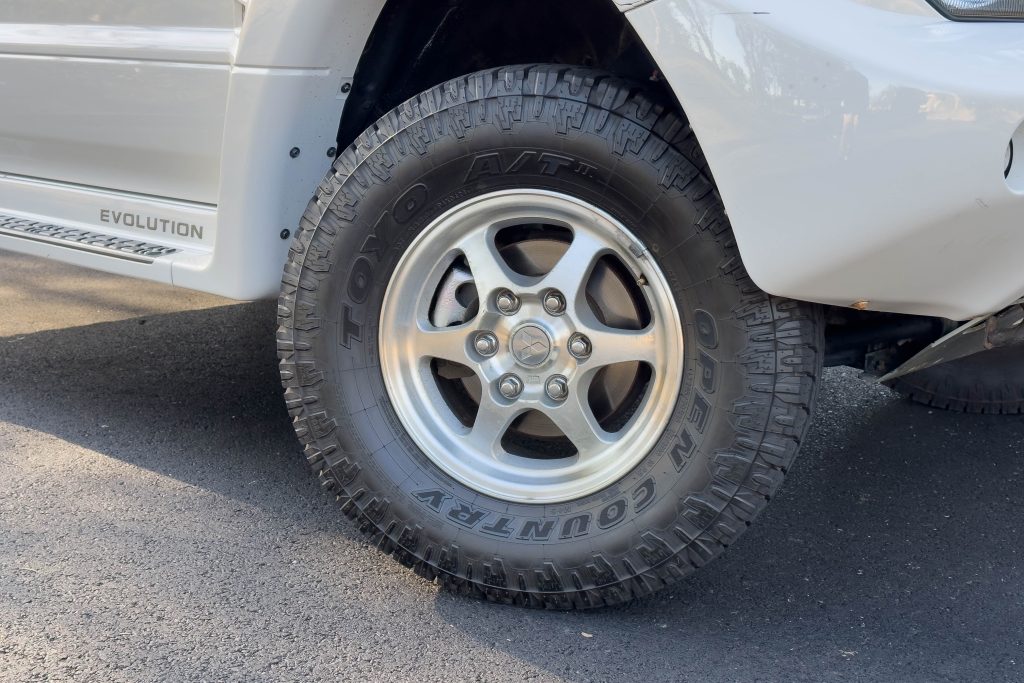
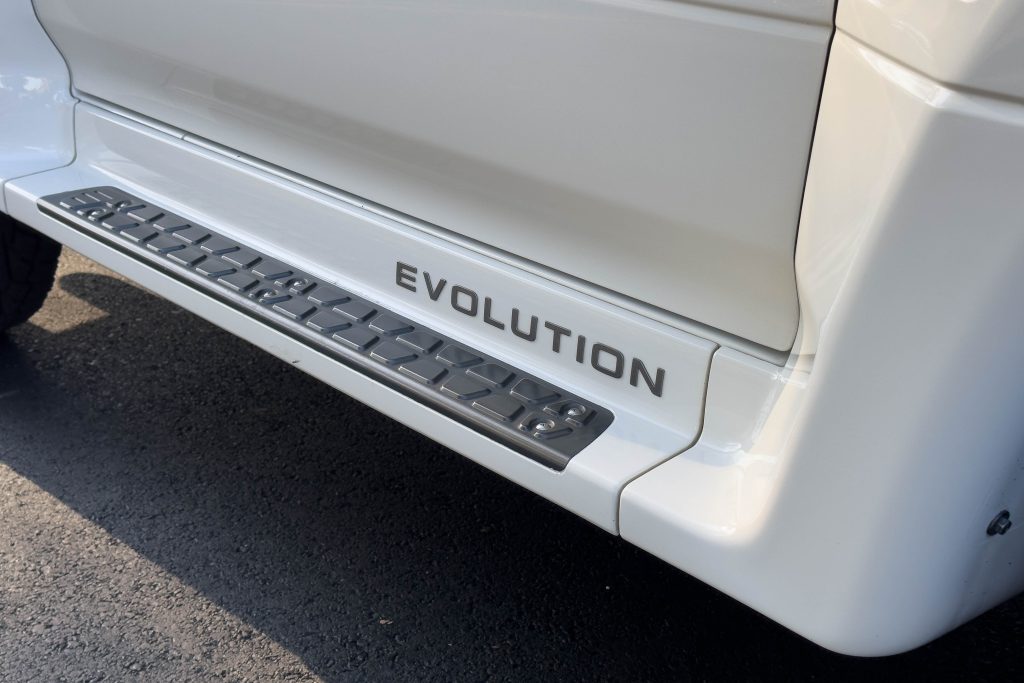
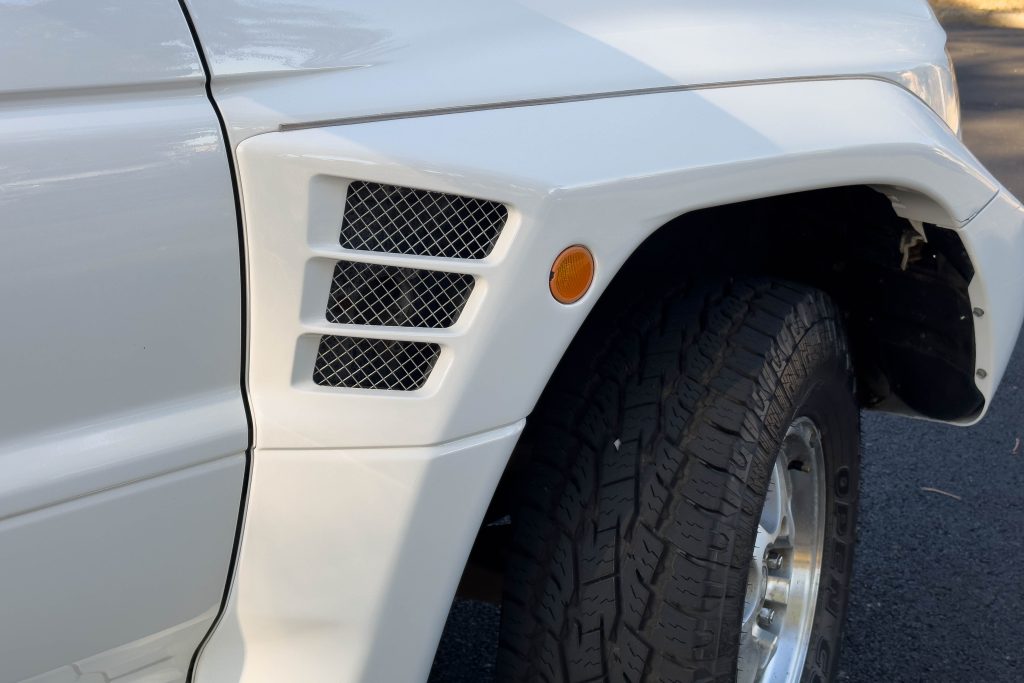
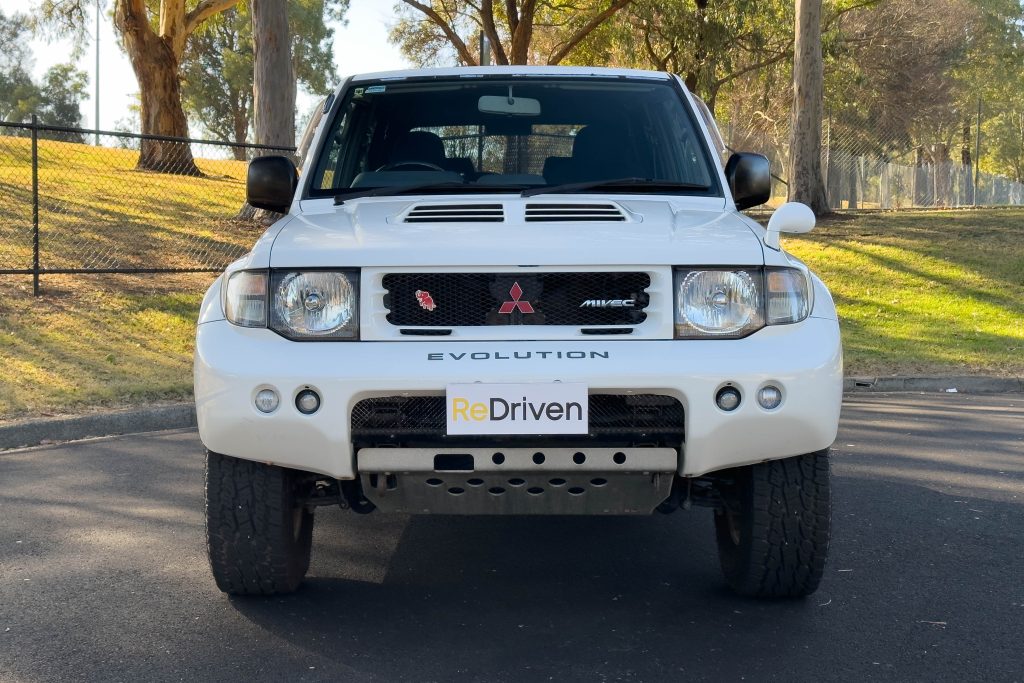
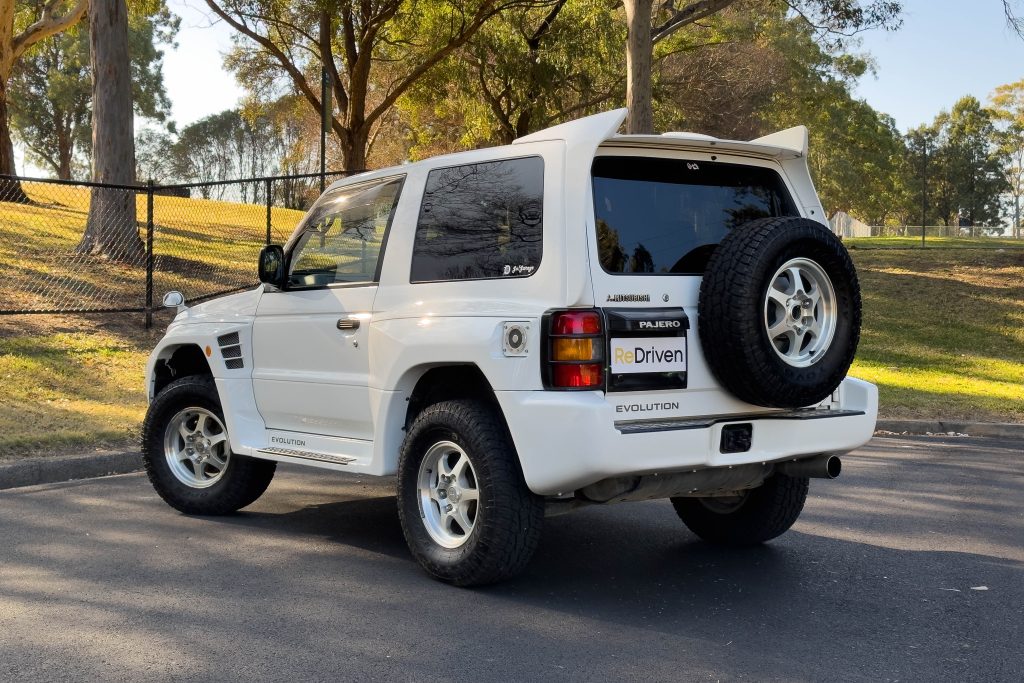
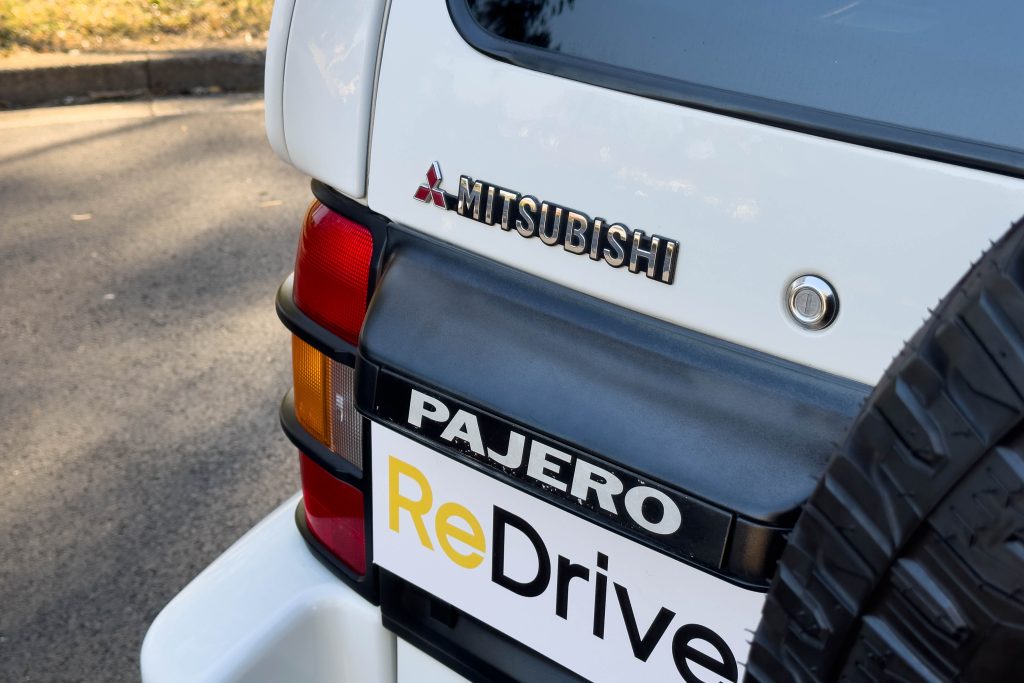
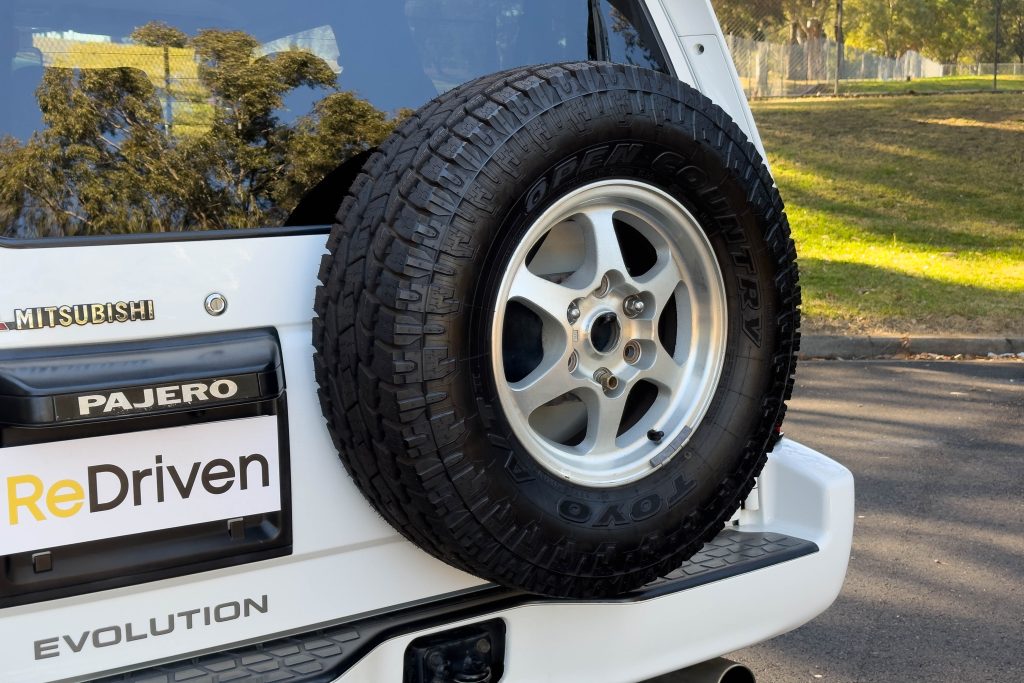
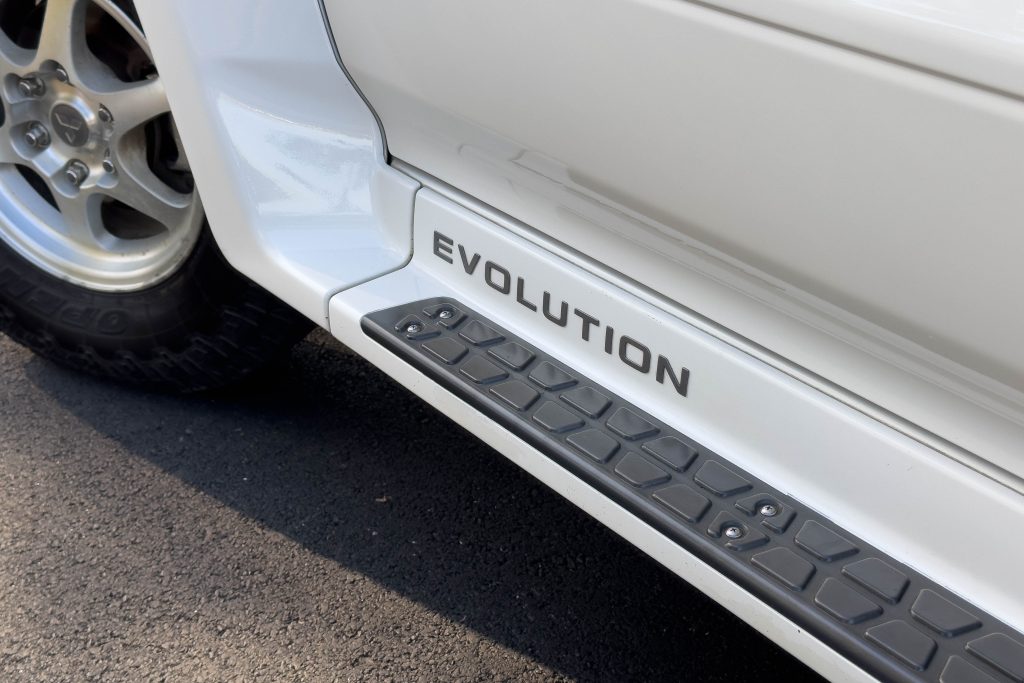
Outside, the Pajero Evolution was a 2-door 4×4 incorporating large fender flares, two fin-like rear spoilers, a hood scoop, side steps, a pronounced front bumper, skid plates and mud flaps.
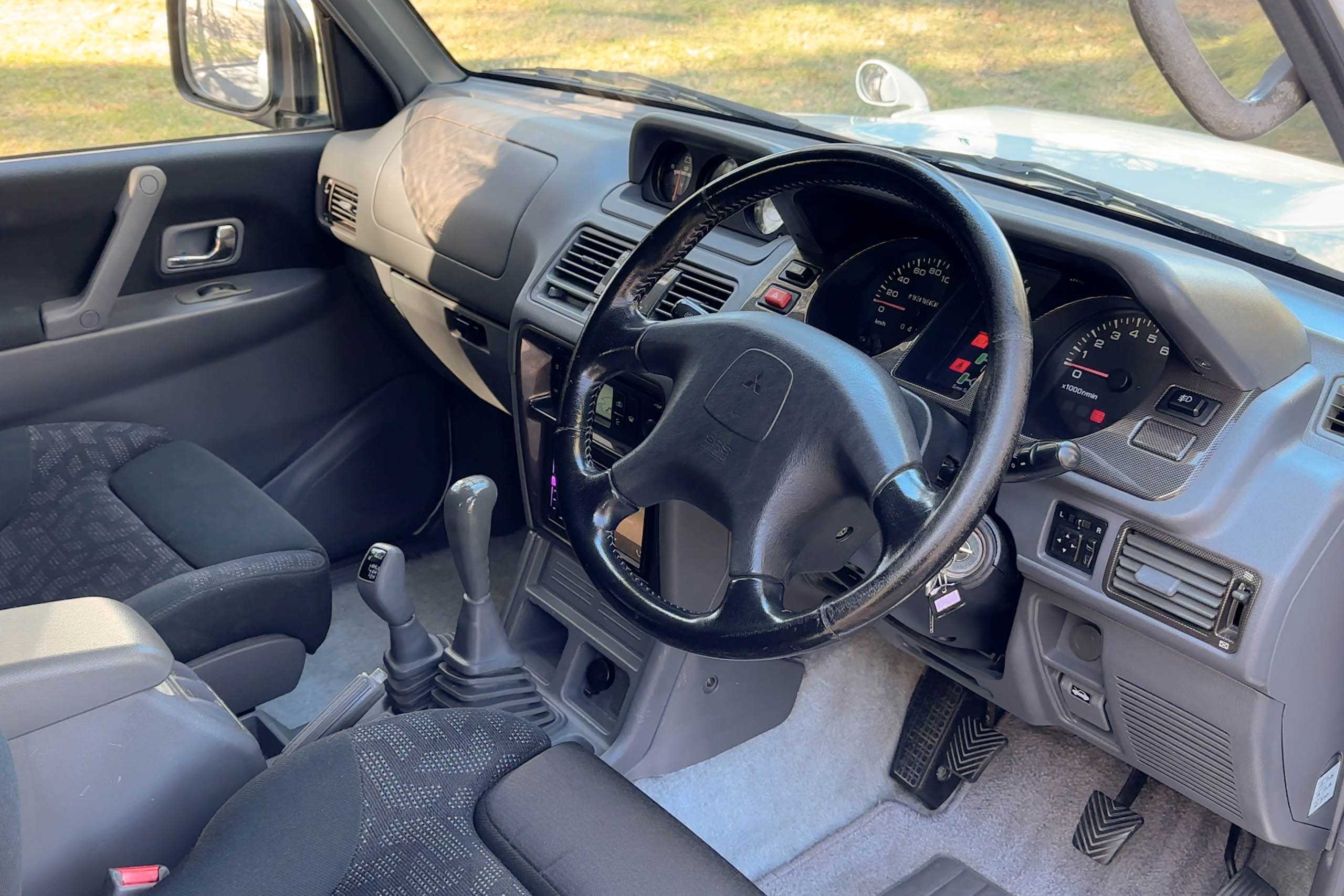
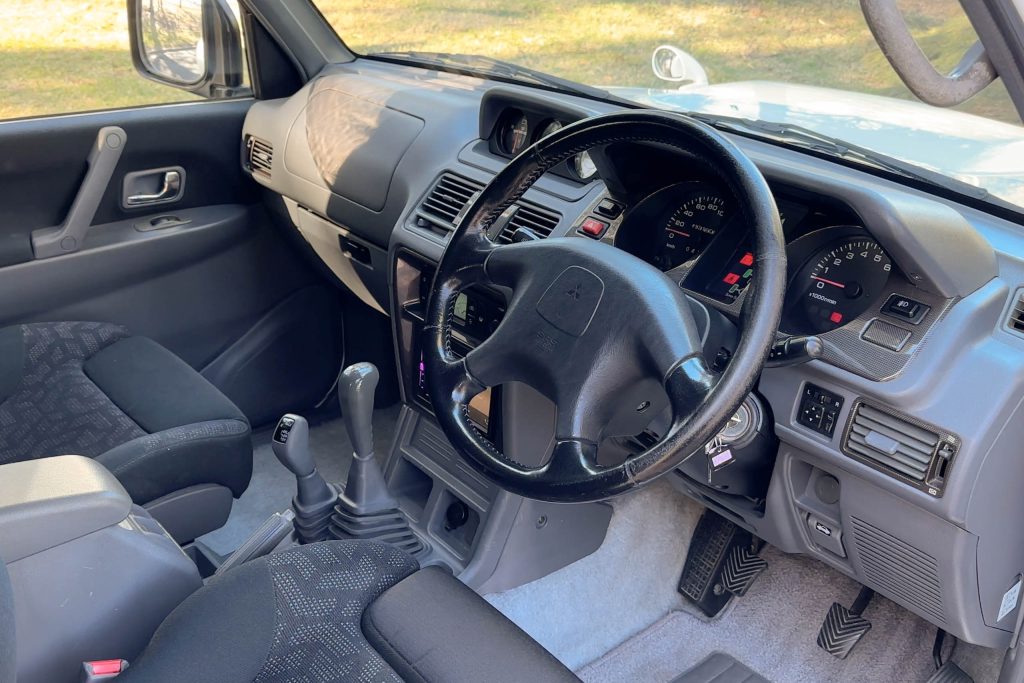
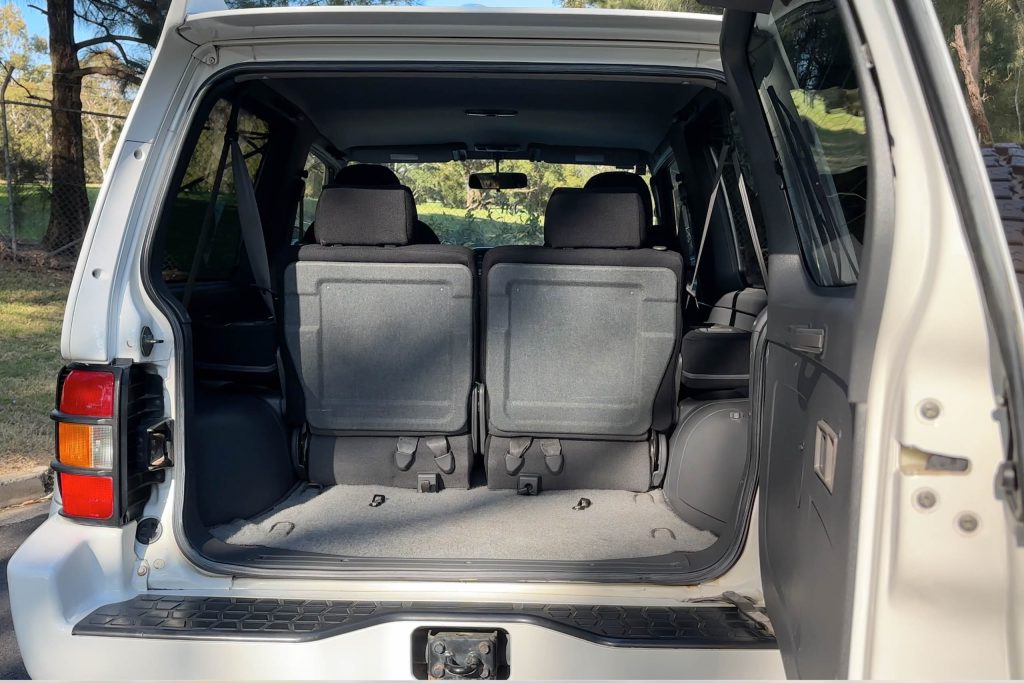
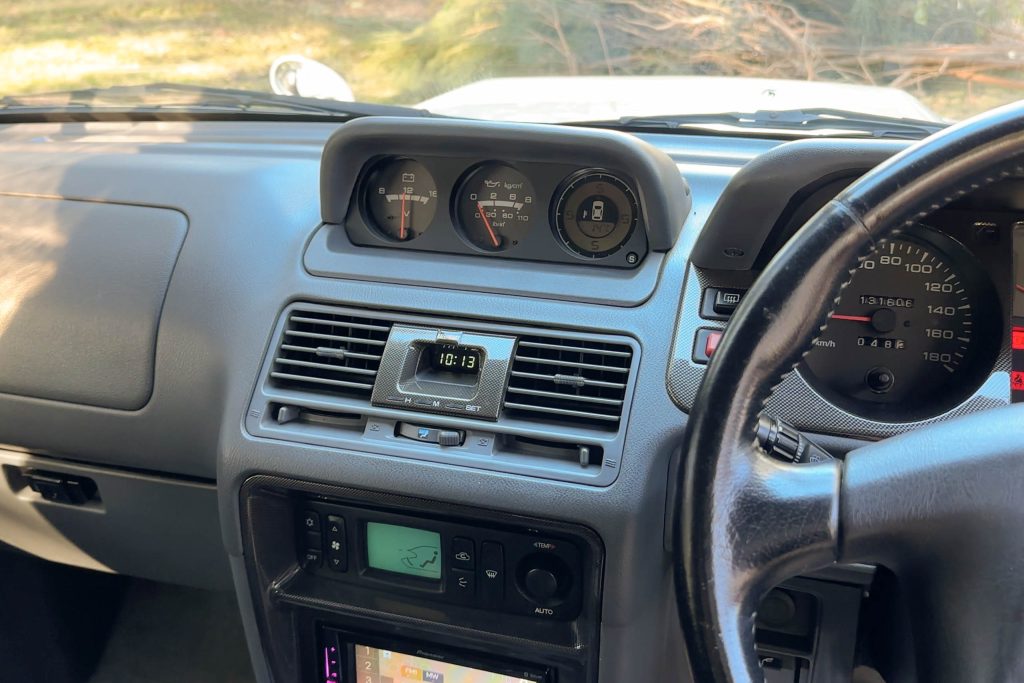
Inside, the Pajero Evolution was manufactured like a second-gen Pajero to save costs, and it borrowed the styling, steering wheel, and centre console stack from that generation.
The main difference inside was the carbon-trimmed Recaro sports seats; otherwise, standard features included air conditioning, electric windows, electric mirrors, a stereo system, a digital clock, a heated rear windscreen, fold-down rear armrests, and a dual front cup holder.
Don’t expect much in terms of safety, as the Pajero Evolution comes standard with dual front airbags and anti-lock brakes (ABS), and that’s pretty much it.
Being a Mitsubishi, it should be as reliable as the earth’s core, and that 6G74 engine is found in Pajeros, Magnas, Tritons, and a whole heap of other Mitsubishi products, which means it’s easily serviceable. Parts should be relatively easy to come by.
One thing to note is that these cars entered Australia as grey imports, meaning they had no manufacturer’s warranty, and potentially a foggy backstory (potentially with some unwanted upgrades/modifications).
In short, do your research and ensure the Pajero Evolution you’re looking at has been well-maintained, serviced by a reputable mechanic, and there are no apparent signs of significant damage or odometer tampering.
Exterior:
While the Pajero Evolution is purpose-built and draws heavily on the 25-year-old Pajero foundation, it is only strengthened for competition use, and specific common Pajero issues, notably the dreaded rust problem, can still emerge.
Upon inspecting the undercarriage, it is crucial to conduct a thorough assessment for signs of rust and corrosion, meticulously scrutinising areas around the doors, in the wheel arches, and at the base of the roof. A comprehensive pre-purchase inspection is paramount to identifying any potential vulnerabilities.
Given its rarity and collector’s appeal, a significant portion of these specimens should possess impeccable exteriors. However, there are notable considerations worth keeping in mind. For instance, imagine a minor fender bender, like a parking-lot incident.
Unlike readily accessible components such as door handles and mechanical elements, certain body parts for the Pajero Evolution may not be available through your local Mitsubishi dealership.
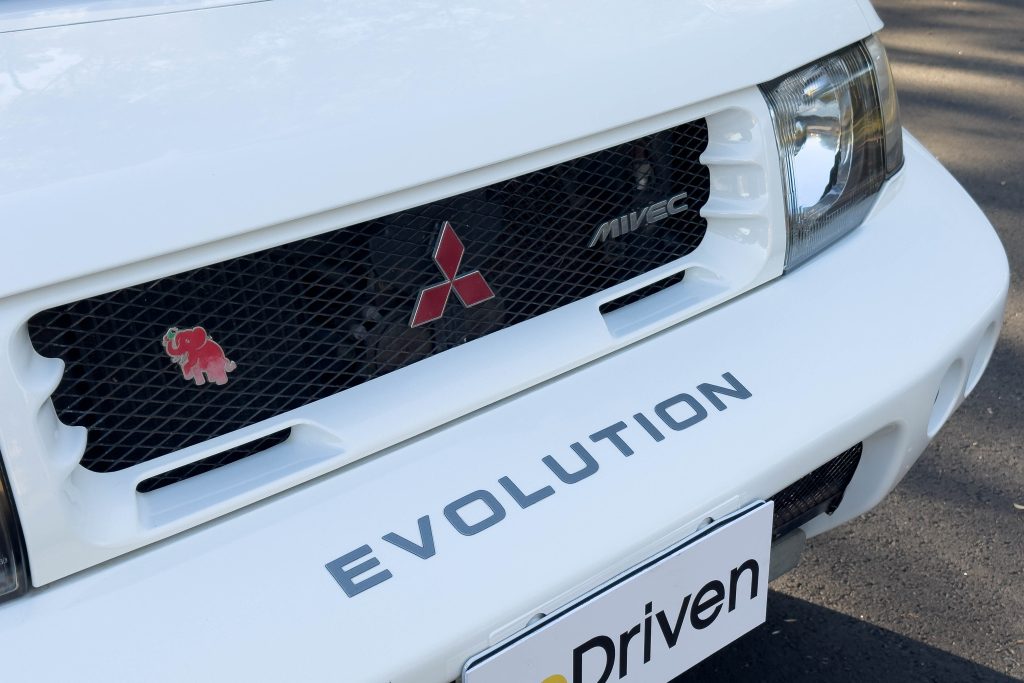
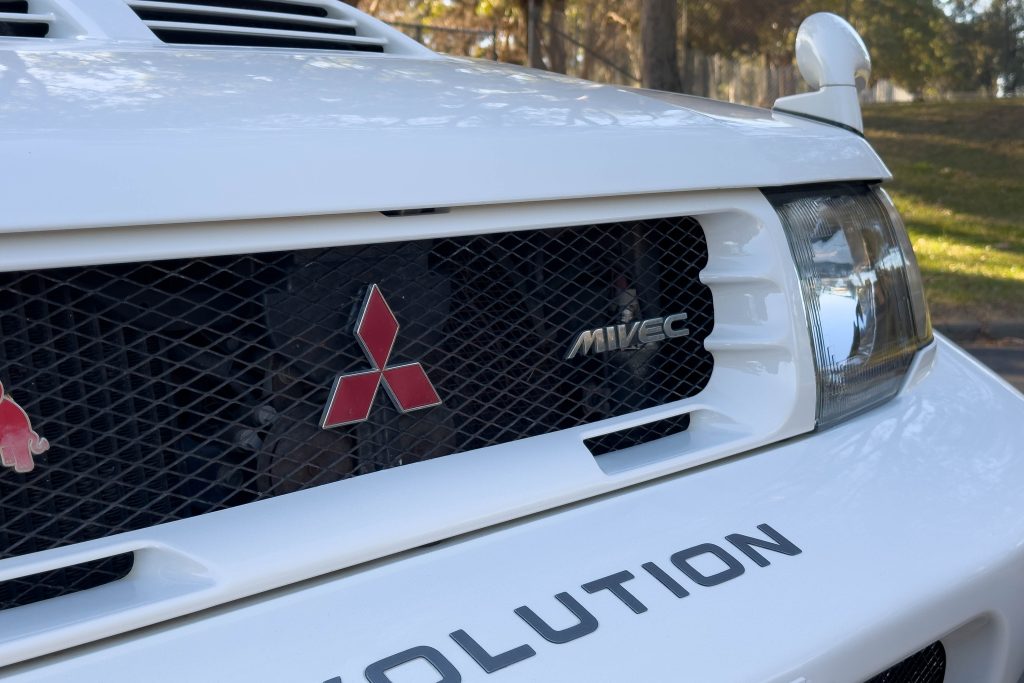
These components, when attainable, could entail a considerable expense and require a substantial duration to source. Even seemingly routine tasks like refinishing the front bumper due to minor stone chips could pose a challenge – the distinctive raised Evolution decals are reportedly available only in Japan and may carry a hefty price tag.
Furthermore, given the Pajero Evolution’s role as an off-road-capable performance vehicle, it is paramount to meticulously inspect the entire vehicle for any signs of damage or, worse yet, subpar repair work.
A more in-depth exploration of this subject, along with a wealth of additional insights, is presented in our comprehensive 4×4 buyers’ guide video. Before embarking on any four-wheel drive purchase, we strongly recommend reviewing this resource.
Interior:
The Pajero Evolution’s unassuming cabin design contributes to its resilience, resulting in a relatively trouble-free environment.
While sporadic reports have emerged about the wear of the side bolsters on the exquisite Recaro seats, and occasional, isolated incidents of electronic quirks have been mentioned, these issues do not appear to be severe. Fortunately, such matters can generally be addressed with ease and at an affordable cost.
Mechanically:
Given its age and status as an older Mitsubishi V6, it’s important to anticipate potential oil leakage and consumption. Much like other V6 Mitsubishi models from this era, valve stem seals are prone to leakage. This occurrence is a consistent trait in vehicles of this time.
The MIVEC system, for the most part, is dependable. Nevertheless, hydraulic lifters can develop a slight rattling sound at high mileage or when the vehicle has been neglected over time.
Timing belt replacement is imperative when the odometer reaches 100,000 kilometres, and it should not be overlooked.
Vigilance is crucial for age-related concerns. Components made of rubber, particularly coolant, oil, and fuel lines, may need replacement due to wear and tear.
This engine has been adapted for competitive use, which means that, with proper maintenance, it should withstand typical road driving conditions.
Nonetheless, like any aging engine, meticulous maintenance remains paramount. Undertaking a comprehensive refurbishment of a specialised competition engine comes at a notable cost.
Shifting focus from the engine to other aspects, the independent rear suspension shares similarities with the design used in the subsequent 3rd-generation Pajero.
This essentially translates to a robust and reliable setup. While later models occasionally experienced rear-drive shaft issues, such occurrences were not widespread.
When addressing transmissions, whether automatic or manual, there’s little to worry about. Both variants are built to endure, showcasing ruggedness and reliability.
The question shouldn’t revolve around whether you should buy one, but rather, why haven’t you already taken the plunge?
The Pajero Evolution encompasses all the cherished attributes of hot hatches while eliminating the anxieties associated with lowered ride heights, such as grappling with potholes or decelerating for speed bumps.
Incorporating all the desirable traits of off-roaders, the Pajero Evolution further elevates the experience with an engine that exudes genuine character, dimensions that seamlessly navigate real-world terrain, and handling and dynamics that most off-road vehicles can only aspire to.
Unlikeof other high-performance SUVs, this exceptional model possesses depth, personality, and authenticity that many of its counterparts struggle to match – especially at its remarkably reasonable price point.
Essentially, this transcends being merely the ultimate compact performance SUV; for us, it quite conceivably represents one of the most supreme manifestations of four-wheel transportation, it really is that good.
MORE: Explore our 4×4 & ute reviews
MORE: Explore our SUV reviews


Co-creator, presenter & writer, ReDriven

Yes. 100%.


 2 weeks ago
 3 weeks ago
 4 weeks ago