Australia’s No. 1 Used Car Review Website
Australia’s No. 1 Used Car Review Website
+21 Photos
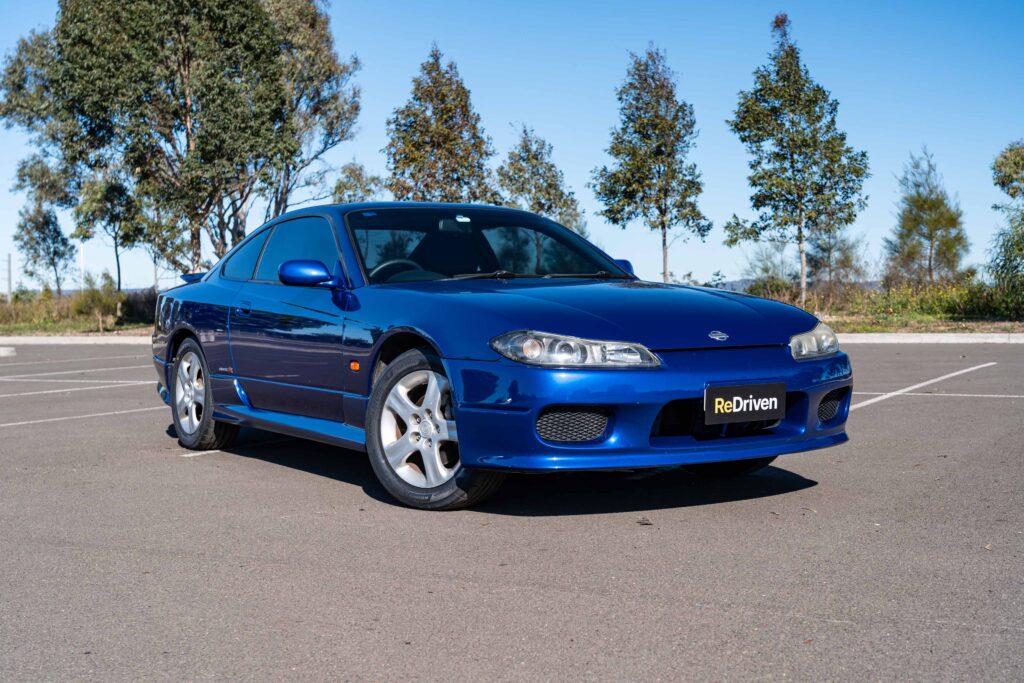
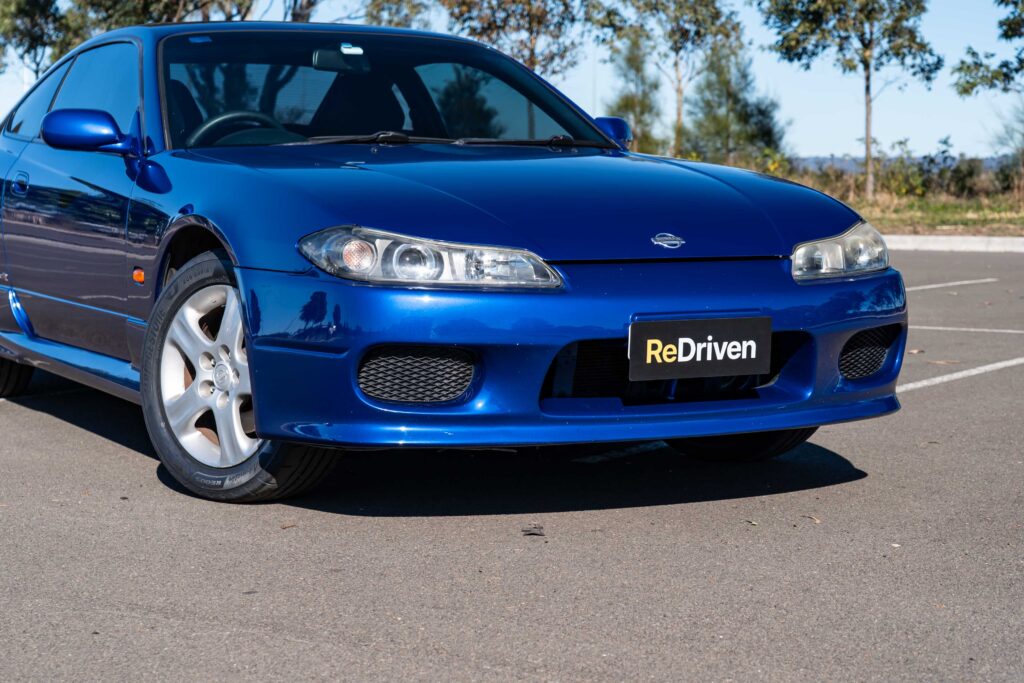
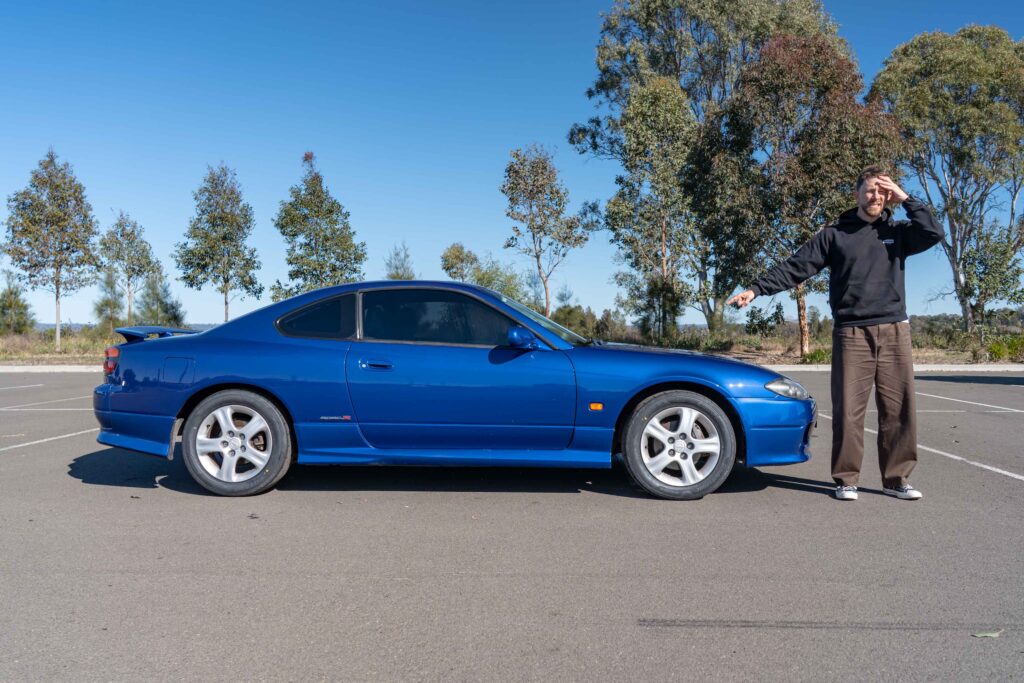
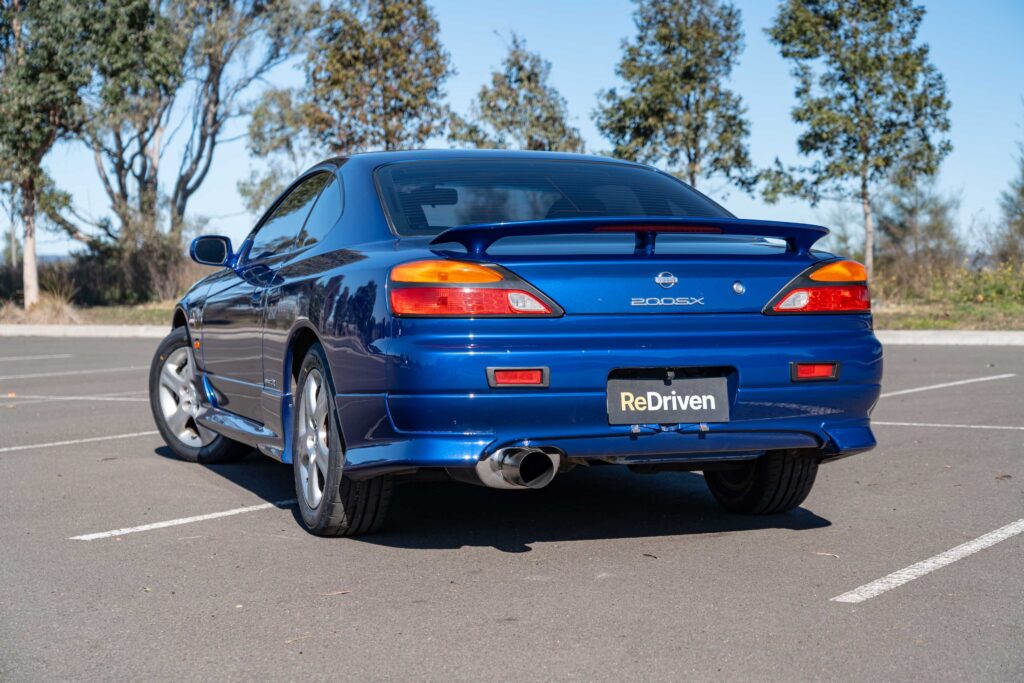
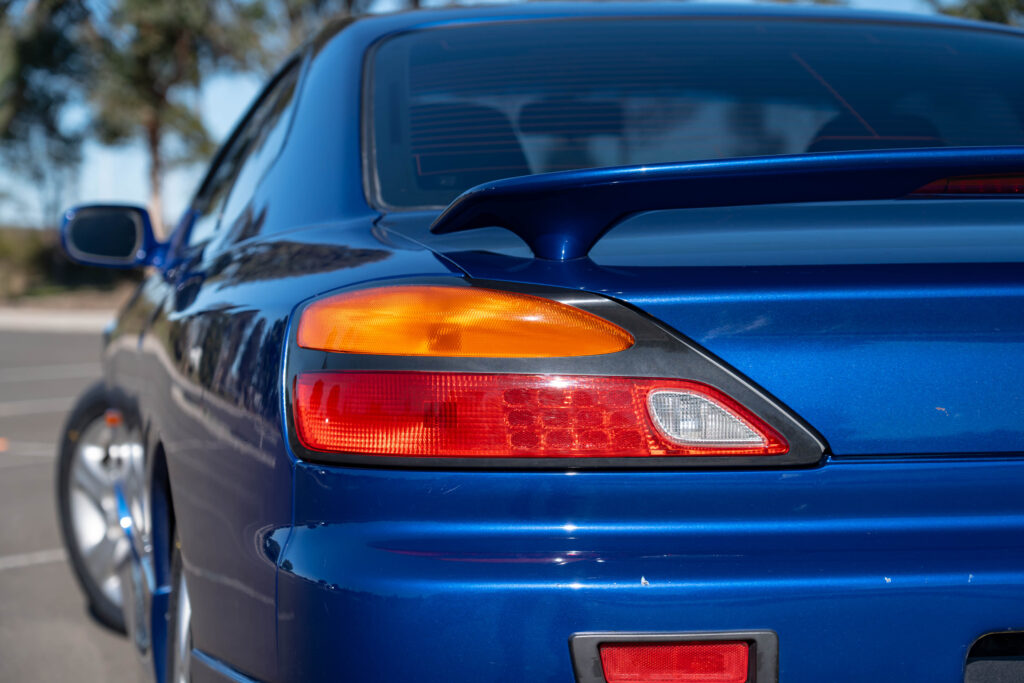
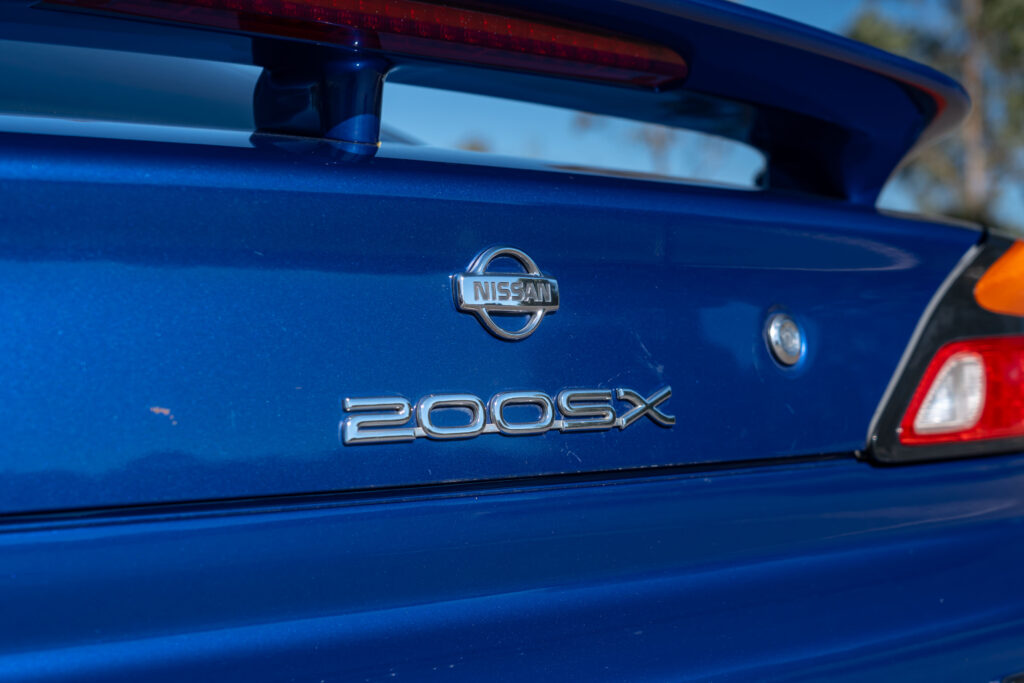

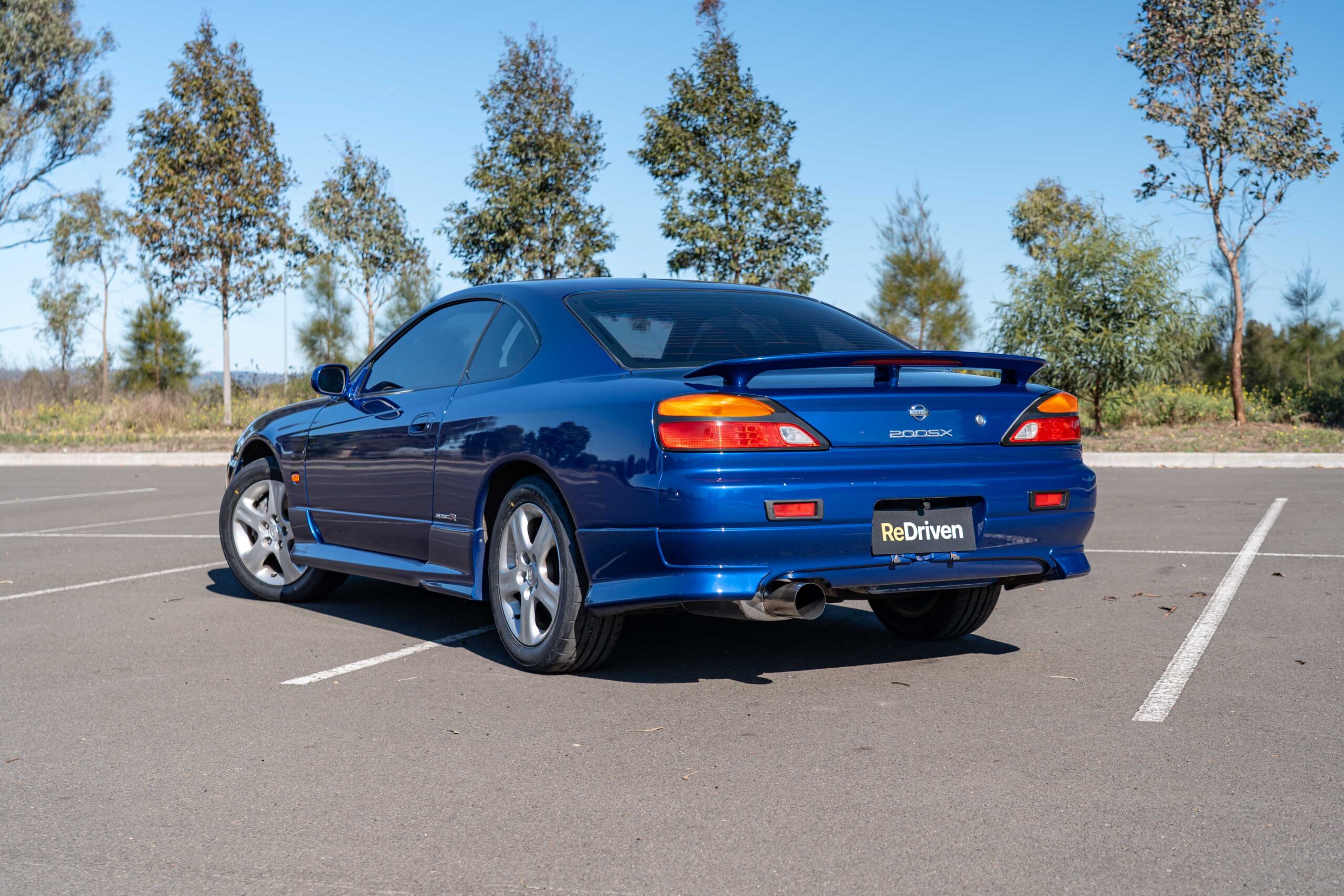
2001 Nissan 200SX Spec R (ADM)

22 September 2026
Yes. But only the right example.

2001 Nissan 200SX Spec R (ADM)

Used car review
22 September 2026
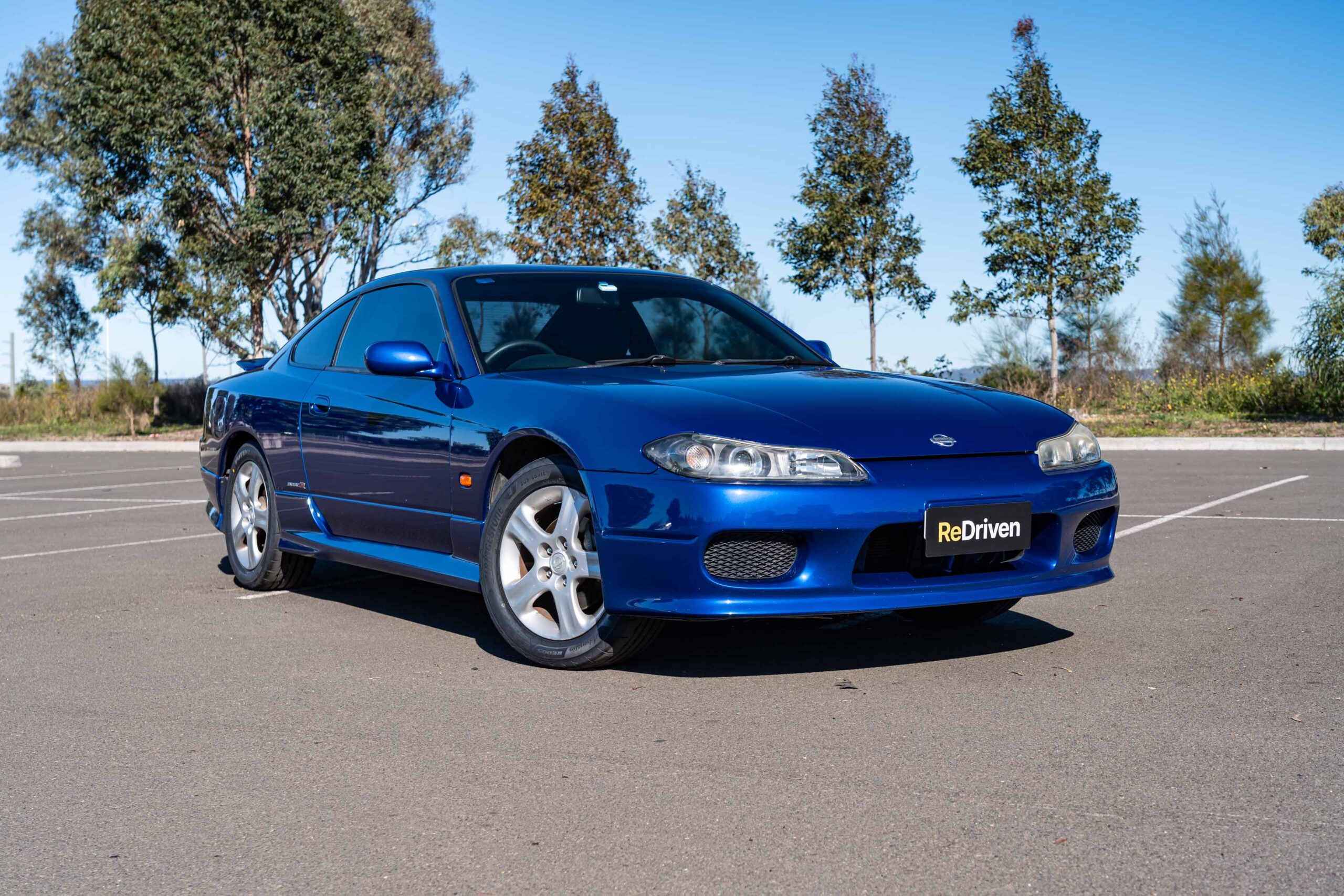
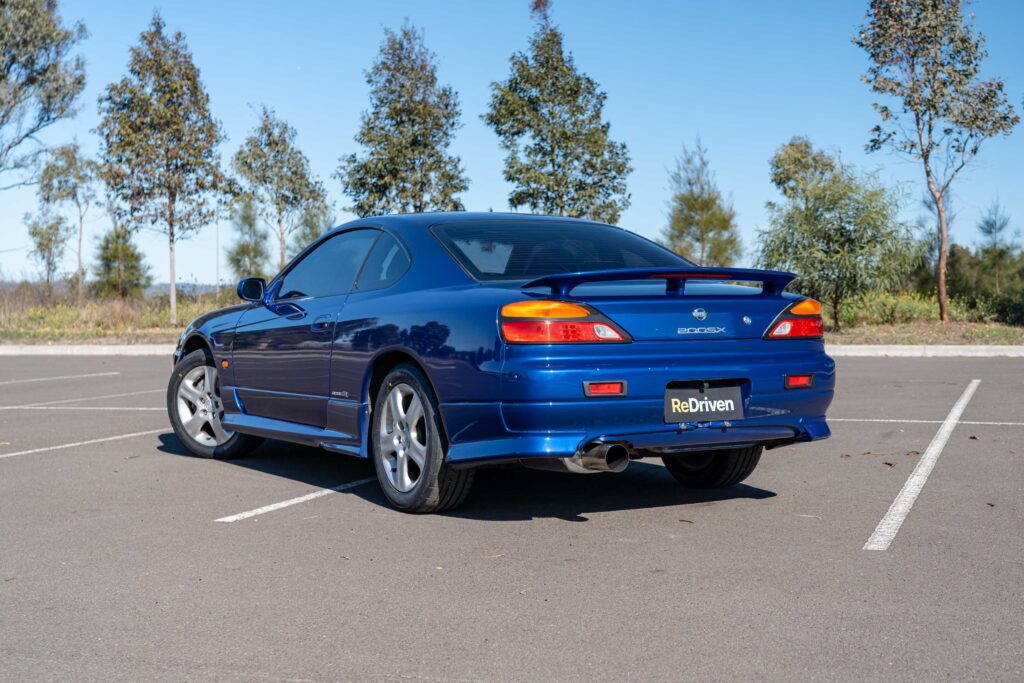
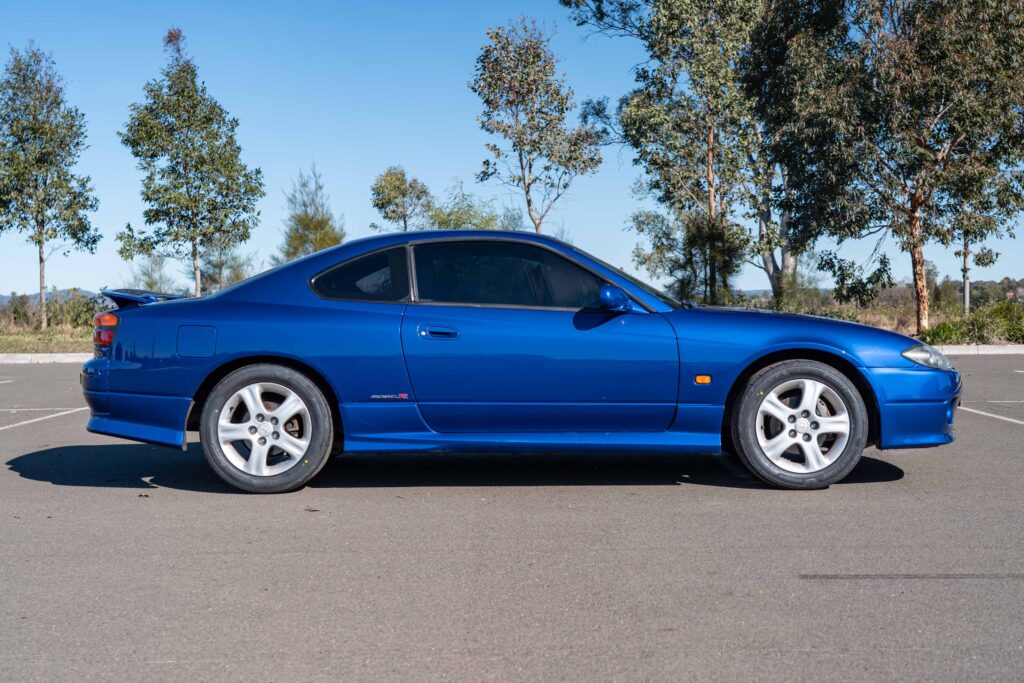
The Nissan 200SX might not sound familiar to those outside of Australia, but it’s likely you know this Nissan sports coupe by its more widely known name: the S15-generation Nissan Silvia.
This served as the seventh generation of the rear-wheel-drive Nissan sports car, succeeding the previous sixth generation Silvia (S14, also known as the 200SX in Australia), positioned between the Nissan Skyline and Fairlady Z sports coupes.
It would also serve as the final generation of the Silvia nameplate.
While this was predominantly sold in its native Japanese market, this generation of the Nissan Silvia was also sold new for markets in Indonesia, Australia, and New Zealand.
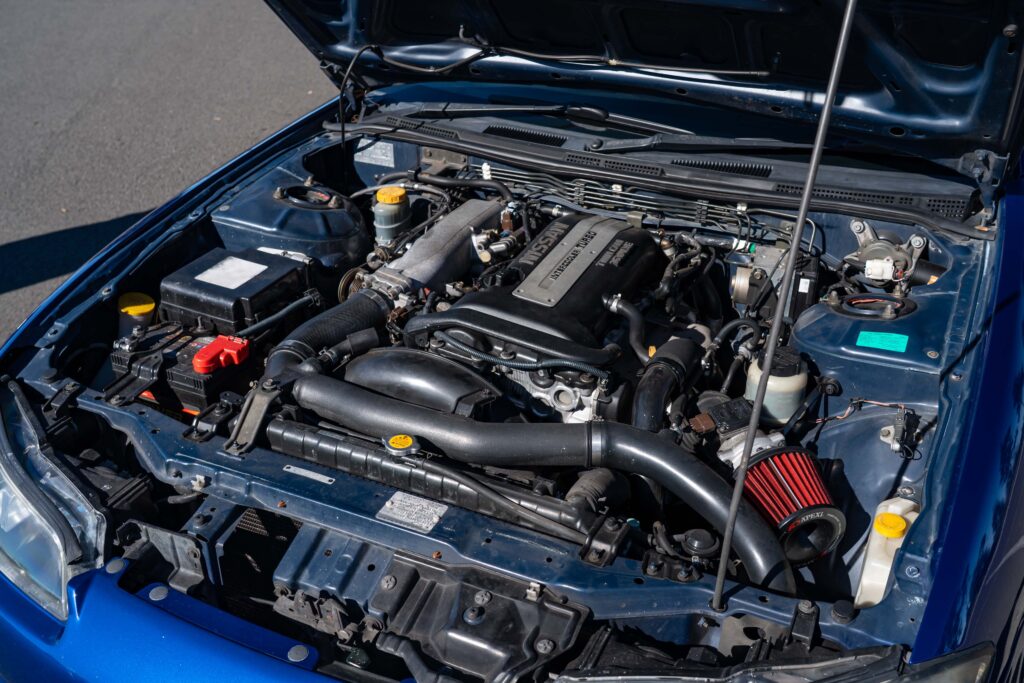
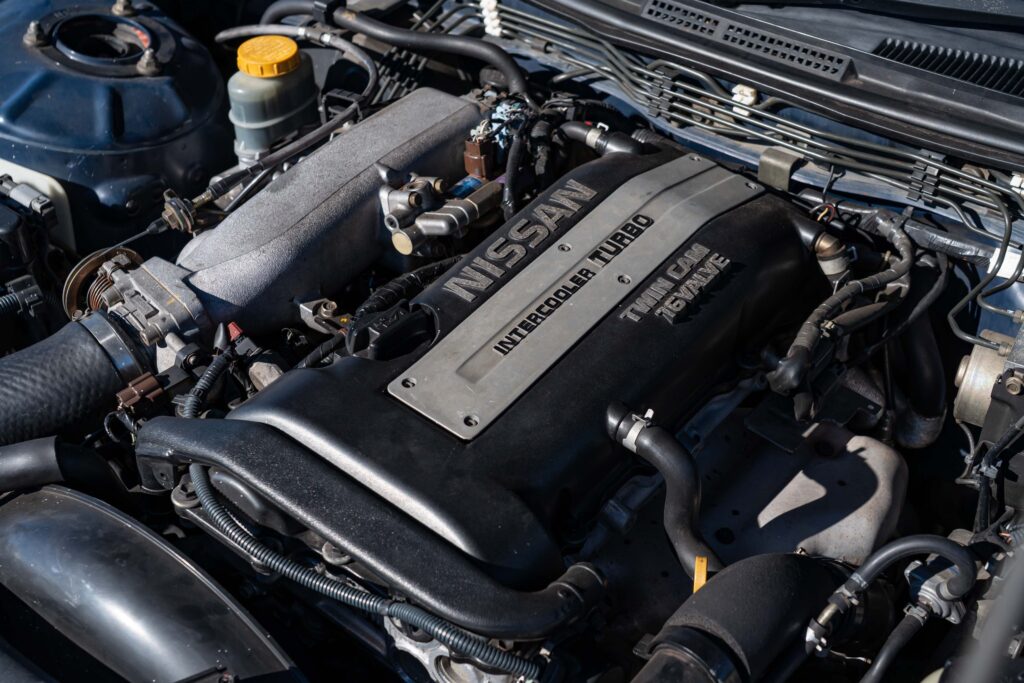
Australian-delivered cars all featured the turbocharged four-cylinder SR20-series engine (SR20DET), but other markets also received models with the naturally aspirated 2.0L SR20DE four-cylinder engine alongside the SR20DET.
Transmissions also varied (depending on region), consisting of five/six-speed manuals and a four-speed automatic.
The S15 Silvia was mainly sold as a two-door coupe, but fun fact: this was also available as a convertible. Modified by Nissan’s Autech division, this was known as the Silvia Varietta – using the same powertrain as a standard S15 Silvia, but with a folding retractable roof, and less than 2000 units were made.
Exterior:
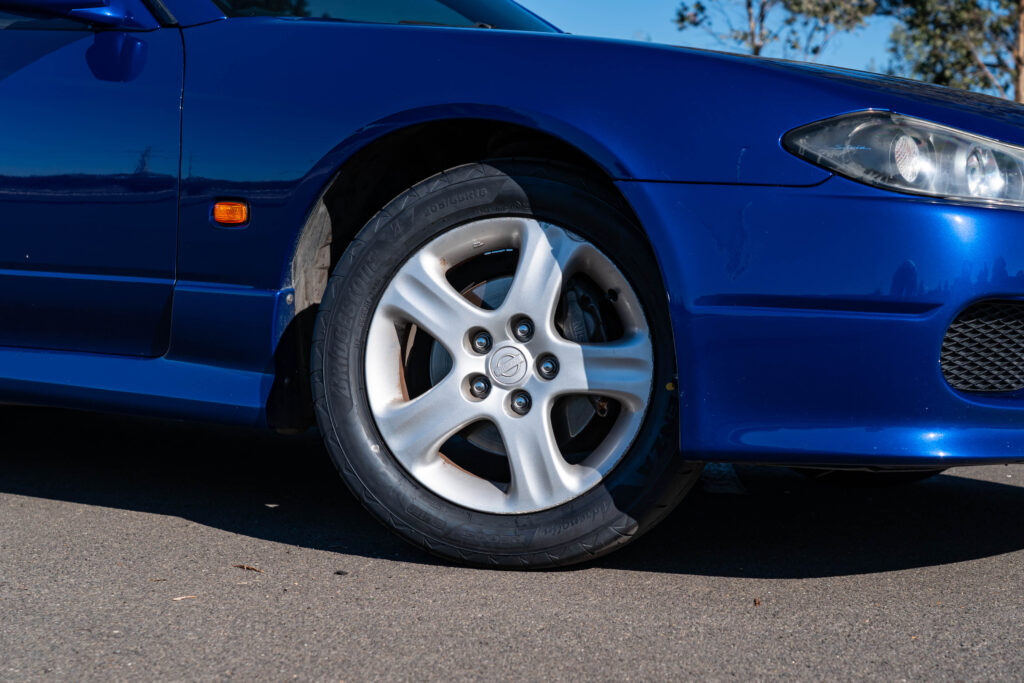
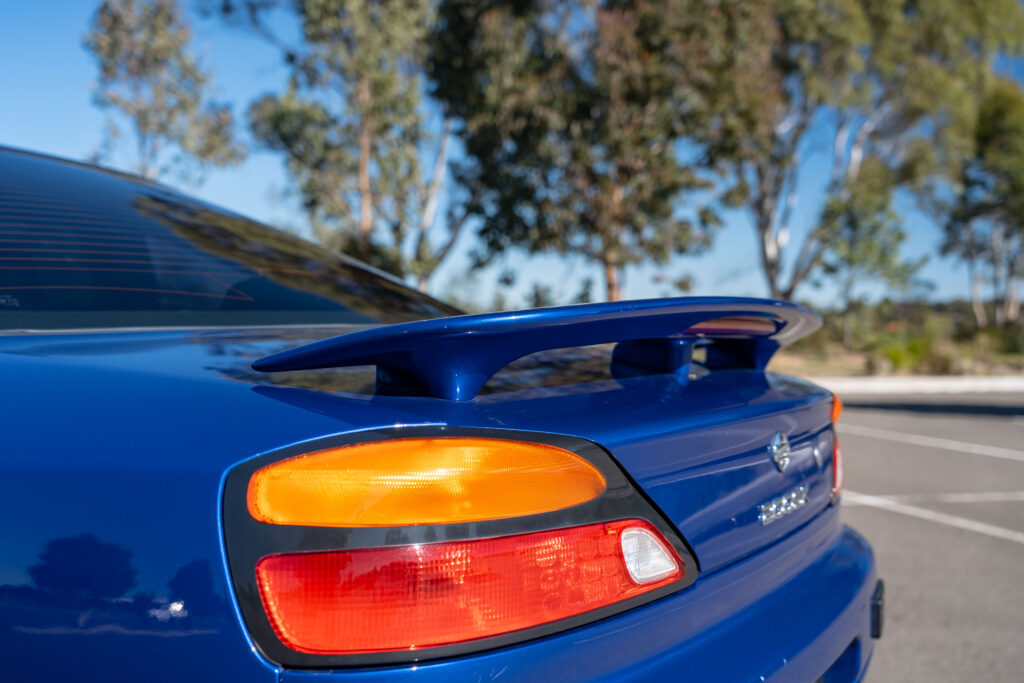
Like other Japanese imports, you have to watch for rust and corrosion on these cars.
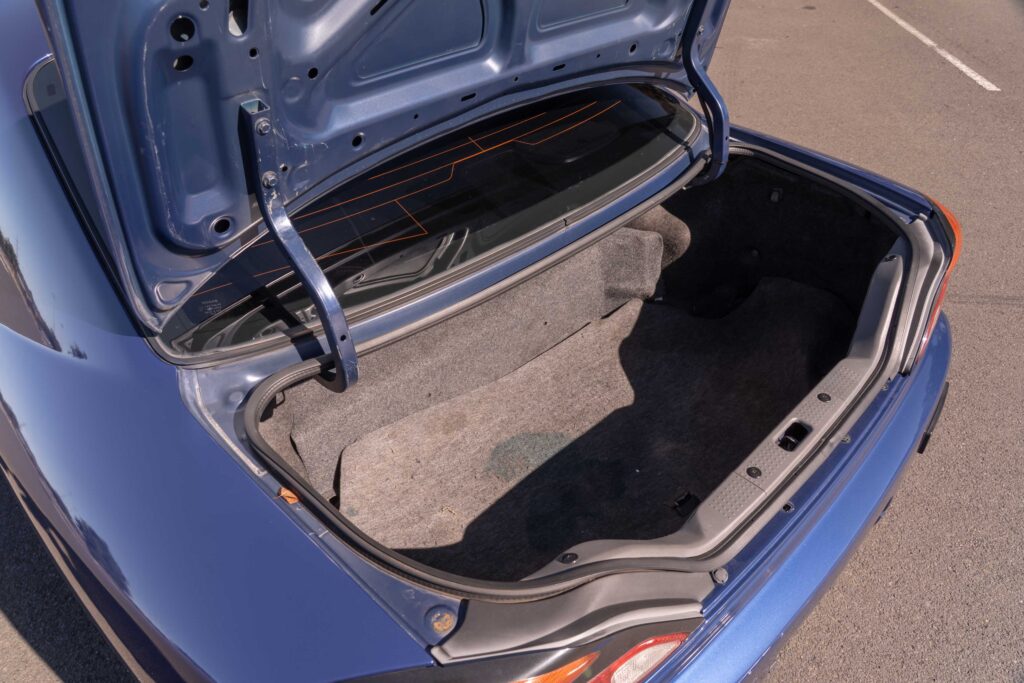
Common areas include the door sills, front chassis rails, rear wheel arches, and strut towers (including the regions near the front guards/welding spots); Japan market cars are known to suffer a rust spot around the passenger-side B-pillar and inside the rear boot (near the rear wiper motor)
The sections underneath the rear side glass at the C-Pillar point are a known weak point of these Nissans, leading to rust formation between the panel layers.
It’s also critical to check for any previous accident damage or poor repair work, disclosed or undisclosed, even on the cleanest examples (especially if you’re buying from sources like auctions). Many of these, owing to ‘certain’ owners and driving applications, have been written off or severely damaged.
Inspect the condition of the paintwork, the consistency of panel gaps, and the state of the undercarriage , all of which can easily be investigated through a thorough pre-purchase inspection.
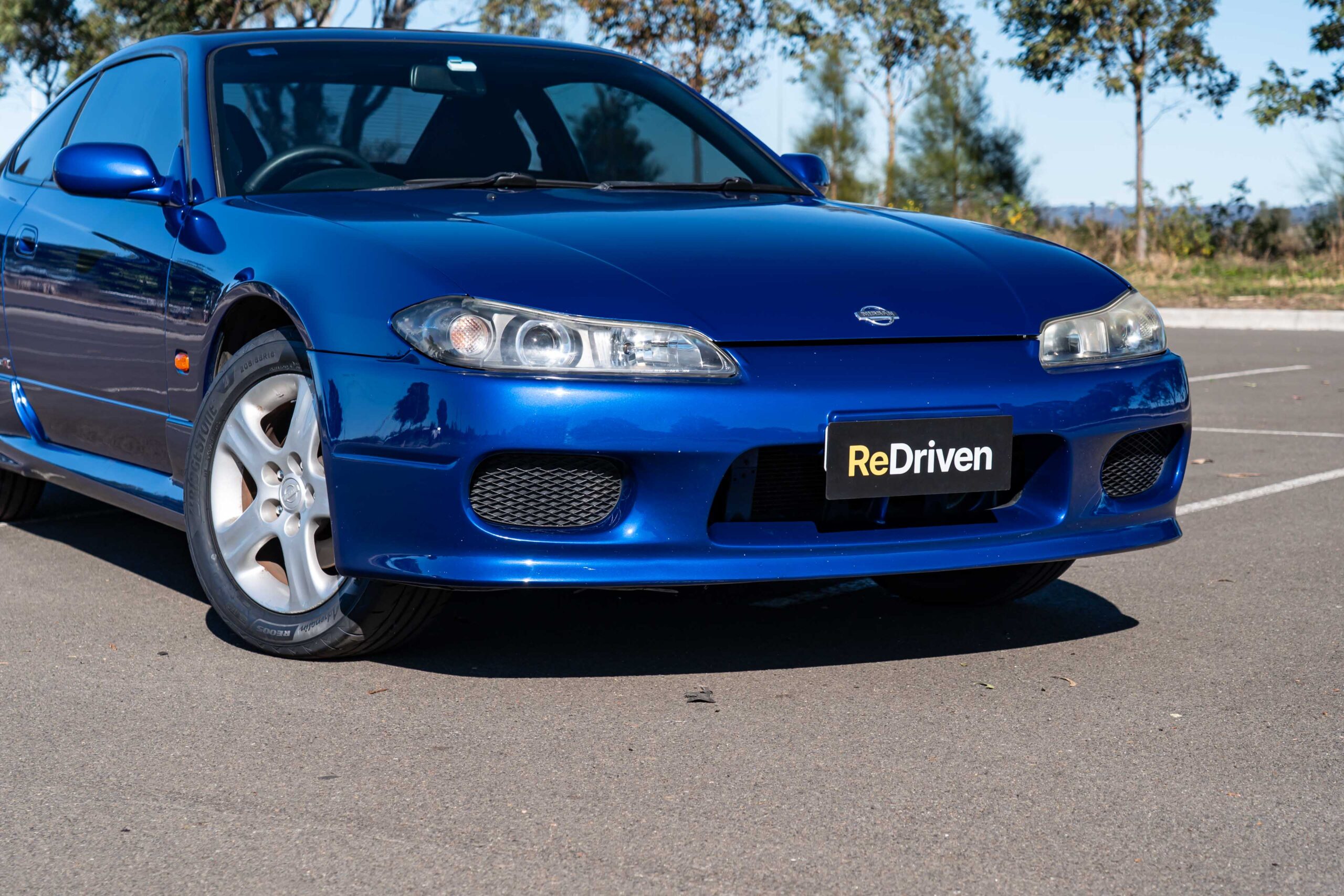
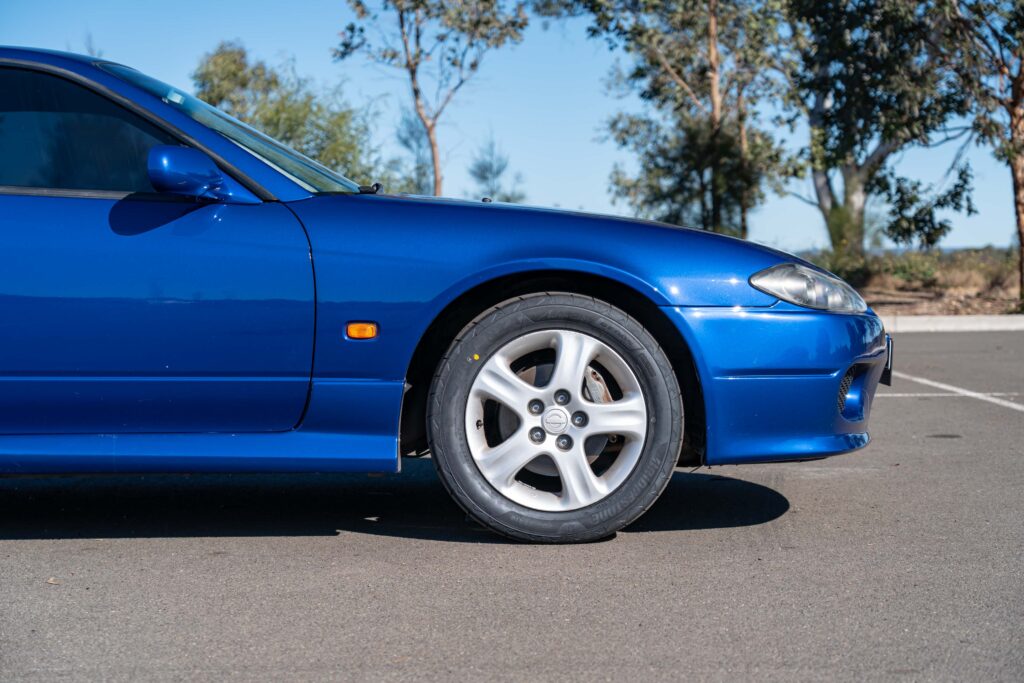
The condition of the exterior rubber seals is also worth monitoring – those surrounding the rear window can easily become worn for age and lead to water ingress. Also, the pillarless windows can easily contribute to water ingress issues if their seals flatten and need replacement.
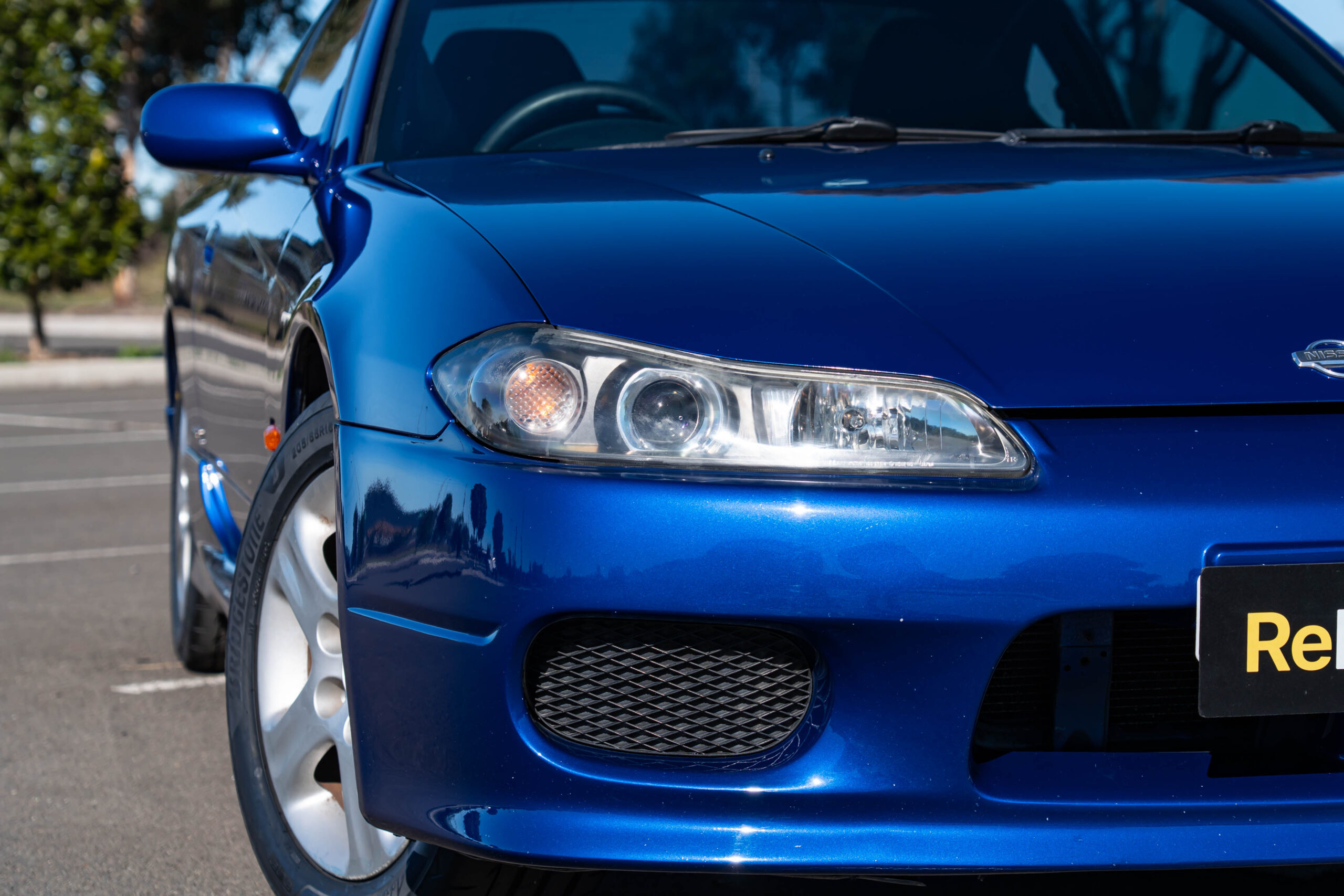
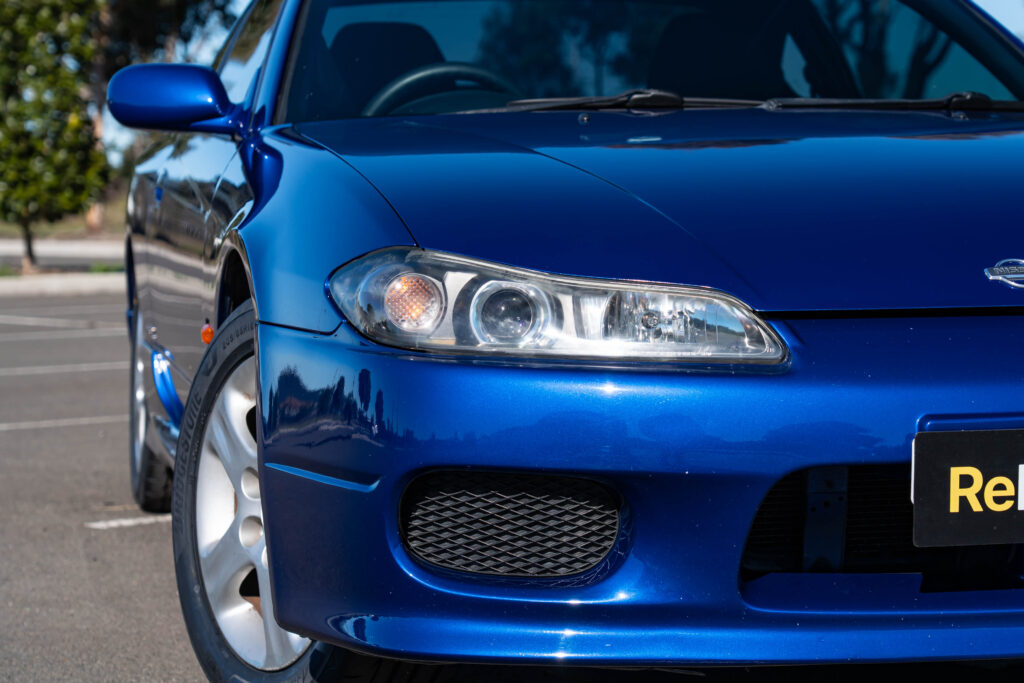
Headlight yellowing is also common to hear of (as with many cars of this era), but there are plenty of TLC solutions online to resolve it.
Interior:
Equipment and features will vary depending on the market or region the S15 Silvia was originally sold in, but generally, you’ll find far more trims and variants among Japan-market cars.
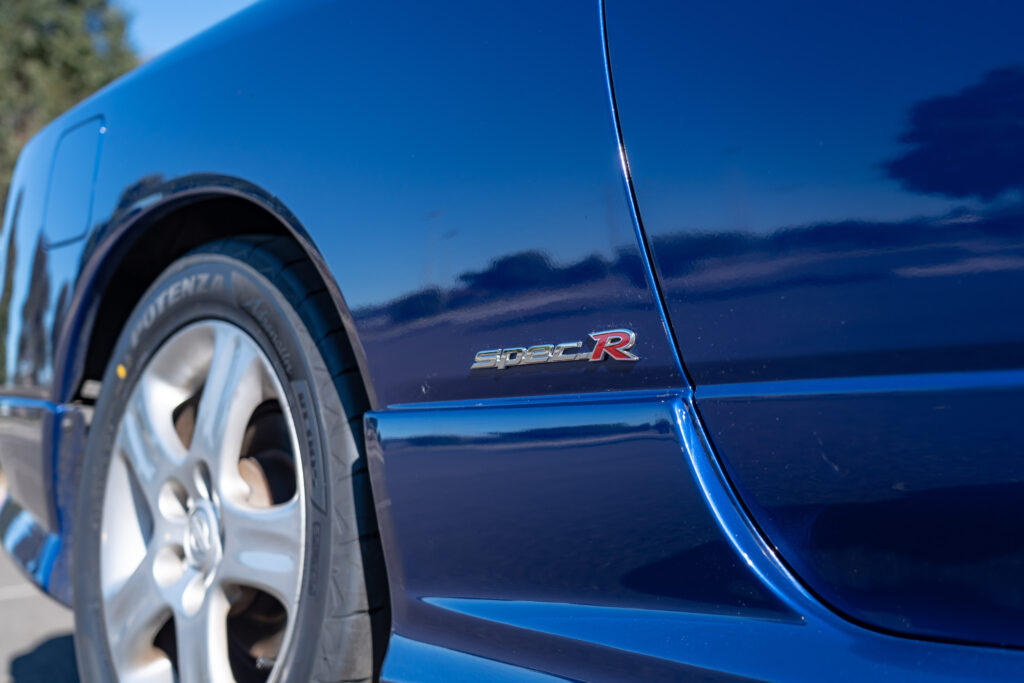
Only three trim levels identify any Australian-delivered 200SXs (which were sold only for two years): the Spec ‘S’, ‘R, and ‘GT’.
Spec S models were the base trim, coming with air conditioning, power windows, mirrors, and central locking, while Spec R models featured a sunroof, body kit, and various suspension/mechanical changes, with ‘GT’ models coming with a leather interior.
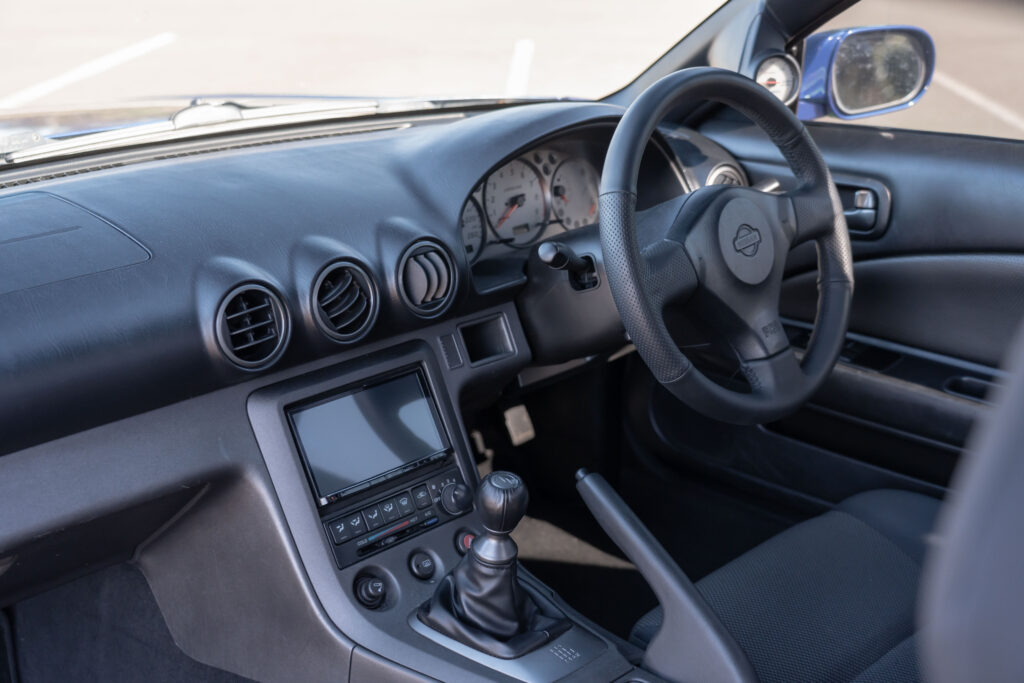
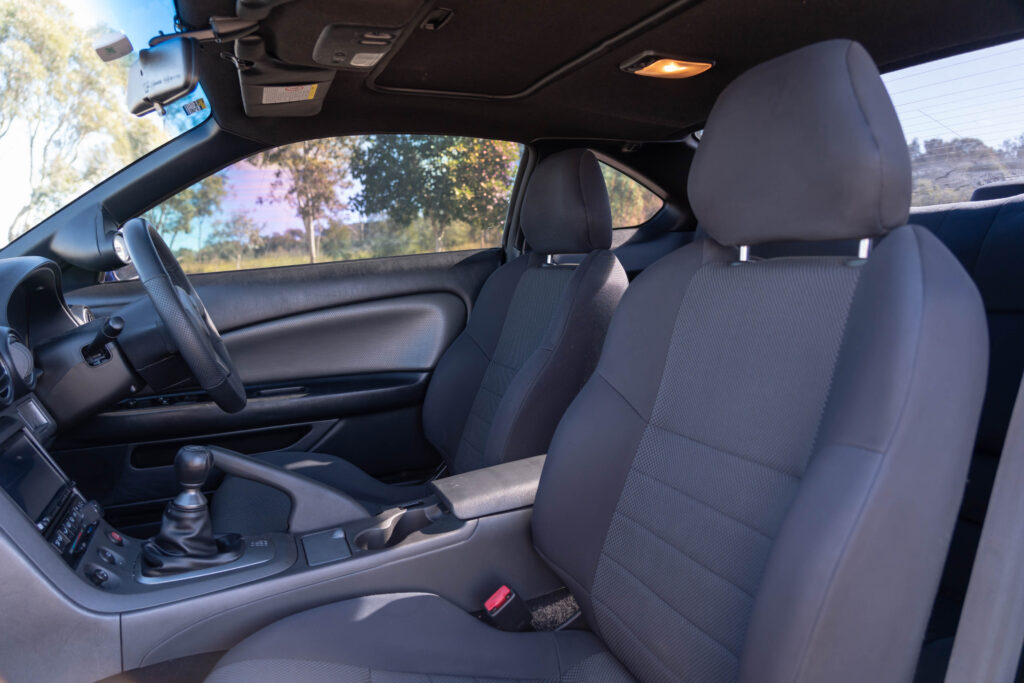
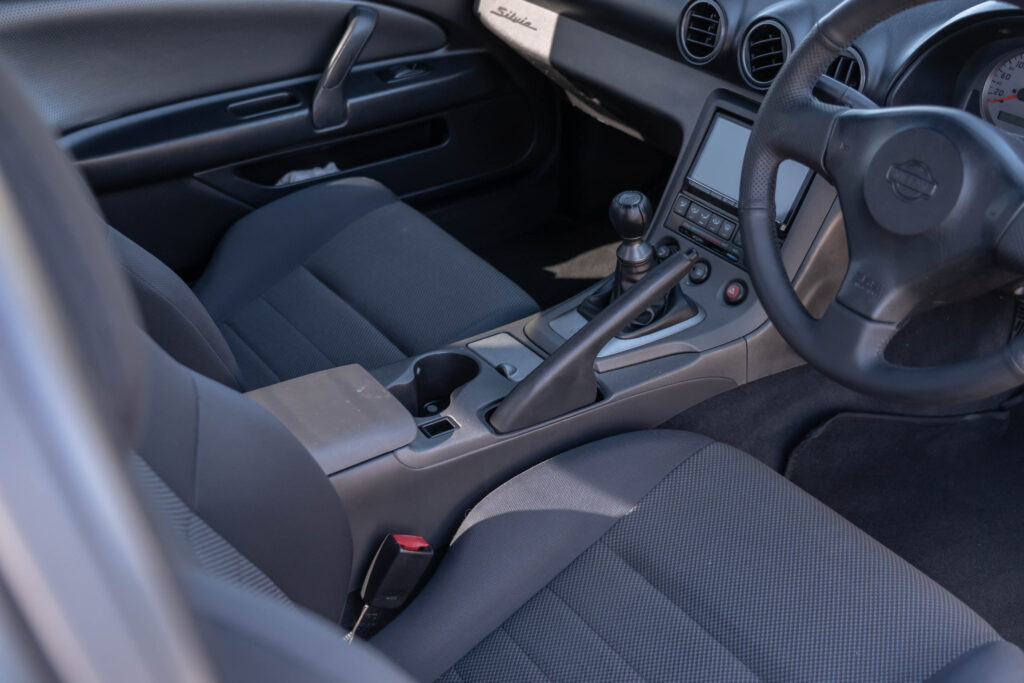
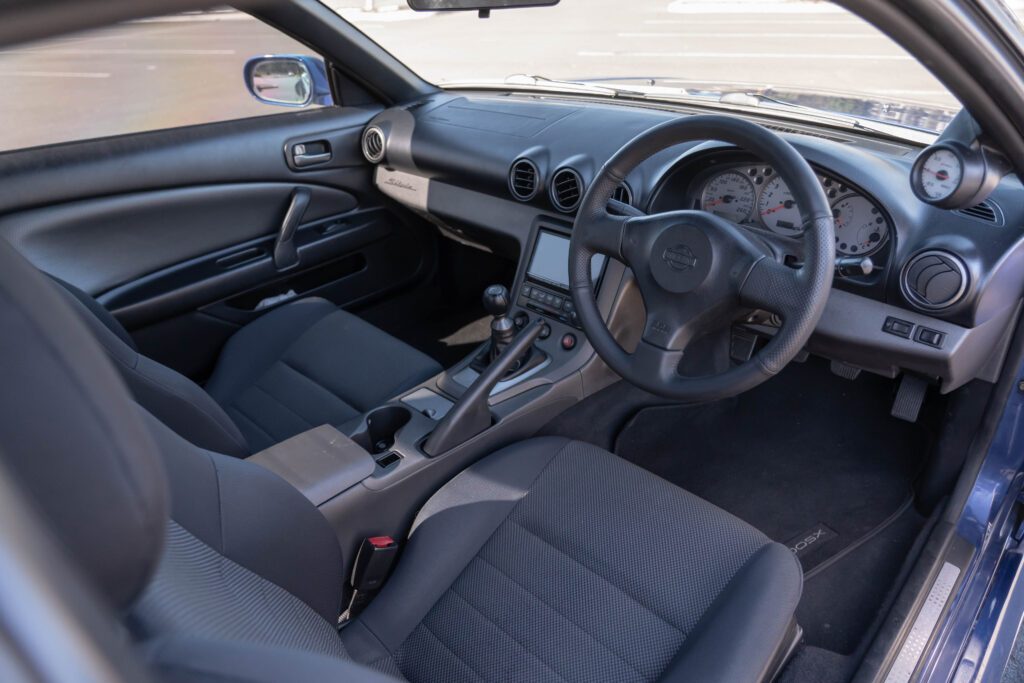
While it is a Japanese car with better resilience when it comes to interior build quality, S15 Silvias are more than twenty years old now, and many will have likely been well used by previous ‘enthusiast’ owners, minus immaculate examples stored away in private collections.
General wear and tear is the main thing to look out for on S15s, and the degree of damage/wear can help illustrate what type of past life the car you’re inspecting has experienced.
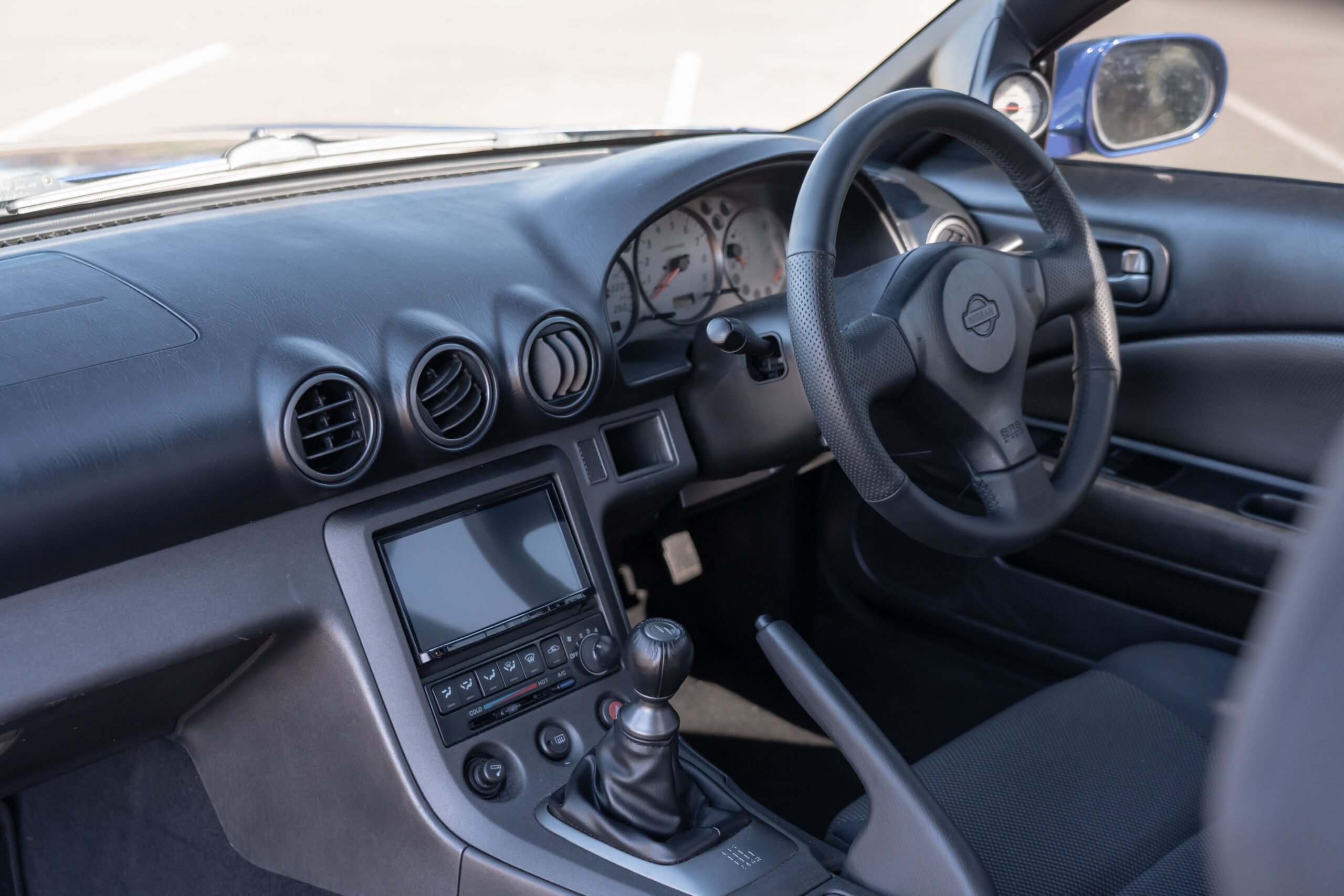
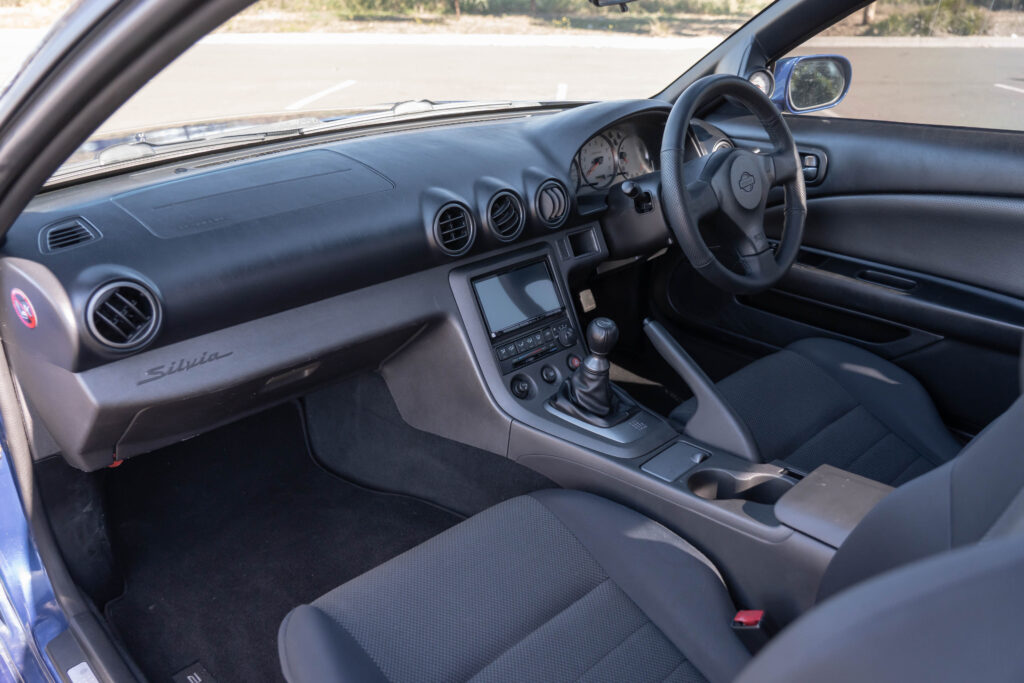
Anything made of plastic inside is prone to becoming brittle and breaking (especially on Japan import models), and there’s plenty here in the S15 – items like the air vents, storage console lid hinges, switch gear/buttons, and the mounts within the dashboard and doors. The coating applied to these plastic parts can also easily wear and peel off.
It’s also becoming harder to find replacements these days, which may require some creative measures beyond searching online (sourcing from scrapyards, 3D-printing).
The centre armest/storage lid is not the most resilient and can be damaged easily if not looked after.
The painted plastic finishes inside may also need some attention, and anything made from plastic in the cabin is prone to developing rattles.
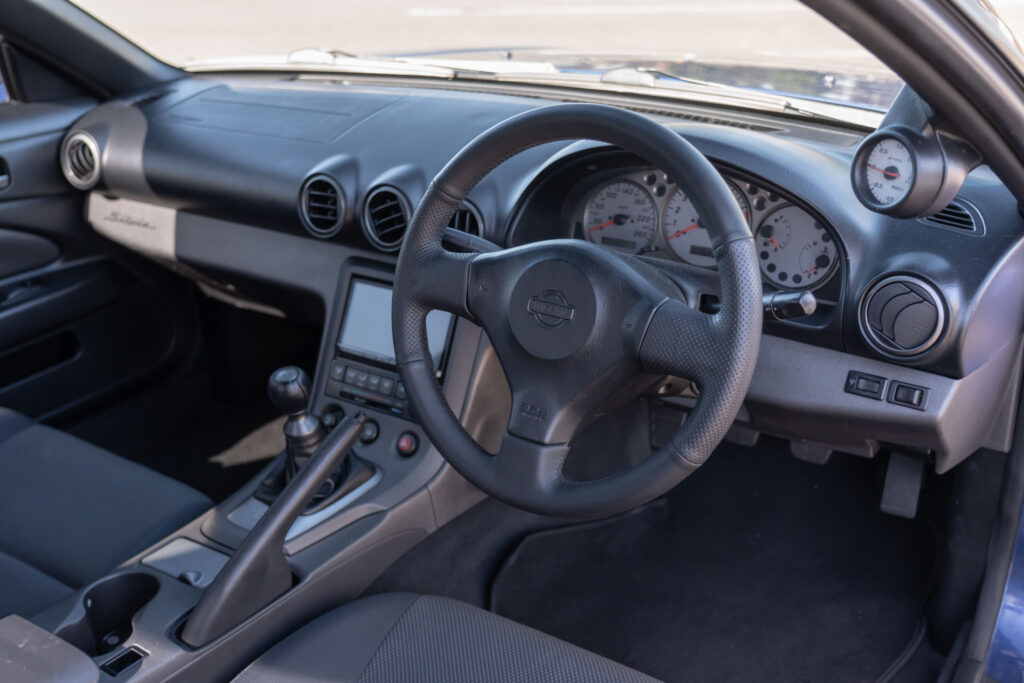
Check the condition of the dashboard – air bubbles, discolouration, or any worn sections can hint at a car that has not been looked after or left outside for extended periods. Holes in the side pillars or dashboard sections can also hint at previous installation of aftermarket gauges.
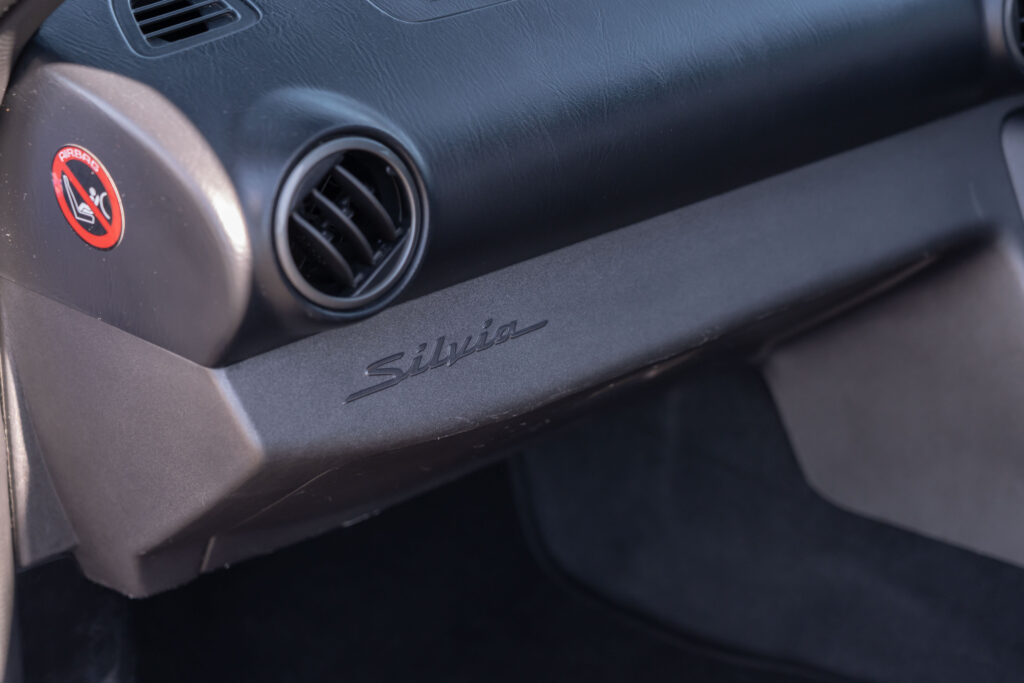
The lower dashboard section is very prone to wear, and finding new lower section-specific parts can be harder to find now.
Side door card materials can also start to separate as their adhesive material wears off. The plastic moisture barrier film in these can also wear down, allowing water to collect inside the door cards, causing electronic gremlins with the power windows or the speakers.
Many Japan-market cars came equipped with black upholstered seats from factory, and they can fade into a navy-blueish color if exposed to harsh UV rays in warm climates; the seat fabric/bolsters can also be heavily worn at this stage.
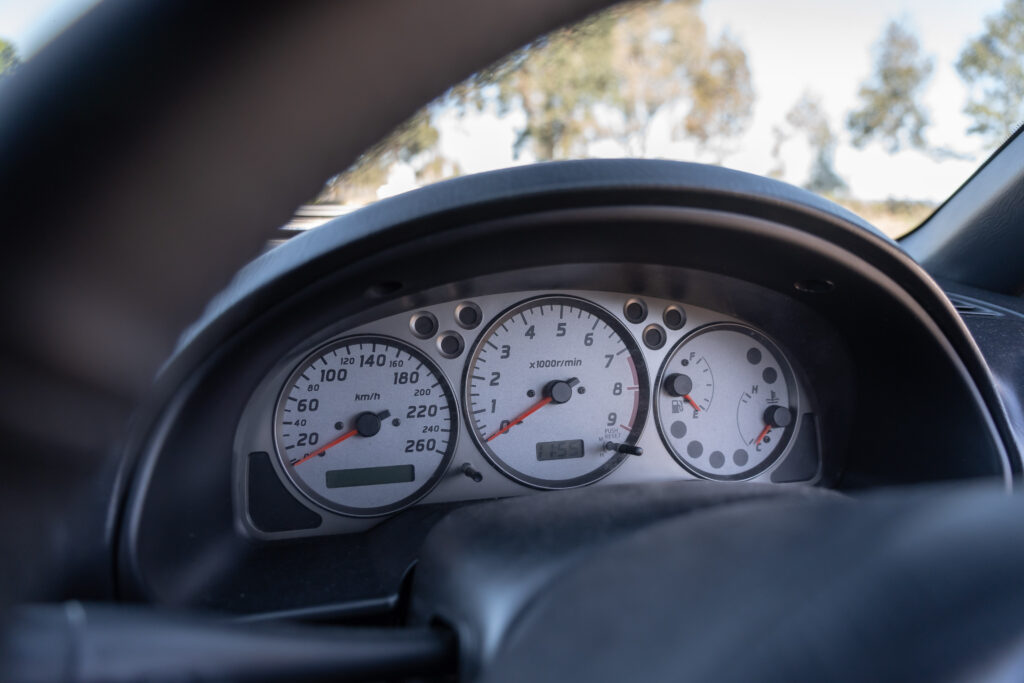
Interior electronic gremlins aren’t too commonly reported, but on occasion, the digital odometer can develop an intermittent flicker, and the gauges’ backlighting can appear dimmer than usual, requiring new light globes. The wiring harness on these cars can also be a source of any number of electrical gremlins.
Do note if any electronic issues creep up, past owners who have attempted poor wiring jobs may be to blame – many of these cars were subjected to DIY jobs before detailed online tutorials were available, and those inexperienced can have easily messed with the electronics.
The original infotainment and stereo systems that came on these cars are also very outdated, and examples on the market that had them upgraded previously may also be aging tech by now – but there’s still plenty of aftermarket options to add up-to-date features, from mobile connectivity to a rear-view camera.
Mechanically:
While this car is more than twenty-five years old and finding genuine parts is harder now, as with other JDM models, the aftermarket scene will more likely be your best option for new or better-grade parts, whether you want to make it drive better, add better cabin tech, or turn it outright into a race/drift car for the track.
The global and extensive owners’ community for this Silvia iteration, like other S-Chassis models, can also be very supportive to help you understand this car in further detail.
It’s important to do as much due diligence to confirm the status or legitimacy of the car you’re considering. Just like other JDM models that are popular among enthusiasts, those that look pristine can be hiding issues or undisclosed secrets underneath.
S15s are among models popular for VIN laundering/cloning, which involves the VIN for one car being stolen and applied to another. Experts and owner groups highly advise verifying that the original chassis and engine numbers correspond to each other, from reviewing the chassis numbers/plaques to all necessary documentation provided – anything that hints at dishonesty on the car is a deal breaker.
In addition, confirm the accuracy of the reported mileage, as it’s not uncommon to hear of many examples that have had their instrument gauges swapped, potentially also having their odometers tampered with.
Installing an aftermarket immobiliser, or far better security measure, is also highly recommended, as the lack of security on 90s-era cars like the S15 makes them easy victims for car thieves.
Engine:
There’s no shortage of information out there about what goes wrong, and what you need to look out for when it comes to the SR20 series engines used in the S15 Silvia – when it comes to doing your homework, there’s no excuse not to.
There’s also a clear distinction between what fails due to age/delayed maintenance, versus what fails due to a known manufacturer defect, low-quality modifications (ie., excessive amounts of boost), or reckless driving styles that abuse these cars.
Some of the age-related issues that are known to affect the SR20-series engines involve anything constructed from plastic in the engine bay.
Given these are more than twenty years old now, components like the wiring connectors or the coolant system will be fragile and need to be handled carefully, as they’ll easily break. They are also susceptible to developing oil/fluid leaks.
High-mileage examples can also develop rattling intake cam phasers, most audible during cold starts. Timing chain rattles can also develop, but in most cases, it’s the cam phaser that is developing these engine bay noises.
The turbochargers will also need attention as they wear over time – make sure the turbo oil lines aren’t clogged up. In addition, check the condition of the exhaust manifold, turbocharger gaskets, and the turbocharger coolant tubes, as they can also develop leaks.
Other general wear and tear items to look out for within the engine bay are parts like the water pumps, rocker arms, ignition coils, and cam angle sensors.
This powertrain is perfectly set up for any degree of tuning or modifying to get more power out of it, but the manner by which they’re modified can play a significant part in how long the engine lasts.
Things like increasing the boost pressure on a stock engine block will mean all bets are off when it comes to what will eventually break and need attention on these powertrains, ranging from pistons, lifters, oil pumps, coolant systems, and turbochargers – all of which can be just shy of failing due to a careless driver/tuner.
But the good news here is that thanks to the Nissan and SR-series extensive aftermarket support base, there is not one single part within the engine that you can’t buy a more durable or higher-performing equivalent.
In summary, if you want yours to push big power figures yet retain long-term reliability, it’s not impossible – it just commands a high budget to get the best available parts, install them right, and tune the engine to ensure everything works properly (without any detrimental factors).
The same also applies to the transmissions and differentials. When the S15 Silvia was new, they were perfect for the car (back then), but age, mileage, and operator abuse can take their toll on how they are holding up now.
You may hear stories of owners saying they “went through multiple engines and gearboxes”, but often that’s because the cars weren’t being used or maintained as Nissan originally designed them to be.
Provided it’s been driven and looked after properly, a S15 Silvia can be far more reliable than what people give it credit for.
As with any old platform that is popular with tuners or enthusiasts, unless you happen to land a well-preserved, fully unmodified example, one of the biggest reliability risks of any used S15 Silvia is what previous owners have done (and in return, how ‘messy’ their changes have been), along with whether they have invested in quality aftermarket parts or taken ‘cheaper’ shortcuts.
Suspension/Chassis:
The S15’s rear subframe, or differential cradle, is known to develop cracks due to stress, especially among cars driven hard or abused. Given the car’s popularity in motorsports or drifting, it’s something you have to really be vigilant about.
The rear subframe bushings can also wear out over time, with wear accelerating on cars subjected to hard launches or drifting maneuvers. Signs they’ll need attention are clunking noises from the undercarriage or abnormal rear-end movement.
Neglected examples can also suffer from warped brake rotors or seized calipers, affecting braking power that is essential on a sports car like this.
Also note that being an older car from the pre-2000s era, there’s a lack of modern safety features you may be accustomed to – you’ll only find these come equipped with anti-lock brakes, seatbelts, and a few airbags, but no electronic stability control.
On the Australian used market, you find most S15 Silvias start from $40,000 and top out around the $70,000 range; though the occasional pristine or special example can ask above that.
Considering these originally sold new for around $45,000 ($85,000 adjusted for inflation), they haven’t appreciated considerably to their original retail prices now, but there are hints that Nissan S15s might not remain in this tier of secondhand JDM sports models.
When you look at the depreciation curve, these have steadily been on the rise since about 2015, and compared to Japanese icons like the Nissan GTR, Mazda RX-7, Honda NSX and Toyota Supra that are now asking honestly ridiculous prices, those in the industry agree that what are considered ‘reasonably priced’ equivalents, like the S15, will be the next to appreciate as ‘future classic’ investments.
Pricing aside, the main factors that might discourage you from pursuing an S15 is finding a decent one worth your money, and that hasn’t been too abused.
Many on the used market have exchanged multiple hands and passed between most of their recent owners back when these were priced far below their current used values (~$10,000) when they were very cheap performance cars/platforms, and as a result, were victims of being poorly modified or abused as drift/track missiles with little care.
Plus, as much desirable qualities as the S15 offers, unless you are a die-hard fan of the platform or a JDM enthusiast, it’s hard to recommend it as far as options for secondhand performance cars go.
Even among the cleanest and most factory-original examples, factor in all the possible costs to restore them, put all of their internal components right (including age-related maintenance), or modify/upgrade them, and you might have to invest well over $100,000 alone.
Among other Japanese or European sports cars available for the same sort of money, there are plenty of other options that make more financial sense, are newer, and are just as good to drive, easier to live with, and cheaper to insure.
If you are in the market for one, it’s worth researching how ‘friendly’ they are with your local insurance policies, especially for younger drivers, which these tend to attract. We’ve heard cases where even mature owners have been quoted very expensive premiums under an S15, compared to other sports cars.
In addition, for those in Australia especially, do note that locally-delivered 200SXs are accepted models for drivers on probationary (P-plate) licenses, whereas grey imported S15 Silvias are not.
If age or driving experience might hold you back from an S15, there also remain plenty of age/novice driver-appropriate options for sports cars, like the Toyota 86/Subaru BRZ, Mazda MX-5, or any Hyundai N model – which also benefit from better overall reliability and modern safety features, and allow you to focus more on driving fun than constantly fixing things.
But say you are a dedicated S-Chassis or S15 fan who has ample funds readily available to invest in one as a serious project, and is prepared to do any number of preventive maintenance tasks to keep these going – these can still prove to be a rewarding platform.
Plus, with very supportive owners’ communities, you have an extensive knowledge base if you need any type of advice when it comes to approaching and owning these.
It will take time and effort to find the best example possible, ideally with a comprehensive vehicle history/logbook on hand and no serious issues or sketchy histories brought to light post-pre-purchase inspection.
But good examples are rightfully deserving to be celebrated and shouldn’t be locked away from being used out on the road – these had genuine qualities as a performance car in their original heyday, and the right ones continue to demonstrate them.


Co-creator, presenter & writer, ReDriven

Yes. But only the right example.
 4 days ago
 2 months ago
 2 months ago