Australia’s No. 1 Used Car Review Website
Australia’s No. 1 Used Car Review Website

2007 Nissan 350Z Touring

Used car review

28 July 2024
The Australian-delivered Nissan 350Z, produced from 2002 to 2009, underwent constant updates throughout its production cycle. Besides substantial revisions in late 2005 and mid-2007, Nissan implemented yearly updates to improve the model.
The 350Z follows the classic sports car formula: front-engine, rear-wheel drive, and available as a 2-door coupe or convertible with sculpted, muscular bodywork.

Mechanically, it retained the 3.5-litre V6 engine throughout its life, with power increases thanks to revised internals and tuning. Notably, Nissan claimed that over 80% of the engine parts from 2007 onwards were new or redesigned components.
Trim levels varied significantly by region. In Australia, the lineup started with a single trim and was later joined by the limited 35th Anniversary Coupe in 2005. From 2006, the range expanded to include Touring and Track specifications.
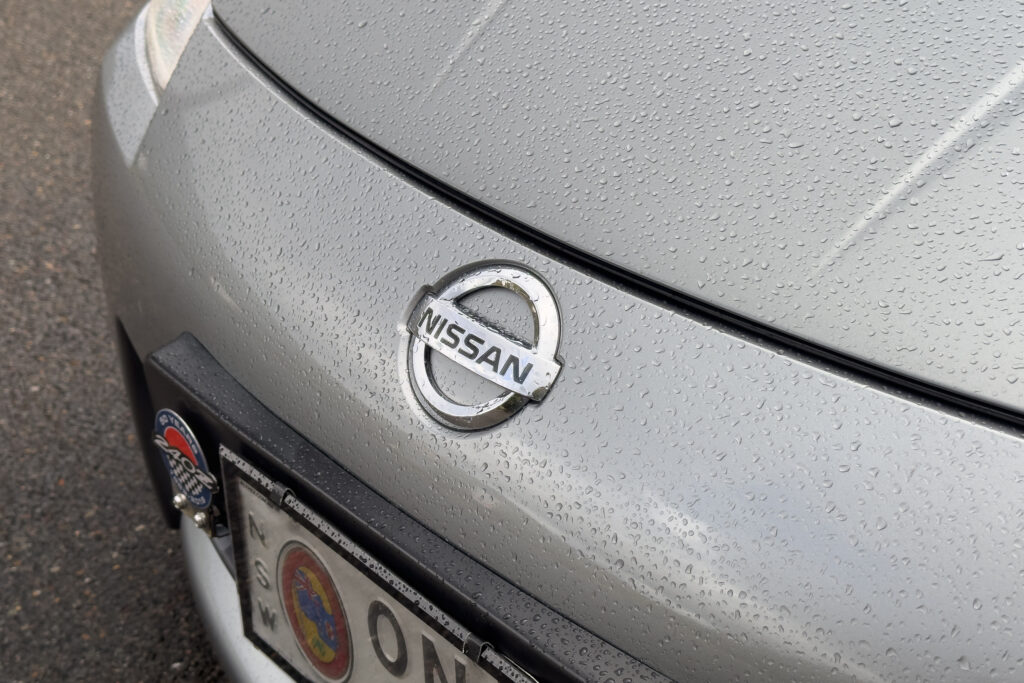
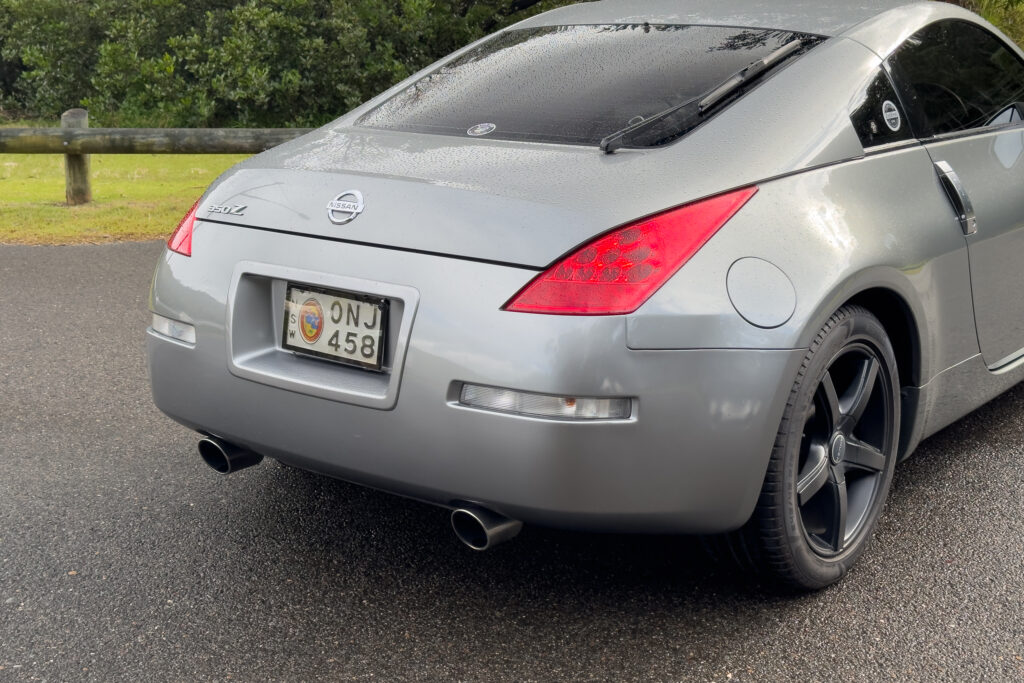
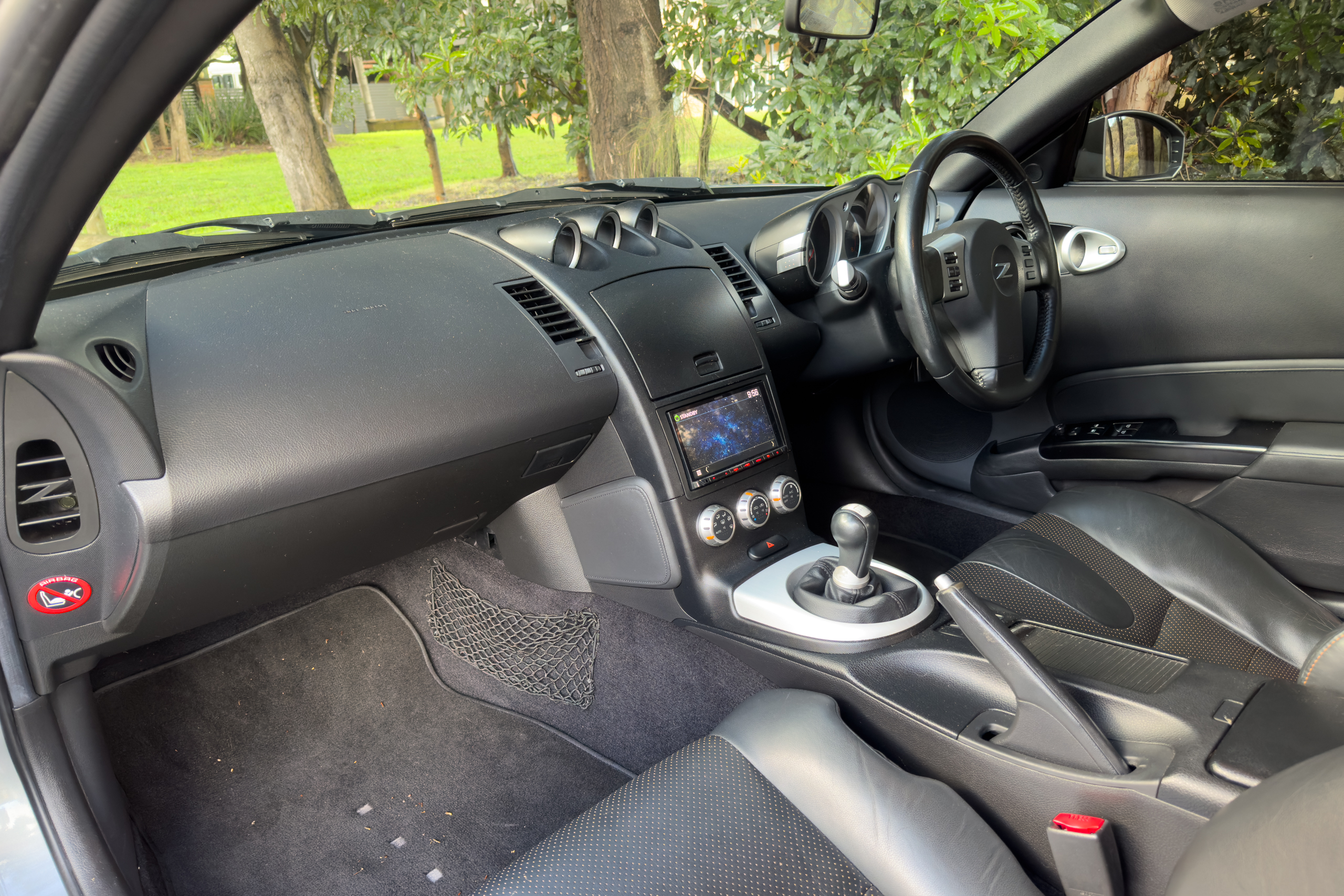
In contrast, the US had six trim levels plus special editions, the UK and Europe featured several option packs and a GT4 special edition, and Japan received highly coveted Nismo-tuned models, some of which were made available internationally through grey importing or limited factory allocations.
While the 350Z offers good value as a performance car, many used models suffer from poor modifications and owners who lack mechanical sympathy.
Plus, cost-cutting measures during production have led to aging issues, which are worsened by poor maintenance and lack of care.
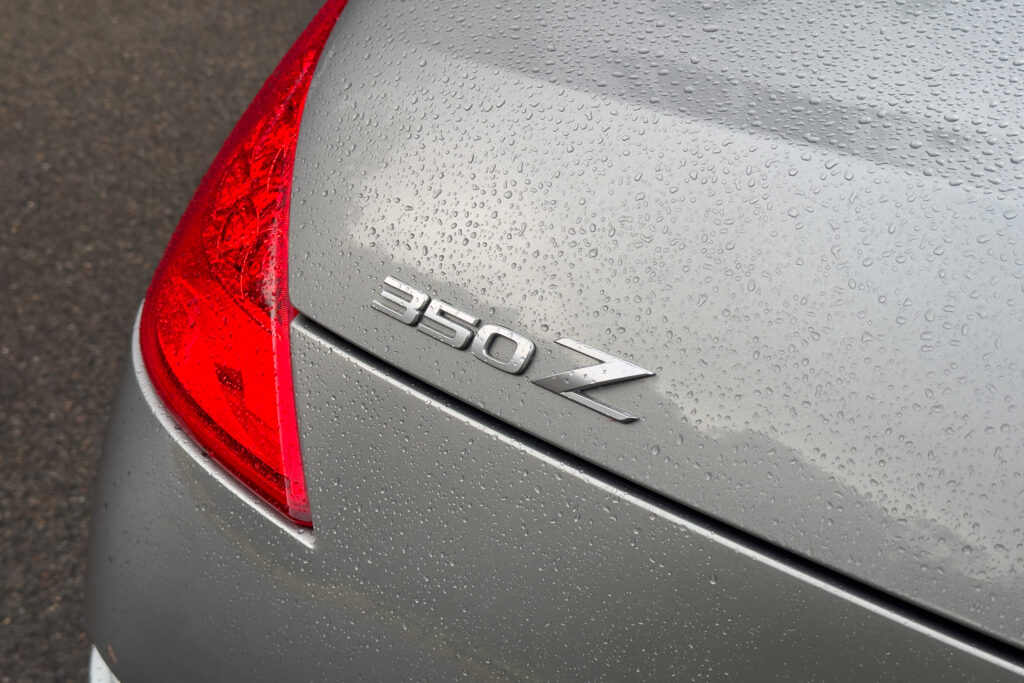
Exterior
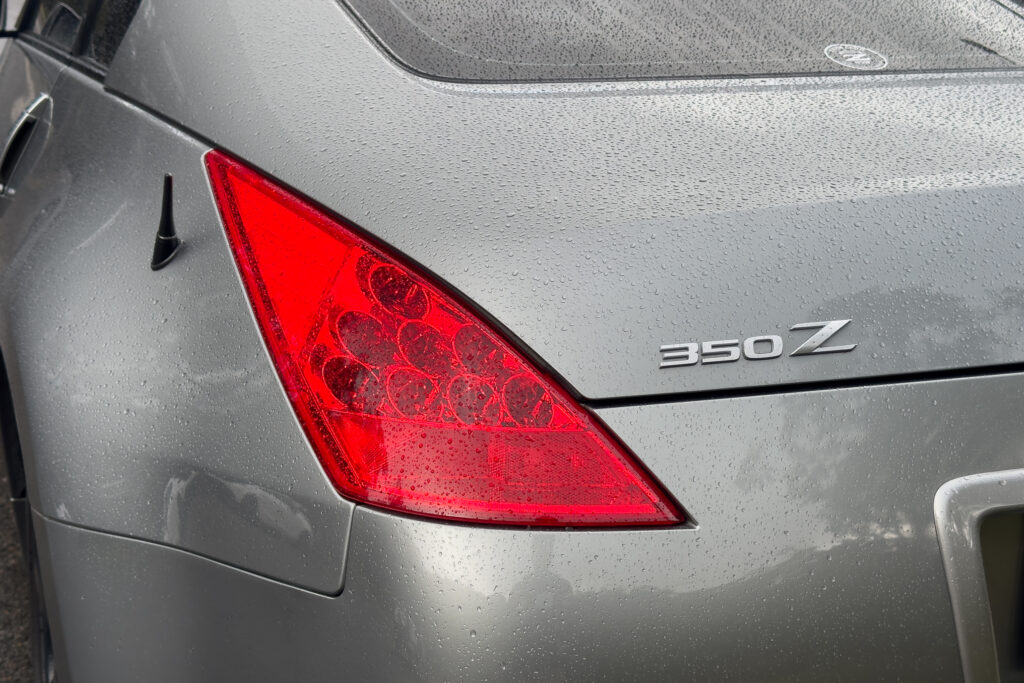
Rust shouldn’t be a significant issue, but it’s essential to check specific areas such as the base of the A-pillar and around the windscreen. Rust in these areas is often due to a poorly done windscreen replacement.
Additionally, inspect the bottom of the doors, around the wheel arches, inside the wheel wells, and the engine bay. The bottom of the hatch is also crucial, especially if the car is frequently parked on an incline.
Corrosion is more prevalent in colder climates with salted roads. However, serious rust on cars in warmer climates could indicate poorly repaired accident damage.
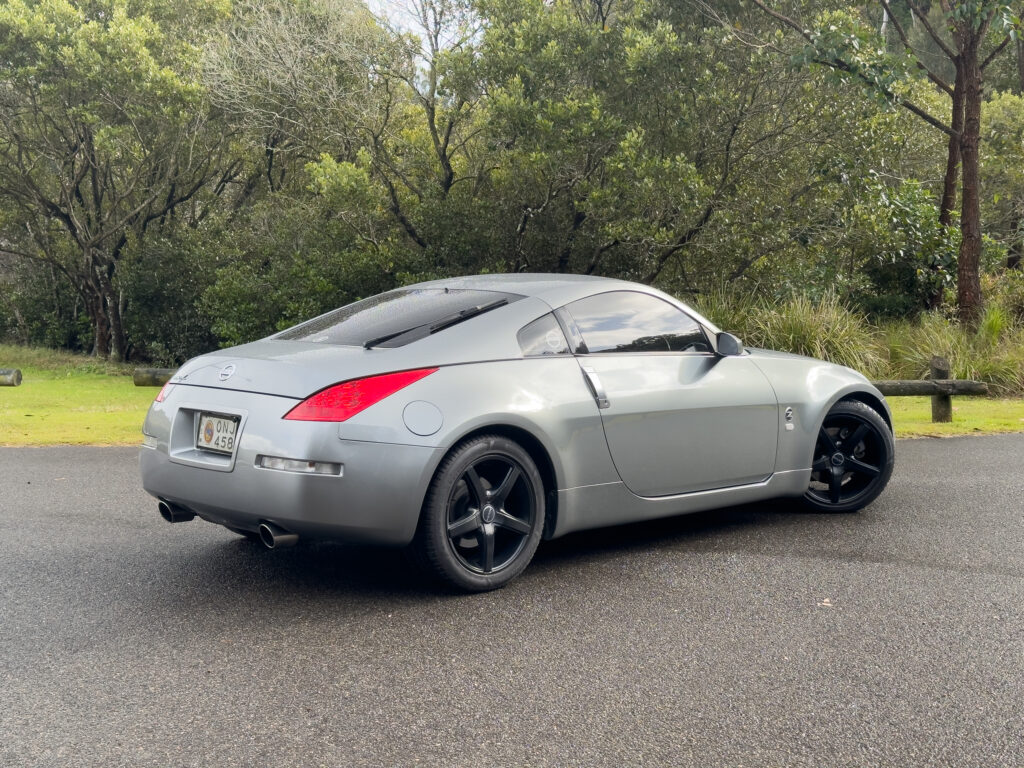
Ensure the windows lower slightly when opening the door. This issue is notorious for failing, particularly on the passenger side. The window may drop but not go back up, which can signify a failing motor. Sometimes it’s a cheap and easy fix; other times, it’s not.
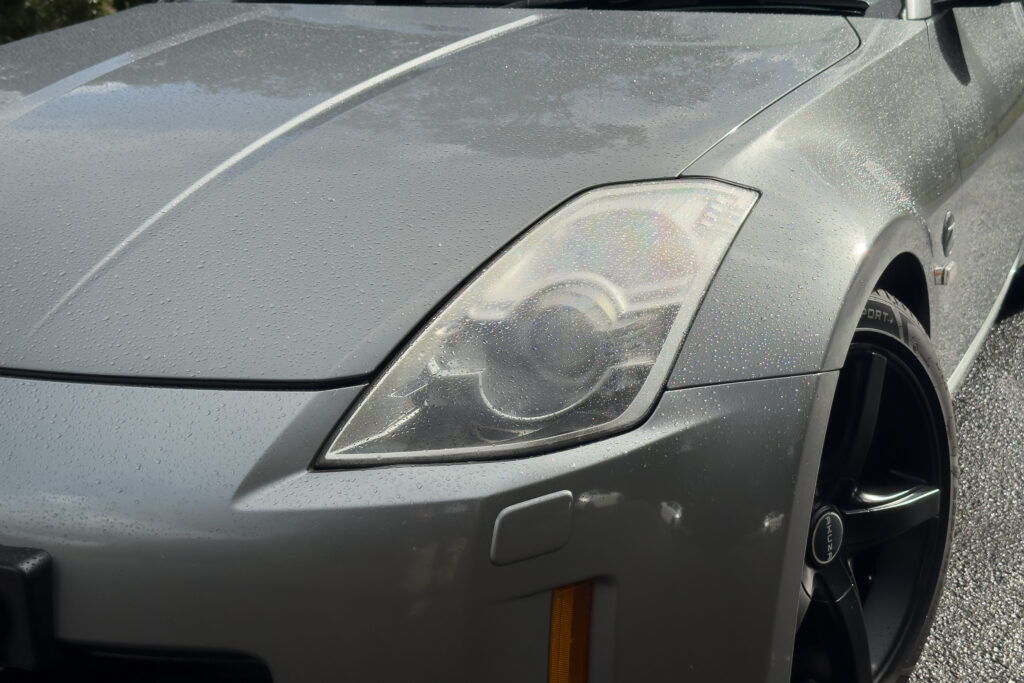
Headlights from this era can discolour or become cloudy. New replacements are expensive, but good-quality used ones are less so. Avoid aftermarket ones, which often look unattractive.
The gas struts in the boot likely need replacing, but this is a simple and inexpensive fix. The fuel filler cap actuator can also have issues, but it is cheap and easy to repair.
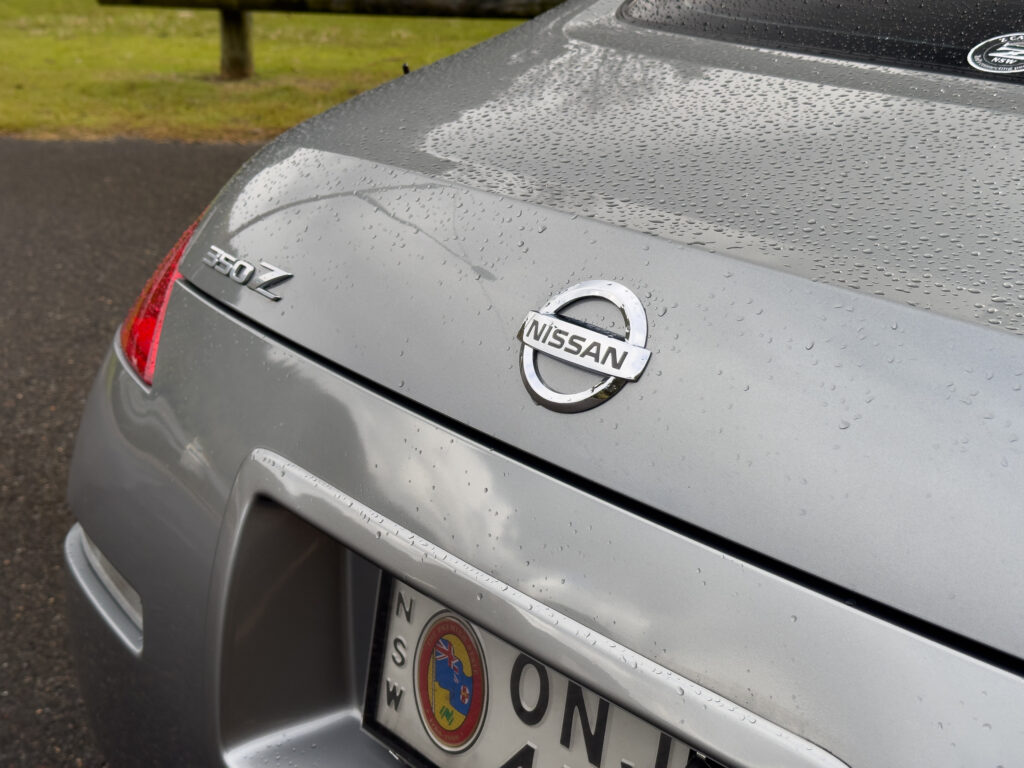
If you’re considering a convertible, ensure the roof mechanism works perfectly. Some reports mention problematic operation, which can be costly to fix.
Common complaints often stem from previous owners’ poor modifications or undiscovered accident damage. Fortunately, in NSW and Victoria, these weren’t P-plate legal when restrictions came in, and being more premium-priced at the time, many escaped being ruined.
However, it’s crucial to investigate the car’s history. Conduct thorough detective work and obtain a vehicle history report to check for any outstanding finance, write-offs, or if the car is stolen.
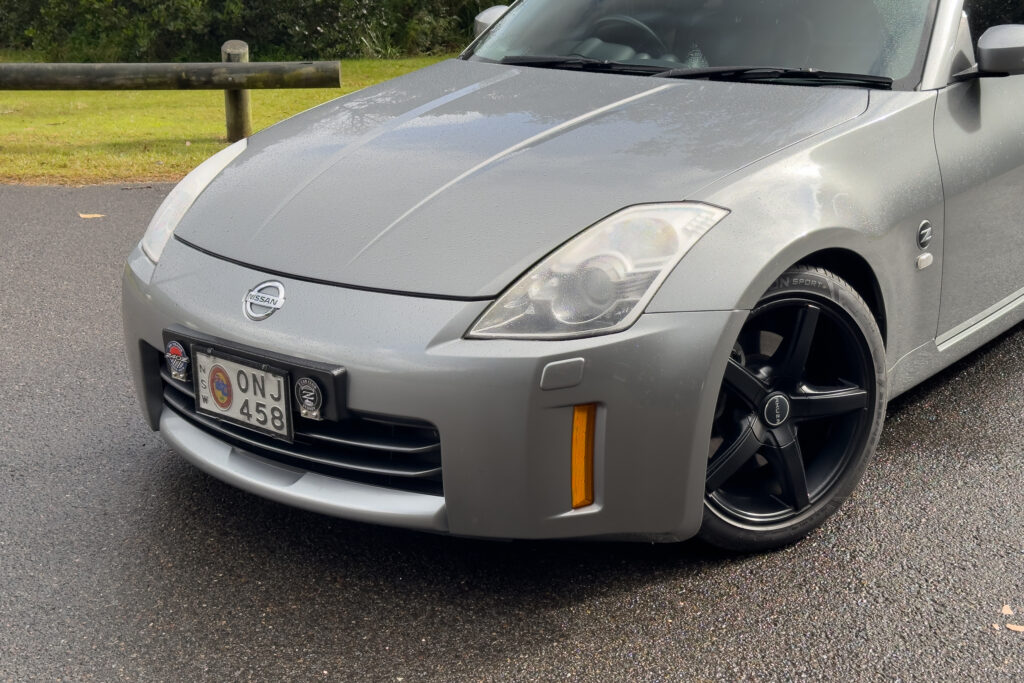
Interior
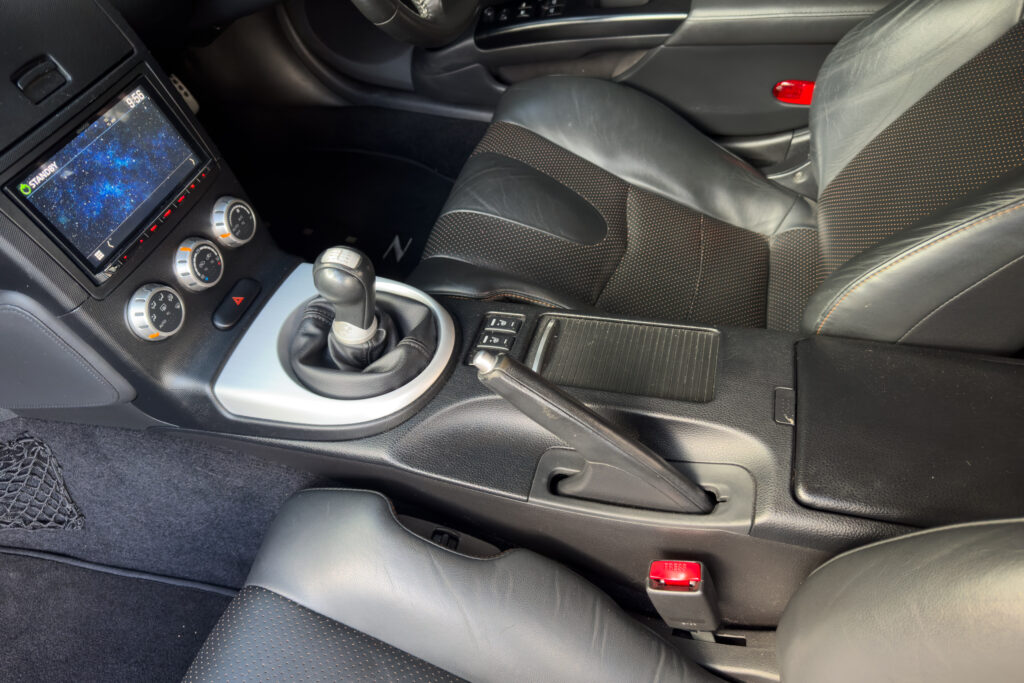
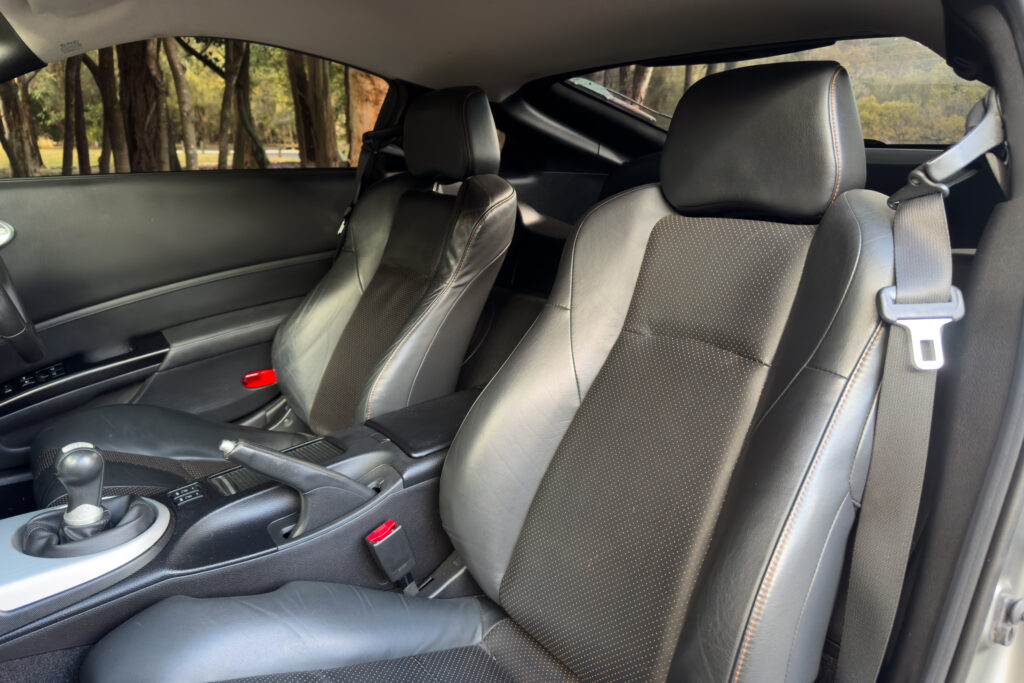
Common faults and complaints with the interior are minimal and generally easy to fix. Power seat switches may begin to have issues, but this isn’t a major concern.
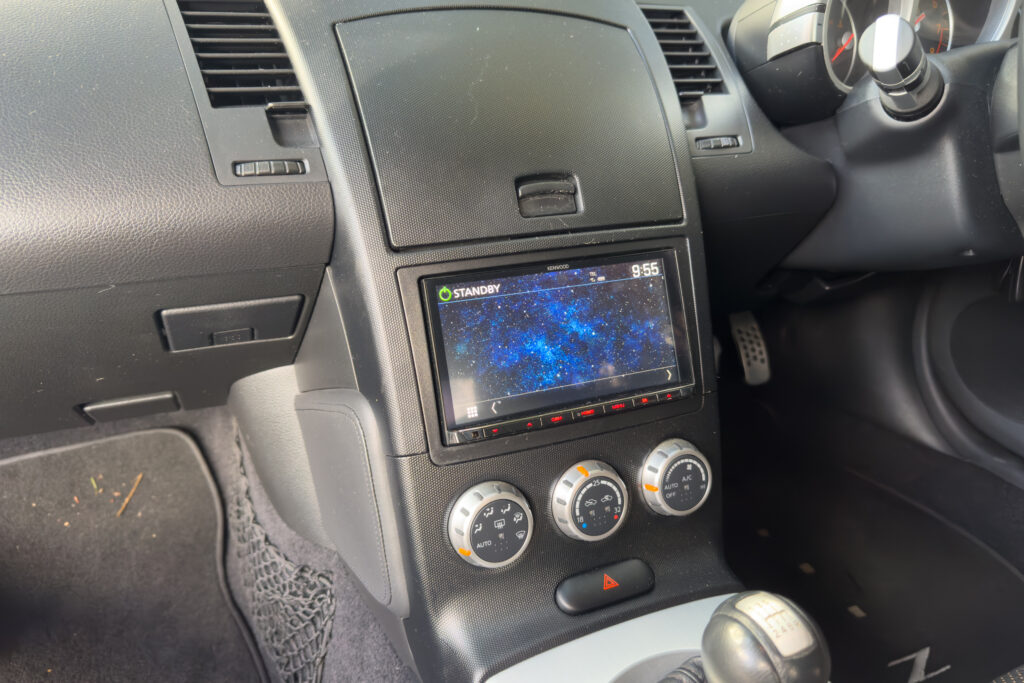
The stereo head unit can experience problems, such as the CD player failing or speakers on one side stopping working. Many owners replace the original equipment with modern systems featuring Apple CarPlay or Android Auto.
Test all air conditioning and heating settings, and listen for any unusual sounds. Although generally reliable, some reports mention failing HVAC components. Best case, it’s a cheap and easy fix; worst case, the entire dash must come out, which can be expensive.
For convertibles, check the carpets and floor for signs of dampness or water damage, indicating the roof may need attention.
This model was one of the first Nissans with a CAN-bus electronic system, which can be extremely sensitive. Owners have reported that fitting certain accessories can disrupt electronics. For instance, installing HID lights can cause the ABS to fail, or aftermarket gauges and dash cams can interfere with the air conditioning.
The electronics are highly interlinked; for example, the ABS calibration changes if the windscreen wipers are on, assuming it’s raining and requiring more sensitive brakes. If dealing with the electronics, ensure it’s done correctly or have a professional handle it.
Mechanically:
Unfortunately, many of these cars have been ruined by owners who lack mechanical sympathy and proper maintenance habits.
Many engines suffer from significant oil consumption issues.
The dipstick design is poor and difficult to read accurately, which often leads to over-filling the oil. Owners need to be very cautious when reading the dipstick and refilling the oil.
A lot of the oil inside the engine often ends up on the outside due to substantial oil leaks.
Valve covers and timing covers are particularly prone to leaking.
When valve covers leak, oil can seep down into the spark plug tubes, causing them to fill with oil. This leads to ignition coils being drowned in oil, which ultimately results in misfires.
These cars can suffer from low oil pressure at idle, a problem commonly referred to as an oil gallery gasket issue.
Inside the timing cover, oil-bearing sections are sealed by gaskets. When these gaskets leak, the engine loses oil pressure through the leaks.
The water pump is chain-driven and located inside the timing cover.
While it is possible to change the water pump without removing the timing cover, it is a very difficult task. Care must be taken not to drop any bolts, as dropped bolts can fall into the engine, necessitating the removal and disassembly of the engine to retrieve them.
The timing chain on these engines is generally reliable, although some owners report a rattling noise at startup.
It is recommended to address all related issues, such as the timing chain, tensioner, guides, oil gallery gaskets, and water pump, simultaneously to ensure comprehensive maintenance.
The cooling system is not inherently more problematic than those of other cars.
However, if there is a problem with the thermostat, a split hose, or the radiator that causes the engine to overheat, it can lead to severe issues such as head gasket failure. These engines do not tolerate overheating well.
Trouble starting the engine or random stalling is often caused by issues with the cam angle sensor or crank angle sensor, which are common problems.
Ground points on these cars must be perfect to avoid electrical issues.
Symptoms of poor electrical grounding include poor engine idle, flat spots in the acceleration curve, and hesitation during acceleration.
The negative side of the battery system needs to be clean and perfectly attached, as these cars are particularly sensitive to battery connection quality.
The clutch hydraulics can be negatively affected by heat, causing the clutch to feel terrible or fail to work properly.
In some cases, it is necessary to replace the clutch slave cylinder, which is a common issue.
The five-speed automatic and six-speed manual transmissions are generally reliable if they have been properly serviced and not excessively thrashed.
The differentials in these cars are typically very strong and unlikely to give issues if they have been regularly serviced.
However, the differential mounting bushes tend to wear out prematurely and may need to be replaced more frequently.
The most common problems with these cars are often caused by neglect, abuse, or poor modifications by previous owners.
When looking to purchase one of these cars, ensure it has been well-maintained. It is advisable to buy from a more mature owner who is likely to have taken better care of the vehicle.
When test driving, if the car feels soggy or you hear knocking from under the vehicle, it could be due to worn suspension bushes or struts. Replacing or upgrading these can transform the car’s feel. Use quality or OEM parts, as cheap coil-overs or suspension components can ruin the car.
To summarise, while the 350Z offers excellent value as a performance car, careful inspection and maintenance are crucial to avoid common issues. Proper care and quality repairs will ensure you enjoy the full potential of this iconic sports car.
At this point, we would typically recommend whether to buy or avoid the car we’ve reviewed. However, with the Nissan 350Z, it’s not that simple.
Browsing through the classifieds, you’ll encounter a minefield of poorly modified and possibly abused examples that you should avoid unless you’re prepared for extensive repairs and frustration.
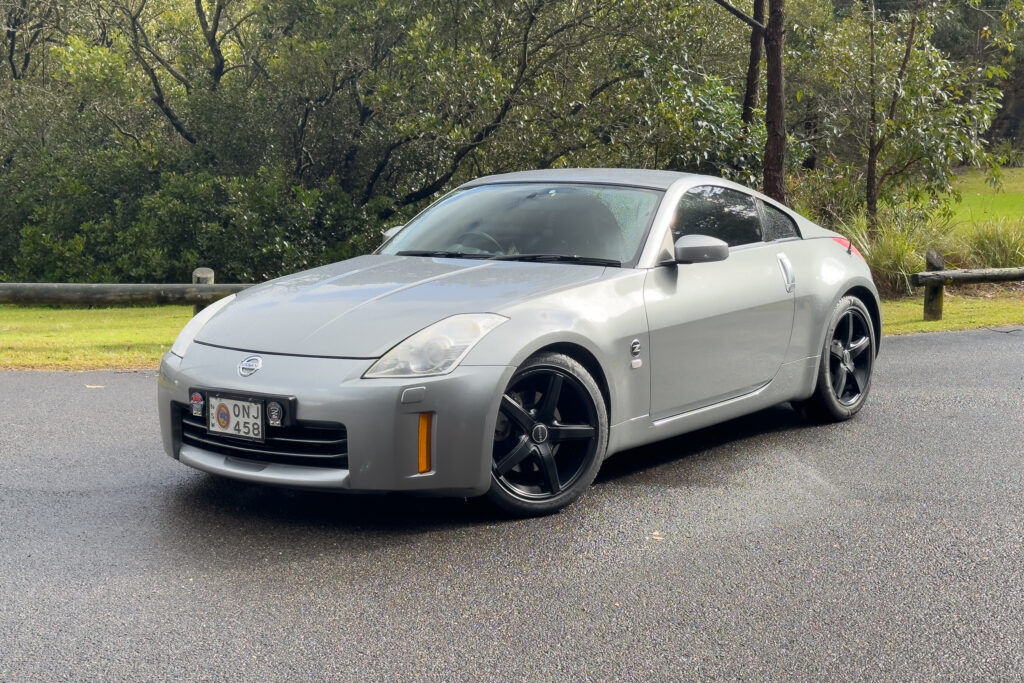
However, amidst the problematic ones, there are unicorns—well-maintained examples with perfect histories, owned by mature enthusiasts. If you find one like this and are financially prepared to pay the premium and continue the quality care, then yes, you should buy one.
Despite some frustrating idiosyncrasies, the 350Z has arguably become the best all-around sports car you can buy for its price, provided you can live with two seats, a small boot, and a modest interior.


Co-creator, presenter & writer, ReDriven

There are better cars out there.

 1 month ago
 1 month ago
 2 months ago