Australia’s No. 1 Used Car Review Website
Australia’s No. 1 Used Car Review Website
+14 Photos
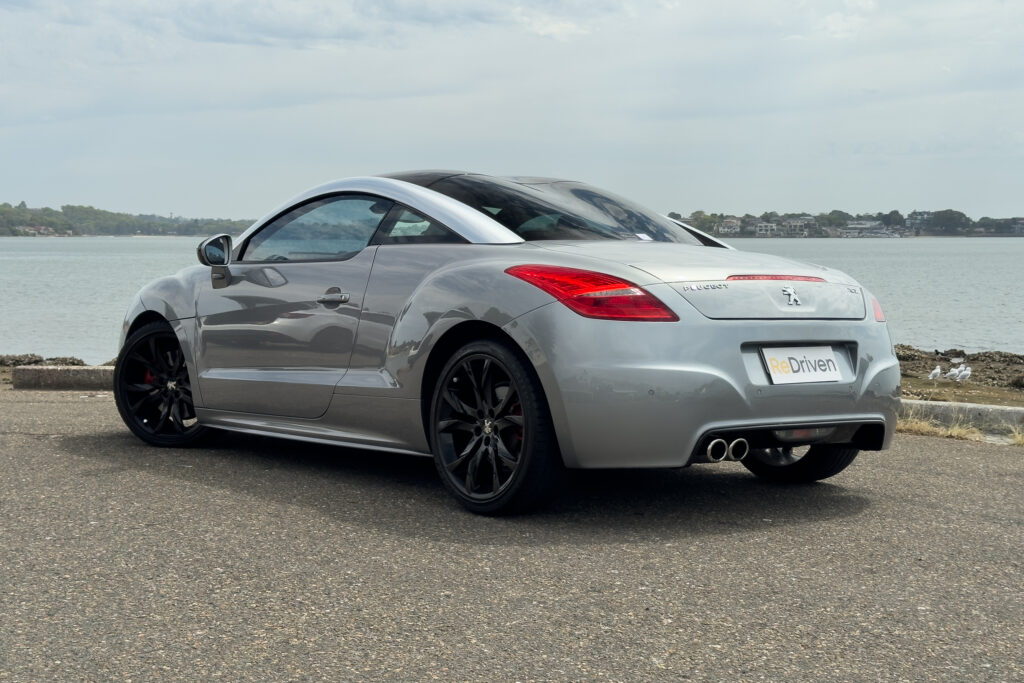
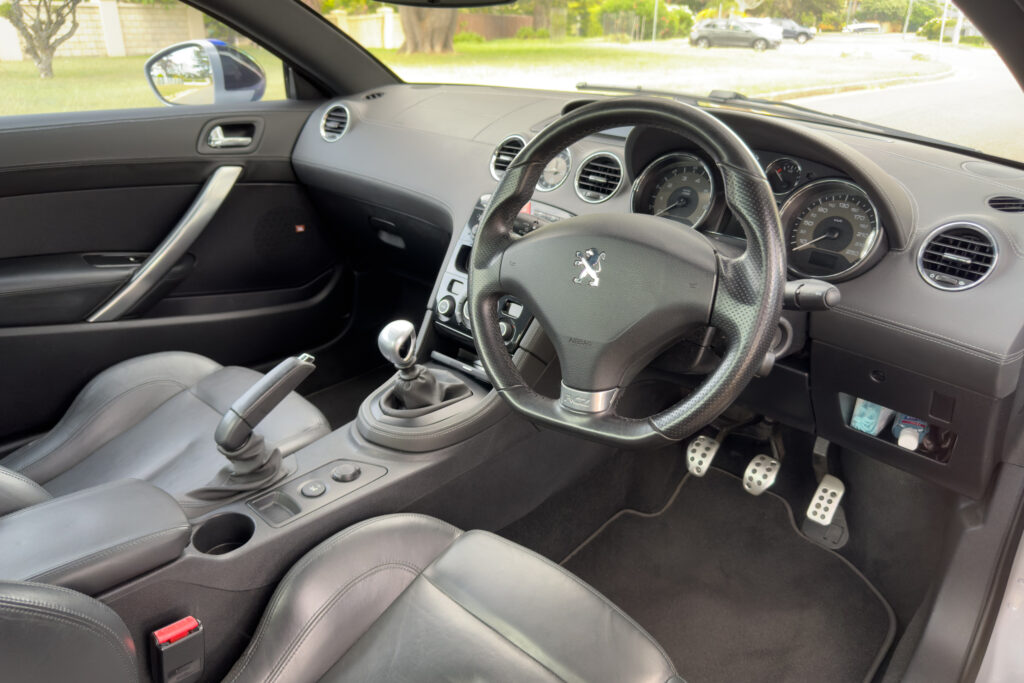
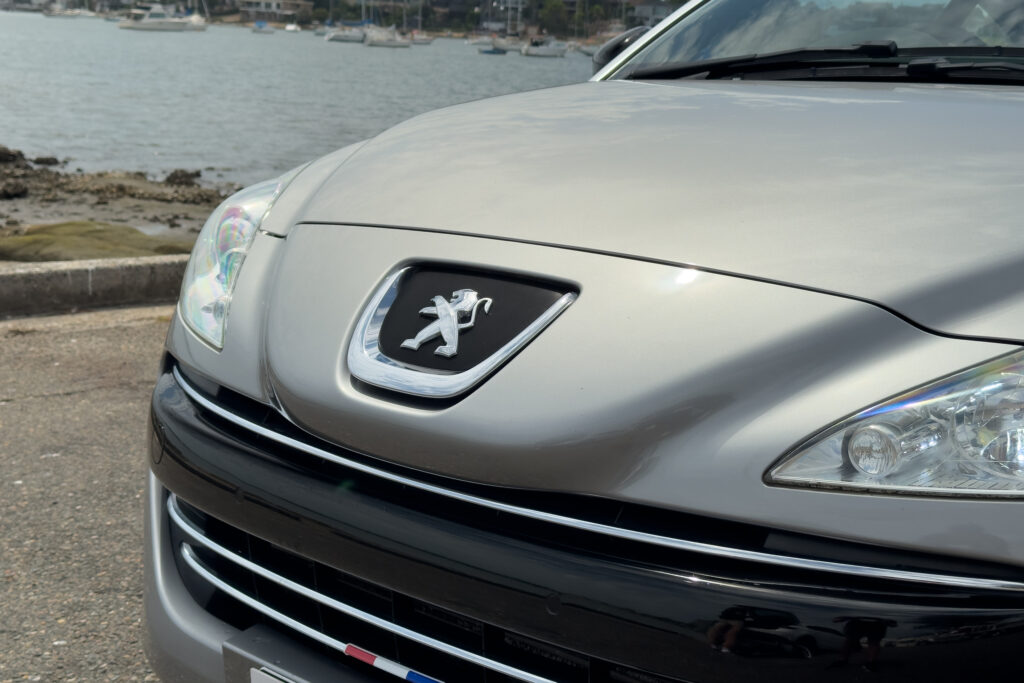
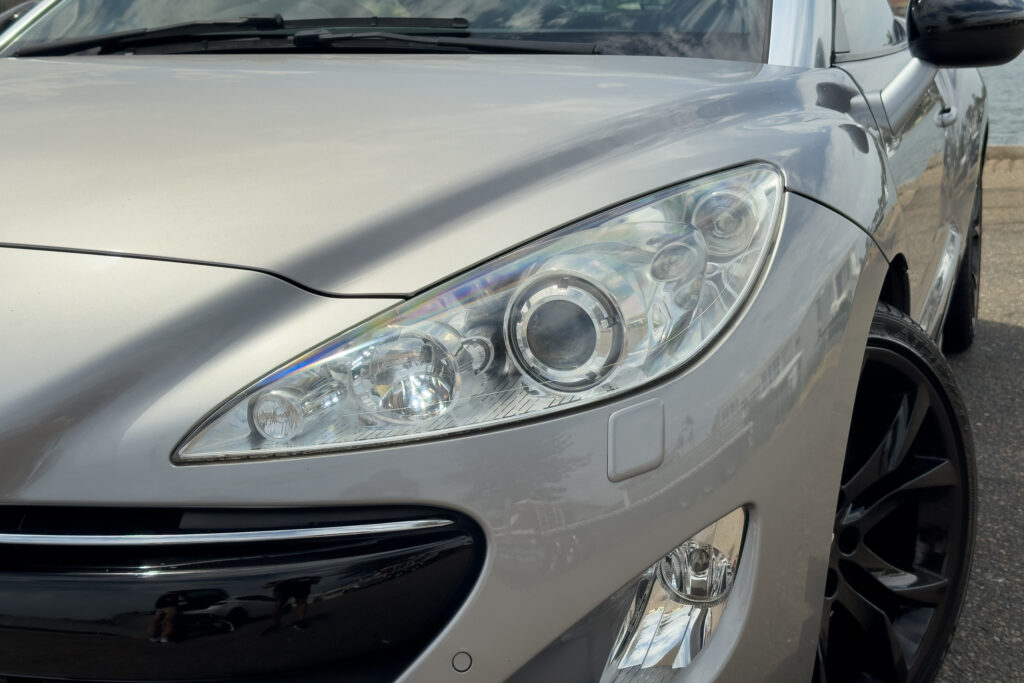
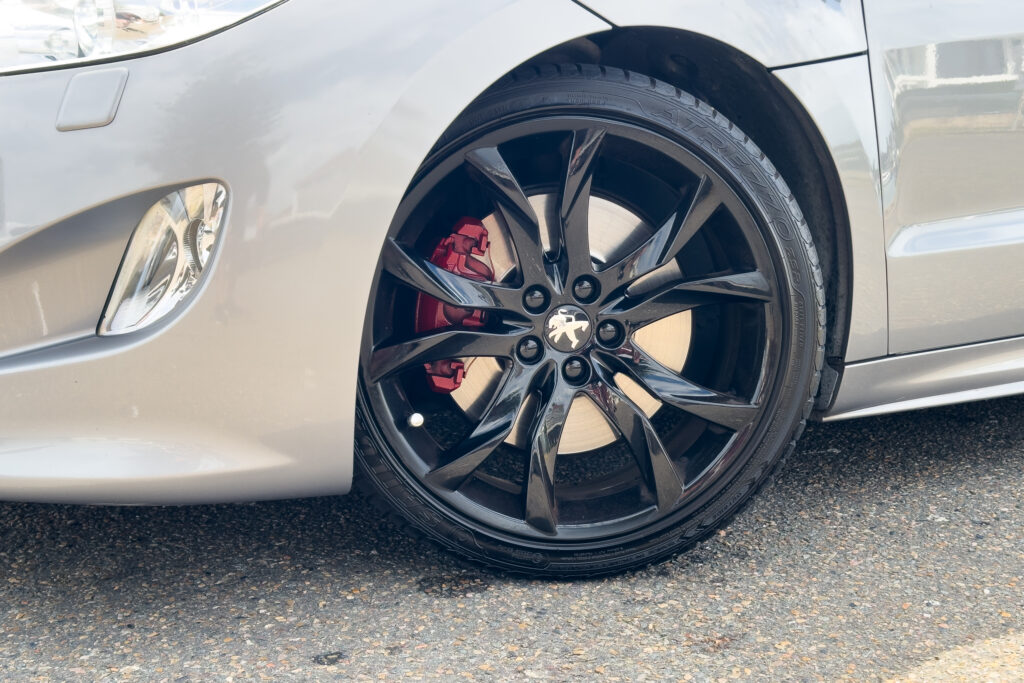
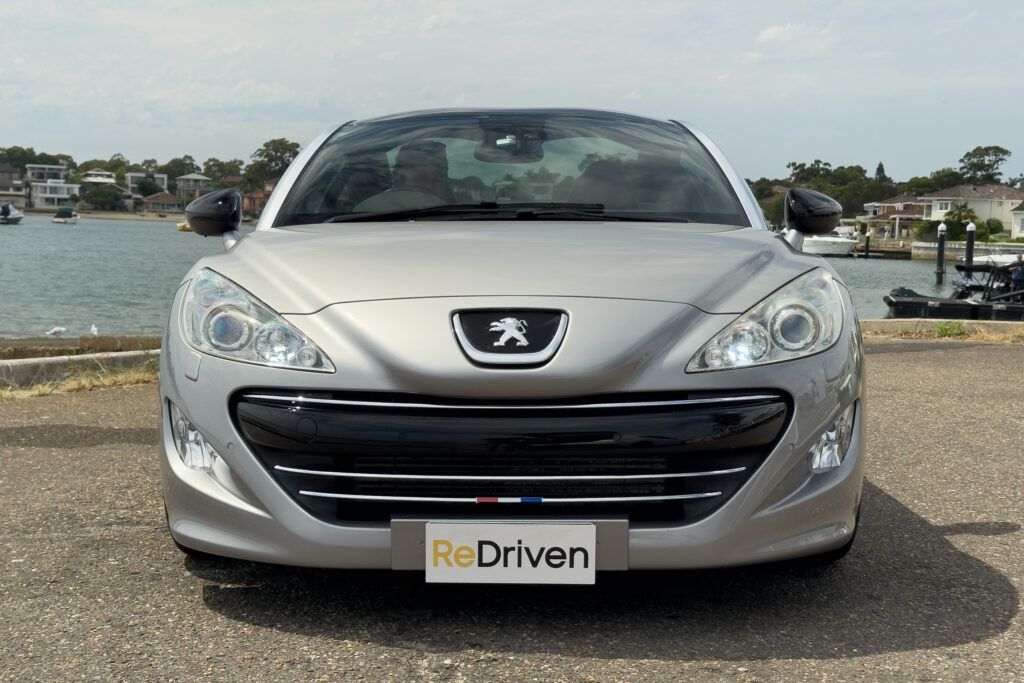
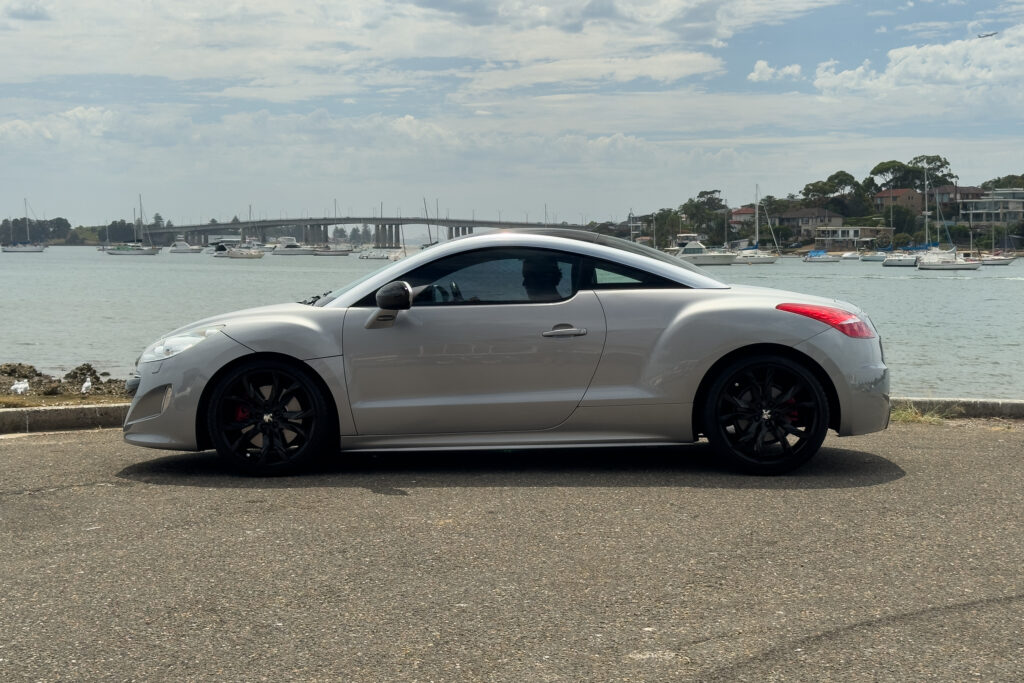
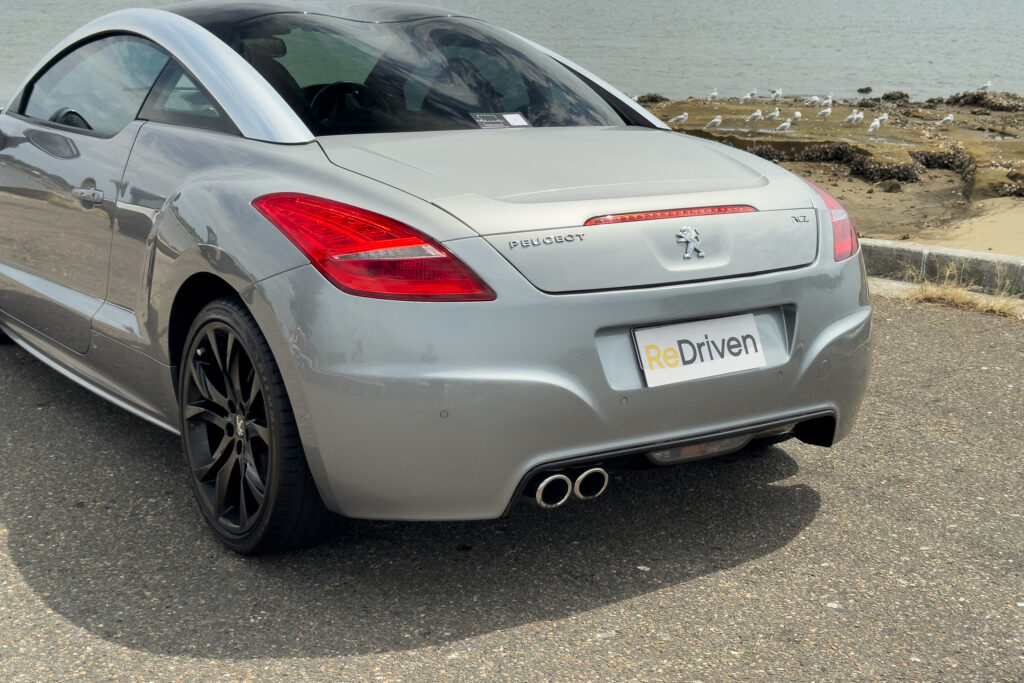
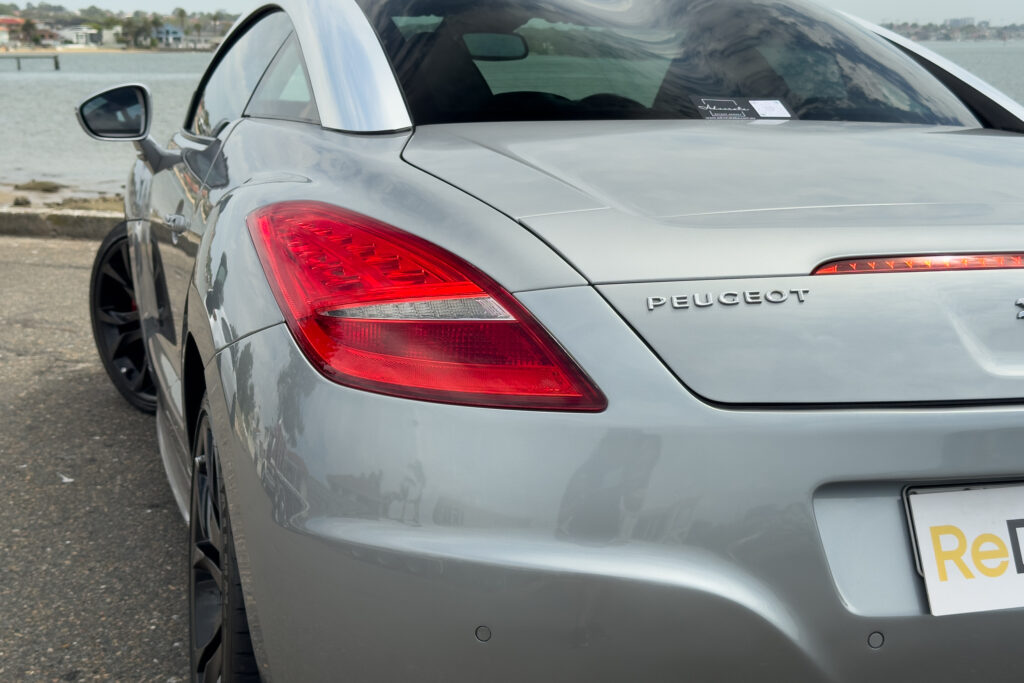
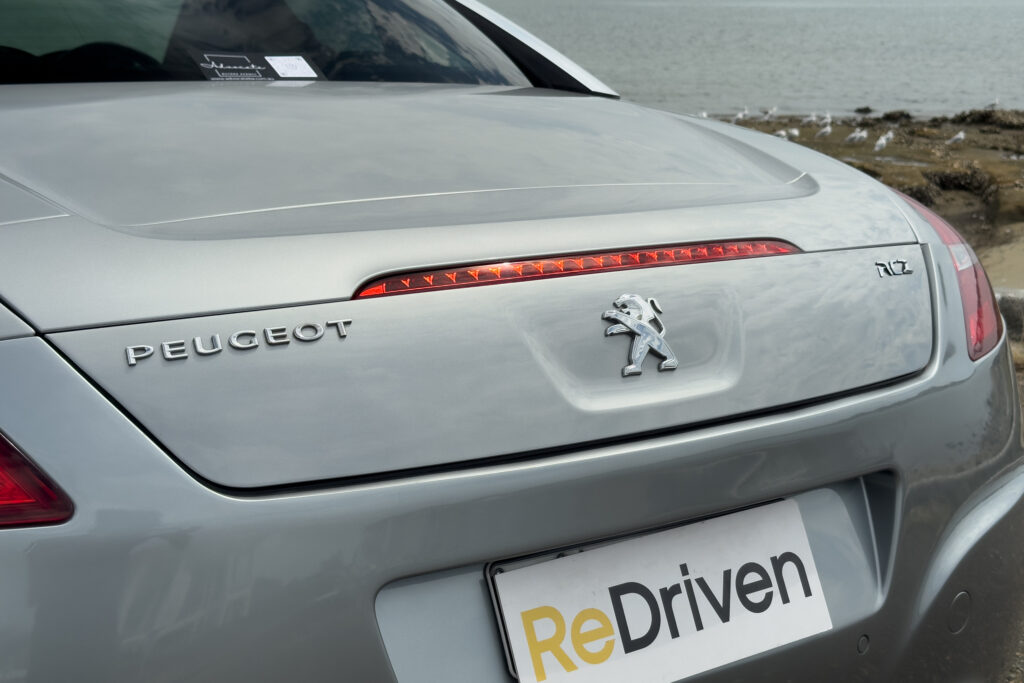
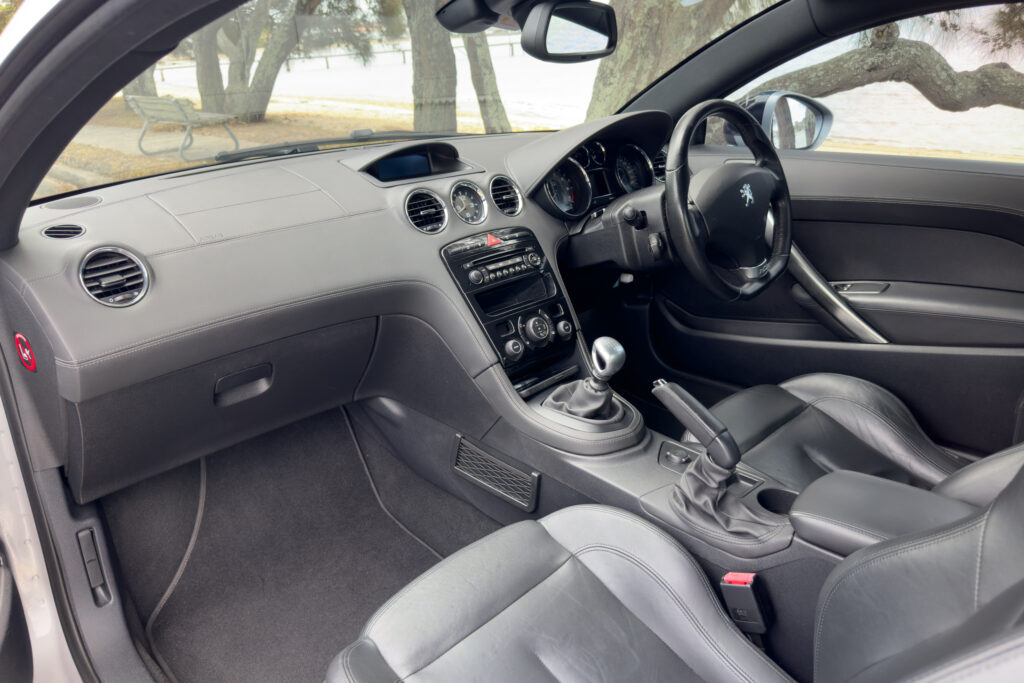
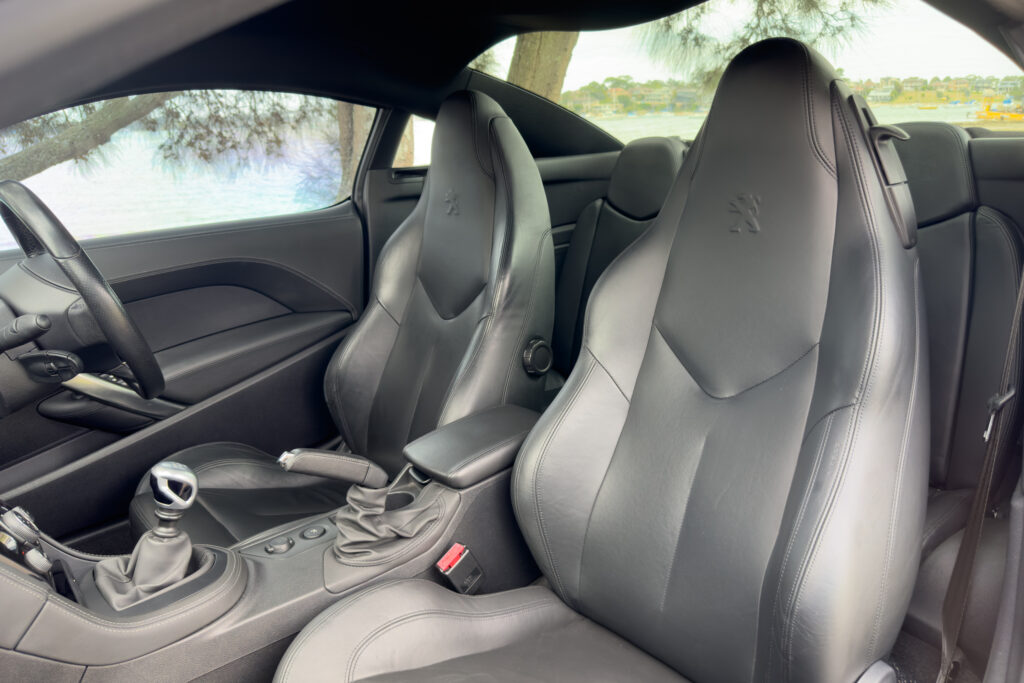
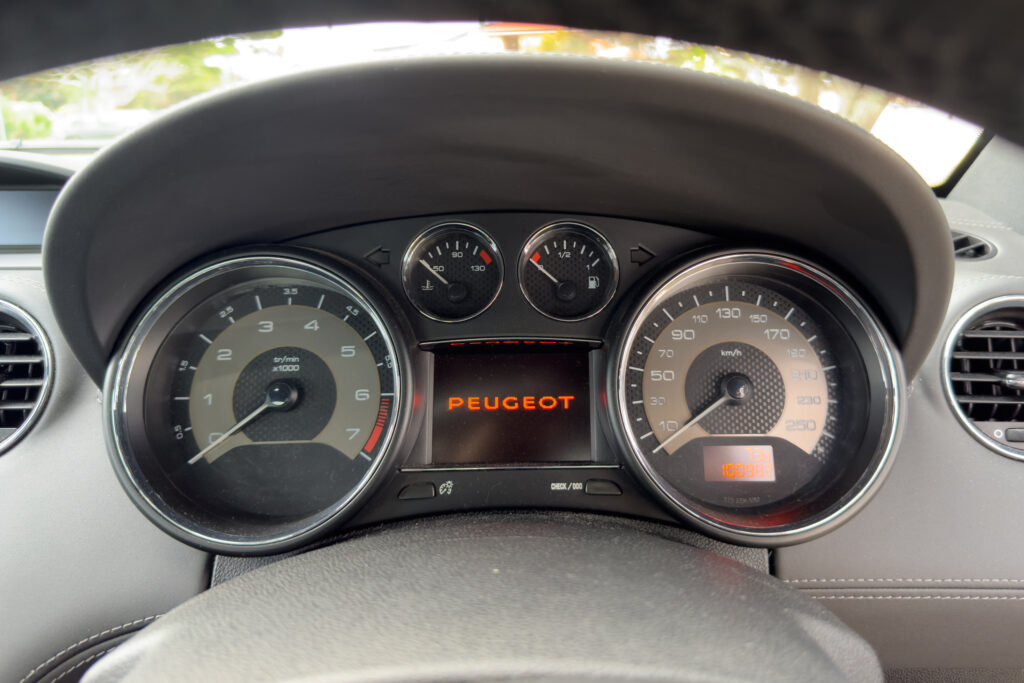
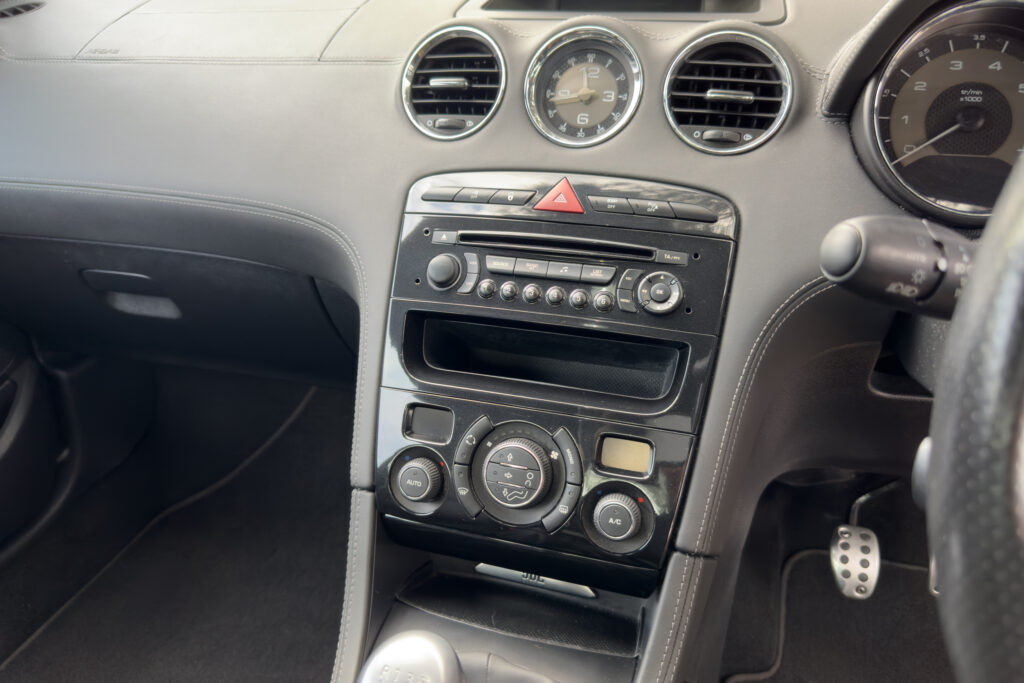
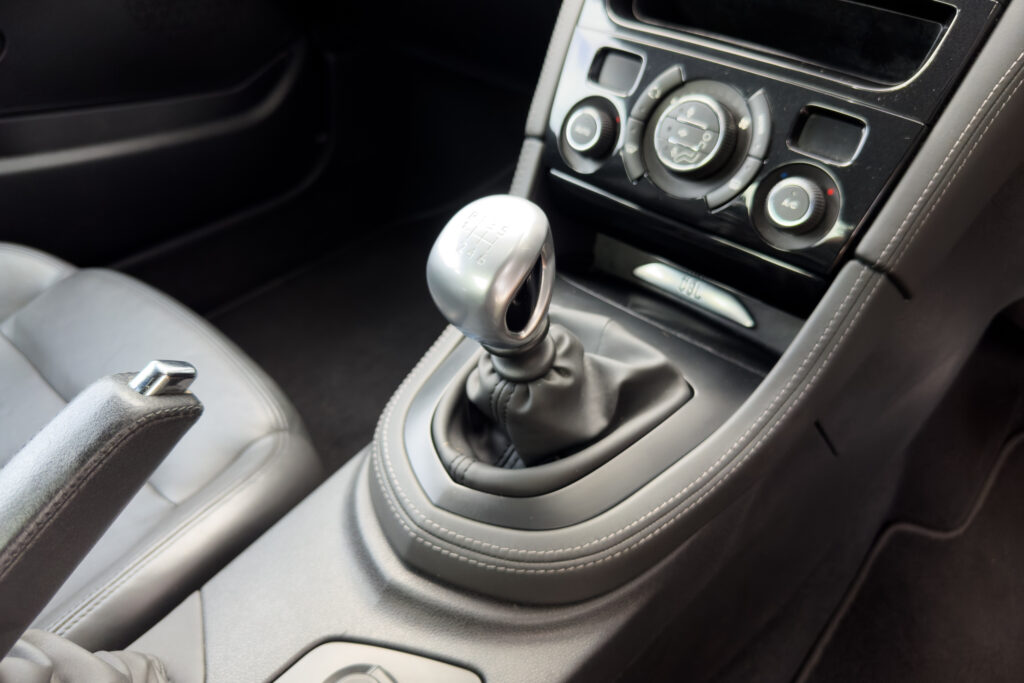
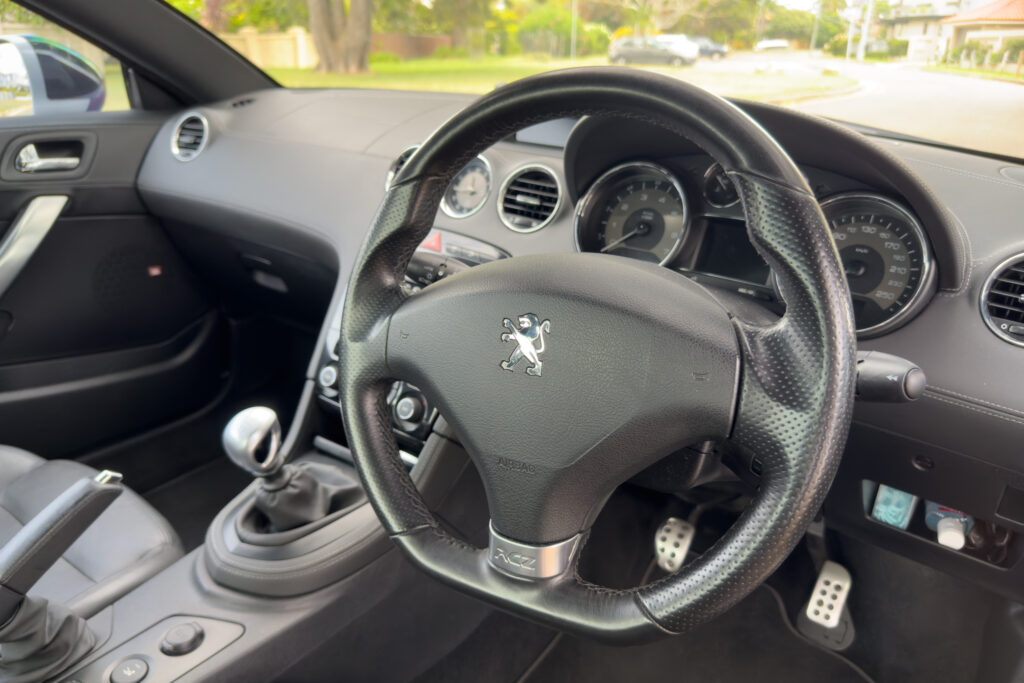

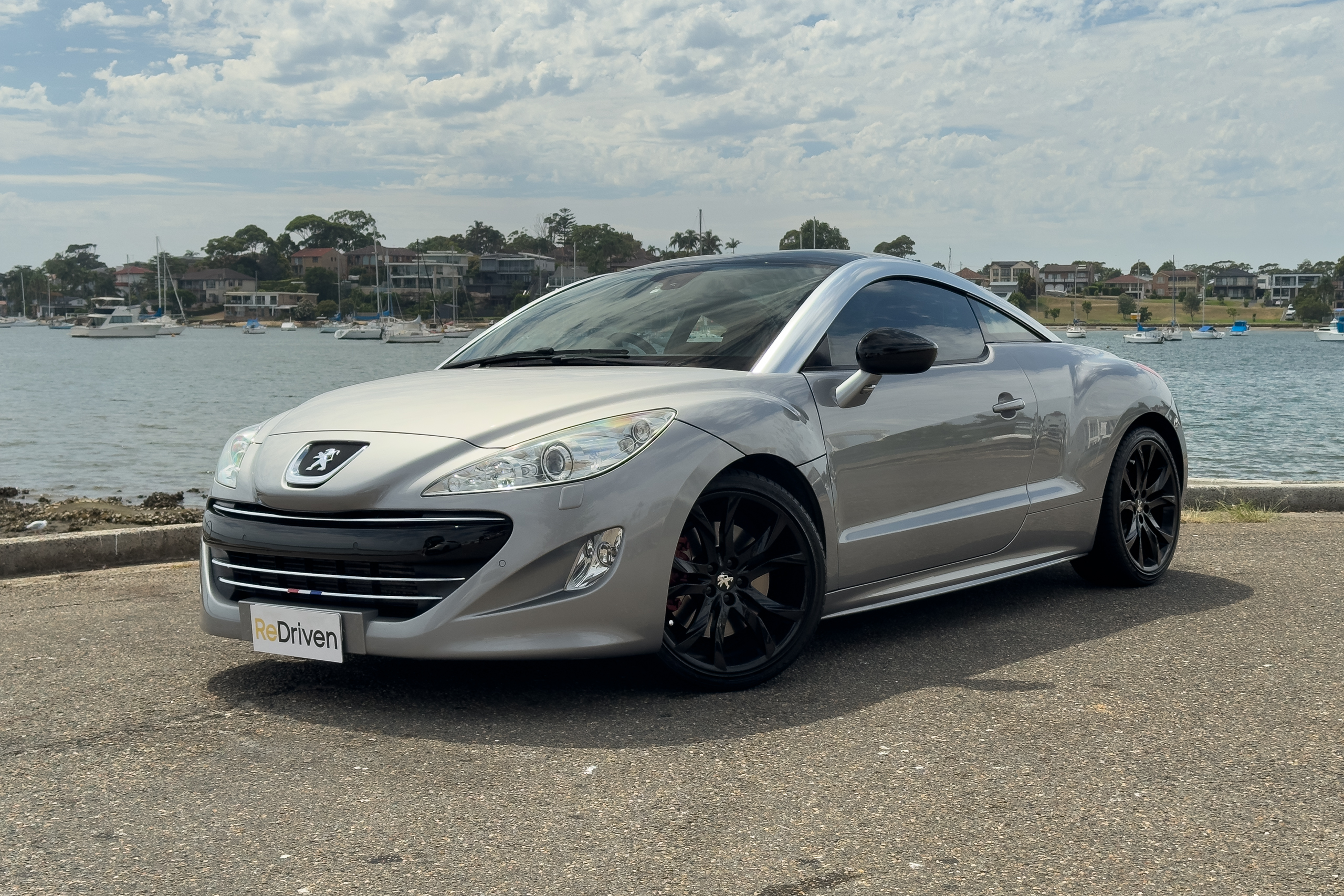
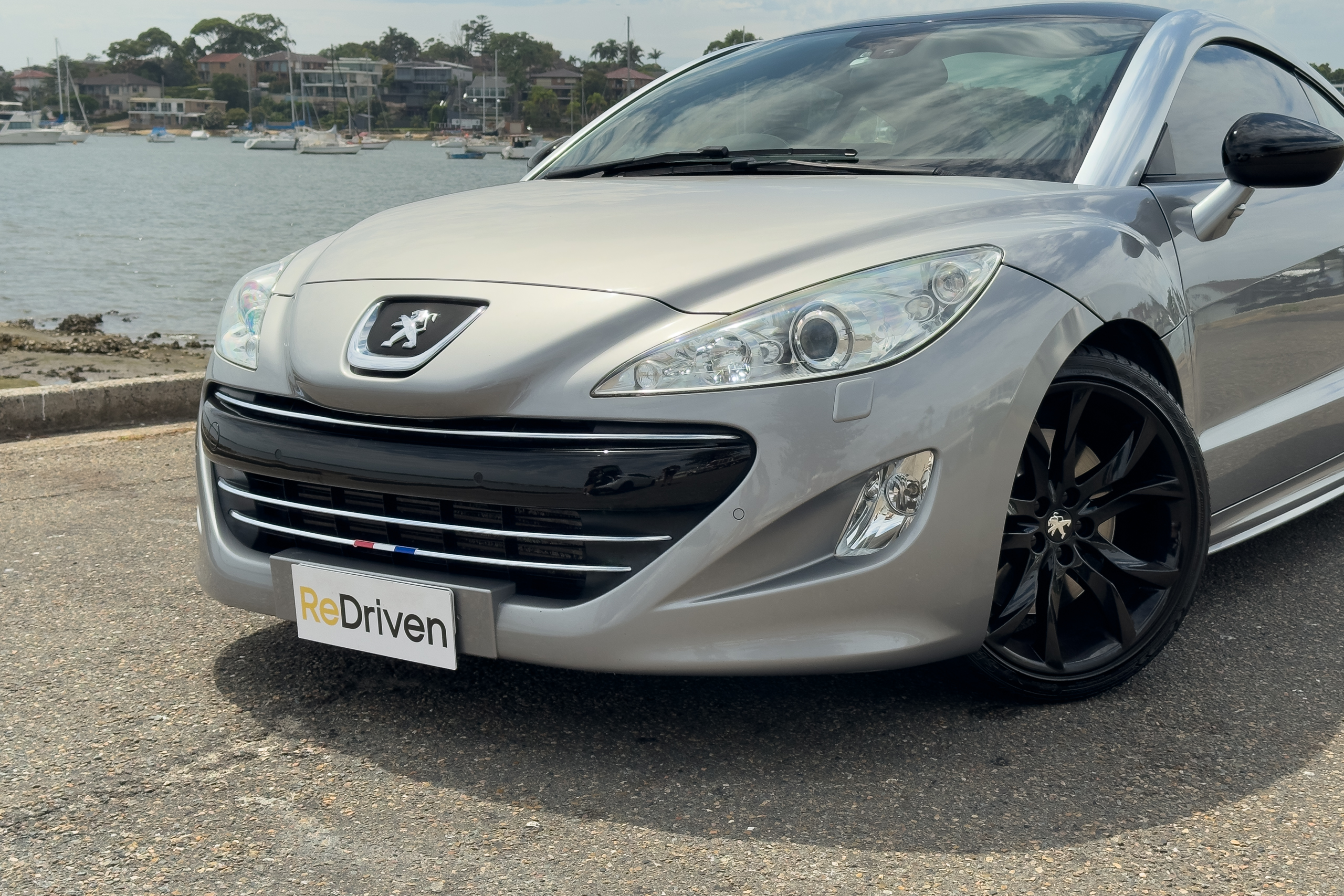
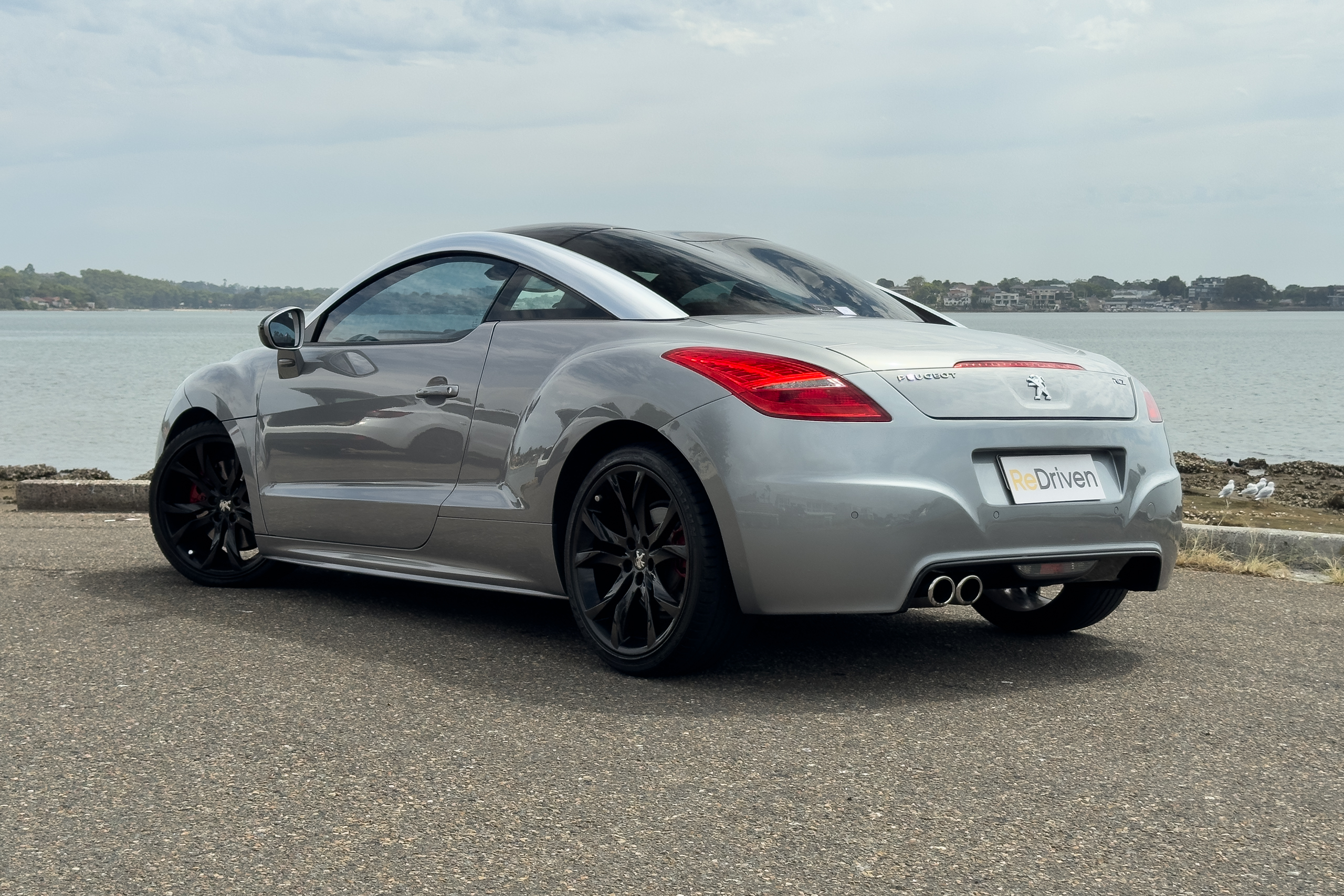
2011 Peugeot RCZ

16 February 2024
There are better cars out there.

2011 Peugeot RCZ

Used car review
16 February 2024
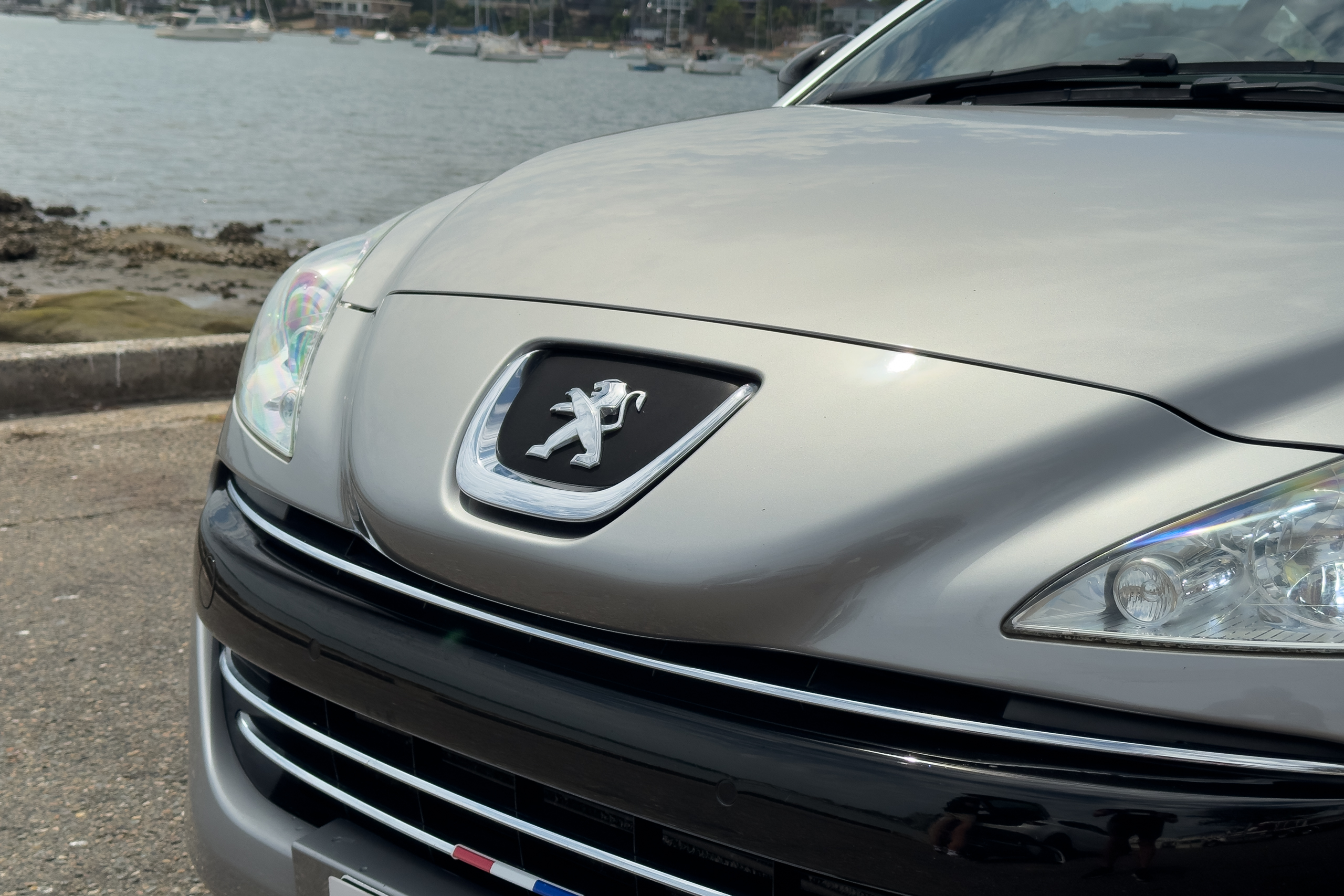
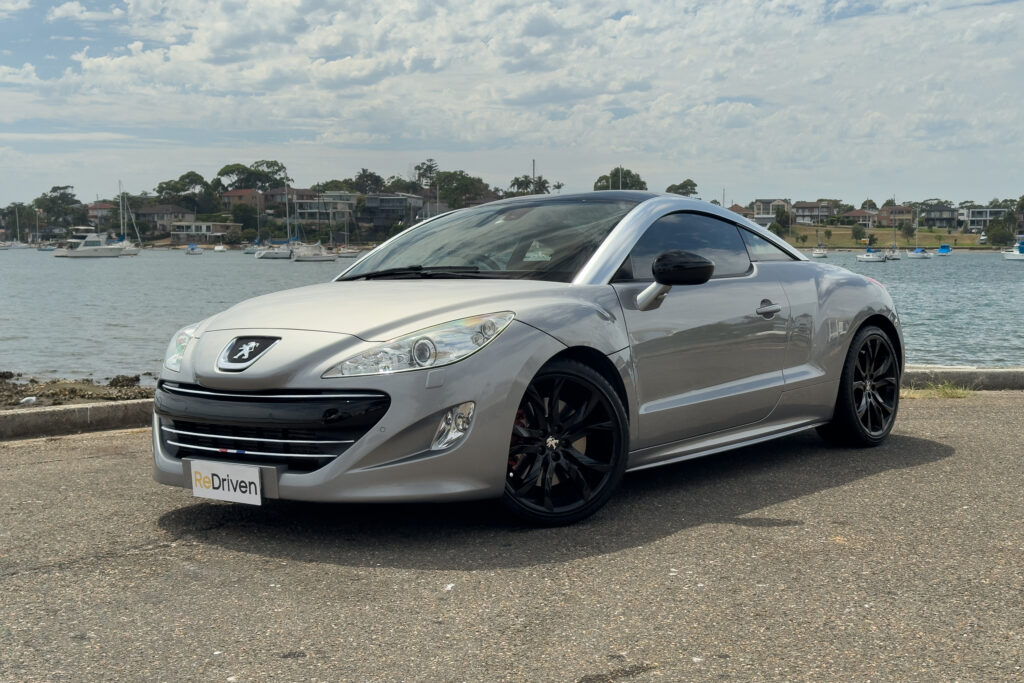
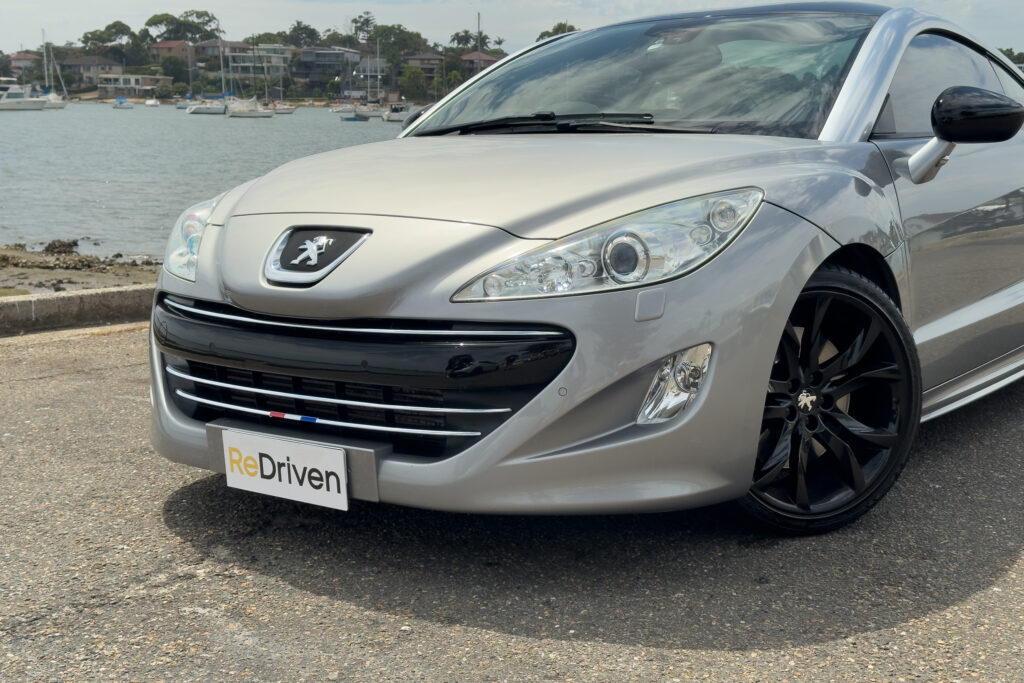
The Peugeot RCZ served as Peugeot’s response to the Audi TT, and in the same way the TT shares the majority of its components with the other Volkswagen models, the RCZ does the same with various Peugeots.
Despite its French brand, the RCZ was not manufactured in France or by Peugeot; instead, it was produced under license in Austria by the same company responsible for the Mini Countryman and the Mercedes-Benz G-Wagen.

All RCZ models are front-wheel drive, offering a choice between diesel and petrol power plants, with petrol engines available in various states of tune.
Regardless of the chosen engine or tune, the RCZ has been known to experience certain issues, which will be discussed further below.
Buyers were given multiple equipment packages to customise their RCZ when new, and it’s crucial to identify which, if any, option pack was installed to determine the appropriate pricing.
In 2013, the RCZ underwent an update, including the typical facelift and additional features. A limited edition RCZ R was also released, with only 35 units imported to Australia.
While RCZ pricing may appear attractive, it is essential to be aware of potential faults and common issues before making a purchase. Further details on these concerns will be explored below.
Exterior:
Jacking points on the Peugeot RCZ are known to be under-engineered and can easily bend. Some owners reported the need for repairs, even after Peugeot servicing.
The aluminium roof rails, while aesthetically pleasing, can oxidise over time if not properly maintained. Replacement costs for these components can be notably high.
Plastic components, including door handles and mirror mechanisms, have been reported as becoming brittle. Exposure to sunlight seems to exacerbate this issue.
Electrical components, ranging from lights to mirror adjusters and door lock actuators, including the powered rear spoiler, have been prone to issues. However, the prevalence of these problems varies among individual cars.
Interior:
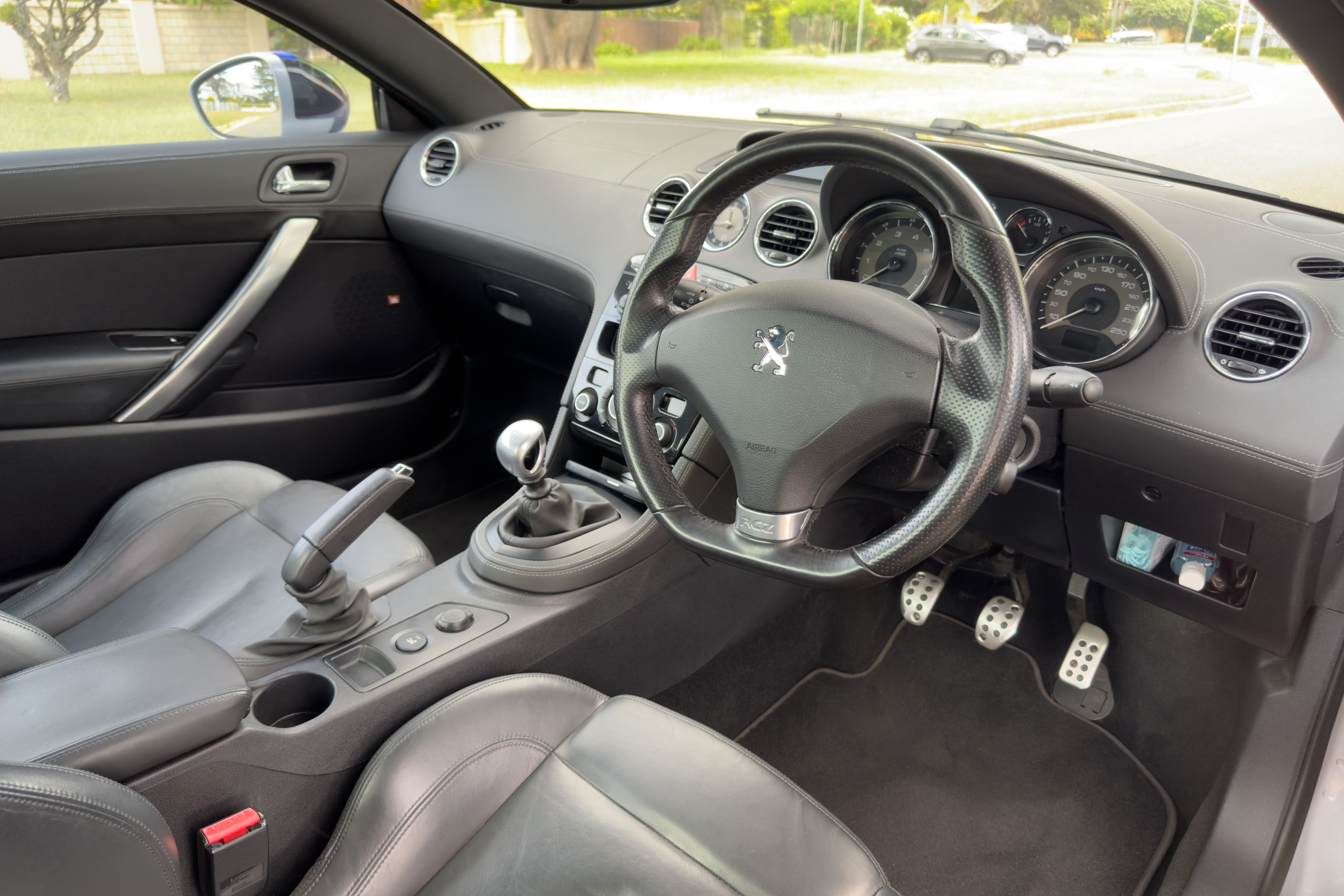
Electrical issues extend to the interior, with reports of power windows and air conditioning controls failing. Checking the functionality of all electrical components is advised, as some owners experience multiple issues, while others have none.
Repairs for interior electrical problems are often not complex or expensive, generally falling short of catastrophic failures.
Premature wear and sagging of the leather trim, along with overly squishy bolsters, have been reported by some owners.
A persistent rattle in the interior may be attributed to incorrectly-fitted air vents, a fixable issue with available online tutorials.
Numerous owners have expressed dissatisfaction with the infotainment system, citing potential failures in the pop-up display and an interface that lacks intuitiveness. Bluetooth connectivity issues have also been reported, prompting some owners to budget for a replacement system or repairs.
Mechanically:
Petrol Engine:
Developed by Peugeot Citroen group & BMW.
Engine faces significant reliability issues, especially in timing chain components.
Tensioners, guides, and chains are prone to failure.
Common oil consumption problems even with regular servicing.
Low oil levels exacerbate timing chain issues and impact turbo performance.
Turbo issues include rattling waste gate, boost pressure regulator valve, and potential replacement.
High-pressure fuel pump may require expensive replacements or reconditioning.
Oil leaks at the pump and oil cooler cross leaks contribute to a messy engine.
Fragile plastic thermostat housing and coolant outlet at the rear of the head.
Direct injection leads to inlet clogging issues.
Diesel Engine:
Generally more reliable compared to the petrol engines.
Often used in Peugeot, Citroen, and Ford vehicles (branded as a Duratorq).
Timing belt system reduces timing chain issues, with a small chain in the head for exhaust cam drive.
Turbo failures can result from oil starvation, blocked oil supply line strainer, and lack of servicing.
Injector issues ae not uncommon but are relatively easy to diagnose and repair.
Injector seals may cause carbon build-up (“black death”), making removal challenging.
Typical DPF and EGR issues, consistent with other diesels in the category.
Transmission:
Both manual and automatic transmissions are generally reliable with proper servicing.
Manuals have a dual mass flywheel that can cause vibrations when failing.
Early detection through slight vibrations in the clutch pedal can prevent severe issues.
Service schedules are set at a high 20,000km, but it is recommended to service every 10,000km for better reliability.
Frequent servicing at shorter intervals can reduce the likelihood of serious mechanical complications, although this cannot be guaranteed.
While the Peugeot RCZ may be an interesting choice, it is a vehicle best suited for the committed enthusiast. This car demands consistent and meticulous care to shine. Unfortunately, many used examples on the market lack this level of maintenance, leading to a myriad of persistent issues and failures.
For prospective buyers, the key is to confirm a faultless, comprehensive maintenance history for the RCZ under consideration. Ideally, the car should have been owned by a genuine Peugeot, RCZ, or French car enthusiast, ensuring a level of care and understanding of the vehicle’s unique characteristics.
If you have the financial means and commitment to continue this diligent care, the RCZ becomes a cautiously recommended option.
However, if you are looking for a light-hearted, uncomplicated sports car that is affordable and easy to manage, it might be worth exploring alternatives. The Peugeot RCZ, while charming in its own right, demands a level of dedication that may not be for everyone.


Co-creator, presenter & writer, ReDriven

There are better cars out there.

 1 month ago
 2 months ago
 2 months ago