Australia’s No. 1 Used Car Review Website
Australia’s No. 1 Used Car Review Website
+17 Photos
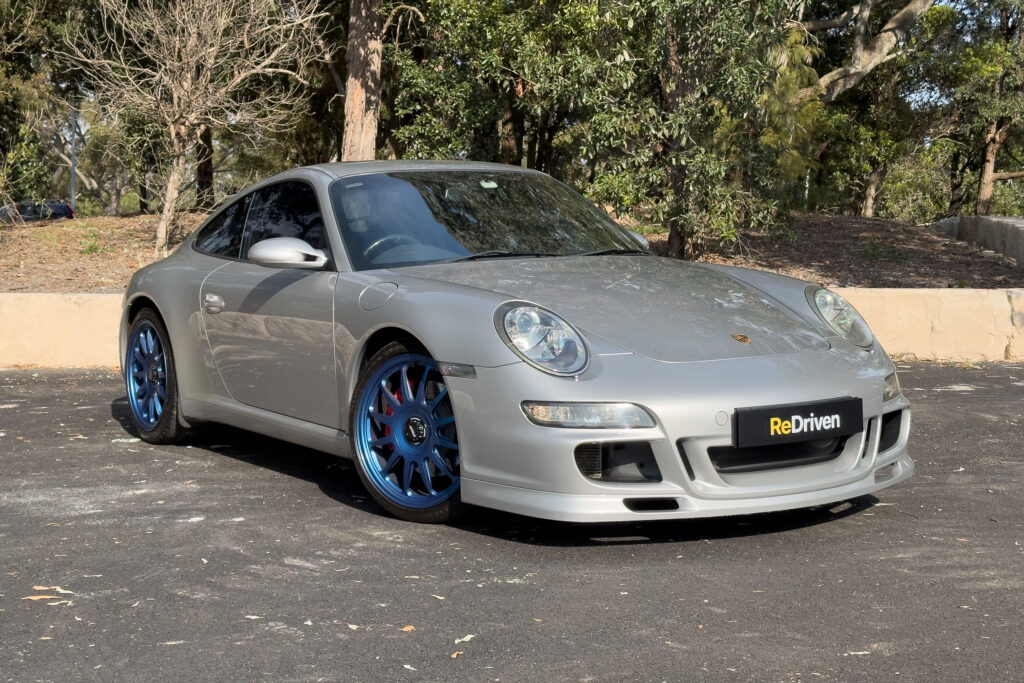
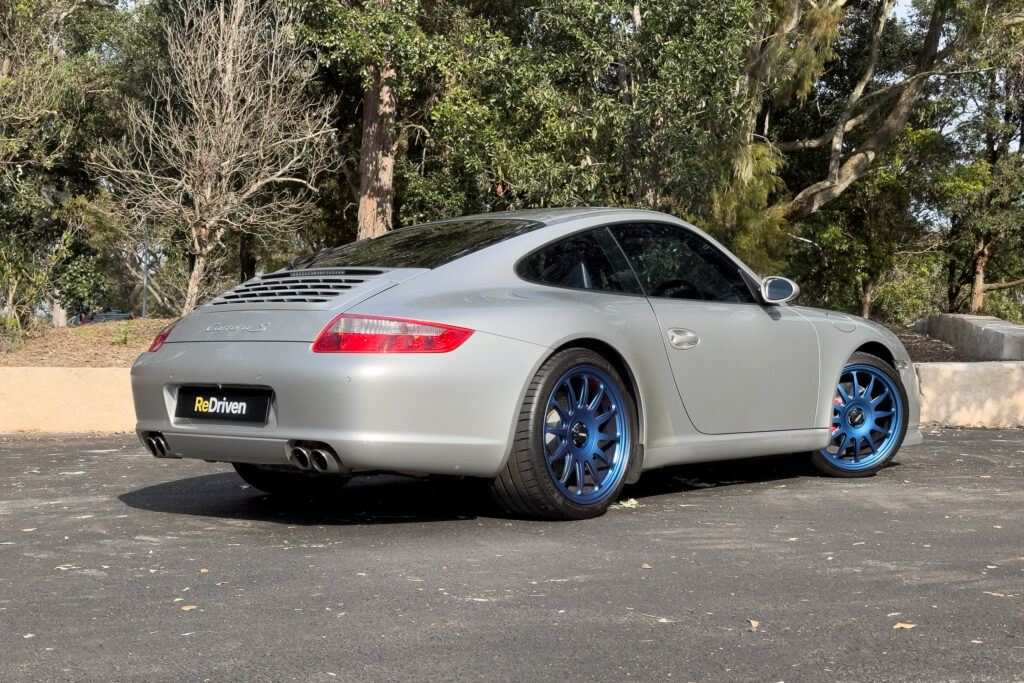
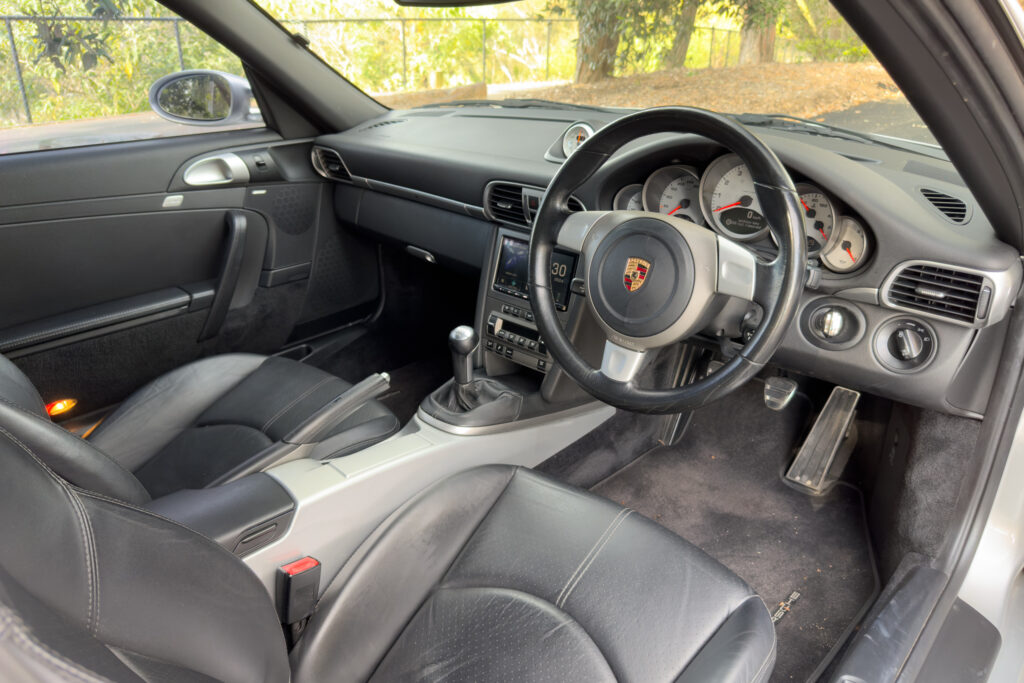
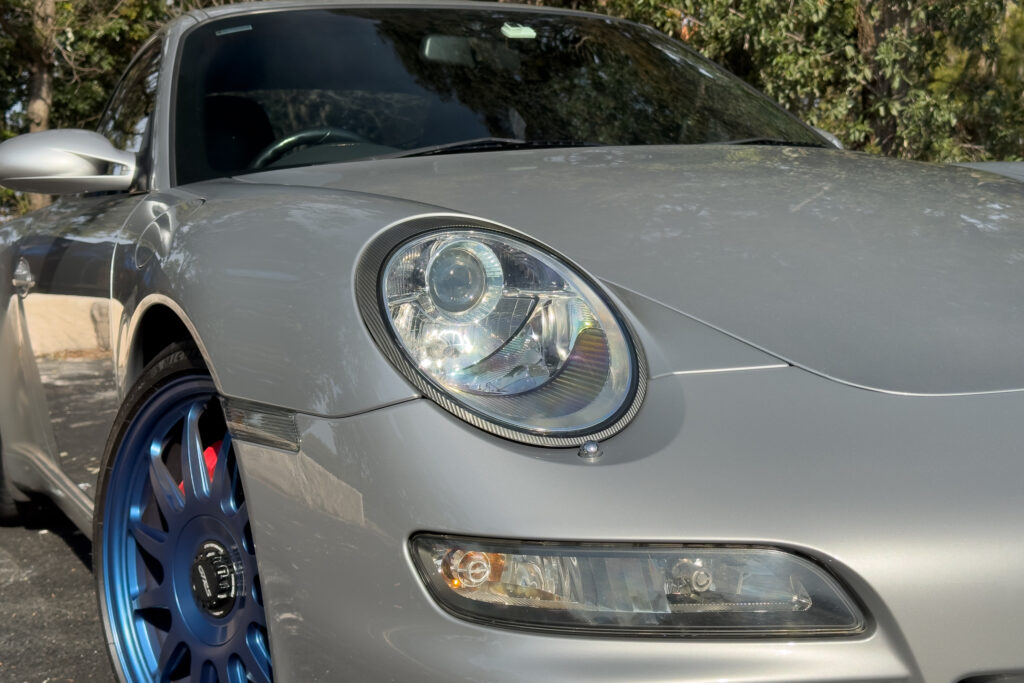
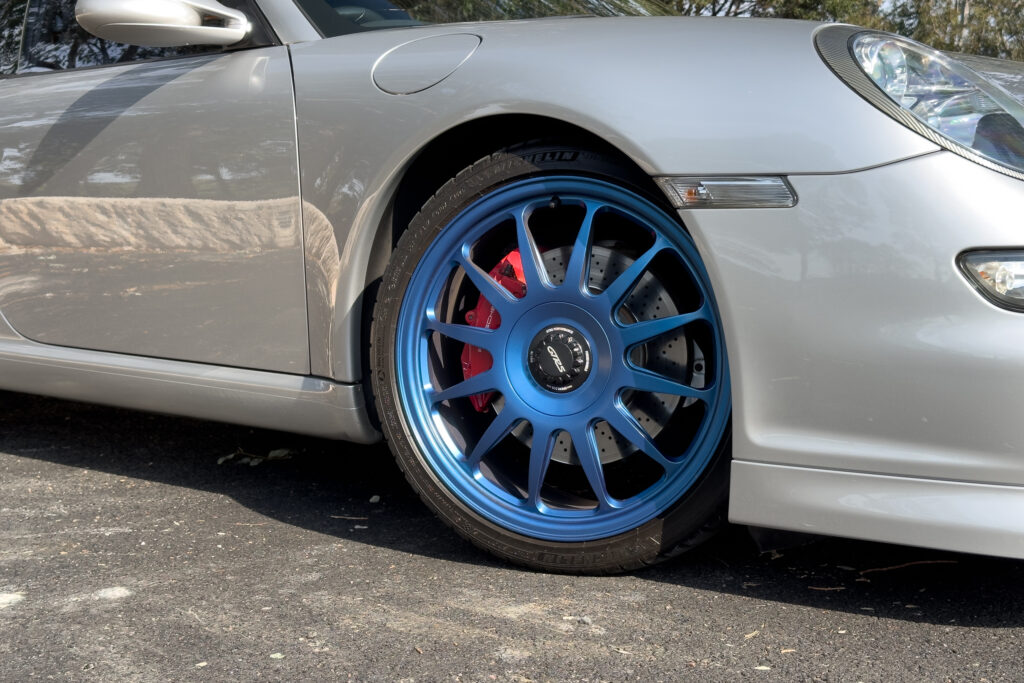
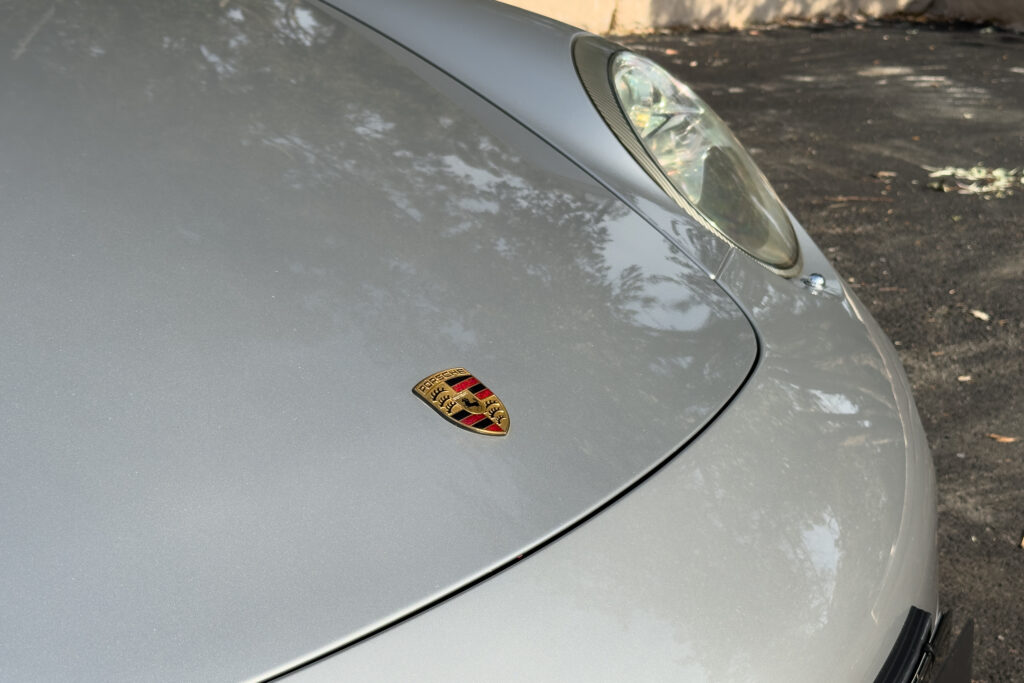
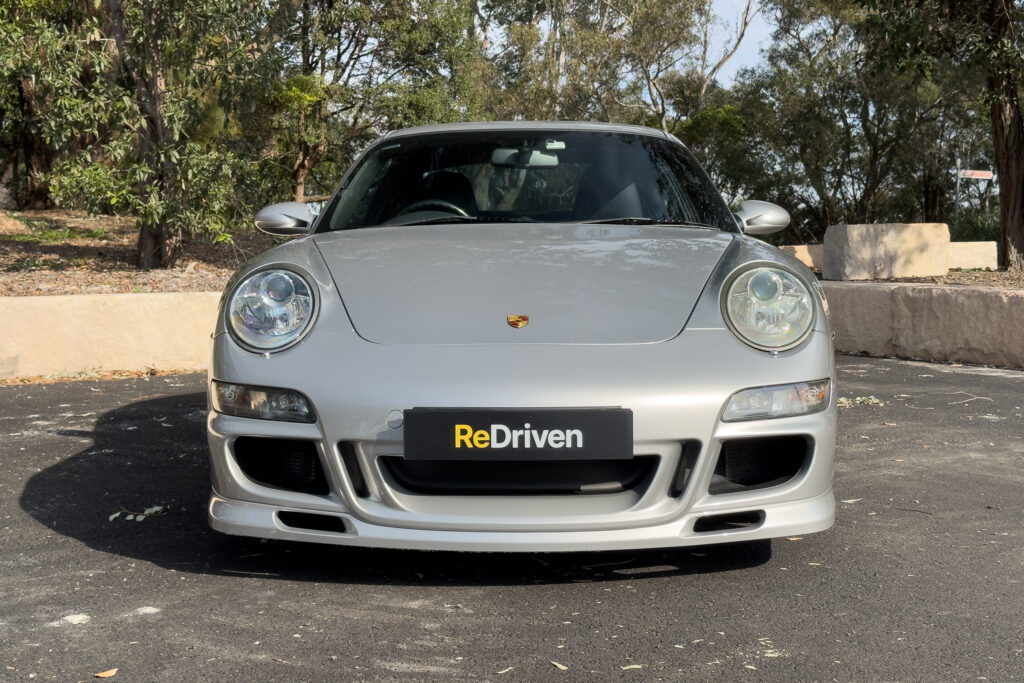
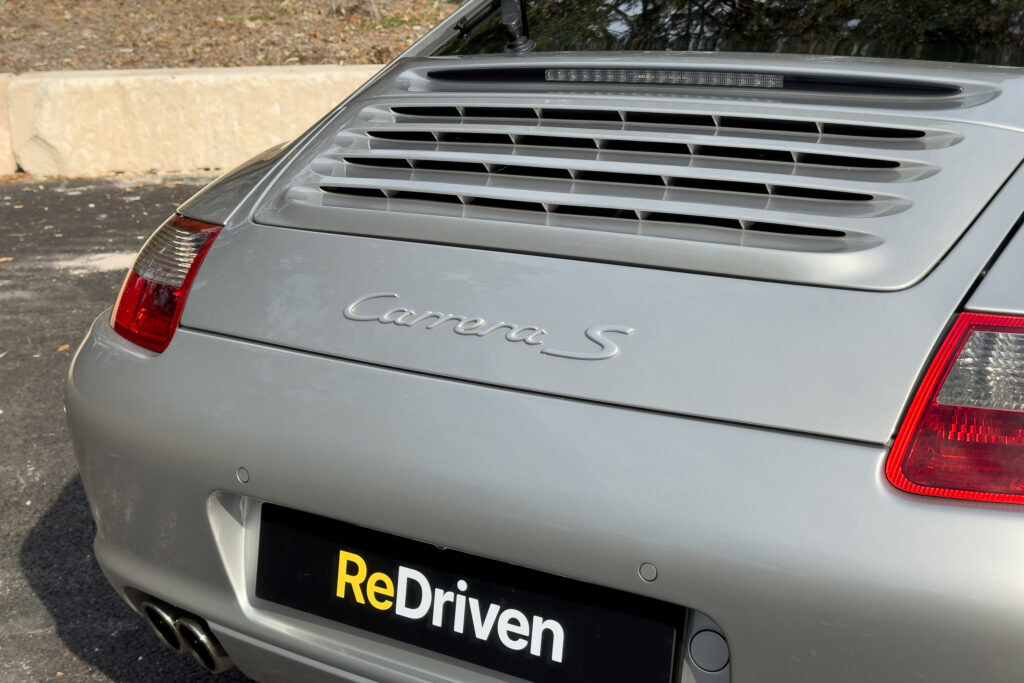
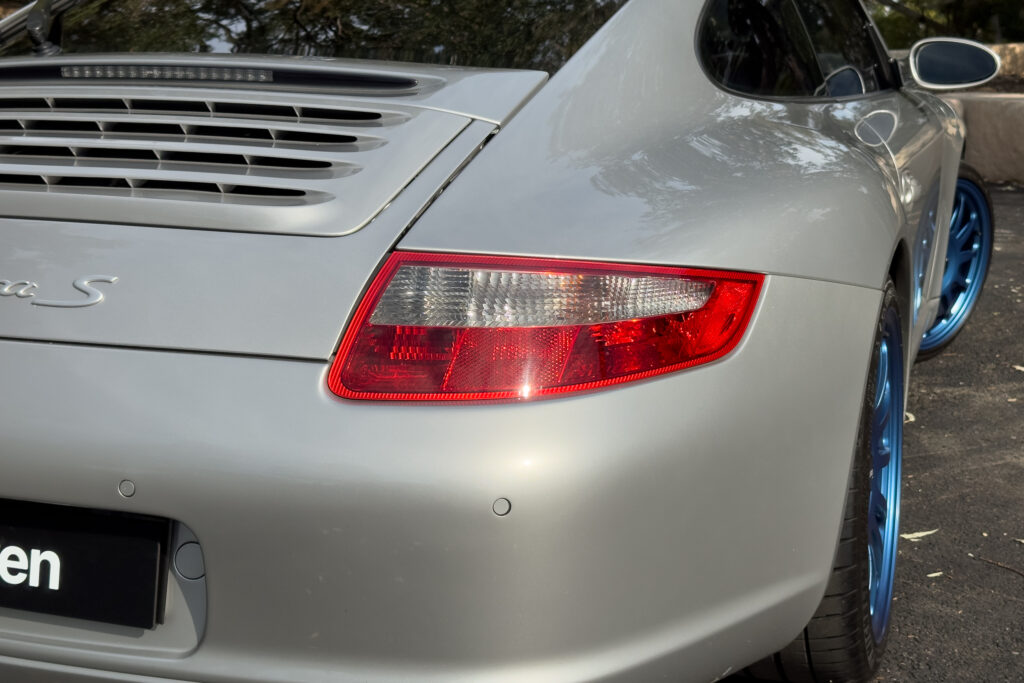
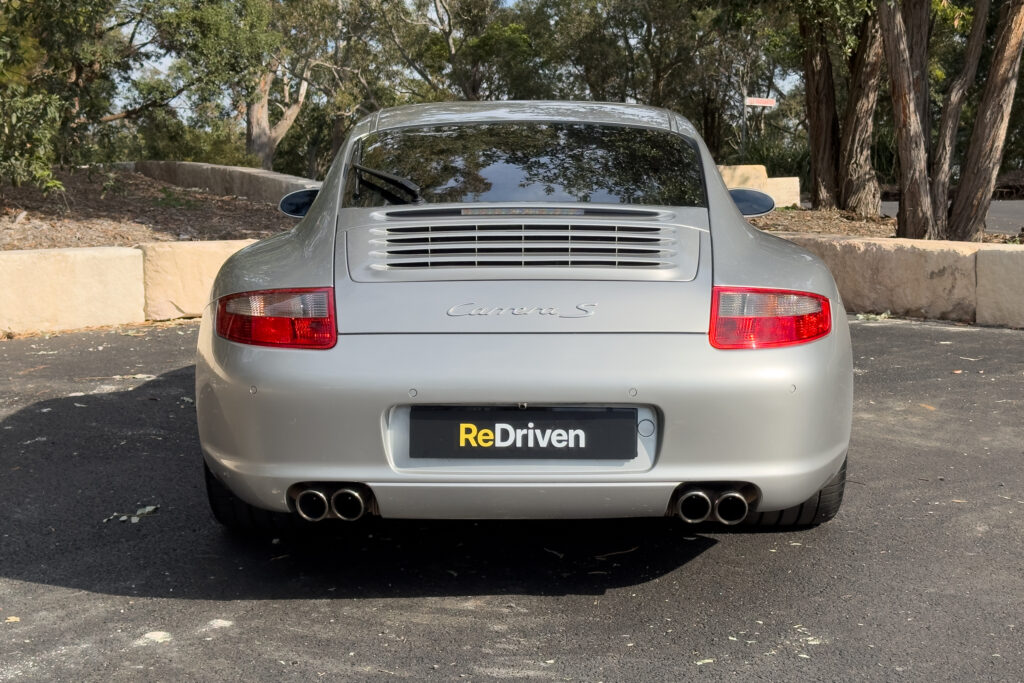
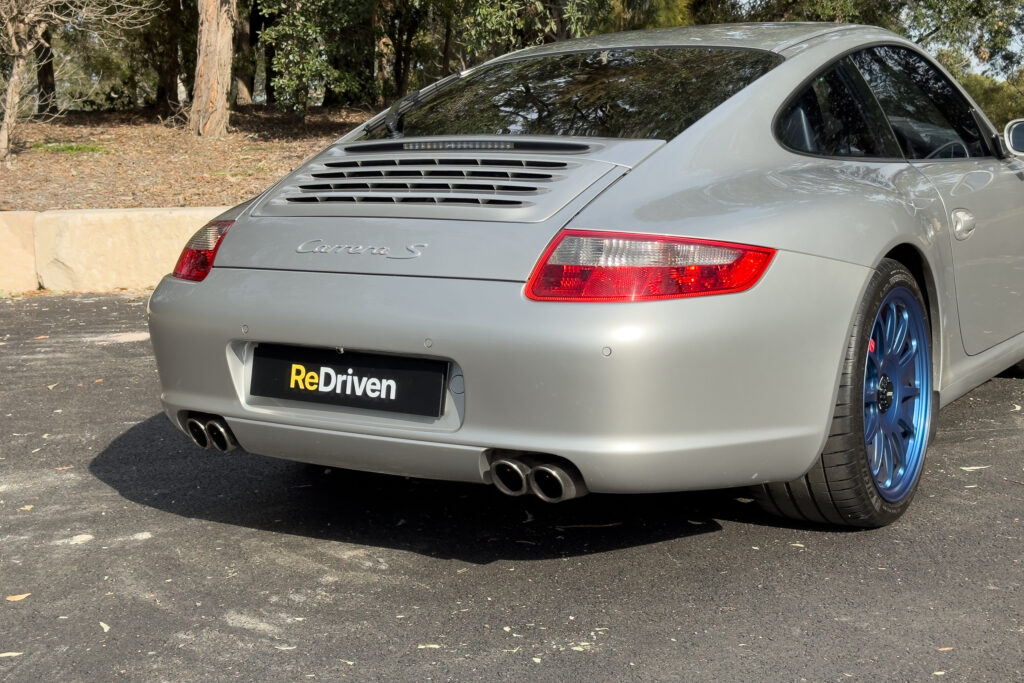
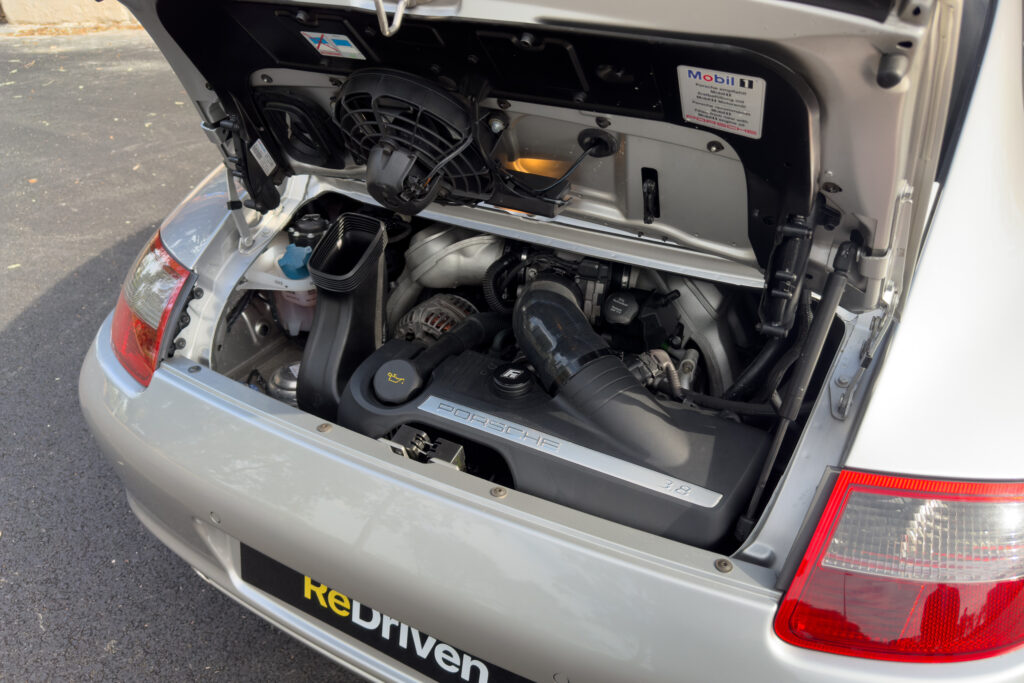

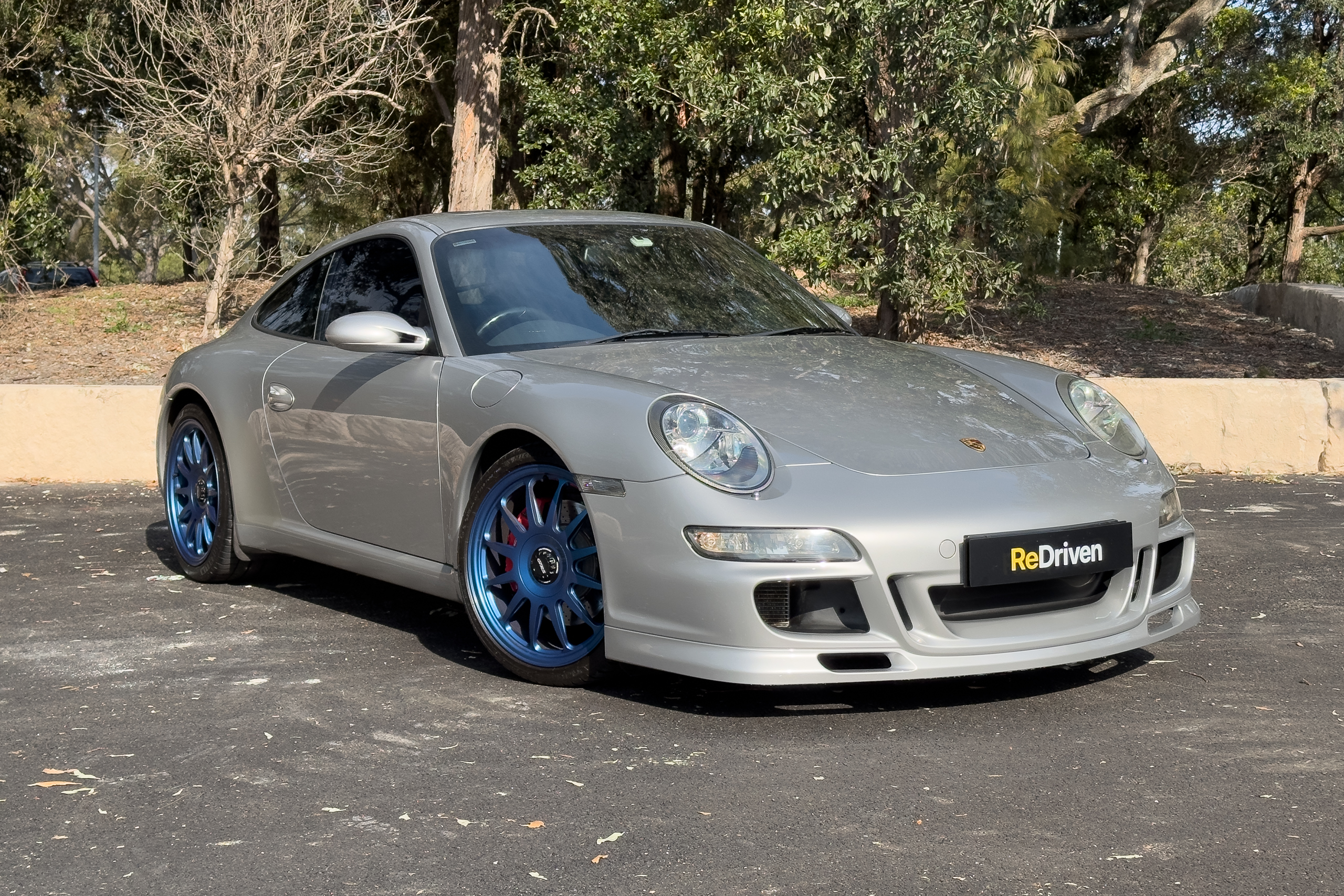
2005 Porsche 911 997.1 Carrera S

02 August 2024
Yes. But only the right example.

2005 Porsche 911 997.1 Carrera S

Used car review
02 August 2024
The 2005 to 2012 Porsche 997 series marks the sixth generation of the iconic Porsche 911. Available in narrow or wide-bodied variants, the 997 came in several body styles, including Targa, Cabriolet, and Coupe, depending on the specific model.
The 997 range is divided into two series: Series 1 (997.1, 2004-2008) and Series 2 (997.2, 2009-2013). While the two series appear almost identical visually, with only minor differences such as LED tail and daytime running lights and a few other aesthetic changes, significant mechanical revisions distinguish them.

Engines were heavily revised and improved, transmissions were updated, suspensions were recalibrated, and the overall package received substantial improvements.
The various models within the 997 range define different mechanical packages and levels of performance intent. For most enthusiasts, the Carrera or Carrera S models offer all the 911 experience one could need.
However, for those living in areas with frequent rain or snow, the Carrera 4 and 4S models, featuring wider bodies and all-wheel drive, might be more suitable.
For those with ample financial resources who appreciate understated styling and are less concerned about speeding tickets, the Turbo model is a perfect choice. For an even more exhilarating experience, the Turbo S takes it a notch higher.
If you value refined styling and exclusivity but still care about keeping your license, the Carrera GTS is worth considering.
Track enthusiasts who occasionally attend track days and take lap times seriously might opt for the GT3. For those who frequent track days and tie their self-worth to their lap times, the GT3 RS is the ideal choice. And for the truly daring who have little regard for their own well-being, the GT2 or GT2 RS models offer unmatched performance.
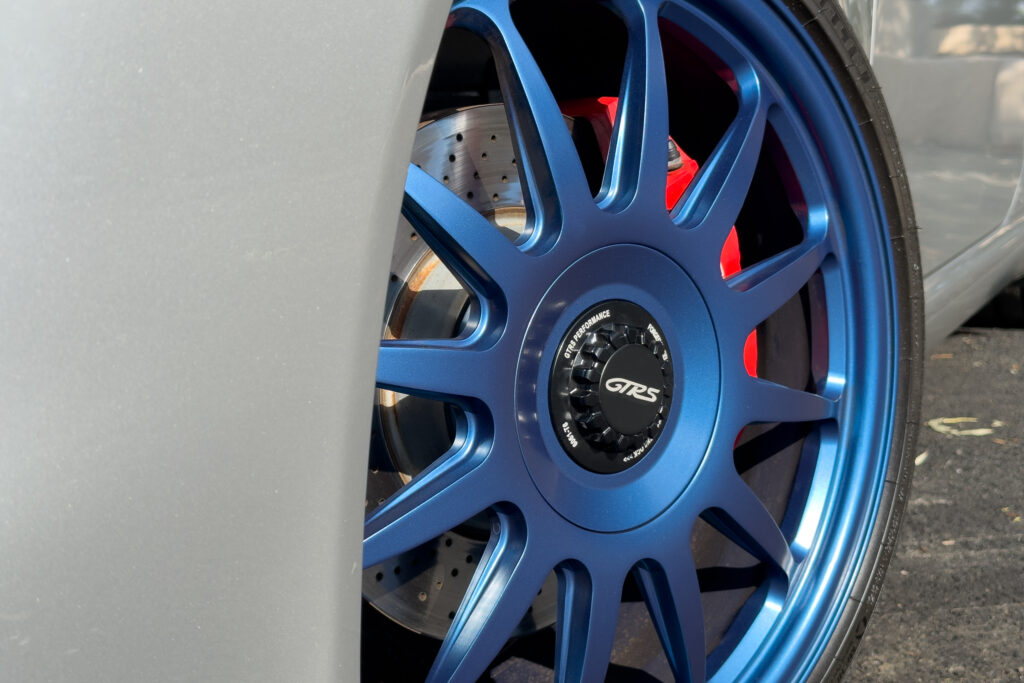
Porsche’s customisation options for the 997 series are extensive, with a wide array of optional extras, including the X51 Powerkit for S models, carbon ceramic brakes, and colour-coded leather-wrapped air vents.
Special edition models like the Sport Classic and Speedster add to the allure, with the GT3 RS 4.0 often regarded as one of the greatest cars of all time.
The 911 is renowned for its reliability and performance, especially in motorsport and track events. However, proper maintenance is crucial to avoid potential issues, and the cost of parts, labour, and general upkeep can be substantial.
Unfortunately, many used 997 examples may have missed critical maintenance, and the model has its fair share of idiosyncrasies.
For those interested in purchasing a 997, understanding what to look out for is essential to ensure a rewarding ownership experience.
Exterior:
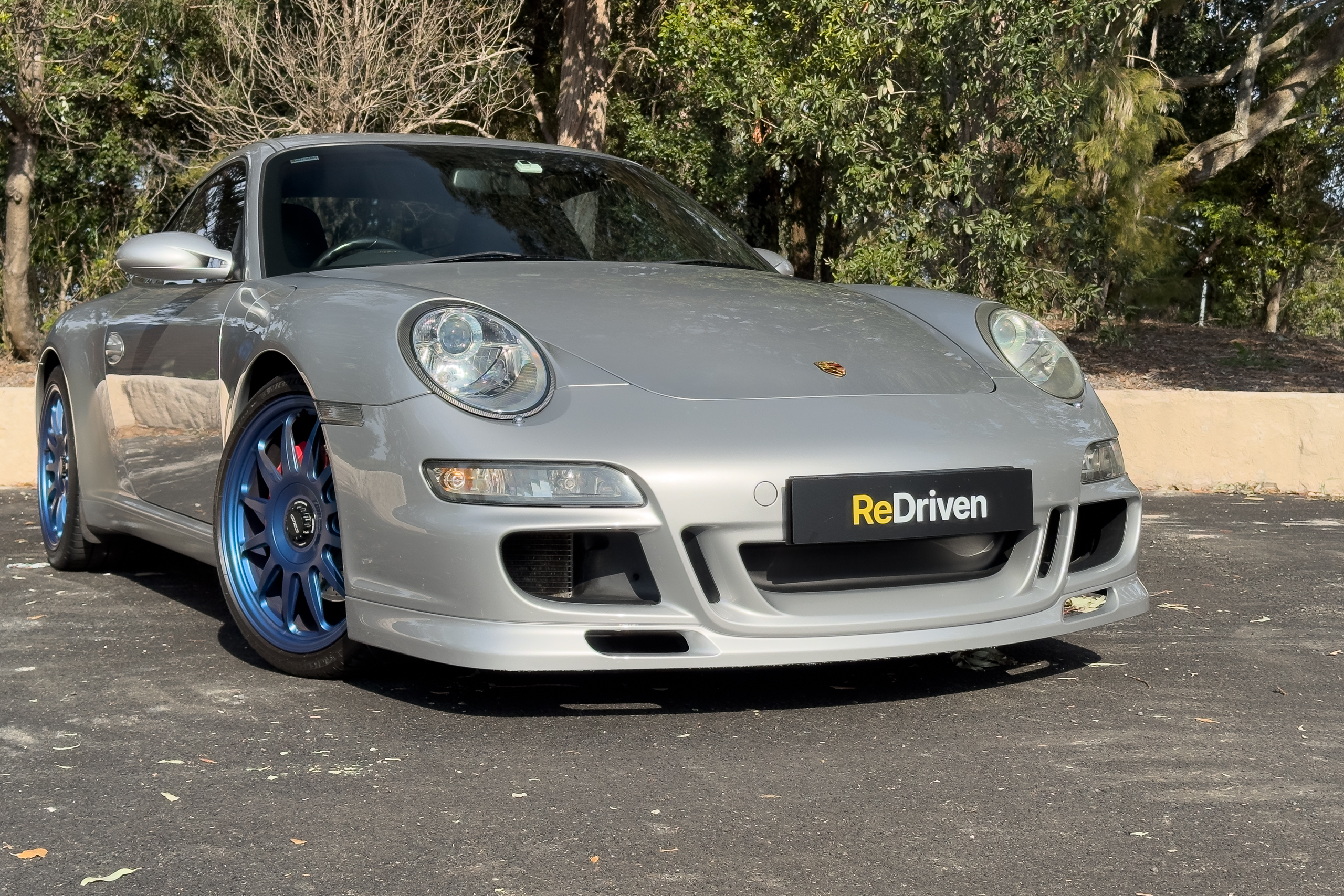
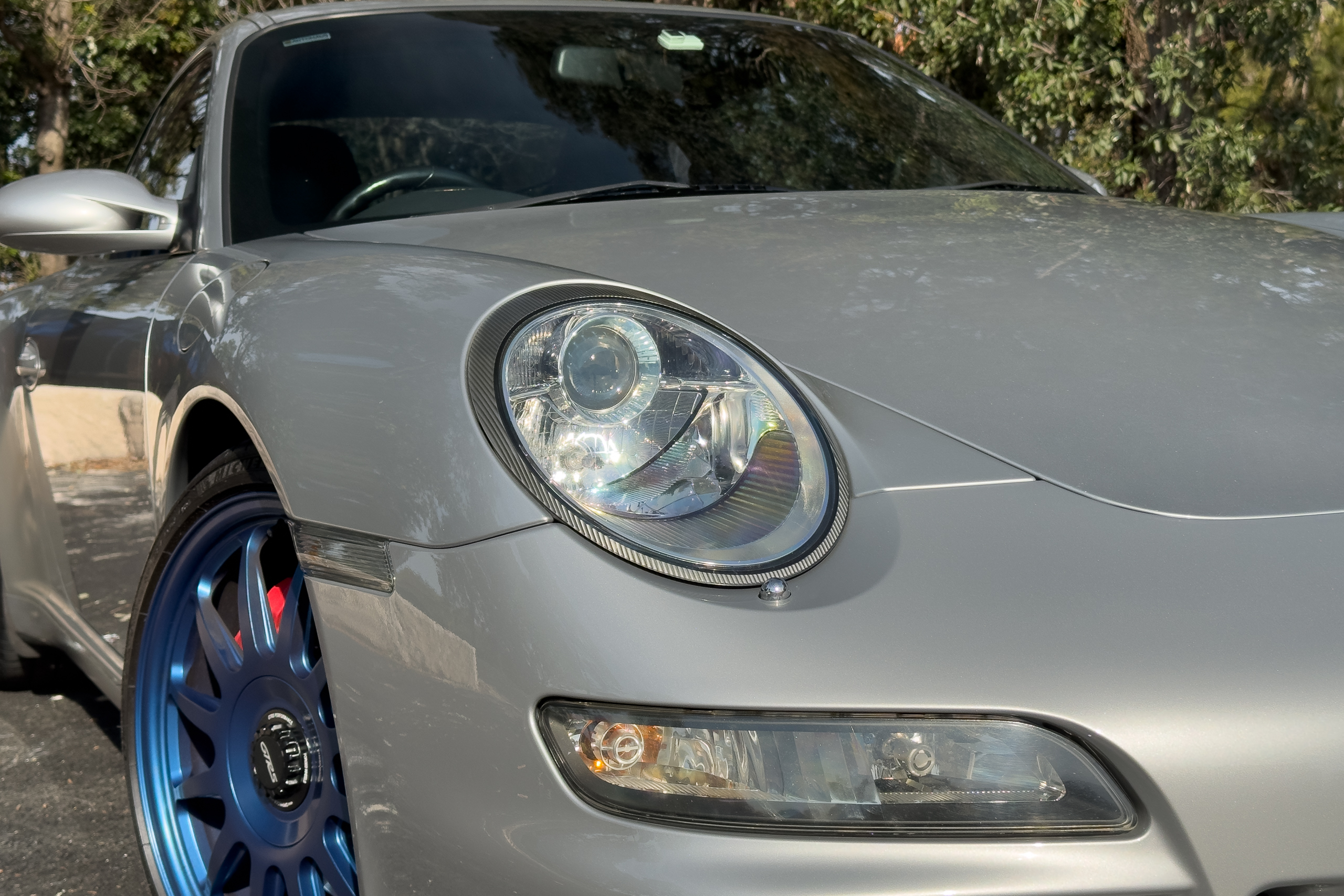
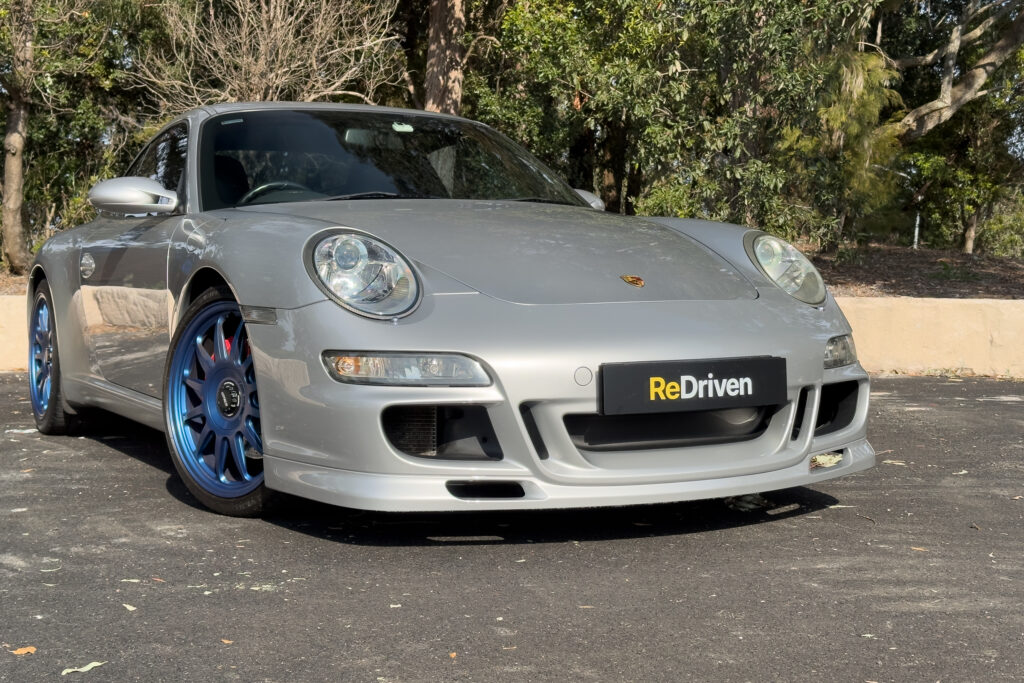
Behind the air intakes of the Porsche 997 series are the air conditioning condensers. These can become clogged with leaves and debris, leading to corrosion. Given that replacement parts for Porsches are expensive, it’s a good idea to frequently check and clean these areas.
Additionally, many 997 owners might have had the front bumper resprayed. Ensure that any repainting job has been done to a high standard, as lower-quality work can affect the car’s value and appearance.
When inspecting the vehicle, make sure all panel gaps are even, and that doors, trunks, and hoods open and close properly. Verify that the paint thickness is consistent across all body panels. The 997’s rear-engine layout means many have encountered accidents, so checking for signs of damage or poor repairs is crucial.
Issues with the power window regulator and switch are common, sometimes preventing the window from lowering slightly when the door is opened. This can lead to glass breakage. Fortunately, fixing this is often an easy and inexpensive DIY project, with plenty of tutorials available from owners’ groups.
For Targa models, check for creaks or rattles when opening and closing the roof or driving over uneven surfaces. In Cabriolet models, ensure the roof mechanism operates smoothly, without unusual noises, and that the car locks correctly with the roof open or closed.
Look for signs of leaks on all opening roof 997, especially behind the seats, as blocked rear roof drains can cause water to drip into the cabin, potentially damaging the electronics.
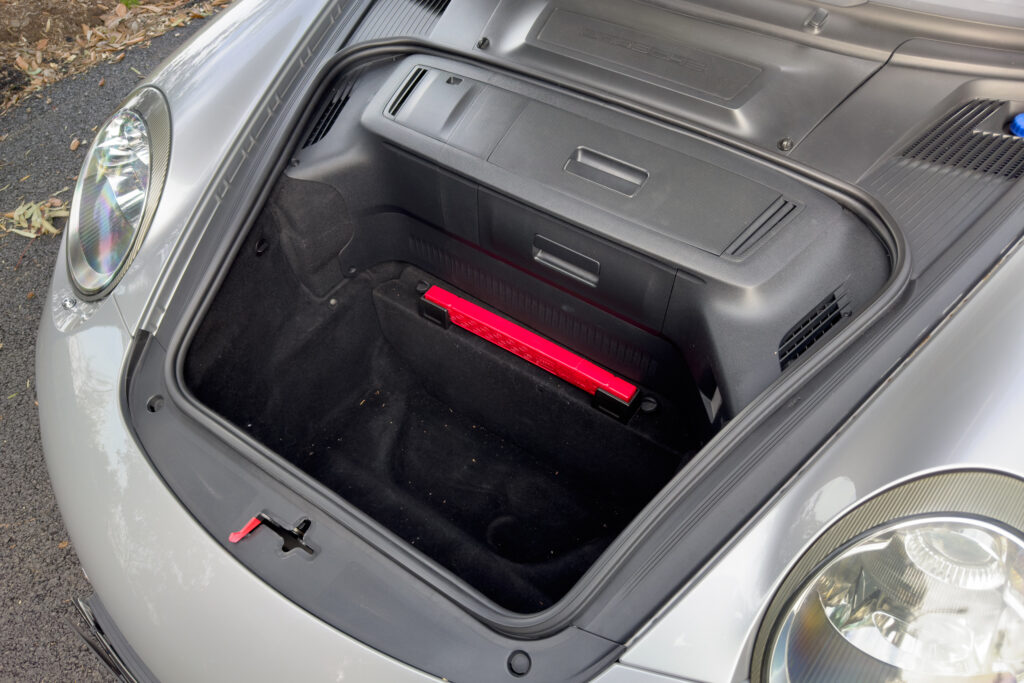
Also, ensure the bonnet opening mechanism functions properly, as some owners have reported issues with the actuator.
For 997.2 models, be aware of potential water or condensation buildup in the taillights. While new taillights are expensive, you might find used ones from other 997.2 models at a lower cost.
Interior:
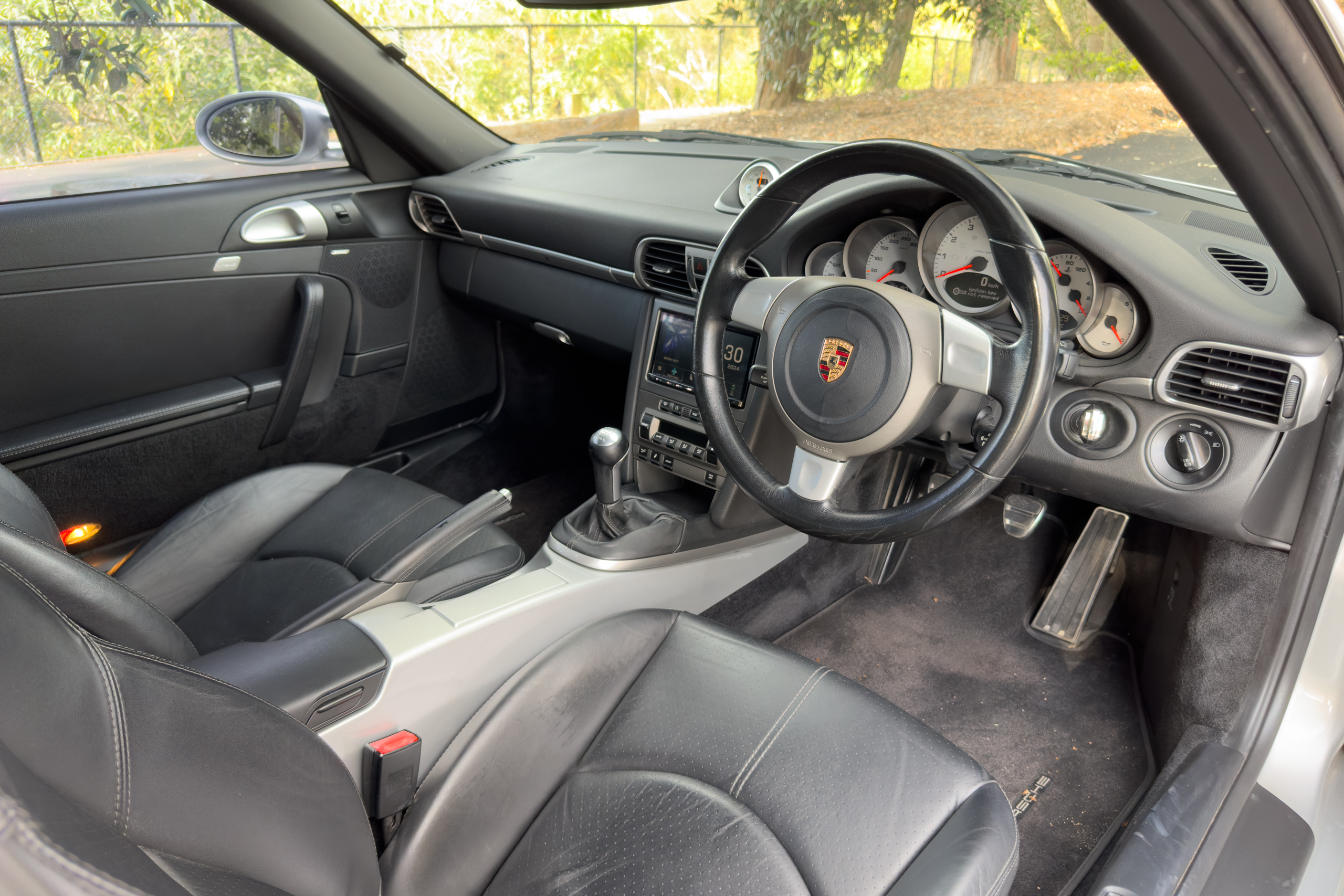
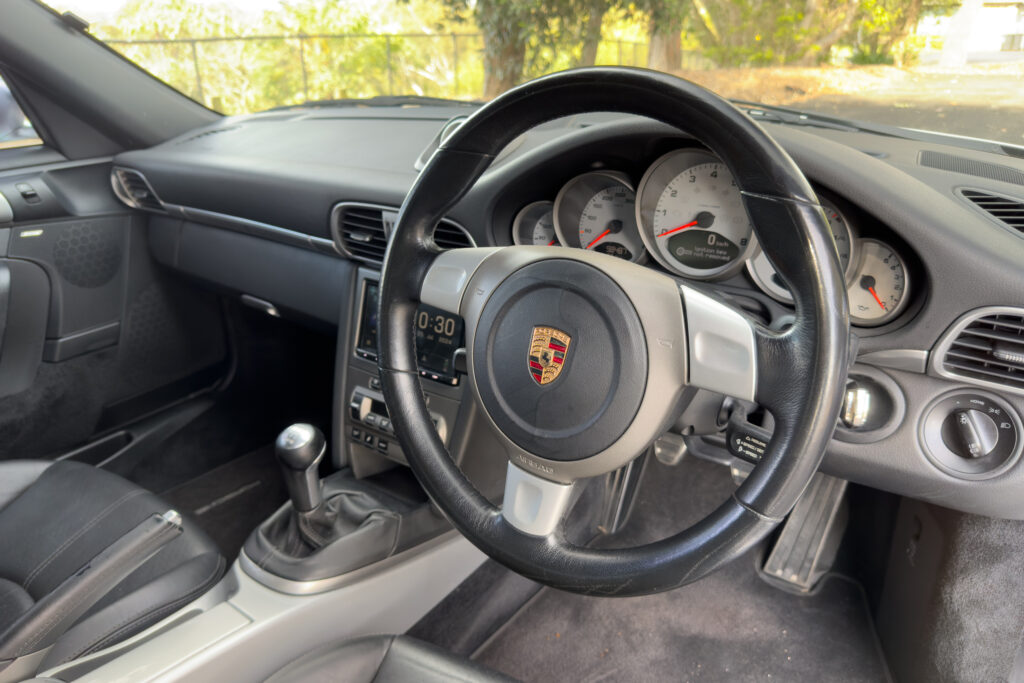
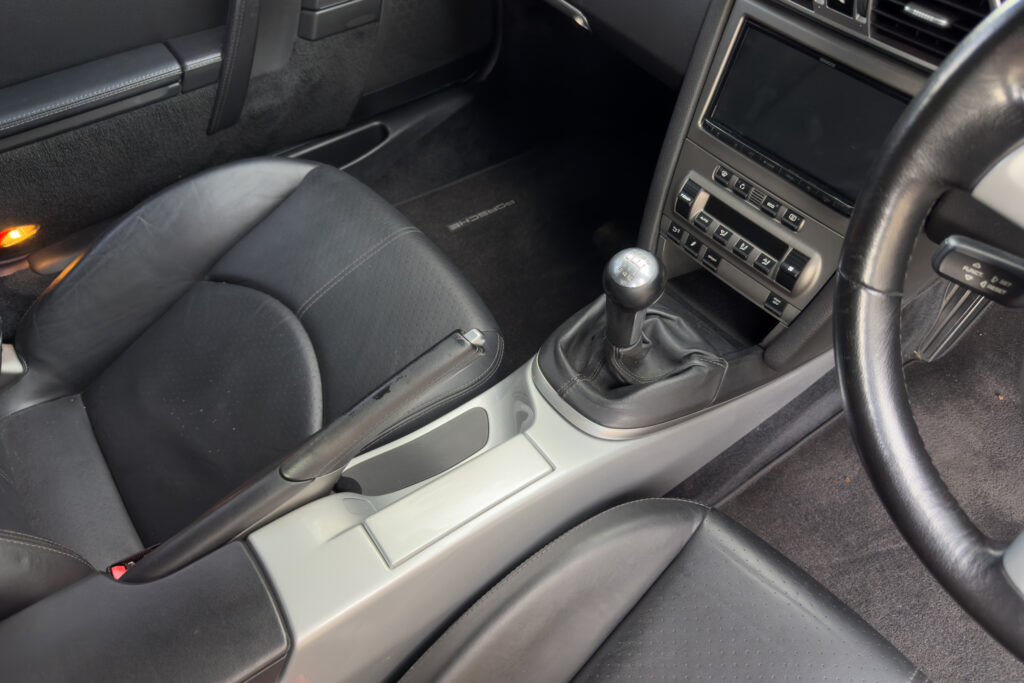
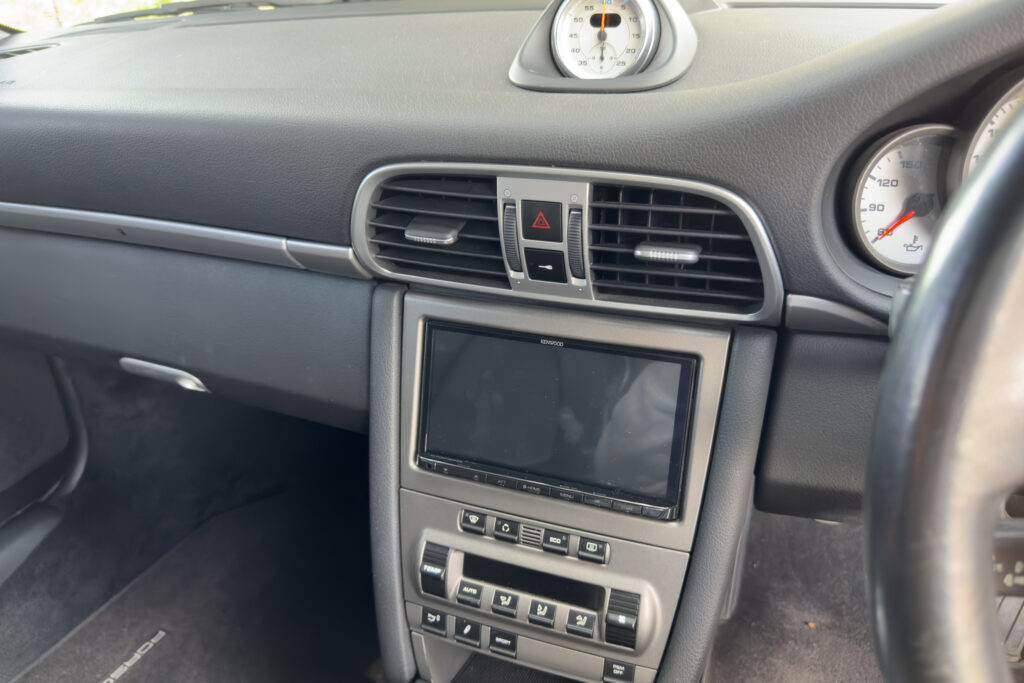
Inside the Porsche 997, a common issue is the rubber coating on certain switches and the centre panel wearing away. This “devulcanizing” doesn’t affect functionality but can look and feel unpleasant.
Additionally, the infotainment system in the 997.1 is outdated despite having Bluetooth. The 997.2 improved on this but still shows its age.
Porsche offers an official retrofit infotainment system with Apple CarPlay and Android Auto, which, despite its $3000+ price tag, is worth considering for its functionality and support.
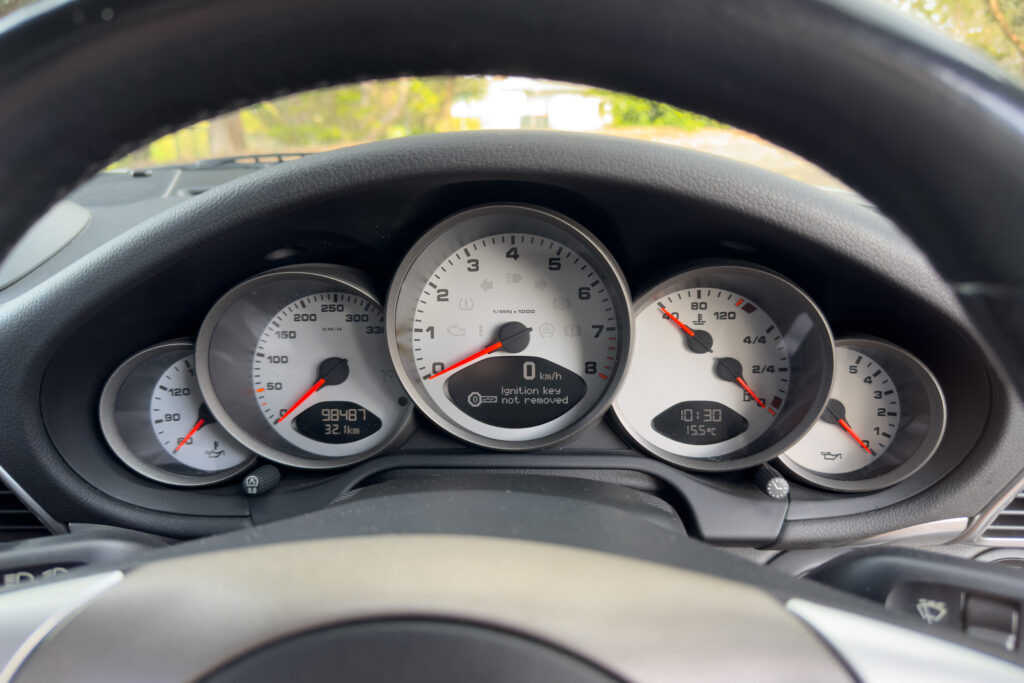
Check that all buttons and switches work as intended. While no major electrical issues are common, there are reports of power seats, window, and mirror switches occasionally failing. These problems are generally easy to fix but worth checking.
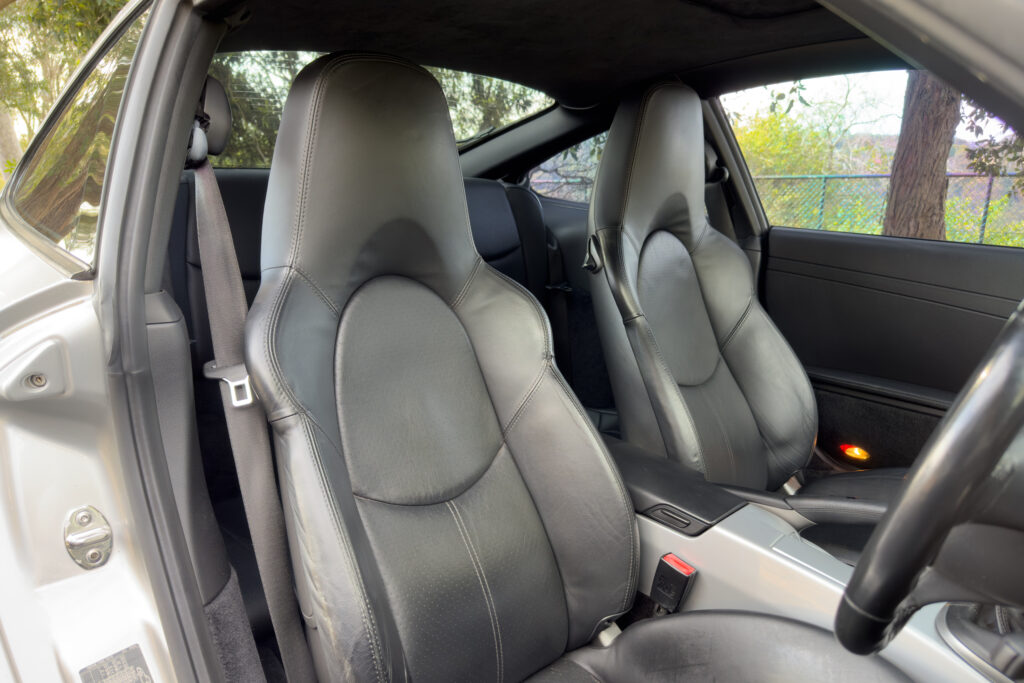
Porsche used high-quality leather in the 997, but it’s not the most durable. Cracking and tearing, especially on the entry side bolsters, can occur if not properly cared for. Reupholstering to Porsche standards can be costly, but it will restore the interior to its original quality.
Mechanically:
One of the most notorious issues with early 997 models is the IMS (intermediate shaft) bearing failure, which can cause catastrophic engine damage. However, this problem is relatively rare and often overhyped.
Many cars have had the bearing replaced and upgraded as a preventive measure, reducing the likelihood of failure. Regular oil changes (every 5000 km) and occasional high-RPM driving can further mitigate this risk.
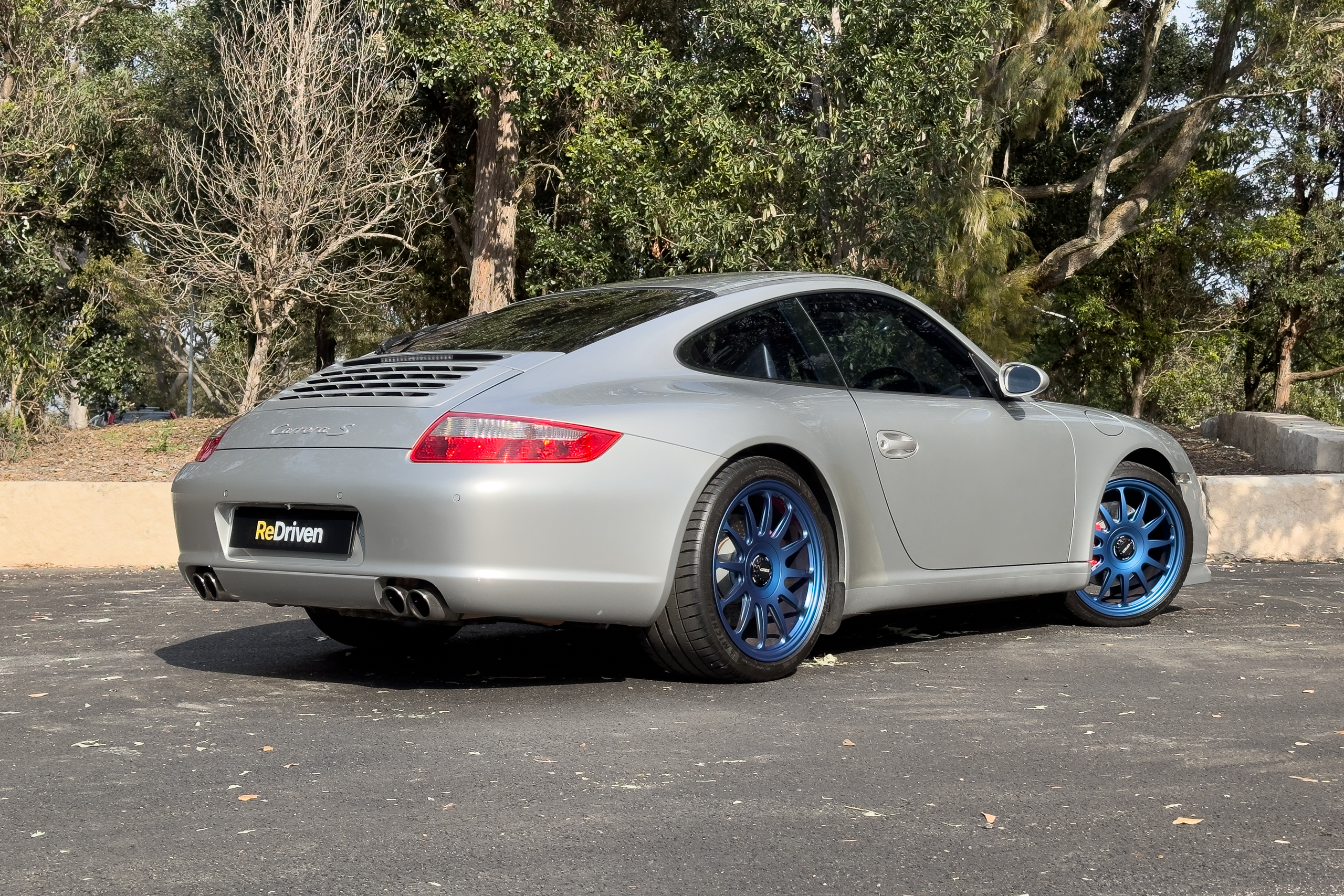
Bore scoring, leading to increased oil consumption, is another concern, although often overblown, it primarily affects early models. It can sometimes be identified by soot around the left tailpipe.
The 997.2 models feature updated and improved engines, significantly reducing the earlier incarnations’ potential issues. However, oil leaks can be common in both iterations, with the rear main seal and spark plug tubes being typical culprits.
The air-oil separator (AOS) and related plumbing can also be problematic, often indicated by smoke on startup, but these issues are relatively inexpensive to fix.
Coolant leaks are becoming more common, particularly from expansion tanks, pressure caps, and water pumps.
The radiators and hoses can also suffer damage, leading to leaks.
Coolant crossover pipes often leak, requiring the front subframe to be lowered for access, a labour-intensive job. The car has approx 35 coolant hoses, and replacing those affected by oil contamination from a head gasket leak can be very costly.
The tandem pump (vacuum and scavenge) can also leak or fail, especially in wet climates where it can rust.
Early Tiptronic transmissions, though unpopular among purists, are generally reliable.
The PDK transmission is also reliable but expensive to repair if issues arise.
The manual transmission is preferred by enthusiasts, but maintenance is crucial to ensure its longevity.
Brakes on the 997 series wear quickly, especially when driven hard, as designed. Replacements will obviously ask a premium.
Suspension components, such as control arm bushes, need replacing every 40,000-60,000 km.
A thorough pre-purchase inspection by a Porsche specialist is absolutely essential for any 997, and maintaining the vehicle’s provenance is critical for retaining or appreciating its value as a classic.
It might seem like a bold claim, but the 997 generation of the Porsche 911 could very well be the best 911 ever made, and by extension, one of the best sports cars ever produced.
When considering a purchase of such a vehicle, it is crucial to have a comprehensive pre-purchase inspection carried out, preferably by a Porsche specialist. If the car passes all checks and any potential issues have been addressed, should you buy one? Absolutely. But why choose the Carrera S over the other models?
For most people, models like the GT3, GT2, and RS are now so unattainable that they are rarely driven as intended. These high-performance variants have become more valuable as appreciating assets within investment portfolios rather than as cars to be pushed to their limits at every opportunity.
The Turbo model might be tempting, but on Australian roads, it’s simply too fast to exploit its full capabilities without risking your license or your car due to strict road rules and law enforcement.
While the Carrera 4 and 4S offer brilliant performance, the all-wheel-drive grip they provide is often unnecessary in a climate like Australia’s, especially considering how capable the Carrera S already is.
This leaves us with the standard Carrera, which, in all honesty, is more than enough for most enthusiasts. However, the slightly spicier Carrera S enhances both performance and ego satisfaction.
Knowing you have that little extra bit of power and ability can make the ownership experience all the more enjoyable, while not fighting off more than you need to chew.


Co-creator, presenter & writer, ReDriven

Yes. But only the right example.

 1 month ago
 2 months ago
 2 months ago